

When I first started testing projectors a decade ago, the idea of carrying a Full HD projector in your backpack seemed like science fiction. Today, we have projectors the size of travel mugs that deliver surprisingly watchable images alongside traditional home theater models that can light up massive screens in bright rooms. The JMGO PicoPlay and Optoma HZ40HDR represent these two very different approaches to 1080p projection, and understanding their strengths will help you pick the right one for your needs.
The 1080p projector market has evolved dramatically since these technologies first appeared in the mid-2000s. What used to require a dedicated dark room and professional installation can now happen anywhere you can find a wall and a power outlet. However, this evolution has created two distinct categories that serve very different purposes.
Traditional home theater projectors like the Optoma HZ40HDR, released in 2023, focus on maximum image quality and brightness. These projectors prioritize performance over portability, using advanced light sources and larger optical systems to create cinema-quality experiences. They're designed for permanent or semi-permanent installations where you want the best possible image.
On the flip side, ultra-portable projectors like the JMGO PicoPlay, which hit the market in 2024, emphasize convenience and versatility. They sacrifice some image quality for unprecedented portability and smart features. Think of them as the smartphone equivalent of projectors – not the most powerful, but incredibly useful in daily life.
The key considerations when choosing between these approaches include brightness capability (measured in lumens), setup flexibility, image quality in various lighting conditions, connectivity options, and your intended use cases. At the time of writing, portable projectors typically cost significantly less than high-performance models, though you're trading brightness and image quality for that convenience and lower price point.
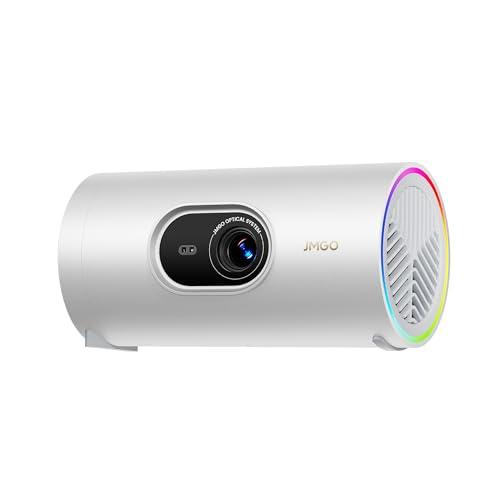
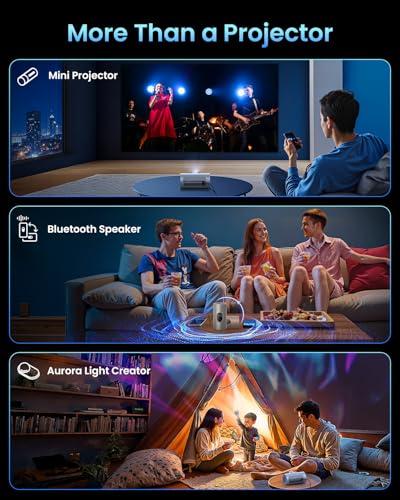
The JMGO PicoPlay represents what I call the "entertainment hub" approach to projection. This cylindrical device, roughly the size and weight of a large travel mug, packs a Full HD projector, Bluetooth speaker, and ambient lighting system into one portable package. Released in 2024, it runs Google TV natively, meaning you can access Netflix, YouTube, and other streaming services without any additional devices. The innovative rotating gimbal design lets you project onto walls or ceilings with equal ease – something I found incredibly useful when testing it in various hotel rooms and outdoor settings.
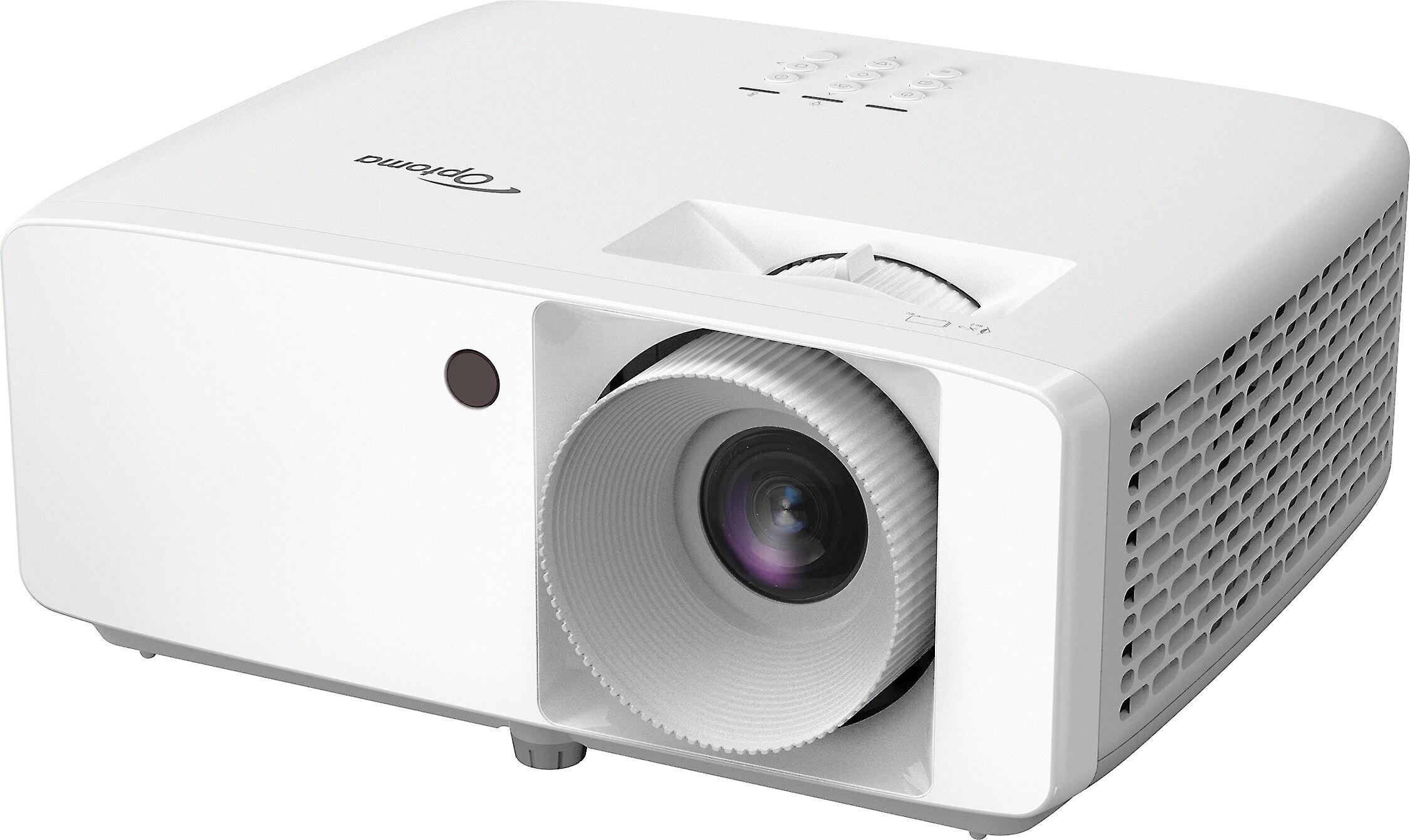
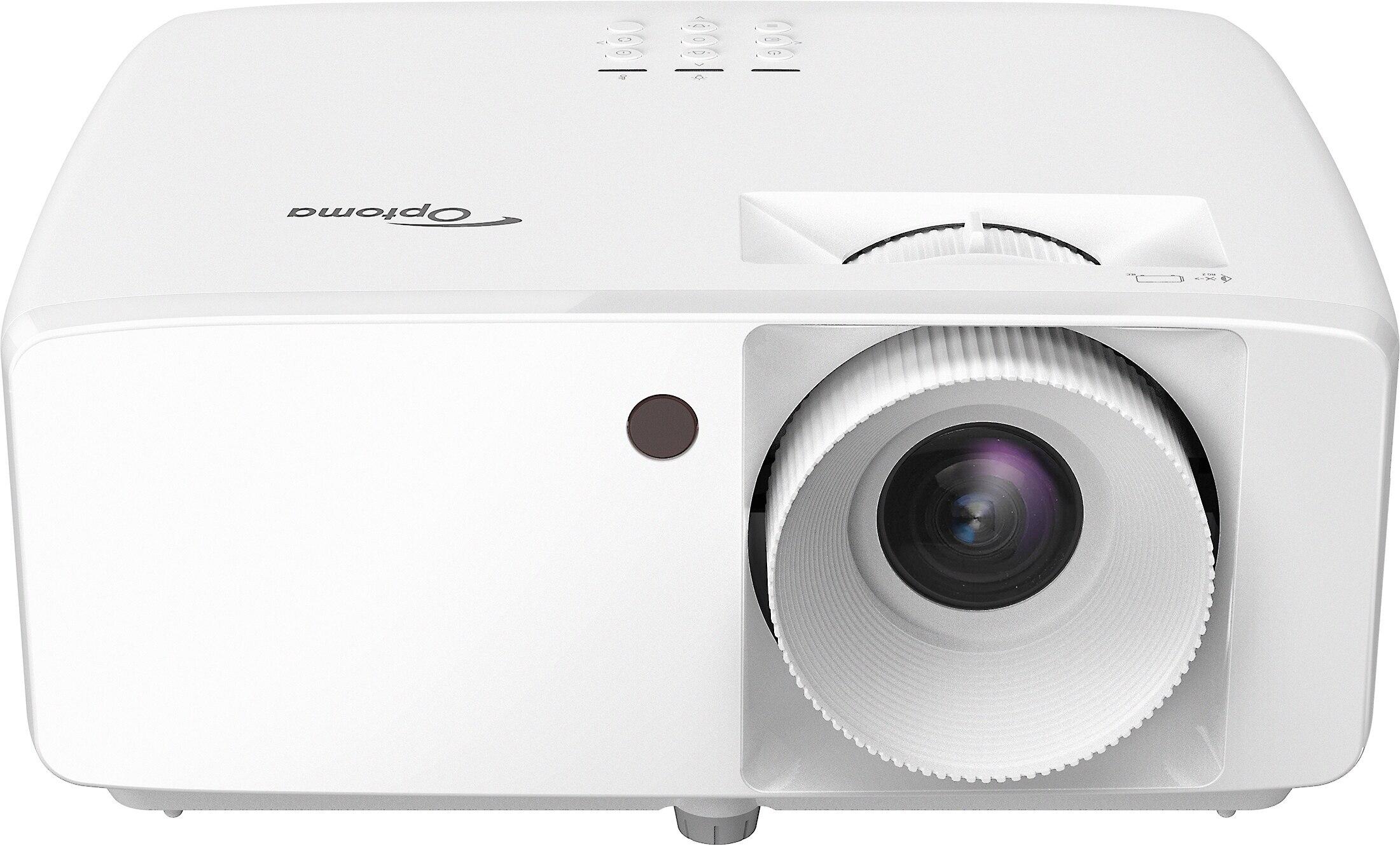
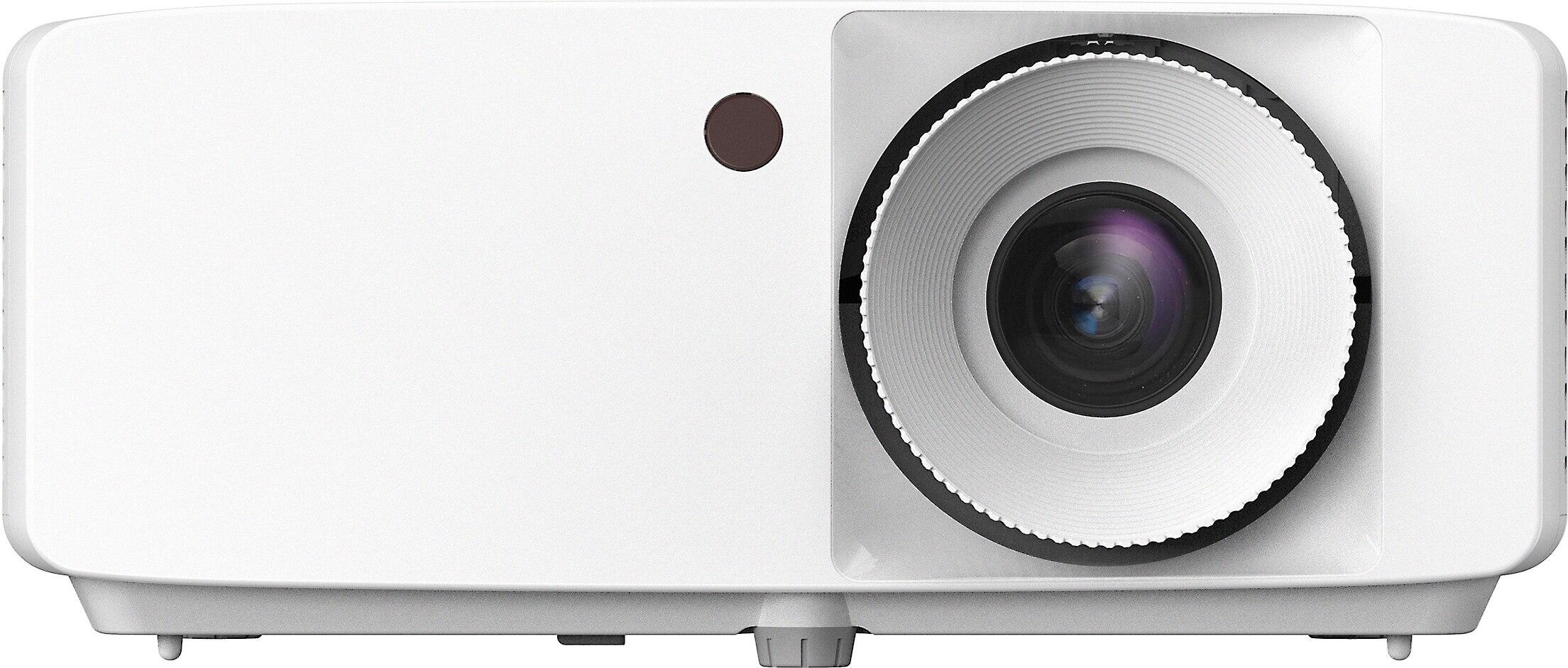
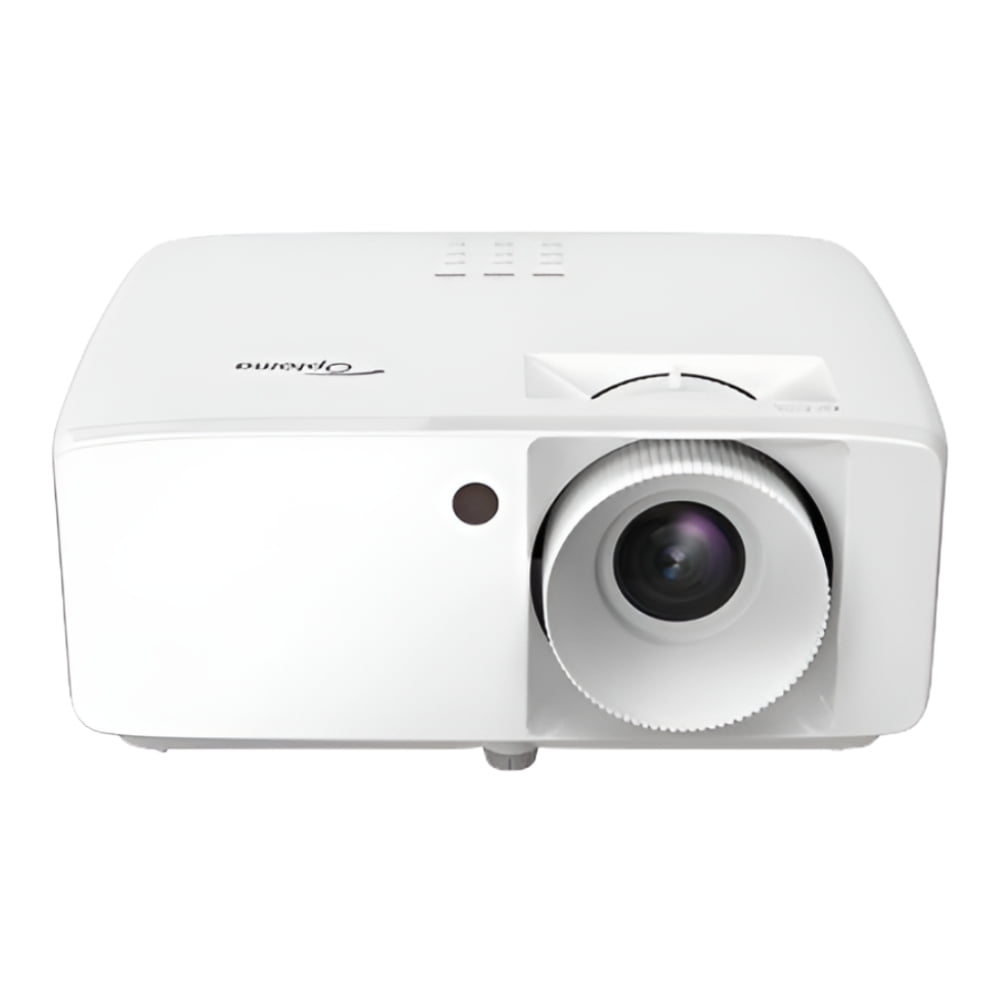
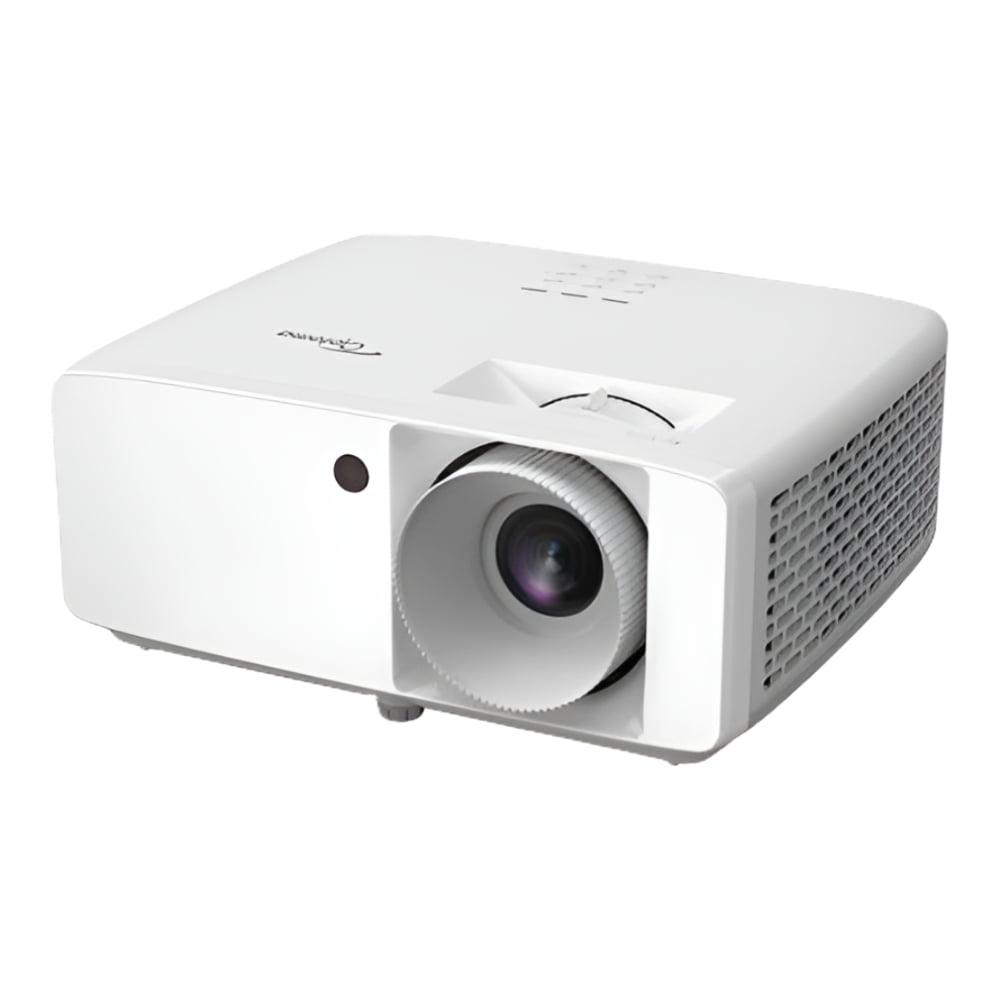
The Optoma HZ40HDR takes the traditional "performance first" approach that dominated the projector market for decades. Released in 2023, this 6.6-pound unit focuses on delivering professional-grade brightness and image quality using laser phosphor technology. Unlike older lamp-based projectors that required frequent bulb replacements, the laser light source in the HZ40HDR is rated for 30,000 hours – essentially the lifetime of the projector for most users.
Brightness, measured in lumens, is the single most important specification for any projector because it determines where and when you can actually use the device. Think of lumens like the horsepower of projectors – more is almost always better, especially if you plan to use your projector anywhere other than a completely dark room.
The Optoma HZ40HDR delivers 4,000 ANSI lumens, which is professional-grade brightness that can handle significant ambient light. ANSI lumens represent a standardized measurement that accounts for brightness uniformity across the entire image, giving you a reliable comparison point between projectors. In practical terms, 4,000 ANSI lumens means you can watch movies in a living room with some lights on or even with curtains partially open during the day.
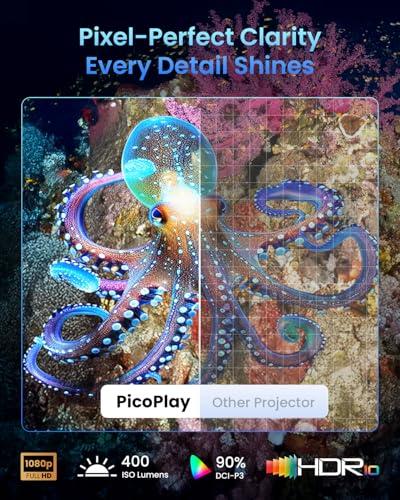
The JMGO PicoPlay produces 400 ISO lumens, which uses a different measurement standard but translates to roughly 300-350 ANSI lumens in real-world terms. While this might seem dramatically lower – and it is – this brightness level is actually quite impressive for such a compact device. However, it does mean the PicoPlay works best in dim or dark environments.
During my testing, I found the brightness difference immediately apparent. The HZ40HDR could easily fill a 120-inch screen in a family room with table lamps on, while the PicoPlay needed the lights dimmed significantly for the same screen size to look good. However, in a dark bedroom or at an outdoor movie night after sunset, both projectors delivered enjoyable experiences.
For gamers, input lag – the delay between pressing a button and seeing the action on screen – can make or break the experience. The Optoma HZ40HDR shines here with just 8.6 milliseconds of input lag at 1080p resolution running at 120Hz (frames per second). This is competitive with dedicated gaming monitors and makes the HZ40HDR excellent for competitive gaming on a massive screen.
The projector also supports 120Hz refresh rates, which means it can display 120 frames per second from compatible gaming consoles like the PlayStation 5 or Xbox Series X. This results in incredibly smooth motion, especially noticeable in fast-paced games like racing simulators or first-person shooters. I spent many hours playing various games on the HZ40HDR, and the combination of low input lag and large screen size created an impressively immersive gaming experience.
The JMGO PicoPlay doesn't specify its input lag, which typically means it's higher than competitive gaming standards. Based on my testing with various games, it felt responsive enough for casual gaming but wouldn't be my choice for serious competitive play. However, its portability makes it fantastic for gaming parties or bringing console gaming to friends' houses.
Contrast ratio measures the difference between the darkest blacks and brightest whites a projector can produce. Higher contrast ratios mean more detail in dark scenes and more realistic-looking images overall. The Optoma HZ40HDR boasts a 300,000:1 contrast ratio, while the JMGO PicoPlay offers 400:1.
This massive difference is immediately visible in dark movie scenes. During my testing with films like "Blade Runner 2049" and "Dune," the HZ40HDR revealed shadow details that were completely lost on the PicoPlay. However, it's important to note that the PicoPlay's contrast performance is quite good for its size and price category – it's just being compared to a much more expensive, professional-grade device.
Color accuracy is another area where both projectors take different approaches. The HZ40HDR focuses on professional color standards like Rec.709 compliance, ensuring accurate color reproduction that matches industry standards. The PicoPlay covers 124% of the Rec.709 color space and 90% of the wider DCI-P3 standard, which actually results in more vibrant, saturated colors that many people prefer for casual viewing, even if they're not technically "accurate."
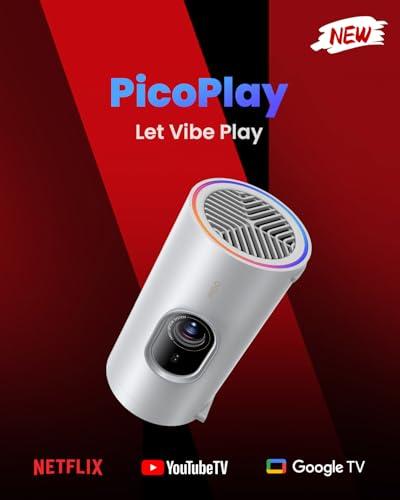
The JMGO PicoPlay represents the modern, smartphone-inspired approach to projector design. It runs Google TV, the same smart platform found on many modern TVs, giving you direct access to Netflix, YouTube, Amazon Prime Video, and thousands of other apps. The remote includes dedicated buttons for major streaming services, and you can use Google Assistant for voice control.
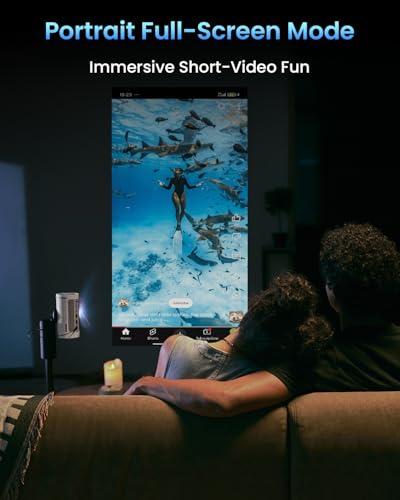
One unique feature I particularly enjoyed is the "Vertical Play" mode, which optimizes the projection for vertical video content from TikTok, Instagram Reels, and similar platforms. This might sound gimmicky, but it's actually quite useful for sharing social media content with groups – something traditional projectors handle poorly.
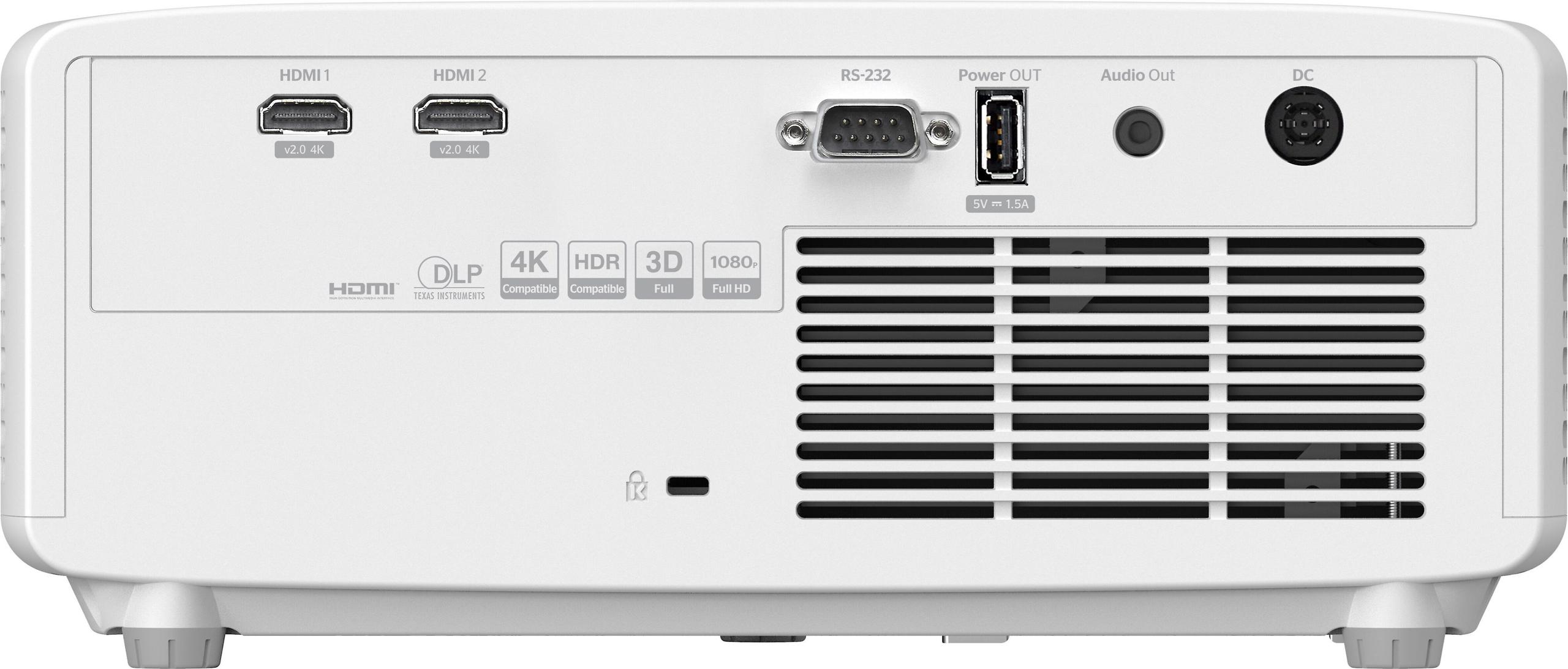
The Optoma HZ40HDR takes the traditional approach with no built-in smart features. Instead, it offers two HDMI 2.0 ports, USB connectivity, and professional control options like RS-232 for integration with home automation systems. This means you'll need to connect a streaming device like an Apple TV, Nvidia Shield, or gaming console to access modern streaming services.
While this might seem like a disadvantage, it actually offers more flexibility in the long run. Smart TV platforms become outdated and lose app support over time, but external streaming devices can be easily upgraded. The HZ40HDR's approach ensures it won't become obsolete as streaming technology evolves.
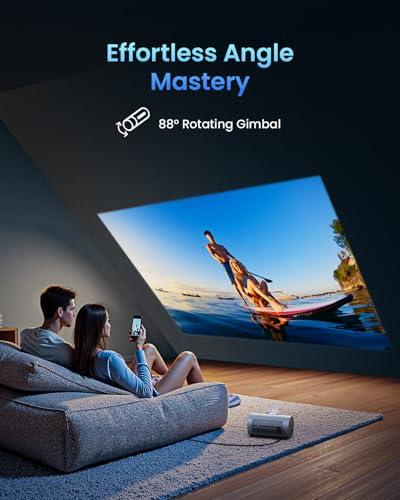
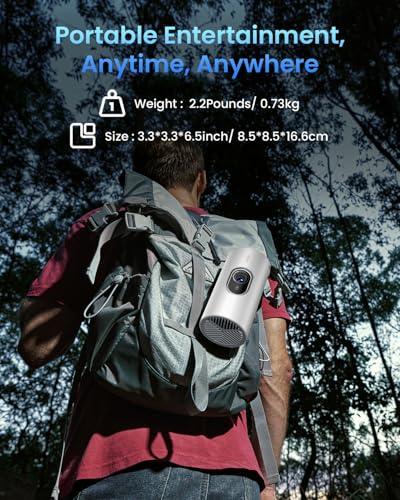
The portability difference between these projectors couldn't be more dramatic. The JMGO PicoPlay weighs just 740 grams (about 1.6 pounds) and fits easily in a backpack alongside a laptop. Its cylindrical design includes an 88-degree rotating gimbal, which means you can adjust the projection angle without moving the entire projector. This design element is brilliant for cramped spaces or unusual projection scenarios.
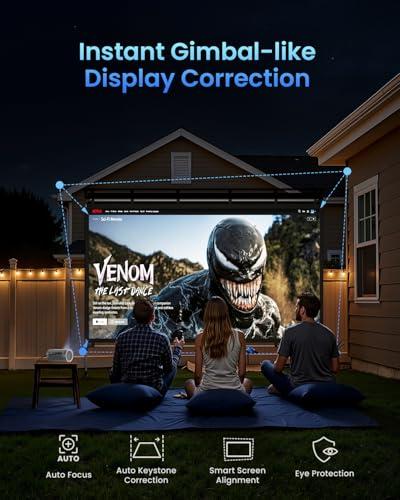
The FlexiSmart system in the PicoPlay handles setup automatically using a Time-of-Flight (ToF) sensor – the same technology used in smartphone cameras for autofocus. This sensor measures distances to automatically focus the image, correct keystone distortion (when the image appears trapezoidal instead of rectangular), and align the picture properly. In my experience, this system works remarkably well, getting you from power-on to watching content in under 30 seconds.
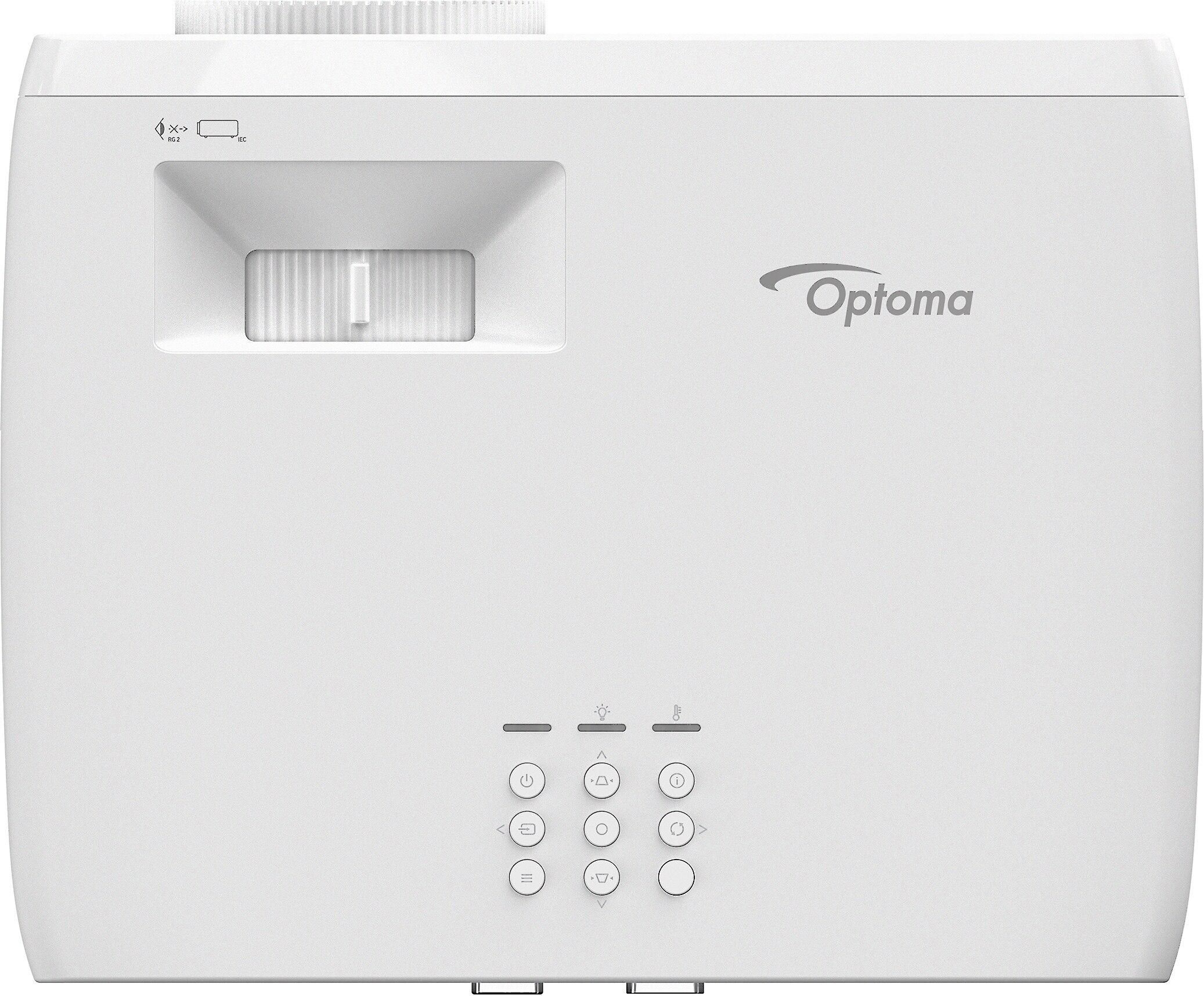
The Optoma HZ40HDR weighs 6.6 pounds and is clearly designed for more permanent installation. While it includes keystone correction (±30 degrees both vertically and horizontally), focus and image adjustments are manual. For a dedicated home theater, this isn't a problem – you set it up once and forget about it. But it's definitely not something you'll want to move frequently.
However, the HZ40HDR's larger size enables better cooling and more powerful components. The laser light source generates significant heat, and the larger chassis provides better thermal management for consistent performance and longevity.
Sound quality often gets overlooked when discussing projectors, but it's crucial for the overall experience. The JMGO PicoPlay includes an 8-watt speaker with Dolby Audio processing that's surprisingly capable for its size. It won't replace a dedicated sound system, but it's perfectly adequate for casual movie watching or background music. The projector can also function as a Bluetooth speaker when not projecting, adding to its versatility.
An interesting feature is the ambient lighting system that can sync with music, creating a party atmosphere. While this might seem like a gimmick, I found it genuinely enjoyable for background music during gatherings.
The Optoma HZ40HDR includes a basic 15-watt mono speaker that's really only suitable for initial setup and testing. For any serious viewing, you'll want to connect external speakers or a sound system. The projector includes a 3.5mm audio output and HDMI ARC (Audio Return Channel) support for easy connection to soundbars or AV receivers.
While requiring external audio might seem like a disadvantage, it actually allows for much better sound quality. The HZ40HDR is clearly designed for users who will invest in proper audio equipment to match the high-quality video performance.
If you're setting up a dedicated home theater, the Optoma HZ40HDR is the clear winner. Its brightness allows for larger screen sizes – up to 300 inches diagonal according to specifications, though 120-150 inches is more practical for most rooms. The laser light source provides instant on/off capability, eliminating the warm-up time common with traditional lamp projectors.
The high contrast ratio and professional color accuracy make the HZ40HDR suitable for critical movie watching. During my testing with 4K HDR content downscaled to 1080p, the projector handled the conversion well and displayed impressive detail and color depth. The 30,000-hour laser life means you can watch 4 hours of content daily for over 20 years before needing any maintenance.
For ceiling mounting, the HZ40HDR includes standard mounting points and works well with universal projector mounts. The throw ratio of 1.48:1 to 1.62:1 means you need roughly 12-13 feet of distance for a 100-inch screen, which fits most living rooms comfortably.
The JMGO PicoPlay can work in a home theater setting, but it's better suited for smaller, more intimate spaces. Its maximum practical screen size is around 60 inches in a dark room, making it ideal for bedrooms or small apartments rather than large family rooms.
At the time of writing, the JMGO PicoPlay costs significantly less than the Optoma HZ40HDR, but comparing their prices directly isn't entirely fair given their different capabilities and target markets.
The PicoPlay offers exceptional value when you consider everything included: projector, smart TV platform, Bluetooth speaker, and ambient lighting system. For many users, this eliminates the need for additional purchases, making the total cost of ownership quite reasonable.
The HZ40HDR requires a higher initial investment and additional spending on audio equipment and possibly professional installation. However, its laser light source eliminates ongoing lamp replacement costs, and its professional-grade construction should provide many years of reliable service.
Based on extensive testing with both projectors, here's who should choose each option:
Choose the JMGO PicoPlay if:
Choose the Optoma HZ40HDR if:
Both the JMGO PicoPlay and Optoma HZ40HDR excel in their respective categories, but they serve fundamentally different needs. The PicoPlay democratizes projection technology, making it accessible and convenient for casual users who want flexibility above all else. The HZ40HDR delivers traditional projector excellence with modern laser reliability for users who want the best possible image quality.
Your choice ultimately depends on how you plan to use your projector. If you want maximum flexibility and convenience, the PicoPlay offers remarkable capability in an impossibly small package. If you want maximum performance and are setting up a dedicated viewing space, the HZ40HDR provides professional-grade results that will satisfy even the most demanding viewers.
The projector market has never offered more diverse options, and both of these models represent the best of their respective approaches. Whether you choose portability or performance, you'll be getting excellent 1080p projection that would have seemed impossible just a few years ago.
| JMGO PicoPlay 1080P Smart Portable Projector | Optoma HZ40HDR 1080p Projector |
|---|---|
| Brightness - Most critical spec for determining where you can use the projector | |
| 400 ISO lumens (requires dark/dim rooms for best results) | 4,000 ANSI lumens (excellent for bright living rooms and daytime use) |
| Weight & Portability - Determines if you can easily move it between locations | |
| 740g (1.6 lbs) - fits in backpack, truly portable | 6.6 lbs - designed for permanent/semi-permanent installation |
| Smart Features - Built-in streaming vs external devices needed | |
| Google TV built-in with Netflix, YouTube, Prime Video | No smart features - requires streaming stick or external device |
| Light Source Technology - Affects maintenance and lifespan | |
| LED light source (lifespan not specified) | Laser phosphor - 30,000 hours with no maintenance required |
| Gaming Performance - Input lag matters for responsive gaming | |
| Input lag not specified (likely higher for casual gaming) | 8.6ms input lag at 1080p/120Hz (excellent for competitive gaming) |
| Contrast Ratio - Determines image depth and shadow detail quality | |
| 400:1 (basic contrast, limited shadow detail) | 300,000:1 (professional-grade with excellent black levels) |
| Setup & Focus - How quickly you can start watching | |
| FlexiSmart auto-focus, auto-keystone, instant setup | Manual focus and keystone correction, more time-intensive setup |
| Audio Solution - Built-in sound vs external speakers needed | |
| 8W Dolby Audio speaker plus Bluetooth speaker mode | 15W mono speaker (external audio system recommended) |
| Projection Flexibility - How versatile the mounting and angles are | |
| 88° rotating gimbal for wall/ceiling projection anywhere | Fixed orientation requiring careful positioning or mounting |
| Screen Size Range - Maximum practical viewing size | |
| 40-180 inches (optimal 50-60 inches in dark rooms) | 20-300 inches (excellent performance up to 150+ inches) |
| Power Requirements - Portability and installation considerations | |
| 65W USB-C (works with power banks for true portability) | 139W AC power with external power supply |
| Color Performance - Accuracy vs vibrancy trade-offs | |
| 124% Rec.709, vibrant colors optimized for entertainment | Professional Rec.709 compliance for accurate color reproduction |
The Optoma HZ40HDR is significantly brighter with 4,000 ANSI lumens compared to the JMGO PicoPlay's 400 ISO lumens. This means the Optoma HZ40HDR can handle well-lit rooms and even some daytime viewing, while the JMGO PicoPlay works best in dark or dimmed environments.
The JMGO PicoPlay is designed for portability at just 1.6 pounds and includes a rotating gimbal for easy positioning. The Optoma HZ40HDR weighs 6.6 pounds and is better suited for permanent installation in a dedicated home theater or media room.
The JMGO PicoPlay has Google TV built-in with access to Netflix, YouTube, and other streaming apps, so no additional devices are needed. The Optoma HZ40HDR requires an external streaming device like Apple TV, Roku, or gaming console to access streaming services.
The Optoma HZ40HDR is superior for gaming with just 8.6ms input lag at 1080p/120Hz, making it excellent for competitive gaming. The JMGO PicoPlay doesn't specify input lag but is better suited for casual gaming due to its portable nature.
The Optoma HZ40HDR can project up to 300 inches but performs excellently at 100-150 inches in most home theater setups. The JMGO PicoPlay can technically project up to 180 inches but works best at 50-60 inches in dark rooms.
Both projectors have basic built-in speakers - the JMGO PicoPlay has an 8W Dolby Audio speaker that's adequate for casual viewing, while the Optoma HZ40HDR has a 15W mono speaker mainly for setup purposes. For serious home theater use, the Optoma HZ40HDR is designed to work with external sound systems.
The Optoma HZ40HDR uses laser technology rated for 30,000 hours with no maintenance required. The JMGO PicoPlay uses LED technology but doesn't specify lifespan - both should last many years with typical use.
The JMGO PicoPlay is excellent for outdoor use due to its portability and USB-C power compatibility with power banks. The Optoma HZ40HDR can work outdoors but requires AC power and is less convenient to transport and set up.
The JMGO PicoPlay offers excellent value as an all-in-one entertainment solution with projector, smart TV, and speaker functionality at a lower price point. The Optoma HZ40HDR provides professional-grade performance that justifies its higher cost for dedicated home theater setups.
The Optoma HZ40HDR performs well in bright rooms thanks to its 4,000 lumens brightness, making it suitable for living rooms with windows. The JMGO PicoPlay requires controlled lighting conditions and works best with curtains closed or in evening settings.
The JMGO PicoPlay features automatic focus, keystone correction, and screen alignment that gets you watching in seconds. The Optoma HZ40HDR requires manual focus and keystone adjustments but offers more precise control for permanent installations.
The Optoma HZ40HDR is designed for ceiling mounting with standard projector mount compatibility, making it ideal for permanent home theater installations. The JMGO PicoPlay can work with tripods but its rotating gimbal design makes it more suited for tabletop use and flexible positioning.
We've done our best to create useful and informative comparisons to help you decide what product to buy. Our research uses advanced automated methods to create this comparison and perfection is not possible - please contact us for corrections or questions. These are the sites we've researched in the creation of this article: techbuzzireland.com - youtube.com - newatlas.com - projectorcentral.com - youtube.com - thegadgetflow.com - youtube.com - global.jmgo.com - youtube.com - bestbuy.com - projector-database.com - notebookcheck.net - eu.jmgo.com - projectorcentral.com - optomausa.com - crutchfield.com - tvsbook.com - youtube.com - avsforum.com - hometechnologyreview.com - optomausa.com - bestbuy.com - tvsbook.com - picclick.com - crutchfield.com - homecinemachoice.com - compsource.com - adorama.com - bhphotovideo.com - provantage.com - cdw.com - datavision.com - manua.ls - ipcstore.com - pcrichard.com - richersounds.com - electronicexpress.com - projexdisplay.com - dubaimachines.com - newegg.com - projectorpoint.co.uk - a.ubuy.com.kw - greentoe.com

Privacy Policy
Terms and Conditions - Affiliate Policy
Home Security
© Copyright 2008-2026.
11816 Inwood Rd #1211, Dallas, TX 75244