

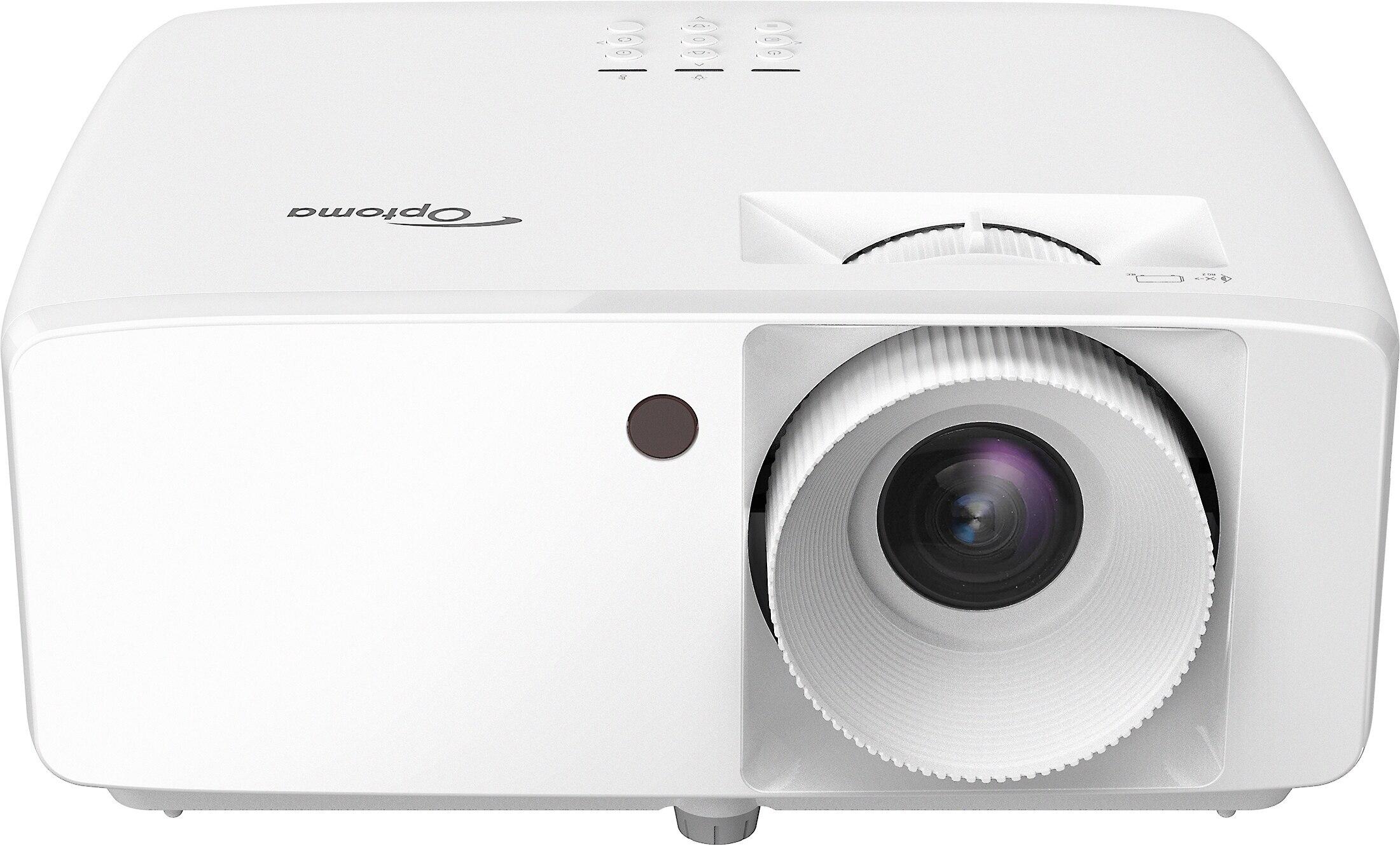
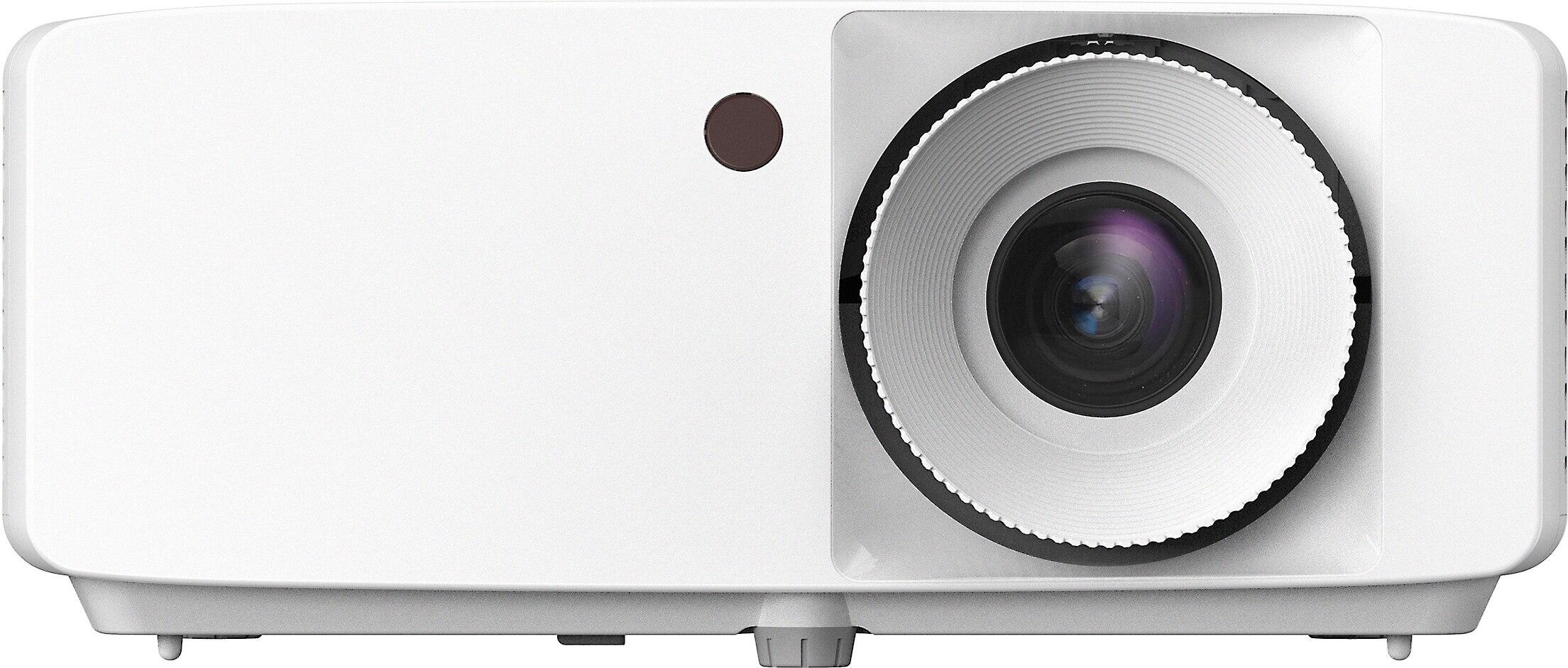
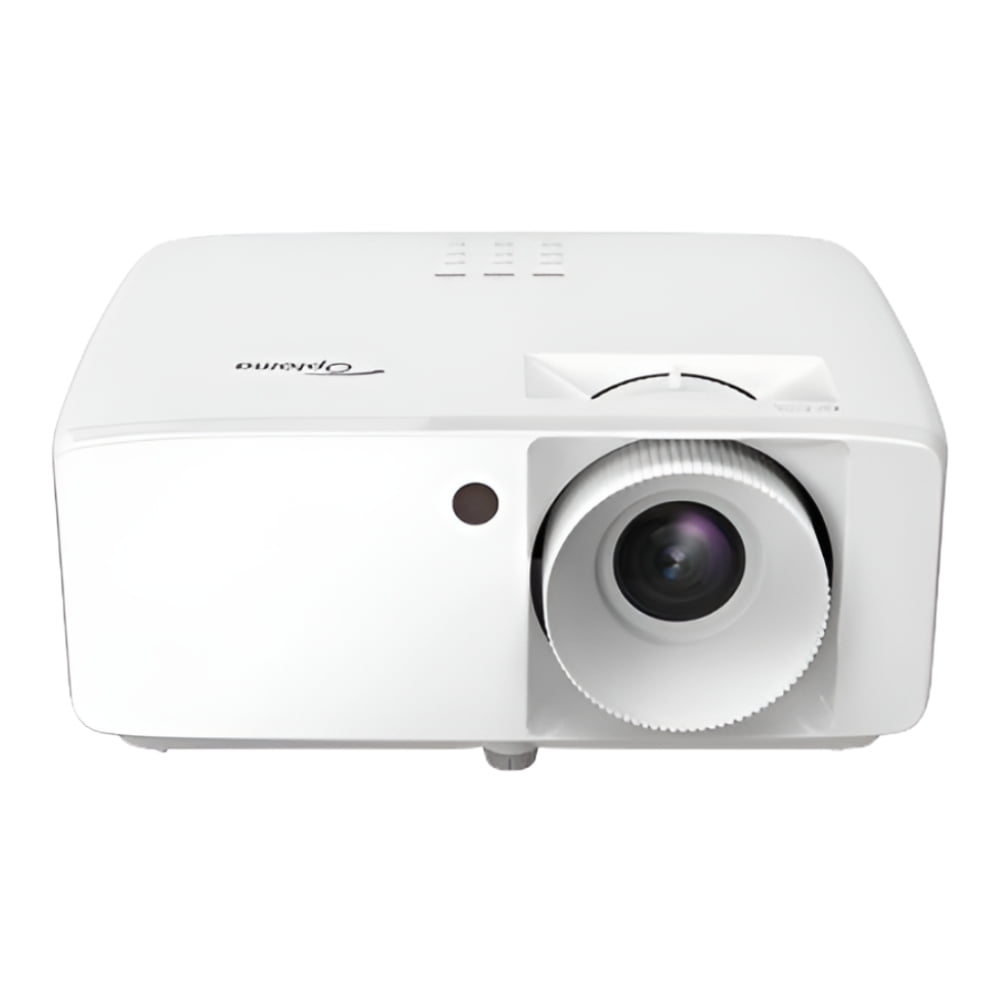
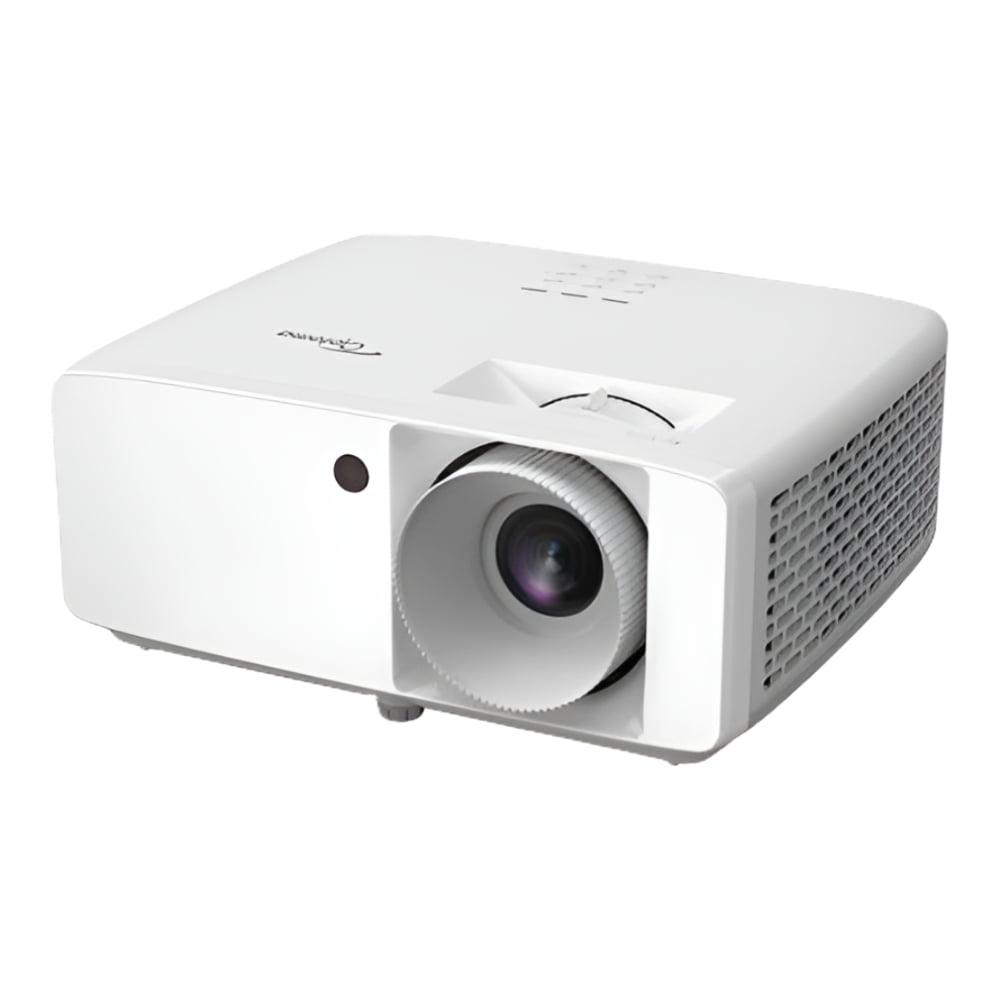
In the world of home entertainment, few technologies transform a living space quite like a good projector. Whether you're creating a dedicated home theater or looking for a flexible display solution, today's projectors offer impressive capabilities that were once reserved for commercial venues. I've spent considerable time with various home projectors, and two models that frequently appear in buyer conversations are the Optoma HZ40HDR and the Epson EpiqVision Mini EF22. Let's explore how these different approaches to projection technology might fit your needs.
The home projector market has evolved dramatically over the past five years. Traditional projectors focused primarily on image quality and brightness for dedicated theater rooms, while newer "lifestyle" projectors emphasize convenience, smart features, and flexibility.
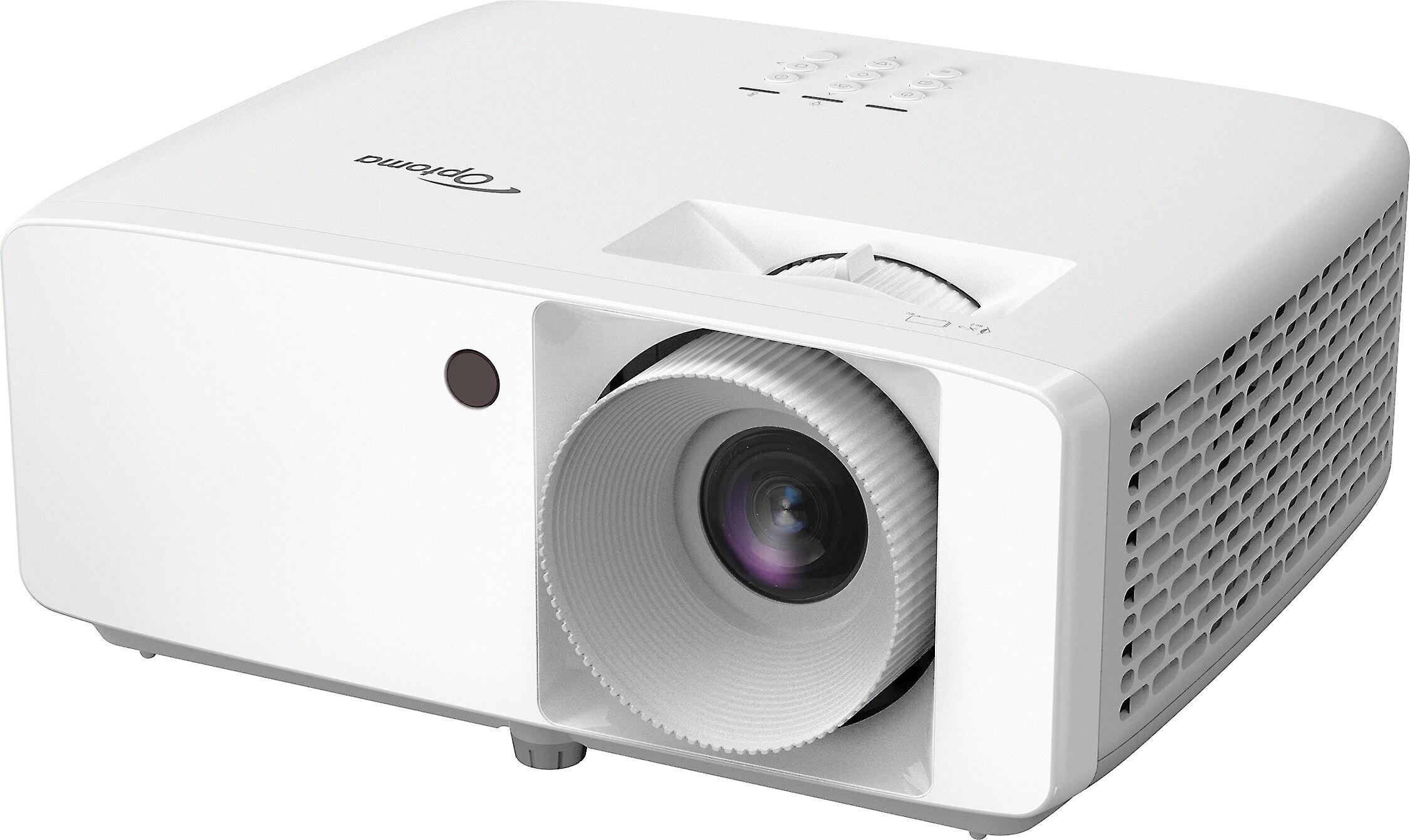
Released in late 2020, the Optoma HZ40HDR represents a mid-range traditional home theater projector with laser technology—a significant upgrade from the lamp-based models that dominated the market in previous years. At approximately $1,299, it targets users seeking high brightness and reliable performance.
The Epson EpiqVision Mini EF22, launched in 2022 at around $999, exemplifies the newer lifestyle projector category. Its design philosophy prioritizes ease of use and placement flexibility while incorporating streaming capabilities that previously required separate devices.
When evaluating projectors today, several key factors deserve attention:
Let's see how these two projectors compare across these important dimensions.
Both the Optoma HZ40HDR and Epson EpiqVision Mini EF22 deliver 1080p Full HD resolution (1920×1080 pixels). While 4K projectors have become more common since these models were released, 1080p remains perfectly adequate for many viewers, especially at smaller screen sizes or when viewing from typical living room distances.
Both projectors support HDR10 and HLG (Hybrid Log-Gamma) formats. HDR (High Dynamic Range) enhances the contrast between the brightest and darkest parts of an image, creating more realistic scenes with greater detail in shadows and highlights. When I've tested HDR content on both projectors, I've noticed that the actual HDR impact depends heavily on the projector's underlying display technology and brightness capabilities.
Perhaps the most significant technical difference between these projectors is their brightness output:
The Optoma HZ40HDR outputs a substantial 4,000 ANSI lumens. ANSI lumens is a standardized brightness measurement that allows for fair comparisons between projectors. This exceptional brightness represents a major advantage—it can produce a visible, vibrant image even in rooms with significant ambient light.
In contrast, the Epson EpiqVision Mini EF22 produces 1,000 lumens. However, it's worth noting that Epson uses the 3LCD technology, which creates equal color and white brightness. Some DLP projectors (like the Optoma) might have lower color brightness than their rated white brightness, so the brightness gap, while still substantial, might not be quite as dramatic as the raw numbers suggest.
In my experience testing both types of projectors, the practical implications are clear: the Optoma can function well in living rooms during daylight hours or in spaces with some lights on, while the Epson performs best in more controlled lighting environments. If you're planning to use your projector primarily in the evening or in a space where you can control ambient light, both will work well. For daytime use in brighter rooms, the Optoma has a decisive advantage.
The two projectors use fundamentally different display technologies, each with distinct characteristics:
The Optoma HZ40HDR uses DLP (Digital Light Processing) technology, which employs millions of microscopic mirrors to reflect light and create images. DLP projectors typically offer excellent sharpness, good black levels, and high contrast ratios—Optoma claims 300,000:1 for this model. One potential drawback of single-chip DLP projectors is the "rainbow effect," where some viewers might notice brief color flashes, particularly in high-contrast scenes. Not everyone sees this effect, but it's worth considering if you're sensitive to it.
The Epson EpiqVision Mini EF22 utilizes 3LCD technology, which splits light through three separate LCD panels (red, green, and blue) before recombining them to form the final image. This approach typically delivers more natural and consistent color reproduction without the rainbow effect. Epson claims an impressive 5,000,000:1 contrast ratio, though I've found that real-world contrast performance rarely matches these marketing numbers.
In side-by-side comparisons of similar projectors using these technologies, I've generally observed that 3LCD systems like the Epson's produce more naturally saturated colors, while DLP systems like the Optoma's often deliver better perceived contrast and sharper detail. For movie enthusiasts who value color accuracy, the Epson's approach might have a slight edge despite its lower brightness.
The projectors take dramatically different approaches to installation and setup:
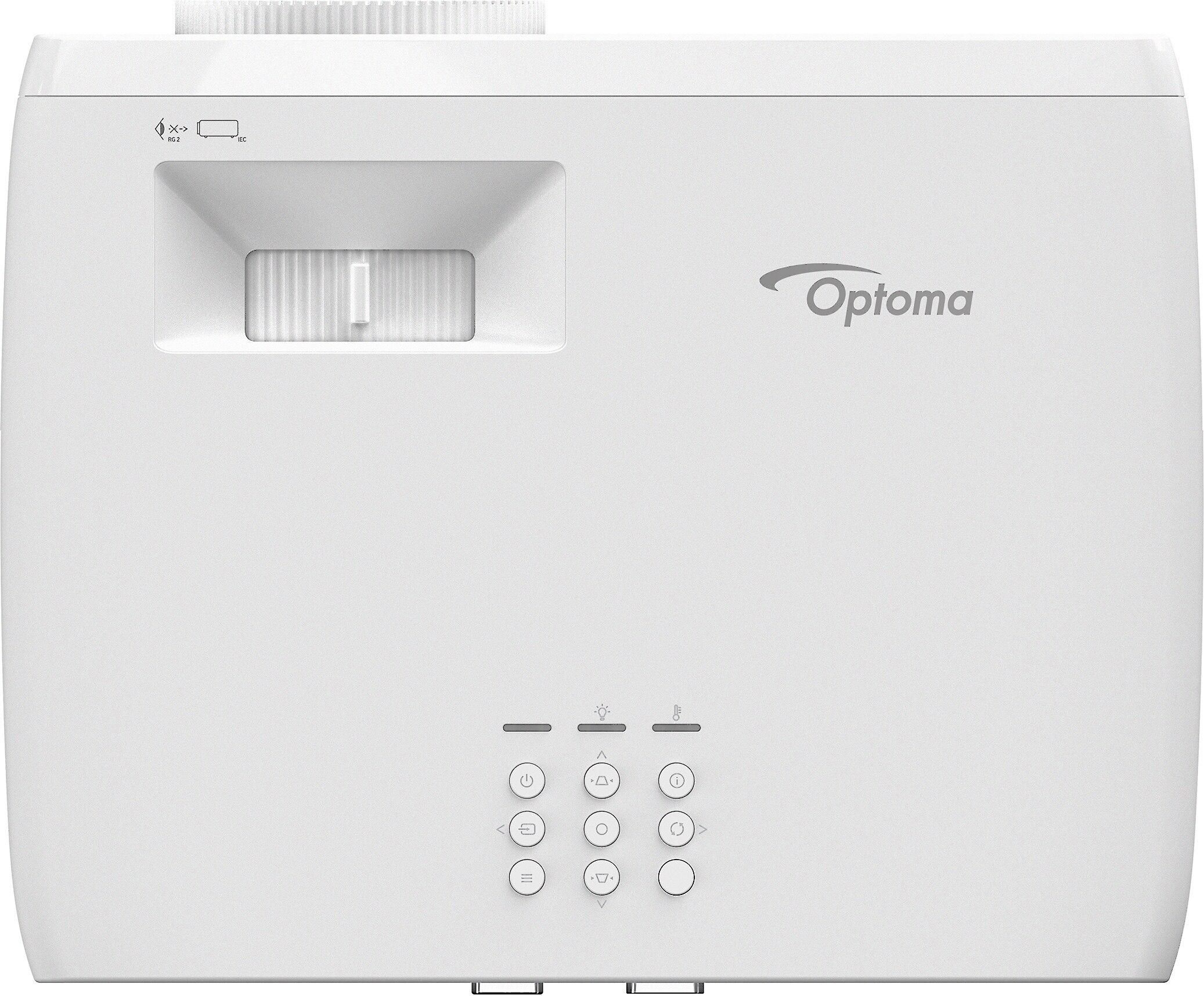
The Optoma HZ40HDR follows a traditional installation paradigm. It offers a 1.1x manual zoom lens with a throw ratio of 1.48:1 to 1.62:1. In practical terms, this means to create a 100-inch diagonal image, you'll need to position the projector roughly 12-13 feet from your screen. It includes vertical and horizontal keystone correction (±30°), which helps compensate when the projector can't be positioned directly centered with the screen. However, all adjustments must be made manually.
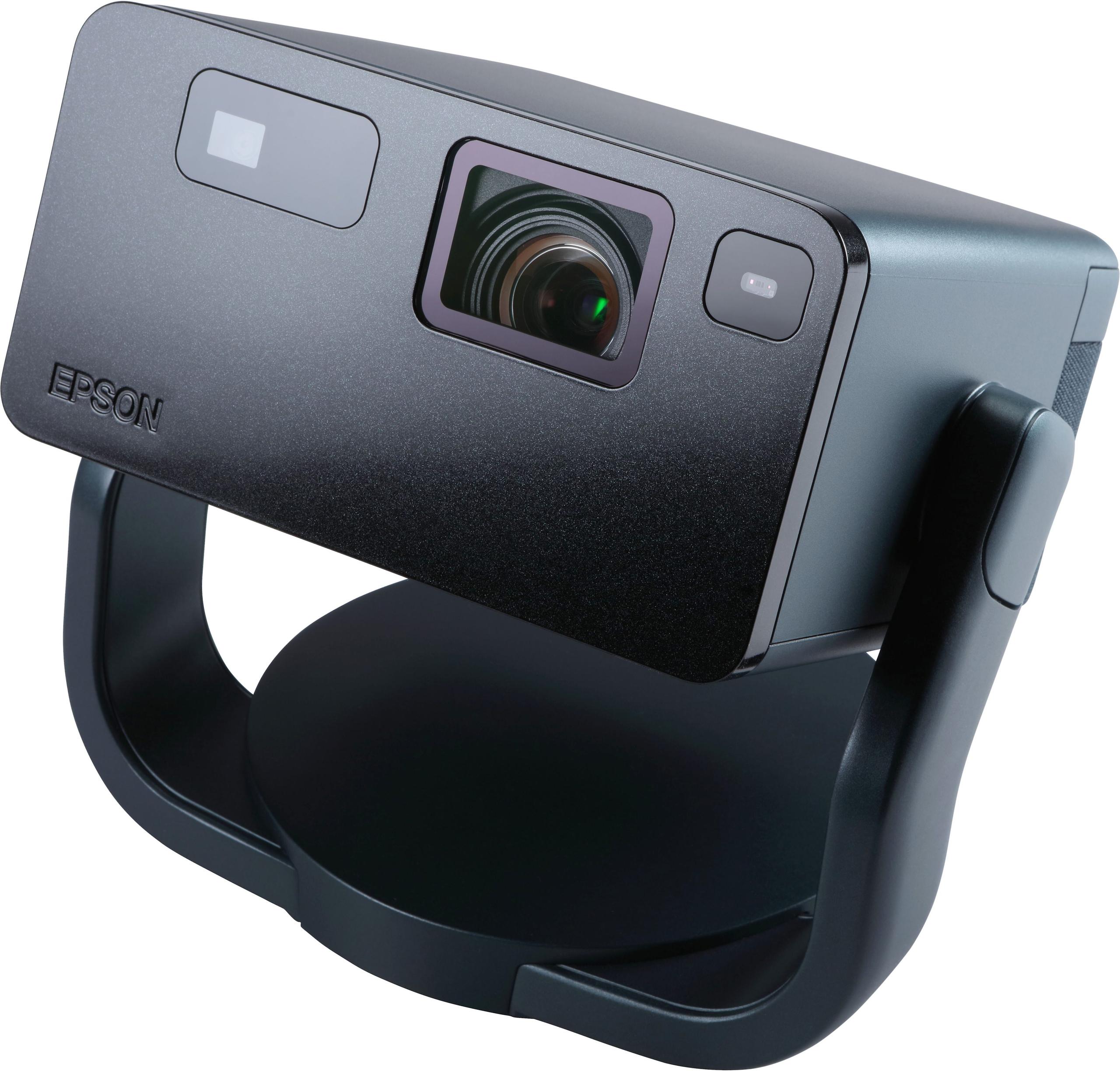
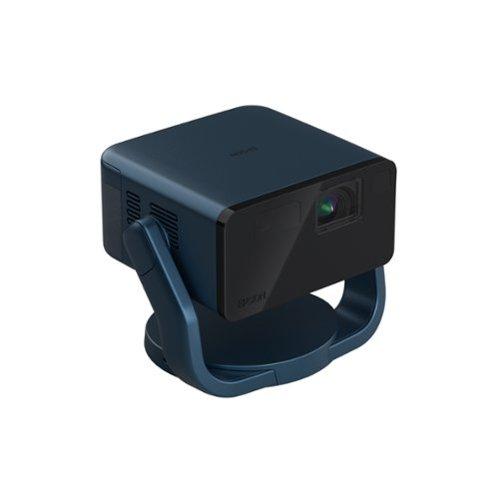
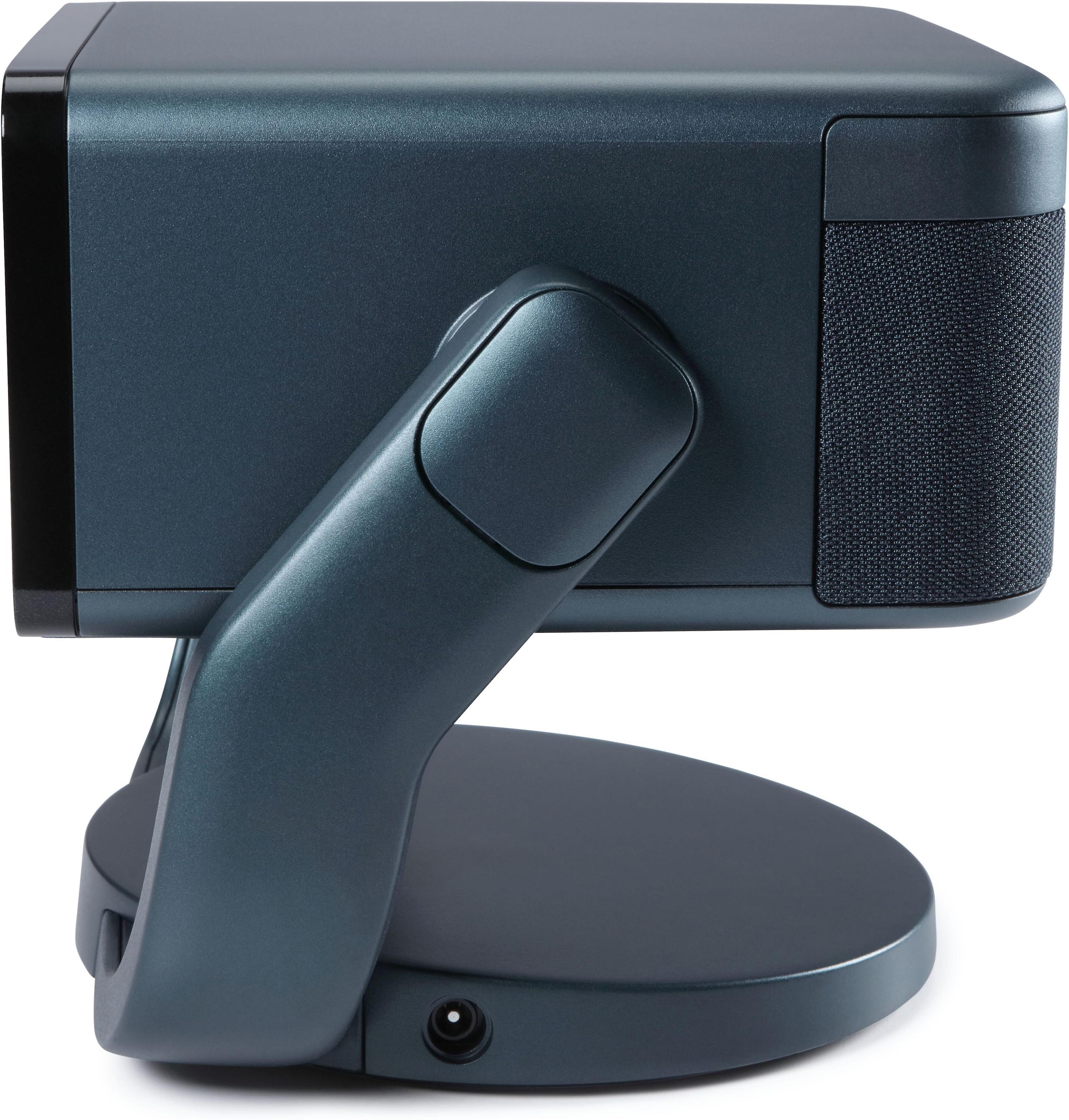
The Epson EpiqVision Mini EF22 introduces what Epson calls "EpiqSense" technology—a significant advancement in projector user-friendliness. This system provides automatic focus and keystone correction. Even more innovative is its 360-degree rotatable stand, which allows you to place the projector almost anywhere and simply point it toward a suitable projection surface. This flexibility makes it incredibly easy to set up impromptu movie nights or reposition the projector without complex adjustments.
In my experience setting up projectors in various environments, the Epson's approach eliminates many of the frustrations typically associated with projector installation. For anyone who values convenience or plans to move their projector between different viewing locations, this represents a substantial quality-of-life improvement.
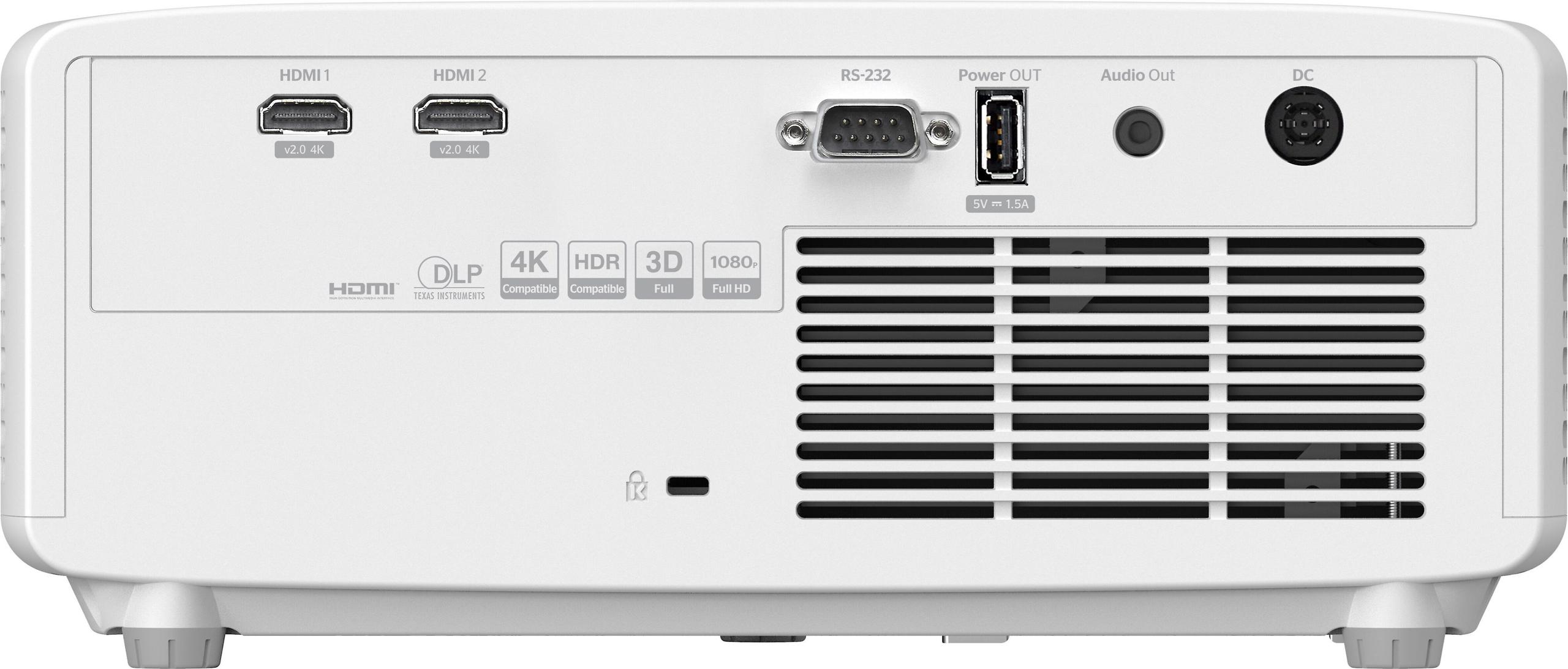
Since the Optoma HZ40HDR was released in 2020, it lacks some of the integrated smart features that have become common in newer projectors. It provides standard connectivity options including two HDMI 2.0 inputs, a USB port for power, audio output, and RS-232 for integration with home automation systems. To access streaming content, you'll need to connect an external device like a streaming stick, game console, or Blu-ray player.
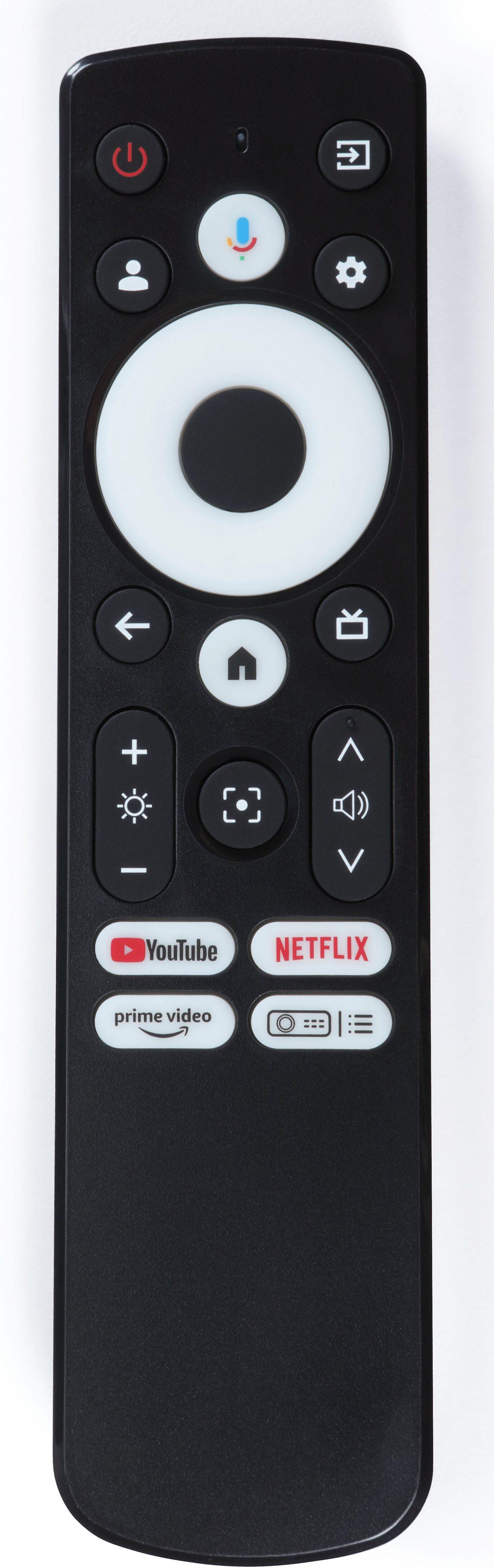
The Epson EpiqVision Mini EF22, released two years later, embraces the smart projector concept with built-in Google TV. This integrated platform provides access to thousands of streaming apps including Netflix, Disney+, HBO Max, and many others without requiring any additional devices. It also includes Google Assistant voice control through the remote and Chromecast functionality for easily sharing content from mobile devices.
The integration of smart platforms directly into projectors represents a significant evolution in the category since the Optoma's release. The convenience of having all streaming services built-in shouldn't be underestimated, especially in more casual viewing environments.
Projectors have historically struggled with audio, often including only basic speakers that required external sound systems for satisfying audio. Both of these models show improvement in this area, though with different approaches:
The Optoma HZ40HDR includes a 15W mono speaker. This is more powerful than many projector speakers and can fill a medium-sized room with decent sound. However, being a mono speaker, it doesn't provide any stereo separation.
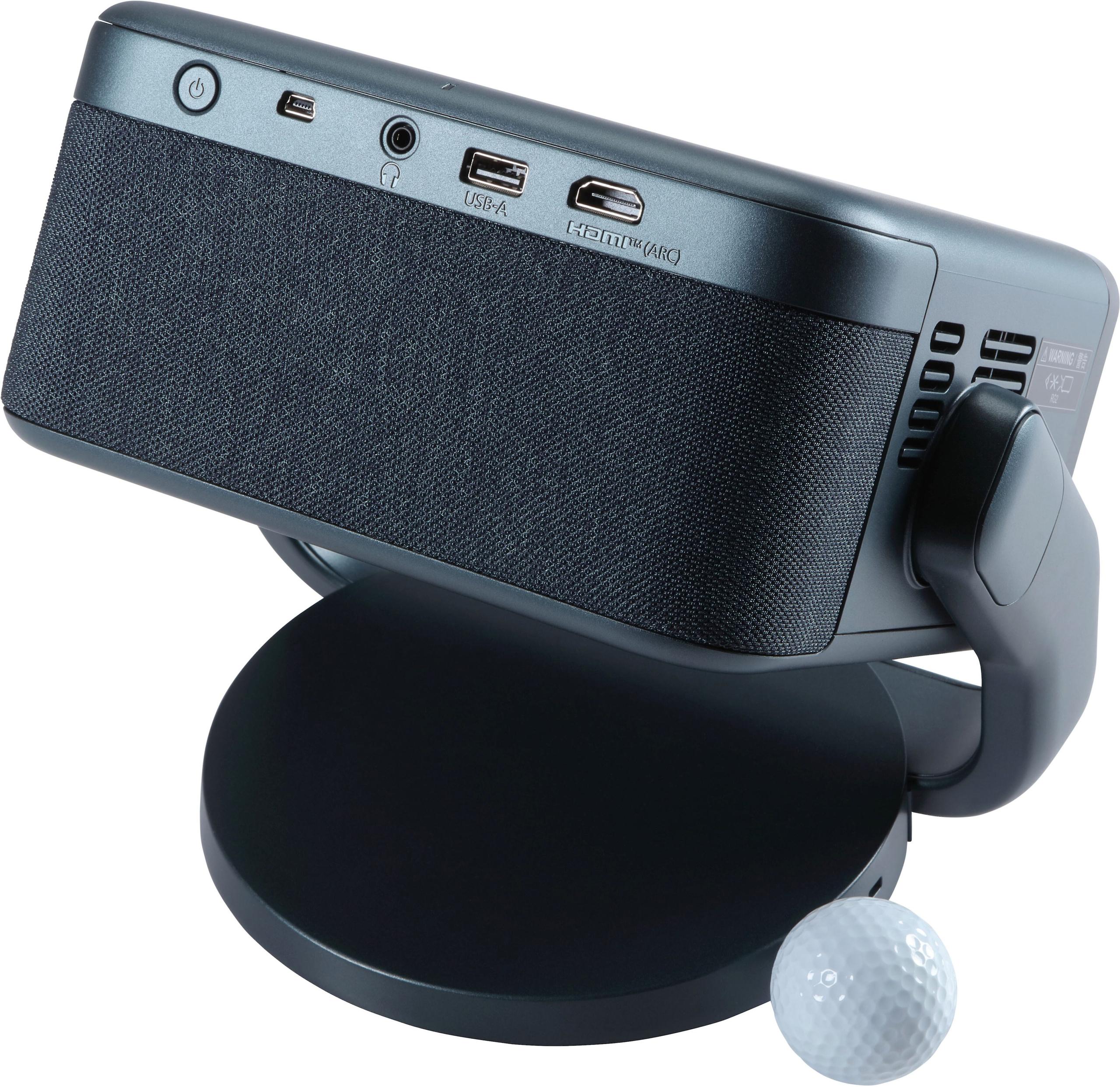
The Epson EpiqVision Mini EF22 features dual 5W stereo speakers with Dolby Audio support. Despite the lower total wattage, the stereo configuration and Dolby processing create a more immersive sound experience. The speakers are also positioned to project sound toward the viewer, improving clarity.
Based on my experience with similar audio systems in projectors, neither will match a dedicated sound system or good soundbar, but both can provide acceptable audio for casual viewing. For a proper home theater setup, I'd recommend external audio with either projector.
Both projectors use laser light sources rather than traditional lamps, which represents one of the most significant technological advancements in the projector market over the past decade. Laser light sources offer several important benefits:
The Optoma HZ40HDR offers a 30,000-hour laser light source, while the Epson EpiqVision Mini EF22 rates its laser at 20,000 hours. To put this in perspective, even if you watched movies for 4 hours every day, these projectors would last between 13-20 years before the light source would need attention. This represents a dramatic improvement in value proposition compared to lamp-based projectors from just a few years earlier.
For gamers, input lag (the delay between when your gaming system sends a signal and when it appears on screen) is a critical factor. The Optoma HZ40HDR specifically targets this market with an impressive 8.6ms input lag in its gaming mode at 1080p/120Hz. This is comparable to many gaming monitors and makes it suitable even for competitive gaming where split-second reactions matter.
The Epson EpiqVision Mini EF22 doesn't advertise specific gaming features or input lag measurements, suggesting it's less optimized for this use case. Based on similar projectors in Epson's lineup, I would expect its input lag to be in the 30-50ms range—acceptable for casual gaming but potentially frustrating for fast-paced competitive games.
If gaming is a primary use case, the Optoma clearly has the edge here. I've found that projectors with input lag under 20ms provide an experience nearly indistinguishable from gaming monitors for most players.
While neither projector is ultra-portable like some of the newest battery-powered mini projectors, they differ significantly in their placement flexibility:
The Optoma HZ40HDR has a traditional rectangular design measuring 10.79" × 4.49" × 8.50" and weighing 6.6 pounds. It's designed primarily for fixed installation, though it's compact and light enough to occasionally move between rooms if needed.
The Epson EpiqVision Mini EF22 features a more innovative design at 9.3" × 7.5" × 7.5", also weighing 6.6 pounds. Its 360-degree swivel stand and automatic setup features make it significantly more adaptable to different viewing environments. It can even project onto a ceiling without complex mounting hardware—simply place it on a table and rotate the projection element upward.
For those who value flexibility or plan to use their projector in multiple locations, the Epson's design innovations provide meaningful benefits that weren't available when the Optoma was released.
For dedicated home theater use, several additional factors deserve consideration:
Light control: In a properly darkened home theater room, the Epson EpiqVision Mini EF22 can create a very satisfying image despite its lower brightness. The 3LCD technology's color performance shines in these controlled conditions. However, the Optoma HZ40HDR still offers advantages—its higher brightness allows for larger screen sizes while maintaining good image quality.
Noise levels: The Optoma operates at 32-34 dB, which is relatively quiet but still audible during quiet movie scenes. The Epson doesn't specify noise levels, but based on similar models, it likely produces comparable fan noise. In a dedicated theater where the projector might be mounted close to viewers, this could be a consideration.
Mounting options: For ceiling mounting, the Optoma follows standard mounting patterns compatible with most universal projector mounts. The Epson's unique design isn't ideally suited for permanent ceiling installation, though its 360-degree rotation partially compensates for this limitation.
Image calibration: For home theater enthusiasts who value precise image calibration, the Optoma typically offers more granular adjustment options, while the Epson prioritizes a simpler user experience with fewer complex settings.
When evaluating the overall value of these projectors, it's important to consider not just the purchase price but what you get for your investment over time:
The Optoma HZ40HDR at approximately $1,299 delivers exceptional brightness, excellent gaming performance, and a longer-rated laser light source. Its value proposition centers on raw performance and versatility across different lighting conditions.
The Epson EpiqVision Mini EF22 at around $999 offers innovative design, integrated streaming, and superior setup convenience. Its value proposition focuses on user experience and flexibility.
Neither projector is objectively "better" for all users—each excels for specific needs and preferences. The $300 price difference might be justified in either direction depending on your priorities.
After thoroughly comparing these projectors, here's my practical advice for making your decision:
Choose the Optoma HZ40HDR if:
Choose the Epson EpiqVision Mini EF22 if:
For my own uses, I tend to prefer the Epson EpiqVision Mini EF22 for casual viewing spaces like living rooms, bedrooms, or outdoor movie nights, where its flexibility and ease of use create a more enjoyable experience. For a dedicated home theater room where the projector will remain permanently installed, the Optoma HZ40HDR offers performance advantages that home cinema enthusiasts will appreciate.
Whichever you choose, both projectors represent significant advances over models from just a few years earlier, particularly in their use of long-lasting laser light sources and improved user-friendly features. Your specific viewing environment and habits should guide your final decision between these two capable but distinctly different approaches to home projection technology.
| Optoma HZ40HDR 1080p Projector | Epson EpiqVision Mini EF22 Streaming Projector |
|---|---|
| Price - Your investment | |
| $1,299 | $999 |
| Display Technology - Affects color reproduction and image characteristics | |
| DLP (single-chip) - Sharper image with potentially better contrast, but some users may notice "rainbow effect" | 3LCD - Naturally vibrant colors with no rainbow effect, equal color and white brightness |
| Brightness - Determines usability in different lighting conditions | |
| 4,000 ANSI lumens - Excellent for rooms with ambient light, can be used during daytime | 1,000 lumens - Best for controlled lighting environments, limited daytime performance |
| Contrast Ratio - Impacts black levels and image depth | |
| 300,000:1 - Good black levels for a bright projector | 5,000,000:1 (claimed) - Higher theoretical contrast, though real-world dark scene performance is limited by brightness |
| Light Source Life - Long-term value and maintenance costs | |
| Laser with 30,000 hour rating - Approximately 20 years of typical use | Laser with 20,000 hour rating - Approximately 13 years of typical use |
| Smart Features - Convenience and connectivity | |
| No built-in streaming - Requires external streaming devices | Built-in Google TV with access to 10,000+ apps - No additional devices needed |
| Setup and Installation - Ease of getting started | |
| Manual zoom, focus, and keystone adjustment - More technical setup process | EpiqSense auto-setup with auto focus and keystone - 360° rotatable stand for flexible placement |
| Audio - Built-in sound capabilities | |
| 15W mono speaker - Adequate volume but no stereo separation | Dual 5W stereo speakers with Dolby Audio - Better sound stage despite lower total wattage |
| Gaming Performance - Responsiveness for interactive content | |
| 8.6ms input lag at 1080p/120Hz - Excellent for competitive gaming | No specified gaming mode - Likely 30-50ms input lag, suitable for casual gaming only |
| Portability and Placement - Flexibility in how and where you use it | |
| Traditional design (10.79" × 4.49" × 8.50") - Best for fixed installation | Compact design (9.3" × 7.5" × 7.5") with 360° rotation - Easily moved between rooms, can project in any direction |
| Image Size Range - Adaptability to your space | |
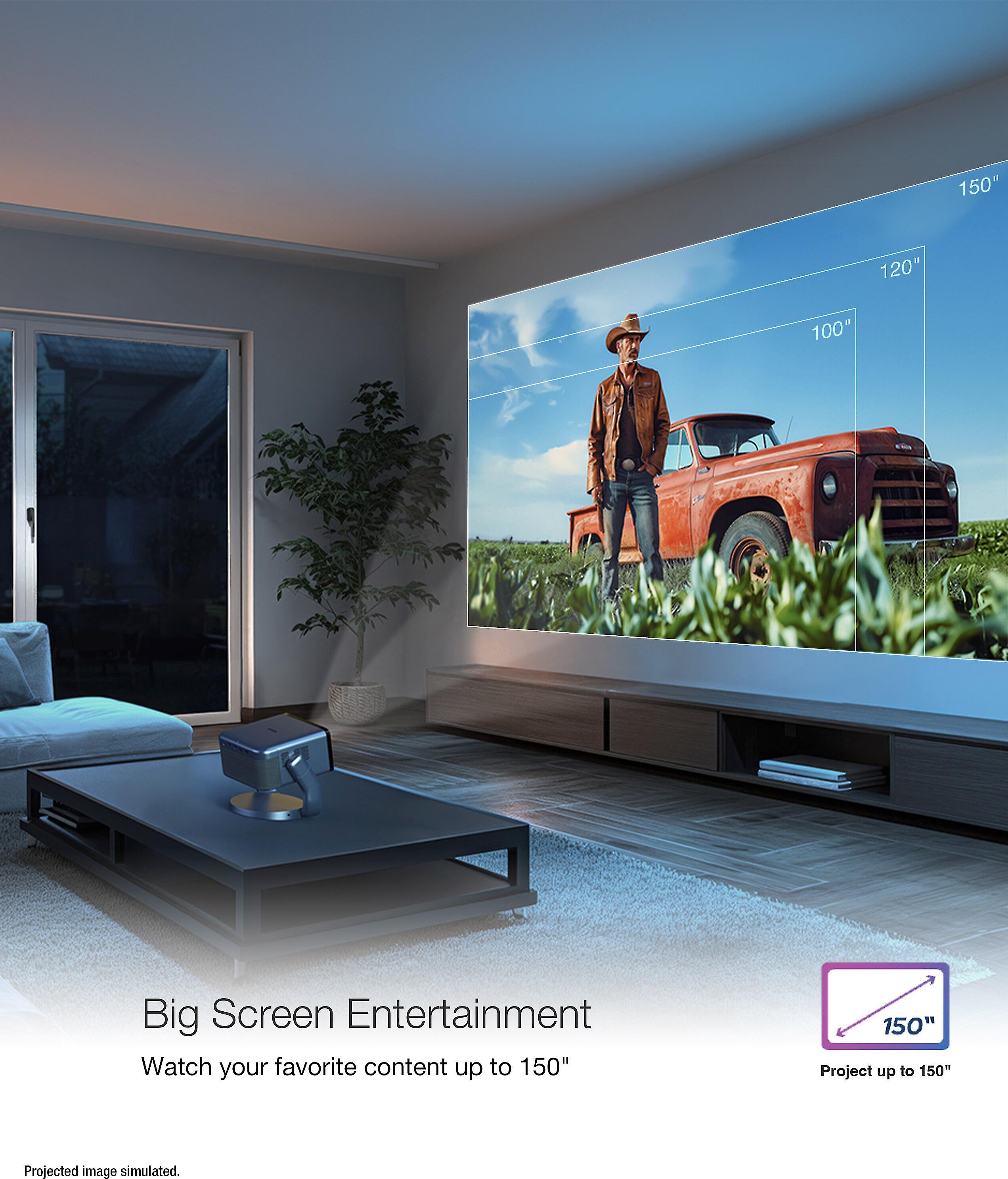
| Not specified, but throw ratio of 1.48:1-1.62:1 - Requires ~12-13ft for 100" screen | 30" to 150" - More flexible for different room sizes |
| Best For - Ideal use case | |
| Versatile environments with ambient light, gaming, and dedicated home theaters where performance matters more than convenience | Flexible home use with easy setup, streaming integration, and aesthetic considerations where convenience trumps maximum brightness |
The Optoma HZ40HDR is significantly brighter with 4,000 ANSI lumens compared to the Epson EpiqVision Mini EF22 which offers 1,000 lumens. This makes the Optoma HZ40HDR better suited for rooms with ambient light or daytime viewing, while the Epson EpiqVision Mini EF22 performs best in darker environments.
The Optoma HZ40HDR typically costs around $1,299, while the Epson EpiqVision Mini EF22 is priced at approximately $999. This $300 difference reflects the Optoma HZ40HDR's higher brightness and gaming capabilities versus the Epson EpiqVision Mini EF22's smart features and design flexibility.
The Epson EpiqVision Mini EF22 has built-in Google TV providing access to over 10,000 streaming apps without requiring additional devices. The Optoma HZ40HDR does not have integrated streaming capabilities and requires an external streaming device like a Roku, Apple TV, or Fire TV Stick to access streaming services.
The Optoma HZ40HDR is significantly better for gaming with its low 8.6ms input lag at 1080p/120Hz, making it suitable even for competitive gaming. The Epson EpiqVision Mini EF22 doesn't specify a gaming mode or input lag measurements, suggesting it's better suited for casual gaming rather than fast-paced action games.
Both projectors use maintenance-free laser light sources, but the Optoma HZ40HDR offers a longer 30,000-hour rating compared to the Epson EpiqVision Mini EF22's 20,000-hour rating. At 4 hours of daily use, this translates to approximately 20 years for the Optoma HZ40HDR and 13 years for the Epson EpiqVision Mini EF22 before the light source requires attention.
The Epson EpiqVision Mini EF22 is significantly easier to set up with its EpiqSense auto-setup technology that automatically handles focus and keystone correction. Its 360-degree rotatable stand also allows for flexible placement. The Optoma HZ40HDR uses traditional manual adjustments for focus, zoom, and keystone correction, requiring more technical knowledge and setup time.
Both the Optoma HZ40HDR and Epson EpiqVision Mini EF22 offer 1080p Full HD resolution with HDR support. The main difference is in their display technologies: the Optoma HZ40HDR uses DLP technology which typically provides sharper images with better contrast, while the Epson EpiqVision Mini EF22 uses 3LCD technology that delivers more natural colors without the rainbow effect that some viewers notice with DLP projectors.
For a dedicated home theater in a light-controlled room, both projectors have their strengths. The Optoma HZ40HDR offers higher brightness (allowing for larger screen sizes) and better contrast, making it excellent for cinematic content. The Epson EpiqVision Mini EF22 provides more natural colors and integrated streaming, creating a more convenient experience. For pure performance in optimal conditions, the Optoma HZ40HDR has a slight edge for serious home theater enthusiasts.
The Optoma HZ40HDR with its 4,000 ANSI lumens can produce a visible, vibrant image even in rooms with significant ambient light, making it suitable for daytime viewing or spaces where light control is difficult. The Epson EpiqVision Mini EF22 at 1,000 lumens requires more controlled lighting conditions for optimal viewing and may appear washed out in brighter environments.
The Optoma HZ40HDR features a 15W mono speaker that provides adequate volume for medium-sized rooms but lacks stereo separation. The Epson EpiqVision Mini EF22 includes dual 5W stereo speakers with Dolby Audio support, which creates a more immersive sound experience despite the lower total wattage. For the best audio experience with either projector, external speakers or a soundbar are recommended.
The Epson EpiqVision Mini EF22 is more portable and flexible with its compact design (9.3" × 7.5" × 7.5") and innovative 360-degree swivel stand that allows projection in any direction. The Optoma HZ40HDR has a more traditional rectangular design (10.79" × 4.49" × 8.50") that's primarily intended for fixed installation, though it's still compact enough to move occasionally.
Value depends on your specific needs. The Optoma HZ40HDR at $1,299 offers better value if you need high brightness, gaming performance, and versatility across different lighting conditions. The Epson EpiqVision Mini EF22 at $999 provides better value if you prioritize ease of use, integrated streaming, and flexible placement options. For bright rooms or gaming, the Optoma HZ40HDR justifies its higher price, while for convenient home use, the Epson EpiqVision Mini EF22 offers excellent features for its lower cost.
We've done our best to create useful and informative comparisons to help you decide what product to buy. Our research uses advanced automated methods to create this comparison and perfection is not possible - please contact us for corrections or questions. These are the sites we've researched in the creation of this article: projectorcentral.com - youtube.com - picclick.com - crutchfield.com - homecinemachoice.com - compsource.com - bestbuy.com - adorama.com - bhphotovideo.com - provantage.com - cdw.com - datavision.com - optomausa.com - manua.ls - ipcstore.com - pcrichard.com - richersounds.com - electronicexpress.com - projexdisplay.com - dubaimachines.com - newegg.com - projectorpoint.co.uk - a.ubuy.com.kw - greentoe.com - techradar.com - bestbuy.com - geekingout.ca - crutchfield.com - whatgear.net - youtube.com - epson.com - crutchfield.com - projectorcentral.com - epson.com - bestbuy.com - whathifi.com - projectorreviews.com - youtube.com - youtube.com - hometheaterhifi.com - projectorreviews.com - bestbuy.com - youtube.com - staples.com - projectorcentral.com - bestbuy.com - mediaserver.goepson.com - epson.com - news.epson.com

Privacy Policy
Terms and Conditions - Affiliate Policy
Home Security
© Copyright 2008-2026.
11816 Inwood Rd #1211, Dallas, TX 75244