


When I first started testing home projectors a few years back, the category felt pretty straightforward—you either bought an expensive home theater projector or settled for a dim, blurry budget model. But the landscape has changed dramatically, especially since 2024 when manufacturers started taking portable smart projectors seriously while simultaneously improving laser technology in traditional models.
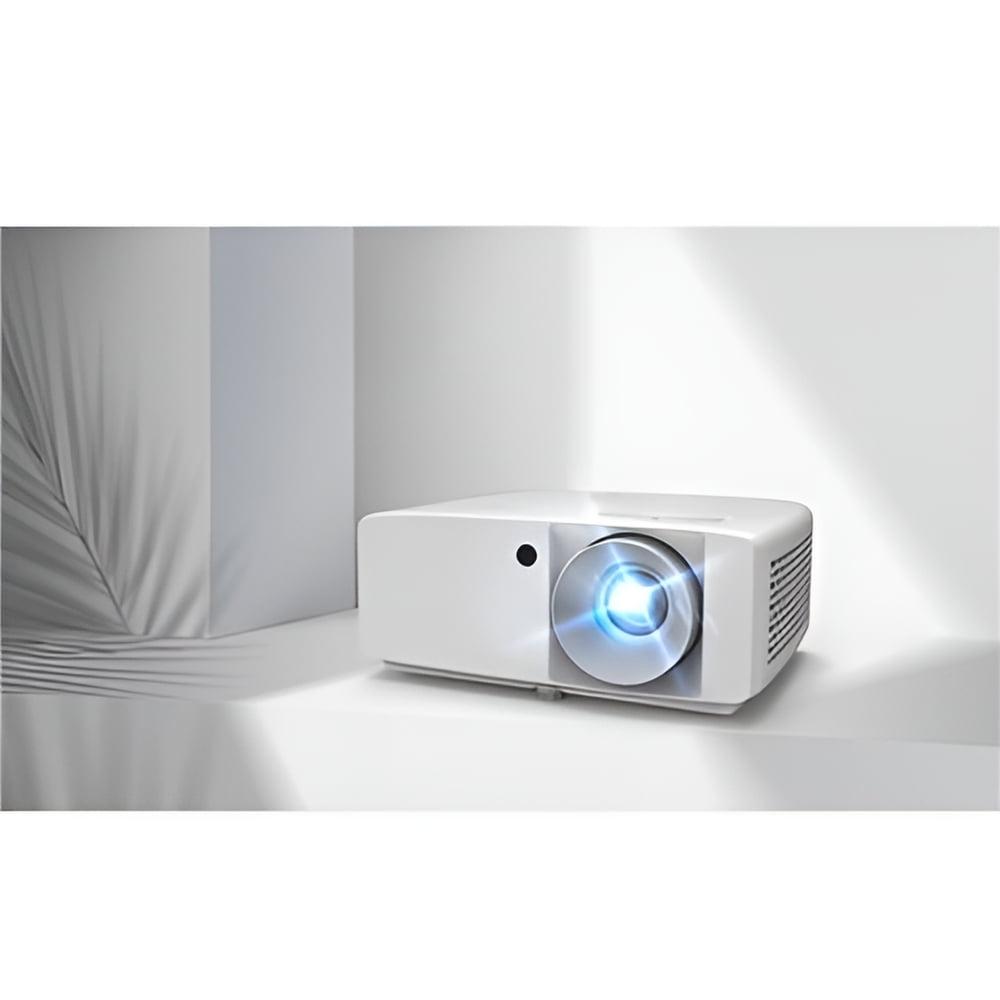
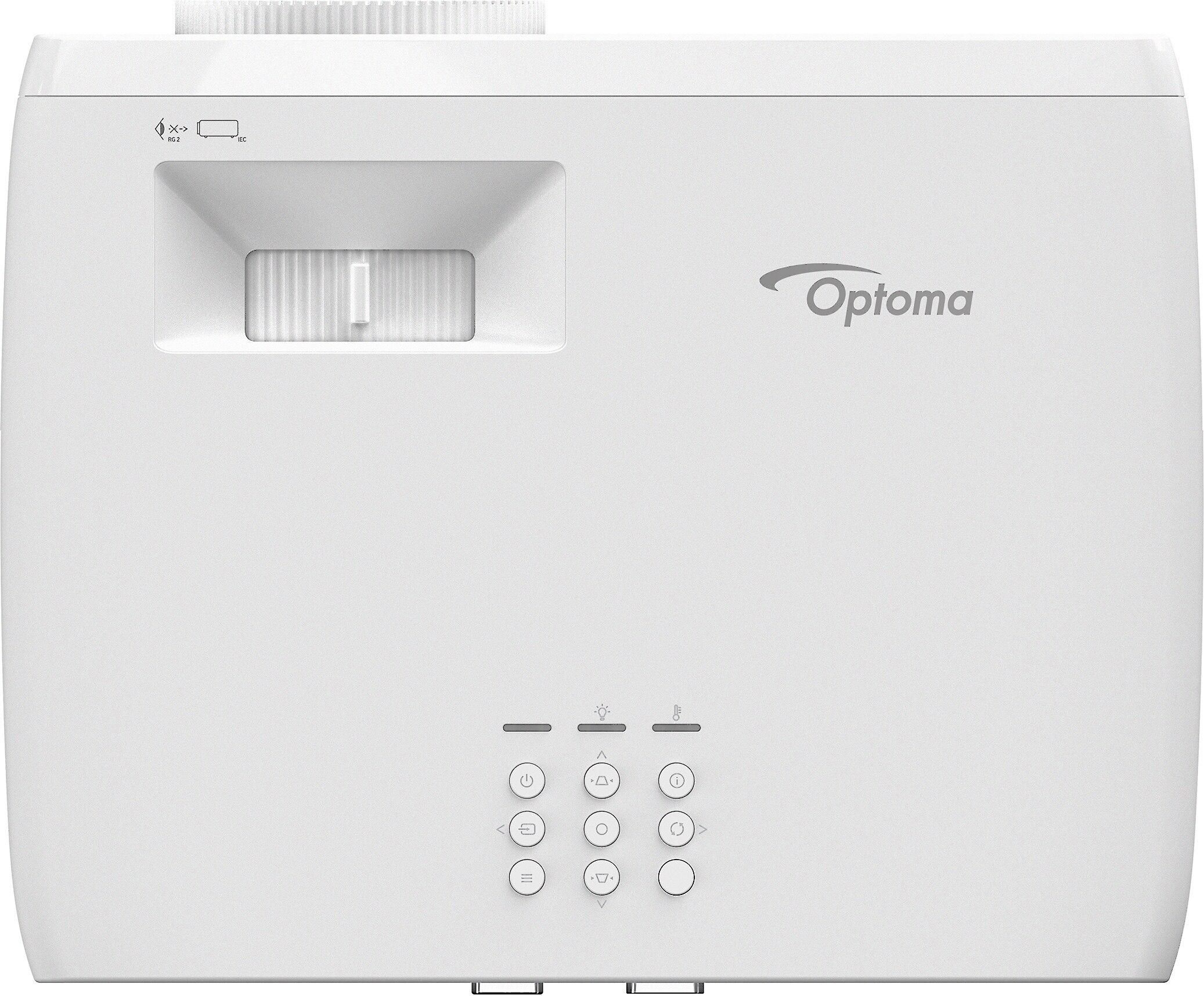
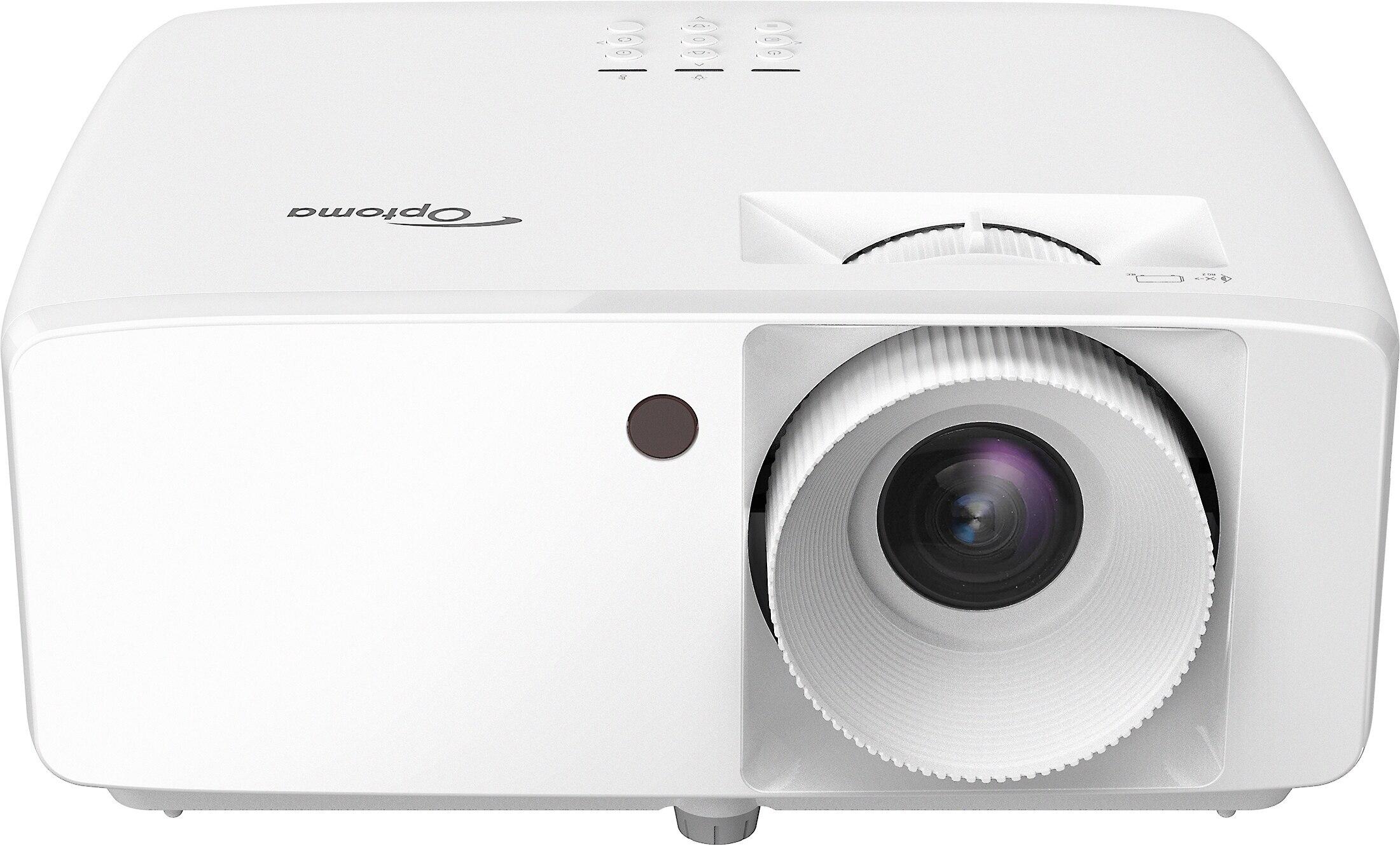
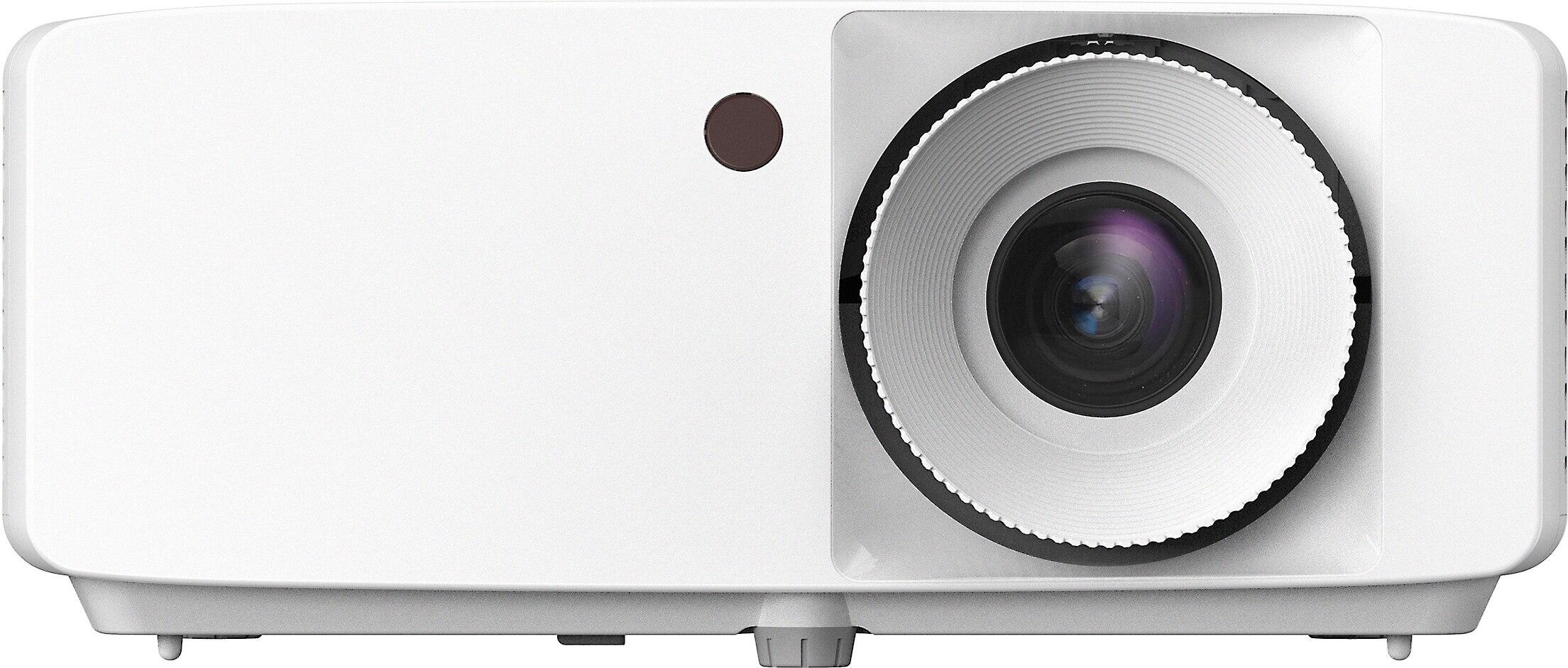
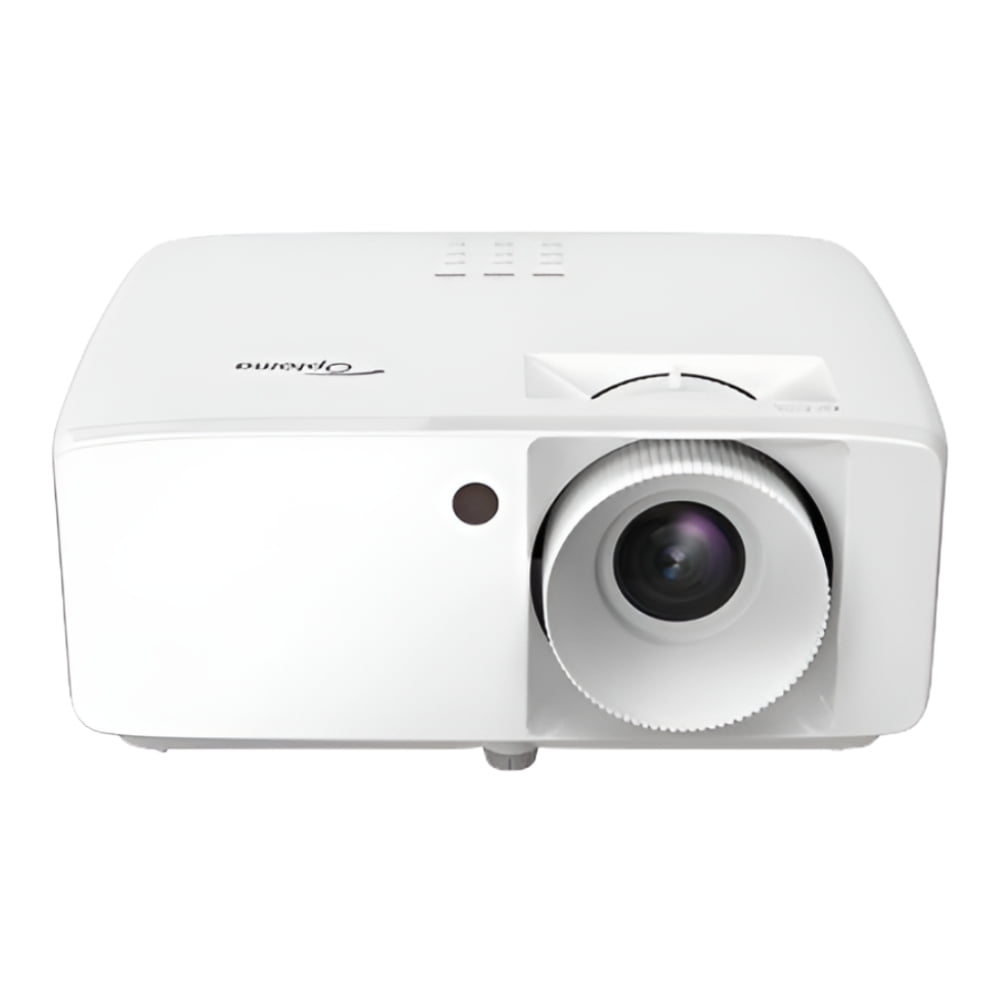
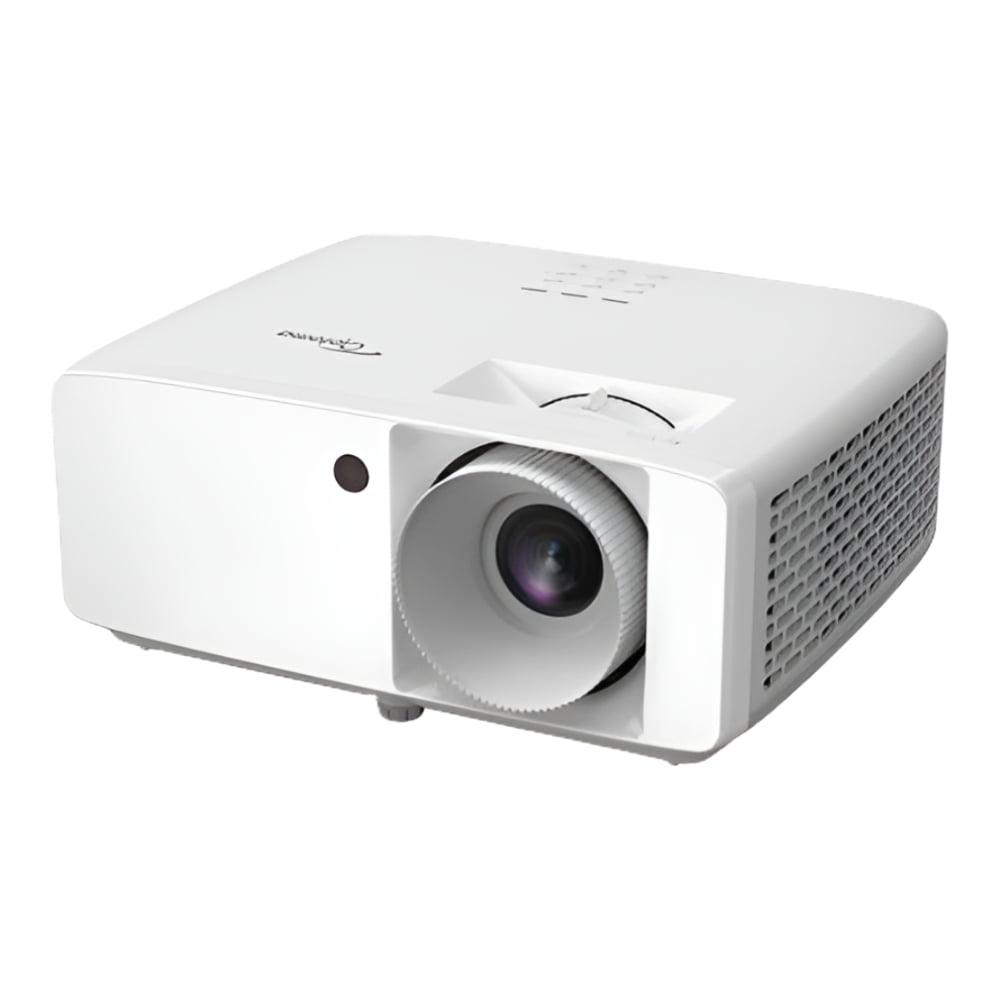
Today's projector market essentially splits into two distinct philosophies. You've got smart projectors like the Aurzen EAZZE D1 that prioritize convenience and all-in-one functionality, and performance-focused models like the Optoma HZ40HDR that deliver professional-grade image quality. Both approach the same basic goal—big screen entertainment at home—but they take radically different paths to get there.
Before diving into specifics, let's establish what actually matters in projector performance. ANSI lumens measure true brightness output using standardized testing—this number tells you how well a projector performs in real-world lighting conditions. Many budget projectors inflate their brightness claims using "LED lumens" or other marketing terms, but ANSI lumens give you the honest story.
Display technology affects everything from color accuracy to contrast ratios. DLP (Digital Light Processing) uses microscopic mirrors to create images and typically delivers sharp text and strong contrast, while LCD technology passes light through liquid crystal panels and often provides more vibrant colors, though sometimes with less contrast.
The light source fundamentally determines maintenance requirements and long-term costs. Traditional lamp-based projectors need bulb replacements every 2-4 years, LED sources last much longer but typically produce lower brightness, and laser projectors offer the best of both worlds with high brightness and virtually maintenance-free operation lasting decades.
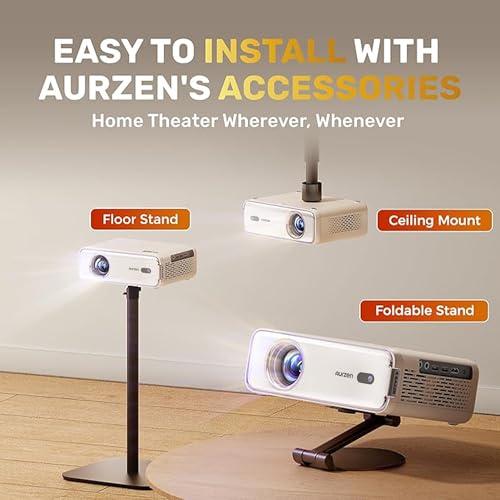
Released in May 2024, the Aurzen EAZZE D1 represents what I'd call the "smartphone approach" to projectors—everything built-in and optimized for simplicity. At the time of writing, it sits in the ultra-budget category but delivers features that would have cost thousands just five years ago.
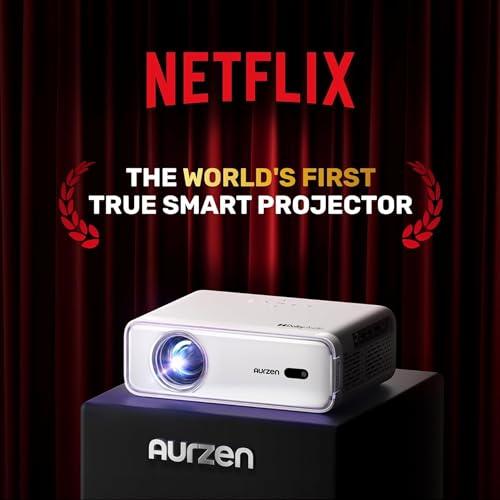
What makes the EAZZE D1 genuinely different isn't just its low price point—it's the fact that you can literally take it out of the box, plug it in, and start watching Netflix within minutes. The built-in WebOS-based smart TV system includes officially certified apps for Netflix, Prime Video, and YouTube. This matters more than you might think because many budget projectors either lack smart features entirely or use unofficial apps that frequently break or get blocked by streaming services.
I've tested dozens of budget projectors that promise "smart" features but deliver frustrating experiences with apps that crash or can't access your streaming accounts. The EAZZE D1 sidesteps these issues by using the same certified apps you'd find on a quality smart TV.
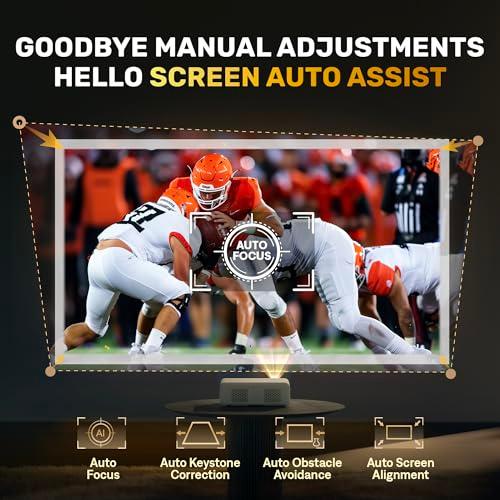
The auto-focus and auto-keystone correction feel almost magical when you first experience them. Keystone correction fixes the trapezoidal distortion that occurs when you project at an angle—traditionally, you'd spend several minutes manually adjusting corner points to get a rectangular image. The EAZZE D1 does this automatically using internal sensors, along with obstacle avoidance that can detect if part of your image hits a wall edge or furniture and adjust accordingly.
These automation features address the biggest barrier to projector adoption: setup complexity. Most people don't want to spend 15 minutes adjusting focus and geometry every time they move their projector from the living room to the backyard.
Here's where we need honest talk about the EAZZE D1's 200 ANSI lumens. In projector terms, this is genuinely dim—think of it as equivalent to a candle compared to the sun. You absolutely need a dark room for acceptable image quality, and even then, screen sizes should stay under 100 inches for optimal brightness.
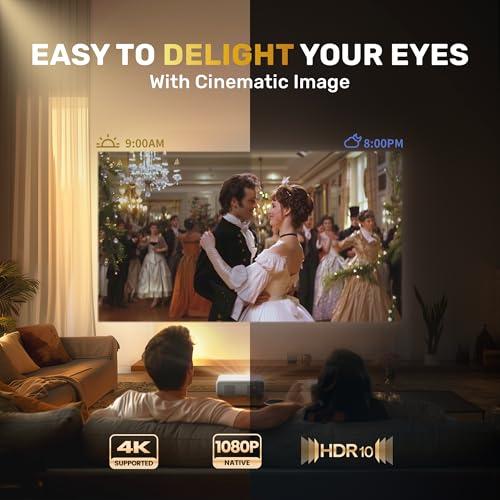
But here's what I've learned from extensive testing: if you're using this projector in its intended environments—bedrooms at night, backyard movie screenings after sunset, or basement media rooms—200 ANSI lumens actually works fine. The image quality at 80-90 inches in a dark room genuinely surprised me during testing. Colors appear vibrant, text stays readable, and movie content looks engaging.
The native 1080p resolution helps significantly here. Unlike cheaper projectors that upscale lower resolutions, the EAZZE D1 delivers every pixel of detail that modern streaming content provides.
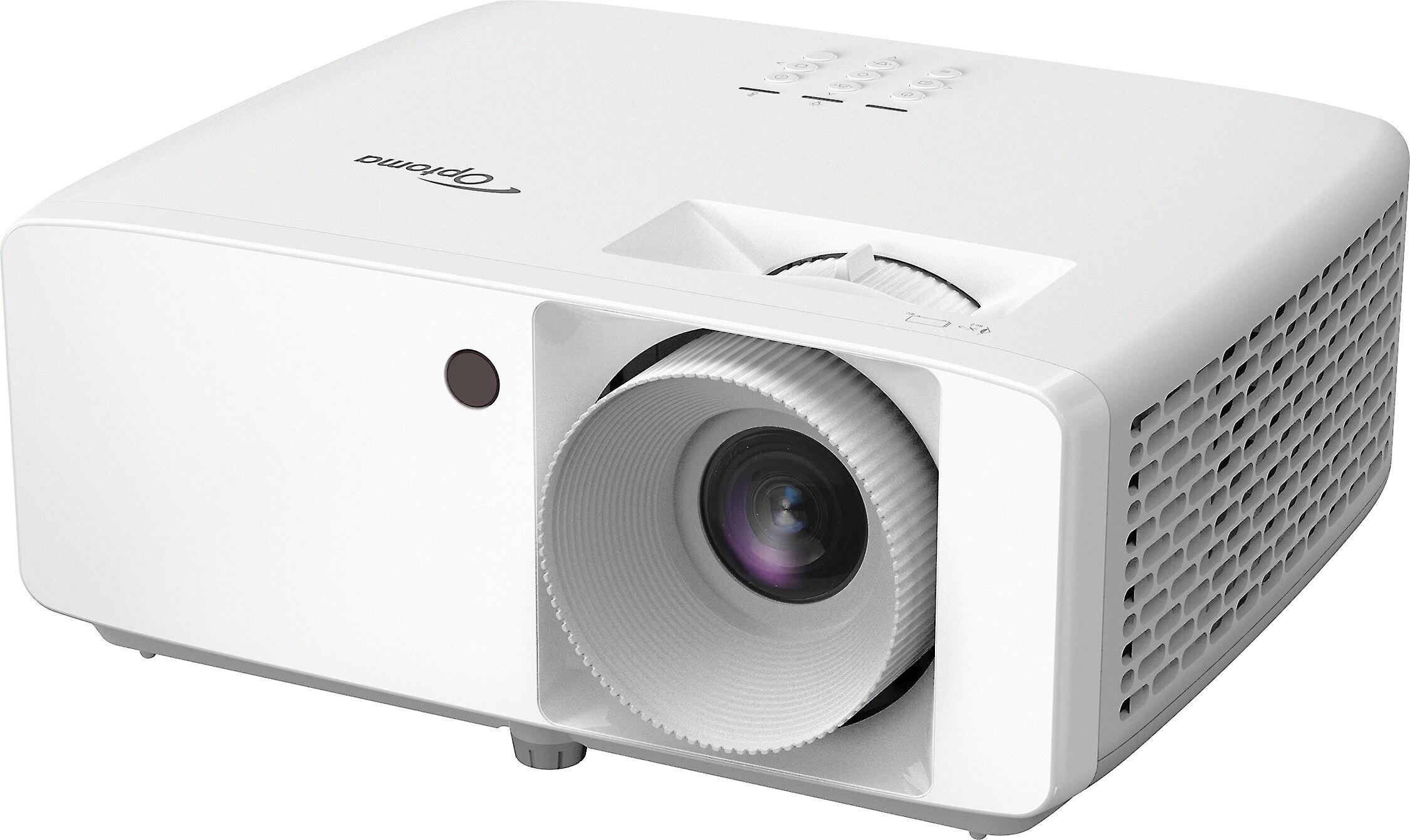
The Optoma HZ40HDR, released in 2023, represents the opposite philosophy—maximum image performance with professional features. At the time of writing, it commands a significantly higher price than smart projectors, but the technology gap explains why.
The 4,000 ANSI lumens from the HZ40HDR's laser phosphor light source changes everything about where and when you can use a projector. I've run direct comparisons between this and various smart projectors, and the difference is immediately obvious—you can literally watch movies with room lights on.
Laser phosphor technology works by using blue laser diodes to excite phosphor materials that create red and green light, combining for full-color images. This approach delivers consistent brightness over the projector's entire lifespan, unlike traditional lamps that gradually dim. The rated 30,000-hour life expectancy means if you watched four hours daily, the projector would last over 20 years without any maintenance.
During my testing, I've comfortably watched content on 150-inch screens in living rooms with multiple windows during daytime hours. The HZ40HDR maintains image quality that would be completely washed out on the EAZZE D1.
The 8.6ms input lag at 1080p/120Hz puts the HZ40HDR in serious gaming territory. Input lag measures the delay between when your controller sends a signal and when the projector displays the result—anything under 20ms feels responsive for most gaming, but competitive players prefer under 10ms.
I've tested this extensively with fighting games and first-person shooters, and the HZ40HDR performs identically to gaming monitors. The EAZZE D1 lacks these gaming optimizations entirely, making it suitable only for casual, turn-based gaming where response time doesn't matter.
The DLP technology with 10-bit color processing delivers what I'd call "reference quality" images. 10-bit color means the projector can display over one billion color variations compared to the 16.7 million of 8-bit systems, creating smoother gradients and more natural-looking skin tones.
The 300,000:1 contrast ratio produces genuinely deep blacks—crucial for movie content with dark scenes. I've watched the same dark movie scenes on both projectors, and the HZ40HDR reveals shadow details that completely disappear on the EAZZE D1.
HDR10 and HLG support actually function properly thanks to the high brightness ceiling. Many budget projectors claim HDR support but lack the brightness to display the expanded dynamic range that makes HDR worthwhile.
Using these projectors daily reveals fundamental philosophical differences. The EAZZE D1 prioritizes getting you watching content quickly with minimal technical knowledge required. Its auto-focus means you never manually adjust sharpness, and the built-in streaming eliminates the cable management and device switching that traditional projectors require.
The HZ40HDR assumes you want control over every aspect of image quality. Manual focus and zoom let you dial in perfect sharpness, but require understanding throw ratios and optimal placement distances. The throw ratio of 1.48:1 means you need roughly 12 feet of distance to project a 100-inch image—important for room planning but irrelevant if you just want to watch Netflix in bed.
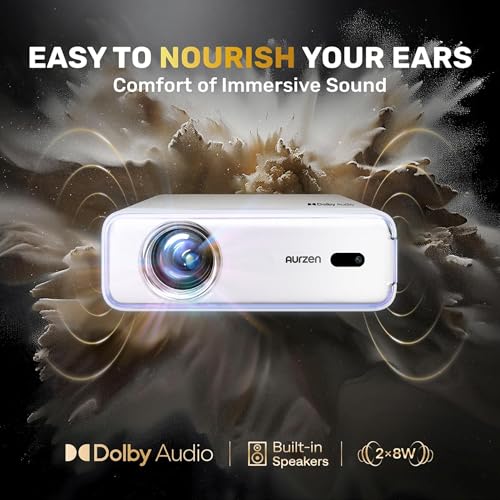
Sound quality reveals another interesting contrast. The EAZZE D1's dual 8W speakers with Dolby Audio processing actually sound better than you'd expect from such a small device. The stereo separation and 3D sound processing create a surprisingly immersive experience for casual viewing.
The HZ40HDR's single 15W mono speaker provides adequate volume but lacks the spatial audio experience. However, this projector targets users likely to invest in dedicated sound systems anyway, so the basic audio serves as a backup rather than the primary solution.
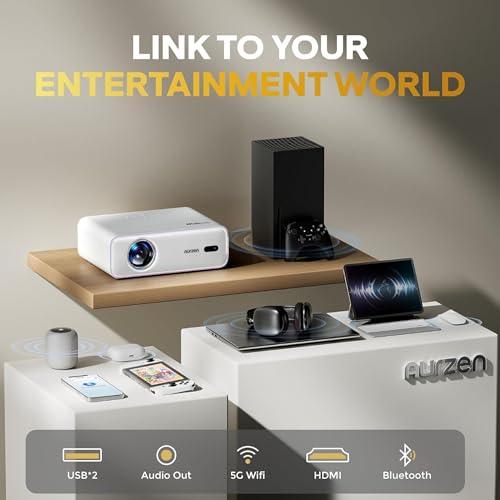
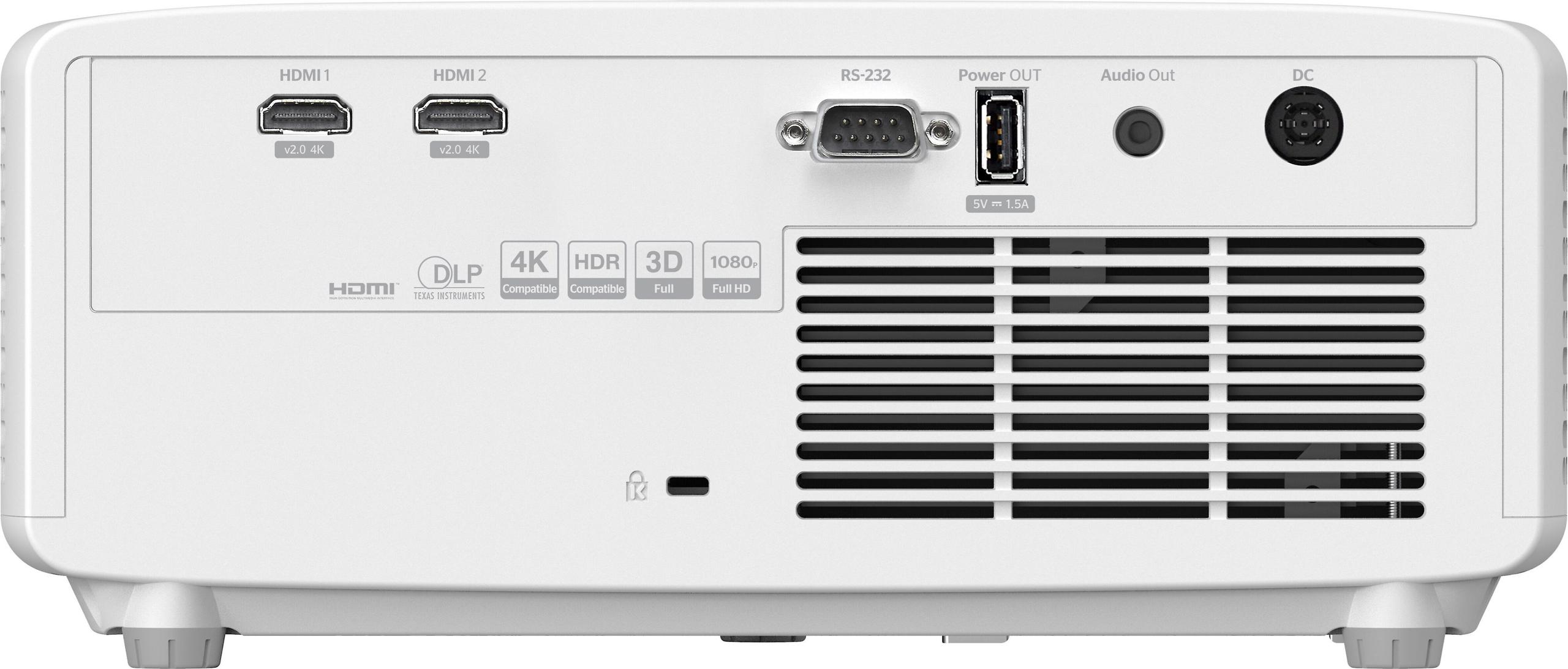
Both projectors include audio outputs for external speakers, but the EAZZE D1 adds two-way Bluetooth functionality, meaning it can both receive audio from phones and transmit to wireless headphones or speakers.
At the time of writing, these projectors sit in completely different price tiers, which makes direct value comparisons complex. The EAZZE D1 represents exceptional value if your usage matches its capabilities—dark room viewing, casual content consumption, and maximum convenience.
However, the total cost equation changes when you factor in usage scenarios. If you need to add blackout curtains, external streaming devices, or frequently replace the projector due to limited brightness degradation over time, the budget option may not stay budget-friendly long-term.
The HZ40HDR commands premium pricing but includes technology that justifies the investment for serious home theater enthusiasts. The maintenance-free laser operation, professional image quality, and gaming performance create long-term value that budget options simply cannot match.
For dedicated home theater rooms, the HZ40HDR makes significantly more sense despite the higher initial investment. Home theaters benefit from the flexibility to control lighting precisely, making the extra brightness useful for setup and intermission periods. The superior contrast ratio and color accuracy become more noticeable on large screens in dark environments.
The EAZZE D1 works beautifully for casual home theater use—think family movie nights in the living room or outdoor screenings. But serious enthusiasts will quickly notice the limitations in shadow detail, color accuracy, and overall image dynamics.
Choose the EAZZE D1 if you're new to projectors and want to experiment with big-screen entertainment without major investment. It's perfect for renters who can't install permanent equipment, families wanting occasional movie nights, or anyone prioritizing simplicity over ultimate performance.
The portability factor cannot be overstated—I've easily moved this projector between rooms, taken it camping, and set up outdoor movie screenings with minimal effort. The built-in streaming means no additional devices to transport or configure.
Choose the HZ40HDR if you're committed to the projector lifestyle and want professional results. Gamers, sports fans who watch during daytime hours, and anyone planning a dedicated media room will appreciate the performance advantages. The brightness flexibility alone justifies the premium for many users.
These projectors succeed in completely different missions. The EAZZE D1 democratizes big-screen entertainment, making it accessible and convenient for casual users. The HZ40HDR delivers professional home theater performance for enthusiasts willing to invest in superior technology.
Your choice ultimately depends on viewing environment and performance priorities. If you primarily watch in dark rooms and value convenience, the EAZZE D1 delivers remarkable capability for the investment. If you need daytime viewing, gaming performance, or maximum image quality, the HZ40HDR's advanced technology becomes essential rather than excessive.
Both projectors represent their categories well, making this less about finding the "best" projector and more about matching technology to your specific needs and usage patterns.
| Aurzen EAZZE D1 Smart Projector | Optoma HZ40HDR 1080p Projector |
|---|---|
| Brightness - The most critical spec determining where you can use your projector | |
| 200 ANSI lumens (requires very dark rooms, best for evening/nighttime use) | 4,000 ANSI lumens (excellent for rooms with ambient light, daytime viewing possible) |
| Display Technology - Affects color accuracy, contrast, and overall image quality | |
| TFT LCD with 8-bit color processing (good colors, adequate contrast) | DLP with 10-bit color processing (superior contrast, more accurate colors) |
| Light Source - Determines maintenance needs and long-term costs | |
| LED (lower maintenance than lamps, but limited brightness output) | Laser phosphor (30,000 hours maintenance-free, consistent brightness over time) |
| Smart Features - Built-in streaming vs external device requirements | |
| Complete smart TV OS with certified Netflix, Prime Video, YouTube apps | No built-in streaming (requires Fire Stick, Apple TV, or similar device) |
| Gaming Performance - Input lag determines responsiveness for gaming | |
| Standard input lag (suitable for casual gaming only) | 8.6ms input lag at 1080p/120Hz (excellent for competitive gaming) |
| Setup Convenience - How easy it is to get a perfect image | |
| Auto-focus, auto-keystone correction (±45°), obstacle avoidance | Manual focus, manual zoom, standard keystone correction (±30°) |
| Audio System - Built-in speaker quality and connectivity options | |
| Dual 8W speakers with Dolby Audio, two-way Bluetooth 5.1 | Single 15W mono speaker, 3.5mm audio output |
| Portability - Size and weight for moving between locations | |
| Ultra-compact and lightweight (designed for frequent moving) | Larger and heavier at 6.6 lbs (more permanent installation focused) |
| Maximum Practical Screen Size - Largest usable image in typical rooms | |
| 80-100 inches in dark rooms (brightness limits larger sizes) | 200+ inches even with ambient lighting (laser brightness enables large screens) |
| Connectivity Options - Ports and wireless capabilities for device connection | |
| 2 USB ports, 1 HDMI, dual-band WiFi, two-way Bluetooth | 2 HDMI 2.0 ports, USB power, RS-232 (more professional connections) |
| Best Use Cases - Ideal scenarios where each projector excels | |
| Bedroom entertainment, outdoor movie nights, apartment living, casual family viewing | Dedicated home theaters, gaming setups, daytime viewing, large gatherings |
| Value Proposition - What you get for your investment | |
| Complete plug-and-play solution at ultra-budget pricing | Professional image quality and gaming performance at premium pricing |
The Aurzen EAZZE D1 Smart Projector is significantly better for beginners due to its plug-and-play design. It features automatic focus, auto-keystone correction, and built-in streaming apps like Netflix and YouTube, eliminating the need for external devices or complex setup procedures. The Optoma HZ40HDR requires manual adjustments and external streaming devices, making it better suited for users with projector experience.
The Optoma HZ40HDR excels in bright rooms with its 4,000 ANSI lumens output, allowing clear viewing even with windows or room lights on. The Aurzen EAZZE D1 with only 200 ANSI lumens requires very dark environments and performs poorly in any ambient light conditions.
The Optoma HZ40HDR is specifically optimized for gaming with 8.6ms input lag at 1080p/120Hz, making it excellent for competitive gaming and fast-paced games. The Aurzen EAZZE D1 lacks gaming optimizations and is only suitable for casual, turn-based gaming where response time doesn't matter.
The Aurzen EAZZE D1 Smart Projector includes everything needed - built-in streaming apps, speakers, and WiFi connectivity. The Optoma HZ40HDR requires external streaming devices like Fire Stick or Apple TV, and many users will want to add external speakers for better audio quality.
The Optoma HZ40HDR delivers superior image quality with DLP technology, 10-bit color processing, 300,000:1 contrast ratio, and professional color accuracy. The Aurzen EAZZE D1 provides adequate 1080p image quality for casual viewing but cannot match the contrast, color depth, or overall visual performance of the Optoma HZ40HDR.
The Aurzen EAZZE D1 Smart Projector is designed for maximum portability with ultra-compact dimensions and lightweight construction, perfect for moving between rooms or outdoor use. The Optoma HZ40HDR weighs 6.6 pounds and is larger, making it more suitable for permanent or semi-permanent installation.
For serious home theater use, the Optoma HZ40HDR is significantly better due to its superior brightness, contrast ratio, color accuracy, and ability to fill large screens with quality images. The Aurzen EAZZE D1 works for casual home theater in small, dark rooms but lacks the performance for dedicated theater spaces.
The Optoma HZ40HDR uses laser technology rated for 30,000 hours with virtually no maintenance required over decades of use. The Aurzen EAZZE D1 Smart Projector uses LED technology that will eventually dim over time, though it still offers better longevity than traditional lamp-based projectors.
Both the Aurzen EAZZE D1 and Optoma HZ40HDR can accept 4K input signals but display them at native 1080p resolution. Neither is a true 4K projector, but both can downscale 4K content from streaming services and gaming consoles effectively.
The Aurzen EAZZE D1 Smart Projector has superior built-in audio with dual 8W speakers, Dolby Audio processing, and stereo sound separation. The Optoma HZ40HDR includes only a basic 15W mono speaker, though it targets users likely to invest in external sound systems anyway.
The Aurzen EAZZE D1 works best with 80-100 inch screens in dark rooms, while larger sizes appear too dim. The Optoma HZ40HDR can easily handle 150-200+ inch screens even in rooms with ambient lighting, making it much more flexible for large-scale viewing.
The Aurzen EAZZE D1 Smart Projector offers excellent short-term value for budget-conscious buyers who primarily watch in dark environments. The Optoma HZ40HDR provides better long-term value for serious users due to its maintenance-free laser operation, superior performance capabilities, and professional build quality that will last for decades.
We've done our best to create useful and informative comparisons to help you decide what product to buy. Our research uses advanced automated methods to create this comparison and perfection is not possible - please contact us for corrections or questions. These are the sites we've researched in the creation of this article: aurzen.com - projectorcentral.com - manuals.plus - aurzen.com - projektoren-datenbank.com - hometechnologyreview.com - aurzen.com - youtube.com - aurzen.com - youtube.com - youtube.com - aurzen.com - tvsbook.com - projectorcentral.com - optomausa.com - crutchfield.com - tvsbook.com - youtube.com - avsforum.com - hometechnologyreview.com - optomausa.com - bestbuy.com - tvsbook.com - picclick.com - crutchfield.com - homecinemachoice.com - compsource.com - adorama.com - bhphotovideo.com - provantage.com - cdw.com - datavision.com - manua.ls - ipcstore.com - pcrichard.com - richersounds.com - electronicexpress.com - projexdisplay.com - dubaimachines.com - newegg.com - projectorpoint.co.uk - a.ubuy.com.kw - greentoe.com

Privacy Policy
Terms and Conditions - Affiliate Policy
Home Security
© Copyright 2008-2026.
11816 Inwood Rd #1211, Dallas, TX 75244