

The home projector landscape has evolved dramatically over the past decade. What was once an expensive luxury item reserved for dedicated home theaters has become an accessible technology for many households. Today's projectors offer impressive performance at increasingly affordable price points, creating compelling alternatives to traditional TVs for both movie enthusiasts and gamers alike.
When exploring the projector market in 2023, you'll quickly discover two distinct approaches: home theater projectors designed to deliver cinema-quality experiences and gaming projectors engineered for responsiveness and bright, visible images even in less-than-ideal lighting conditions.
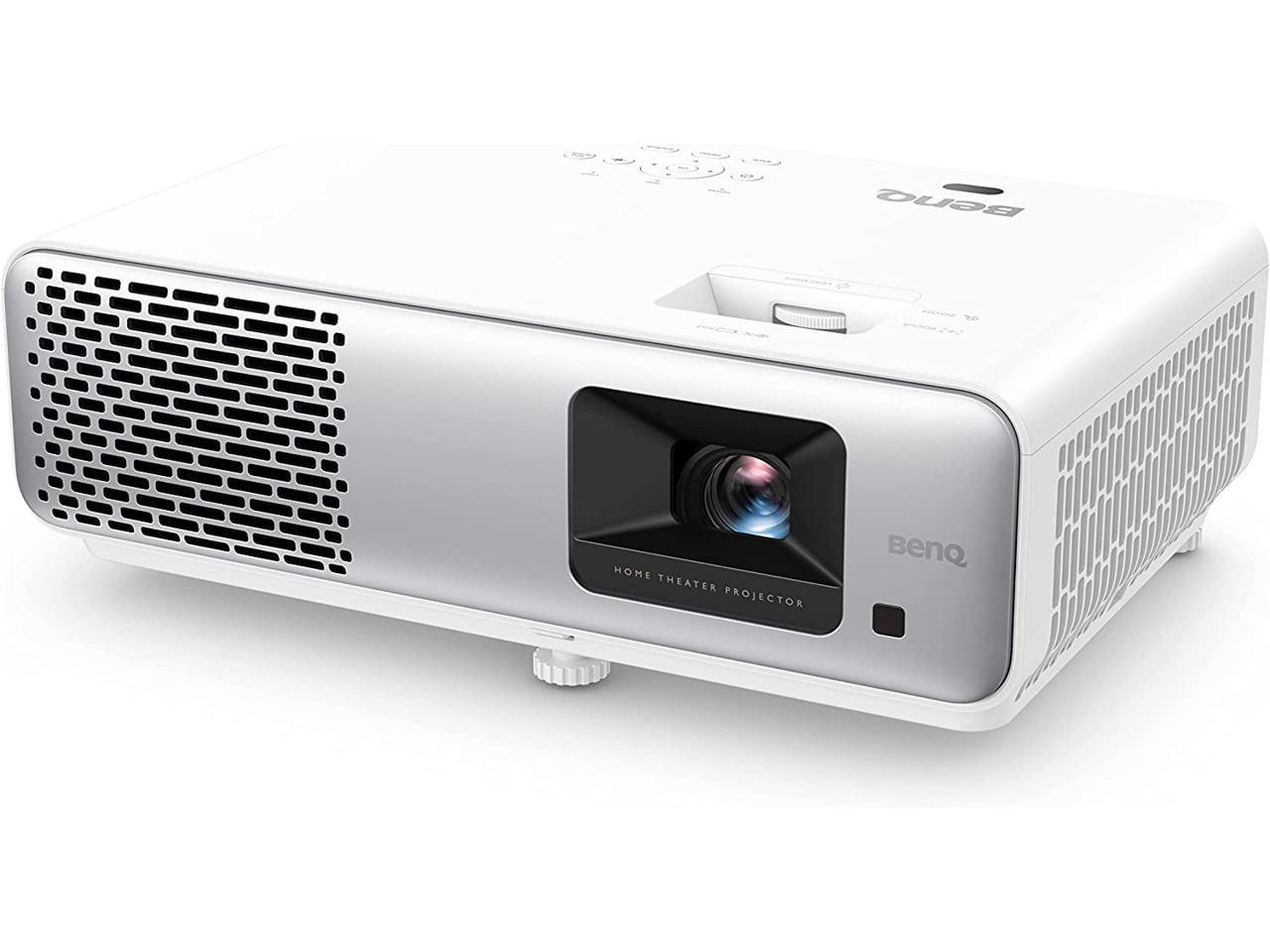
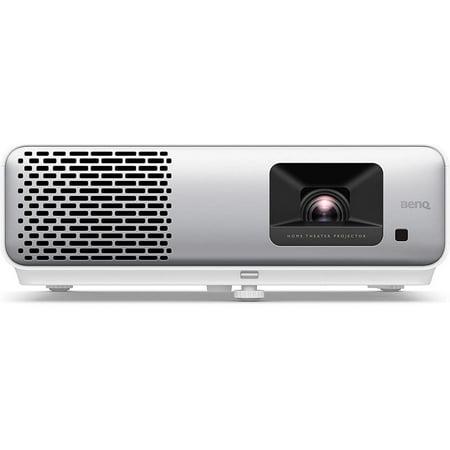
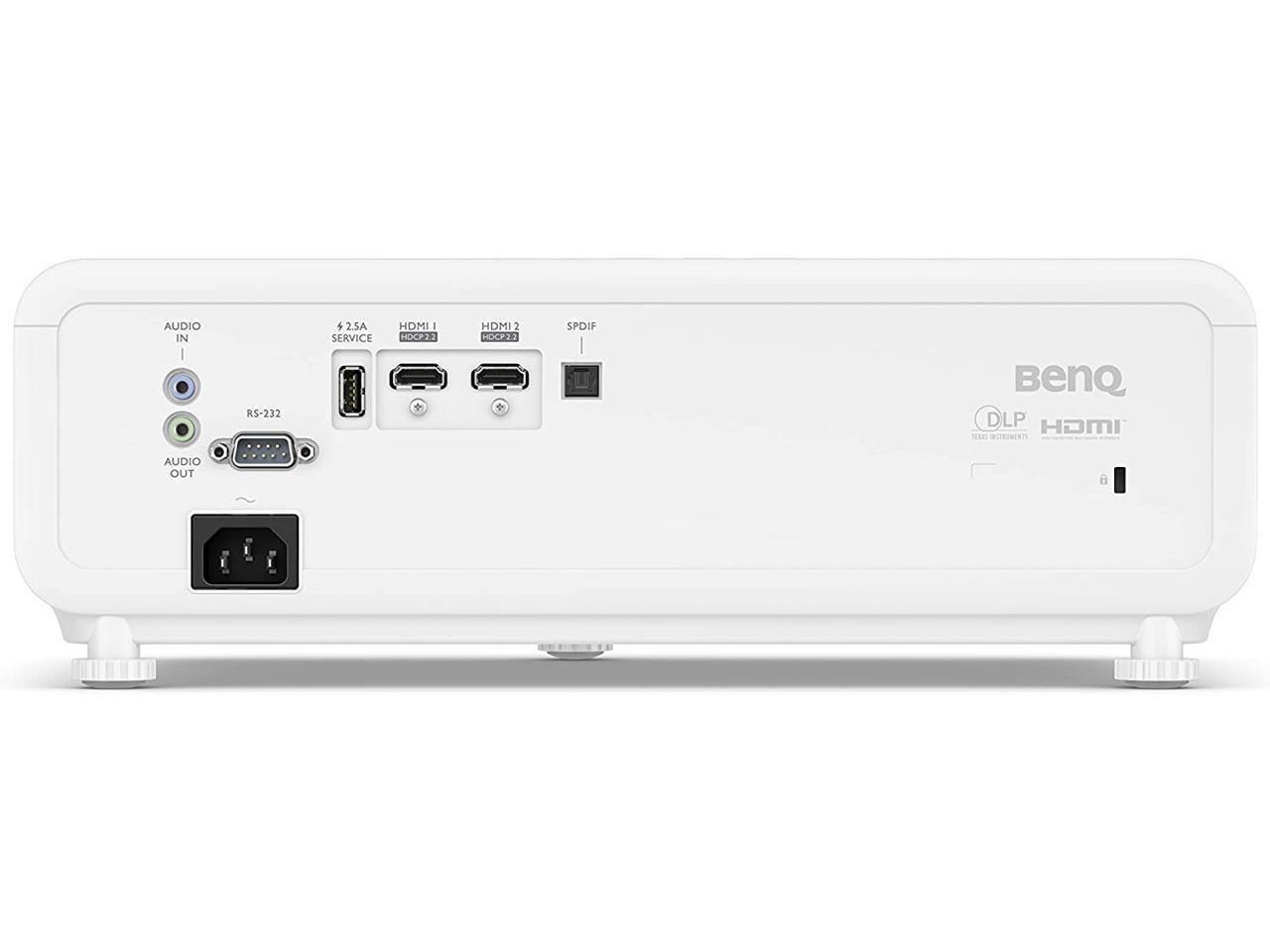
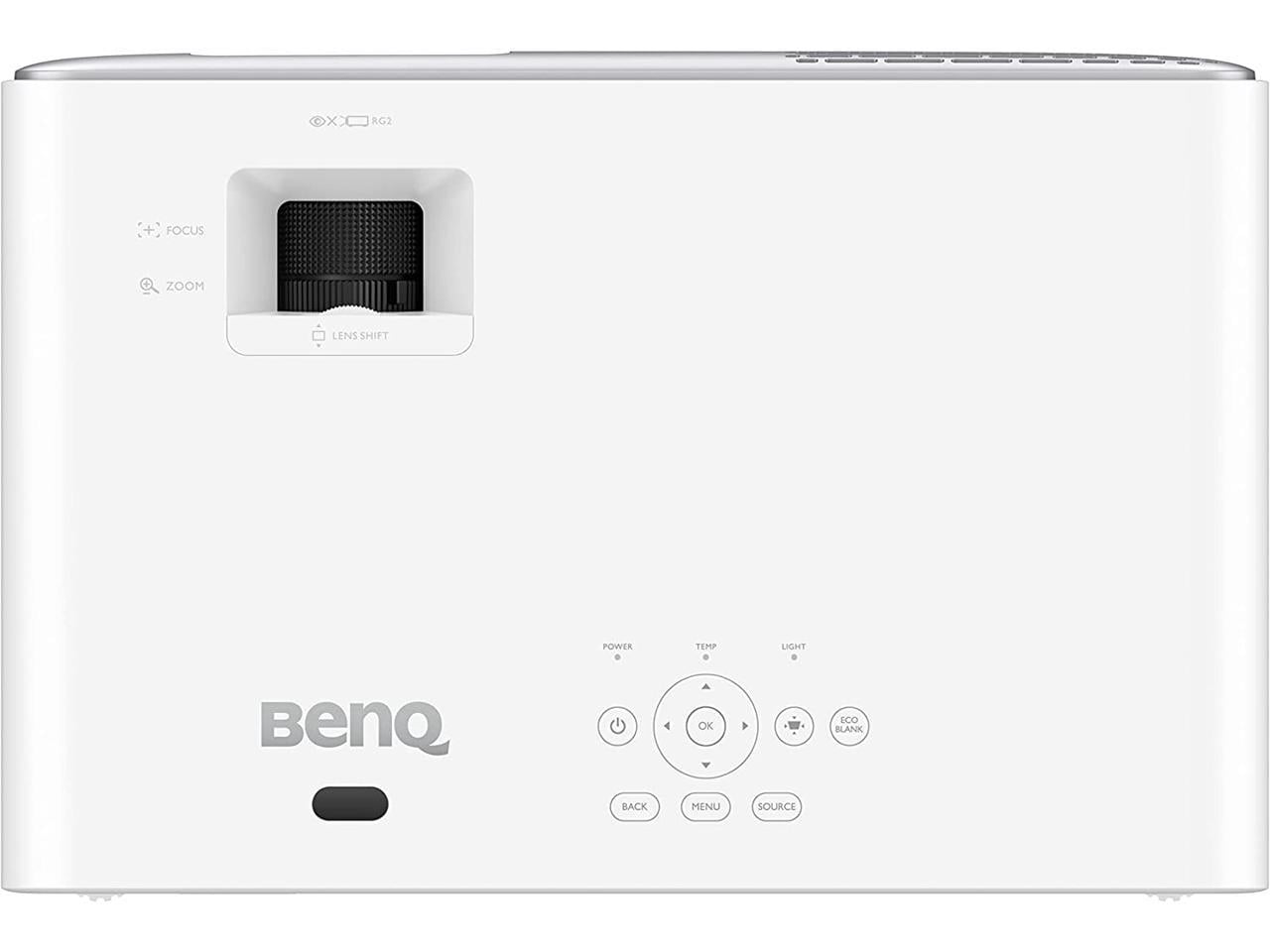
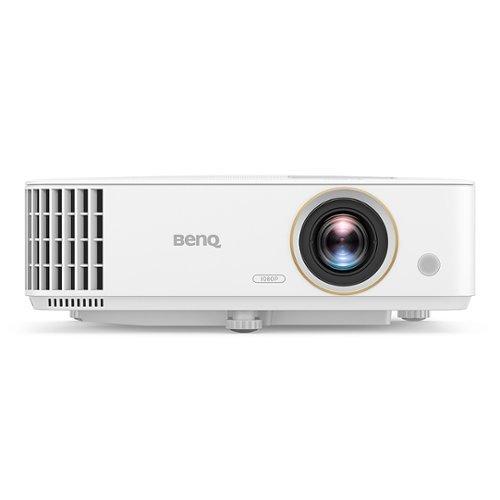
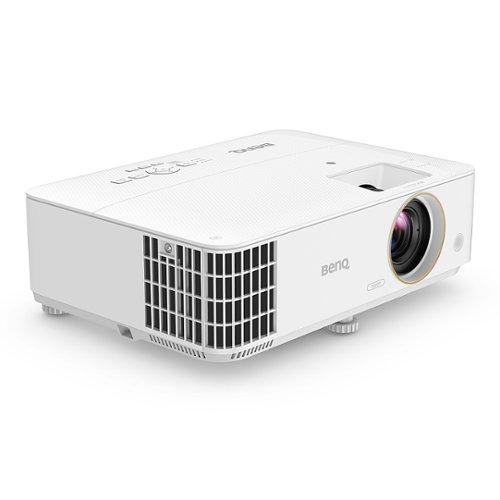
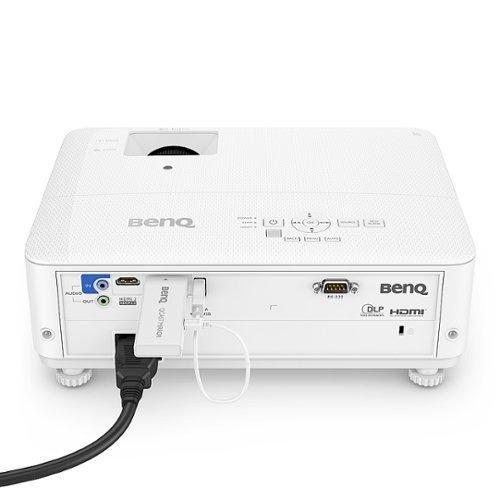
The BenQ HT2060 and the BenQ TH685P represent these two philosophies perfectly. Released in late 2022 and early 2023 respectively, both projectors showcase BenQ's latest advancements in their respective categories while maintaining 1080p resolution price points that won't break the bank.
"Understanding the differences between these two models isn't just about specs on paper," explains industry expert Richard Morrison. "It's about recognizing how those specifications translate to real-world usage in your specific environment."
Let's dive into what makes each of these projectors special, where they excel, and most importantly—which one might be right for your home setup.
The HT2060 ($999) represents one of the most significant technological shifts in home projection: the move from traditional lamps to solid-state lighting. Its 4LED light source (using red, green, blue, and an additional blue LED with yellow phosphor) creates several advantages over conventional lamp-based projectors.
"LED light sources maintain consistent brightness and color performance throughout their lifespan," explains projection specialist Emma Chen. "Unlike traditional lamps that gradually dim and shift in color temperature, LEDs provide stable image quality for years."
With a rated lifespan of 20,000 to 30,000 hours, the HT2060's light source should last the entire useful life of the projector for most users. Even at 4 hours of daily use, that's over 13 years before reaching the 20,000-hour mark.
By contrast, the TH685P ($799) uses a traditional UHP (Ultra-High Pressure) mercury lamp rated for up to 15,000 hours in its most economical mode—still impressive, but requiring potential lamp replacements for heavy users. These replacement lamps typically cost between $150-250, representing an additional long-term ownership cost.
Both projectors employ Texas Instruments DLP (Digital Light Processing) technology utilizing a DMD (Digital Micromirror Device) chip with millions of microscopic mirrors that tilt toward or away from the light source to create images. DLP technology is known for its sharp images, excellent motion handling, and reliability.
While both offer Full HD 1920×1080 resolution, the way they process images differs subtly. The HT2060 uses more sophisticated image processing algorithms designed for film and television content, while the TH685P optimizes its processing for minimal lag and maximum responsiveness.
"1080p resolution remains the sweet spot for many users," notes home theater designer Carlos Mendez. "While 4K projectors have become more affordable, they still command a significant premium. For most viewing distances in average living rooms, properly implemented 1080p projection delivers outstanding detail."
Color performance represents one of the clearest distinctions between these two projectors. The HT2060 features BenQ's CinematicColor technology, covering 98% of the Rec.709 color standard (the international standard for HDTV). This wide color coverage, combined with factory calibration and a Filmmaker Mode that disables unnecessary post-processing, results in extremely accurate color reproduction straight out of the box.
Filmmaker Mode deserves special mention as it's designed to show content exactly as directors intended, without the artificial sharpening, motion smoothing, or noise reduction that can make movies look unnatural—what filmmakers often call the "soap opera effect."
The TH685P, while still offering respectable 95% Rec.709 coverage, prioritizes brightness and visibility over absolute color accuracy. Its gaming-focused image modes sometimes sacrifice color fidelity to enhance visibility in dark scenes—helpful when trying to spot opponents hiding in shadows but less desirable when watching films.
"For movie enthusiasts, the HT2060's color accuracy makes a noticeable difference in skin tones and subtle gradations," explains cinematographer David Wu. "Colors appear natural rather than exaggerated, preserving the director's creative vision."
Perhaps the most dramatic technical difference between these projectors lies in their contrast capabilities. The HT2060 boasts a 500,000:1 contrast ratio compared to the TH685P's 10,000:1 ratio—a 50x difference that's immediately apparent when viewing dark scenes.
Contrast ratio measures the difference between the brightest whites and darkest blacks a display can produce. Higher contrast results in more depth, dimension, and detail, particularly in shadows and dark scenes. The HT2060's superior contrast creates more immersive viewing experiences for movies and shows with dramatic lighting.
"In practice, this means when watching something like 'The Batman' or 'Stranger Things,' the HT2060 will show significantly more detail in shadowy scenes," notes home theater enthusiast Maria Lopez. "Dark scenes on the TH685P appear more washed out, with subtle details lost in gray-black rather than true black."
Both projectors support HDR10 and HLG (Hybrid Log-Gamma) formats, but their implementation differs substantially. HDR (High Dynamic Range) content contains information for a much wider range of brightness and color than standard content, requiring the display to map this expanded range to its capabilities.
The HT2060's sophisticated tone mapping algorithms and higher contrast ratio allow it to extract more detail from HDR content, particularly in highlights and shadows. When watching HDR content, the HT2060 preserves more of the original dynamic range, though like all projectors, it can't match the peak brightness of high-end HDR TVs.
The TH685P processes HDR content adequately but can't render the same level of detail in extreme highlights and shadows due to its more limited contrast capabilities.
For gamers, input lag—the delay between pressing a button and seeing the result on screen—can make the difference between victory and defeat. Here, the TH685P demonstrates its gaming-focused design with an impressively low 8.3ms input lag at 1080p/120Hz, placing it among the fastest-responding projectors available at any price.
"To put this in perspective, most TVs marketed as 'gaming TVs' have input lags between 10-15ms," explains esports coach Trevor Phillips. "The TH685P's 8.3ms response is faster than many competitive gaming monitors."
The HT2060 offers a still-respectable 16.7ms input lag at 1080p/60Hz, which feels responsive for most single-player games and casual multiplayer. However, competitive gamers playing fast-paced shooters, fighting games, or racing simulators might notice the difference.
Another gaming advantage for the TH685P is its support for 120Hz refresh rates, allowing it to display up to 120 frames per second when connected to capable gaming PCs or the latest consoles in compatible modes. Higher refresh rates create smoother motion and can provide competitive advantages in fast-paced games.
The HT2060 maxes out at 60Hz, which remains standard for most console gaming but falls behind the capabilities of high-end gaming PCs and the latest PlayStation 5 and Xbox Series X games that support 120Hz modes.
The TH685P includes dedicated gaming features absent from the HT2060. Its Game Mode enhances visibility in dark scenes (helpful for spotting opponents), while Game Sound Mode emphasizes important audio cues like footsteps and reloading sounds that can provide tactical advantages.
"These gaming optimizations won't appeal to cinephiles because they intentionally alter the original content," notes gaming journalist Rebecca Chen. "But for competitive gamers, these alterations serve a purpose—enhancing competitive performance rather than preserving artistic intent."
The TH685P shines—literally—with its 3500 ANSI lumens output compared to the HT2060's 2300 ANSI lumens. ANSI lumens is a standardized measurement of brightness that, unlike manufacturer-specific "brightness units," allows for direct comparison between projectors.
This brightness difference makes the TH685P significantly more versatile in terms of room conditions. It can produce visible, enjoyable images even with some ambient light present—think afternoon gaming sessions where completely blacking out the room isn't practical.
"The TH685P thrives in multi-purpose living rooms where total light control isn't possible," explains home entertainment specialist Jessica Wong. "You can still see a clear, vibrant image even with some blinds open or lamps on."
The HT2060, while still quite bright at 2300 lumens, performs optimally in controlled lighting environments where its superior contrast and color accuracy can take center stage. In a properly darkened room, the HT2060's image quality advantages become most apparent, creating a more cinema-like experience.
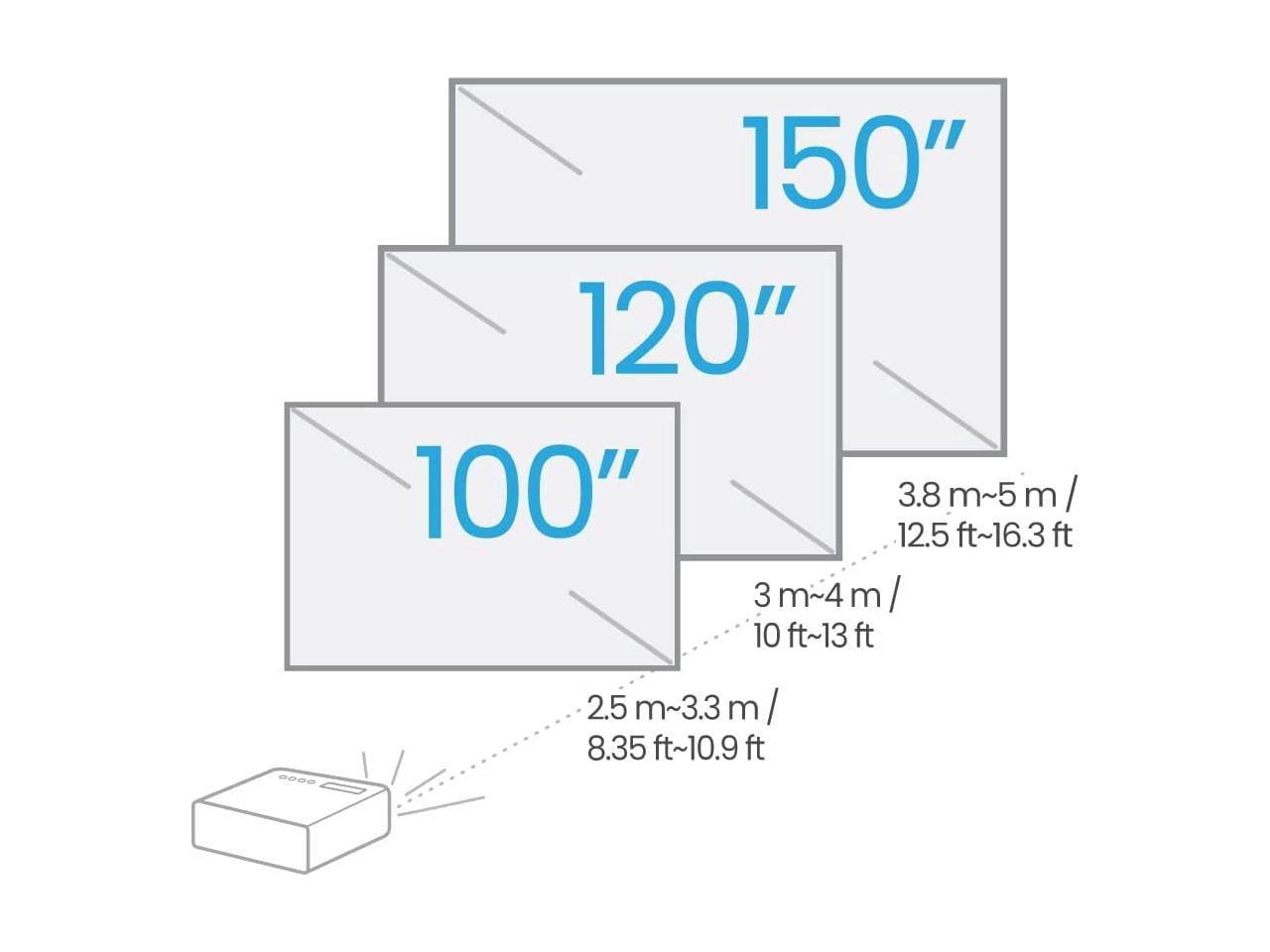
Both projectors can create images from roughly 60 to 150 inches diagonally, though the brightness difference affects their practical maximum size. The TH685P's extra brightness allows it to maintain vibrant images even at the larger end of this range, while the HT2060 might appear slightly dimmer when projecting very large images in anything but a completely dark room.
"If you're planning on a truly massive 120+ inch screen, the TH685P's brightness advantage becomes increasingly important," notes projection screen manufacturer Robert Davis. "Brightness requirements increase with screen size, so more lumens means more flexibility."
Both projectors feature 1.3x zoom lenses and vertical keystone correction (which digitally adjusts the image shape when the projector can't be placed directly centered with the screen). However, the HT2060 adds a modest +10% vertical lens shift capability—a mechanical adjustment that moves the lens inside the projector to shift the image position without digital distortion.
"Lens shift is preferable to keystone correction because it moves the image without digital manipulation that can reduce image quality," explains installation professional Michael Torres. "Even the HT2060's limited vertical shift provides valuable placement flexibility."
The TH685P lacks lens shift, requiring more precise placement relative to the screen, though its keystone correction can compensate when necessary. Both projectors have similar throw ratios (the distance needed to create a given screen size), with the HT2060 requiring approximately 8 feet to project a 100-inch image and the TH685P needing about 8.5 feet.
At 6.2 pounds, the TH685P is notably lighter than the 7.9-pound HT2060, making it somewhat more portable for users who might want to move their projector between rooms or bring it to friends' houses for gaming sessions or movie nights.
Both projectors feature similar footprints and cooling systems, though the TH685P's lamp-based design generates more heat than the HT2060's more efficient LED system, resulting in slightly louder fan noise under full brightness.
While the TH685P costs approximately $200 less upfront ($799 vs. $999), the HT2060's LED light source may represent better long-term value for many users. A typical projection enthusiast might replace a standard projector lamp every 3-5 years, adding $150-250 per replacement to the total ownership cost.
"When factoring in at least one lamp replacement over a 5-year ownership period, the actual cost difference between these models becomes negligible," observes consumer technology analyst Brian Foster. "For users planning to keep their projector for many years, the HT2060's LED system could actually make it less expensive in the long run."
Additionally, the HT2060's LED light source maintains consistent brightness and color over its entire lifespan, while traditional lamps gradually dim and shift in color temperature, resulting in slowly degrading image quality until replacement.
Both projectors come with BenQ's standard 3-year warranty, covering manufacturer defects and technical issues. BenQ has built a reputation for responsive customer support and has service centers throughout North America, Europe, and Asia.
The BenQ HT2060 is ideal for:
The BenQ TH685P shines for:
Choosing between the BenQ HT2060 and the BenQ TH685P ultimately comes down to understanding your primary use case and environment. Both projectors excel in their intended applications while making different compromises to achieve their goals.
For the dedicated cinephile creating a true home theater experience in a controlled environment, the HT2060's superior contrast, color accuracy, and consistent LED performance justify its higher price point. The image quality difference is substantial when viewing movies and shows in proper conditions.
For the serious gamer or someone using a projector in varied lighting conditions, the TH685P's lower input lag, higher refresh rate, and extra brightness make it the more practical choice. Its gaming-specific features and brightness versatility outweigh its comparative shortcomings in absolute image quality.
"The projector market has matured to the point where specialized tools exist for different purposes," concludes home entertainment writer Sarah Johnson. "The question isn't which projector is better in absolute terms, but which better serves your specific needs."
Whether you choose the filmmaker-focused HT2060 or the gamer-friendly TH685P, today's projectors offer remarkable performance that was unimaginable at these price points just a few years ago. The real winner is the consumer, who now has access to specialized projection technology tailored to their unique entertainment preferences.
| BenQ HT2060 HDR Home Theater Projector | BenQ TH685P 1080p HDR Gaming Projector |
|---|---|
| Price - Initial investment consideration | |
| $999 (higher upfront cost but includes LED light source) | $799 (more affordable entry point but may require lamp replacement) |
| Light Source - Affects maintenance costs and image consistency | |
| 4LED system (20,000-30,000 hour lifespan, no replacement needed) | Traditional lamp (up to 15,000 hours, $150-250 replacement cost) |
| Brightness - Determines usability in various lighting conditions | |
| 2,300 ANSI lumens (best for controlled lighting environments) | 3,500 ANSI lumens (suitable for rooms with some ambient light) |
| Contrast Ratio - Impacts depth, shadow detail, and overall image quality | |
| 500,000:1 (exceptional black levels and shadow detail) | 10,000:1 (good but noticeably less dynamic range) |
| Input Lag - Critical for gaming responsiveness | |
| 16.7ms at 1080p/60Hz (good for casual gaming) | 8.3ms at 1080p/120Hz (excellent for competitive gaming) |
| Refresh Rate - Affects motion smoothness in games | |
| 60Hz maximum (standard for most content) | 120Hz support (smoother motion in compatible games) |
| Color Accuracy - Important for accurate content reproduction | |
| 98% Rec.709 coverage with CinematicColor technology | 95% Rec.709 coverage with gaming-oriented modes |
| Special Modes - Enhances specific use cases | |
| Filmmaker Mode (preserves director's intent for movies) | Game Mode and Game Sound Mode (optimized for competitive visibility) |
| Installation Flexibility - Affects ease of setup | |
| 1.3x zoom with +10% vertical lens shift | 1.3x zoom without lens shift |
| Weight - Impacts portability | |
| 7.9 pounds (less portable) | 6.2 pounds (more portable) |
| Best For - Primary use case recommendation | |
| Movie enthusiasts and home theater setups with controlled lighting | Gamers and multi-purpose rooms with varying light conditions |
The BenQ HT2060 HDR Home Theater Projector is significantly better for watching movies thanks to its superior 500,000:1 contrast ratio, more accurate 98% Rec.709 color coverage, and Filmmaker Mode that preserves the director's intent. While the BenQ TH685P Gaming Projector can certainly play movies, the HT2060's better black levels, color accuracy, and HDR handling make it the clear choice for cinephiles who want the best home theater experience.
The BenQ TH685P Gaming Projector is purpose-built for gaming with an extremely low 8.3ms input lag at 120Hz, dedicated Game Mode for better visibility in dark scenes, and Game Sound Mode that enhances important audio cues. The BenQ HT2060 has respectable 16.7ms input lag but can't match the TH685P's gaming-focused features and higher 120Hz refresh rate support, making the TH685P the superior choice for serious gamers.
The BenQ TH685P performs much better in rooms with ambient light thanks to its higher 3,500 ANSI lumens brightness compared to the BenQ HT2060's 2,300 ANSI lumens. This extra brightness allows the TH685P to produce a visible, vibrant image even when some light is present in the room, making it more versatile for multi-purpose living spaces where complete darkness isn't always practical.
The BenQ HT2060 Home Theater Projector costs approximately $999, while the BenQ TH685P Gaming Projector has a lower price point of around $799. This $200 difference represents the premium for the HT2060's better contrast, LED light source, and color accuracy. However, the long-term cost difference may be less when factoring in potential lamp replacements for the TH685P.
The BenQ HT2060 has a substantially longer lifespan with its 4LED light source rated for 20,000-30,000 hours, compared to the BenQ TH685P's lamp-based system rated for up to 15,000 hours (in eco mode). Additionally, the HT2060's LED light source maintains consistent brightness and color over its entire lifespan, while the TH685P's lamp will gradually dim and require replacement at additional cost.
No, neither the BenQ HT2060 nor the BenQ TH685P are true 4K projectors. Both offer 1080p Full HD (1920×1080) native resolution. However, both projectors can accept 4K input signals and downscale them to 1080p. For actual 4K projection, you would need to look at higher-end models in BenQ's lineup that offer true 3840×2160 resolution.
The BenQ HT2060 offers slightly more installation flexibility with its +10% vertical lens shift feature, which allows adjusting the image position without moving the projector. Both the HT2060 and BenQ TH685P include 1.3x zoom and keystone correction, but the TH685P lacks lens shift capability. The HT2060's lens shift advantage may eliminate the need for keystone correction in some setups, preserving better image quality.
Yes, both projectors can handle movies and gaming, but with different strengths. The BenQ HT2060 prioritizes image quality, making it better for movies while still offering decent 16.7ms input lag for casual gaming. The BenQ TH685P emphasizes gaming performance with superior 8.3ms input lag and 120Hz refresh rate but sacrifices some movie-watching quality. Choose based on which activity you'll do more frequently.
The BenQ HT2060 Home Theater Projector delivers noticeably better HDR performance due to its significantly higher 500,000:1 contrast ratio compared to the BenQ TH685P's 10,000:1 ratio. Both support HDR10 and HLG formats, but the HT2060's superior contrast and more sophisticated tone mapping allow it to extract more detail from HDR content, particularly in highlights and shadows, creating a more dynamic image.
The BenQ HT2060 uses a maintenance-free 4LED light source rated for 20,000-30,000 hours that never needs replacement during the projector's practical lifespan. The BenQ TH685P uses a traditional lamp rated for up to 15,000 hours in eco mode (less in normal mode) that will eventually require replacement at a cost of approximately $150-250, adding to the total ownership cost.
For a dedicated home theater room with controlled lighting, the BenQ HT2060 is clearly superior with its better contrast ratio (500,000:1), more accurate colors (98% Rec.709), and Filmmaker Mode that preserves director's intent. While the BenQ TH685P is brighter, this advantage is less important in a properly darkened home theater space where the HT2060's superior image quality will be more noticeable and appreciated.
The BenQ TH685P is more portable at 6.2 pounds compared to the BenQ HT2060's 7.9 pounds. This 1.7-pound difference makes the TH685P easier to move between rooms or transport to different locations. Combined with its higher brightness that works better in varied environments, the TH685P is the better choice if you need a projector that will frequently change locations rather than remain in a fixed installation.
We've done our best to create useful and informative comparisons to help you decide what product to buy. Our research uses advanced automated methods to create this comparison and perfection is not possible - please contact us for corrections or questions. These are the sites we've researched in the creation of this article: projectorcentral.com - avsforum.com - bestbuy.com - avsforum.com - tomsguide.com - avsforum.com - projectorreviews.com - hometheaterhifi.com - youtube.com - avsforum.com - cnet.com - techgearlab.com - cdw.com - bhphotovideo.com - projectorcentral.com - shop.avispl.com - tvsbook.com - youtube.com - projectorreviews.com - avsforum.com - youtube.com - projectorcentral.com - androidguys.com - bhphotovideo.com - techradar.com - newegg.com - projectorcentral.com - cnet.com - staples.com - cdw.com - youtube.com - shi.com - touchboards.com - projectorcentral.com - youtube.com - iconicmicro.com - adorama.com - publicsector.shidirect.com - adorama.com

Privacy Policy
Terms and Conditions - Affiliate Policy
Home Security
© Copyright 2008-2026.
11816 Inwood Rd #1211, Dallas, TX 75244