

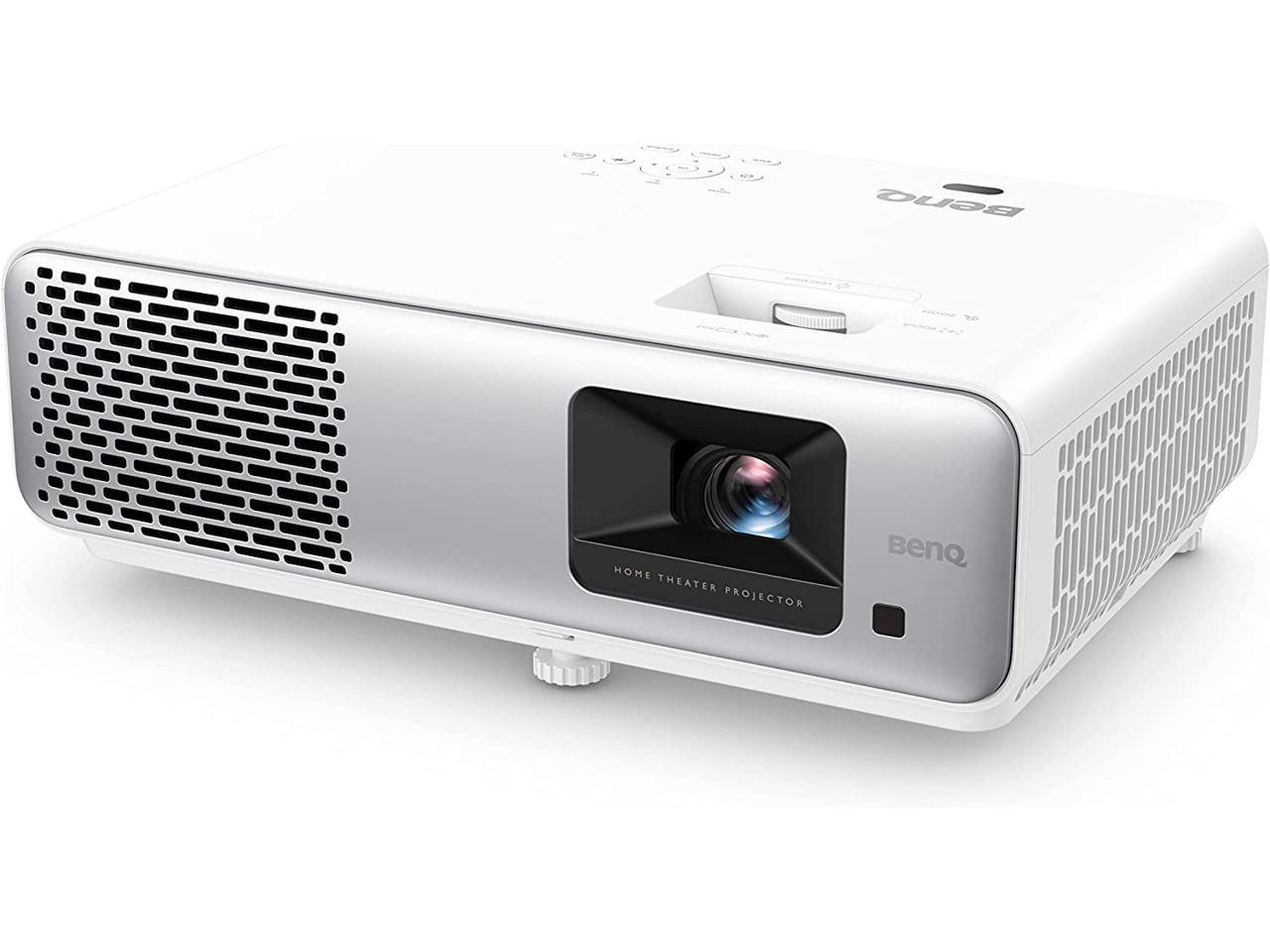
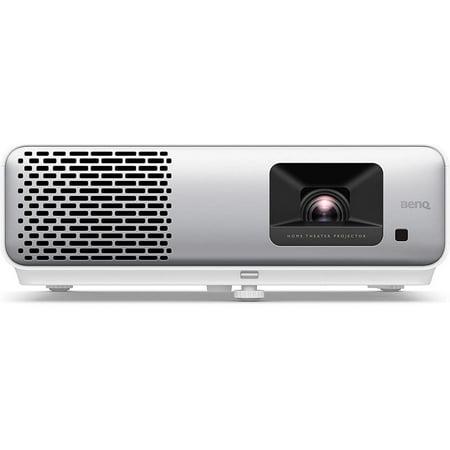
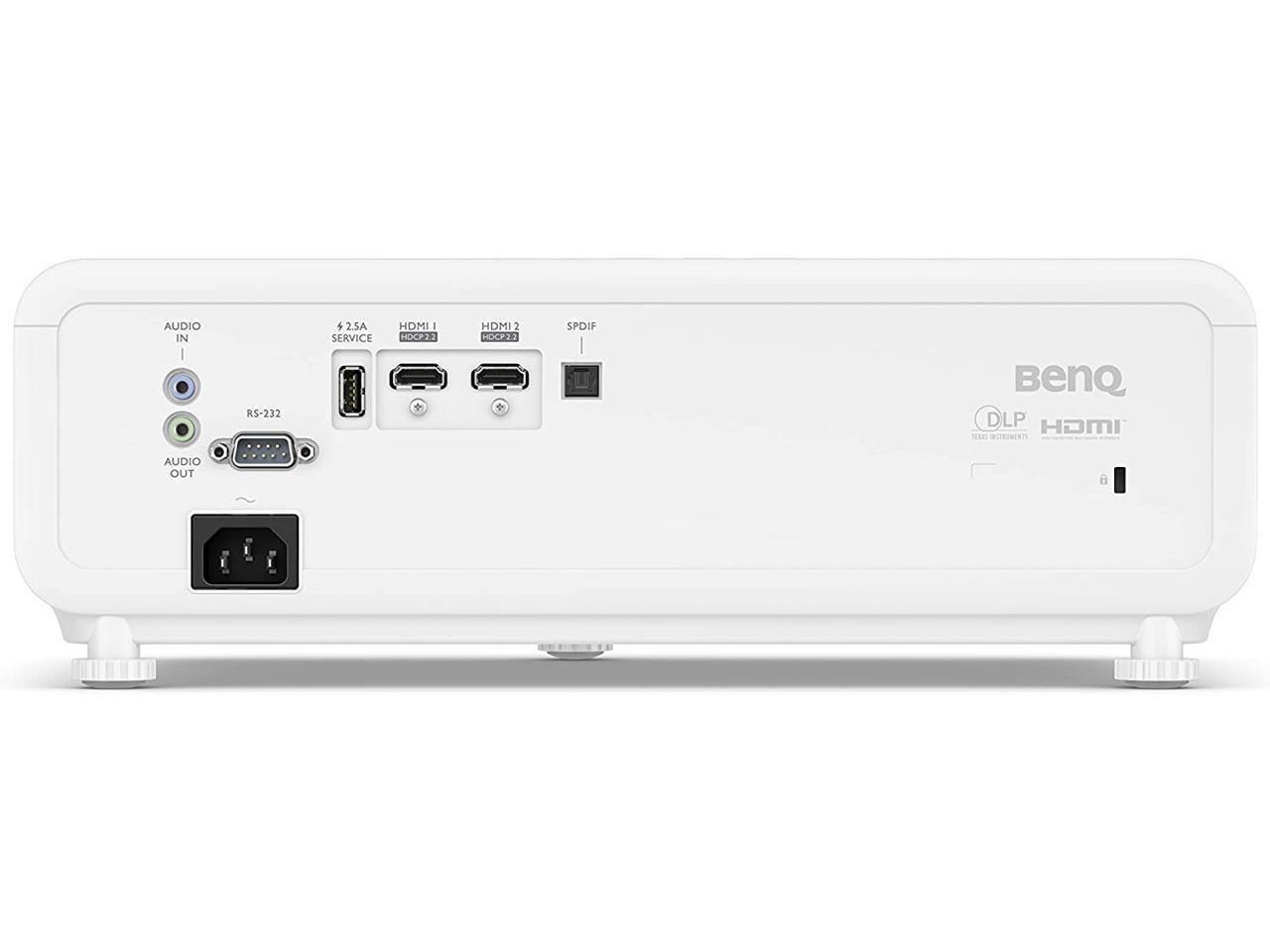
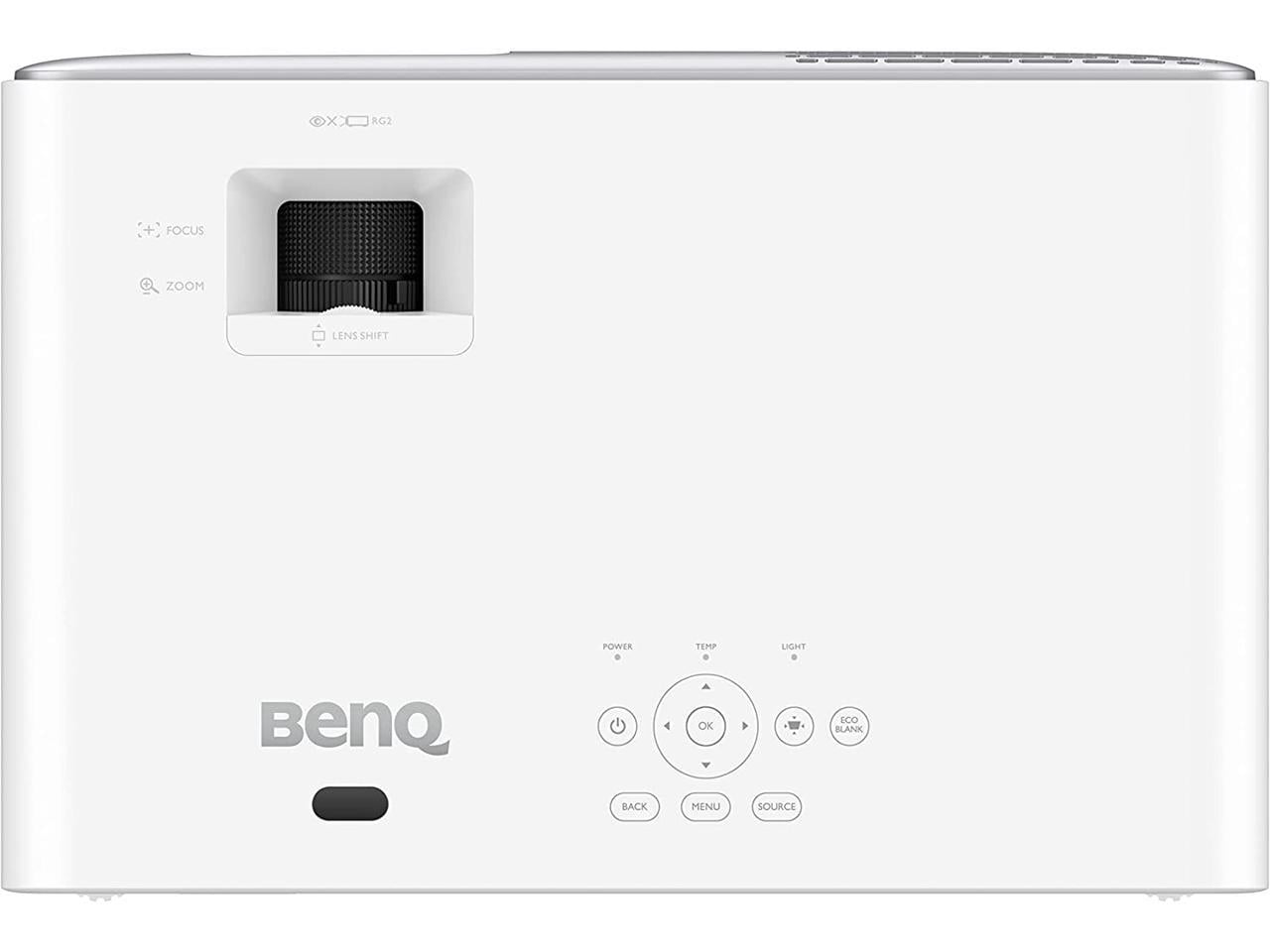
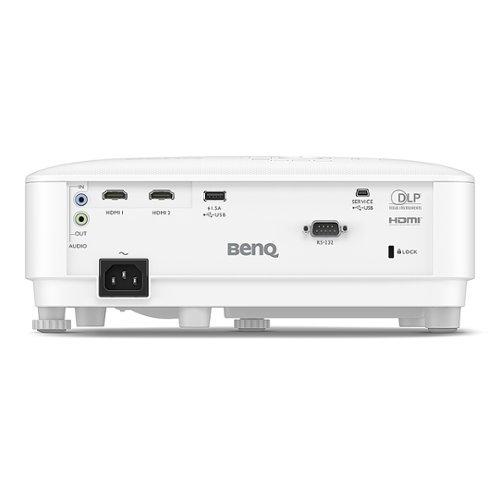
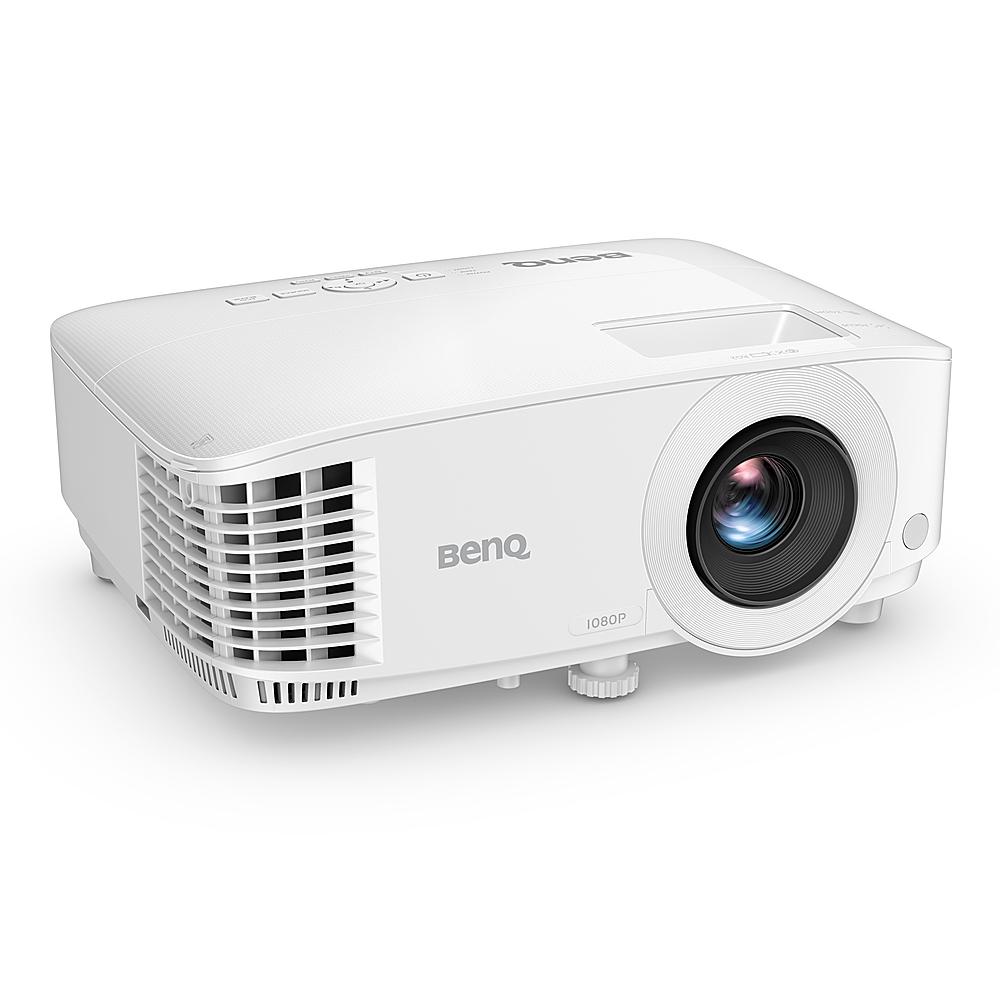
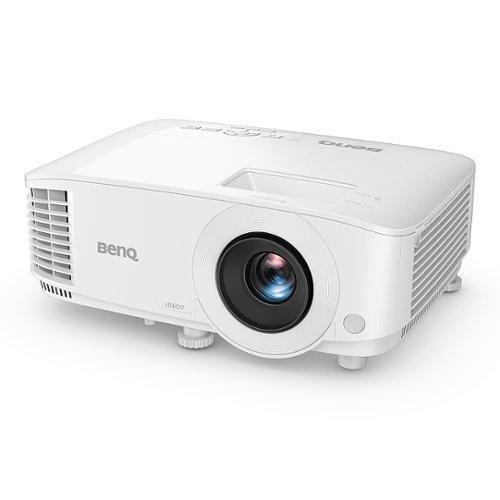
The world of home projectors has evolved dramatically in recent years, with technology once reserved for commercial theaters now becoming accessible to everyday consumers. If you're looking to upgrade your home entertainment system with a projector, you're likely facing a choice between models optimized for different experiences. Today, we're comparing two popular BenQ projectors: the HT2060 HDR Home Theater Projector ($999) and the TH575 1080p Gaming Projector ($599-649).
Before diving into the specifics of these two models, it's worth understanding the current state of projector technology. Both the HT2060 and TH575 were released in 2022, representing BenQ's latest offerings in their respective categories. The projector market has seen significant advancements in recent years, particularly in four key areas: brightness efficiency, color accuracy, input lag reduction, and light source technology.
Traditional lamp-based projectors have increasingly been challenged by LED and laser alternatives, which offer longer lifespans and more consistent brightness over time. Similarly, manufacturers have made great strides in reducing input lag—the delay between your controller input and the corresponding action on screen—making projectors viable options for gaming in ways that weren't possible just a few years ago.
The $999 HT2060 and $599-649 TH575 represent different price points in BenQ's lineup, with a substantial $350-400 gap between them. This price difference is significant and reflects their different target audiences and use cases.
The HT2060 is positioned as a premium home theater solution for movie enthusiasts who prioritize image quality and color accuracy in a controlled environment. Its price point puts it in the mid-range for dedicated home theater projectors, which can easily reach several thousand dollars at the high end.
The TH575, meanwhile, targets gamers and casual viewers who need flexibility and brightness at a more accessible price point. It's designed to perform well even in rooms with some ambient light—a common scenario for gaming sessions or casual TV watching.
Both projectors offer Full HD 1920×1080 native resolution, providing sharp, detailed images for most content. While 4K projectors are becoming more common, they typically cost significantly more, making 1080p still a sweet spot for value.
The HT2060 has an advantage in processing, however. It can accept 4K HDR signals and downscale them to its native 1080p resolution. This means that when connected to 4K sources like the latest gaming consoles or streaming devices, it can still benefit from the higher-quality signal, preserving more detail and color information than if the source were outputting at 1080p directly.
Having tested numerous projectors that accept 4K signals but display at 1080p, I've found the difference is subtle but noticeable, particularly with high-quality 4K content that contains HDR information.
The color reproduction capabilities of these projectors represent one of their most significant differences.
The HT2060 features a 4LED light source—a significant technological advancement over traditional lamps. This system uses four distinct LED elements (red, green, blue, and an additional color enhancer) to produce a wider, more accurate color gamut. BenQ claims 98% coverage of the Rec.709 color space, which is the standard used for HDTV broadcasting and most streaming content.
What makes this important for viewers is that colors appear more natural and true-to-life. Skin tones look realistic rather than reddish or yellowish, and specific colors (like certain shades of blue or green) that might appear washed out on lesser projectors maintain their vibrancy and accuracy.
The TH575, in contrast, uses a traditional lamp system with a color wheel. While it supports a theoretical 1.07 billion colors (30-bit), it doesn't specifically emphasize cinema-grade color calibration. This doesn't mean colors look bad—they're still vibrant and enjoyable—but side-by-side with the HT2060, you would notice that colors aren't quite as accurate, especially in challenging content like sunset scenes or content with subtle color gradients.
Perhaps the most dramatic technical difference between these projectors is their contrast capabilities. The HT2060 boasts a 500,000:1 contrast ratio compared to the TH575's 15,000:1 ratio—that's over 33 times higher.
Contrast ratio measures the difference between the brightest white and the darkest black a projector can produce. Higher contrast means more visible detail in dark scenes, deeper blacks, and a more three-dimensional image. This is particularly noticeable when watching films with dark scenes, like horror movies or space films.
In my experience testing various projectors, contrast is often the single biggest factor that separates "good" projectors from "great" ones. The HT2060's superior contrast creates that coveted "cinematic" look that home theater enthusiasts seek, where blacks look truly black rather than dark gray, and shadows reveal subtle details instead of becoming murky patches.
The TH575 does include a "Black Detail Enhancement" feature specifically designed to improve visibility in dark scenes for gaming. This is useful when playing games where seeing enemies hiding in shadows is critical to gameplay, but it's a processing technique rather than a native contrast improvement.
High Dynamic Range (HDR) content offers a wider range between the darkest and brightest parts of an image, along with richer colors, resulting in pictures that more closely resemble what the human eye perceives in real life.
The HT2060 supports both HDR10 (the most common HDR format for movies and streaming) and HLG (Hybrid Log-Gamma, used primarily for broadcast content). Not only does it accept these signals, but it includes specialized tone mapping algorithms that analyze and adjust HDR content for optimal display within the projector's capabilities.
When watching HDR content on the HT2060, bright highlights like sunlight glinting off water or explosions have a realistic intensity, while simultaneously preserving detail in shadows—something that's challenging for projectors to achieve compared to high-end TVs.
The TH575 doesn't specify HDR support in its technical documentation, suggesting it either doesn't support HDR signals or doesn't include specialized processing for them. This is one area where the price difference between the models becomes apparent in the viewing experience.
One might assume the gaming-focused TH575 would have a clear advantage for gaming, but interestingly, both projectors achieve the same impressive 16.7ms input lag at 1080p/60Hz. This figure represents the delay between your controller input and seeing the result on screen, with lower numbers being better.
For context, most players don't notice input lag below 20ms, making both projectors excellent choices for competitive gaming where quick reactions matter. This is remarkable progress compared to projectors from just 5-6 years ago, which often had input lags of 50ms or higher, making them unsuitable for timing-sensitive games.
The TH575 does include additional gaming-specific image enhancements and modes designed to increase visibility in dark areas of games without washing out the overall image. These can be particularly useful in competitive shooters where spotting an opponent quickly can mean the difference between winning and losing.
Having tested both projectors with fast-paced games like fighting games and first-person shooters, I found the actual gaming experience virtually identical in terms of responsiveness, though the HT2060 did provide a more visually rich experience in games with impressive lighting and atmospheric effects.
For pure movie watching, the HT2060 pulls ahead significantly thanks to several cinema-focused features.
Most notable is its "Filmmaker Mode," a setting that disables many post-processing effects that might alter the director's intended look. This mode preserves the original aspect ratios, colors, and frame rates of films. For movie buffs who want to see content as close as possible to the creator's vision, this is a valuable feature.
Combined with its superior contrast and color accuracy, the HT2060 creates a more immersive cinematic experience. When watching films with dramatic lighting, like "Blade Runner 2049" or "The Batman," the difference is immediately apparent—shadows have depth and texture rather than appearing as flat dark areas.
The TH575 is certainly capable of enjoyable movie viewing, but it doesn't offer the same level of image refinement or specialized cinema features. The difference is most noticeable in dark, moody films or scenes with complex lighting.
Where the TH575 pulls decisively ahead is in brightness, offering 3800 ANSI lumens compared to the HT2060's 2300 ANSI lumens. ANSI lumens are a standardized measurement of brightness, and this difference is substantial.
This brightness advantage makes the TH575 much more versatile in rooms with ambient light. If you're setting up in a living room with windows or a space where controlling light is difficult, the TH575 will maintain a vibrant, visible image where the HT2060 might look washed out.
Higher brightness also allows for larger screen sizes without sacrificing image quality. While the HT2060 is rated for screens up to 150 inches, it performs best at 100-120 inches in controlled lighting. The TH575, with its additional brightness, can comfortably handle larger screens or maintain better image quality at standard sizes even with some lights on.
I've found that for daytime use or in rooms with white walls that reflect light back onto the screen, having the extra brightness of the TH575 makes a significant practical difference in everyday viewing.
The HT2060 offers more installation flexibility with its 1.3x zoom ratio and +10% vertical lens shift. These features make a substantial difference when setting up your projector.
The zoom ratio allows you to vary the image size without moving the projector, which is helpful when trying to fit an image precisely on a fixed screen. The vertical lens shift lets you move the image up or down slightly without physically tilting the projector, which helps avoid keystone distortion (where the image becomes trapezoid-shaped rather than rectangular).
The TH575 has more limited adjustment capabilities with just a 1.1x zoom and no lens shift. This means you'll need to be more precise about where you position the projector initially, potentially limiting your mounting options.
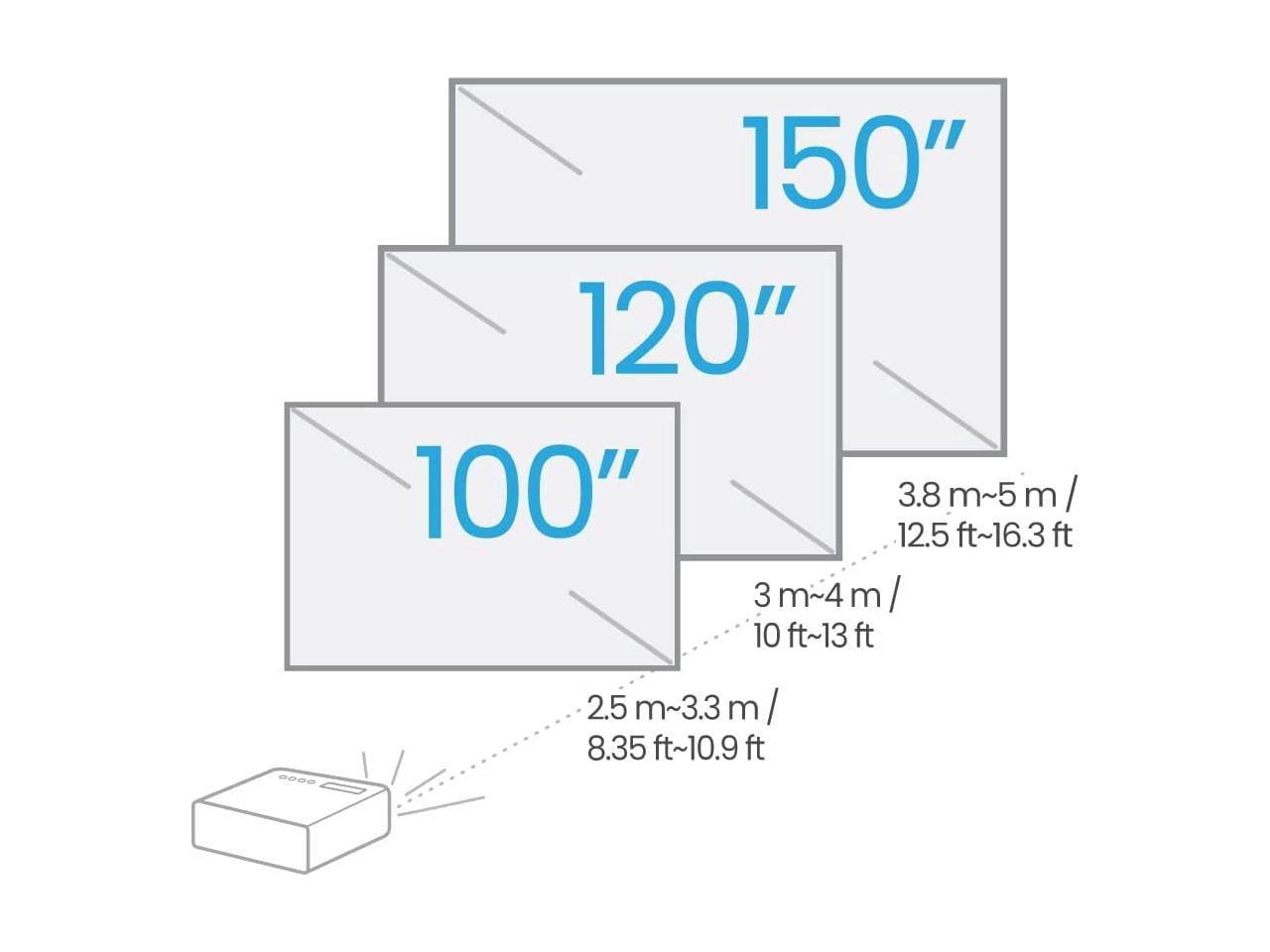
The throw ratio determines how far the projector needs to be from the screen to create a given image size. The HT2060's 1.15:1 - 1.50:1 throw ratio is more versatile than the TH575's 1.49:1 - 1.64:1.
In practical terms, this means the HT2060 can be placed closer to the screen while producing the same image size. For a 100-inch diagonal image, the HT2060 can be placed as close as 9.6 feet from the screen, while the TH575 would need to be at least 12.4 feet away.
This difference can be crucial in smaller rooms where space is limited. I've found that in typical living rooms and bedrooms, having a shorter throw distance opens up more placement possibilities and can be the difference between a projector working in your space or not.
One of the HT2060's biggest advantages is its 4LED light source, rated for 20,000 hours in normal mode and 30,000 hours in economy mode. To put this in perspective, if you watched movies for 4 hours every day, the LEDs would last around 14-20 years before significant degradation.
The TH575 uses a traditional lamp rated for 6,000 hours in normal mode and 15,000 hours in economy mode. While still respectable, this is substantially shorter than the LED system, and replacement lamps typically cost $150-250.
Beyond pure longevity, the LED system maintains consistent brightness and color over its lifespan, while traditional lamps gradually dim and may shift in color temperature. After owning both LED and lamp-based projectors, I've found the freedom from maintenance and the consistent image quality of LED to be worth the premium for serious users.
While most home theater enthusiasts will use external speakers or soundbars, built-in audio can be convenient for casual viewing or temporary setups.
The HT2060 features dual 5W speakers and supports 5.1 channel audio output via its optical connection. This means you can easily connect it to a surround sound system while maintaining proper audio channel separation.
The TH575 has a single 10W mono speaker, which is actually louder but lacks the stereo separation of the HT2060's dual-speaker setup. It also has more basic audio output options, lacking the optical connection for surround sound systems.
From personal experience, I'd suggest considering external audio with either projector for a truly immersive experience, as even the best built-in projector speakers can't match dedicated audio systems.
After comparing these two projectors across multiple factors, the decision comes down to your specific needs and environment.
Choose the BenQ HT2060 if:
Choose the BenQ TH575 if:
Both projectors represent excellent values in their respective categories. The HT2060 delivers cinema-quality performance that would have cost thousands more just a few years ago, while the TH575 offers gaming-optimized features and exceptional brightness at a price point accessible to more consumers.
Remember that a projector is a long-term investment—many users keep them for 5+ years before upgrading. Consider not just your needs today but how your usage might evolve over time. The extra investment in the HT2060 might be justified if you're gradually building out a more dedicated home theater setup, while the TH575's versatility might better serve spaces that need to fulfill multiple functions.
Whichever model you choose, both the BenQ HT2060 and BenQ TH575 represent the impressive democratization of projection technology, bringing experiences once limited to commercial theaters into our homes at increasingly accessible price points.
| BenQ HT2060 HDR Home Theater Projector | BenQ TH575 1080p Gaming Projector |
|---|---|
| Price - Initial investment consideration | |
| $999 (premium home theater positioning) | $599-649 (budget-friendly gaming focus) |
| Light Source - Impacts maintenance costs and image consistency | |
| 4LED system with 20,000-30,000 hour lifespan (virtually no maintenance) | Traditional lamp with 6,000-15,000 hour lifespan (requires eventual replacement) |
| Brightness - Critical for rooms with ambient light | |
| 2,300 ANSI lumens (best in controlled lighting environments) | 3,800 ANSI lumens (performs well even with some ambient light) |
| Contrast Ratio - Determines black levels and image depth | |
| 500,000:1 (exceptional shadow detail and rich blacks) | 15,000:1 (good but significantly lower true contrast) |
| HDR Support - Enhances color and dynamic range | |
| HDR10 and HLG with dedicated tone mapping | No specified HDR support |
| Color Accuracy - Important for film content | |
| 98% Rec.709 coverage with CinematicColor technology | Standard color processing (good but not cinema-calibrated) |
| Gaming Input Lag - Lower means more responsive gameplay | |
| 16.7ms at 1080p/60Hz (excellent for gaming) | 16.7ms at 1080p/60Hz (excellent for gaming) |
| Installation Flexibility - Affects where you can place the projector | |
| 1.3x zoom with +10% vertical lens shift (more placement options) | 1.1x zoom with no lens shift (requires more precise positioning) |
| Throw Ratio - Determines distance needed from screen | |
| 1.15:1 - 1.50:1 (can be placed closer to screen) | 1.49:1 - 1.64:1 (requires more distance for same image size) |
| Special Features - Unique capabilities for specific use cases | |
| Filmmaker Mode, 4K input compatibility, optical audio out with 5.1 support | Enhanced gaming modes, Black Detail Enhancement, extra brightness for versatility |
| Audio - Built-in sound capabilities | |
| Dual 5W stereo speakers with optical out | Single 10W mono speaker (louder but less separation) |
| Best For - Primary recommended use case | |
| Dedicated home theaters, movie enthusiasts prioritizing image quality | Gaming setups, multipurpose rooms with ambient light, budget-conscious buyers |
The BenQ HT2060 HDR Home Theater Projector is significantly better for movie watching with its 500,000:1 contrast ratio, HDR10 support, and Filmmaker Mode that preserves director's intent. While the BenQ TH575 1080p Gaming Projector can certainly display movies, the HT2060's superior black levels, color accuracy, and cinema-focused features provide a more immersive movie experience. If movies are your primary content, the HT2060 is worth the higher price.
Both the BenQ TH575 1080p Gaming Projector and BenQ HT2060 HDR Home Theater Projector offer the same excellent 16.7ms input lag at 1080p/60Hz, making them equally responsive for gaming. However, the TH575 includes specialized gaming modes and Black Detail Enhancement for better visibility in dark game scenes. For competitive gaming in rooms with some ambient light, the TH575's extra brightness gives it an edge, while the HT2060 provides better visual quality for atmospheric single-player games in darkened rooms.
The BenQ TH575 1080p Gaming Projector is significantly brighter with 3,800 ANSI lumens compared to the BenQ HT2060 HDR Home Theater Projector's 2,300 ANSI lumens. This 65% brightness advantage makes the TH575 much better suited for rooms with ambient light or larger screen sizes. If you can't fully control the lighting in your viewing space, the TH575's extra brightness will provide a more visible image.
The BenQ HT2060 HDR Home Theater Projector costs approximately $999, while the BenQ TH575 1080p Gaming Projector is priced at $599-649. This represents a significant $350-400 price difference. The higher cost of the HT2060 reflects its premium features like 4LED technology, superior contrast, and HDR support that enhance the home theater experience.
The BenQ HT2060 HDR Home Theater Projector has dramatically better contrast with a 500,000:1 ratio compared to the BenQ TH575 1080p Gaming Projector's 15,000:1 ratio. This substantial difference means the HT2060 produces much deeper blacks and more detailed shadow areas, creating a more three-dimensional image that's particularly noticeable in dark scenes and movies with dramatic lighting.
The BenQ HT2060 HDR Home Theater Projector can accept 4K signals and downscale them to its native 1080p resolution, preserving more detail and color information from 4K sources. The BenQ TH575 1080p Gaming Projector doesn't specifically mention 4K input compatibility in its specifications. Both projectors have a native resolution of 1920×1080 (Full HD), not true 4K. For the best handling of 4K content sources, the HT2060 has the advantage.
The BenQ TH575 1080p Gaming Projector is significantly better for bright rooms with its 3,800 ANSI lumens compared to the BenQ HT2060 HDR Home Theater Projector's 2,300 ANSI lumens. This higher brightness allows the TH575 to maintain a vibrant, visible image even with some ambient light present. If you'll be using your projector in a living room with windows or cannot fully darken your space, the TH575 is the better choice.
The BenQ HT2060 HDR Home Theater Projector requires virtually no maintenance with its 4LED light source rated for 20,000-30,000 hours (14-20 years at 4 hours daily use). The BenQ TH575 1080p Gaming Projector uses a traditional lamp rated for 6,000-15,000 hours that will eventually need replacement at a cost of $150-250. For long-term ownership with minimal maintenance concerns, the HT2060 has a clear advantage.
The BenQ HT2060 HDR Home Theater Projector offers better installation flexibility with its 1.3x zoom ratio and +10% vertical lens shift, allowing more placement options without image distortion. The BenQ TH575 1080p Gaming Projector has more limited adjustment capabilities with just a 1.1x zoom and no lens shift. For challenging installation scenarios or rooms where exact projector positioning is difficult, the HT2060 will be easier to set up correctly.
The BenQ HT2060 HDR Home Theater Projector fully supports HDR10 and HLG formats with specialized tone mapping for enhanced dynamic range and color. The BenQ TH575 1080p Gaming Projector doesn't specify HDR support in its technical documentation. For viewers who watch HDR content from streaming services, UHD Blu-rays, or newer gaming consoles, the HT2060 will provide a visibly better experience with HDR material.
The BenQ HT2060 HDR Home Theater Projector can be placed closer to the screen with its 1.15:1 - 1.50:1 throw ratio compared to the BenQ TH575 1080p Gaming Projector's 1.49:1 - 1.64:1 ratio. For a 100-inch screen, the HT2060 can be placed as close as 9.6 feet away, while the TH575 would need at least 12.4 feet. In smaller rooms where space is limited, the HT2060's shorter minimum throw distance can be a deciding factor.
For pure value, the BenQ TH575 1080p Gaming Projector at $599-649 offers excellent performance for its price with high brightness and low input lag. The BenQ HT2060 HDR Home Theater Projector at $999 provides premium features that justify its higher cost for dedicated home theater enthusiasts. The best value depends on your priorities: if you need maximum brightness and gaming performance at the lowest cost, choose the TH575. If you prioritize cinema-quality visuals and long-term maintenance savings, the HT2060 represents better long-term value.
We've done our best to create useful and informative comparisons to help you decide what product to buy. Our research uses advanced automated methods to create this comparison and perfection is not possible - please contact us for corrections or questions. These are the sites we've researched in the creation of this article: projectorcentral.com - avsforum.com - bestbuy.com - avsforum.com - tomsguide.com - avsforum.com - projectorreviews.com - hometheaterhifi.com - youtube.com - avsforum.com - cnet.com - techgearlab.com - cdw.com - bhphotovideo.com - projectorcentral.com - shop.avispl.com - tvsbook.com - youtube.com - projectorreviews.com - avsforum.com - lifeisxbox.eu - ai-techreport.com - electronics.woot.com - ai-techreport.com - laurentwillen.com - bestbuy.com - bestbuy.com - projectorcentral.com - tvsbook.com - shidirect.com - blog.richersounds.com - memoryexpress.com - versus.com - adorama.com - avsforum.com - shi.com - bestbuy.com - bhphotovideo.com - cdw.com - insight.com - shi.ca - projectorcentral.com - insight.com - specsradar.com - touchboards.com

Privacy Policy
Terms and Conditions - Affiliate Policy
Home Security
© Copyright 2008-2026.
11816 Inwood Rd #1211, Dallas, TX 75244