


When it comes to choosing a projector in 2024, you're essentially picking between two completely different philosophies. Do you want the ultimate convenience of grab-and-go entertainment, or are you building a serious home theater setup? The TCL C1 Google TV Portable Projector and BenQ HT2060 HDR Home Theater Projector represent these two approaches perfectly—and understanding their differences will save you from buyer's remorse.
Before diving into specifics, let's establish what makes or breaks a projector experience. Brightness is your first consideration—measured in lumens (think of it as how many light bulbs worth of brightness the projector can output). More lumens mean you can watch in brighter rooms, but also usually mean bigger, more expensive projectors.
Resolution determines how sharp your image looks. Both projectors here offer 1080p (Full HD), which provides crisp detail on screens up to about 120 inches. While 4K projectors exist, they're significantly more expensive, and 1080p still delivers excellent quality for most viewers.
Contrast ratio affects how deep your blacks look and how vibrant colors appear. A projector with poor contrast will look washed out, like watching TV with a bright light behind it. HDR (High Dynamic Range) is a newer technology that expands the range of colors and brightness levels, making images more lifelike—though not all projectors handle it equally well.
The wild card is smart features—some projectors are basically Android TVs that happen to project images, while others require you to connect external devices like streaming sticks or game consoles.
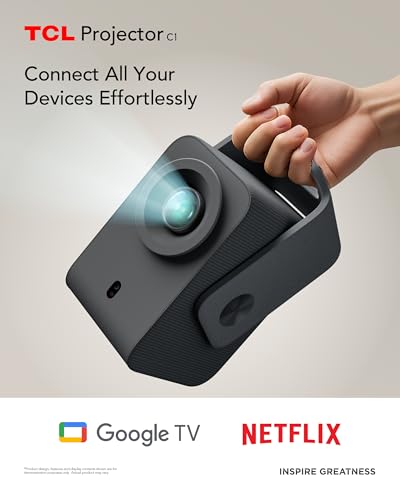
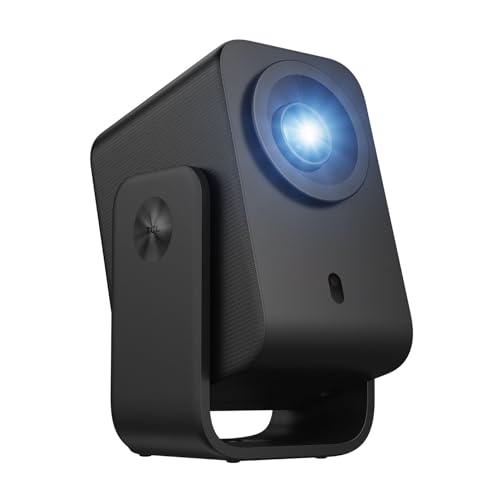
Released in 2023, the TCL C1 entered a crowded portable projector market but stood out with its unique gimbal design and full Google TV integration. At roughly the size of a thick hardcover book and weighing under 4 pounds, it's designed to go anywhere and work immediately.
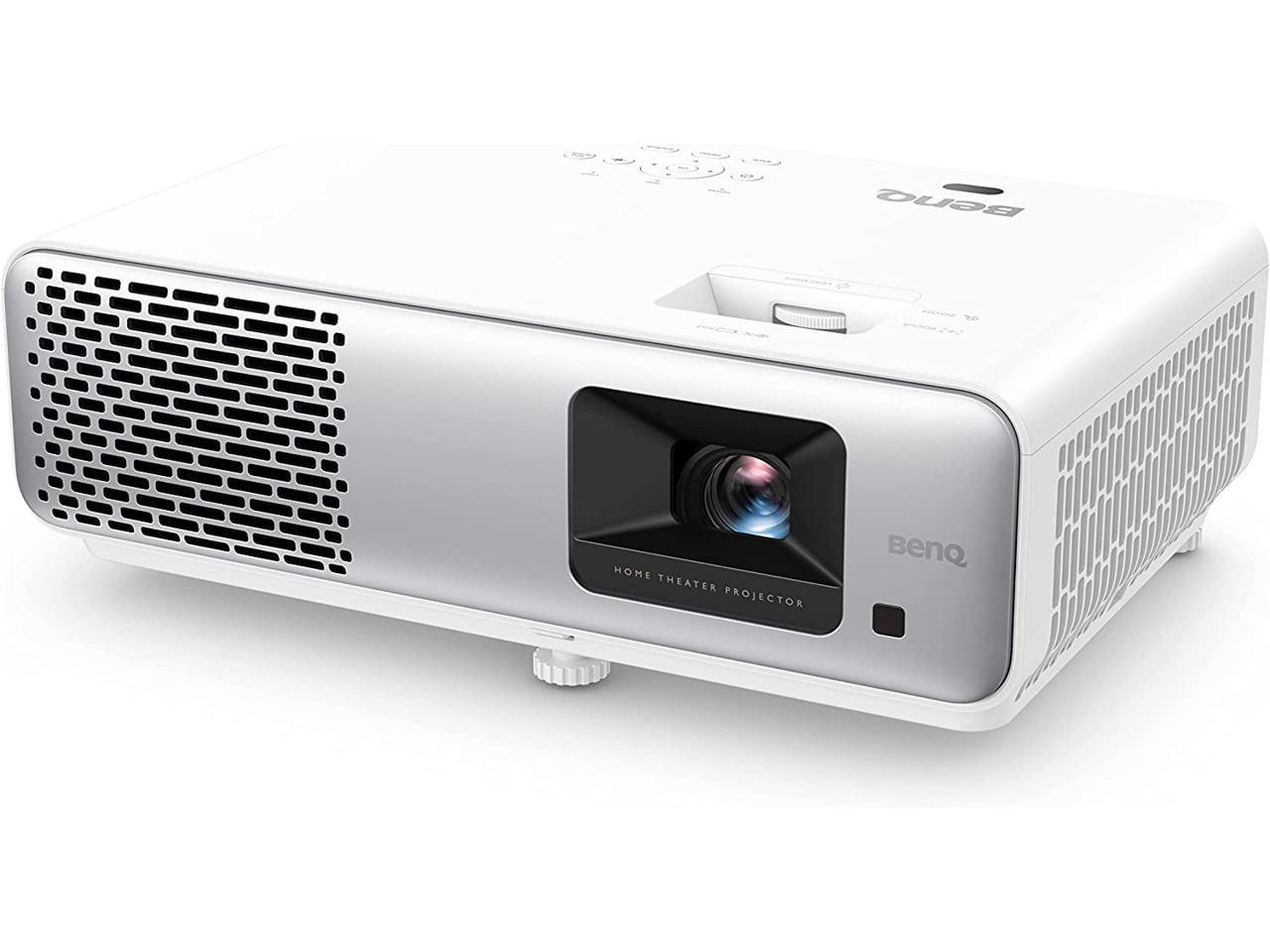
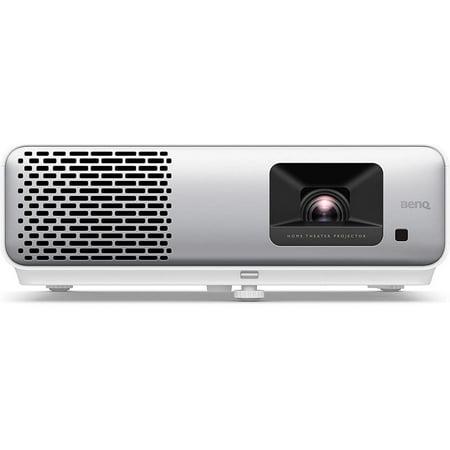
The BenQ HT2060 launched around the same time but targets a completely different audience. This 8-pound unit is built for dedicated home theater setups, prioritizing image quality and brightness over portability. BenQ has refined their LED technology significantly since their earlier models, and the HT2060 represents their push into the affordable home theater segment.
This is where the fundamental difference becomes crystal clear. The BenQ HT2060 outputs 2,300 ANSI lumens—that's roughly ten times brighter than the TCL C1's 230 ISO lumens. In practical terms, this means the BenQ can handle rooms with some ambient light, like a living room with closed curtains during the day. The TCL really needs a dark room to shine.
I've found that lumens are often misunderstood. The TCL's 230 lumens aren't "bad"—they're just designed for different scenarios. In a dark bedroom or basement, it produces a surprisingly satisfying image. But try using it in a room with any meaningful light, and you'll be squinting at a washed-out picture.
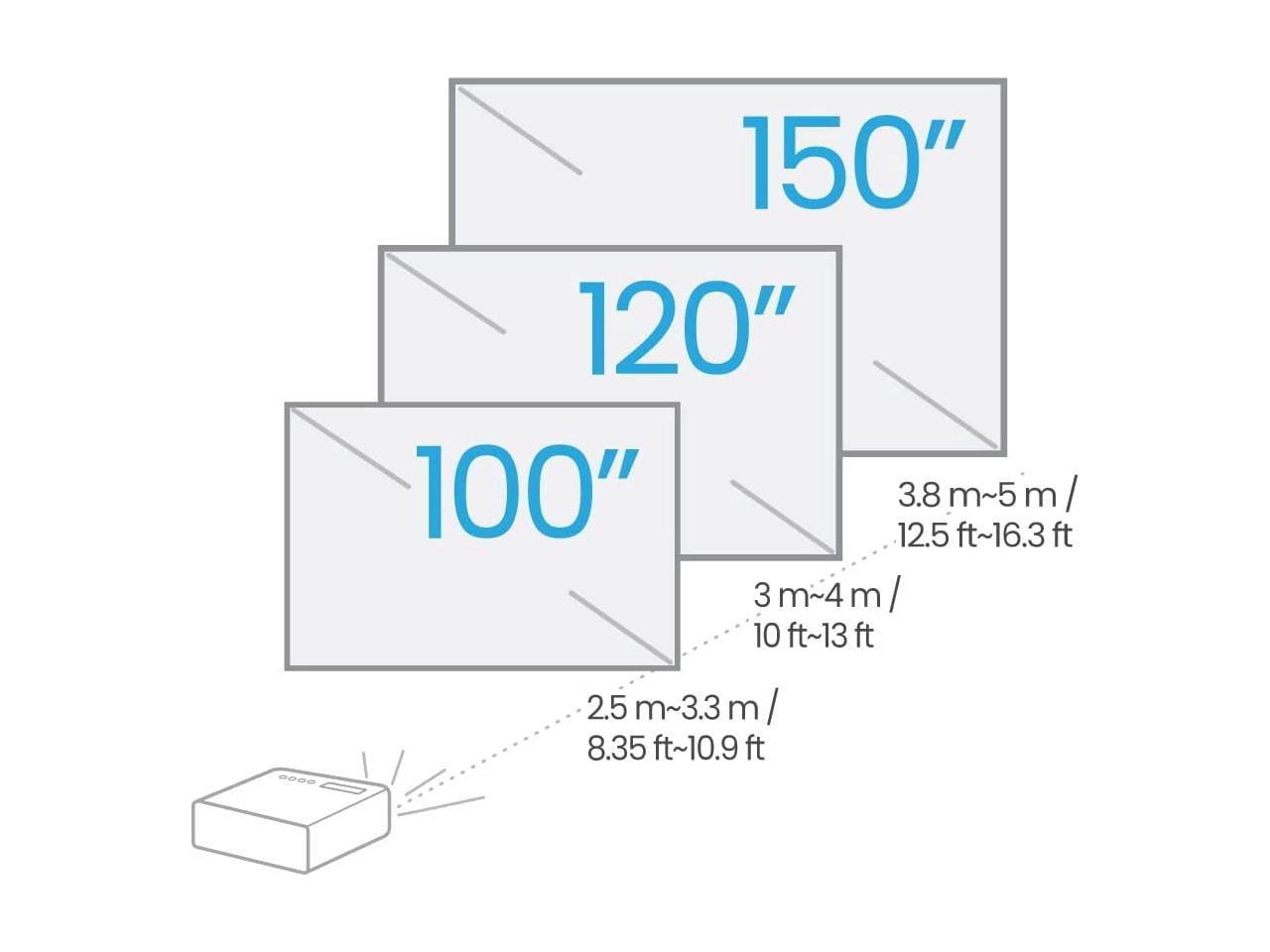
The BenQ's brightness advantage extends beyond just brighter rooms. It can fill much larger screens effectively—up to 150 inches if your room allows it. The TCL C1 is most comfortable at 60-80 inches, though it can technically project up to 120 inches in ideal conditions.
Here's where things get interesting. Despite being the budget option, the TCL C1 doesn't embarrass itself in image quality. TCL's TrueHue technology processes each frame to optimize color and contrast, creating what many users describe as a "film-like" quality. The fully-sealed optical engine is a smart touch that prevents dust from degrading image quality over time—something that plagues many budget projectors.
However, the BenQ HT2060 operates in a different league entirely. Its CinematicColor technology covers 98% of the Rec.709 color space (that's the standard for HD content), meaning colors appear as filmmakers intended. The 500,000:1 dynamic contrast ratio creates genuinely deep blacks, while the TCL's 1,500:1 ratio is adequate but not impressive.
The BenQ's HDR10 and HLG support make a real difference with compatible content. HDR expands the range of colors and brightness levels beyond what standard video can display, creating more lifelike images. The TCL C1 lacks HDR support entirely, which limits its future-proofing as more streaming content adopts HDR.
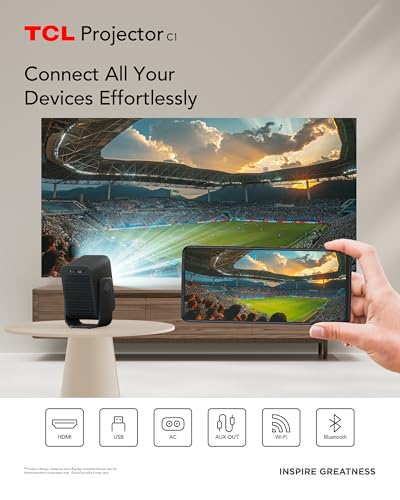
This is where the TCL C1 absolutely dominates. Its Google TV operating system is identical to what you'd find on high-end TVs, complete with Netflix certification—something surprisingly rare in projectors. Voice control through Google Assistant, Chromecast built-in, and access to virtually every streaming app make it genuinely plug-and-play.
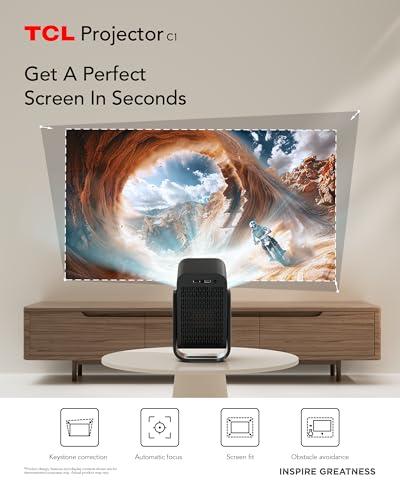
The setup experience deserves special mention. The C1's auto-focus, automatic keystone correction (fixing image distortion when projecting at angles), and obstacle avoidance create a nearly magical experience. Point it at a wall, press power, and within seconds you have a properly focused, rectangular image—even if you're projecting from a weird angle or there's a picture frame in the way.
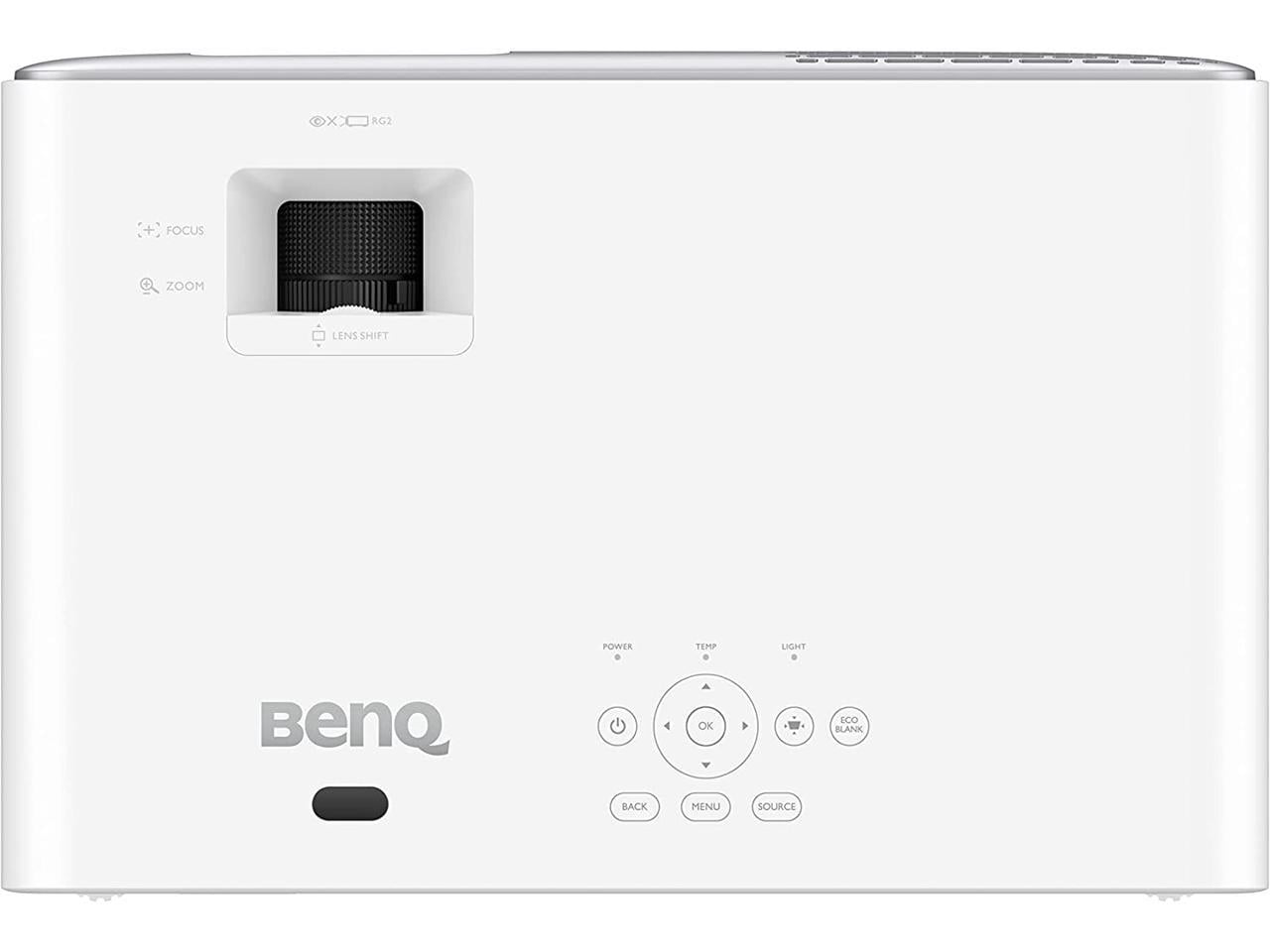
The BenQ HT2060 takes the traditional approach—it's a display device that requires external sources. While this means buying additional streaming devices, it also means those devices can be upgraded independently. The BenQ does include Filmmaker Mode, which disables processing to show content exactly as directors intended, and its installation flexibility with lens shift and zoom makes permanent setups much easier.
Gaming capabilities reveal another key difference. The BenQ HT2060 delivers 16.7ms input lag at 1080p 60Hz—that's fast enough for competitive gaming where every millisecond matters. Combined with its dual HDMI 2.0 ports, it's genuinely gaming-focused.
The TCL C1 handles gaming adequately for casual play, but its single HDMI port means constantly swapping cables between devices. However, its 4K input compatibility means it can accept signals from modern consoles, even if it downscales to 1080p for display.
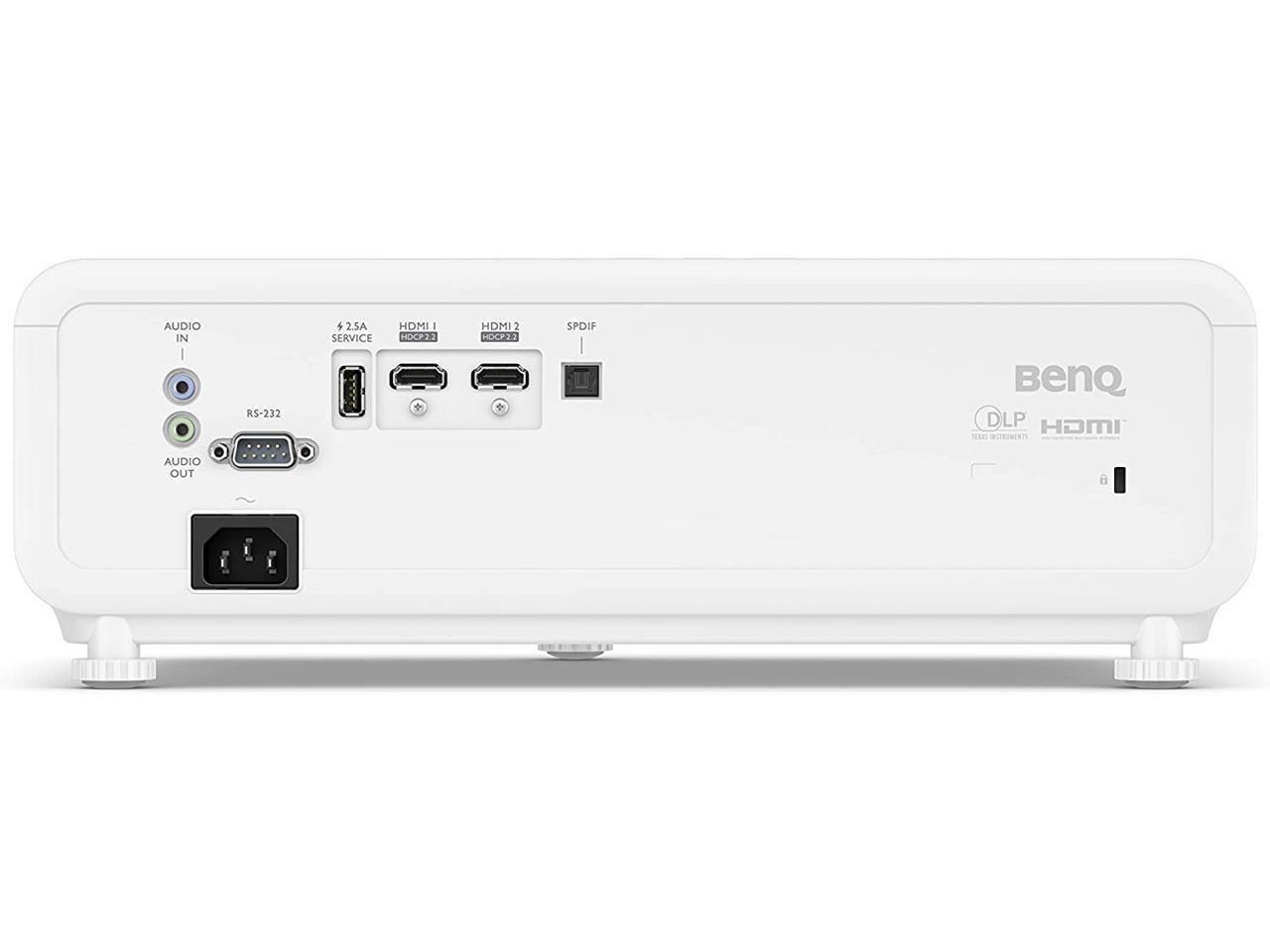
Neither projector will replace a dedicated sound system, but their approaches differ significantly. The BenQ HT2060 features dual 5W speakers in proper chambers, creating more balanced sound that can fill larger rooms. Its S/PDIF optical output supports 5.1 surround sound systems for serious audio setups.
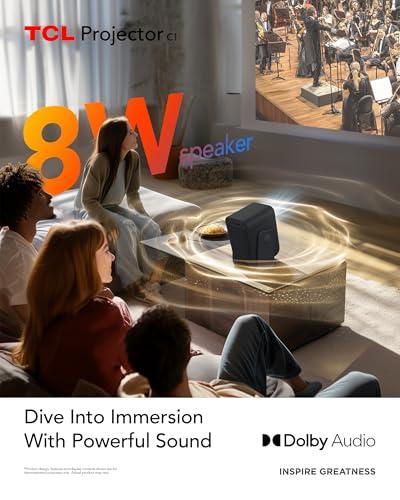
The TCL C1's single 8W speaker is surprisingly capable for its size, and the Dolby Audio processing helps with dialogue clarity. A unique feature is its ability to function as a Bluetooth speaker for phones and tablets, extending its utility beyond projection.
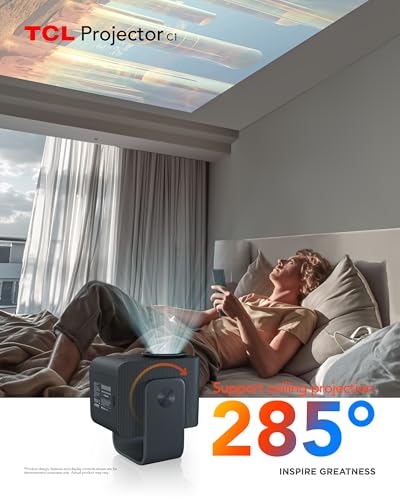
The TCL C1's most distinctive feature is its 285-degree gimbal mount and integrated handle. This isn't just about being lightweight—though at 3.9 pounds it certainly is—it's about complete freedom of placement. Want to project onto the ceiling for bed viewing? No problem. Need to set it on a side table and project across the room? The gimbal handles it.
This flexibility extends to travel scenarios that would be impossible with traditional projectors. Hotel rooms, friend's houses, camping trips (with power access), even backyard movie nights become feasible. The BenQ HT2060, at nearly 8 pounds and requiring careful alignment, is designed to live in one place.
At the time of writing, these projectors occupy completely different price tiers—the TCL C1 typically costs under $300, while the BenQ HT2060 commands close to $1,000. But direct price comparison misses the point.
The TCL C1 represents exceptional value when you factor in the complete smart TV experience. Buying a comparable dumb projector plus a high-quality streaming device would cost nearly as much, without the seamless integration and portability benefits.
The BenQ HT2060 justifies its premium through performance that approaches much more expensive models. Its brightness, color accuracy, and HDR capabilities would have cost several thousand dollars just a few years ago. For dedicated home theater use, it delivers remarkable bang for the buck.
If you're building a serious home theater, the BenQ HT2060 is the clear choice. Its brightness allows for larger screens, the color accuracy ensures content looks as intended, and HDR support provides future-proofing. The installation flexibility with lens shift means you won't need to mount it in the exact center of your screen, and the dual HDMI ports accommodate multiple sources.
However, home theater doesn't always mean basement media room. Many people want theater-quality entertainment in multipurpose living spaces. Here, the TCL C1 makes more sense—it can disappear when not in use, works in various room configurations, and provides excellent quality for its size and price.
The TCL C1 makes sense if you:
The BenQ HT2060 is better when you:
These projectors succeed because they don't try to be everything to everyone. The TCL C1 embraces portability and convenience, delivering impressive quality for its size and price. The BenQ HT2060 focuses on image quality and performance, providing genuine home theater capabilities at an accessible price.
Your choice ultimately depends on your lifestyle and priorities. If you value the ability to create an instant cinema anywhere, the TCL C1 is remarkable. If you want the best possible image quality for dedicated viewing, the BenQ HT2060 delivers.
Both represent the current state of projector technology at their price points, and both will likely serve their intended audiences well for years to come. The key is honestly assessing how you'll actually use your projector—because the best projector is the one that fits your real life, not your aspirations.
| TCL C1 Google TV Portable Projector | BenQ HT2060 HDR Home Theater Projector |
|---|---|
| Brightness - Determines room lighting requirements and screen size capability | |
| 230 ISO lumens (dark rooms only, up to 80" screens) | 2,300 ANSI lumens (handles ambient light, up to 150" screens) |
| Weight & Portability - Critical for flexible placement and travel | |
| 3.9 lbs with integrated handle (ultra-portable) | 7.9 lbs (permanent installation focused) |
| Smart Features - Affects convenience and additional device costs | |
| Full Google TV OS with Netflix certification | No built-in smart features (requires external streaming devices) |
| Setup Automation - Time and effort required for each use | |
| Auto-focus, keystone correction, obstacle avoidance | Manual focus and keystone adjustment required |
| Unique Design Features - Special capabilities that differentiate each model | |
| 285° gimbal mount allows ceiling projection | Vertical lens shift (+10%) and 1.3x zoom for installation flexibility |
| HDR Support - Future-proofing for premium streaming content | |
| No HDR support | HDR10 and HLG with excellent tone mapping |
| Color Accuracy - Image quality for movies and content creation | |
| TrueHue processing, adequate color reproduction | 98% Rec.709 coverage, CinematicColor technology |
| Gaming Performance - Input lag for responsive gaming | |
| Adequate for casual gaming | 16.7ms input lag optimized for competitive gaming |
| Audio System - Built-in sound quality and external options | |
| Single 8W Dolby Audio speaker | Dual 5W chambered speakers (10W total) plus S/PDIF output |
| Connectivity Options - Number and type of inputs available | |
| 1x HDMI 2.1, USB-A, Wi-Fi 5, Bluetooth 5.1 | 2x HDMI 2.0b, USB 2.0, RS-232 control |
| Light Source Lifespan - Long-term ownership costs | |
| LED rated for 30,000 hours | LED rated for 30,000 hours |
| Contrast Ratio - Affects black levels and image depth | |
| 1,500:1 static contrast | 500,000:1 dynamic contrast |
| Best Use Cases - Ideal scenarios for each projector | |
| Apartments, travel, multi-room flexibility, casual viewing | Dedicated home theaters, gaming rooms, large permanent screens |
The BenQ HT2060 HDR Home Theater Projector is specifically designed for home theaters with 2,300 ANSI lumens brightness, HDR10 support, and professional color accuracy covering 98% of the Rec.709 color space. The TCL C1 Google TV Portable Projector at 230 lumens is better suited for dark room casual viewing rather than dedicated theater spaces.
The primary difference is portability versus performance. The TCL C1 Google TV Portable Projector weighs 3.9 pounds with a gimbal design for flexible placement anywhere, while the BenQ HT2060 is a 7.9-pound stationary unit focused on maximum image quality and brightness for permanent installations.
The BenQ HT2060 HDR Home Theater Projector performs significantly better in bright rooms with its 2,300 ANSI lumens output - about 10 times brighter than the TCL C1. The TCL C1 requires dark or dimly lit rooms for optimal viewing.
The TCL C1 Google TV Portable Projector includes a complete Google TV operating system with Netflix, YouTube, and thousands of apps built-in. The BenQ HT2060 requires external streaming devices like Roku, Apple TV, or gaming consoles as it has no smart features.
The BenQ HT2060 HDR Home Theater Projector offers superior gaming performance with 16.7ms input lag and dual HDMI 2.0 ports. While the TCL C1 Google TV Portable Projector handles casual gaming adequately, it only has one HDMI port and higher input lag.
The BenQ HT2060 can effectively fill screens up to 150 inches due to its high brightness, while the TCL C1 works best with 60-80 inch screens, though it can project up to 120 inches in ideal dark conditions.
The BenQ HT2060 HDR Home Theater Projector features dual 5W chambered speakers (10W total) that provide better room-filling sound. The TCL C1 has a single 8W Dolby Audio speaker that's adequate for small spaces but can also function as a Bluetooth speaker.
Both the TCL C1 Google TV Portable Projector and BenQ HT2060 are native 1080p projectors but can accept 4K input signals and downscale them. Neither displays true 4K resolution, but both handle 4K sources from modern devices.
The TCL C1 Google TV Portable Projector wins for ease of setup with automatic focus, keystone correction, and obstacle avoidance - just power on and it adjusts automatically. The BenQ HT2060 requires manual focus and positioning but offers professional installation features like lens shift.
Only the BenQ HT2060 HDR Home Theater Projector supports HDR10 and HLG formats with excellent tone mapping for enhanced contrast and colors. The TCL C1 does not support HDR, limiting its compatibility with premium streaming content.
Value depends on your needs: the TCL C1 Google TV Portable Projector offers exceptional value for portable, casual viewing with complete smart TV functionality at a budget-friendly price. The BenQ HT2060 provides professional-grade image quality and brightness that justify its higher cost for serious home theater use.
The TCL C1 Google TV Portable Projector is designed for travel with its compact size, integrated handle, and gimbal mount that allows projection from any angle. The BenQ HT2060 is too large and heavy for practical travel use and is intended for permanent installation.
We've done our best to create useful and informative comparisons to help you decide what product to buy. Our research uses advanced automated methods to create this comparison and perfection is not possible - please contact us for corrections or questions. These are the sites we've researched in the creation of this article: youtube.com - thegadgetflow.com - notebookcheck.net - shopabunda.com - youtube.com - youtube.com - youtube.com - youtube.com - tcl.com - androidauthority.com - manuals.plus - westcoast.co.uk - projectorcentral.com - avsforum.com - bestbuy.com - avsforum.com - tomsguide.com - avsforum.com - projectorreviews.com - hometheaterhifi.com - youtube.com - avsforum.com - cnet.com - techgearlab.com - cdw.com - bhphotovideo.com - projectorcentral.com - shop.avispl.com - tvsbook.com - youtube.com - projectorreviews.com - avsforum.com

Privacy Policy
Terms and Conditions - Affiliate Policy
Home Security
© Copyright 2008-2026.
11816 Inwood Rd #1211, Dallas, TX 75244