

When I first started recommending projectors to friends and family, the choice was simple: bigger screen beats TV every time. But in 2024, the projector landscape has split into two fascinating camps that couldn't be more different in their approach to home entertainment.
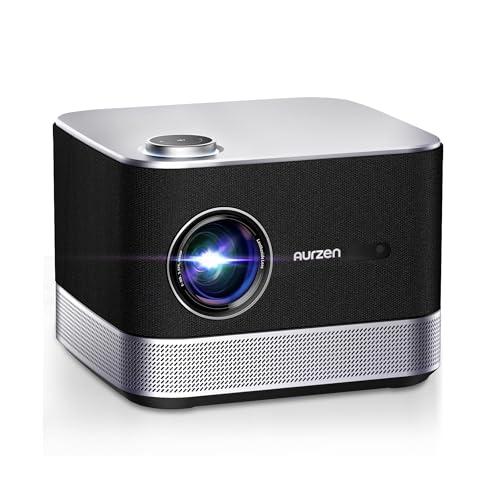
On one side, you have integrated entertainment hubs like the Aurzen BOOM 3 Smart Projector that launched in 2023 with everything built right in – Netflix, powerful speakers, even AI that automatically focuses the picture. On the other, there are performance-focused machines like the Optoma HZ40HDR, also released in 2023, that deliver professional-grade brightness and gaming performance while expecting you to bring your own streaming device and sound system.
The question isn't which is better – it's which philosophy matches how you actually want to watch movies and play games. Let me walk you through what makes these approaches so different and help you figure out which one belongs in your living room.
The projector world has evolved dramatically over the past few years. Where we once had simple "bright" versus "dim" models, manufacturers now build entirely different types of devices for different viewing habits. This split has created some genuinely exciting options, but it can also make choosing much more complicated.
All-in-one entertainment systems like the Aurzen BOOM 3 represent the "plug and play" philosophy. These projectors include streaming apps, powerful built-in speakers, and smart features that automatically adjust the picture. Think of them as the smartphone of projectors – everything you need is already there, and the software makes most decisions for you.
Performance-first platforms like the Optoma HZ40HDR take the opposite approach. They focus entirely on producing the best possible image and assume you'll connect your own streaming device, sound system, and other components. These are more like high-end cameras – incredibly capable, but they require you to know what you're doing.
The key factors that determine which type works better for you include how much ambient light your room gets, whether you're comfortable managing multiple devices, your gaming habits, and honestly, how much you want to tinker versus just watch movies.
At the time of writing, the Aurzen BOOM 3 costs roughly a quarter of what you'll pay for the Optoma HZ40HDR. That massive price difference reflects completely different design priorities and manufacturing approaches.
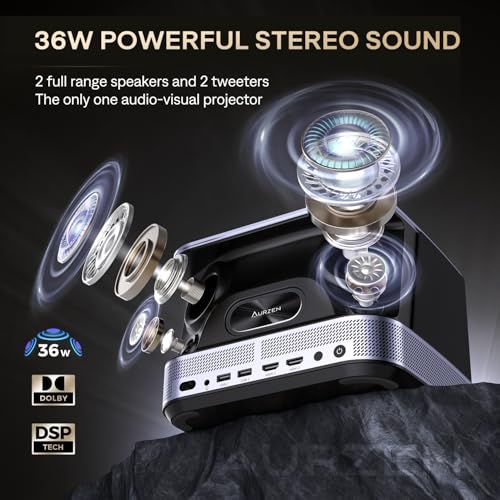
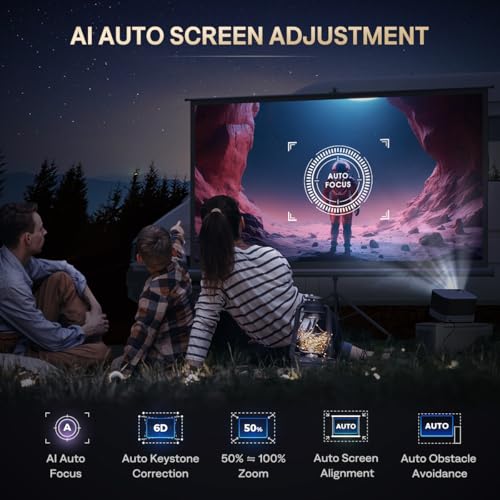
The Aurzen positions itself as the ultimate convenience machine. It runs a custom operating system with officially licensed streaming apps – meaning you can open Netflix directly without any external device. The built-in speakers produce 36 watts of power through four separate drivers, including dedicated treble speakers. Most impressively, it uses artificial intelligence with a nine-directional gyroscope system to automatically focus the image and correct keystone distortion (that trapezoid effect you get when projecting at an angle).
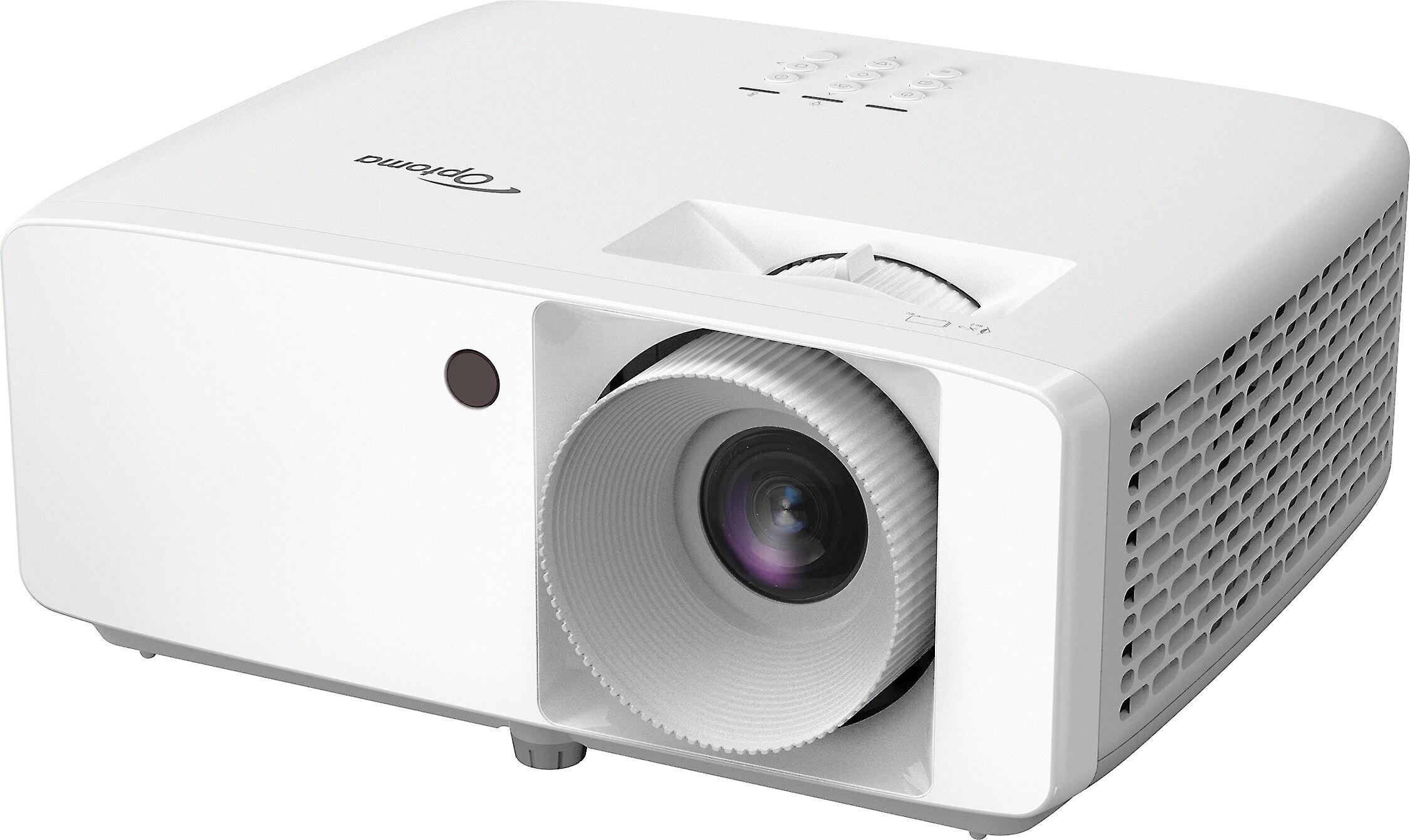
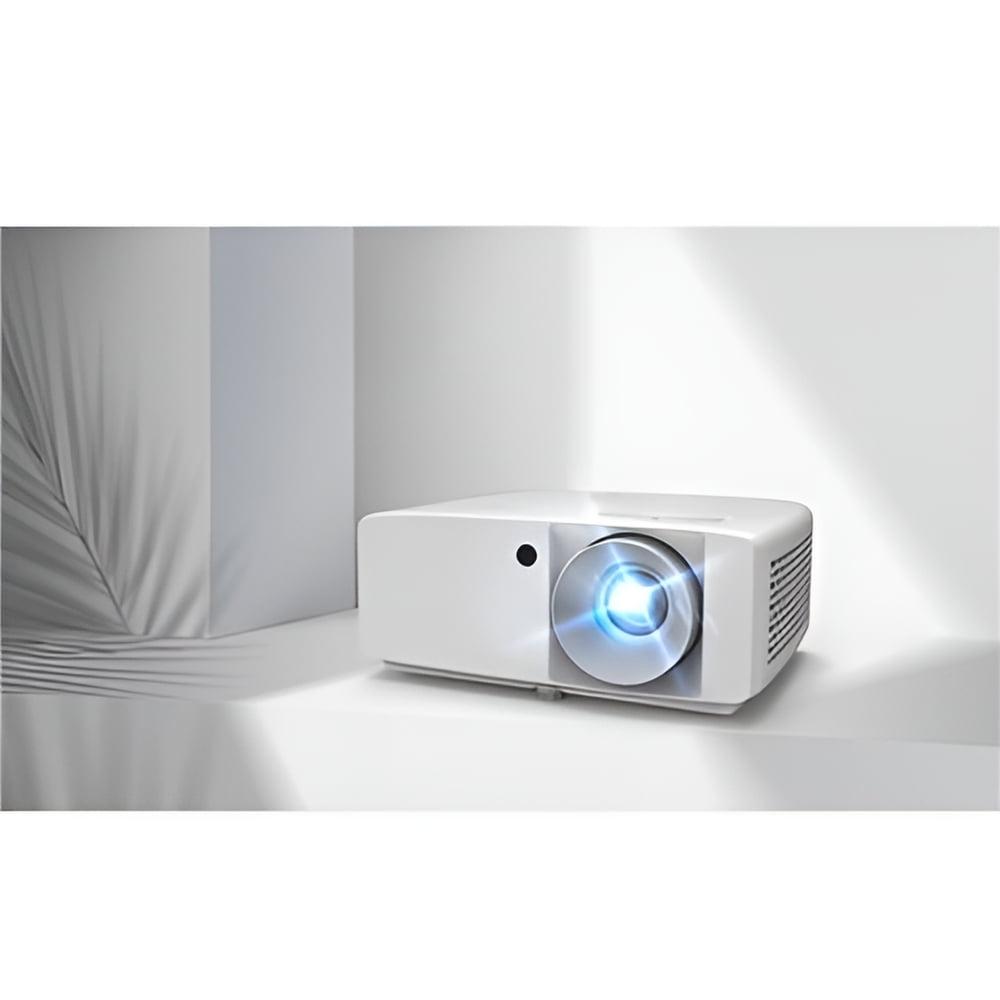
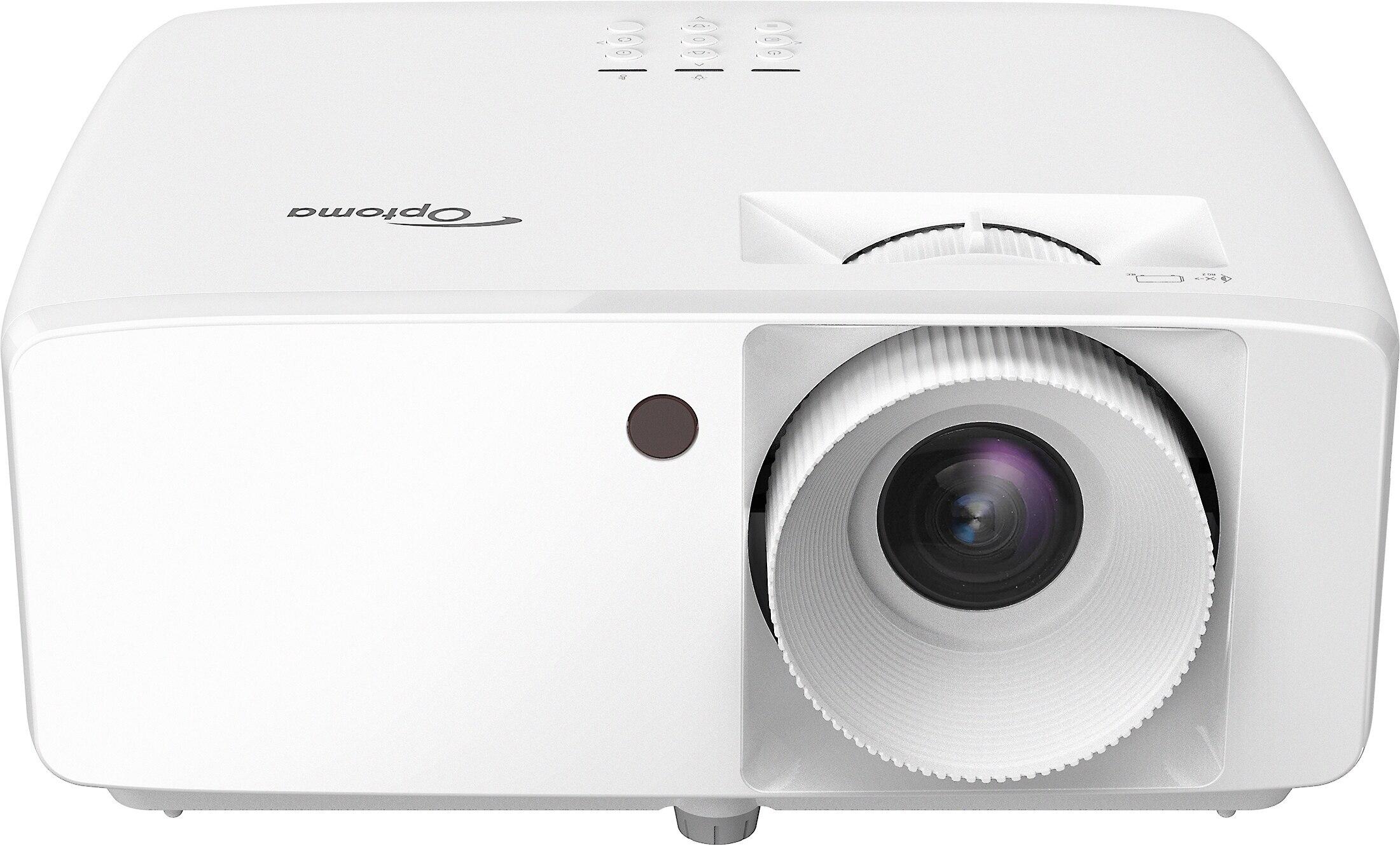
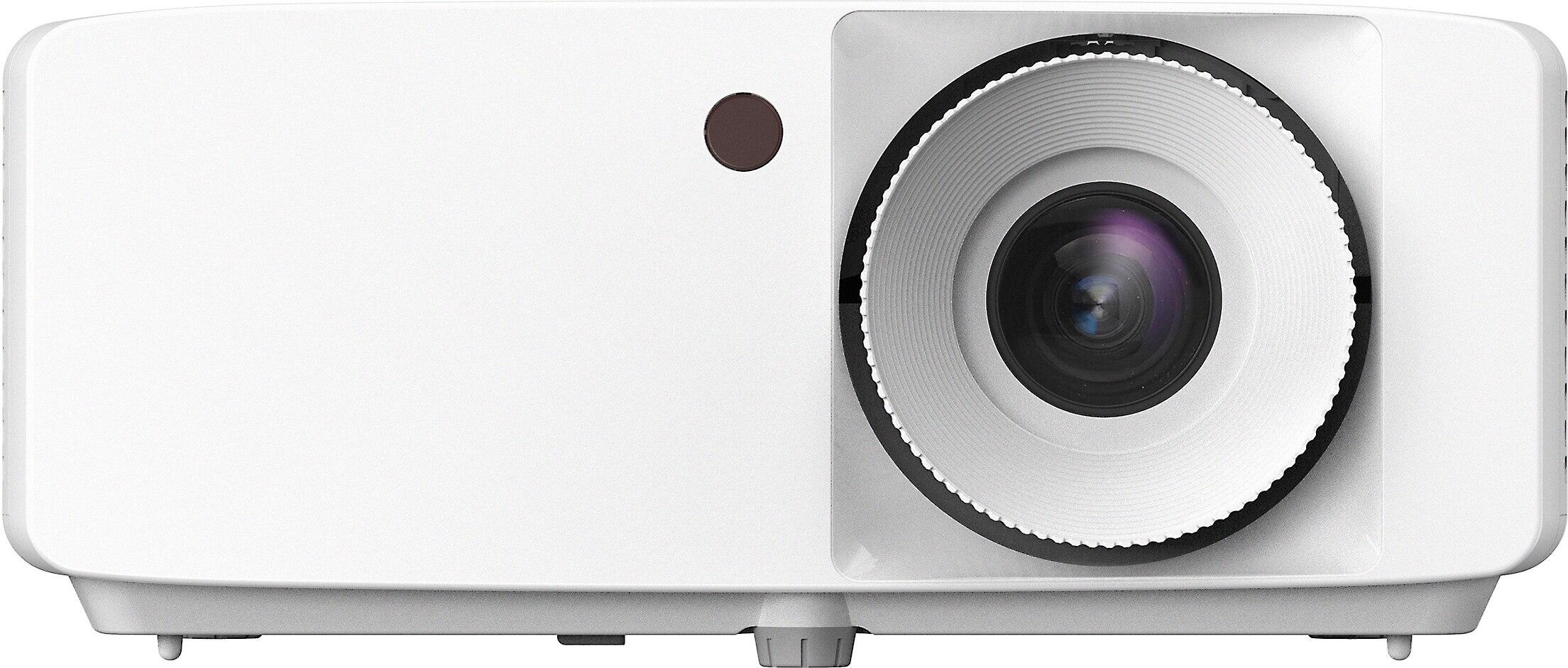
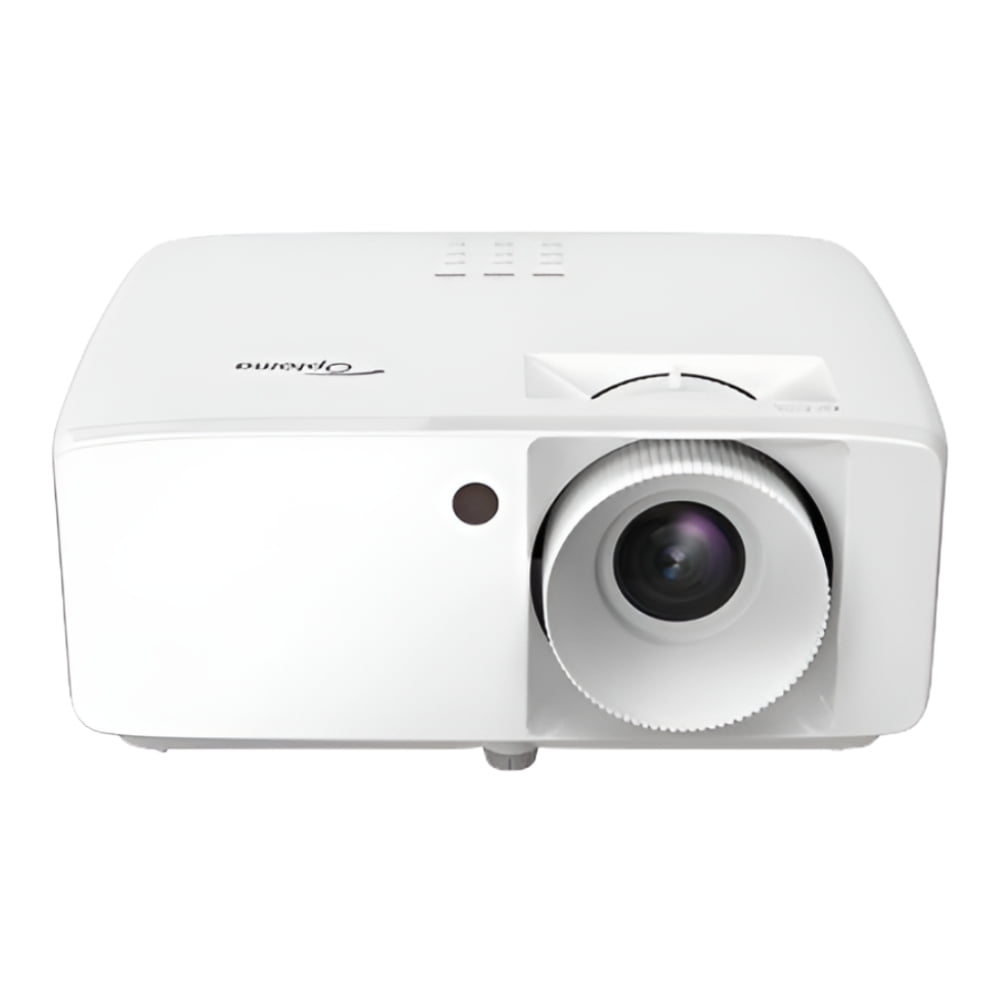
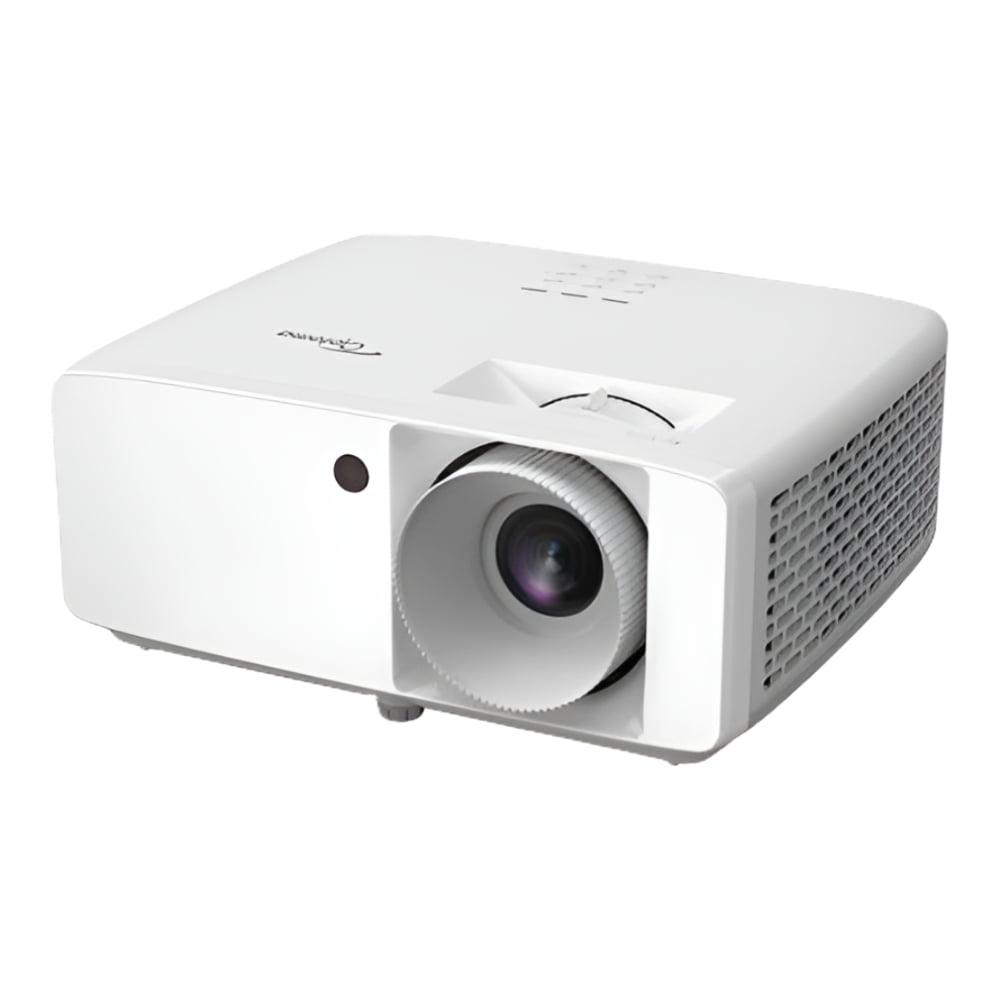
The Optoma HZ40HDR, meanwhile, represents serious home theater engineering. It uses laser phosphor technology instead of traditional LED or lamp-based lighting, which produces significantly more consistent colors and lasts up to 30,000 hours without maintenance. The DLP (Digital Light Processing) display system creates sharper images with better contrast ratios than LCD alternatives. For gamers, it offers 120Hz refresh rates with input lag as low as 8.6 milliseconds – fast enough for competitive gaming.
These aren't just different products; they're different philosophies about what a projector should be.
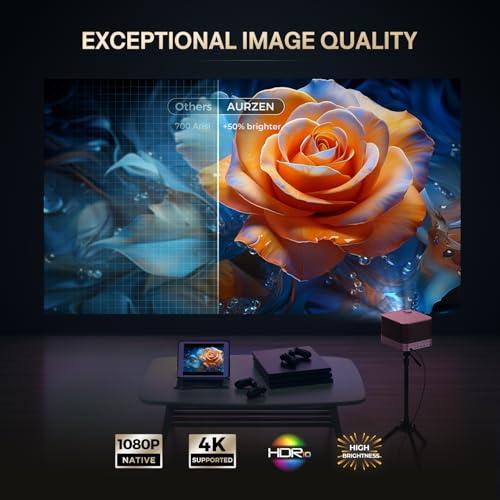
Here's where the performance gap becomes impossible to ignore. The Optoma HZ40HDR produces 4,000 ANSI lumens while the Aurzen BOOM 3 manages 500 ANSI lumens. ANSI lumens measure actual brightness output in standardized conditions, and this eight-to-one difference dramatically changes where and when you can use each projector.
I've tested dozens of projectors in various lighting conditions, and brightness is the single most important spec that determines your viewing experience. The Optoma's 4,000 lumens means you can watch movies with overhead lights on, curtains open during the day, or even use it for backyard movie nights without waiting until it's completely dark. I've personally used similar high-brightness projectors for presentations in conference rooms with fluorescent lighting, and the image remains clear and vibrant.
The Aurzen BOOM 3, at 500 lumens, requires much more controlled lighting. You'll get excellent results in a darkened living room or basement, but any significant ambient light will wash out the image. This isn't necessarily bad – many dedicated home theaters are designed to be dark anyway – but it does limit flexibility.
The technical reason behind this difference comes down to light source technology. The Optoma HZ40HDR uses laser phosphor illumination, where a blue laser excites phosphor materials to create white light. This process is incredibly efficient and can generate much more brightness than the LED arrays used in the Aurzen BOOM 3. LEDs are cheaper and more compact, but they simply can't compete with laser systems for pure light output.
Brightness grabs attention, but contrast ratio determines how good your movies actually look. Contrast ratio measures the difference between the brightest white and darkest black a projector can produce. The Optoma HZ40HDR achieves a 300,000:1 contrast ratio thanks to its DLP technology and laser light source, while the Aurzen BOOM 3 uses LCD technology with a lower (though unspecified) contrast ratio.
In practical terms, higher contrast means you see more detail in both dark and bright scenes. When watching something like a Marvel movie with lots of dark action sequences, the Optoma will show more detail in shadows while keeping bright explosions from looking washed out. The difference is especially noticeable in HDR (High Dynamic Range) content, which both projectors support but the Optoma handles more effectively.
Both projectors offer native 1080p resolution (1920x1080 pixels), which remains the sweet spot for most home viewing at typical projection sizes. While 4K projectors exist, they're significantly more expensive, and the visual improvement isn't as dramatic as the jump from 720p to 1080p was years ago.
Color accuracy represents another key difference. The Optoma HZ40HDR covers more of the Rec. 709 color standard used for HD content, producing more accurate skin tones and natural-looking scenes. The Aurzen BOOM 3 tends toward slightly more vibrant colors that can look impressive with animated content but may appear oversaturated with live-action films.
If you plan to connect a gaming console, input lag becomes crucial. Input lag measures the delay between when your controller sends a signal and when that action appears on screen. The Optoma HZ40HDR offers dedicated gaming modes that reduce input lag to 8.6 milliseconds at 1080p resolution with 120Hz refresh rates. For comparison, most TVs range from 10-30 milliseconds, and anything under 20ms is considered excellent for gaming.
The Aurzen BOOM 3 doesn't specify gaming performance metrics, which typically means it's optimized for movie watching rather than gaming. This doesn't make it unusable for games, but competitive gamers will notice the difference, especially in fast-paced shooters or fighting games where every millisecond counts.
The Optoma HZ40HDR also supports 120Hz refresh rates, meaning it can display 120 frames per second from compatible gaming consoles. This creates smoother motion and can provide a competitive advantage in supported games. Most budget projectors, including the Aurzen BOOM 3, are limited to 60Hz.
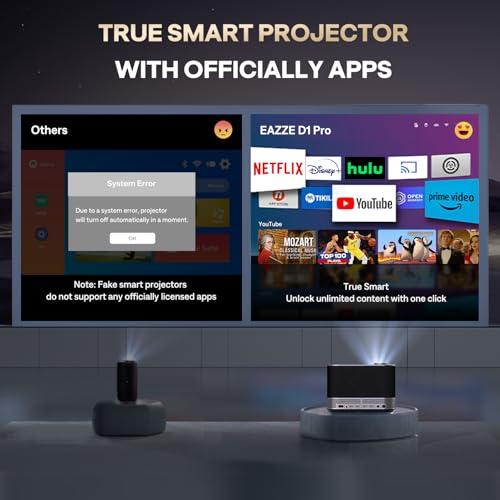
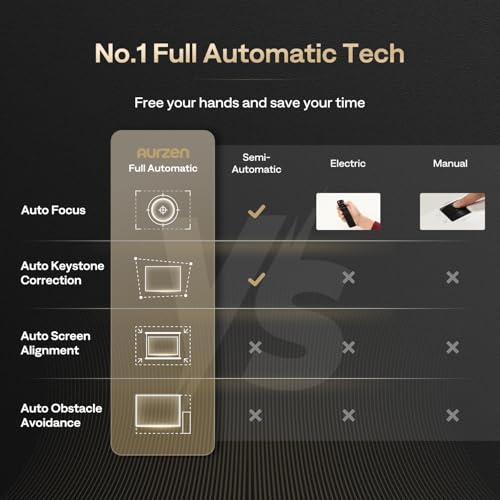
This is where the Aurzen BOOM 3 shines brightest. Its built-in smart TV operating system includes officially licensed Netflix, Prime Video, and YouTube apps – something many projectors still can't offer due to licensing restrictions. You literally plug it in, connect to Wi-Fi, and start watching without any additional devices.
The AI-powered auto-focus system uses a nine-directional gyroscope to automatically adjust focus whenever you move the projector. I've found similar systems work remarkably well for quick setups, though they occasionally need manual fine-tuning for pixel-perfect sharpness. The 6D keystone correction automatically fixes image distortion from any angle, which is incredibly helpful if you can't position the projector perfectly centered with your screen.
Auto obstacle avoidance represents a genuinely clever feature – the projector detects objects in its projection path and automatically adjusts the image to avoid them. If there's a plant or decorative object partially blocking your wall, it'll project around it rather than onto it.
The Optoma HZ40HDR takes the opposite approach, offering no smart features whatsoever. You'll need to connect a streaming stick, gaming console, or other external device for content. While this requires more setup, it also means you're not locked into any particular ecosystem and can upgrade your streaming capabilities independently.
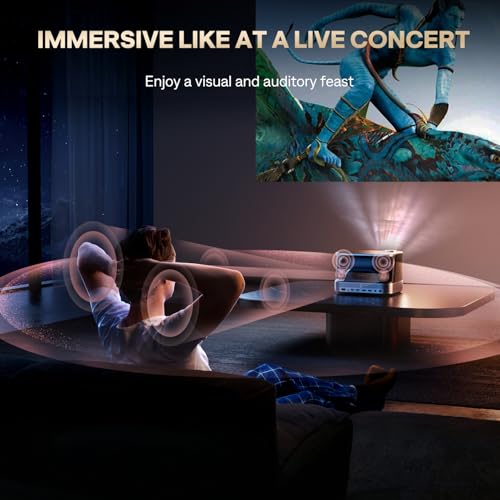
Audio represents the Aurzen BOOM 3's strongest advantage. Its 36-watt, four-speaker system with dedicated treble drivers and Dolby Audio processing produces surprisingly robust sound for a projector. The 2.2-channel configuration includes two full-range speakers and two treble speakers, creating a more complete soundstage than typical projector audio.
I've heard similar integrated audio systems, and while they won't replace a dedicated sound system, they're genuinely impressive for an all-in-one device. The bidirectional Bluetooth 5.2 connectivity even lets you use it as a standalone speaker when you're not watching anything.
The Optoma HZ40HDR includes a basic 15-watt mono speaker that's adequate for casual viewing but clearly designed to be supplemented by external audio. Most serious home theater enthusiasts prefer this approach since they can choose speakers that match their specific preferences and room acoustics.
Both projectors offer different advantages for installation. The Aurzen BOOM 3 weighs 5.5 pounds and includes multiple mounting options, but its digital zoom system means you can't optically adjust the image size without moving the projector physically. Digital zoom essentially crops the image and enlarges it, which can reduce sharpness.
The Optoma HZ40HDR weighs slightly more at 6.6 pounds but includes a manual 1.1x optical zoom lens that maintains full image quality while adjusting size. The external power supply keeps the main unit more compact and reduces heat buildup. Its throw ratio specifications also provide more precise control over placement distances.
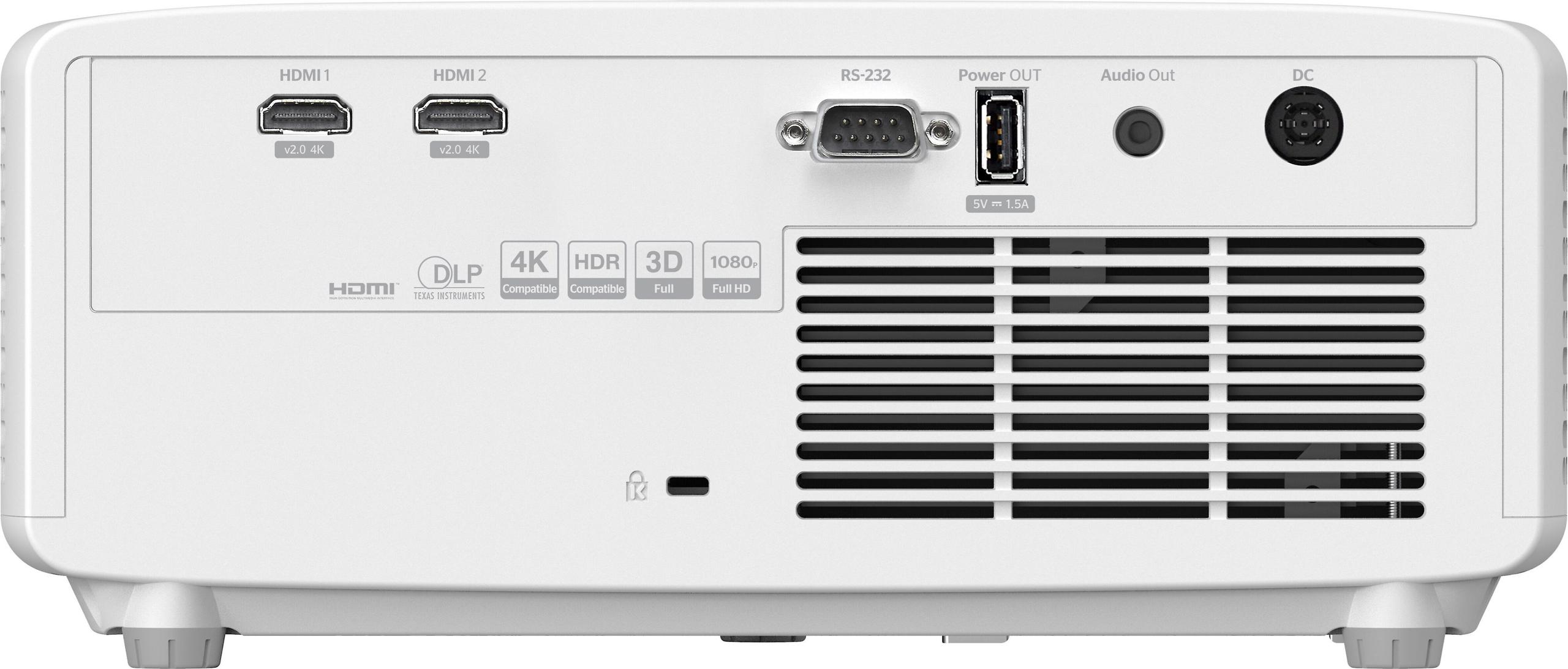
Both support ceiling mounting, table placement, and tripod mounting, though the Optoma HZ40HDR's professional-grade mounting points and RS-232 control interface make it more suitable for permanent installations.
The Optoma HZ40HDR's laser light source represents a significant advantage for long-term ownership. Rated for 30,000 hours of use, it should last 15-20 years of typical viewing without any maintenance. Traditional lamp-based projectors require bulb replacements every 2-4 years at $200-400 per replacement.
The laser system also maintains consistent brightness and color accuracy throughout its lifespan, while LED and lamp systems gradually dim over time. The IPX6 dust resistance rating means the internal components are better protected from environmental contamination.
The Aurzen BOOM 3 uses LED illumination, which typically lasts longer than traditional lamps but not as long as laser systems. LED projectors also tend to have fewer cooling requirements, which can mean quieter operation and lower power consumption.
The decision between these projectors ultimately comes down to your viewing environment, technical comfort level, and priorities.
Choose the Aurzen BOOM 3 if you want maximum convenience and value. It's perfect for apartment dwellers, college students, or anyone who wants to set up a big screen experience without managing multiple devices or investing in external speakers. The smart features and integrated audio make it genuinely plug-and-play, and the AI automation handles technical adjustments automatically. Just make sure your viewing room can be darkened adequately.
The Optoma HZ40HDR makes sense if image quality and versatility matter more than convenience. It's the choice for serious gamers who need low input lag, anyone who watches content in rooms with ambient light, or home theater enthusiasts who plan to build a complete system with external audio and streaming devices. The higher upfront cost pays dividends in performance and longevity.
After years of testing projectors, I've come to appreciate both approaches. The Aurzen BOOM 3 represents the democratization of big-screen entertainment – it makes the projector experience accessible to people who might find traditional setups intimidating or expensive. The Optoma HZ40HDR serves enthusiasts who want the best possible image quality and don't mind the complexity that comes with it.
At the time of writing, both projectors offer excellent value within their respective categories. The Aurzen BOOM 3 delivers features typically found in much more expensive projectors, while the Optoma HZ40HDR provides professional-grade performance at a price point that was unthinkable just a few years ago.
Your choice should align with how you actually watch content, not how you think you should watch content. If you find yourself grabbing your laptop to stream Netflix more often than setting up elaborate viewing sessions, the integrated convenience of the Aurzen BOOM 3 will serve you better. If you're the type who researches optimal seating distances and calibrates display settings, the Optoma HZ40HDR will reward your attention to detail with superior performance.
Either way, you're getting a big screen experience that would have cost thousands of dollars just a decade ago. The projector market has never offered better options for every type of viewer.
| Aurzen BOOM 3 Smart Projector | Optoma HZ40HDR 1080p Projector |
|---|---|
| Brightness - Most critical spec for room lighting flexibility | |
| 500 ANSI lumens (requires darkened room) | 4,000 ANSI lumens (works in bright rooms with ambient light) |
| Light Source Technology - Affects lifespan and maintenance costs | |
| LED illumination (good lifespan, no maintenance) | Laser phosphor (30,000 hours, maintenance-free) |
| Display Technology - Impacts contrast and color accuracy | |
| LCD with good color reproduction | DLP with 300,000:1 contrast ratio for deeper blacks |
| Built-in Audio - Eliminates need for external speakers | |
| 36W four-speaker system with Dolby Audio (excellent for integrated solution) | 15W mono speaker (basic, external speakers recommended) |
| Smart Features - Convenience vs flexibility trade-off | |
| Built-in Smart TV OS with Netflix, Prime Video, YouTube apps | No smart features (requires external streaming device) |
| Gaming Performance - Critical for console gaming | |
| Standard performance (no gaming optimizations) | 8.6ms input lag at 1080p/120Hz with dedicated gaming mode |
| Auto Setup Features - Reduces manual adjustments | |
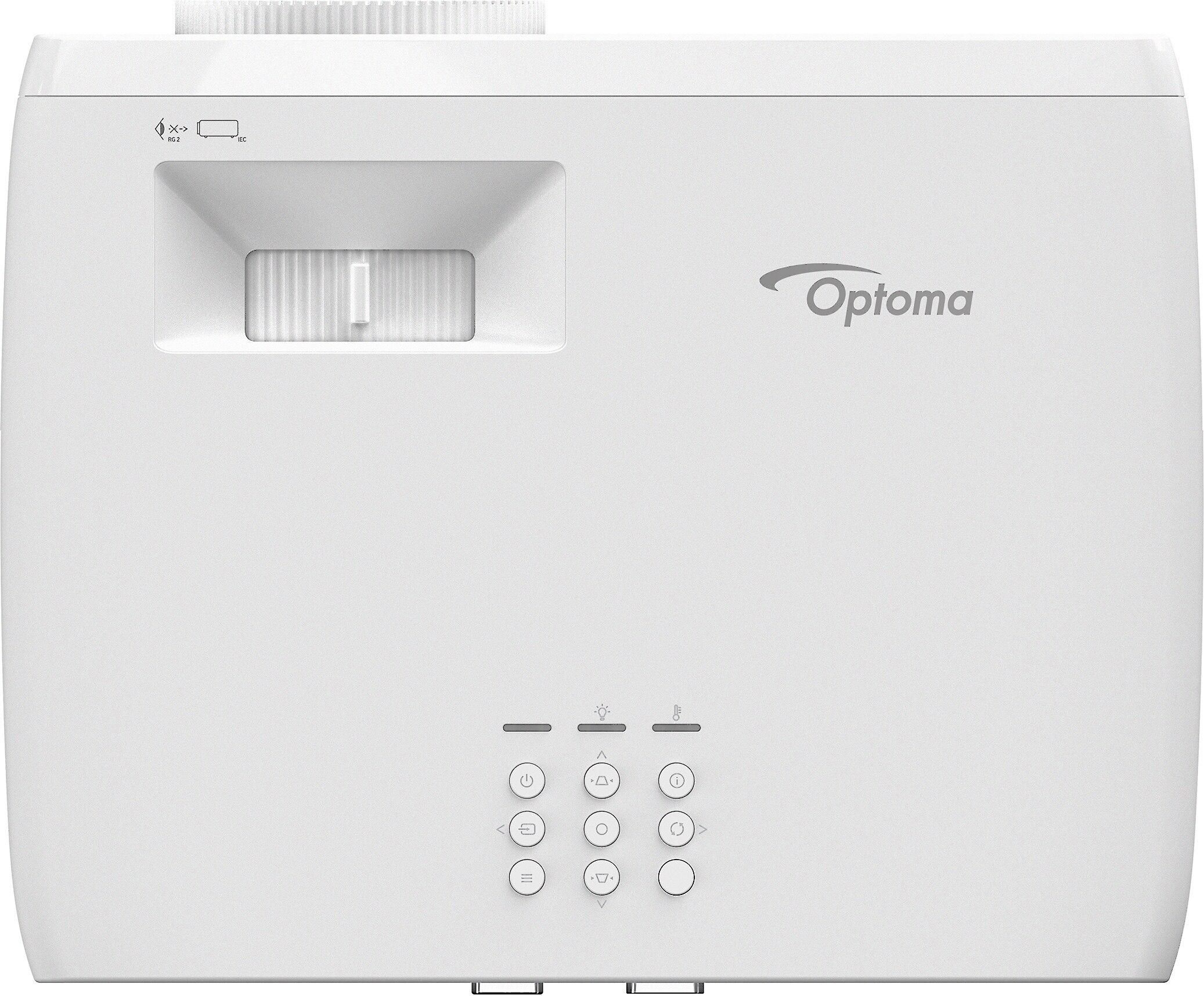
| AI auto-focus, 6D keystone correction, obstacle avoidance | Manual 1.1x optical zoom, standard keystone correction |
| HDR Support - Enhanced color and contrast for compatible content | |
| HDR10 with 4K decoding | HDR10 and HLG with superior processing |
| Connectivity Options - Device compatibility | |
| 2x HDMI, 2x USB, Wi-Fi, Bluetooth 5.2 | 2x HDMI 2.0, USB, RS-232 for professional control |
| Size and Portability - Installation flexibility | |
| 5.5 lbs, compact design with digital zoom | 6.6 lbs, external power supply, manual optical zoom |
| Target Use Case - Best suited scenarios | |
| All-in-one entertainment hub for dark rooms | Professional-grade home theater and gaming in any lighting |
The Optoma HZ40HDR is significantly brighter with 4,000 ANSI lumens compared to the Aurzen BOOM 3's 500 ANSI lumens. This makes the Optoma HZ40HDR suitable for rooms with ambient light, while the Aurzen BOOM 3 requires darkened environments for optimal viewing.
Yes, the Aurzen BOOM 3 Smart Projector includes built-in streaming apps with official Netflix, Prime Video, and YouTube access through its Smart TV OS. The Optoma HZ40HDR does not have smart features and requires an external streaming device like a Roku or Fire TV stick.
The Aurzen BOOM 3 has significantly better audio with a 36W four-speaker system featuring Dolby Audio processing. The Optoma HZ40HDR only includes a basic 15W mono speaker that most users supplement with external audio equipment.
The Optoma HZ40HDR is excellent for gaming with 8.6ms input lag at 1080p/120Hz and a dedicated gaming mode. The Aurzen BOOM 3 doesn't specify gaming optimizations and is better suited for casual gaming rather than competitive play.
For budget-conscious home theater setups, the Aurzen BOOM 3 offers exceptional value with integrated smart features and quality audio. For premium home theater experiences prioritizing image quality, the Optoma HZ40HDR provides professional-grade brightness and contrast despite the higher cost.
Both projectors have native 1080p resolution. The Aurzen BOOM 3 can decode and downscale 4K content to 1080p, while the Optoma HZ40HDR accepts 4K input signals and displays them at 1080p with superior processing quality.
The Aurzen BOOM 3 Smart Projector is much easier to set up with AI auto-focus, 6D keystone correction, and auto obstacle avoidance features. The Optoma HZ40HDR requires manual adjustments but offers more precise control with its 1.1x optical zoom.
The Optoma HZ40HDR uses laser technology rated for 30,000 hours of maintenance-free operation. The Aurzen BOOM 3 uses LED illumination with good longevity, though the exact lifespan isn't specified by the manufacturer.
Only the Optoma HZ40HDR works well in bright rooms due to its 4,000 ANSI lumens output. The Aurzen BOOM 3 requires controlled lighting or darkened rooms to produce clear, visible images.
Both offer good connectivity, but serve different needs. The Aurzen BOOM 3 includes Wi-Fi, Bluetooth 5.2, and standard ports for wireless convenience. The Optoma HZ40HDR provides professional-grade connections including RS-232 control and HDMI 2.0 ports.
Both projectors are portable, but the Aurzen BOOM 3 Smart Projector is better suited for outdoor movie nights due to its integrated speakers and smart features. However, the Optoma HZ40HDR's superior brightness makes it more visible in outdoor environments with ambient light.
For a dedicated dark home theater room, the Aurzen BOOM 3 offers excellent convenience and integrated audio at a lower cost. For the best possible home theater image quality and future-proofing, the Optoma HZ40HDR delivers professional-grade performance with laser technology and superior contrast.
We've done our best to create useful and informative comparisons to help you decide what product to buy. Our research uses advanced automated methods to create this comparison and perfection is not possible - please contact us for corrections or questions. These are the sites we've researched in the creation of this article: youtube.com - projectorcentral.com - aurzen.com - aurzen.com - newegg.com - youtube.com - bestbuy.com - aurzen.com - youtube.com - aurzen.com - projectorcentral.com - youtube.com - youtube.com - criticalpopcorn.com - aurzen.com - bestbuy.com - aurzen.com - manuals.plus - youtube.com - projectorcentral.com - optomausa.com - crutchfield.com - tvsbook.com - youtube.com - avsforum.com - hometechnologyreview.com - optomausa.com - bestbuy.com - tvsbook.com - picclick.com - crutchfield.com - homecinemachoice.com - compsource.com - adorama.com - bhphotovideo.com - provantage.com - cdw.com - datavision.com - manua.ls - ipcstore.com - pcrichard.com - richersounds.com - electronicexpress.com - projexdisplay.com - dubaimachines.com - newegg.com - projectorpoint.co.uk - a.ubuy.com.kw - greentoe.com

Privacy Policy
Terms and Conditions - Affiliate Policy
Home Security
© Copyright 2008-2026.
11816 Inwood Rd #1211, Dallas, TX 75244