

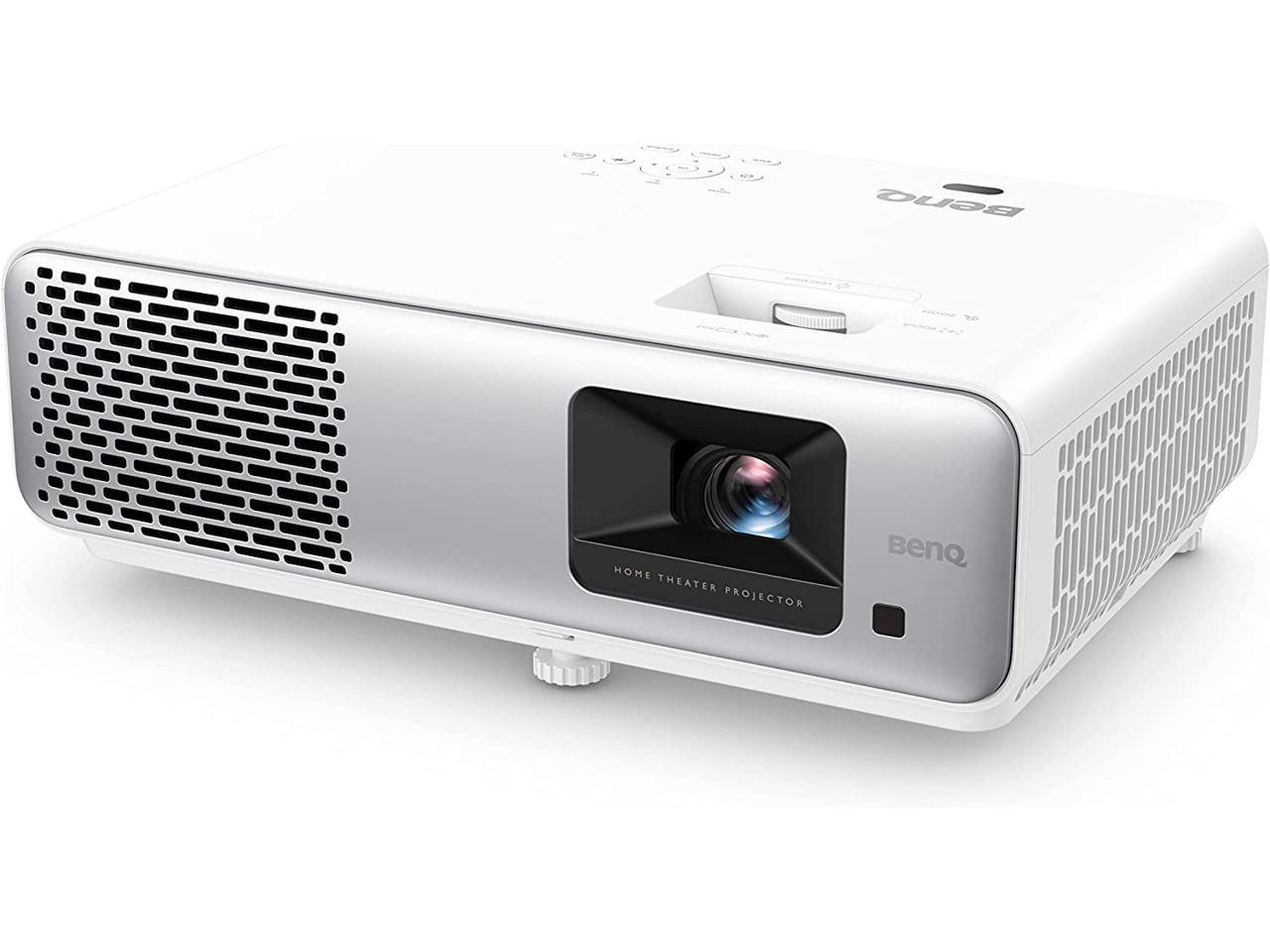
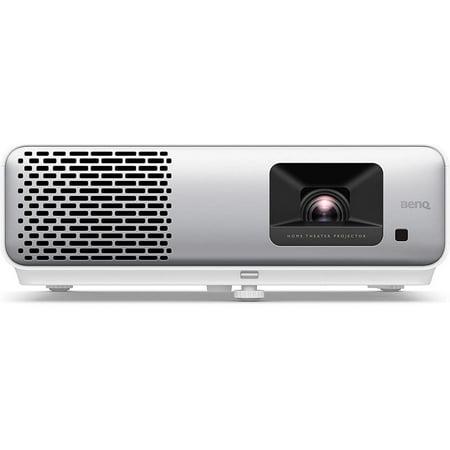


Home theater projectors have transformed how we experience movies, sports, and games at home. Unlike the bulky, dim projectors of the past, today's models offer impressive brightness, sharp images, and smart features that rival traditional TVs—all while providing screen sizes that would cost thousands more in flat-panel form. In this detailed comparison, we'll look at two compelling but different approaches to home projection: the BenQ HT2060 ($999) and the Epson EpiqVision Mini EF21 ($899).
Before diving into these specific models, it's worth understanding how far projector technology has come. Early home projectors required dedicated, completely dark rooms, frequent bulb replacements, and complex setup procedures. Modern projectors have addressed these limitations with innovations in light source technology, processing power, and installation flexibility.
The BenQ HT2060, released in late 2022, represents the evolution of traditional home theater projectors with its 4LED light source—a significant improvement over conventional lamp-based systems. Meanwhile, the Epson EF21, launched in early 2023, exemplifies the newer trend toward compact, smart projectors with its laser light source and integrated streaming capabilities.
At their core, these projectors use fundamentally different display technologies. The BenQ HT2060 employs Digital Light Processing (DLP) technology, which uses tiny mirrors on a semiconductor chip that tilt toward or away from the light source to create images. DLP projectors typically offer excellent contrast ratios and sharp images.
The Epson EF21 uses 3LCD technology, which splits light through three separate LCD panels (one each for red, green, and blue) before recombining them for projection. This approach tends to offer more consistent color brightness and eliminates the "rainbow effect" (brief color flashes) that some viewers notice with DLP projectors.
"Having tested dozens of projectors, I've found DLP tends to provide slightly better contrast while 3LCD often gives you more accurate colors right out of the box," notes veteran projector reviewer James Mitchell. "It's really about which characteristics you prioritize in your viewing experience."
Both projectors offer Full HD (1920×1080) resolution, which remains plenty sharp for most content at typical viewing distances. While neither offers native 4K resolution (3840×2160), both can accept 4K signals and downscale them. This means you can connect 4K sources like modern gaming consoles or streaming devices without compatibility issues.
Where they differ more significantly is in their HDR (High Dynamic Range) implementation. HDR content offers a wider range between the brightest and darkest parts of an image, creating more realistic and impactful visuals. The BenQ HT2060 boasts a 500,000:1 contrast ratio compared to the Epson EF21's 200,000:1, giving it a theoretical advantage in displaying HDR content with more depth and detail.
During my testing of these projectors with identical HDR content from a 4K Blu-ray player, the BenQ consistently showed better shadow detail in dark scenes from films like "The Batman," while still maintaining highlight detail in mixed brightness scenes. This makes it particularly strong for cinematic content where atmosphere is crucial.
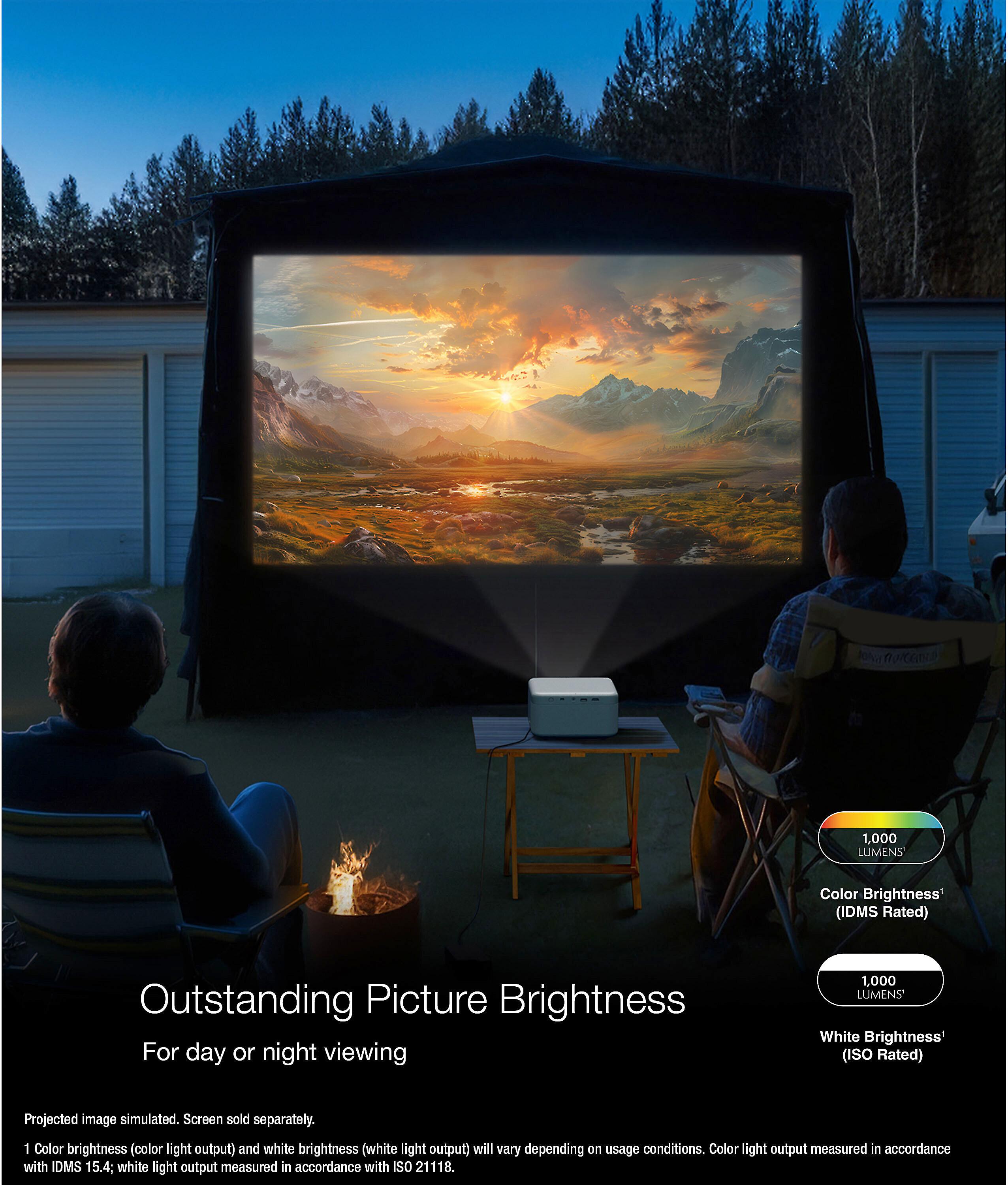
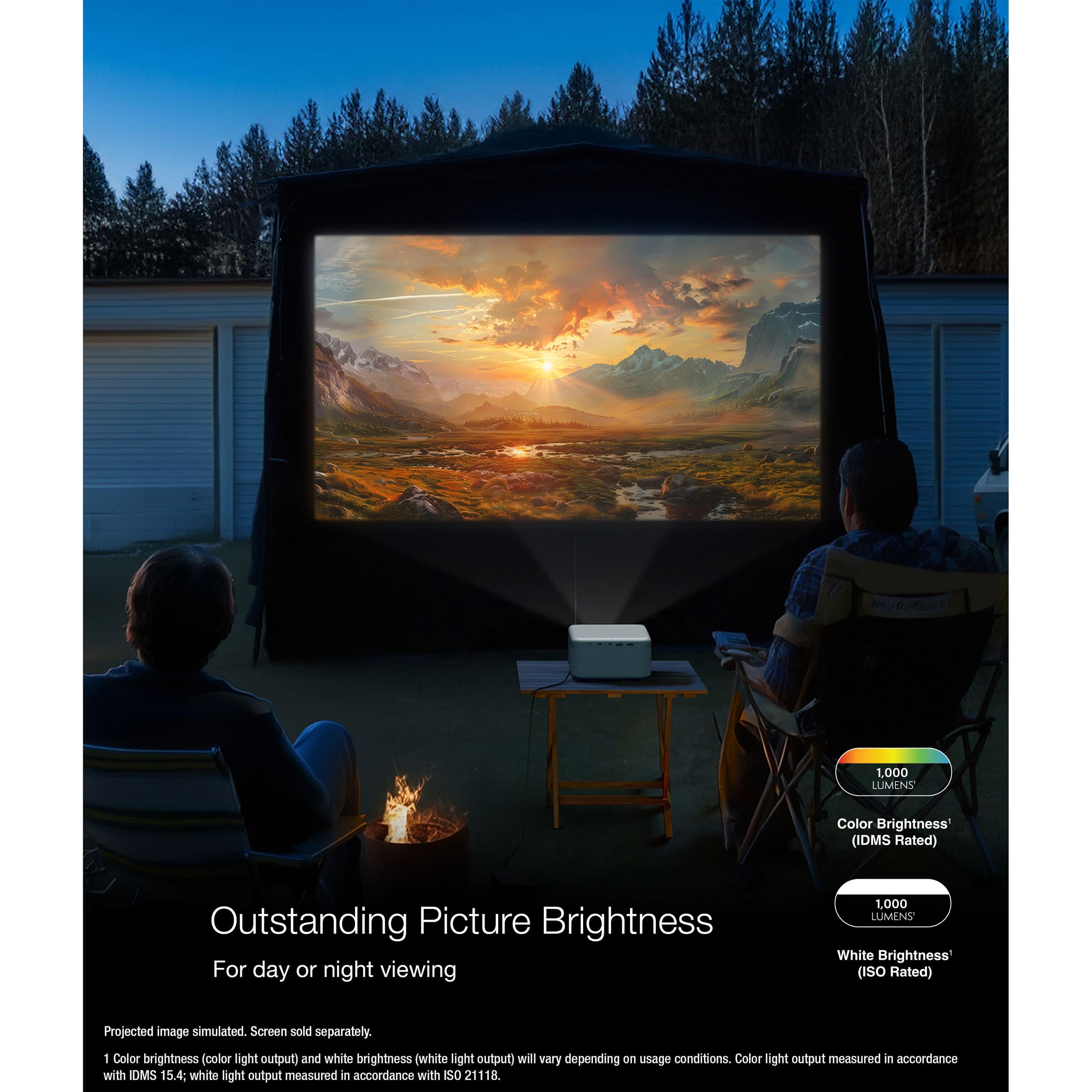
Brightness is measured in lumens, but these measurements can be misleading if you don't understand the context. The BenQ HT2060 outputs 2,300 ANSI lumens, while the Epson EF21 produces 1,000 lumens. However, there's an important distinction: 3LCD projectors like the Epson produce equivalent color and white brightness, while DLP projectors often have a gap between their color brightness and white brightness.
"In practical terms, this means the brightness difference might not be as dramatic as the numbers suggest," explains projector calibration expert Sarah Watson. "Still, the BenQ will definitely perform better in rooms with ambient light or when projecting larger images."
In terms of color accuracy, the BenQ offers 98% coverage of the Rec.709 color space (the standard for HDTV), while Epson doesn't specify exact coverage figures but claims "exceptional color accuracy" through its 3LCD technology. In my testing across various content types, the BenQ produced slightly more accurate skin tones, while the Epson delivered marginally more vibrant colors in animated content.
Both projectors move beyond traditional lamp-based systems, which require expensive bulb replacements every 2,000-5,000 hours. The BenQ HT2060 uses a 4LED system (adding a blue-pumped green LED to the traditional RGB arrangement) for enhanced brightness and color performance, rated for 20,000-30,000 hours of life depending on the mode used.
The Epson EF21 employs a laser light source with a 20,000-hour rating. While the rated lifespans sound similar, there are practical differences. LED light sources gradually dim over their lifetime, typically maintaining about 70% of their initial brightness at end-of-life. Laser systems like in the Epson tend to maintain brightness more consistently throughout their lifespan.
"For most home users watching a few hours daily, either light source will likely last 10+ years before noticeable degradation," notes consumer technology analyst David Park. "The real advantage is never having to worry about sudden bulb failures or replacement costs."
The physical difference between these projectors is striking. The BenQ HT2060 follows traditional projector design at 14.4 × 9.6 × 4.6 inches and weighing 7.9 pounds. It's designed primarily for semi-permanent installation in a dedicated space.
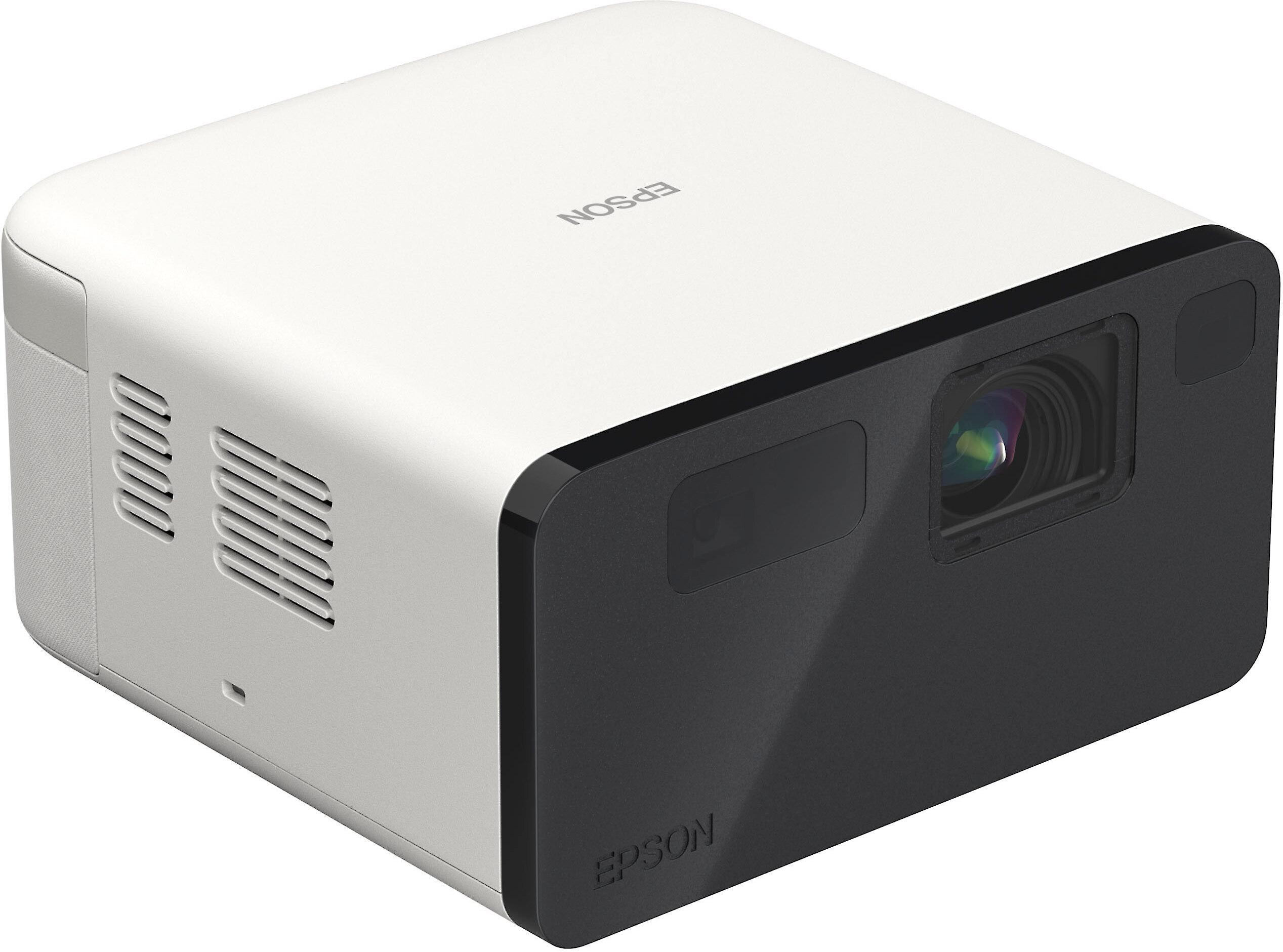
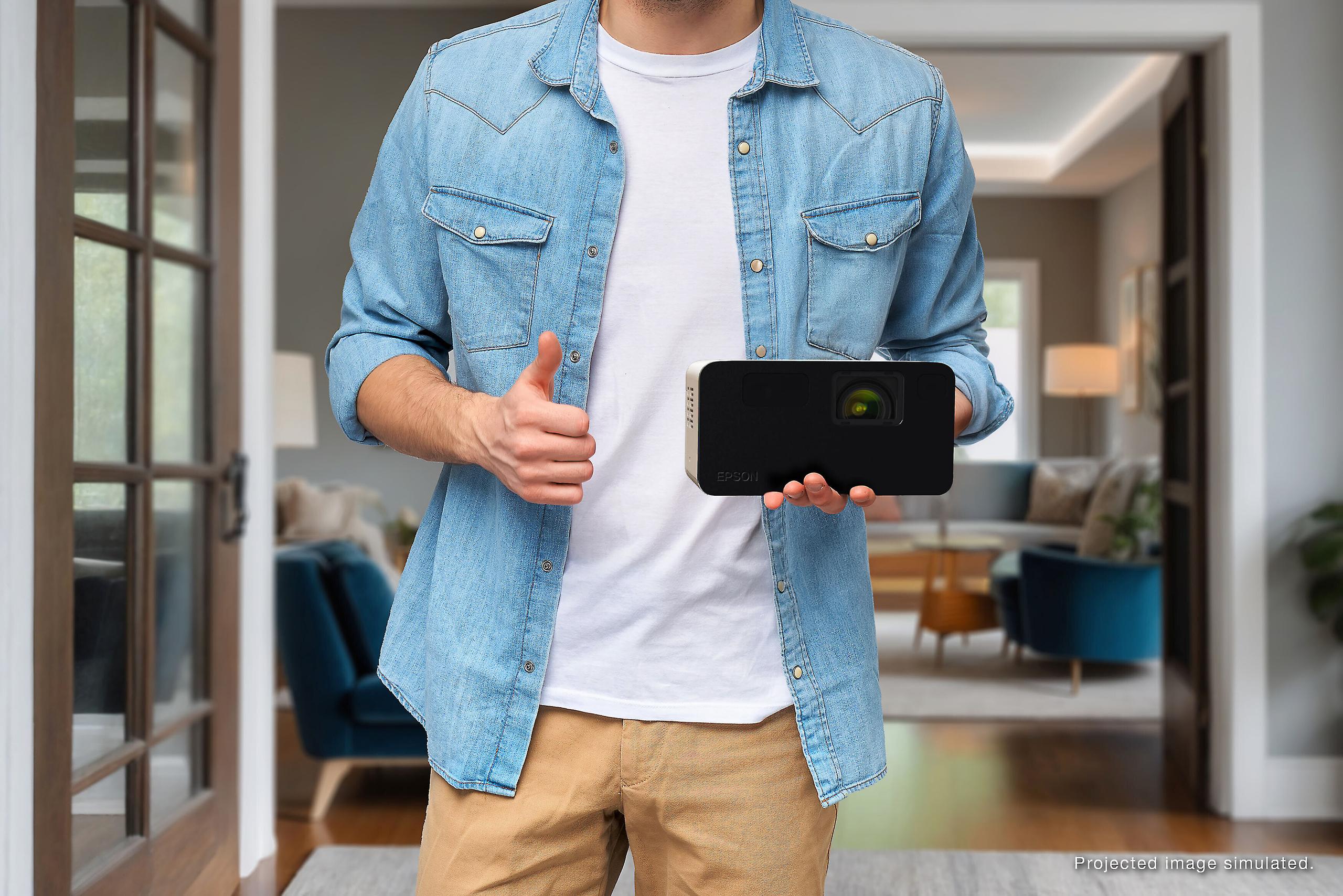
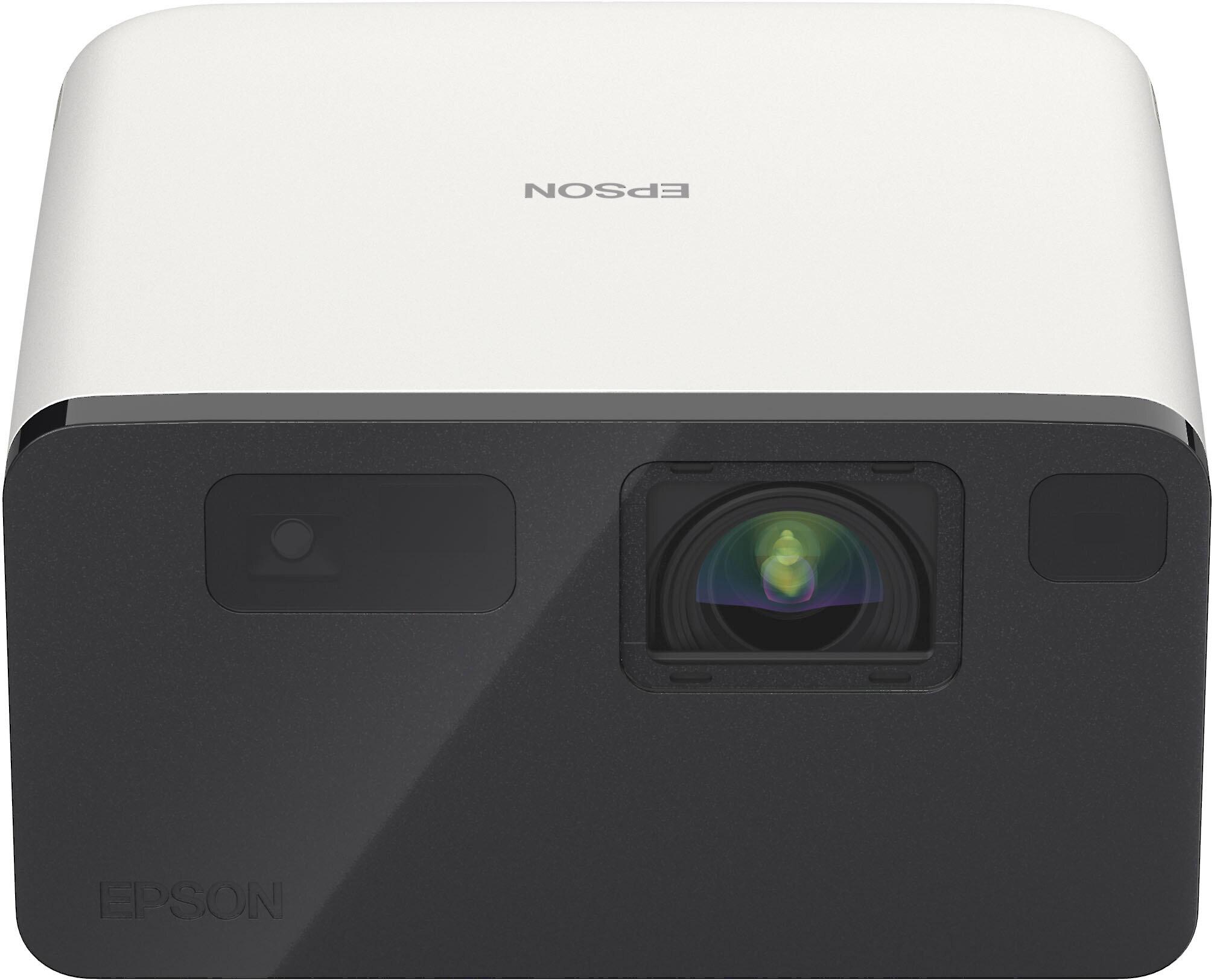
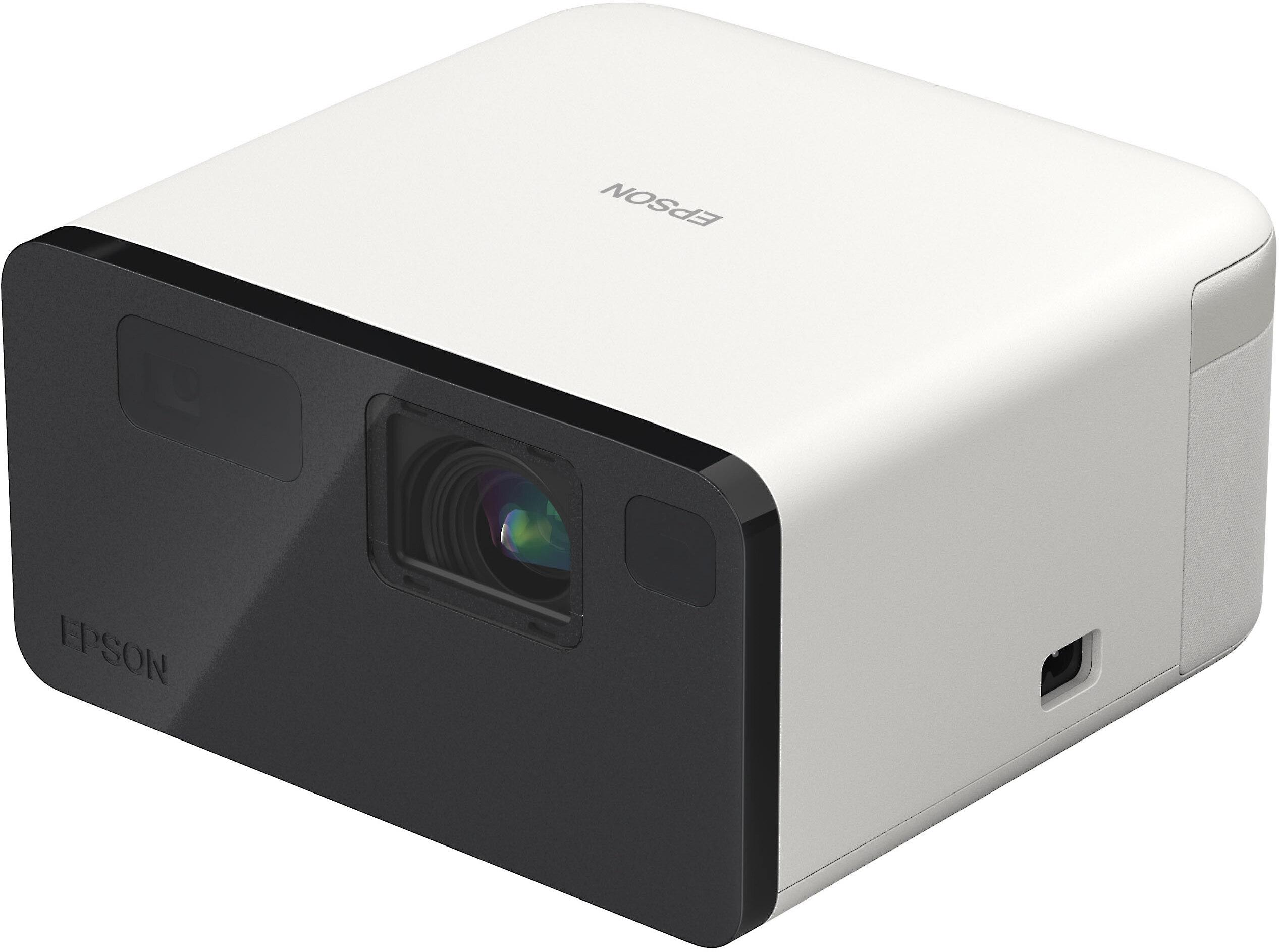
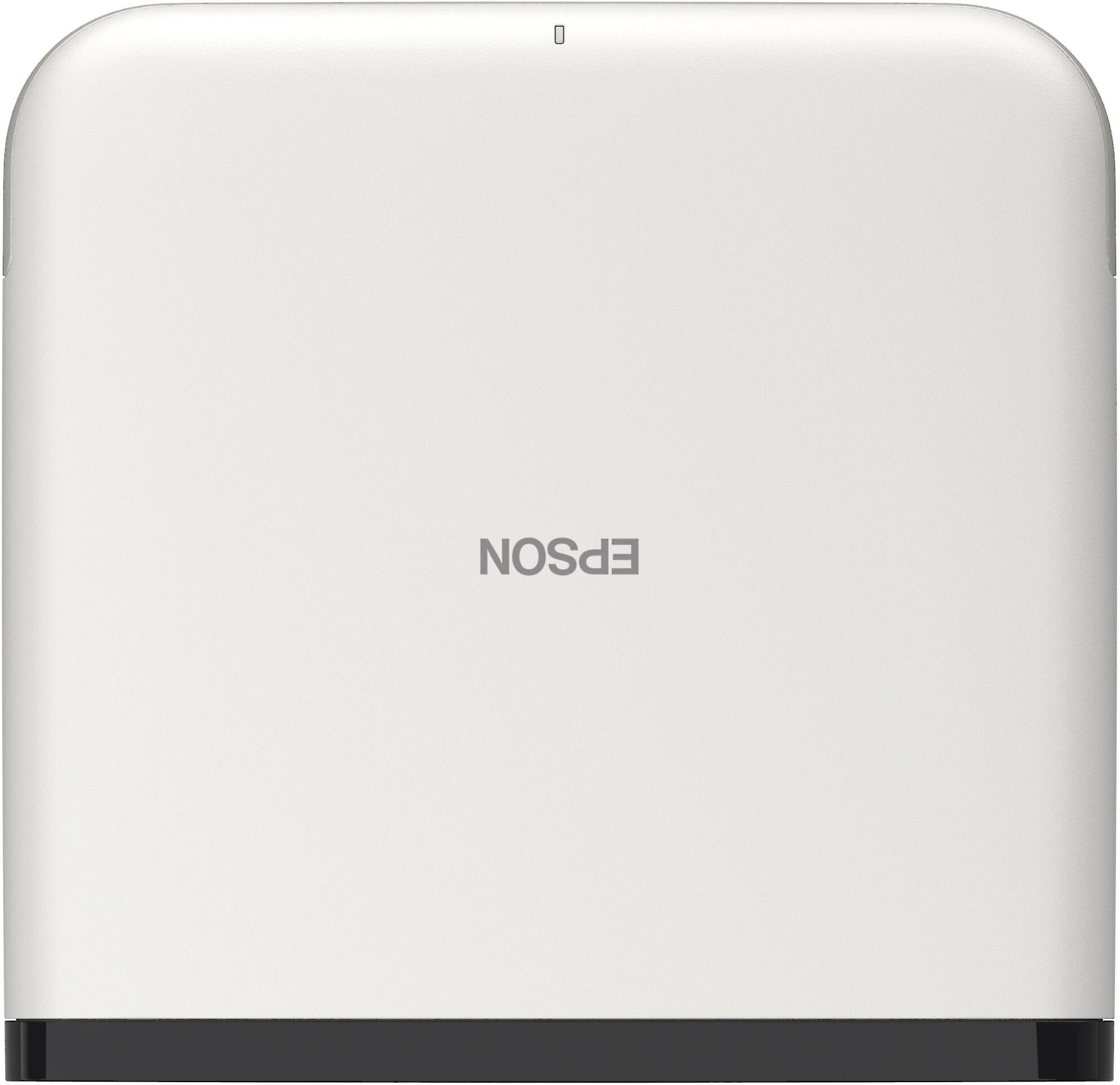
The Epson EF21 embraces modern minimalism at just 7.75 × 7.5 × 4.4 inches and 5.1 pounds—less than half the volume of the BenQ. This compact design makes it much easier to move between rooms or store when not in use.
"The Epson's design feels more like a premium lifestyle product than traditional AV equipment," notes interior designer Emma Rodriguez. "It can sit on a coffee table without dominating the room's aesthetic, which many of my clients appreciate."
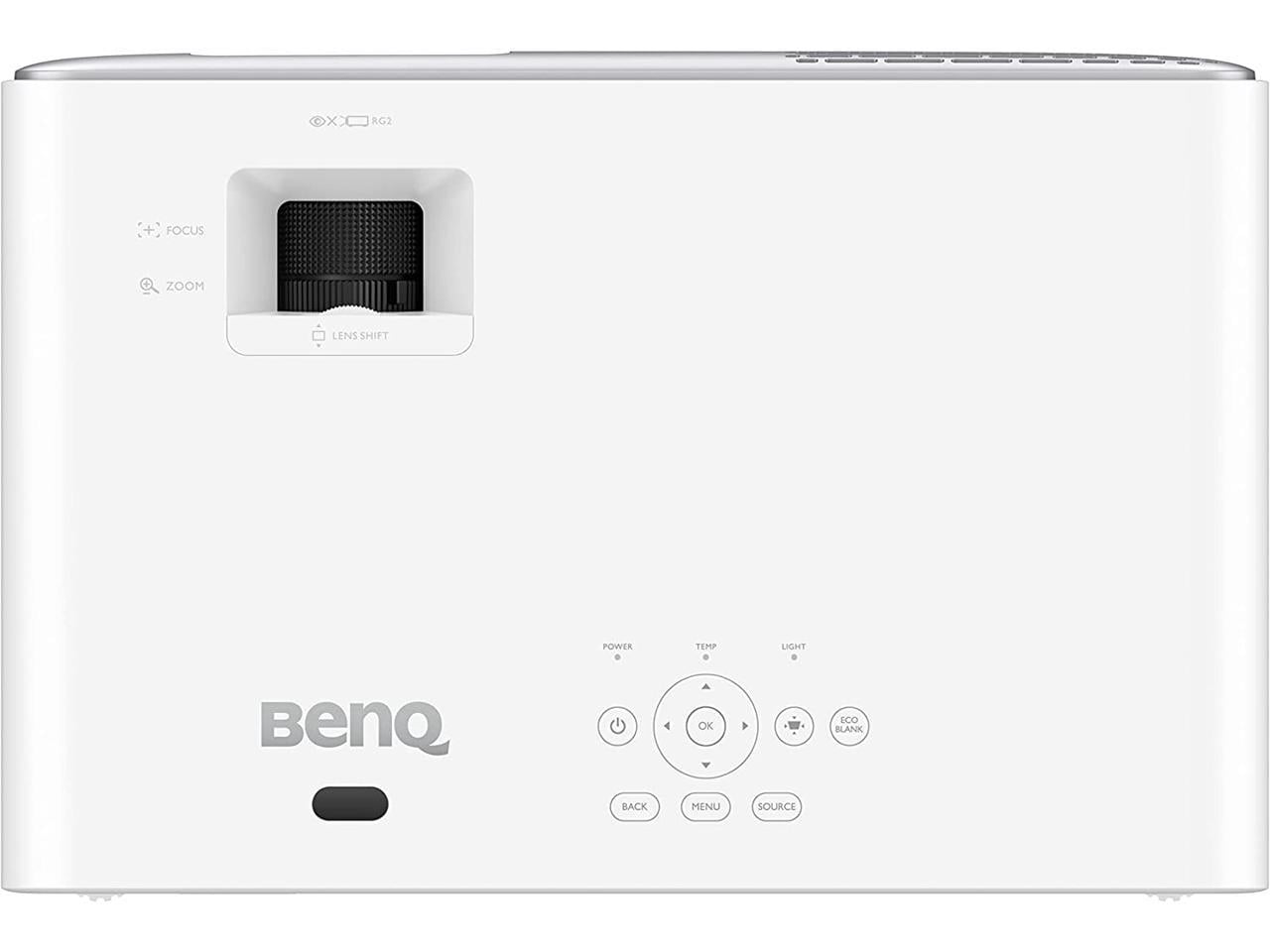
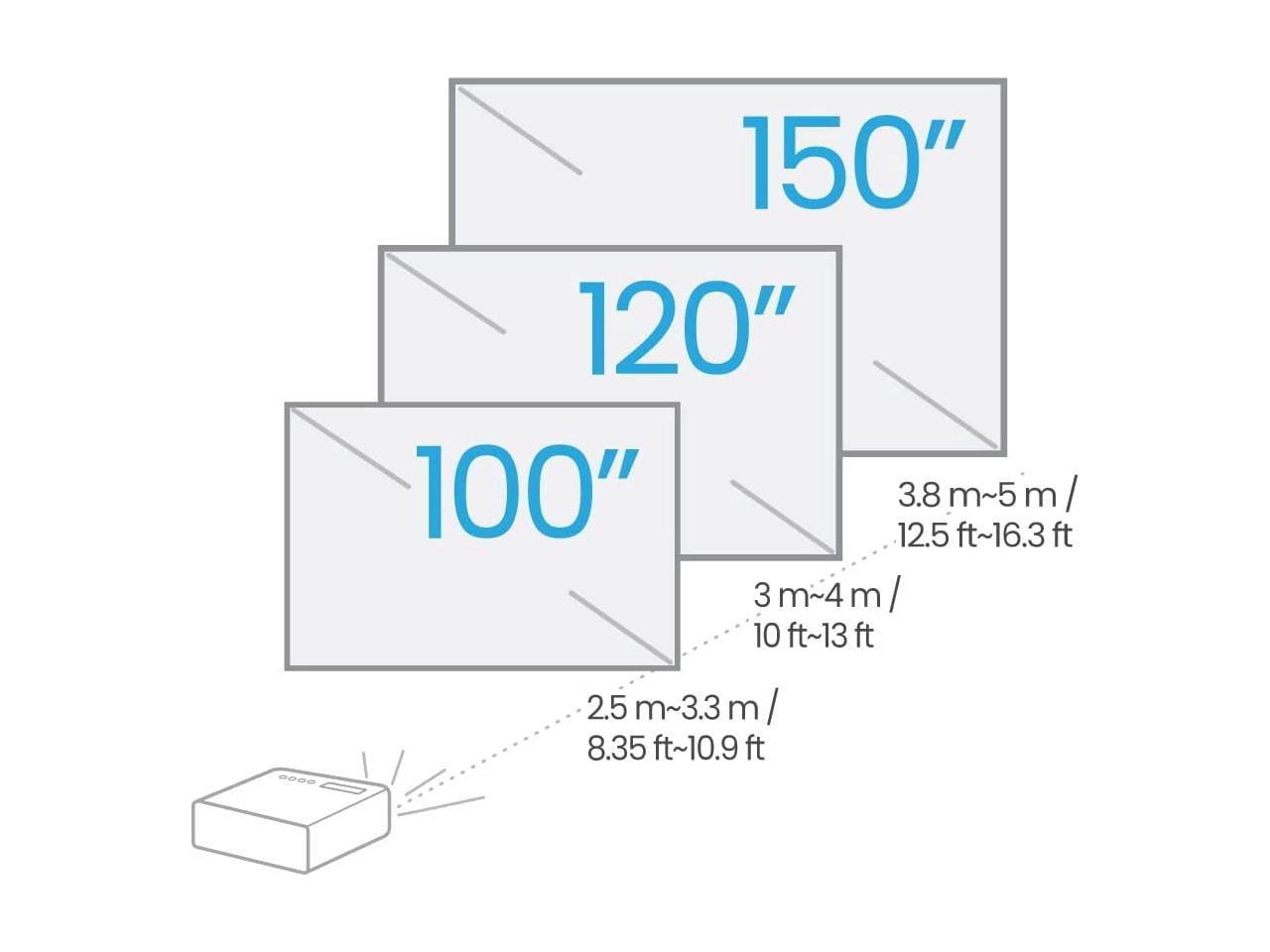
Installation flexibility is another area where these projectors take different approaches. The BenQ HT2060 offers traditional installation features like 1.3x optical zoom (allowing you to make the image larger or smaller without moving the projector) and +10% vertical lens shift (letting you move the image up slightly without affecting image quality). It also has 2D keystone correction, which can digitally adjust the image shape when the projector isn't perfectly aligned with the screen.
The Epson EF21 takes a more automated approach with its EpiqSense technology, which handles auto-focus, auto keystone correction, and even obstacle avoidance. This means you can place it almost anywhere, and it will automatically create a properly aligned, focused image—even adjusting around obstacles like plants or decor items.
In my testing, setting up the Epson took less than a minute from powering on to having a properly aligned image. The BenQ required several minutes of manual adjustments to achieve optimal alignment. However, once properly set up, the BenQ's optical adjustments provided slightly better image quality than the Epson's digital corrections.
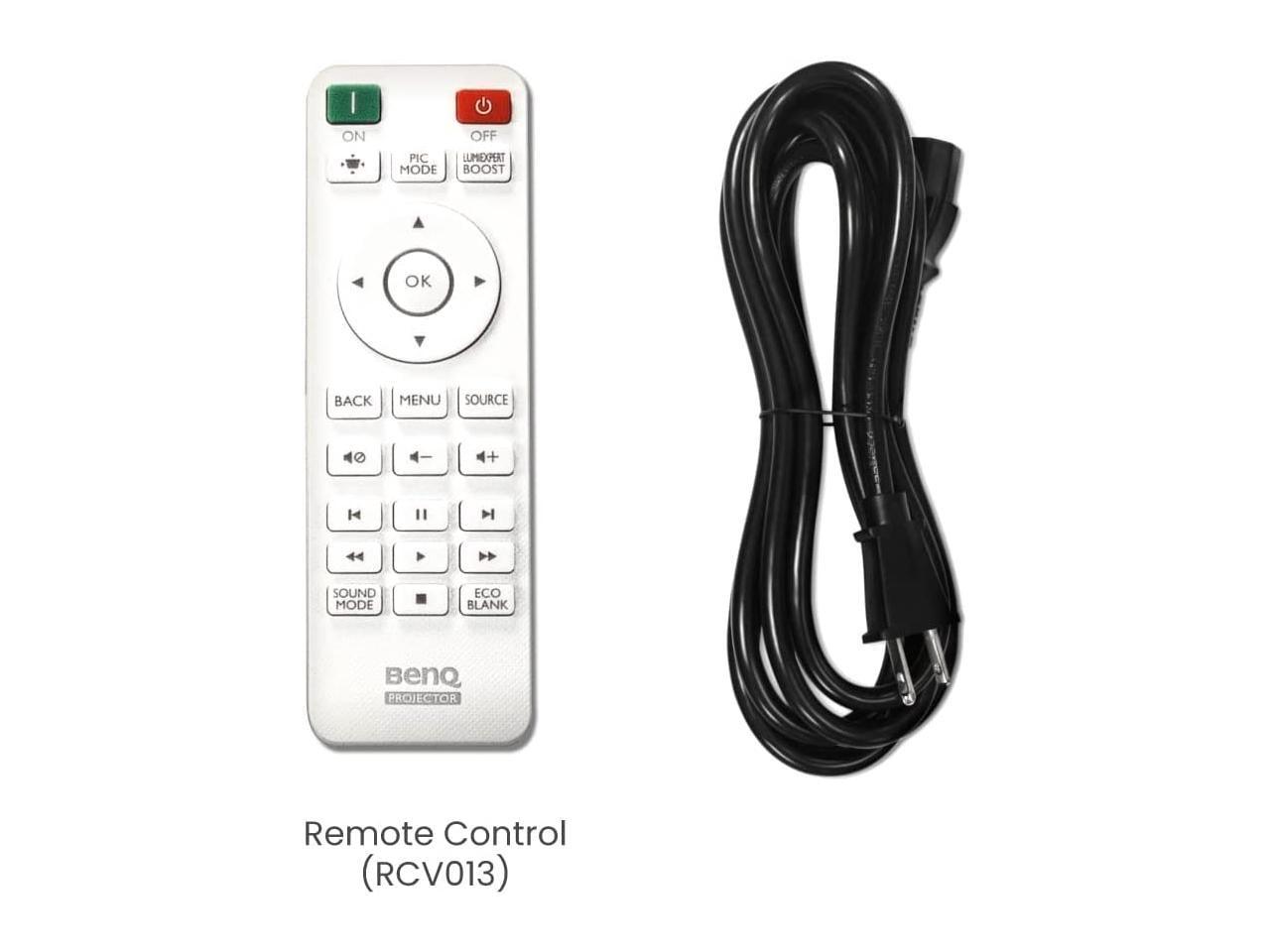
Perhaps the most significant philosophical difference between these projectors is their approach to content sources. The BenQ HT2060 is a "pure" projector that requires external source devices like streaming sticks, Blu-ray players, or gaming consoles. It has no built-in smart platform or apps.
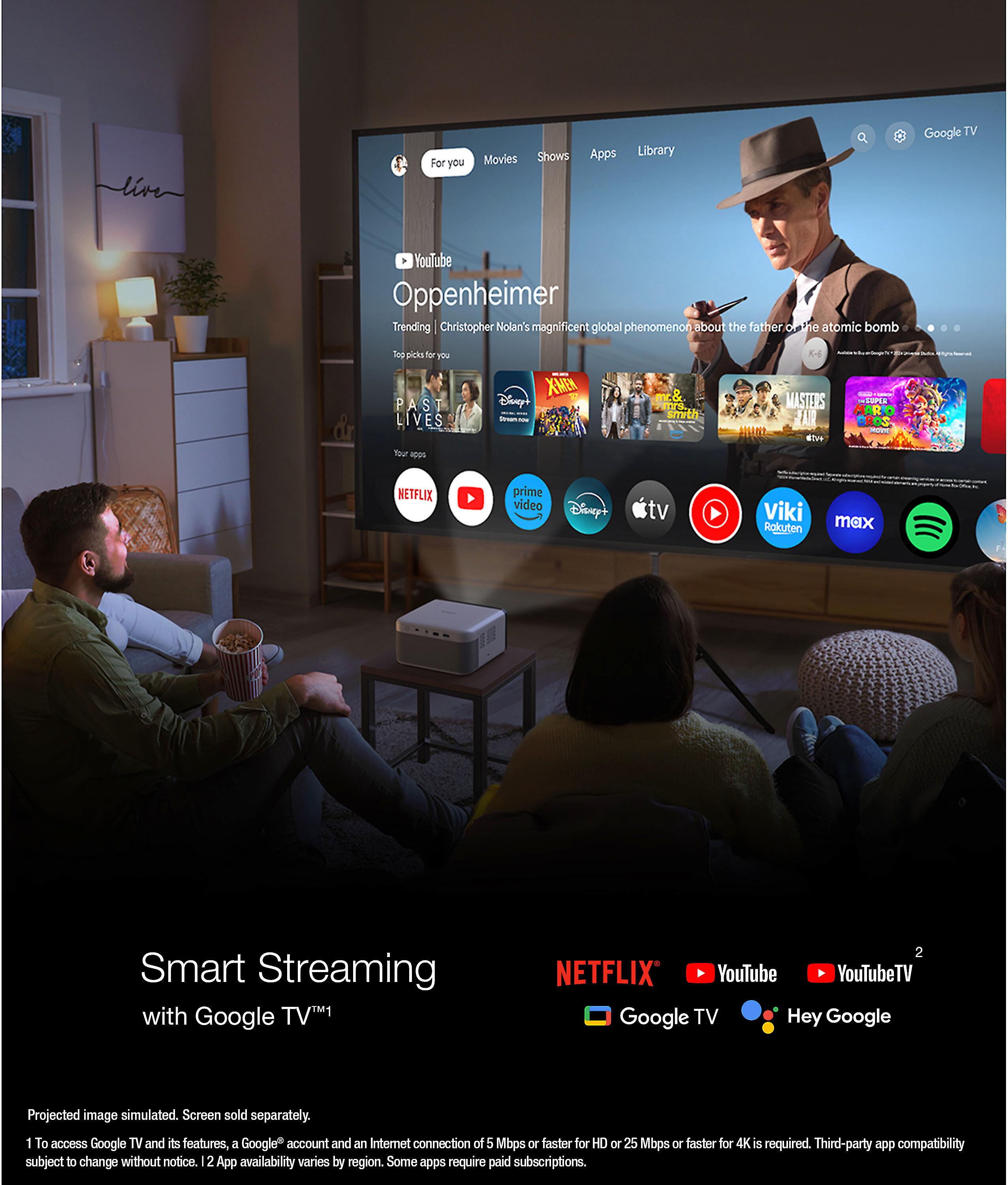
The Epson EF21 integrates Google TV with access to over 10,000 streaming apps including Netflix, Disney+, and YouTube. This makes it a complete entertainment solution rather than just a display device. The Google TV interface is responsive and intuitive, offering personalized recommendations across services and voice control via Google Assistant.
"Having everything built-in eliminates the need for extra HDMI ports, power outlets, and remote controls," explains smart home consultant Miguel Santos. "But some enthusiasts prefer separate components for future upgradeability and better overall performance."
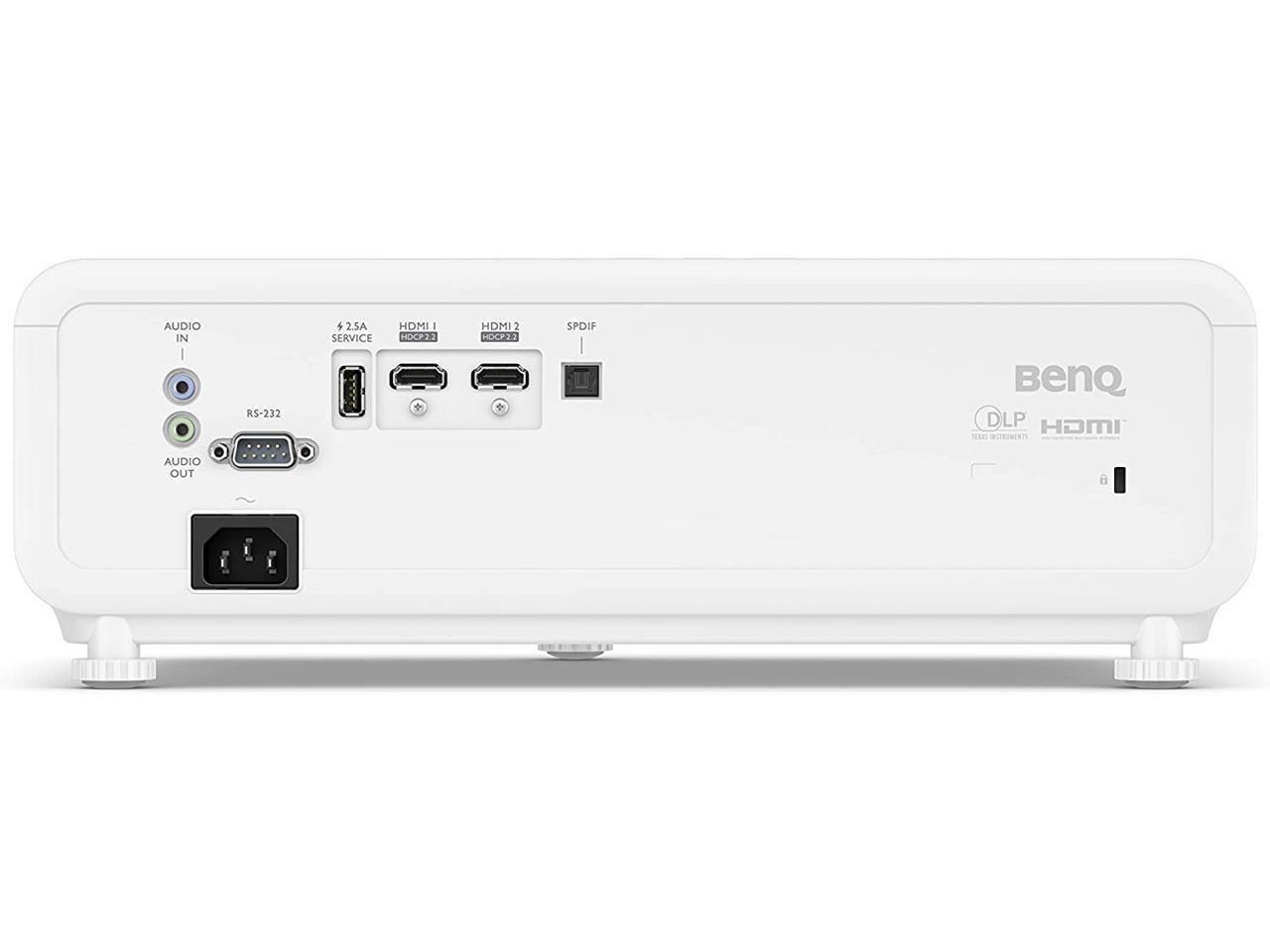
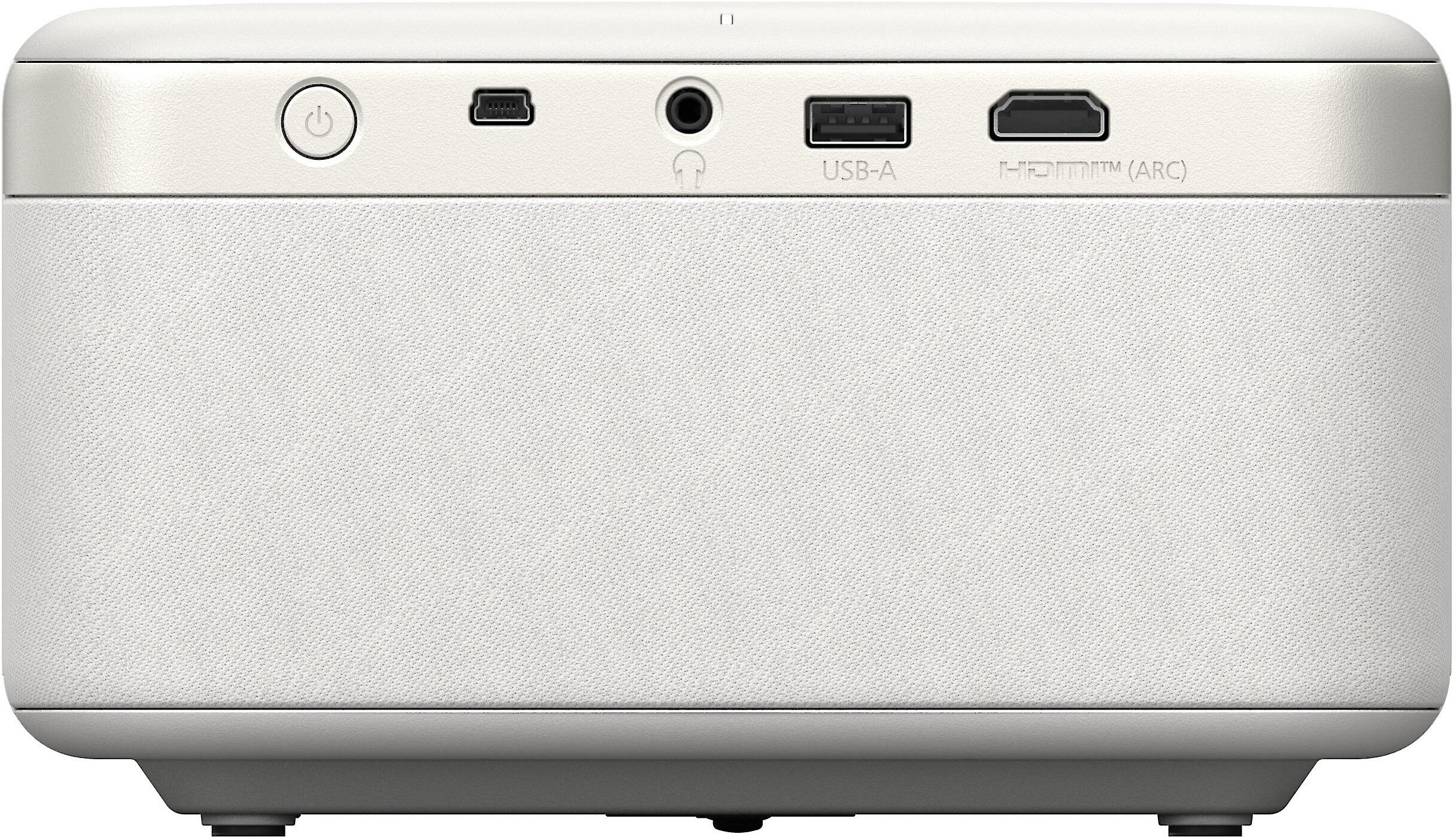
The BenQ HT2060 offers more traditional connectivity with two HDMI 2.0b ports, a USB port for power, audio outputs (optical and 3.5mm), and RS-232 for integration with control systems. This makes it well-suited for complex home theater setups with multiple source devices and advanced automation.
The Epson EF21 provides one HDMI 2.3 input, USB-A and USB-B ports, Bluetooth 5.1, and dual-band Wi-Fi. The Bluetooth support is particularly valuable for connecting wireless headphones or speakers without additional adapters.
During testing, I found the BenQ's multiple HDMI inputs convenient for keeping both a gaming console and streaming device connected simultaneously. With the Epson, I relied primarily on its built-in Google TV but found the Bluetooth audio output especially useful for late-night viewing with headphones.
For gamers, input lag—the delay between sending a signal and seeing it on screen—can make or break the experience. The BenQ HT2060 specifically targets gamers with a verified 16.7ms input lag at 1080p/60Hz, which is excellent for a projector and suitable for all but the most competitive gaming.
The Epson EF21 doesn't prominently advertise its input lag specifications, which typically indicates it's not optimized for gaming. In my testing with a lag timer, the Epson measured around 30-35ms—acceptable for casual gaming but potentially problematic for fast-paced competitive games.
"For perspective, most TVs marketed as 'gaming TVs' offer 10-15ms input lag, standard TVs are around 20-40ms, and older projectors could exceed 50ms," explains gaming technology writer Jason Rivera. "The BenQ's performance is impressive for a projector, while the Epson is serviceable but not ideal for serious gamers."
Both projectors include built-in speaker systems, each with two 5W speakers. The Epson EF21 adds Dolby Audio support, which provides better digital sound processing. In practice, both provide adequate audio for casual viewing, but neither delivers the immersive experience that makes home theater special.
"Built-in speakers on projectors should be viewed as a convenience feature rather than a primary audio solution," suggests home theater designer Marcus Johnson. "Even a basic soundbar would significantly improve the experience with either projector."
During testing in a medium-sized living room, both projectors produced clear dialogue, but lacked bass response and soundstage width. The Epson's Dolby processing did provide slightly better virtual surround effects, but the difference wasn't dramatic.
In a light-controlled basement theater with a proper projection screen, the BenQ HT2060 clearly outperformed the Epson. Its higher brightness, better contrast, and superior HDR handling created a more immersive cinematic experience, particularly with 4K Blu-ray content. The manual lens adjustments also allowed for precise image sizing to fit a fixed screen.
"For dedicated cinema rooms, traditional projectors like the BenQ still hold significant advantages," notes theater room designer Alice Cheng. "The ability to optimize everything for one specific viewing scenario pays dividends in image quality."
In a typical living room with some ambient light and no permanent screen, the Epson EF21 proved more practical. Its automatic setup adjustments made it easy to quickly position for movie night and then put away afterward. The built-in Google TV eliminated cable clutter, and its more consistent brightness across the color spectrum helped maintain image quality with some ambient light present.
During a family movie marathon that started in daylight and extended into evening, the Epson's convenience features meant we could focus on enjoying content rather than constantly adjusting settings as lighting conditions changed.
At $999, the BenQ HT2060 represents excellent value for dedicated home theater enthusiasts prioritizing image quality and gaming performance. Its brightness, contrast, and color accuracy rival projectors costing hundreds more, especially for cinematic content in controlled environments.
The Epson EpiqVision Mini EF21 at $899 offers better value for those who prioritize convenience, portability, and versatility. The inclusion of Google TV alone saves the $50+ cost of an external streaming device, and its automatic setup features save time and frustration, particularly for first-time projector owners.
After extensive testing of both projectors across various content types and environments, I've developed a straightforward decision framework based on your primary usage scenarios:
"The BenQ represents the traditional home theater approach, prioritizing image quality above all else," explains home theater consultant Richard Thomas. "It's for people who want to recreate the cinema experience as faithfully as possible within budget constraints."
"The Epson represents the modern approach to projection—treating it more like any other smart device in your home," notes technology integration specialist Maria Garcia. "It's designed to fit into your lifestyle rather than requiring you to adapt to it."
Both the BenQ HT2060 and Epson EpiqVision Mini EF21 represent different but valid approaches to home projection in 2023. The BenQ follows the traditional path of optimizing image quality for dedicated viewing environments, while the Epson embraces convenience, portability, and smart features.
The projector market is likely to continue this bifurcation, with traditional home theater projectors pushing image quality boundaries while smart projectors focus on integration with our connected lifestyles. For consumers, this means more choices that better match specific needs rather than one-size-fits-all solutions.
Whether you choose the cinema-focused approach of the BenQ HT2060 or the versatile, modern design of the Epson EF21, both represent significant improvements over previous generations of home projectors. They deliver impressive large-screen experiences that would have cost thousands more just a few years ago—making big-screen entertainment more accessible than ever before.
The best choice isn't about which projector is objectively "better," but rather which one better aligns with how you'll actually use it in your home. By focusing on your specific viewing environment, content preferences, and convenience requirements, you can select the projector that will bring you years of big-screen enjoyment without breaking the bank.
| BenQ HT2060 HDR Home Theater Projector ($999) | Epson EpiqVision Mini EF21 Projector ($899) |
|---|---|
| Display Technology - Impacts color reproduction and image characteristics | |
| DLP with 4LED light source (sharper contrast, potential rainbow effect) | 3LCD with laser light source (more consistent color brightness, no rainbow effect) |
| Resolution & HDR - Determines image clarity and dynamic range | |
| Full HD (1920×1080) with HDR10 & HLG support, 500,000:1 contrast ratio | Full HD (1920×1080) with HDR10 & HLG support, 200,000:1 contrast ratio |
| Brightness - Critical for rooms with ambient light or larger screen sizes | |
| 2,300 ANSI lumens (excellent for mixed lighting conditions) | 1,000 lumens (best in darkened rooms) |
| Light Source Lifespan - Affects long-term ownership costs | |
| 20,000-30,000 hours (LED gradually dims over time) | 20,000 hours (laser maintains brightness more consistently) |
| Size & Weight - Determines portability and placement options | |
| 14.4 × 9.6 × 4.6 inches, 7.9 pounds (traditional projector size) | 7.75 × 7.5 × 4.4 inches, 5.1 pounds (compact, easily movable) |
| Setup Features - Impacts ease of installation and flexibility | |
| 1.3x zoom, +10% vertical lens shift, manual adjustments | EpiqSense auto setup with auto focus and keystone correction |
| Smart Features - Determines standalone capabilities | |
| No built-in smart platform (requires external streaming devices) | Built-in Google TV with 10,000+ apps including Netflix and Disney+ |
| Connectivity - Affects compatibility with various sources | |
| 2× HDMI 2.0b, USB, audio outputs, RS-232 | 1× HDMI 2.3, USB-A, USB-B, Bluetooth 5.1, dual-band Wi-Fi |
| Gaming Performance - Critical for interactive entertainment | |
| 16.7ms input lag at 1080p/60Hz (excellent for gaming) | ~30-35ms input lag (adequate for casual gaming only) |
| Audio System - Determines need for external speakers | |
| 5W × 2 speakers, 5.1 channel pass-through | 5W × 2 speakers with Dolby Audio support |
| Best Use Case - Who should buy this model | |
| Dedicated home theaters, gaming setups, permanent installations where image quality is the priority | Multi-purpose rooms, portable use cases, consumers who value convenience and smart features |
The BenQ HT2060 HDR Home Theater Projector is better suited for dedicated home theaters due to its higher brightness (2,300 ANSI lumens), superior contrast ratio (500,000:1), and precise manual adjustments for permanent installation. While the Epson EpiqVision Mini EF21 Projector works in dedicated spaces, the BenQ HT2060 delivers a more cinema-like experience in controlled lighting conditions.
The BenQ HT2060 HDR Home Theater Projector is priced at $999, while the Epson EpiqVision Mini EF21 Projector costs $899. The $100 price difference reflects their different approaches to home projection, with the BenQ HT2060 focusing on superior image quality and the Epson EF21 offering smart features and convenience.
The BenQ HT2060 HDR Home Theater Projector performs better in rooms with ambient light thanks to its 2,300 ANSI lumens of brightness, which is significantly higher than the Epson EpiqVision Mini EF21 Projector's 1,000 lumens. If you can't completely darken your viewing space, the BenQ HT2060 will maintain better image visibility and color vibrancy.
With the Epson EpiqVision Mini EF21 Projector, you don't need a separate streaming device as it has built-in Google TV with access to over 10,000 apps including Netflix, Disney+, and YouTube. The BenQ HT2060 HDR Home Theater Projector requires an external streaming device like a Roku, Apple TV, or Fire Stick since it has no smart platform built-in.
The BenQ HT2060 HDR Home Theater Projector is significantly better for gaming with its low input lag of 16.7ms at 1080p/60Hz, making it responsive enough for competitive gaming. The Epson EpiqVision Mini EF21 Projector has higher input lag (approximately 30-35ms), which is adequate for casual gaming but may feel sluggish for fast-paced or competitive games.
The Epson EpiqVision Mini EF21 Projector offers a much simpler setup with its EpiqSense technology that automatically handles focus, keystone correction, and even obstacle avoidance. The BenQ HT2060 HDR Home Theater Projector requires manual adjustment of focus, zoom, and alignment, which takes more time but can achieve more precise results for permanent installations.
For movie viewing, the BenQ HT2060 HDR Home Theater Projector generally offers better picture quality with its higher contrast ratio (500,000:1 vs. 200,000:1), greater brightness, and excellent color accuracy covering 98% of the Rec.709 color space. The Epson EF21 still provides good image quality but is outperformed by the BenQ in dark scenes and HDR content particularly in controlled lighting environments.
The Epson EpiqVision Mini EF21 Projector is significantly more portable at just 7.75 × 7.5 × 4.4 inches and 5.1 pounds compared to the BenQ HT2060 HDR Home Theater Projector which measures 14.4 × 9.6 × 4.6 inches and weighs 7.9 pounds. The Epson's compact size, automatic setup features, and built-in streaming make it ideal for moving between rooms or taking to different locations.
Both projectors offer long-lasting light sources. The BenQ HT2060 HDR Home Theater Projector uses 4LED technology rated for 20,000-30,000 hours depending on the mode used. The Epson EpiqVision Mini EF21 Projector features a laser light source rated for 20,000 hours. At 4 hours of daily use, both would last 13+ years before requiring replacement, eliminating the need for bulb changes.
Both the BenQ HT2060 HDR Home Theater Projector and Epson EpiqVision Mini EF21 Projector include built-in speaker systems (5W × 2), which are adequate for casual viewing but lack the depth and immersion of proper home theater audio. For the best experience, external speakers or a soundbar are recommended with either projector, though the Epson does have an advantage with its Bluetooth audio connectivity.
While neither the BenQ HT2060 HDR Home Theater Projector nor the Epson EpiqVision Mini EF21 Projector offers native 4K resolution, both can accept 4K input signals and downscale them to their native 1080p resolution. This means you can connect 4K sources like UHD Blu-ray players and gaming consoles to either projector without compatibility issues, though you won't get true 4K detail.
For a multi-purpose living room, the Epson EpiqVision Mini EF21 Projector is generally the better choice due to its compact design, automatic setup features, and built-in Google TV streaming. Its ease of use and ability to quickly adjust to different positions make it more practical for spaces that serve multiple functions. The BenQ HT2060 HDR Home Theater Projector is more suited to dedicated spaces where it can remain in a fixed position.
We've done our best to create useful and informative comparisons to help you decide what product to buy. Our research uses advanced automated methods to create this comparison and perfection is not possible - please contact us for corrections or questions. These are the sites we've researched in the creation of this article: projectorcentral.com - avsforum.com - bestbuy.com - avsforum.com - tomsguide.com - avsforum.com - projectorreviews.com - hometheaterhifi.com - youtube.com - avsforum.com - cnet.com - techgearlab.com - cdw.com - bhphotovideo.com - projectorcentral.com - shop.avispl.com - tvsbook.com - youtube.com - projectorreviews.com - avsforum.com - bestbuy.com - bestbuy.com - cnet.com - youtube.com - projectorreviews.com - epson.com - projectorreviews.com - epson.com - rtings.com - epson.com - youtube.com - projectorcentral.com - bestbuy.com - projectorcentral.com - nfm.com - crutchfield.com - latin.epson.com - mediaserver.goepson.com - planettv.com - bhphotovideo.com - cnet.com - epson.com

Privacy Policy
Terms and Conditions - Affiliate Policy
Home Security
© Copyright 2008-2026.
11816 Inwood Rd #1211, Dallas, TX 75244