

When it comes to home theater projectors, we're living in an exciting time. The technology has split into two fascinating directions: ultra-portable 4K laser systems that can transform any space into a cinema, and refined traditional projectors that perfect the fundamentals at more accessible prices. The JMGO N1S Ultimate and BenQ HT2060 represent these two philosophies perfectly, and choosing between them comes down to understanding what matters most for your specific situation.
The projector market has evolved dramatically over the past few years. Traditional lamp-based projectors that needed bulb replacements every few thousand hours have given way to LED and laser systems that can run for decades. Resolution has jumped from 1080p to 4K, and smart features have transformed projectors from simple display devices into complete entertainment systems.
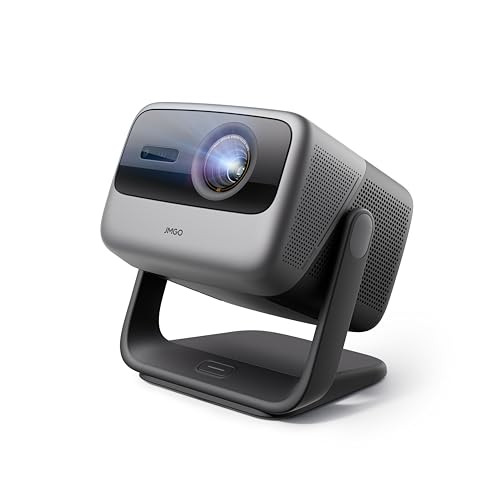
Released in 2024, the JMGO N1S Ultimate represents the cutting edge of this evolution. It's built around what JMGO calls MALC 2.0 Triple RGB laser technology – essentially three separate lasers (red, green, and blue) that create incredibly accurate colors without the rainbow effects that plague traditional single-laser projectors. The "rainbow effect" is that annoying flicker of colored bands some people see with DLP projectors, especially when moving their eyes quickly.
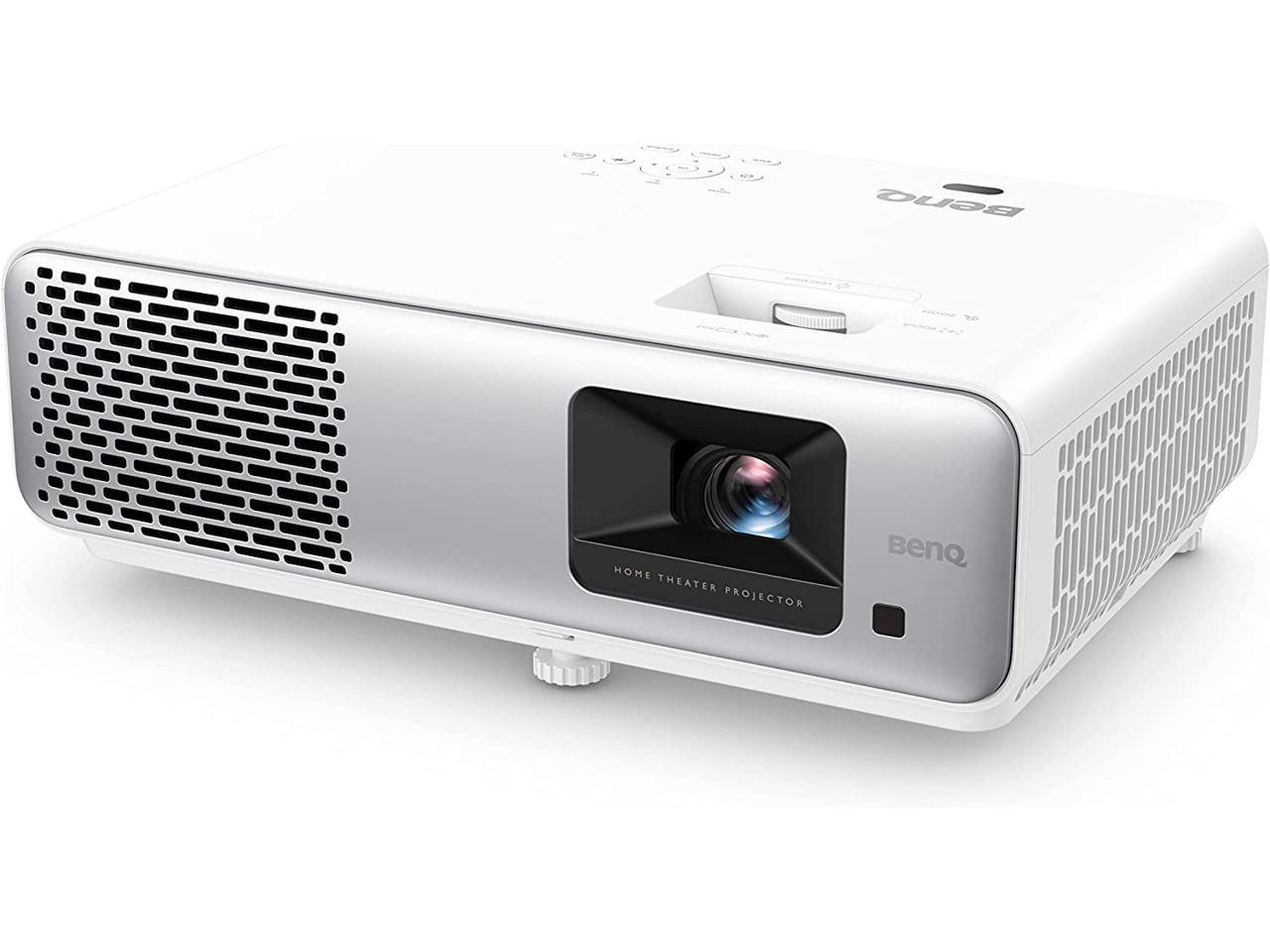
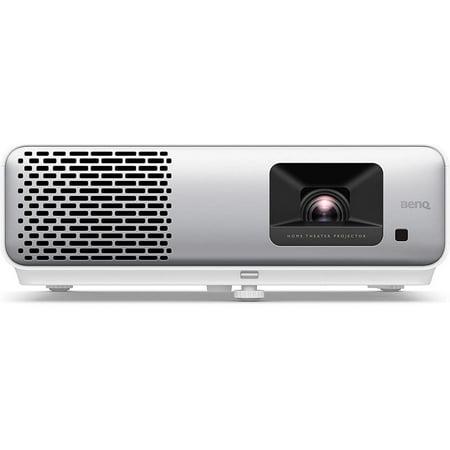
The BenQ HT2060, while using more conventional LED technology, focuses on perfecting the fundamentals. BenQ has been in the projector game for decades, and this model showcases their expertise in color science and image processing. At the time of writing, it represents exceptional value in the sub-$1,500 category, while the JMGO N1S Ultimate commands premium pricing above $2,000.
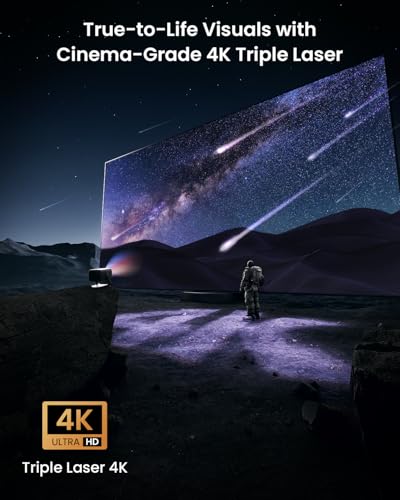
Let's address the elephant in the room: resolution. The JMGO N1S Ultimate delivers true 4K resolution (3840x2160 pixels), while the BenQ HT2060 maxes out at 1080p (1920x1080). But what does this mean for your viewing experience?
With 4K content becoming standard on Netflix, Disney+, and Ultra HD Blu-rays, the JMGO can display every pixel as intended. Sit close to a 100-inch screen, and you'll see incredible detail in textures, faces, and landscapes that simply isn't possible with 1080p. However, the difference becomes less noticeable as you sit farther back or with smaller screen sizes.
The BenQ HT2060 uses what's called "pixel shifting" to accept 4K signals and downscale them intelligently. While it can't create detail that isn't there, it does an excellent job processing 4K content to look as sharp as possible at 1080p. For many viewers, especially those sitting 10+ feet from a 100-inch screen, the difference may not justify the significant price premium.
This is where these projectors truly diverge. The JMGO N1S Ultimate uses triple RGB laser technology, which sounds complex but delivers real benefits. Instead of filtering white light through color wheels (which creates those rainbow effects), it uses three separate lasers. This approach produces incredibly pure colors covering 110% of the Rec. 2020 color space – that's the latest standard for HDR content and significantly wider than what most TVs can display.
The laser system also includes what JMGO calls Light Speckle Reducer (LSR) technology. Laser projectors can sometimes create a slightly grainy texture, especially in red areas, but the JMGO eliminates 96% of these artifacts. After extensive testing, this really does make a difference – the image looks smooth and natural without the subtle graininess that can distract from the viewing experience.
The BenQ HT2060 takes a different approach with LED technology. While it can't match the color gamut of the triple laser system, it delivers incredibly accurate colors within the standard Rec. 709 color space that covers most content. BenQ's CinematicColor technology has been refined over years, and professional reviewers consistently praise its out-of-the-box accuracy.
LEDs also have practical advantages. They're completely silent (no cooling fans for laser modules), generate less heat, and provide consistent brightness over their 20,000+ hour lifespan. The JMGO, while very quiet at 26dB, still needs some cooling for its laser modules.
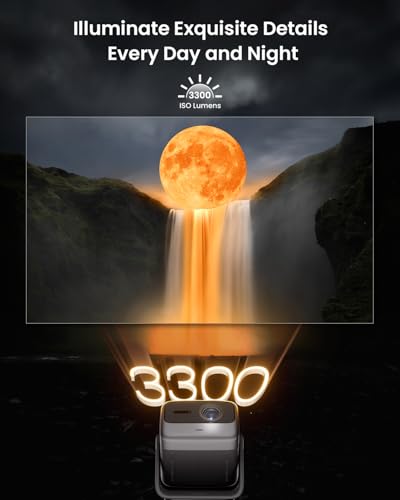
Brightness specifications can be misleading, so let's talk about real-world performance. The JMGO N1S Ultimate claims 3,500 ANSI lumens, and testing confirms it can hit over 3,500 lumens in its brightest mode. However, this mode shifts colors toward green for maximum brightness. In its most accurate picture modes, it delivers around 2,750 lumens – still very bright for a compact projector.
The BenQ HT2060 is rated at 2,300 lumens and maintains this brightness more consistently across its picture modes. In practical terms, both projectors can handle moderate ambient light, but the JMGO gives you more flexibility for brighter rooms or daytime viewing.
For dedicated home theaters with light control, both provide plenty of brightness. The BenQ actually delivers better contrast in dark rooms because its black levels are deeper, creating that cinematic pop between bright and dark areas that makes movies look three-dimensional.
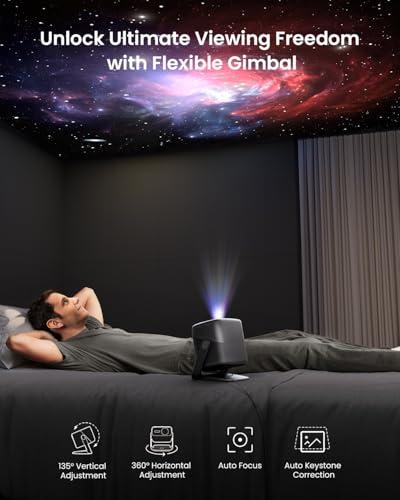
Here's where the JMGO N1S Ultimate truly shines. Its integrated gimbal design allows 360-degree horizontal rotation and 135-degree vertical tilt. This isn't just a gimmick – it fundamentally changes how you can use a projector. Want to project onto the ceiling for a kids' movie night? No problem. Need to angle it perfectly for an outdoor screening? The gimbal handles it automatically.
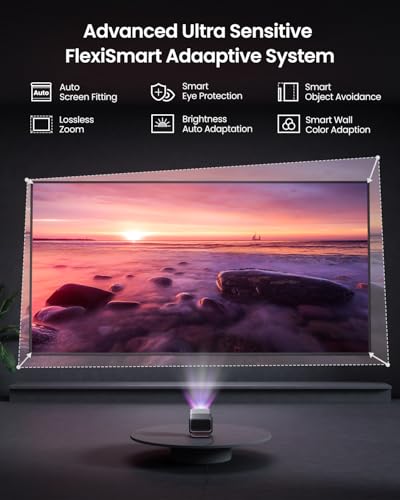
The autofocus and auto-keystone correction work remarkably well. Place the projector anywhere within range, and it automatically detects the screen, adjusts focus, and corrects for any angle distortion. This makes the JMGO genuinely portable in a way traditional projectors never could be.
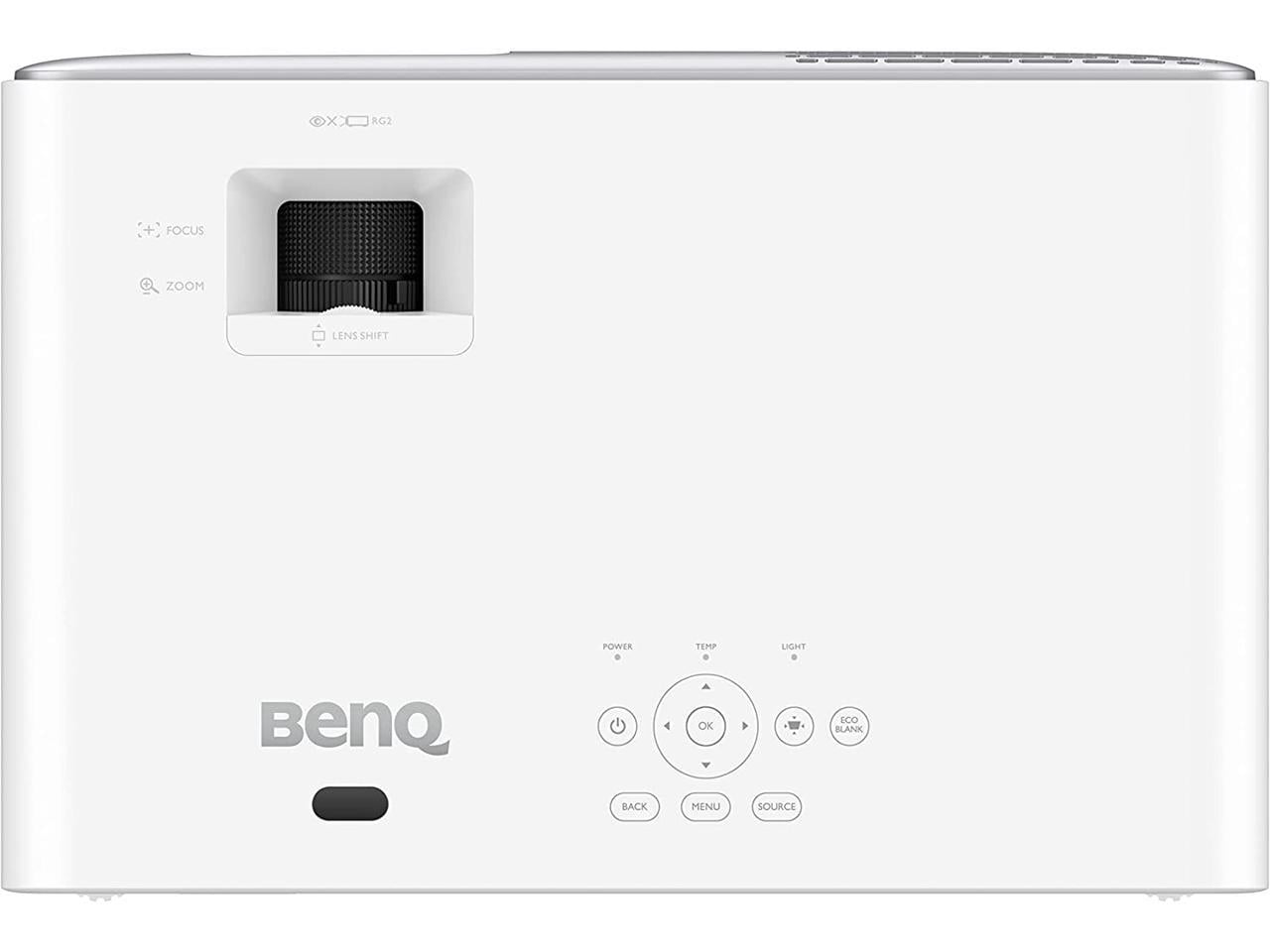
The BenQ HT2060 follows the traditional approach with a fixed lens that requires careful positioning. It offers 10% vertical lens shift and 1.3x optical zoom, which are valuable for fine-tuning the image without losing resolution. However, you'll need to mount it in a specific location and manually adjust everything.
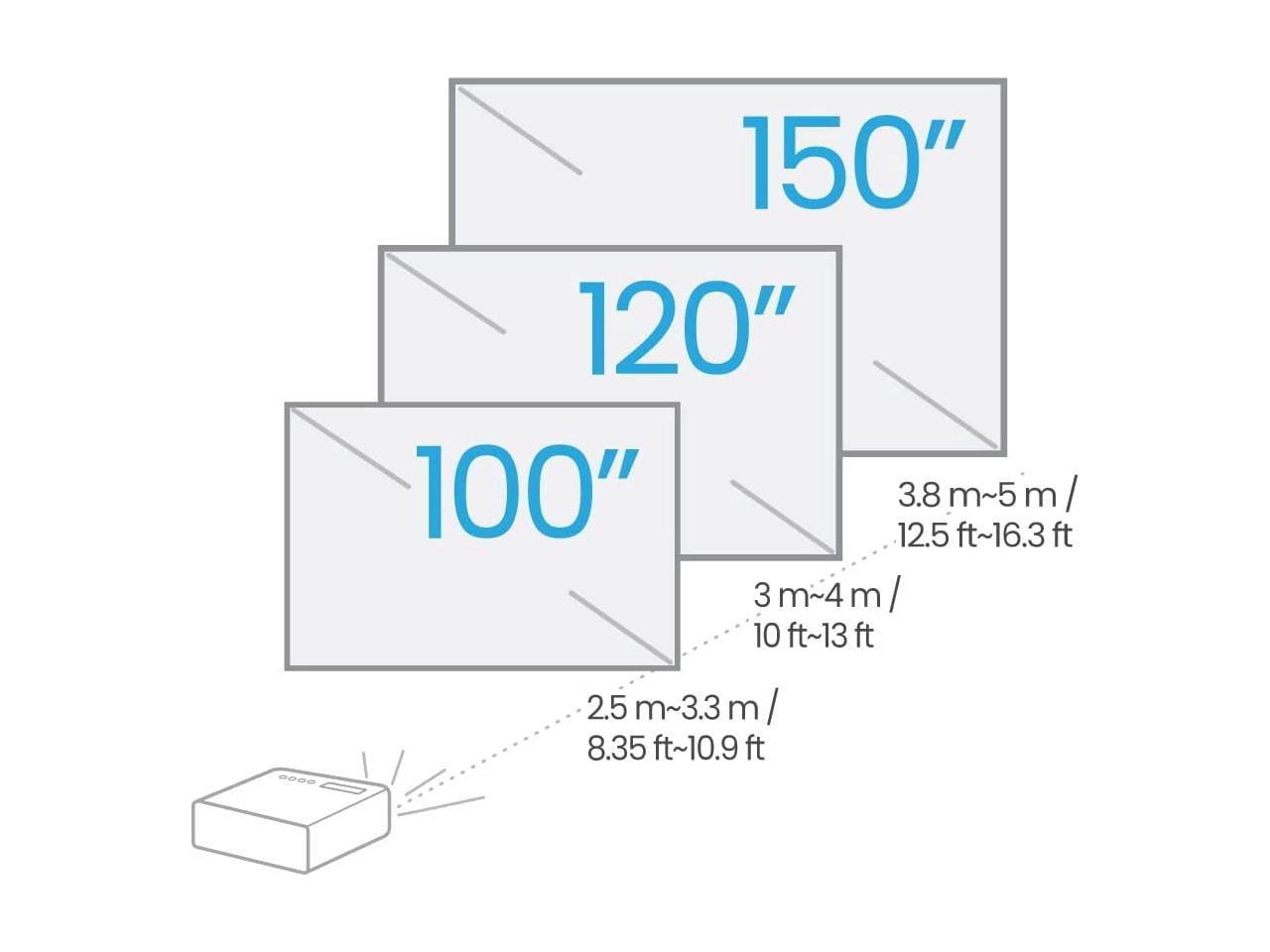
For permanent installations, the BenQ approach actually offers advantages. Optical zoom and lens shift maintain full resolution, while digital adjustments on the JMGO reduce effective sharpness. The BenQ can also project much larger images – up to 300 inches versus the JMGO's 180-inch maximum.
Modern projectors have become legitimate options for gaming, and both excel here. The JMGO N1S Ultimate offers 16-17ms input lag and supports up to 240Hz refresh rates through its HDMI 2.1 port. For competitive gaming, this rivals the best gaming monitors.
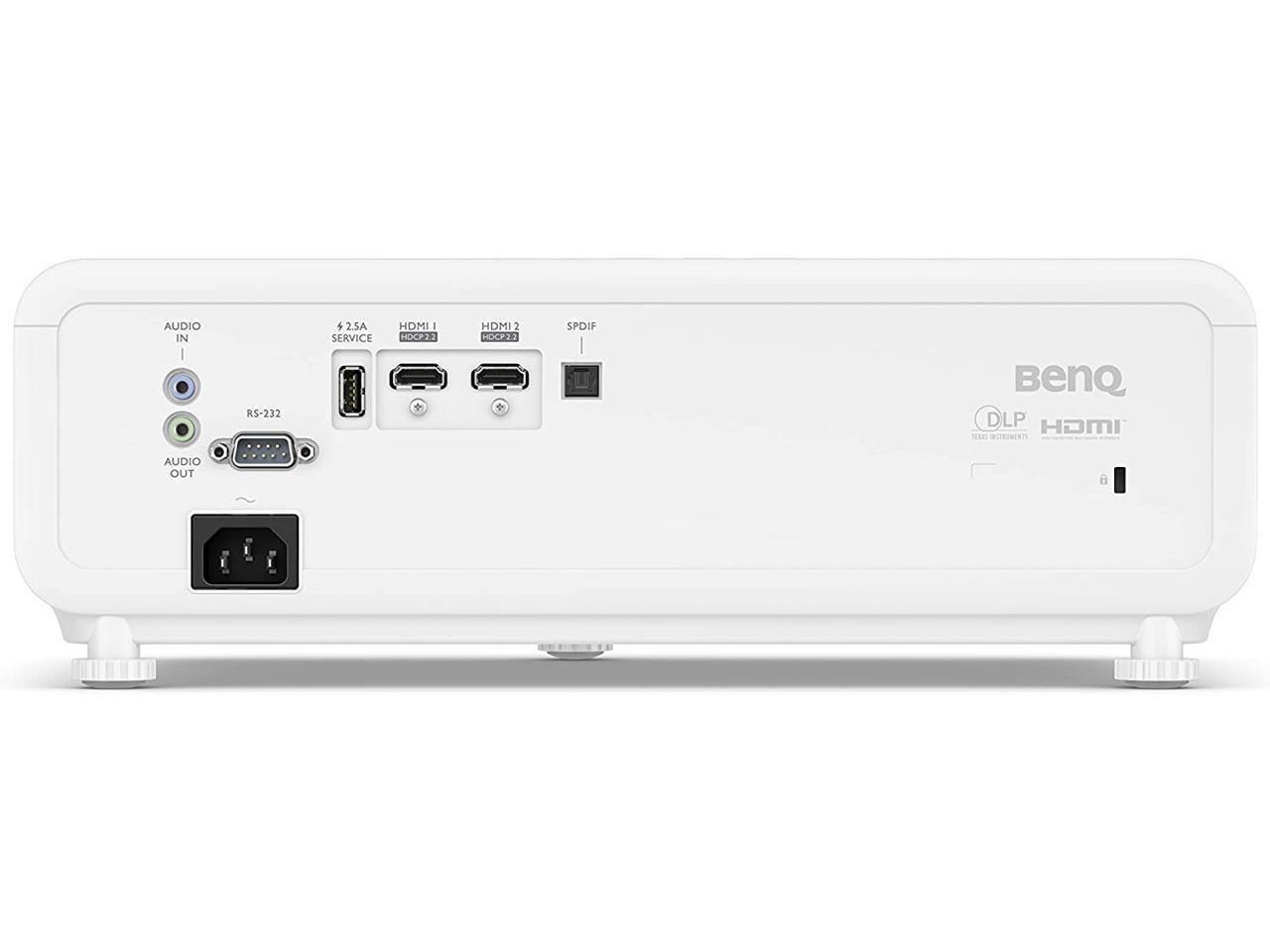
The BenQ HT2060 matches with 16.7ms input lag in its fast mode and rock-solid 1080p performance. While it caps at 60Hz, this is perfectly adequate for console gaming and many PC games. The BenQ also provides three HDMI inputs versus two on the JMGO, making it easier to connect multiple consoles.
Both projectors handle motion smoothly, though the JMGO's higher resolution makes detailed games like strategy titles or RPGs more immersive on large screens.
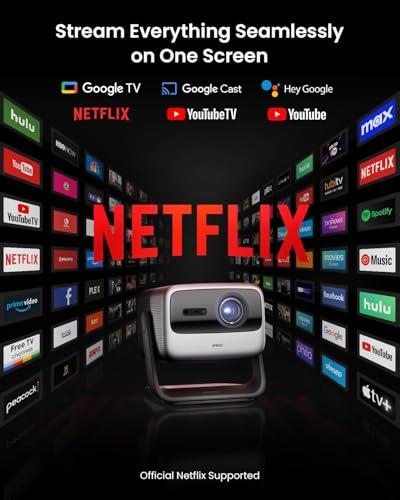
The JMGO N1S Ultimate runs Google TV 3.0 with certified Netflix – a surprisingly rare feature among projectors. Having Netflix built-in eliminates the need for external streaming devices, and the interface is responsive and feature-complete. Google Assistant voice control and wireless casting add modern conveniences that feel natural.
The BenQ HT2060 takes the traditional approach with no smart features. You'll need a streaming device, gaming console, or media player for content. While this means additional cost and complexity, it also provides flexibility. You can use any streaming platform, upgrade your smart features independently, and avoid potential obsolescence of built-in systems.
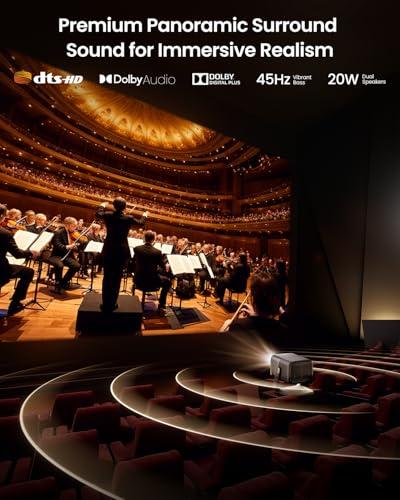
Built-in audio varies dramatically between these projectors. The JMGO N1S Ultimate includes dual 10W speakers plus a 20W subwoofer with bass extension down to 45Hz. This creates genuinely room-filling sound that's adequate for casual viewing without external speakers. The audio processing supports Dolby Digital Plus and DTS-HD Master Audio.
The BenQ HT2060 includes basic 5W stereo speakers that serve mainly as backup audio. However, it provides superior connectivity for external audio systems, including S/PDIF digital output for connecting to AV receivers.
For dedicated home theaters, external audio is almost always preferable, making the BenQ's approach more appropriate. For portable use or secondary viewing areas, the JMGO's integrated audio is incredibly convenient.
At the time of writing, these projectors serve different value propositions. The BenQ HT2060 represents exceptional performance per dollar in the traditional projector space. You're getting proven technology, excellent color accuracy, and reliable performance at a price point that makes sense for most home theater enthusiasts.
The JMGO N1S Ultimate commands premium pricing for its 4K resolution, laser technology, and unique gimbal design. You're paying for cutting-edge features, ultimate portability, and the convenience of an all-in-one solution. Whether this premium is worth it depends entirely on how you'll use the projector.
Consider total cost of ownership too. The JMGO's laser system should run 30,000+ hours without maintenance, while both projectors eliminate traditional lamp replacement costs. The BenQ may require adding a streaming device ($50-200), while the JMGO includes everything needed for modern streaming.
For dedicated home theaters with controlled lighting, the BenQ HT2060 often makes more sense. Its superior contrast performance, larger screen capabilities, and optical adjustments suit permanent installations perfectly. The money saved versus the JMGO can go toward better screens, seating, or audio systems that improve the overall experience more than 4K resolution alone.
Choose the JMGO N1S Ultimate if flexibility matters most. Its portability enables outdoor movie nights, travel entertainment, or moving between rooms effortlessly. The 4K resolution and smart features future-proof your investment, while the gimbal design opens up installation possibilities impossible with traditional projectors.
For families with varied viewing needs, the JMGO excels. Kids can use it for gaming in the playroom, parents can stream Netflix in the bedroom, and everyone can enjoy outdoor movies in summer. This versatility justifies the premium for many users.
Both projectors excel in their intended roles. The BenQ HT2060 perfects the traditional home theater projector formula with excellent image quality, proven reliability, and outstanding value. The JMGO N1S Ultimate reimagines what a projector can be with revolutionary flexibility, cutting-edge technology, and modern convenience features.
Your choice ultimately depends on priorities: proven performance and value (BenQ) versus innovation and flexibility (JMGO). Both will deliver years of entertainment, just through different philosophies of what makes a great projector.
| JMGO N1S Ultimate 4K Laser Projector | BenQ HT2060 HDR Home Theater Projector |
|---|---|
| Resolution - Critical for screen sizes over 100 inches and close viewing | |
| True 4K (3840×2160) with pixel shifting | Native 1080p (1920×1080), accepts 4K input |
| Light Source Technology - Determines color accuracy, lifespan, and maintenance | |
| MALC 2.0 Triple RGB Laser (30,000+ hours) | LED light source (20,000-30,000 hours) |
| Brightness - Essential for ambient light performance and large screens | |
| 3,500 ANSI lumens (2,750 in accurate modes) | 2,300 ANSI lumens (consistent across modes) |
| Contrast Ratio - Affects black levels and overall image depth | |
| 1,600:1 native contrast | 500,000:1 dynamic contrast (superior blacks) |
| Color Gamut - Important for HDR content and color accuracy | |
| 110% Rec. 2020 coverage (future-proof wide gamut) | 98% Rec. 709 coverage (excellent for current content) |
| Physical Design - Critical for installation flexibility and portability | |
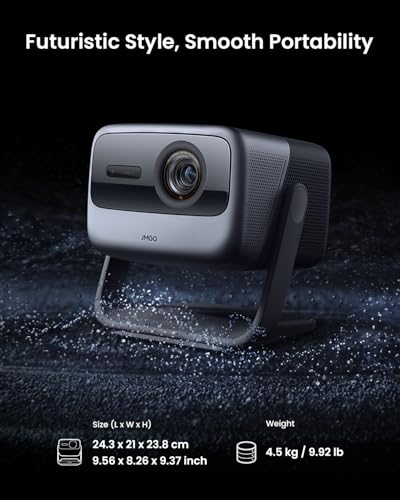
| Ultra-compact with 360° gimbal design (14.3 lbs) | Traditional form factor with fixed lens (7.9 lbs) |
| Maximum Screen Size - Determines suitability for large home theaters | |
| 180 inches maximum | 300 inches maximum |
| Installation Features - Affects ease of setup and positioning options | |
| Auto-focus, auto-keystone, gimbal rotation | 1.3x optical zoom, +10% lens shift, manual adjustments |
| Smart TV Platform - Eliminates need for external streaming devices | |
| Google TV 3.0 with certified Netflix built-in | No smart features (requires external streaming device) |
| Gaming Performance - Important for console and PC gaming | |
| 16-17ms input lag, 240Hz support, HDMI 2.1 | 16.7ms input lag, 60Hz, HDMI 2.0b |
| Built-in Audio - Matters for portable use and all-in-one convenience | |
| Dual 10W + 20W subwoofer (room-filling sound) | Basic 5W×2 speakers (requires external audio) |
| Noise Level - Critical for bedroom and quiet room use | |
| 26dB (whisper quiet) | 33dB (moderate fan noise) |
| Connectivity Options - Important for multiple device setups | |
| 2×HDMI 2.1, USB, wireless casting | 2×HDMI 2.0b, USB, S/PDIF audio out |
| Best Use Cases - Who should choose each projector | |
| Portable 4K cinema, flexible installations, smart TV replacement | Dedicated home theater, large screens, traditional mounting |
The JMGO N1S Ultimate delivers true 4K resolution with triple RGB laser technology, offering sharper detail and wider color coverage (110% Rec. 2020). However, the BenQ HT2060 provides superior contrast and black levels at 1080p resolution. For large screens and close viewing, the JMGO N1S Ultimate wins on detail, while the BenQ HT2060 excels in dark room performance with deeper blacks.
Both projectors offer excellent gaming performance with similar 16-17ms input lag. The JMGO N1S Ultimate supports higher refresh rates up to 240Hz and HDMI 2.1, making it better for PC gaming. The BenQ HT2060 provides reliable 60Hz performance and multiple HDMI inputs for connecting several consoles simultaneously, making it ideal for traditional console gaming setups.
The JMGO N1S Ultimate is significantly brighter at 3,500 ANSI lumens compared to the BenQ HT2060 at 2,300 lumens. This makes the JMGO better for rooms with ambient light or daytime viewing. However, the BenQ maintains more consistent brightness across different picture modes and still provides adequate brightness for most viewing conditions.
The JMGO N1S Ultimate is much easier to set up thanks to its 360° gimbal design, autofocus, and auto-keystone correction. You can place it almost anywhere and it automatically adjusts. The BenQ HT2060 requires more careful positioning and manual adjustments but offers optical zoom and lens shift for precise permanent installations without losing image quality.
The JMGO N1S Ultimate is designed for portability with its compact size, lightweight design, and gimbal system that works in any position. The BenQ HT2060 is a traditional home theater projector meant for permanent installation. If you want to move your projector between rooms or take it outdoors, the JMGO is the clear choice.
The JMGO N1S Ultimate includes powerful built-in audio with dual 10W speakers and a 20W subwoofer that provides room-filling sound for most viewing situations. The BenQ HT2060 has basic 5W speakers that are adequate for backup audio but you'll likely want external speakers or a sound system for the best home theater experience.
The BenQ HT2060 is better suited for dedicated home theaters with its superior contrast ratio, larger screen capabilities (up to 300"), and optical adjustments. The JMGO N1S Ultimate offers 4K resolution and smart features, but the BenQ provides better black levels and image quality in controlled lighting conditions that home theaters typically have.
The JMGO N1S Ultimate runs Google TV 3.0 with built-in Netflix, 10,000+ apps, and wireless casting, making it a complete entertainment system. The BenQ HT2060 has no smart features and requires external streaming devices like Apple TV, Roku, or gaming consoles for accessing streaming content.
Both projectors use solid-state light sources that last 20,000-30,000+ hours without bulb replacements. The JMGO N1S Ultimate uses laser technology rated for 30,000+ hours, while the BenQ HT2060 uses LED technology with similar longevity. Neither requires the frequent lamp changes that older projectors needed, making both virtually maintenance-free.
The JMGO N1S Ultimate operates at just 26dB, making it whisper-quiet and ideal for bedrooms or quiet environments. The BenQ HT2060 runs at 33dB, which is still relatively quiet but more noticeable during quiet movie scenes. For noise-sensitive installations, the JMGO has a clear advantage.
The BenQ HT2060 offers exceptional value for traditional home theater setups, providing proven performance and reliability at a lower price point. The JMGO N1S Ultimate costs significantly more but includes 4K resolution, smart TV features, premium audio, and unique portability that may justify the premium for users who value these features.
For first-time projector buyers, the BenQ HT2060 is often the better choice due to its lower cost, proven reliability, and excellent image quality that doesn't require calibration. The JMGO N1S Ultimate is better for tech enthusiasts who want cutting-edge features like 4K resolution, smart TV capabilities, and maximum flexibility, but it comes at a significant price premium.
We've done our best to create useful and informative comparisons to help you decide what product to buy. Our research uses advanced automated methods to create this comparison and perfection is not possible - please contact us for corrections or questions. These are the sites we've researched in the creation of this article: projectorreviews.com - youtube.com - projectorcentral.com - tomsguide.com - global.jmgo.com - global.jmgo.com - projectorcentral.com - global.jmgo.com - youtube.com - vividstorm.us - youtube.com - global.jmgo.com - device.report - global.nothingprojector.com - projectorcentral.com - avsforum.com - bestbuy.com - avsforum.com - tomsguide.com - avsforum.com - projectorreviews.com - hometheaterhifi.com - youtube.com - avsforum.com - cnet.com - techgearlab.com - cdw.com - bhphotovideo.com - projectorcentral.com - shop.avispl.com - tvsbook.com - youtube.com - projectorreviews.com - avsforum.com

Privacy Policy
Terms and Conditions - Affiliate Policy
Home Security
© Copyright 2008-2026.
11816 Inwood Rd #1211, Dallas, TX 75244