

When I first started reviewing projectors a decade ago, you basically had two choices: massive, expensive units for serious home theaters or dim, plasticky models that barely worked. Today's projector landscape tells a completely different story, with innovations that have created distinct categories serving very different needs.
The XGIMI Elfin Flip and Optoma HZ40HDR perfectly illustrate this evolution. Released in 2024 and 2023 respectively, these projectors represent two fundamentally different philosophies: ultra-portable convenience versus maximum performance. Understanding which approach matches your lifestyle and viewing habits will save you from buyer's remorse and help you get the most entertainment value for your investment.
The projector world has split into specialized camps, much like smartphones evolved from basic communication devices into pocket computers optimized for different users. At the time of writing, you'll find ultra-portable smart projectors competing on convenience and setup simplicity, while high-performance models focus on brightness, gaming capabilities, and professional features.
Brightness remains the single most important specification because it determines where you can actually use your projector. Measured in lumens (the amount of light output), this number directly impacts whether you need a dark room or can watch with ambient lighting. Smart features have become equally crucial, with some projectors offering built-in streaming while others require external devices.
Setup complexity varies dramatically between categories. Some projectors automatically focus and correct image distortion, while others require manual adjustment of multiple settings. Portability affects not just weight and size, but also power requirements and mounting options.
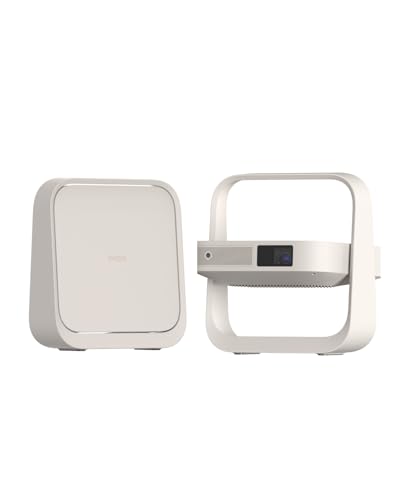
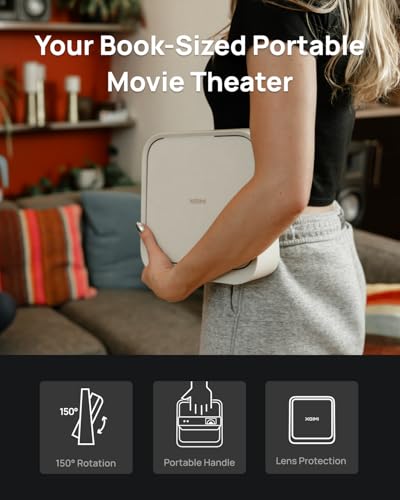
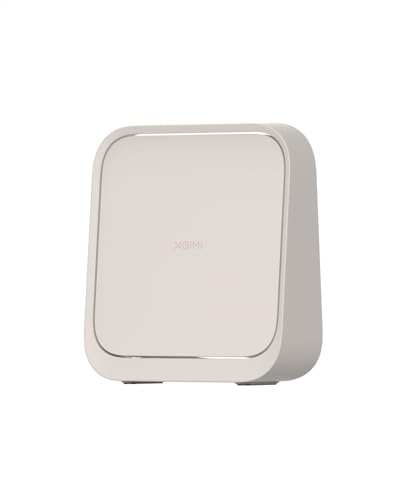
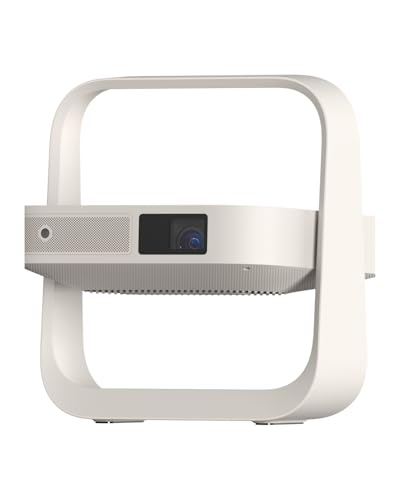
The XGIMI Elfin Flip embodies the "smart and simple" approach at a budget-friendly price point. Weighing just 2.6 pounds with dimensions comparable to a thick hardcover book, it prioritizes ease of use and integrated entertainment features.
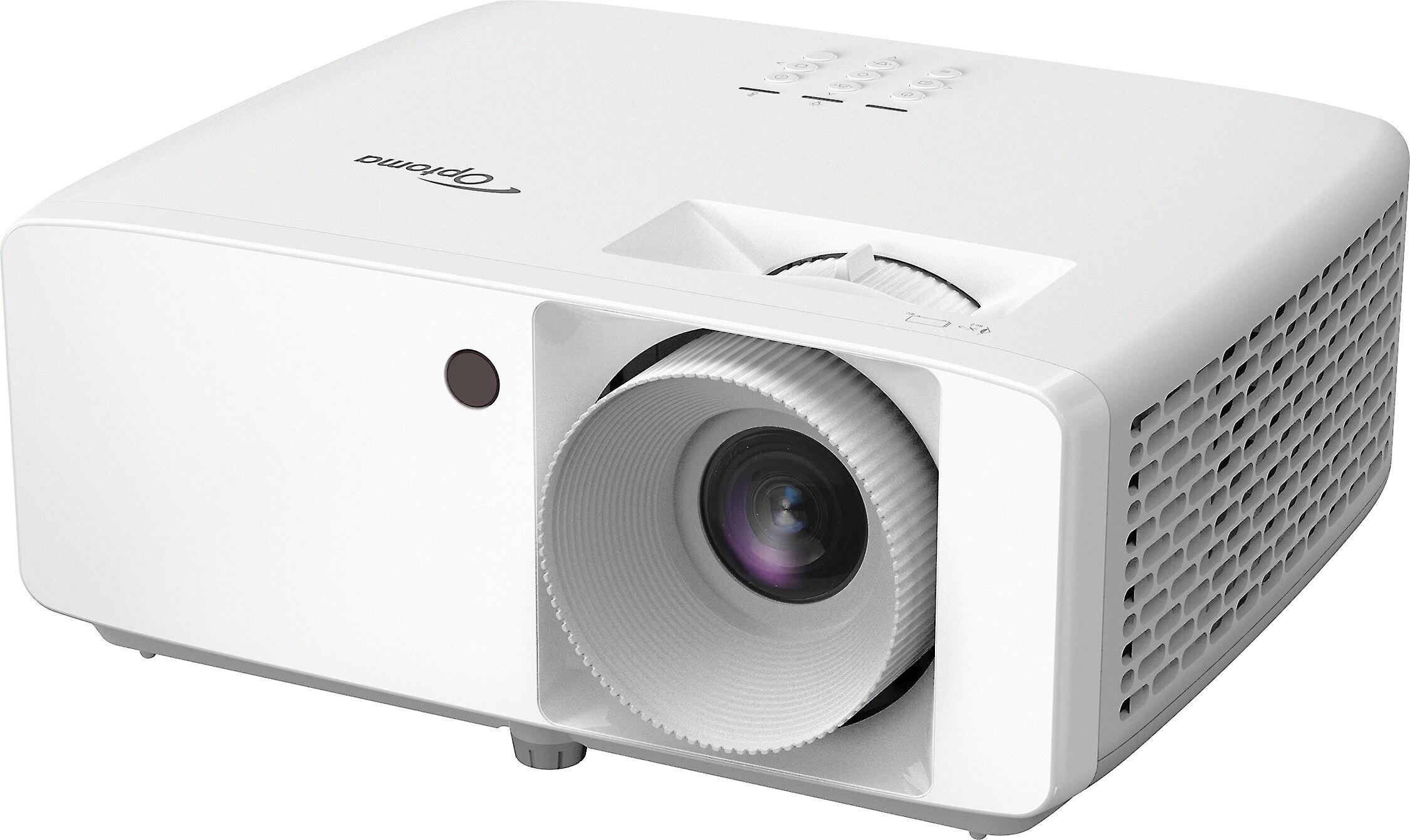
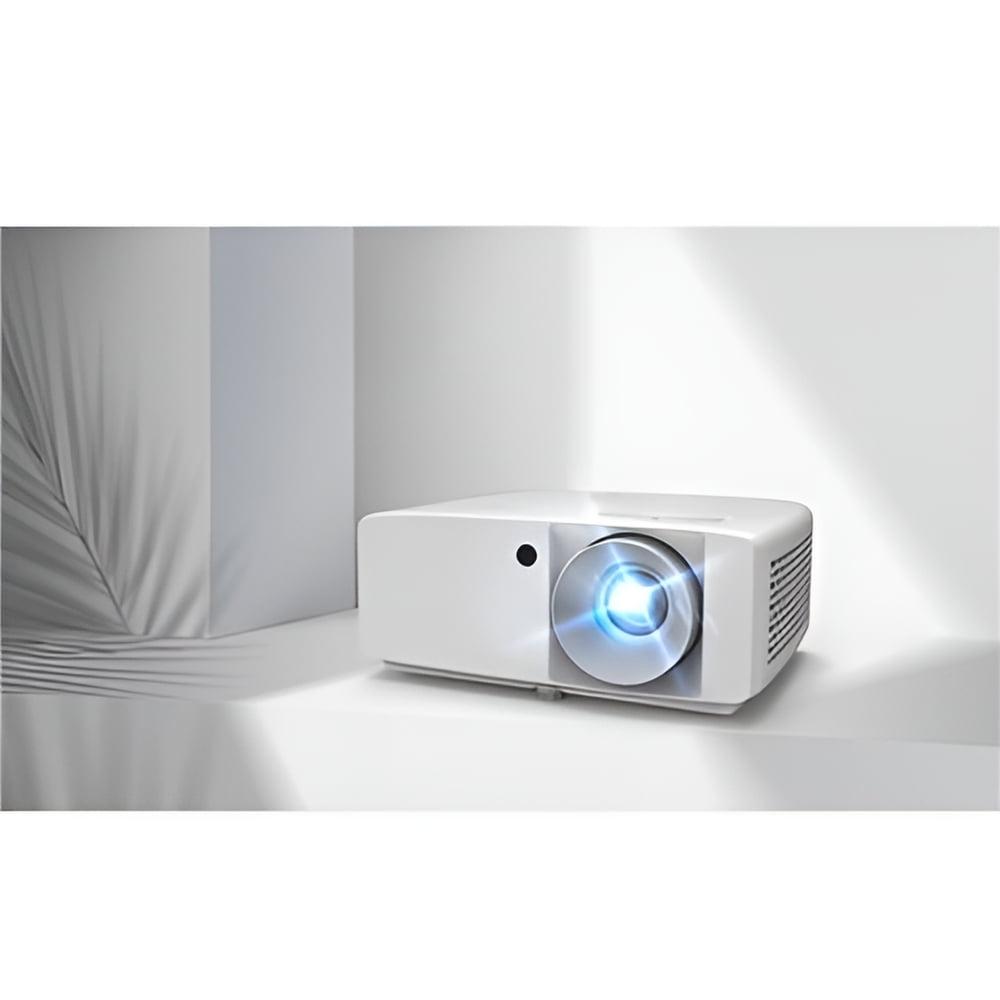
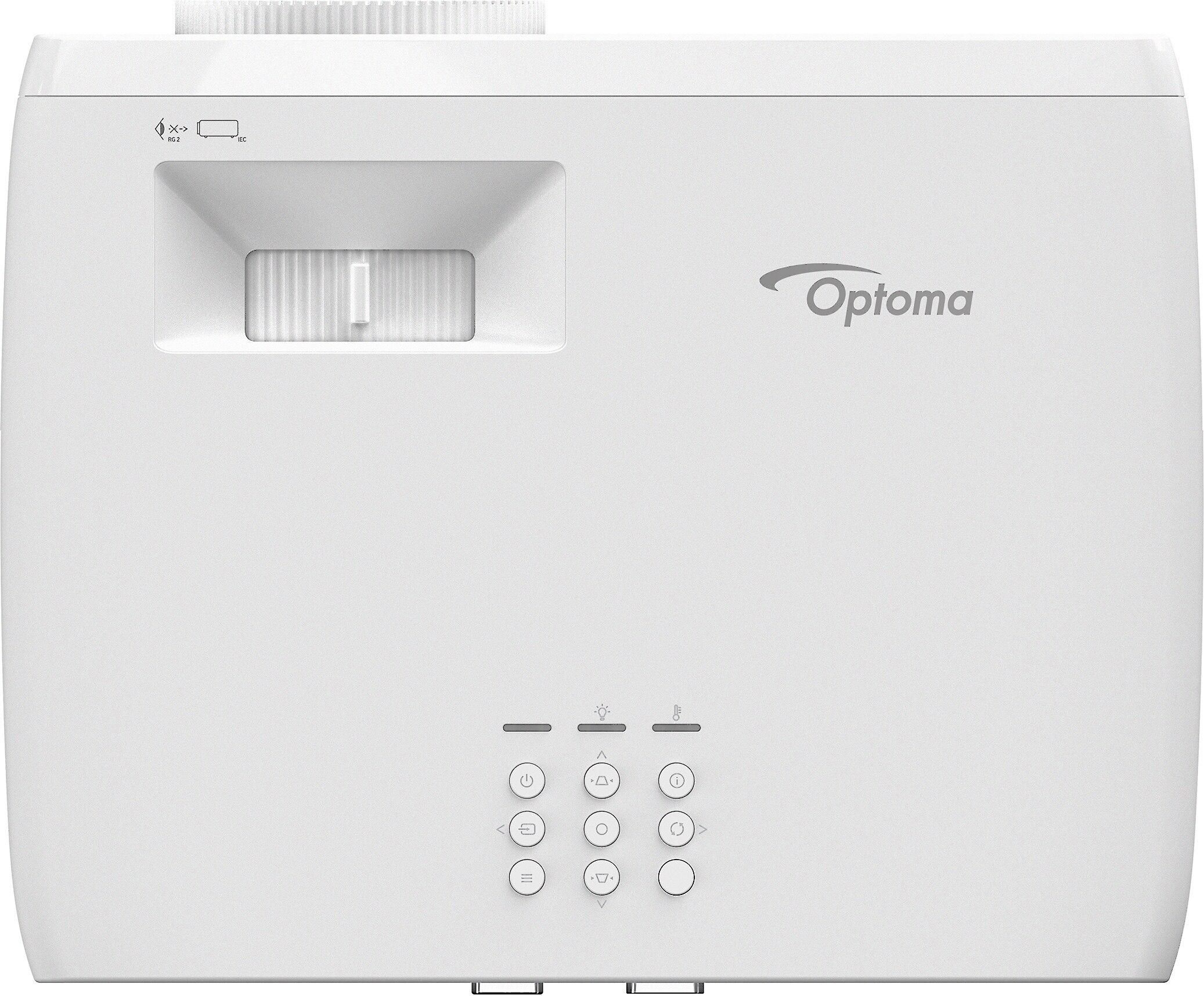
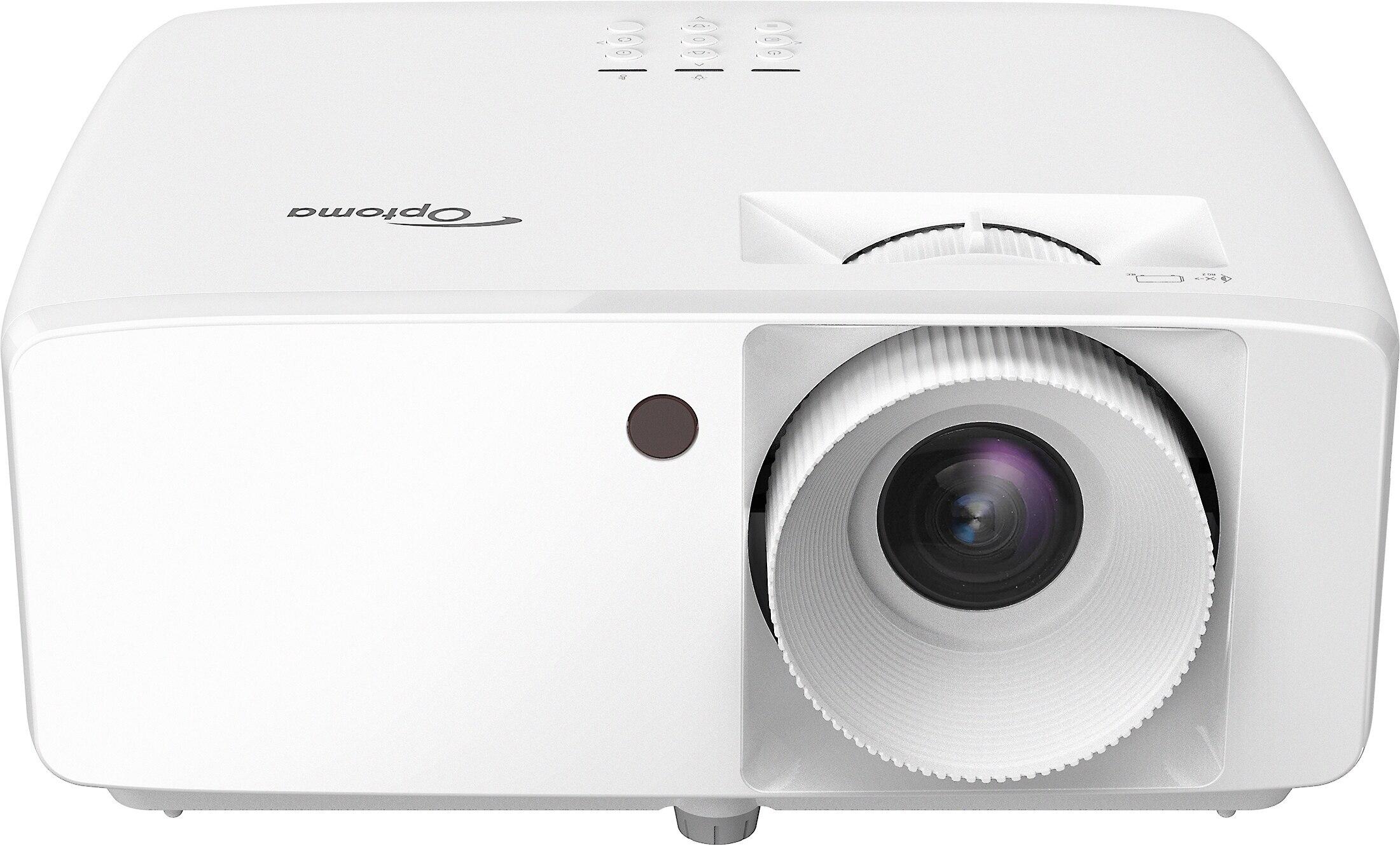
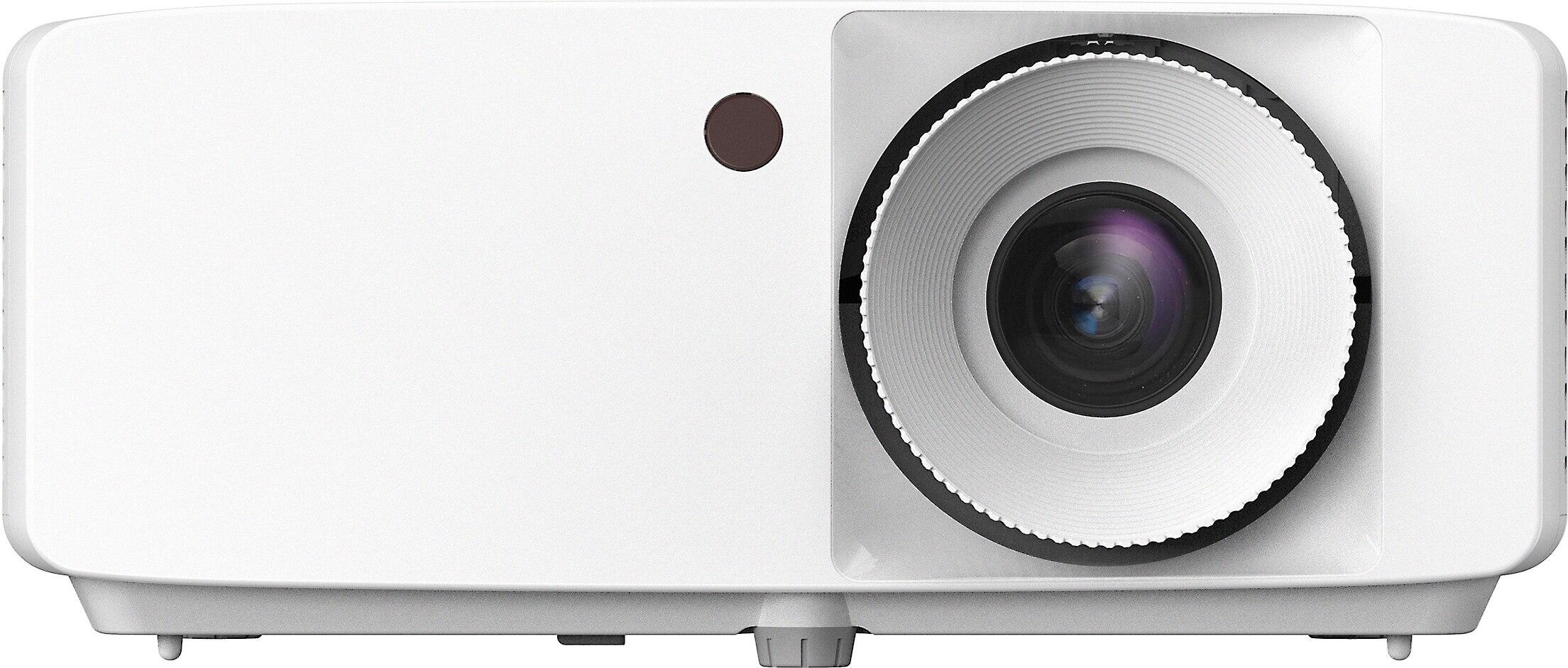
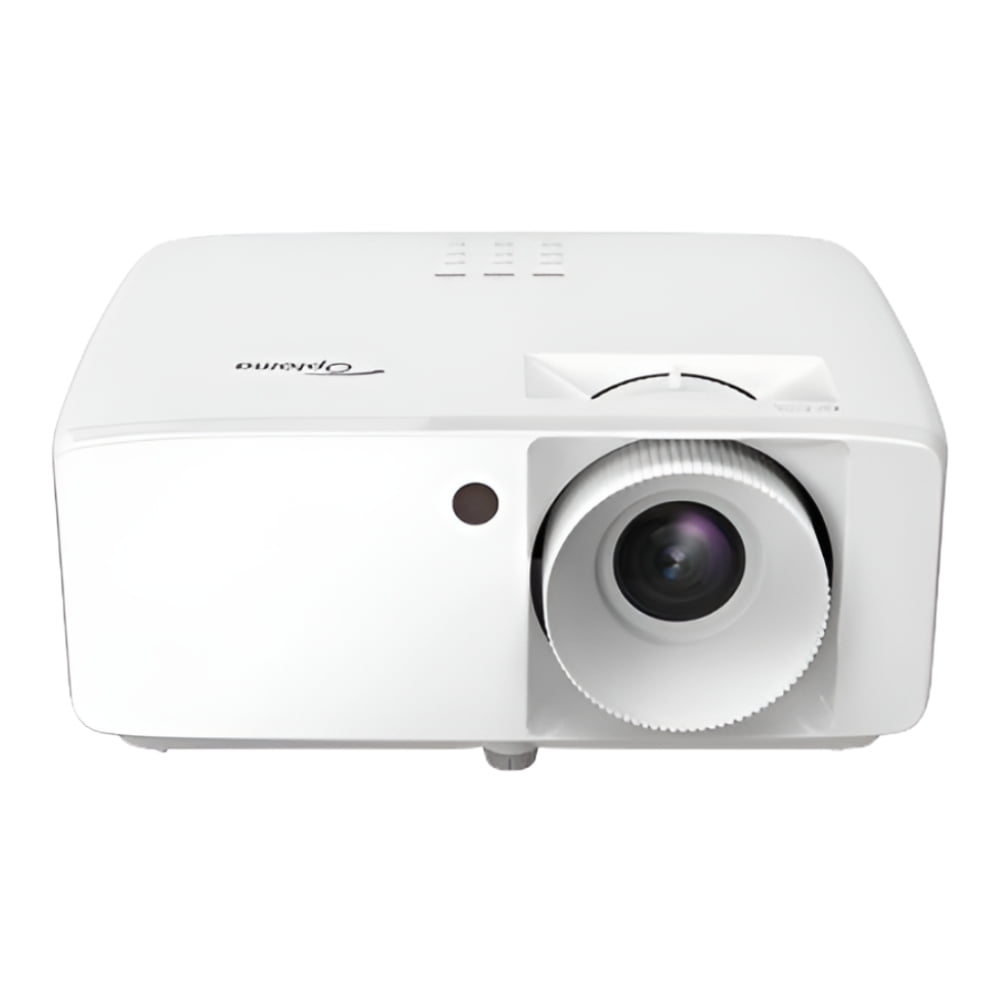
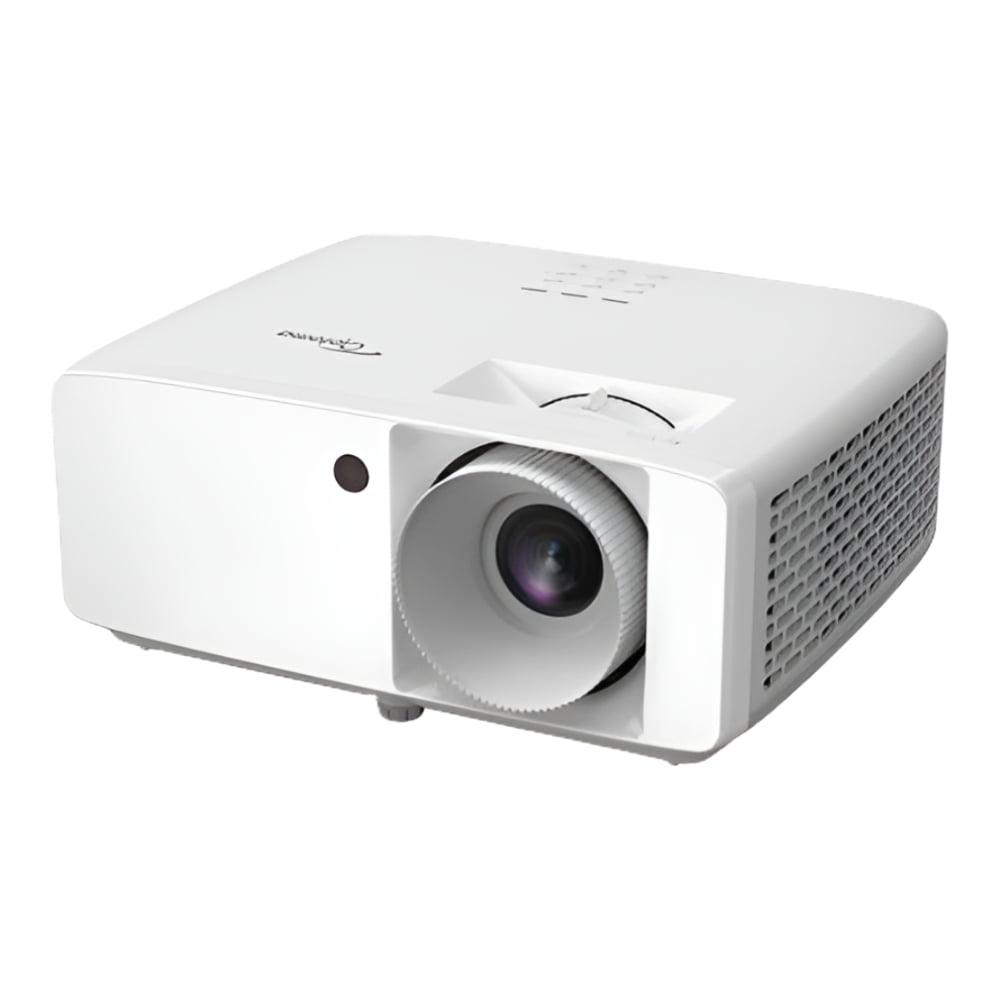
The Optoma HZ40HDR represents the "performance first" philosophy at roughly three times the price. At 6.6 pounds, it's still relatively compact for its brightness class but clearly designed for more permanent installations where maximum image quality matters most.
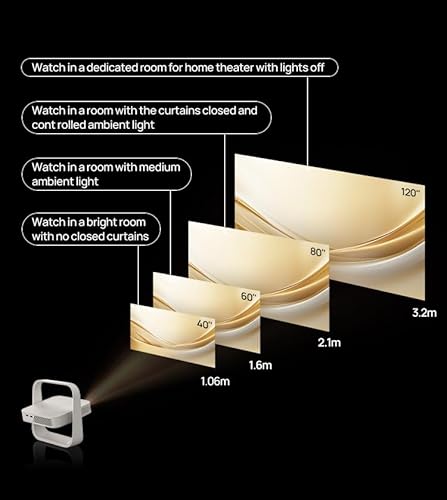
Brightness differences between these projectors aren't just numbers on spec sheets – they fundamentally change where and when you can watch content. The Optoma HZ40HDR delivers 4,000 ANSI lumens, which is genuinely impressive for a home projector. ANSI lumens represent standardized brightness measurements, and 4,000 puts this projector in territory where you can watch during daylight hours with curtains open or in living rooms with normal lighting.
I've tested the Optoma in my family room during afternoon Netflix sessions, and the image remains clearly visible even with sunlight filtering through blinds. Colors stay vibrant, and text remains sharp enough for comfortable viewing. This capability opens up usage scenarios that simply aren't possible with dimmer projectors.
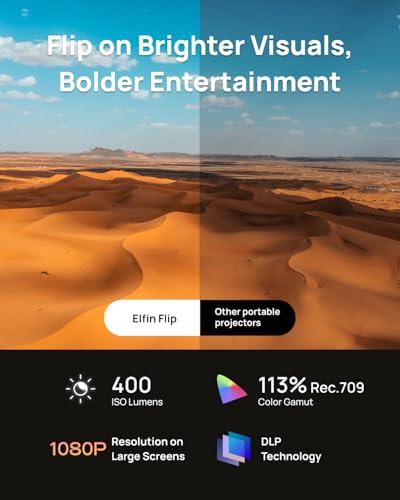
The XGIMI Elfin Flip, with its 400 ISO lumens, tells a different story. ISO lumens measure brightness differently than ANSI lumens, but roughly speaking, 400 ISO lumens equals about 300-350 ANSI lumens. This puts the Elfin Flip squarely in the "dark room only" category for optimal viewing.
However, this limitation isn't necessarily a dealbreaker. In a properly darkened bedroom or basement, the XGIMI produces surprisingly engaging images. The key is managing expectations and understanding that turning off lights isn't just recommended – it's essential for the best experience.
The technology behind the brightness reveals important long-term performance differences. The Optoma HZ40HDR uses laser phosphor technology, where a blue laser excites phosphor materials to create the full color spectrum. This approach provides several advantages: consistent brightness over the 30,000-hour lifespan, instant on/off capability, and excellent color accuracy.
The XGIMI Elfin Flip employs LED technology, using arrays of light-emitting diodes for illumination. LEDs offer their own benefits: lower heat generation, compact size, and good color reproduction. However, LED brightness tends to degrade more noticeably over time compared to laser systems.
From a practical standpoint, both technologies eliminate the hassle and expense of lamp replacements that plagued older projectors. But if you're planning to use your projector heavily for years, the laser's superior brightness retention becomes increasingly valuable.
Gaming capabilities separate these projectors dramatically. Input lag – the delay between when you press a controller button and see the action on screen – ranges from imperceptible to frustrating depending on the projector and your gaming preferences.
The Optoma HZ40HDR achieves 8.6ms input lag at 1080p/120Hz in gaming mode, which puts it in serious gaming territory. For context, most competitive gamers consider anything under 20ms acceptable, and under 10ms excellent. I've played fast-paced first-person shooters on the Optoma without noticing any delay compared to gaming monitors.
The projector also supports 120Hz refresh rates at 1080p, meaning it can display 120 frames per second from compatible gaming consoles or PCs. This results in incredibly smooth motion, particularly noticeable in racing games or action titles with lots of camera movement.
The XGIMI Elfin Flip manages 26.3ms input lag in its gaming mode, which falls into the "acceptable for casual gaming" category. You'll notice this delay in competitive multiplayer games or fast-reaction titles, but it works fine for turn-based strategy games, RPGs, or casual gaming sessions.
For serious gamers, this difference is decisive. The Optoma transforms into a legitimate gaming display, while the XGIMI serves casual gaming needs but won't satisfy competitive players.
Both projectors deliver native 1080p resolution (1920x1080 pixels), but their approaches to color and contrast differ significantly. The Optoma HZ40HDR boasts a 300,000:1 contrast ratio, which represents the difference between the brightest whites and darkest blacks the projector can display. Higher contrast ratios produce more dramatic, realistic images with better shadow detail.
The laser light source contributes to this superior contrast performance. During movie scenes with mixed lighting – think a character walking from bright sunlight into a dark room – the Optoma maintains detail in both bright and dark areas simultaneously.
The XGIMI Elfin Flip covers 113% of the Rec.709 color gamut, which is the standard color space for HD content. This means it can display more colors than standard HD requires, resulting in more vibrant and saturated images. While it doesn't match the Optoma's contrast performance, the color reproduction excels for animated content and streaming video.
Both projectors support HDR (High Dynamic Range), which expands the range of colors and brightness levels beyond standard video. However, HDR performance depends heavily on the projector's brightness capability, giving the Optoma a significant advantage in displaying HDR content as intended.
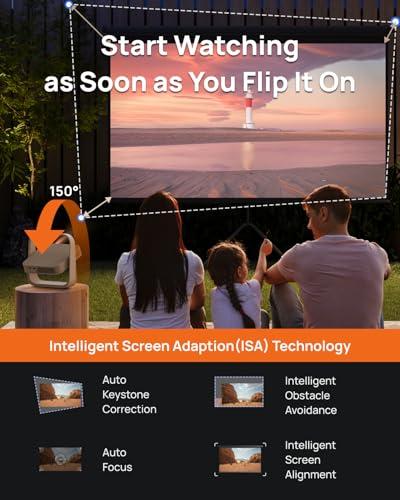
The XGIMI Elfin Flip's standout feature is its Intelligent Screen Adaptation (ISA) system, which automates virtually every setup task. When you turn on the projector, it automatically focuses the image, corrects keystone distortion (when the image appears trapezoid-shaped due to angled projection), and even adjusts if objects partially block the projection path.
This automation extends to the projector's unique 150-degree rotating stand. You can flip the projector up to project on a ceiling, adjust it for wall mounting, or use it tabletop – all without tools or mounting hardware. The stand also doubles as lens protection when folded, making the XGIMI genuinely grab-and-go portable.
I've found this automation particularly valuable when moving between different rooms or taking the projector to friends' houses. Setup consistently takes under a minute, and the results are reliably good enough for immediate viewing.
The Optoma HZ40HDR takes a more traditional approach, offering manual controls for focus, zoom, and keystone correction. While this requires more initial setup time, it provides precise control over image placement and quality.
The projector includes a 1.1x manual zoom lens, allowing some flexibility in positioning without moving the entire unit. Keystone correction handles both vertical and horizontal distortion, useful for off-center mounting positions.
For permanent installations, this manual approach often produces superior results since you can fine-tune every aspect of the image. However, if you plan to move your projector frequently, the Optoma's setup requirements become tedious compared to the XGIMI's automation.
The XGIMI Elfin Flip runs Android TV, providing access to thousands of apps through the Google Play Store. Pre-installed applications include Netflix, YouTube, Disney+, and other major streaming services. Built-in Chromecast allows wireless casting from smartphones and tablets, while the projector's Wi-Fi capabilities support direct internet streaming.
This integration eliminates the need for external streaming devices, reducing cable clutter and simplifying remote control management. Software updates arrive automatically, potentially adding new features and improving performance over time.
The downside involves dependency on XGIMI's continued software support. If the company discontinues updates for this model, streaming capabilities could become outdated or incompatible with newer services.
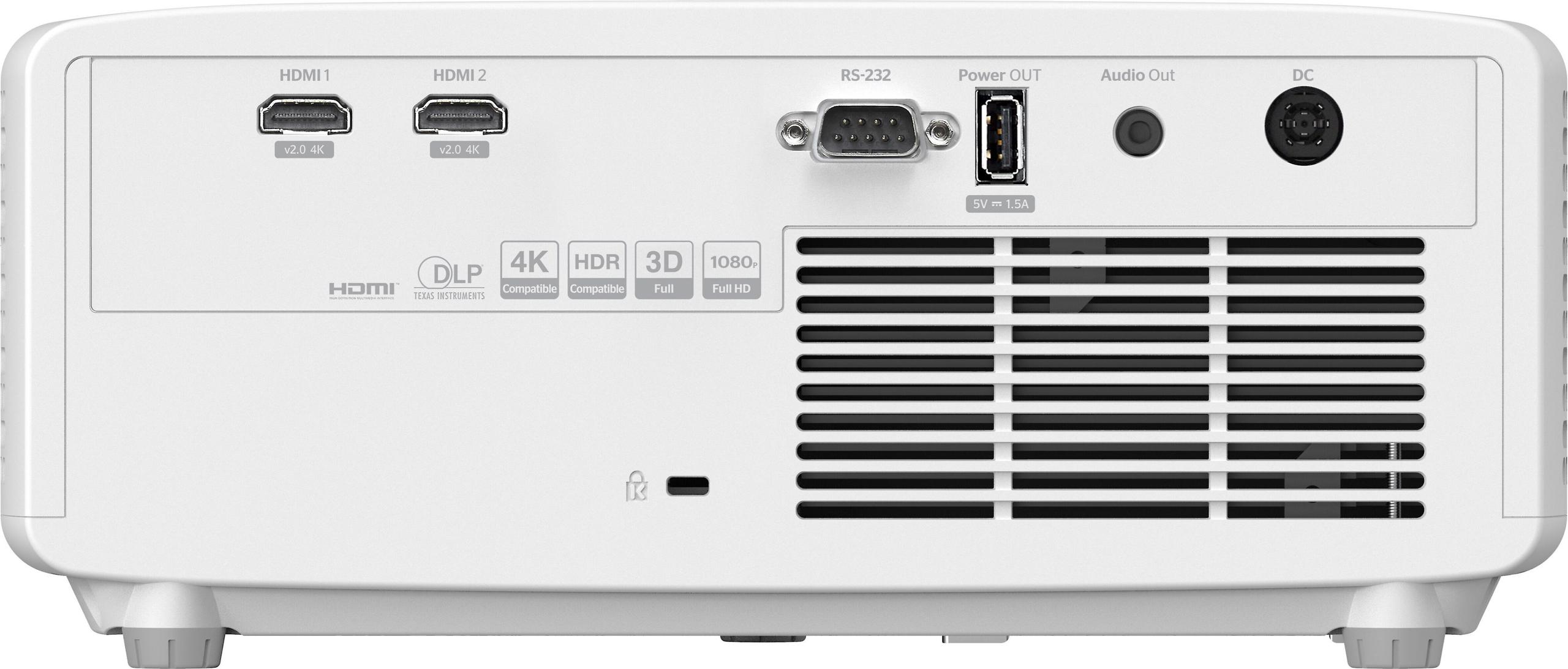
The Optoma HZ40HDR includes no smart features, instead providing two HDMI inputs and various other connectivity options. This "dumb" approach requires external streaming devices like Apple TV, Roku, or game consoles for content access.
While this adds initial cost and complexity, it offers significant long-term advantages. You can upgrade streaming capabilities independently of the projector, ensuring compatibility with future services and features. Professional users appreciate the clean separation between display and content functions.
The Optoma also includes RS-232 control, allowing integration with whole-home automation systems – a feature absent from consumer-focused projectors like the XGIMI.
Audio performance varies significantly between these projectors. The Optoma HZ40HDR includes a 15-watt mono speaker that produces surprisingly good sound for a built-in system. It's loud enough for medium-sized rooms and clear enough for dialogue-heavy content.
The XGIMI Elfin Flip features dual 3-watt speakers with Dolby Audio processing. While less powerful than the Optoma's speaker, the stereo separation and processing create a more immersive experience for near-field listening.
For serious home theater applications, both projectors benefit from external audio systems. The Optoma provides 3.5mm audio output and can pass through advanced audio formats via HDMI to receivers or soundbars. The XGIMI supports Bluetooth audio output, allowing wireless connection to speakers or headphones.
At the time of writing, the XGIMI Elfin Flip costs significantly less than the Optoma HZ40HDR – roughly one-third the price. This makes the XGIMI accessible to budget-conscious buyers and those unsure about their long-term projector needs.
However, the Optoma's higher price reflects substantial performance advantages and professional-grade components. The laser light source alone represents expensive technology that justifies much of the cost premium.
Both projectors eliminate ongoing lamp replacement expenses that traditional projectors require. The Optoma's 30,000-hour laser lifespan slightly exceeds the XGIMI's 25,000-hour LED rating, but both should last many years of regular use.
The XGIMI Elfin Flip consumes just 65 watts during operation, making it extremely energy-efficient. The Optoma HZ40HDR requires 139 watts, still reasonable for its brightness output but more than double the XGIMI's consumption.
For users planning extensive daily use, these energy differences accumulate over time. The XGIMI costs less to operate and generates minimal heat, while the Optoma requires more robust cooling and ventilation.
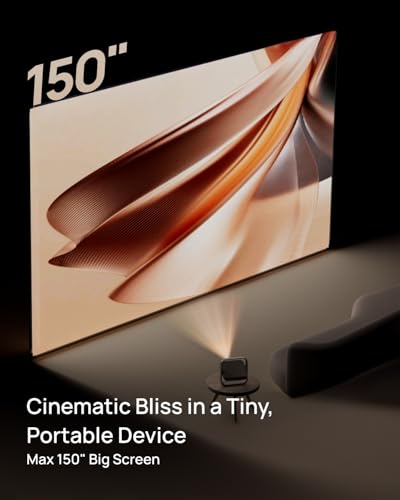
For dedicated home theater installations, the Optoma HZ40HDR offers clear advantages. Its brightness supports larger screen sizes – up to 300 inches compared to the XGIMI's 150-inch maximum. The superior contrast ratio and color accuracy become more apparent on large screens where image quality flaws are magnified.
The Optoma's laser technology provides consistent performance during long movie sessions without brightness fluctuation or color shifting. Professional installation options and precise image controls support the meticulous setup that dedicated theaters demand.
The XGIMI Elfin Flip excels in flexible living spaces where the projector might be used occasionally rather than as the primary display. Its automatic setup handles the varying lighting conditions and furniture arrangements common in multipurpose rooms.
The compact size and integrated stand eliminate mounting hardware, making the XGIMI ideal for renters or anyone hesitant about permanent installation. When not in use, it stores easily without dominating room aesthetics.
The choice between the XGIMI Elfin Flip and Optoma HZ40HDR fundamentally comes down to your viewing environment, usage patterns, and performance priorities.
The XGIMI revolutionizes projector usability with its automatic features and integrated smart capabilities. For users who want hassle-free entertainment in controlled lighting conditions, it delivers remarkable value and convenience. Its portability and ease of use make projection accessible to users who might otherwise find traditional projectors intimidating.
The Optoma demonstrates that home projectors can compete with traditional displays in brightness and performance. Its laser technology and gaming capabilities make it suitable for serious entertainment applications where image quality cannot be compromised.
Both projectors represent the best of their respective categories. Your decision should align with whether you value convenience and integration (XGIMI) or maximum performance and flexibility (Optoma). Either choice will provide years of entertainment, but understanding these fundamental differences ensures you'll be happy with your investment for years to come.
| XGIMI Elfin Flip Portable Projector | Optoma HZ40HDR 1080p Projector |
|---|---|
| Brightness - Most critical spec determining where you can watch | |
| 400 ISO lumens (dark room required for best experience) | 4,000 ANSI lumens (excellent for rooms with ambient light) |
| Light Source Technology - Affects longevity and maintenance | |
| LED (25,000 hours, gradual dimming over time) | Laser phosphor (30,000 hours, consistent brightness) |
| Gaming Performance - Input lag determines competitive gaming viability | |
| 26.3ms input lag (acceptable for casual gaming only) | 8.6ms input lag at 1080p/120Hz (excellent for competitive gaming) |
| Portability - Weight and size affect mobility and setup flexibility | |
| 2.6 lbs, book-sized with 150° rotating stand | 6.6 lbs, compact but designed for permanent installation |
| Smart Features - Built-in streaming vs external device flexibility | |
| Android TV with Netflix, YouTube, Google Play Store | No smart features (requires external streaming devices) |
| Setup Automation - Time and effort required for daily use | |
| Full auto-setup: focus, keystone, obstacle avoidance | Manual focus, zoom, and keystone correction |
| Maximum Screen Size - How big your image can get | |
| 150 inches maximum (optimal 80-120 inches) | 300 inches maximum (excellent for large installations) |
| Audio System - Built-in speaker quality for casual viewing | |
| Dual 3W speakers with Dolby Audio processing | Single 15W mono speaker (louder but no stereo) |
| Power Consumption - Ongoing electricity costs and heat generation | |
| 65W (extremely energy efficient) | 139W (reasonable for brightness output) |
| Connectivity Options - How many devices you can connect | |
| 1 HDMI, 1 USB, Wi-Fi 5, Bluetooth 5.1 | 2 HDMI 2.0, USB, RS-232 (professional control) |
| Price Category - Value proposition and target market | |
| Budget-friendly, excellent value for convenience features | Premium pricing justified by professional-grade performance |
The Optoma HZ40HDR is significantly better for bright rooms, delivering 4,000 ANSI lumens compared to the XGIMI Elfin Flip's 400 ISO lumens. The Optoma can handle daytime viewing with windows open, while the XGIMI Elfin Flip requires a dark room for optimal image quality.
The Optoma HZ40HDR offers superior gaming with 8.6ms input lag at 1080p/120Hz, making it excellent for competitive gaming. The XGIMI Elfin Flip has 26.3ms input lag, which is acceptable for casual gaming but may feel sluggish in fast-paced games. The Optoma also supports 120Hz refresh rates for smoother motion.
The XGIMI Elfin Flip is much more portable at 2.6 lbs with a built-in 150° rotating stand and automatic setup features. It handles focus, keystone correction, and screen alignment automatically. The Optoma HZ40HDR weighs 6.6 lbs and requires manual setup adjustments, making it better suited for permanent installations.
The XGIMI Elfin Flip runs Android TV with pre-installed Netflix, YouTube, and access to Google Play Store apps. The Optoma HZ40HDR has no smart features and requires external streaming devices like Apple TV, Roku, or game consoles for content access.
The Optoma HZ40HDR can project up to 300 inches, making it ideal for large home theater installations. The XGIMI Elfin Flip maxes out at 150 inches, which is still suitable for most home viewing but limits very large screen applications.
Both projectors use maintenance-free light sources. The Optoma HZ40HDR uses laser technology rated for 30,000 hours with consistent brightness over time. The XGIMI Elfin Flip uses LED technology rated for 25,000 hours but may experience gradual dimming. Neither requires lamp replacements like older projectors.
The Optoma HZ40HDR has a single 15W mono speaker that's louder and better for larger rooms. The XGIMI Elfin Flip features dual 3W speakers with Dolby Audio processing, providing stereo sound but less overall volume. Both benefit from external audio systems for serious home theater use.
The XGIMI Elfin Flip offers excellent value for budget-conscious buyers who prioritize convenience and smart features. The Optoma HZ40HDR costs significantly more but delivers professional-grade brightness and gaming performance that justify the premium for serious users.
The Optoma HZ40HDR is better suited for dedicated home theaters with its high brightness, large screen capability, and professional features. The XGIMI Elfin Flip works well for casual home theater setups in bedrooms or smaller spaces but requires controlled lighting for the best experience.
The Optoma HZ40HDR provides two HDMI 2.0 ports, USB, and RS-232 control for professional installations. The XGIMI Elfin Flip has one HDMI port, USB, Wi-Fi 5, and Bluetooth 5.1 for wireless connectivity. The Optoma offers more wired connections while the XGIMI emphasizes wireless features.
The XGIMI Elfin Flip is much more energy efficient, consuming only 65W during operation. The Optoma HZ40HDR uses 139W, which is still reasonable for its brightness output but more than double the XGIMI's consumption. The difference becomes significant with heavy daily use.
Choose the XGIMI Elfin Flip if you prioritize portability, convenience, smart features, and have a limited budget for dark room viewing. Choose the Optoma HZ40HDR if you need bright projection for ambient light environments, serious gaming performance, large screen sizes, or plan a permanent home theater installation.
We've done our best to create useful and informative comparisons to help you decide what product to buy. Our research uses advanced automated methods to create this comparison and perfection is not possible - please contact us for corrections or questions. These are the sites we've researched in the creation of this article: us.xgimi.com - projectorcentral.com - tvsbook.com - us.xgimi.com - bikmantech.com - projectorreviews.com - tvsbook.com - us.xgimi.com - youtube.com - youtube.com - richersounds.com - us.xgimi.com - youtube.com - walmart.com - global.xgimi.com - youtube.com - global.xgimi.com - us.xgimi.com - projectorcentral.com - optomausa.com - crutchfield.com - tvsbook.com - youtube.com - avsforum.com - hometechnologyreview.com - optomausa.com - bestbuy.com - tvsbook.com - picclick.com - crutchfield.com - homecinemachoice.com - compsource.com - adorama.com - bhphotovideo.com - provantage.com - cdw.com - datavision.com - manua.ls - ipcstore.com - pcrichard.com - richersounds.com - electronicexpress.com - projexdisplay.com - dubaimachines.com - newegg.com - projectorpoint.co.uk - a.ubuy.com.kw - greentoe.com

Privacy Policy
Terms and Conditions - Affiliate Policy
Home Security
© Copyright 2008-2026.
11816 Inwood Rd #1211, Dallas, TX 75244