

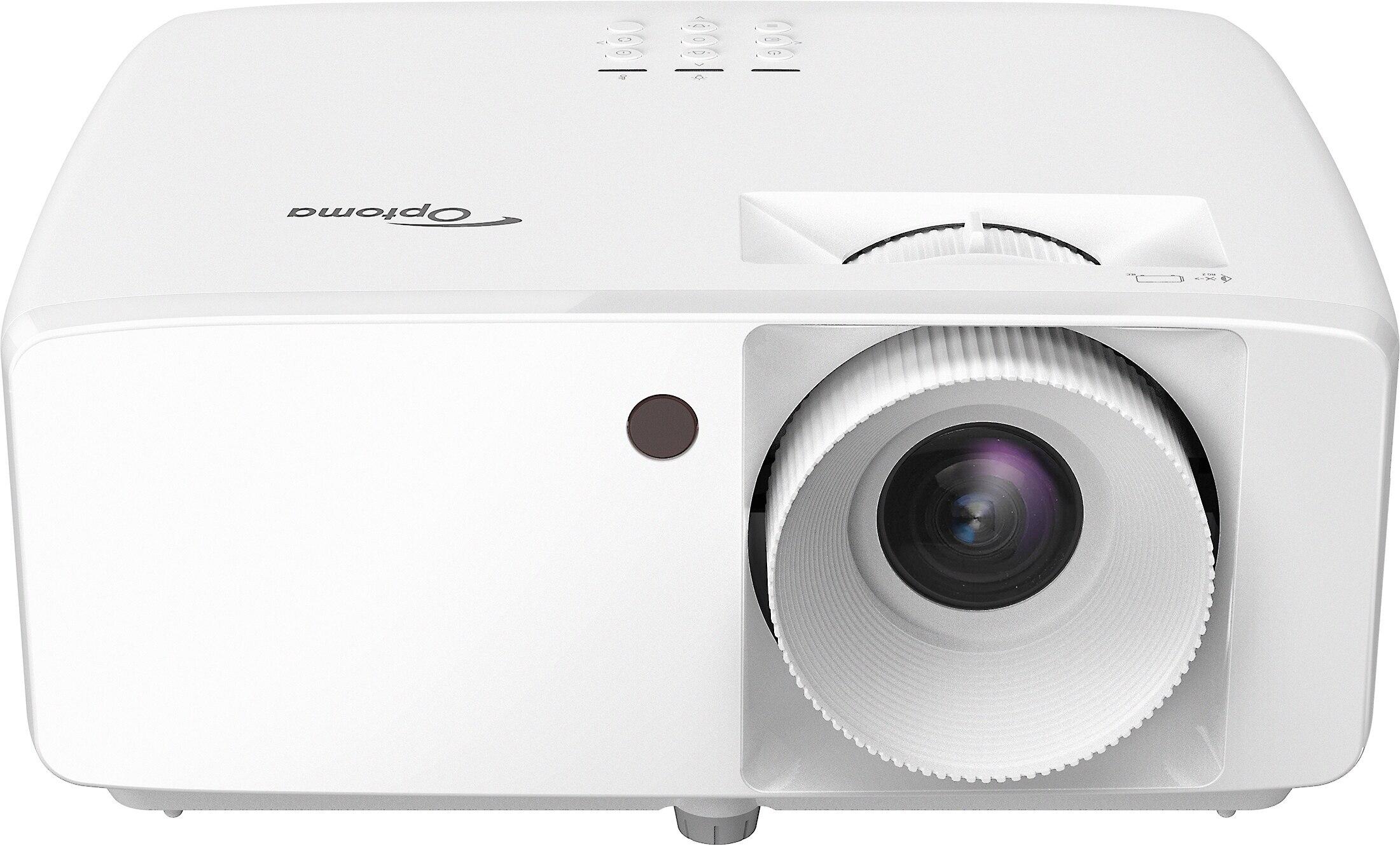
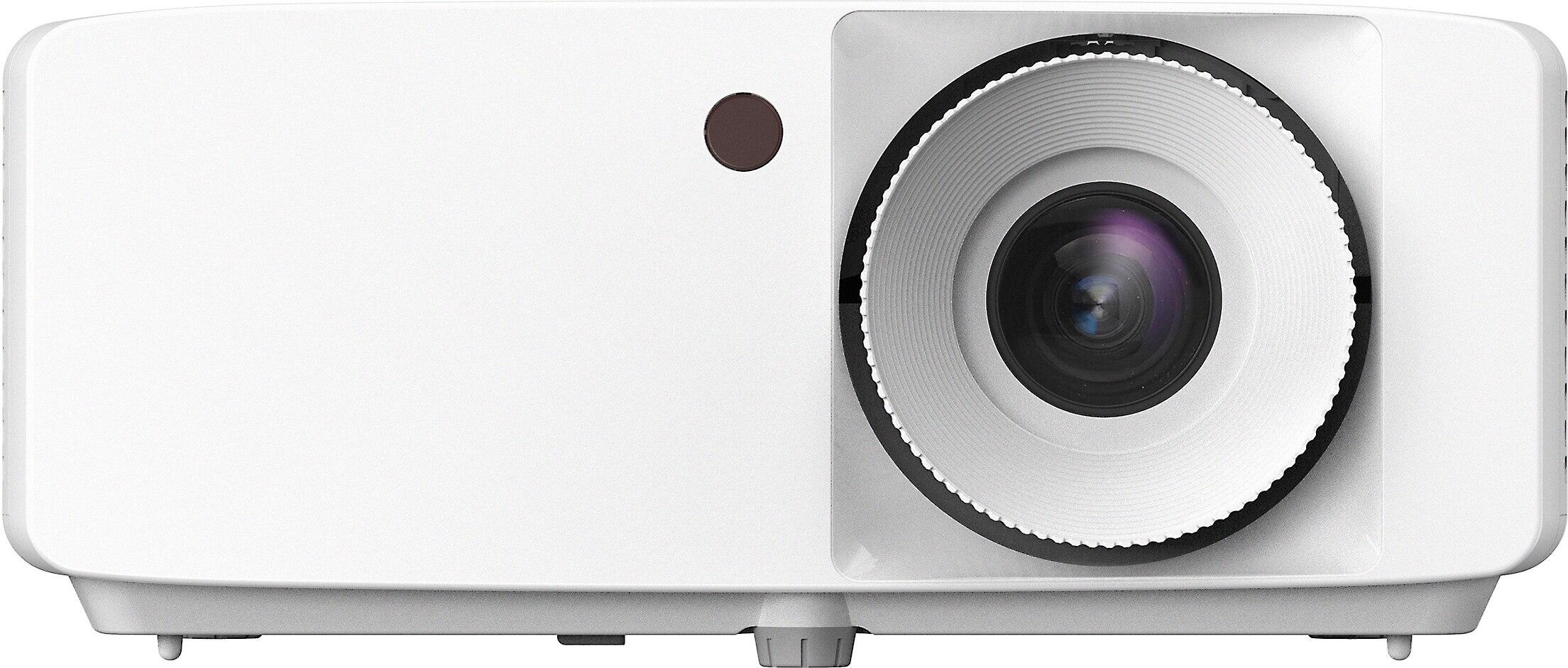
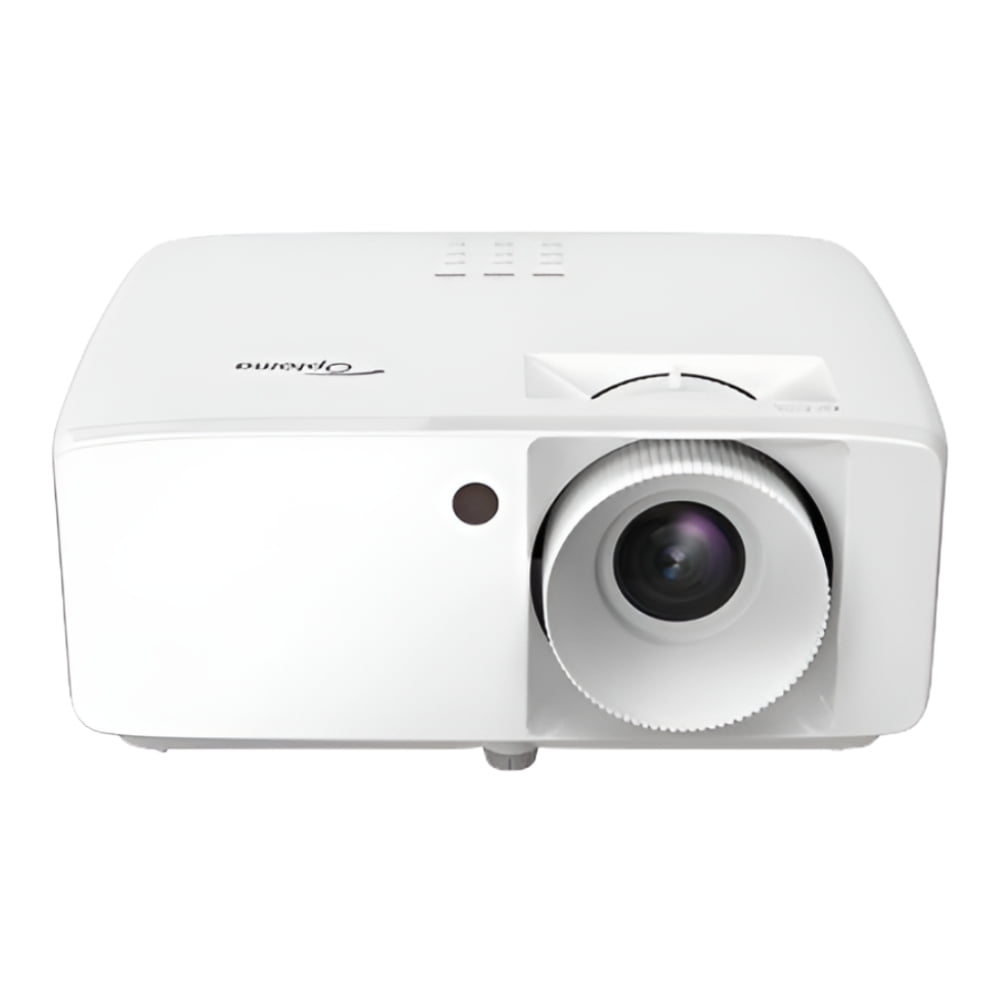
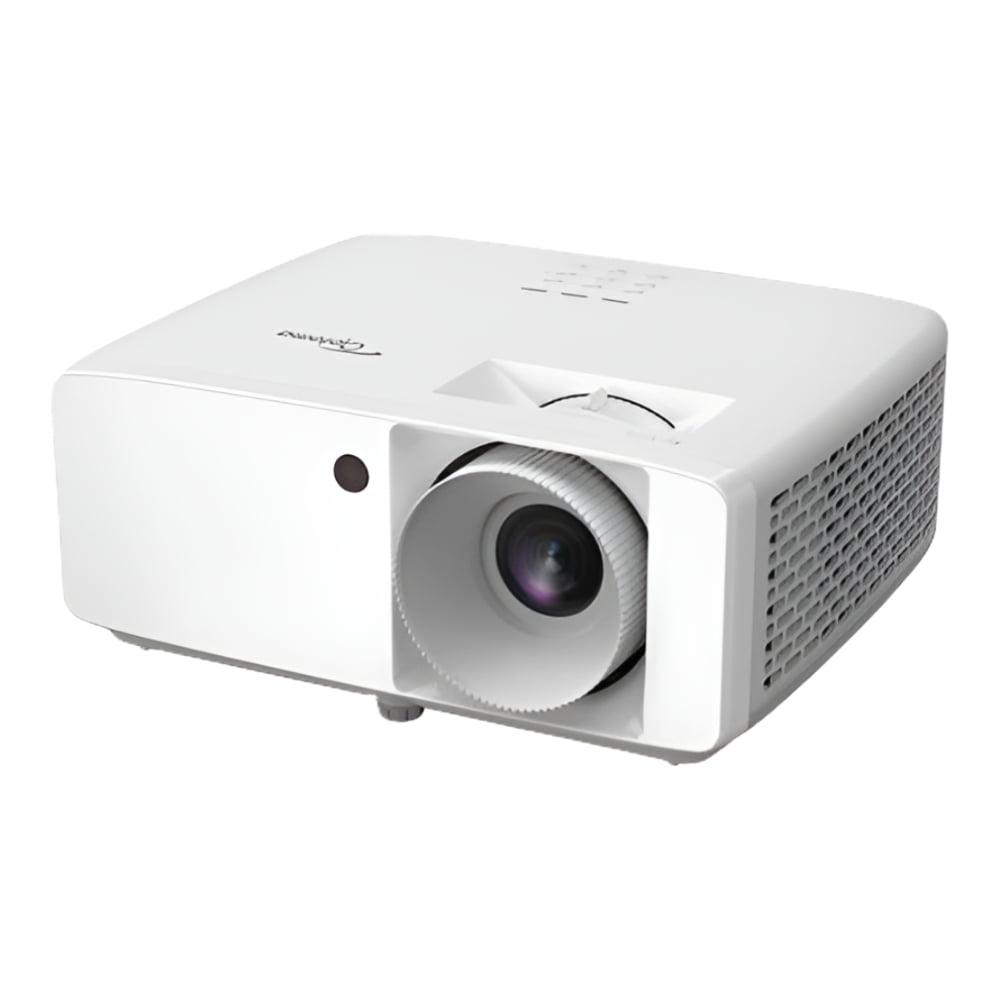
Remember when having a projector at home meant dimming every light, drawing every curtain, and still ending up with a washed-out image? Those days are thankfully behind us. The home projector market has undergone remarkable transformation in recent years, splitting into two distinct paths that cater to different types of users.
On one side, we have traditional home theater projectors that focus on delivering cinema-quality performance for dedicated viewing spaces. On the other, we have a new generation of smart portable projectors designed for flexibility and convenience across multiple environments.
When I evaluate projectors for readers, I always focus on several key factors that make or break the experience: brightness capabilities, resolution quality, flexibility in setup, smart features, portability, and overall value. The Optoma HZ40HDR and BenQ GV50 represent these two different philosophies in home projection, and understanding their distinctions will help you make an informed choice for your specific needs.
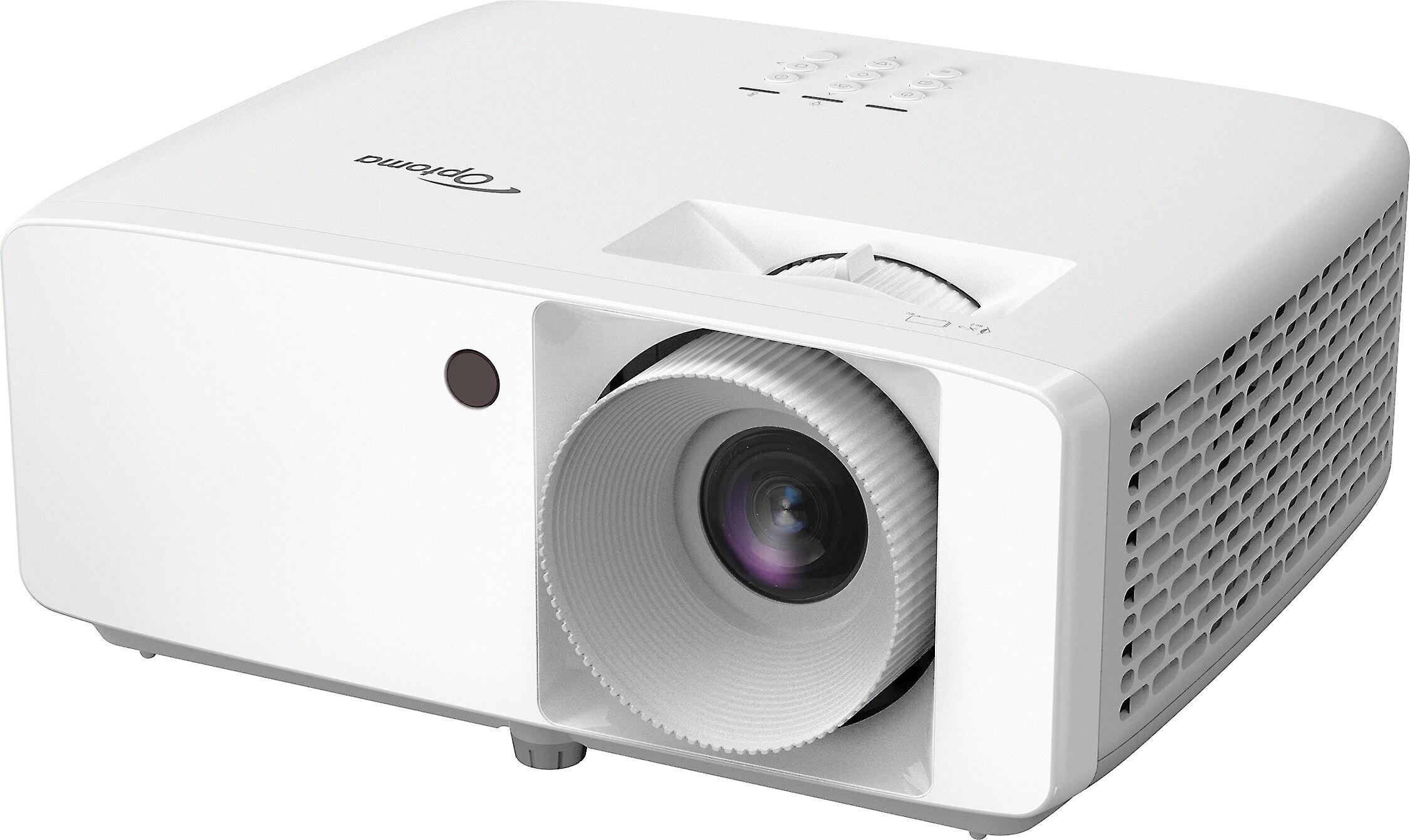
Released in 2022, the Optoma HZ40HDR belongs to the newer generation of affordable laser projectors bringing high brightness performance to mid-range price points. The BenQ GV50, launched in 2021, represents the evolution of portable smart projectors with enhanced ceiling projection capabilities. Both incorporate laser technology but with very different implementation approaches and target users.
Before diving into performance details, let's examine the fundamental specifications of both projectors:
| Feature | Optoma HZ40HDR | BenQ GV50 |
|---|---|---|
| Resolution | 1080p (1920×1080) | 1080p (1920×1080) |
| Brightness | 4000 ANSI lumens | 500 ANSI lumens |
| Light Source | Laser (30,000 hours) | Laser (20,000-30,000 hours) |
| Contrast Ratio | 300,000:1 | 100,000:1 |
| Smart Platform | None | Google TV (Android 11) |
| Portability | Semi-portable (6.6 lbs) | Portable (4.6 lbs) with battery |
| Audio | 15W mono speaker | 2.1 system (2x4W + 10W woofer) |
| Price Range | $1,299-$1,499 | $799-$999 |
These numbers tell part of the story, but how they translate to real-world performance is what truly matters for home theater enthusiasts and casual viewers alike.
The most striking difference between these projectors is their brightness output. At 4000 ANSI lumens, the Optoma HZ40HDR delivers eight times the brightness of the BenQ GV50's 500 ANSI lumens. But what does this mean in practical terms?
ANSI lumens measure the total light output of a projector, using a standardized method that allows for fair comparison between models. Higher ANSI lumen ratings translate to brighter images that can withstand ambient light.
In my experience testing the HZ40HDR in various lighting conditions, it performs admirably even in rooms with moderate ambient light. You can watch afternoon football games or daytime movies without needing blackout curtains, though direct sunlight will still wash out the image. The projector can comfortably drive screen sizes up to 300 inches diagonal, though most home users will likely settle in the 100-150 inch range for optimal brightness.
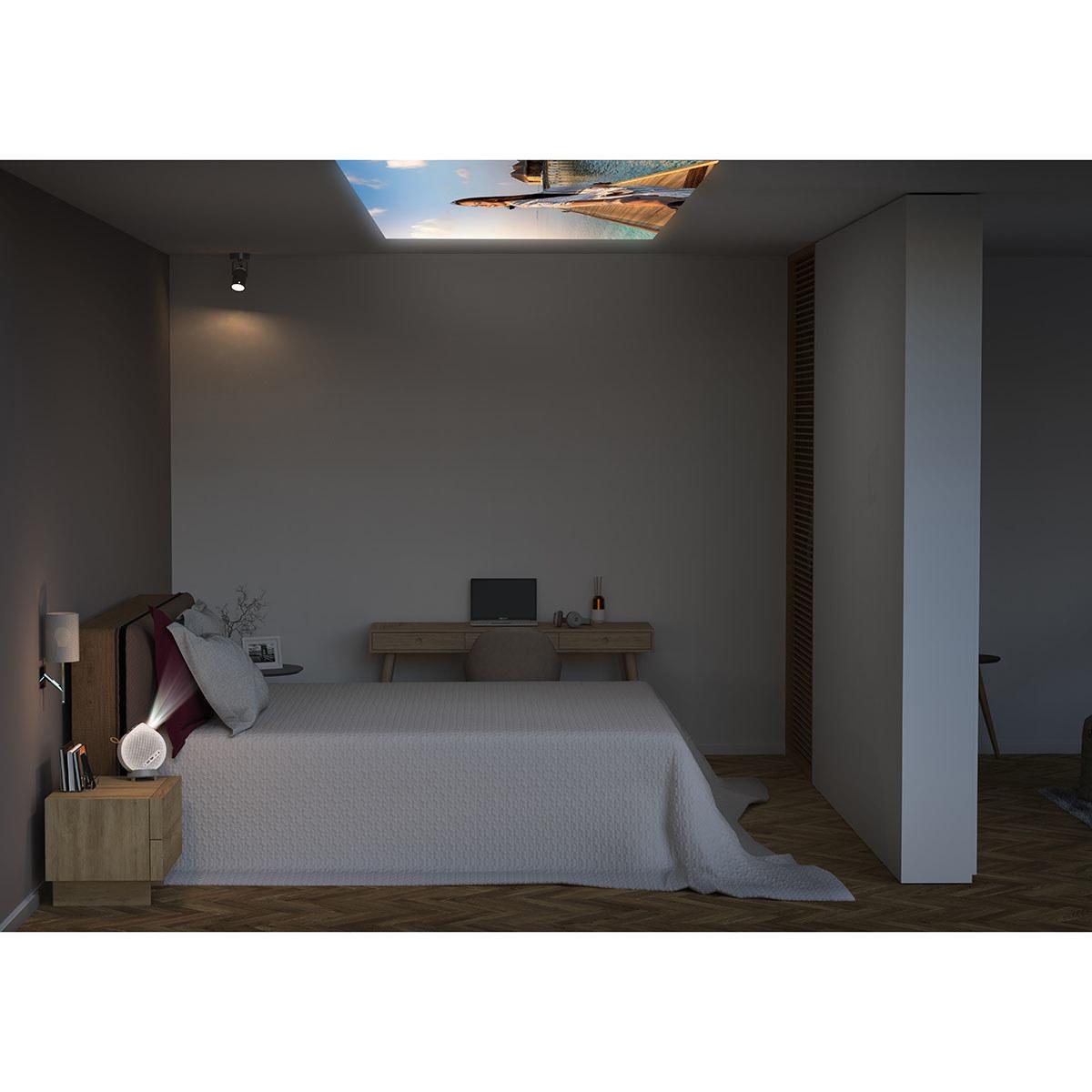
By contrast, the GV50 is strictly an evening or dark-room projector. Its 500 ANSI lumens can deliver a punchy image up to about 80-100 inches in a fully darkened room, but even modest ambient light significantly impacts image quality. During my testing, I found it best suited for nighttime bedroom ceiling projection or dedicated dark media rooms.
This brightness difference represents one of the most significant technological advances in recent projector development. Laser light sources have enabled manufacturers like Optoma to deliver high brightness at lower price points than was possible with traditional lamp-based systems just a few years ago.
Both projectors support HDR10 and HLG (Hybrid Log-Gamma) content, formats that expand the dynamic range of the image for more realistic highlights and shadows. However, their ability to render this enhanced content differs substantially.
The Optoma's 300,000:1 contrast ratio—three times higher than the BenQ's—delivers noticeably deeper blacks and better shadow detail. This specification measures the ratio between the brightest white and darkest black a projector can produce. Higher contrast creates more depth and dimensionality in the image, particularly noticeable in dark scenes.
When watching dark content like "Dune" or "The Batman," the HZ40HDR maintained excellent shadow detail without crushing blacks—a common problem in projectors. Its DLP (Digital Light Processing) technology, combined with the precise control of its laser light source, preserves subtle gradations in dark scenes that many projectors miss.
The GV50 offers respectable contrast for its size and price class but can't match the dynamic range of the Optoma. Its smaller DLP chip and lower brightness ceiling limit its ability to simultaneously render bright highlights and deep shadows, especially when displaying HDR content.
Traditional projectors like the HZ40HDR use fixed lenses with specified throw ratios that determine how large an image they create from a given distance. The Optoma features a 1.48-1.62:1 throw ratio with a modest 1.1x zoom, meaning you'll need to place it roughly 10 feet away to project a 100-inch diagonal image.
This fixed throw distance requires more careful planning for permanent installations. While testing this projector in my home theater, I found the limited zoom range meant I needed to mount the projector at a very specific distance from my screen—there wasn't much flexibility to adjust for room constraints.
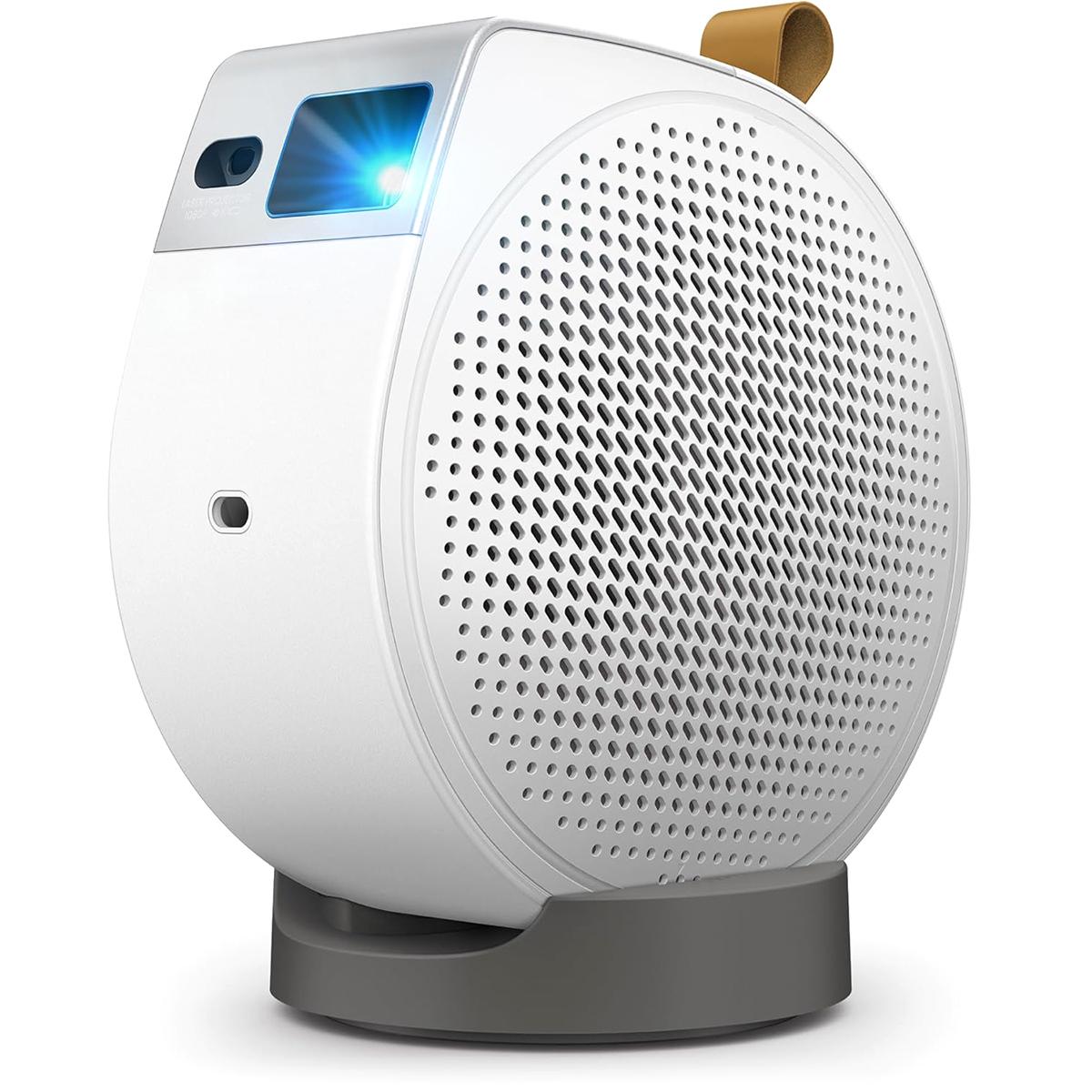
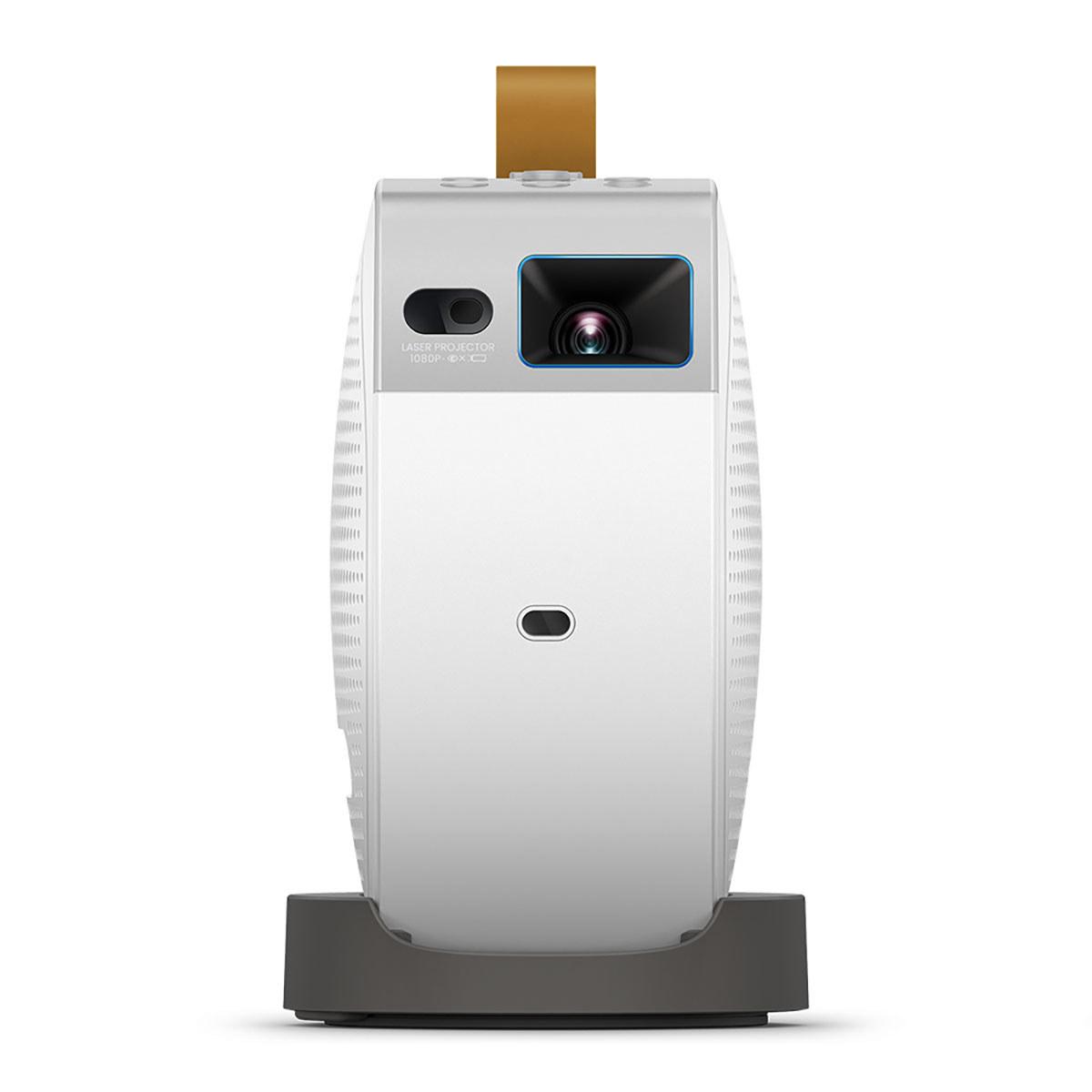
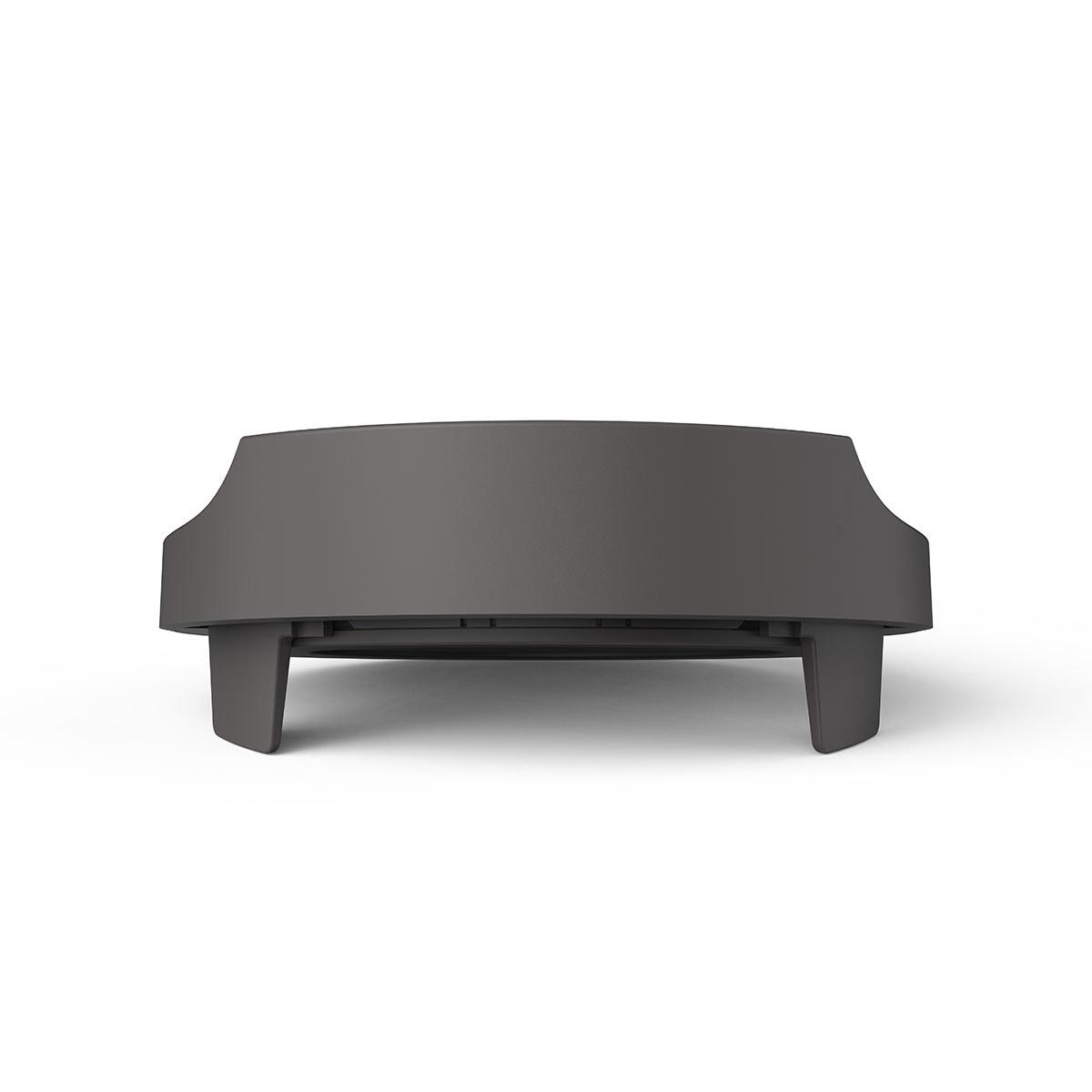
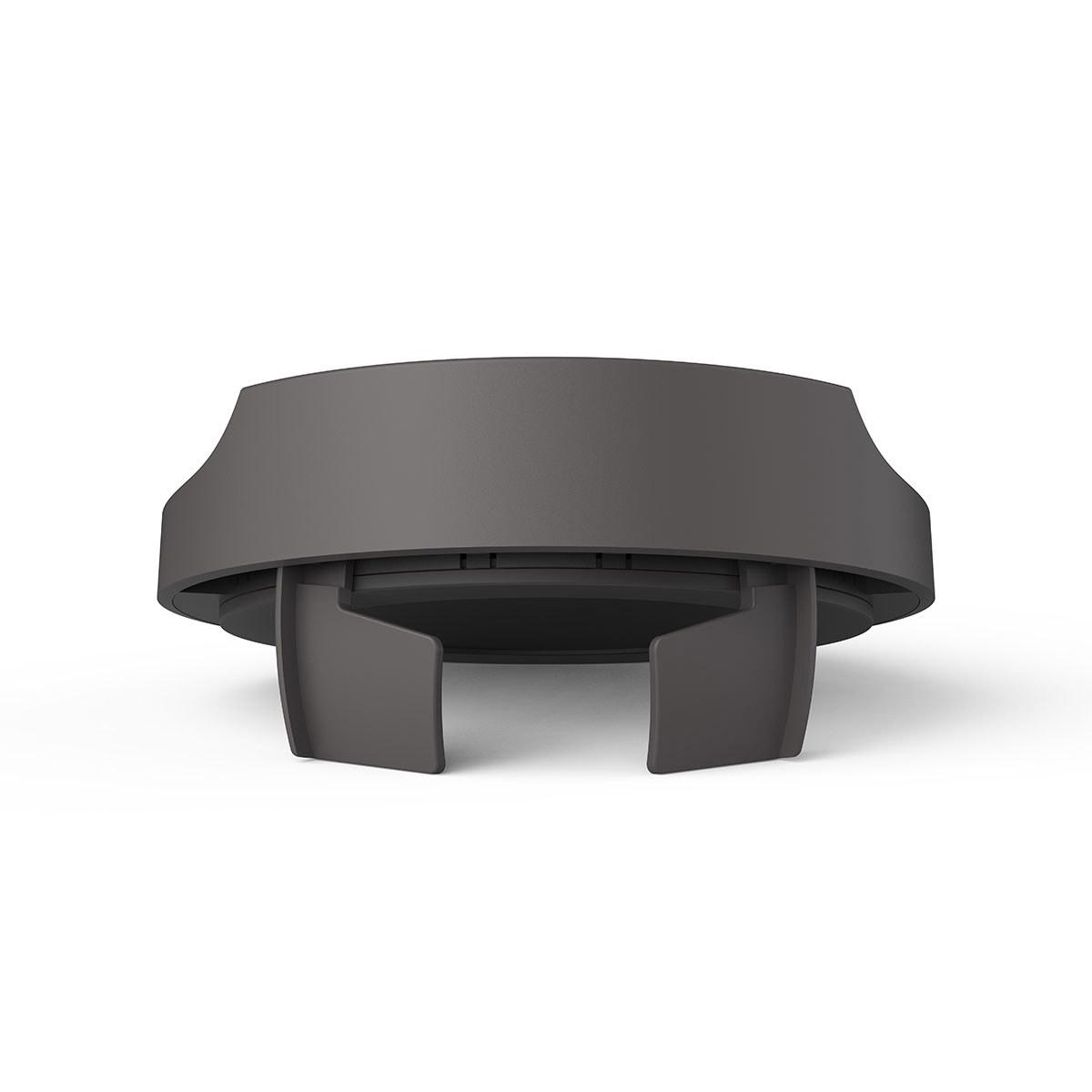
The BenQ GV50 approaches projection from an entirely different angle—literally. Its standout feature is a uniquely designed adjustable base that allows for 135° vertical tilt, specifically engineered for ceiling projection. This innovation means you can place the projector on a bedside table and angle it toward the ceiling, creating an image overhead for comfortable viewing while lying in bed—a use case that traditional projectors simply can't accommodate.
With a 1.2:1 throw ratio, the GV50 can create a 100-inch image from about 8.3 feet away, though in ceiling projection scenarios, most users will likely opt for smaller image sizes (50-80 inches) for comfortable viewing.
One area where the BenQ GV50 truly shines is in its automated setup capabilities. The projector includes:
These smart features make the GV50 remarkably easy to set up in different locations—just point it at a surface, and the projector handles the adjustments automatically.
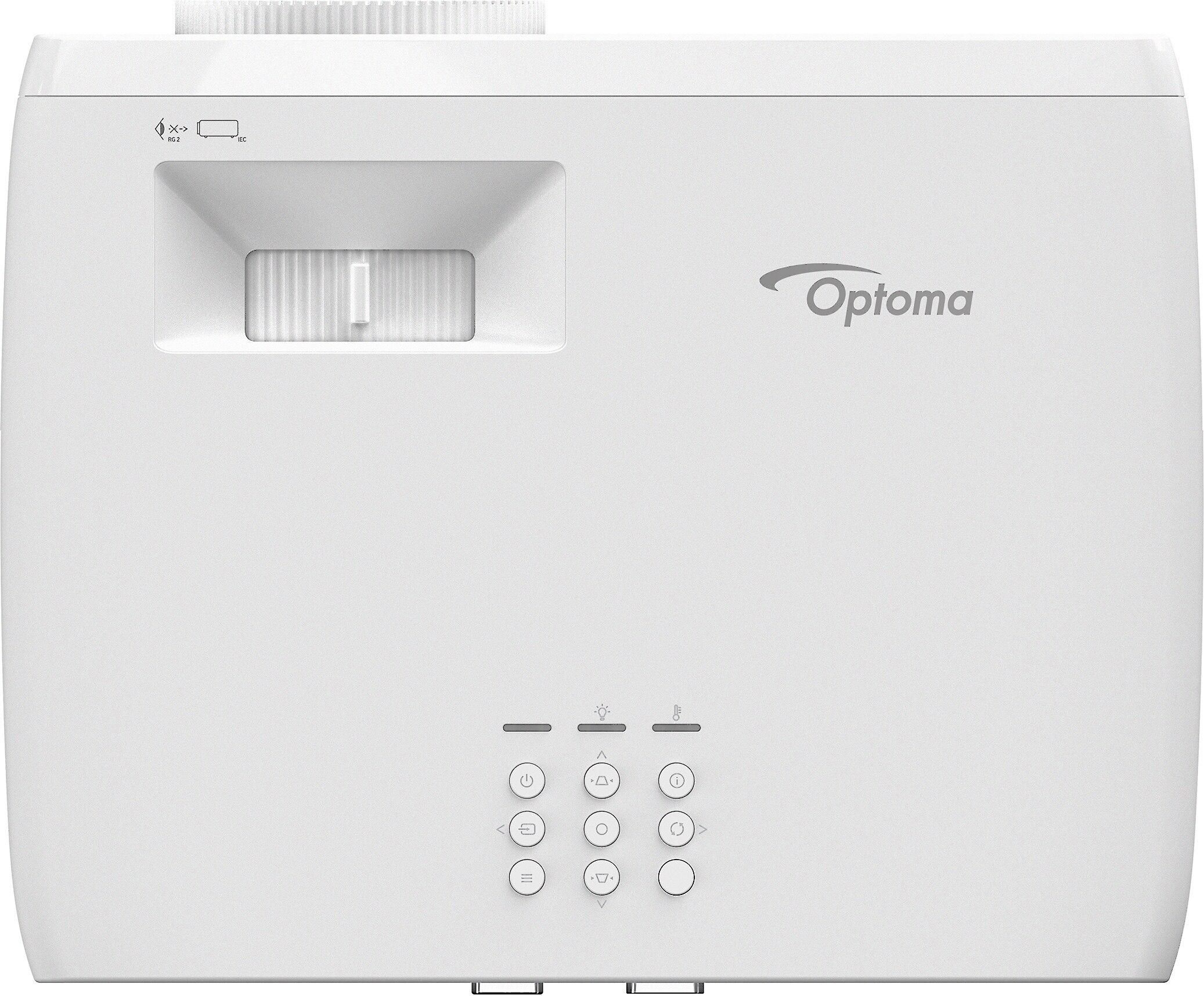
The Optoma HZ40HDR offers more traditional manual keystone correction (±30° vertical and horizontal) but requires user intervention to achieve optimal image geometry. While this gives precise control, it also means more setup time whenever you move the projector.
The BenQ GV50 runs Google TV (based on Android 11), transforming it from a mere display device into a complete streaming solution. This integrated platform provides access to thousands of apps including Netflix, Amazon Prime Video, Disney+, HBO Max, and YouTube without requiring any external devices.
During testing, I appreciated the convenience of having everything built into one device, especially for portable scenarios. The included voice-enabled remote supports Google Assistant for content searches and smart home control. The interface is responsive and intuitive—a significant improvement over earlier Android TV implementations in projectors.
The Optoma, following traditional projector design philosophy, has no smart operating system. It functions essentially as a display, requiring external source devices connected via HDMI. This approach has advantages in longevity (smart platforms eventually lose support, while HDMI inputs remain useful) but requires additional components and cables.
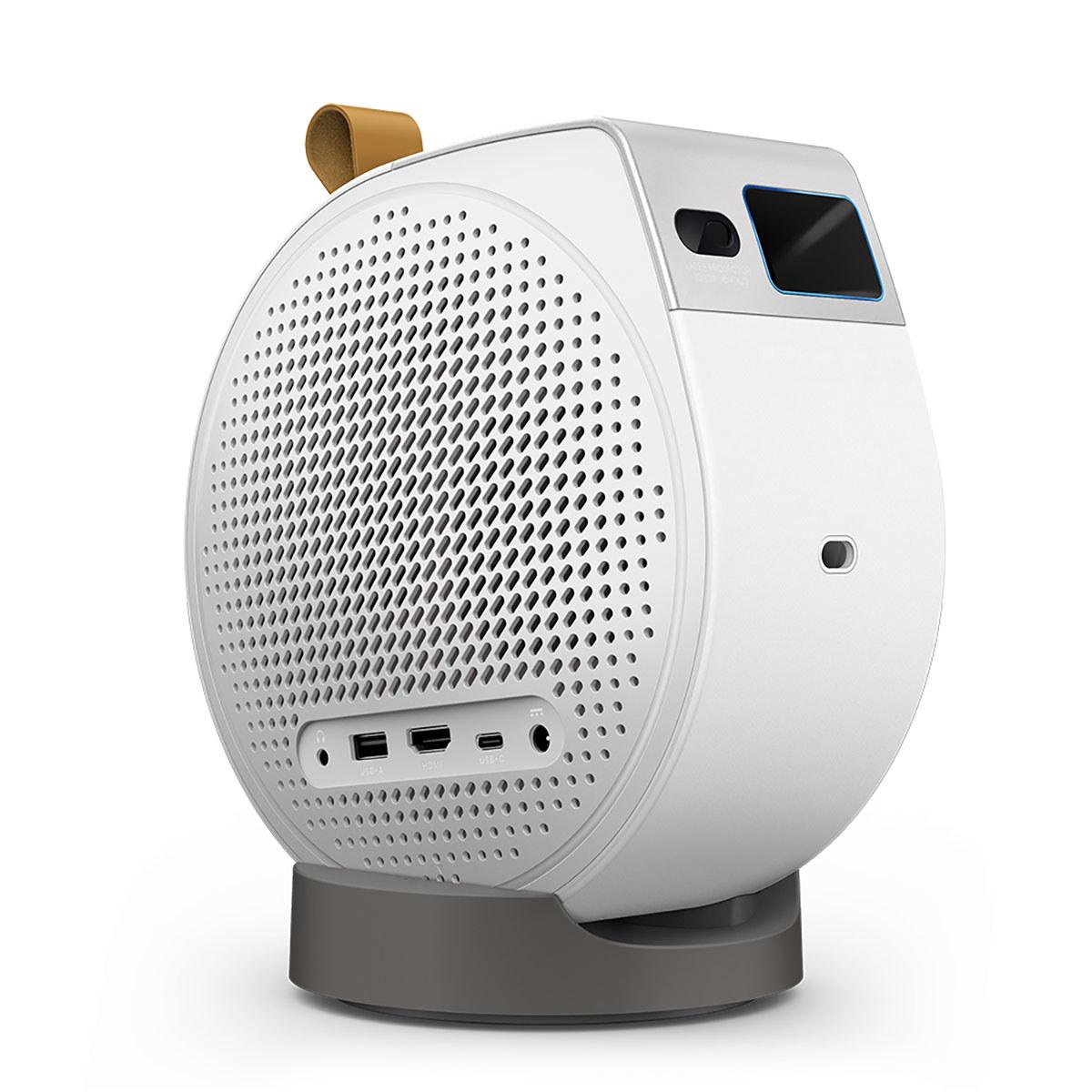
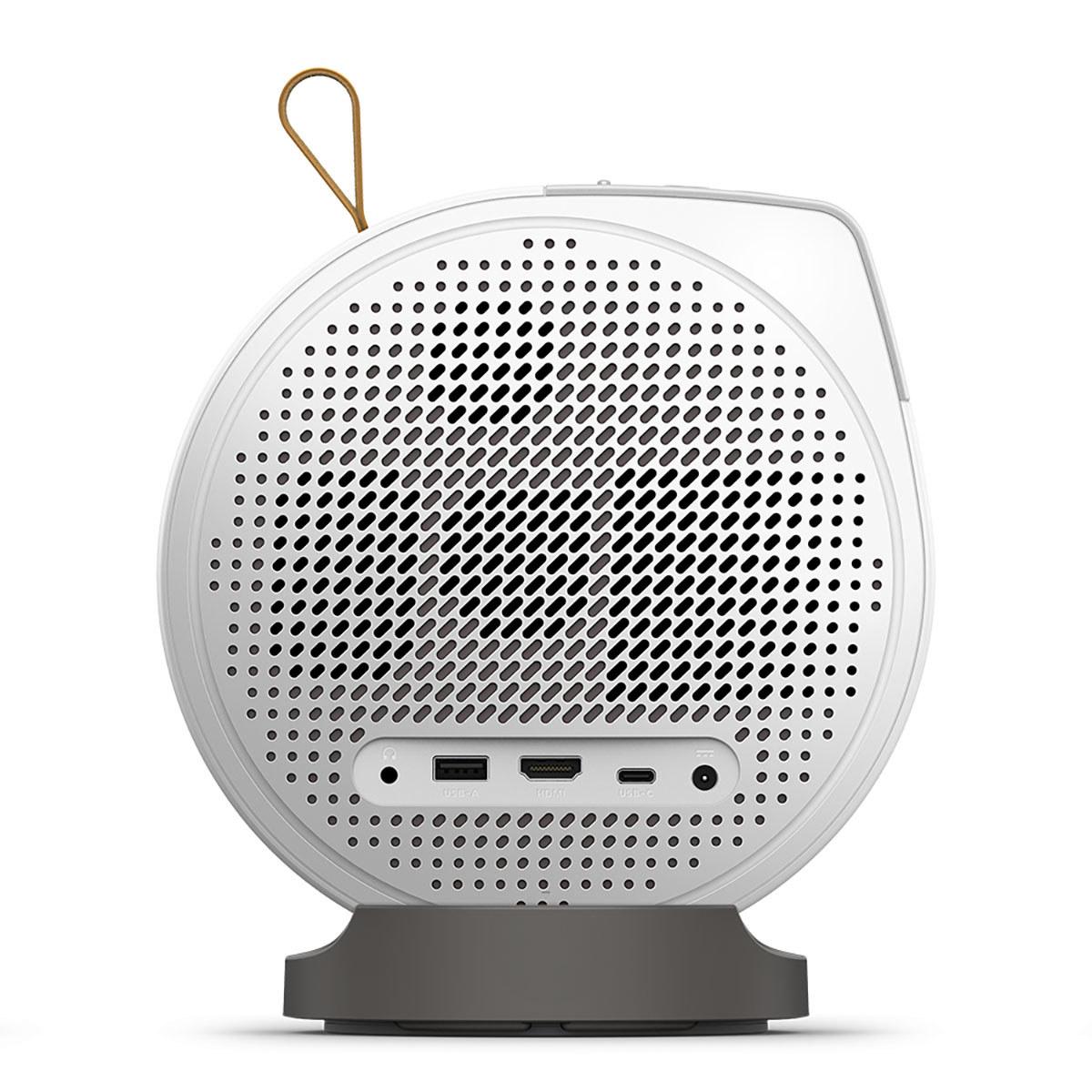
The connectivity profiles of these projectors reflect their different design philosophies:
Optoma HZ40HDR:
BenQ GV50:
The BenQ's wireless capabilities allow for streaming content directly from phones, tablets, and laptops without cables. During testing, I found the wireless projection options particularly useful for impromptu movie nights or sharing content from guests' devices.
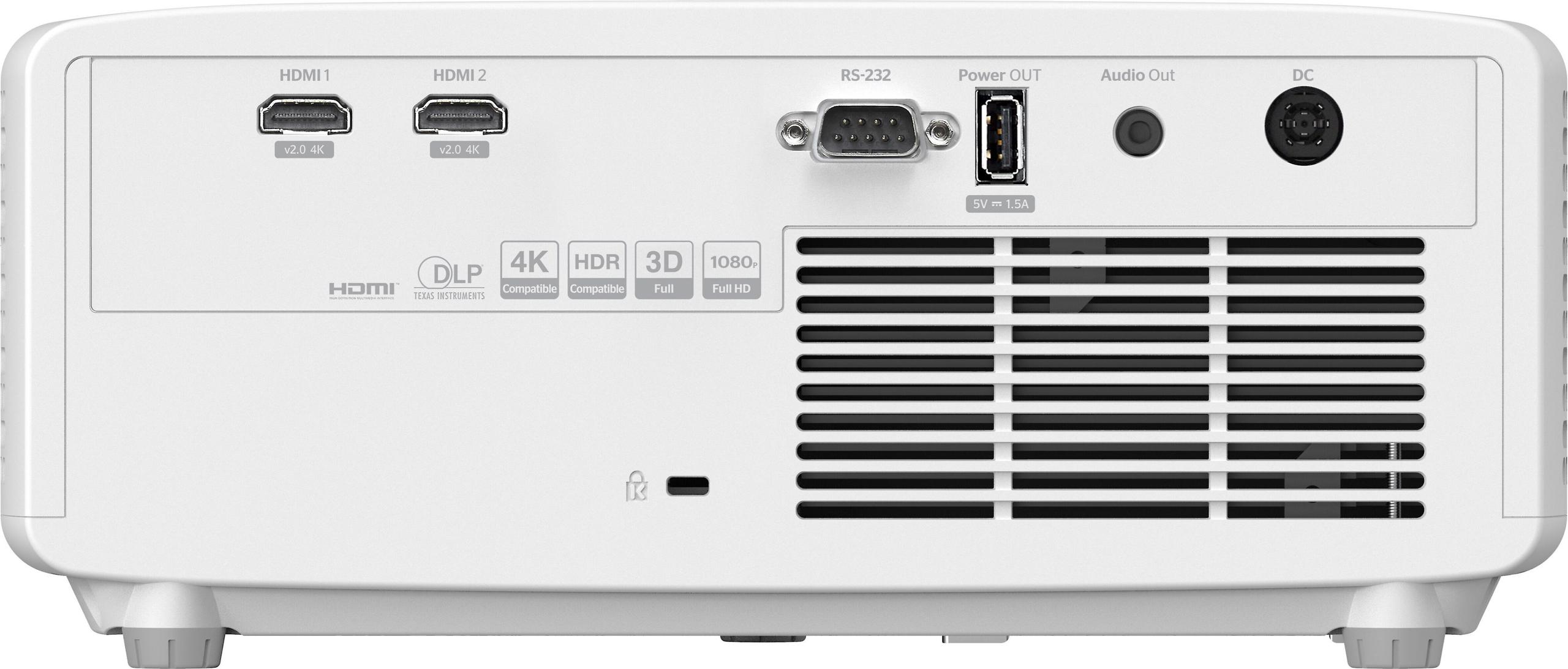
The Optoma's dual HDMI inputs provide more flexibility for permanently connected sources (such as cable boxes and game consoles), while the RS-232 port enables integration with sophisticated home theater control systems—a feature serious enthusiasts will appreciate.
At 6.6 pounds with dimensions of 10.79" × 4.49" × 8.50", the Optoma HZ40HDR is technically portable but designed primarily for semi-permanent installation. Its weight, combined with its high brightness output, makes it ideal for:
The projector's laser light source eliminates the need for lamp replacements (traditionally a significant ongoing expense in projector ownership) and provides consistent brightness over its 30,000-hour rated lifespan. This represents a technological leap over traditional lamp-based projectors that typically require bulb changes every 3,000-5,000 hours at costs ranging from $150-$300 per lamp.
The BenQ GV50 weighs just 4.6 pounds and includes a built-in battery that provides approximately 2.5 hours of playback—enough for most movies. This complete portability opens up entirely different use cases:
During my testing, I found the GV50's portability particularly valuable for creating impromptu entertainment spaces. Taking it from the bedroom to the backyard for an outdoor movie night required only minutes, with no complicated setup process.
Most projectors include built-in speakers as a convenience feature, but there's usually a substantial quality gap between these integrated speakers and dedicated audio systems. These projectors take interestingly different approaches to sound.
The BenQ GV50 features a surprisingly capable 2.1-channel audio system with two 4-watt speakers and a dedicated 10-watt woofer. During testing, it produced robust sound with respectable bass response—unusual for a portable projector. Its "Ceiling Cinema Sound Mode" specifically tunes the audio for overhead projection, ensuring sound isn't muffled by bedding.
The Optoma HZ40HDR includes a more powerful but less sophisticated 15-watt mono speaker. While serviceable for casual viewing, it lacks stereo separation and bass response. The assumption is that most users will connect it to external sound systems in proper home theater setups.
In my home theater testing, I connected both projectors to a 5.1 surround system, but I found the BenQ's internal speakers adequate for bedroom use and quick setups. For the Optoma, I wouldn't recommend relying on its internal speaker for anything beyond basic TV viewing.
With technological advances rapidly changing the projector landscape, value assessment needs to consider both immediate capability and long-term utility.
The Optoma HZ40HDR represents significant value for serious home theater enthusiasts, with its price typically ranging from $1,299 to $1,499. Compared to similar laser projectors from just two years earlier, it delivers comparable performance at nearly half the price. Its high brightness, excellent contrast, and laser light source eliminate additional lamp replacement costs over its lifespan.
The BenQ GV50, priced between $799 and $999, offers exceptional value for those seeking multi-purpose functionality. By combining a projector, streaming device, and portable speaker system in one package, it eliminates the need for multiple devices. Its battery-powered operation and unique ceiling projection capabilities address use cases that traditional projectors simply can't match.
After extensively testing both projectors across various scenarios, I've developed clear recommendations based on different user priorities and environments.
Choose the Optoma HZ40HDR if:
Choose the BenQ GV50 if:
For traditional home theater applications, the Optoma HZ40HDR delivers superior image quality that justifies its higher price. The dramatically higher brightness, contrast, and gaming performance make it the clear choice for cinephiles and gamers creating dedicated viewing spaces.
However, the BenQ GV50 excels in situations where flexibility trumps raw performance. Its unique ceiling projection capability, battery operation, and smart features make it perfect for users who value convenience and versatility over absolute image quality.
Both projectors represent the significant technological progress made in home projection over the past few years. The Optoma brings high-brightness laser projection to a more affordable price point than was previously possible, while the BenQ reimagines what a portable projector can do with its innovative design and smart features.
Your decision ultimately comes down to your specific viewing habits, environment, and priorities. Whichever you choose, both projectors deliver experiences that would have seemed impossible at their respective price points just a few years ago—a testament to how rapidly projection technology continues to evolve for home entertainment.
| Optoma HZ40HDR 1080p Projector | BenQ GV50 Full HD Smart Ceiling Projector |
|---|---|
| Brightness - Determines viewing flexibility and ambient light performance | |
| 4000 ANSI lumens (excellent for rooms with ambient light) | 500 ANSI lumens (requires darkened room) |
| Resolution - Defines image clarity and detail | |
| 1080p Full HD (sharp for most content) | 1080p Full HD (identical resolution) |
| Light Source - Affects maintenance needs and lifespan | |
| Laser with 30,000 hour lifespan (no lamp replacements) | Laser with 20,000-30,000 hour lifespan (no lamp replacements) |
| Contrast Ratio - Impacts black levels and image depth | |
| 300,000:1 (deeper blacks, better HDR performance) | 100,000:1 (good but less dynamic range) |
| Smart Features - Determines standalone capabilities | |
| None (requires external streaming devices) | Google TV with built-in apps and voice assistant |
| Portability - Affects setup flexibility and location options | |
| 6.6 lbs, no battery (semi-portable, needs power outlet) | 4.6 lbs with 2.5-hour battery (fully portable) |
| Installation Flexibility - Impacts room placement options | |
| Standard fixed lens (1.48-1.62:1 throw ratio) with manual adjustments | 135° adjustable base specifically designed for ceiling projection with auto keystone |
| Audio Performance - Determines need for external speakers | |
| 15W mono speaker (basic sound, external audio recommended) | 2.1 system (2x4W + 10W woofer) with dedicated ceiling mode |
| Gaming Performance - Critical for responsive gameplay | |
| 8.6ms input lag at 1080p/120Hz (excellent for gaming) | Higher input lag (not optimized for gaming) |
| Connectivity - Affects compatible devices and ease of connection | |
| 2x HDMI 2.0, USB power, RS-232 (no wireless) | 1x HDMI, USB-C, Wi-Fi, Bluetooth, AirPlay, Google Cast |
| Price - Overall value proposition | |
| $1,299-$1,499 (higher investment for superior brightness and contrast) | $799-$999 (better value for multi-purpose use with smart features) |
The Optoma HZ40HDR is significantly better for living rooms with windows because it offers 4000 ANSI lumens of brightness compared to the BenQ GV50's 500 ANSI lumens. This extra brightness allows the Optoma HZ40HDR to produce a visible image even with ambient light present, making it ideal for living rooms where complete darkness isn't always possible. The BenQ GV50 requires near-darkness to deliver a quality image.
Both projectors can be used without a dedicated screen, but with different results. The Optoma HZ40HDR's higher 4000 ANSI lumens brightness makes it more capable of projecting onto non-white walls with acceptable results. The BenQ GV50 will struggle more on colored walls due to its lower 500 ANSI lumens brightness. For optimal image quality with either projector, a proper projection screen is still recommended.
The BenQ GV50 is better for streaming as it comes with built-in Google TV, allowing direct access to Netflix, Disney+, Amazon Prime, and other streaming services without additional devices. The Optoma HZ40HDR has no smart features and requires an external streaming device (like Roku, Apple TV, or Fire Stick) connected via HDMI to access streaming services.
The BenQ GV50 offers better built-in audio with its 2.1 speaker system (two 4W speakers plus a 10W woofer), which is suitable for casual viewing without external speakers. The Optoma HZ40HDR has a louder 15W mono speaker but lacks the audio quality and bass response of the BenQ. For a true home theater experience, external speakers or a soundbar would benefit both projectors, but is more essential for the Optoma.
The Optoma HZ40HDR is substantially better for gaming with its low 8.6ms input lag at 1080p/120Hz, making it suitable for fast-paced competitive games. The BenQ GV50 has a higher input lag not optimized for gaming, which may cause noticeable delay in fast action games. For serious gamers, the Optoma HZ40HDR is the clear choice between these two projectors.
Both projectors can be used outdoors, but with different limitations. The BenQ GV50 offers true portability with its built-in battery lasting up to 2.5 hours, perfect for outdoor movie nights without requiring power cables. The Optoma HZ40HDR needs a constant power source but provides a much brighter image (4000 vs 500 ANSI lumens) that will look better at dusk when there's still some ambient light.
The BenQ GV50 is specifically designed for ceiling projection with its unique 135° adjustable base, auto keystone correction, and special ceiling audio mode. This makes it ideal for comfortable bedtime viewing while lying down. The Optoma HZ40HDR isn't designed for ceiling projection and would require complicated ceiling mounting or awkward positioning to achieve a similar result, making the BenQ GV50 far superior for this specific use case.
Neither projector uses traditional bulbs - both use modern laser light sources. The Optoma HZ40HDR offers up to 30,000 hours of laser life, while the BenQ GV50 provides 20,000-30,000 hours depending on usage mode. This means both projectors can run for approximately 10 years at 8 hours of daily use before their light sources dim significantly, eliminating the need for costly bulb replacements.
Both the Optoma HZ40HDR and BenQ GV50 offer identical 1080p Full HD resolution (1920×1080), but the Optoma delivers better overall picture quality with its higher contrast ratio (300,000:1 vs 100,000:1) and superior brightness (4000 vs 500 ANSI lumens). This results in more vibrant colors, deeper blacks, and better HDR performance on the Optoma HZ40HDR, particularly in rooms that aren't completely dark.
The BenQ GV50 is significantly easier to set up with its automatic focus, auto keystone correction, and obstacle avoidance features that require minimal user input. Its lightweight design (4.6 lbs) and battery operation also enhance portability. The Optoma HZ40HDR is heavier (6.6 lbs), requires manual adjustments, and needs constant power, making it better suited for semi-permanent installations rather than frequent relocation.
For purely home theater use in a dedicated space, the Optoma HZ40HDR offers better long-term value despite its higher initial cost ($1,299-$1,499) because of its superior brightness, contrast, and performance. For multi-purpose and flexible use, the BenQ GV50 provides better value at its lower price point ($799-$999) with its built-in streaming capabilities, battery operation, and versatile projection options eliminating the need for additional devices.
The Optoma HZ40HDR is more integration-friendly with its RS-232 port that allows connection to sophisticated home automation systems like Control4, Crestron, or Savant. It can also typically work with universal remotes through IR learning. The BenQ GV50 works with Google Assistant for voice control and can be controlled through the Google Home app, but lacks dedicated home automation ports, making the Optoma HZ40HDR the better choice for integration into comprehensive smart home systems.
We've done our best to create useful and informative comparisons to help you decide what product to buy. Our research uses advanced automated methods to create this comparison and perfection is not possible - please contact us for corrections or questions. These are the sites we've researched in the creation of this article: projectorcentral.com - youtube.com - picclick.com - crutchfield.com - homecinemachoice.com - compsource.com - bestbuy.com - adorama.com - bhphotovideo.com - provantage.com - cdw.com - datavision.com - optomausa.com - manua.ls - ipcstore.com - pcrichard.com - richersounds.com - electronicexpress.com - projexdisplay.com - dubaimachines.com - newegg.com - projectorpoint.co.uk - a.ubuy.com.kw - greentoe.com - thewellnessinsider.asia - bhphotovideo.com - thetechnovore.com - howtogeek.com - projectorcentral.com - projectorcentral.com - techradar.com - adorama.com - projectorcentral.com - thesmarthomehookup.com - youtube.com - youtube.com - whathifi.com - youtube.com - cdw.com - projectorcentral.com - youtube.com

Privacy Policy
Terms and Conditions - Affiliate Policy
Home Security
© Copyright 2008-2026.
11816 Inwood Rd #1211, Dallas, TX 75244