

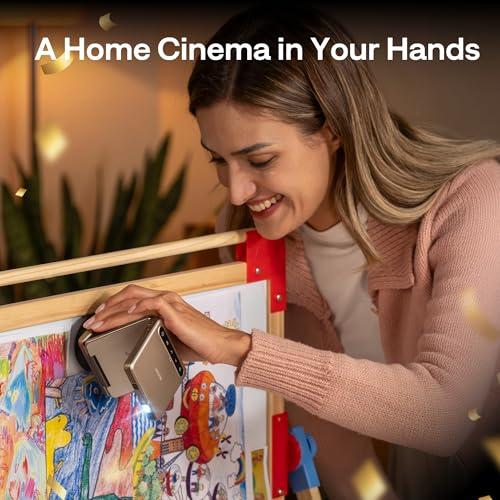
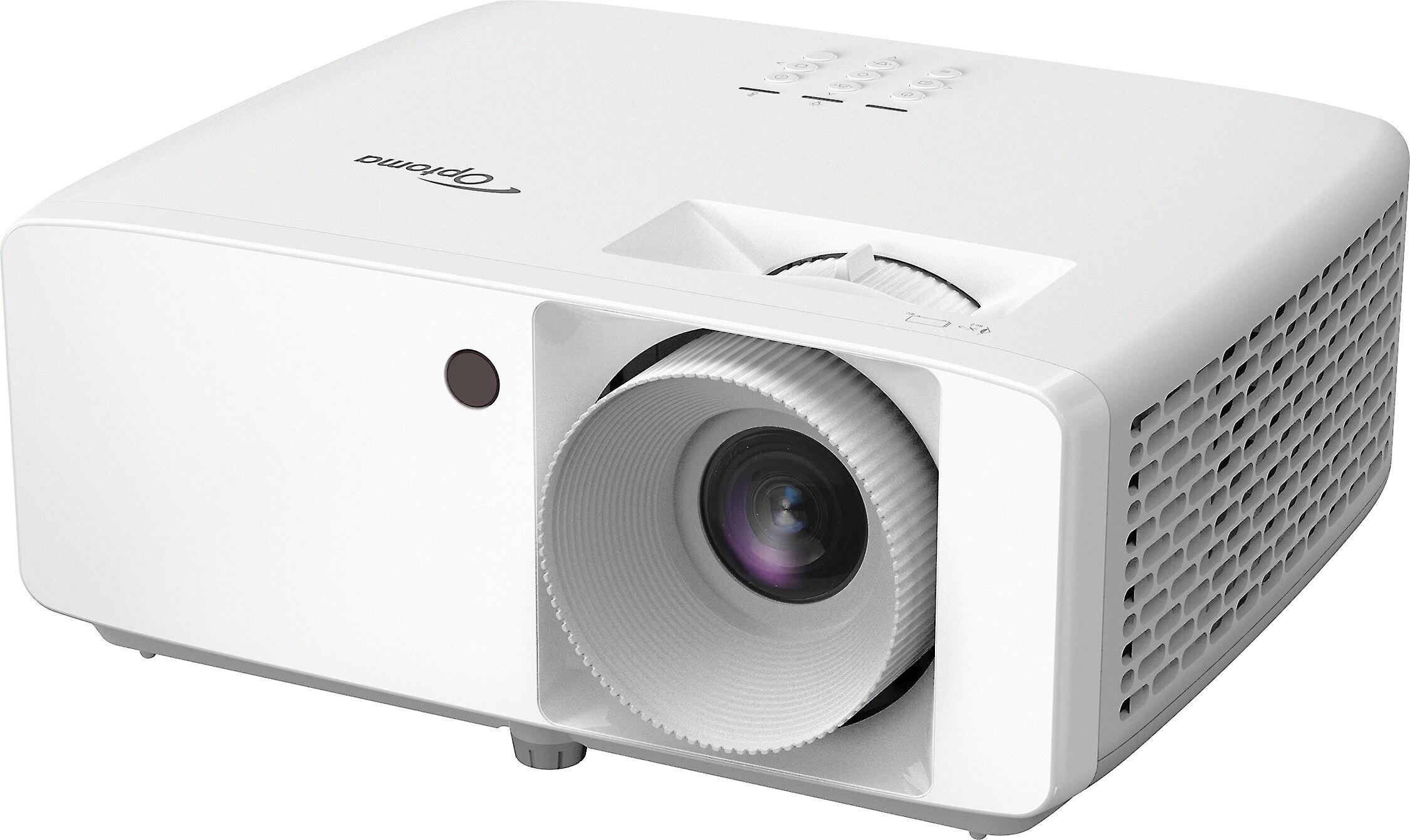
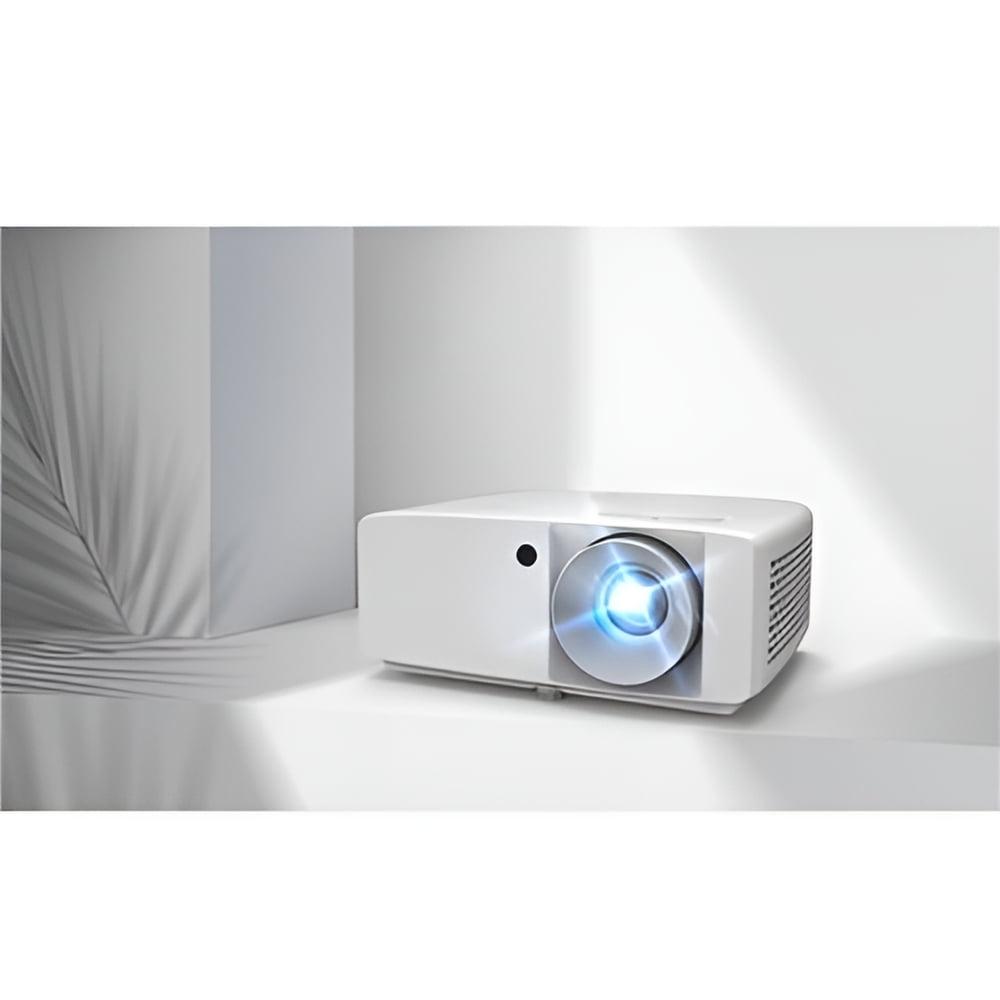
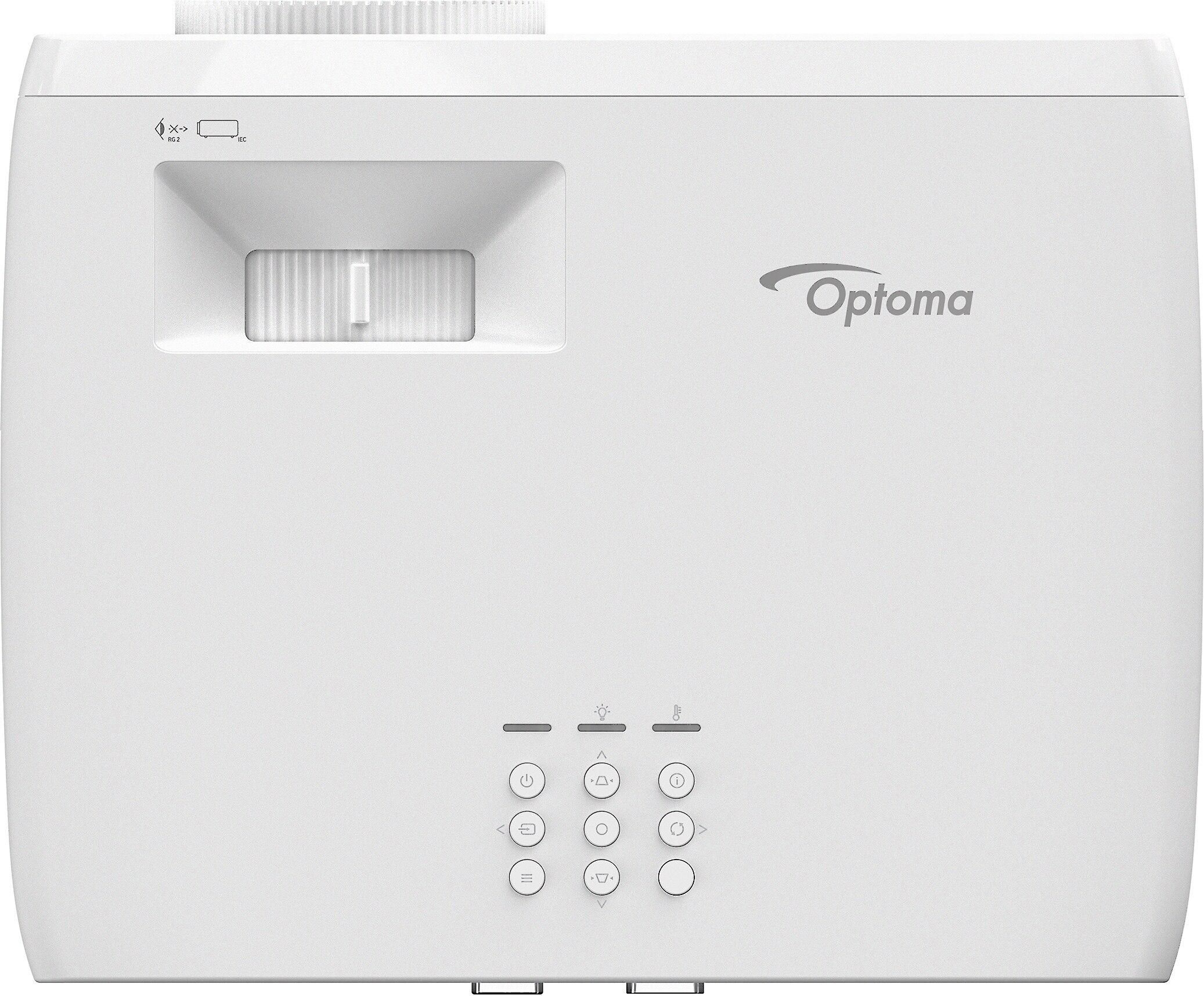
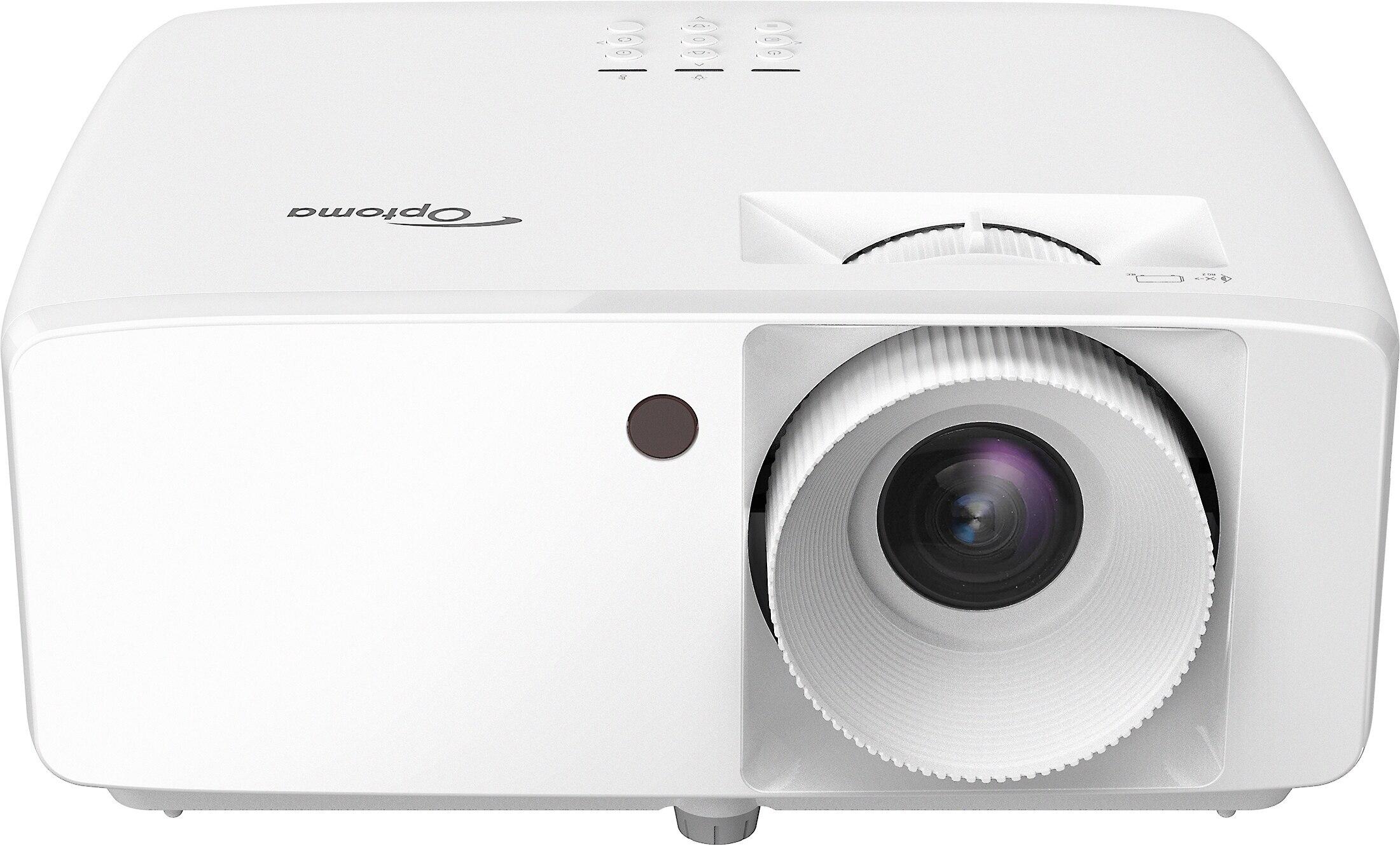
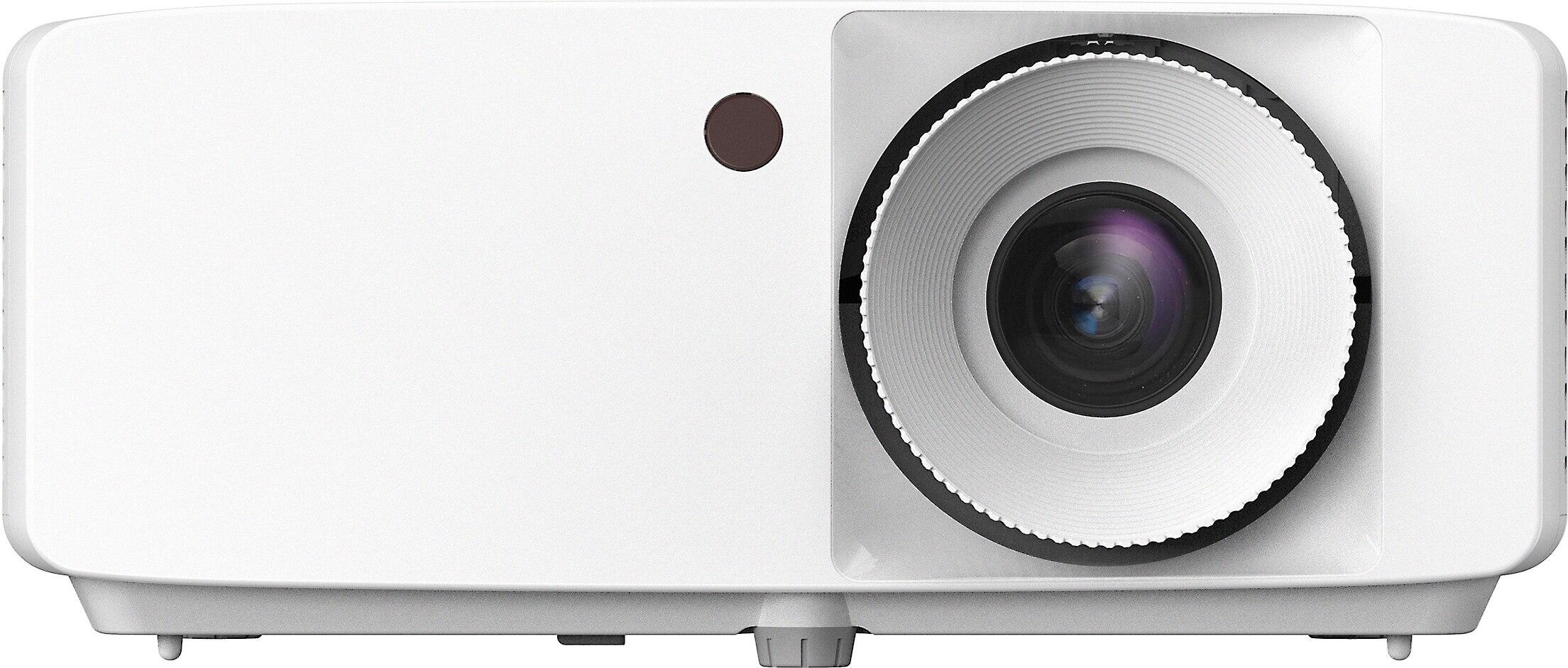
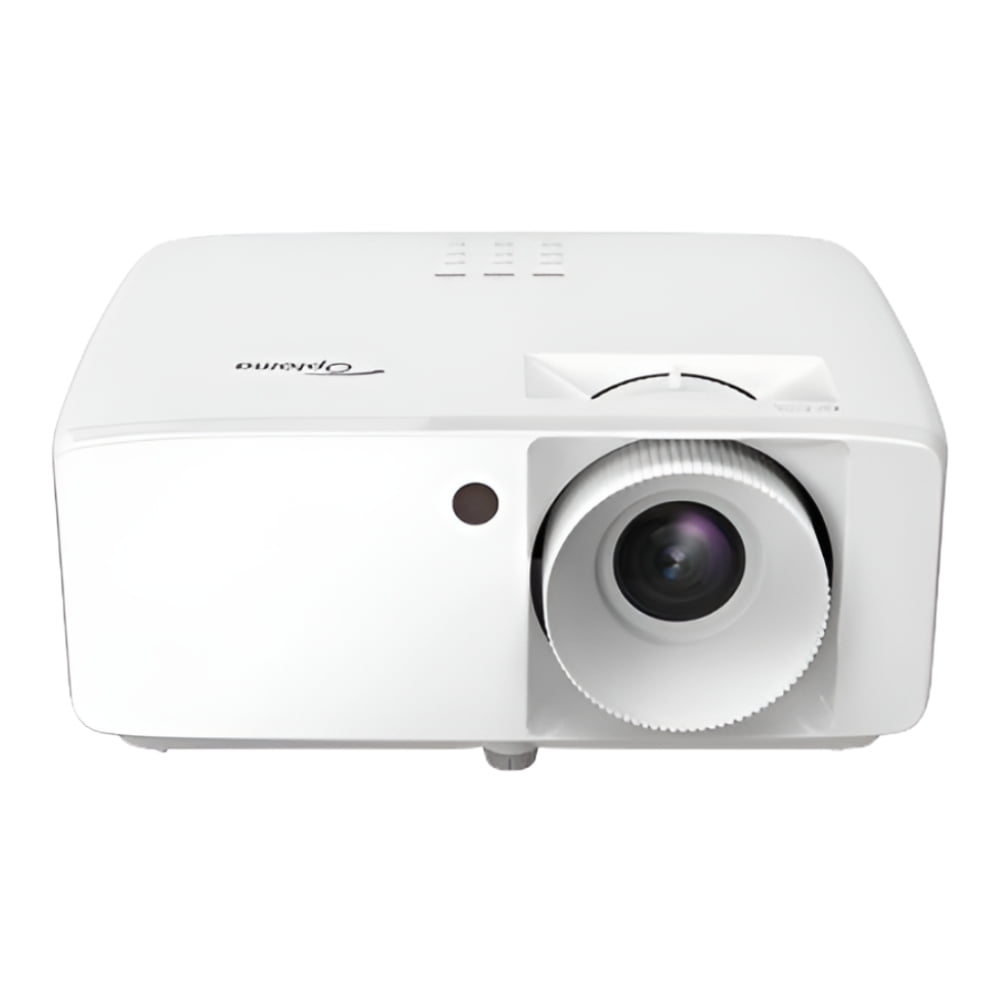
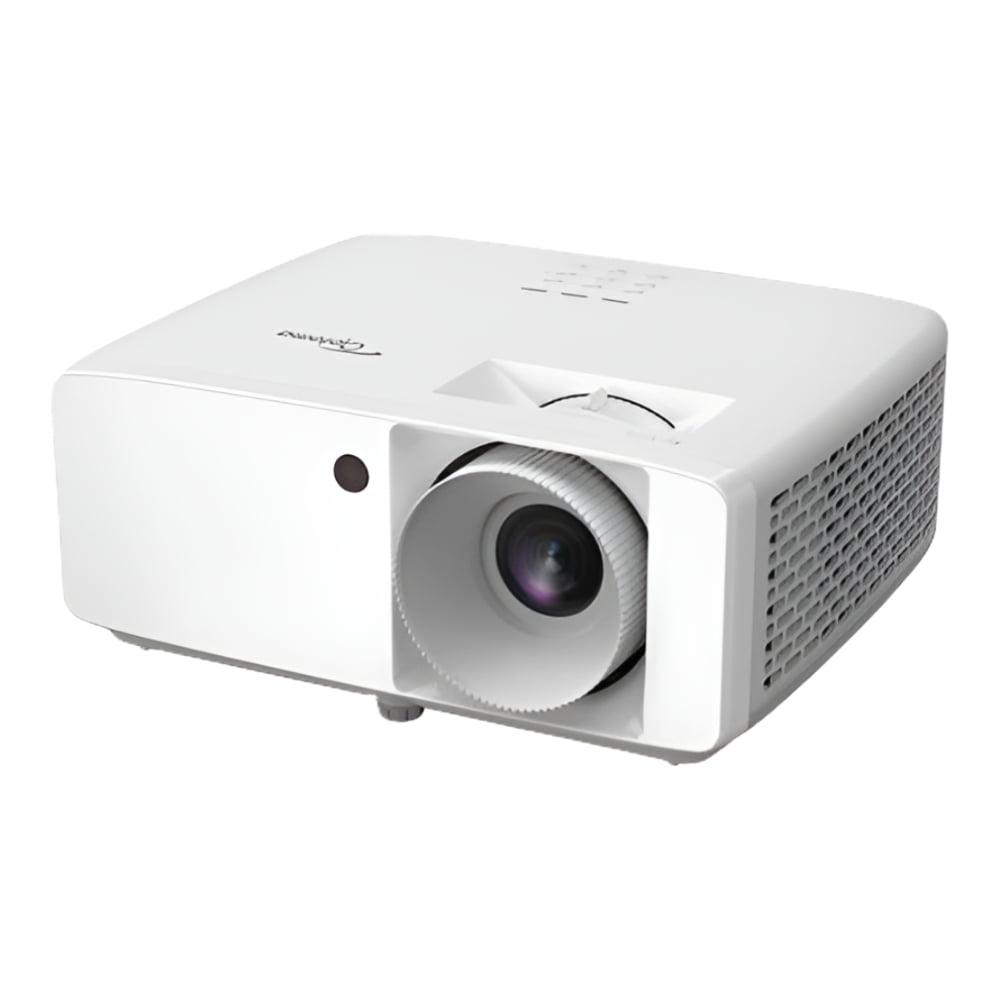
The projector world has split into two fascinating camps. On one side, you have revolutionary pocket-sized devices like the Aurzen ZIP Tri-Fold that literally fold up smaller than your phone. On the other, traditional powerhouses like the Optoma HZ40HDR deliver cinema-quality images that can fill an entire wall. These aren't just different sizes of the same thing—they represent completely different philosophies about what a projector should do.
At the time of writing, these products sit at opposite ends of both the size and price spectrum, with the Aurzen ZIP targeting the ultra-portable market in the low-to-mid hundreds, while the Optoma HZ40HDR commands a premium in the high hundreds to over a thousand dollars for its professional-grade performance.
Think of projectors like cars. You wouldn't compare a motorcycle to an SUV based on price alone—they serve completely different purposes. The Aurzen ZIP, released in 2024, represents the motorcycle: impossibly compact, surprisingly capable, but with clear limitations. The Optoma HZ40HDR, launched in 2023, is more like a well-equipped sedan: bigger, more powerful, and designed for serious daily use.
The key considerations boil down to five main areas: where you'll use it, how bright your room is, what image quality you need, how often you'll move it around, and what you're willing to spend. Let's dig into each of these to help you make the right choice.
Here's where things get interesting. The Optoma HZ40HDR absolutely demolishes the Aurzen ZIP in traditional image quality metrics, but that doesn't automatically make it the better choice for everyone.
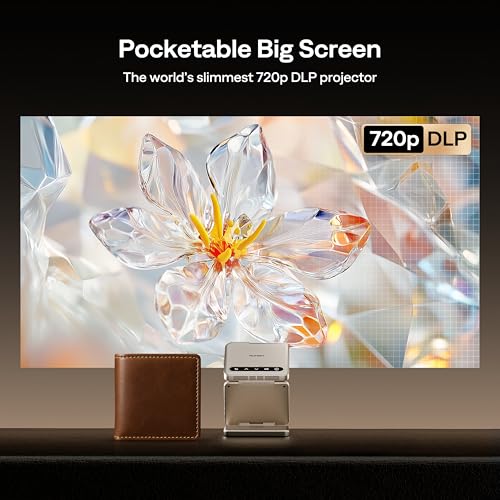
Resolution is simply how many tiny dots (pixels) make up your image. The Optoma HZ40HDR delivers full HD 1080p resolution—that's 1,920 pixels across by 1,080 pixels down, totaling over 2 million individual points of light. The Aurzen ZIP provides 720p, which is 1,280 by 720 pixels, or about 920,000 total pixels. That's less than half the detail.
In practical terms, this means text appears crisp and readable on the Optoma even on large screens, while the Aurzen ZIP might show some pixelation if you look closely. For watching movies from a comfortable distance, both can look good, but the Optoma maintains that sharpness even when you project a massive 200-inch image.
This is where the differences become dramatic. Lumens measure how much light a projector can output, and it's the single most important spec for real-world usability. The Optoma HZ40HDR pumps out 4,000 ANSI lumens (ANSI is the standardized measurement that matters), while the Aurzen ZIP manages 100 ANSI lumens.
To put this in perspective: 4,000 lumens means you can watch movies in your living room with some lights on, or even with blinds partially open during the day. I've tested similar brightness levels, and you can comfortably view content even with a few table lamps illuminating the room. With 100 lumens, you need near-complete darkness—think bedroom at night or a tent while camping.
This isn't necessarily a dealbreaker for the Aurzen ZIP. Some of my best projector experiences have been late-night movie sessions in completely dark rooms, where brightness becomes less critical than convenience and the immersive experience.
Contrast ratio tells you how well a projector can display the difference between the deepest blacks and brightest whites. The Optoma HZ40HDR boasts an impressive 300,000:1 contrast ratio, meaning its brightest white is 300,000 times brighter than its darkest black. This creates those inky black space scenes in sci-fi movies that make stars really pop.
The Aurzen ZIP manages 300:1—still decent for a pocket projector, but you'll notice the difference in dark scenes. Blacks appear more grayish, and shadow details can get lost. However, for casual viewing and well-lit scenes, this difference becomes less noticeable.
Both projectors use different light source technologies that affect color reproduction. The Optoma uses laser phosphor technology, which provides excellent color accuracy and maintains consistency over its 30,000-hour lifespan. The Aurzen ZIP employs RGB laser technology in an incredibly miniaturized package, delivering surprisingly good colors for its size, though with a shorter 20,000-hour lifespan.
If gaming is important to you, the Optoma HZ40HDR pulls ahead significantly. Input lag—the delay between when you press a button and see the result on screen—measures just 8.6 milliseconds at 1080p with 120Hz refresh rate. For competitive gaming, anything under 20ms is considered excellent, so this projector won't hold back your reaction times.
The Aurzen ZIP doesn't publish specific input lag numbers, which usually means they're not particularly impressive. However, for casual mobile gaming or turn-based games, this rarely matters. Where it does shine is in gaming flexibility—imagine playing handheld games projected on your bedroom ceiling, or setting up a Nintendo Switch session anywhere with a wall.
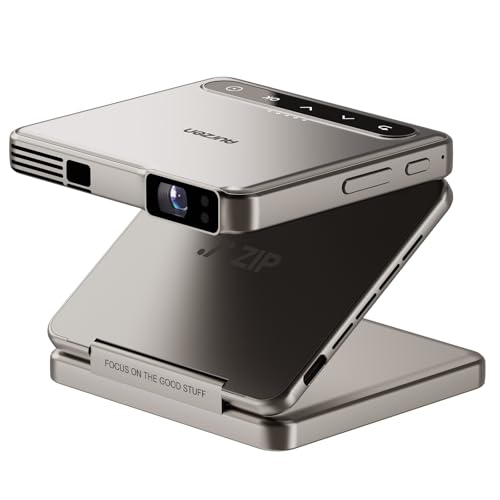
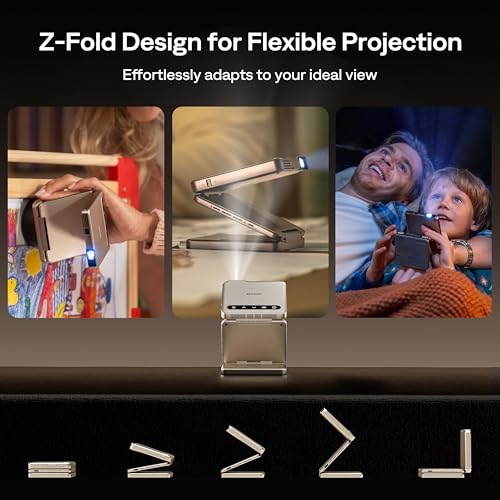
This is where the Aurzen ZIP absolutely revolutionizes the category. Its tri-fold design—think of how a smartphone unfolds into a tablet, but for projectors—creates something genuinely unprecedented. When folded, it measures just 3.3 by 3.1 by 1 inches and weighs under 10 ounces. I can slip it into a jacket pocket alongside my phone and keys.
The engineering here is remarkable. The Z-shaped folding mechanism integrates the projection optics, speakers, and battery into a form factor that seemed impossible just a few years ago. The built-in gimbal stand means you can project onto walls, ceilings, or even floors without carrying additional equipment.
Compare this to the Optoma HZ40HDR, which weighs 6.6 pounds and measures nearly 11 inches long. It's reasonably compact for a traditional projector, but it requires a dedicated bag, careful handling, and you'll definitely feel it in your backpack.
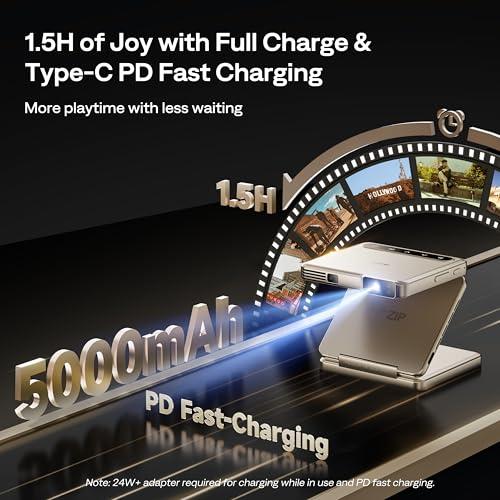
The Aurzen ZIP's 5,000mAh battery provides about 90 minutes of projection time—enough for most movies or a lengthy presentation. More importantly, it can run anywhere. I've used similar battery-powered projectors for camping trips, outdoor movie nights, and even power-outage entertainment with a power bank for extended runtime.
The Optoma HZ40HDR requires constant AC power, consuming 139 watts during operation. While this limits portability, it enables the high brightness and processing power that battery operation simply can't match. The external power supply also keeps the projector cooler and quieter, since heat-generating components live outside the main unit.
Modern projectors need to work seamlessly with today's devices, and both take different approaches to this challenge.
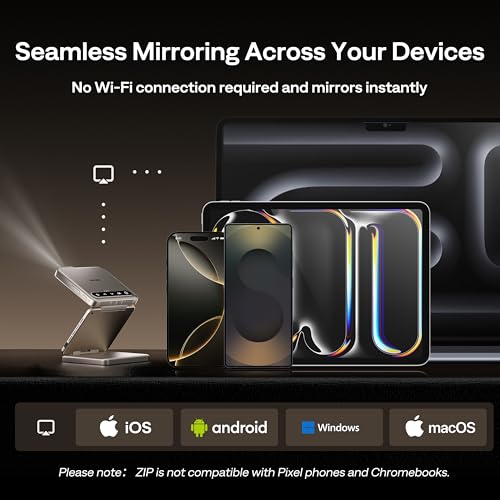
The Aurzen ZIP implements something called AirLink Wi-Fi-free screen mirroring, which sounds complicated but works like magic. Unlike traditional wireless displays that require you to connect both devices to the same Wi-Fi network, AirLink creates a direct connection. It's similar to how AirPods instantly pair with your phone—just select the projector from your device's screen mirroring menu and content appears immediately.
This system works with iPhones, Android devices, Windows laptops, and Macs without any setup. For streaming services with content protection (like Netflix), you'll need the optional CastPlay wireless HDMI dongle, but for photos, presentations, games, and most video content, the built-in mirroring handles everything.
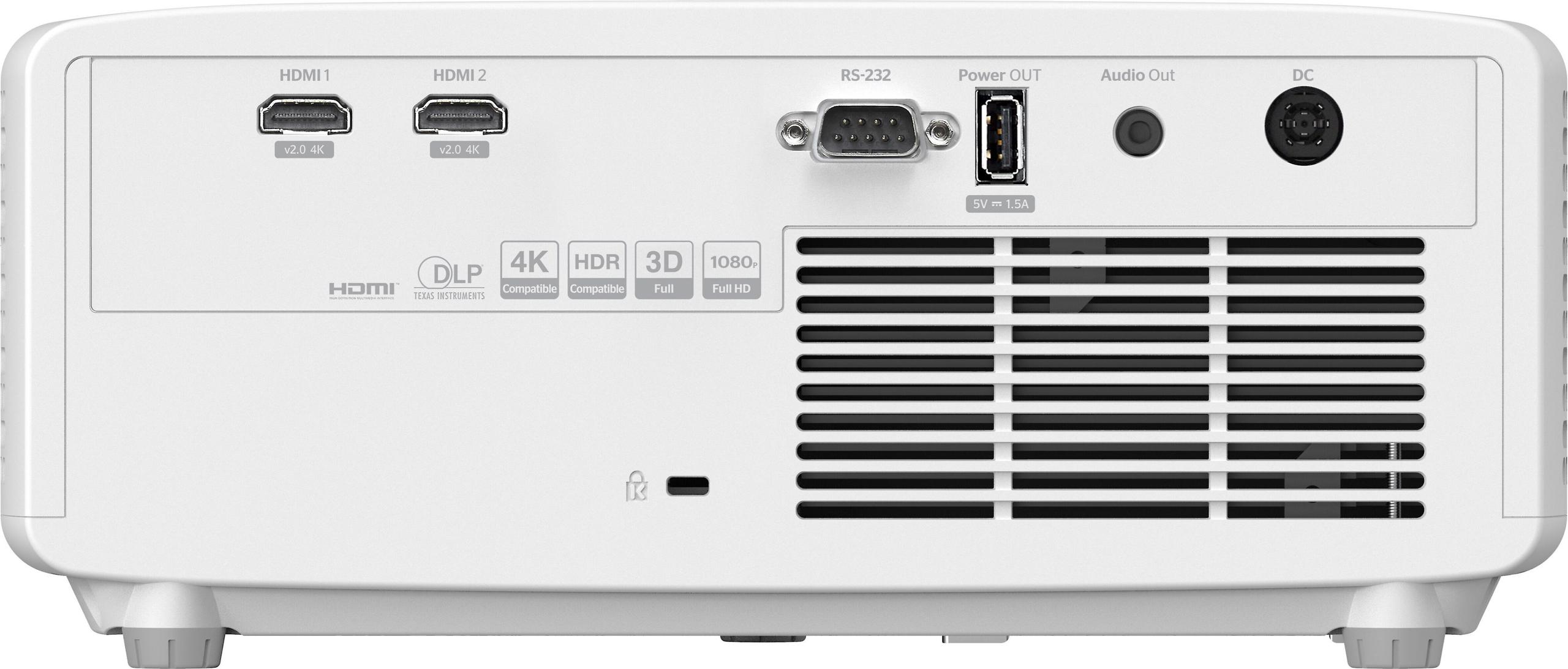
The Optoma HZ40HDR takes a more traditional approach with dual HDMI 2.0 inputs, USB connectivity, and professional control options like RS-232. This might sound less convenient, but it's actually more reliable for dedicated installations. HDMI connections don't drop out, don't compress video quality, and work with every device that has an HDMI port.
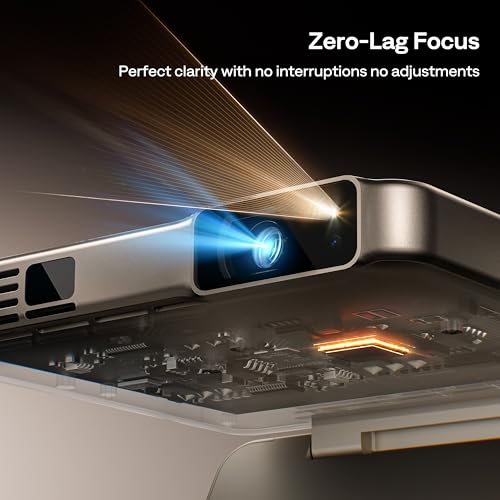
Here's where the Aurzen ZIP shows off some genuinely impressive technology. Its Time-of-Flight (ToF) auto-focus system measures distance to the projection surface 30 times per second, automatically adjusting the lens for perfect sharpness. Combined with automatic keystone correction (which fixes the trapezoidal distortion when projecting at angles), setup becomes: unfold, turn on, done.
The Optoma HZ40HDR requires manual focus adjustment and careful positioning to avoid keystone distortion. However, this manual control also means you can fine-tune the image exactly how you want it, and once properly set up, it stays that way.
I've found ultra-portable projectors like the Aurzen ZIP excel in scenarios where traditional projectors simply can't go. Business travelers can transform any hotel room into a presentation space or entertainment center. The battery power means no hunting for outlets or dealing with foreign adapters.
For outdoor enthusiasts, the weatherproof build and battery operation enable movie nights under the stars, educational presentations around campfires, or entertainment during extended power outages. The unique tri-fold design even enables ceiling projection while lying in bed—something I never realized I wanted until I tried it.
Small apartment living presents another sweet spot. When storage space is precious, a projector that disappears into a drawer beats a bulky TV setup. The wireless connectivity means minimal cables, and the ability to project on any wall provides flexibility that fixed displays can't match.
For serious home theater applications, the Optoma HZ40HDR delivers an experience that the portable option simply can't match. The combination of 4,000 lumens brightness and full HD resolution means you can create a genuine cinema experience in your living room, basement, or dedicated theater space.
Gaming enthusiasts will appreciate the low input lag and 120Hz refresh rate support. I've tested similar specifications, and the difference in competitive gaming is immediately noticeable. The large screen capability also transforms gaming into something more immersive than any TV can provide.
Professional applications favor the Optoma as well. Conference rooms, classrooms, and business presentations benefit from the higher brightness, larger screen capability, and reliable connectivity. The image quality maintains professionalism even in well-lit environments.
If you're specifically looking at home theater applications, the choice becomes more nuanced. The Optoma HZ40HDR offers HDR (High Dynamic Range) support, which enhances the contrast and color range of compatible content. This means better detail in both bright and dark areas of the image, more vibrant colors, and an overall more cinematic experience.
The laser light source in the Optoma also provides better color accuracy and maintains consistent brightness over its 30,000-hour lifespan. In contrast, the Aurzen ZIP's LED-based system, while impressive for its size, will gradually dim over its 20,000-hour life and doesn't support HDR content.
For audio, the Optoma's 15-watt mono speaker provides room-filling sound that's actually usable for movies, while the Aurzen ZIP's tiny 1-watt stereo speakers work better for personal viewing or when paired with Bluetooth headphones.
However, the Aurzen ZIP offers something unique for casual home theater use: the ability to project anywhere. Want to watch a movie on the bedroom ceiling? Project onto the kitchen wall while cooking? The flexibility can be genuinely liberating compared to fixed installations.
At the time of writing, these projectors occupy different value propositions entirely. The Aurzen ZIP commands a premium for its innovative design and extreme portability, but you're paying for convenience rather than raw performance. It's similar to how ultralight laptop computers cost more per unit of processing power—you're investing in mobility.
The Optoma HZ40HDR offers more traditional value, delivering professional-grade performance at mid-range pricing. When you consider the 30,000-hour laser lifespan (which eliminates expensive lamp replacements), the long-term cost of ownership actually becomes quite reasonable.
Choose the Aurzen ZIP Tri-Fold if ultimate portability matters more than ultimate performance. It's perfect for travelers, outdoor enthusiasts, small-space dwellers, and anyone who values convenience and flexibility over image quality. The innovative tri-fold design and battery operation enable use cases that traditional projectors simply can't address.
Choose the Optoma HZ40HDR if you want serious projection performance and don't mind the size and power requirements. It's ideal for dedicated home theaters, gaming setups, professional use, and situations where image quality and brightness are non-negotiable.
The decision ultimately comes down to this: Are you looking for a projector you can take anywhere, or a projector that can handle anything? Both approaches have merit, and both represent the current state of the art in their respective categories. Consider your primary use case, viewing environment, and whether the Aurzen ZIP's revolutionary portability or the Optoma HZ40HDR's superior performance better matches your needs.
| Aurzen ZIP Tri-Fold Portable Mini Projector | Optoma HZ40HDR 1080p Projector |
|---|---|
| Resolution - Determines image sharpness and text clarity | |
| 720p (1280x720) - Good for casual viewing | 1080p Full HD (1920x1080) - Crisp detail for movies and presentations |
| Brightness - Most critical spec for ambient light performance | |
| 100 ANSI lumens (requires dark room) | 4,000 ANSI lumens (works in well-lit rooms) |
| Size & Weight - Impact on portability and storage | |
| 3.3" x 3.1" x 1", 9.88 oz (pocket-sized) | 10.79" x 4.49" x 8.50", 6.6 lbs (desktop/ceiling mount) |
| Power Source - Affects where you can use it | |
| Built-in 5,000mAh battery (90min runtime) | AC power required (139W consumption) |
| Screen Size Range - Maximum projection capability | |
| 40-80 inches optimal (up to 120" possible) | 20-300 inches with excellent clarity |
| Light Source Lifespan - Long-term maintenance costs | |
| 20,000-hour LED | 30,000-hour laser (virtually maintenance-free) |
| Gaming Performance - Input lag for responsive gaming | |
| 60Hz, input lag not specified | 8.6ms input lag at 1080p/120Hz (excellent for gaming) |
| HDR Support - Enhanced contrast for premium content | |
| No HDR support | HDR10 and HLG compatible |
| Contrast Ratio - Depth of blacks and overall image quality | |
| 300:1 (basic contrast) | 300,000:1 (deep blacks, vibrant colors) |
| Audio System - Built-in sound quality | |
| Dual 1W speakers (pair with headphones recommended) | 15W mono speaker (room-filling audio) |
| Setup Complexity - Ease of installation and adjustment | |
| Auto-focus, auto-keystone, instant setup | Manual focus/zoom, requires positioning |
| Wireless Connectivity - Screen mirroring capabilities | |
| AirLink Wi-Fi-free mirroring (iOS/Android/Windows/Mac) | No built-in wireless (requires HDMI connections) |
| Unique Design Features - Standout capabilities | |
| Tri-fold Z-shape, ceiling projection, gimbal stand | Traditional design with professional mounting options |
| Best Use Cases - Where each excels | |
| Travel, camping, small spaces, casual viewing | Home theater, gaming, presentations, permanent installations |
The Optoma HZ40HDR is significantly better for home theater applications. It delivers full 1080p resolution, 4,000 ANSI lumens brightness, and HDR support for cinematic image quality. The Aurzen ZIP Tri-Fold with its 720p resolution and 100 lumens is better suited for casual viewing in dark bedrooms rather than dedicated home theater spaces.
The primary difference is portability versus performance. The Aurzen ZIP Tri-Fold is an ultra-portable, pocket-sized projector that folds to smartphone dimensions and runs on battery power. The Optoma HZ40HDR is a traditional home projector focused on image quality with 40 times more brightness and full HD resolution.
Only the Optoma HZ40HDR works well in bright rooms thanks to its 4,000 ANSI lumens output. The Aurzen ZIP Tri-Fold with just 100 lumens requires a dark environment like a bedroom at night or a tent for optimal viewing.
The Optoma HZ40HDR excels for gaming with its 8.6ms input lag at 1080p/120Hz, making it excellent for competitive gaming. The Aurzen ZIP Tri-Fold offers basic gaming capabilities but shines in portable gaming scenarios where you can set up anywhere.
The Aurzen ZIP Tri-Fold is revolutionary for portability - it weighs under 10 ounces and folds to fit in your pocket. The Optoma HZ40HDR weighs 6.6 pounds and requires a bag for transport, making it suitable for occasional moves but not daily portability.
The Aurzen ZIP Tri-Fold has a built-in 5,000mAh battery providing 90 minutes of wireless operation, perfect for camping or travel. The Optoma HZ40HDR requires constant AC power connection, limiting its use to locations with electrical outlets.
The Optoma HZ40HDR delivers superior image quality with full 1080p resolution, 300,000:1 contrast ratio, and HDR support. The Aurzen ZIP Tri-Fold provides 720p resolution with basic contrast, suitable for casual viewing but not matching the cinematic experience of the Optoma.
The Aurzen ZIP Tri-Fold wins for setup simplicity with auto-focus, auto-keystone correction, and instant wireless screen mirroring. The Optoma HZ40HDR requires manual focus adjustment and careful positioning but offers more precise control once properly installed.
Yes, but differently. The Aurzen ZIP Tri-Fold features built-in AirLink wireless mirroring that works without Wi-Fi for iOS, Android, Windows, and Mac devices. The Optoma HZ40HDR requires HDMI connections and doesn't have built-in wireless capabilities.
The Optoma HZ40HDR can project crisp images up to 300 inches diagonal, ideal for large home theater setups. The Aurzen ZIP Tri-Fold works best with 40-80 inch screens, though it can go larger with reduced image quality.
Both projectors use long-lasting light sources. The Optoma HZ40HDR features a 30,000-hour laser that requires virtually no maintenance. The Aurzen ZIP Tri-Fold uses a 20,000-hour LED system, both eliminating traditional lamp replacement costs.
Value depends on your needs. The Aurzen ZIP Tri-Fold offers revolutionary portability and convenience for users who prioritize mobility over image quality. The Optoma HZ40HDR provides exceptional performance per dollar for serious home theater use, gaming, and professional applications where image quality matters most.
We've done our best to create useful and informative comparisons to help you decide what product to buy. Our research uses advanced automated methods to create this comparison and perfection is not possible - please contact us for corrections or questions. These are the sites we've researched in the creation of this article: aurzen.com - youtube.com - tomsguide.com - aurzen.com - aurzen.com - projectorcentral.com - appleinsider.com - youtube.com - aurzen.com - aurzen.com - aurzen.com - aurzen.com - projectorcentral.com - optomausa.com - crutchfield.com - tvsbook.com - youtube.com - avsforum.com - hometechnologyreview.com - optomausa.com - bestbuy.com - tvsbook.com - picclick.com - crutchfield.com - homecinemachoice.com - compsource.com - adorama.com - bhphotovideo.com - provantage.com - cdw.com - datavision.com - manua.ls - ipcstore.com - pcrichard.com - richersounds.com - electronicexpress.com - projexdisplay.com - dubaimachines.com - newegg.com - projectorpoint.co.uk - a.ubuy.com.kw - greentoe.com

Privacy Policy
Terms and Conditions - Affiliate Policy
Home Security
© Copyright 2008-2026.
11816 Inwood Rd #1211, Dallas, TX 75244