

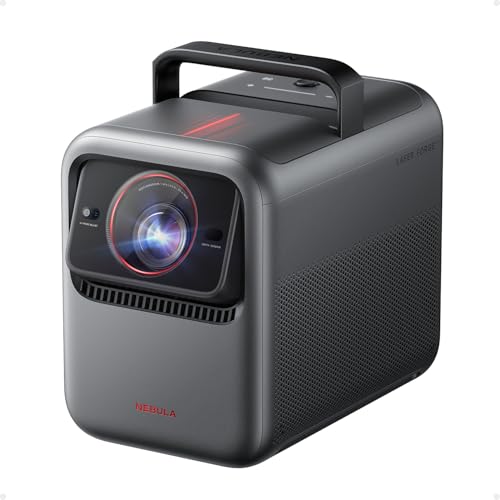
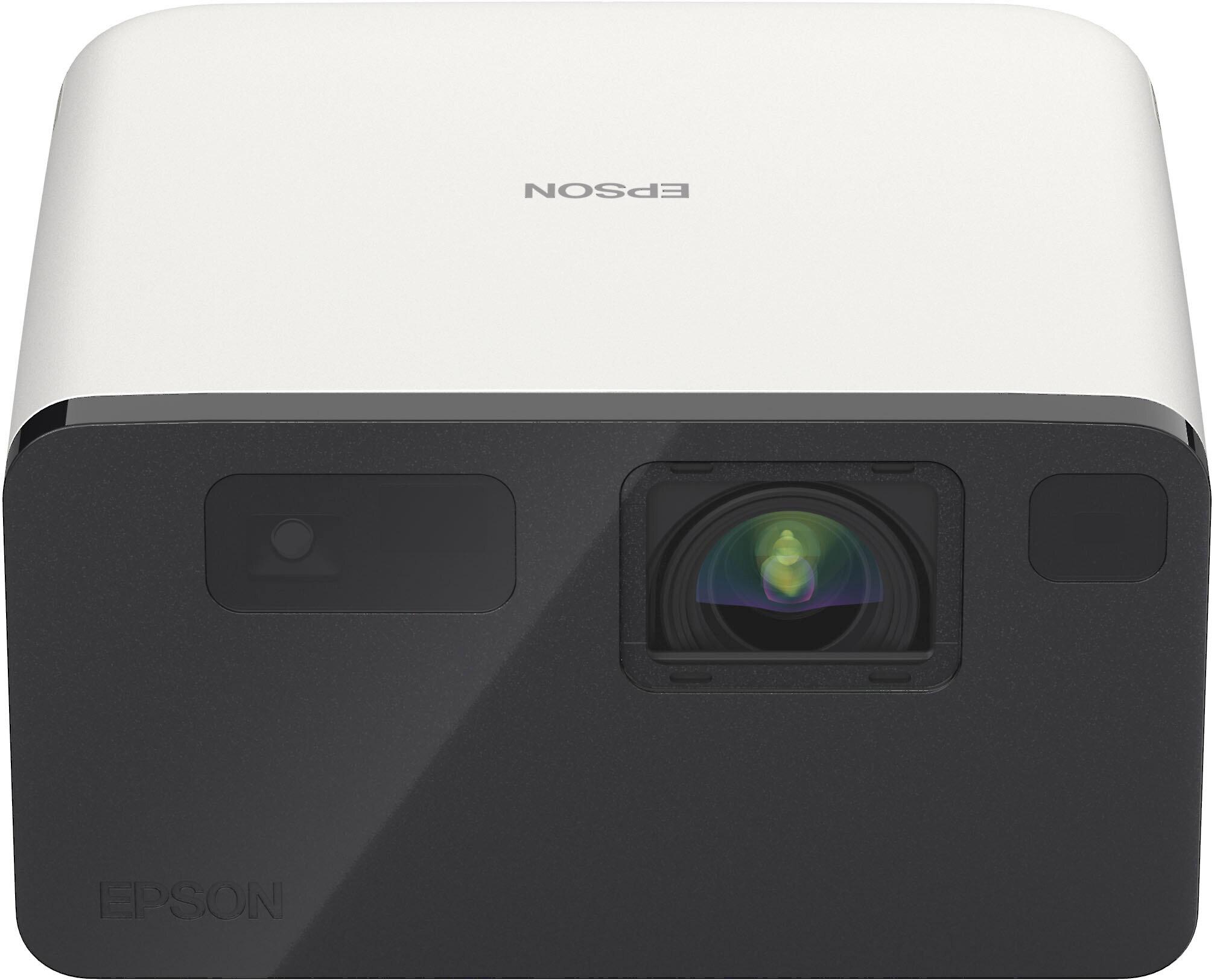
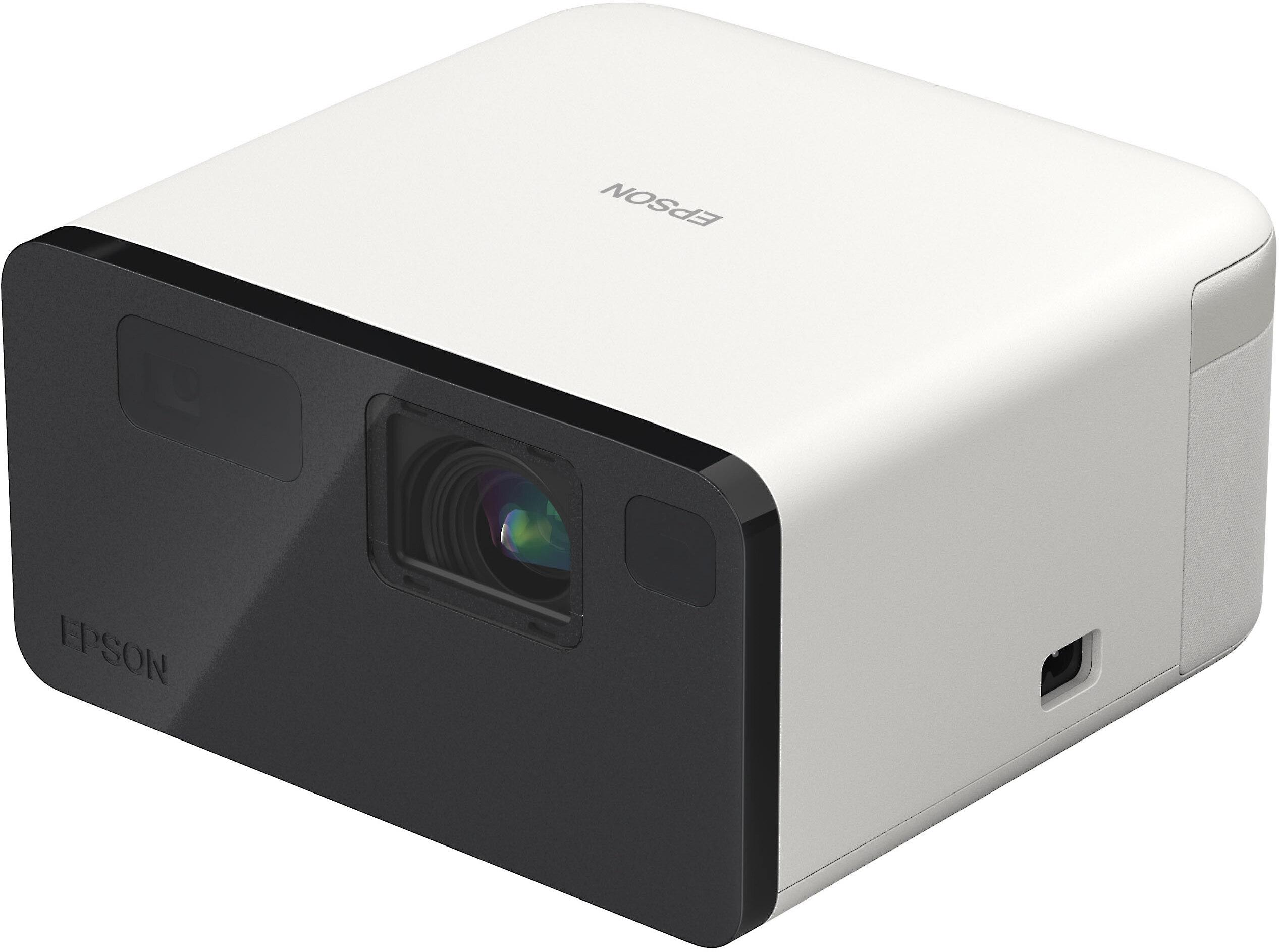


When I first started reviewing projectors about a decade ago, the portable projector market was filled with dim, low-resolution devices that struggled in anything but a completely dark room. Today's landscape is dramatically different. The Nebula X1 4K Triple Laser Projector and Epson EpiqVision Mini EF21 Projector represent two compelling but very different approaches to modern portable projection – one prioritizing maximum performance, the other focusing on convenience and value.
Before diving into these specific models, let's talk about what actually matters when choosing a projector. The most critical factor is brightness, measured in ANSI lumens – think of this as how well the projector can fight against ambient light. A projector with 1,000 lumens might work fine in a dark basement, but you'll need 3,000+ lumens for a bright living room or outdoor use.
Resolution determines how sharp your image looks, especially on larger screens. While Full HD (1920×1080) still looks good on screens under 100 inches, 4K (3840×2160) makes a noticeable difference on larger displays or when sitting closer to the screen.
Color accuracy affects how natural skin tones appear and whether that sunset looks orange or red. The color gamut (how many colors a projector can display) has expanded significantly in recent years, with modern projectors covering much wider color spaces than older models.
Finally, smart features have become essential. Nobody wants to fumble with multiple devices when you can stream directly from the projector itself.
Released in 2024, the Nebula X1 represents what happens when you take cinema-grade technology and make it portable. At the time of writing, it sits in the premium price tier – think luxury car territory for projectors – but delivers performance that was impossible in portable form just a few years ago.
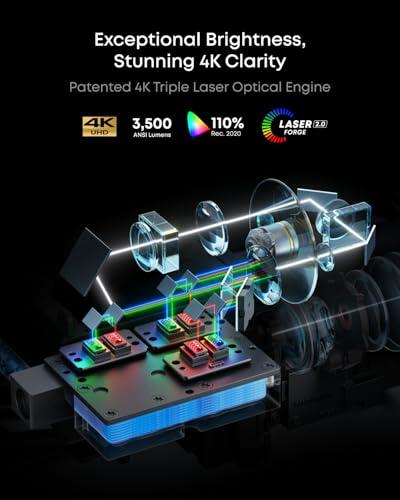
The centerpiece is Nebula's patented U-shaped triple laser optical engine. Here's why this matters: traditional projectors use a single white light source that gets filtered to create colors, losing brightness in the process. The X1 uses separate red, green, and blue lasers that combine to create incredibly bright, accurate colors. This triple laser system produces an impressive 3,500 ANSI lumens – bright enough to watch movies outdoors on a summer evening.
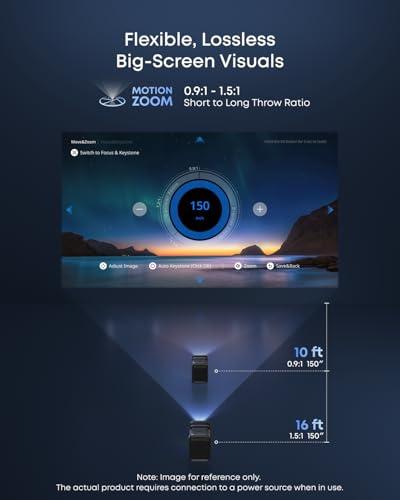
What really sets the X1 apart is its 14-element all-glass lens system. Most portable projectors use plastic lenses to save weight and cost, but glass lenses maintain focus better over time and produce sharper images with less color fringing (where you see rainbow edges around objects). The motorized zoom and 25-degree lens shift mean you can place this projector almost anywhere and still get a perfectly aligned image.
The cooling system deserves special mention. The X1 is the first projector I've tested with liquid cooling – the same technology used in high-end gaming computers. This keeps the projector quieter (just 26 decibels) and allows the lasers to run at full brightness without overheating.
Also launching in 2024, the Epson EF21 takes a completely different approach. Priced in the mid-range category at the time of writing, it prioritizes ease of use and smart features over raw performance.
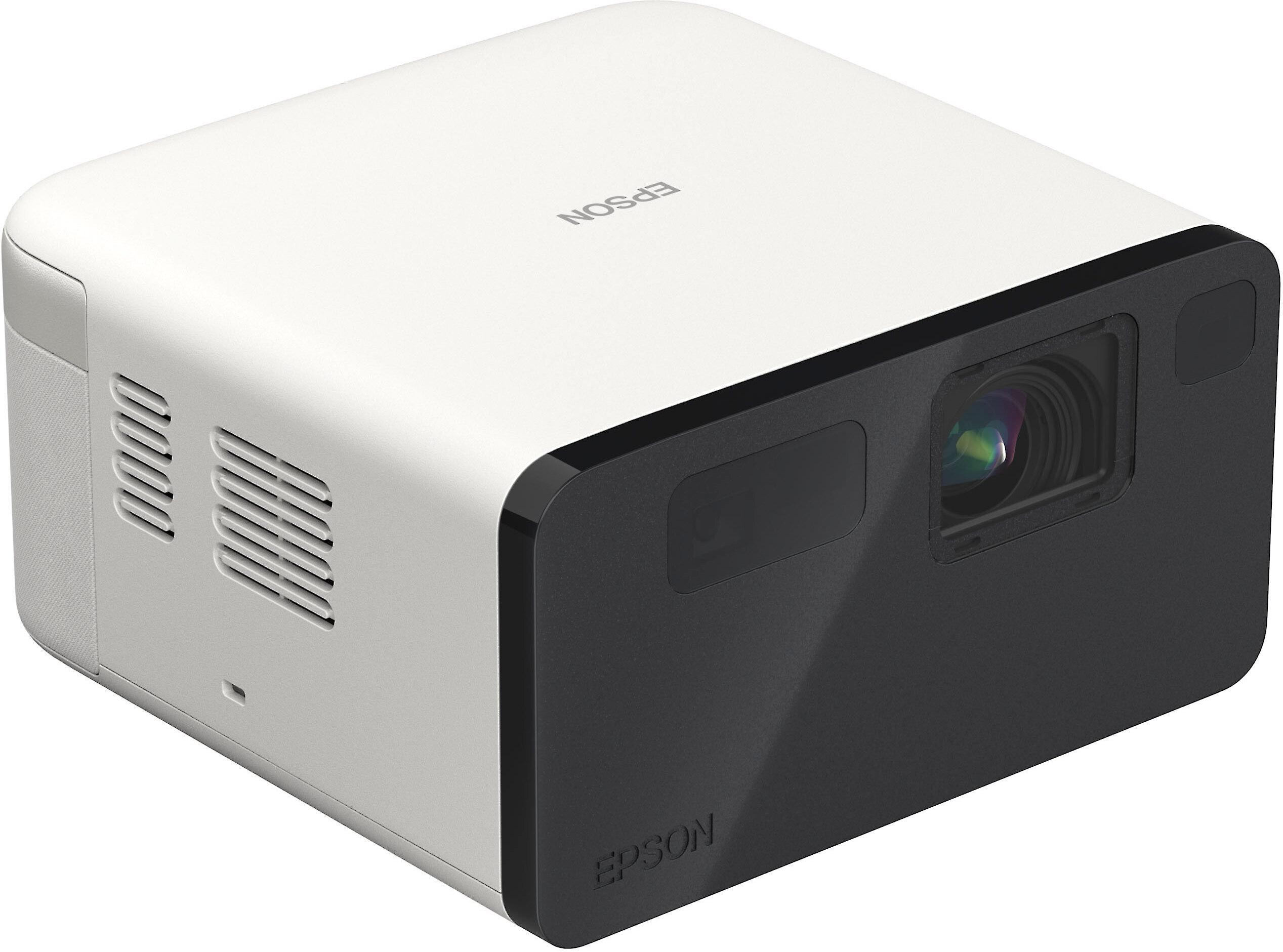
The EF21 uses Epson's 3LCD technology instead of the more common single-chip DLP found in most portable projectors. Here's why this matters: DLP projectors can produce a "rainbow effect" – flashes of red, green, and blue that some people see when moving their eyes quickly or during bright scenes. The EF21's 3LCD system eliminates this entirely by using three separate LCD panels for red, green, and blue light.
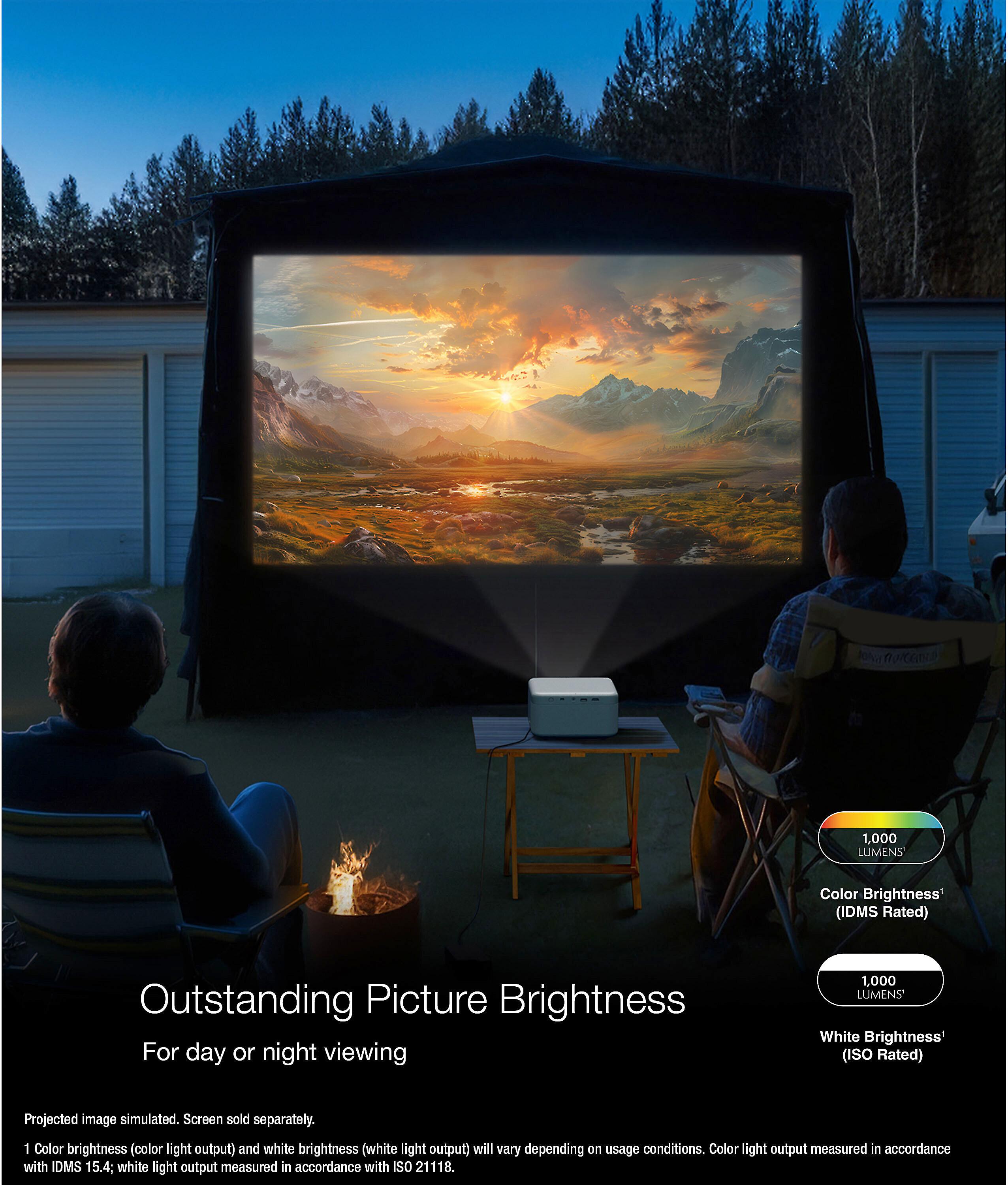
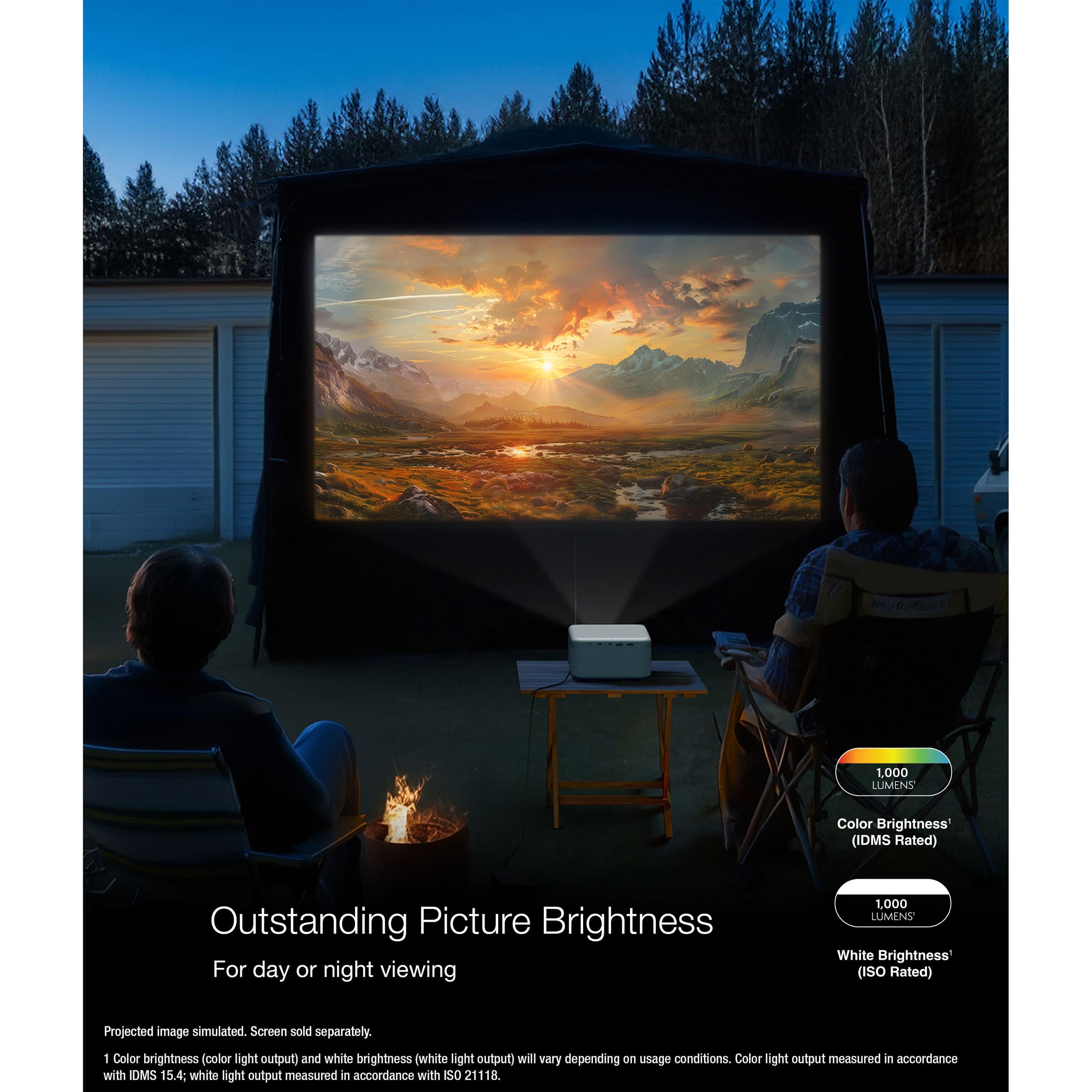
At 1,000 ANSI lumens, the EF21 isn't as bright as the X1, but it's still significantly brighter than many budget projectors. The real selling point is Epson's EpiqSense technology, which automatically detects your projection surface and adjusts focus, keystone correction (fixing trapezoidal distortion), and even avoids obstacles like picture frames or furniture.
In my testing, brightness differences become immediately apparent. The X1's 3,500 ANSI lumens means you can watch content comfortably with some lights on, or even outdoors during golden hour. I've used it successfully for backyard movie nights where traditional projectors would wash out completely.
The EF21's 1,000 lumens require more controlled lighting but still outperform older portable projectors. For bedroom viewing or basement home theaters, it provides plenty of brightness. The key difference: the X1 gives you flexibility to use it anywhere, while the EF21 works best in darker environments.
The resolution gap is significant. The X1's 4K resolution uses pixel shifting technology – the projector rapidly moves each pixel to four different positions, effectively quadrupling the detail. On screen sizes above 100 inches, this extra resolution is clearly visible, especially with text, fine patterns, or detailed scenes.
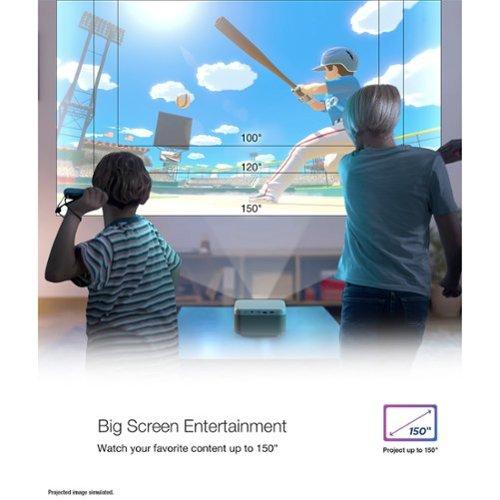
The EF21's Full HD resolution looks excellent up to about 120 inches but starts showing limitations on larger screens. For most streaming content and typical viewing distances, Full HD remains very watchable.
Color accuracy is where things get interesting. The X1 covers 110% of the Rec.2020 color space – essentially future-proofing it for next-generation content. Colors pop with cinema-like vibrancy, and the Delta E rating under 0.8 means colors are essentially perfect to the human eye.
The EF21 doesn't match these specifications but offers something valuable: natural-looking colors that many people actually prefer for extended viewing. The 3LCD system produces less saturated but more accurate skin tones, which can be easier on the eyes during long movie sessions.
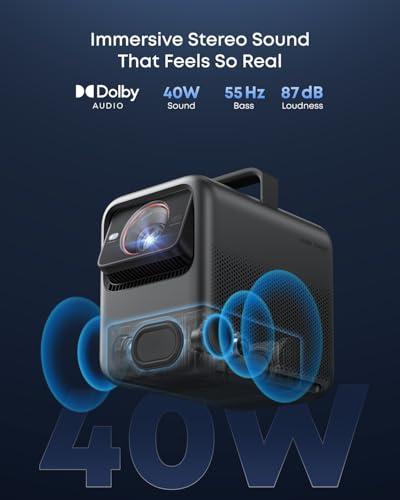
This is where the X1 truly shines. The included 4.1.2 surround sound system with wireless satellite speakers creates genuine room-filling audio. The FlexWave upmixing algorithm takes stereo content and creates convincing surround effects. I've been impressed by how the wireless speakers maintain perfect sync while providing up to 8 hours of battery life.
The EF21's built-in stereo speakers are adequate for personal viewing but can't compete with the X1's immersive audio system. For most users, external speakers or headphones will be necessary for the full experience.
Modern gaming demands low input lag – the delay between pressing a button and seeing the action on screen. The X1 achieves under 19ms input lag in game mode, making it suitable for competitive gaming. The 4K@60Hz support means you can take full advantage of PlayStation 5 or Xbox Series X capabilities.
The EF21 offers standard gaming performance adequate for casual play but isn't optimized for serious gaming sessions.
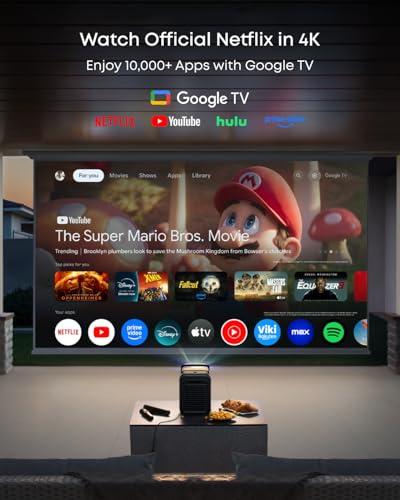
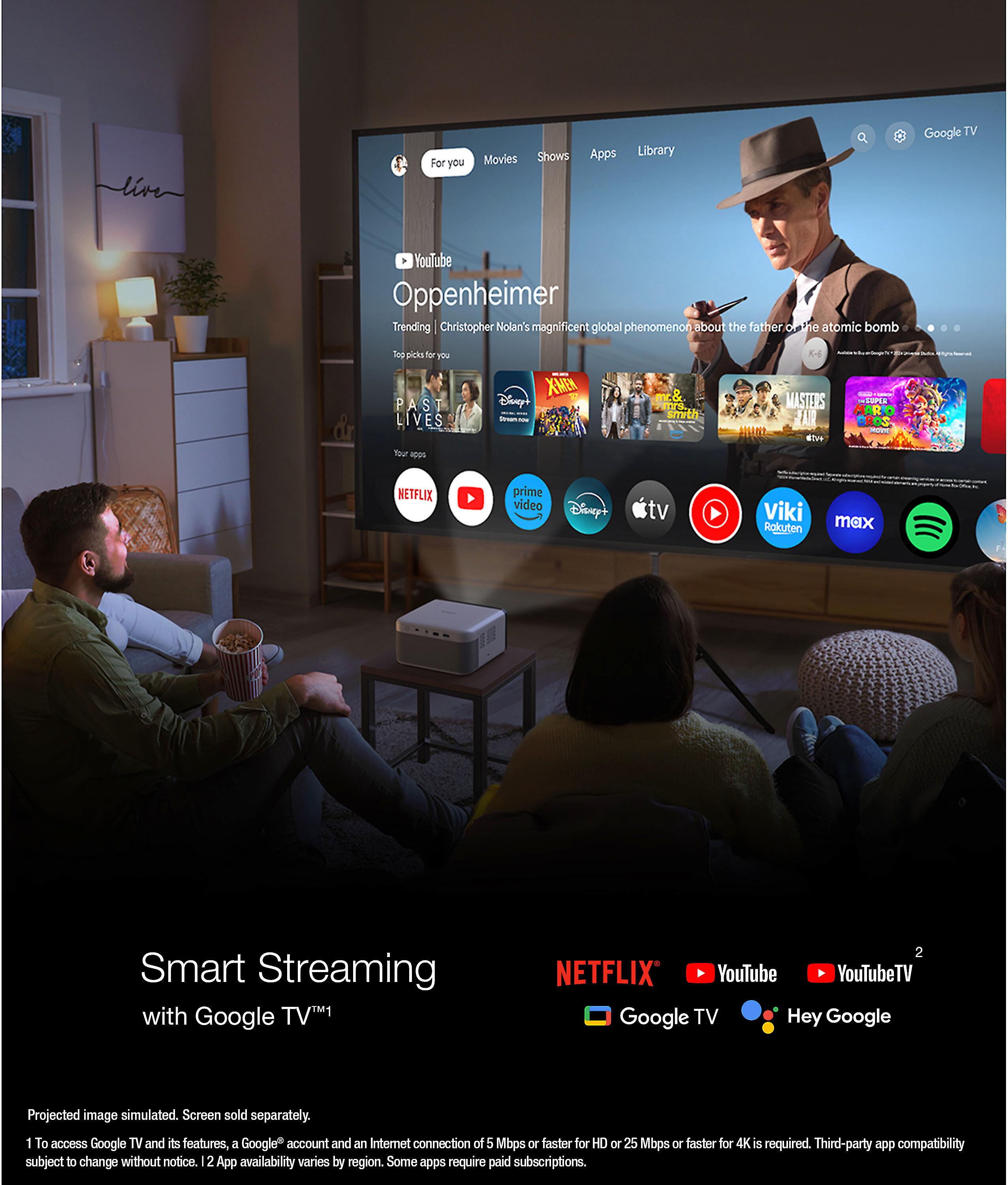
Both projectors run Google TV, providing access to Netflix, Disney+, and other streaming services without additional devices. The interface is responsive on both, though the X1 feels slightly snappier thanks to more powerful processing.
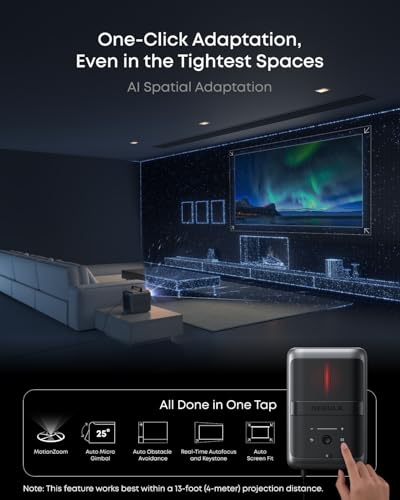
Setup automation has improved dramatically in recent years. The X1's AI Spatial Adaptation can automatically adjust image size, focus, and keystone correction by scanning your room. It even remembers settings for different locations through its Spatial Recall feature.
The EF21's EpiqSense technology is equally impressive, using computer vision to optimize the image automatically. Both systems work well enough that you can literally place the projector down, turn it on, and start watching within minutes.
For dedicated home theater use, the X1 is the clear choice if budget allows. The combination of 4K resolution, high brightness, accurate colors, and surround sound creates an experience that rivals commercial cinema. The liquid cooling system ensures consistent performance during marathon viewing sessions.
The motorized lens adjustments mean you can fine-tune the image without moving the projector – crucial for permanent installations. The multiple HDMI 2.1 ports support high-bandwidth content from gaming consoles and media players.
The EF21 works well for smaller home theaters or secondary viewing spaces. Its compact size and automatic setup make it perfect for bedrooms or flex spaces where you might want to store the projector between uses.
At the time of writing, the price difference between these projectors is substantial – the X1 costs roughly three times more than the EF21. This premium buys you significantly better performance in almost every measurable category: brightness, resolution, color accuracy, audio quality, and gaming performance.
However, diminishing returns apply. The EF21 delivers 80% of the experience for a third of the cost, making it exceptional value for casual users. The X1 is for enthusiasts who want the absolute best portable projection experience money can buy.
The projector industry has advanced rapidly since 2020. Laser light sources have largely replaced traditional lamps, offering 20,000+ hour lifespans and instant-on capability. Both projectors benefit from these advances, but the X1 pushes further with its triple laser system and advanced cooling.
The X1's support for Dolby Vision and comprehensive HDR formats helps future-proof it for emerging content standards. The EF21 covers the basics with HDR10 support but may be limited as new formats emerge.
Choose the Nebula X1 if you're building a serious home theater, frequently watch content in bright rooms, or want a projector that can handle any scenario. The premium price pays for measurably better performance and features you'll use daily.
The Epson EF21 makes sense for casual viewers who prioritize value and convenience. Its smaller size, lower price, and automatic features make it perfect for occasional use or secondary viewing locations.
Both projectors represent significant advances over earlier portable models, but they serve different audiences. The X1 is an investment in premium home entertainment, while the EF21 brings smart projector technology to a much broader market.
The projector you choose should match both your budget and your viewing habits. In my experience, people rarely regret buying the better projector, but they often regret not considering their actual usage patterns. If you're unsure, consider how often you'll use it, where you'll use it, and what compromises you're willing to accept. Both projectors excel in their intended roles – the key is choosing the right tool for your specific needs.
| Nebula X1 4K Triple Laser Projector | Epson EpiqVision Mini EF21 Projector |
|---|---|
| Brightness - Most critical spec for ambient light performance | |
| 3,500 ANSI lumens (excellent for bright rooms and outdoor use) | 1,000 ANSI lumens (requires dimmed lighting, good for bedrooms) |
| Resolution - Determines image sharpness on large screens | |
| True 4K (3840×2160) with pixel shifting technology | Full HD (1920×1080) native resolution |
| Projection Technology - Affects color accuracy and rainbow effects | |
| DLP with triple RGB laser system (vivid colors, potential rainbow effect) | 3LCD laser projection (no rainbow effect, natural colors) |
| Color Gamut - How many colors the projector can display | |
| 110% Rec.2020 coverage (cinema-grade color accuracy) | Standard color gamut (good for everyday viewing) |
| Audio System - Built-in sound quality | |
| 4.1.2 surround with wireless satellite speakers (80W each) | Dual 5W stereo speakers with Dolby Audio |
| Smart Platform - Streaming and app compatibility | |
| Google TV with Netflix certification and extensive app support | Google TV with 10,000+ streaming apps including Netflix |
| Portability - Weight and ease of transport | |
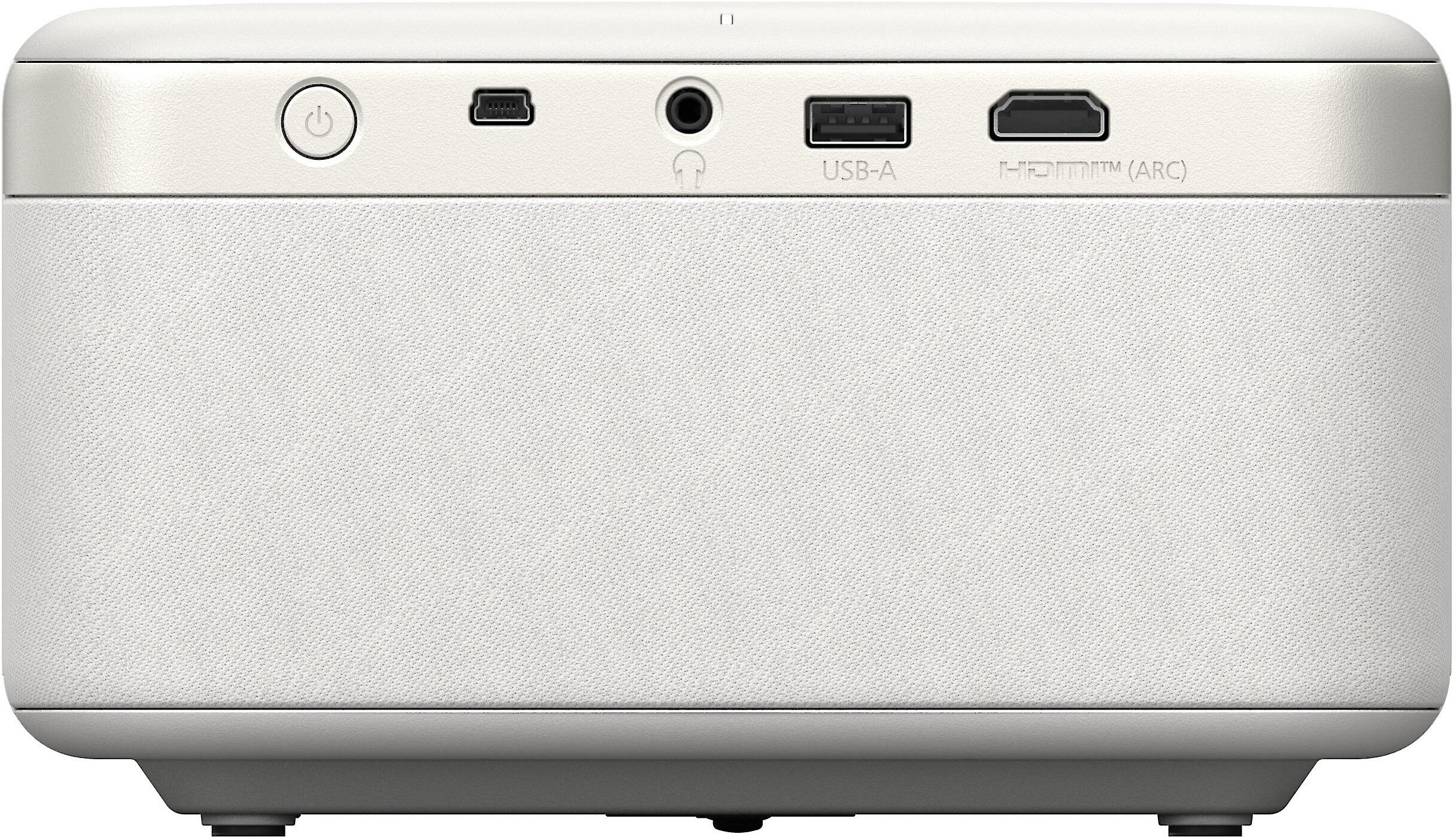
| 13.7 lbs with retractable handle and carry case | 5.1 lbs ultra-portable design |
| Gaming Performance - Input lag for console gaming | |
| <19ms input lag, 4K@60Hz support (excellent for gaming) | Standard gaming performance, Full HD@60Hz |
| Lens System - Image quality and installation flexibility | |
| 14-element all-glass lens with motorized zoom and 25° lens shift | Standard lens with auto keystone correction |
| Cooling System - Noise levels and thermal management | |
| Liquid cooling system, 26dB noise level | Standard fan cooling, 19-23dB noise level |
| Light Source Lifespan - Long-term maintenance costs | |
| 30,000 hours laser life (virtually maintenance-free) | 20,000 hours laser life (no bulb replacements needed) |
| Maximum Screen Size - How large you can project | |
| Up to 300 inches (excellent for large venues) | Up to 150 inches (perfect for home use) |
| Setup Automation - Ease of installation | |
| AI Spatial Adaptation with automatic focus, keystone, and sizing | EpiqSense auto-setup with obstacle avoidance and keystone correction |
| HDR Support - Enhanced contrast and color range | |
| Dolby Vision, HDR10, HLG (future-proof for premium content) | HDR10, HLG support (covers current streaming standards) |
The Nebula X1 4K Triple Laser Projector is significantly brighter at 3,500 ANSI lumens compared to the Epson EpiqVision Mini EF21 Projector at 1,000 ANSI lumens. This means the Nebula X1 can handle bright rooms and even outdoor use, while the EF21 works best in dimmed environments like bedrooms or basements.
The Nebula X1 delivers true 4K resolution (3840×2160) with exceptional color accuracy covering 110% of Rec.2020 color space, making it ideal for large screens and detailed content. The Epson EF21 offers Full HD (1920×1080) resolution with natural-looking colors from its 3LCD technology, which is perfectly adequate for most home viewing up to 120-inch screens.
The Nebula X1 4K Triple Laser Projector is superior for gaming with input lag under 19ms and 4K@60Hz support, making it excellent for PlayStation 5 and Xbox Series X gaming. The Epson EF21 offers standard gaming performance suitable for casual play but isn't optimized for competitive gaming.
The Nebula X1 features a comprehensive 4.1.2 surround sound system with wireless satellite speakers delivering 80W each, creating genuine room-filling audio. The Epson EF21 Projector has dual 5W stereo speakers with Dolby Audio support, which are adequate for personal viewing but may require external speakers for larger rooms.
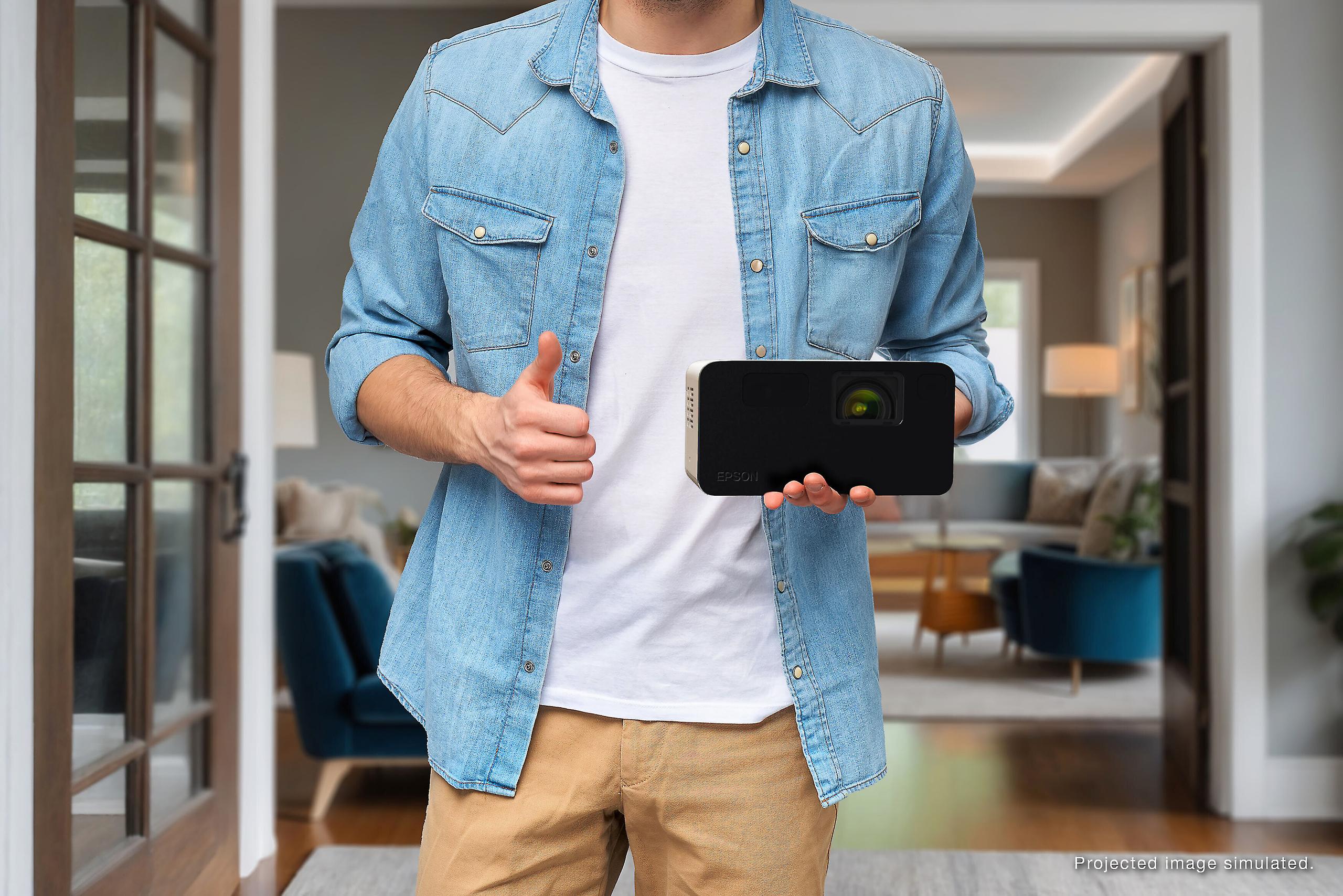
The Epson EF21 is much more portable at 5.1 pounds compared to the Nebula X1 at 13.7 pounds. The EF21 is truly grab-and-go portable, while the X1 is portable but better suited for semi-permanent installations or occasional moves between rooms.
The Epson EF21 Projector completely eliminates rainbow effects thanks to its 3LCD technology, making it ideal for viewers sensitive to DLP artifacts. The Nebula X1 uses DLP technology which can produce slight rainbow effects for some viewers, though it's minimized with the triple laser system.
The Epson EF21 offers exceptional value for casual viewers, delivering smart features and good image quality at a mid-range price point. The Nebula X1 4K Triple Laser Projector commands a premium price but justifies it with professional-grade performance, making it better value for serious home theater enthusiasts.
Both projectors excel at automatic setup. The Nebula X1 uses AI Spatial Adaptation to automatically adjust image size, focus, and keystone correction, while remembering settings for different locations. The Epson EF21 features EpiqSense technology that detects surfaces and obstacles, optimizing the image automatically with minimal user intervention.
The Nebula X1 is superior for dedicated home theater use, offering 4K resolution, cinema-grade color accuracy, immersive surround sound, and brightness suitable for any room. The EF21 works well for smaller home theaters or secondary viewing spaces but lacks the premium features needed for a flagship home cinema setup.
Both the Nebula X1 and Epson EF21 Projector run Google TV with access to Netflix, Disney+, Prime Video, YouTube, and thousands of other streaming apps. Both offer essentially identical smart TV functionality with responsive interfaces and regular updates.
The Nebula X1 4K Triple Laser Projector offers a 30,000-hour laser lifespan, while the Epson EF21 provides 20,000 hours of laser life. Both are virtually maintenance-free compared to traditional lamp projectors, with the X1 offering slightly longer longevity for heavy users.
Choose the Nebula X1 if you want maximum performance, frequently watch in bright rooms, need 4K resolution, or are building a serious home theater. Select the Epson EF21 Projector if you prioritize portability, value, and ease of use for casual viewing in controlled lighting conditions.
We've done our best to create useful and informative comparisons to help you decide what product to buy. Our research uses advanced automated methods to create this comparison and perfection is not possible - please contact us for corrections or questions. These are the sites we've researched in the creation of this article: youtube.com - seenebula.com - projectorreviews.com - seenebula.com - whathifi.com - bestbuy.com - techradar.com - projectorcentral.com - youtube.com - avsforum.com - seenebula.com - blog.son-video.com - youtube.com - projectorcentral.com - bestbuy.com - bestbuy.com - cnet.com - youtube.com - projectorreviews.com - epson.com - projectorreviews.com - epson.com - rtings.com - epson.com - youtube.com - projectorcentral.com - bestbuy.com - projectorcentral.com - nfm.com - crutchfield.com - latin.epson.com - mediaserver.goepson.com - planettv.com - bhphotovideo.com - cnet.com - epson.com

Privacy Policy
Terms and Conditions - Affiliate Policy
Home Security
© Copyright 2008-2026.
11816 Inwood Rd #1211, Dallas, TX 75244