

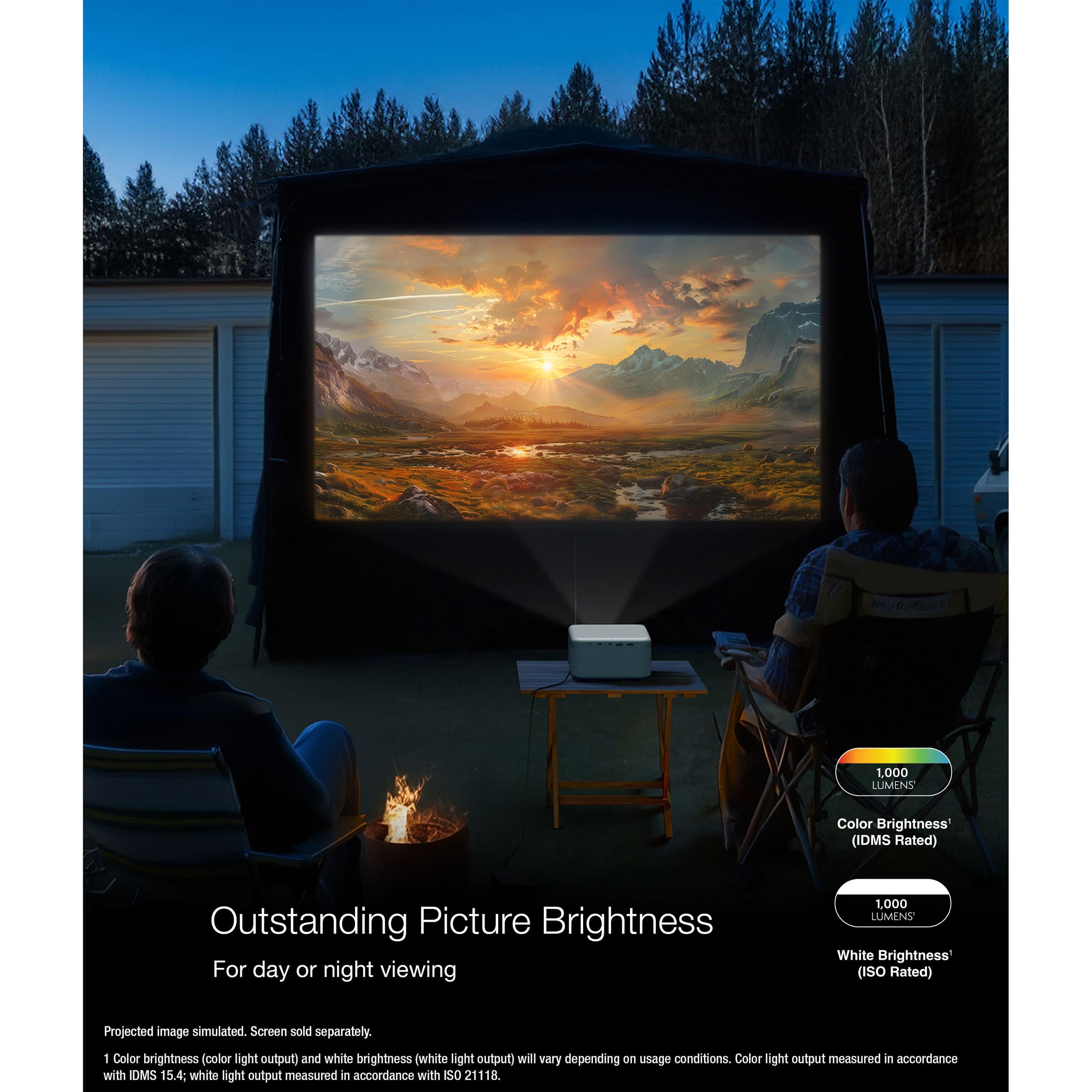
If you've ever dreamed of turning any wall into a massive movie screen, you're probably considering a portable projector. The market has exploded in recent years, giving us genuinely impressive options that can fit in a backpack yet deliver cinema-quality experiences. Today, I'm diving deep into two fascinating projectors that represent very different approaches to portable projection: the innovative XGIMI Elfin Flip and the premium Epson EpiqVision Mini EF21.
Having tested dozens of projectors over the years, I've learned that the "best" portable projector depends entirely on your specific needs, budget, and viewing habits. These two models perfectly illustrate this point – they're both excellent, but for completely different reasons and users.
The portable projector category has matured dramatically since the early days of dim, pixelated images that barely resembled watchable content. Modern portable projectors like the XGIMI Elfin Flip and Epson EpiqVision Mini EF21 pack sophisticated technology into surprisingly compact packages.
What makes a projector "smart" is its built-in operating system and wireless connectivity. Instead of needing a separate streaming device, laptop, or Blu-ray player, these projectors can directly access Netflix, YouTube, Disney+, and thousands of other apps. Think of them as smart TVs that happen to project images instead of displaying them on a fixed screen.
The key considerations when shopping for any portable projector include brightness (measured in lumens – higher numbers mean you can watch in brighter rooms), resolution (1080p is the current sweet spot for most users), portability factors like weight and size, and smart features. But here's what many buyers don't realize: the technology behind how these projectors create images makes a massive difference in performance and price.
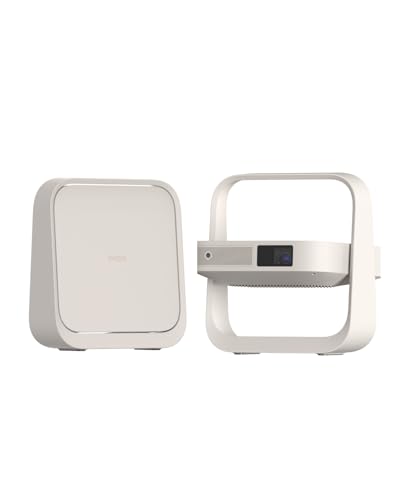
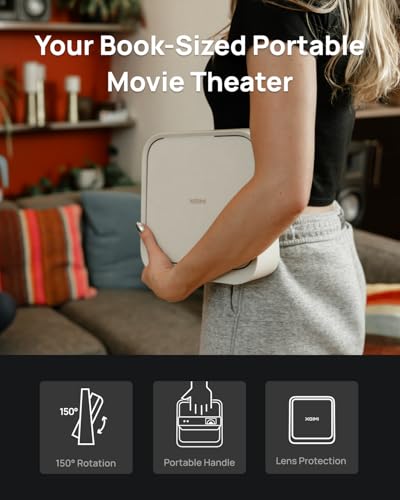
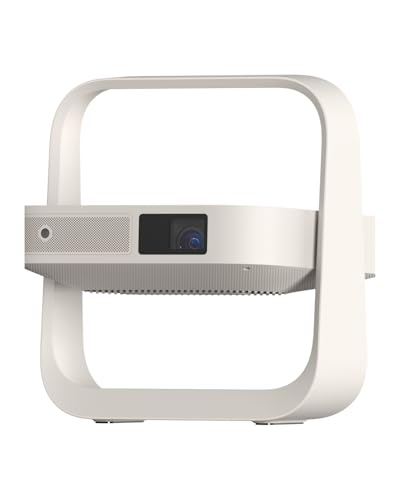
Released in 2024, the XGIMI Elfin Flip represents XGIMI's attempt to solve the age-old problem of projector placement and protection. Instead of being just another black box, the Elfin Flip features a unique folding mechanism that serves triple duty: it's a carrying handle, an adjustable stand that rotates 150 degrees, and a lens protector when folded closed.
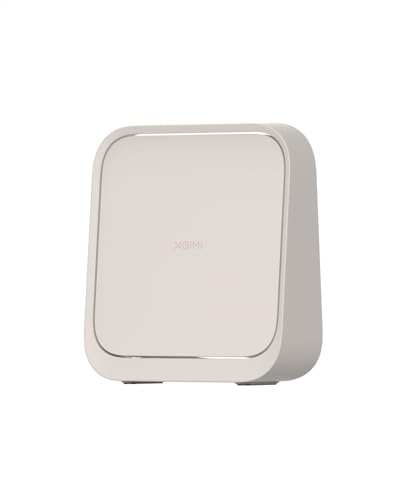
At just 2.6 pounds and roughly the size of a large hardcover book, the XGIMI Elfin Flip prioritizes portability above all else. XGIMI positioned this as their entry-level smart projector, making it accessible to budget-conscious buyers who still want modern features.
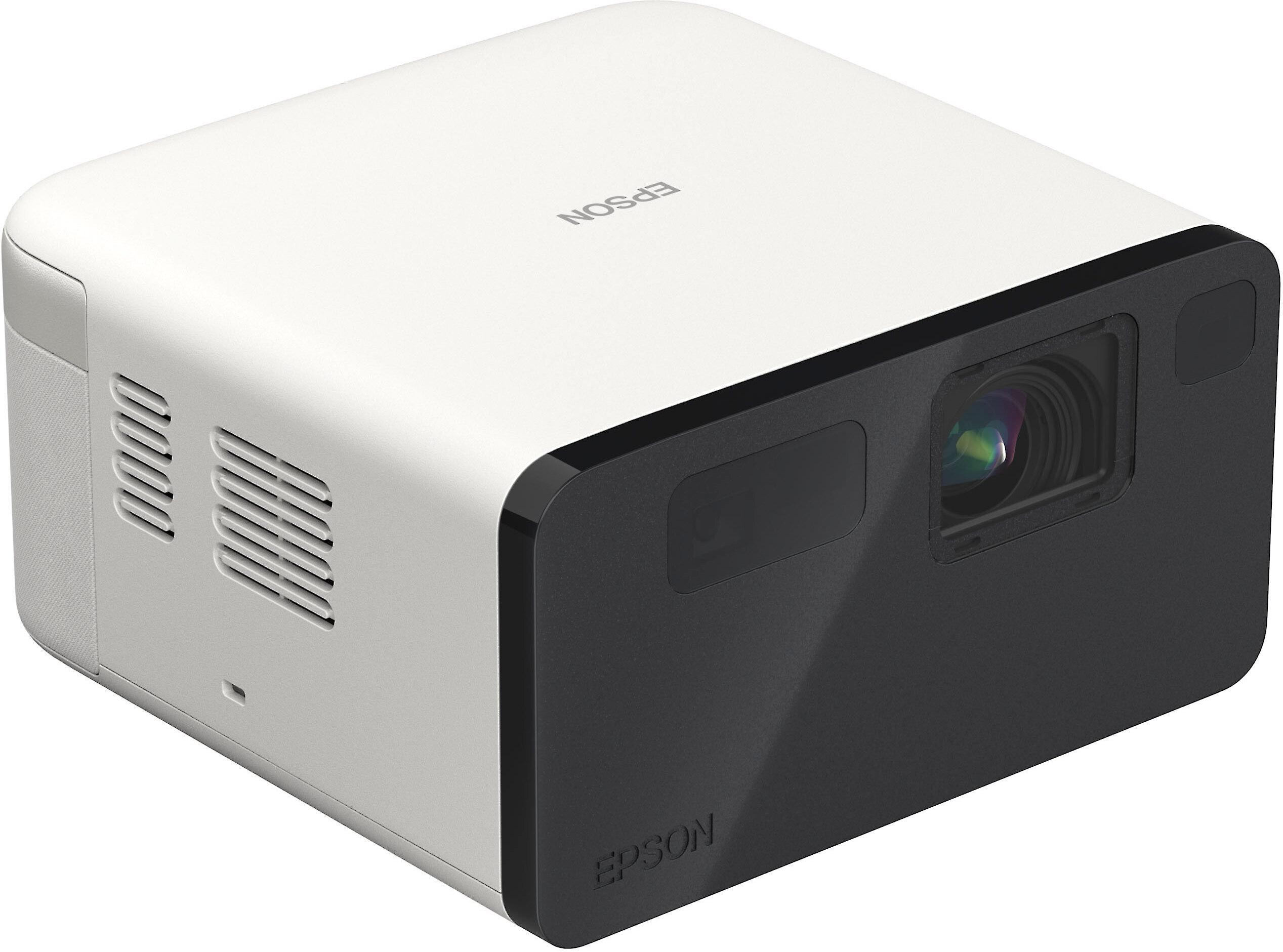
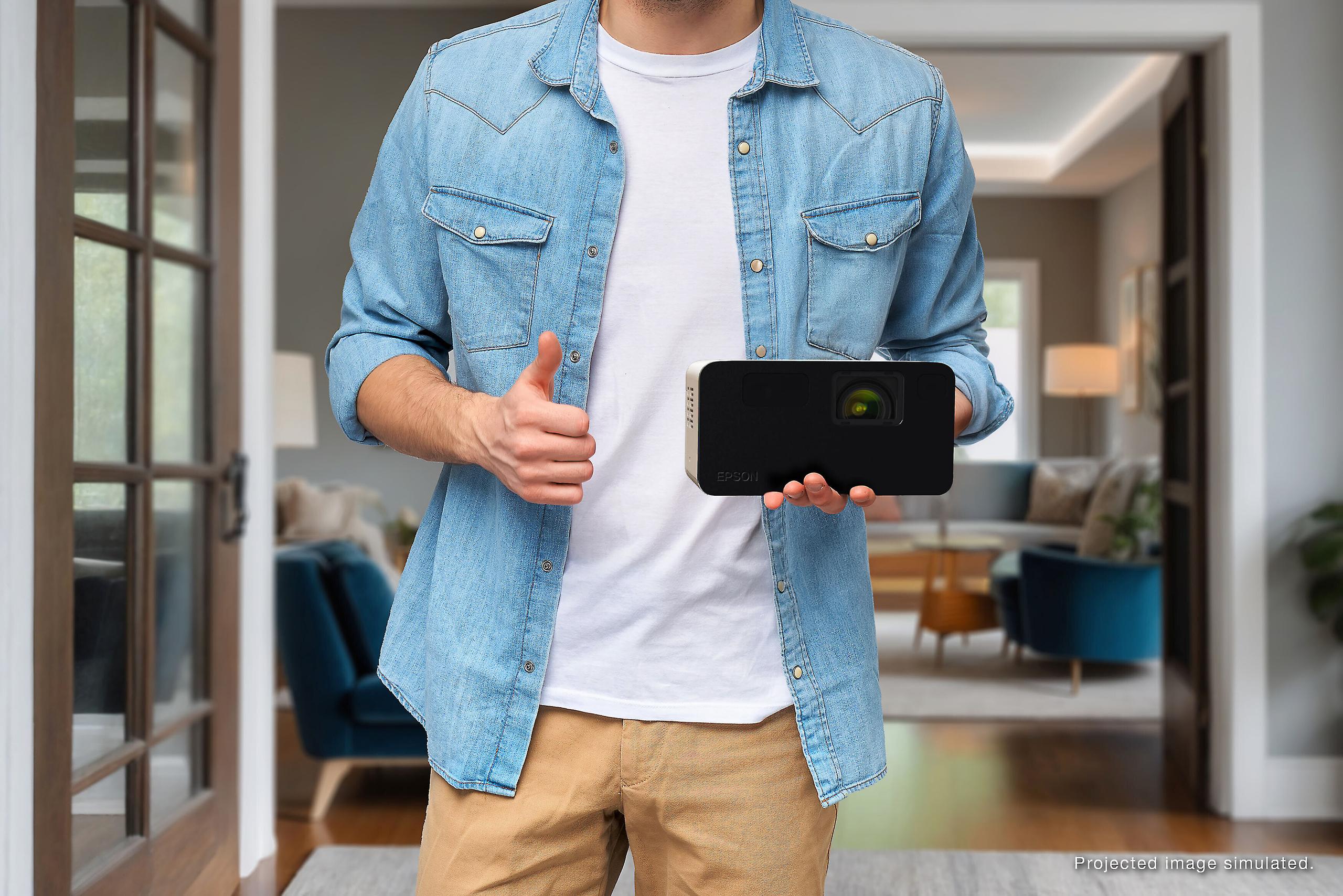
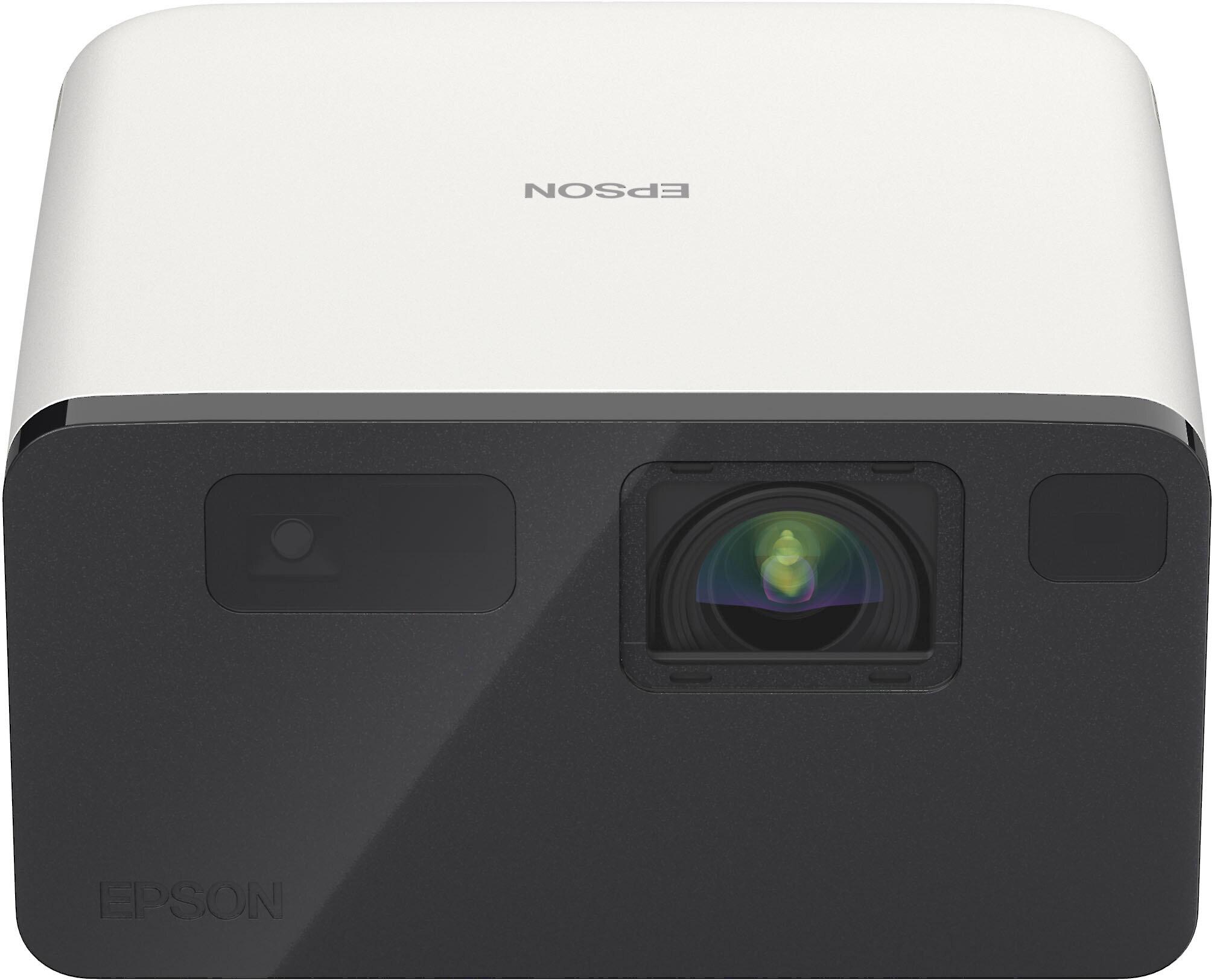
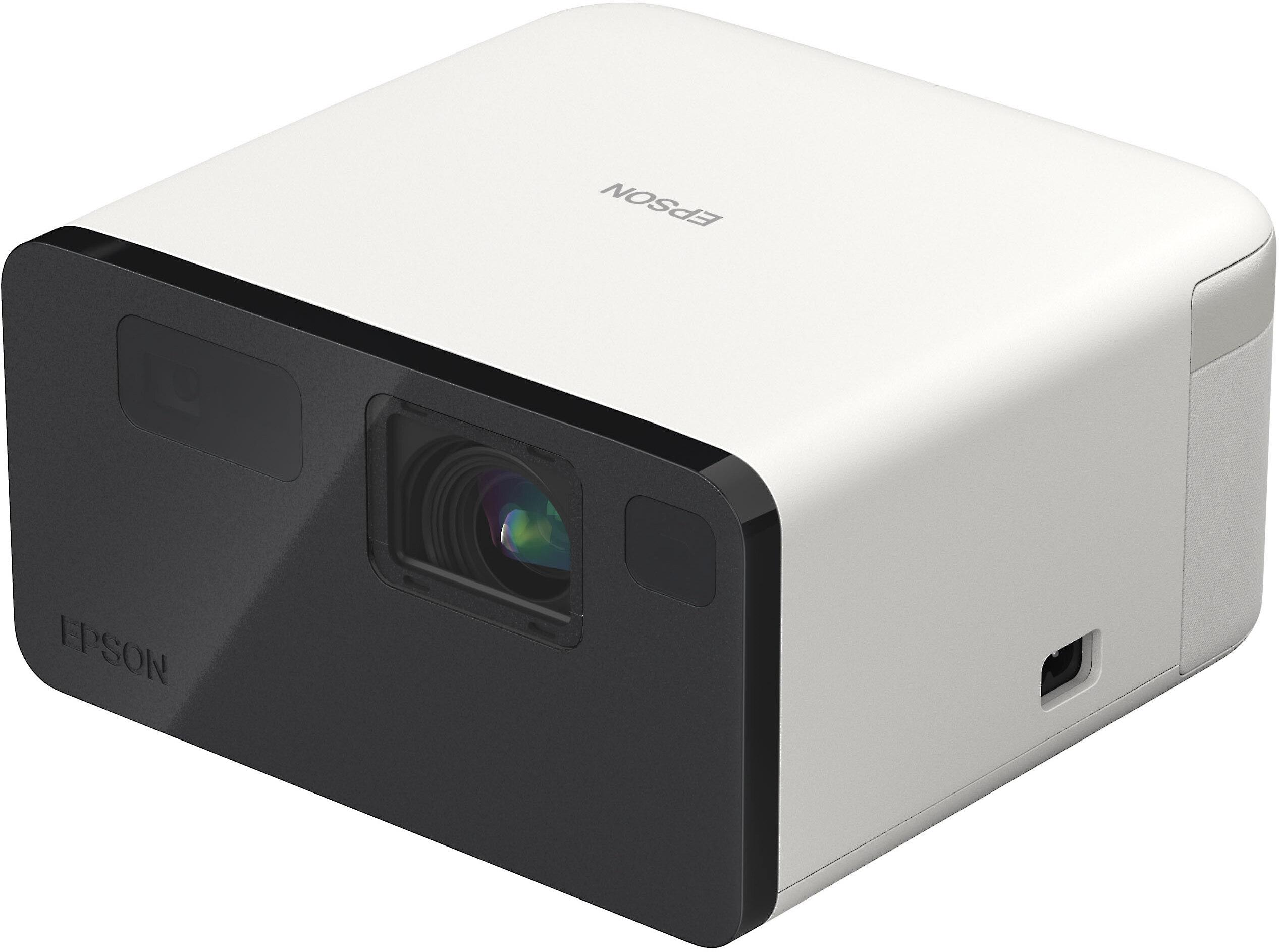
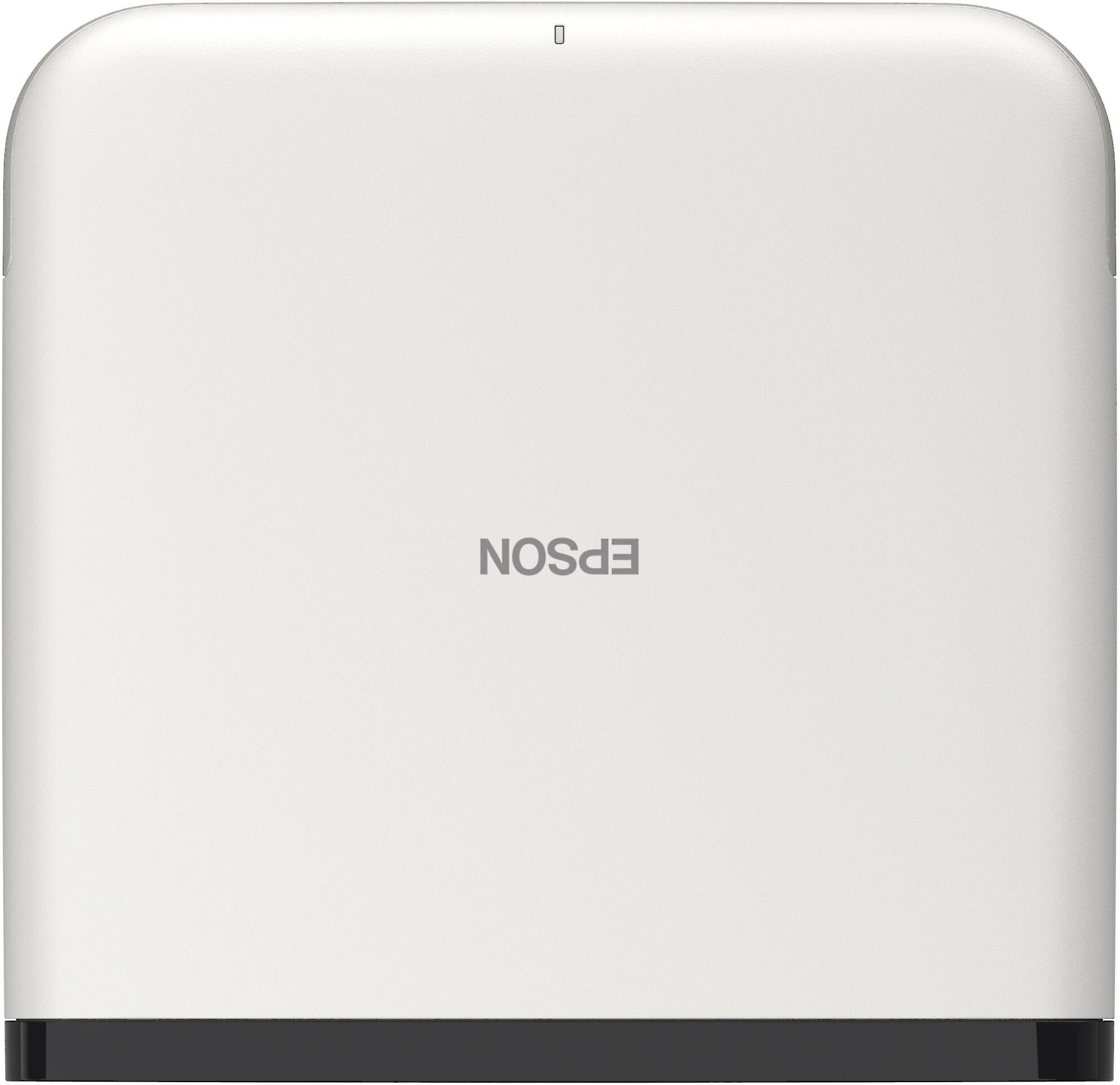
The Epson EpiqVision Mini EF21, also launched in 2024, takes a completely different approach. Epson, with decades of projector experience, focused on delivering professional-grade image quality in a portable package. At 5.1 pounds, it's nearly twice the weight of the XGIMI, but this extra bulk houses significantly more powerful projection technology.
Epson priced the EF21 in the premium portable category – roughly three times the cost of the Elfin Flip at the time of writing. This positioning suggests Epson believes there's a market of users willing to pay significantly more for superior performance.
Understanding the fundamental technologies these projectors use helps explain their performance differences and why one costs so much more than the other.
The XGIMI Elfin Flip uses DLP (Digital Light Processing) technology, which creates images using millions of tiny mirrors that tilt thousands of times per second. Each mirror represents one pixel, and by controlling how long each mirror reflects light, the projector creates different brightness levels. A spinning color wheel adds red, green, and blue light in rapid succession to create full-color images.
This approach has several advantages: DLP projectors typically produce vibrant, saturated colors and sharp text. They're also generally more compact, which explains why most portable projectors use this technology. However, some people are sensitive to the "rainbow effect" – brief flashes of red, green, or blue that can appear at the edges of bright objects, especially when you move your eyes quickly.
The Epson EF21 uses 3LCD technology, which takes white light and splits it into separate red, green, and blue beams using specialized mirrors called dichroic mirrors. Each color gets its own LCD panel (hence "3LCD"), and the three colored images are recombined into a full-color picture. This eliminates the rainbow effect entirely and typically produces more accurate colors, especially in bright scenes.
The XGIMI Elfin Flip uses LED (Light Emitting Diode) illumination. LEDs are incredibly long-lasting – XGIMI rates theirs for 25,000 hours, which equals about 17 years of watching 4 hours per day. LEDs also turn on instantly and maintain consistent brightness throughout their lifespan.
The Epson EF21 employs laser illumination, specifically what Epson calls "MicroLaser Array Projection Technology." Lasers can produce significantly more light than LEDs in the same space, which explains the EF21's brightness advantage. They also enable much higher contrast ratios – the difference between the darkest blacks and brightest whites. Epson rates their laser for 20,000 hours, slightly less than the XGIMI's LED but still providing years of reliable operation.
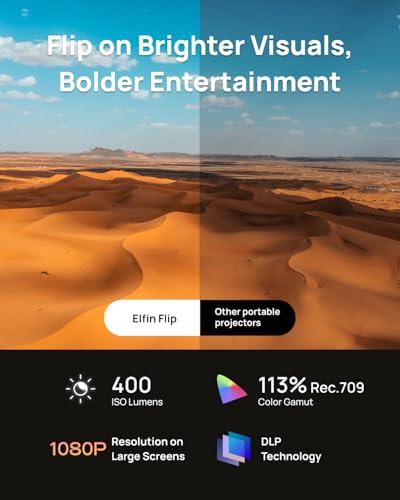
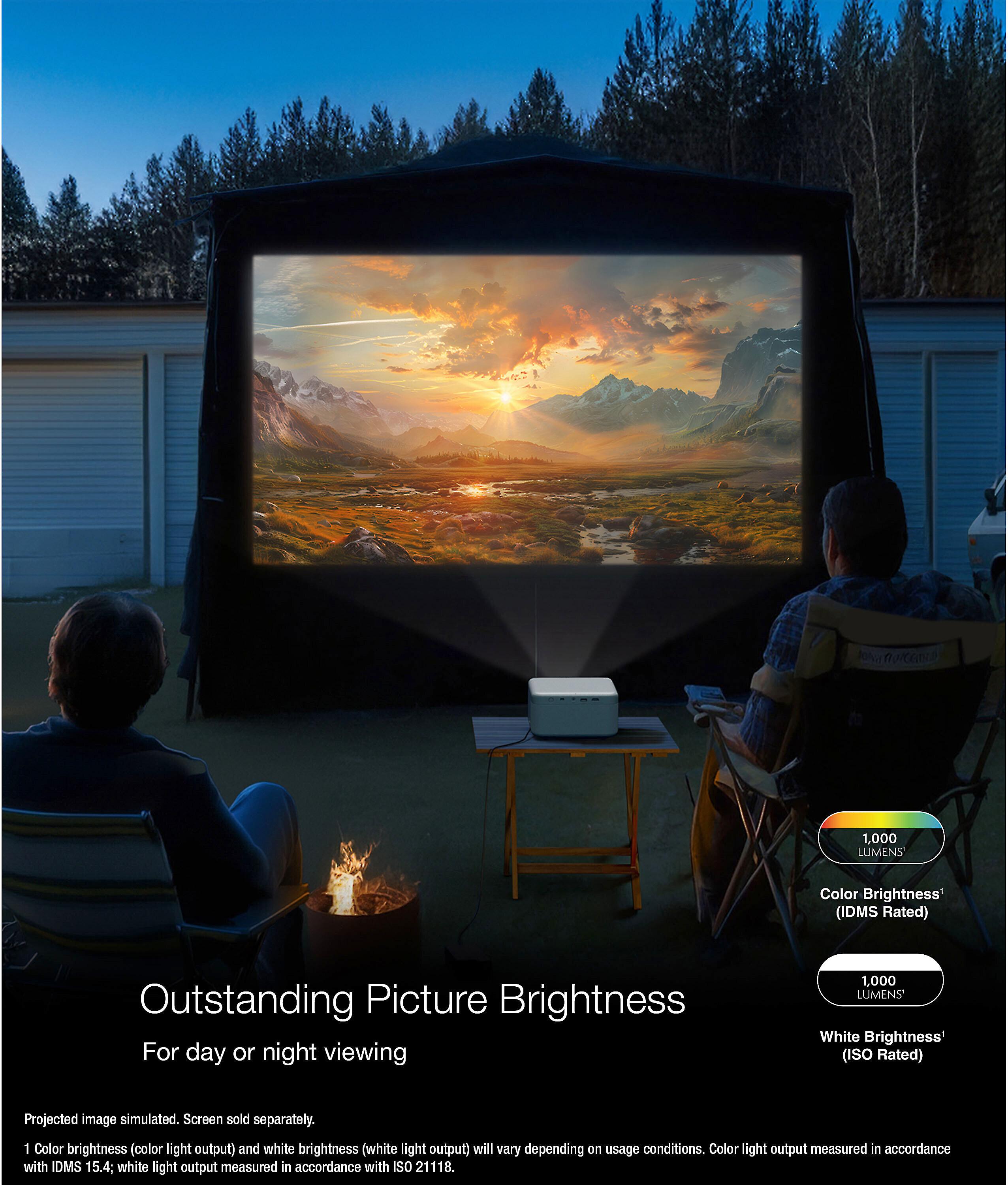
Brightness might be the single most important specification for any projector, as it determines where and when you can actually use the device. The XGIMI Elfin Flip produces 400 ISO lumens, while the Epson EF21 delivers 1,000 lumens of both color and white brightness.
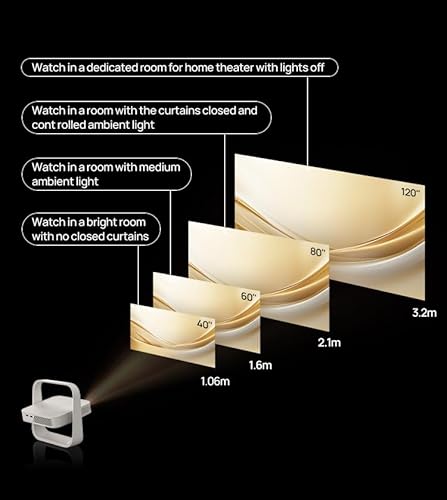
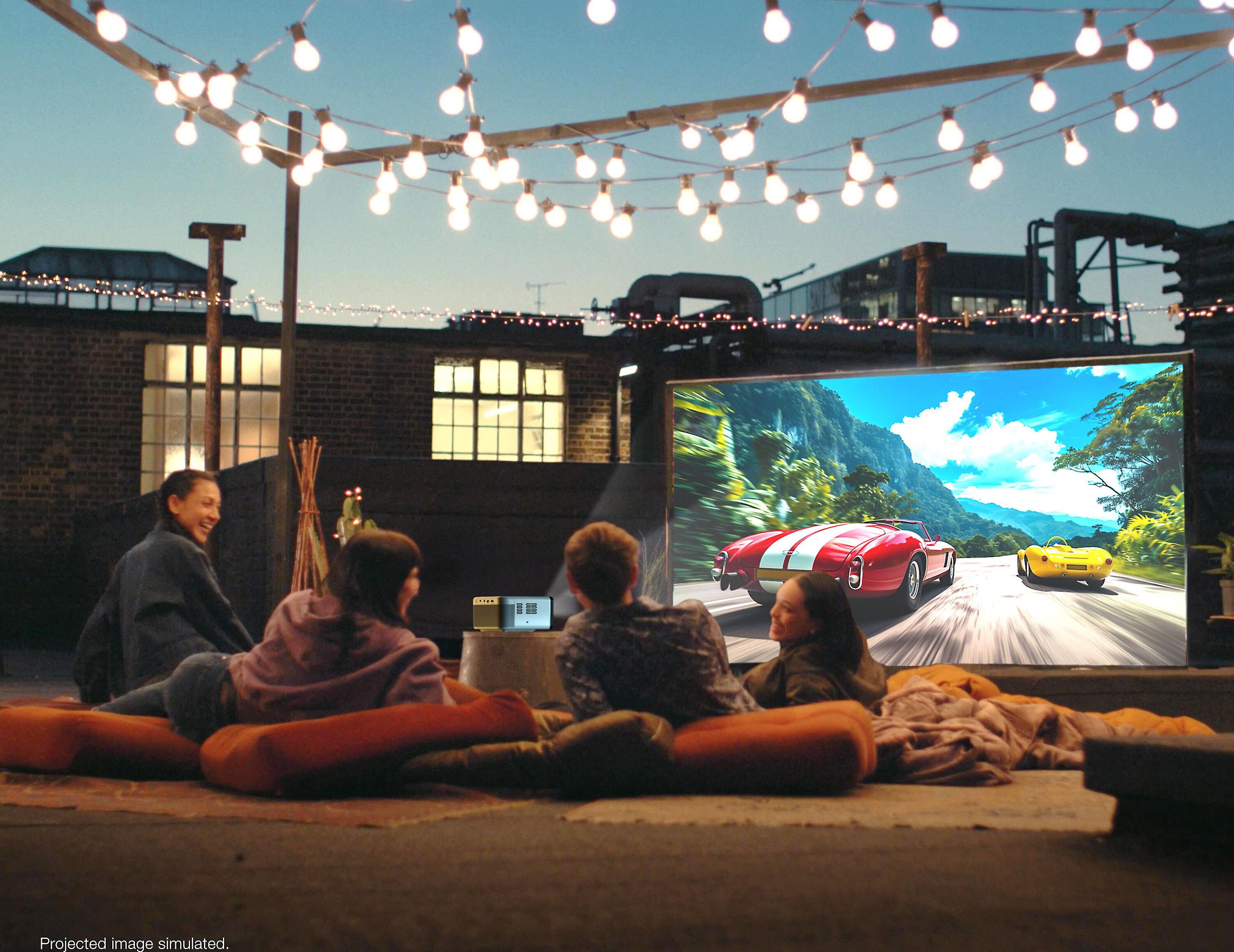
To put this in perspective: 400 lumens works well in dark rooms – think basement home theaters, bedrooms with blackout curtains, or outdoor movie nights after sunset. You'll get vibrant colors and sharp details, but introduce even moderate ambient light, and the image becomes washed out quickly.
The Epson EF21's 1,000 lumens opens up dramatically more usage scenarios. I've found that 800+ lumens is the threshold where projectors become usable in normal living rooms with curtains drawn during the day. You can watch sports during afternoon games, use it for presentations in conference rooms, or set up movie nights without waiting for complete darkness.
This brightness difference alone justifies much of the price gap between these projectors. The EF21 is simply more versatile – you can use it in more places, at more times, with less preparation.
Both projectors deliver native 1920x1080 Full HD resolution, so you're getting genuine detail rather than the upscaled 720p common in cheaper portable projectors. However, their image characteristics differ significantly.
The XGIMI Elfin Flip covers 113% of the Rec.709 color space (the standard for HD content) and supports HDR10. In dark rooms, it produces punchy, vibrant images that really pop. The DLP technology excels with animated content – Disney movies look fantastic, and gaming visuals are sharp and colorful.
The Epson EF21 offers a massive 200,000:1 contrast ratio compared to the XGIMI's unspecified but certainly much lower contrast. This means deeper blacks, brighter whites, and more detail visible in both dark and bright scenes simultaneously. The 3LCD technology also produces more accurate flesh tones and natural-looking colors overall.
For home theater use specifically, contrast ratio matters enormously. When watching movies with dark scenes – think horror films, sci-fi epics, or dramatic thrillers – the EF21 will reveal details that simply disappear into grey mush on lower-contrast projectors.
Both projectors run full smart TV platforms, but they take different approaches. The XGIMI Elfin Flip uses XGIMI's custom Android-based OS with licensed Netflix pre-installed – a significant advantage since many projectors can't officially support Netflix due to licensing restrictions.
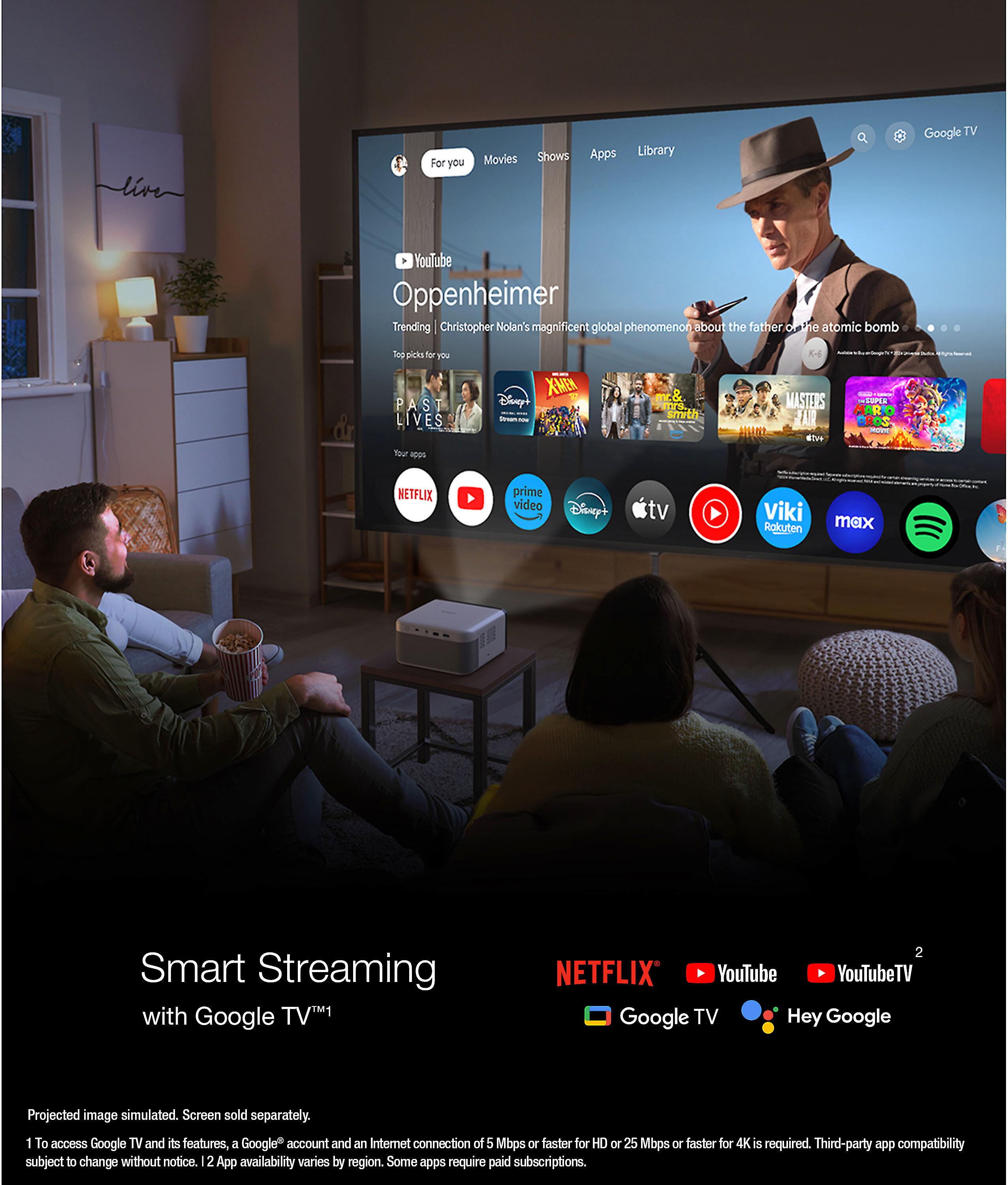
The Epson EF21 runs Google TV, giving you access to the full Google Play Store with thousands of apps. It includes Google Assistant voice control, which I've found surprisingly useful for controlling playback without hunting for the remote in a dark room.
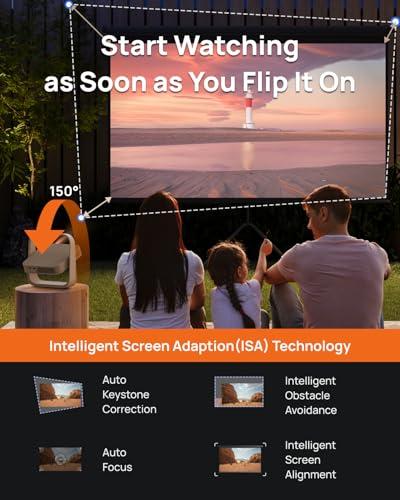
Both projectors offer excellent automated setup features, though they approach it differently. The XGIMI includes "Intelligent Screen Adaptation" – auto focus, automatic keystone correction (fixing image distortion when projecting at an angle), obstacle avoidance, and screen alignment. These features work seamlessly and make setup genuinely foolproof.
The Epson counters with "EpiqSense" technology that provides similar automatic adjustments but with more sophisticated algorithms for handling complex projection scenarios.
Don't underestimate built-in audio quality – many people use portable projectors in situations where setting up external speakers isn't practical or desirable.
The XGIMI Elfin Flip includes dual 3W speakers with Dolby Audio support. They're adequate for casual viewing – clear dialogue, decent volume levels, and respectable sound quality for such a compact device. However, they lack bass depth and overall richness.
The Epson EF21 features dual 5W speakers, nearly double the power of the XGIMI's. More importantly, they produce noticeably fuller sound with better bass response and clearer highs. For many viewing scenarios, you won't feel the immediate need for external speakers.
Portability isn't just about weight and size – it's about how easy the projector is to transport, set up, and use in various environments.
The XGIMI Elfin Flip's innovative design really shines here. The flip mechanism serves as both a protective cover for the lens during transport and a fully adjustable stand once you're ready to project. I've found this eliminates the need to pack additional accessories or hunt for books and boxes to achieve the right projection angle.
At 2.6 pounds, you barely notice it in a backpack. The slim profile means it fits easily in laptop compartments, and the integrated handle makes it comfortable to carry around a house or office.
The Epson EF21 takes a more traditional approach but executes it well. While heavier at 5.1 pounds, it's still genuinely portable – think more like a thick laptop than a traditional projector. The more compact footprint (despite the extra weight) actually makes it easier to fit on small tables or nightstands.
Students and renters who need maximum portability and can't make permanent installations. The budget-friendly pricing (at the time of writing) makes it accessible for younger users or anyone prioritizing value over absolute performance.
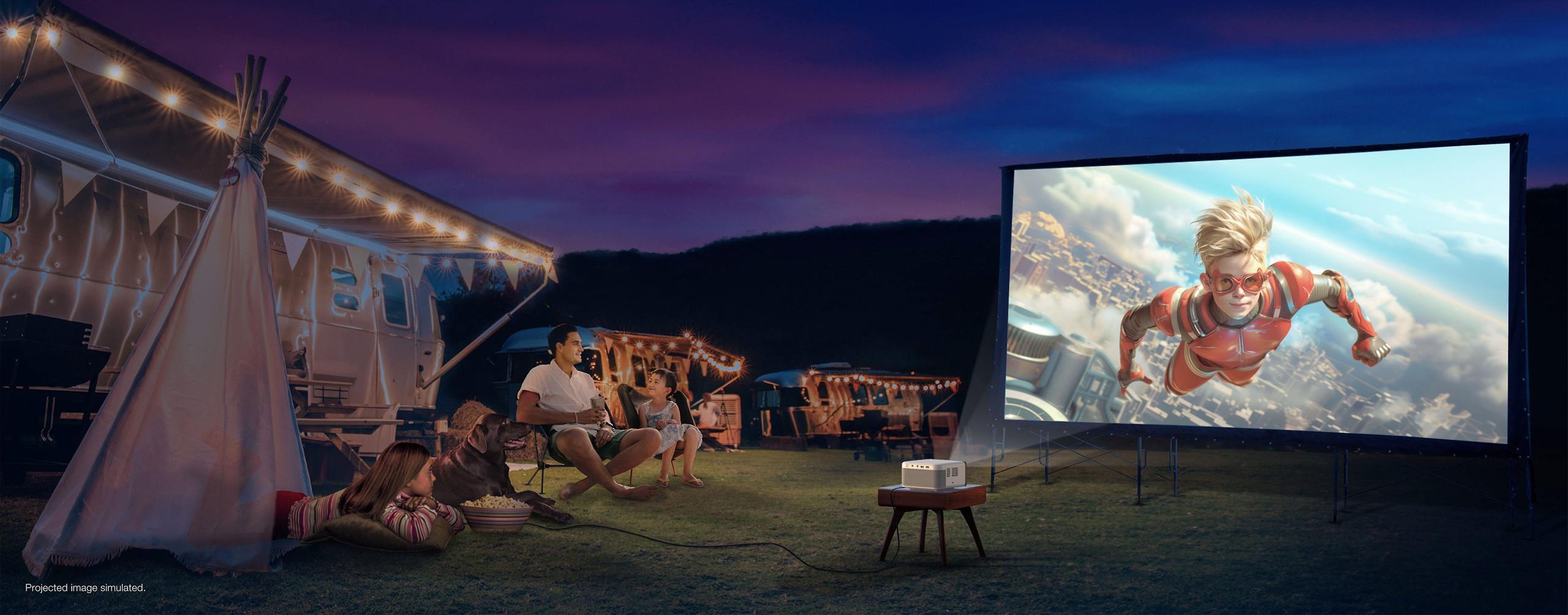
Outdoor enthusiasts planning camping trips, backyard movie nights, or RV adventures. The lightweight design and protective flip mechanism make it ideal for transport, while the decent battery life means you're not constantly hunting for power outlets.
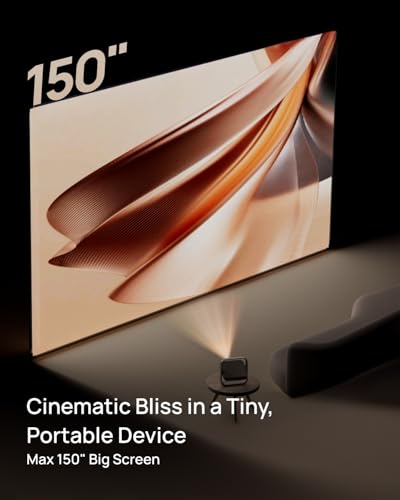
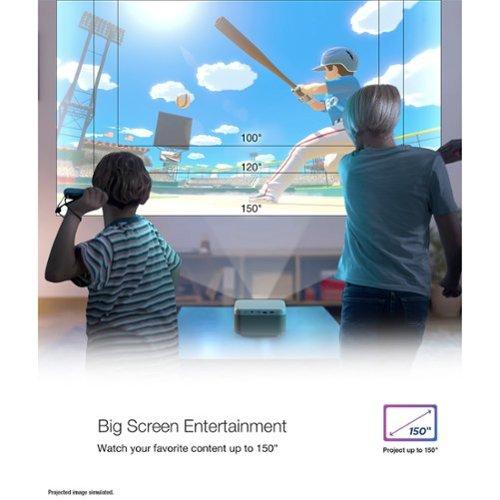
Bedroom entertainment where you primarily watch in dark conditions anyway. Mount it on a nightstand, flip it open, and you've got a 100+ inch screen without taking up wall space or requiring permanent mounting.
Casual movie watchers who want the big-screen experience without home theater complexity or expense. If you typically watch Netflix and YouTube in dimmed rooms, the XGIMI Elfin Flip delivers everything you need.
Home theater enthusiasts who want professional-grade performance in a portable package. The superior brightness and contrast make it viable for dedicated home theater rooms while remaining portable enough to move between spaces.
Business professionals who need presentation capabilities in various lighting conditions. The extra brightness ensures visibility in conference rooms, classrooms, or client offices where you can't always control ambient light.
Quality-focused viewers who notice the difference between good and great image quality. If you're upgrading from a TV or traditional projector and want to maintain high visual standards, the performance gap justifies the premium pricing.
Multi-purpose users who want one device for entertainment, presentations, gaming, and outdoor events. The brightness versatility means the EF21 adapts to virtually any scenario.
Both projectors support gaming, but with different strengths. The XGIMI Elfin Flip achieves approximately 26ms input lag in game mode – acceptable for casual gaming but noticeable for competitive play. The larger screen size makes racing games, adventure titles, and co-op games incredibly immersive.
The Epson EF21 doesn't specify gaming latency, but 3LCD projectors typically offer slightly higher input lag than DLP models. However, the superior brightness means you can game with ambient lighting, and the better contrast makes it easier to spot enemies in dark corners of first-person shooters.
At the time of writing, these projectors represent different value propositions entirely. The XGIMI Elfin Flip offers remarkable features for its price point, making advanced projector technology accessible to budget-conscious buyers. The Epson EF21 costs roughly three times more but delivers professional-grade performance that justifies the premium for users who need that level of capability.
Consider your primary use case honestly. If you're planning to use the projector mainly in dark rooms – bedrooms, basements, outdoor movie nights – the XGIMI's 400 lumens will serve you perfectly while saving considerable money.
If you need flexibility to use the projector in various lighting conditions, want the best possible image quality, or plan to use it for business presentations, the Epson EF21's superior brightness and contrast make it worth the investment.
For home theater applications specifically, I lean toward the Epson despite the higher cost. The dramatically better contrast ratio reveals more detail in movies, and the brighter output provides flexibility for different room setups. However, if your budget is firm and you can control room lighting, the XGIMI still delivers a genuinely enjoyable big-screen experience.
Both projectors represent the current state of portable projection technology – impressive performance in compact packages that would have been impossible just a few years ago. Your choice ultimately depends on balancing performance needs against budget reality, but either option will transform how you think about portable entertainment.
| XGIMI Elfin Flip Portable Projector | Epson EpiqVision Mini EF21 Projector |
|---|---|
| Brightness - The most critical factor determining where you can use your projector | |
| 400 ISO lumens (requires dark rooms for best experience) | 1,000 lumens (works well in rooms with ambient light) |
| Display Technology - Affects color accuracy and rainbow sensitivity | |
| DLP with LED light source (vibrant colors, potential rainbow effect) | 3LCD with laser light source (accurate colors, no rainbow effect) |
| Resolution & HDR Support - Image sharpness and color depth | |
| 1920x1080 Full HD, HDR10 support | 1920x1080 Full HD, HDR10 & HLG support |
| Contrast Ratio - How deep blacks and bright whites appear | |
| Not specified (typical DLP levels) | 200,000:1 (excellent for dark scene detail) |
| Portability - Weight and carrying convenience | |
| 2.6 lbs with flip handle design (ultra-portable) | 5.1 lbs traditional form (still portable but heavier) |
| Unique Design Features - What sets each apart | |
| 150° flip mechanism serves as stand, handle, and lens protection | EpiqSense auto-setup technology with premium build quality |
| Smart Platform - Streaming apps and user interface | |
| XGIMI OS with licensed Netflix pre-installed | Google TV with 10,000+ apps and Google Assistant |
| Audio System - Built-in speaker quality | |
| Dual 3W speakers with Dolby Audio (adequate for casual viewing) | Dual 5W speakers with Dolby Audio (fuller, richer sound) |
| Light Source Life - Long-term reliability | |
| 25,000 hours LED (virtually maintenance-free) | 20,000 hours laser (professional-grade longevity) |
| Connectivity - Ports and wireless options | |
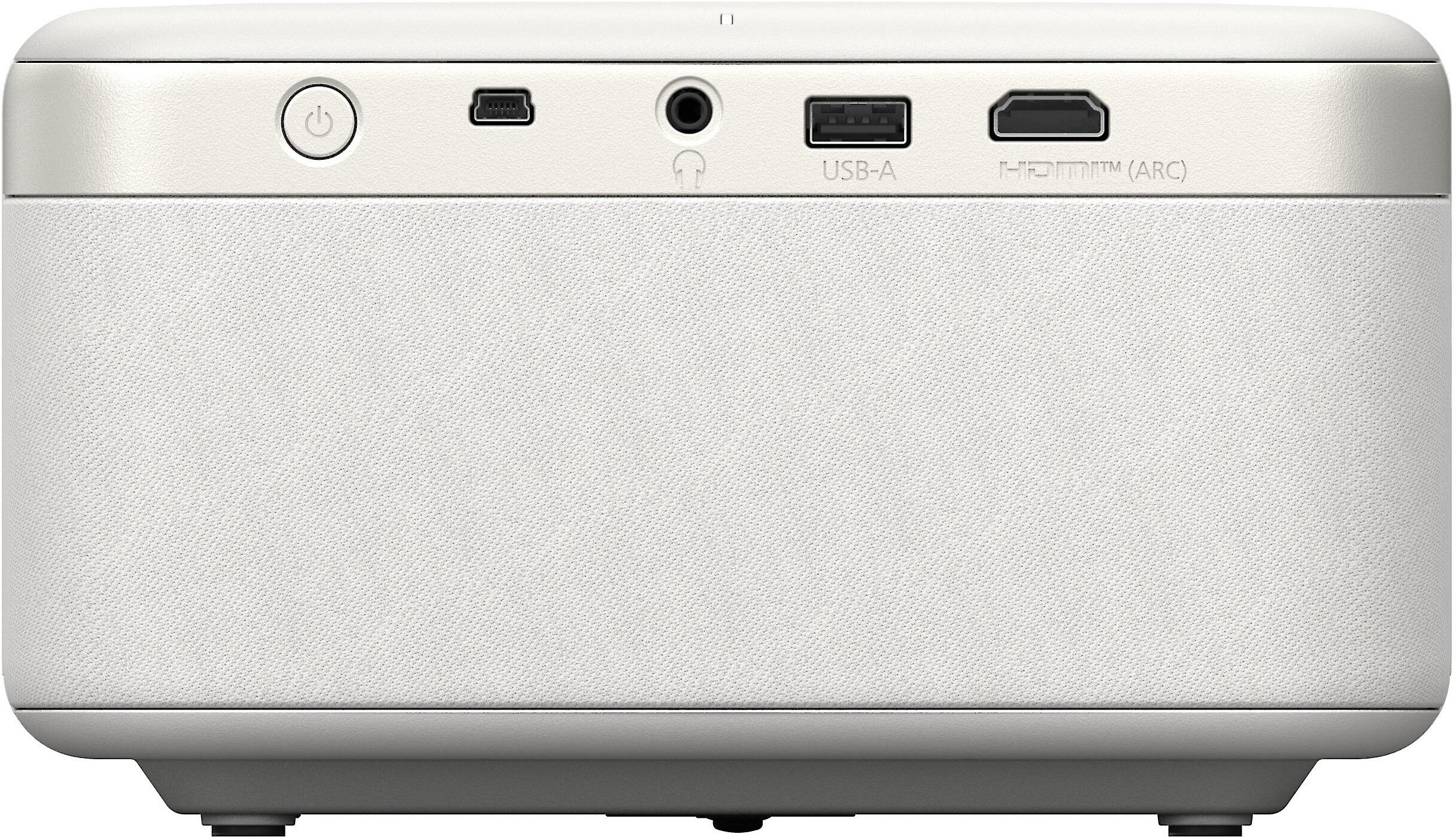
| 1x HDMI, 1x USB, Wi-Fi 5, Bluetooth 5.1 | 1x HDMI 2.3, USB-A/USB-B, Wi-Fi dual-band, Bluetooth 5.1 |
| Noise Level - Operating volume during use | |
| 28 dB (whisper quiet) | 19-23 dB (extremely quiet operation) |
| Projection Size Range - Screen flexibility | |
| 5" to 150" diagonal (1.2:1 throw ratio) | 30" to 150" diagonal with auto keystone up to 100" |
| Target User - Who each projector serves best | |
| Budget-conscious users prioritizing portability and dark room viewing | Quality-focused users needing brightness flexibility and premium performance |
The Epson EpiqVision Mini EF21 is significantly better for home theater applications. Its 1,000 lumens brightness and 200,000:1 contrast ratio deliver professional-grade image quality with deep blacks and bright whites that reveal detail in dark movie scenes. The 3LCD technology produces more accurate colors and eliminates rainbow effects that can distract during films. While the XGIMI Elfin Flip works well for casual movie watching in dark rooms, the Epson EF21 provides the superior image quality that home theater enthusiasts expect.
The Epson EpiqVision Mini EF21 produces 1,000 lumens compared to the XGIMI Elfin Flip's 400 ISO lumens - a 2.5x brightness advantage. This means the Epson can be used in rooms with ambient light, during daytime viewing, and for presentations, while the XGIMI Elfin Flip requires dark or dimly lit environments for optimal viewing. The brightness difference is the most significant factor affecting where and when you can use each projector.
The XGIMI Elfin Flip is much more portable at just 2.6 pounds versus the Epson EF21's 5.1 pounds. The XGIMI features a unique flip design that serves as a carrying handle, adjustable stand, and lens protection, making it extremely travel-friendly. Its book-sized form factor fits easily in backpacks, while the heavier Epson EpiqVision Mini EF21 is better suited for moving between rooms rather than frequent travel.
Yes, both projectors offer streaming capabilities but through different platforms. The XGIMI Elfin Flip runs XGIMI OS with licensed Netflix pre-installed, plus support for other major streaming services. The Epson EpiqVision Mini EF21 uses Google TV, providing access to over 10,000 apps through the Google Play Store, including Netflix, Disney+, and YouTube. The Epson offers broader app selection, while the XGIMI ensures Netflix compatibility out of the box.
The Epson EpiqVision Mini EF21 has superior built-in audio with dual 5W speakers compared to the XGIMI Elfin Flip's dual 3W speakers. The Epson delivers fuller, richer sound with better bass response, making it more suitable for standalone use without external speakers. While both support Dolby Audio, the Epson EF21's more powerful speakers provide a noticeably better audio experience for movies and entertainment.
The XGIMI Elfin Flip uses DLP technology, which produces vibrant, saturated colors and sharp text but may cause rainbow effects for sensitive viewers. The Epson EpiqVision Mini EF21 uses 3LCD technology, which eliminates rainbow effects entirely and typically produces more accurate, natural-looking colors, especially for skin tones. The Epson's 3LCD system also enables its superior 200,000:1 contrast ratio, while the XGIMI offers the compact size advantages typical of DLP projectors.
Both projectors support gaming, but with different strengths. The XGIMI Elfin Flip offers approximately 26ms input lag in game mode, which is acceptable for casual gaming on a large screen. The Epson EpiqVision Mini EF21 doesn't specify gaming latency, but its brighter output allows gaming with room lights on, and the superior contrast helps with visibility in dark game scenes. Neither is ideal for competitive gaming, but both provide immersive casual gaming experiences.
The XGIMI Elfin Flip uses an LED light source rated for 25,000 hours, while the Epson EpiqVision Mini EF21 features a laser light source rated for 20,000 hours. Both provide years of reliable operation - the XGIMI would last about 17 years watching 4 hours daily, while the Epson would last about 14 years at the same usage rate. Both are virtually maintenance-free compared to traditional lamp-based projectors.
Value depends on your needs and budget. The XGIMI Elfin Flip offers exceptional value for users who primarily watch in dark rooms and prioritize portability. The Epson EpiqVision Mini EF21 costs significantly more but delivers professional-grade performance that justifies the premium for users needing brightness flexibility and superior image quality. The XGIMI is better value for budget-conscious buyers, while the Epson provides better value for quality-focused users.
Both projectors offer impressive smart features. The XGIMI Elfin Flip includes Intelligent Screen Adaptation with auto focus, keystone correction, obstacle avoidance, and screen alignment for foolproof setup. The Epson EpiqVision Mini EF21 features EpiqSense technology for automatic setup plus Google Assistant voice control. Both support wireless connectivity, screen mirroring, and automatic adjustments, though the Epson offers slightly more sophisticated setup algorithms.
The Epson EpiqVision Mini EF21 can work in moderately bright rooms thanks to its 1,000 lumens output, making it suitable for daytime viewing with curtains drawn or conference room presentations. The XGIMI Elfin Flip with 400 lumens requires dark or dimly lit environments for optimal viewing - bright rooms will wash out the image significantly. If you need flexibility for various lighting conditions, the Epson is the clear choice.
For outdoor movie nights, the XGIMI Elfin Flip is often the better choice due to its superior portability and protective flip design. Its 2.6-pound weight and integrated handle make it easy to transport, while the flip mechanism protects the lens during setup and teardown. However, the Epson EpiqVision Mini EF21 provides brighter images that work better if there's any ambient light from nearby buildings or streetlights. Choose the XGIMI for pure portability or the Epson if brightness is more important than easy transport.
We've done our best to create useful and informative comparisons to help you decide what product to buy. Our research uses advanced automated methods to create this comparison and perfection is not possible - please contact us for corrections or questions. These are the sites we've researched in the creation of this article: us.xgimi.com - projectorcentral.com - tvsbook.com - us.xgimi.com - bikmantech.com - projectorreviews.com - tvsbook.com - us.xgimi.com - youtube.com - youtube.com - richersounds.com - us.xgimi.com - youtube.com - walmart.com - global.xgimi.com - youtube.com - global.xgimi.com - us.xgimi.com - bestbuy.com - bestbuy.com - cnet.com - youtube.com - projectorreviews.com - epson.com - projectorreviews.com - epson.com - rtings.com - epson.com - youtube.com - projectorcentral.com - bestbuy.com - projectorcentral.com - nfm.com - crutchfield.com - latin.epson.com - mediaserver.goepson.com - planettv.com - bhphotovideo.com - cnet.com - epson.com

Privacy Policy
Terms and Conditions - Affiliate Policy
Home Security
© Copyright 2008-2026.
11816 Inwood Rd #1211, Dallas, TX 75244