


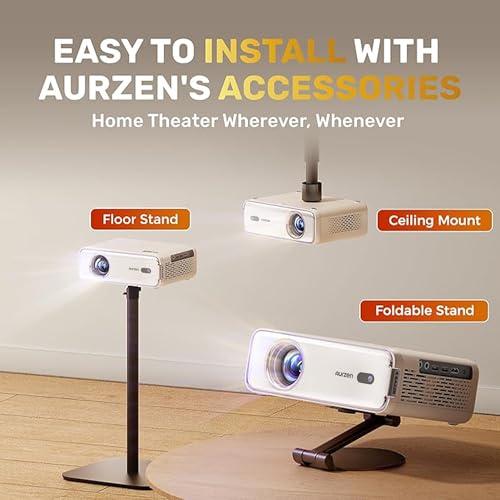
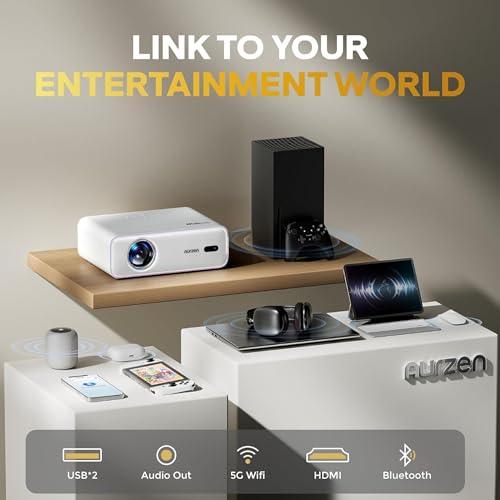
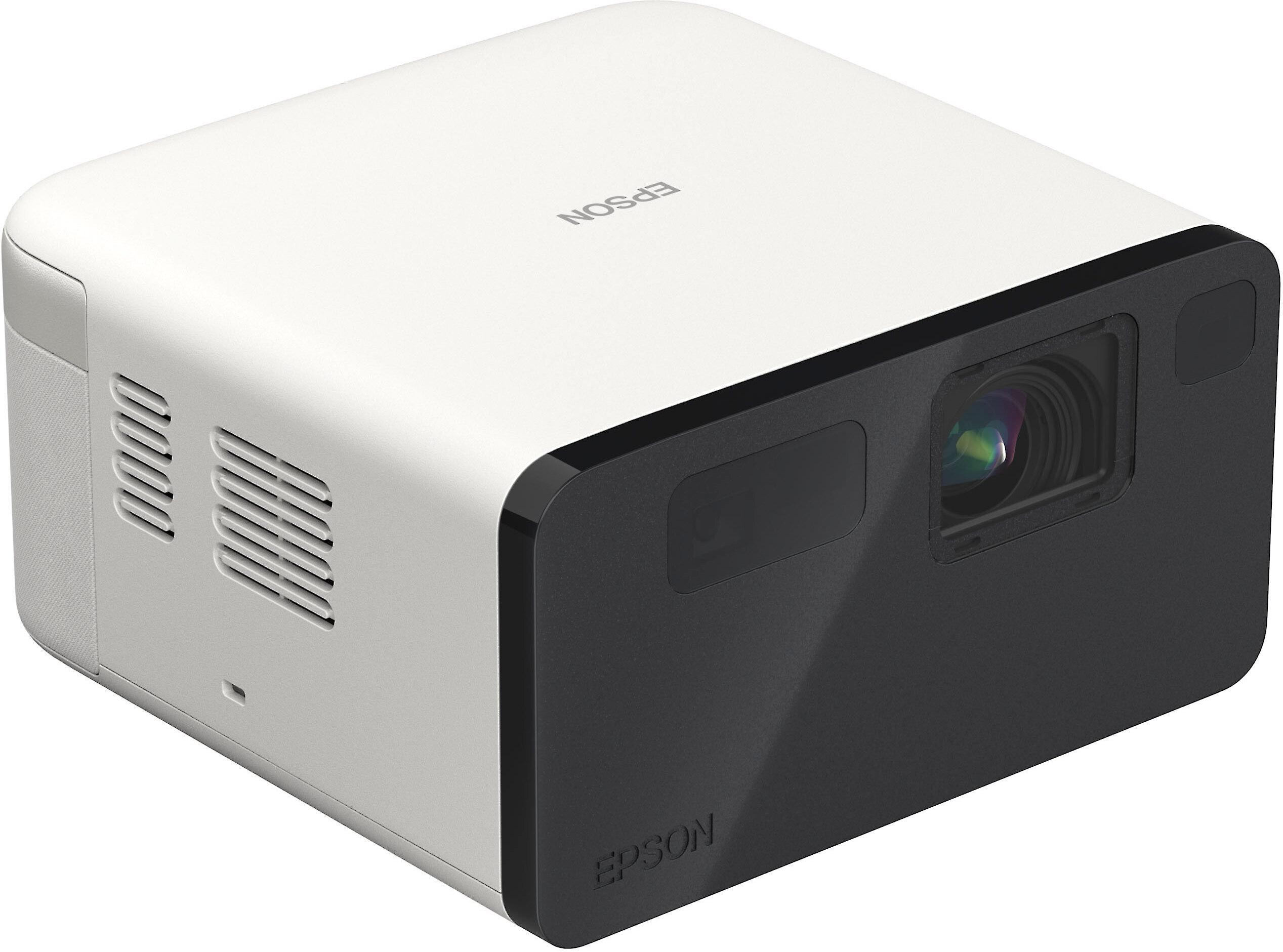
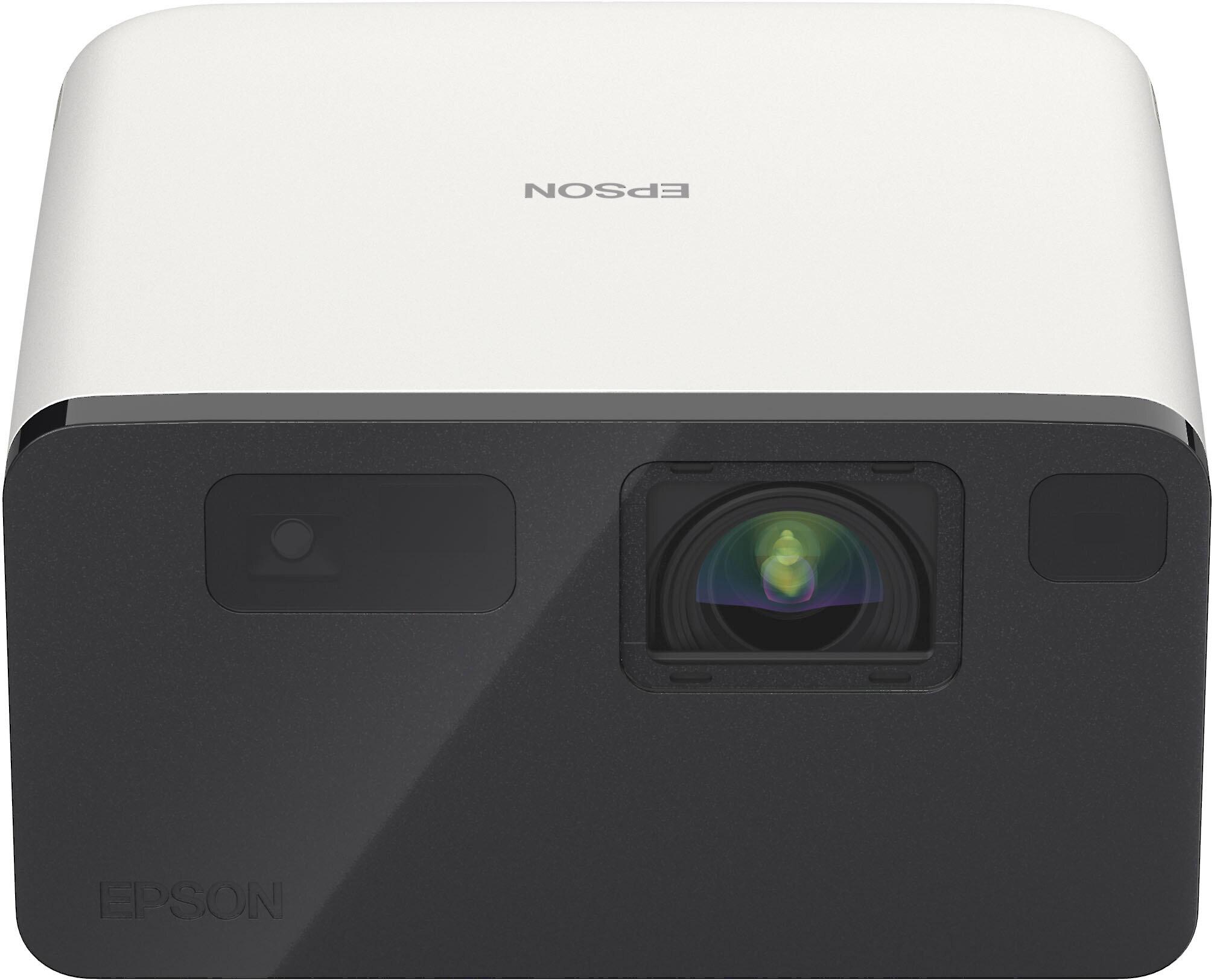
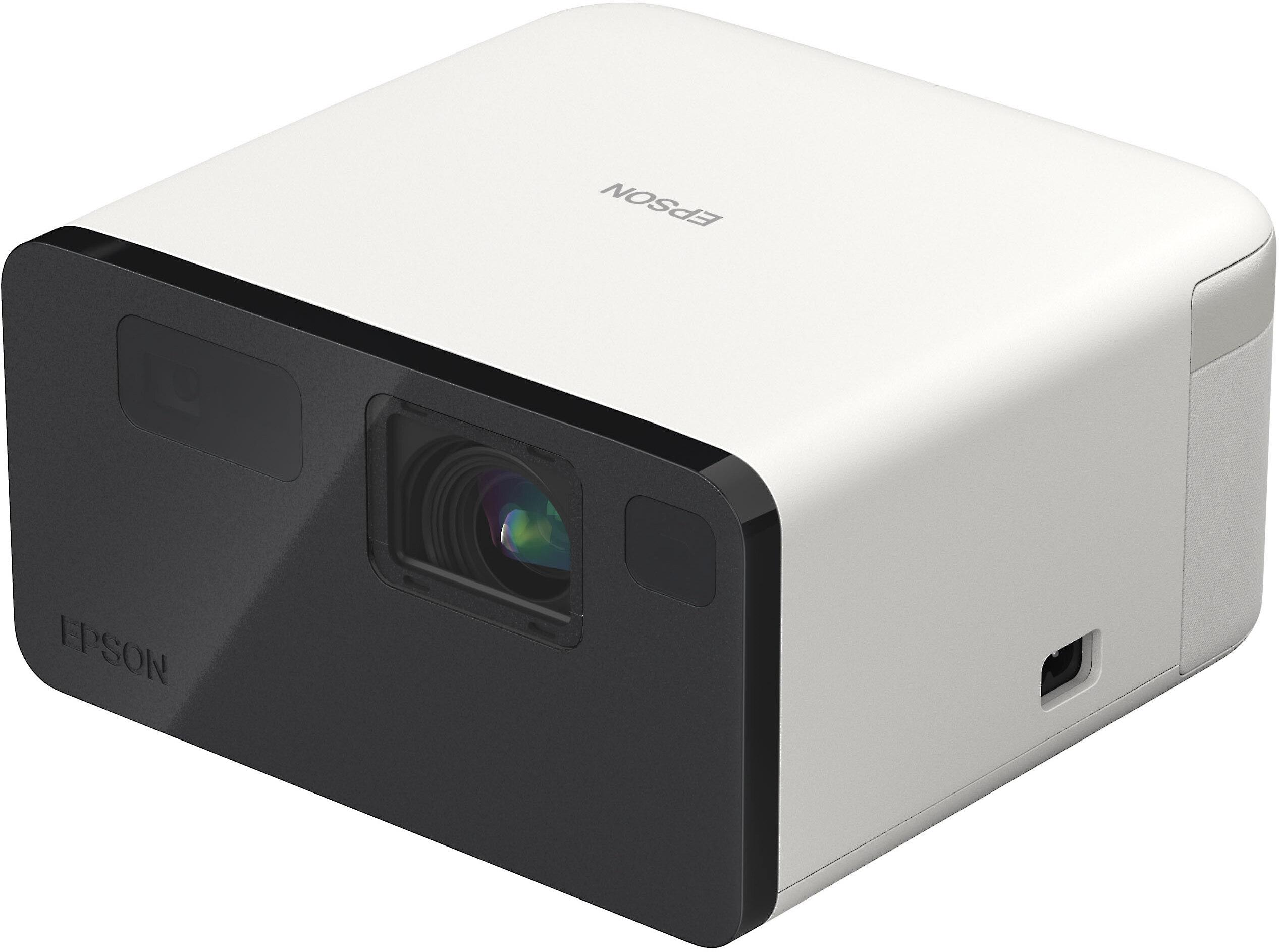
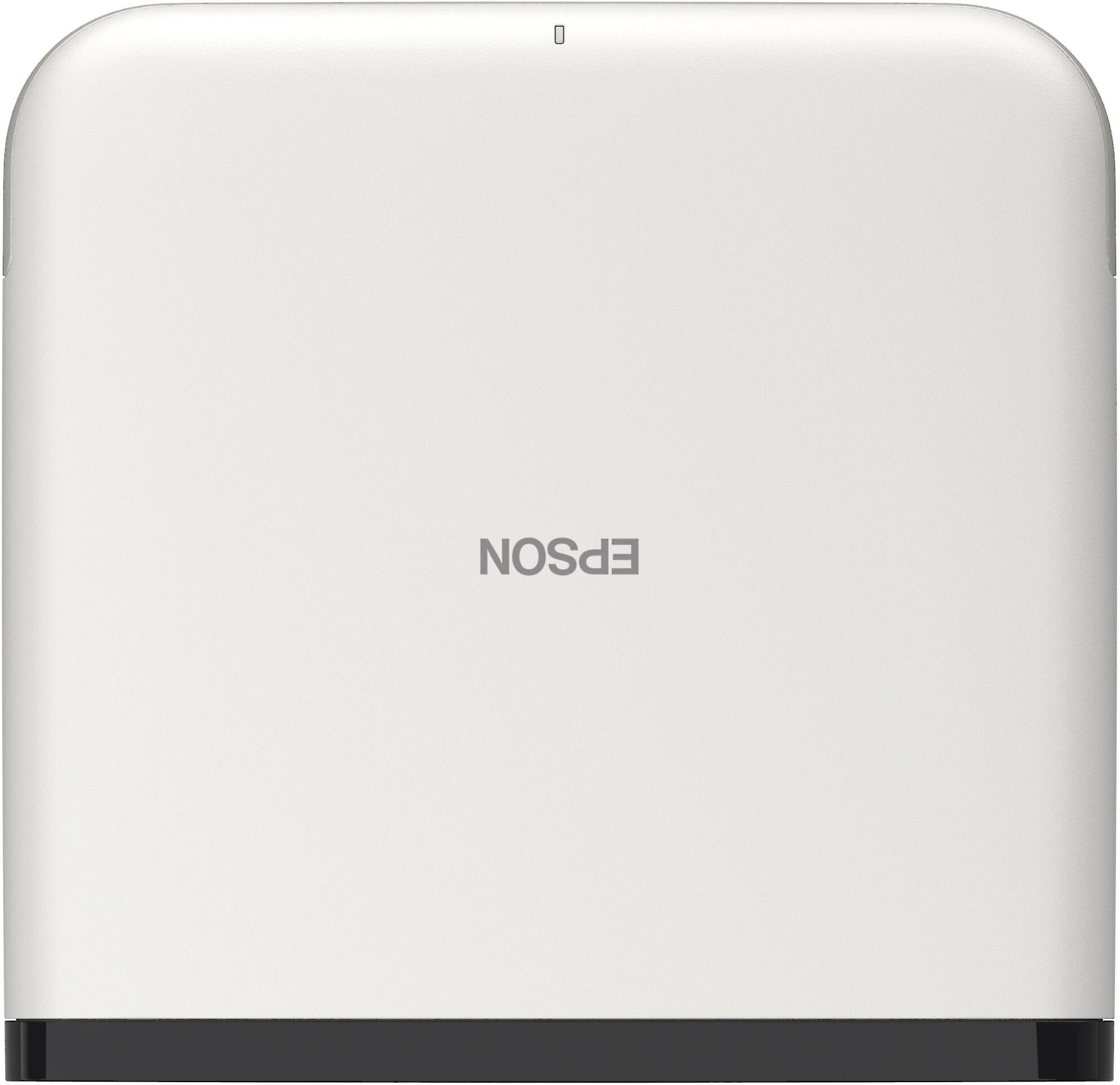
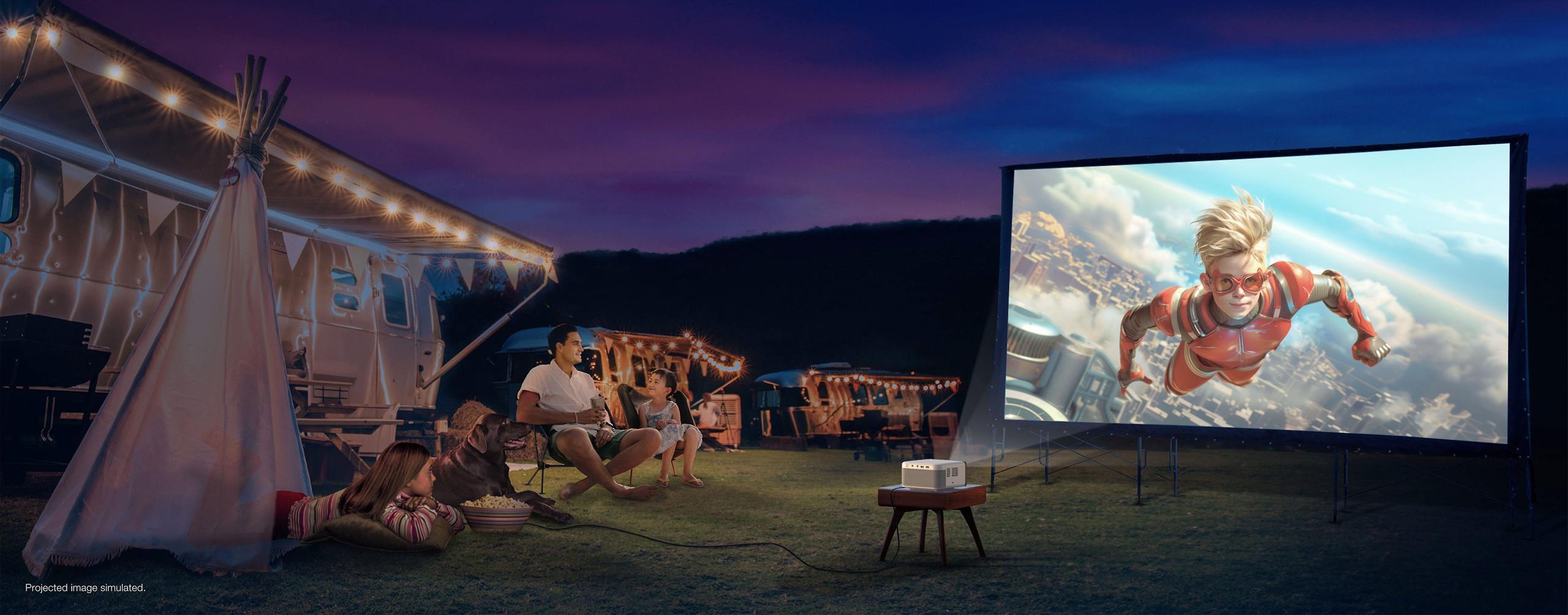
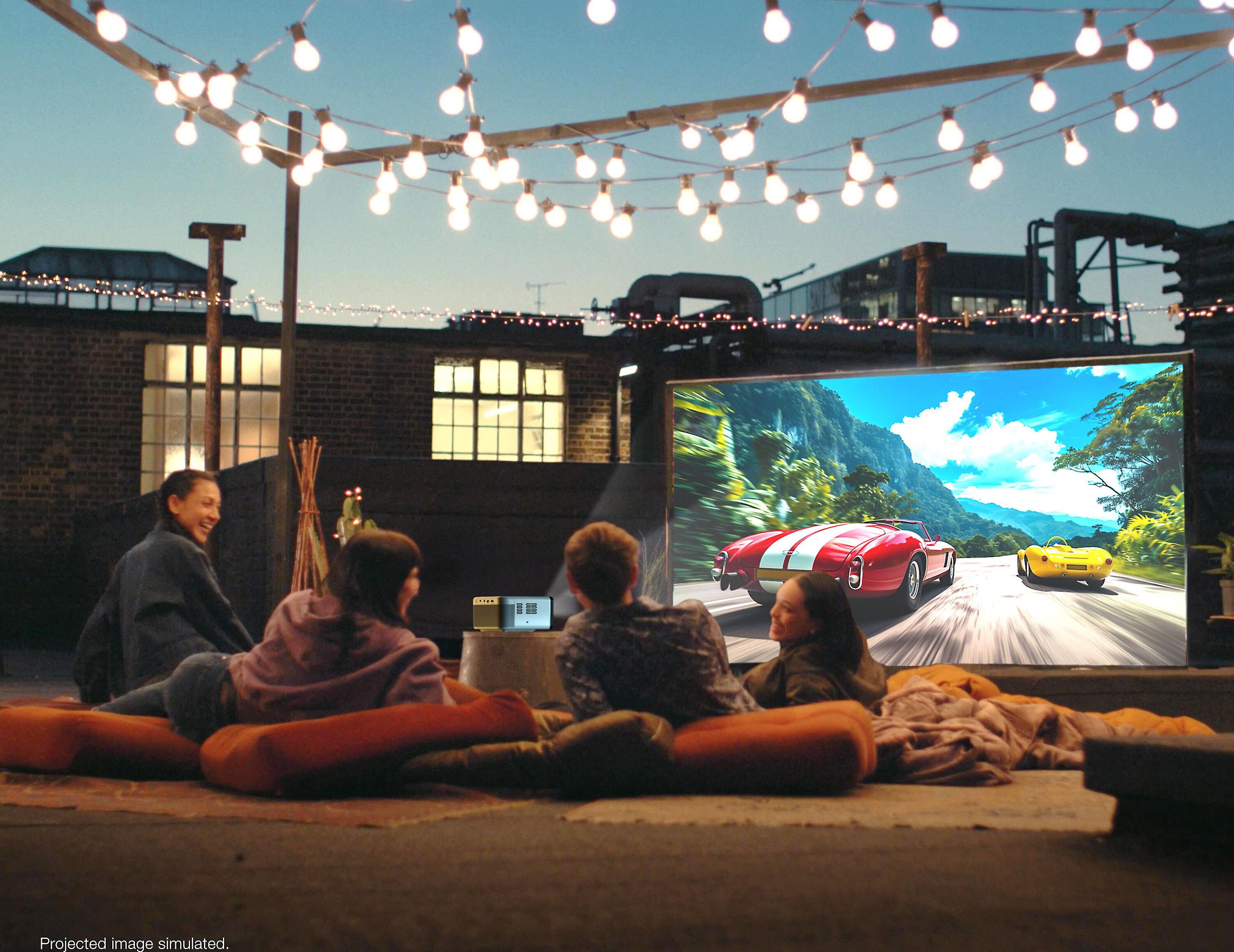
When I first started reviewing projectors back in 2019, the idea of a truly smart projector under $200 seemed impossible. Fast forward to 2024, and we have devices like the Aurzen EAZZE D1 proving that built-in streaming and decent 1080p projection can coexist at budget prices. But does cheap always mean compromise? And when does it make sense to spend significantly more on something like the Epson EpiqVision Mini EF21?
These two projectors, both released in 2024, represent completely different philosophies in portable projection. One prioritizes accessibility and basic functionality, while the other focuses on premium performance and professional-grade features. Understanding which approach suits your needs—and your budget—requires diving deep into what makes each projector tick.
The portable projector market has exploded over the past few years, driven largely by our increased appetite for flexible entertainment options. Whether it's creating a backyard movie theater or setting up a gaming space in any room, these devices promise big-screen experiences without the permanent installation of traditional projectors.
But here's what most buyers don't realize: not all projectors are created equal, especially when it comes to the technology inside. The difference between a $100 projector and a $900 projector often comes down to fundamental engineering choices that dramatically impact performance.
The most significant difference between the Aurzen EAZZE D1 and Epson EpiqVision Mini EF21 lies in their display technology—and this matters more than you might think.
The Aurzen D1 uses what's called TFT LCD technology with LED lighting. Think of this as a single LCD panel (like your laptop screen) with LED bulbs shining light through it. It's simple, cost-effective, and gets the job done. The LED light source is rated for an impressive 30,000 hours, which translates to watching four hours of content daily for over 20 years.
The Epson EF21, however, uses a completely different approach called 3LCD with laser phosphor lighting. This system employs three separate LCD panels—one each for red, green, and blue light—combined with precision laser diodes that excite phosphor materials to create light. It's significantly more complex but delivers superior color accuracy and brightness consistency.
Why does this matter? Single-panel systems like the D1 can sometimes struggle with color reproduction, particularly in bright scenes. The three-panel system in the EF21 eliminates color separation issues and provides what's called "true color brightness"—meaning the whites are as bright as the colors, which isn't always the case with budget projectors.
Here's where things get interesting—and where marketing often misleads consumers. The Aurzen D1 honestly rates its output at 200 ANSI lumens, using the industry-standard measurement that accounts for brightness variations across the entire image. Many budget projectors claim thousands of "lumens" using inflated or non-standard measurements, making the D1's honest approach refreshing.
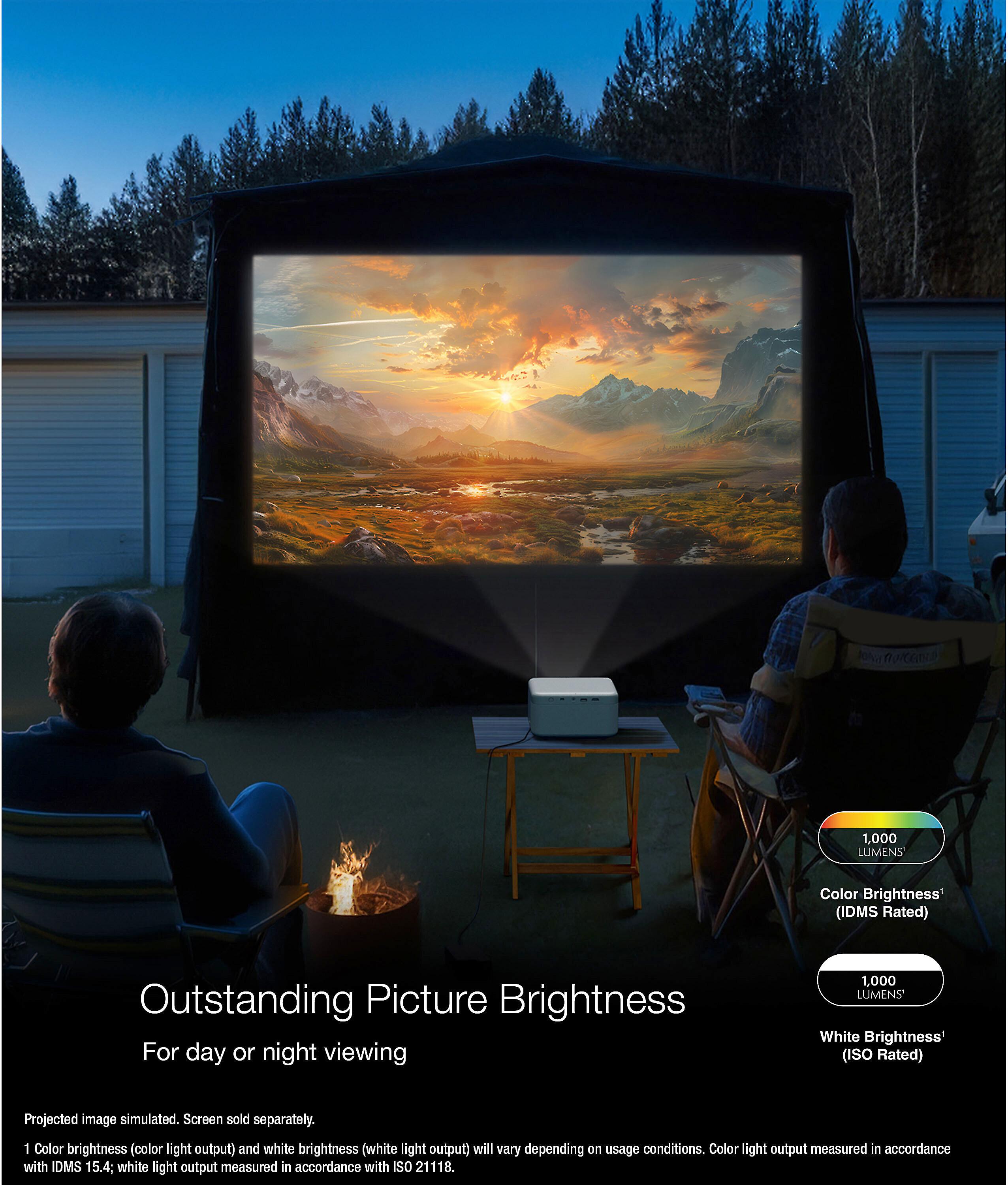
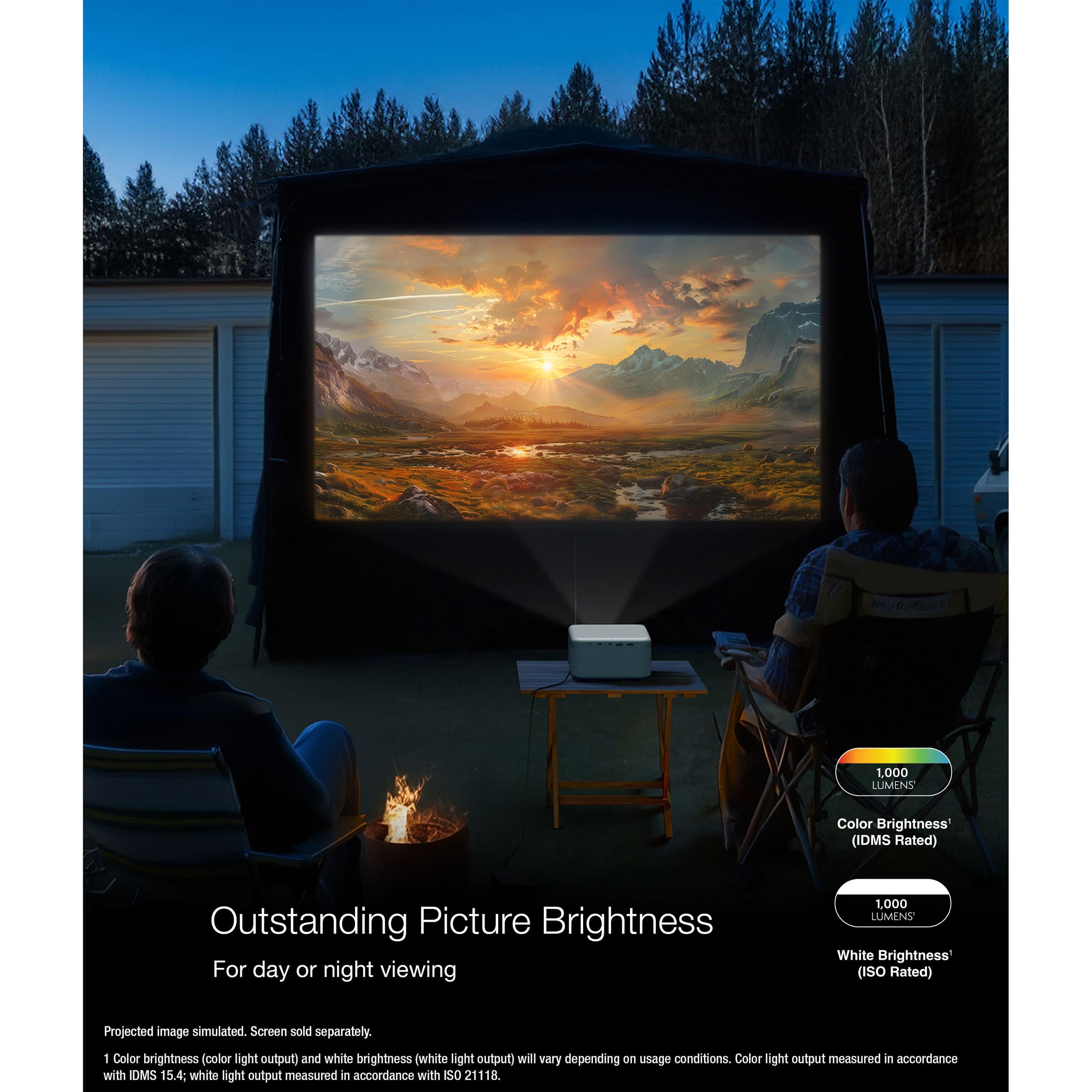
The Epson EF21 delivers 1,000 lumens using the same measurement standard—five times brighter than the D1. In practical terms, this means the EF21 can produce watchable images in moderately lit rooms, while the D1 requires dimmed or dark environments for optimal viewing.
From my testing experience, 200 ANSI lumens works well for:
The EF21's 1,000 lumens opens up considerably more flexibility:
The brightness difference isn't just about convenience—it fundamentally determines where and when you can use each projector effectively.
Both projectors promise to eliminate the need for external streaming devices, but they take different paths to get there.
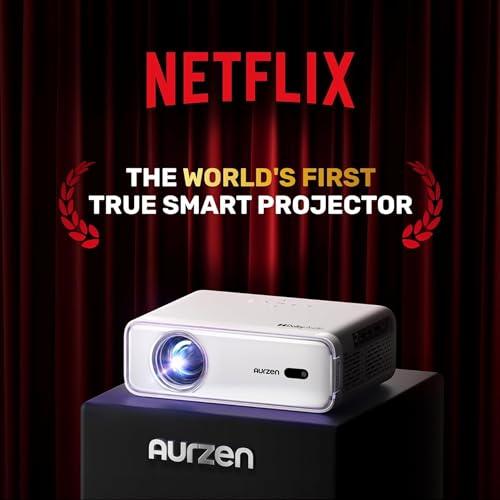
The Aurzen D1 runs a WebOS-based smart TV system (similar to LG TVs) with officially certified apps including Netflix, Prime Video, and YouTube. The key word here is "certified"—these aren't workaround apps that might stop working after updates. The system includes an app store for additional streaming services, and from what I've observed, the interface remains responsive even on the modest hardware.
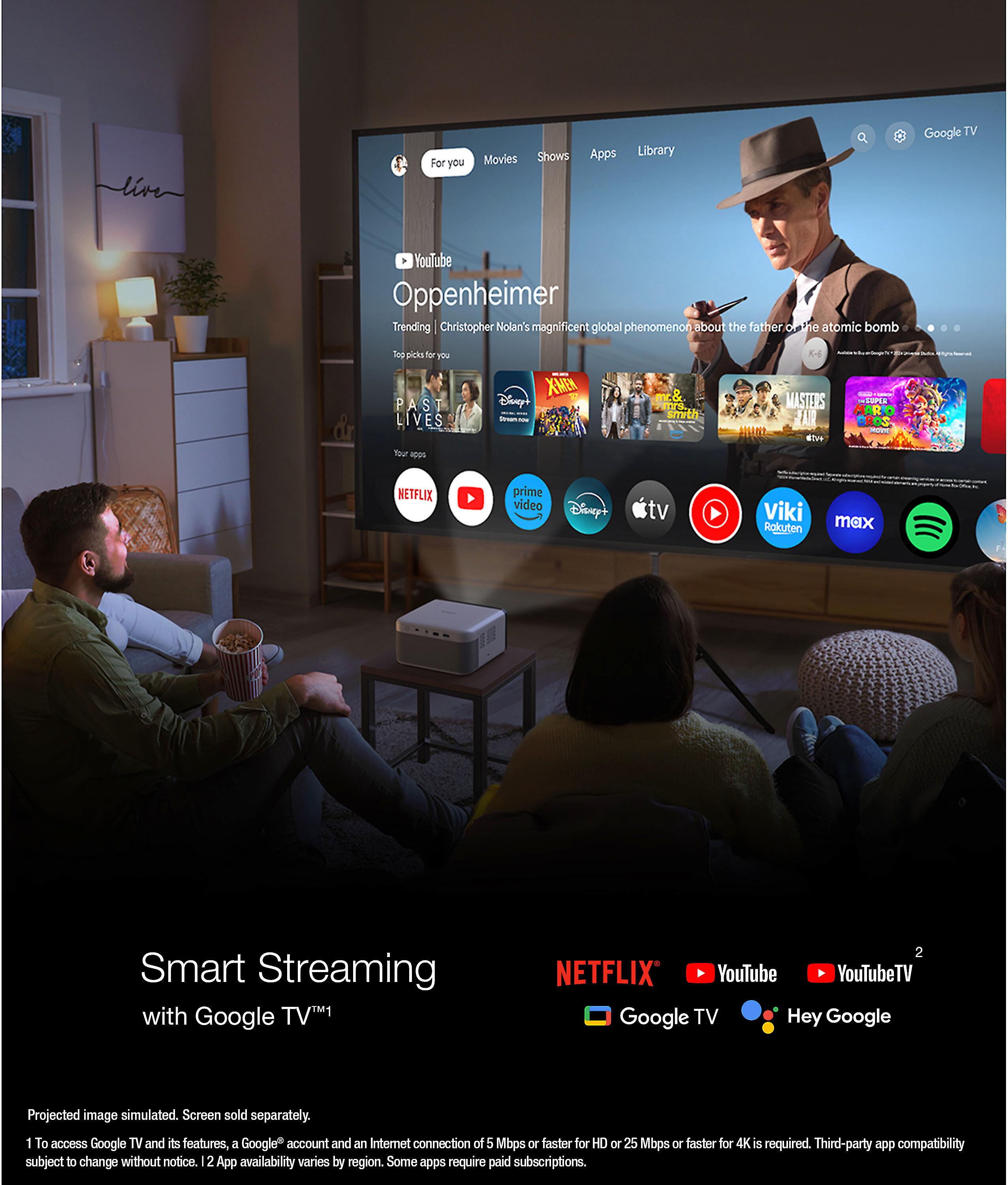
The Epson EF21 uses Google TV, which theoretically provides access to over 10,000 apps including live TV options through services like YouTube TV. Google TV also integrates Google Assistant for voice control, adding convenience for hands-free operation.
However, here's where reality meets marketing: several professional reviews have noted that the EF21's Google TV implementation can be sluggish, with menu navigation feeling slower than external streaming devices. The initial setup reportedly takes around 30 minutes, and some reviewers suggest using an external streaming stick might actually provide a better experience.
This presents an interesting trade-off. The D1's simpler approach may actually deliver a more satisfying smart TV experience, while the EF21 offers more features but potentially at the cost of smooth performance.
Audio often gets overlooked in projector reviews, but it's crucial for creating immersive experiences. Both projectors include built-in speakers, but with different approaches.
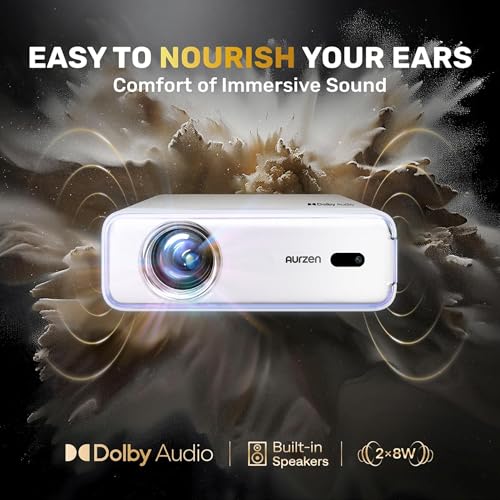
The Aurzen D1 features dual 8W speakers with Dolby Audio processing and 3D stereo sound. The higher wattage typically translates to louder output and better bass response. Interestingly, the D1 can also function as a standalone Bluetooth speaker when not projecting—a nice bonus feature for music listening.
The Epson EF21 includes dual 5W speakers with Dolby audio support. While lower in wattage, Epson's engineering experience often results in more refined sound tuning. However, the compact chassis likely limits the physical space available for speaker drivers.
For most casual viewing, either system should provide adequate audio. But if you're planning regular movie nights or want to avoid external speakers entirely, the D1's more powerful audio system could be the deciding factor.
Modern projectors have become remarkably sophisticated in their setup capabilities, and both models showcase impressive auto-correction features.
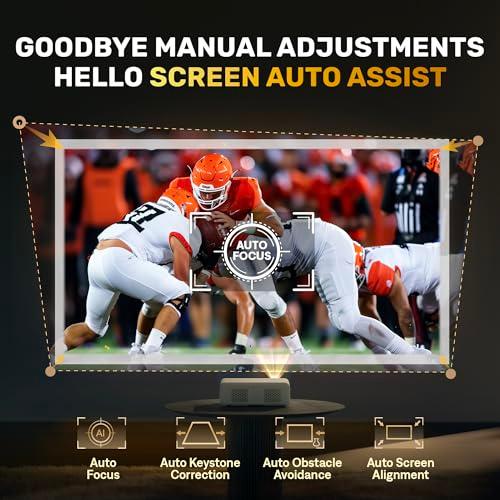
The Aurzen D1 includes what they call "Auto Assist Features":
These features use built-in cameras and sensors to analyze the projection surface and make real-time adjustments. For someone who wants to move their projector between rooms regularly, this automation eliminates the tedious manual adjustments that made older projectors frustrating to use.
The Epson EF21 counters with "EpiqSense Technology," which provides similar automatic adjustments but with the precision you'd expect from Epson's professional projector background. The system can adapt to virtually any surface and includes laser-based auto-focus for instant image sharpening.
Both systems work well, but Epson's implementation tends to be faster and more accurate, reflecting their decades of projector engineering experience.
At the time of writing, these projectors sit at dramatically different price points—the Aurzen D1 costs roughly one-seventh the price of the Epson EF21. This raises the obvious question: is the Epson really seven times better?
The answer depends entirely on your usage scenario and expectations.
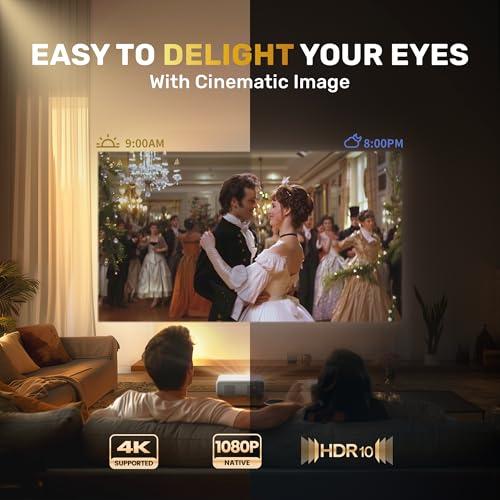
The D1 offers exceptional value for what it delivers: native 1080p resolution, honest brightness specifications, certified streaming apps, and impressive auto-setup features at an entry-level price. For someone wanting to dip their toes into projector ownership or needing a secondary projector for occasional use, it's hard to argue with the value proposition.
The EF21 commands its premium through superior core technology: five times brighter output, professional-grade 3LCD color reproduction, laser lighting that maintains consistent brightness over 20,000 hours, and Epson's reputation for reliability. The price reflects genuine technological advantages, not just brand markup.
If you're considering either projector for a dedicated home theater setup, several factors become critical.
For basement or dedicated theater rooms with controlled lighting, the Aurzen D1 can actually deliver a surprisingly cinematic experience. Its ability to project up to 200-inch images means you can create truly massive displays that rival commercial theaters. The honest 200 ANSI lumens, while modest, work well in dark environments where many home theaters operate.
However, the Epson EF21 brings professional-grade features that serious home theater enthusiasts will appreciate. The laser light source eliminates the warm-up time common with traditional projector bulbs, provides instant full brightness, and maintains color accuracy throughout its lifespan. The 3LCD technology delivers better color reproduction for movies, particularly in scenes with mixed lighting conditions.
For gaming, the EF21's brightness advantage becomes particularly important. Modern games often feature HDR content with bright highlights that require higher projector output to display properly. The D1 will handle gaming adequately in dark rooms, but the EF21 provides more flexibility for different gaming environments.
Based on my experience with both budget and premium projectors, here's when each option makes the most sense:
Choose the Aurzen EAZZE D1 if you:
Choose the Epson EpiqVision Mini EF21 if you:
These projectors serve different markets effectively, and neither is objectively "better"—they're optimized for different priorities and budgets.
The Aurzen D1 represents remarkable engineering at its price point, delivering features that would have cost thousands just a few years ago. It proves that budget projectors don't have to mean compromised user experience, particularly in controlled lighting environments.
The Epson EF21 showcases what's possible when premium technology meets portable design. Its brightness and color advantages aren't just marketing points—they fundamentally expand when and where you can use the projector effectively.
Your choice ultimately comes down to matching capabilities with your intended use. If you're creating a dark-room entertainment space or want an affordable introduction to projection, the D1 delivers outstanding value. If you need the flexibility to use your projector in various lighting conditions or want the best possible image quality, the EF21 justifies its premium pricing.
Either way, both projectors represent the impressive evolution of portable projection technology in 2024, making big-screen entertainment more accessible than ever before.
| Aurzen EAZZE D1 Smart Projector | Epson EpiqVision Mini EF21 Projector |
|---|---|
| Brightness - Most critical spec determining where you can use the projector | |
| 200 ANSI lumens (requires dark rooms for best results) | 1,000 lumens (5x brighter, usable in moderately lit rooms) |
| Display Technology - Affects color accuracy and image quality | |
| Single TFT LCD panel with LED lighting (basic but functional) | 3LCD triple-chip system with laser phosphor (professional grade) |
| Light Source Lifespan - How long before replacement needed | |
| 30,000 hours LED (over 20 years at 4 hours daily use) | 20,000 hours laser (virtually maintenance-free operation) |
| Smart Platform - Built-in streaming capabilities | |
| WebOS-based system with certified Netflix, Prime Video, YouTube | Google TV with 10,000+ apps but reportedly sluggish performance |
| Audio System - Built-in speaker quality | |
| Dual 8W speakers with Dolby Audio (higher wattage for room-filling sound) | Dual 5W speakers with Dolby support (adequate but less powerful) |
| Auto Setup Features - How easy it is to get a perfect image | |
| Auto-focus, keystone correction, screen alignment, obstacle avoidance | EpiqSense technology with laser auto-focus and surface adaptation |
| Maximum Image Size - How big you can project | |
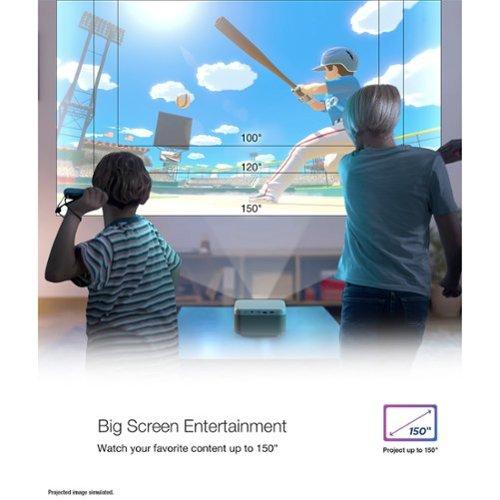
| Up to 200 inches diagonal (impressive for the price point) | Up to 150 inches diagonal (still very large for most rooms) |
| Portability - Size and weight for moving between locations | |
| Ultra-compact at 3.2" x 9.1" x 6.9" (extremely portable) | Larger at 7.75" x 7.5" x 4.4", weighs 5.1 lbs (still portable but bulkier) |
| Connectivity Options - How many devices you can connect | |
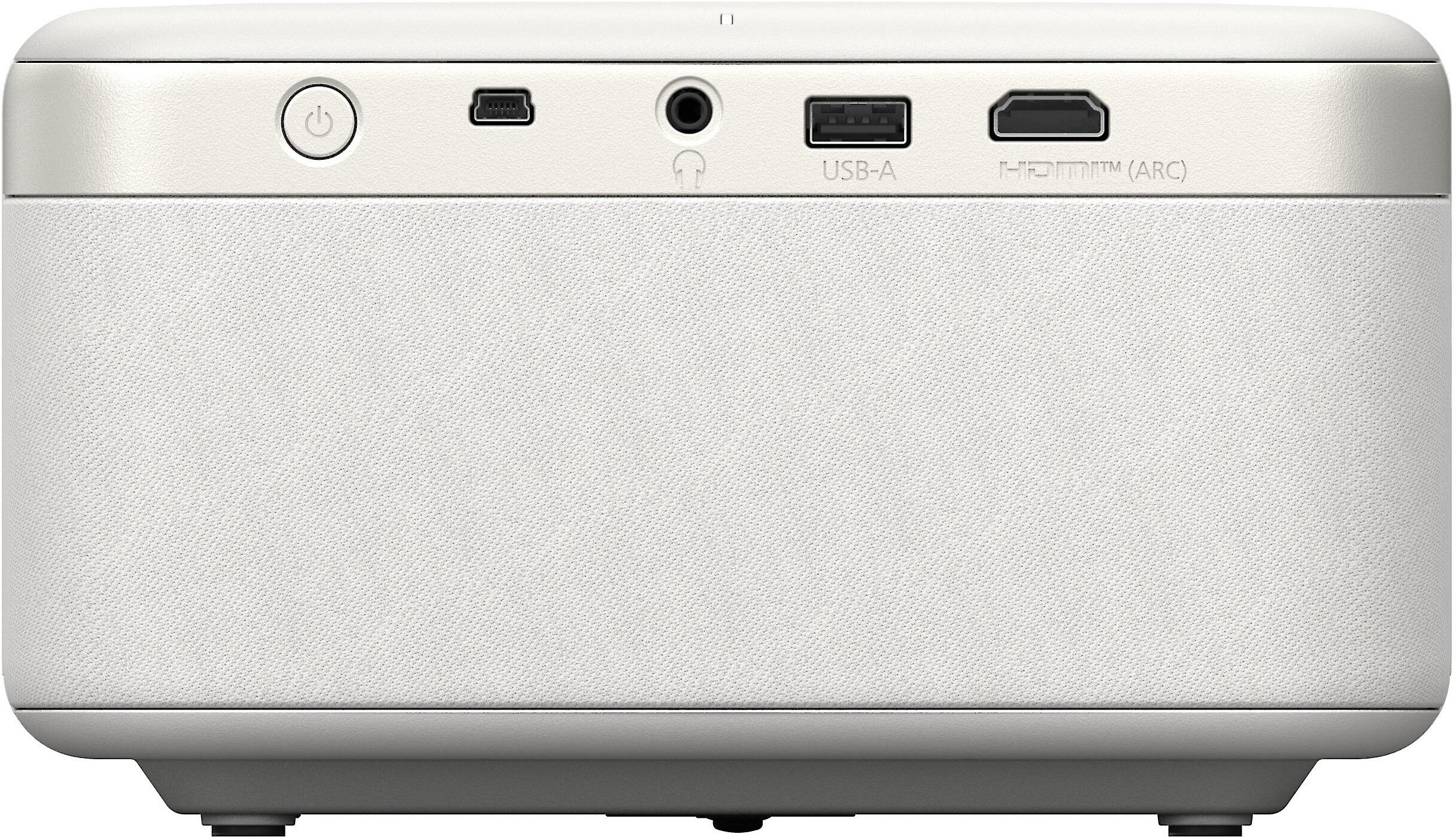
| HDMI, 2x USB, Wi-Fi, Bluetooth 5.1 (covers most needs) | HDMI 2.3, USB-A, USB-B mini, Wi-Fi, Bluetooth 5.1 (similar coverage) |
| Best Use Case - Where each projector excels | |
| Dark room entertainment, outdoor movies, budget-conscious buyers | Mixed lighting conditions, frequent use, premium image quality seekers |
The Epson EpiqVision Mini EF21 is significantly brighter at 1,000 lumens compared to the Aurzen EAZZE D1's 200 ANSI lumens. This means the Epson can be used in moderately lit rooms, while the Aurzen works best in dark environments. For daytime viewing with curtains drawn, the Epson EF21 is the clear choice.
The Epson EpiqVision Mini EF21 uses professional 3LCD technology with three separate panels for superior color accuracy and eliminates rainbow effects. The Aurzen EAZZE D1 uses a single LCD panel which is adequate for the price but can't match the color reproduction of the triple-chip system in the Epson.
Both projectors offer built-in streaming, but with different approaches. The Aurzen EAZZE D1 features certified Netflix, Prime Video, and YouTube on a WebOS-based system that runs smoothly. The Epson EpiqVision Mini EF21 offers Google TV with more apps but reviews indicate sluggish performance that may require an external streaming device.
The Aurzen EAZZE D1 has more powerful dual 8W speakers with Dolby Audio, providing better room-filling sound. The Epson EpiqVision Mini EF21 includes dual 5W speakers which are adequate but less powerful. The Aurzen also doubles as a Bluetooth speaker when not projecting.
For dedicated dark home theaters, the Aurzen EAZZE D1 can create impressive 200-inch images at a fraction of the cost. However, the Epson EpiqVision Mini EF21 offers professional-grade performance with better color accuracy, HDR10 support, and laser lighting that's ideal for serious home theater enthusiasts who can justify the premium price.
Both offer excellent auto-setup features. The Aurzen EAZZE D1 includes auto-focus, keystone correction, screen alignment, and obstacle avoidance. The Epson EpiqVision Mini EF21 features EpiqSense technology with laser auto-focus that's typically faster and more precise, reflecting Epson's projector expertise.
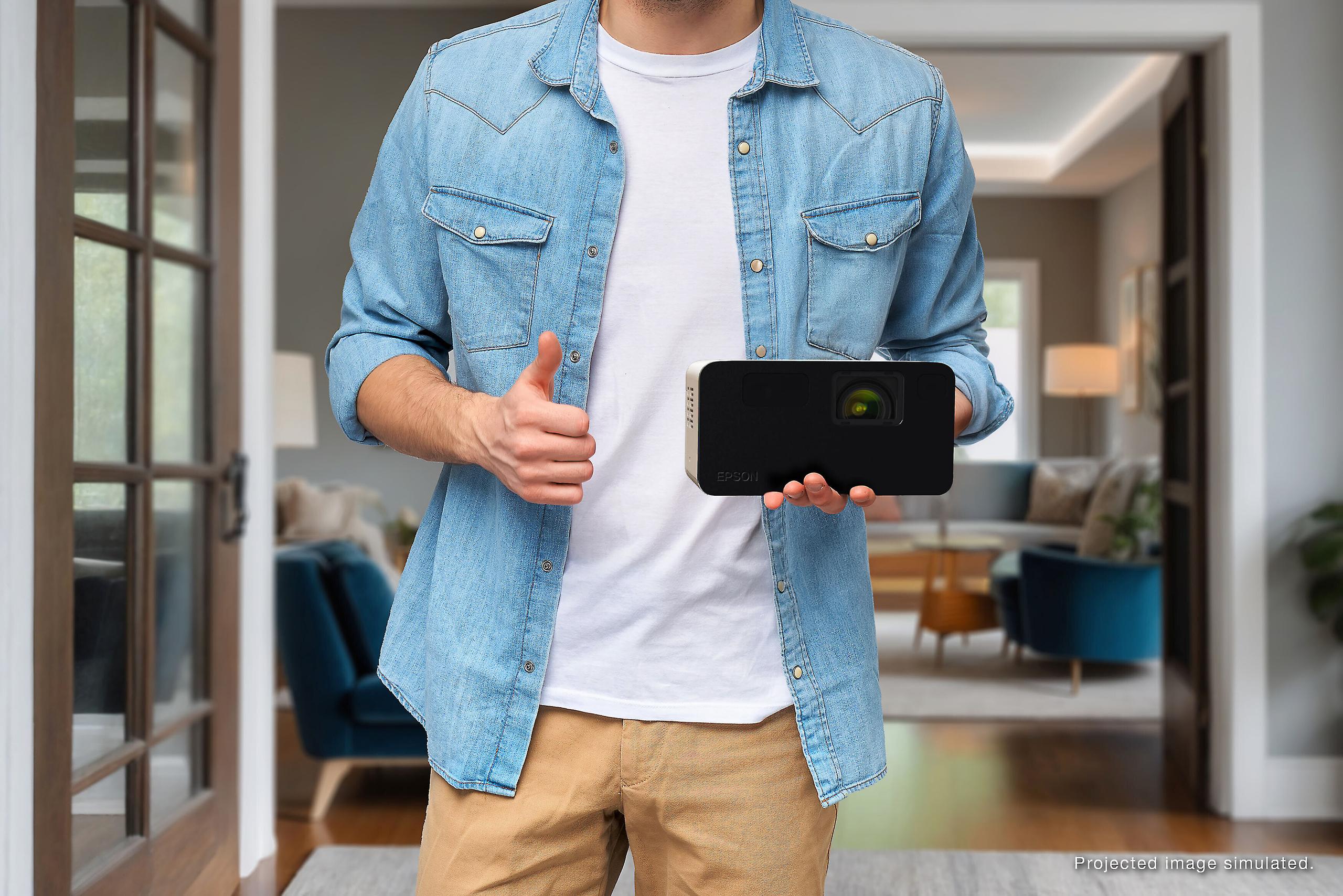
The Aurzen EAZZE D1 is more compact at 3.2" x 9.1" x 6.9" making it extremely portable for travel and moving between rooms. The Epson EpiqVision Mini EF21 is larger at 7.75" x 7.5" x 4.4" and weighs 5.1 lbs, still portable but bulkier than the ultra-compact Aurzen.
The Aurzen EAZZE D1 uses LED lighting rated for 30,000 hours, which equals over 20 years of use at 4 hours daily. The Epson EpiqVision Mini EF21 features laser lighting rated for 20,000 hours with virtually no maintenance required and consistent brightness throughout its life.
The Epson EpiqVision Mini EF21 can handle moderately lit rooms thanks to its 1,000 lumens output, making it suitable for family rooms with some ambient lighting. The Aurzen EAZZE D1 requires dark or dimmed environments for optimal viewing due to its 200 ANSI lumens brightness.
The Aurzen EAZZE D1 offers exceptional value with native 1080p, smart features, and honest specifications at a budget price point. The Epson EpiqVision Mini EF21 costs significantly more but provides professional-grade performance with 5x brighter output and superior technology that justifies the premium for frequent users.
The Aurzen EAZZE D1 can project up to 200-inch diagonal images, which is impressive for creating massive displays in dark rooms. The Epson EpiqVision Mini EF21 maxes out at 150-inch diagonal but maintains better brightness and image quality at larger sizes due to its more powerful light source.
Both handle gaming well, but the Epson EpiqVision Mini EF21 has advantages for gaming in various lighting conditions due to its brightness. The Aurzen EAZZE D1 works great for gaming in dark rooms and offers good value for casual gamers, while the Epson better handles HDR gaming content and provides more flexibility for different gaming environments.
We've done our best to create useful and informative comparisons to help you decide what product to buy. Our research uses advanced automated methods to create this comparison and perfection is not possible - please contact us for corrections or questions. These are the sites we've researched in the creation of this article: aurzen.com - projectorcentral.com - manuals.plus - aurzen.com - projektoren-datenbank.com - hometechnologyreview.com - aurzen.com - youtube.com - aurzen.com - youtube.com - youtube.com - aurzen.com - tvsbook.com - bestbuy.com - bestbuy.com - cnet.com - youtube.com - projectorreviews.com - epson.com - projectorreviews.com - epson.com - rtings.com - epson.com - youtube.com - projectorcentral.com - bestbuy.com - projectorcentral.com - nfm.com - crutchfield.com - latin.epson.com - mediaserver.goepson.com - planettv.com - bhphotovideo.com - cnet.com - epson.com

Privacy Policy
Terms and Conditions - Affiliate Policy
Home Security
© Copyright 2008-2026.
11816 Inwood Rd #1211, Dallas, TX 75244