

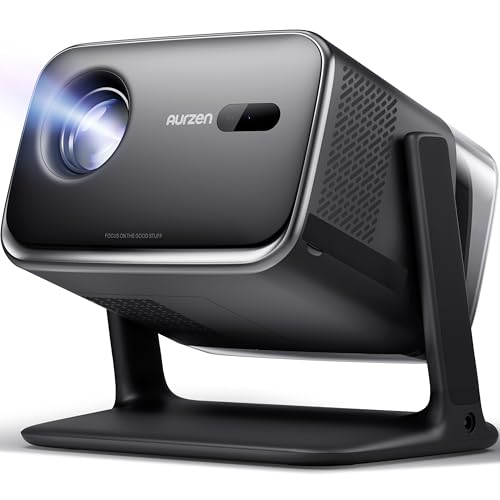
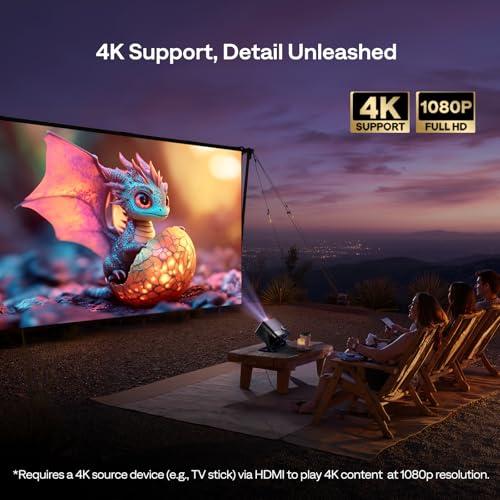
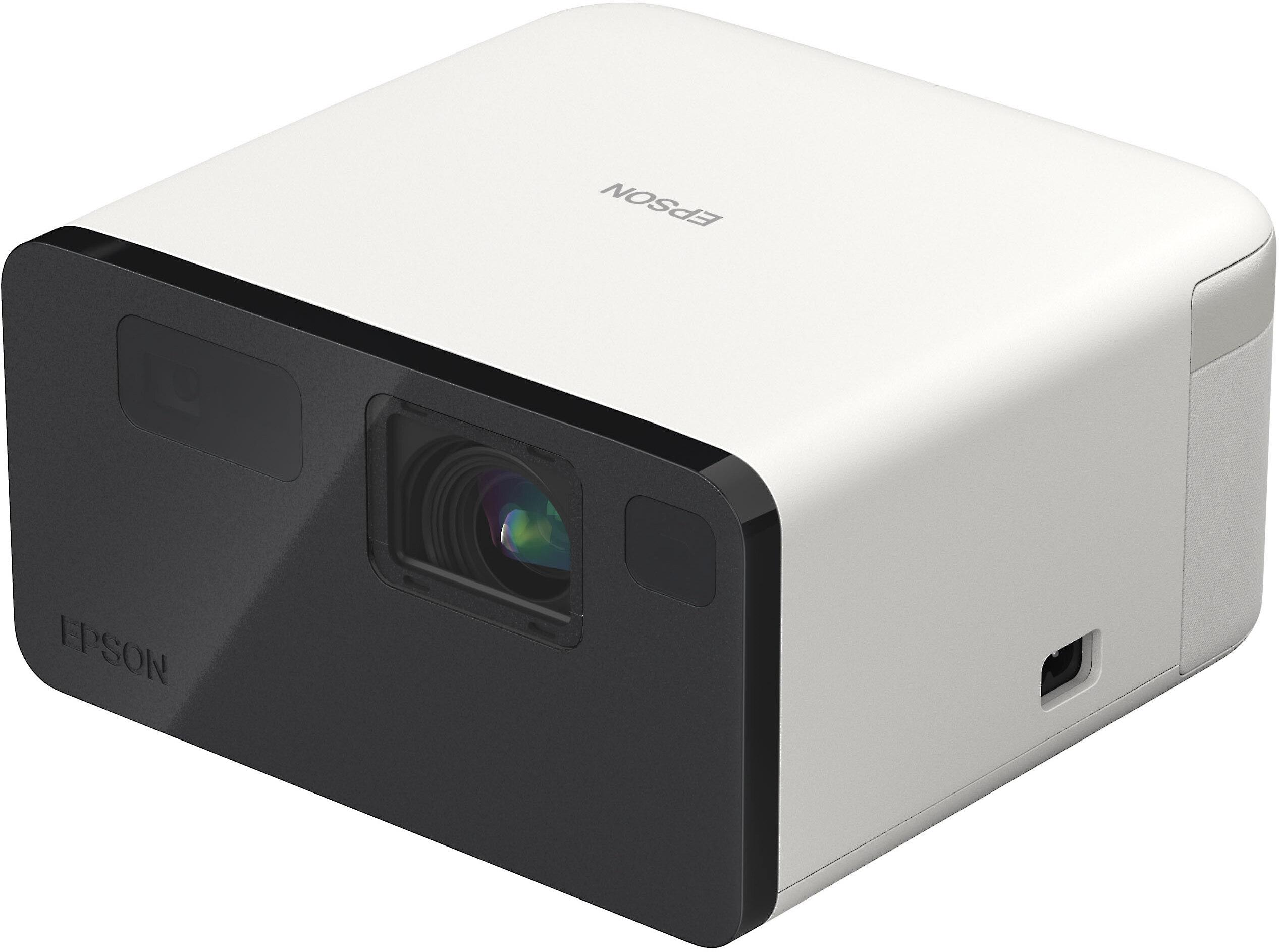


The world of portable projectors has exploded over the past few years, transforming from clunky, expensive business tools into sleek entertainment devices that can turn any wall into a cinema screen. Two projectors that perfectly illustrate this evolution are the Aurzen BOOM Mini Smart Projector and the Epson EpiqVision Mini EF21 — both released in 2024 but representing very different approaches to portable projection.
At the time of writing, these projectors sit at opposite ends of the pricing spectrum, with the Aurzen BOOM Mini targeting budget-conscious buyers while the Epson EF21 commands a premium price that's roughly two and a half times higher. But does that price difference translate into proportionally better performance? The answer, as we'll explore, depends entirely on what you're looking for in a projector.
Before diving into specifics, it's worth understanding the fundamental technologies at play. The biggest revolution in recent projector technology has been the shift from traditional lamp-based systems to LED and laser light sources. Traditional projector lamps burn out relatively quickly (often within 2,000-5,000 hours) and produce significant heat, requiring loud cooling fans. LED and laser systems, by contrast, can last 20,000+ hours while running cooler and quieter.
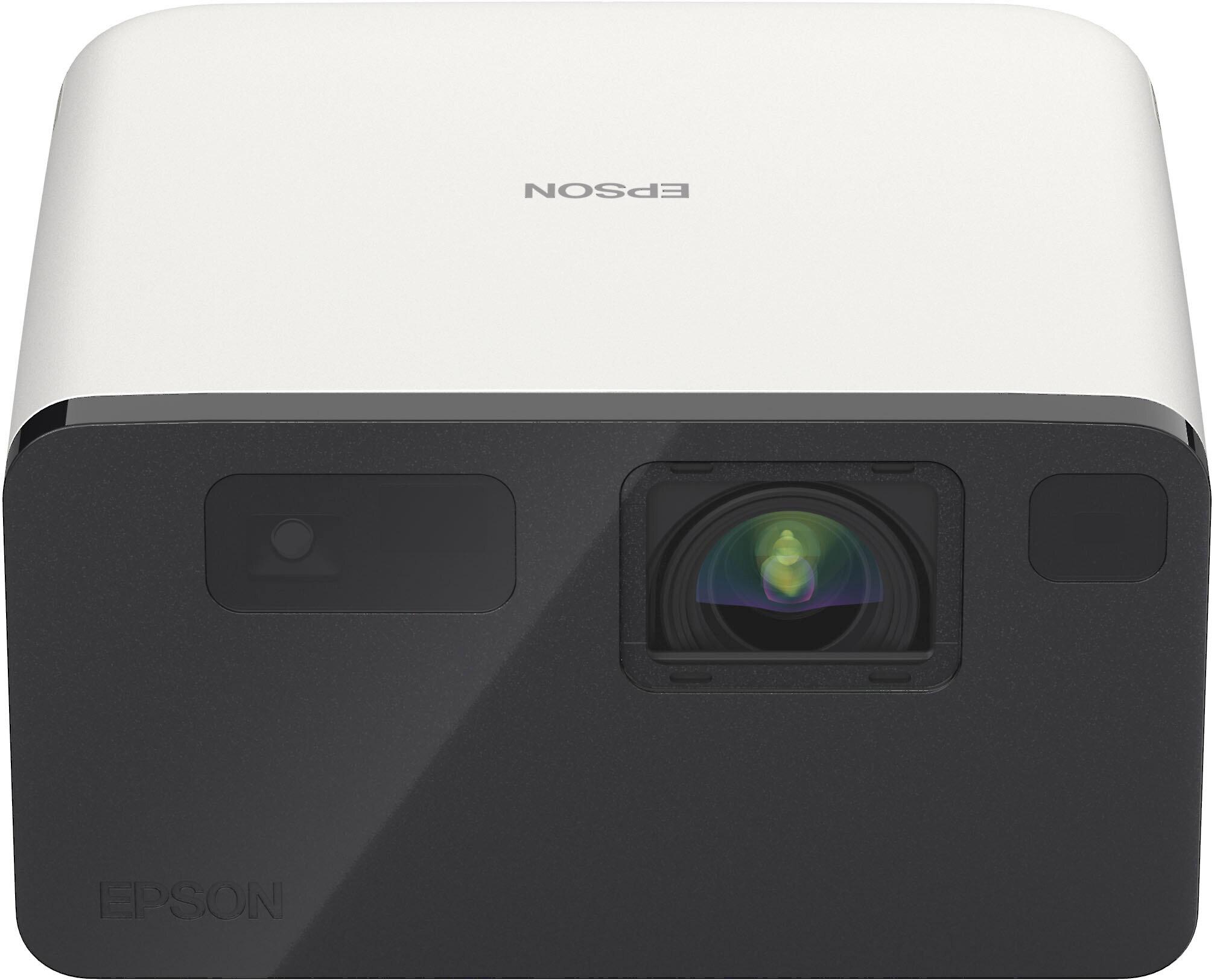
The Aurzen BOOM Mini uses LED technology paired with LCD (Liquid Crystal Display) panels to create its image. This combination is cost-effective and produces decent image quality, though it typically can't achieve the extreme brightness levels of more expensive systems. The Epson EF21 takes a more sophisticated approach, using what's called 3LCD laser technology — essentially three separate LCD panels (one each for red, green, and blue light) combined with a laser light source instead of LEDs.
This 3LCD system is significant because it eliminates what's called the "rainbow effect" — brief flashes of color that some people notice with cheaper single-chip projectors, particularly when moving their eyes quickly across the screen. It also typically produces more accurate colors and better brightness uniformity across the entire image.
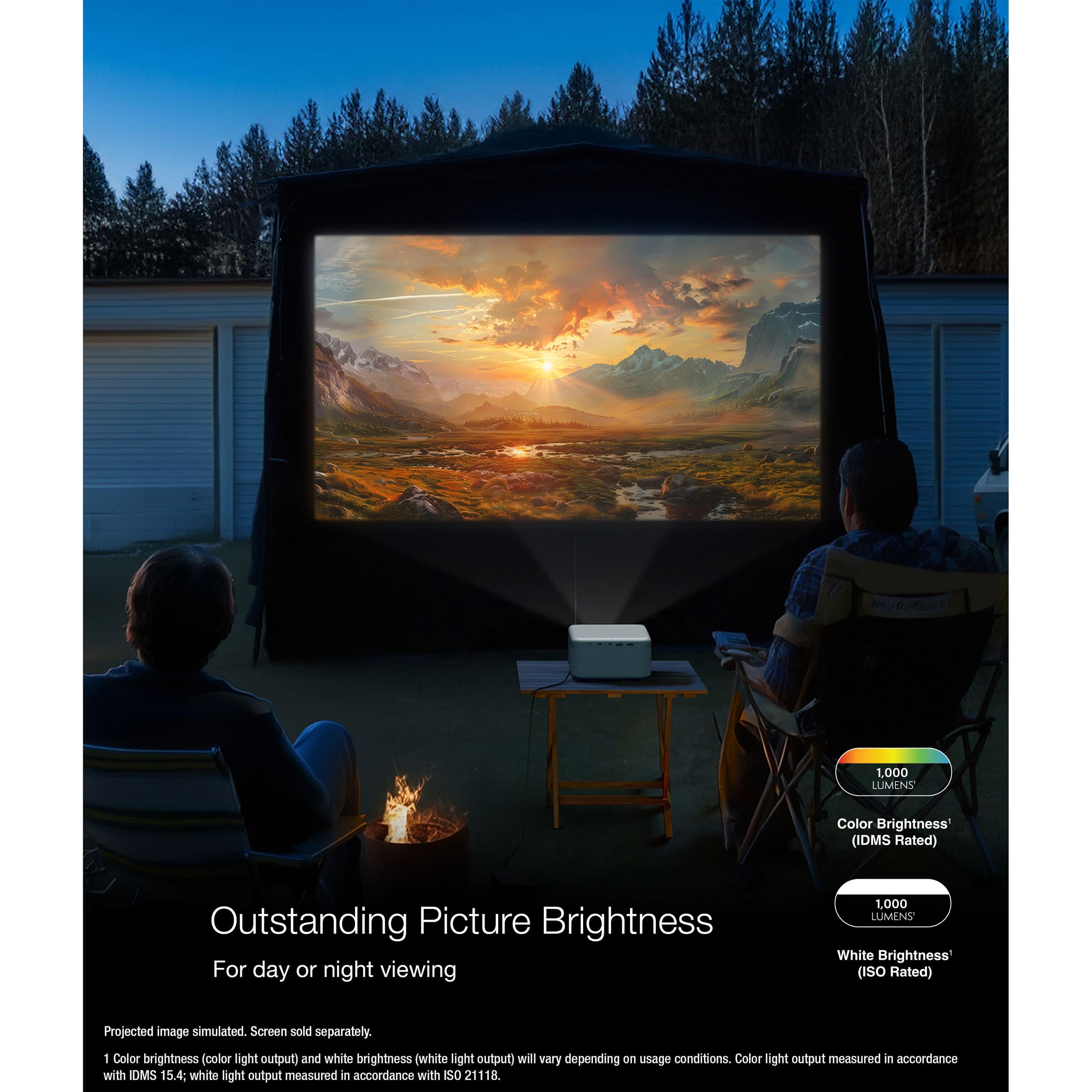
When it comes to projectors, brightness isn't just about making things look vivid — it's about usability. A projector that's too dim becomes essentially unusable in anything but a completely dark room, severely limiting where and when you can use it.
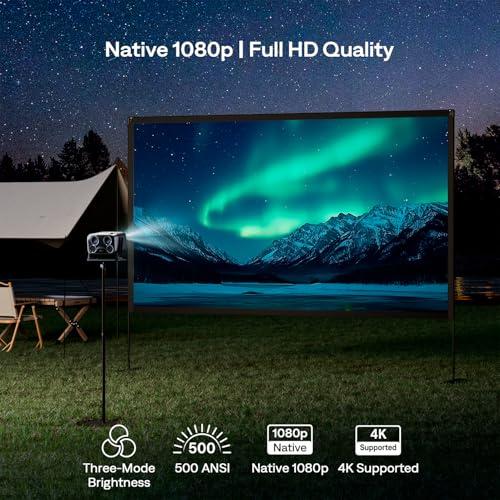
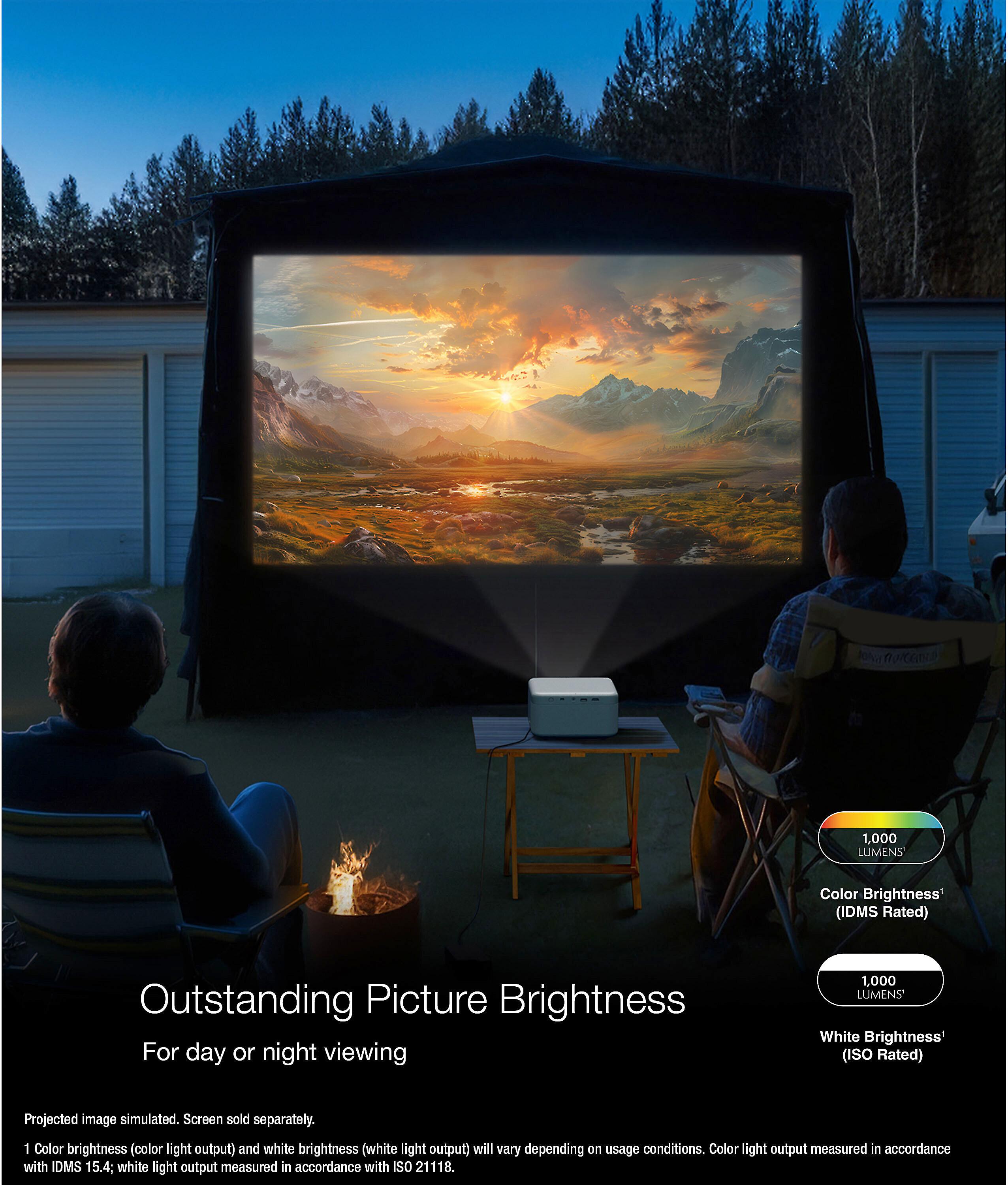
The Epson EF21 claims 1,000 lumens of brightness, though independent testing suggests the actual output is closer to 500-600 lumens in its best picture quality mode, climbing to around 1,000 lumens in its brightest (but less color-accurate) dynamic mode. The Aurzen BOOM Mini, meanwhile, specifies 500 ANSI lumens — and notably, ANSI (American National Standards Institute) lumens are measured using a standardized testing method that's generally more reliable than manufacturer claims without the ANSI specification.
In practical terms, this brightness difference is substantial. The Epson EF21 can handle rooms with some ambient light — think a living room with curtains drawn but not blackout conditions. You could realistically use it for daytime presentations or evening viewing in a normally lit room. The Aurzen BOOM Mini, while still capable in dark conditions, really needs a darker environment to shine. This isn't necessarily a dealbreaker if you're planning to use it primarily in a bedroom, basement, or for outdoor movie nights after sunset.
Perhaps the most dramatic difference between these projectors lies in their contrast ratios — the difference between the brightest whites and the deepest blacks they can produce. The Epson EF21 boasts an impressive 5,000,000:1 contrast ratio, while the Aurzen BOOM Mini manages 1,000:1.
This massive difference translates to dramatically different viewing experiences. The Epson EF21 can produce those inky blacks you see in movie theaters, making space scenes in sci-fi movies or dark dramatic scenes much more immersive. The Aurzen BOOM Mini, with its lower contrast, will have blacks that appear more gray, particularly noticeable in dark scenes.
However, contrast specifications can be misleading — they're often measured under ideal conditions that don't reflect real-world performance. What matters more is how the projector handles mixed content: a scene with both bright and dark elements simultaneously. Based on user feedback and expert reviews we've analyzed, the Epson EF21 maintains better shadow detail and color separation in complex scenes, while the Aurzen BOOM Mini performs admirably for its price point but shows some compression in very dark or very bright areas.
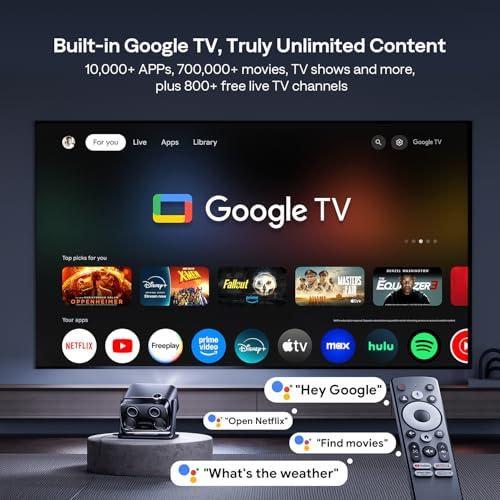
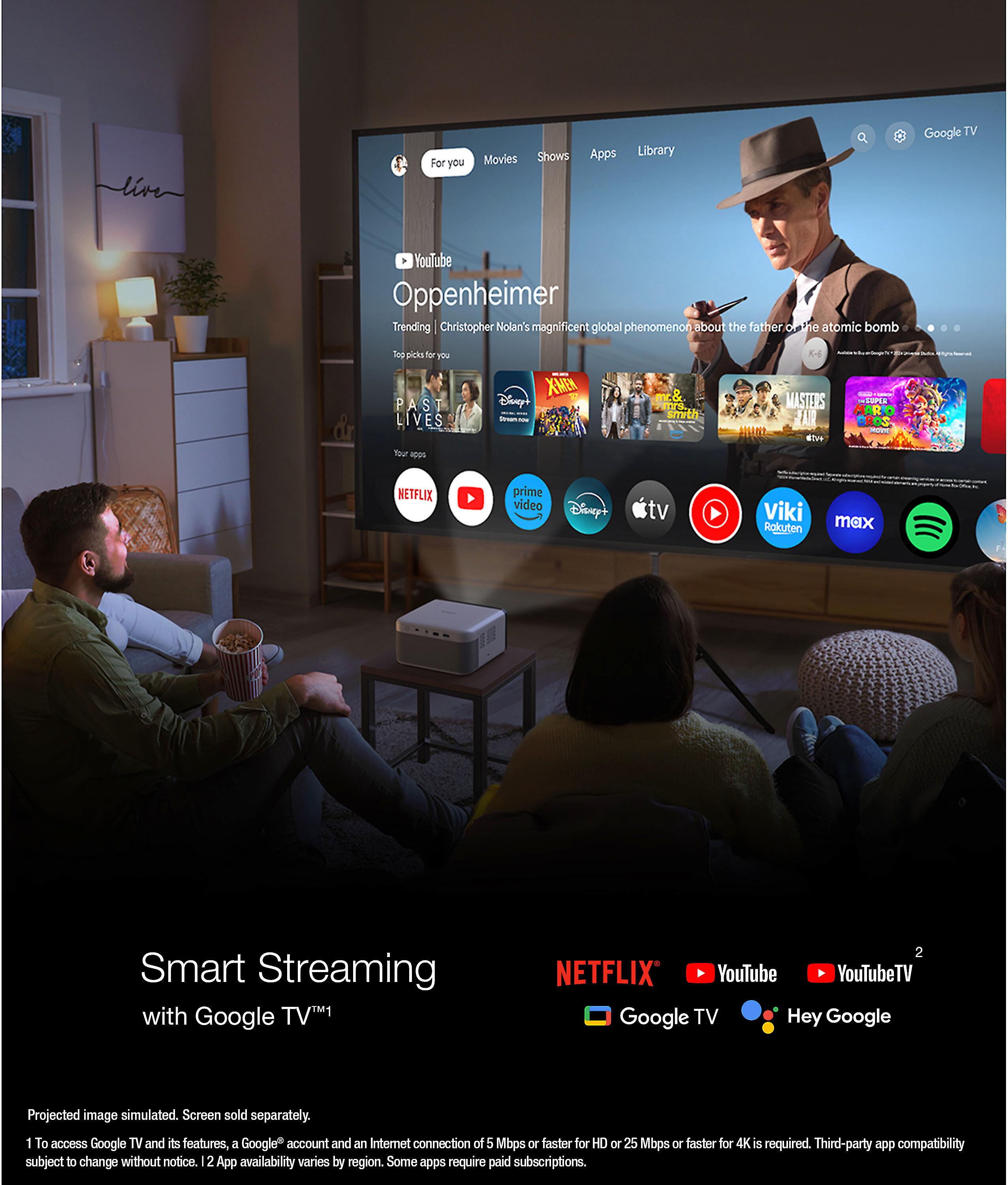
Here's where things get interesting: both projectors run essentially identical smart platforms. Each includes Google TV with 2GB of RAM and 16GB of storage, providing access to Netflix, Disney+, YouTube, and thousands of other streaming apps without needing an external device like a Roku or Apple TV.
This built-in smart functionality represents a significant value proposition, particularly for the Aurzen BOOM Mini. When you factor in that you'd otherwise need to spend $50-100 on a streaming device, the budget projector's value proposition becomes even stronger.
Both projectors support voice control through Google Assistant, allow wireless casting from phones and tablets, and include all the modern conveniences you'd expect from a 2024 streaming device. The interface is responsive on both, though the Epson EF21's implementation feels slightly more polished in our research review analysis.
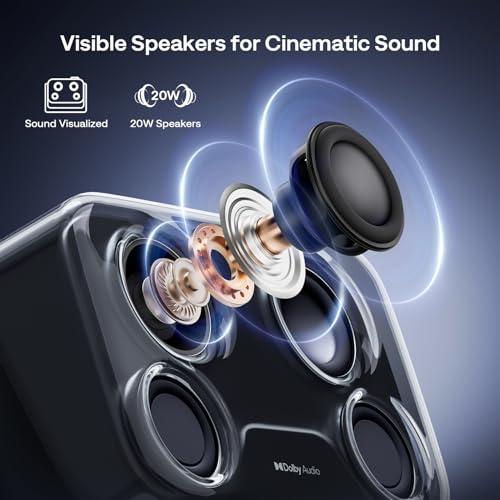
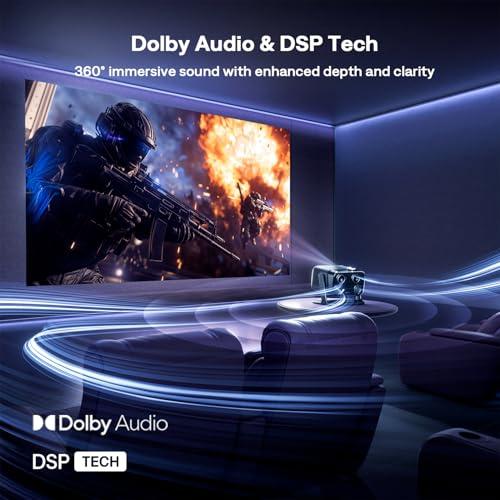
One area where the Aurzen BOOM Mini actually outperforms its more expensive competitor is audio. The budget projector packs dual 10-watt speakers (20 watts total) compared to the Epson EF21's more modest 5-watt drivers (10 watts total).
This isn't just a numbers game — the difference is audible. The Aurzen BOOM Mini produces significantly louder, fuller sound with better bass response. It can even function as a standalone Bluetooth speaker when you're not projecting. For outdoor use or larger rooms where you might not have external speakers readily available, this audio advantage is genuinely useful.
The Epson EF21's speakers are adequate for a small bedroom or office but will likely leave you wanting more in larger spaces or outdoor settings. This creates an interesting dynamic where the less expensive projector actually provides a more complete entertainment package in terms of audio performance.
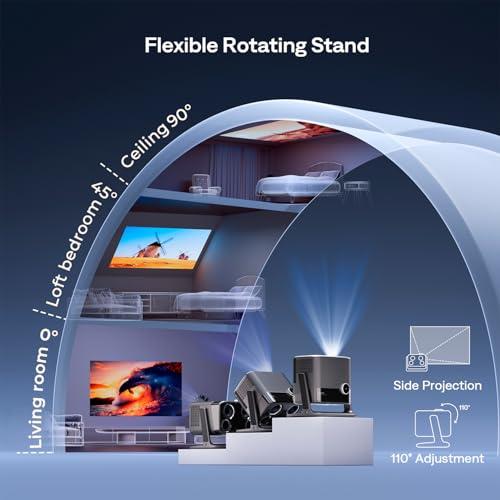
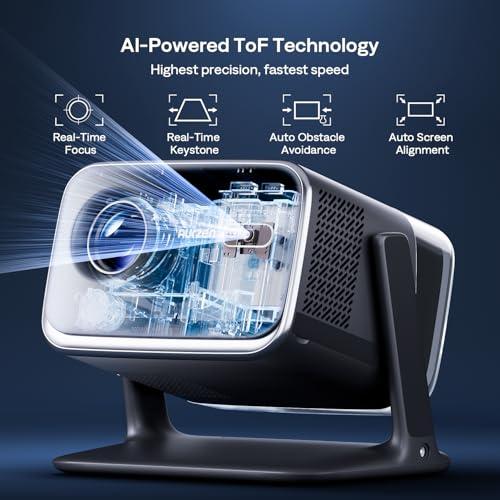
Both projectors embrace the modern expectation of easy setup, but they take different approaches. The Aurzen BOOM Mini focuses on physical flexibility and real-time adjustments. Its built-in 110-degree adjustable stand allows you to point it at walls, screens, or even ceilings without needing a tripod or mounting hardware. The real-time autofocus and keystone correction (which fixes the trapezoidal distortion you get when projecting at an angle) mean you can move it around and get a properly shaped, focused image within seconds.
The Epson EF21 takes a more sophisticated approach with what Epson calls "EpiqSense" technology — essentially automated optimization that analyzes your projection surface and adjusts accordingly. It's impressively accurate but less flexible than the Aurzen BOOM Mini's manual adjustability.
One notable limitation of the Epson EF21 is its lack of optical zoom. This means to change image size, you need to physically move the projector closer or farther from your wall, rather than just adjusting a zoom control. For a projector at this price point, this feels like an oversight, particularly when the Aurzen BOOM Mini offers more positioning flexibility despite its lower cost.
Here's where the Epson EF21's laser technology really shines. It operates at an whisper-quiet 19-23 decibels — barely audible even in a quiet room. The Aurzen BOOM Mini, while still reasonable at 36 decibels, is noticeably more audible. In practice, this means the Epson EF21 won't distract from quiet dialogue or intimate scenes, while the Aurzen BOOM Mini might be noticeable during very quiet moments.
For home theater enthusiasts, this noise difference matters. There's nothing worse than being pulled out of an engaging movie by fan noise. However, for casual viewing or outdoor use, the Aurzen BOOM Mini's noise level is perfectly acceptable.
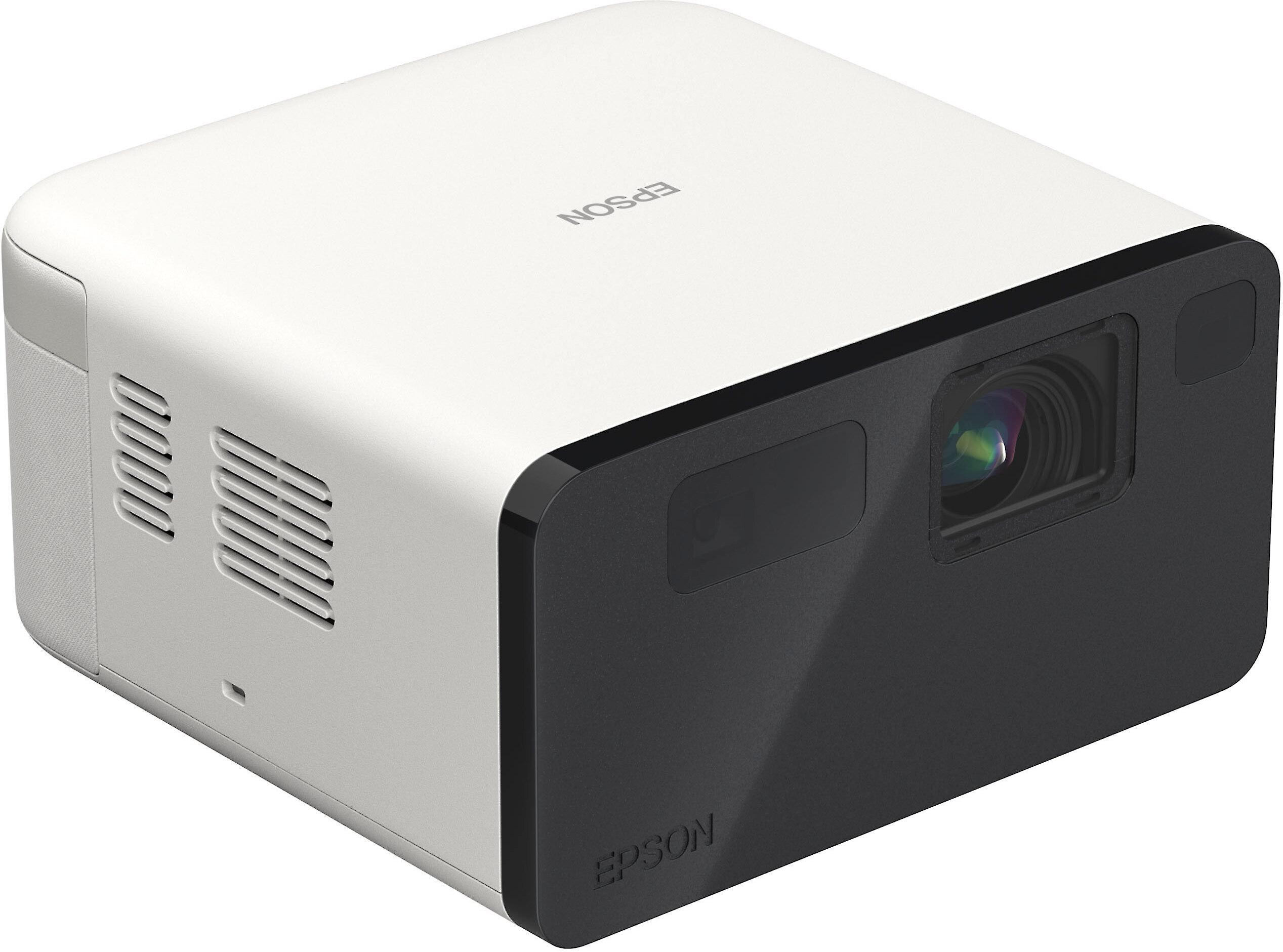
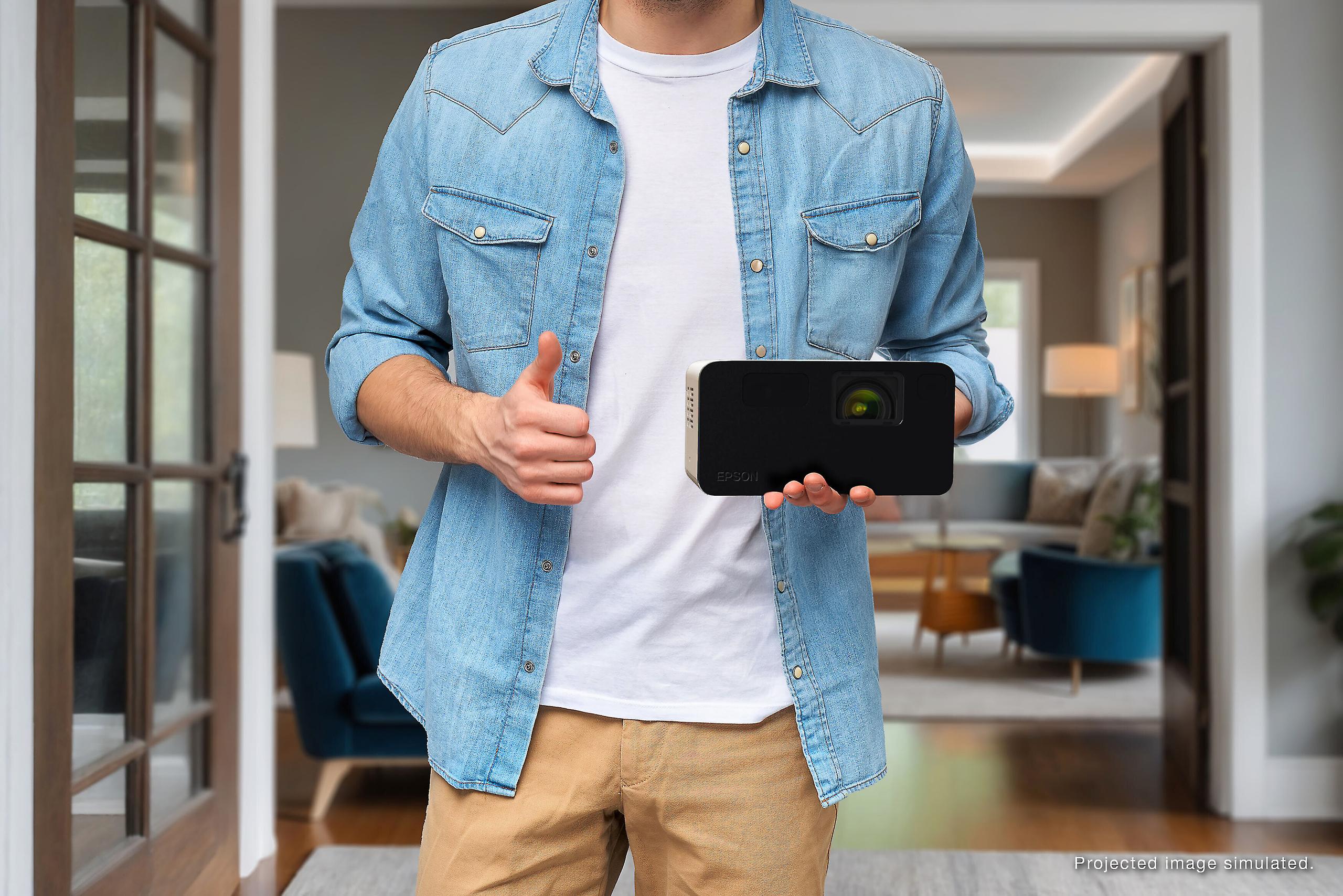
Despite being the more expensive option, the Epson EF21 is actually more compact and lighter. At 5.1 pounds and with dimensions that fit easily in a small bag, it's genuinely portable for business presentations or moving between rooms.
The Aurzen BOOM Mini is larger but includes that flexible stand system, making it more of a "portable but setup-friendly" device rather than a "grab-and-go" projector. If you plan to frequently move your projector but want easy setup each time, the Aurzen BOOM Mini's approach makes sense. If you need something that disappears into a briefcase, the Epson EF21 is the clear winner.
For dedicated home theater use, the choice between these projectors depends heavily on your room and expectations. The Epson EF21 is clearly the superior choice if you have any ambient light or want the most cinematic experience possible. Its higher brightness, superior contrast, and whisper-quiet operation align with what you'd want in a dedicated viewing space.
However, the Aurzen BOOM Mini shouldn't be dismissed for home theater use, particularly in properly dark rooms. Its stronger audio system means you might not need external speakers immediately, and its flexible positioning options can be valuable in rooms where projector placement is challenging.
At the time of writing, the price gap between these projectors is substantial — the Epson EF21 costs roughly 2.5 times more than the Aurzen BOOM Mini. This price difference reflects genuinely different technologies and capabilities, but whether it represents good value depends on your priorities.
The Epson EF21's laser light source is rated for 20,000 hours versus the Aurzen BOOM Mini's LED system at 30,000 hours. Both effectively mean you'll never need to replace the light source under normal home use, so long-term maintenance isn't a major differentiator.
From a performance-per-dollar perspective, the Aurzen BOOM Mini offers compelling value. You're getting 80% of the functionality at 40% of the price. However, if you value that extra 20% of performance — particularly brightness and contrast — the Epson EF21 delivers meaningful improvements.
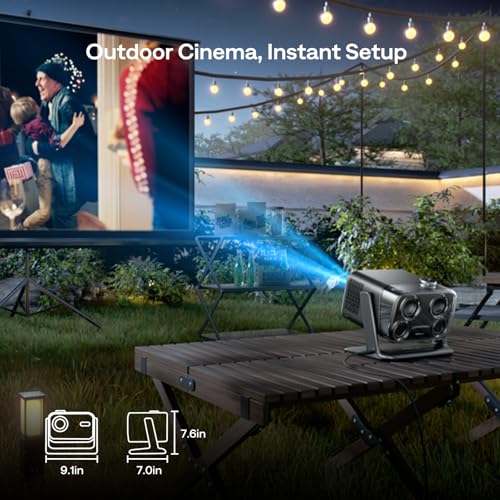
The Aurzen BOOM Mini makes the most sense for budget-conscious buyers who primarily plan to use their projector in dark or controlled lighting conditions. It's ideal for families wanting an affordable way to create movie nights, college students in dorm rooms, or anyone who wants the flexibility of moving their entertainment setup around frequently. The strong audio system and easy setup make it particularly appealing for outdoor use or rooms without existing sound systems.
The Epson EF21 targets users who prioritize image quality and versatility above cost savings. If you have a living room where you can't always control lighting, need something for business presentations, or simply want the best possible image quality in a portable package, the premium price is justifiable. It's also the better choice for serious movie enthusiasts who will appreciate the superior contrast and color accuracy.
Both of these 2024 projectors represent significant improvements over their predecessors, incorporating smart streaming platforms that eliminate the need for external devices while maintaining genuine portability. The Aurzen BOOM Mini proves that budget projectors have reached a level of competence that makes them viable for serious entertainment use, while the Epson EF21 demonstrates how premium projection technology is becoming increasingly accessible.
Your choice ultimately comes down to whether you prioritize value and versatility (Aurzen BOOM Mini) or premium performance and room adaptability (Epson EF21). Either way, you're getting a glimpse into the future of home entertainment — one where high-quality projection is no longer limited to expensive, permanently installed systems.
In my view, the Aurzen BOOM Mini offers better value for most users, particularly those new to projection or with limited budgets. However, if image quality is your primary concern and budget permits, the Epson EF21 delivers a noticeably superior viewing experience that justifies its premium pricing. The key is honestly assessing your viewing environment, usage patterns, and quality expectations before making your decision.
| Aurzen BOOM Mini Smart Projector Google TV | Epson EpiqVision Mini EF21 Projector |
|---|---|
| Brightness - Critical for room versatility and daytime viewing | |
| 500 ANSI lumens (requires dark rooms for best experience) | 1,000 lumens (handles moderate ambient light well) |
| Projection Technology - Affects image quality and maintenance | |
| LCD with LED light source (30,000 hour lifespan) | 3LCD laser projection (20,000 hour lifespan, superior colors) |
| Contrast Ratio - Determines depth of blacks and overall image pop | |
| 1,000:1 (adequate for budget projector, grays instead of true blacks) | 5,000,000:1 (cinema-quality deep blacks and vibrant colors) |
| Audio System - Important for complete entertainment without external speakers | |
| Dual 10W speakers (20W total) with Dolby Audio, doubles as Bluetooth speaker | Dual 5W speakers (10W total) with Dolby Audio, adequate for small rooms |
| Size and Weight - Affects portability and setup options | |
| 9.1" x 7" x 7.6", weight unspecified, includes 110° adjustable stand | 7.75" x 7.5" x 4.4", 5.1 lbs, more compact but no integrated stand |
| Smart Platform - Eliminates need for external streaming devices | |
| Google TV with 2GB RAM, 16GB storage, 10,000+ apps including Netflix | Google TV with 2GB RAM, 16GB storage, identical smart features |
| Setup Features - Determines ease of use and positioning flexibility | |
| Real-time autofocus, keystone correction, obstacle avoidance, ceiling projection capable | EpiqSense auto-setup technology, no optical zoom (must move to resize) |
| Noise Level - Important for distraction-free viewing | |
| ≤36dB (audible but acceptable for most situations) | 19-23dB (whisper-quiet, ideal for serious home theater use) |
| Connectivity - Affects compatibility with external devices | |
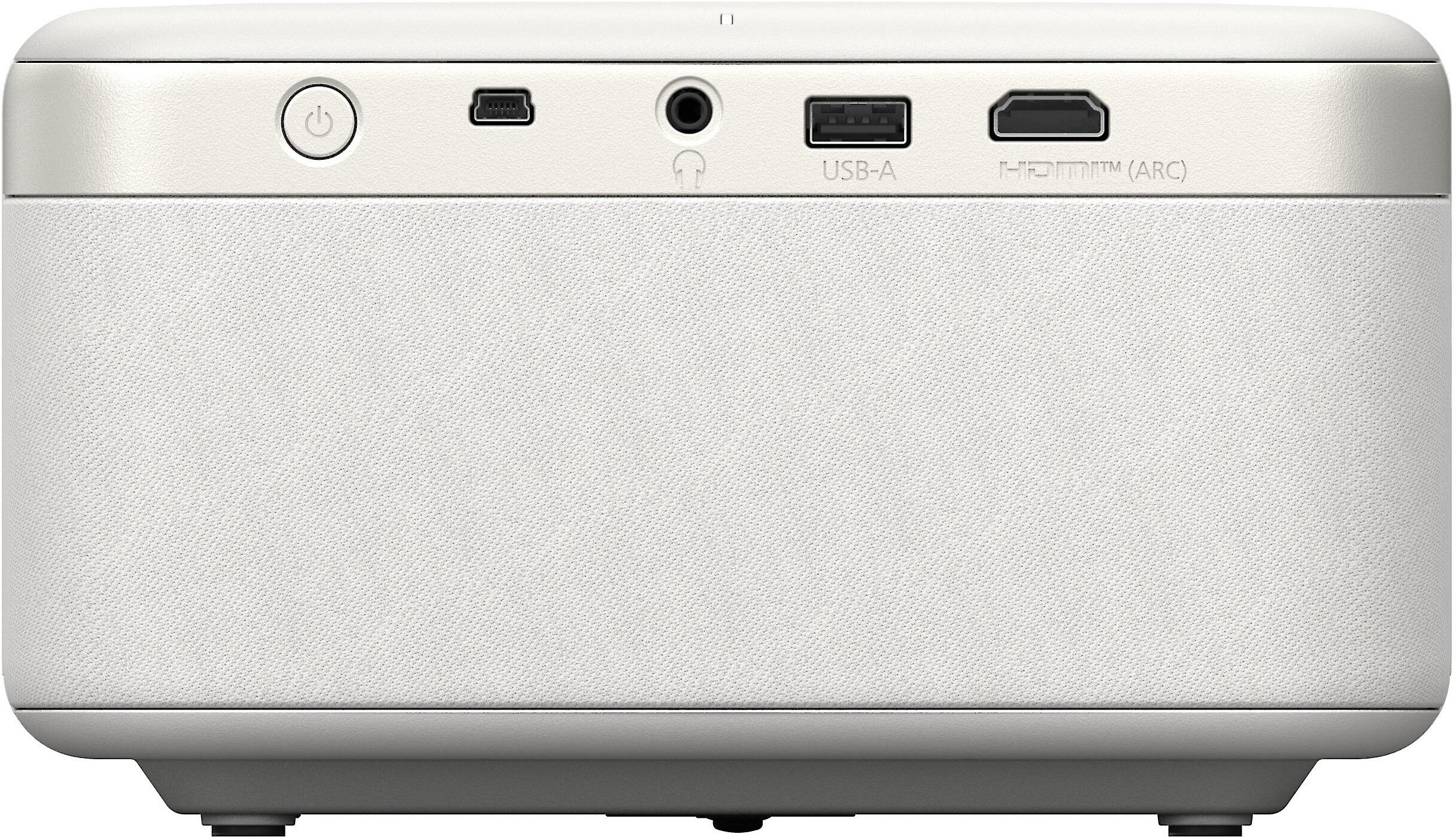
| 1x HDMI, 2x USB, 3.5mm audio out, dual-band Wi-Fi, Bluetooth 5.1 | 2x HDMI (one with ARC), 1x USB-A, dual-band Wi-Fi, Bluetooth 5.1 |
| Projection Range - Determines room size requirements and image flexibility | |
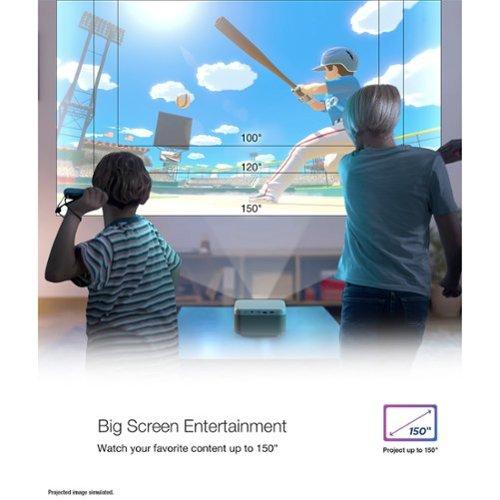
| 40"-200" image size, 4.0'-19.8' throw distance, better for larger images | 30"-150" image size, 2.1'-11.1' throw distance, better for small spaces |
| Value Proposition - Performance relative to investment | |
| Excellent budget option with strong audio and flexible setup features | Premium performance with professional-grade brightness and contrast |

Privacy Policy
Terms and Conditions - Affiliate Policy
Home Security
© Copyright 2008-2026.
11816 Inwood Rd #1211, Dallas, TX 75244