



Remember when projectors were bulky, noisy machines that required a permanently darkened room and professional setup? Those days are firmly behind us. Today's portable projectors pack impressive technology into increasingly compact packages, transforming nearly any space into an impromptu home theater or presentation venue.
The portable projector market has exploded in recent years, with manufacturers pushing boundaries in brightness, resolution, and smart features. This evolution has created a fascinating segment where different approaches to "portability" compete for consumer attention. Some focus on true battery-powered mobility, while others prioritize image quality in a more compact package than traditional projectors.
In this comparison, we're examining two standout options that represent different philosophies in the portable projector space: the Epson EpiqVision Mini EF21 and the XGIMI Halo+. Released in 2023 and 2021 respectively, these projectors showcase how different manufacturers approach the balance between portability, image quality, and versatility.
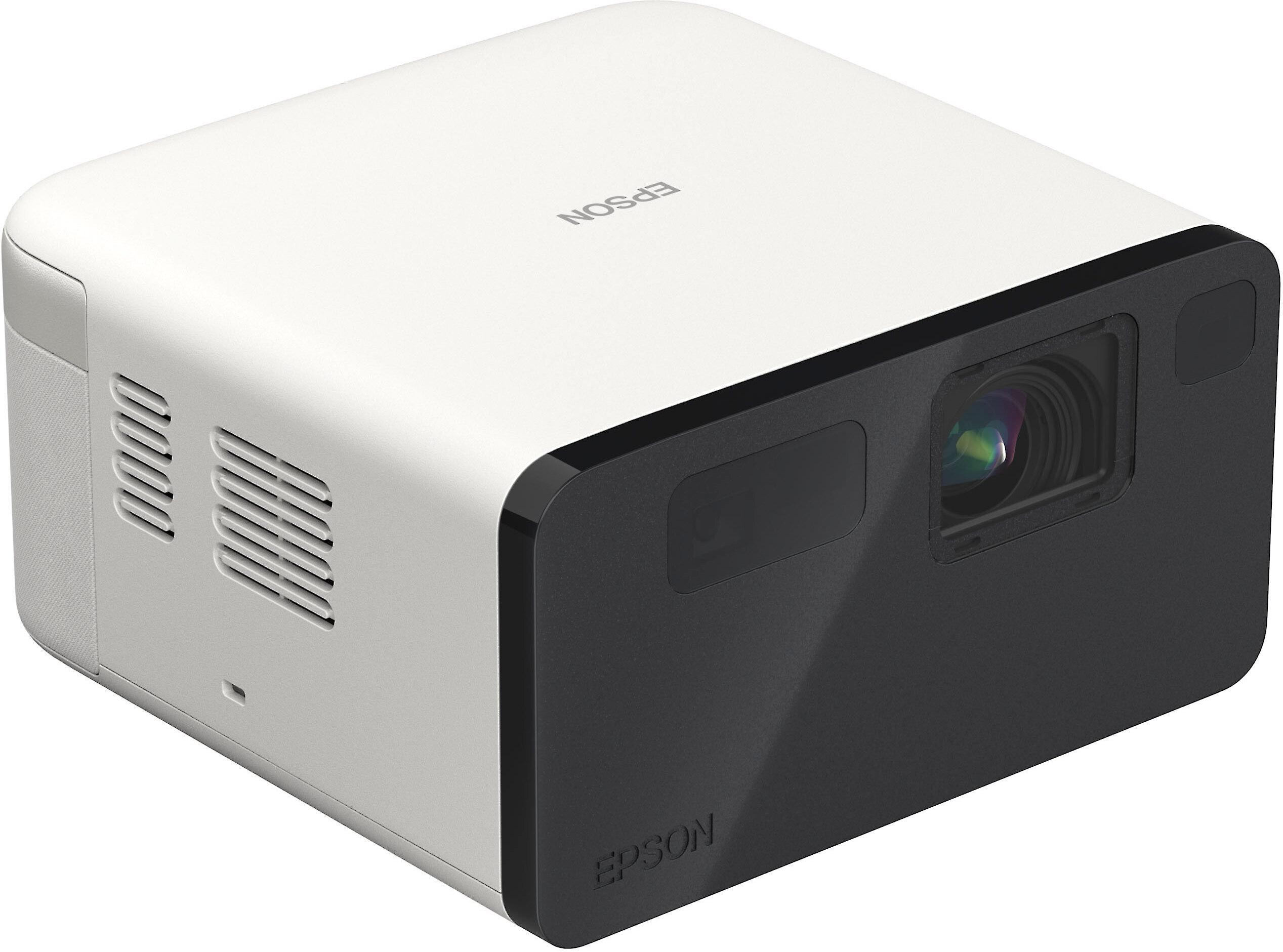
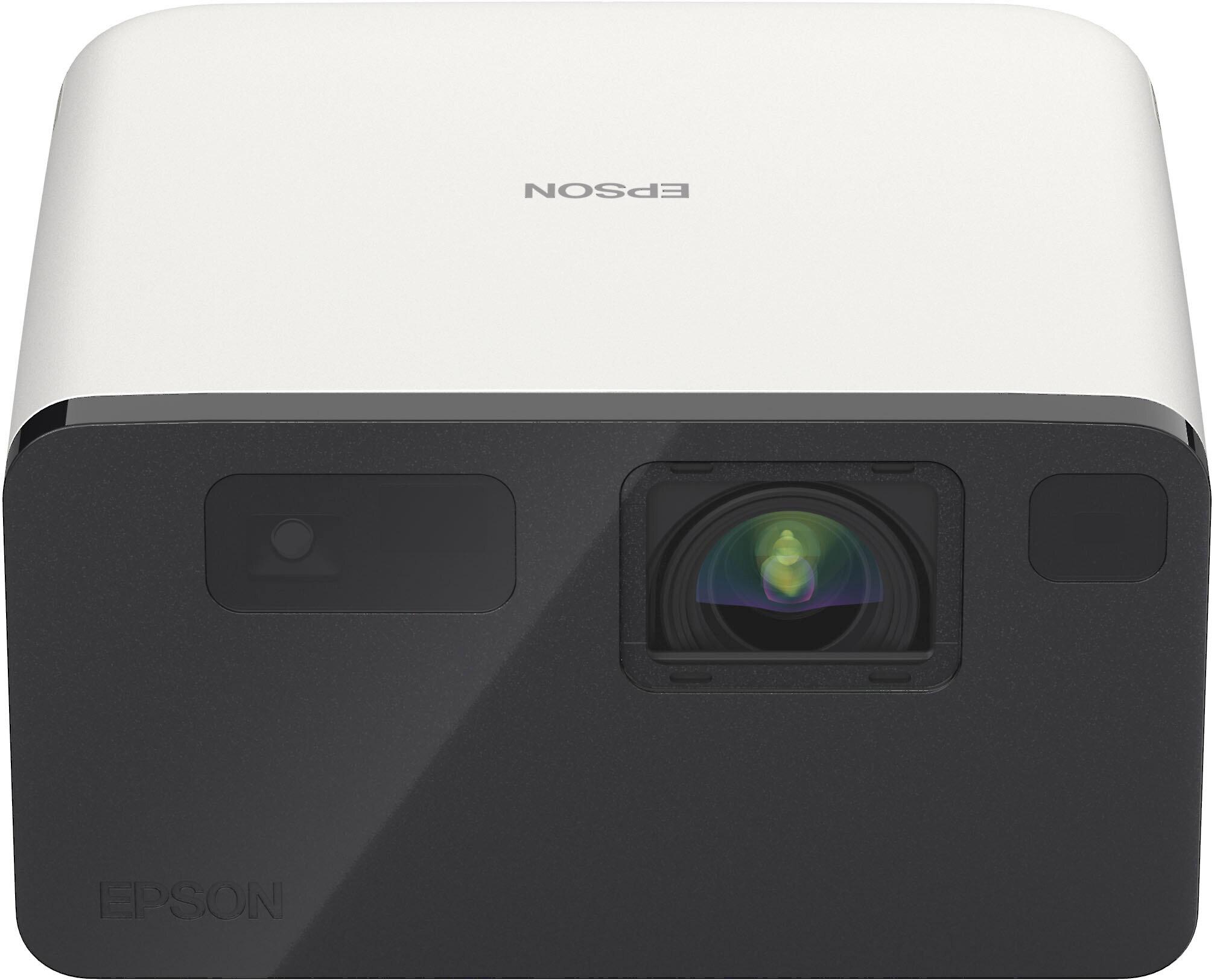
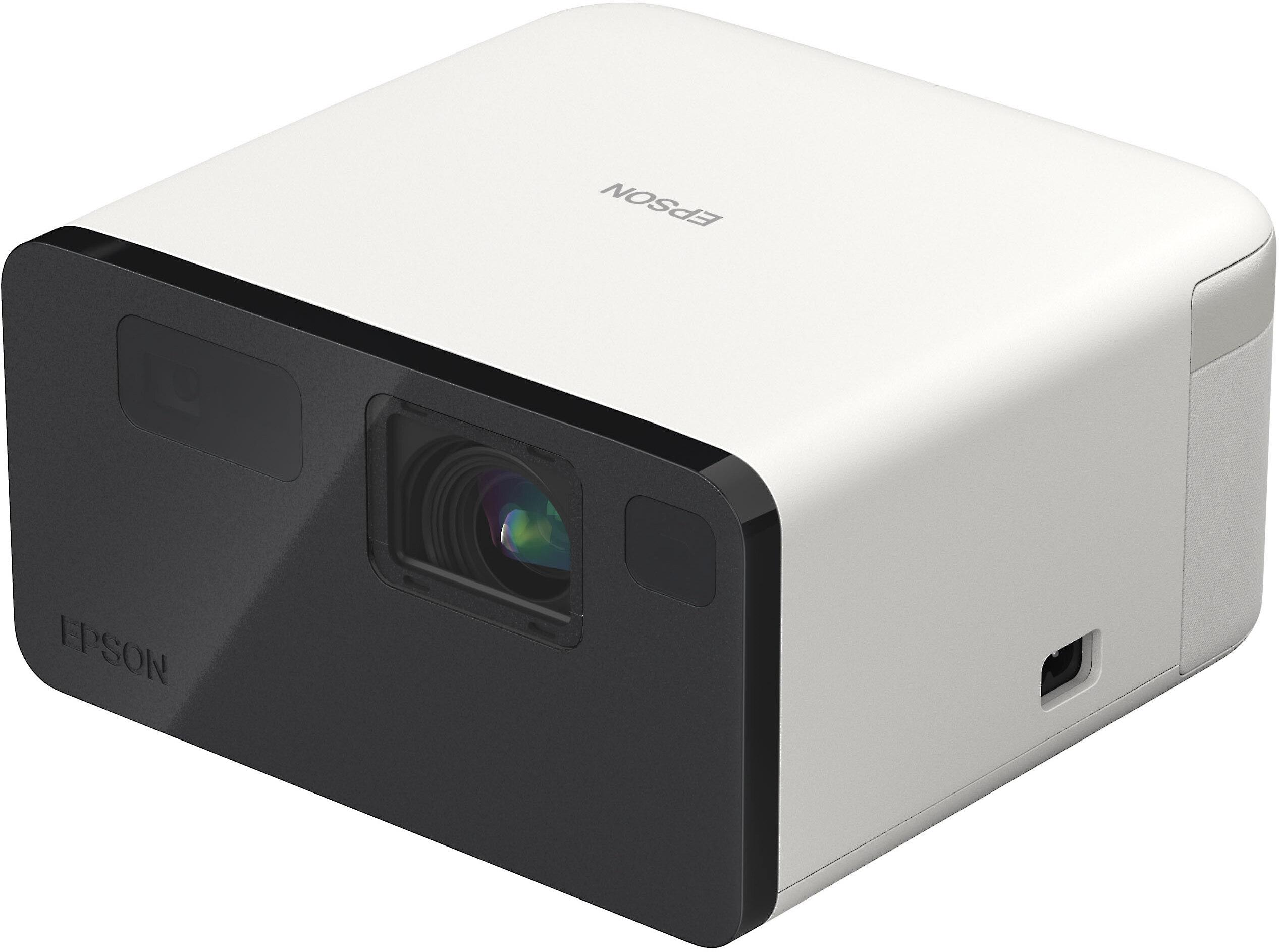
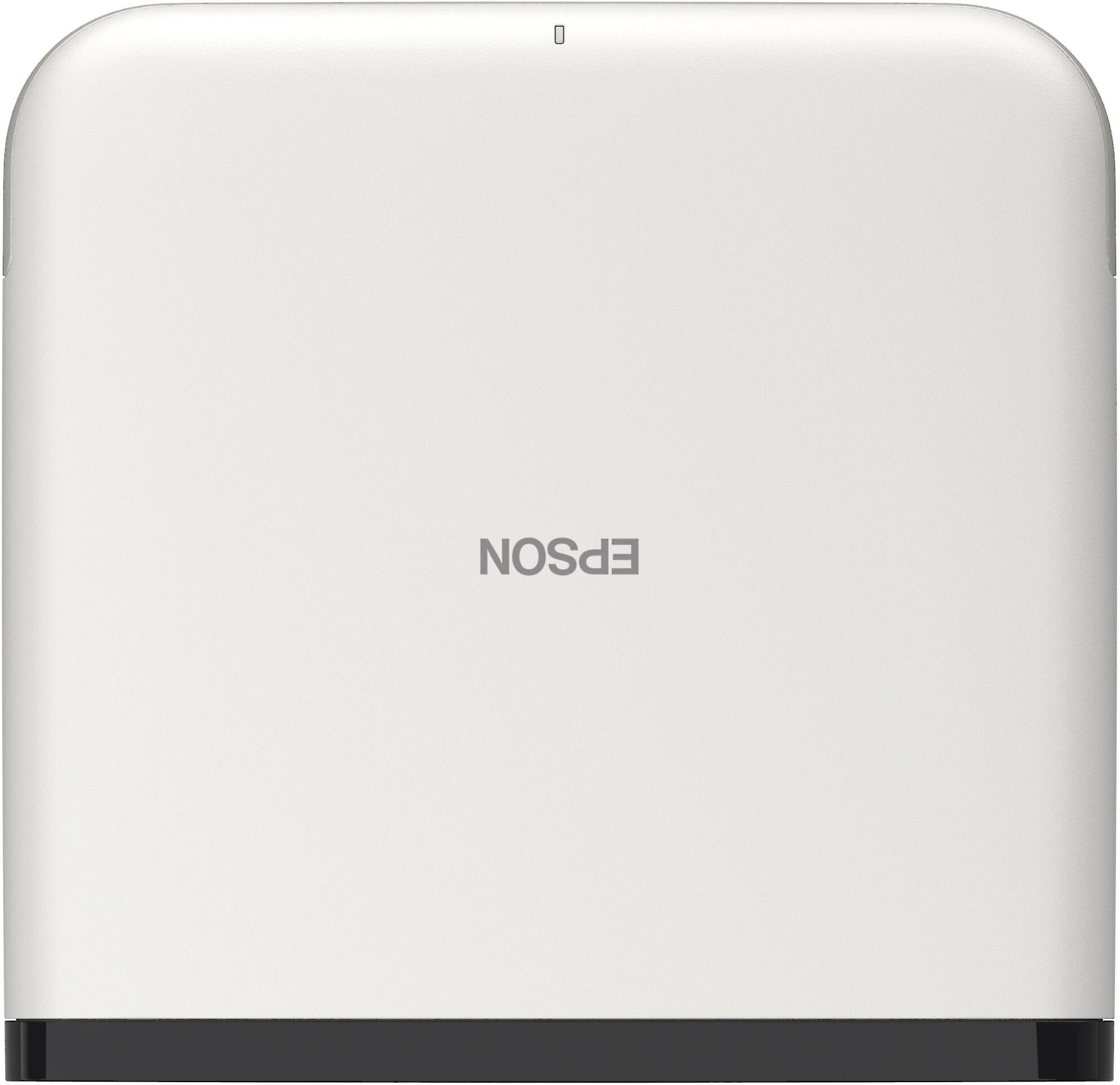
Epson's EF21, released in mid-2023, represents the company's continued push to bring their renowned projection technology into more compact forms. Priced at $899.99, the EF21 is positioned as a premium compact projector that doesn't compromise on image quality.
Epson brings decades of projector expertise to this device, and it shows. The EF21 utilizes Epson's 3LCD laser technology, which is a significant technical advantage. Unlike many portable projectors that use single-chip DLP (Digital Light Processing) systems, the 3LCD approach employs three separate LCD panels—one each for red, green, and blue light. This eliminates the "rainbow effect" (momentary color fringing) that some viewers find distracting in DLP projectors.
The laser light source is rated for an impressive 20,000 hours of use, essentially making it maintenance-free for most users. This represents a significant advancement over traditional lamp-based projectors that required expensive bulb replacements every few thousand hours.
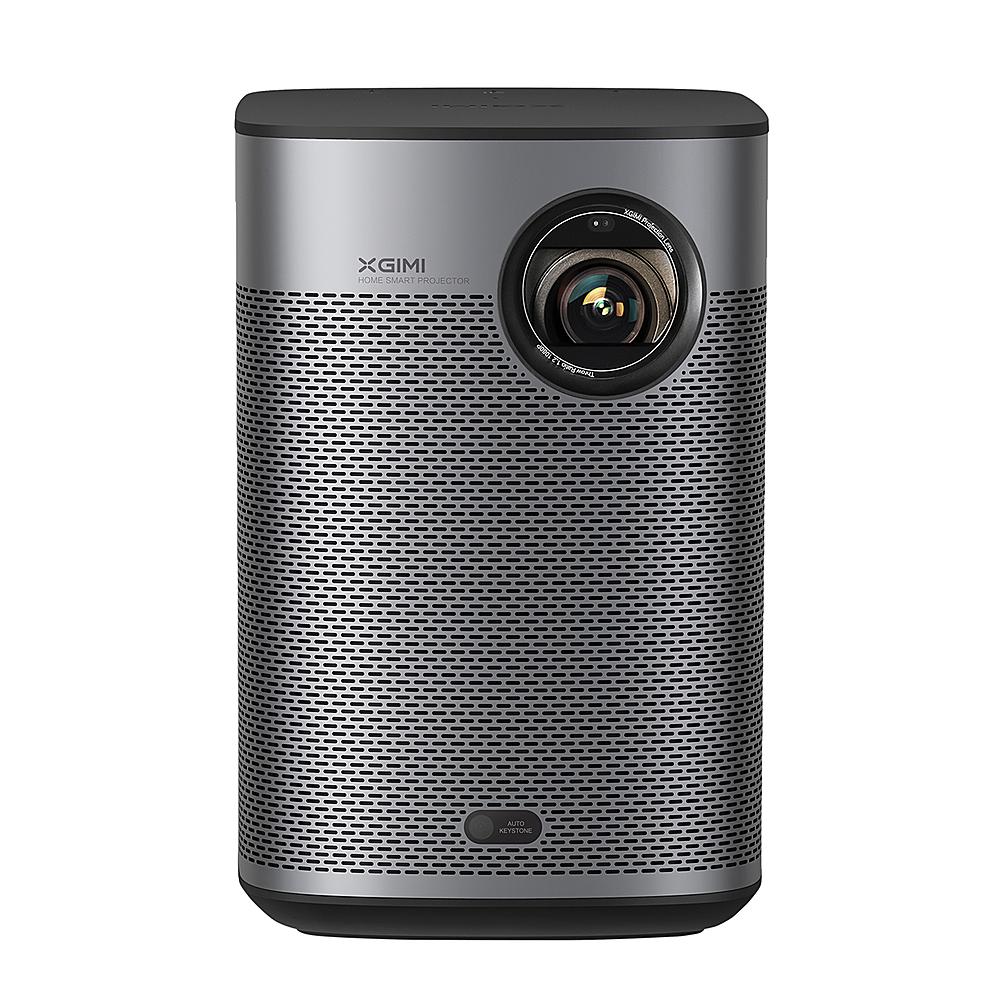
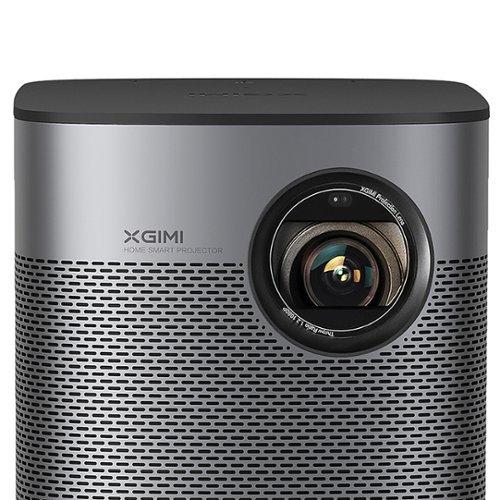
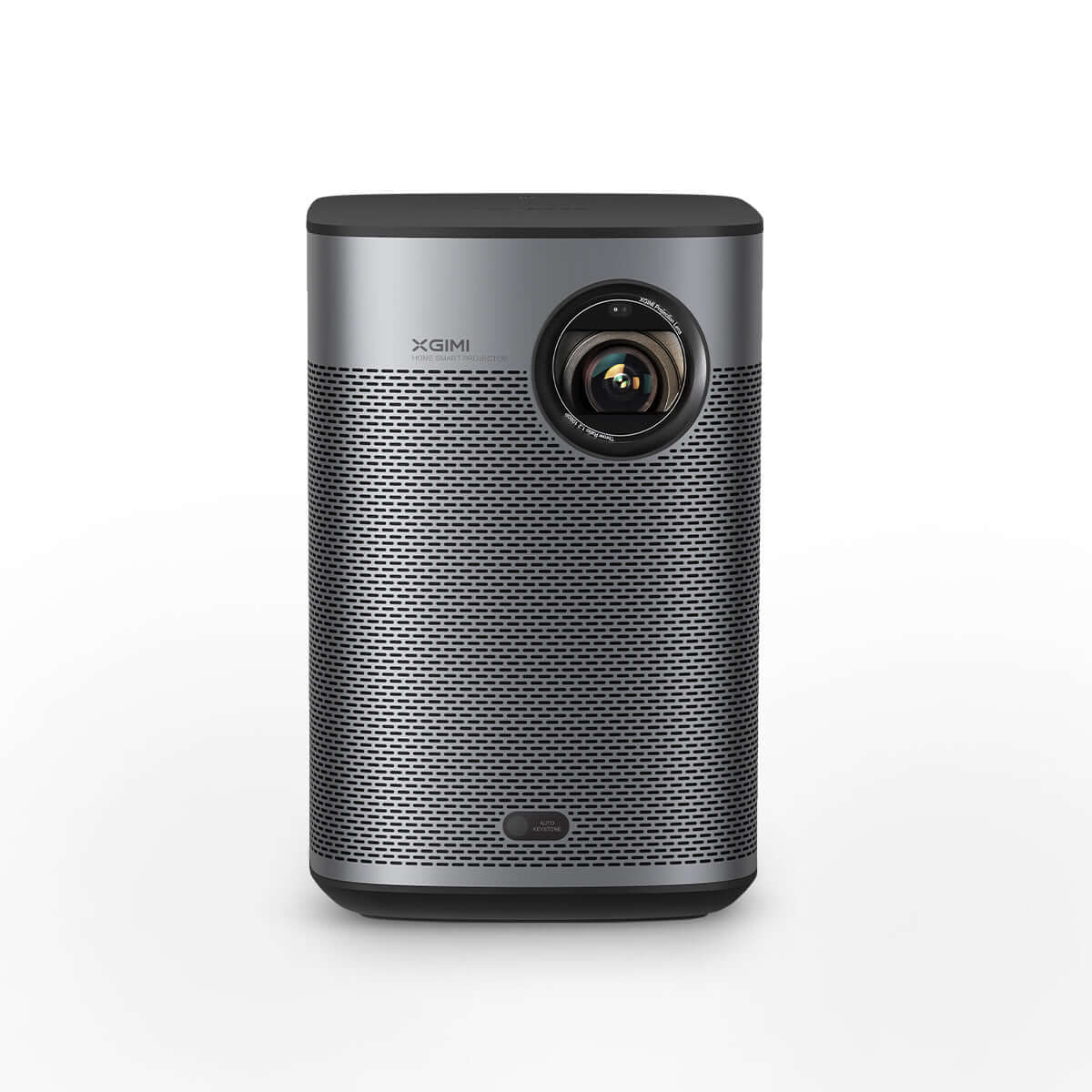
XGIMI has made a name for itself as a disruptor in the projector space, and the Halo+ (released in late 2021) continues that tradition. Priced at $849, it builds upon the success of the original Halo model with improved brightness and smarter features.
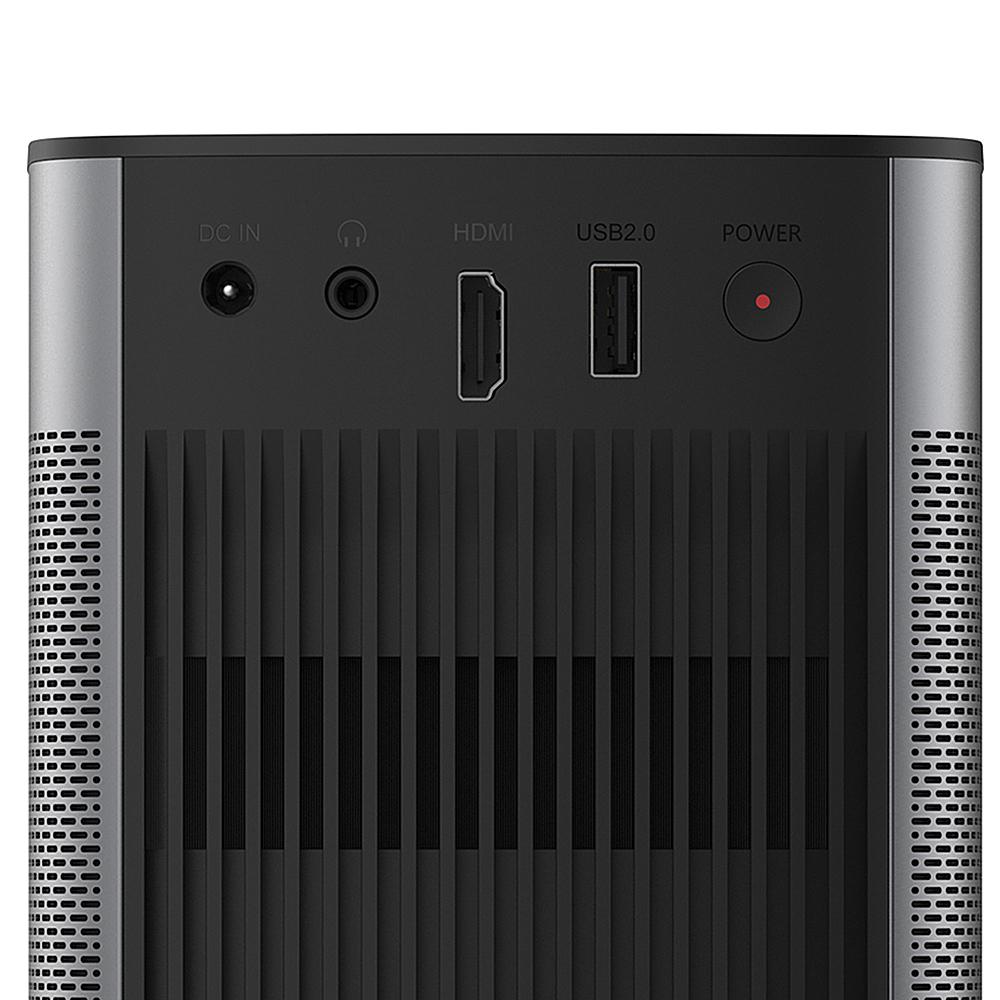
The Halo+ embodies true portability with its integrated 59.454Wh battery providing up to 2.5 hours of projection time—enough for most movies without needing an outlet. Weighing just 3.53 pounds, it's designed to be truly mobile.
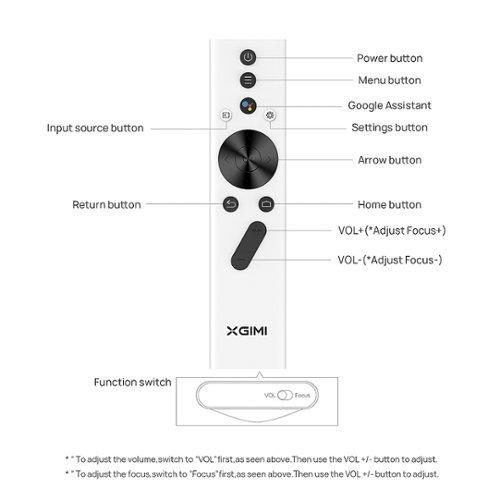
What makes the Halo+ particularly interesting is how much technology XGIMI has packed into this portable form factor. It features a DLP projection system, Android TV integration, and Harman/Kardon speakers that outperform what you'd expect from such a compact device.
The fundamental difference between these projectors lies in their image creation technology, which affects everything from color reproduction to motion handling.
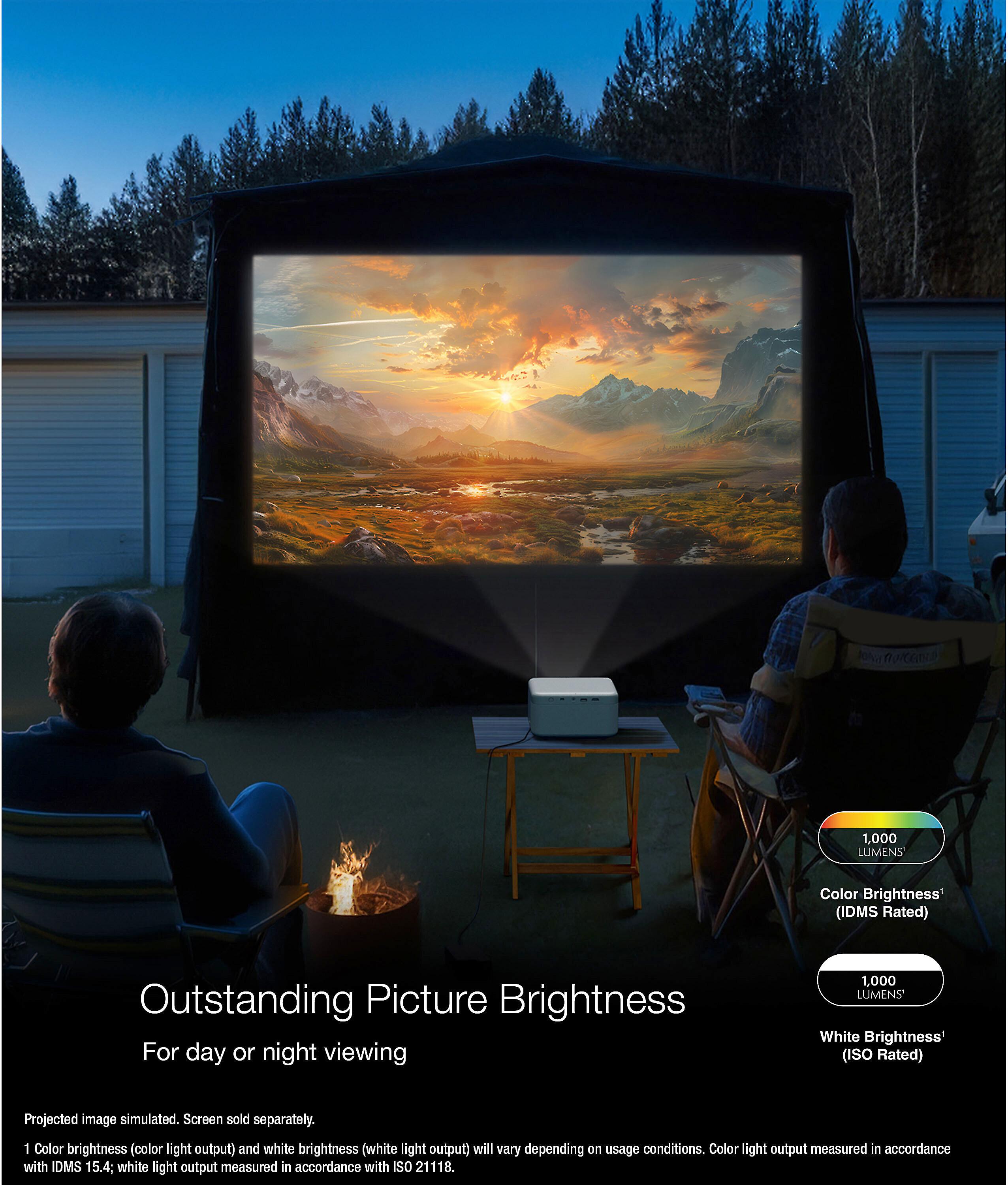
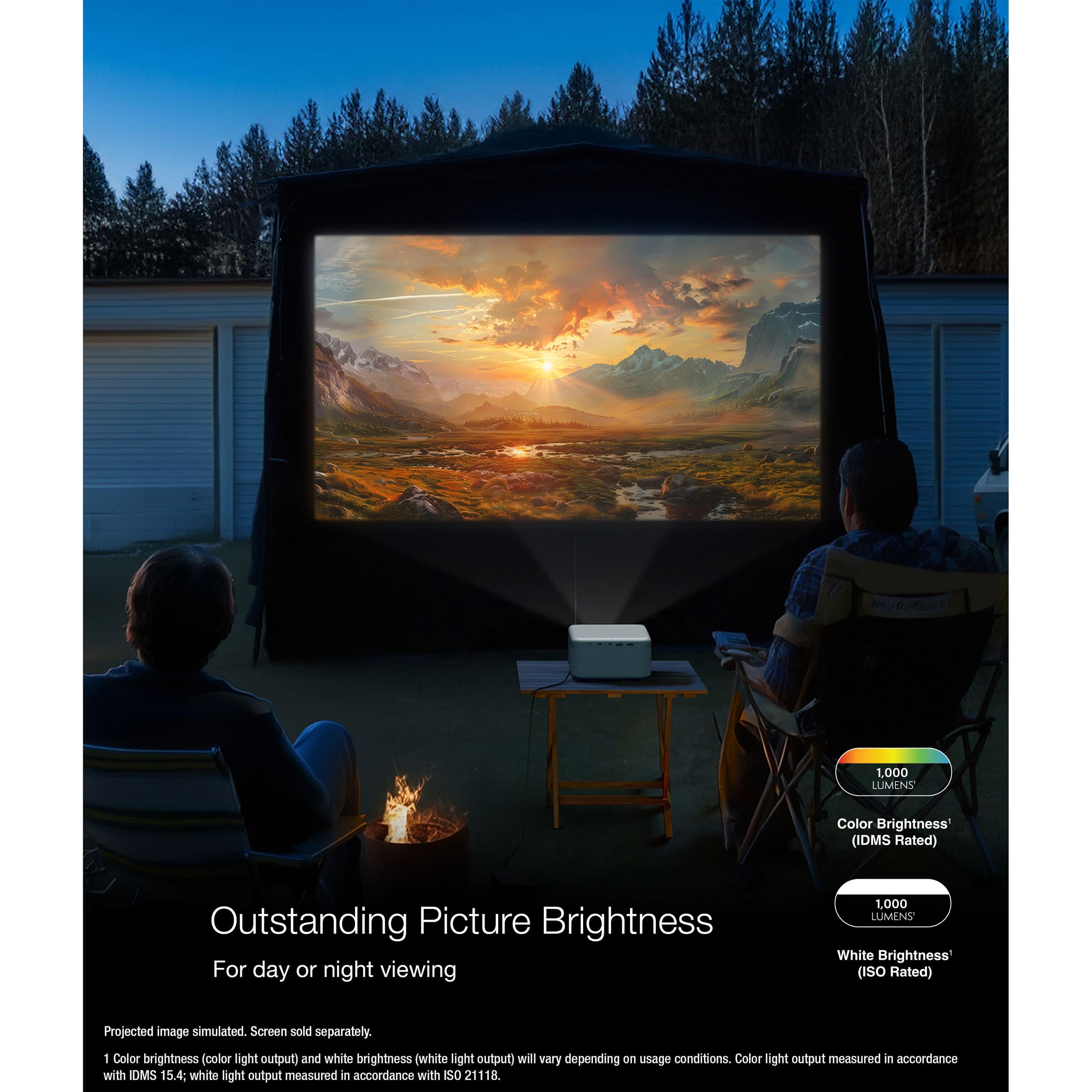
The Epson EF21 uses 3LCD technology with a laser light source. This means the projector splits light into three color channels (red, green, and blue) using dichroic mirrors, passes each through its own LCD panel, and then recombines them for projection. The benefit? Equally bright color and white output (1,000 lumens for both), which produces more vibrant, accurate colors, especially in content with bright scenes. The 3LCD system also eliminates the potential for rainbow artifacts entirely.
The XGIMI Halo+ employs DLP technology with an LED light source. DLP projectors use a digital micromirror device (DMD)—essentially a chip with thousands of tiny mirrors that flip thousands of times per second—combined with a color wheel to create images. This system typically delivers excellent contrast and sharp images but may produce rainbow effects for some sensitive viewers. The Halo+'s 700 ISO lumens rating is good for a battery-powered projector but noticeably less bright than the Epson.
I've used both technologies extensively, and while DLP projectors have improved dramatically, I still notice occasional rainbow artifacts during high-contrast scenes in films. If you've never noticed them before, you may not be sensitive to this effect, but it's worth considering if you're planning extensive viewing sessions.
These projectors represent two different interpretations of "portable," and your preference will depend entirely on how you plan to use them.
The XGIMI Halo+ is truly portable with its built-in battery. You can set it up in the backyard for an outdoor movie night, bring it camping, or move it from room to room without worrying about power outlets. The 2.5-hour battery life comfortably covers most movies, though you might find yourself reaching for the charger during longer films or binge-watching sessions.
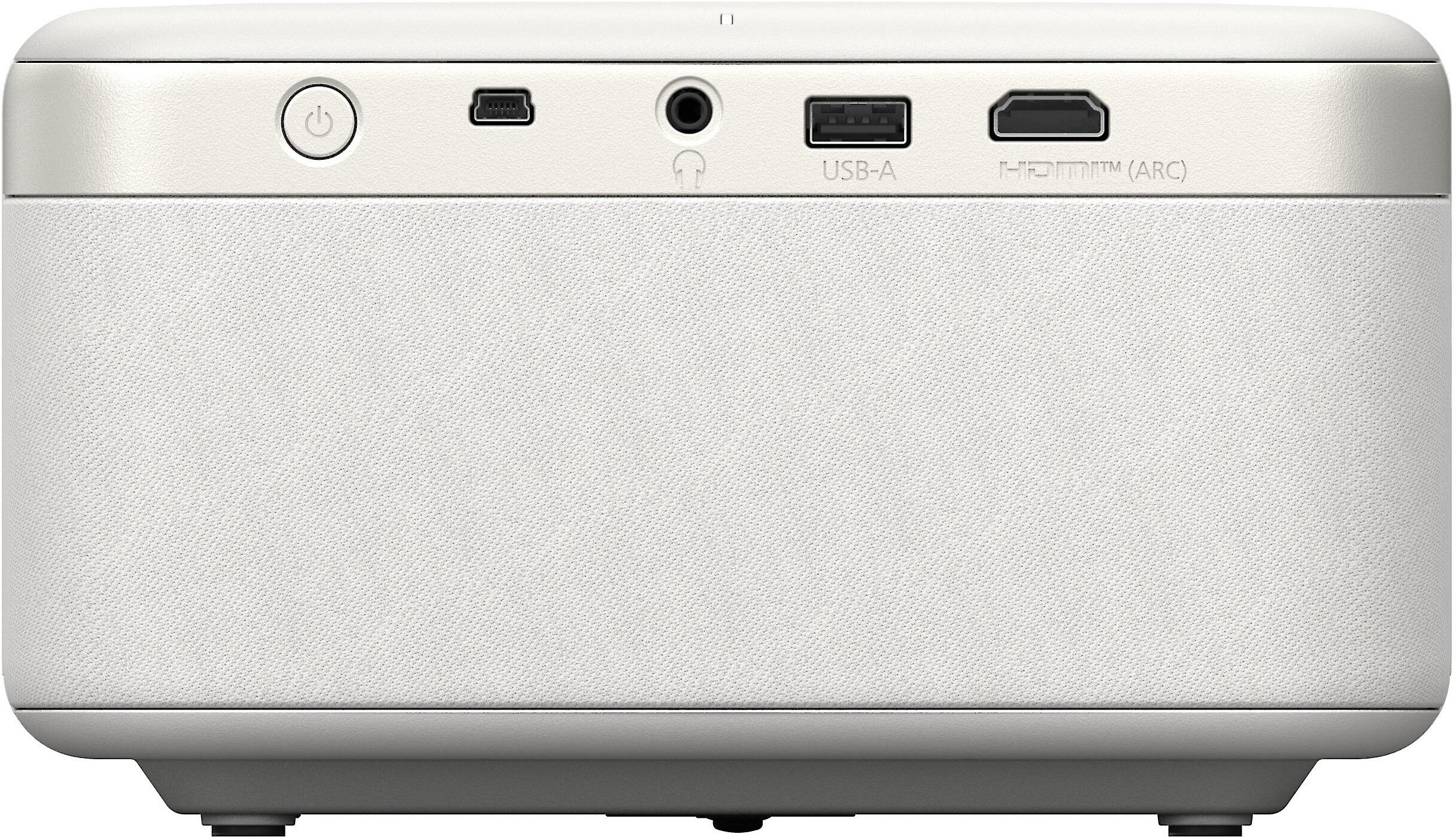
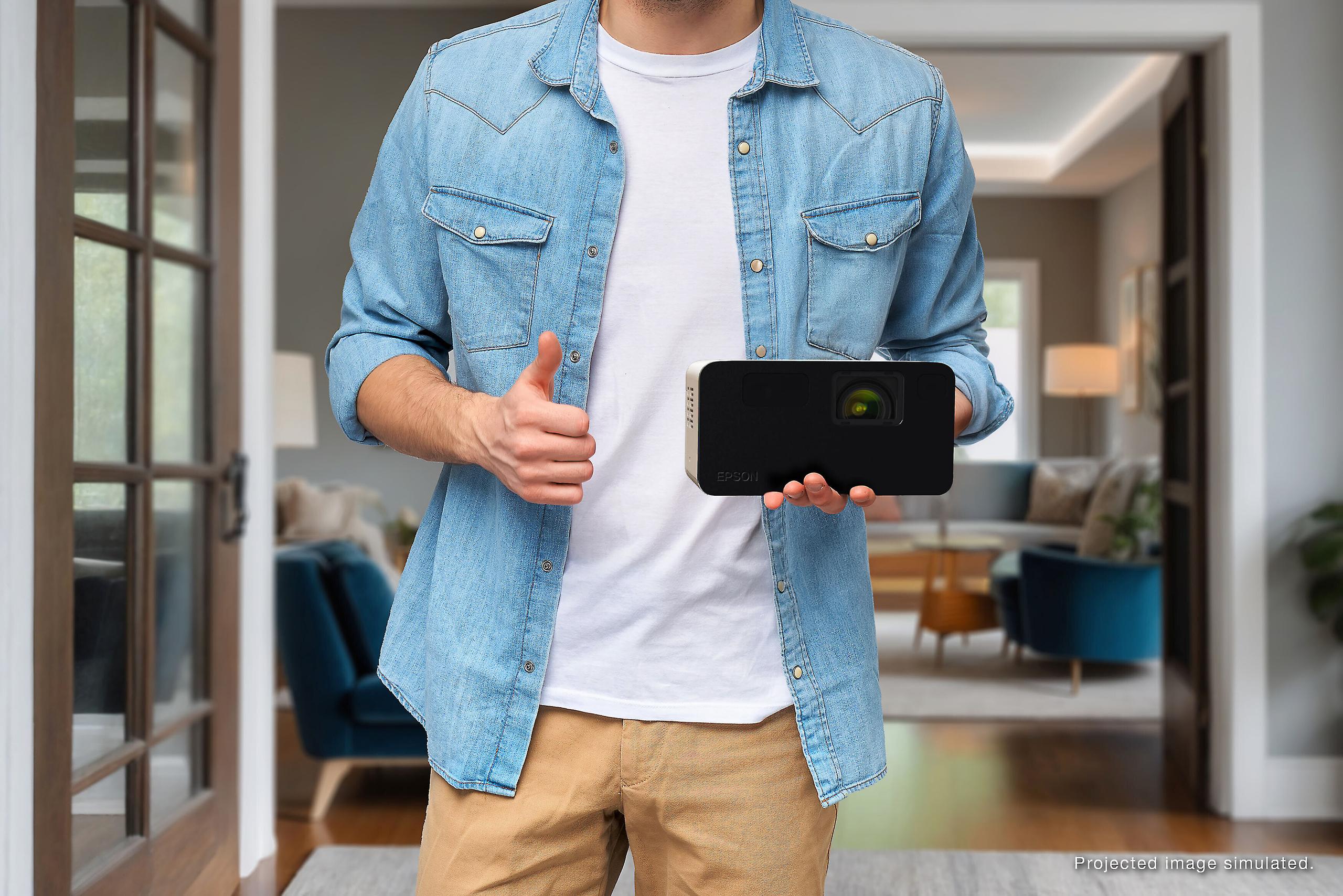
The Epson EF21 is "portable" in the sense that it's compact (7.75" x 7.5" x 4.4") and lightweight (5.1 pounds) compared to traditional home theater projectors, making it easy to move between rooms. However, it always requires a power outlet, limiting its use to locations with electricity.
In my experience, true battery-powered portability opens up use cases you might not initially consider. Taking a projector camping or using it in spaces like porches, patios, or even hotel rooms becomes seamless with the Halo+, while the Epson remains confined to environments with power access.
For most users, image quality is the ultimate deciding factor, and these projectors approach it differently.
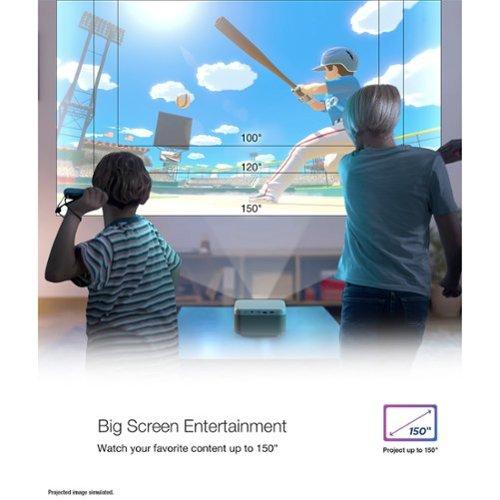
The Epson EF21's 1,000 lumens of brightness (both color and white) makes it significantly more capable in rooms with ambient light. This means you don't need to completely darken a room to enjoy a movie on a Sunday afternoon. The 3LCD system also ensures colors pop with equal intensity to whites, something particularly noticeable in animated content and vivid nature documentaries.
The XGIMI Halo+ with its 700 ISO lumens can produce a beautiful image, but it requires more controlled lighting conditions. In a fully darkened room, both projectors can deliver impressive pictures, but as ambient light increases, the Epson maintains image quality better.
Both projectors offer 1080p Full HD resolution and HDR support (HDR10 and HLG), which provide good detail and dynamic range for most content. Neither reaches the 4K resolution available in higher-end home theater projectors, but at typical viewing distances on screens under 120 inches, 1080p remains satisfyingly sharp.
In terms of contrast, the DLP technology in the Halo+ typically produces deeper blacks in dark scenes, while the Epson's 3LCD system excels with brighter, more colorful content. This trade-off is worth considering based on the content you watch most frequently.
Both projectors feature integrated smart platforms, but with important differences.
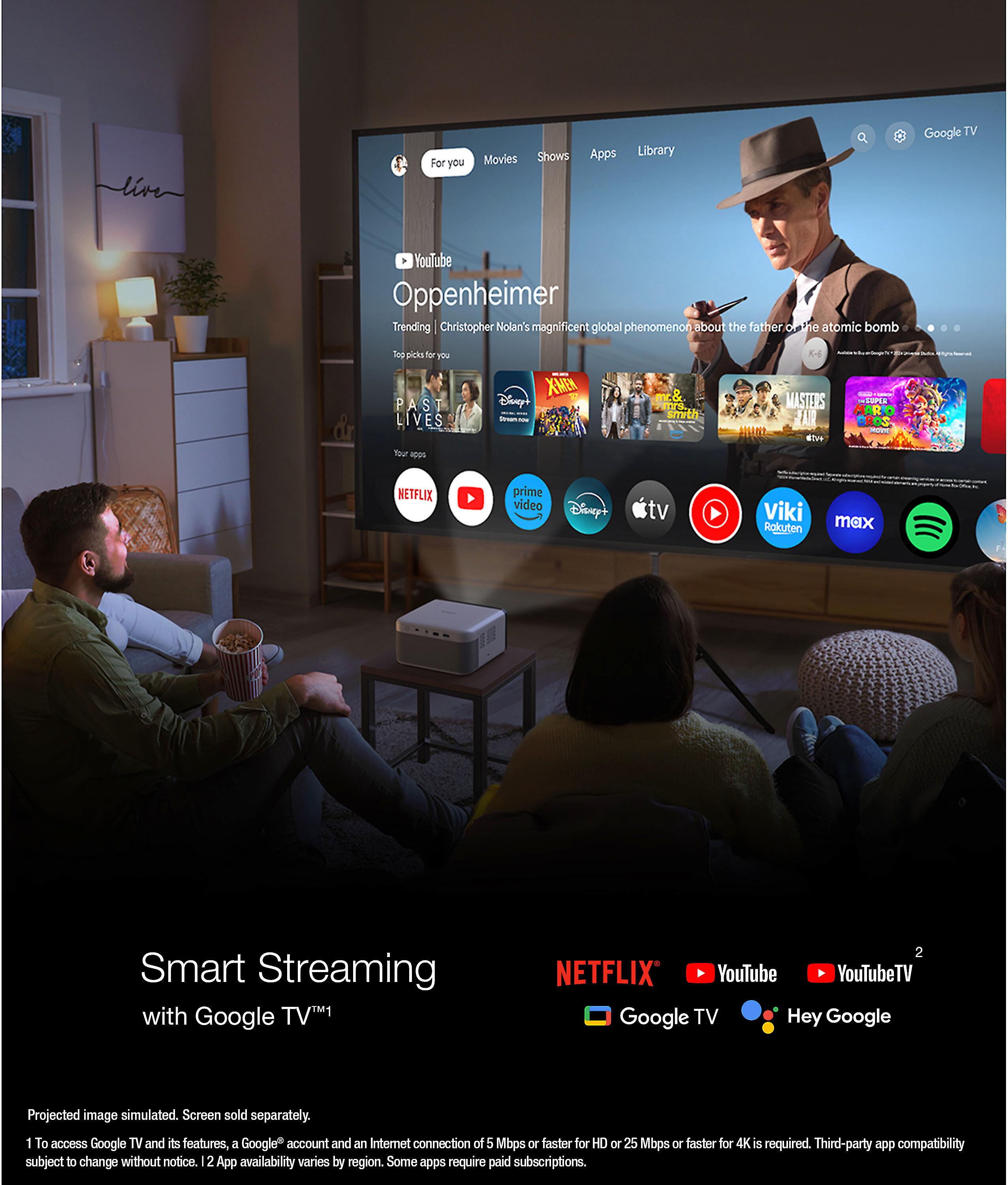
The Epson EF21 comes with Google TV, providing access to over 10,000 apps including Netflix, Disney+, HBO Max, and others with official support. The interface is polished and user-friendly, with excellent content recommendations and voice search via Google Assistant.
The XGIMI Halo+ runs Android TV, which offers a similar selection of apps with one notable exception: Netflix. Due to Netflix's certification requirements, the Halo+ lacks official Netflix support. While workarounds exist (like connecting an external streaming stick), this remains a frustration for many users who consider Netflix essential.
Both systems support wireless casting from mobile devices, but the integration and ease of use vary. In my experience, Google TV on the Epson feels more refined and complete, while Android TV on the XGIMI occasionally shows its age with minor bugs and interface quirks.
Modern projectors have made tremendous strides in simplifying setup, and both these models showcase impressive automatic features.
The Epson EF21 features EpiqSense technology that automatically handles focus, screen size adjustment, and keystone correction. It can detect obstacles and adjust the image accordingly, making setup nearly instant even for novice users.
The XGIMI Halo+ offers Intelligent Screen Adaptation with automatic focus, keystone correction, and obstacle avoidance. In practice, both systems work remarkably well, though the Epson's more recent release gives it a slight edge in speed and accuracy.
These automatic systems represent significant advancements over projectors from just a few years ago, when manual adjustments for keystone, focus, and image size could take several frustrating minutes to perfect.
In a dedicated home theater setting with controlled lighting, both projectors can deliver impressive experiences, though with different strengths.
The Epson EF21 excels with its brighter output and vibrant, accurate colors. When watching films with varied lighting conditions like "Dune" or "Avatar," the Epson maintains details in both shadows and highlights that the XGIMI struggles to match. The 3LCD system also means you'll never see rainbow artifacts, which can be particularly distracting during dark scenes with bright elements.
The XGIMI Halo+ counters with slightly better contrast in completely darkened rooms and surprisingly powerful audio for its size. The Harman/Kardon speakers deliver clearer dialogue and more pronounced bass than you'd expect from a portable projector. For many users, this might eliminate the need for an external speaker system, which is a significant convenience factor.
Both projectors support gaming, but neither is ideal for competitive play with input lag generally above what serious gamers would consider acceptable. For casual gaming, both perform adequately, with the Epson's extra brightness making it better for daytime gaming sessions.
Sound quality often gets overlooked in projector comparisons, but it significantly impacts the viewing experience, especially in portable setups where external speakers aren't always practical.
The XGIMI Halo+ shines here with its dual 5W Harman/Kardon speakers, which deliver remarkably balanced sound with respectable bass response for such a compact unit. The tuning prioritizes clear dialogue without sacrificing background details, and the maximum volume is sufficient for medium-sized rooms.
The Epson EF21 features dual 5W speakers with Dolby Audio support. While perfectly serviceable for casual viewing, they lack the depth and richness of the XGIMI's audio system. In a home theater setting, you'll likely want to connect an external sound system to the Epson for the best experience.
These projectors are designed for different primary use cases, which influences which represents better value for your specific needs.
The Epson EF21 excels as a compact main projector in living rooms, bedrooms, or multipurpose spaces where you want high-quality projection without the bulk of traditional home theater projectors. Its higher brightness makes it more versatile across different lighting conditions, and the Google TV integration provides a complete entertainment package without additional devices.
The XGIMI Halo+ is the clear choice for users who prioritize flexibility across different environments. Its battery-powered operation makes it ideal for:
I've found that having a battery-powered projector opens up uses you might not initially consider. During a recent power outage, the Halo+ provided entertainment when other devices couldn't function. Similarly, impromptu movie screenings for neighborhood kids in the backyard become effortless affairs without extension cords.
At $899.99 for the Epson EF21 and $849 for the XGIMI Halo+, both represent significant investments. The $50 price difference is relatively minor compared to the fundamental differences in what they offer.
The Epson's higher brightness, 3LCD technology, and official Netflix support justify its slightly higher price for users primarily concerned with image quality in home settings. The laser light source also maintains its brightness better over time compared to LED solutions.
The XGIMI offers tremendous value for those who need true portability, with its battery operation and lighter weight providing capabilities the Epson simply can't match. The superior built-in audio system also represents potential savings if it eliminates the need for external speakers.
Both projectors feature long-lasting light sources (20,000 hours for the Epson's laser, 25,000 hours for the XGIMI's LED), making them economical long-term investments compared to lamp-based projectors that require bulb replacements.
After comparing specifications, features, and real-world performance, choosing between these projectors comes down to your specific priorities and use cases.
For my personal use, the decision would depend entirely on the primary setup. For a fixed location where I want the best possible image without a massive price tag, the Epson EF21 makes more sense. Its higher brightness and 3LCD technology provide a superior viewing experience in varied lighting conditions.
However, if flexibility and portability were my priorities, the XGIMI Halo+ would be the clear choice. The battery operation enables use cases that simply aren't possible with the Epson, and the superior audio means one less component to worry about in mobile setups.
Both projectors represent impressive technological achievements that would have seemed impossible just a few years ago. The Epson EF21 brings laser projection technology and brightness levels previously reserved for much larger, more expensive units into a compact form factor. The XGIMI Halo+ combines true portability with image and sound quality that defies its small size and battery operation.
As portable projector technology continues to evolve, we're seeing fewer compromises and more specialized approaches addressing different user needs. Whether you prioritize the superior image quality of the Epson EF21 or the go-anywhere flexibility of the XGIMI Halo+, both represent excellent options in today's portable projector market.
| Epson EpiqVision Mini EF21 Projector | XGIMI Halo+ Portable Projector |
|---|---|
| Price - Initial investment consideration | |
| $899.99 | $849 |
| Projection Technology - Affects color accuracy and potential rainbow effects | |
| 3LCD laser (no rainbow effects, more accurate colors) | DLP LED (potential rainbow artifacts, good contrast) |
| Brightness - Critical for viewing in rooms with ambient light | |
| 1,000 lumens (both color and white brightness) | 700 ISO lumens (requires darker conditions) |
| Portability - Determines where you can use the projector | |
| 5.1 lbs, no battery (room-to-room portable, requires power outlet) | 3.53 lbs with built-in battery (true wireless portability, 2.5 hours playback) |
| Resolution & HDR - Impacts image detail and dynamic range | |
| 1080p Full HD with HDR10 & HLG support | 1080p Full HD with HDR10 & HLG support |
| Smart Platform - Affects content access and user experience | |
| Google TV with official Netflix support | Android TV (no official Netflix app, requires workarounds) |
| Audio System - Determines need for external speakers | |
| Dual 5W speakers with Dolby Audio (adequate but basic) | Dual 5W Harman/Kardon speakers with Dolby/DTS (superior audio quality) |
| Light Source Lifespan - Long-term maintenance considerations | |
| Laser, 20,000 hours (maintains brightness better over time) | LED, 25,000 hours |
| Auto Setup Features - Impacts ease of use and flexibility | |
| EpiqSense technology (auto focus, keystone, obstacle avoidance) | Intelligent Screen Adaptation (auto focus, keystone, obstacle avoidance) |
| Image Size - Range of possible projection dimensions | |
| 30" to 150" | 40" to 200" |
| Best Use Case - Primary consideration for purchase decision | |
| Superior image quality for dedicated indoor spaces with power | True portability for versatile usage including outdoors and travel |
| Release Date - Indicates technology generation | |
| 2023 (newer technology) | 2021 (slightly older but still relevant) |
The Epson EpiqVision Mini EF21 is significantly brighter with 1,000 lumens compared to the XGIMI Halo+ which offers 700 ISO lumens. This makes the Epson a better choice for rooms with ambient light, while the XGIMI performs best in darker environments.
The XGIMI Halo+ is specifically designed for outdoor use with its built-in battery that lasts up to 2.5 hours, making it perfect for backyard movie nights. The Epson EpiqVision Mini EF21 requires a constant power source, limiting its outdoor use to locations with accessible power outlets.
The Epson EpiqVision Mini EF21 typically delivers better overall image quality with its 3LCD laser technology that provides more accurate colors and eliminates rainbow artifacts. The XGIMI Halo+ offers good contrast with its DLP technology but may show rainbow effects that some viewers find distracting.
The Epson EpiqVision Mini EF21 has official Netflix support through its Google TV platform. The XGIMI Halo+ runs Android TV but does not have official Netflix certification, requiring workarounds like connecting an external streaming device to watch Netflix content.
The XGIMI Halo+ is significantly more portable, weighing just 3.53 pounds with a built-in battery that enables truly wireless use for up to 2.5 hours. The Epson EpiqVision Mini EF21 is compact at 5.1 pounds but always requires a power connection, making it more suited for moving between rooms with power outlets.
The XGIMI Halo+ offers superior sound quality with its Harman/Kardon-tuned dual 5W speakers that provide better clarity and bass response. While the Epson EpiqVision Mini EF21 also has dual 5W speakers with Dolby Audio support, they're generally considered less impressive and may require external speakers for the best experience.
The Epson EpiqVision Mini EF21 uses 3LCD laser technology which splits light into three colors simultaneously, producing more accurate colors and no rainbow effects. The XGIMI Halo+ employs DLP LED technology which uses a color wheel and micromirrors, potentially causing rainbow artifacts but often delivering better contrast in dark scenes.
For a dedicated home theater setup, the Epson EpiqVision Mini EF21 generally performs better with its higher brightness (1,000 lumens), 3LCD technology for more accurate colors, and laser light source that maintains consistent performance. The XGIMI Halo+ can still create a good home theater experience but works best in completely darkened rooms.
The XGIMI Halo+ features an LED light source rated for 25,000 hours, while the Epson EpiqVision Mini EF21 has a laser light source that lasts up to 20,000 hours. Both are essentially maintenance-free for the practical lifetime of the projector, though the Epson's laser tends to maintain brightness better over time than LED.
Neither projector is ideal for competitive gaming, but for casual gaming, the Epson EpiqVision Mini EF21 has an advantage with its higher brightness and 3LCD technology. The XGIMI Halo+ offers the unique benefit of portable, battery-powered gaming sessions but may have slightly higher input lag and requires darker conditions for optimal image quality.
The Epson EpiqVision Mini EF21 is priced at $899.99, while the XGIMI Halo+ costs $849, making it approximately $50 cheaper. This relatively small price difference means your decision should focus more on features and use cases rather than cost alone.
The Epson EpiqVision Mini EF21 was released in 2023, making it newer than the XGIMI Halo+ which was released in 2021. The Epson benefits from more recent technology advancements, particularly in its auto-setup features and laser projection system.
We've done our best to create useful and informative comparisons to help you decide what product to buy. Our research uses advanced automated methods to create this comparison and perfection is not possible - please contact us for corrections or questions. These are the sites we've researched in the creation of this article: bestbuy.com - bestbuy.com - cnet.com - youtube.com - projectorreviews.com - epson.com - projectorreviews.com - epson.com - rtings.com - epson.com - youtube.com - projectorcentral.com - bestbuy.com - projectorcentral.com - nfm.com - crutchfield.com - latin.epson.com - mediaserver.goepson.com - planettv.com - bhphotovideo.com - cnet.com - epson.com - bestbuy.com - bestbuy.com - youtube.com - projectorcentral.com - staples.com - youtube.com - rtings.com - us.xgimi.com - youtube.com - cnet.com - us.xgimi.com - youtube.com - marieclaire.com - youtube.com - youtube.com - youtube.com - youtube.com - odpbusiness.com - bhphotovideo.com - bestbuy.com - projectorcentral.com - us.xgimi.com - global.xgimi.com - projectorscreen.com - petra.com - eu.xgimi.com - us.xgimi.com - global.xgimi.com

Privacy Policy
Terms and Conditions - Affiliate Policy
Home Security
© Copyright 2008-2026.
11816 Inwood Rd #1211, Dallas, TX 75244