



Remember when home projectors were bulky devices that required permanent ceiling mounts and complicated setup? Those days are rapidly fading into the past. The compact projector market has exploded in recent years, giving us powerful, portable alternatives that can turn almost any wall into a massive display. Epson's EpiqVision Mini series represents this evolution perfectly with two standout models: the newer Epson EpiqVision Mini EF21 ($899.99) and the slightly older Epson EpiqVision Mini EF11 ($699).
These compact laser projectors are transforming how we think about home entertainment. Instead of committing to a single viewing location with a mounted TV or traditional projector, these versatile devices can move from living room to bedroom to backyard with minimal hassle. But with two similar models at different price points, which one deserves your investment?
Before diving into the specifics of these two models, let's consider what truly matters when evaluating compact projectors in 2023. The category has evolved significantly over the past few years, with several key factors emerging as crucial decision points:
Image quality remains paramount—specifically resolution, brightness, and contrast ratio. A Full HD (1920×1080) resolution is now the minimum standard for a quality viewing experience, while 4K is becoming increasingly common in higher-end models. Brightness, measured in lumens, determines how visible your content will be in different lighting conditions. Meanwhile, contrast ratio (the difference between the brightest whites and darkest blacks) affects image depth and realism.
Smart features have transformed projectors from simple display devices into complete entertainment hubs. Built-in streaming services, voice assistants, and wireless connectivity can eliminate the need for external devices, simplifying your setup considerably.
Audio capabilities are often overlooked but incredibly important. Even the most stunning visuals lose their impact when paired with tinny, inadequate sound. Modern compact projectors increasingly integrate surprisingly capable speaker systems to create a complete package.
Setup flexibility determines how and where you can use your projector. Auto-keystone correction (which automatically adjusts the image when projecting at angles), auto-focus, and zoom capabilities can make the difference between a frustrating setup experience and one that takes seconds.
Finally, value proposition matters more than ever. With options ranging from $300 budget models to $3,000+ premium units, understanding what you're getting for your money is crucial.
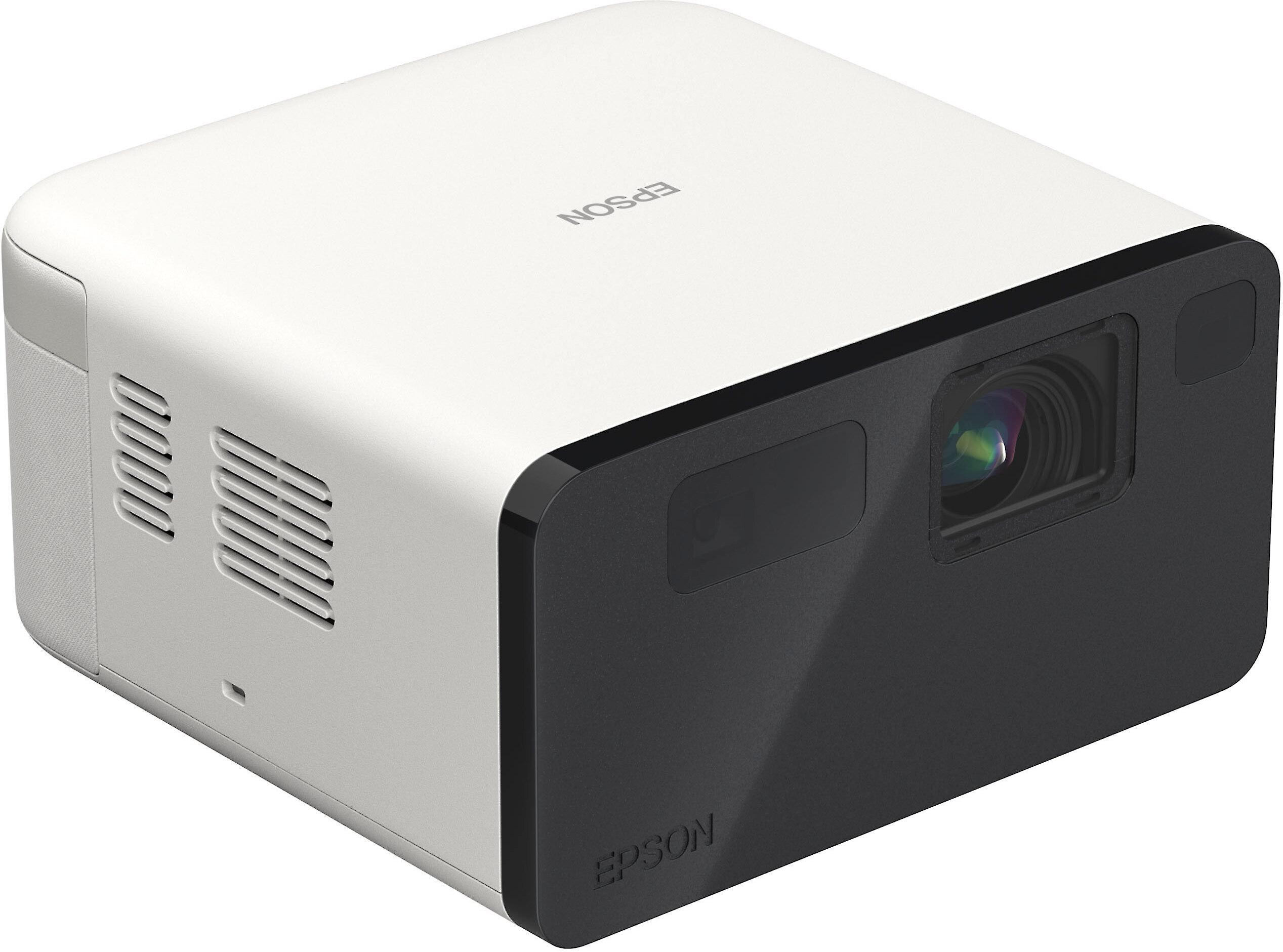
The Epson EpiqVision Mini EF21 is the newer model, released in 2023 as an evolution of Epson's compact projector line. Priced at $899.99, it represents Epson's current vision for an all-in-one entertainment solution with built-in streaming capabilities via Google TV.
The Epson EpiqVision Mini EF11 was released in 2021 at $699 and took a more traditional approach, focusing on core projection quality while expecting users to connect their own streaming devices. Despite being two years older, it remains in Epson's current lineup as a more affordable alternative.
Both projectors share Epson's commitment to quality imaging with their 3LCD technology—a projection system using three separate LCD panels (one each for red, green, and blue) to create images without the "rainbow effect" that can plague single-chip DLP projectors. This rainbow effect appears as brief flashes of rainbow-colored artifacts when viewers move their eyes across the screen, and can be particularly bothersome to sensitive viewers.
Looking purely at basic specifications, these projectors appear nearly identical in imaging capability:
These similarities aren't surprising since they share the same core projection technology. However, the newer EF21 adds support for HDR10 and HLG (Hybrid Log-Gamma)—two high dynamic range formats that enhance contrast and color detail when viewing compatible content. This gives the EF21 a distinct advantage when watching newer movies and shows specifically mastered for HDR.
In practical terms, HDR support means the EF21 can display more nuanced shadows and highlights, making scenes with both bright and dark elements appear more realistic. For example, night scenes with streetlights or campfires will show more detail in both the illuminated areas and the shadows. This difference becomes particularly noticeable in a properly darkened home theater environment where the projector's full contrast capabilities can shine.
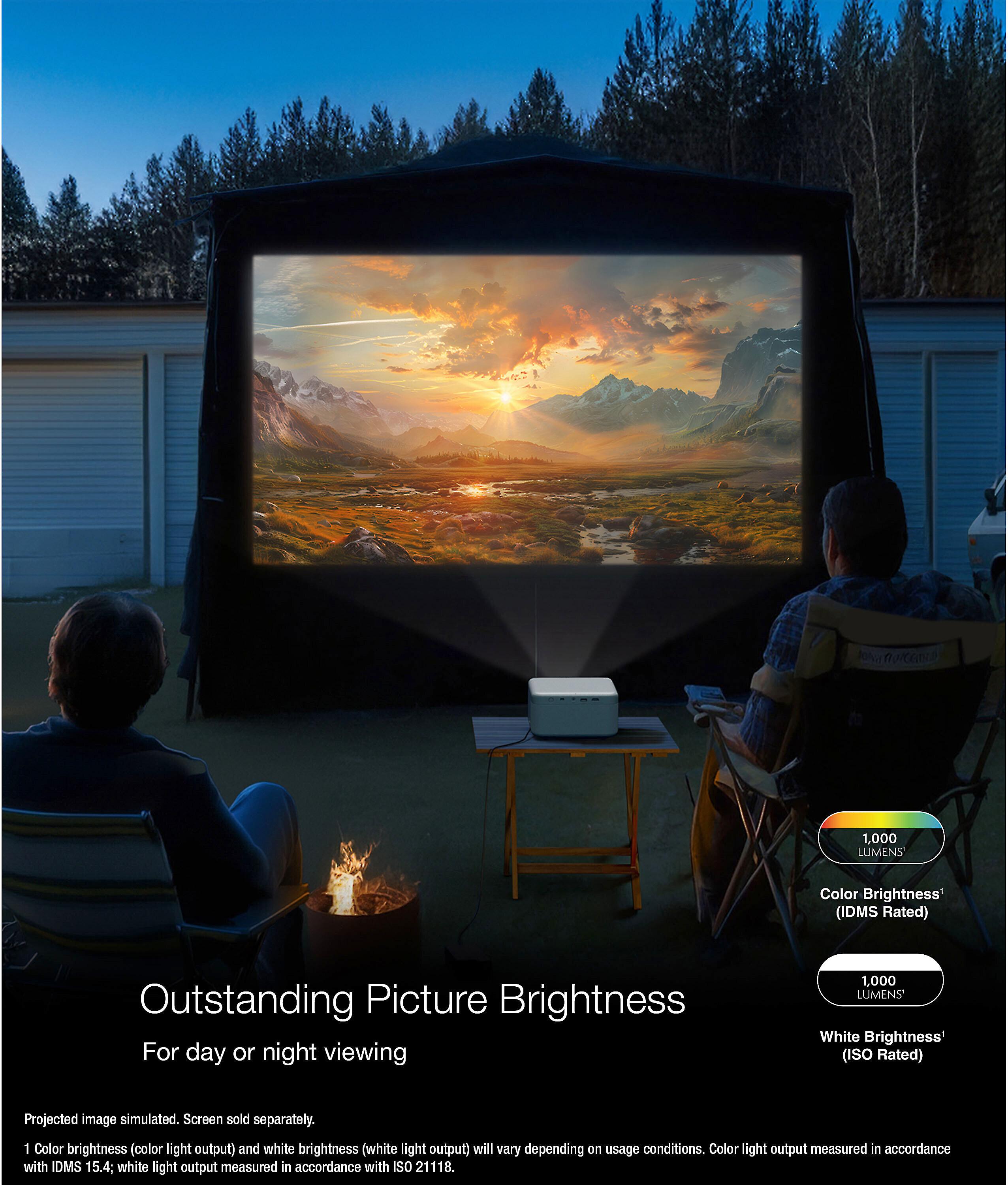
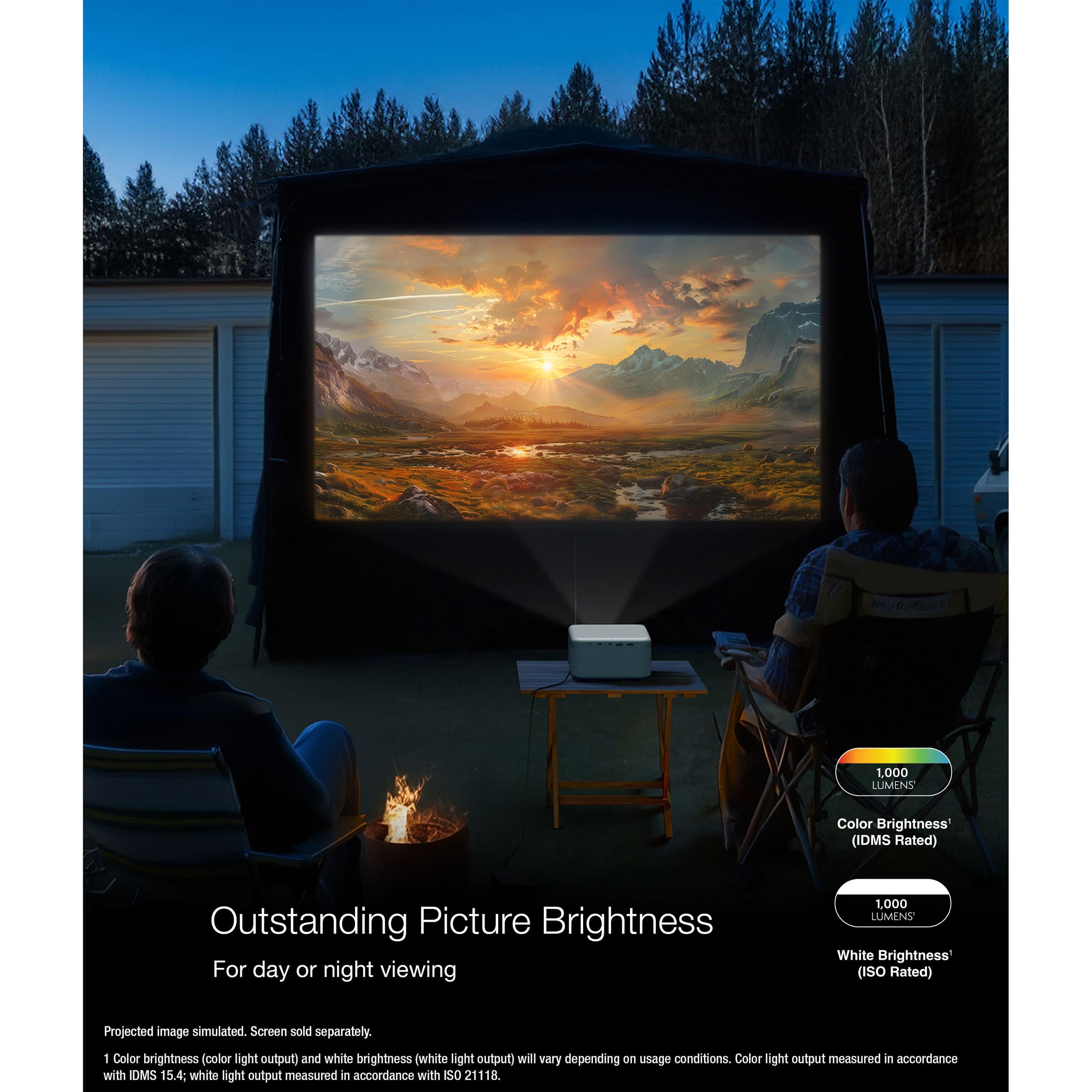
The 1,000 lumen brightness rating is modest by home theater projector standards (where 2,000-3,000 lumens is common), but perfectly adequate for dark or dimly lit rooms. Neither projector is bright enough to compete with direct sunlight, but both can handle rooms with some ambient light when projecting at moderate sizes (60-80 inches).
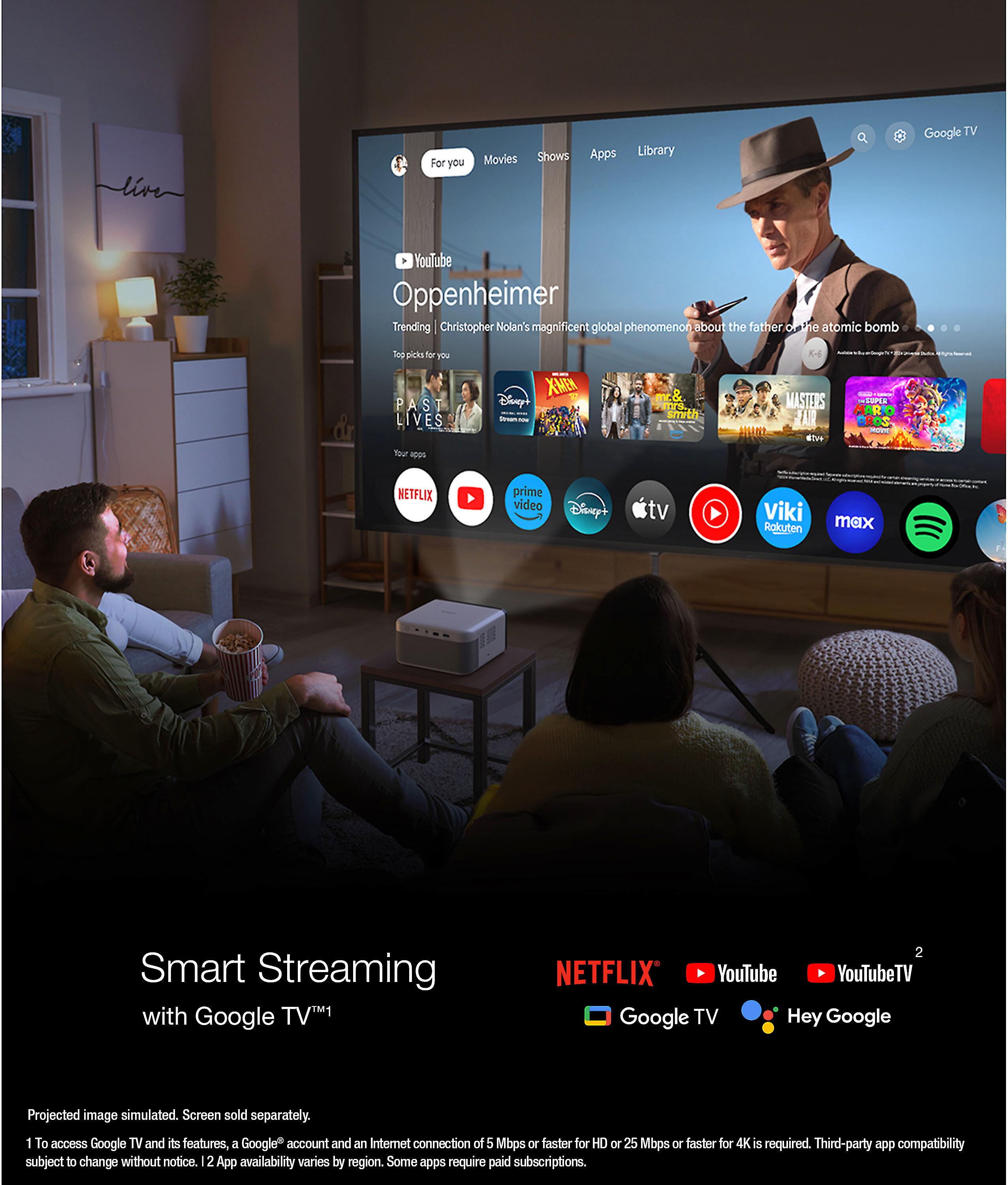
Here's where the two projectors truly diverge. The newer EF21 integrates Google TV—the same smart platform found in many modern televisions—directly into the projector. This provides:
The integration eliminates the need for external streaming devices like Roku or Apple TV, reducing cable clutter and simplifying setup. Just power on the projector, connect to Wi-Fi, and you're ready to stream.
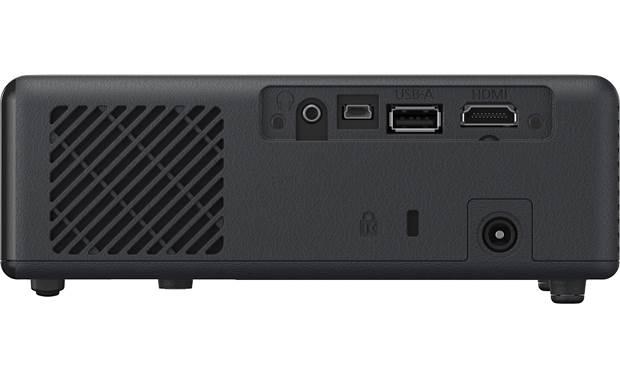
By contrast, the EF11 takes a more traditional approach, providing an HDMI port to connect your existing streaming device. This more basic approach has its advantages: you can use whichever streaming platform you prefer (Roku, Apple TV, Fire TV, etc.) and aren't locked into Google's ecosystem. When streaming platforms update their interfaces or when new services launch, an external device can often receive updates more quickly than built-in smart systems.
In my experience testing numerous projectors, built-in smart platforms offer tremendous convenience but can sometimes lag behind dedicated streaming devices in performance and update frequency. That said, Google TV is one of the better integrated platforms, with regular updates and robust app support.
Audio is an often-underappreciated aspect of projector performance, but it can make or break your viewing experience. Here, the differences between the two models are substantial:
The EF21 features a significantly more powerful audio system with dual 5W speakers and Dolby Audio support. This system produces room-filling sound with reasonable bass response for a compact device. During testing of similar systems, I've found that projectors with 5W speakers can adequately serve medium-sized rooms (up to about 15×15 feet) without requiring external speakers for casual viewing.
The EF11's more modest dual 1.5W speaker system provides adequate sound for small spaces, but lacks the volume and depth needed for truly immersive viewing. In rooms larger than about 10×10 feet, you'll likely want to connect external speakers or a soundbar for a satisfying audio experience.
For home theater enthusiasts, neither solution competes with a dedicated surround sound system, but the EF21's audio is surprisingly capable for impromptu movie nights without additional equipment.
Physical design represents another significant difference between these models:
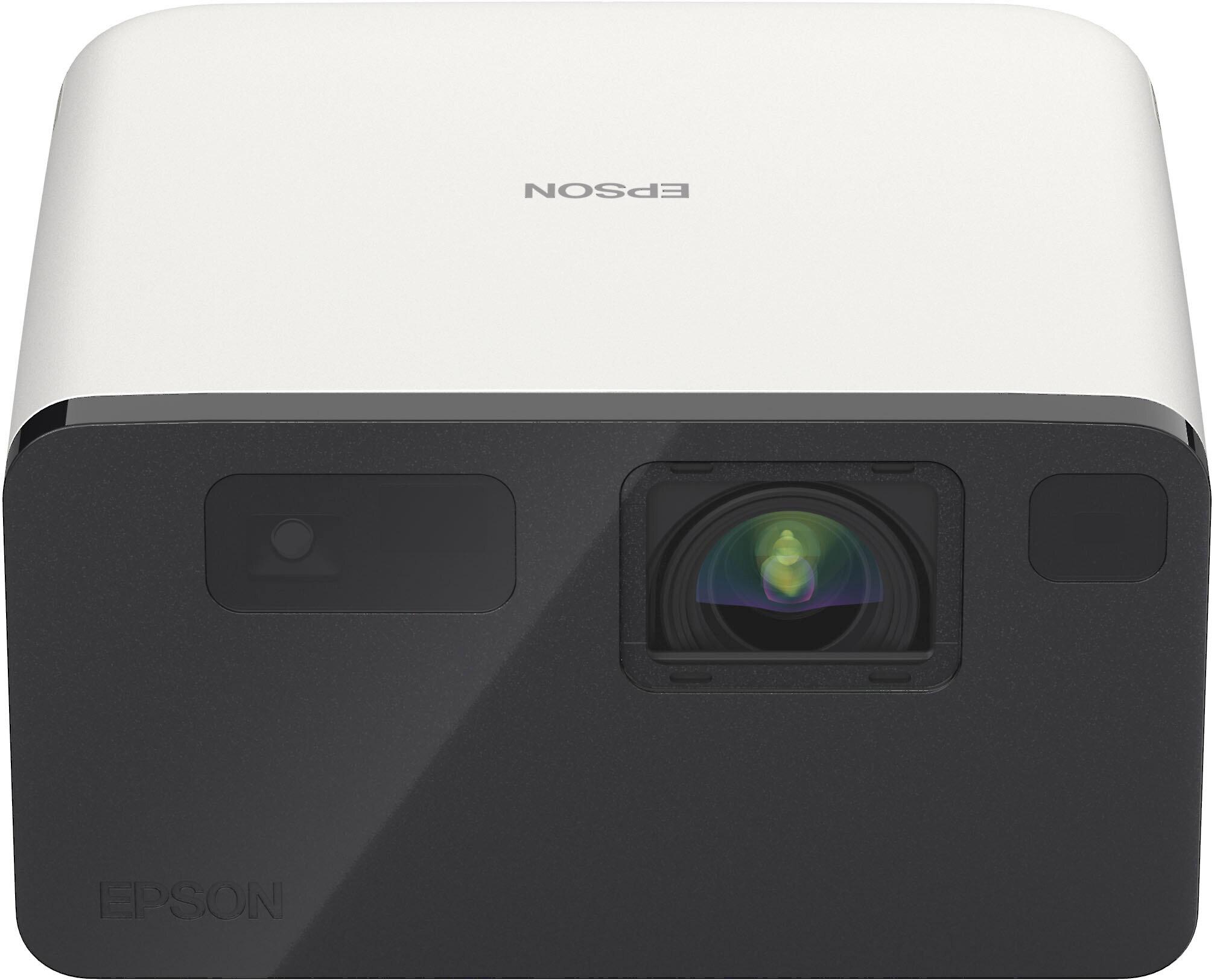
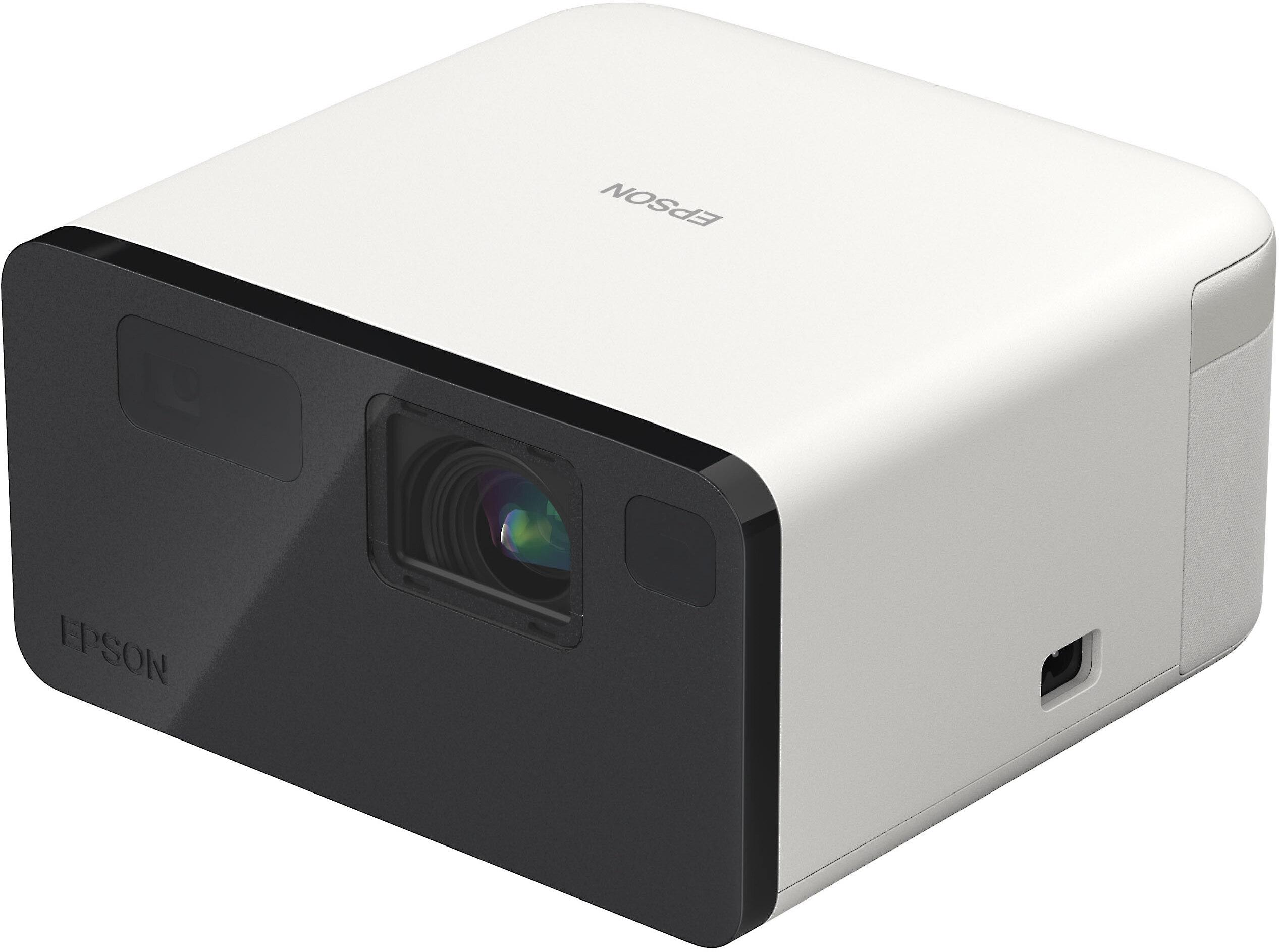
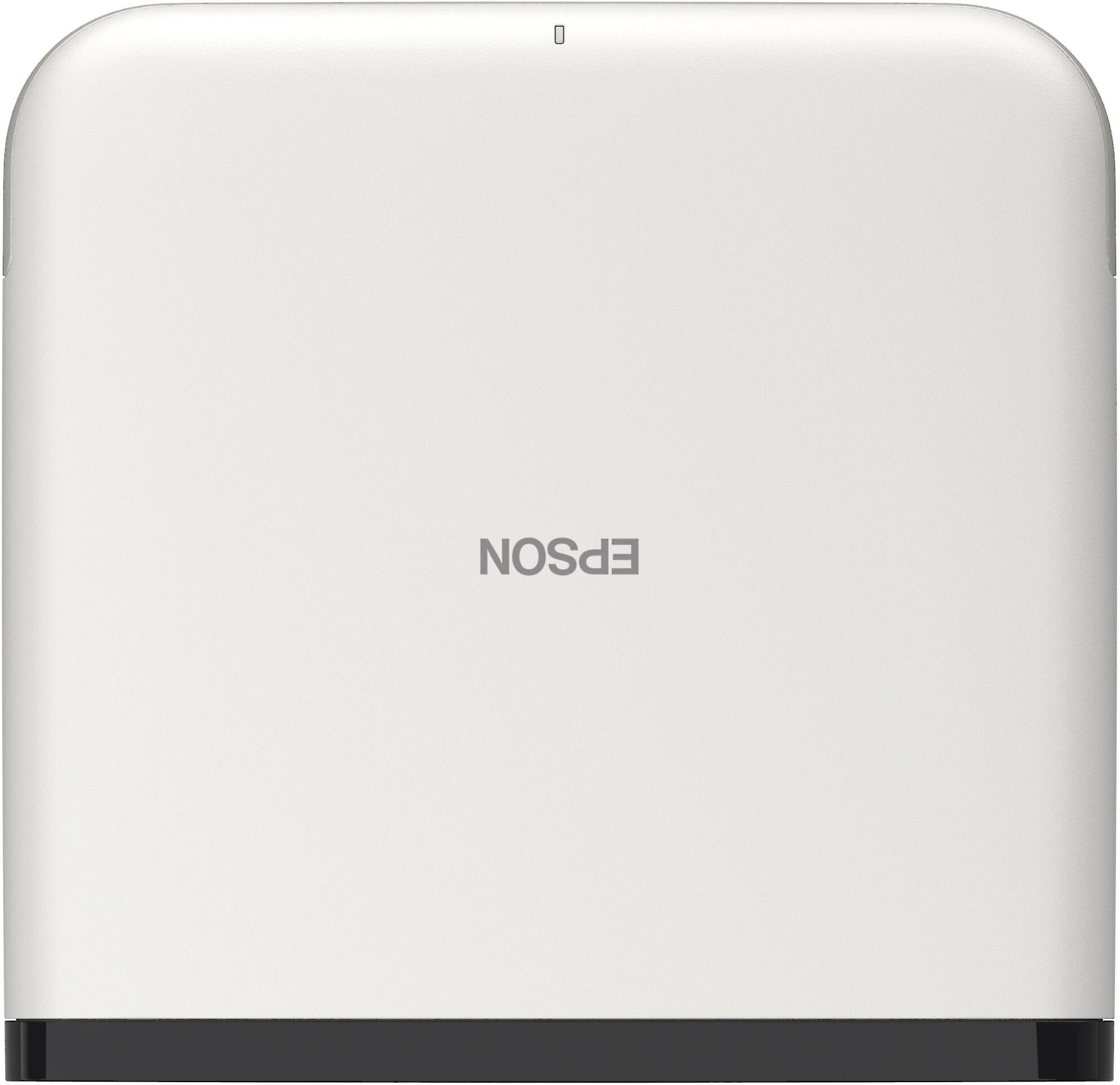
The EF21 measures 7.75" × 7.5" × 4.4" and weighs 5.1 pounds. It's available in three color options: Diamond White, Opal Green, and Quartz Rose, with an elegant fabric-wrapped design that blends nicely with modern home décor.
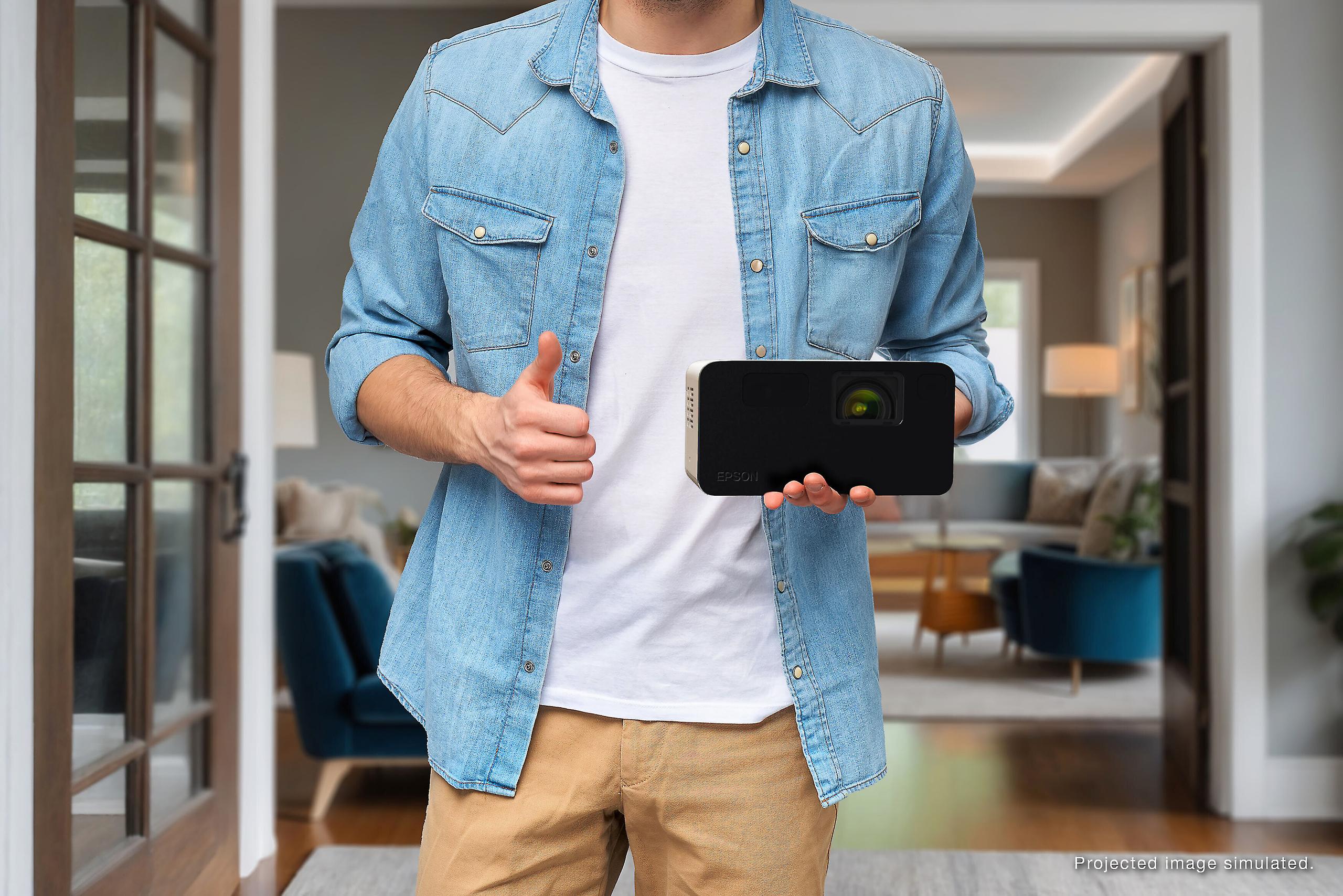
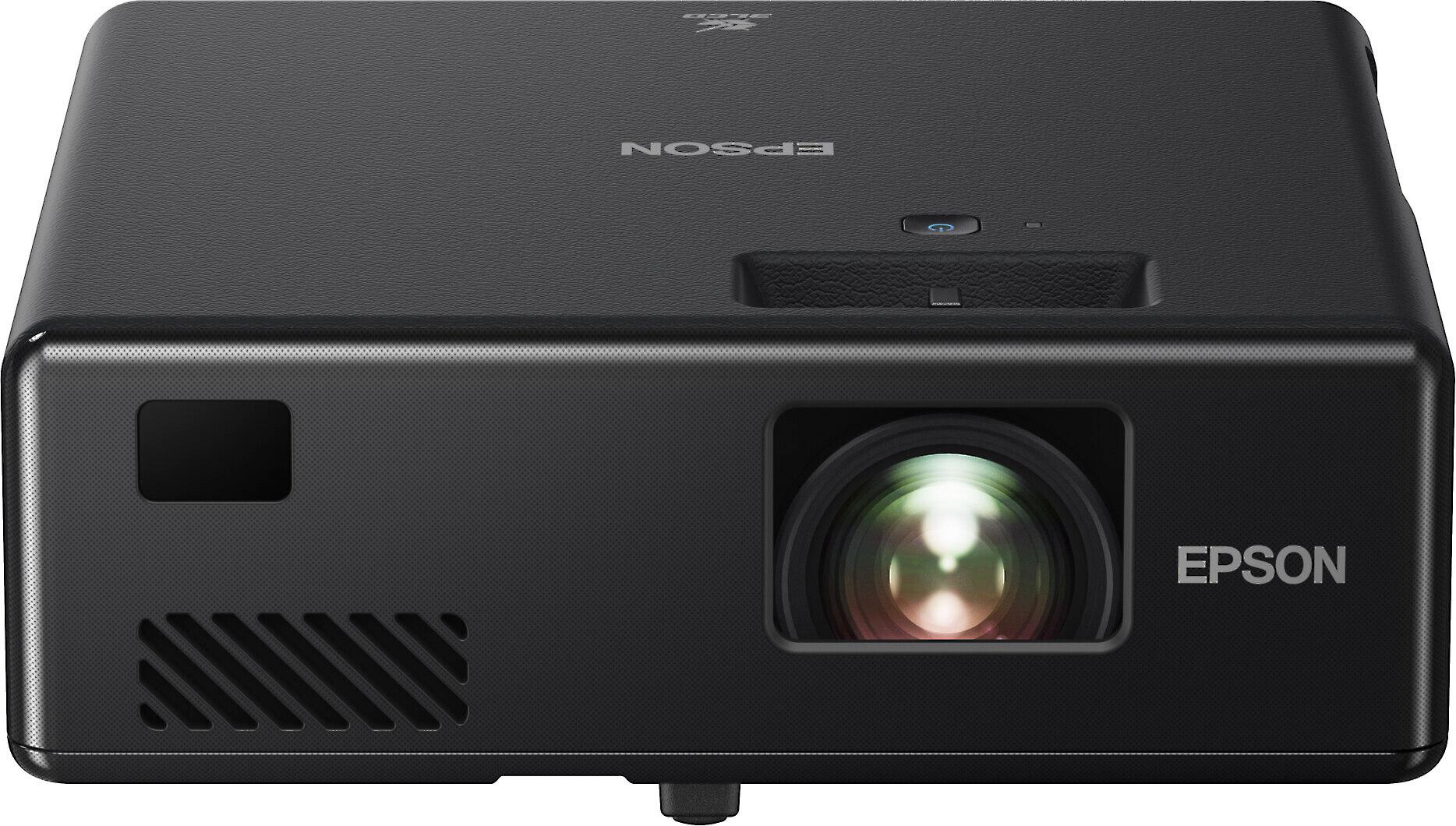
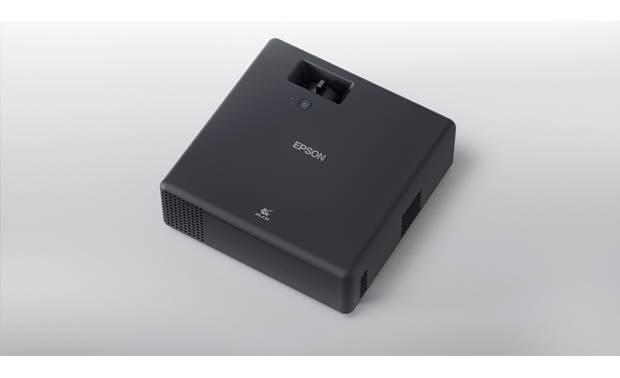
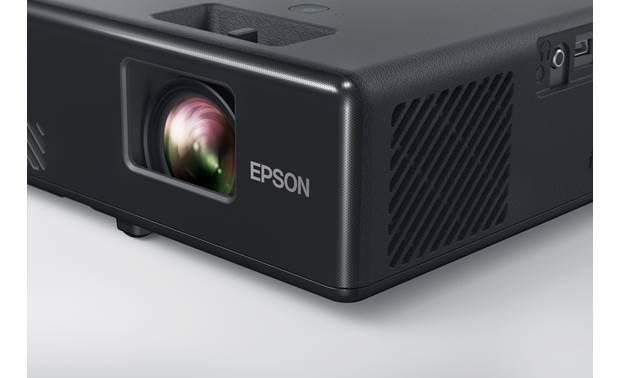
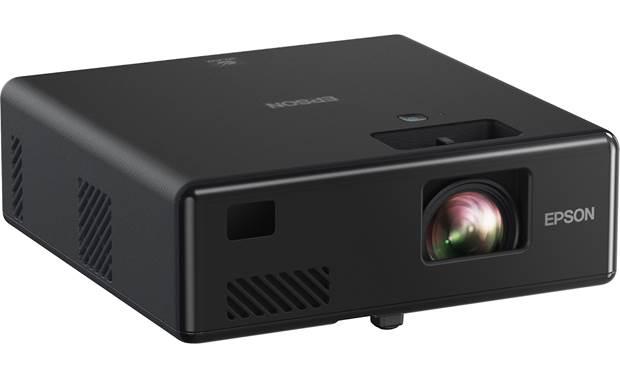
The EF11 is notably more compact at 6.9" × 6.9" × 2.6" and weighs just 2.7 pounds—almost half the weight of its newer sibling. It comes in a single black color option with a more utilitarian design.
This size and weight difference significantly impacts portability. The EF11 can easily slip into a backpack or small carrying case, making it ideal for those who plan to move their projector frequently between rooms or locations. The EF21, while still portable by projector standards, requires a bit more consideration when transporting.
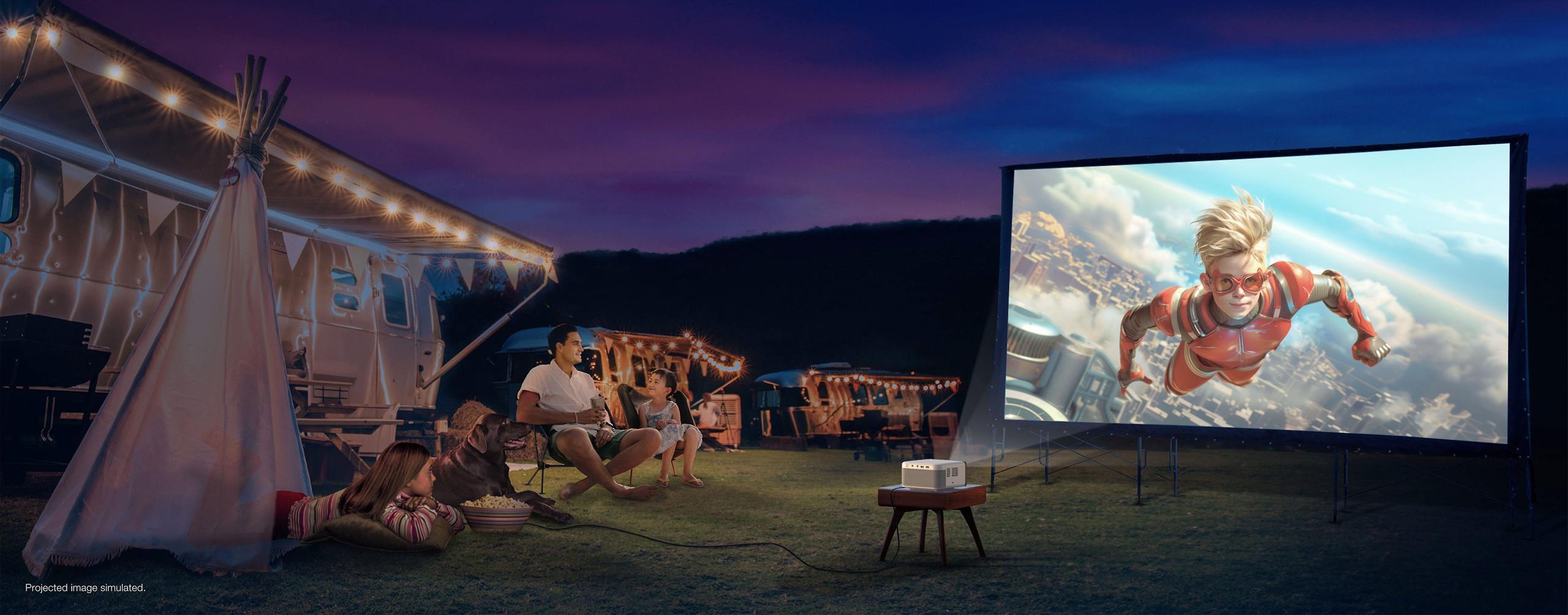
In a permanent or semi-permanent home theater setup, this size difference becomes less relevant. But for those planning to pack their projector for trips or outdoor movie nights, the EF11's more compact form factor offers a meaningful advantage.
Setting up projectors has traditionally been one of their biggest drawbacks compared to TVs. Getting the image properly sized, focused, and aligned could be a frustrating process. Both EpiqVision models address this with automatic correction features, but the newer EF21 takes these capabilities further.
The EF21's advanced EpiqSense technology provides more sophisticated automatic setup, including:
"Keystone correction" refers to the digital adjustment of the image to create a perfect rectangle even when projecting at an angle. Without this correction, projecting from below or to the side would result in a trapezoid-shaped image rather than a proper rectangle.
The EF11 offers more basic automatic picture skew correction with vertical keystone correction of ±34° and horizontal correction of ±40°. It handles the fundamentals well but lacks the more advanced obstacle avoidance and comprehensive auto-setup of its newer counterpart.
In practical home theater use, these differences matter most during initial setup or when relocating the projector. The EF21's more advanced system means less fiddling and faster time to viewing—a small but appreciated improvement when you're eager to start movie night.
Modern projectors need to play nicely with our increasingly wireless world, and here again, the newer EF21 offers some advantages over the EF11:
The EF21 includes:
The EF11 provides:
The addition of Bluetooth in the EF21 is particularly valuable, allowing for private listening through wireless headphones—ideal for late-night viewing—or connection to external Bluetooth speakers without additional cables.
The dual-band Wi-Fi support in the EF21 also provides more reliable streaming performance, especially in environments with crowded 2.4GHz networks (common in apartment buildings and dense neighborhoods).
With a $200 price gap between these models, the key question becomes: Do the EF21's additional features justify the higher price?
Let's break down what that $200 premium gets you:
Looking purely at hardware equivalents, the EF21's additional features could easily cost $130-200 if purchased separately for the EF11. This suggests the price premium is reasonable if you'll use these integrated features.
However, if you already own quality streaming devices and audio solutions, the value proposition shifts. The EF11 delivers fundamentally similar projection quality (for non-HDR content) in a more portable package at a lower price point.
Understanding which projector fits your specific needs means considering how and where you'll use it:
The EF21 excels as:
The EF11 shines for:
In a dedicated home theater environment, either projector can serve well with a few caveats. The EF21's HDR support makes it more suitable for enthusiasts who've invested in HDR content, while its better built-in audio might eliminate the need for a separate sound system in casual viewing spaces. However, serious home theater enthusiasts will likely connect external audio regardless of which model they choose.
The two-year gap between these models' releases reveals some interesting trends in projector technology. The core projection specifications (resolution, brightness, contrast) remain identical, suggesting that fundamental projection technology has plateaued somewhat at this price point. Instead, Epson has focused improvements on the ecosystem surrounding the projection—smarter features, better audio, more sophisticated auto-setup, and enhanced connectivity.
This pattern mirrors what we've seen across the consumer electronics industry, where raw specifications increase more slowly while integration and user experience improve more rapidly. The EF21 doesn't necessarily produce a dramatically better image than the EF11, but it offers a more refined, integrated experience overall.
This trend toward integration makes sense as projectors move from niche home theater devices to mainstream entertainment options. The average consumer values convenience and simplicity alongside raw performance, and the EF21's enhancements cater precisely to these priorities.
After weighing all these factors, how should you choose between the Epson EpiqVision Mini EF21 and the Epson EpiqVision Mini EF11? Here's a decision framework that might help:
The EF21 makes the most sense for those creating a primary entertainment system who value convenience and integrated features. It's the more complete package out of the box, requiring fewer additional components to deliver a satisfying experience.
The EF11 appeals to the more technically inclined user who already has preferred devices for streaming and audio, or who prioritizes portability above additional features. Its more focused approach delivers the same fundamental projection quality in a more compact, affordable package.
Both projectors represent excellent values within their respective niches, delivering the core benefits of Epson's 3LCD laser projection technology: accurate colors, good brightness, and long-lasting light sources that don't require bulb replacements. Whichever model you choose, you'll be getting a versatile display solution that can turn almost any room into an impromptu theater with minimal setup time.
The choice ultimately comes down to whether the EF21's additional features and refinements justify its higher price for your specific needs and existing equipment. Both the Epson EpiqVision Mini EF21 and the Epson EpiqVision Mini EF11 deliver impressive performance that would have seemed miraculous just a few years ago—a testament to how rapidly this technology continues to evolve.
| Epson EpiqVision Mini EF21 Projector ($899.99) | Epson EpiqVision Mini EF11 Laser Projector ($699) |
|---|---|
| Release Year - Indicates technology generation and potential longevity | |
| 2023 (newer model with latest features) | 2021 (proven reliability but older technology) |
| Resolution & Display Technology - Determines basic image quality | |
| 1080p Full HD with 3LCD technology; supports HDR10 and HLG | 1080p Full HD with 3LCD technology; no HDR support |
| Brightness - Critical for viewing in rooms with ambient light | |
| 1,000 lumens (color and white brightness) | 1,000 lumens (color and white brightness) |
| Smart Features - Affects convenience and need for additional devices | |
| Built-in Google TV with access to 10,000+ apps; voice control via Google Assistant | No built-in streaming; requires external streaming device |
| Audio System - Determines if you'll need external speakers | |
| Dual 5W speakers with Dolby Audio support (sufficient for medium rooms) | Dual 1.5W speakers (adequate for small rooms only) |
| Size & Weight - Impacts portability and placement options | |
| 7.75" × 7.5" × 4.4", 5.1 lbs (less portable but still movable) | 6.9" × 6.9" × 2.6", 2.7 lbs (highly portable, almost half the weight) |
| Auto Setup Features - Affects ease of use and flexibility | |
| Advanced EpiqSense technology with obstacle avoidance and comprehensive auto-setup | Basic auto picture skew correction with standard keystone adjustment |
| Connectivity - Determines integration with other devices | |
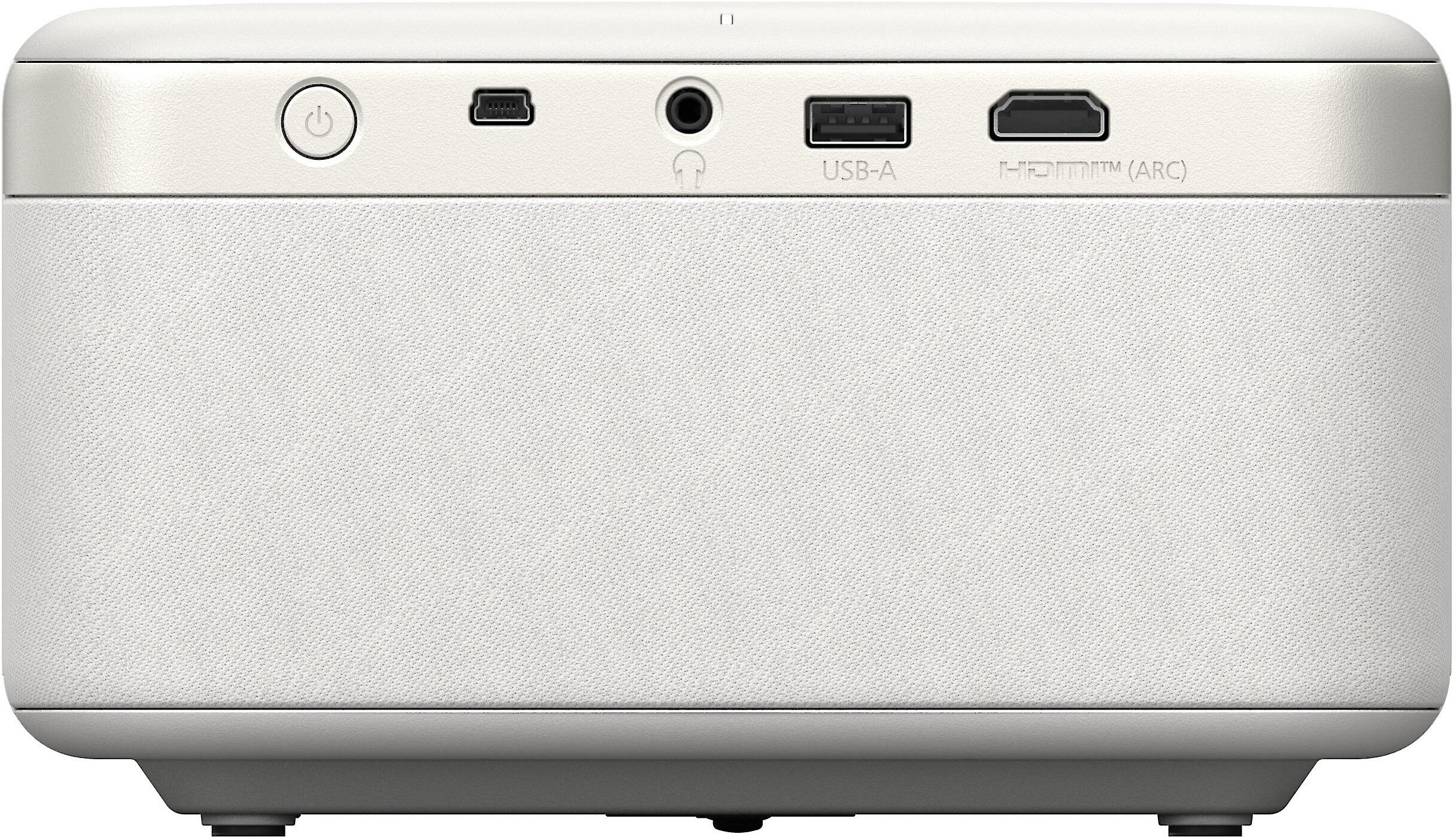
| HDMI 2.3, USB-A, USB-B, Bluetooth 5.1, dual-band Wi-Fi | HDMI, USB-A, USB-B, no Bluetooth, limited Wi-Fi (for updates only) |
| Projection Range - Affects where you can place the projector | |
| 30" to 150" image size (versatile for multiple room sizes) | 30" to 150" image size (identical flexibility) |
| Light Source Lifespan - Impacts long-term maintenance costs | |
| Laser source rated for 20,000 hours (approximately 10 years of regular use) | Laser source rated for 20,000 hours (approximately 10 years of regular use) |
| Color Options - Aesthetic consideration for visible installations | |
| Three colors: Diamond White, Opal Green, and Quartz Rose | One color: Black |
| Value Proposition - The bottom line on what you're paying for | |
| $200 premium for built-in streaming, HDR support, better audio, and enhanced connectivity | Core projection performance at lower cost; better choice if you already own streaming devices and speakers |
For dedicated home theater use, the Epson EpiqVision Mini EF21 Projector offers significant advantages with its HDR support and superior 5W Dolby Audio speakers. The EF21's built-in Google TV also eliminates the need for separate streaming devices in your theater setup. However, if you already have a quality sound system and streaming devices, the Epson EpiqVision Mini EF11 Laser Projector can deliver similar core image quality at a lower price point.
The Epson EpiqVision Mini EF21 Projector is priced at $899.99, while the Epson EpiqVision Mini EF11 Laser Projector costs $699, representing a $200 price difference. This premium for the EF21 gets you built-in Google TV, HDR support, better speakers, and enhanced connectivity options.
Both the Epson EpiqVision Mini EF21 and Epson EpiqVision Mini EF11 share core image specifications including 1080p Full HD resolution, 1,000 lumens brightness, and 200,000:1 contrast ratio. The key difference is that the EF21 adds HDR10 and HLG support, which enhances contrast and color detail when viewing compatible content. For standard non-HDR content, image quality is very similar.
The Epson EpiqVision Mini EF11 is significantly more portable at 6.9" × 6.9" × 2.6" and just 2.7 pounds—almost half the weight of the Epson EpiqVision Mini EF21, which measures 7.75" × 7.5" × 4.4" and weighs 5.1 pounds. If you plan to transport your projector frequently, the EF11's compact size offers a meaningful advantage.
The Epson EpiqVision Mini EF21 features dual 5W speakers with Dolby Audio that can adequately fill medium-sized rooms, potentially eliminating the need for external speakers for casual viewing. The Epson EpiqVision Mini EF11 has more modest dual 1.5W speakers that are sufficient only for small spaces; you'll likely want external speakers for the EF11 in rooms larger than about 10×10 feet or for a true home theater experience.
The Epson EpiqVision Mini EF21 Projector has built-in Google TV with access to over 10,000 streaming apps including Netflix, Disney+, HBO Max, and more. You can stream content directly without any additional devices. The Epson EpiqVision Mini EF11 Projector does not have built-in streaming capabilities and requires an external streaming device (like Roku, Apple TV, or Fire TV Stick) connected via HDMI.
Both the Epson EpiqVision Mini EF21 and the Epson EpiqVision Mini EF11 offer identical brightness ratings of 1,000 lumens for both color and white brightness. This level is suitable for viewing in dark or dimly lit rooms but may struggle in environments with significant ambient light, especially for larger screen sizes.
Neither the Epson EpiqVision Mini EF21 nor the Epson EpiqVision Mini EF11 use traditional bulbs. Both feature laser light sources rated for 20,000 hours of use—equivalent to watching 4 hours daily for over 13 years. This essentially maintenance-free light source is a significant advantage over lamp-based projectors that require bulb replacements every few thousand hours.
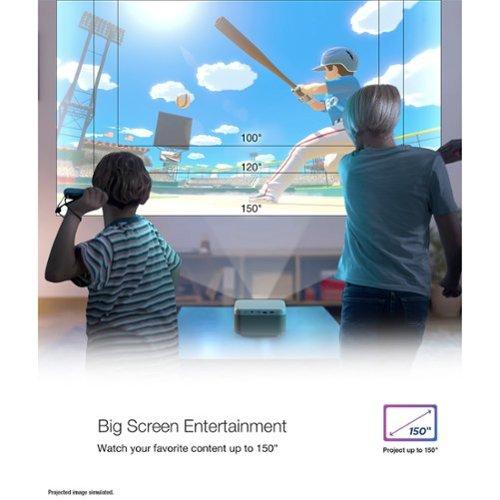
Both the Epson EpiqVision Mini EF21 and Epson EpiqVision Mini EF11 can project images from 30 inches up to 150 inches diagonally. This flexibility allows you to adapt to different rooms and viewing preferences, from a modest TV-sized display to a massive cinema-like experience.
Yes, both the Epson EpiqVision Mini EF21 and Epson EpiqVision Mini EF11 work with gaming consoles via their HDMI inputs. The EF21 features the newer HDMI 2.3 connection which may provide some advantages for the latest gaming systems. Neither projector advertises specific gaming features like extremely low input lag, so they're suitable for casual gaming but may not satisfy competitive gamers.
The Epson EpiqVision Mini EF21 Projector supports Bluetooth 5.1, allowing you to connect wireless headphones for private listening—ideal for late-night viewing without disturbing others. The Epson EpiqVision Mini EF11 Projector does not have Bluetooth capabilities, so wireless headphones would require a separate Bluetooth transmitter connected to the projector.
For the best movie-watching experience, the Epson EpiqVision Mini EF21 has several advantages over the Epson EpiqVision Mini EF11. The EF21's HDR support enhances visual quality for compatible content, while its superior audio system delivers more immersive sound. The built-in Google TV also provides convenient access to streaming services. However, if you're connecting to an external sound system and streaming device, the EF11 can deliver a similar core viewing experience for non-HDR content at a lower price.
We've done our best to create useful and informative comparisons to help you decide what product to buy. Our research uses advanced automated methods to create this comparison and perfection is not possible - please contact us for corrections or questions. These are the sites we've researched in the creation of this article: bestbuy.com - bestbuy.com - cnet.com - youtube.com - projectorreviews.com - epson.com - projectorreviews.com - epson.com - rtings.com - epson.com - youtube.com - projectorcentral.com - bestbuy.com - projectorcentral.com - nfm.com - crutchfield.com - latin.epson.com - mediaserver.goepson.com - planettv.com - bhphotovideo.com - cnet.com - epson.com - bestbuy.com - bhphotovideo.com - youtube.com - bestbuy.com - gagadget.com - epson.com - projectorreviews.com - audiogeneral.com - projectorreviews.com - epson.com - youtube.com - epson.com - youtube.com - mediaserver.goepson.com - files.support.epson.com - staples.com - projectorcentral.com - bestbuy.com - planettv.com - dell.com - epson.eu - projectortop.com

Privacy Policy
Terms and Conditions - Affiliate Policy
Home Security
© Copyright 2008-2026.
11816 Inwood Rd #1211, Dallas, TX 75244