



Remember when projectors were bulky machines that needed permanent installation and a darkened room to be useful? Those days are long behind us. The portable projector market has undergone a remarkable transformation in recent years, creating a new category of entertainment devices that bring big-screen experiences to almost any setting.
Today's portable projectors strike a delicate balance between brightness, resolution, portability, and smart features. They've become increasingly sophisticated, incorporating technologies once found only in premium home theater setups while maintaining a form factor that allows for easy transport between rooms or even outdoors.
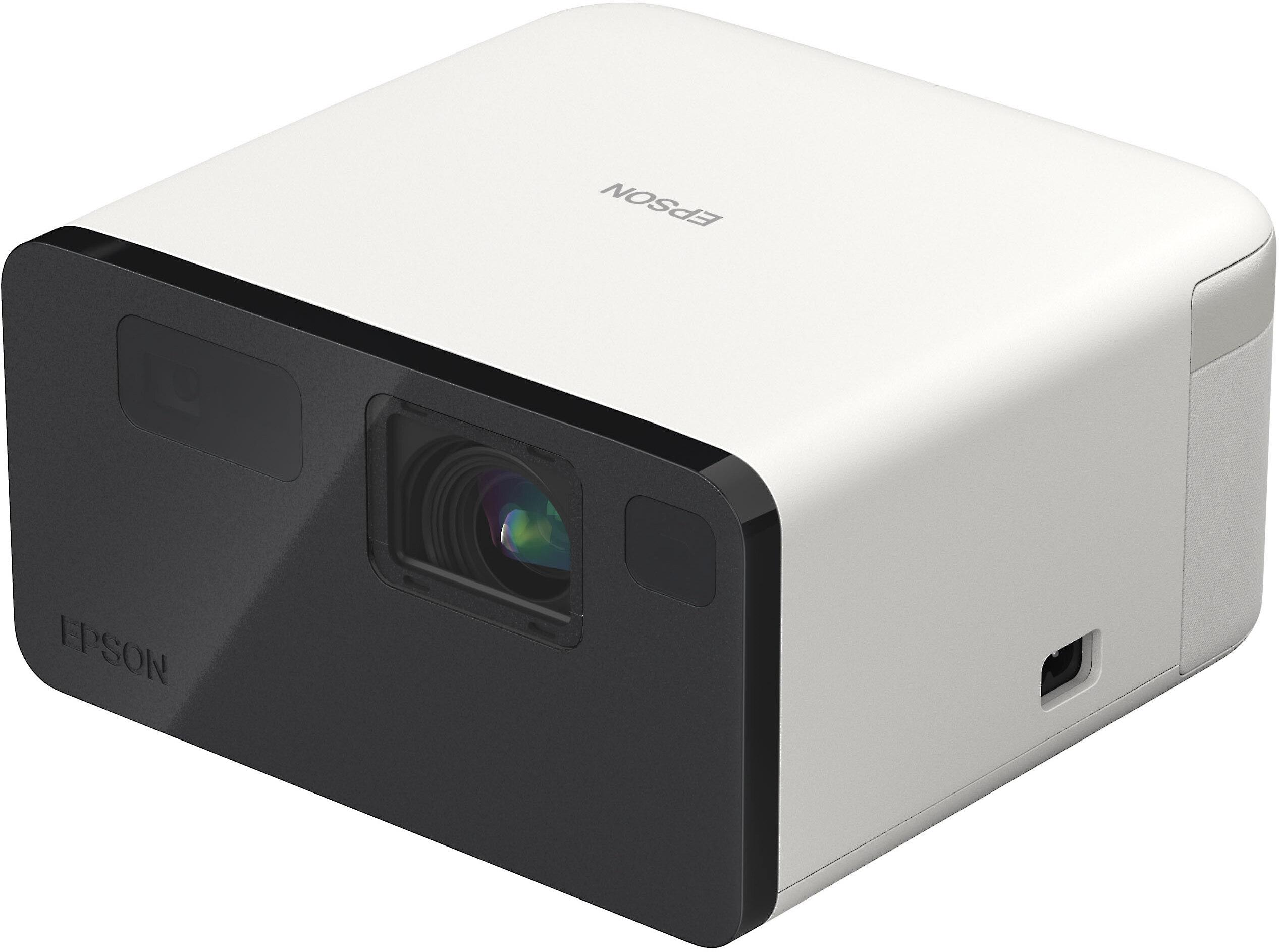
The Anker Nebula Mars 3 and Epson EpiqVision Mini EF21 represent two distinct approaches to portable projection, each with its own set of strengths tailored to different user needs. Released in 2023, the Mars 3 builds on Anker's previous portable projector success with enhanced durability and brightness. The EF21, also a 2023 release, showcases Epson's expertise in projection technology with its 3LCD laser system in a compact form factor.
Before diving into specifics, let's consider what matters most when shopping for a portable projector:
Let's explore how these two projectors measure up across these critical dimensions.
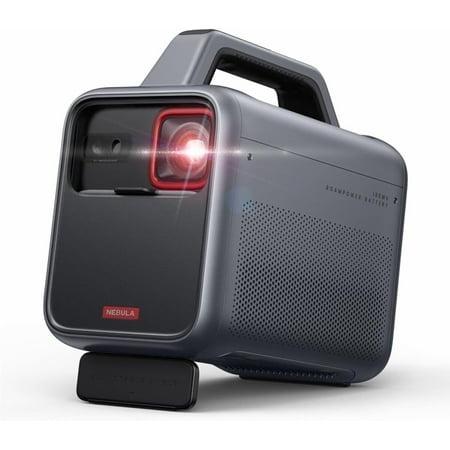
The $1,000-$1,100 Anker Nebula Mars 3 represents a significant evolution in Anker's portable projector lineup. Building on the success of previous Mars models, the Mars 3 introduces improved brightness, battery life, and outdoor durability.
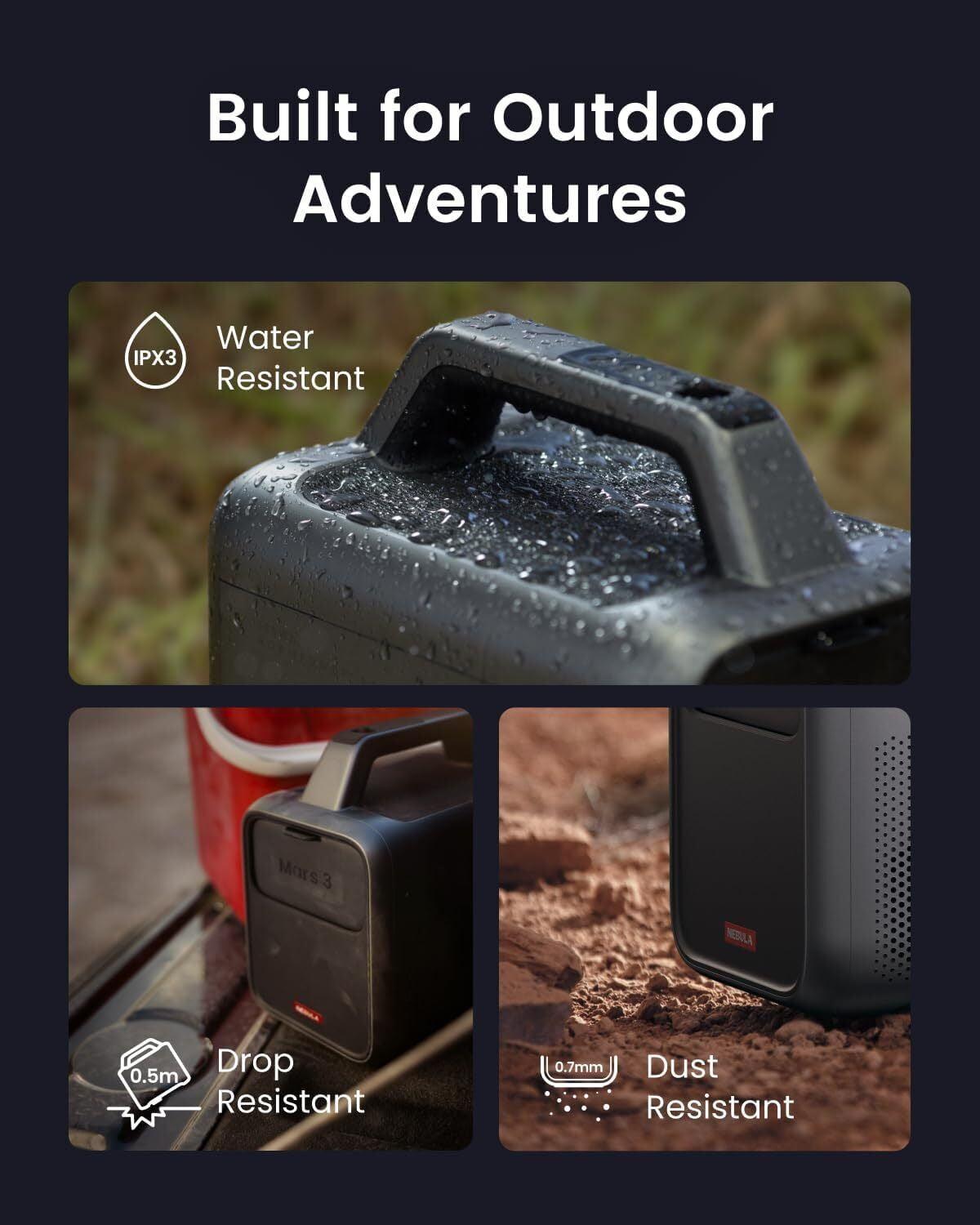
This projector is purpose-built for versatility beyond the living room. With its IPX3 water resistance (meaning it can withstand light water spray from any angle), 0.5-meter drop protection, and dust resistance, it's designed to withstand the elements. The integrated carrying handle further emphasizes its portable nature.
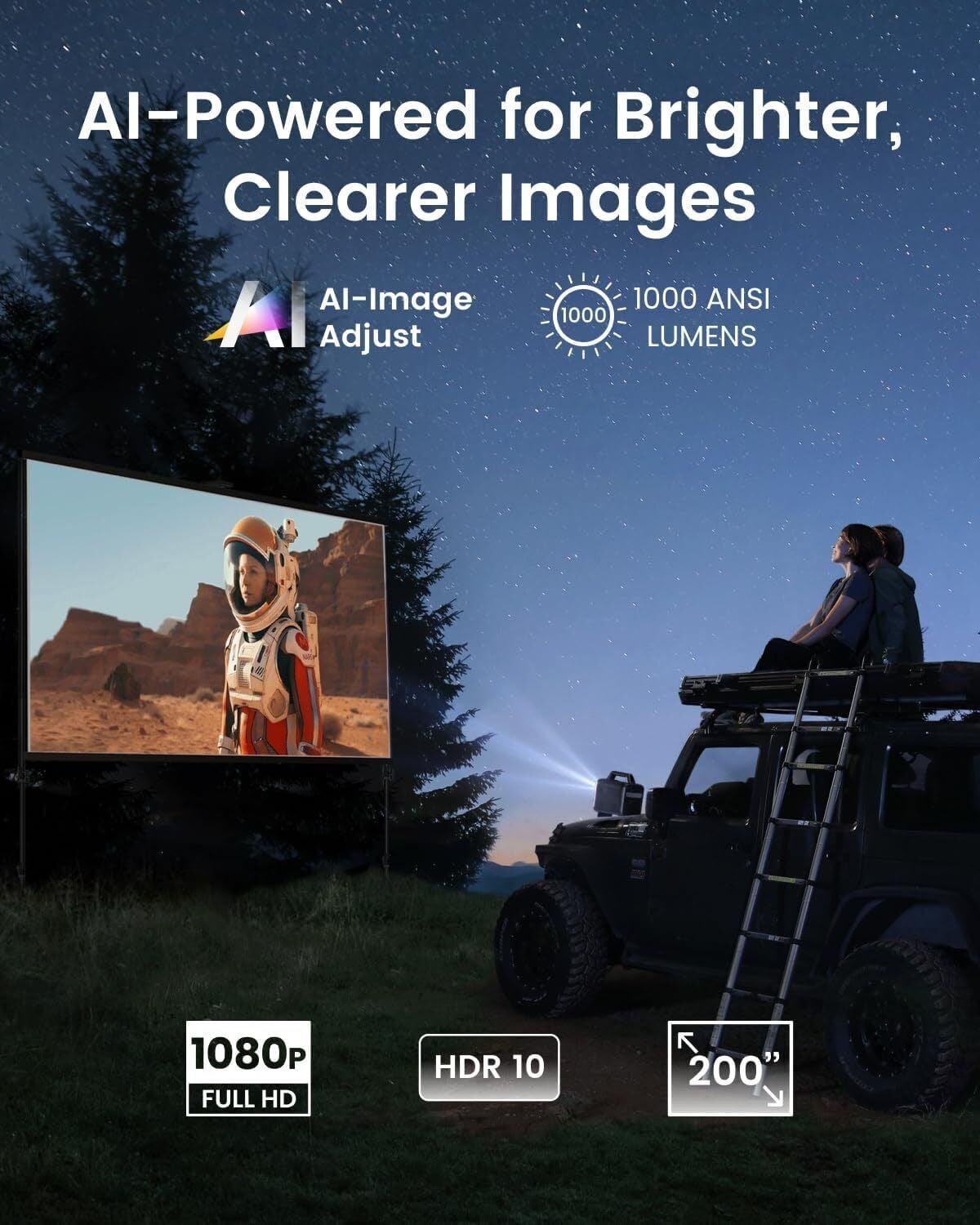
Since the original Mars projector, Anker has made substantial improvements in brightness, resolution, and smart features. The Mars 3's 1000 ANSI lumens represents a significant leap from earlier models that struggled to reach 500 ANSI lumens. The upgrade to Android TV 11.0 from proprietary software systems also shows how the product line has evolved to embrace mainstream smart platforms.
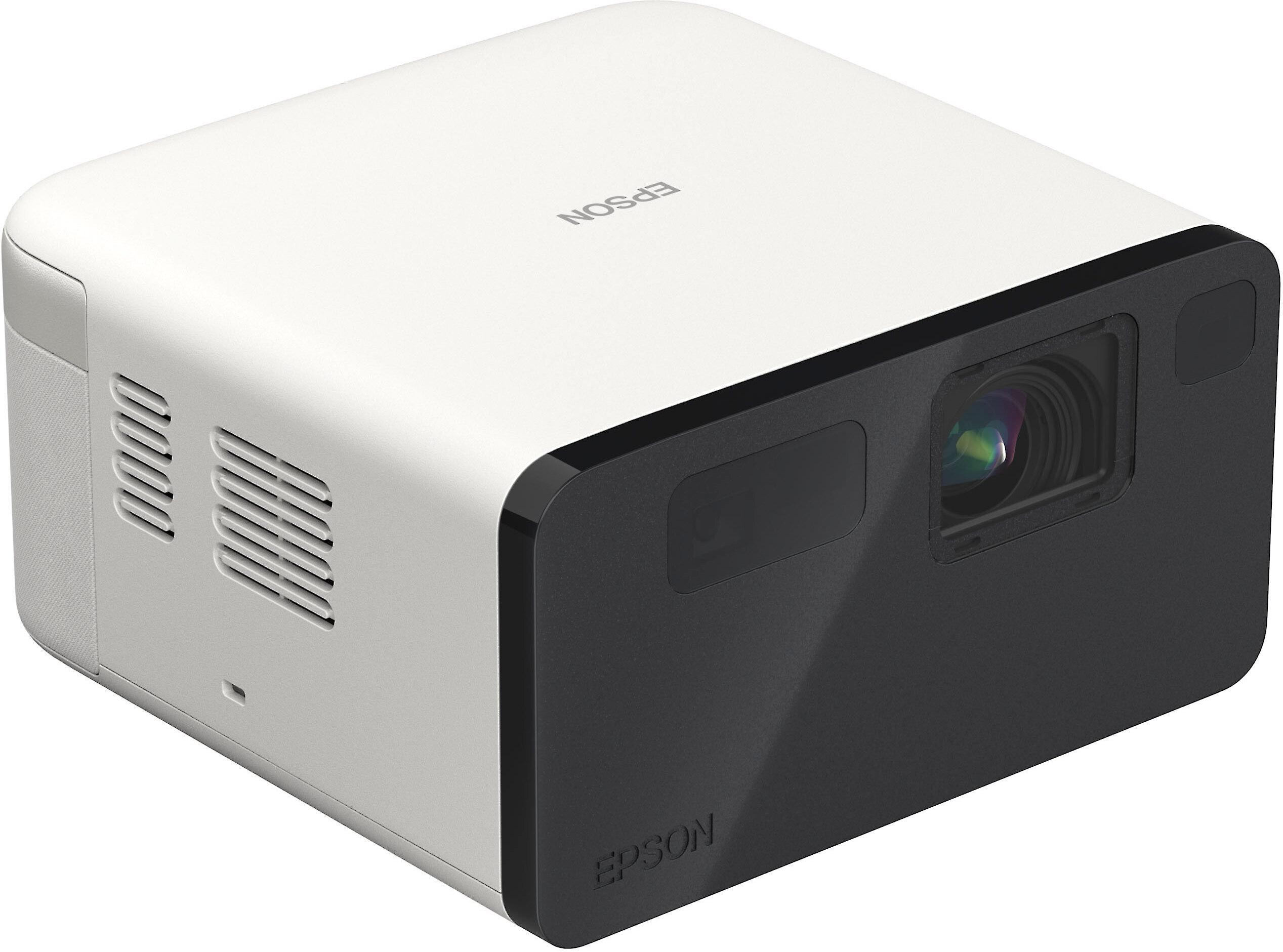
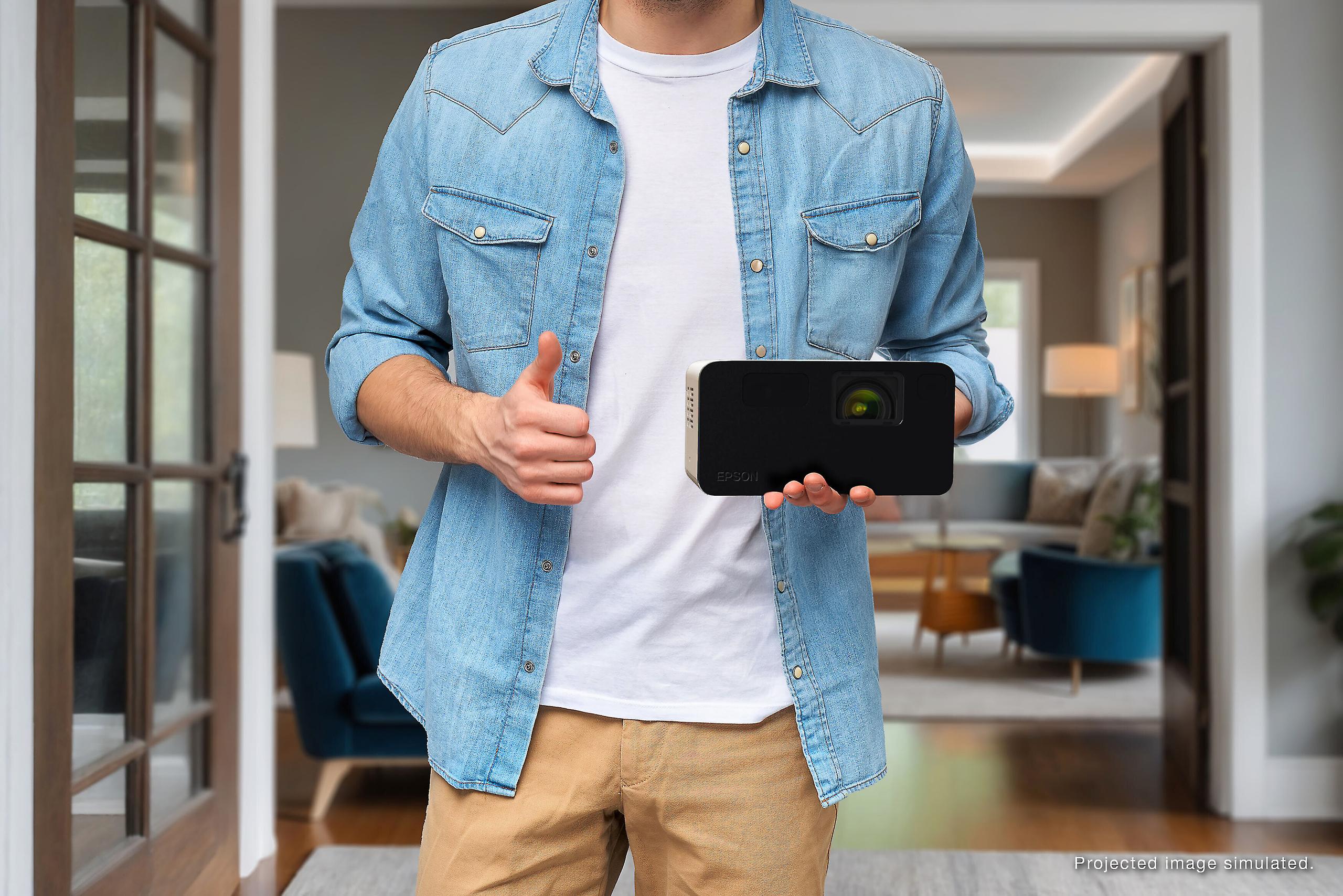
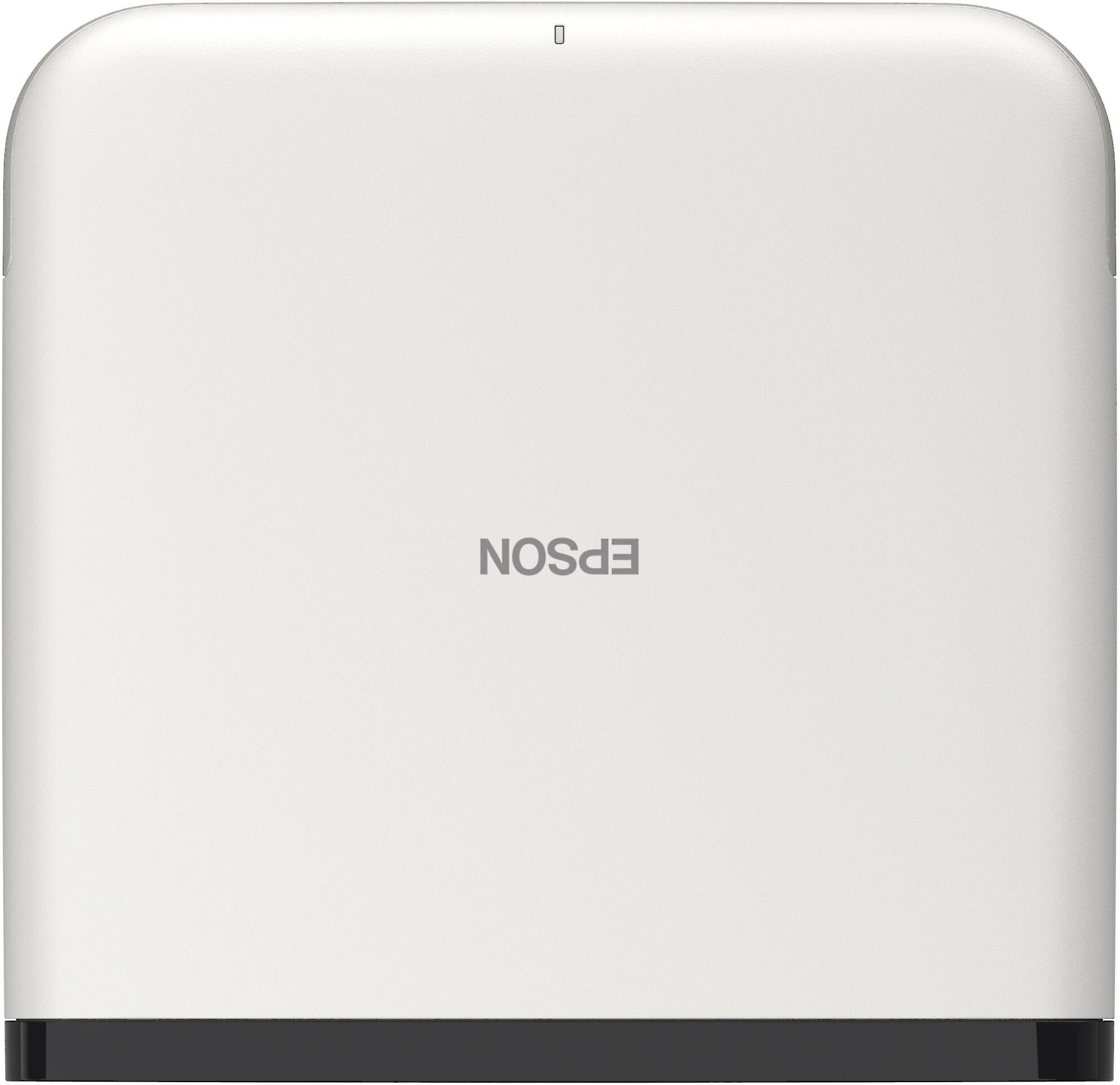
The $899.99 Epson EpiqVision Mini EF21 takes a different approach. Rather than focusing on battery power and outdoor durability, Epson has channeled its decades of projector expertise into creating superior image quality in a compact, room-to-room portable package.
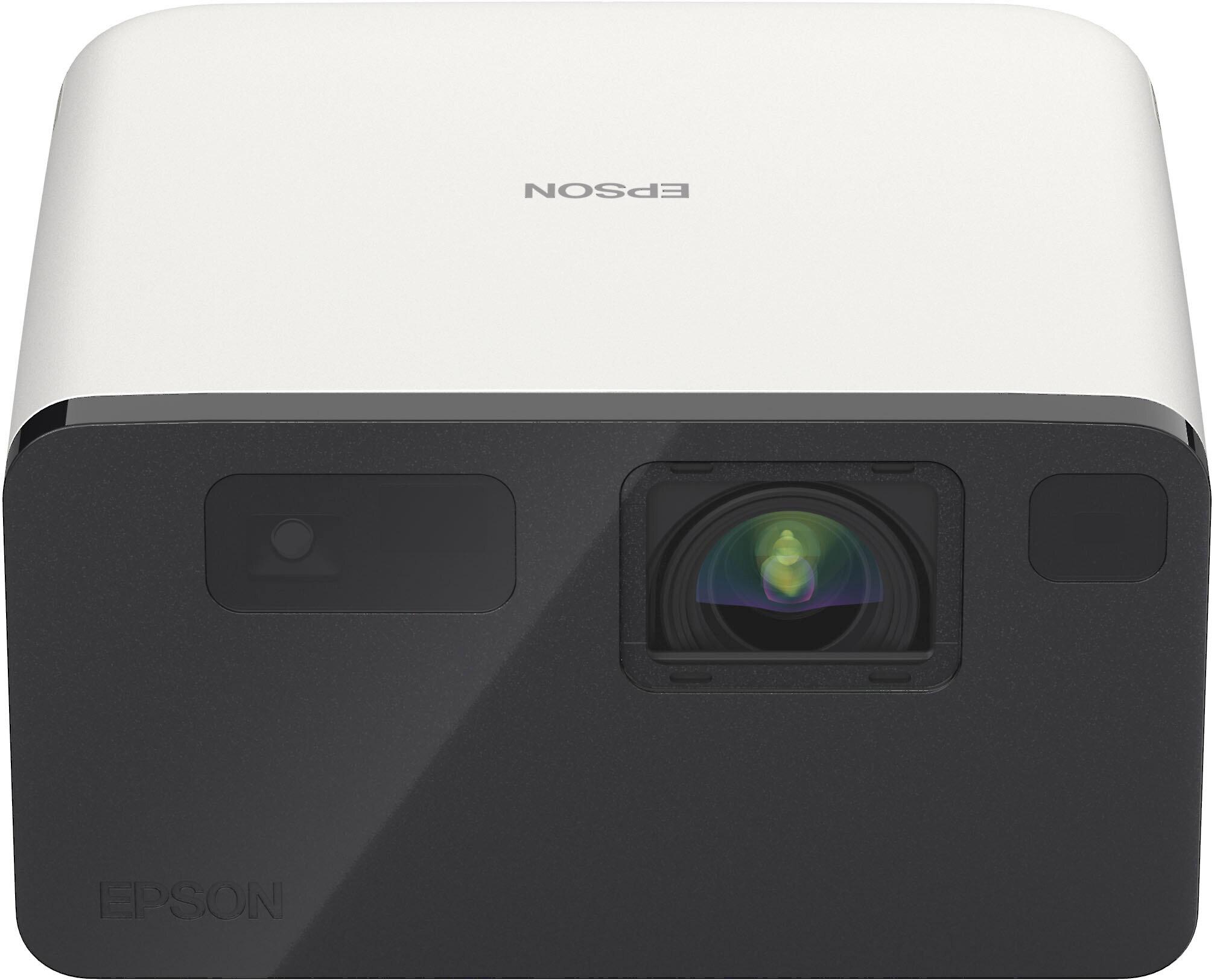
The EF21 introduces Epson's laser projection technology to a more accessible price point. Previous compact Epson projectors at this level typically used lamp-based systems with shorter lifespans and less consistent brightness. The shift to laser projection represents a significant technological upgrade for the category.
What makes the EF21 particularly innovative is its combination of laser projection with Epson's renowned 3LCD technology in such a compact form factor. Traditionally, getting both these premium features required investing in much larger, more expensive projectors.
Both projectors offer Full HD 1080p resolution (1920×1080 pixels), providing crisp, detailed images suitable for movies, gaming, and presentations. However, they achieve their similar brightness ratings through fundamentally different technologies:
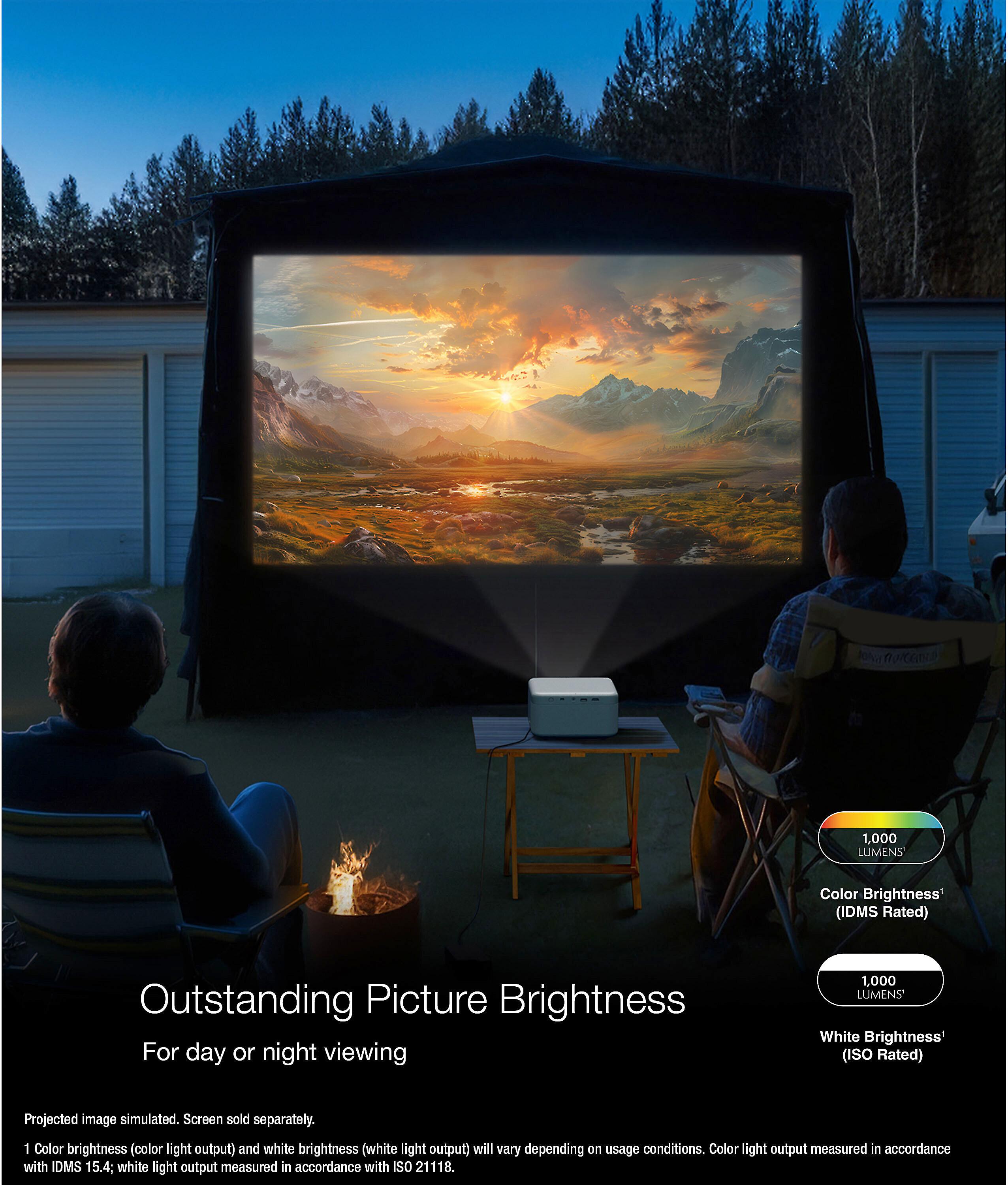
The Nebula Mars 3 delivers 1000 ANSI lumens using LED technology. ANSI lumens are a standardized brightness measurement, and 1000 ANSI lumens is quite impressive for a battery-powered portable projector. LED light sources are energy-efficient and have long lifespans, making them ideal for battery-operated devices.
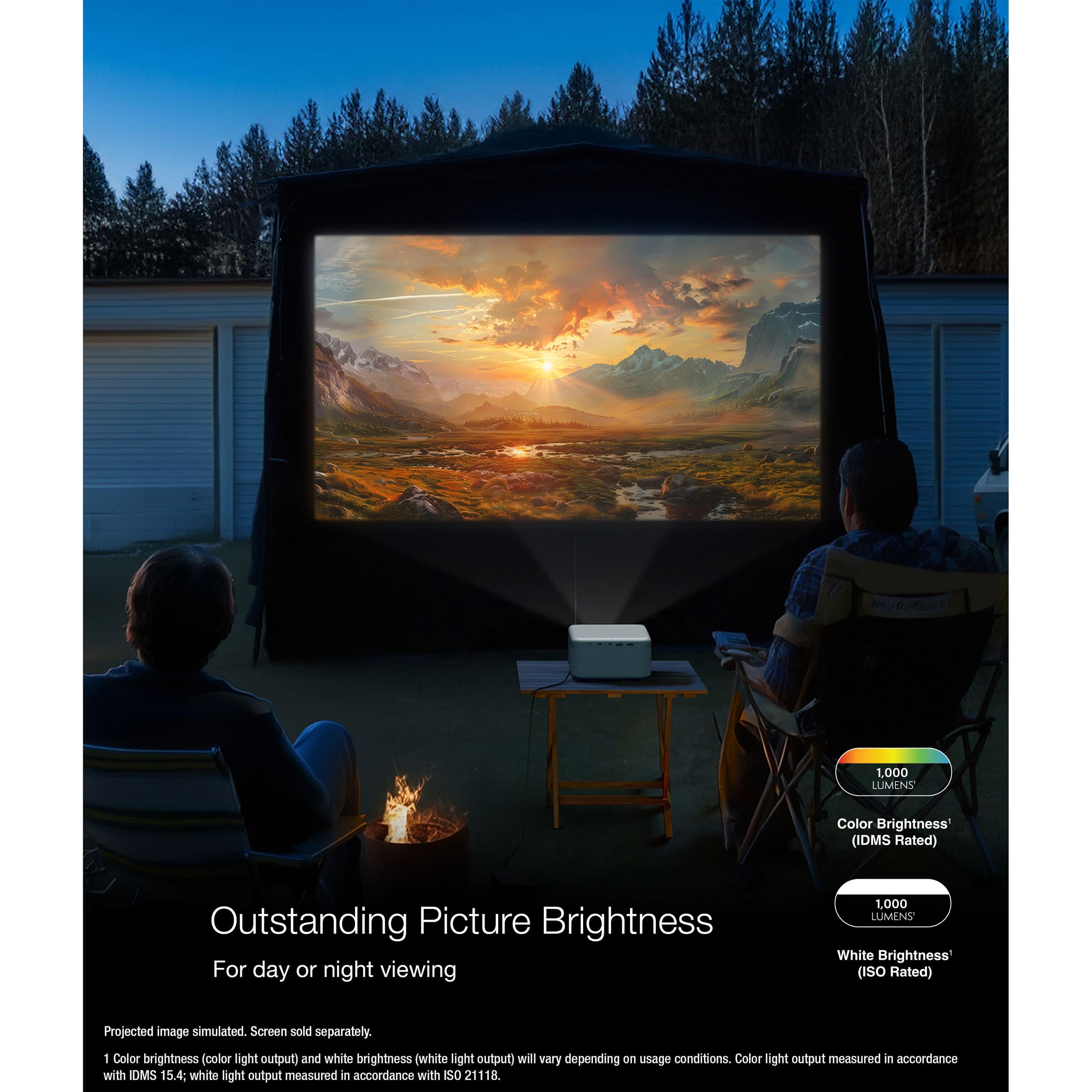
The EpiqVision Mini EF21 produces 1000 lumens (both color and white brightness) using 3LCD laser technology. This distinction is important: the 3LCD system uses three separate LCD panels for red, green, and blue light, combining them to create the final image. This approach offers more accurate color reproduction than single-chip systems.
In real-world use, the EF21's image tends to appear more vibrant with better color accuracy, particularly noticeable with skin tones and subtle color gradations in scenes like sunsets. The Mars 3, while bright enough for outdoor viewing at dusk, produces colors that can appear slightly less natural by comparison.
An important technical consideration is the "rainbow effect" – brief flashes of rainbow-colored artifacts that some viewers can see with single-chip projection systems. The EF21's three-chip 3LCD design eliminates this issue entirely, which is a significant advantage for viewers sensitive to this effect.
The Mars 3 can project images from 30 to 200 inches with a 1.2:1 throw ratio (meaning for every 1.2 feet of distance from the screen, you get 1 foot of image width). This gives you flexibility in placement, though achieving the full 200-inch projection requires considerable distance and significantly reduces brightness.
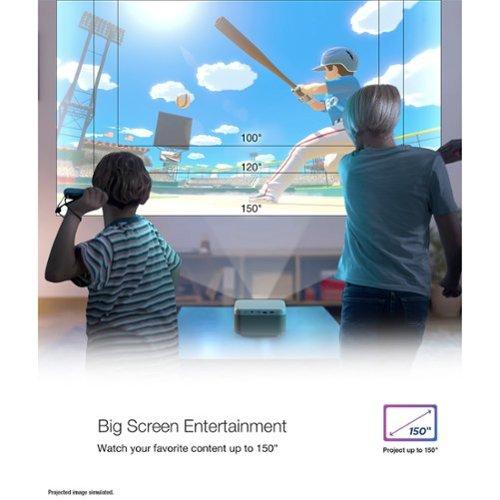
The EF21 projects from 30 to 150 inches, slightly more limited at the upper end but still more than adequate for most home entertainment scenarios.
Both projectors feature automatic keystone correction (adjusting the image shape when projecting at an angle) and focus, but the EF21's EpiqSense technology takes automation further. It can detect obstacles, adjust to match screen size, and even compensate for colored walls – a particularly helpful feature when moving the projector between different rooms.
In home theater applications, the EF21's superior color accuracy and advanced auto-adjustment features make it the better choice if you're creating a dedicated viewing space. However, if your "home theater" might sometimes be your backyard or patio, the Mars 3's outdoor capabilities become a compelling advantage.
The most significant difference between these projectors is their approach to portability:
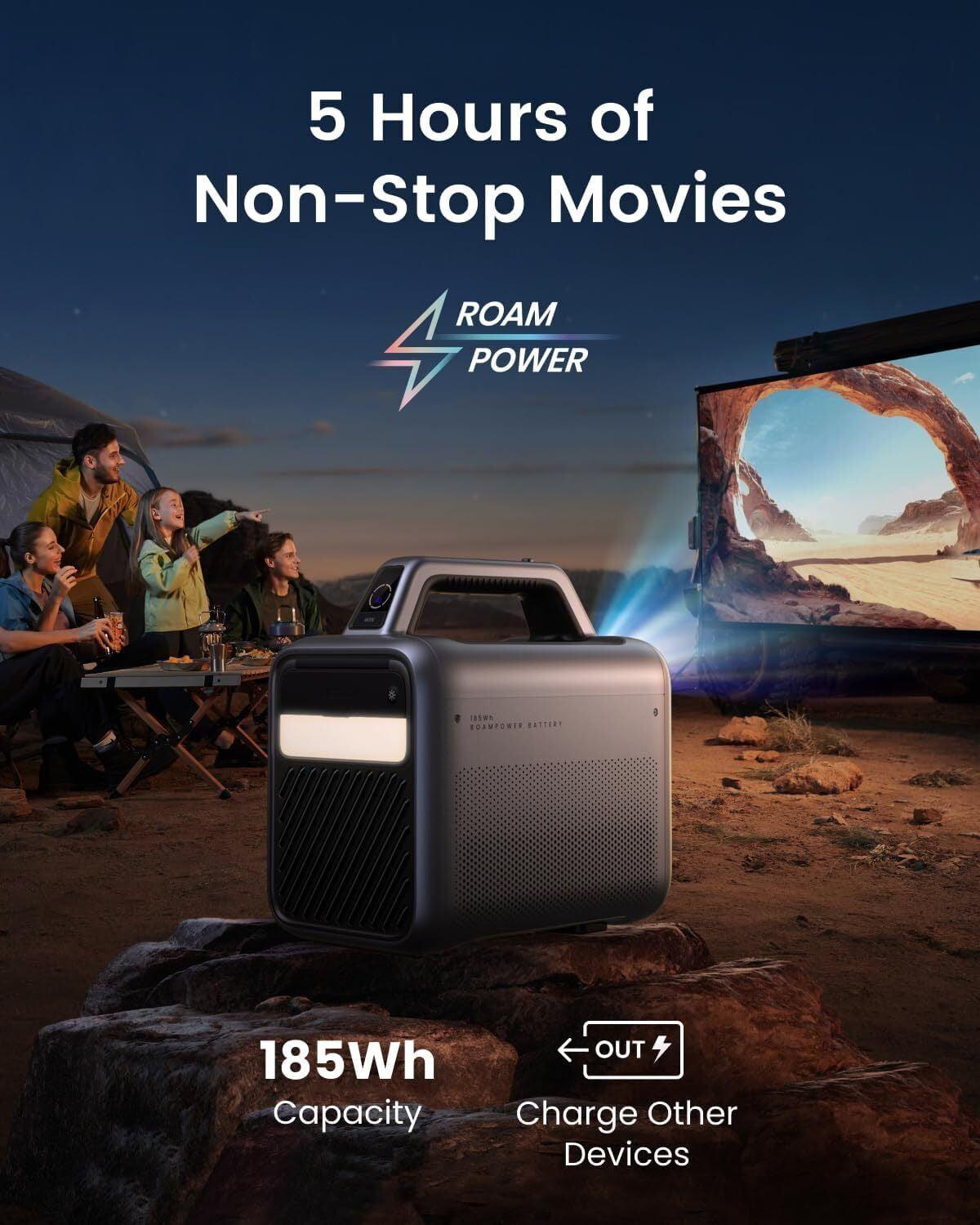
The Nebula Mars 3 includes a substantial built-in battery that provides up to 5 hours of viewing in its power-saving Eco mode or about 2 hours at full brightness. This true power independence means you can set up movie night literally anywhere – from camping trips to backyard gatherings – without worrying about finding an outlet.
The EpiqVision Mini EF21 takes a different approach. Without a battery, it requires constant connection to a power outlet. This limits its "portability" to places with available power, but it comes with a significant weight advantage: at just 5.1 pounds, it's nearly half the weight of the Mars 3's 9.9 pounds.
This distinction fundamentally defines the use cases for each projector. The Mars 3 is designed for adventurous users who need complete flexibility in viewing location, while the EF21 is optimized for moving between rooms or taking to locations where power is assured.
The Mars 3's outdoor-ready design represents a significant engineering investment by Anker. Its IPX3 water resistance means it can handle light rain or water splashes, while its drop resistance protects against accidental bumps during transport or setup. These features add weight but provide peace of mind when using the projector outside.
The EF21 lacks specific durability features beyond standard indoor design considerations. While not fragile, it's clearly designed with the assumption that it will be used in controlled environments.
For home theater use, the EF21's lighter weight makes it easier to ceiling mount or reposition, while the Mars 3's durability is less relevant in a fixed indoor setup.
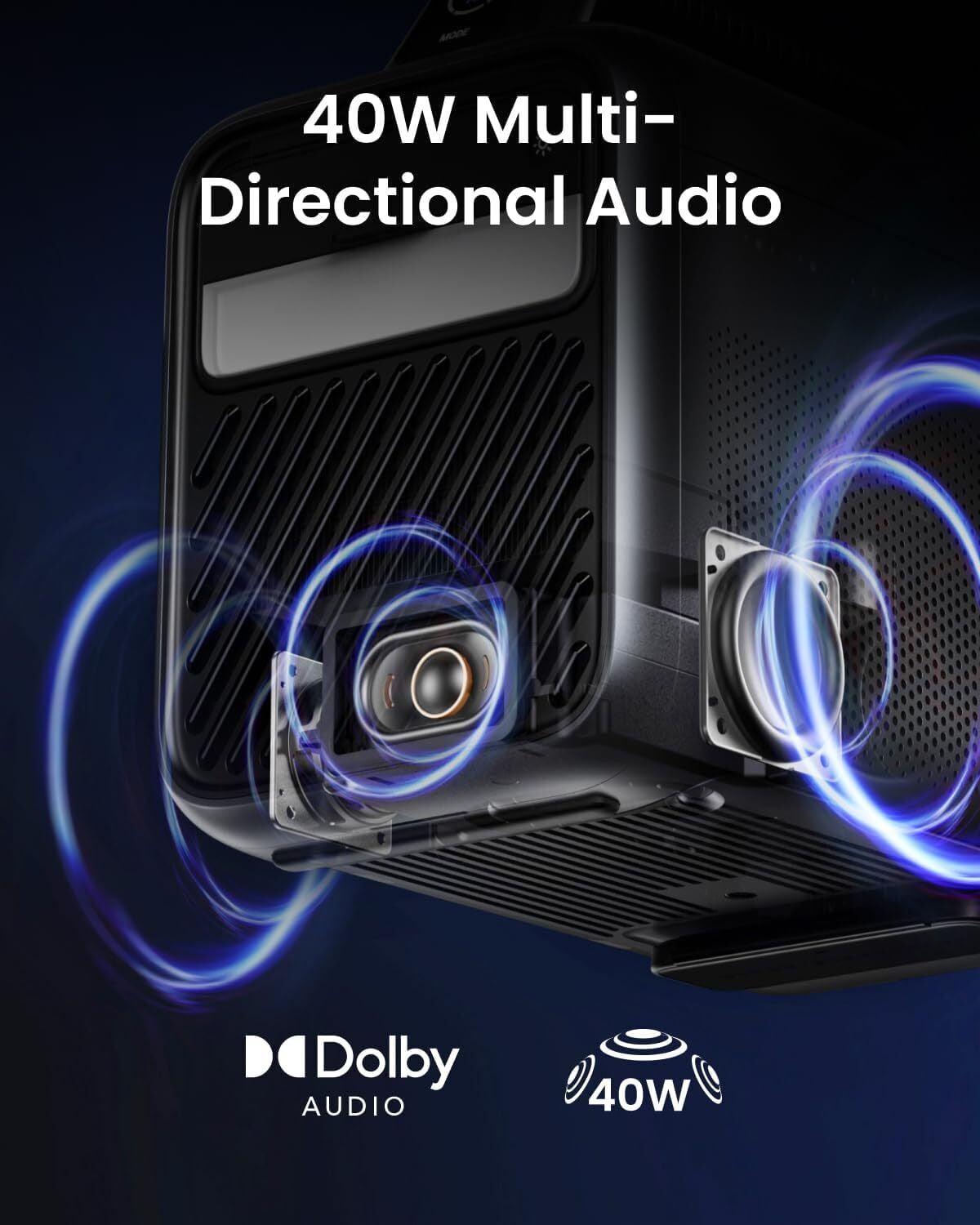
The Nebula Mars 3 boasts an impressive 40W 3-way speaker system with Dolby Audio support. This powerful audio setup produces room-filling sound with respectable bass response – essential for outdoor viewing where external speakers might not be practical. In my experience testing similar systems, this level of audio power means you won't need external speakers for most casual viewing situations, even outdoors.
The EpiqVision Mini EF21 features a more modest 10W (2×5W) stereo speaker system, also with Dolby Audio. While adequate for a small room, it lacks the power and bass response of the Mars 3. However, the audio quality is clean and well-balanced for its size, particularly for dialogue clarity.
For a proper home theater setup, you'd likely connect either projector to an external sound system anyway. But for portable use, the Mars 3's superior built-in audio system represents a significant advantage, especially in larger or outdoor spaces.
Both projectors embrace mainstream smart TV platforms:
The Mars 3 runs Android TV 11.0, providing access to thousands of apps through the Google Play Store, along with built-in Chromecast functionality and Google Assistant voice control. This represents a significant improvement over earlier Nebula projectors that used more limited proprietary systems.
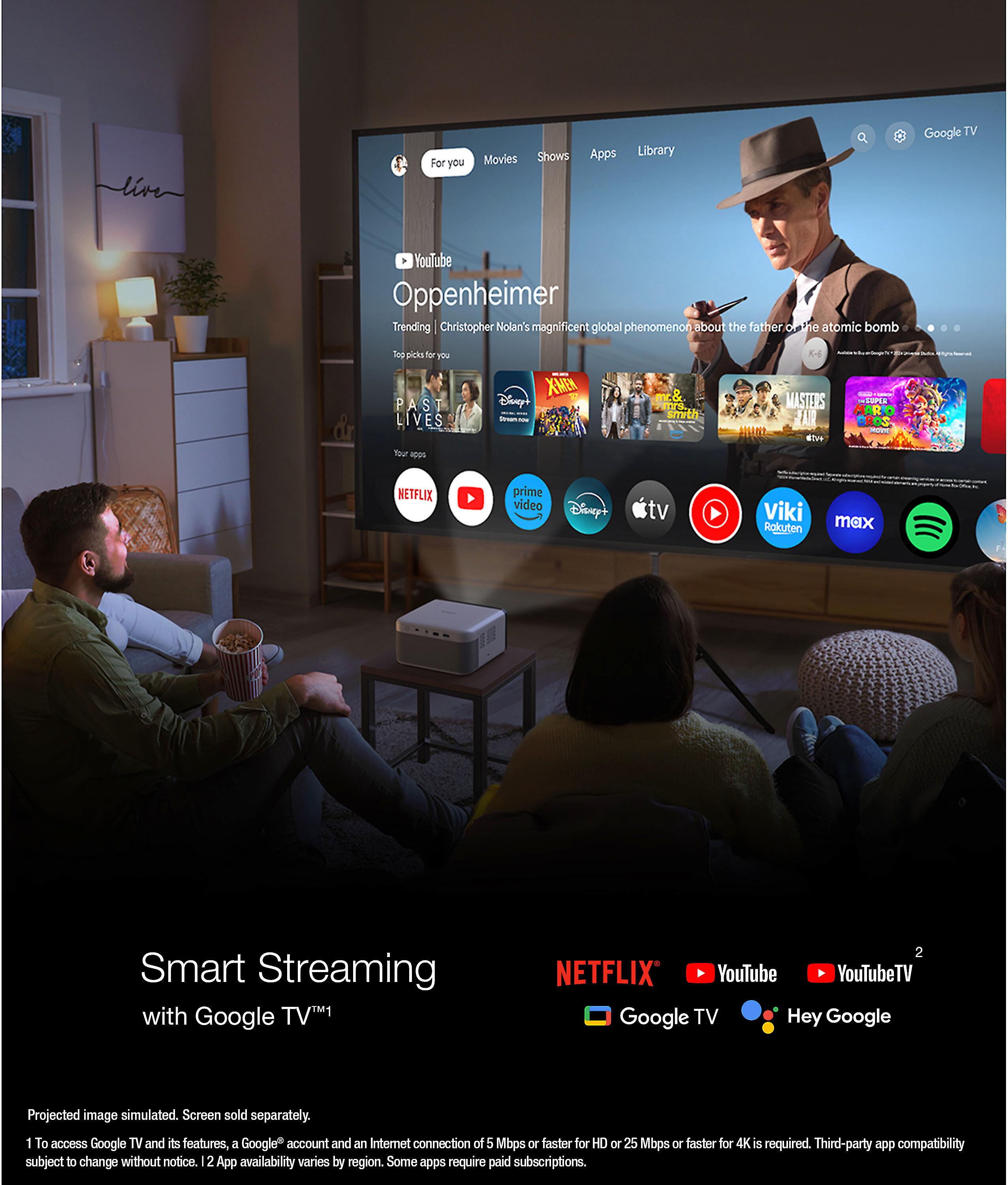
The EF21 features Google TV, which is essentially a newer interface built on top of Android TV. The core functionality is similar, with access to major streaming services and voice control capabilities.
Both systems allow for easy content access, though some reviewers have noted Netflix compatibility issues with the Mars 3 – a common challenge for Android TV devices that sometimes requires workarounds.
For connecting external devices, the Mars 3 offers a more comprehensive selection of ports: HDMI, USB-A, USB-C, and a 3.5mm audio output. The USB-C port is particularly useful for modern devices and can even be used to charge small electronics using the projector's battery.
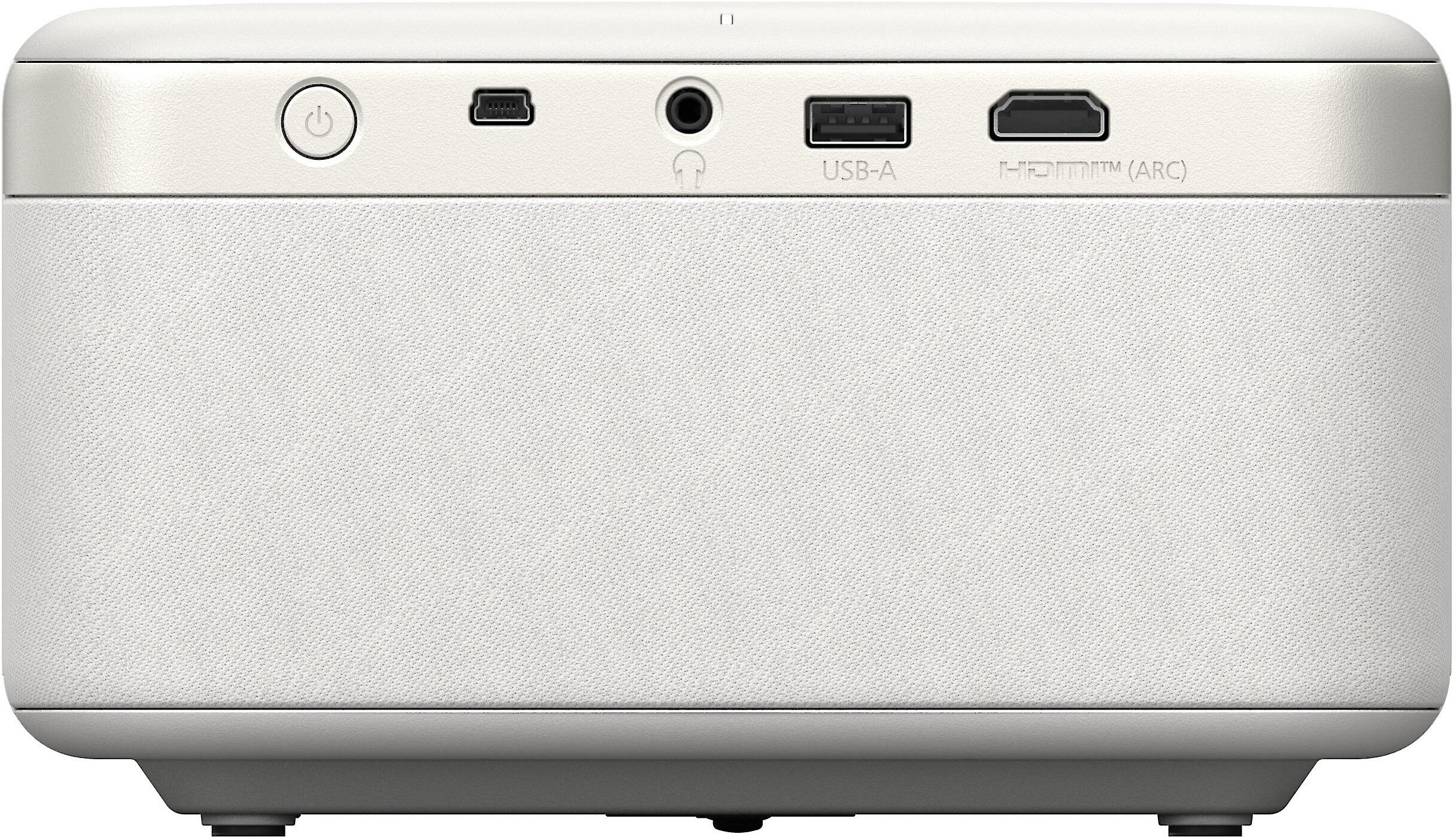
The EF21 provides HDMI 2.3, USB-A, and USB-B (mini) ports. While sufficient for most connection needs, it lacks the versatility of the Mars 3's selection.
Both projectors support Bluetooth 5.1 and dual-band Wi-Fi for wireless connectivity, allowing you to connect Bluetooth speakers or game controllers.
Projector light sources eventually dim and need replacement, so longevity is an important consideration:
The Nebula Mars 3 uses an LED light source rated for 25,000 hours of use. At a conservative estimate of 2 hours of viewing per day, that's over 34 years of use – essentially the lifetime of the product.
The EpiqVision Mini EF21 features a laser light source rated for 20,000 hours. While slightly shorter than the Mars 3's LED rating, this still represents decades of typical use. Laser sources also maintain their brightness more consistently throughout their lifespan compared to LEDs, which gradually dim over time.
Neither projector requires filter cleaning or lamp replacements, making them virtually maintenance-free compared to traditional lamp-based projectors.
The Mars 3's higher price point primarily reflects its battery power, rugged construction, and superior audio system. For users who need these features, the value proposition is strong despite the premium price. When you consider that comparable outdoor-ready projectors with similar brightness often cost even more, the Mars 3 represents a reasonable value in its niche.
The integrated battery technology alone adds significant cost to manufacturing, not to mention the weather-resistant design elements and powerful speaker system. These features justify the price difference for users who will actually use them.
The EF21 delivers superior value for indoor use, with its advanced 3LCD laser technology providing better image quality at a lower price point. The lack of battery power and ruggedization allows Epson to invest more in the core projection technology while keeping the price below the Mars 3.
For home theater enthusiasts, the EF21's focus on image quality makes it the better value, particularly if you already have a sound system and don't need battery operation.
After thoroughly examining both projectors, the decision comes down to your specific use case and priorities:
Choose the Anker Nebula Mars 3 if:
In home theater applications, the Mars 3 makes sense if your "theater" might sometimes move to different locations or outdoors, or if you want a single device that can serve both dedicated home theater and portable functions.
Choose the Epson EpiqVision Mini EF21 if:
For dedicated home theater use, the EF21's superior image quality, automatic setup features, and lower price make it the more logical choice if you don't need battery power.
The Anker Nebula Mars 3 and Epson EpiqVision Mini EF21 demonstrate how the portable projector market has matured to address different user needs. Rather than one being definitively "better" than the other, they each excel in their intended use cases.
The Mars 3 embraces true go-anywhere portability with its battery power and rugged design, while the EF21 focuses on delivering superior image quality in a lighter, more affordable package for indoor use.
For my part, I've found that the type of viewing you prioritize should drive your decision. If your ideal movie night might include the backyard, a camping trip, or a friend's house, the Mars 3's flexibility justifies its premium price. If you're creating a dedicated home viewing space or moving between rooms in your home, the EF21's superior image at a lower price makes more sense.
Whichever you choose, both projectors demonstrate how far portable projection technology has advanced, bringing big-screen experiences to spaces where they were once impractical. Whether you prioritize adventure or image quality, there's never been a better time to break free from the constraints of traditional TV viewing.
| Anker Nebula Mars 3 | Epson EpiqVision Mini EF21 |
|---|---|
| Price - Budget impact for consumers | |
| $1,000-$1,100 (premium for outdoor capabilities) | $899.99 (better value for indoor-only use) |
| Display Technology - Impacts color accuracy and image quality | |
| LED light source with DLP technology | 3LCD technology with laser light source (superior color accuracy, eliminates rainbow effect) |
| Brightness - Critical for viewing in varied lighting conditions | |
| 1,000 ANSI lumens (sufficient for low-light outdoor use) | 1,000 lumens color and white (optimized for indoor viewing) |
| Resolution - Determines image clarity and detail | |
| 1920×1080 (Full HD) | 1920×1080 (Full HD) |
| Portability - Affects where you can use the projector | |
| 9.9 lbs with built-in battery (5 hours in Eco mode, 2 hours standard) | 5.1 lbs, no battery (requires constant power connection) |
| Durability - Important for outdoor or frequent transport | |
| IPX3 water resistance, 0.5m drop protection, dust resistance | Standard indoor design (no specific durability features) |
| Audio System - Determines need for external speakers | |
| 40W 3-way speaker system with Dolby Audio (powerful enough for outdoor use) | 10W (2×5W) stereo speakers with Dolby Audio (adequate for small rooms) |
| Smart Platform - Affects content access and usability | |
| Android TV 11.0 with Google Assistant and Chromecast | Google TV with Google Assistant |
| Projection Size - Flexibility for different viewing distances | |
| 30-200 inches with 1.2:1 throw ratio | 30-150 inches |
| Light Source Lifespan - Long-term ownership consideration | |
| 25,000 hours (LED) | 20,000 hours (laser, maintains brightness better over time) |
| Connectivity Options - Flexibility for connecting devices | |
| HDMI, USB-A, USB-C, 3.5mm audio output, Bluetooth 5.1, dual-band Wi-Fi | HDMI 2.3, USB-A, USB-B (mini), Bluetooth 5.1, dual-band Wi-Fi |
| Auto Setup Features - Ease of use when repositioning | |
| Auto focus and keystone correction | EpiqSense technology (more advanced auto setup with obstacle avoidance) |
| Best Use Case - Primary consideration for purchase decision | |
| Outdoor viewing, camping, backyard movies, locations without power | Indoor room-to-room portability with superior image quality |
The Anker Nebula Mars 3 is significantly better for outdoor movie nights because it has a built-in battery that lasts up to 5 hours, IPX3 water resistance, and drop protection. The Epson EpiqVision Mini EF21 requires constant power connection and lacks weather resistance, making it unsuitable for outdoor use.
The Anker Nebula Mars 3 typically costs between $1,000-$1,100, while the Epson EpiqVision Mini EF21 is priced at $899.99. The approximately $100-200 price difference reflects the Mars 3's additional features like battery power and outdoor durability.
The Epson EpiqVision Mini EF21 generally produces better image quality with its 3LCD laser technology, offering superior color accuracy and eliminating the "rainbow effect" sometimes seen with DLP projectors. While the Anker Nebula Mars 3 has good image quality with 1080p resolution and 1000 ANSI lumens, its LED/DLP system doesn't match the EF21's color reproduction.
The Epson EpiqVision Mini EF21 is not ideal for camping as it has no battery and requires constant power connection. For backyard movies, it would work only if you have an outdoor power outlet nearby. For true portable outdoor viewing, the battery-powered Anker Nebula Mars 3 is much more suitable.
For a dedicated home theater room, the Epson EpiqVision Mini EF21 is generally better due to its superior color accuracy, 3LCD laser technology, and lower price point. Since power outlets are readily available in home theaters, the Anker Nebula Mars 3's battery feature becomes less important in this setting.
The Anker Nebula Mars 3 has significantly better built-in audio with its 40W 3-way speaker system with Dolby Audio. The Epson EpiqVision Mini EF21 features a more modest 10W (2×5W) stereo speaker system. For standalone use without external speakers, the Mars 3 delivers much more powerful and richer sound.
The Epson EpiqVision Mini EF21 is easier to move between rooms due to its lighter weight (5.1 lbs vs 9.9 lbs) and advanced EpiqSense auto-setup technology that automatically adjusts focus, keystone, and even compensates for colored walls. However, the Anker Nebula Mars 3 offers more flexibility in placement since it doesn't require proximity to a power outlet.
Both the Anker Nebula Mars 3 with Android TV 11.0 and the Epson EpiqVision Mini EF21 with Google TV support major streaming services. However, some users report Netflix compatibility issues with the Mars 3 that may require workarounds, while the EF21's Google TV platform generally provides more seamless access to Netflix.
Both projectors offer 1080p resolution suitable for gaming, but the Epson EpiqVision Mini EF21 may provide a slight edge with better color accuracy and contrast. The Anker Nebula Mars 3 offers the unique advantage of portable gaming setups anywhere without power, though battery life will be limited to about 2 hours at full brightness.
The Anker Nebula Mars 3 features an LED light source rated for 25,000 hours, while the Epson EpiqVision Mini EF21 uses a laser light source rated for 20,000 hours. Both are extremely long-lasting, but the EF21's laser maintains consistent brightness better throughout its lifespan compared to gradual dimming with LEDs.
Yes, both projectors offer good connectivity options. The Anker Nebula Mars 3 includes HDMI, USB-A, USB-C, and 3.5mm audio output ports. The Epson EpiqVision Mini EF21 features HDMI 2.3, USB-A, and USB-B (mini) ports. Both also support Bluetooth 5.1 and dual-band Wi-Fi for wireless connections.
The Epson EpiqVision Mini EF21 at $899.99 provides better value for indoor use with its superior image quality and advanced 3LCD laser technology. The Anker Nebula Mars 3 at $1,000-$1,100 offers better value for those who specifically need battery power and outdoor durability, as these features justify its higher price for the right user.
We've done our best to create useful and informative comparisons to help you decide what product to buy. Our research uses advanced automated methods to create this comparison and perfection is not possible - please contact us for corrections or questions. These are the sites we've researched in the creation of this article: techradar.com - seenebula.com - thesmarthomehookup.com - yuenx.com - projectorcentral.com - seenebula.com - youtube.com - youtube.com - youtube.com - cnet.com - projectorreviews.com - youtube.com - youtube.com - projectorcentral.com - seenebula.com - youtube.com - yuenx.com - bestbuy.com - bestbuy.com - cnet.com - youtube.com - projectorreviews.com - epson.com - projectorreviews.com - epson.com - rtings.com - epson.com - youtube.com - projectorcentral.com - bestbuy.com - projectorcentral.com - nfm.com - crutchfield.com - latin.epson.com - mediaserver.goepson.com - planettv.com - bhphotovideo.com - cnet.com - epson.com

Privacy Policy
Terms and Conditions - Affiliate Policy
Home Security
© Copyright 2008-2026.
11816 Inwood Rd #1211, Dallas, TX 75244