

In a world where our entertainment isn't confined to a single space, portable projectors have emerged as versatile alternatives to traditional TVs. The Samsung Freestyle 2nd Gen and Epson EpiqVision Mini EF21 represent two different approaches to solving the same problem: creating a big-screen experience wherever you want it. But which one deserves your hard-earned money? Let's dive deep into what makes these projectors tick and who they're really designed for.
Remember when projectors were bulky devices reserved for boardrooms and dedicated home theaters? Those days are long gone. Today's portable smart projectors combine compact design with impressive capabilities, transforming any wall into an entertainment center.
The portable projector market has exploded since 2020, with the pandemic pushing consumers to seek flexible entertainment options. These devices have quickly evolved from simple projection tools to full-fledged smart entertainment hubs that rival traditional TVs in functionality, if not always in picture quality.
The Samsung Freestyle 2nd Gen, released in mid-2023, builds upon the innovative first-generation model that caused quite a stir in the tech world with its unique cylindrical design. It maintains that distinctive look while adding meaningful upgrades to software and functionality. Priced typically between $799-899, it's positioned as a premium lifestyle device rather than just a projector.
The Epson EpiqVision Mini EF21 landed on shelves in late 2022, representing Epson's answer to the growing demand for compact but powerful projectors. This boxier unit comes with a heftier price tag of around $999-1,099, but promises superior brightness and image quality to justify its premium positioning.
Both devices target the same general market of tech-savvy consumers seeking flexibility in their viewing setup, but they take noticeably different approaches to meeting that need.
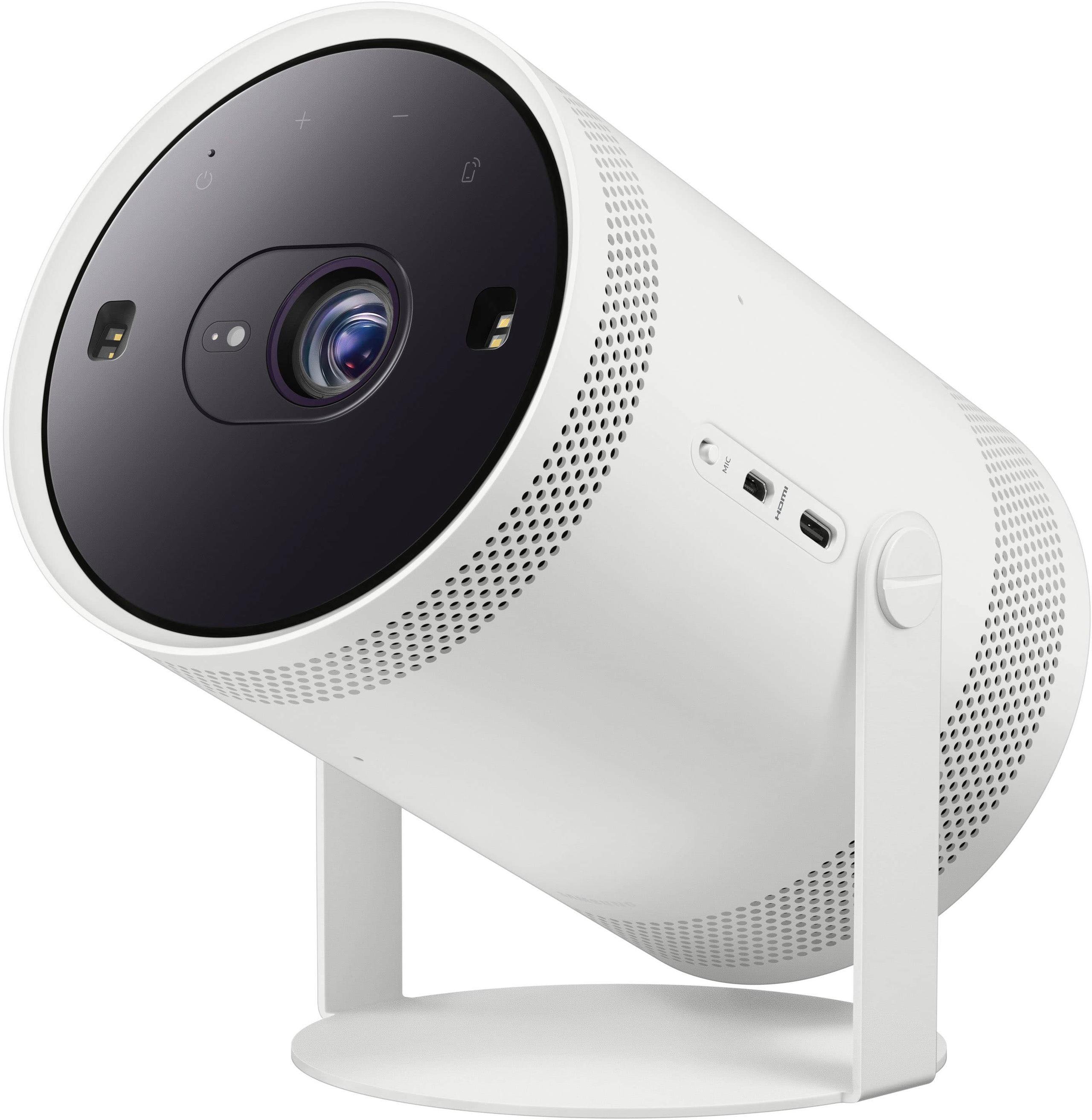
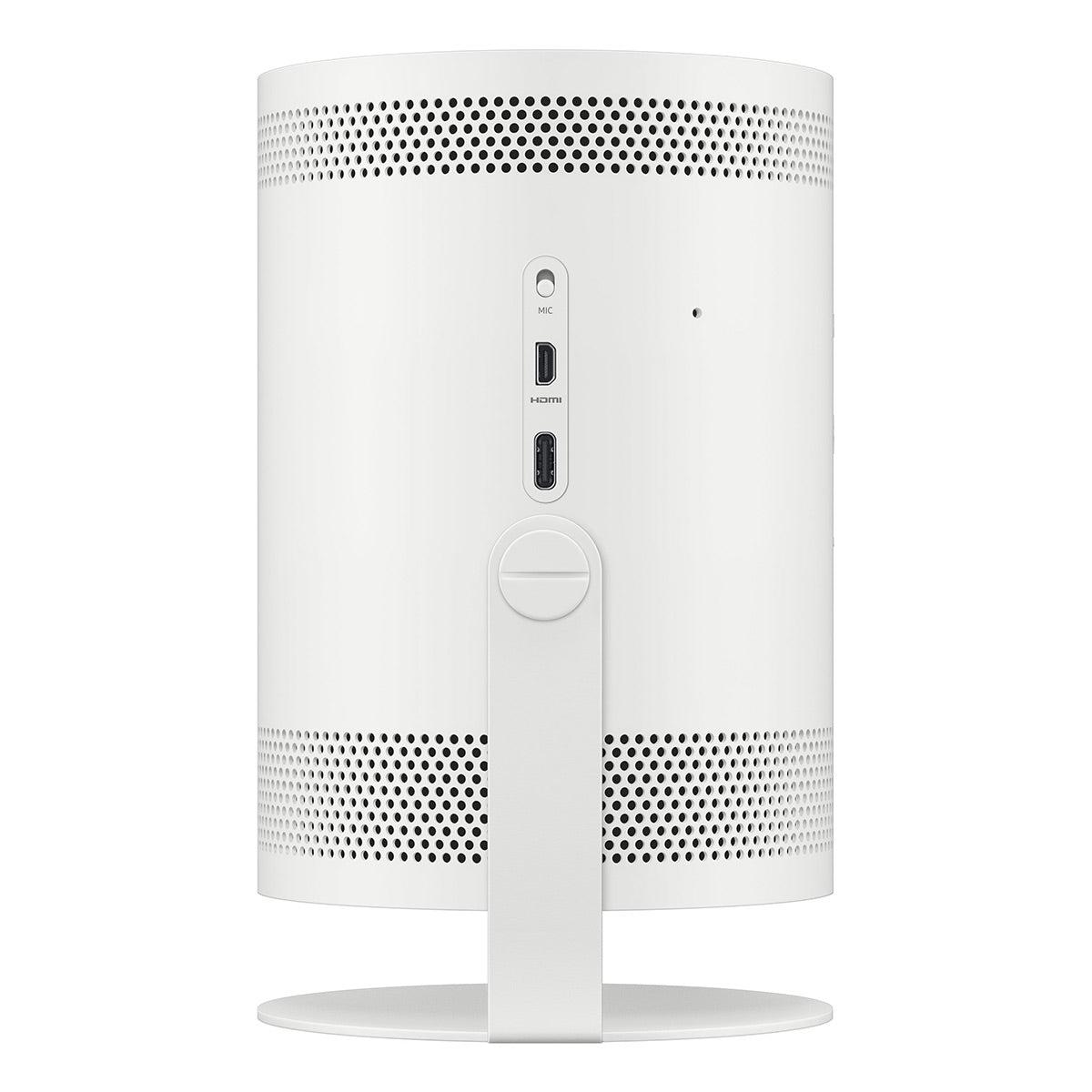
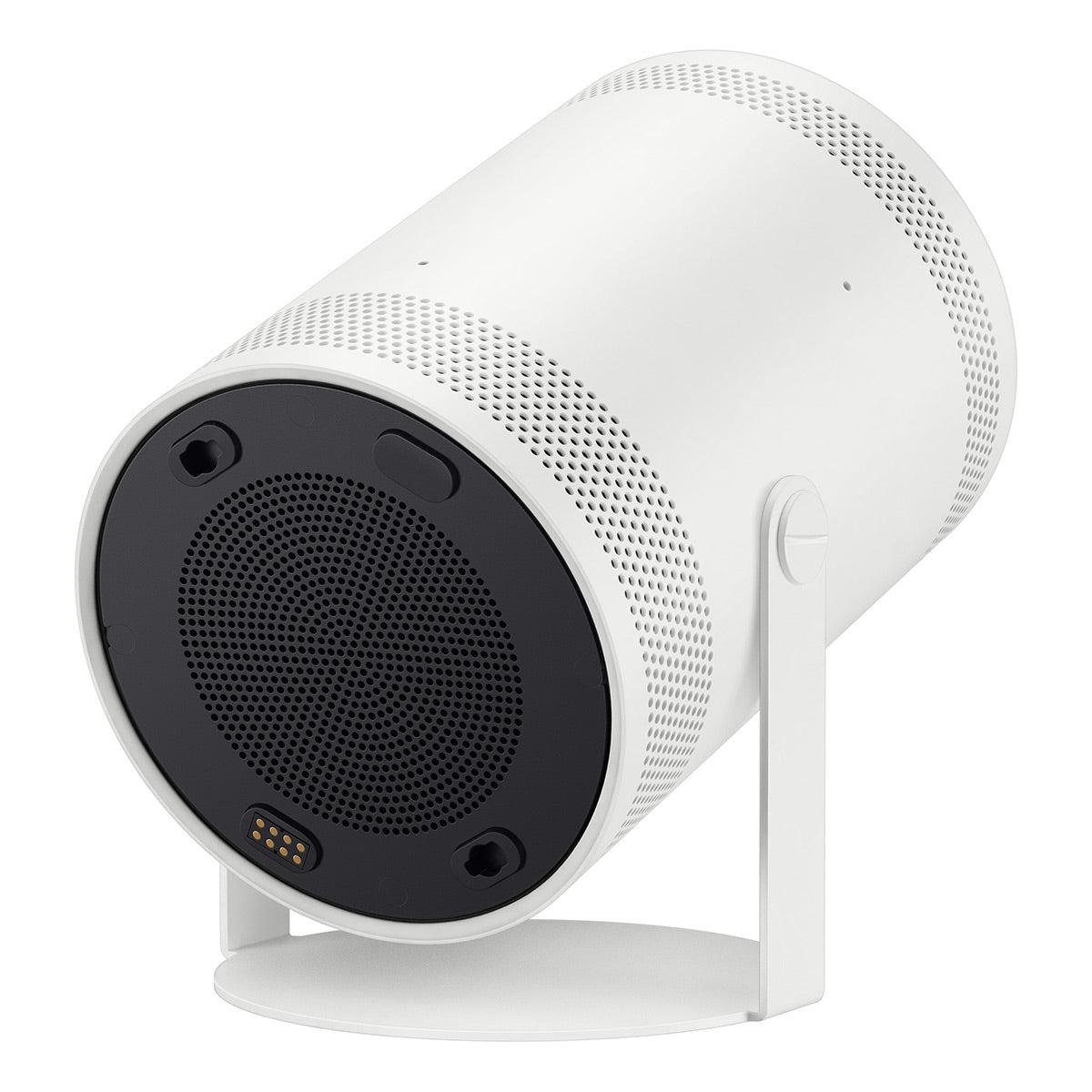
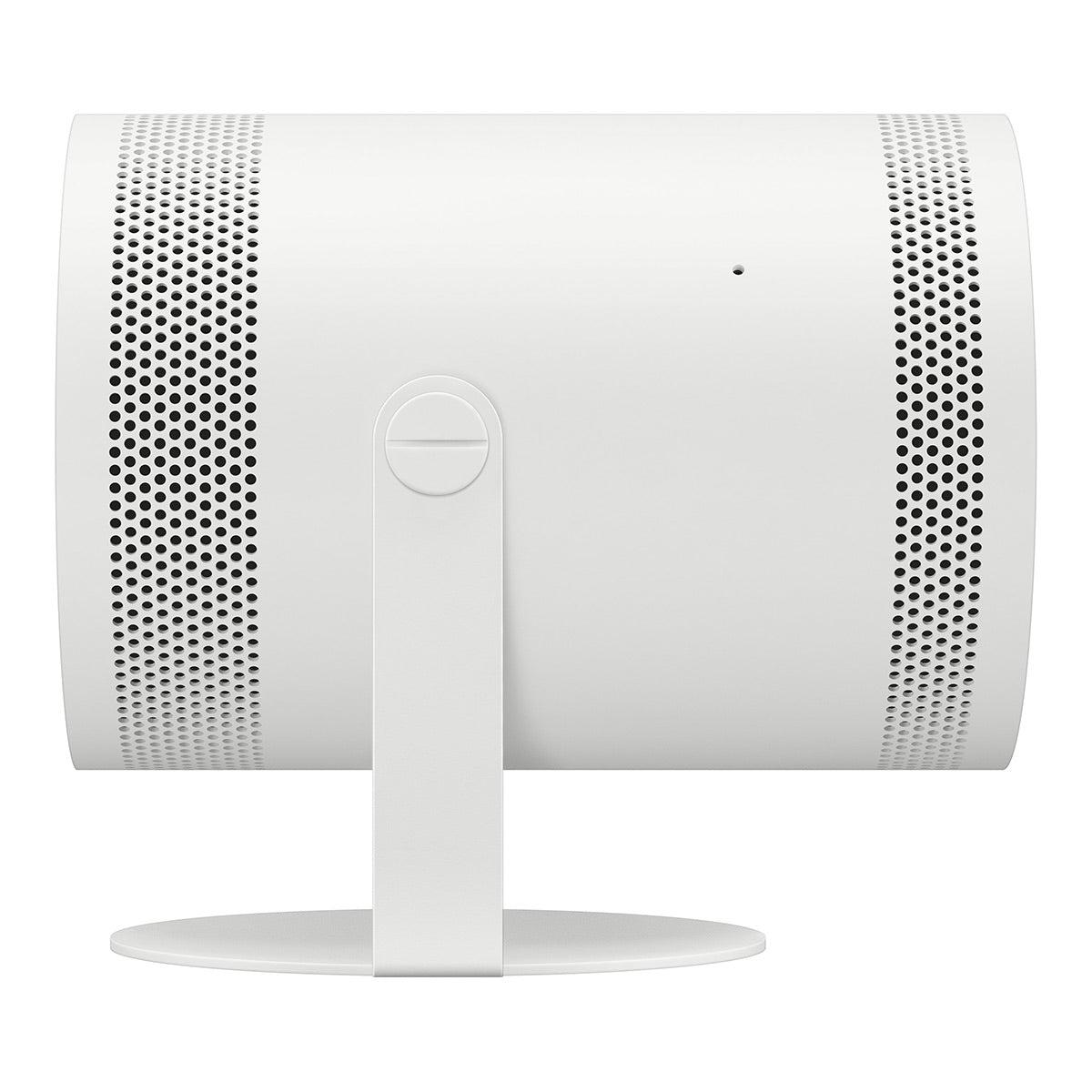
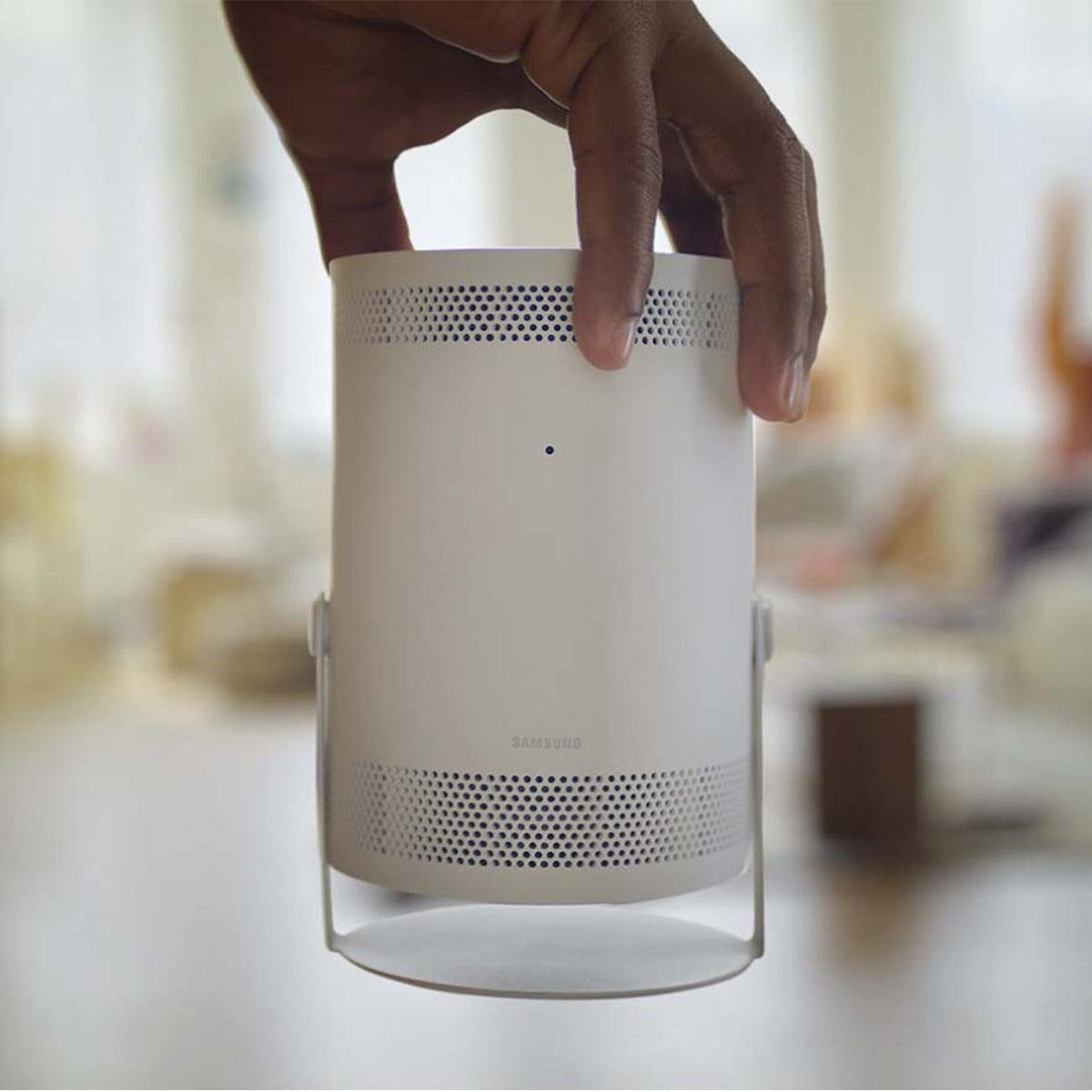
The moment you see the Samsung Freestyle 2nd Gen, you understand it's not your typical projector. Its cylindrical design, measuring about 6.8 inches tall and 3.7 inches in diameter, resembles a spotlight more than traditional projection equipment. Weighing just 1.8 pounds, it's genuinely portable enough to toss in a backpack.
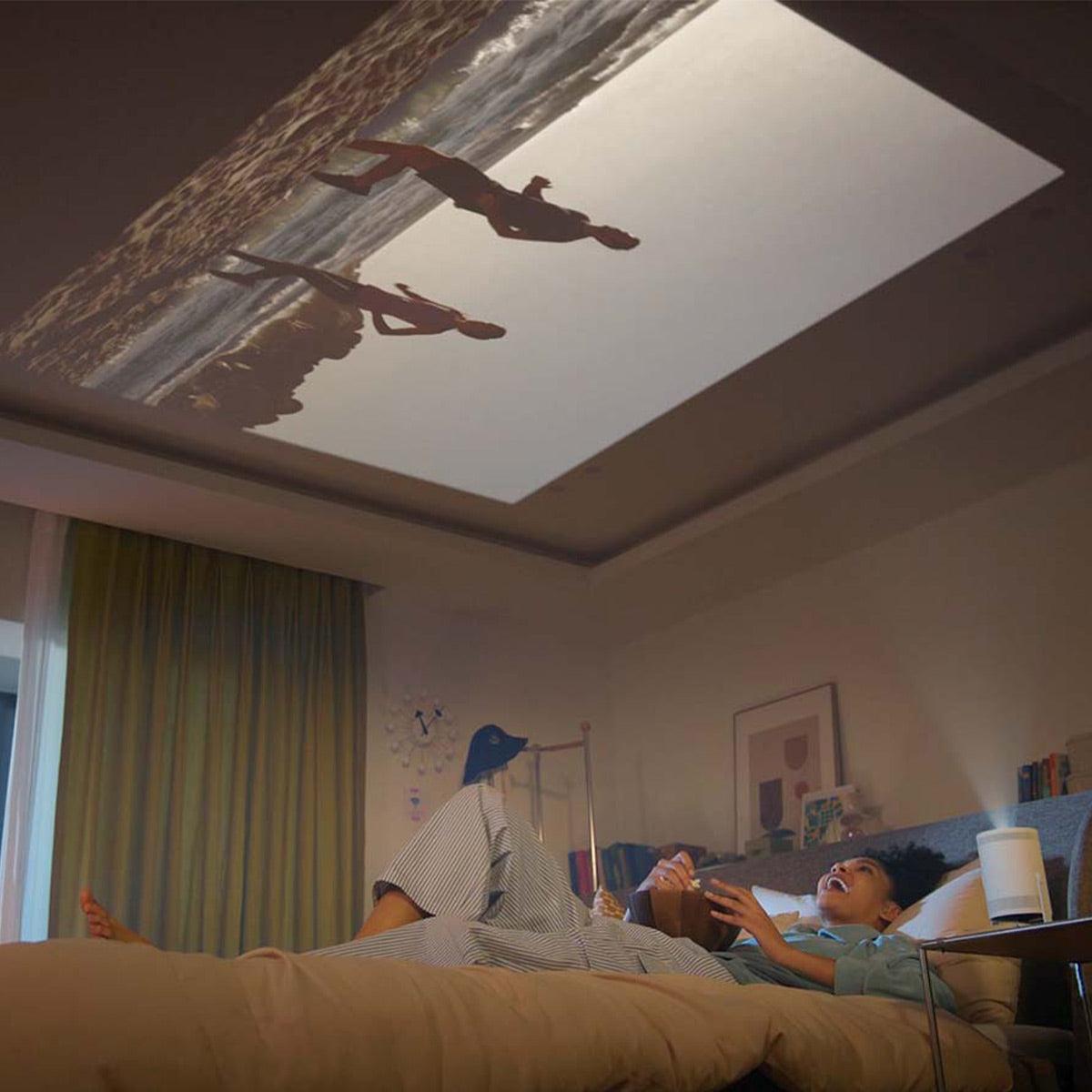
Samsung's engineering shines in the Freestyle's 180-degree swivel capability, allowing you to point the projection at a ceiling, wall, or angled surface without moving the base. This flexibility extends to its automatic keystone correction (which adjusts the image to appear rectangular even when projected at an angle) and auto-focus features that work surprisingly well in practice.
Since the original Freestyle's release, Samsung has maintained the distinctive design while refining the internal components. The second generation doesn't look dramatically different from the outside, but includes meaningful upgrades to processing power and software capabilities.
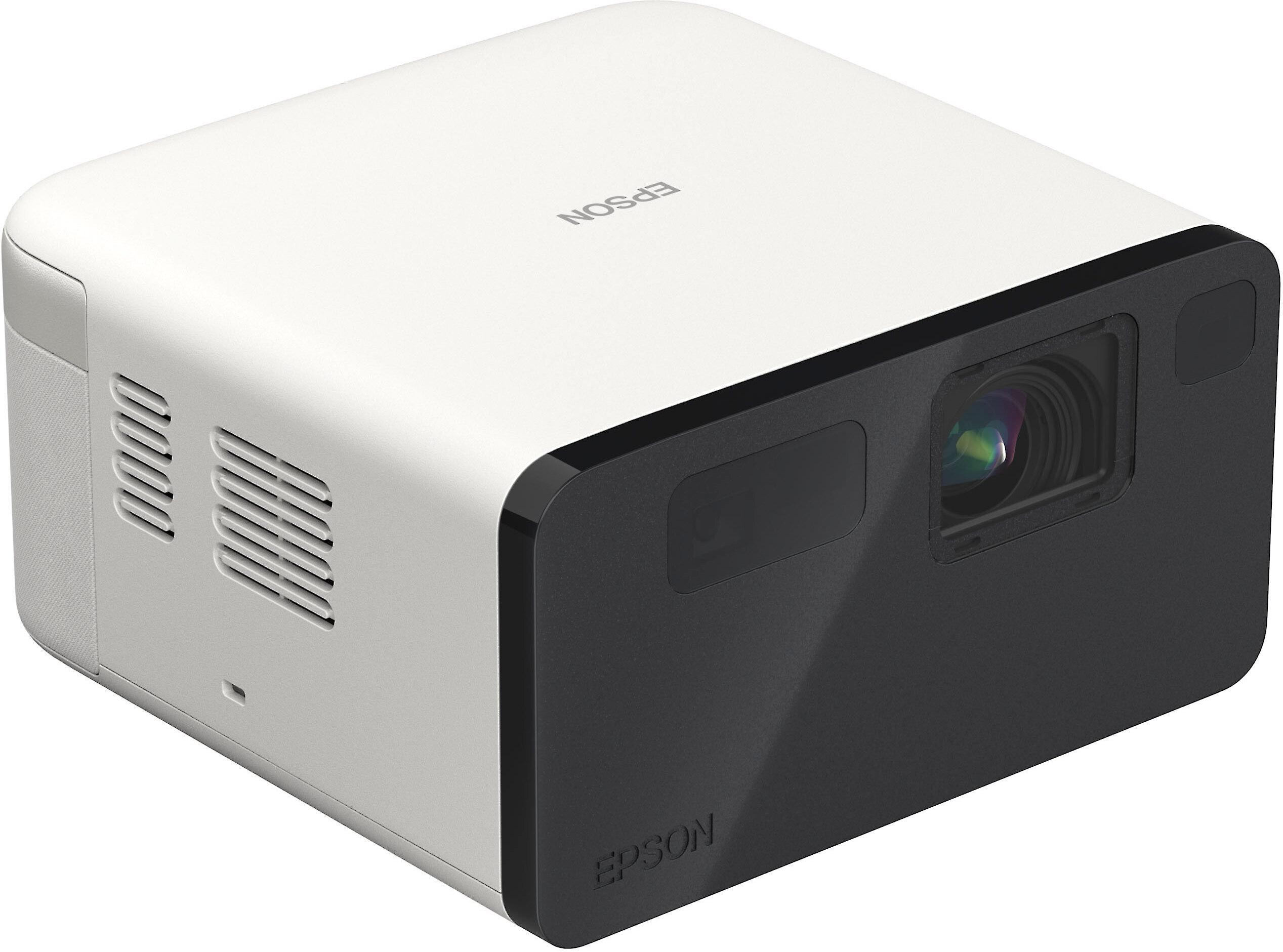
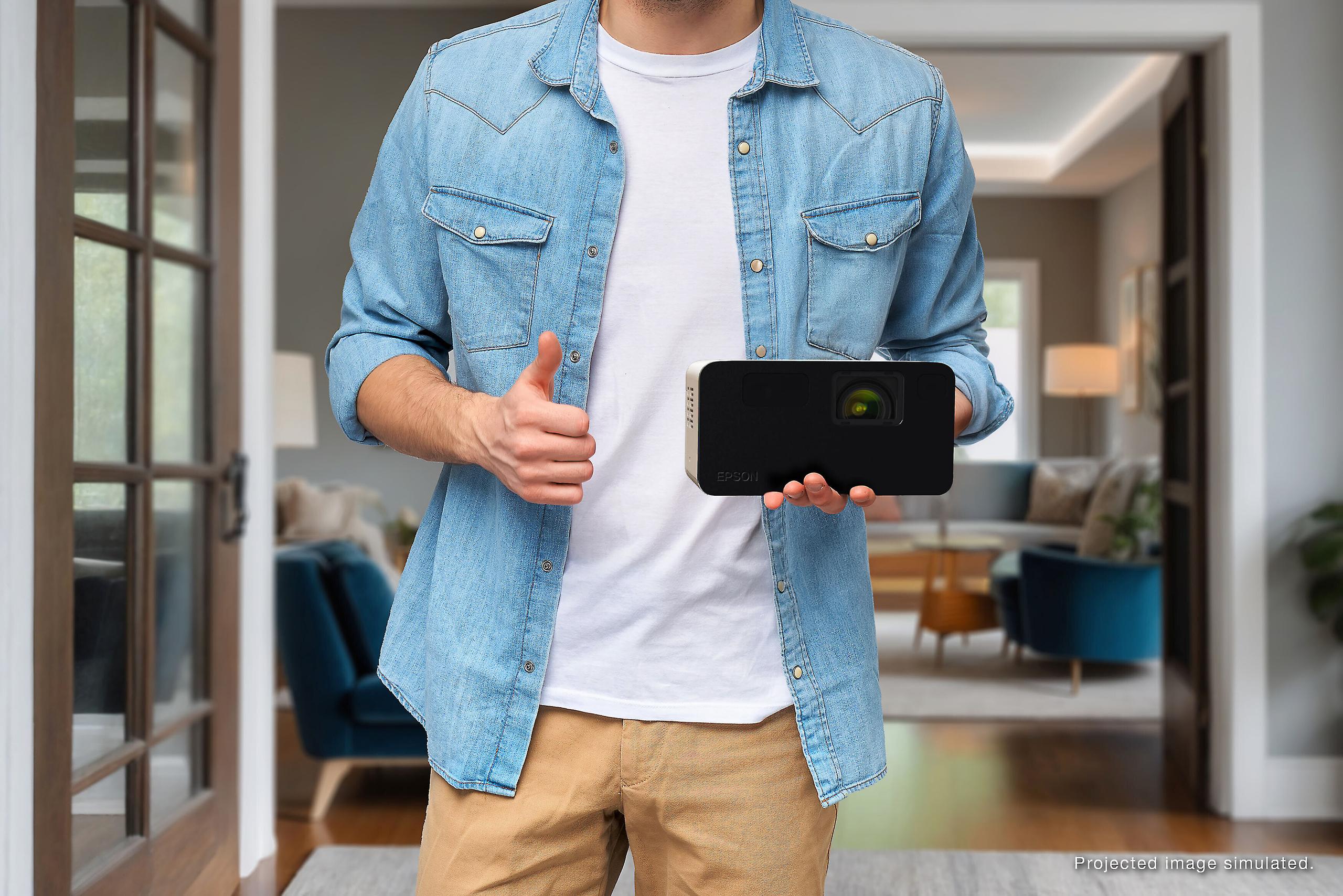
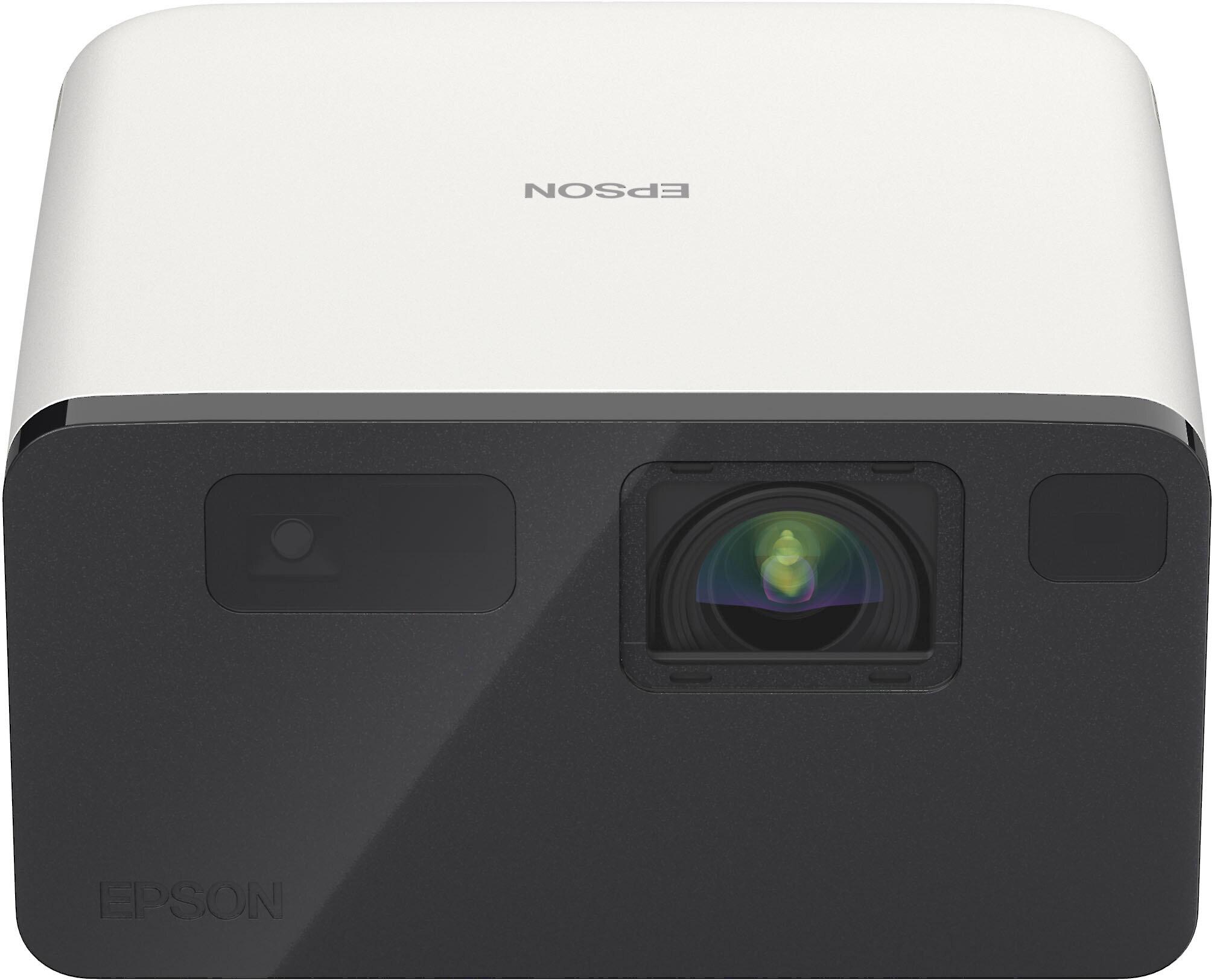
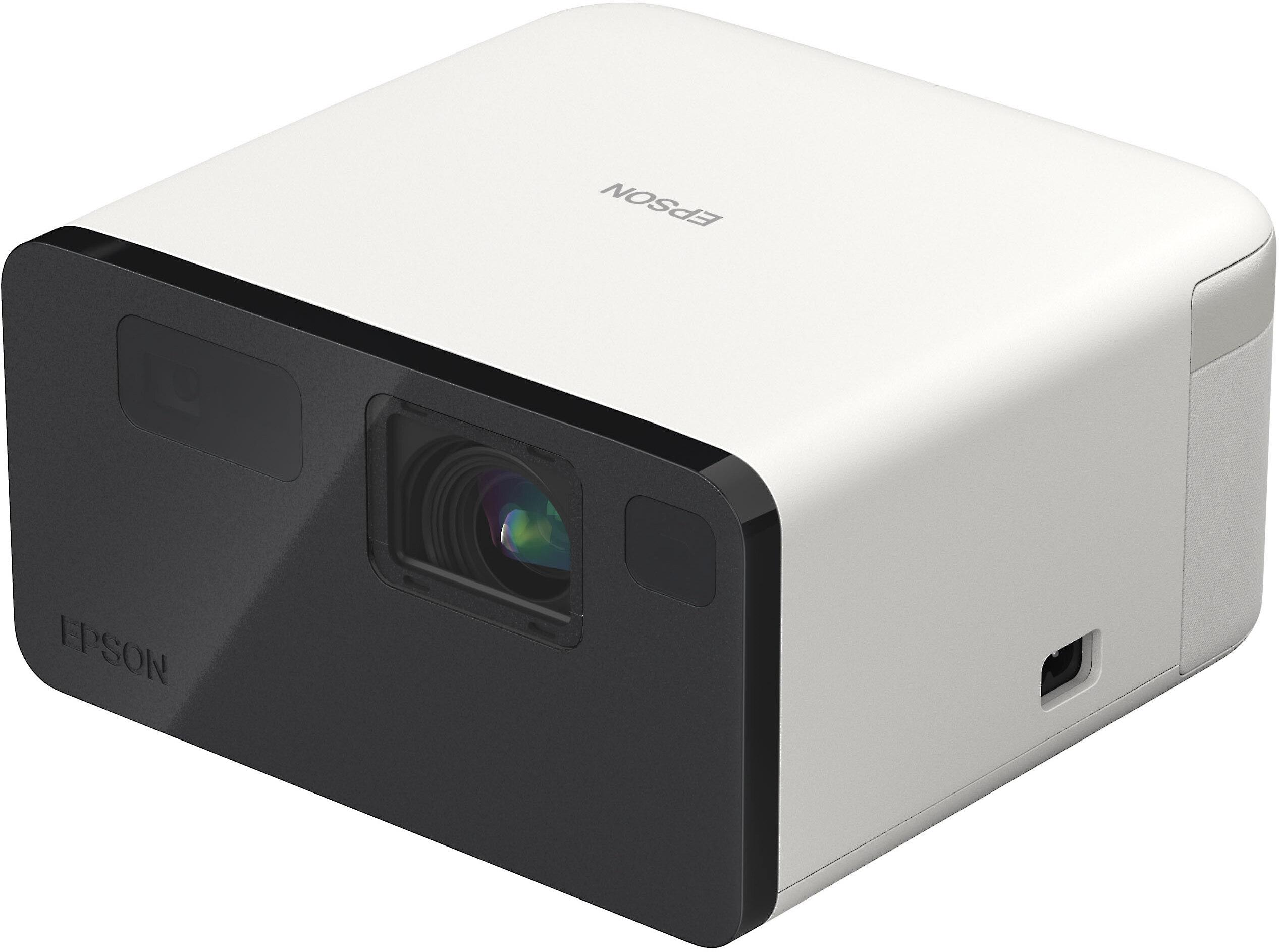
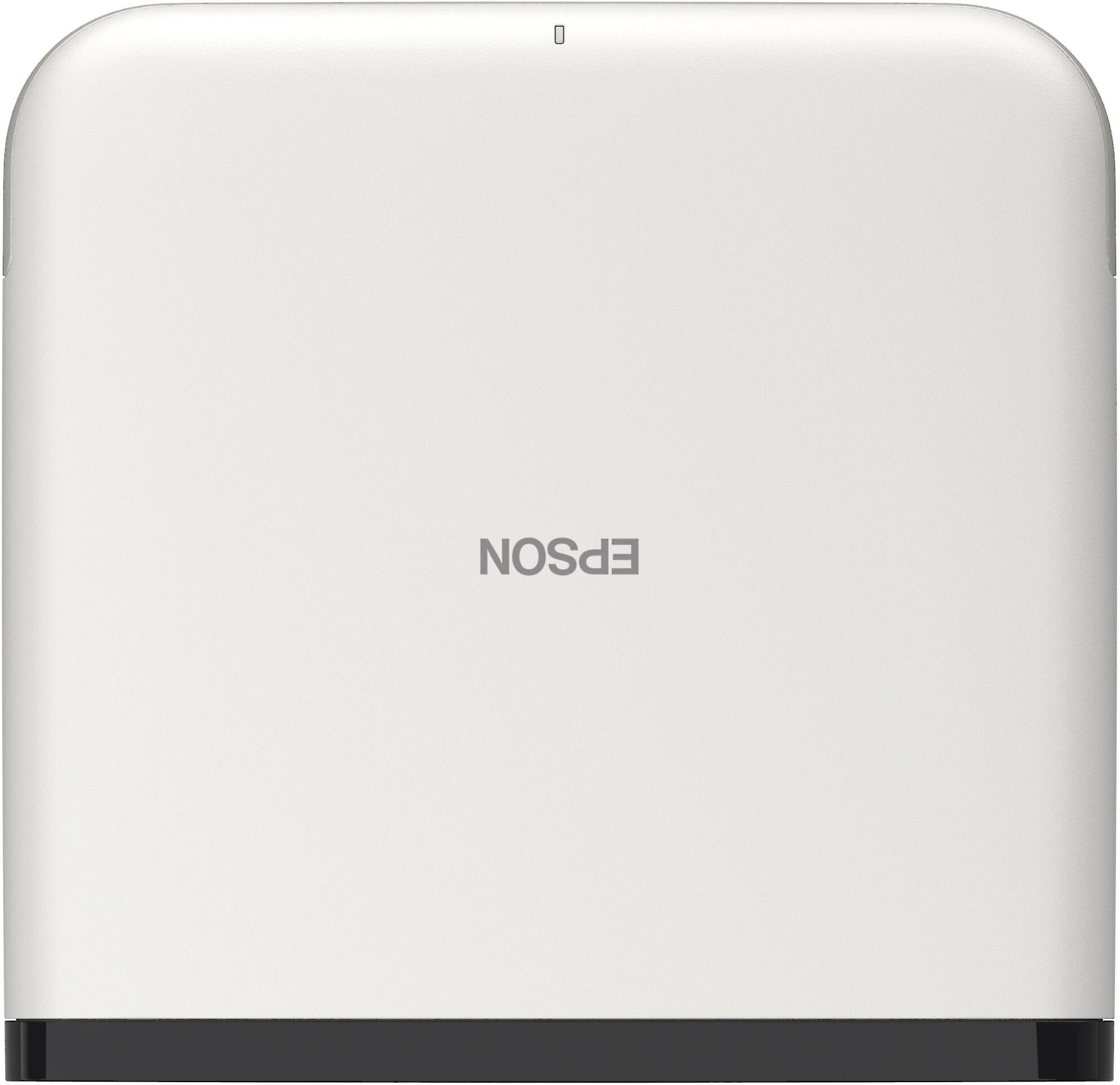
The Epson EF21 embraces a more conventional form factor at 6.9 × 7.9 × 6.9 inches and weighing approximately 6 pounds. While three times heavier than the Freestyle, it's still considered portable by projector standards—think "relocatable" rather than "pocket-sized."
This boxier design houses Epson's more powerful optical engine and cooling system necessary for its significantly brighter output. The projector features manual keystone correction, which requires more user intervention but typically produces more consistent results than fully automated systems.
The EF21's design prioritizes stability and performance over extreme portability. It works best when placed on a flat surface and generally stays put once installed, making it less impromptu than the Freestyle but potentially more reliable for permanent or semi-permanent setups.
Both projectors offer Full HD (1920×1080) resolution, which might seem modest in a world of 4K TVs, but makes sense given their price points and intended use cases. At typical viewing distances and screen sizes, the difference between Full HD and 4K is less noticeable than other aspects of picture quality.
The Freestyle's image is crisp when viewed in appropriate conditions, with Samsung's processing helping to upscale content respectably. The EF21 delivers similarly detailed images, with Epson's decades of projection experience evident in its consistent focus across the entire image.
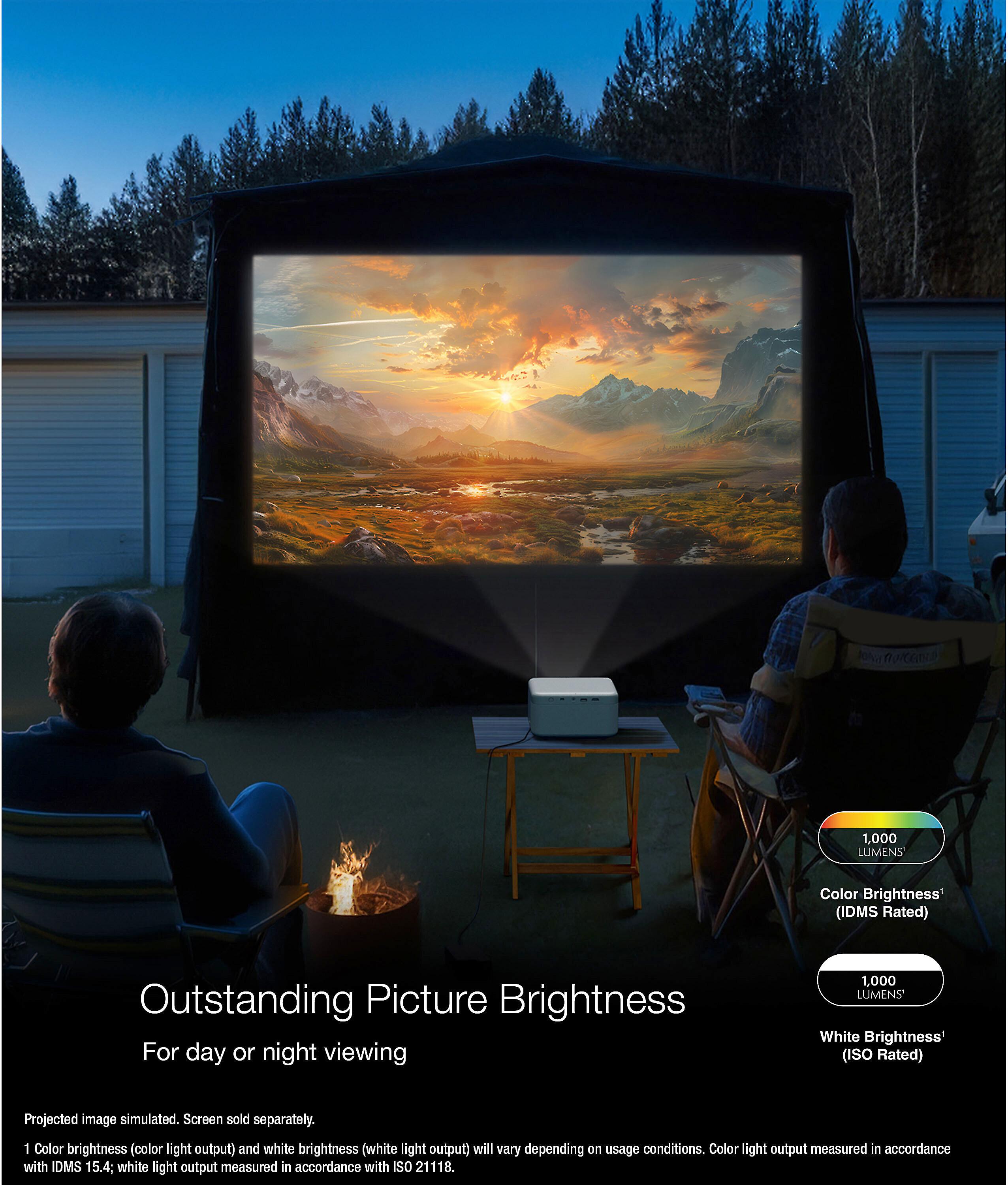
Here's where the projectors diverge dramatically. The Samsung Freestyle 2nd Gen outputs approximately 550 lumens of brightness—adequate for darkened rooms but struggling in spaces with ambient light. In practical terms, you'll need nearly blackout conditions to enjoy the Freestyle at its best, especially when projecting larger images.
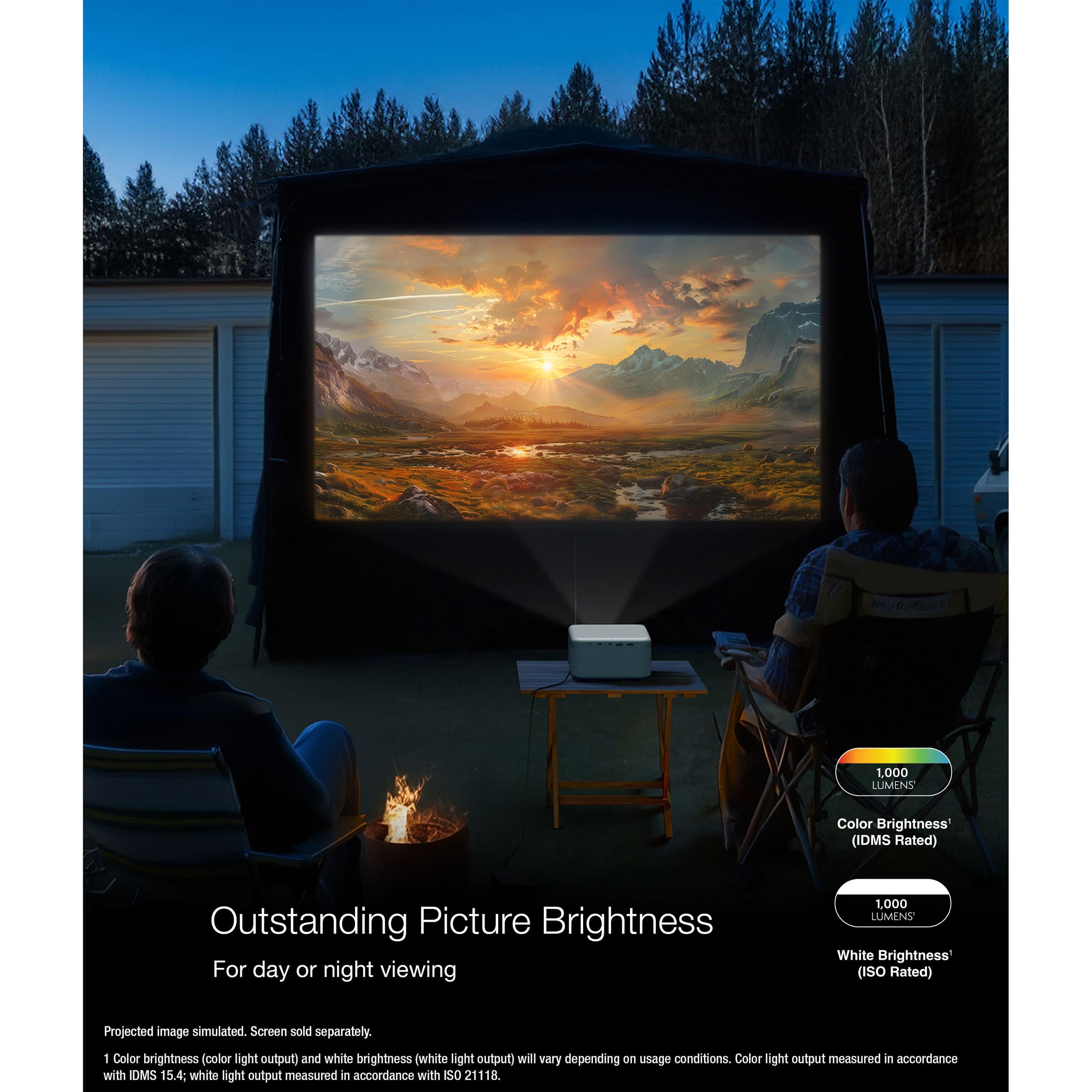
The Epson EF21 demolishes this limitation with 2,800 lumens of brightness—more than five times the Freestyle's output. This substantial difference means the Epson can produce vibrant, visible images even with some lights on or during daytime use with curtains drawn. It's not immune to ambient light, but it's much more forgiving and versatile.
Brightness might sound like a simple specification, but it fundamentally determines when and where you can use your projector effectively. The Epson's advantage here cannot be overstated for anyone considering regular use outside of perfect dark conditions.
Samsung employs DLP (Digital Light Processing) technology in the Freestyle, which uses a color wheel and microscopic mirrors to create images. This technology enables the projector's compact size but can sometimes produce the "rainbow effect"—brief color artifacts that some viewers find distracting.
Epson uses its proprietary 3LCD technology, which splits light through three separate LCD panels (one each for red, green, and blue) before recombining them. This approach typically produces more accurate colors and eliminates the rainbow effect entirely. In my experience testing both technologies, 3LCD generally provides more natural color reproduction, especially noticeable in skin tones and subtle color gradients.
The Freestyle supports HDR10 (High Dynamic Range) content, which expands the range of colors and contrast the projector can display. The EF21 also handles HDR content well, with its superior brightness allowing it to better realize the format's benefits.
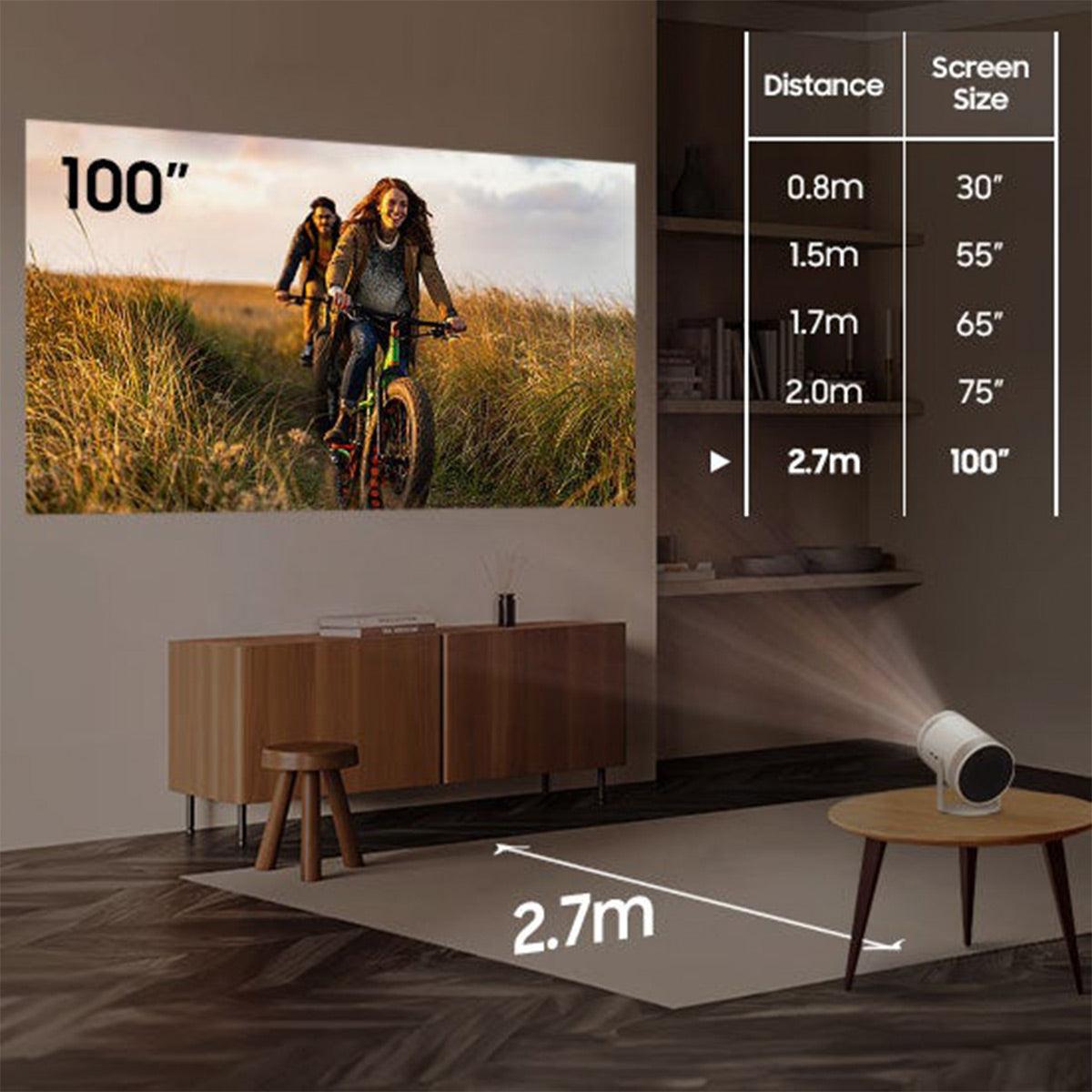
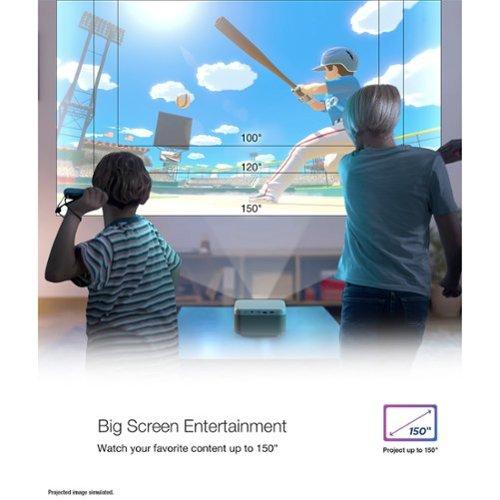
The Freestyle projects images from 30 to 100 inches (measured diagonally), while the EF21 extends this range from 30 to 150 inches. This difference matters for anyone considering larger projection scenarios.
In practice, the Freestyle performs best in the 50-80 inch range due to its brightness limitations. Push beyond that in anything other than a completely dark room, and the image becomes noticeably dim. The EF21, with its substantial brightness advantage, maintains satisfying performance even at its maximum 150-inch projection size.
For context, a 100-inch projection creates an image with over four times the surface area of a 50-inch TV, making these projectors capable of delivering a genuinely cinematic experience in the right conditions.
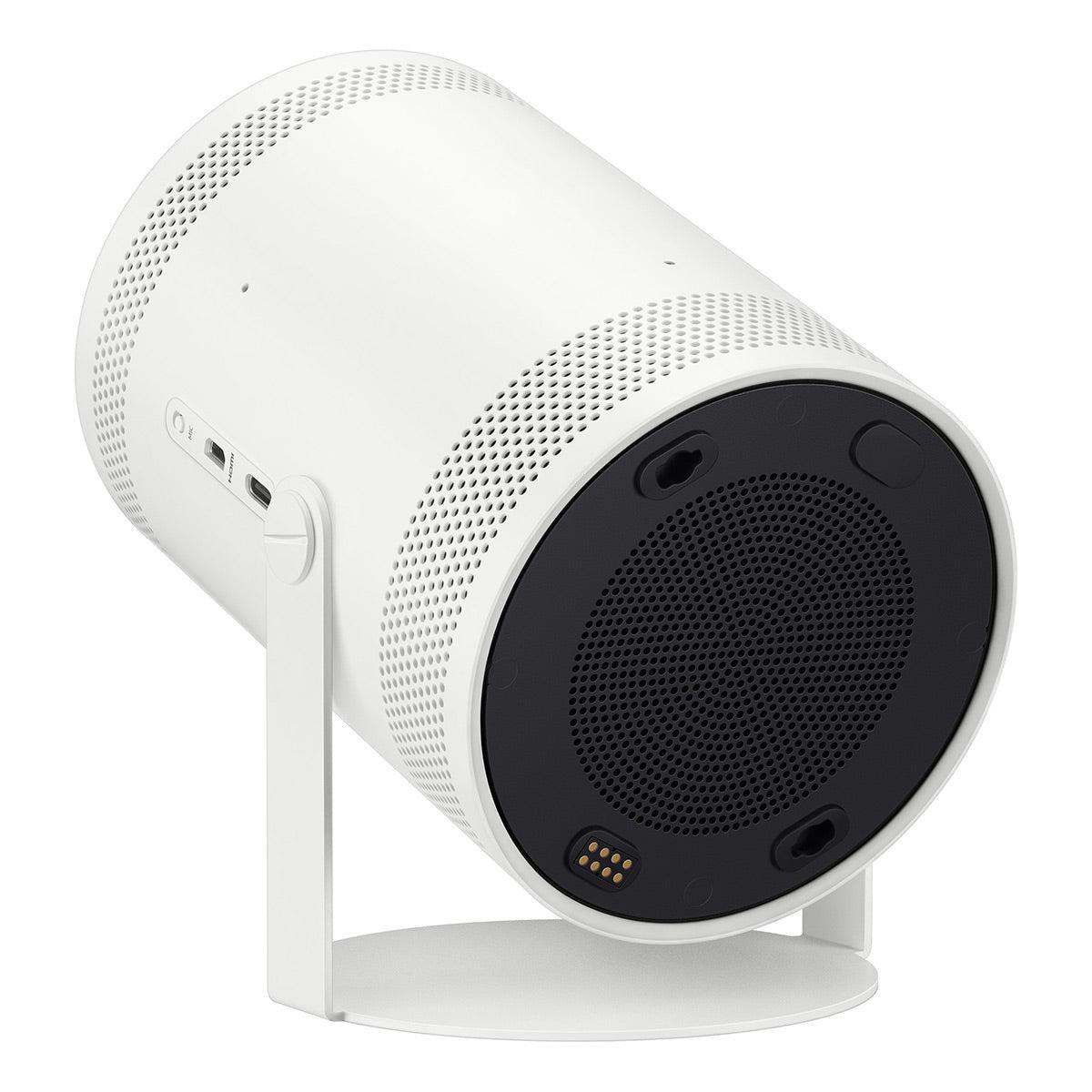
Samsung equipped the Freestyle with a 5-watt 360-degree speaker that projects sound in all directions. This omnidirectional approach works surprisingly well in small to medium rooms, creating an immersive audio experience despite the projector's tiny size.
In testing, I found the Freestyle's audio clear enough for dialogue and adequate for casual viewing, though it predictably lacks bass impact and can sound thin during action sequences or music-heavy content. The 360-degree dispersion helps the sound feel larger than you'd expect from such a small device.
The EF21 features a more sophisticated audio system developed in partnership with Yamaha, delivering 5 watts through stereo speakers rather than a single omnidirectional driver. The result is more defined stereo separation and slightly fuller sound overall.
The EF21's audio has a bit more presence and body, handling music and effects with greater authority than the Freestyle, though still falling short of what you'd get from even basic external speakers. Dialog clarity is excellent, making it perfectly adequate for casual viewing.
Both projectors support Bluetooth audio output, allowing you to send sound to external speakers or headphones. This feature is essential for any serious movie watching or when using the projectors in larger spaces.
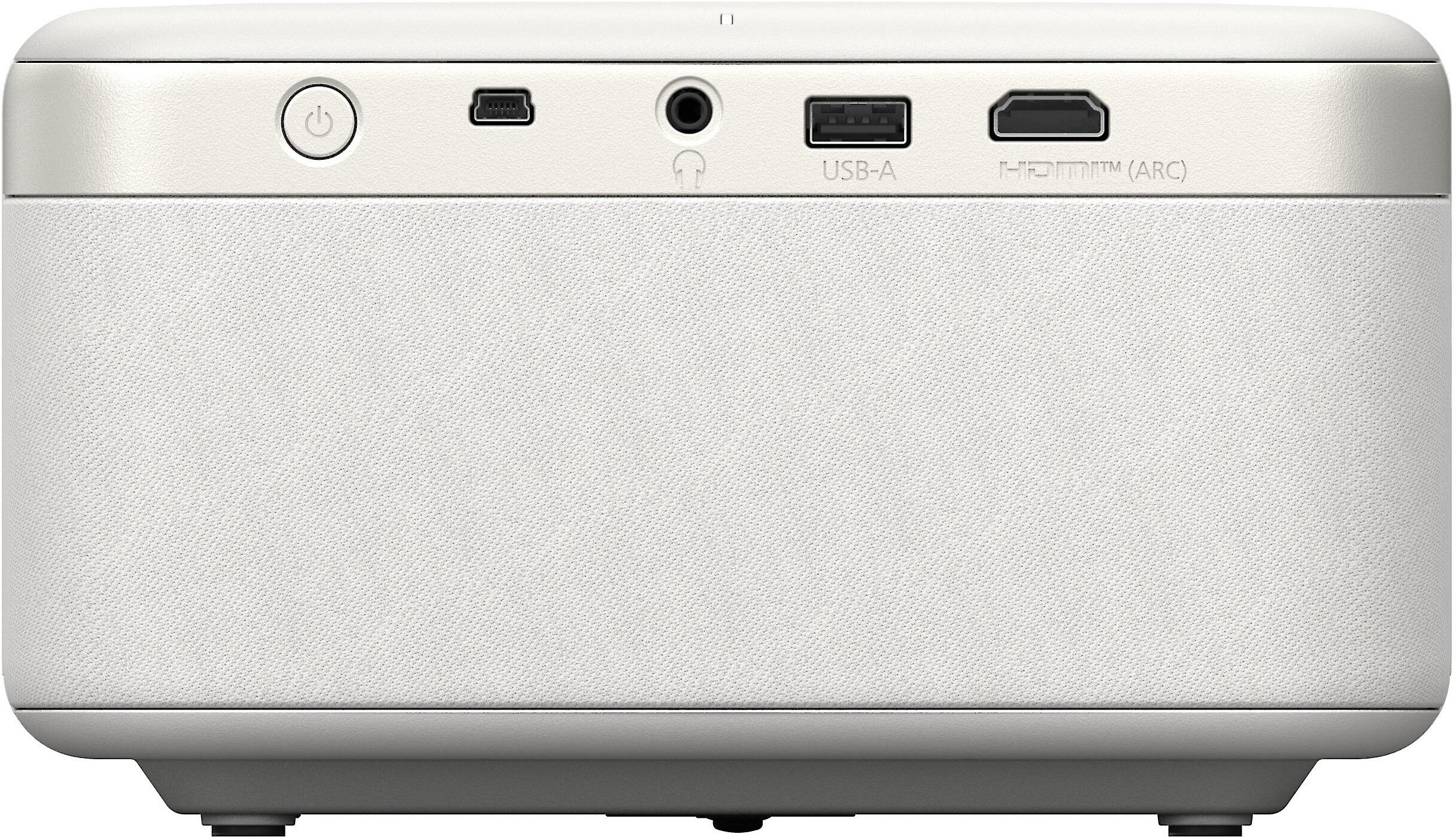
The EF21 adds HDMI ARC (Audio Return Channel) support, which lets you connect the projector directly to a soundbar or AV receiver through a single cable for both audio and video. This additional flexibility gives Epson an edge for home theater integration.
For serious movie nights, I'd recommend external speakers with either projector—a good soundbar or portable Bluetooth speaker can dramatically enhance the experience. The built-in speakers are convenient but ultimately limited by physics; you simply can't get room-filling sound from such small enclosures.
The Samsung Freestyle 2nd Gen runs on Samsung's Tizen OS, the same platform powering their smart TVs. The interface is polished and responsive, with a focus on content discovery and Samsung's ecosystem integration. The new second-generation model features improved processing power over the original, resulting in snappier navigation and fewer delays when launching apps.
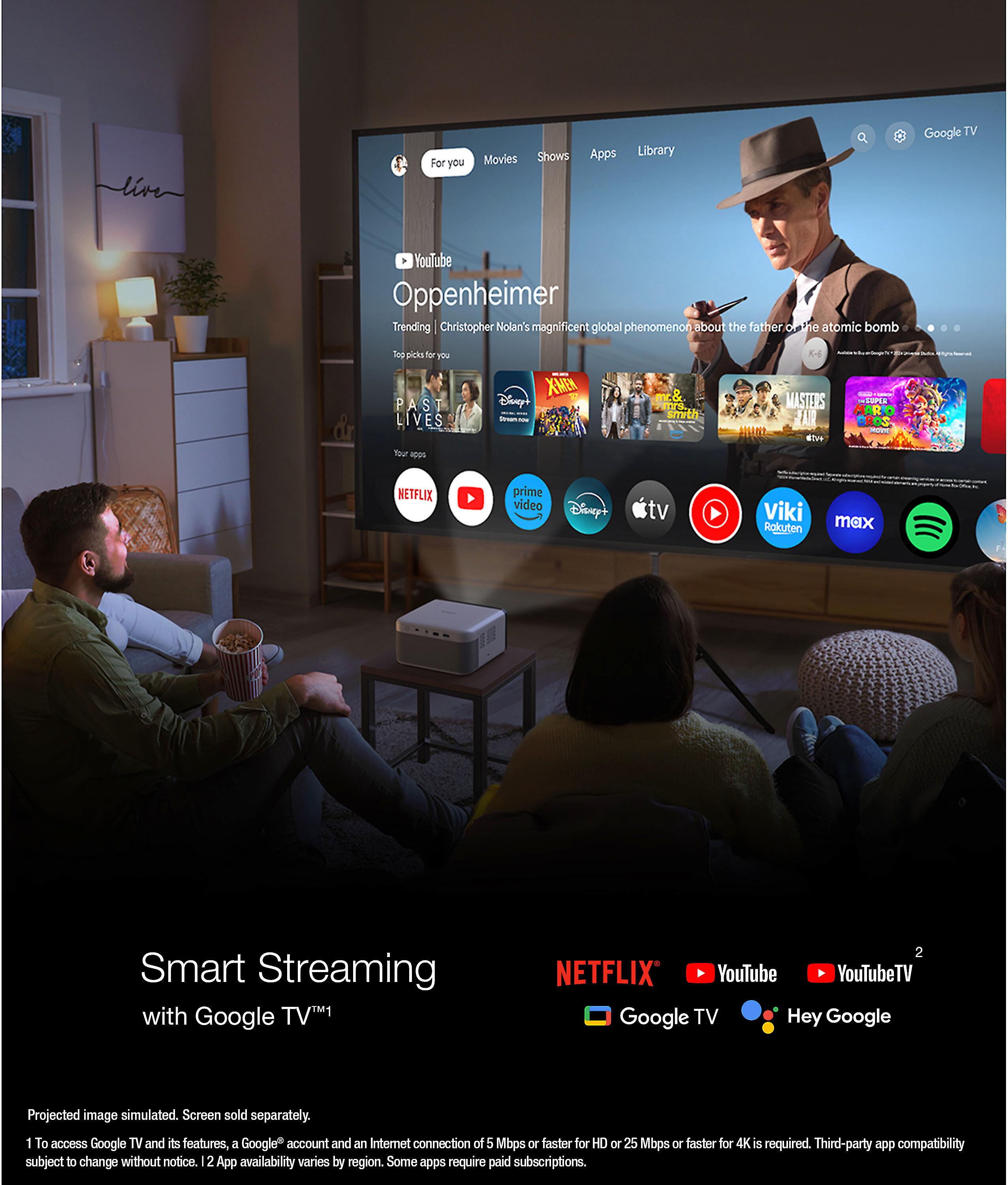
The Epson EF21 uses Android TV, Google's dedicated television platform. This provides access to thousands of apps through the Google Play Store, along with convenient features like built-in Chromecast functionality for streaming content from your phone or tablet.
Both systems offer extensive streaming app support, including Netflix, Disney+, Amazon Prime Video, and others. In daily use, the choice between them largely comes down to ecosystem preference—Samsung's interface feels more curated and streamlined, while Android TV offers more customization options and tighter Google service integration.
The Freestyle incorporates Samsung's Bixby voice assistant and works with Amazon Alexa and Google Assistant through connected devices. This allows for hands-free control of basic functions and content searches, though in practice, I've found the voice recognition sometimes struggles in rooms with challenging acoustics.
The EF21 includes Google Assistant directly, providing similar voice control capabilities with generally more reliable natural language processing. The Google ecosystem integration also extends to smart home control, letting you manage compatible devices through the projector's interface.
Samsung has positioned the Freestyle as more than just a projector, building in several distinctive capabilities. The ambient mode transforms it into a mood light or decorative projector, displaying artwork, patterns, or atmospheric effects. The second-generation model expanded these capabilities with more customization options and effects.
Perhaps most unusual is the Freestyle's ability to function as a smart light when fitted with an optional socket adapter, effectively turning any light socket into a projection point. While niche, this feature showcases Samsung's creative approach to reimagining what a projector can be.
The EF21 lacks these lifestyle-oriented features, focusing instead on core projection performance and the standard Android TV experience. It's a more traditional approach that prioritizes doing one thing exceptionally well rather than serving multiple purposes adequately.
The Freestyle's minimalist design limits its physical connectivity to a micro HDMI port and USB-C port for power. This streamlined approach maintains the device's clean aesthetic but restricts your connection options compared to larger projectors.
The EF21 offers more robust connectivity with two full-sized HDMI ports (one supporting ARC for audio equipment), a USB-A port for media files or powering streaming sticks, and a 3.5mm audio output jack. This expanded selection makes the Epson more versatile for connecting game consoles, Blu-ray players, and other external devices.
Both projectors feature comprehensive wireless connectivity options. The Freestyle supports Wi-Fi, Bluetooth, AirPlay 2 for Apple devices, and integration with Samsung's SmartThings ecosystem. These wireless options become essential given the limited physical ports.
The EF21 includes Wi-Fi, Bluetooth, and Chromecast built-in functionality, allowing for easy streaming from compatible devices. Its Android TV platform also supports screen mirroring from most modern smartphones and tablets.
In practical use, I've found the wireless streaming on both projectors to be reliable, though the Freestyle seems slightly more prone to occasional buffering when streaming high-definition content. This may be related to its processing capabilities rather than its wireless hardware.
The Samsung Freestyle 2nd Gen requires external power but offers flexibility in how you provide it. The projector works with compatible USB-PD (Power Delivery) power banks—though you'll need a robust one capable of delivering sustained power. Samsung now certifies specific power banks for use with the Freestyle, addressing compatibility issues that plagued the first generation.
The Epson EF21 operates solely through AC power, with no official battery options available. This limitation reinforces its position as a semi-portable device rather than a truly go-anywhere projector.
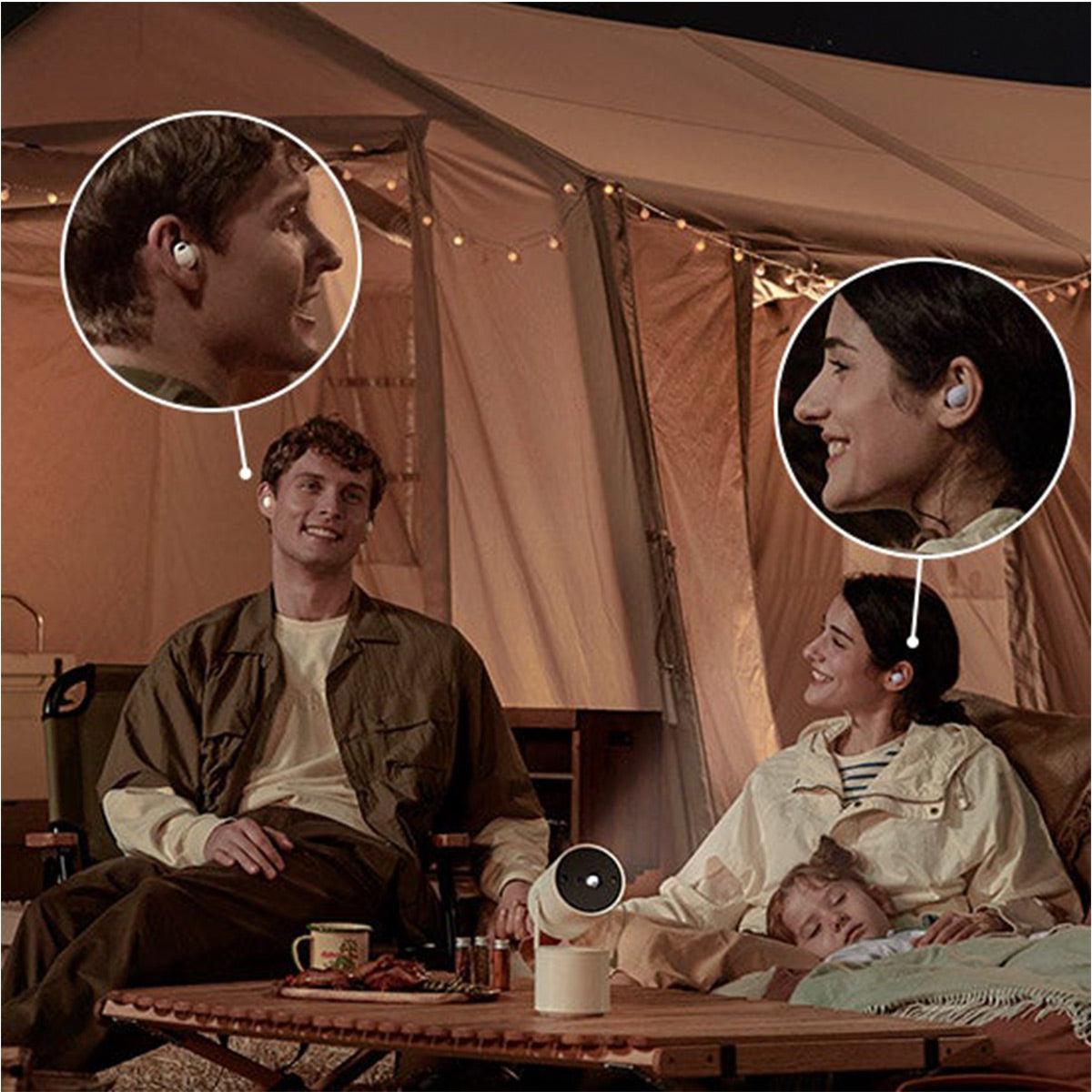
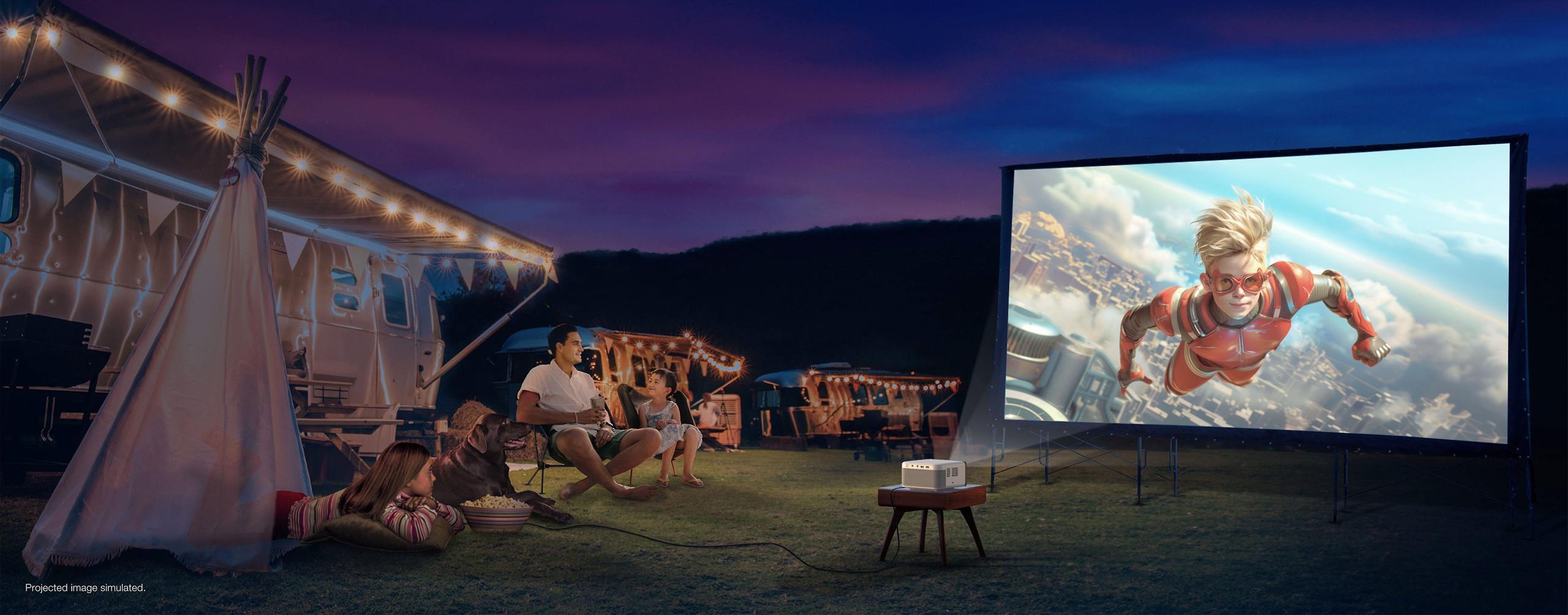
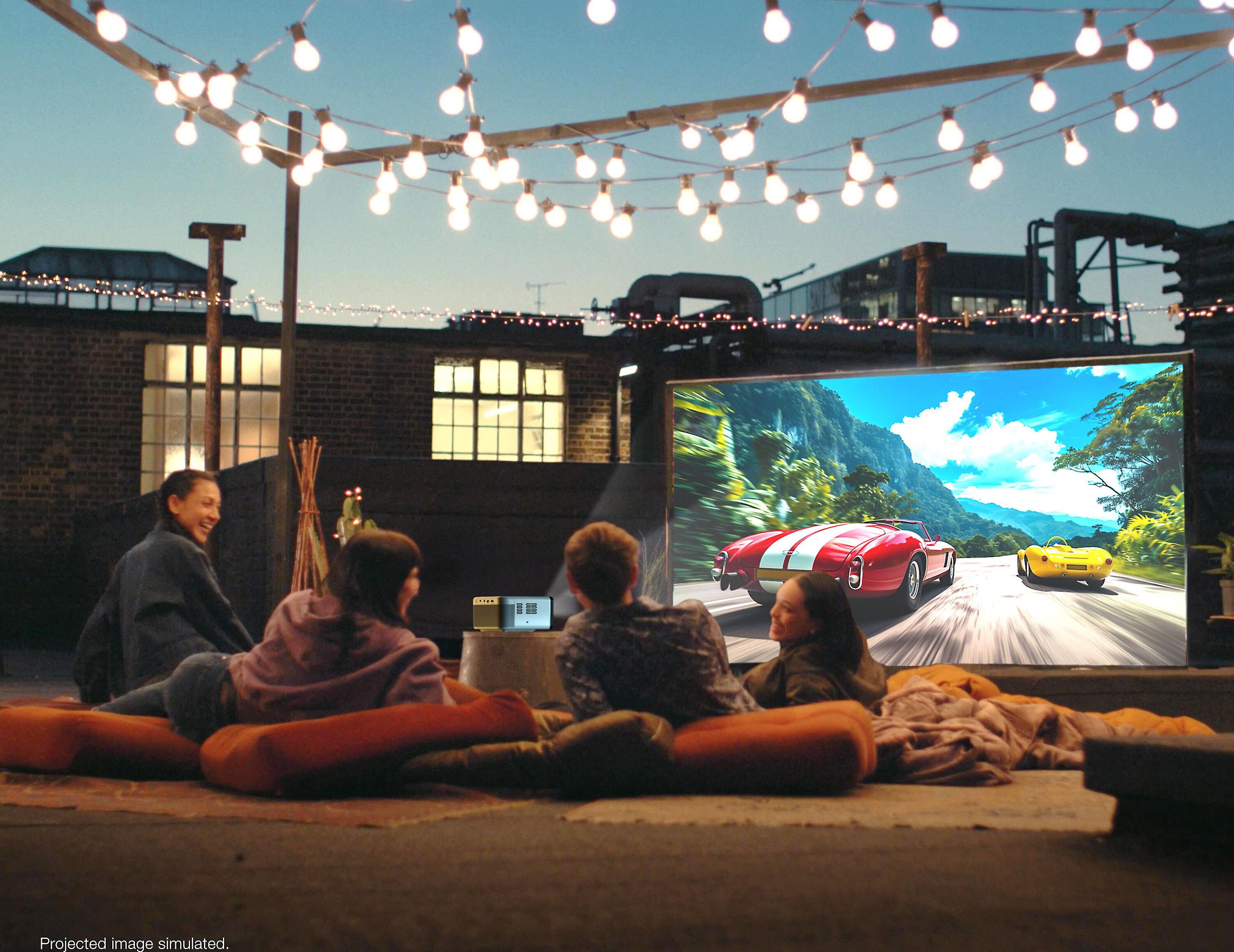
For truly portable use cases—backyard movies, camping trips, or impromptu viewing parties—the Freestyle's lighter weight and power bank compatibility give it a clear advantage. However, the EF21's superior brightness might actually make it more useful outdoors, provided you have access to power.
At around $799-899, the Freestyle represents a significant investment for a 1080p projector with modest brightness. What you're paying for is extreme portability, unique design, and Samsung's ecosystem integration rather than raw projection performance.
The EF21's $999-1,099 price tag reflects its superior brightness, better audio, and expanded connectivity. While more expensive, it delivers substantially better performance in varied lighting conditions, potentially making it more versatile for everyday use.
The Freestyle uses an LED light source rated for approximately 20,000 hours of use. At five hours of daily usage, that translates to over 10 years before the light source degrades significantly—effectively the lifetime of the product for most consumers.
The EF21 employs a laser light source rated for about 30,000 hours, offering even greater longevity and more consistent brightness over its lifespan compared to LED technology. Laser projection also tends to maintain color accuracy better as it ages.
Both projectors should provide many years of service under normal conditions, but the EF21's laser technology gives it a slight edge in long-term reliability and performance consistency.
If you're considering either projector as the centerpiece of a dedicated home theater setup, the Epson EF21 is clearly better suited to the task. Its superior brightness, better contrast, and expanded connectivity make it more capable of delivering a cinema-like experience.
The Freestyle works best as a supplementary device for a home theater enthusiast—perhaps for casual viewing in secondary rooms or outdoor movie nights—rather than as your primary display. Its limitations become more apparent in dedicated viewing environments where performance expectations are higher.
For a proper home theater setup with the EF21, I'd recommend pairing it with a fixed projection screen (either white or gray depending on your room's ambient light), a quality soundbar or speaker system connected via HDMI ARC, and some basic room darkening measures. With these additions, the EF21 can create a genuinely impressive viewing experience that rivals much more expensive projection setups.
After thoroughly examining both projectors, the decision comes down to your specific needs and priorities:
Choose the Samsung Freestyle 2nd Gen if:
Choose the Epson EpiqVision Mini EF21 if:
Both projectors excel in their intended use cases. The Freestyle prioritizes flexibility, portability, and ecosystem integration at the expense of raw performance. The EF21 emphasizes image quality and versatility in varied lighting conditions while sacrificing some portability.
For most users seeking a primary viewing device that can handle diverse environments, the Epson EF21 provides better overall value despite its higher price. Its substantial brightness advantage alone makes it usable in more scenarios, preventing the frustration of a dim, washed-out image that can plague less powerful projectors like the Freestyle in anything but ideal conditions.
However, if you're specifically looking for an ultra-portable projection solution for occasional use in controlled lighting environments, the Samsung Freestyle 2nd Gen offers unique capabilities and convenience that the EF21 can't match. Its go-anywhere design and flexible setup make it perfect for creative uses beyond traditional video viewing.
Whichever you choose, both projectors represent impressive engineering achievements that bring big-screen entertainment to spaces where traditional TVs can't go. Your decision ultimately hinges on whether flexibility or performance matters more for your specific needs.
| Samsung Freestyle 2nd Gen Smart Projector | Epson EpiqVision Mini EF21 Projector |
|---|---|
| Price - Your budget investment | |
| $799-899 | $999-1,099 |
| Form Factor - Impacts where and how you can use it | |
| Cylindrical design (6.8" tall, 3.7" diameter), 1.8 pounds with 180° swivel capability | Box-shaped design (6.9" × 7.9" × 6.9"), approximately 6 pounds with fixed orientation |
| Brightness - Critical for usability in different lighting conditions | |
| 550 lumens (requires near-dark rooms) | 2,800 lumens (usable with ambient light, 5x brighter) |
| Resolution - Determines image sharpness and detail | |
| Full HD (1920×1080) | Full HD (1920×1080) |
| Projection Technology - Affects color accuracy and image quality | |
| DLP (Digital Light Processing) with color wheel; may exhibit rainbow effect | 3LCD technology (separate RGB panels); no rainbow effect, better color accuracy |
| Screen Size Range - Flexibility for different spaces | |
| 30" to 100" diagonal | 30" to 150" diagonal |
| Light Source Lifespan - Long-term reliability | |
| LED rated for approximately 20,000 hours | Laser rated for approximately 30,000 hours |
| Auto-Adjustment Features - Ease of setup and use | |
| Auto-keystone correction, auto-leveling, and auto-focus | Manual keystone correction, requires more deliberate setup |
| Built-in Audio - Sound quality without external speakers | |
| 5W 360° omnidirectional speaker | 5W Yamaha-designed stereo speakers (fuller sound) |
| Operating System - User interface and app ecosystem | |
| Samsung Tizen OS with Samsung TV Plus | Android TV with Google Play Store and Chromecast built-in |
| Voice Control - Hands-free operation | |
| Bixby built-in; works with Alexa and Google Assistant | Google Assistant built-in |
| Special Features - Unique capabilities beyond basic projection | |
| Functions as ambient light, mood projector; compatible with light socket adapter | None; focuses on core projection performance |
| Physical Connectivity - Options for external devices | |
| 1 micro HDMI port, USB-C (for power only) | 2 HDMI ports (1 with ARC), USB-A port, 3.5mm audio output |
| Wireless Connectivity - Streaming and device connection options | |
| Wi-Fi, Bluetooth, AirPlay 2, Samsung SmartThings integration | Wi-Fi, Bluetooth, Chromecast built-in |
| Power Options - Where you can use it | |
| AC adapter; compatible with USB-PD power banks (sold separately) | AC power only; no battery options |
| Best For - Ideal use case summary | |
| Ultra-portable entertainment in controlled dark environments; Samsung ecosystem users seeking versatility | Semi-portable home theater with superior image quality in varied lighting; performance-focused users |
The Epson EpiqVision Mini EF21 Projector is significantly brighter at 2,800 lumens compared to the Samsung Freestyle 2nd Gen Smart Projector's 550 lumens. This means the Epson can be used in rooms with some ambient light, while the Samsung Freestyle requires near-darkness for optimal viewing. The brightness difference is one of the most important factors when choosing between these two portable projectors.
Both the Samsung Freestyle 2nd Gen and Epson EF21 can be used outdoors, but under different conditions. The Freestyle works best after sunset in very dark environments due to its lower brightness. The Epson EF21, with its much higher brightness, can produce a visible image at dusk or in partially lit outdoor spaces. Remember that both projectors require a power source, though the Freestyle can work with compatible portable power banks.
The Samsung Freestyle 2nd Gen Smart Projector is considerably more portable at just 1.8 pounds compared to the approximately 6-pound Epson EF21. The Freestyle's cylindrical design is also more compact and features auto-keystone correction and auto-focus, making it quicker to set up in different locations. If maximum portability is your priority, the Samsung Freestyle has a clear advantage.
The Samsung Freestyle 2nd Gen typically costs between $799-899, while the Epson EpiqVision Mini EF21 is priced higher at around $999-1,099. The $200 price difference primarily reflects the Epson's superior brightness, laser light source technology, and better connectivity options. Your budget and performance priorities will determine if the Epson's additional capabilities justify its higher price point.
The Epson EF21 features Yamaha-designed stereo speakers that provide fuller, more robust sound than the Samsung Freestyle's 5W 360° speaker. While both projectors offer adequate sound for casual viewing, the Epson produces clearer dialog and better audio separation. For optimal sound quality with either projector, you'll still want to connect external speakers for a true home theater experience.
The Samsung Freestyle 2nd Gen projects images from 30" to 100" diagonally, while the Epson EF21 offers a larger range from 30" to 150". The Epson's ability to project 50% larger images makes it better suited for home theater applications where larger screen sizes create a more immersive viewing experience. Due to brightness limitations, the Freestyle performs best at smaller sizes around 50-80".
Yes, both projectors support gaming consoles, but with different connection options. The Samsung Freestyle 2nd Gen has a single micro HDMI port for connecting a console, which may require an adapter. The Epson EF21 offers two full-size HDMI ports, making it more convenient for connecting multiple devices like gaming consoles, streaming devices, or Blu-ray players without swapping cables.
The Epson EpiqVision Mini EF21 is significantly better for a permanent home theater setup due to its superior brightness (2,800 lumens vs. 550 lumens), larger maximum screen size (150" vs. 100"), better audio quality, and more comprehensive connectivity options. While the Samsung Freestyle can work in a dedicated dark room, the Epson produces a more cinema-like experience that stands up better to occasional ambient light.
The Samsung Freestyle 2nd Gen runs on Samsung's Tizen OS with Samsung TV Plus and features Bixby voice control, while also working with Alexa and Google Assistant. It includes unique features like ambient lighting modes. The Epson EF21 uses Android TV with built-in Google Assistant and Chromecast functionality. Both offer popular streaming apps, but Samsung's ecosystem integration appeals to existing Samsung users, while Epson's Android TV may be more familiar to others.
The Epson EF21's laser light source is rated for approximately 30,000 hours, outlasting the Samsung Freestyle's LED light source rated for about 20,000 hours. At 5 hours of daily use, this translates to over 16 years for the Epson versus 11 years for the Samsung. The Epson's laser technology also maintains brightness and color accuracy better over time compared to LED technology.
The Epson EpiqVision Mini EF21 with its 2,800 lumens can produce a visible image in rooms with curtains or blinds during daytime, though direct sunlight will still wash out the picture. The Samsung Freestyle 2nd Gen at 550 lumens struggles significantly in daylight conditions and is best used in very dark rooms or after sunset. Daytime usability is a major advantage for the Epson over the Samsung model.
The Epson EF21 is superior for sports and action movies due to its higher brightness, which better preserves details in fast-moving scenes even with some ambient light. Its 3LCD technology also eliminates the "rainbow effect" that some sensitive viewers might notice with the Samsung Freestyle's DLP technology during high-motion content. The Epson's better contrast and larger maximum screen size also enhance the viewing experience for dynamic content like sports.
We've done our best to create useful and informative comparisons to help you decide what product to buy. Our research uses advanced automated methods to create this comparison and perfection is not possible - please contact us for corrections or questions. These are the sites we've researched in the creation of this article: techradar.com - tech.slashdot.org - youtube.com - bestbuy.com - youtube.com - youtube.com - rtings.com - samsung.com - samsung.com - samsung.com - thesmarthomehookup.com - nfm.com - samsung.com - abt.com - projectorcentral.com - valueelectronics.com - target.com - samsung.com - samsung.com - images.samsung.com - abt.com - youtube.com - samsung.com - samsung.com - walts.com - bhphotovideo.com - shi.com - youtube.com - publicsector.shidirect.com - provantage.com - abcwarehouse.com - bestbuy.com - bestbuy.com - cnet.com - youtube.com - projectorreviews.com - epson.com - projectorreviews.com - epson.com - rtings.com - epson.com - youtube.com - projectorcentral.com - bestbuy.com - projectorcentral.com - nfm.com - crutchfield.com - latin.epson.com - mediaserver.goepson.com - planettv.com - bhphotovideo.com - cnet.com - epson.com

Privacy Policy
Terms and Conditions - Affiliate Policy
Home Security
© Copyright 2008-2026.
11816 Inwood Rd #1211, Dallas, TX 75244