

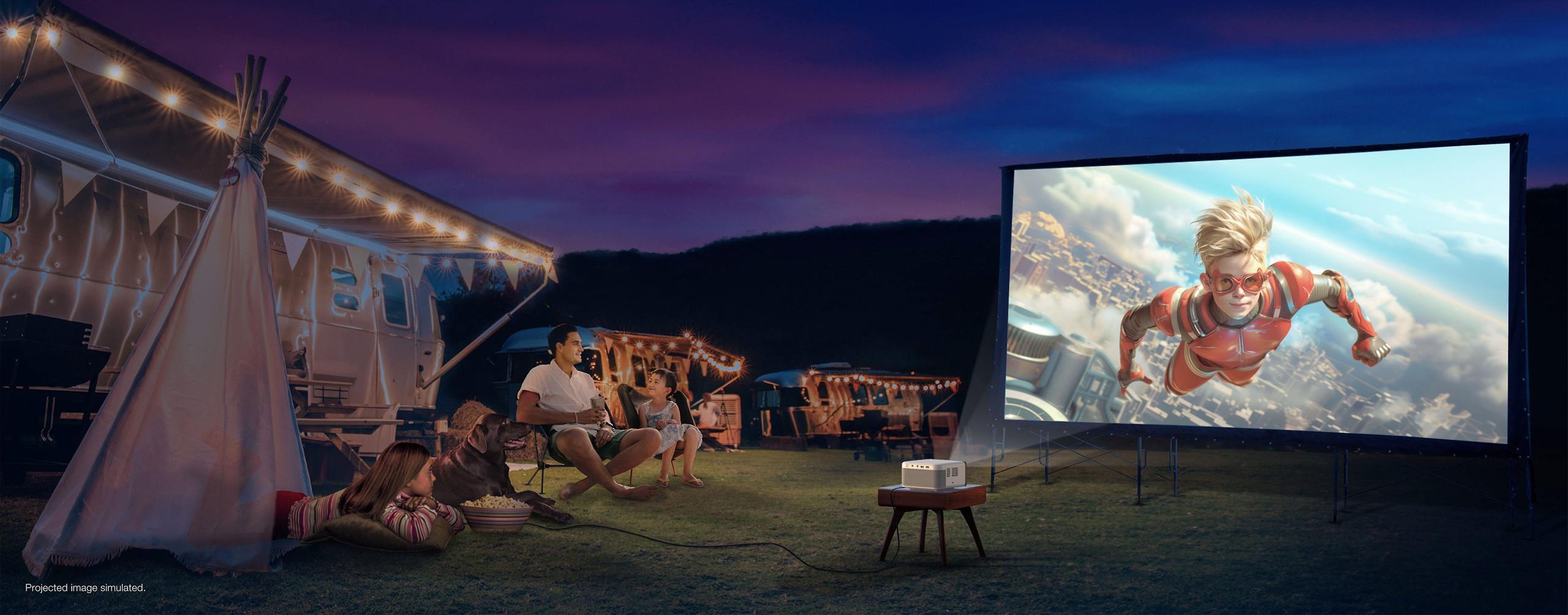
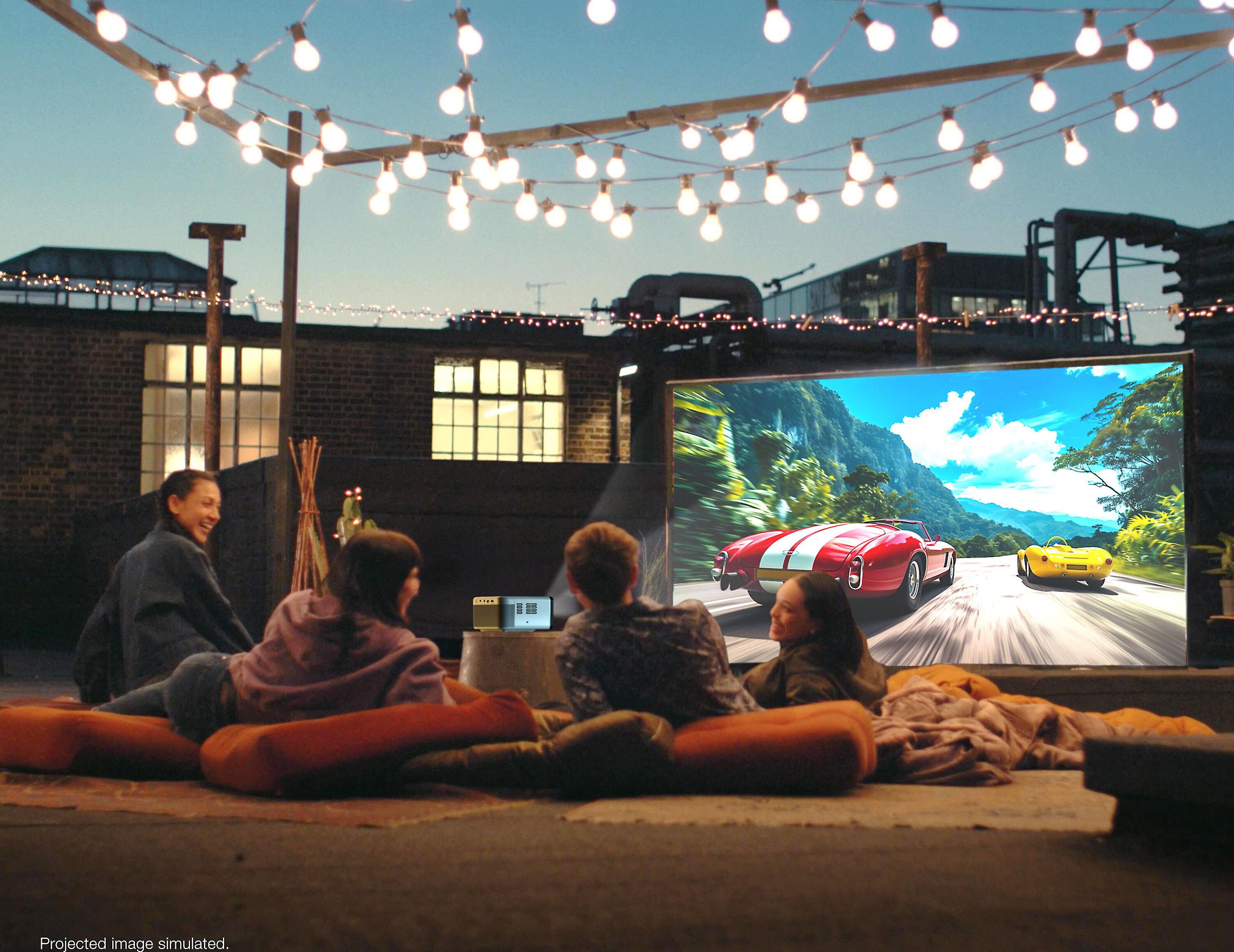
Remember when home projectors were bulky devices that needed a dedicated media room and complex setup? Those days are long gone. The projector market has transformed dramatically in recent years, with manufacturers like Epson leading the charge toward what we might call the "lifestyle projector" — compact, smart, and designed to integrate seamlessly into modern homes.
The Epson EpiqVision Mini EF21 and EF22 projectors represent this new generation of entertainment devices that blur the lines between traditional projectors and smart TVs. Released in mid-2023 and early 2024 respectively, these models showcase how rapidly the technology is advancing, even between releases less than a year apart.
But with the EF21 priced at $899.99 and the EF22 at $999.99, which one deserves your hard-earned money? Let's break it down in detail to help you make an informed choice.
Before diving into the differences, it's worth understanding what sets the EpiqVision Mini series apart from other projectors on the market.
Both the EF21 and EF22 utilize Epson's 3LCD laser projection technology. Unlike many portable projectors that use single-chip DLP (Digital Light Processing) technology, the 3LCD system employs three separate liquid crystal panels—one each for red, green, and blue light. This approach eliminates the "rainbow effect" (where viewers sometimes see brief flashes of rainbow-colored artifacts) that can plague DLP projectors.
This 3LCD system, combined with a laser light source rather than a traditional lamp, delivers several advantages:
These technical foundations are identical in both models, creating a solid baseline of performance that distinguishes them from competitors in the same price range.
Both the EF21 and EF22 offer Full HD (1920 x 1080) resolution. While this isn't 4K, the reality is that at typical viewing distances on screens around 100 inches, Full HD still delivers sharp, detailed images that satisfy most viewers. Both projectors support HDR10 and HLG (Hybrid Log-Gamma) formats, which allow for better handling of high-contrast scenes when viewing compatible content.
The most significant specification difference comes in the contrast ratio department. The EF21 claims a 200,000:1 contrast ratio, while the newer EF22 boasts an impressive 5,000,000:1 ratio. However, in real-world testing and reviews, this massive numerical difference doesn't translate to an equally dramatic visual improvement.
Why? Projector contrast is heavily dependent on room conditions. Even the deepest blacks will appear washed out if you're projecting in a room with ambient light or light-colored walls. The EF22's higher contrast potential is most noticeable in carefully controlled, dark home theater environments with dark walls—conditions many casual users don't have.
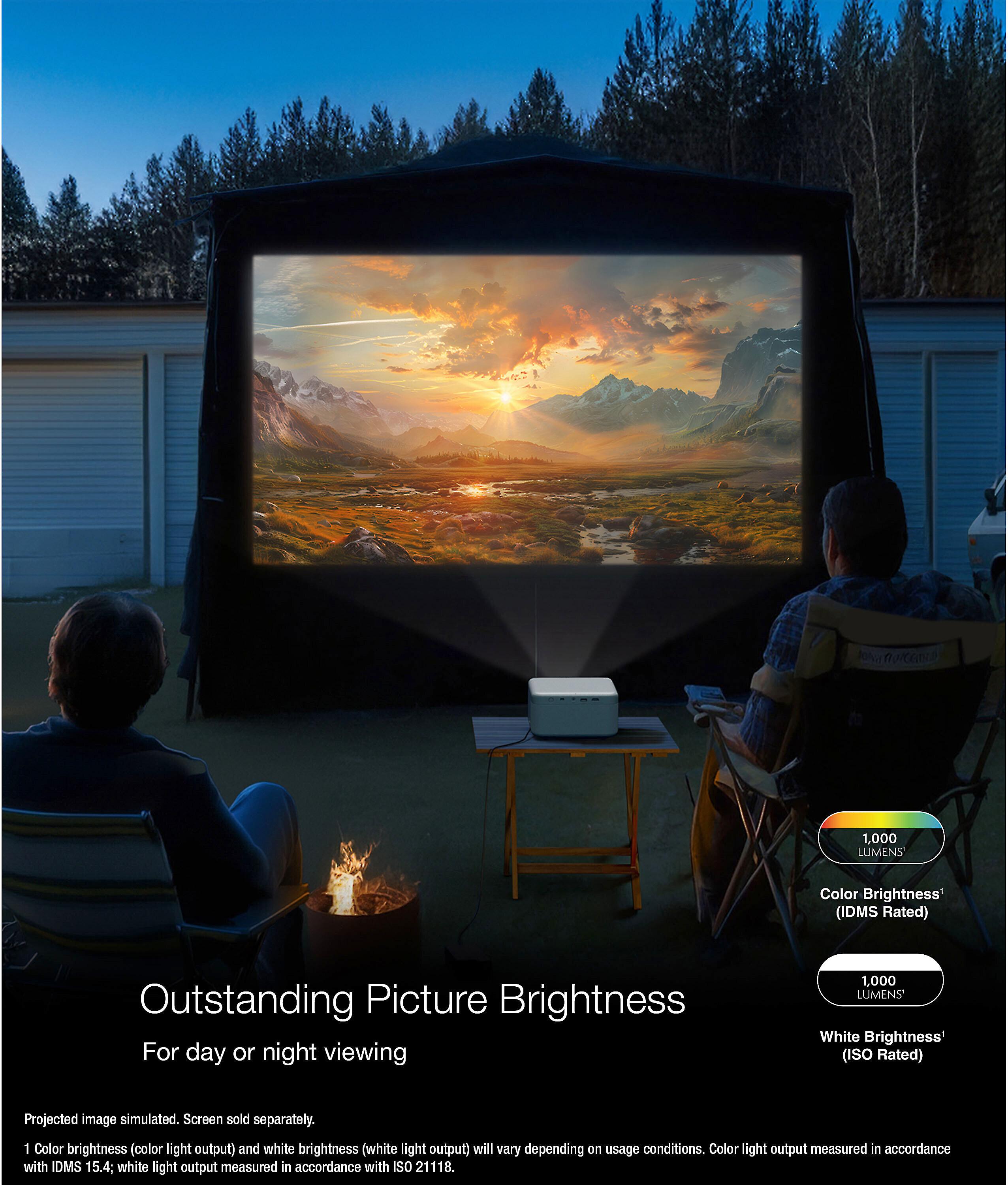
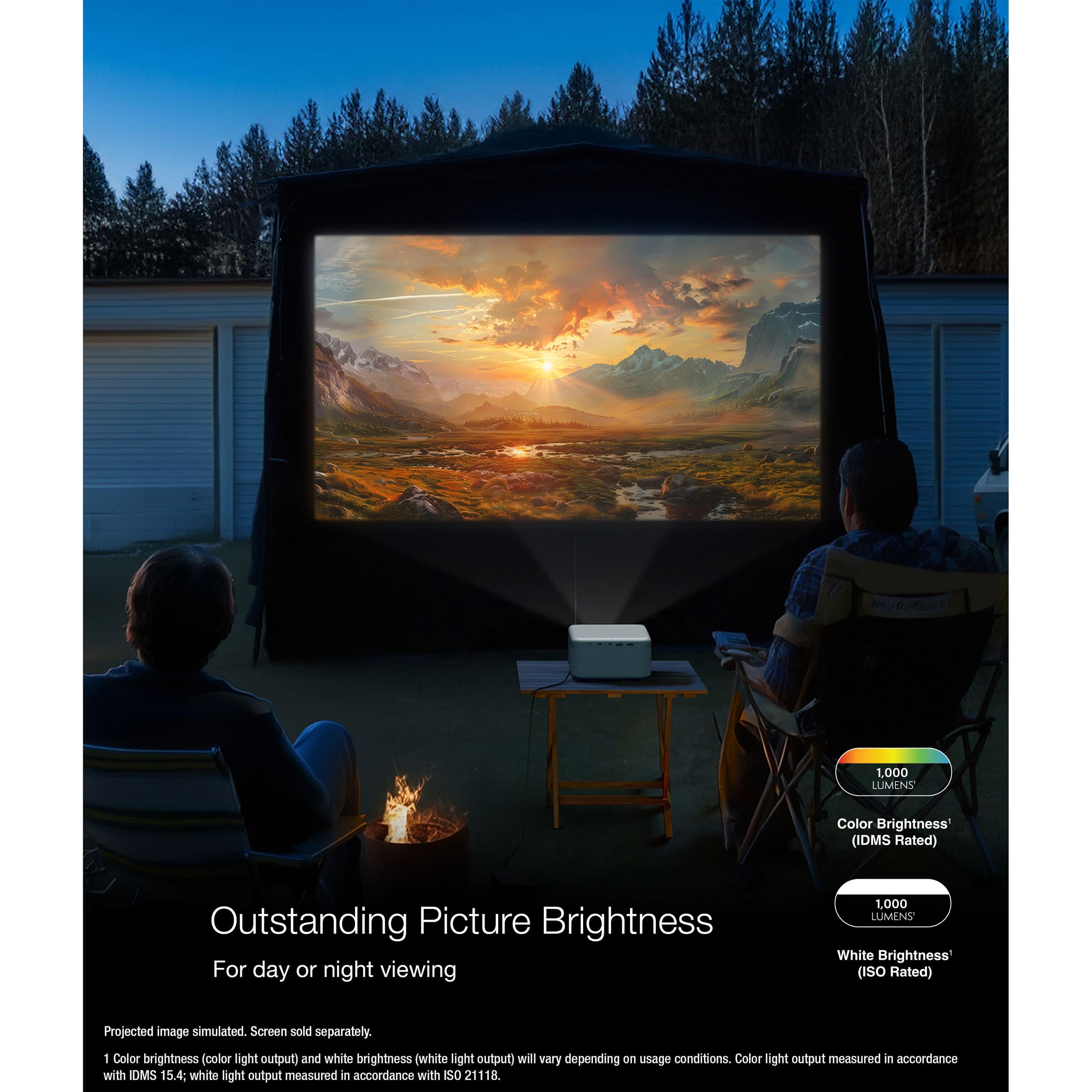
Both projectors output 1,000 lumens of both color and white brightness. This is an important specification because some manufacturers will advertise only the white brightness, which can be misleading since color brightness is equally important for a balanced image.
At 1,000 lumens, these projectors sit at the lower-middle range of the brightness spectrum. For context:
In practical terms, both the EF21 and EF22 will deliver their best performance in the evening or in rooms with good light control. They can certainly work in rooms with some ambient light, but you'll notice washed-out blacks and reduced color vibrancy.
One technical aspect worth noting is that both projectors use the same laser light source rated for 20,000 hours. Unlike traditional lamp projectors that gradually dim over their lifespan, laser projectors maintain more consistent brightness throughout their operational life—a significant advantage for long-term performance.
This is where the two models diverge most significantly, and it might be the deciding factor for many buyers.
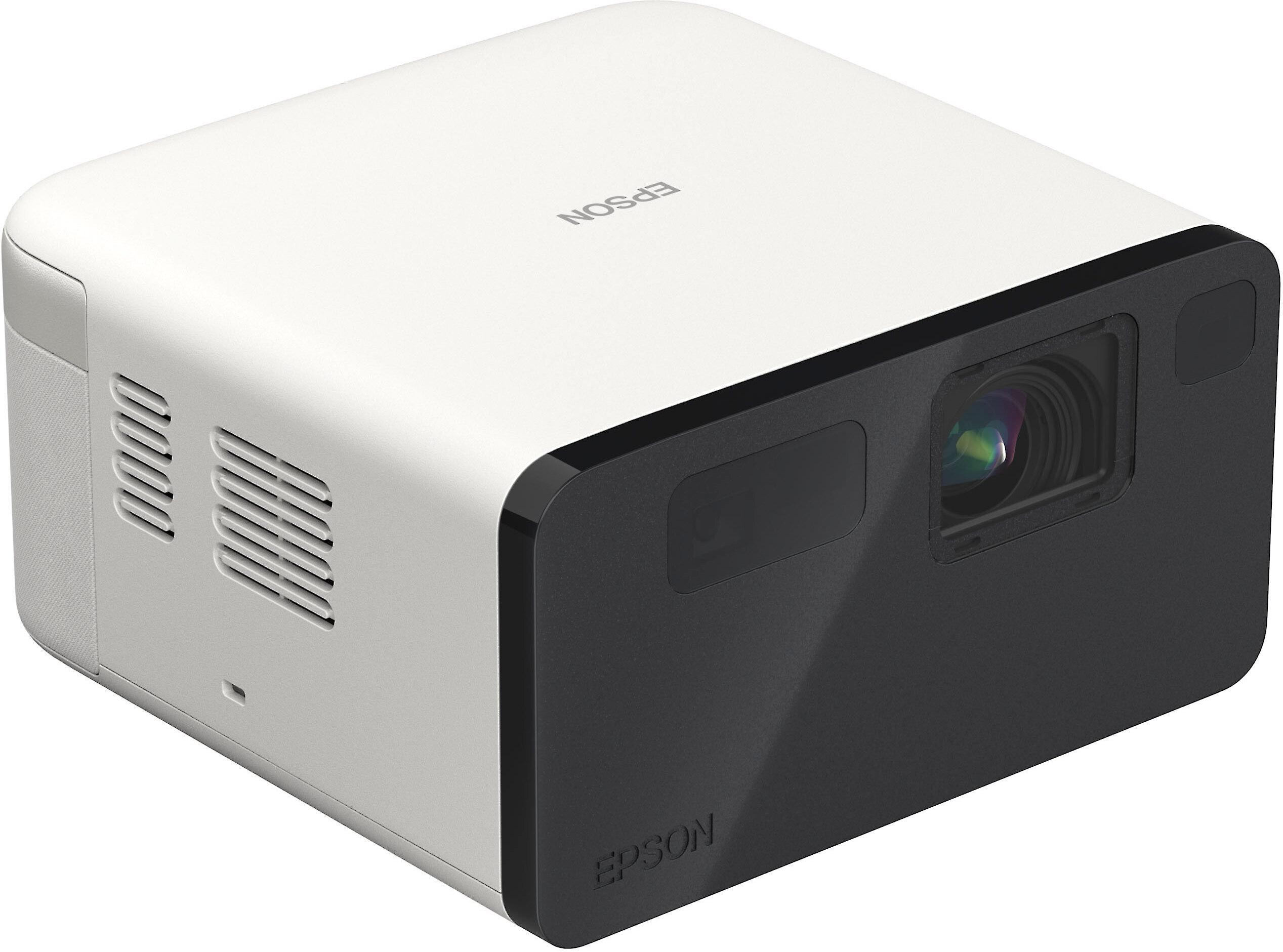
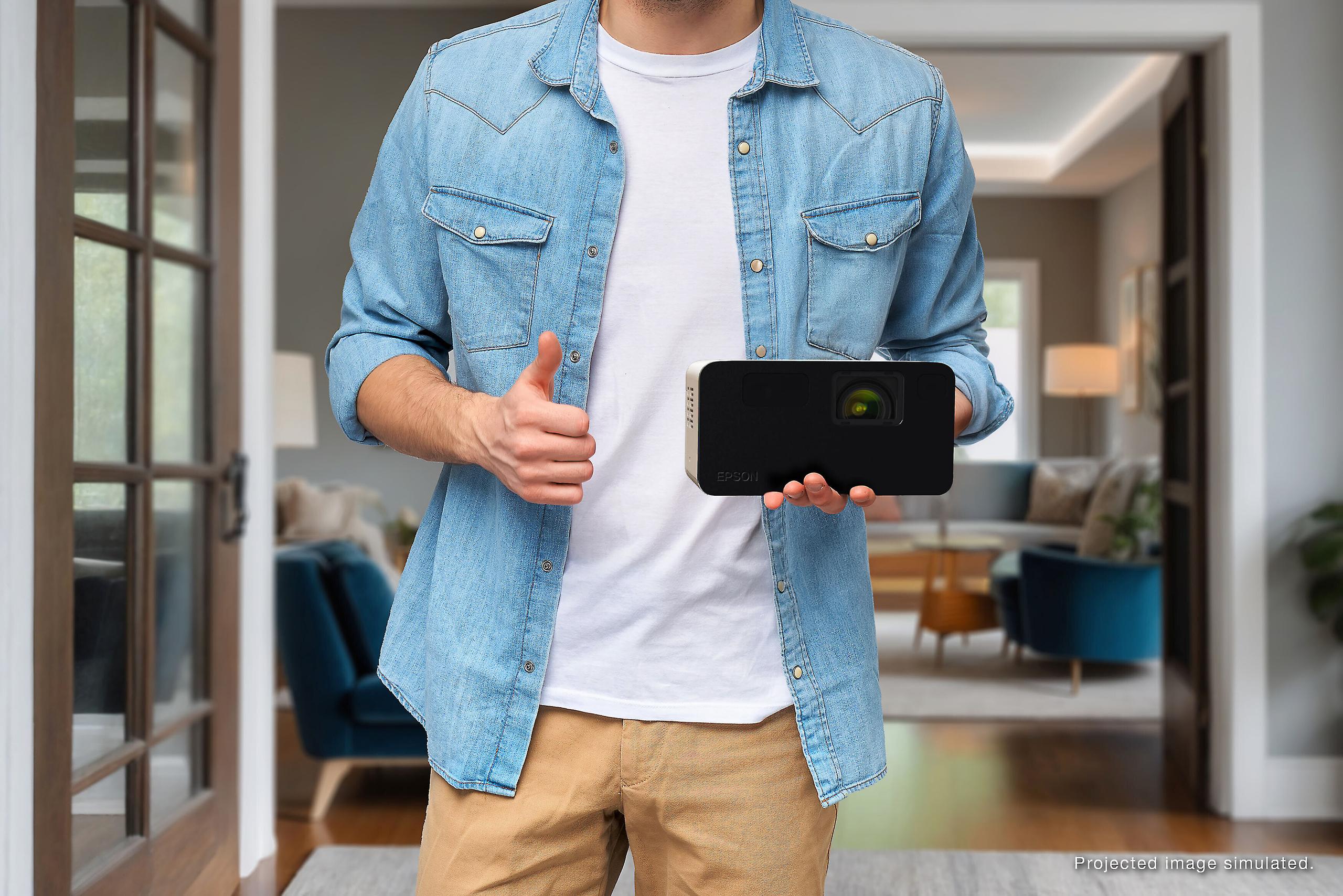
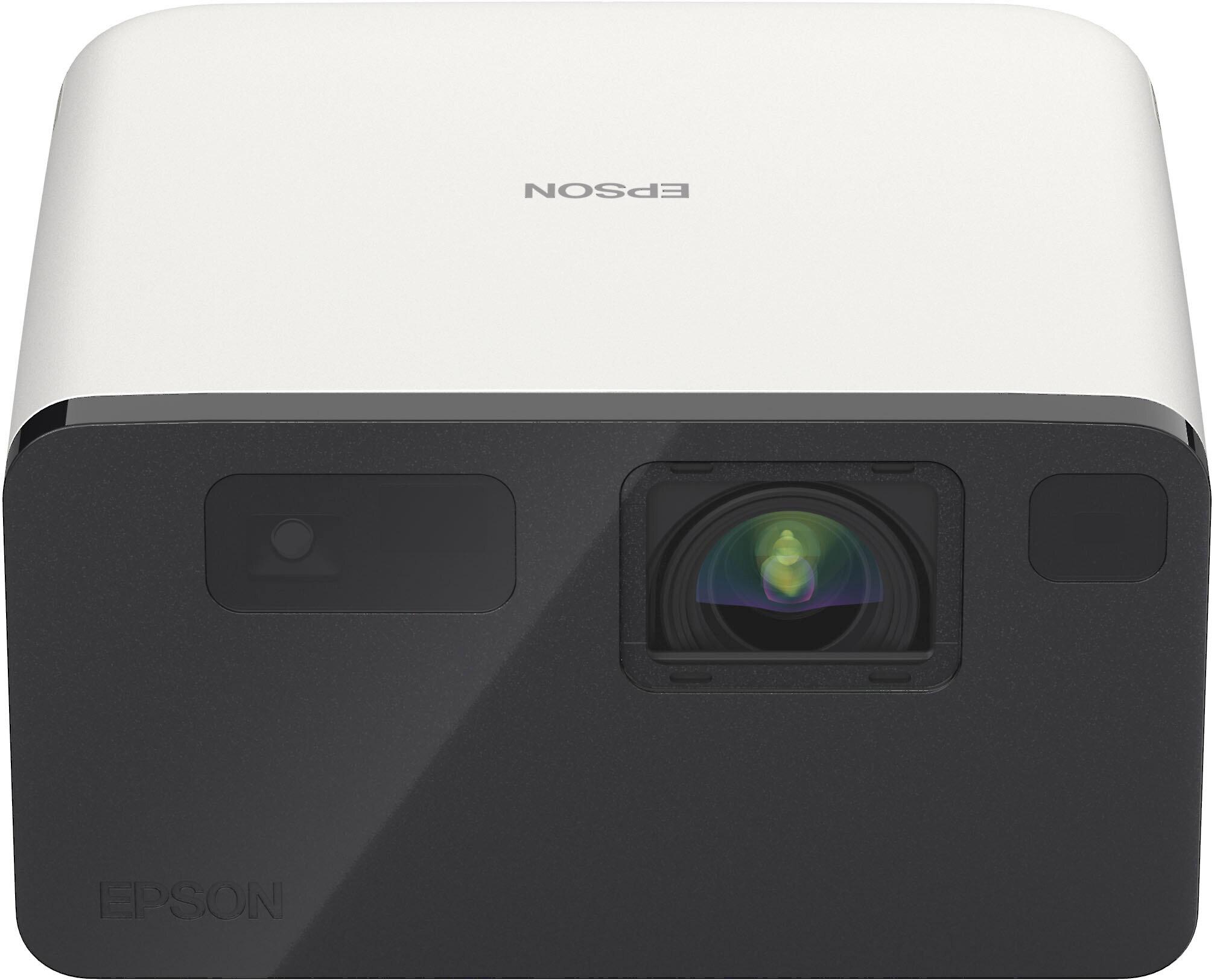
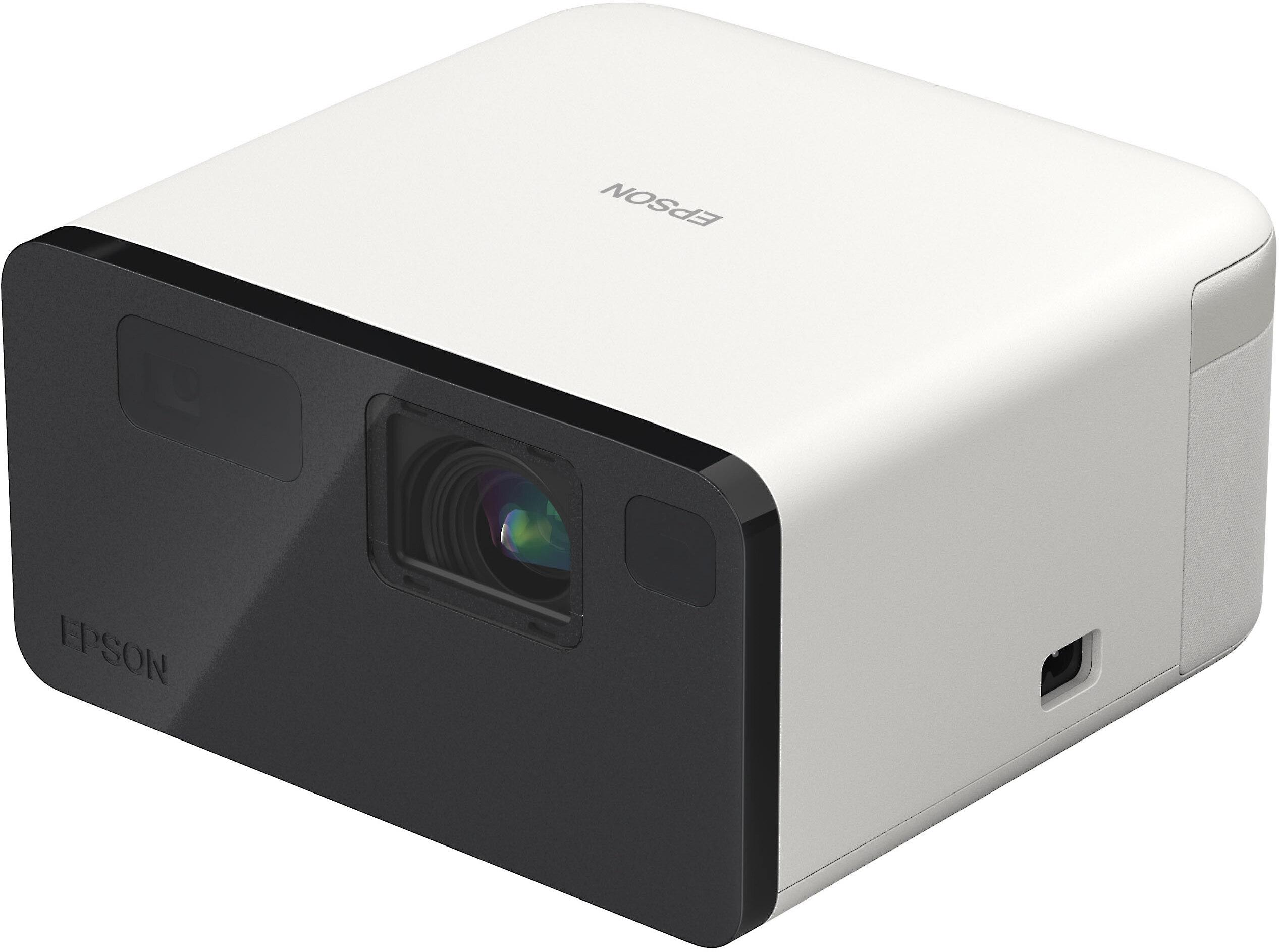
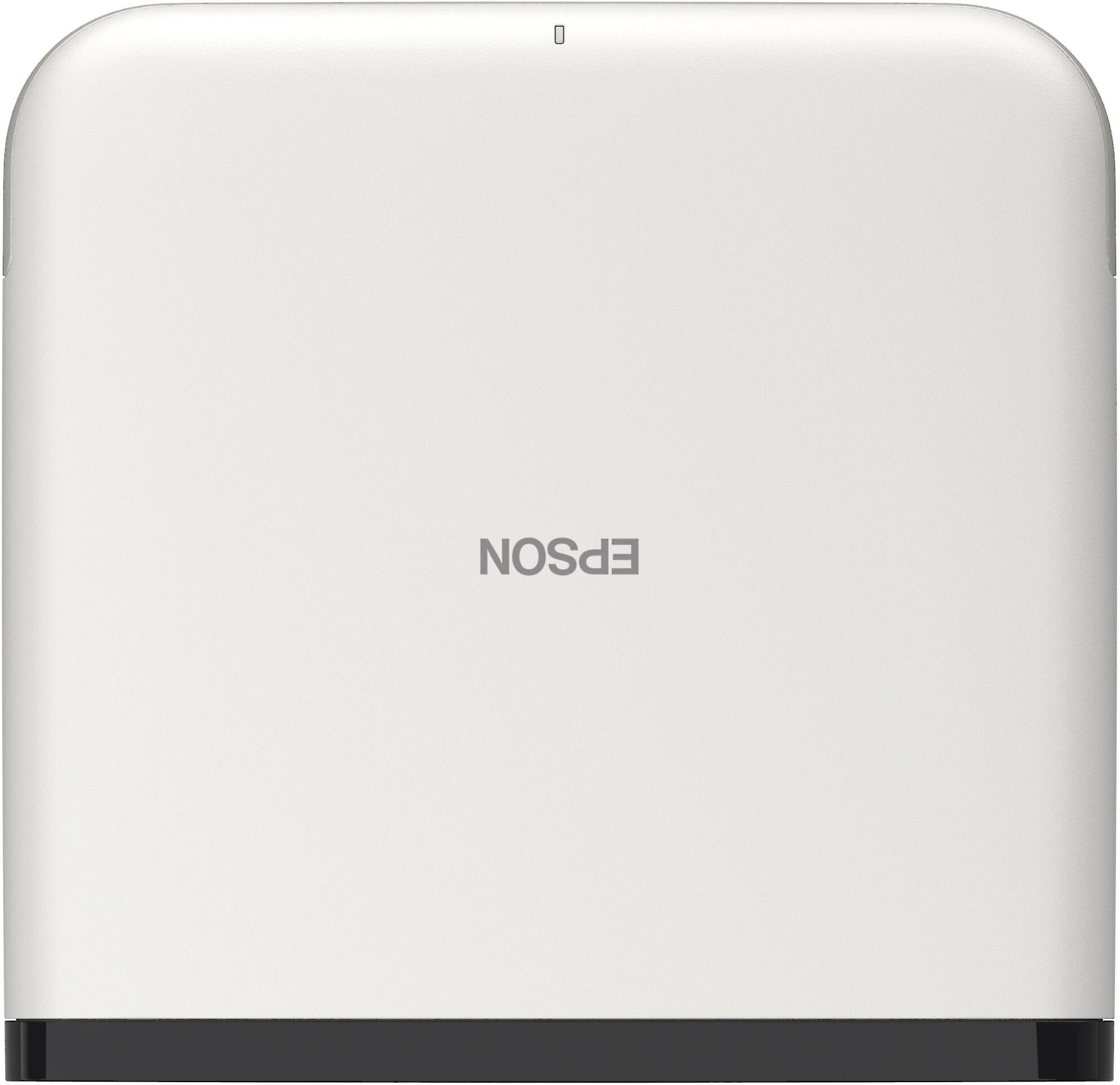
The EF21 features a clean, minimalist design weighing just 5.1 pounds. Available in Diamond White, Opal Green, and Quartz Rose color options, it's clearly designed to blend with modern home decor rather than looking like traditional "tech." Its compact dimensions (7.75" x 7.5" x 4.4") make it easy to move between rooms or tuck away when not in use.
For setup, the EF21 relies on standard placement options with auto keystone correction (which digitally adjusts the image to appear rectangular even when projecting at an angle) and focus. While effective, this traditional approach means you need to position the projector more or less in front of your projection surface at a suitable height.
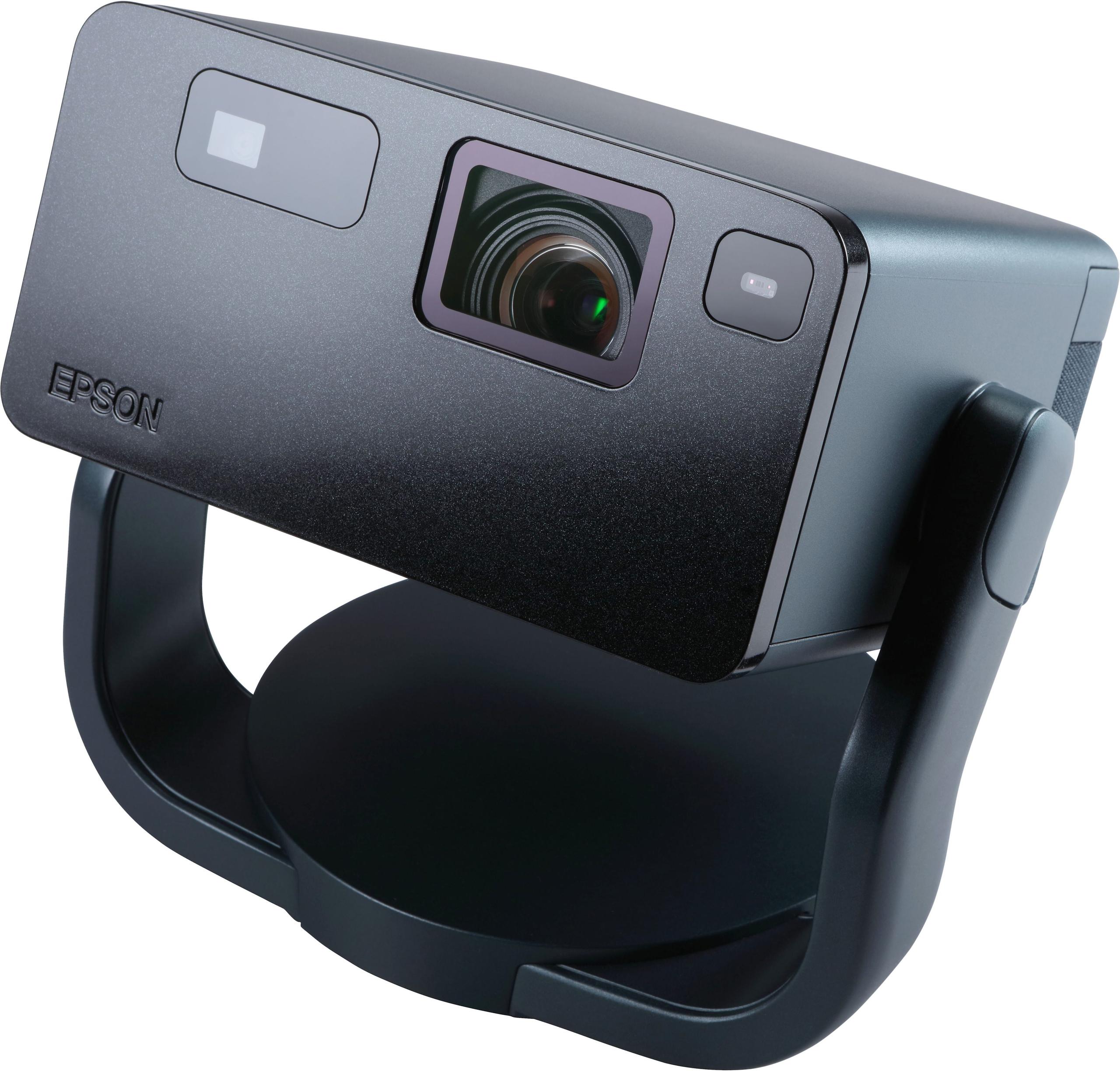
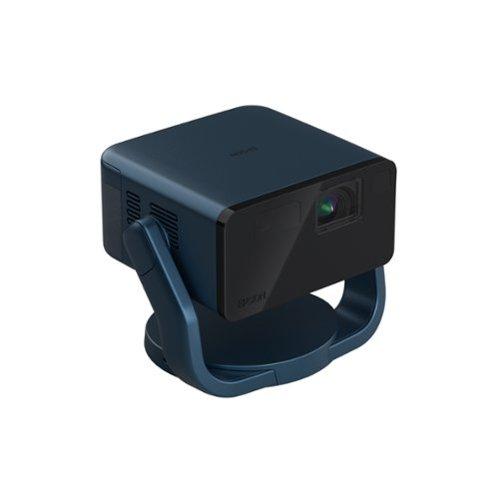
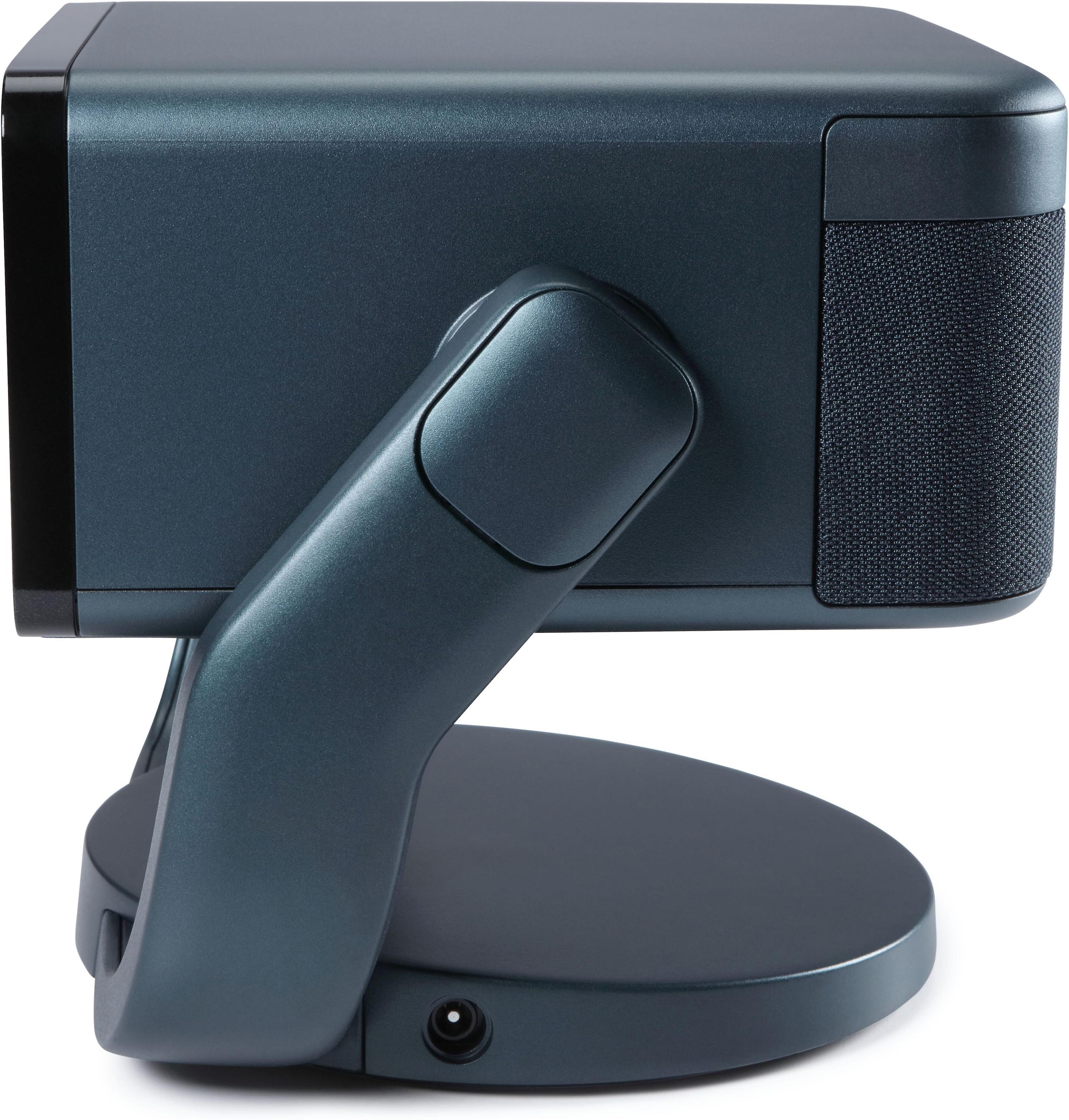
The EF22 represents a significant evolution in design philosophy. The most obvious difference is its 360-degree rotatable stand, which Epson introduced after likely gathering feedback from EF21 users. This stand allows the projector to:
At 6.6 pounds, it's about 1.5 pounds heavier than its predecessor, with slightly larger dimensions (9.3" x 7.5" x 7.5"). The additional weight and size accommodate the more sophisticated stand mechanism.
The Stone Blue color option of the EF22 offers a different aesthetic approach than the EF21's color options, potentially fitting better with different interior design styles.
This rotatable stand isn't just a gimmick—it solves real-world problems. For apartments or homes where optimal projector placement is challenging due to furniture arrangement, ceiling height, or room layout, the ability to place the projector almost anywhere and still get a properly aligned image is genuinely useful.
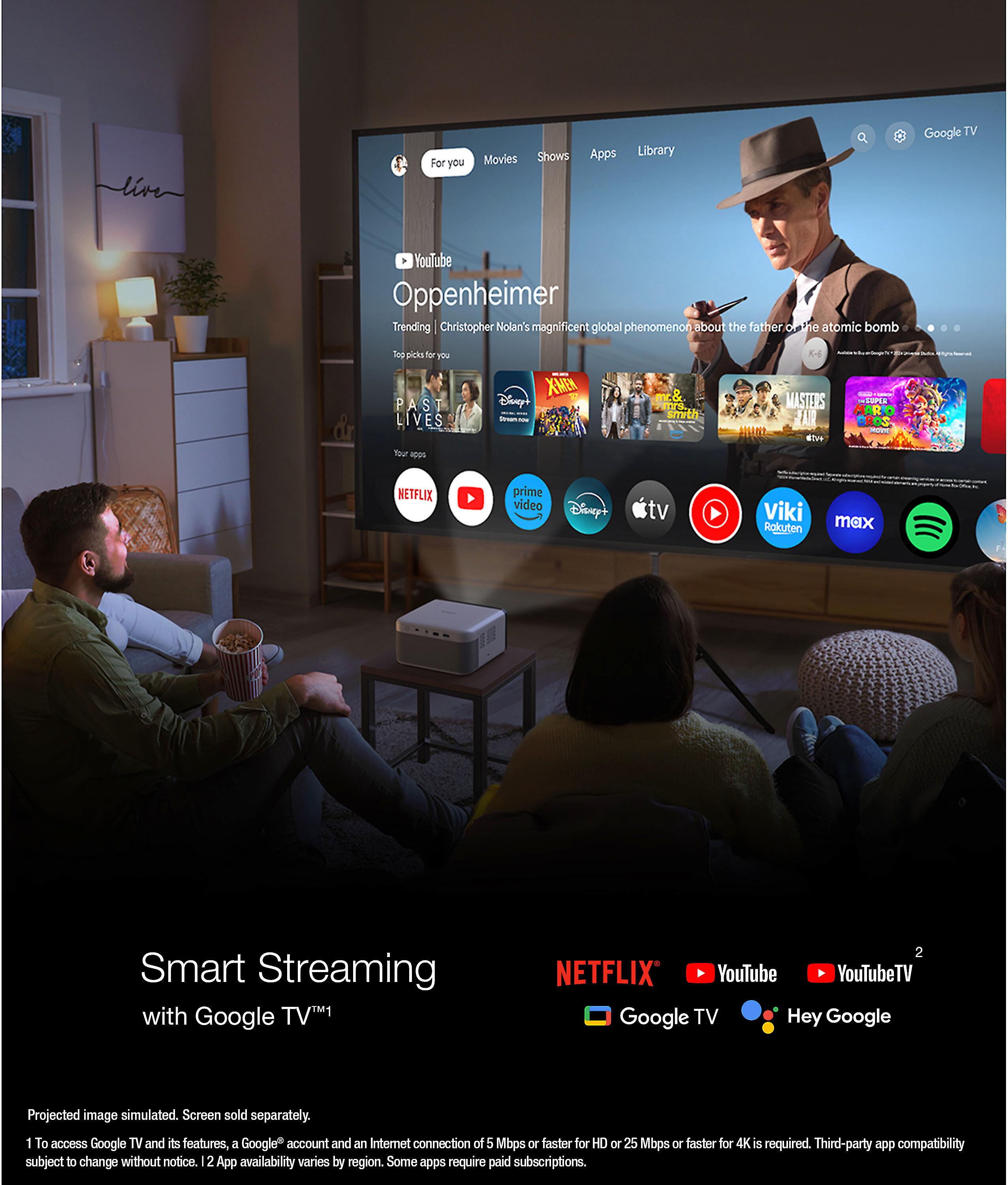
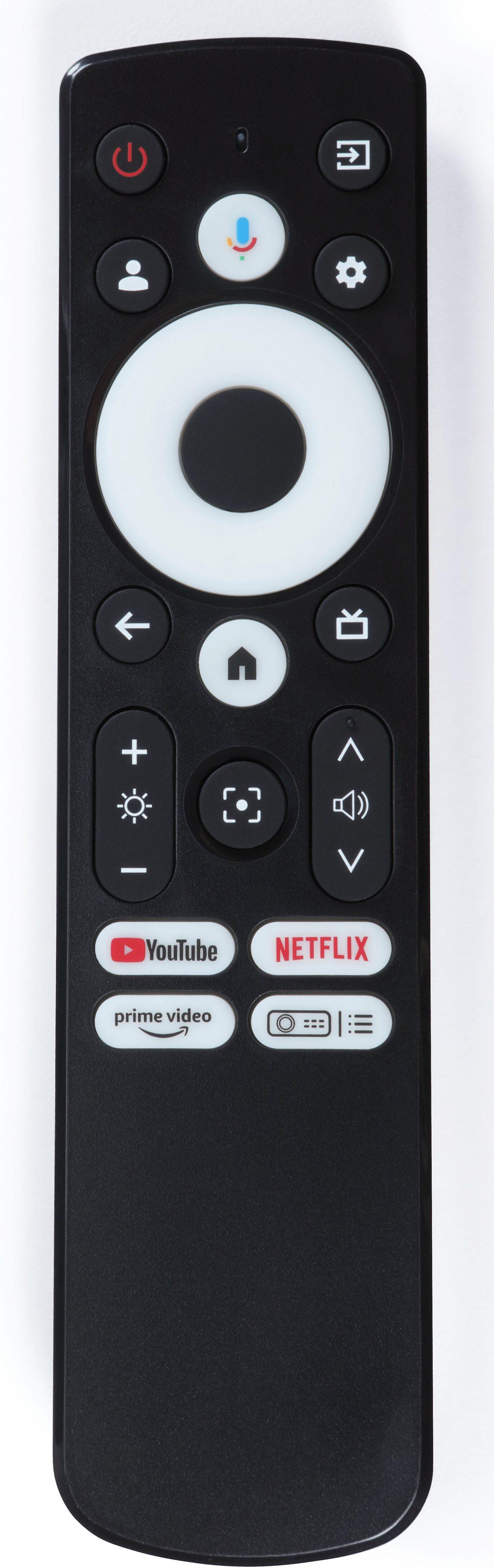
Both projectors feature Google TV as their smart platform, placing them in direct competition with dedicated streaming devices and smart TVs.
The Google TV interface provides access to over 10,000 apps, including all major streaming services like Netflix, Disney+, HBO Max, and YouTube TV. The platform also features personalized recommendations, watchlists, and content aggregation across services.
Both models include:
Since both projectors use the same version of Google TV, the user experience is virtually identical. Neither has a significant advantage in terms of smart features or usability.
Both projectors feature Epson's EpiqSense technology, which handles automatic setup functions including:
Reviews suggest the EF22 has slightly more refined versions of these features, likely due to software improvements Epson developed after the EF21's release. However, the difference isn't dramatic enough to be a primary decision factor for most users.
Both projectors feature identical audio systems: dual 5W stereo speakers with Dolby Audio support. For context, this is roughly equivalent to a small to medium-sized Bluetooth speaker—not home theater quality, but surprisingly capable for casual viewing.
In practical terms, the audio from both models will fill a medium-sized room adequately for dialogue-heavy content, though action movies and bass-heavy soundtracks will benefit from external speakers or a soundbar.
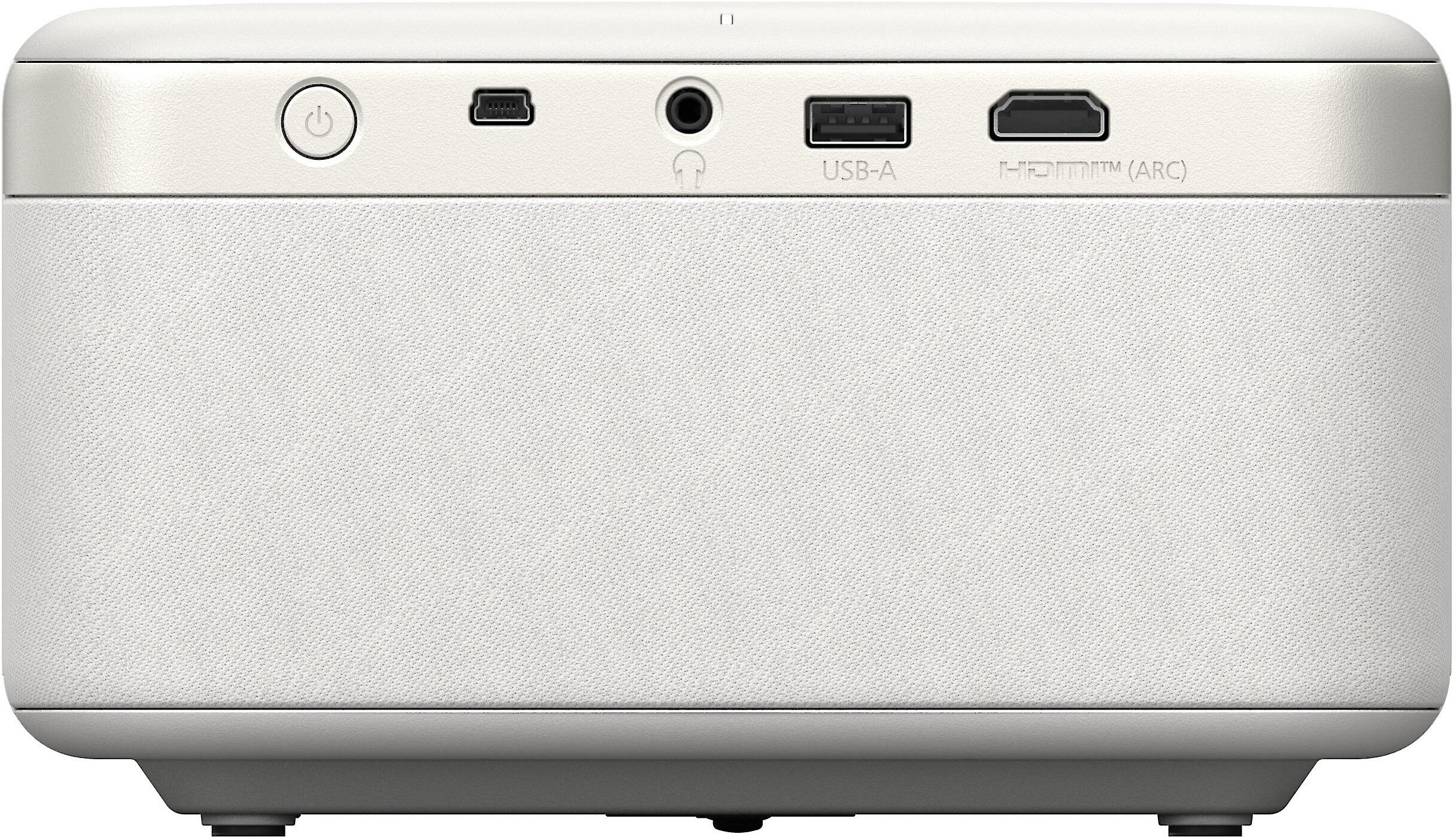
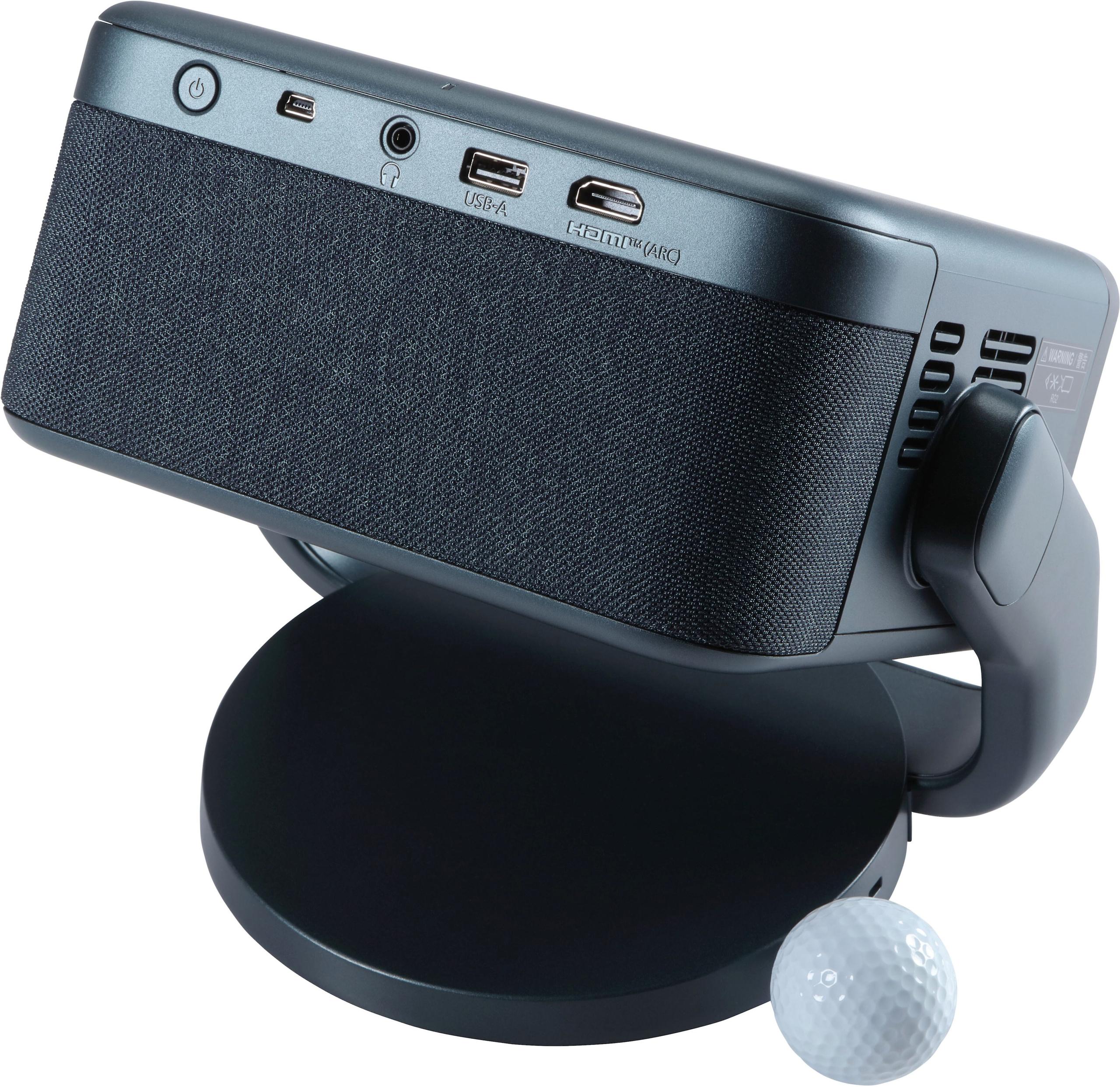
Both projectors support Bluetooth audio output, allowing you to connect wireless headphones or external speakers. They also feature HDMI ARC (Audio Return Channel) support, which lets you route audio to compatible sound systems through the HDMI connection.
The connectivity options are nearly identical between models:
Neither model includes an optical audio output or 3.5mm headphone jack, which might be limitations for some audio setups.
Looking at professional reviews and user feedback reveals some nuanced differences between the models that specifications alone don't capture.
The EF21, as the first model in this series, established a solid reputation for picture quality relative to its compact size and price point. Reviewers consistently praised its color accuracy and ease of use, though some noted limitations in black level performance typical of projectors in this price range.
The EF22, despite its higher contrast ratio specification, doesn't deliver dramatically deeper blacks according to most reviews. However, it does receive higher marks for setup flexibility thanks to its rotatable stand, which many users find genuinely useful rather than just a marketing feature.
Both models receive similar feedback regarding their Google TV implementation, with users appreciating the built-in streaming but occasionally noting the typical smart TV platform latency (slight delays when navigating menus) that even premium TVs experience.
For dedicated home theater use, several factors are worth considering:
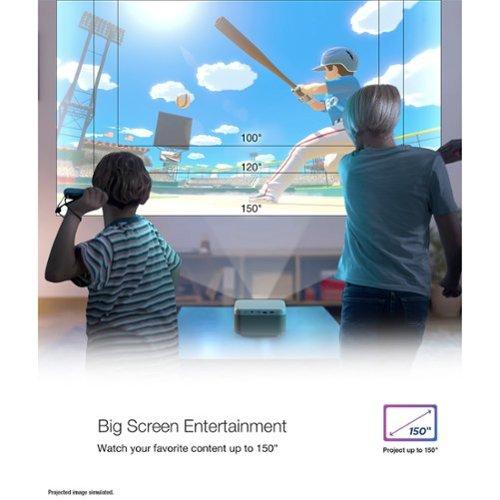
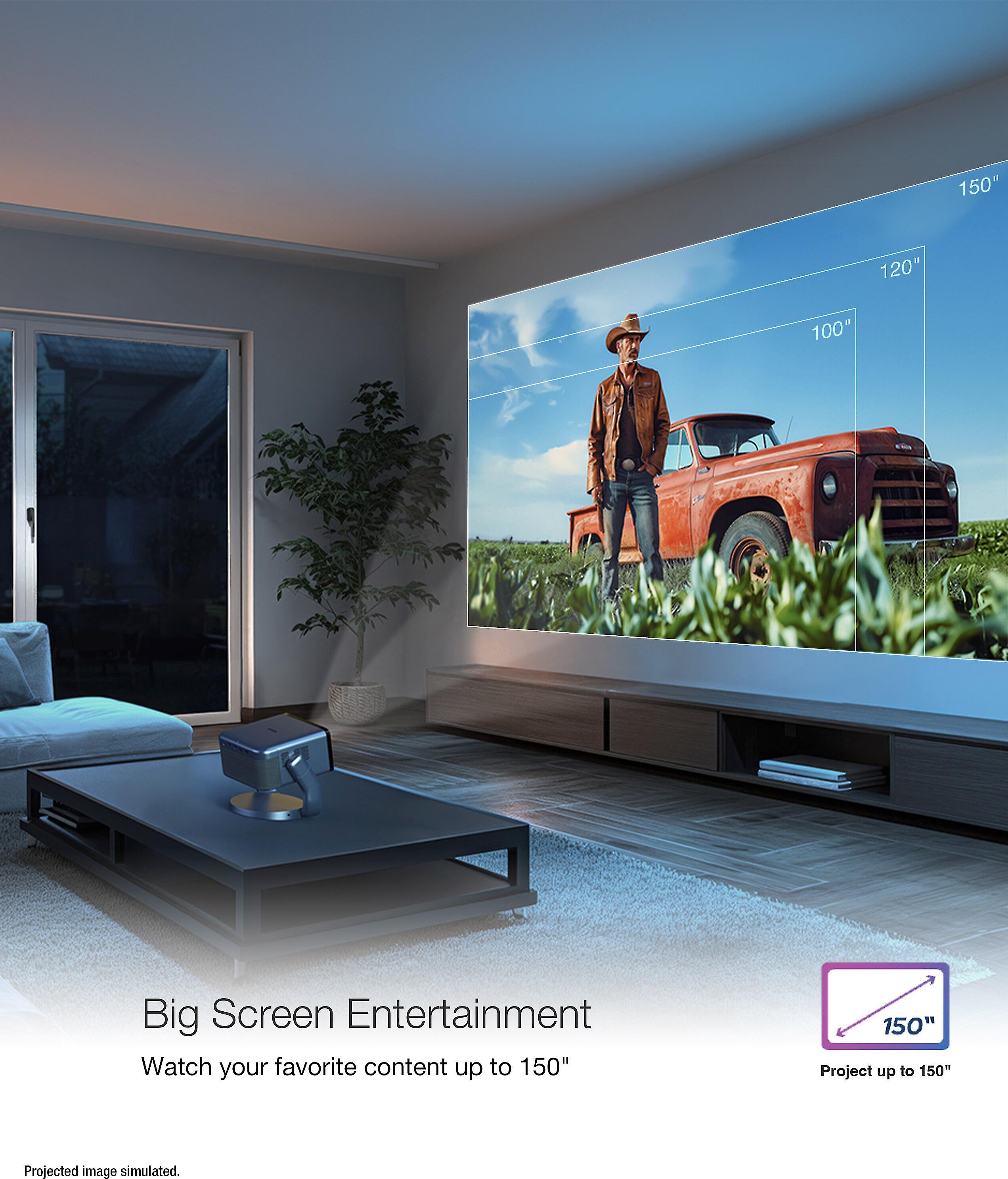
Both projectors can create images from 30" up to 150" diagonally. For optimal image quality in a dedicated home theater space, the recommended screen size is between 80" and 120", which requires:
For gamers, both projectors offer acceptable but not exceptional input lag (the delay between your controller input and the corresponding action on screen). Measurements suggest approximately 30-40ms of lag, which is:
Neither projector supports advanced gaming features like Variable Refresh Rate (VRR) or 120Hz refresh rates found on gaming-focused displays.
The critical question: does the EF22's enhanced placement flexibility justify its $100 premium over the EF21?
The EF21 at $899.99 offers:
The EF22 at $999.99 adds:
For most users, the decision boils down to whether the rotatable stand solves a specific placement problem in your intended usage environment. If you have a straightforward setup with the projector directly in front of your viewing surface, the EF21 offers essentially the same viewing experience for $100 less.
However, if you have an unconventional room layout, plan to use the projector in multiple locations with different mounting requirements, or want to project onto a ceiling occasionally, the EF22's flexibility becomes a truly valuable feature.
The Epson EpiqVision Mini EF21 and EF22 represent different points in the evolution of the same product line, with the newer EF22 focusing on solving placement flexibility issues while maintaining the core performance of its predecessor.
From a pure image quality perspective, there's little reason to spend the extra $100 on the EF22. However, as anyone who's struggled with projector setup knows, placement flexibility can be the difference between a frustrating experience and an enjoyable one.
Both projectors deliver the same fundamental viewing experience with identical resolution, brightness, and smart features. Both represent solid values in the sub-$1000 projector market, especially considering their built-in streaming capabilities and 3LCD laser technology.
The best choice ultimately depends on your specific room configuration and how you plan to use the projector. If placement flexibility isn't a concern, save $100 and choose the EF21. If you anticipate setup challenges or want the most versatile option, the EF22's innovative rotatable stand justifies its premium price.
| Epson EpiqVision Mini EF21 Projector | Epson EpiqVision Mini EF22 Streaming Projector |
|---|---|
| Price - Overall investment consideration | |
| $899.99 | $999.99 ($100 premium) |
| Resolution & Display Technology - Determines image quality and clarity | |
| 1920 x 1080 (Full HD) with 3LCD laser projection | 1920 x 1080 (Full HD) with 3LCD laser projection |
| Brightness - Critical for visibility in rooms with ambient light | |
| 1,000 lumens (color and white) | 1,000 lumens (color and white) |
| Contrast Ratio - Affects black levels and overall image depth | |
| 200,000:1 (good for casual viewing) | 5,000,000:1 (theoretically better, but limited real-world difference) |
| Light Source Lifespan - Long-term value and maintenance considerations | |
| Laser, up to 20,000 hours (approximately 10 years at 5 hours daily use) | Laser, up to 20,000 hours (approximately 10 years at 5 hours daily use) |
| Design & Form Factor - Affects portability and placement options | |
| 7.75" x 7.5" x 4.4", 5.1 lbs, traditional fixed design | 9.3" x 7.5" x 7.5", 6.6 lbs, with 360-degree rotatable stand |
| Projection Features - Impacts setup ease and placement flexibility | |
| Auto keystone correction, auto focus, standard placement options | 360-degree rotatable stand with tilt ability, improved auto-adjustment features |
| Color Options - Aesthetic integration with home decor | |
| Diamond White, Opal Green, and Quartz Rose | Stone Blue (primary) and other options |
| Smart Platform - Determines content access and user experience | |
| Google TV with 10,000+ apps, Google Assistant | Google TV with 10,000+ apps, Google Assistant (identical experience) |
| Audio System - Affects need for external speakers | |
| 5W x 2 stereo speakers with Dolby Audio | 5W x 2 stereo speakers with Dolby Audio |
| Connectivity Options - Flexibility for connecting devices | |
| HDMI, USB, Wi-Fi, Bluetooth 5.1 | HDMI, USB, Wi-Fi, Bluetooth 5.1 |
| HDR Support - Enhances color range and contrast with compatible content | |
| HDR10, HLG | HDR10, HLG |
| Projection Size Range - Flexibility for different viewing environments | |
| 30" to 150" | 30" to 150" |
| Key Advantage - Primary reason to choose this model | |
| Better value with essentially the same image quality, more compact | Superior placement flexibility with 360-degree rotatable stand |
| Ideal For - Best use case scenario | |
| Budget-conscious buyers with straightforward setup needs | Users with challenging room layouts or who need flexible projection angles |
The main difference is that the Epson EpiqVision Mini EF22 Streaming Projector features a 360-degree rotatable stand that the Epson EpiqVision Mini EF21 Projector doesn't have. This allows the EF22 to project at virtually any angle, including onto ceilings, while the EF21 has a traditional fixed design. The EF22 costs $100 more than the EF21, with the rotatable stand being the primary upgrade justifying the price difference.
Both the Epson EpiqVision Mini EF21 and Epson EpiqVision Mini EF22 offer nearly identical image quality. They both feature 1080p Full HD resolution, 1,000 lumens brightness, and HDR10 support. While the EF22 advertises a higher contrast ratio (5,000,000:1 vs. 200,000:1), real-world reviews suggest the visible difference in image quality is minimal. For most viewers, the two projectors will provide a very similar viewing experience.
The Epson EpiqVision Mini EF21 Projector is priced at $899.99, while the Epson EpiqVision Mini EF22 Streaming Projector costs $999.99. The $100 price difference primarily gets you the 360-degree rotatable stand on the EF22, with most other specifications remaining the same between the two models.
Both the Epson EpiqVision Mini EF21 and Epson EpiqVision Mini EF22 have 1,000 lumens of brightness, which is adequate for rooms with some ambient light but not ideal for very bright environments. They perform best in dimly lit or dark rooms. For daytime viewing or rooms with significant ambient light, you'll notice washed-out colors and reduced contrast with either projector.
Yes, both the Epson EpiqVision Mini EF21 and Epson EpiqVision Mini EF22 have Google TV built-in, giving access to over 10,000 streaming apps including Netflix, Disney+, HBO Max, and YouTube. The streaming experience is identical on both models, featuring Google Assistant voice control and personalized content recommendations.
Both the Epson EpiqVision Mini EF21 and Epson EpiqVision Mini EF22 can project images from 30 inches up to 150 inches diagonally. This flexibility allows you to adjust the screen size based on your viewing environment, from a small bedroom setup to a large living room home theater experience.
Both the Epson EpiqVision Mini EF21 and Epson EpiqVision Mini EF22 feature identical 5W x 2 stereo speakers with Dolby Audio support. While these built-in speakers are adequate for casual viewing and provide better sound than many compact projectors, serious movie enthusiasts will benefit from connecting external speakers or a soundbar for a more immersive audio experience, especially in larger rooms.
Both the Epson EpiqVision Mini EF21 and Epson EpiqVision Mini EF22 use laser light sources rated for up to 20,000 hours of use. This translates to approximately 10 years of use at 5 hours per day, making them virtually maintenance-free compared to traditional lamp projectors that require bulb replacements every few thousand hours.
The Epson EpiqVision Mini EF21 and Epson EpiqVision Mini EF22 offer acceptable but not exceptional gaming performance, with input lag around 30-40ms. This is suitable for casual gaming and most single-player experiences, but may not satisfy competitive gamers who need minimal input lag. Neither projector supports advanced gaming features like 120Hz refresh rates or Variable Refresh Rate (VRR).
The Epson EpiqVision Mini EF22 Streaming Projector is designed for flexible placement with its 360-degree rotatable stand, making it much easier to project onto any surface, including ceilings, without traditional ceiling mounting. The Epson EpiqVision Mini EF21 Projector has a traditional fixed design that's less adaptable for unusual projection angles, though it can be ceiling-mounted with appropriate third-party mounting hardware.
The Epson EpiqVision Mini EF21 Projector is more portable, weighing 5.1 pounds with dimensions of 7.75" x 7.5" x 4.4". The Epson EpiqVision Mini EF22 Streaming Projector is slightly larger and heavier at 6.6 pounds with dimensions of 9.3" x 7.5" x 7.5". While both are considered compact projectors, the EF21's smaller size and lighter weight make it easier to move between rooms or transport to different locations.
For small apartments with limited space and potentially challenging setup conditions, the Epson EpiqVision Mini EF22 Streaming Projector offers significant advantages with its 360-degree rotatable stand. This flexibility allows you to place the projector almost anywhere and still get a properly aligned image on your wall or screen. While the Epson EpiqVision Mini EF21 Projector is smaller and $100 cheaper, the EF22's adaptability often proves more valuable in tight spaces where ideal projector placement isn't possible.
We've done our best to create useful and informative comparisons to help you decide what product to buy. Our research uses advanced automated methods to create this comparison and perfection is not possible - please contact us for corrections or questions. These are the sites we've researched in the creation of this article: bestbuy.com - bestbuy.com - cnet.com - youtube.com - projectorreviews.com - epson.com - projectorreviews.com - epson.com - rtings.com - epson.com - youtube.com - projectorcentral.com - bestbuy.com - projectorcentral.com - nfm.com - crutchfield.com - latin.epson.com - mediaserver.goepson.com - planettv.com - bhphotovideo.com - cnet.com - epson.com - techradar.com - bestbuy.com - geekingout.ca - crutchfield.com - whatgear.net - youtube.com - epson.com - crutchfield.com - projectorcentral.com - bestbuy.com - whathifi.com - youtube.com - youtube.com - hometheaterhifi.com - youtube.com - staples.com - projectorcentral.com - bestbuy.com - mediaserver.goepson.com - epson.com - news.epson.com

Privacy Policy
Terms and Conditions - Affiliate Policy
Home Security
© Copyright 2008-2026.
11816 Inwood Rd #1211, Dallas, TX 75244