


The portable projector market has undergone a dramatic transformation in recent years. What started as dim, low-resolution devices that barely worked in pitch-black rooms has evolved into sophisticated entertainment systems that can compete with traditional TVs. The two projectors we're comparing today – the XGIMI MoGo 4 and Epson EpiqVision Mini EF21 – represent two fundamentally different philosophies about what a portable projector should be.
Released in 2025, both projectors showcase the latest thinking in portable projection technology, but they take radically different approaches to solving the same problem: delivering big-screen entertainment in a compact package.
Before diving into the specifics, it's worth understanding what makes a great portable projector in 2025. The bar has been raised significantly from even a few years ago. Modern portable projectors must juggle several demanding requirements: they need to be bright enough to work in rooms that aren't completely dark, compact enough to move easily, smart enough to stream content directly, and powerful enough to fill large screens with crisp images.
The key considerations boil down to a few critical factors. Brightness remains king – measured in lumens (a unit that quantifies how much light a projector produces), it determines whether you can watch comfortably with some ambient light or need cinema-level darkness. Resolution affects image sharpness, with 1080p Full HD now being the minimum acceptable standard. Power flexibility has become increasingly important as users want the freedom to set up anywhere, not just near power outlets. Finally, smart features have become essential as users expect to stream Netflix, Disney+, and other services directly without connecting external devices.
What's particularly interesting about 2025's offerings is how manufacturers are splitting into two camps: those prioritizing ultimate portability and lifestyle integration, and those focusing on traditional projector performance metrics in smaller packages.
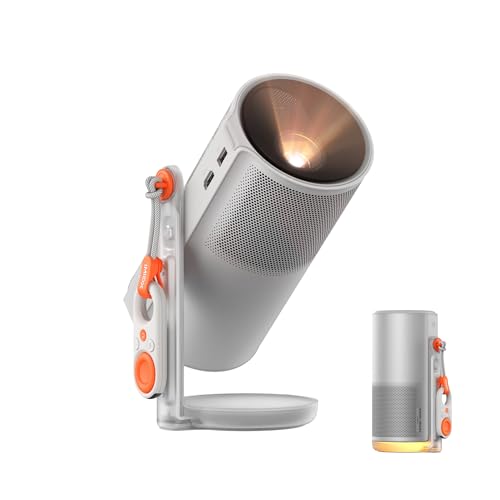
The XGIMI MoGo 4 represents what I'd call the "lifestyle-first" approach to portable projection. Released in mid-2025, it's designed around the idea that a projector should be as easy to use as a Bluetooth speaker – grab it, place it anywhere, and start watching. The coffee thermos-sized design isn't just about looking good (though it certainly does); it's about fundamentally rethinking how we interact with projection technology.
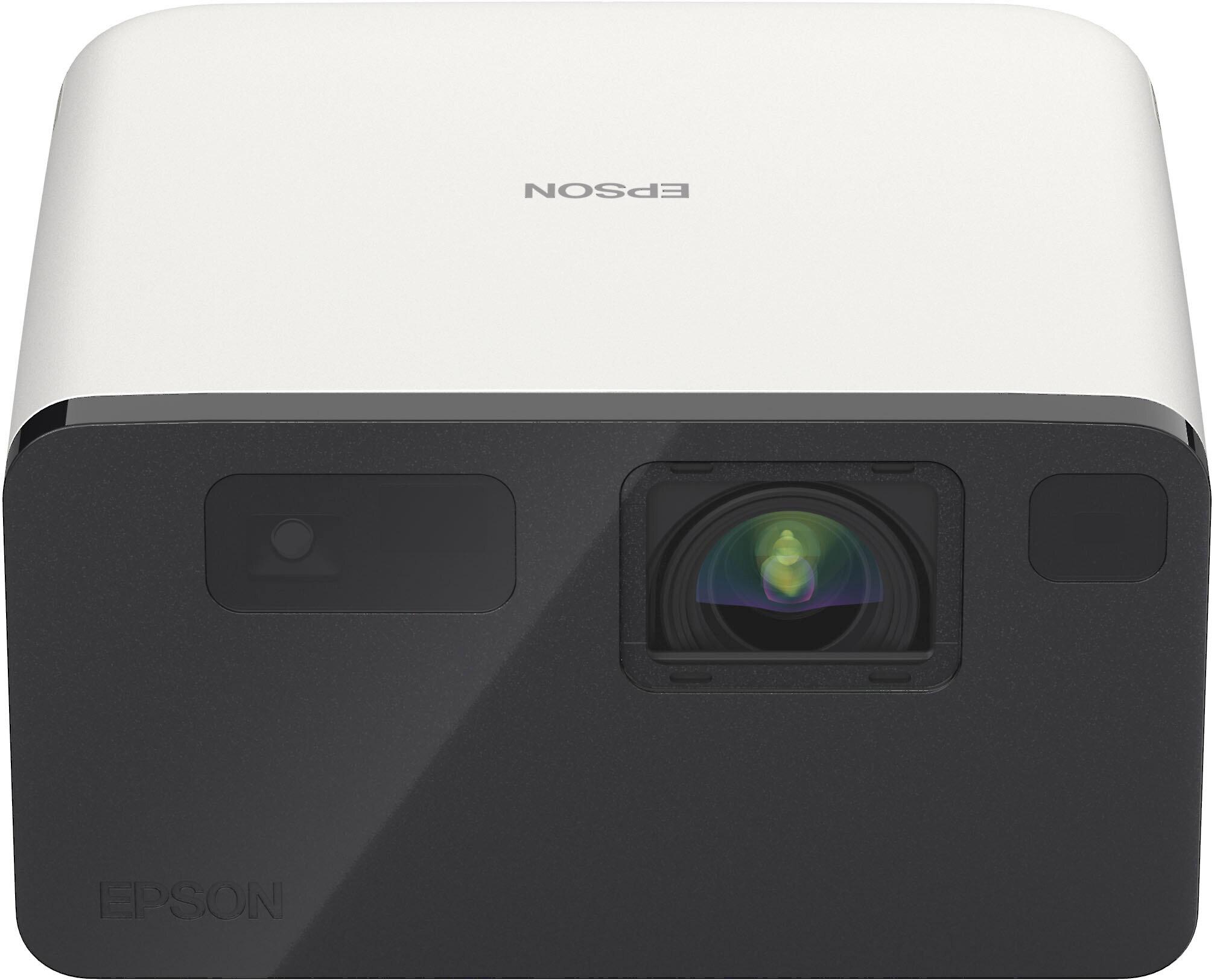
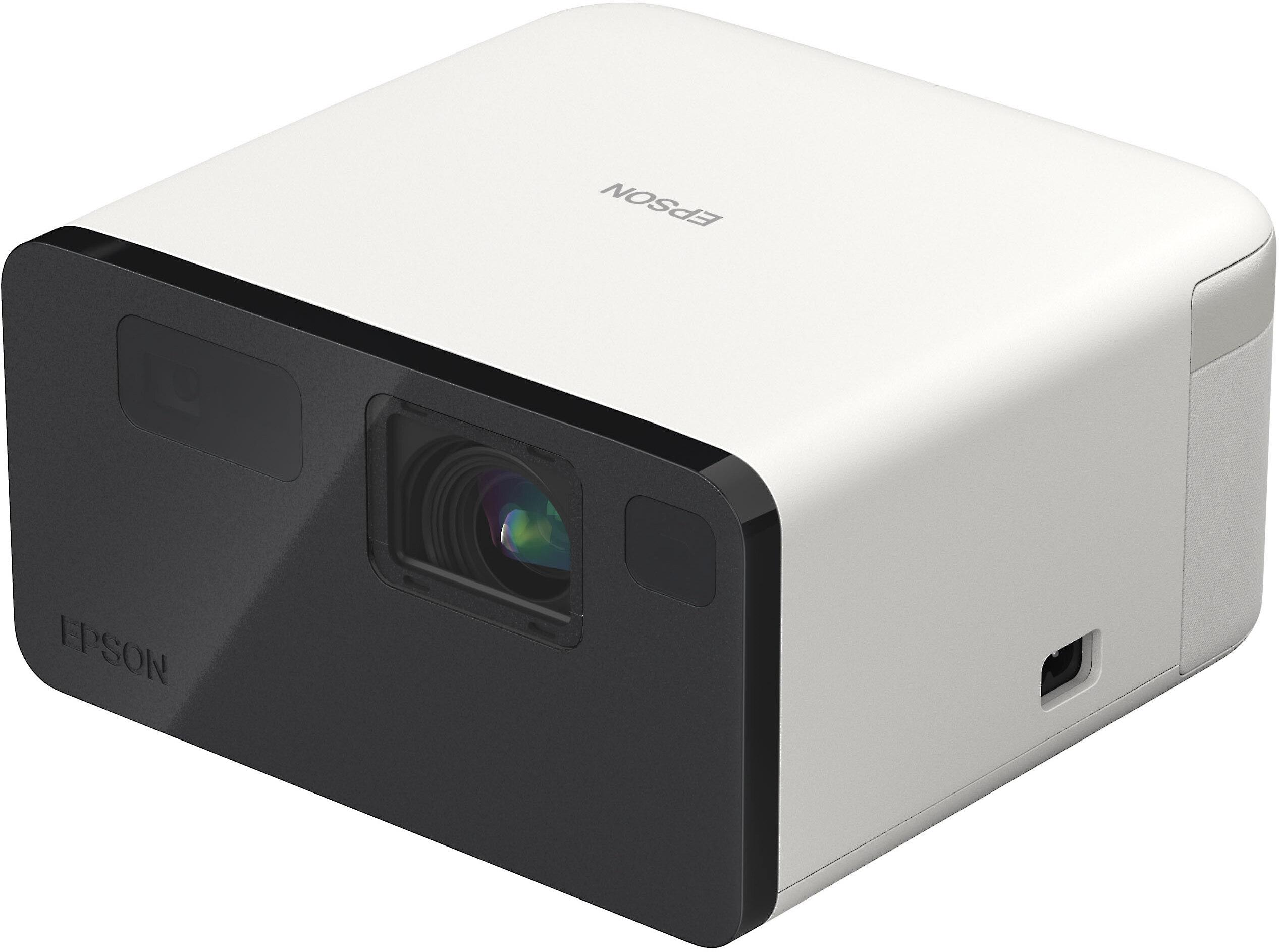
The Epson EpiqVision Mini EF21, on the other hand, takes a "performance-first" approach. Epson, with decades of projector expertise, has essentially asked: "What's the brightest, most capable projector we can fit into a portable package?" The result is a device that prioritizes the traditional strengths of projection technology while still being reasonably portable.
This philosophical difference shapes every aspect of these devices, from their physical design to their feature sets to their ideal use cases.
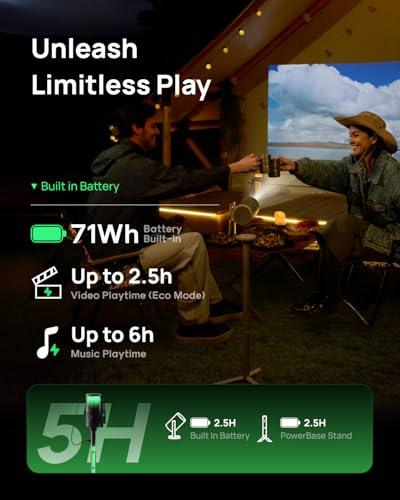
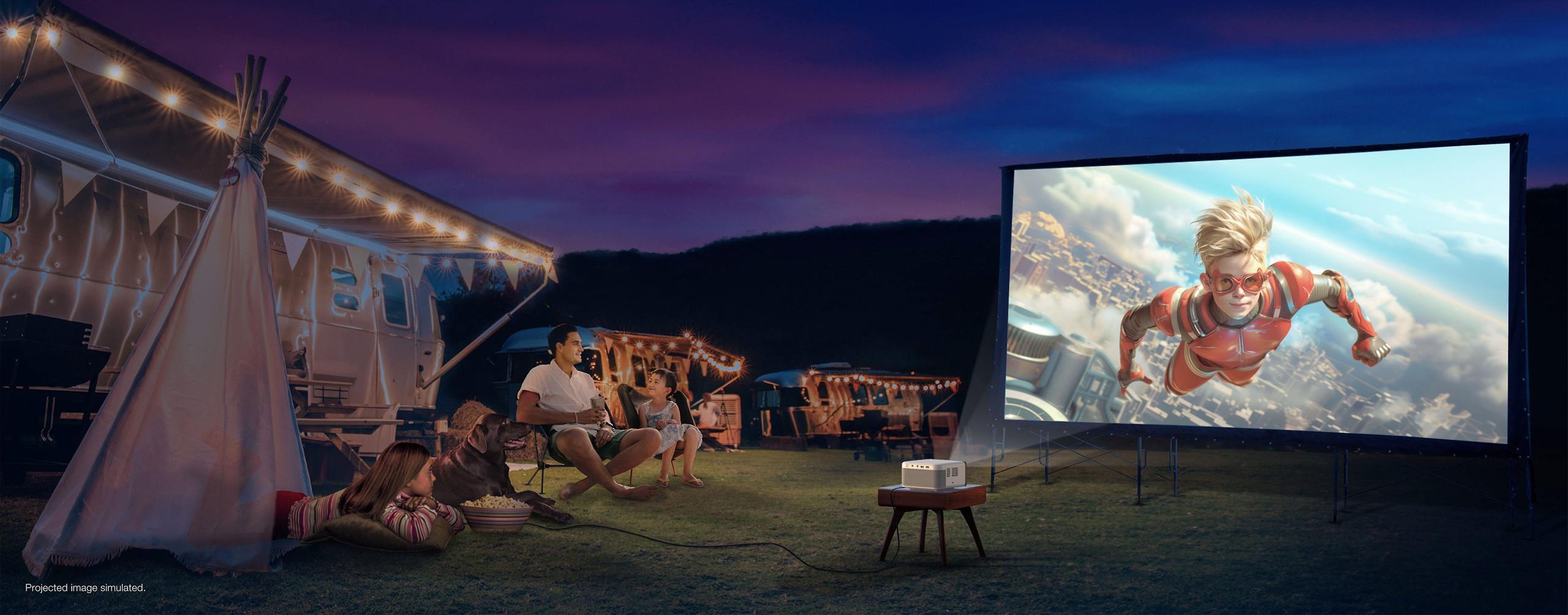
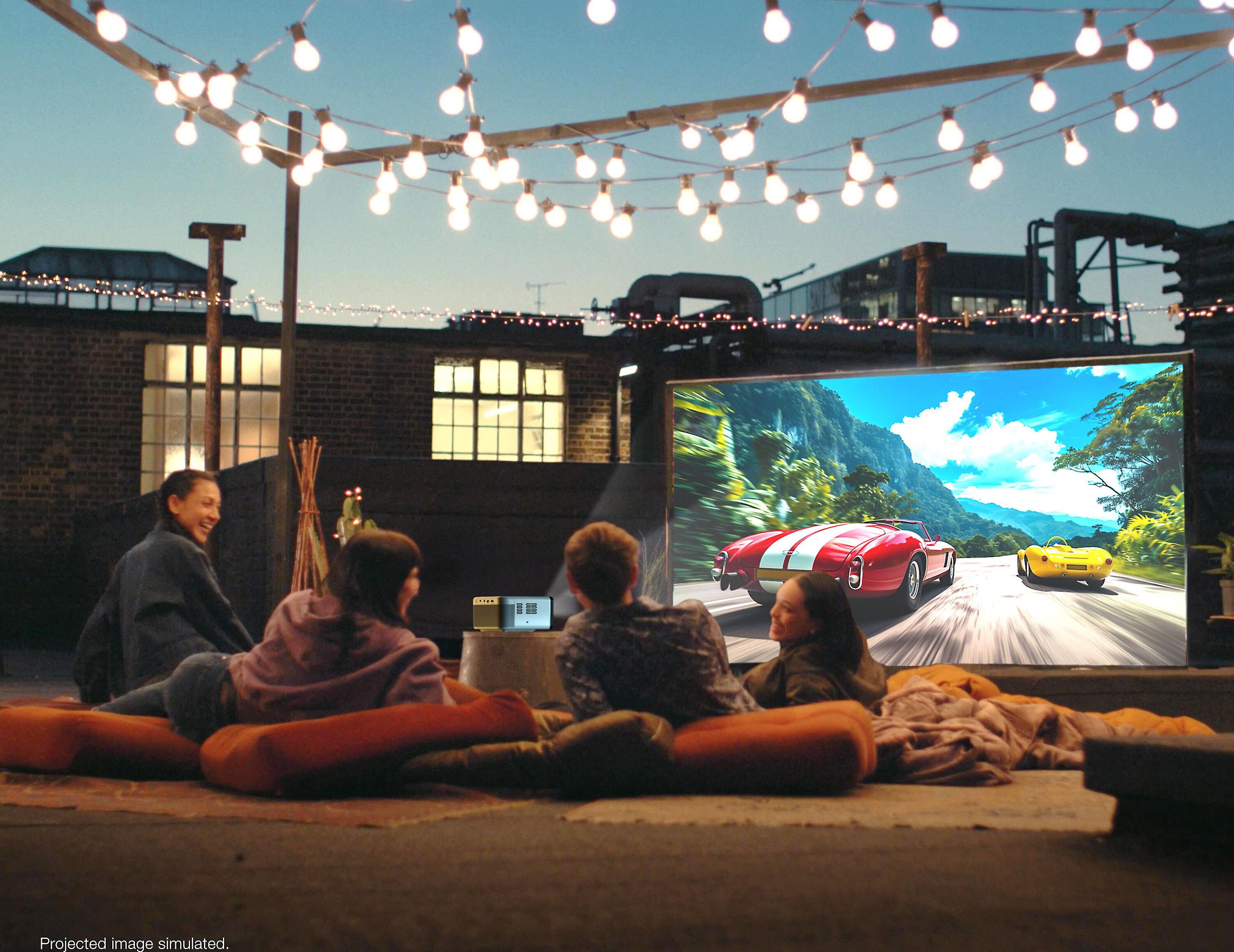
Here's where the differences become immediately apparent. The XGIMI MoGo 4 includes a built-in battery that provides up to 2.5 hours of video playback. This might not sound like much, but it's transformative for how you use the device. Want to set up in the backyard for an outdoor movie night? No problem. Planning a camping trip with friends? Pack it like you would a portable speaker. The freedom to project anywhere without hunting for power outlets fundamentally changes the device's utility.
I've found that 2.5 hours is actually quite practical for most use cases. It's enough for a feature film or several episodes of a TV series. For longer sessions, XGIMI offers an optional PowerBase Stand that extends battery life to up to 5 hours – more than enough for even the longest movies with intermissions.
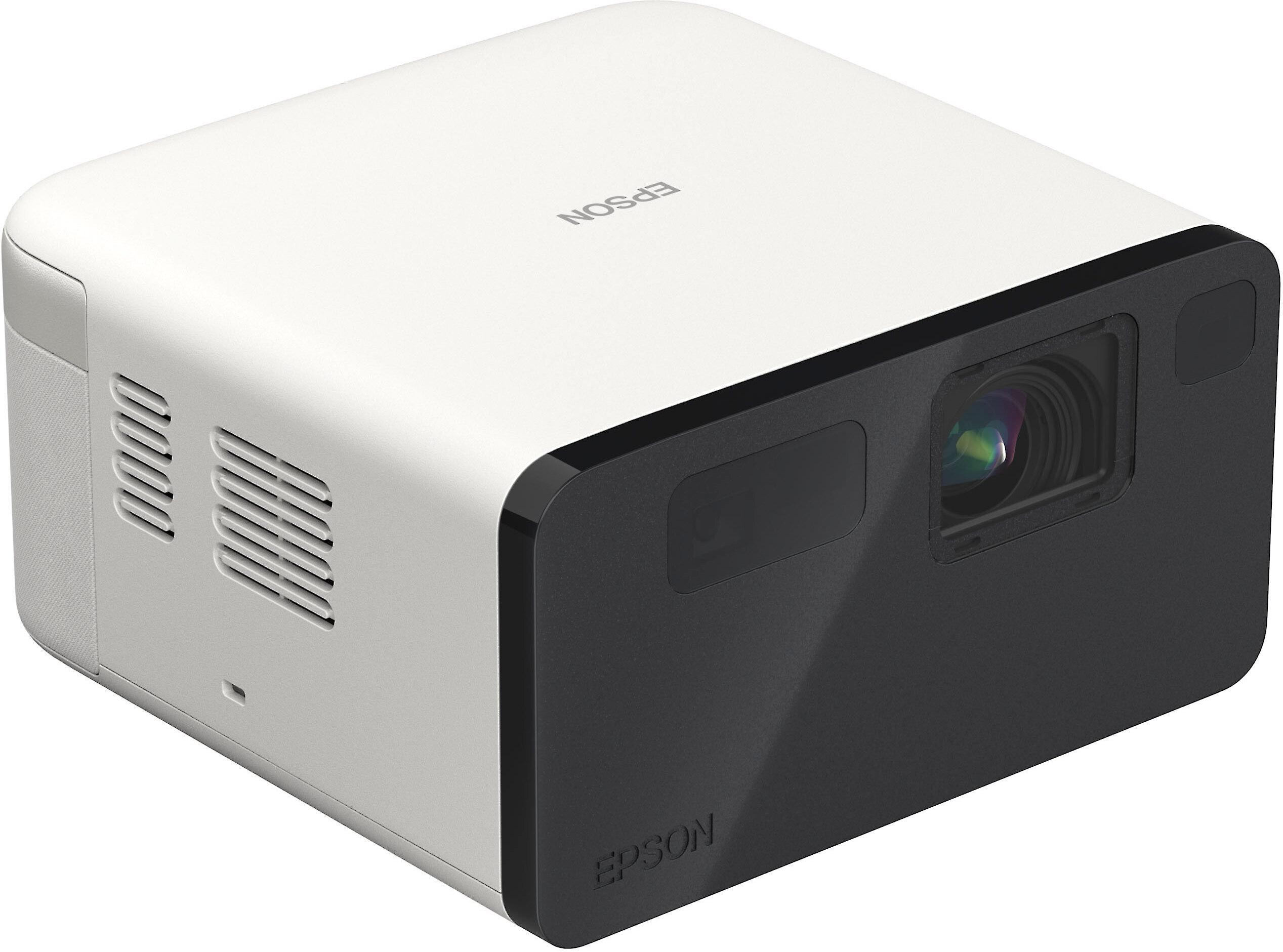
The Epson EF21 takes a different approach entirely. It requires AC power, which immediately limits where and how you can use it. However, this design choice allows Epson to focus entirely on image quality and brightness without the compromises that battery operation demands. The device can run indefinitely without thermal throttling or brightness reduction that battery-powered projectors sometimes experience as their batteries drain.
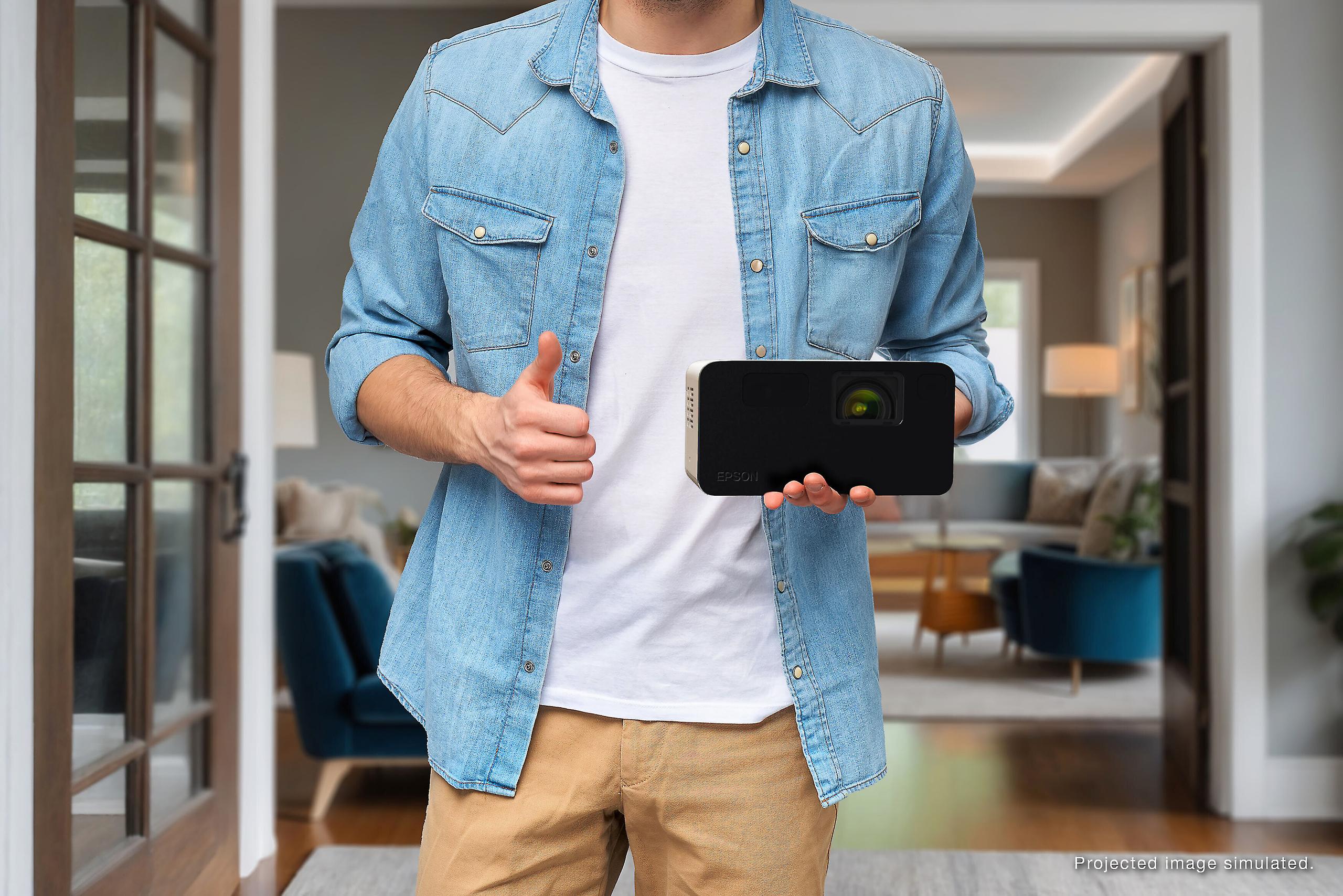
The weight difference tells the story: the XGIMI MoGo 4 weighs just 1.31kg (about 3 pounds), while the Epson EF21 comes in at 5.1 pounds. Both are technically portable, but the XGIMI feels like something you'd casually toss in a backpack, while the Epson feels more like equipment you'd deliberately pack for a specific purpose.
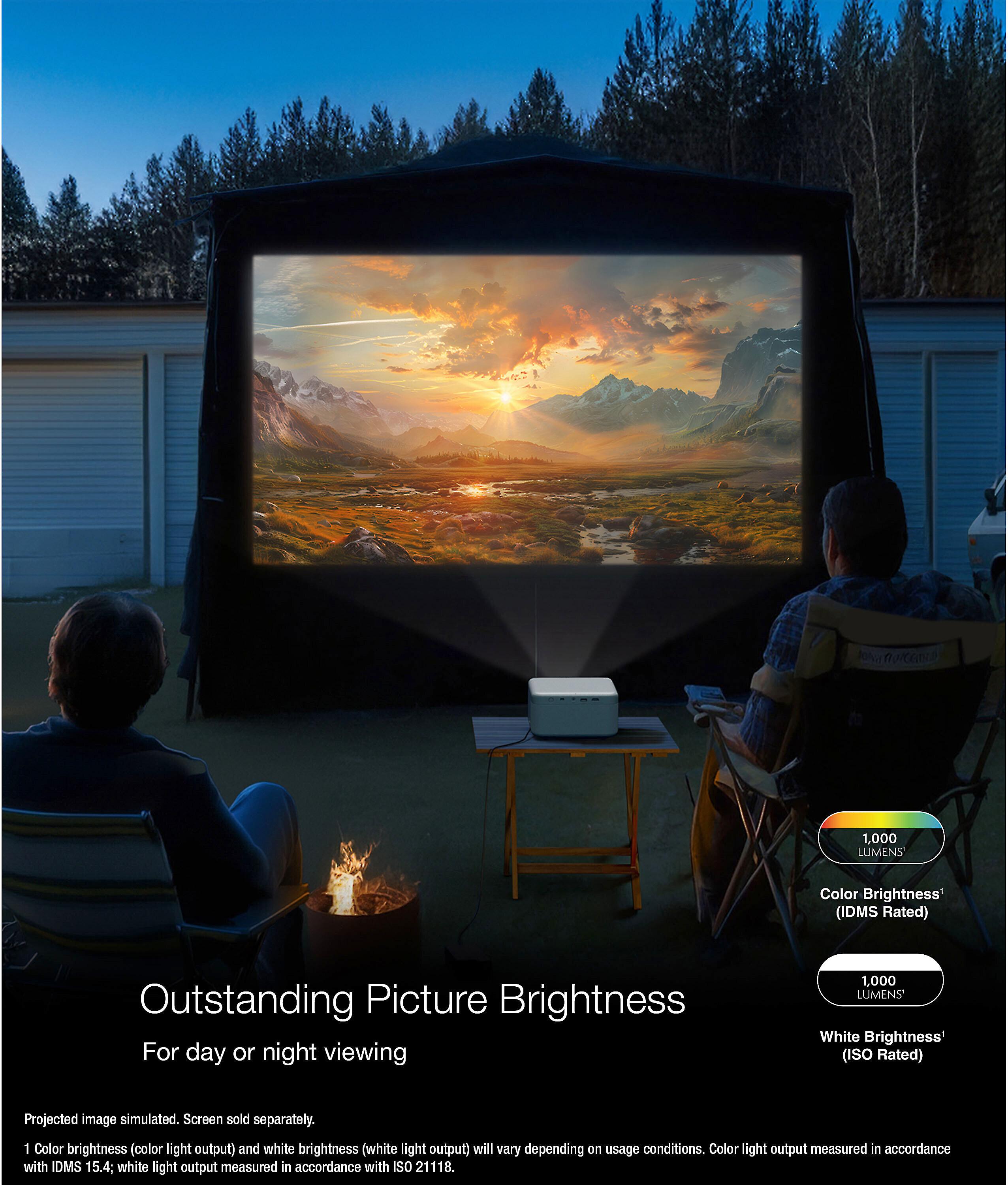
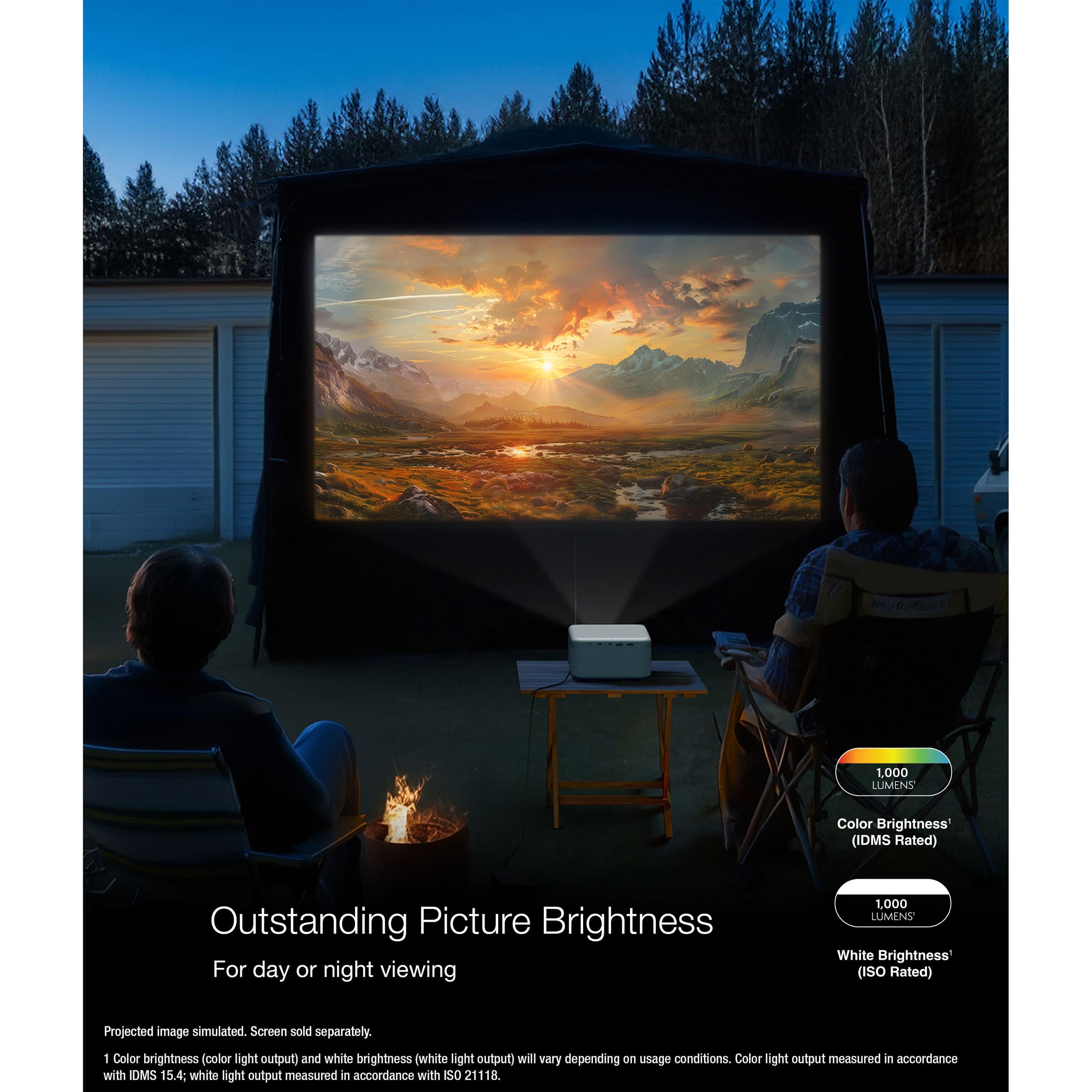
Brightness is perhaps the most important specification for any projector, and it's where these two devices show their different priorities most clearly. The Epson EF21 produces 1,000 lumens of both color and white brightness, which translates to measured performance between 502-1,044 lumens depending on the picture mode you select. This is genuinely impressive for a portable projector.
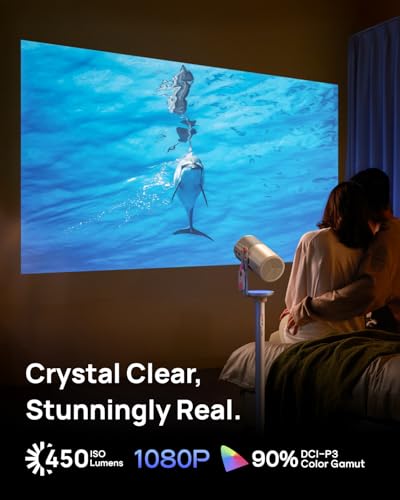
The XGIMI MoGo 4, by comparison, produces 450 ISO lumens. ISO lumens is actually a more standardized measurement than the traditional ANSI lumens many manufacturers use, making it somewhat more reliable for comparison purposes. However, the raw numbers don't lie – the Epson is significantly brighter.
In practical terms, this brightness difference matters most when dealing with ambient light. The Epson EF21 can handle rooms with moderate lighting – think living room with curtains drawn but some light leaking in. The XGIMI MoGo 4 performs best in darker environments, though its image quality in appropriate lighting conditions is excellent.
For home theater use, both can work well, but they serve different scenarios. If you're setting up a dedicated viewing space where you can control lighting, the XGIMI MoGo 4 provides a surprisingly cinematic experience. Its 90% DCI-P3 color gamut (a measurement of how many colors the projector can display) actually delivers more accurate and natural-looking colors than many brighter projectors.
However, if you want the flexibility to watch in your living room during daytime or in spaces where you can't fully control lighting, the Epson EF21 is the clear winner. Its laser light source also maintains consistent brightness over its 20,000-hour lifespan, while LED projectors like the XGIMI MoGo 4 may gradually dim over time.
The choice of light source technology represents one of the most significant technical differences between these projectors. The XGIMI MoGo 4 uses LED technology, while the Epson EF21 employs a laser light source. Each has distinct advantages.
LED projectors like the XGIMI MoGo 4 typically produce more natural-looking colors and generate less heat. LEDs also allow for more compact designs since they don't require the same level of cooling that laser systems do. The color reproduction is often more pleasing for movies and TV content, with skin tones looking particularly natural.
Laser projectors like the Epson EF21 offer superior brightness and longevity. The laser light source in the Epson is rated for 20,000 hours of operation – that's over 10 years of watching 5 hours per day. Laser systems also maintain their brightness more consistently over time and can achieve higher peak brightness levels than LED systems.
The Epson EF21 uses what Epson calls "MicroLaser Array Projection Technology," which utilizes multiple laser diodes arranged in an array. This design helps achieve the high brightness while maintaining relatively compact dimensions. The laser system also enables the projector's HDR10 support, providing better contrast between bright and dark areas of the image.
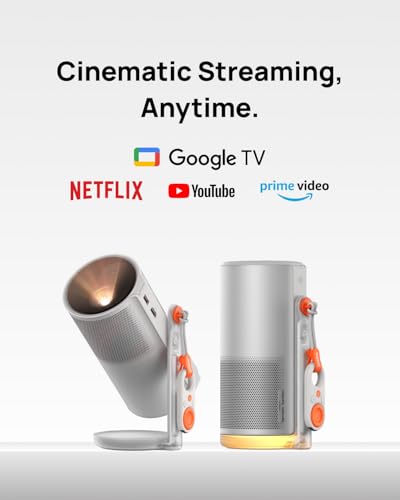
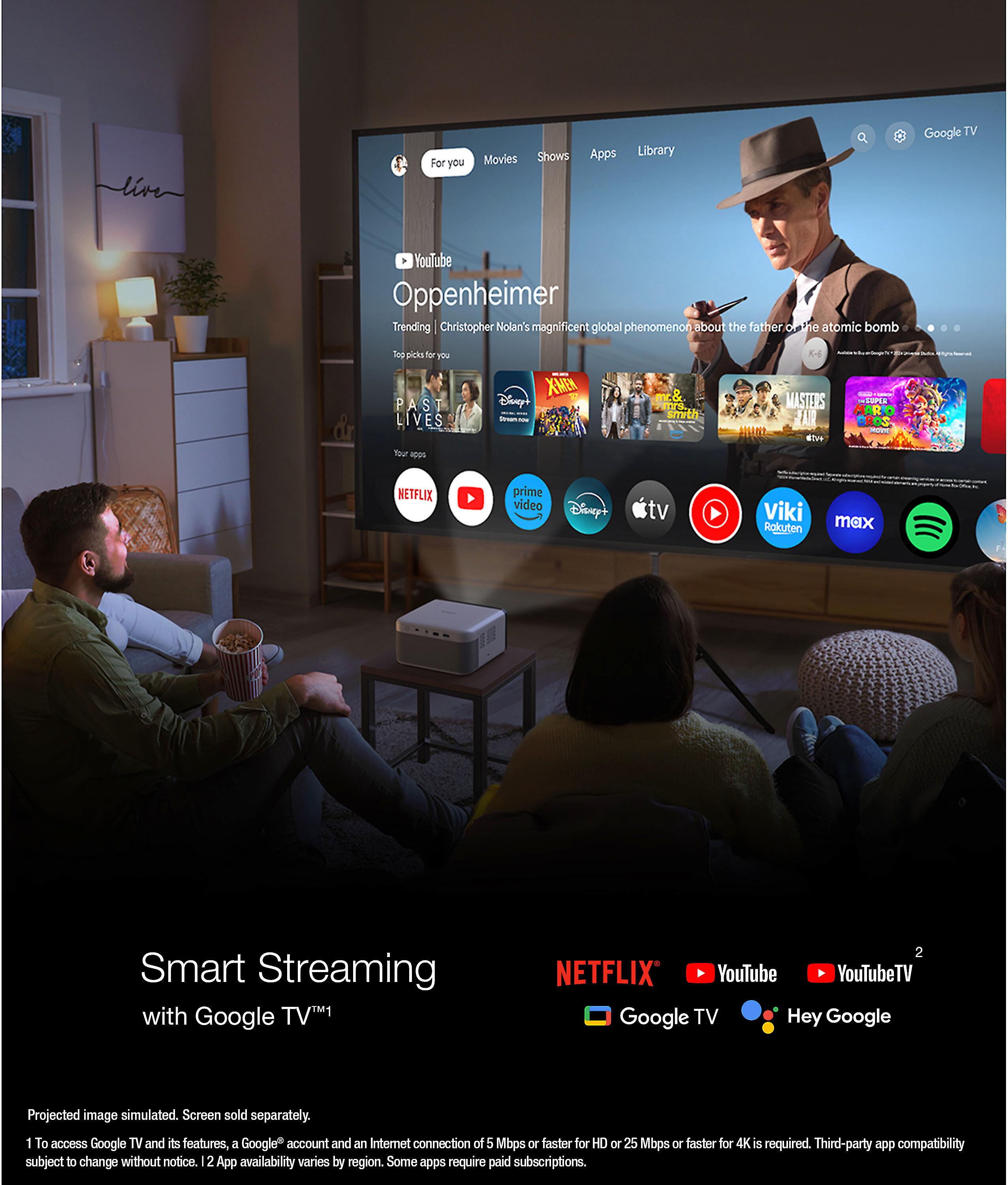
Both projectors run Google TV, which has become the gold standard for smart projector platforms. This means direct access to Netflix, Disney+, YouTube TV, and thousands of other apps without needing external streaming devices. The interface is optimized for projection, with large, easy-to-read text and intuitive navigation.
However, the XGIMI MoGo 4 takes smart features in a unique direction with its ambient lighting capabilities. The magnetic creative filters that attach to the lens can transform the device into a mood light, projecting colored patterns onto walls or ceilings. This might sound gimmicky, but it's surprisingly effective at creating atmosphere for parties or relaxation. The projector can sync these light effects to music, essentially turning it into a sophisticated ambient lighting system when you're not actively watching content.
The XGIMI MoGo 4 also functions as a premium Bluetooth speaker when the projection is turned off, thanks to its dual 6W Harman Kardon speakers. In an age where many of us are trying to minimize the number of devices we own, this multi-functionality is genuinely appealing.
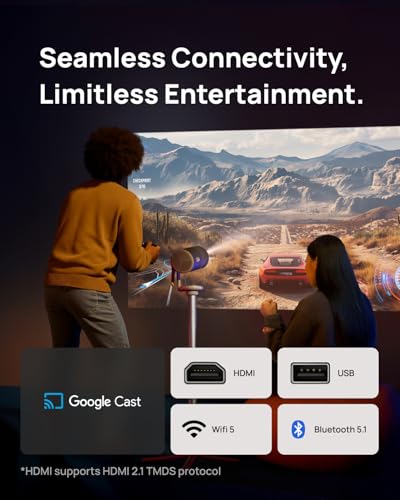
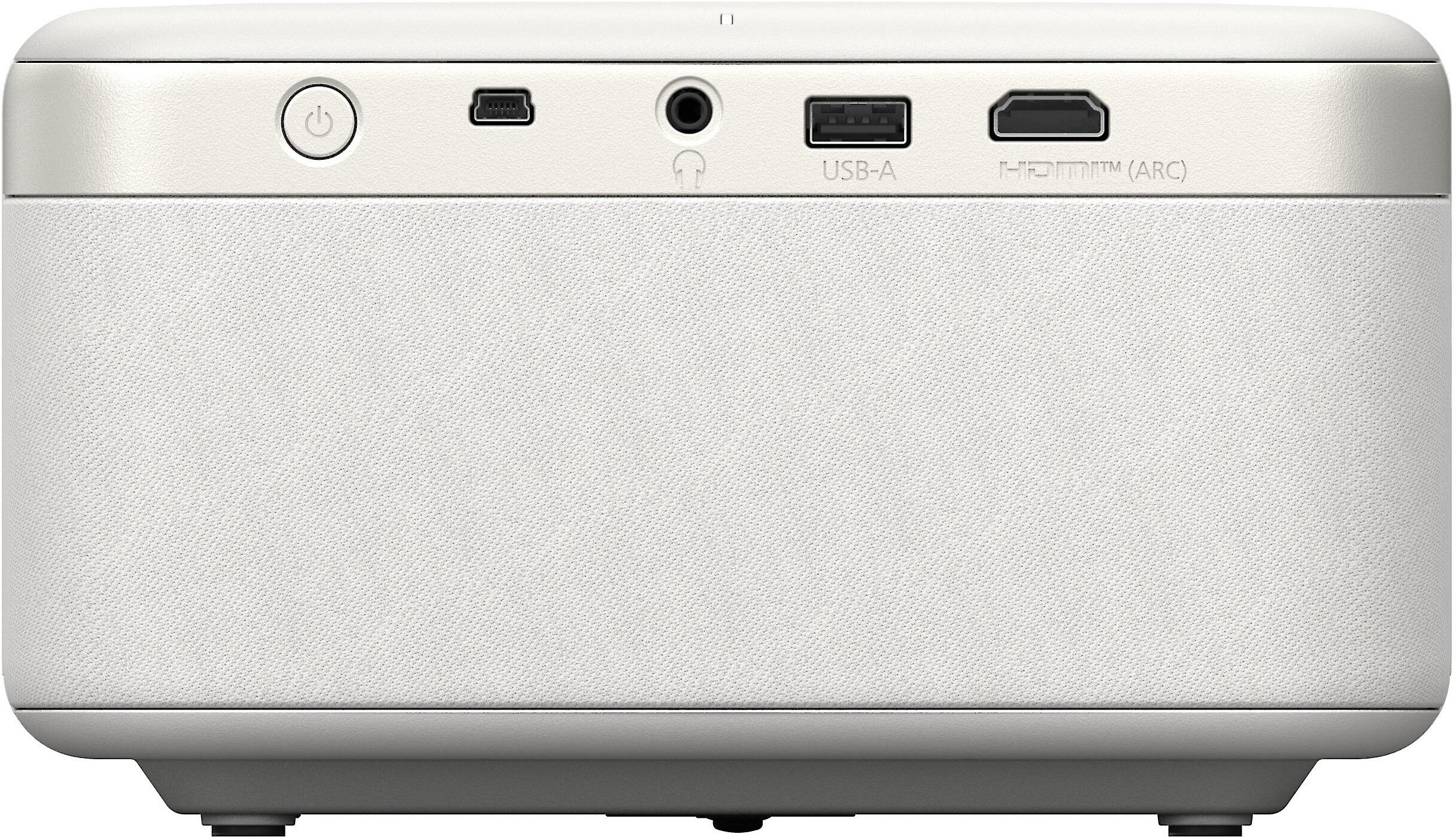
Both projectors include modern connectivity options like Wi-Fi 5, Bluetooth 5.1, and HDMI inputs. The Epson EF21 includes HDMI 2.3, which supports the latest video standards, while the XGIMI MoGo 4 supports HDMI ARC (Audio Return Channel), allowing it to receive audio from connected TV systems.
Integrated audio has become increasingly important in portable projectors, and both devices take this seriously. The XGIMI MoGo 4 includes dual 6W Harman Kardon speakers, which is a significant step up from typical projector audio. Harman Kardon's audio tuning expertise is evident – the speakers produce clear dialogue, reasonable bass response for their size, and good stereo separation.
More importantly, the XGIMI MoGo 4 can operate as a standalone Bluetooth speaker when the projector is off, with up to 6 hours of battery life for music playback. This transforms it from a single-purpose device into a versatile entertainment system.
The Epson EF21 includes dual 5W speakers with Dolby Audio support. While not quite as premium as the Harman Kardon system, they're perfectly adequate for casual viewing. The Dolby Audio processing helps with dialogue clarity and provides some surround sound simulation.
For serious home theater use, both projectors benefit from external audio systems, but the XGIMI MoGo 4's superior built-in audio makes it more viable as a complete, self-contained entertainment solution.
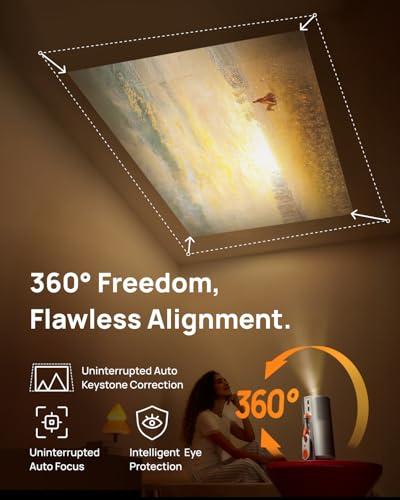
The setup experience reveals another key philosophical difference. The XGIMI MoGo 4 includes ISA (Intelligent Screen Adaptation) Technology, which automatically handles focus, keystone correction (fixing image distortion when projecting at angles), and screen fitting. Place it down, turn it on, and within seconds you have a properly aligned image. The 360° adjustable built-in stand means you can project onto walls, ceilings, or even floors with equal ease.
This automatic setup is genuinely impressive and removes one of the traditional barriers to projector use – the fiddly manual adjustments that often frustrate casual users. The XGIMI MoGo 4 makes projection feel as simple as turning on a TV.
The Epson EF21 takes a more traditional approach, requiring manual positioning and adjustment. While it includes keystone correction features, the setup process is more involved. This isn't necessarily a disadvantage for users who want precise control over their image, but it does make the device less spontaneous to use.
At the time of writing, these projectors are positioned in the premium portable projector segment, with both commanding prices that reflect their advanced feature sets. The XGIMI MoGo 4 generally costs slightly less than the Epson EF21, making it the more affordable option while offering the unique battery-powered operation and lifestyle features.
The value equation depends heavily on your priorities. The XGIMI MoGo 4 offers features you literally cannot get from the Epson EF21 – wireless operation, ambient lighting, and superior portability. If these features align with your intended use, it represents excellent value.
The Epson EF21 delivers traditional projector strengths – higher brightness, laser longevity, and HDR support – in a portable package. For users who prioritize image quality and don't need wireless operation, it offers better value in terms of raw projection performance.
For dedicated home theater use, both projectors can work, but they serve different scenarios. The Epson EF21 is better suited for permanent or semi-permanent installations where you can control ambient lighting. Its higher brightness and HDR support make it more capable with a wider range of content, and the laser light source ensures consistent performance over many years.
The XGIMI MoGo 4 excels in more casual home theater scenarios – bedroom viewing, temporary setups, or situations where you want the flexibility to easily move the projector between rooms. Its automatic setup makes it practical for users who don't want to become projection experts.
Neither projector includes optical zoom or lens shift (features that allow you to adjust image size and position without physically moving the projector), which limits their flexibility in fixed installations compared to traditional home theater projectors. However, both offer enough adjustment range for most home situations.
After extensive consideration, I believe these projectors succeed in their respective missions but serve fundamentally different user needs.
Choose the XGIMI MoGo 4 if you want a projector that adapts to your lifestyle rather than forcing you to adapt to it. Its wireless operation, automatic setup, and multi-functional design make it ideal for users who value convenience and flexibility over maximum performance. It's perfect for outdoor entertainment, travel, casual bedroom viewing, and situations where you want big-screen entertainment without the commitment of a permanent setup.
Choose the Epson EF21 if you prioritize traditional projector strengths and don't mind being tethered to power outlets. Its superior brightness, HDR support, and laser longevity make it better suited for users who want the best possible image quality in a portable package. It's ideal for living room installations, business presentations, and situations where you need reliable performance in varied lighting conditions.
Both represent excellent examples of how portable projector technology has evolved in 2025, but they're solving different problems for different users. The future of portable projection isn't about one approach winning over the other – it's about having options that match different lifestyles and priorities.
| XGIMI MoGo 4 Portable Projector 2025 | Epson EpiqVision Mini EF21 Projector |
|---|---|
| Brightness - Critical for ambient light viewing | |
| 450 ISO lumens (requires controlled lighting) | 1,000 lumens (handles moderate ambient light well) |
| Power Source - Determines where you can use it | |
| Built-in battery (2.5 hours video, 5 hours with PowerBase) | AC power only (unlimited runtime but location-dependent) |
| Light Source Technology - Affects longevity and brightness consistency | |
| LED (natural colors, compact design) | Laser (20,000 hours lifespan, consistent brightness) |
| Weight & Portability - How easy it is to move around | |
| 1.31kg / 2.9 lbs (coffee thermos size) | 5.1 lbs (portable but requires planning) |
| Setup Experience - Time from unboxing to watching | |
| Automatic focus, keystone, and alignment with 360° stand | Manual positioning and adjustment required |
| Audio Quality - Built-in speaker performance | |
| Dual 6W Harman Kardon speakers (doubles as Bluetooth speaker) | Dual 5W speakers with Dolby Audio |
| HDR Support - Enhanced contrast for streaming content | |
| HDR10 support (basic) | HDR10 and HLG support (better contrast range) |
| Unique Features - What sets each apart | |
| Magnetic creative filters, ambient lighting mode, wireless freedom | Superior brightness, laser longevity, traditional projector reliability |
| Best Use Cases - Who should choose which | |
| Travel, camping, bedroom viewing, outdoor entertainment | Living room setups, bright rooms, permanent installations |
The Epson EpiqVision Mini EF21 is significantly brighter at 1,000 lumens compared to the XGIMI MoGo 4's 450 ISO lumens. This makes the Epson EF21 much better for rooms with ambient light, while the XGIMI MoGo 4 performs best in darker environments.
Only the XGIMI MoGo 4 has a built-in battery, providing up to 2.5 hours of video playback (or 5 hours with the optional PowerBase Stand). The Epson EpiqVision Mini EF21 requires AC power at all times, limiting where you can use it but allowing unlimited runtime.
The XGIMI MoGo 4 is much more portable at just 2.9 pounds and coffee thermos size, plus it doesn't need power outlets. The Epson EF21 weighs 5.1 pounds and requires AC power, making it less convenient for travel or outdoor use.
Yes, both the XGIMI MoGo 4 and Epson EpiqVision Mini EF21 run Google TV with access to Netflix, Disney+, YouTube TV, and over 10,000 other apps. You don't need external streaming devices with either projector.
The XGIMI MoGo 4 has superior audio with dual 6W Harman Kardon speakers and can function as a Bluetooth speaker when not projecting. The Epson EF21 has decent dual 5W speakers with Dolby Audio, but they're not as premium as the XGIMI's system.
Both can work for home theater, but serve different needs. The Epson EF21 is better for dedicated home theater rooms due to its higher brightness and HDR support. The XGIMI MoGo 4 excels for casual home theater use, bedroom viewing, or when you want flexibility to move between rooms.
The XGIMI MoGo 4 is much easier with automatic focus, keystone correction, and a 360° adjustable stand. Just place it down and it adjusts automatically. The Epson EpiqVision Mini EF21 requires manual positioning and adjustment, taking more time to set up properly.
The Epson EF21 has a significant advantage with its laser light source rated for 20,000 hours of use. The XGIMI MoGo 4 uses LED technology which typically lasts shorter but still provides many years of viewing with natural color reproduction.
Value depends on your needs. The XGIMI MoGo 4 offers unique wireless freedom and lifestyle features you can't get elsewhere. The Epson EF21 provides superior brightness and traditional projector performance. Choose based on whether you prioritize portability or image quality.
The Epson EpiqVision Mini EF21 has better HDR support with HDR10 and HLG compatibility, providing enhanced contrast for streaming content. The XGIMI MoGo 4 supports basic HDR10 but the Epson delivers more noticeable improvements with HDR content.
The XGIMI MoGo 4 is far superior for outdoor use due to its built-in battery, lightweight design, and automatic setup. You can take it anywhere without worrying about power outlets. The Epson EF21 requires AC power, making outdoor use much more complicated.
The XGIMI MoGo 4 stands out with wireless operation, magnetic creative filters for ambient lighting, and multi-functional design as a projector-speaker combo. The Epson EpiqVision Mini EF21 excels with superior brightness, laser longevity, and traditional projector reliability in a compact package.
We've done our best to create useful and informative comparisons to help you decide what product to buy. Our research uses advanced automated methods to create this comparison and perfection is not possible - please contact us for corrections or questions. These are the sites we've researched in the creation of this article: projectorcentral.com - whathifi.com - us.xgimi.com - whathifi.com - global.xgimi.com - youtube.com - us.xgimi.com - youtube.com - youtube.com - thesmarthomehookup.com - global.xgimi.com - hometechnologyreview.com - projectorcentral.com - youtube.com - us.xgimi.com - bestbuy.com - bestbuy.com - cnet.com - youtube.com - projectorreviews.com - epson.com - projectorreviews.com - epson.com - rtings.com - epson.com - youtube.com - projectorcentral.com - bestbuy.com - projectorcentral.com - nfm.com - crutchfield.com - latin.epson.com - mediaserver.goepson.com - planettv.com - bhphotovideo.com - cnet.com - epson.com

Privacy Policy
Terms and Conditions - Affiliate Policy
Home Security
© Copyright 2008-2026.
11816 Inwood Rd #1211, Dallas, TX 75244