

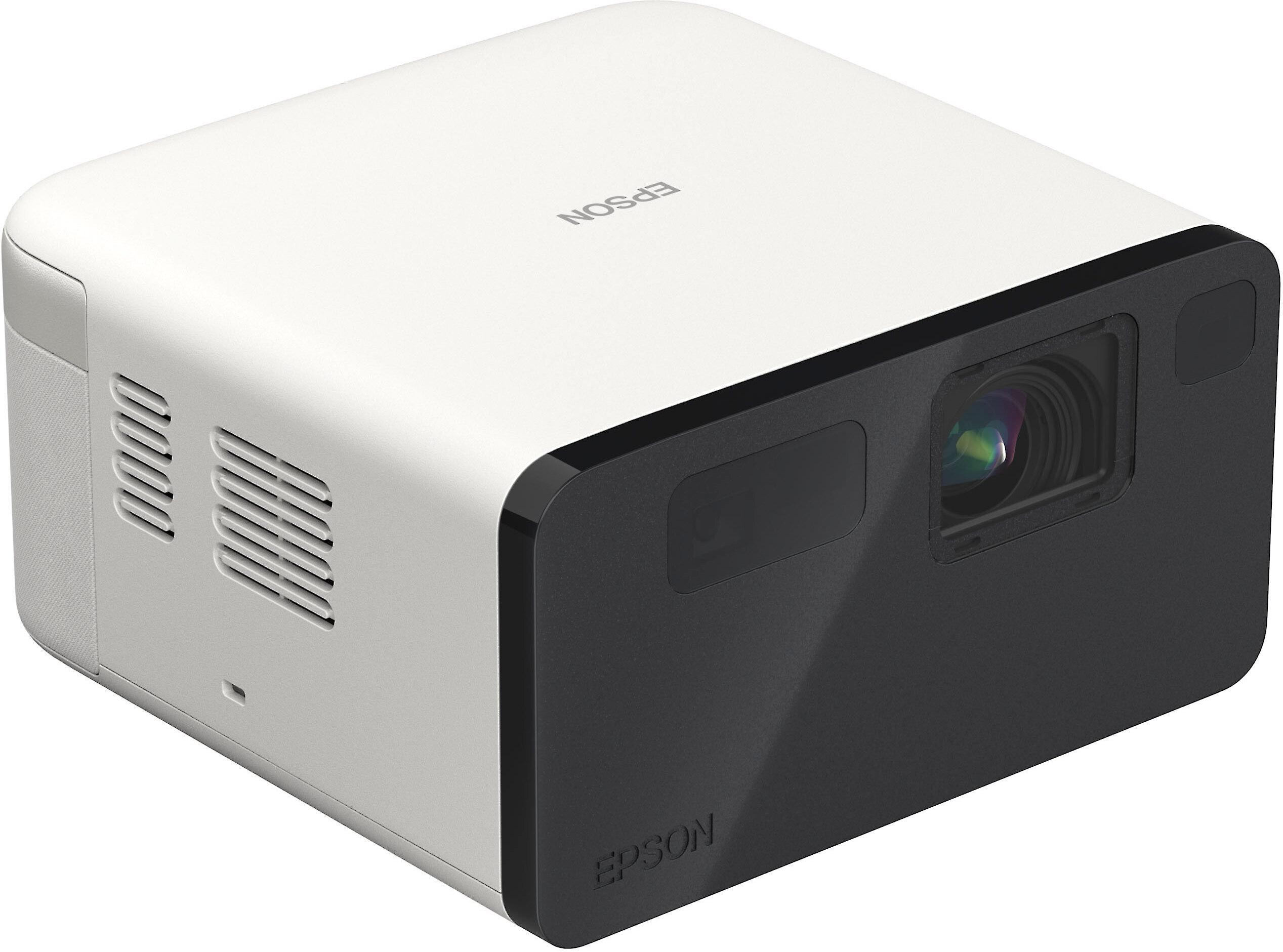
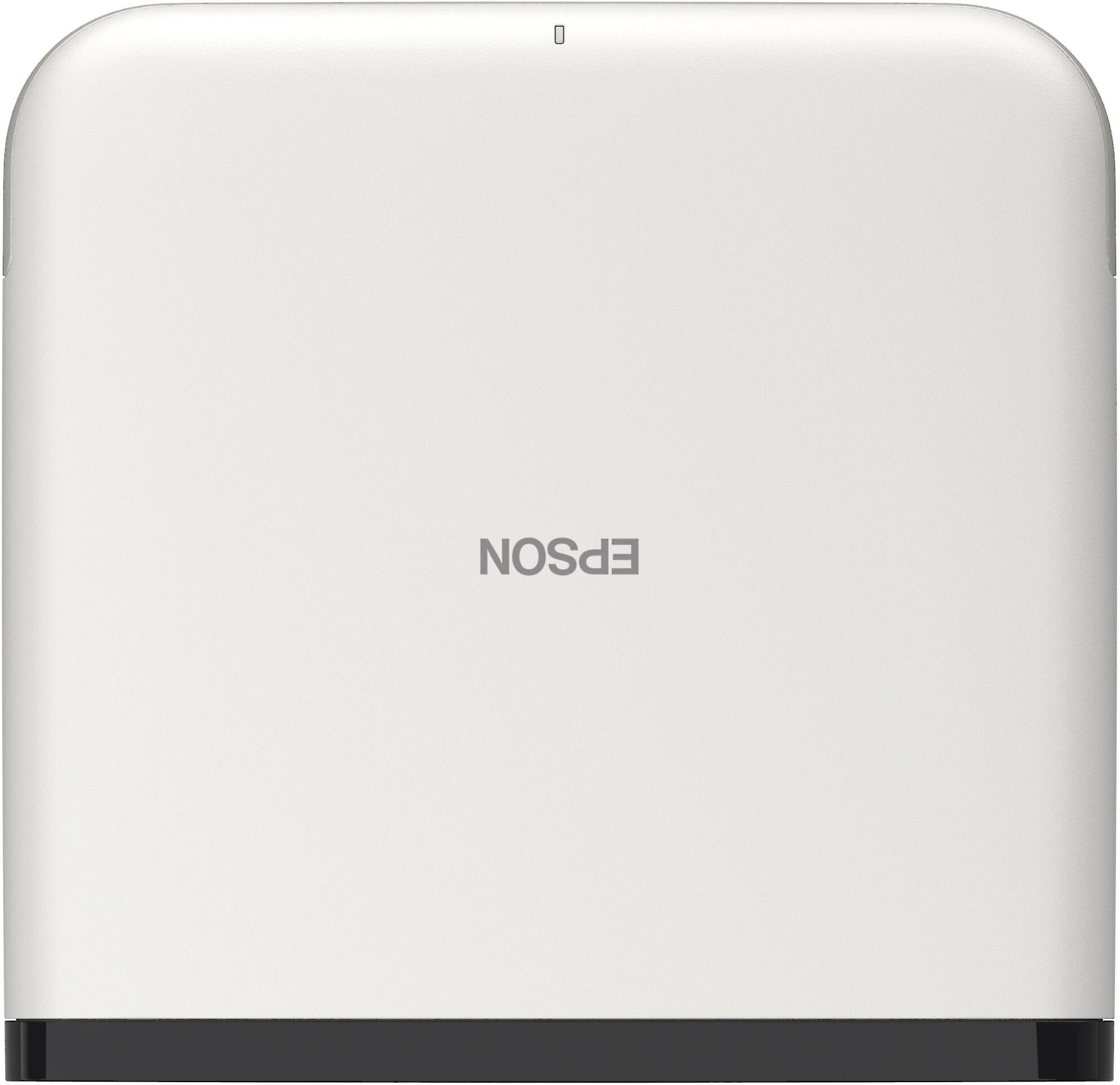
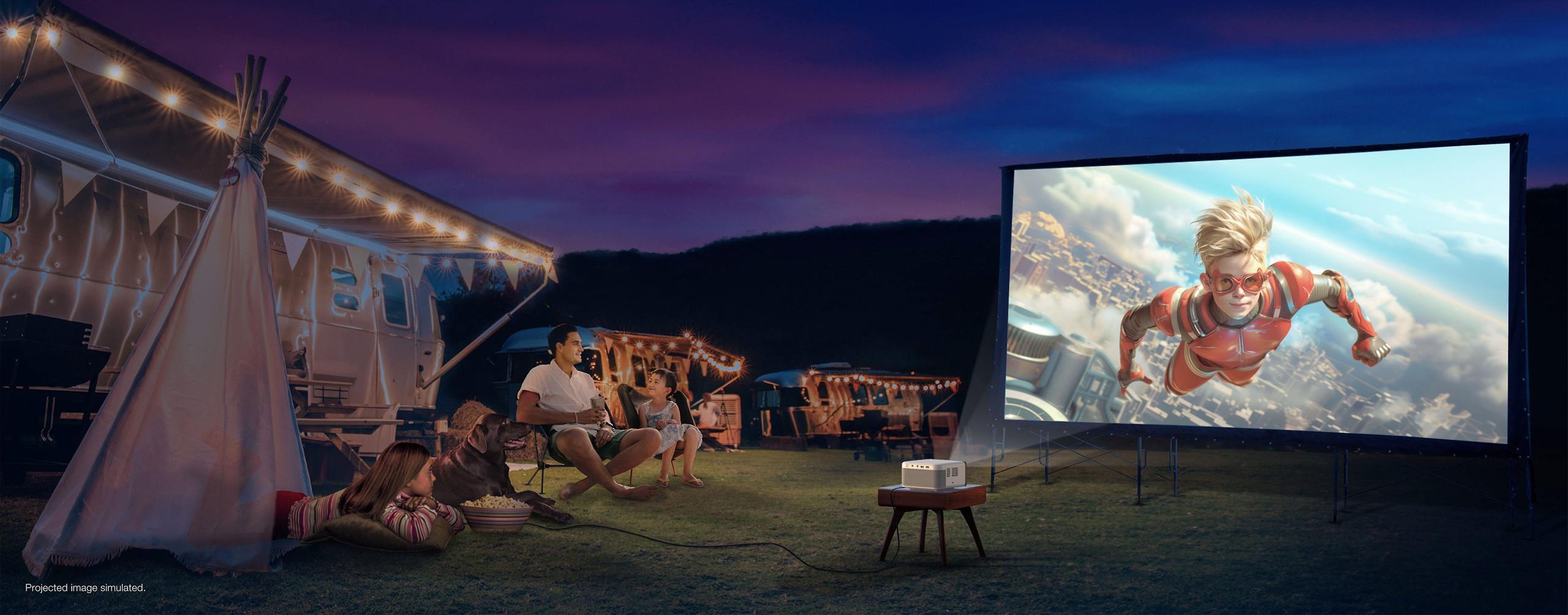
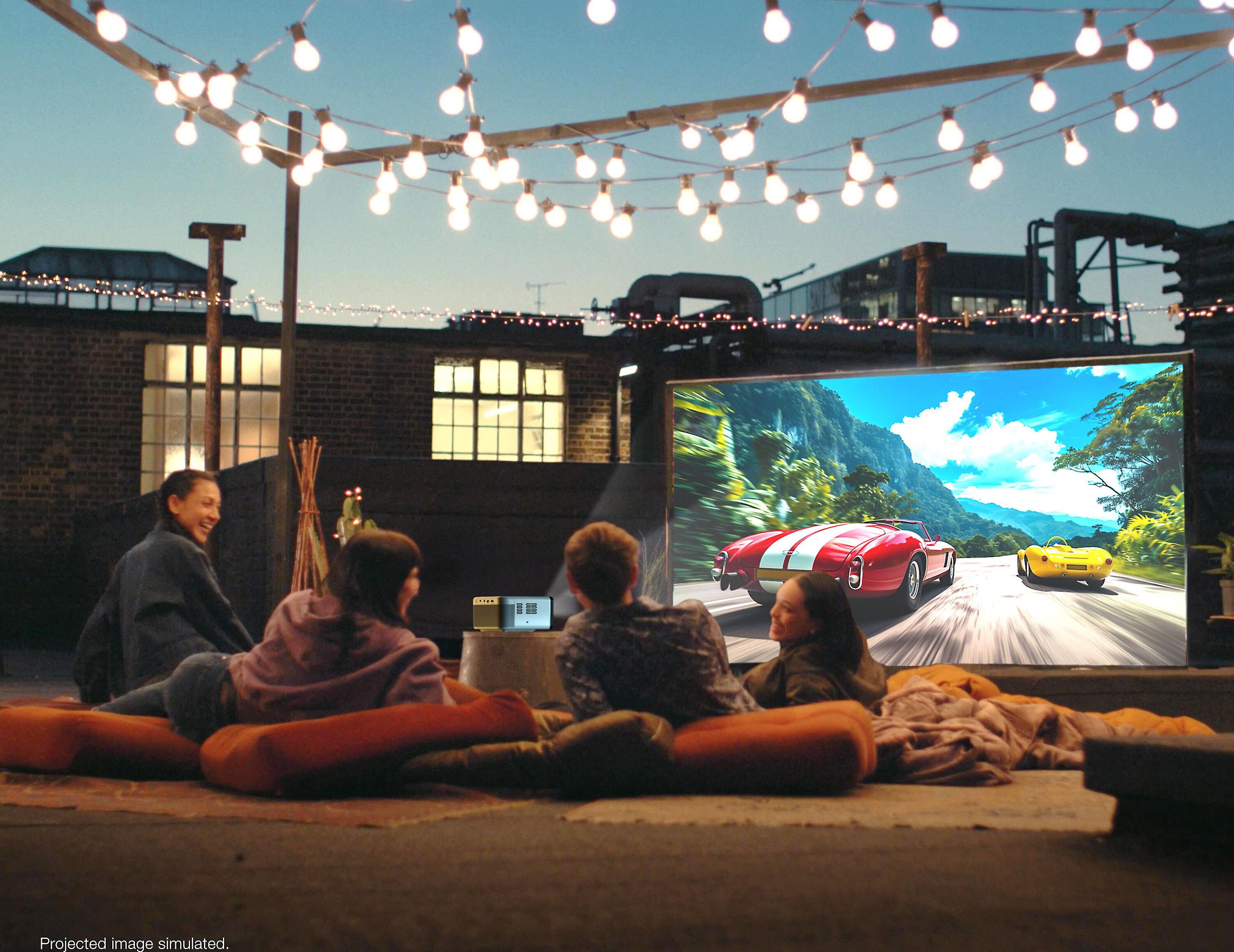
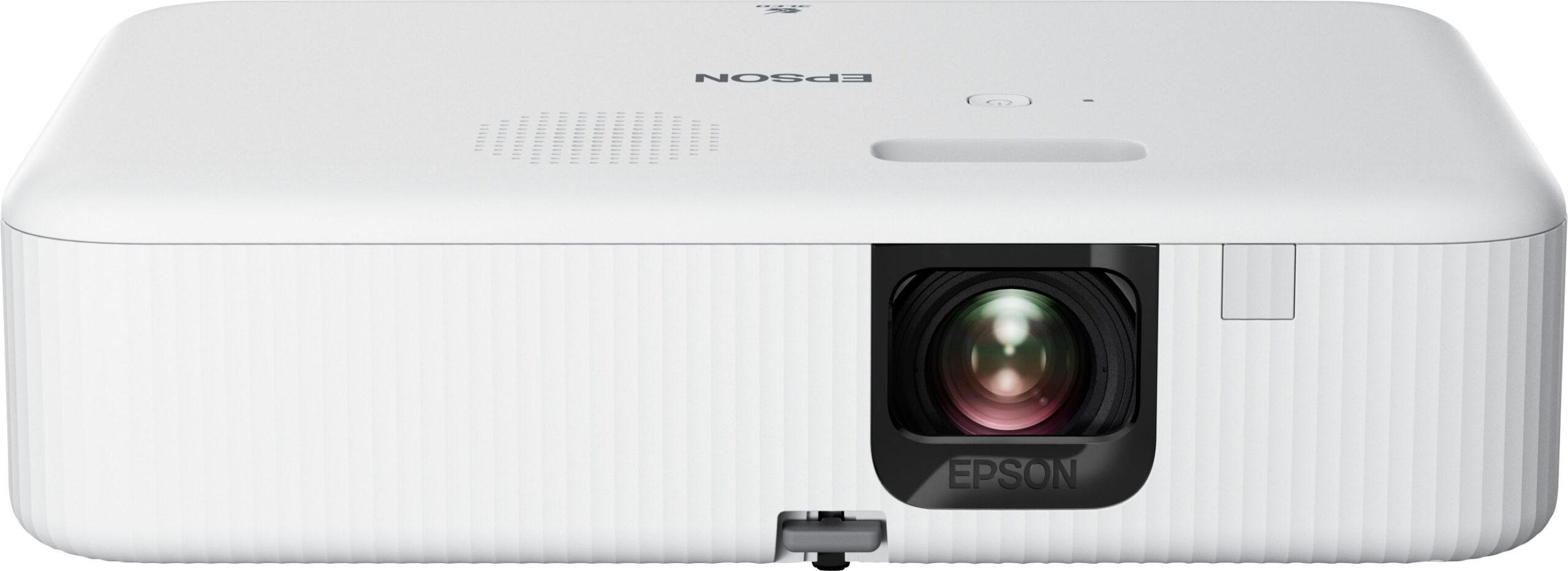
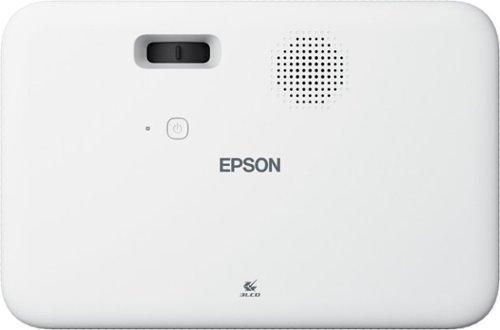
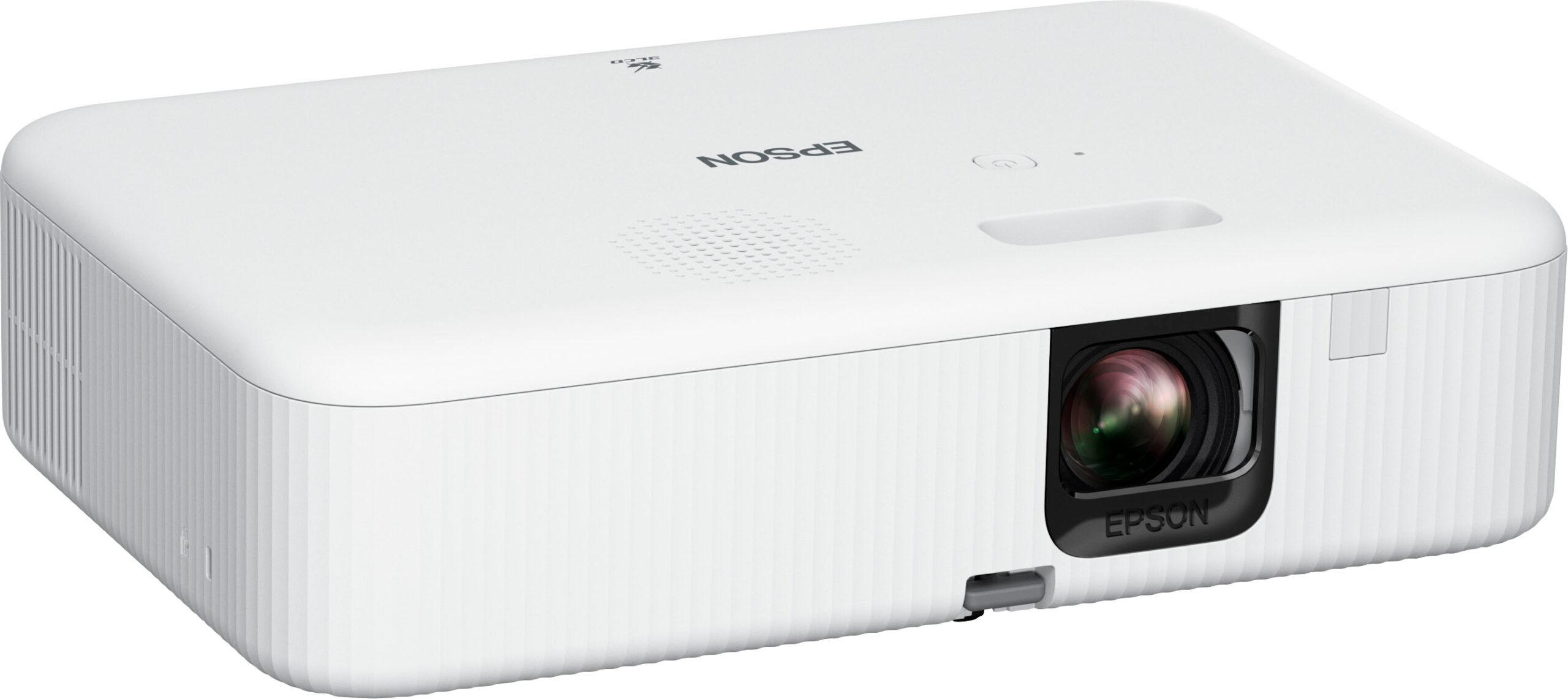
In today's home entertainment landscape, projectors have evolved from bulky, complicated devices into sleek, smart entertainment hubs that can transform any wall into an immersive viewing experience. The Epson EpiqVision Mini EF21 and Epson EpiqVision Flex CO-FH02 represent two distinct approaches to modern projection technology, each with compelling features for different user needs. Let's explore how these projectors stack up against each other to help you decide which might better suit your viewing environment and preferences.
Remember when setting up a projector required ceiling mounts, complex cable management, and separate streaming devices? Those days are thankfully behind us. Today's smart projectors combine cutting-edge display technology with built-in streaming platforms, making them essentially self-contained entertainment systems that you can move from room to room—or even take outdoors for movie nights under the stars.
Released in late 2022, the Epson EpiqVision Mini EF21 represents Epson's push toward laser-based compact projection with sophisticated auto-setup features. The Epson EpiqVision Flex CO-FH02, which hit the market in early 2023, takes a different approach, prioritizing maximum brightness and value while sticking with traditional lamp technology.
Both projectors embody the technological advancements we've seen in recent years: higher brightness outputs in smaller form factors, smarter automated calibration systems, and more seamless integration with streaming content. But they make different compromises and prioritize different aspects of the viewing experience.
Both projectors offer Full HD (1920×1080) resolution, which provides sharp, detailed images suitable for most content. While 4K projectors are becoming more common, these 1080p models hit a sweet spot of affordability and performance that works well for casual viewing and even dedicated home theaters at moderate screen sizes.
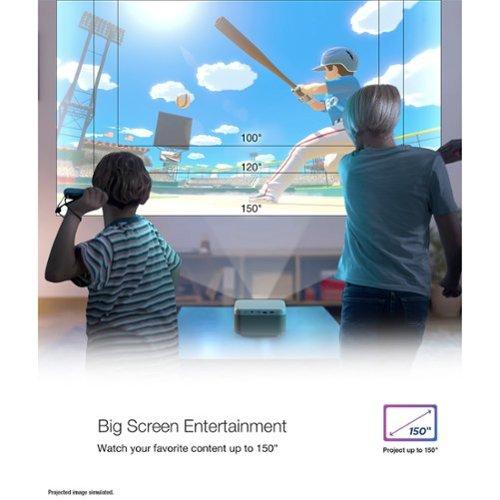
The differences emerge when we look at maximum display size. The CO-FH02 can project up to a massive 300-inch diagonal image, which is essentially the size of a small movie theater screen. That's double the maximum 150-inch capability of the EF21.
In practice, most home users rarely project beyond 100-120 inches due to room constraints, but the CO-FH02's extra headroom means it can maintain better image quality at larger sizes. For community events, backyard movie nights, or large venue presentations, this additional capability becomes genuinely useful.
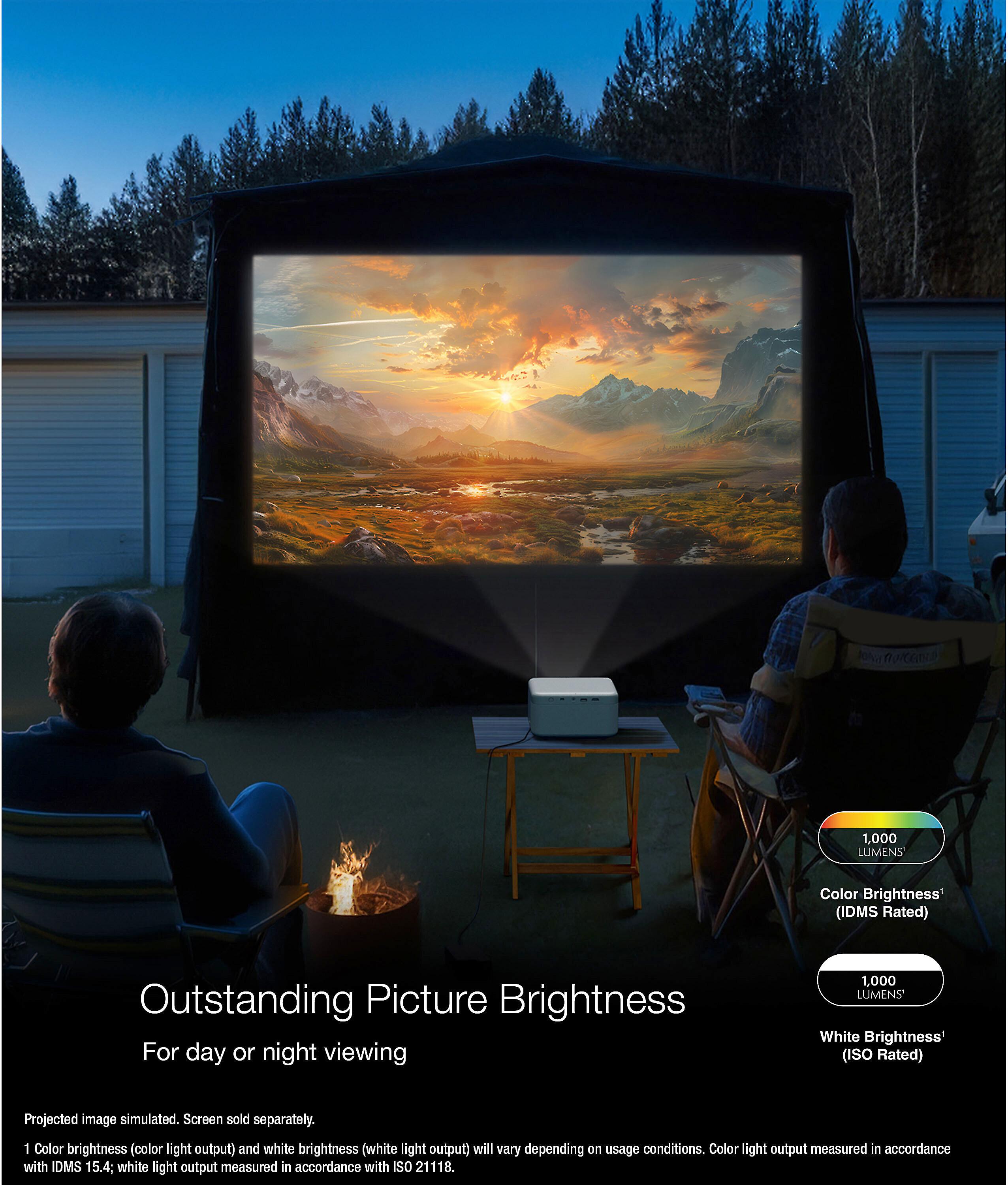
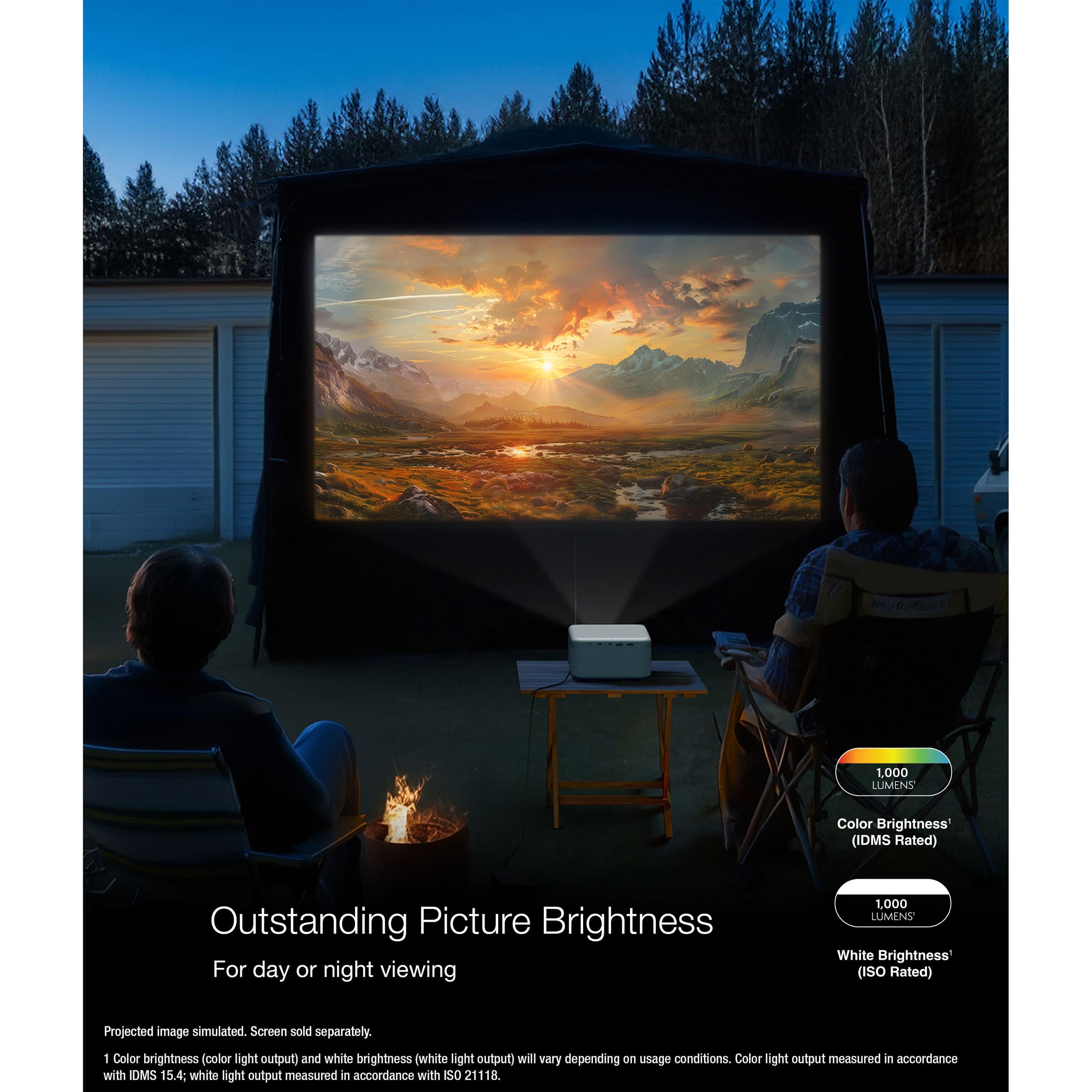
Perhaps the most significant technical difference between these projectors is their brightness output. The CO-FH02 delivers 3,000 lumens of both color and white brightness, compared to the EF21's 1,000 lumens. To put this in perspective, that's three times the light output, which makes an enormous difference in real-world usage.
What does this mean practically? The EF21 performs best in controlled lighting environments—think dedicated home theaters, bedrooms with blackout curtains, or evening viewing. The CO-FH02, meanwhile, can produce a vibrant, watchable image even with some ambient light present, making it more versatile for daytime viewing or rooms where complete darkness isn't practical.
Having tested projectors in various lighting conditions, I can attest that brightness is often the make-or-break specification for user satisfaction. Nothing frustrates new projector owners more than discovering their new purchase produces a washed-out image in their intended viewing environment. The CO-FH02's extra brightness provides significant headroom for less-than-ideal lighting situations.
Both projectors utilize Epson's proprietary 3LCD technology, which employs three separate LCD panels (one each for red, green, and blue) to produce images. This approach differs from single-chip DLP projectors (which use a color wheel) and provides two significant advantages:
Where the projectors differ is in how they generate light. The EF21 uses a laser light source, which maintains consistent color performance throughout its lifespan and generally produces more accurate colors with better saturation. The CO-FH02 uses a traditional lamp, which typically shows more color shift as it ages.
In side-by-side comparisons, the EF21's colors appear somewhat more accurate and natural, particularly in skin tones and subtle gradients. However, the CO-FH02's substantially higher brightness often makes its colors appear more vibrant in rooms with ambient light, creating an interesting trade-off between color accuracy and perceived vibrancy depending on your viewing environment.
The EF21 boasts an impressive 200,000:1 contrast ratio compared to the CO-FH02's 16,000:1 specification. While manufacturer contrast specs should always be taken with a grain of salt, the real-world difference is noticeable, especially in dark scenes.
The laser light source in the EF21 can shut off completely for true black areas of the image, while the lamp-based CO-FH02 must rely on LCD panels to block light, which always allows some light leakage. This results in the EF21 delivering deeper, richer blacks and more visible detail in shadowy scenes from movies like "The Batman" or "Dune."
For cinephiles who value image quality in controlled lighting, this contrast advantage makes the EF21 the clear choice despite its higher price tag. However, the CO-FH02's brightness advantage often compensates for its lower contrast ratio in rooms with ambient light, where true blacks are impossible anyway.
The Epson EF21 utilizes a modern laser light source with an estimated 20,000-hour lifespan. This represents a significant technological advantage with several real-world benefits:
When factoring the EF21's laser light source into the value equation, remember that lamp replacements for the CO-FH02 will likely cost $150-250 every 6,000-12,000 hours, depending on usage patterns. For someone using the projector 15 hours per week, that might mean a replacement every 8-16 months in high brightness mode.
The CO-FH02 uses a traditional UHE (Ultra High Efficiency) lamp rated for up to 12,000 hours in ECO mode or 6,000 hours in normal brightness mode. While this represents improved longevity compared to older lamp technologies, it still presents some disadvantages:
The lamp-based approach does offer one notable advantage: significantly lower initial cost. The technological simplicity of lamp projection helps explain the substantial price difference between these two projectors.
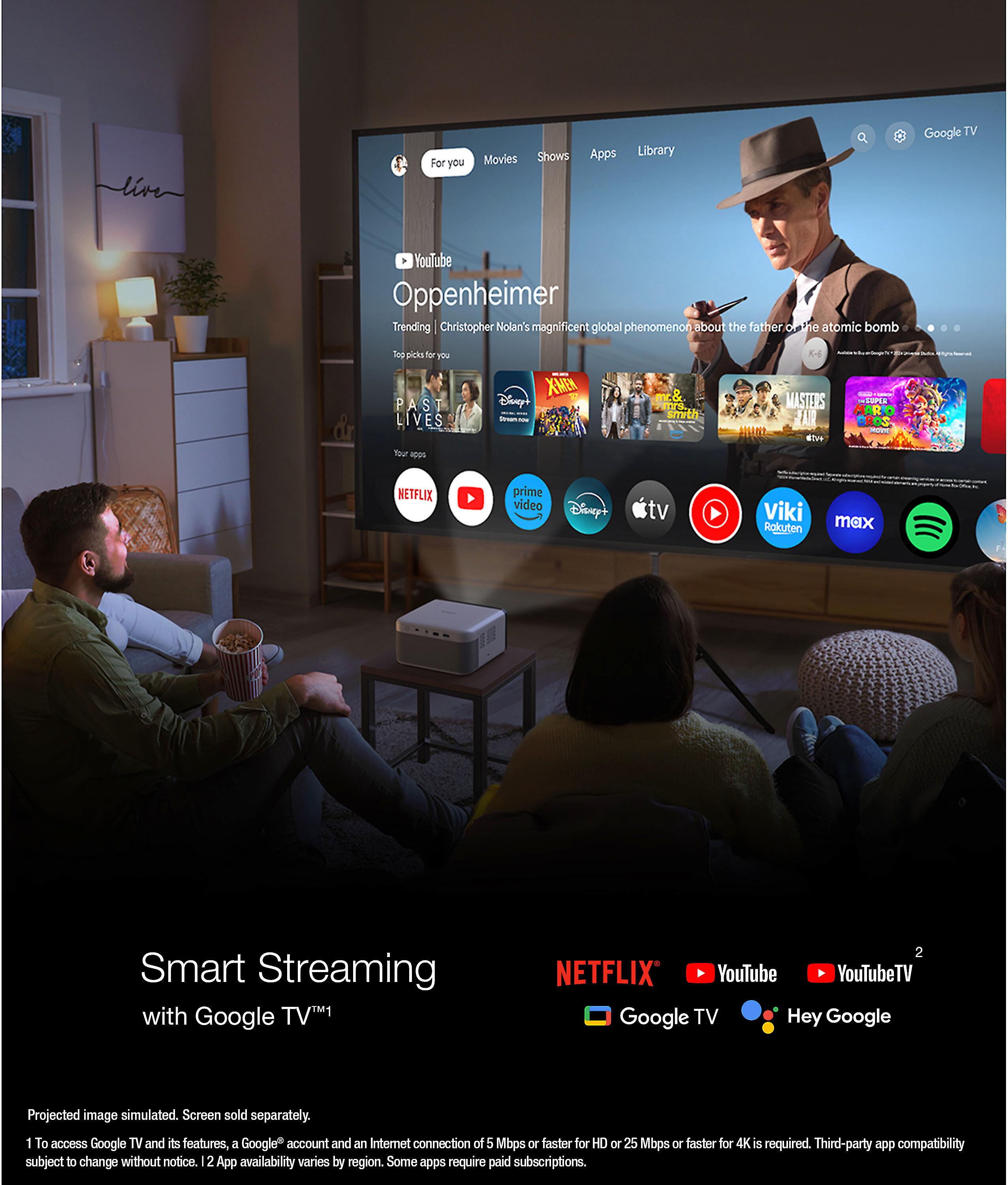
Both projectors offer integrated smart TV platforms, but with subtle differences. The EF21 features Google TV built directly into the projector, providing access to over 10,000 apps including Netflix, Disney+, HBO Max, and other popular streaming services. The interface is polished and intuitive, with excellent content recommendations.
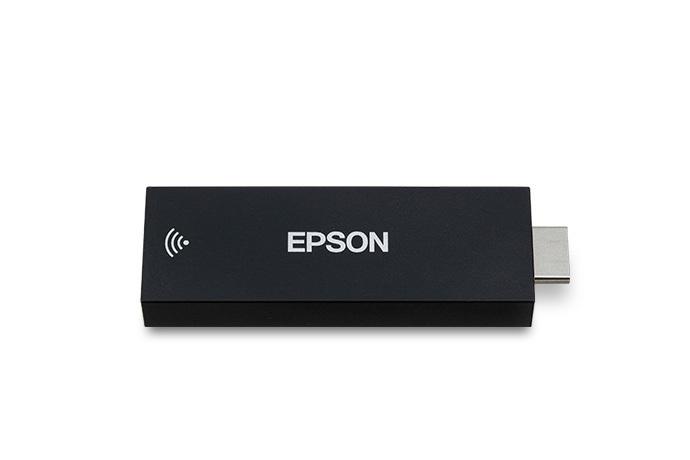
The CO-FH02 uses Android TV via an included media player dongle that plugs into the HDMI port. While this provides access to a similar library of apps, the experience feels slightly less integrated than the EF21's native Google TV implementation. If you already use other streaming devices like Roku or Apple TV, this distinction may be irrelevant since you'd likely use your preferred external device anyway.
Both systems support voice commands through Google Assistant, allowing you to search for content, control playback, and even adjust some projector settings hands-free.
Where the EF21 truly stands out is its EpiqSense automatic setup technology. This system uses advanced sensors to automatically:
Having tested dozens of projectors over the years, I can attest that this automated setup system is genuinely impressive and a significant time-saver. You can simply place the projector roughly where you want it, turn it on, and within seconds, it delivers a perfectly adjusted image—something that typically requires several minutes of manual adjustment with traditional projectors.
The CO-FH02 offers automatic vertical keystone correction (which adjusts the image when the projector is placed above or below the optimal height) but requires manual horizontal keystone adjustment and focus. While this is standard for projectors in this price range, it does mean more setup time and potentially less precise adjustments, especially for casual users.
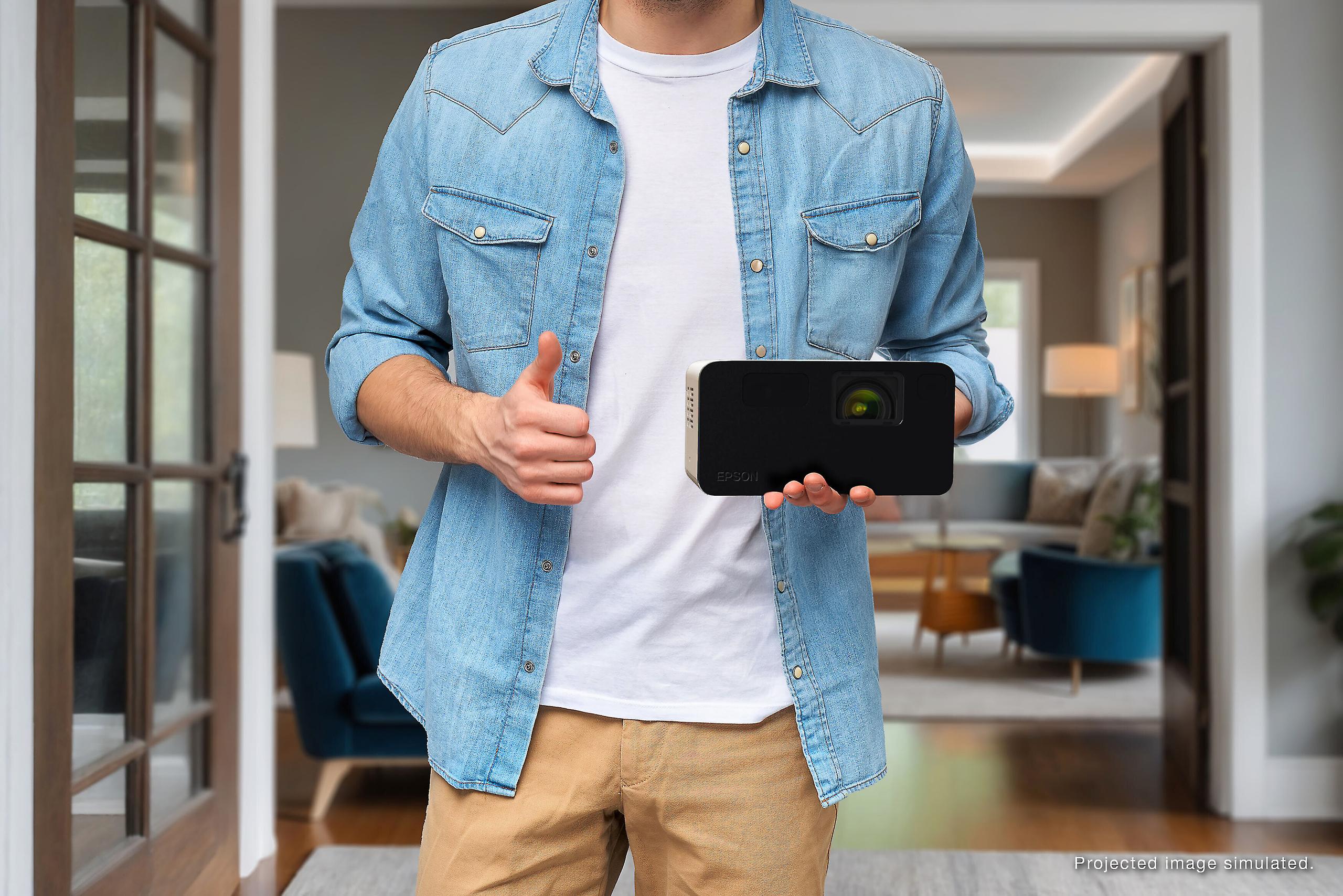
Both projectors market themselves as portable solutions, though "portable" here means "easily movable around your home" rather than "backpack-friendly." The EF21 has a slight edge in compactness at 7.75" × 7.5" × 4.4" versus the CO-FH02's 12.5" × 8.3" × 3.4" dimensions. The EF21 is also marginally lighter at 5.1 pounds compared to 5.7 pounds.
In practice, both projectors are compact enough to move between rooms easily or store when not in use. The EF21's automatic setup features make it particularly well-suited for users who plan to frequently reposition their projector, as it eliminates the need to readjust settings each time.
Built-in audio has traditionally been a weakness for projectors, but both of these models make respectable attempts to address this limitation.
The EF21 features a stereo speaker system with two 5W speakers and Dolby Audio support. This setup provides reasonably clear dialogue and decent stereo separation, though it naturally lacks the bass response and dynamic range of dedicated speakers.
The CO-FH02 uses a single 5W bass-reflex speaker, which surprisingly delivers slightly punchier bass than the EF21 but with less stereo presence. Neither system will impress audiophiles, but both are adequate for casual viewing when external audio isn't convenient.
Both projectors support Bluetooth audio output, allowing you to easily connect wireless headphones for late-night viewing or external speakers for improved sound. For a true home theater experience, I'd recommend pairing either projector with at least a decent soundbar or, ideally, a proper surround sound system.
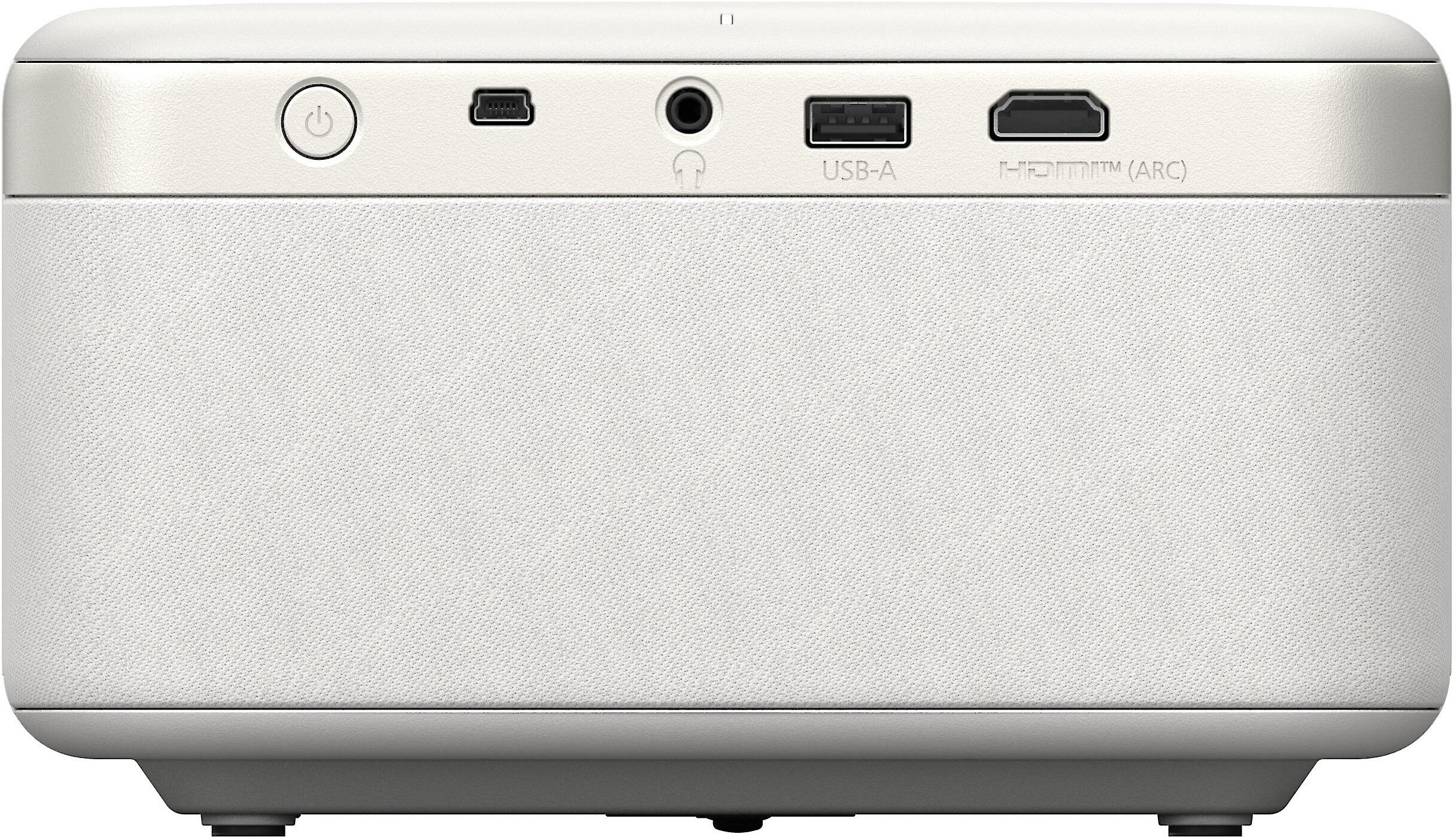
The EF21 offers:
The CO-FH02 provides:
While neither projector offers extensive input options, they provide the essentials for most users. The single HDMI port on both models could be limiting if you have multiple devices to connect (like game consoles, cable boxes, or Blu-ray players), potentially requiring an HDMI switch for more complex setups.
The EF21's Bluetooth 5.1 specification offers slightly better range and reliability than the CO-FH02's Bluetooth implementation, which could be relevant if you're connecting to distant speakers or headphones.
At approximately $900, the Epson EpiqVision Mini EF21 commands a significant premium over the Epson EpiqVision Flex CO-FH02, which typically retails for $600-700. This $200-300 difference requires careful consideration of what you're getting for the extra investment.
The EF21's premium buys you:
Meanwhile, the CO-FH02's value proposition centers on:
When factoring in the long-term cost of lamp replacements for the CO-FH02, the actual price difference narrows for users who plan to keep their projector for many years. However, for shorter ownership periods or less frequent usage, the CO-FH02's lower upfront cost remains appealing.
The Epson EpiqVision Mini EF21 and Epson EpiqVision Flex CO-FH02 represent two distinct philosophies in modern projector design. The EF21 embraces cutting-edge technology and convenience features at a premium price point, while the CO-FH02 maximizes brightness and value with more traditional technology.
Neither approach is inherently superior—they simply prioritize different aspects of the projection experience. Your ideal choice depends entirely on your specific viewing environment, usage patterns, and which features matter most to your enjoyment.
For dedicated home theater enthusiasts with controlled lighting, the EF21's superior contrast, color accuracy, and hassle-free operation justify its premium. For versatile use across varying lighting conditions or for those wanting maximum impact per dollar spent, the CO-FH02's exceptional brightness and value make it the more practical choice.
Whichever you choose, both projectors represent how far projection technology has come in recent years, offering impressive performance and convenience that would have seemed impossible just a decade ago. The EF21 and CO-FH02 prove that the golden age of home projection is very much upon us, with options available to suit virtually any viewing scenario and budget.
| Epson EpiqVision Mini EF21 Projector | Epson EpiqVision Flex CO-FH02 Smart Portable Projector |
|---|---|
| Price - Initial investment consideration | |
| $899.99 (higher initial cost but no future lamp replacements) | $649.99 (more affordable entry point but will require lamp replacement) |
| Brightness - Determines usability in ambient light | |
| 1,000 lumens (best for dark or dimly lit rooms) | 3,000 lumens (works well even with some ambient light) |
| Light Source - Affects maintenance and long-term costs | |
| Laser (20,000 hour lifespan, maintenance-free) | Lamp (6,000-12,000 hour lifespan, requires replacement) |
| Contrast Ratio - Impacts black levels and image depth | |
| 200,000:1 (superior black levels for movie viewing) | 16,000:1 (good but not as impressive in dark scenes) |
| Maximum Screen Size - Determines largest possible image | |
| Up to 150 inches (suitable for most home environments) | Up to 300 inches (can fill larger walls or outdoor spaces) |
| Smart Platform - Provides streaming content access | |
| Google TV built-in (native integration) | Android TV via included media player (slightly less integrated) |
| Setup Features - Affects ease of use and placement flexibility | |
| EpiqSense auto setup with focus, keystone, and obstacle avoidance | Basic auto vertical keystone (±30°) with manual horizontal adjustment |
| Dimensions - Impacts portability and placement options | |
| 7.75" × 7.5" × 4.4" (more compact design) | 12.5" × 8.3" × 3.4" (larger footprint) |
| Weight - Affects ease of moving between locations | |
| 5.1 lbs (slightly more portable) | 5.7 lbs (still portable but slightly heavier) |
| Audio - Built-in sound quality for standalone use | |
| Dual 5W stereo speakers with Dolby Audio | Single 5W bass-reflex speaker |
| Connectivity - Determines device compatibility | |
| 1× HDMI 2.3, 1× USB-A, 1× USB-B, Bluetooth 5.1, dual-band Wi-Fi | 1× HDMI, 1× USB-A, Wi-Fi 802.11a/b/g/n/ac, Bluetooth audio |
| Best For - Ideal use case summary | |
| Home theater enthusiasts with controlled lighting who value convenience and image quality | Versatile users needing a brighter projector for varied lighting conditions and larger screens |
The Epson EpiqVision Flex CO-FH02 is significantly brighter at 3,000 lumens compared to the Epson EpiqVision Mini EF21's 1,000 lumens. This makes the CO-FH02 better suited for rooms with ambient light or for larger screen sizes. The EF21 performs best in controlled lighting environments like dedicated home theaters or rooms with blackout curtains.
The Epson EpiqVision Mini EF21 typically retails for around $899.99, while the Epson EpiqVision Flex CO-FH02 is priced at approximately $649.99, making it about $250 less expensive. However, the EF21's laser light source eliminates the need for lamp replacements, which may offset some of the price difference over time.
For a dedicated home theater with controlled lighting, the Epson EpiqVision Mini EF21 is generally the better choice due to its superior contrast ratio (200,000:1 vs 16,000:1), better black levels, and laser light source that maintains consistent performance. However, if your home theater has ambient light issues, the Epson EpiqVision Flex CO-FH02's higher brightness might be more important.
The Epson EpiqVision Mini EF21 uses a laser light source that lasts up to 20,000 hours without replacement and maintains consistent brightness throughout its life. The Epson EpiqVision Flex CO-FH02 uses a traditional lamp with 6,000-12,000 hours of life that gradually dims over time and eventually requires replacement. Laser projectors offer greater convenience and consistent performance but typically cost more initially.
Both projectors are considered portable, but the Epson EpiqVision Mini EF21 is slightly more compact and lighter at 7.75" × 7.5" × 4.4" and 5.1 lbs compared to the Epson EpiqVision Flex CO-FH02's dimensions of 12.5" × 8.3" × 3.4" and weight of 5.7 lbs. The EF21 also offers better auto-setup features, making it easier to quickly set up in different locations.
Yes, both projectors offer streaming capabilities. The Epson EpiqVision Mini EF21 has Google TV built directly into the projector with access to over 10,000 apps including Netflix and Disney+. The Epson EpiqVision Flex CO-FH02 uses Android TV via an included dongle that plugs into the HDMI port, offering similar app access but with a slightly less integrated experience.
The Epson EpiqVision Flex CO-FH02 can project up to a massive 300-inch diagonal display, which is double the Epson EpiqVision Mini EF21's maximum projection size of 150 inches. This makes the CO-FH02 more suitable for very large venues or outdoor movie nights where greater screen size is desired.
The Epson EpiqVision Mini EF21 features dual 5W stereo speakers with Dolby Audio support, providing better stereo separation and a more immersive sound experience. The Epson EpiqVision Flex CO-FH02 has a single 5W bass-reflex speaker that offers decent bass response but lacks stereo imaging. For serious home theater use, external speakers are recommended with either projector.
Yes, both the Epson EpiqVision Mini EF21 and the Epson EpiqVision Flex CO-FH02 offer Full HD 1080p resolution (1920×1080 pixels). Neither projector offers 4K resolution, but both provide sharp, detailed images suitable for movies, TV shows, gaming, and presentations at their price points.
The Epson EpiqVision Mini EF21 is significantly easier to set up thanks to its EpiqSense technology, which automatically handles focus, keystone correction, and even obstacle avoidance. The Epson EpiqVision Flex CO-FH02 offers automatic vertical keystone correction but requires manual horizontal keystone adjustment and focus, making it more time-consuming to achieve a perfect image.
Both projectors can be used for casual gaming, but neither is specifically optimized for competitive gaming. The Epson EpiqVision Mini EF21 and Epson EpiqVision Flex CO-FH02 both have similar input lag in their fastest modes. For serious gamers, dedicated gaming projectors with lower input lag might be preferable, but for casual gaming experiences, either projector will perform adequately.
Value depends on your priorities. The Epson EpiqVision Flex CO-FH02 offers more brightness per dollar and a lower initial investment, making it better value for those who prioritize brightness and have varied lighting conditions. The Epson EpiqVision Mini EF21 provides better long-term value for those who appreciate its laser light source (no lamp replacements), superior auto-setup features, and better contrast for dedicated home theater use.
We've done our best to create useful and informative comparisons to help you decide what product to buy. Our research uses advanced automated methods to create this comparison and perfection is not possible - please contact us for corrections or questions. These are the sites we've researched in the creation of this article: bestbuy.com - bestbuy.com - cnet.com - youtube.com - projectorreviews.com - epson.com - projectorreviews.com - epson.com - rtings.com - epson.com - youtube.com - projectorcentral.com - bestbuy.com - projectorcentral.com - nfm.com - crutchfield.com - latin.epson.com - mediaserver.goepson.com - planettv.com - bhphotovideo.com - cnet.com - epson.com - expertreviews.co.uk - projectorcentral.com - youtube.com - bestbuy.com - specsradar.com - techwalls.com - cnet.com - epson.com - youtube.com - projectorreviews.com - epson.com - abt.com - youtube.com - cnet.com - techgearlab.com - staples.com - bestbuy.com - bestbuy.com - projectorcentral.com - bhphotovideo.com - dell.com - latin.epson.com - specsradar.com - projectorcentral.com - officedepot.com - files.support.epson.com - walmart.com - adorama.com - epson.com

Privacy Policy
Terms and Conditions - Affiliate Policy
Home Security
© Copyright 2008-2026.
11816 Inwood Rd #1211, Dallas, TX 75244