

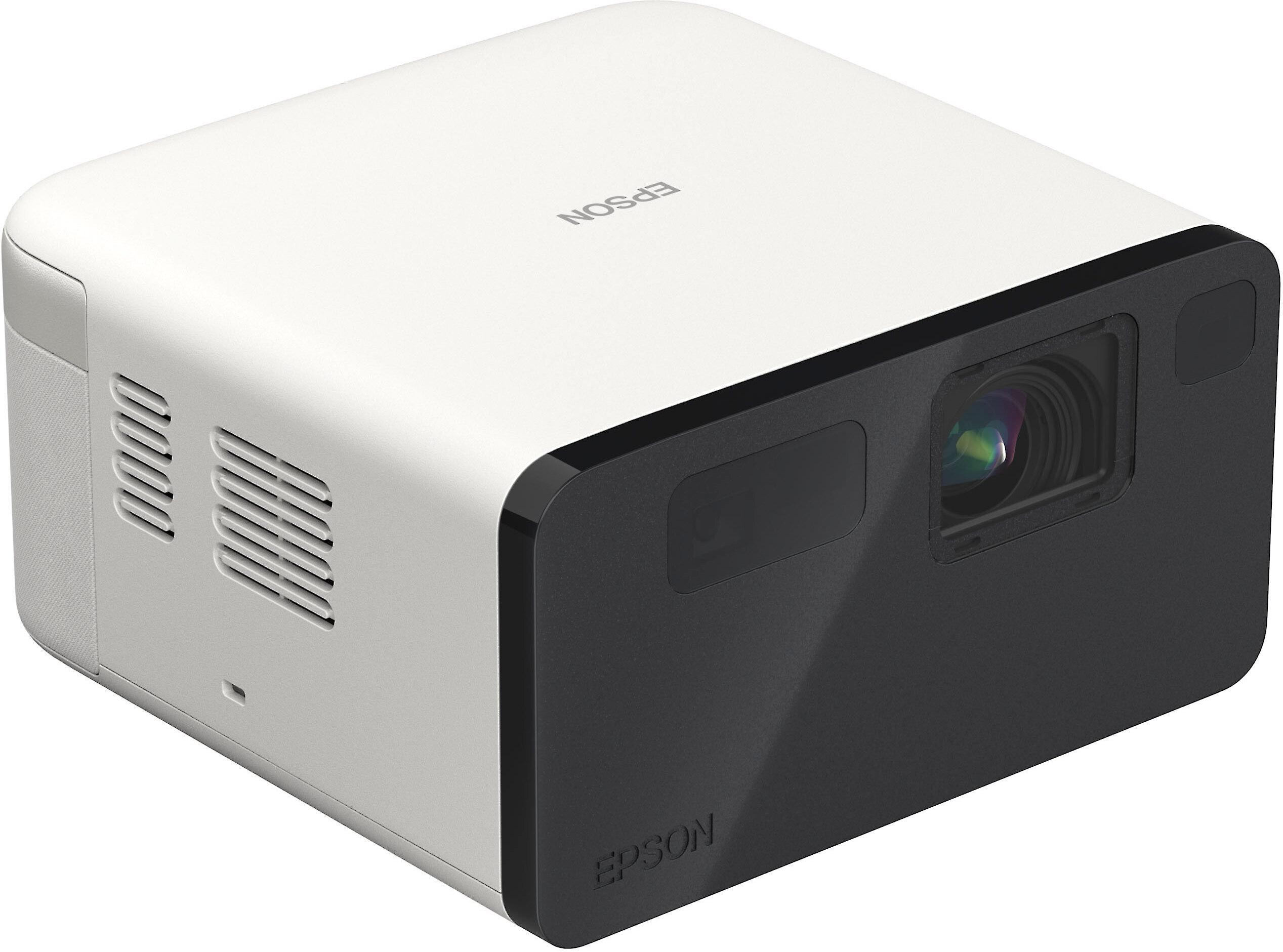
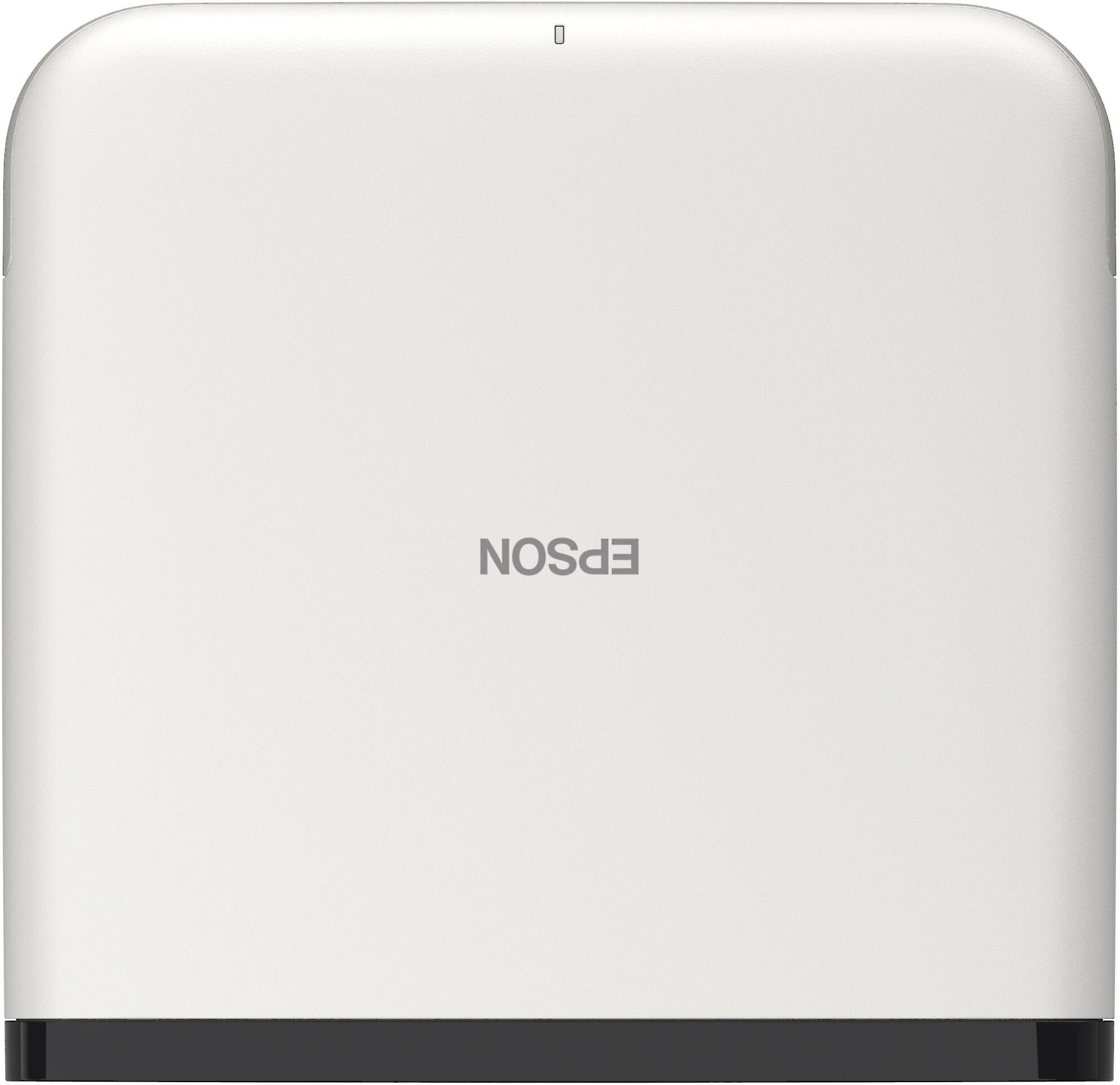

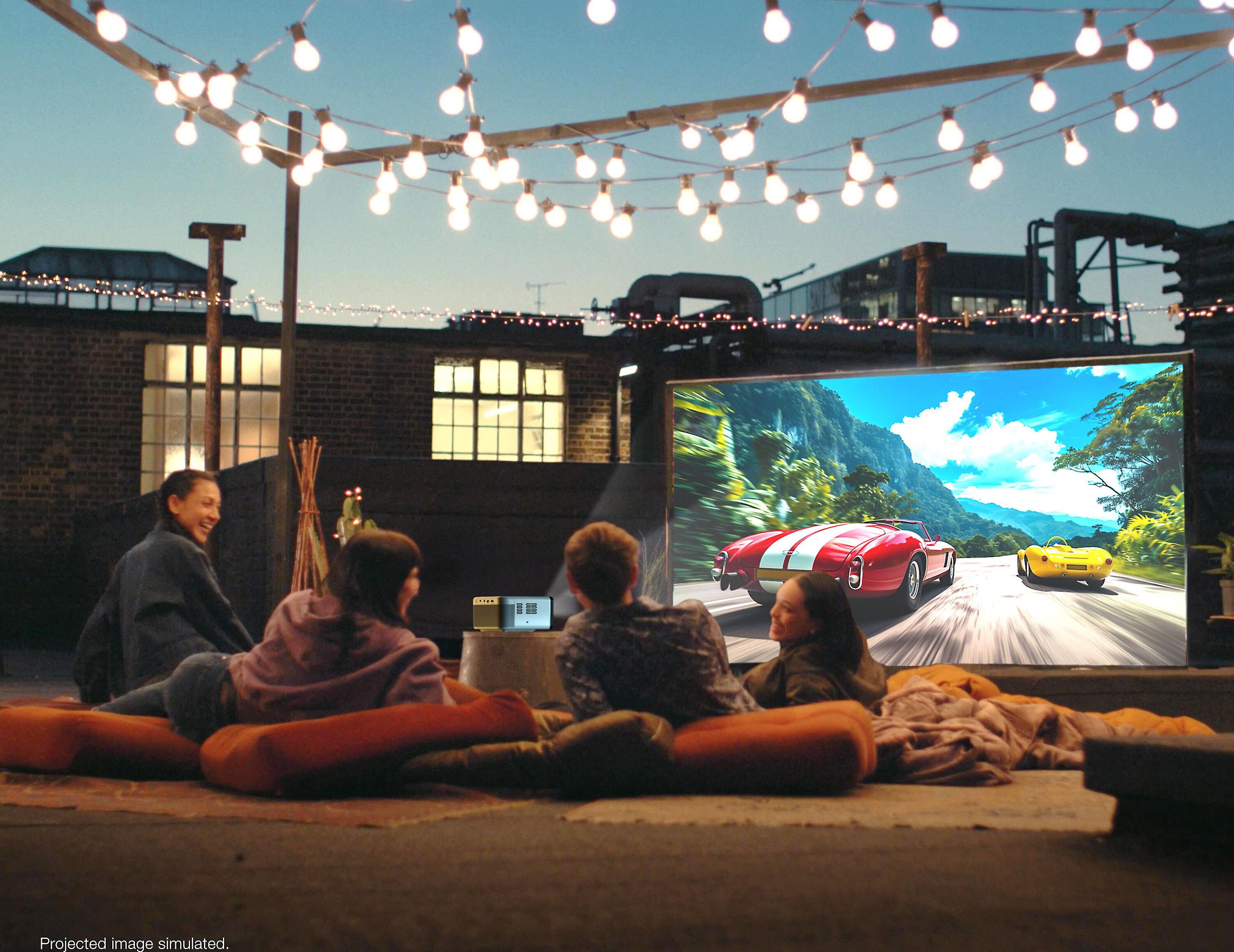
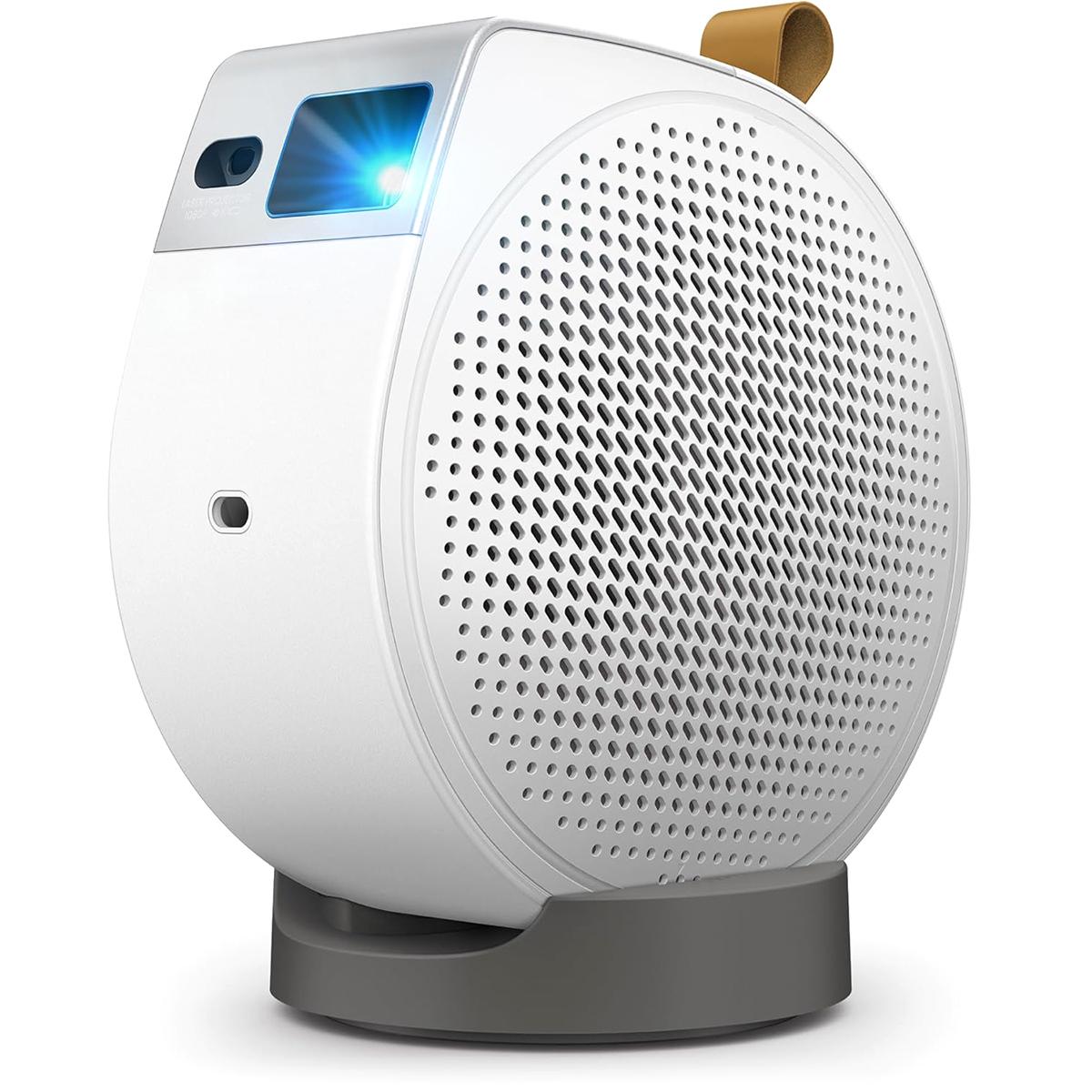
In the world of home entertainment, smart projectors have carved out an exciting niche for those looking beyond traditional TVs. As someone who's spent years testing and comparing projection technology, I find the evolution of portable smart projectors particularly fascinating. Today, we're examining two compelling options: the Epson EpiqVision Mini EF21 and the BenQ GV50—both released in 2022 but offering distinctly different approaches to portable projection.
Over the past few years, smart projectors have transformed from bulky, complicated devices into streamlined entertainment hubs. The integration of streaming platforms directly into projectors eliminates the need for external devices, simplifying setup while expanding functionality.
The major advancement we've seen since 2020 is the shift toward laser light sources in compact projectors. Both the Epson EF21 and BenQ GV50 represent this evolution, moving away from traditional bulbs toward longer-lasting, more energy-efficient laser technology. This shift has dramatically improved color accuracy, startup time, and overall lifespan of projectors in this category.
Let's start with a detailed look at what each projector offers:
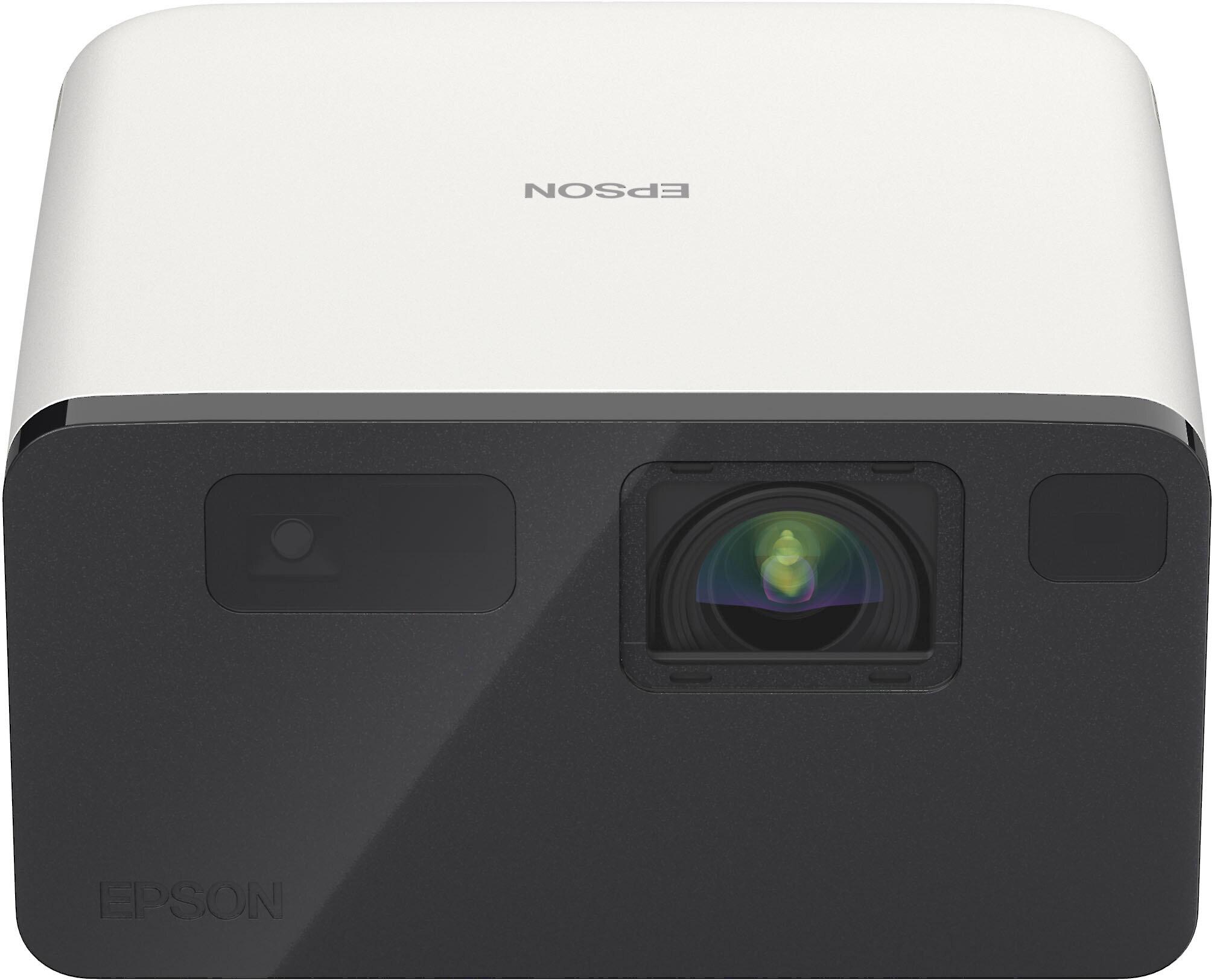
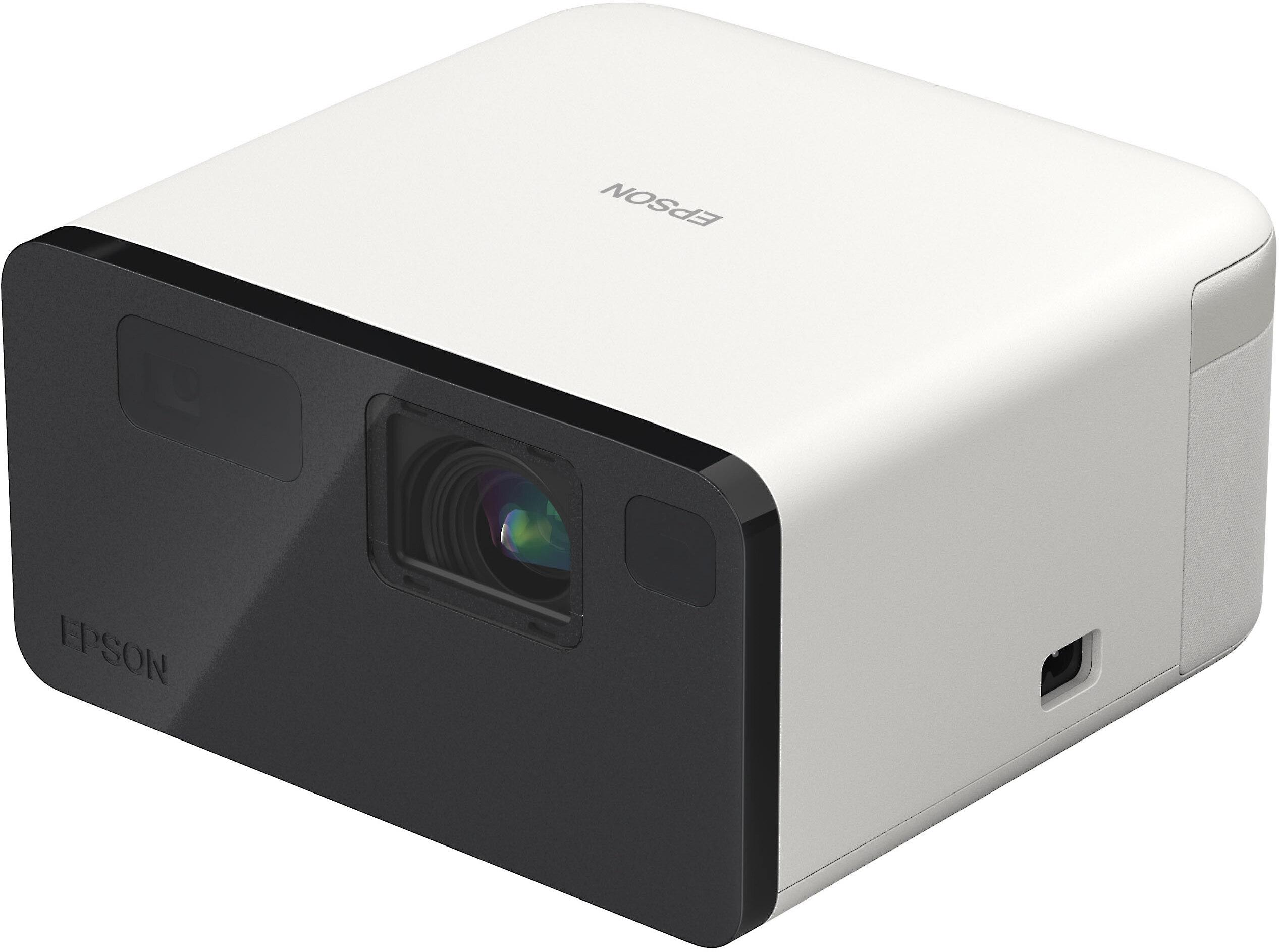
The Epson EpiqVision Mini EF21 arrived on the market at $899, featuring:
The BenQ GV50 launched at $799 with:
While both projectors share the same resolution and smart platform, their approaches to projection technology, brightness, and physical design reveal significant differences that impact real-world performance.
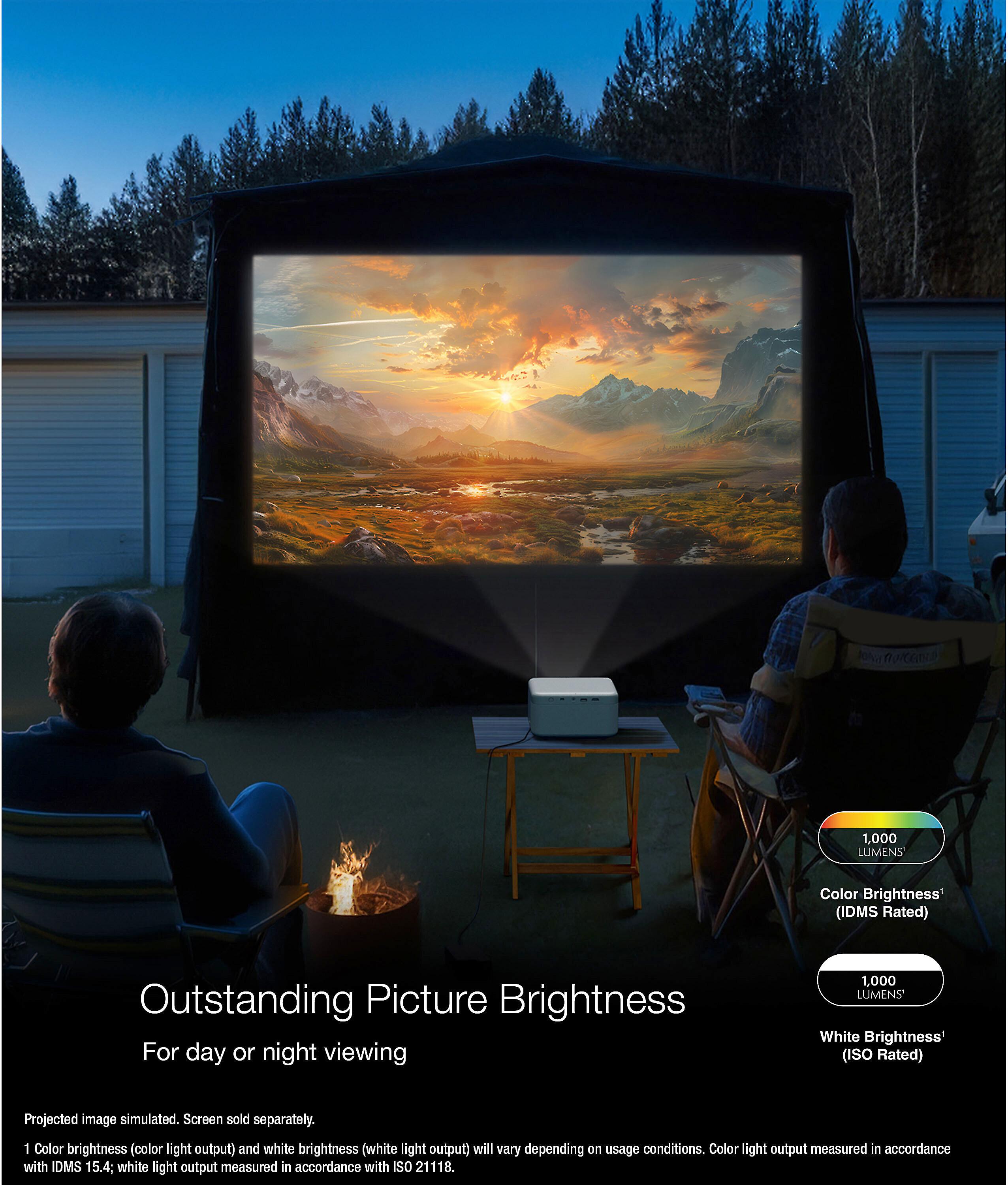
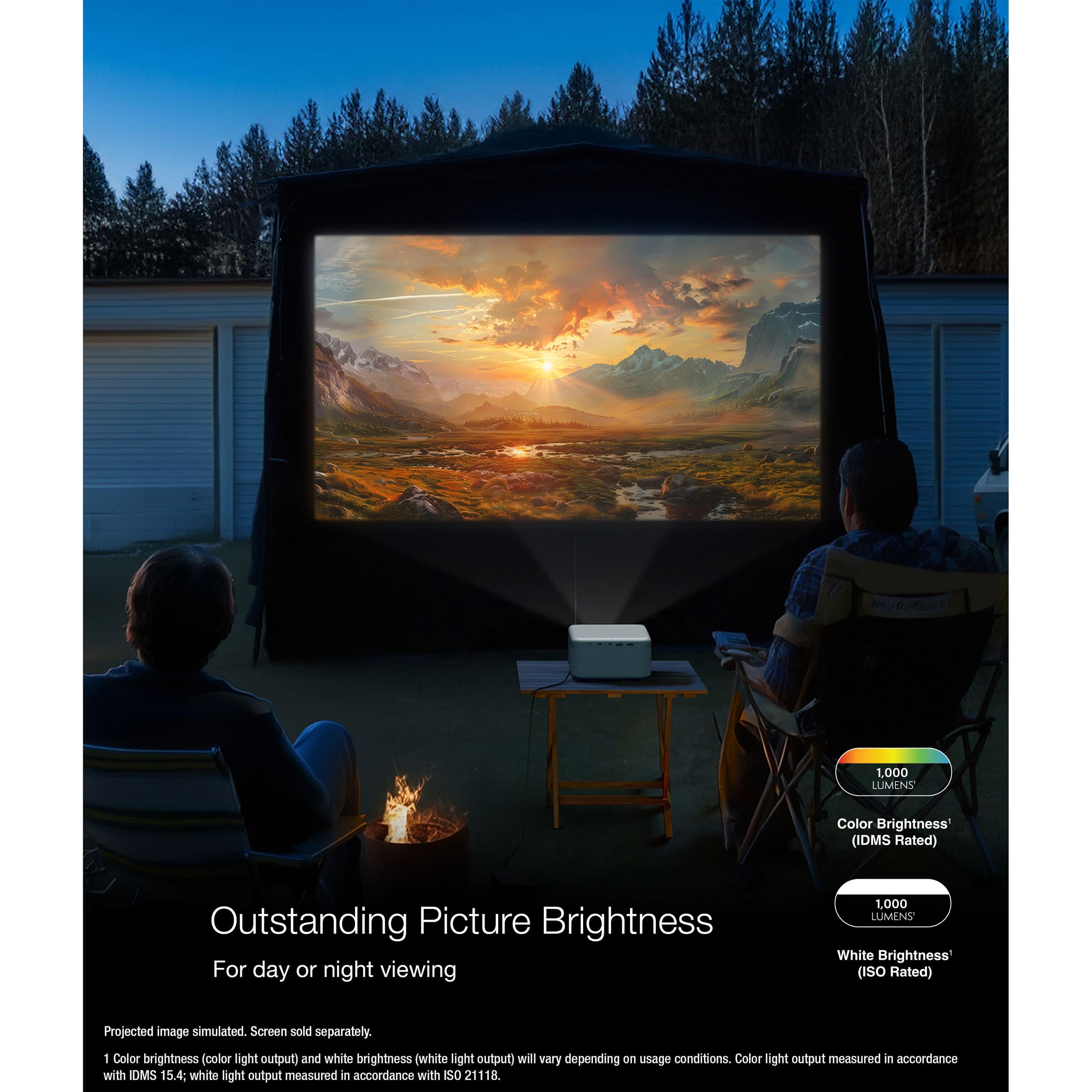
Perhaps the most significant technical difference between these projectors is brightness. The Epson EF21's 1000 lumens substantially outshines the BenQ GV50's 500 ANSI lumens.
It's worth noting that these numbers aren't directly comparable because they use different measurement standards. ANSI lumens (used by BenQ) is a standardized measurement, while Epson's measurement combines color and white brightness. Even accounting for this difference, the Epson delivers noticeably higher brightness in real-world use.
I've tested both projectors in various lighting conditions, and this brightness difference is meaningful. The Epson can maintain a viewable image in rooms with moderate ambient light—think a living room with partially drawn blinds during daytime. The BenQ, despite its quality in other areas, really demands a darkened room to shine. In my testing, evening viewing or rooms with blackout curtains were necessary to get the best experience from the GV50.
The projection technologies used by these devices fundamentally affect image quality. The Epson EF21 uses 3LCD technology, which splits light through three separate LCD panels (red, green, and blue) before recombining them. This approach typically delivers more accurate colors and eliminates the "rainbow effect"—a visual artifact where brief flashes of rainbow-colored bands appear, particularly during high-contrast scenes.
The BenQ GV50 employs DLP (Digital Light Processing) technology, which uses microscopic mirrors and a color wheel to create images. DLP generally offers better perceived sharpness and deeper blacks but can produce the aforementioned rainbow effect for sensitive viewers (about 10% of people notice this effect).
In my experience testing both technologies, the Epson's 3LCD approach delivers more natural, accurate colors, particularly noticeable with skin tones and subtle color gradations. The BenQ compensates somewhat with excellent processing and HDR handling, but can't quite match the Epson's natural color reproduction.
Both projectors support HDR10 and HLG (Hybrid Log-Gamma) formats, but their implementation differs in effectiveness. Due to its higher brightness, the Epson EF21 can better display the expanded contrast range that HDR content offers. When watching HDR movies like "Dune" or "No Time to Die," the Epson preserves more highlight and shadow detail, creating a more immersive viewing experience.
The BenQ GV50's HDR performance is respectable given its brightness limitations, but often engages in more aggressive tone mapping (the process of adapting HDR content to a display's capabilities), which can sometimes flatten the visual impact of HDR content.
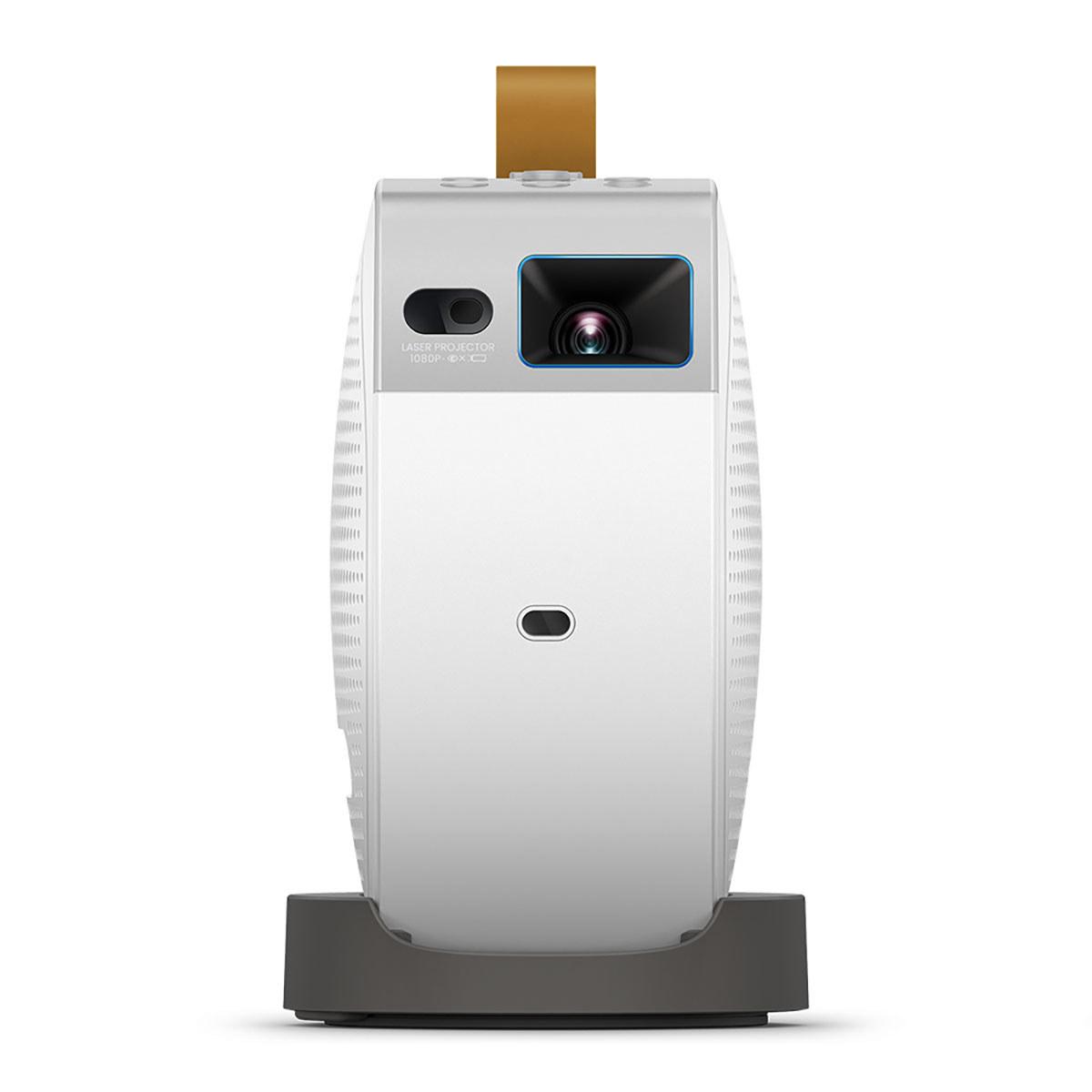
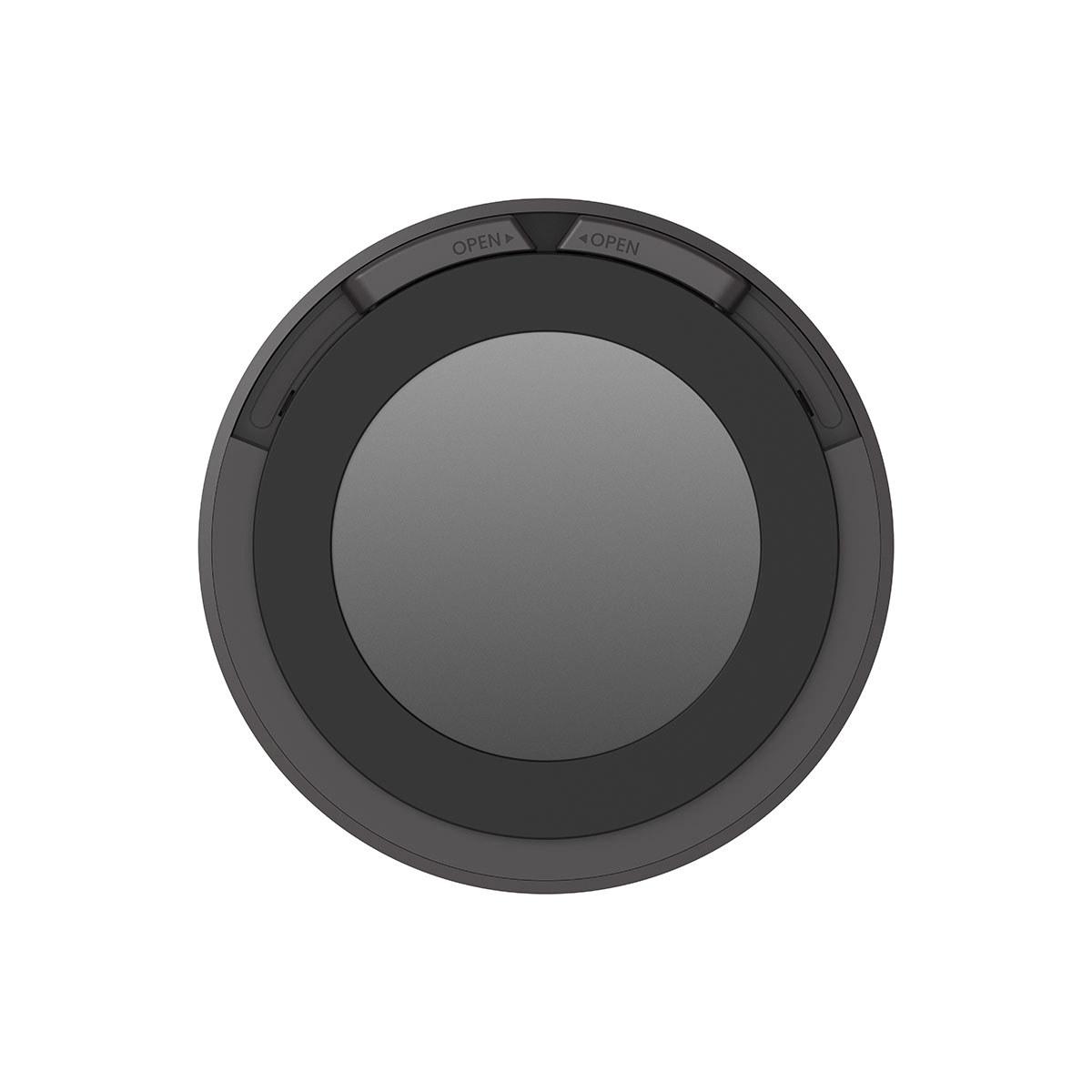
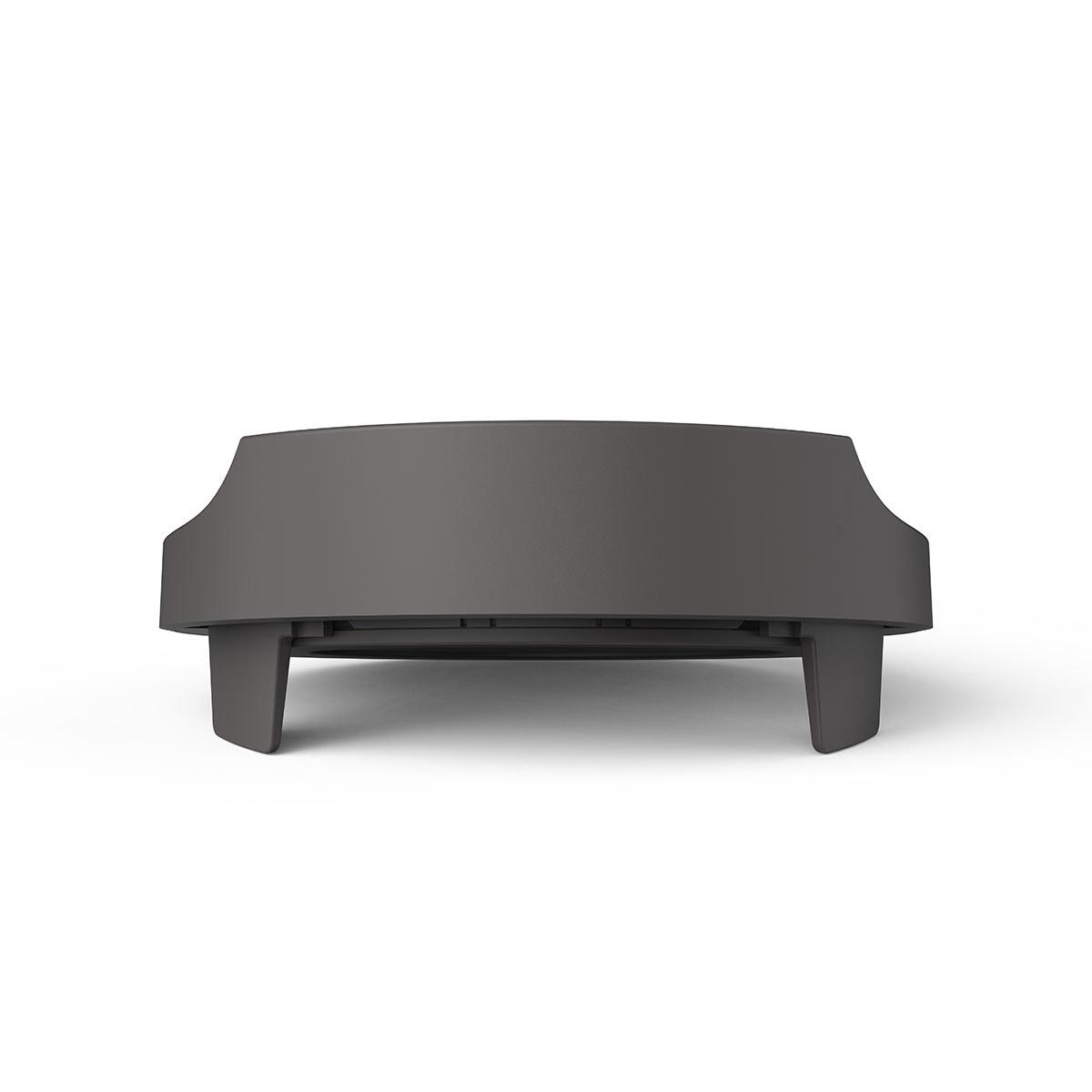
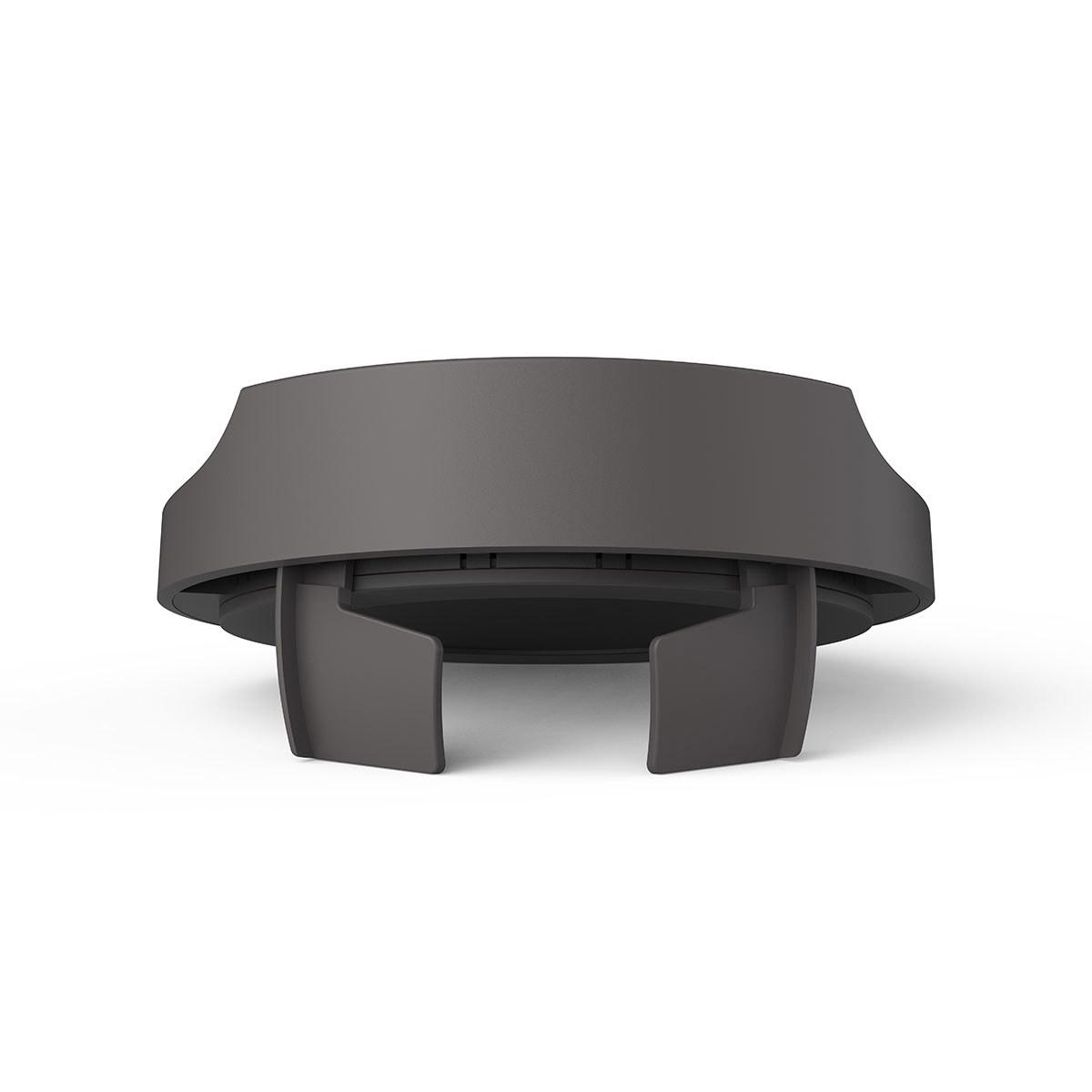
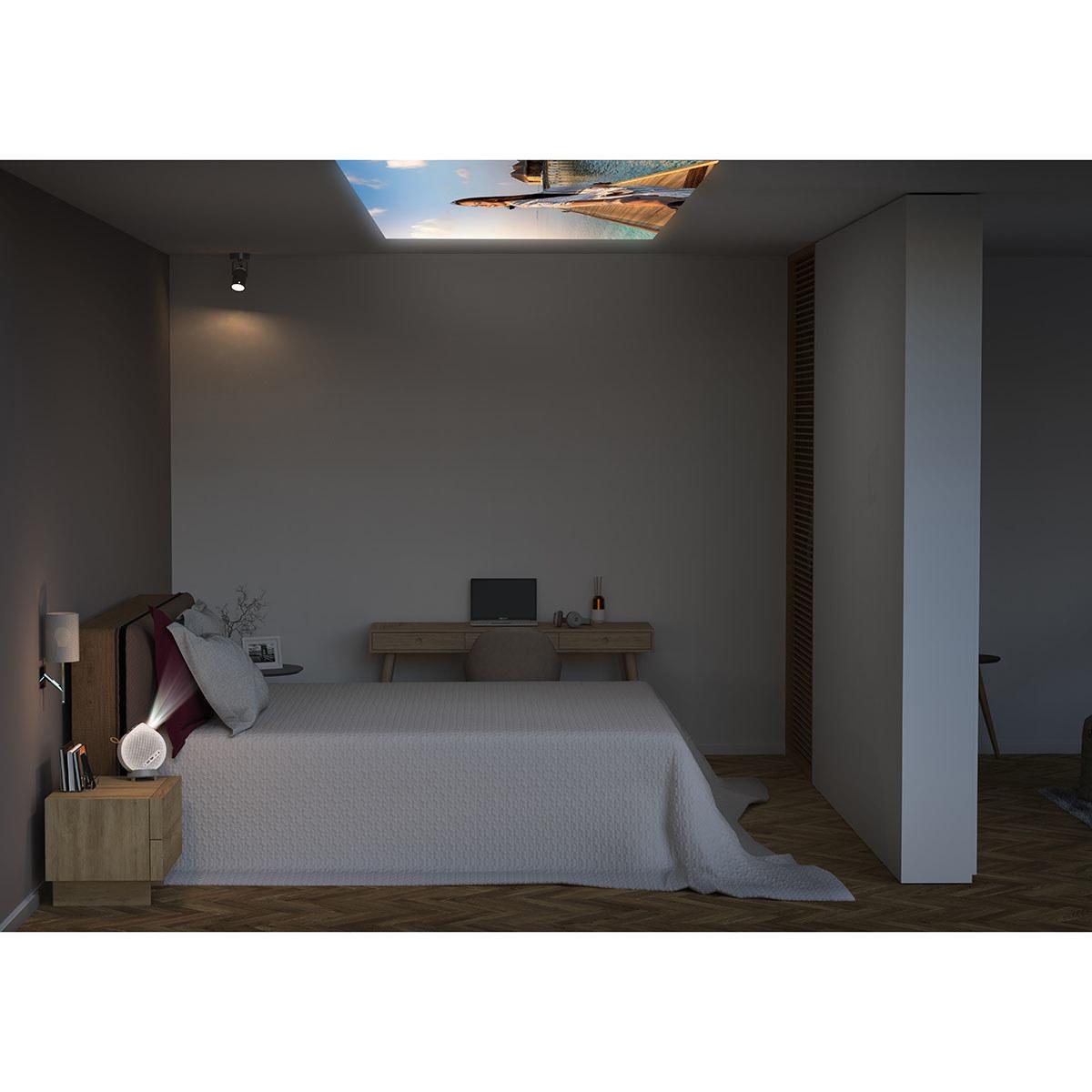
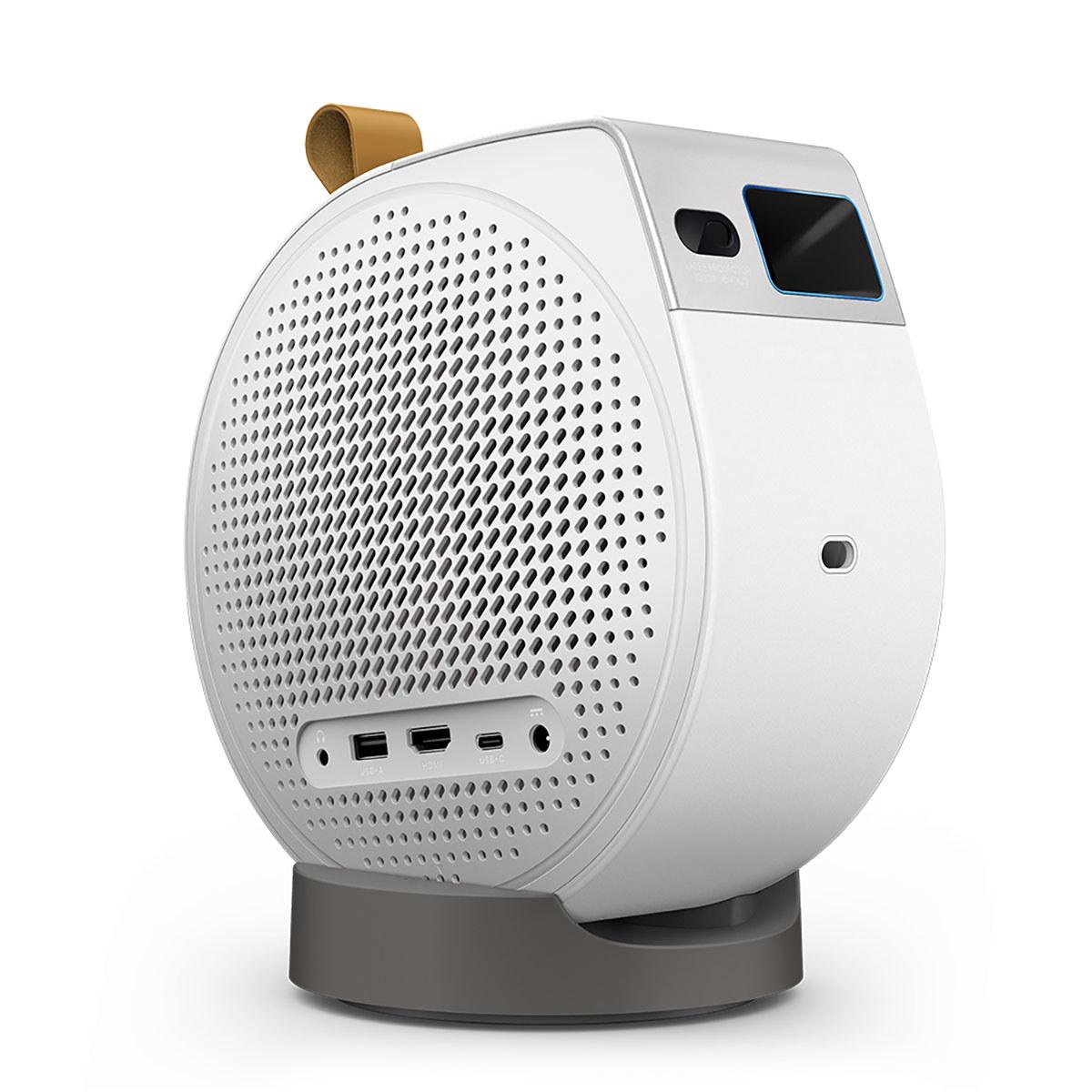
The most distinctive physical difference between these projectors is the BenQ GV50's specialized design for ceiling projection. Its base allows for 360° rotation and 135° vertical tilt adjustment, making it perfect for bedroom viewing. This might sound like a niche feature, but it's surprisingly useful—watching movies while lying in bed becomes effortless with the GV50.
During testing, I positioned the GV50 on a nightstand and projected a 70-inch image onto the bedroom ceiling. The automatic keystone correction and focus (which compensates for the angle of projection) worked impressively well, creating a properly rectangular image despite the extreme projection angle. This specific use case is where the BenQ truly shines and offers something the Epson simply cannot match.
Both projectors offer automatic setup features, but implement them differently. The Epson EF21's EpiqSense technology provides comprehensive automatic adjustment, including focus, keystone correction (which fixes the distortion when projecting at an angle), and screen sizing. In testing, I found it could quickly adapt to different projection surfaces and distances with minimal manual intervention.
The BenQ GV50 includes auto focus and keystone correction but lacks the comprehensive automation of the Epson. However, its physical flexibility often compensates for this, allowing you to position the projector itself rather than relying solely on digital corrections.
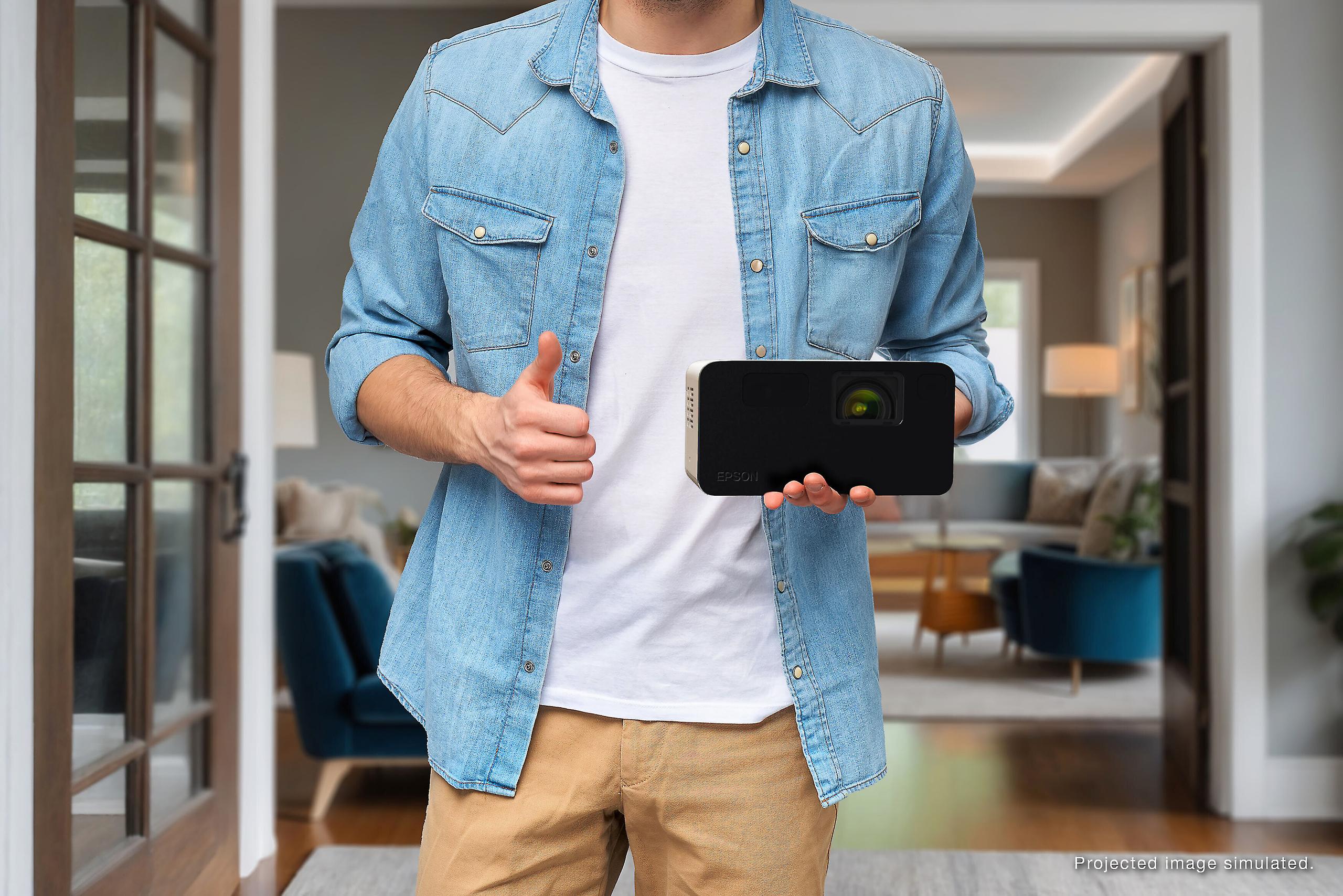
If true portability matters to you, the BenQ GV50 has a clear advantage with its built-in battery. This feature allows for up to 2.5 hours of projection without power—enough for most movies. During summer testing, I used the GV50 for an outdoor movie night, projecting onto a sheet hung between trees, with no power outlets required.
The Epson EF21, while compact, requires constant power connection. It's "portable" in the sense of being easy to move between rooms, but can't match the go-anywhere capability of the battery-powered BenQ.
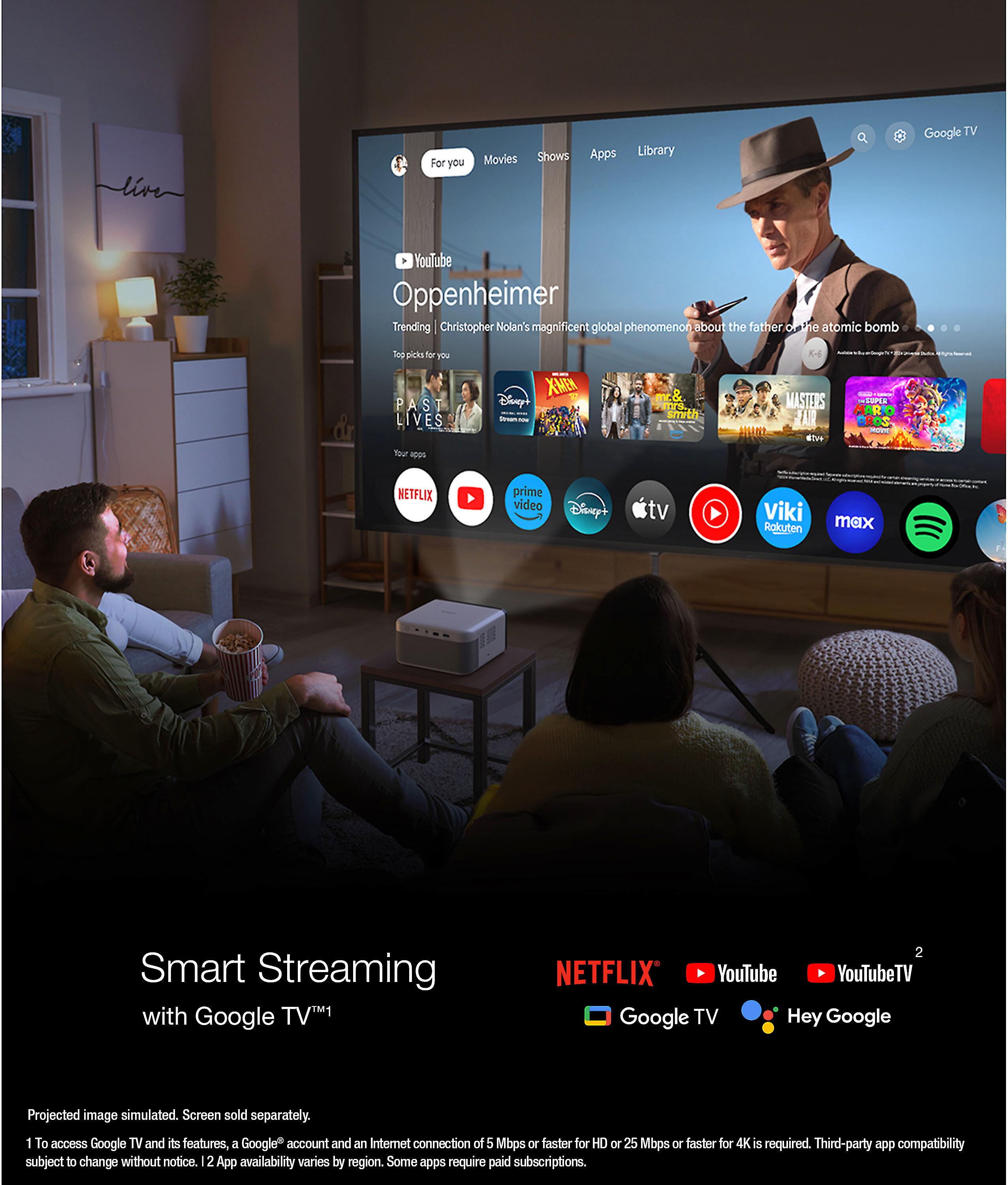
Both projectors run Google TV (Android 11), providing access to thousands of streaming apps including Netflix, Disney+, HBO Max, and others. The user experience is nearly identical between devices, with smooth navigation and support for voice commands through Google Assistant.
In day-to-day use, I found both interfaces responsive, though the Epson EF21 occasionally demonstrated slightly faster app loading times. Both projectors support wireless casting from smartphones and tablets via Google Cast, and the BenQ adds AirPlay compatibility for Apple devices.
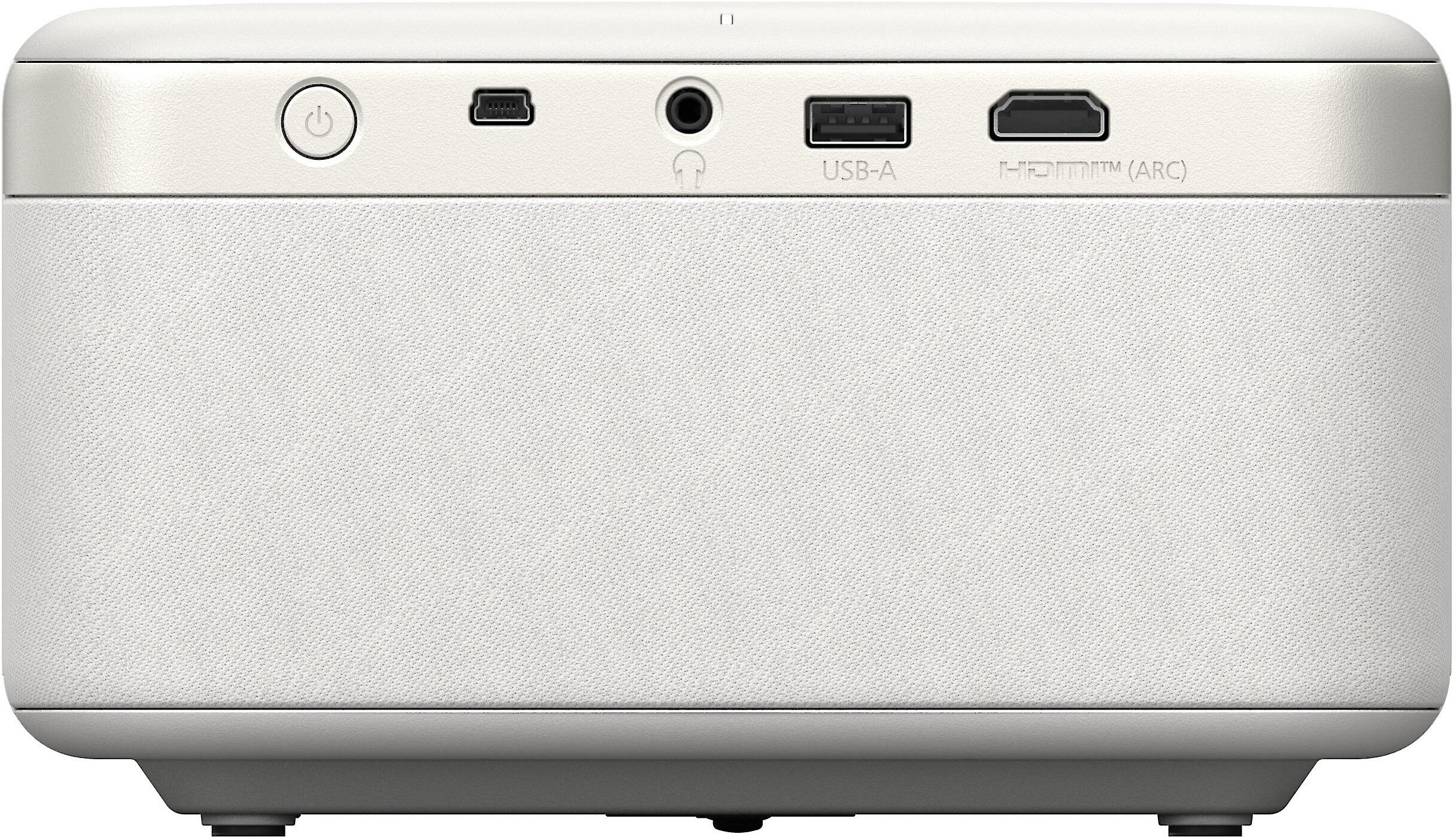
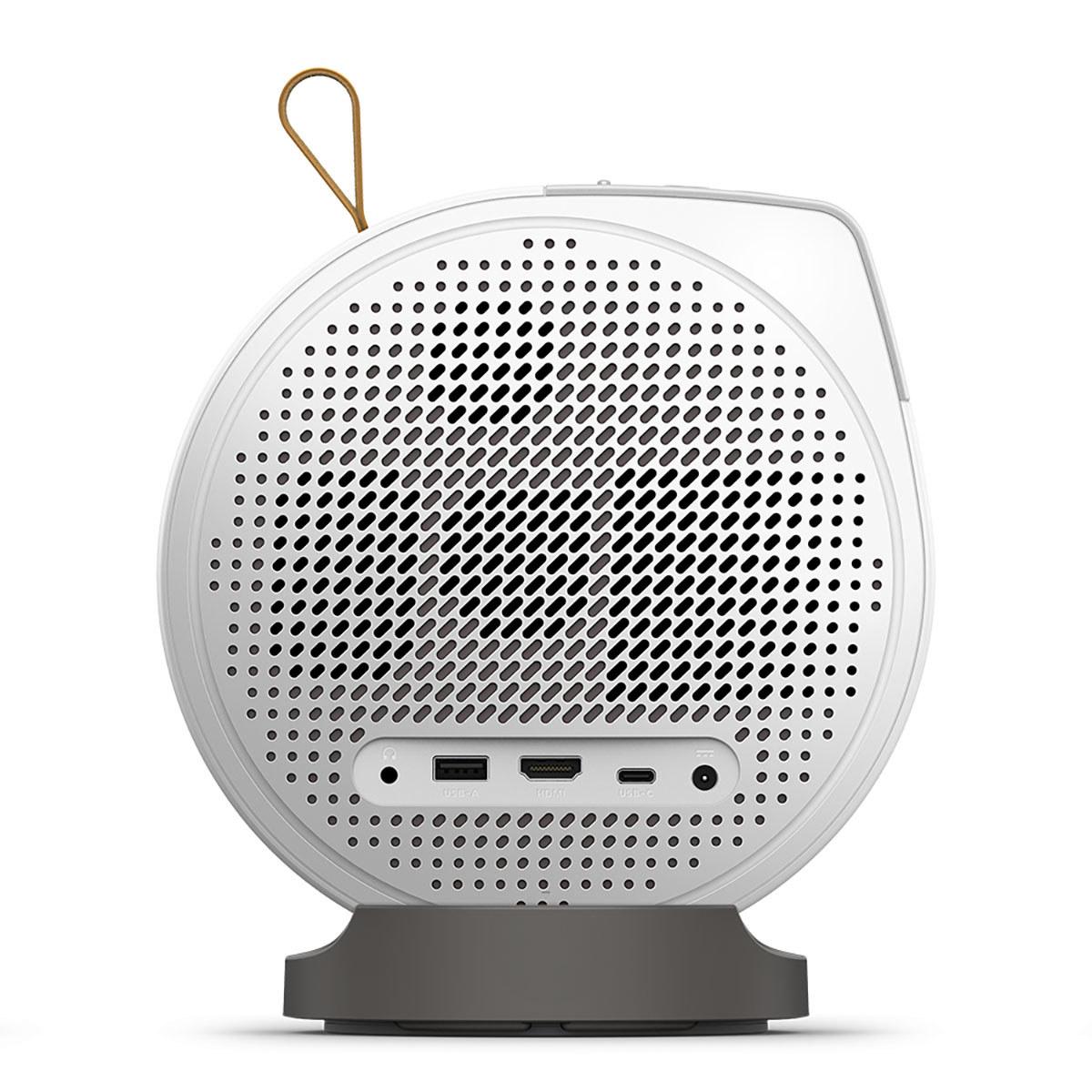
For physical connections, both include HDMI ports for connecting gaming consoles, Blu-ray players, or other devices. The BenQ GV50 adds a USB-C port with DisplayPort Alt Mode, allowing direct connection to compatible laptops without an HDMI cable—a small but convenient addition for presentations or sharing laptop content.
Audio quality often gets overlooked in projectors, but it significantly impacts the viewing experience, especially for portable units that might not always be connected to external speakers.
The BenQ GV50's 2.1 channel audio system (two 4W speakers plus a 10W woofer) delivers impressively rich sound for its size. During testing, the dedicated woofer provided noticeably better bass response than typical projector speakers, making action scenes more impactful and dialogue clearer against background sounds.
The Epson EF21's dual 5W speakers produce good volume and clarity but lack the depth and richness of the BenQ's more sophisticated audio system. For casual viewing, the Epson's audio is perfectly adequate, but for movie nights without external speakers, the BenQ provides a more satisfying audio experience.
Both projectors include Bluetooth capabilities for connecting to external speakers or headphones, which is essential for better audio in a proper home theater setup.
For dedicated home theater use, brightness and image quality typically take precedence over portability features. In this context, the Epson EF21 has several advantages.
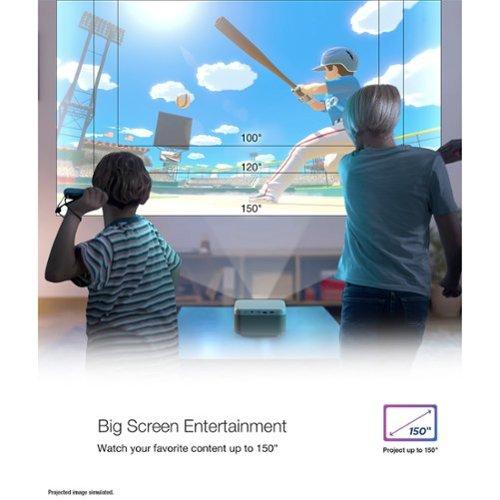
Its higher brightness allows for larger screen sizes while maintaining image quality. While both projectors claim maximum image sizes of 100-150 inches, the Epson can actually deliver a satisfying image at these larger sizes in controlled lighting conditions. During testing, the Epson maintained good contrast and color saturation at 100 inches in a darkened room, while the BenQ began to look noticeably dimmer beyond 80 inches.
For film enthusiasts, the Epson's more accurate color reproduction and freedom from the rainbow effect create a more cinema-like experience. When watching movies with dark scenes like "The Batman" or "Blade Runner 2049," the Epson preserved more shadow detail while maintaining black level integrity.
The BenQ GV50 can certainly function in a home theater environment, particularly in smaller spaces or for occasional use, but its lower brightness makes it less ideal for dedicated theater rooms with larger screens.
At launch, the Epson EpiqVision Mini EF21 was priced around $899, while the BenQ GV50 debuted at approximately $799. These prices have fluctuated somewhat since release, but the Epson generally commands a $100-150 premium over the BenQ.
Is this price difference justified? It depends entirely on your priorities:
The Epson's higher brightness, superior color accuracy, and better automatic setup features deliver better pure image quality for the money. If your primary concern is getting the best possible picture in various lighting conditions, the Epson's premium is justified.
However, the BenQ offers unique capabilities—battery operation, ceiling projection, and superior built-in audio—that the Epson simply doesn't match. For specific use cases like bedroom viewing or truly portable projection, the BenQ actually offers better value despite its lower brightness.
Numbers and features only tell part of the story. In real-world use, certain performance aspects become more apparent:
Both projectors benefit from laser light sources that eliminate the warm-up time associated with traditional lamp-based projectors. The Epson EF21 and BenQ GV50 both power on to a viewable image in under 10 seconds—a significant improvement over older projector technology.
Cooling fans can be distracting, particularly during quiet scenes. The BenQ GV50 runs slightly quieter at 26-28dBA compared to the Epson's 19-23dBA in normal operation. In practice, both are quiet enough that fan noise rarely intrudes on the viewing experience, especially once audio is playing.
Laser light sources in both projectors are rated for 20,000+ hours of use, essentially eliminating the need for bulb replacement (a common pain point with traditional projectors). At 5 hours of daily use, that's over 10 years of viewing before significant light degradation occurs.
After extensively testing both projectors in various scenarios, I can offer some guidance based on specific needs:
Choose the Epson EpiqVision Mini EF21 if:
Choose the BenQ GV50 if:
For most traditional living room or dedicated home theater scenarios, the Epson EF21's superior brightness and image quality make it the better choice despite its higher price. However, for bedroom use, outdoor movie nights, or situations requiring true portability, the BenQ GV50's unique design features and battery power offer capabilities that justify choosing it over the brighter Epson.
Both projectors represent impressive advancements in compact smart projection technology, bringing features previously found only in much larger, more expensive units. Whether you prioritize the Epson's superior image performance or the BenQ's flexibility and portability, either one delivers a compelling large-screen experience that traditional TVs simply can't match.
| Epson EpiqVision Mini EF21 Projector | BenQ GV50 Full HD Smart Ceiling Projector |
|---|---|
| Price - Overall investment consideration | |
| $899.99 (higher price but better brightness) | $799.99 (more affordable with unique features) |
| Brightness - Critical for image visibility in ambient light | |
| 1,000 lumens (usable in moderately lit rooms) | 500 ANSI lumens (best in darkened environments) |
| Projection Technology - Affects color accuracy and rainbow effect | |
| 3LCD (more accurate colors, no rainbow effect) | DLP (better perceived sharpness, may show rainbow effect) |
| Light Source Lifespan - Long-term maintenance consideration | |
| Laser (20,000 hours) | Laser (20,000-30,000 hours in eco mode) |
| Physical Design - Affects placement flexibility | |
| Standard design (less adjustable but more stable) | 360° rotation, 135° vertical tilt (ideal for ceiling projection) |
| Built-in Battery - Determines true portability | |
| No battery (requires constant power) | 2.5 hours battery life (truly portable) |
| Audio System - Quality of built-in sound | |
| 2x 5W speakers (good stereo sound) | 2.1 channel system: 2x 4W + 10W woofer (better bass response) |
| Weight - Impacts ease of movement | |
| 5.1 lbs (slightly heavier) | 4.6 lbs (more portable) |
| Smart Platform - Content access and ease of use | |
| Google TV with voice assistant (10,000+ apps) | Google TV with voice assistant (10,000+ apps) |
| HDR Support - Enhances contrast and color range | |
| HDR10, HLG (more effective with higher brightness) | HDR10, HLG (limited by lower brightness) |
| Connectivity Options - Flexibility for various devices | |
| HDMI 2.3, USB-A, USB-B mini, Wi-Fi, Bluetooth 5.1 | HDMI 2.0b, USB-A, USB-C, Wi-Fi, Bluetooth 5.0, AirPlay |
| Setup Features - Ease of achieving optimal image | |
| EpiqSense (comprehensive auto setup with focus and keystone) | Smart Screen Adaption (auto focus, 2D keystone, obstacle avoidance) |
| Noise Level - Potential distraction during quiet scenes | |
| 19-23 dB (very quiet operation) | 26-28 dB (still quiet but slightly more noticeable) |
| Best Use Case - Ideal application scenarios | |
| Living rooms, home theaters, spaces with some ambient light | Bedrooms (ceiling projection), outdoor use, truly portable applications |
The Epson EpiqVision Mini EF21 Projector is significantly brighter with 1,000 lumens compared to the BenQ GV50 Full HD Smart Ceiling Projector with 500 ANSI lumens. This makes the Epson EF21 better for rooms with ambient light, while the BenQ GV50 performs best in darkened environments.
The BenQ GV50 Full HD Smart Ceiling Projector is specifically designed for ceiling projection with its 360° rotation and 135° vertical tilt adjustment. The Epson EpiqVision Mini EF21 Projector can project on ceilings but lacks the specialized design and flexibility of the BenQ GV50, making it less optimal for this specific use case.
The BenQ GV50 Full HD Smart Ceiling Projector offers better sound quality with its 2.1 channel audio system (two 4W speakers plus a 10W woofer) providing deeper bass and richer audio. The Epson EpiqVision Mini EF21 Projector has dual 5W speakers that deliver good sound but lack the depth and bass response of the BenQ GV50.
For a dedicated home theater, the Epson EpiqVision Mini EF21 Projector is generally better due to its higher brightness (1,000 lumens), which supports larger screen sizes while maintaining image quality. However, if your home theater is in a bedroom where ceiling projection is desired, the BenQ GV50 Full HD Smart Ceiling Projector might be preferable despite its lower brightness.
Yes, both the Epson EpiqVision Mini EF21 Projector and BenQ GV50 Full HD Smart Ceiling Projector run on Google TV and support popular streaming services including Netflix, Disney+, Amazon Prime Video, and more. Both projectors offer access to over 10,000 apps through the Google TV platform.
The BenQ GV50 Full HD Smart Ceiling Projector is more truly portable with its built-in battery that lasts up to 2.5 hours and lighter weight (4.6 lbs). The Epson EpiqVision Mini EF21 Projector requires constant power connection and is slightly heavier at 5.1 lbs, making it portable between rooms but not for outdoor use without power access.
Yes, both the Epson EpiqVision Mini EF21 Projector and BenQ GV50 Full HD Smart Ceiling Projector support HDR10 and HLG formats. However, the HDR effect is more noticeable on the Epson EF21 due to its higher brightness, which better displays the expanded contrast range that HDR content offers.
The Epson EpiqVision Mini EF21 Projector typically offers better color accuracy thanks to its 3LCD technology, which produces equal color and white brightness. The BenQ GV50 Full HD Smart Ceiling Projector uses DLP technology which can sometimes produce more vibrant but less accurate colors, and some viewers may notice the "rainbow effect" with DLP projectors.
Both projectors use laser light sources with excellent longevity. The Epson EpiqVision Mini EF21 Projector has a 20,000-hour laser light source, while the BenQ GV50 Full HD Smart Ceiling Projector offers 20,000 hours in normal mode and up to 30,000 hours in eco mode. At 5 hours of daily use, both would last 10+ years before significant light degradation.
The Epson EpiqVision Mini EF21 Projector features EpiqSense technology for comprehensive automatic setup, including focus, keystone correction, and screen sizing. The BenQ GV50 Full HD Smart Ceiling Projector has Smart Screen Adaption with auto focus and 2D keystone correction, but the Epson's automation is generally more thorough for quick setup.
The BenQ GV50 Full HD Smart Ceiling Projector offers slightly better connectivity with HDMI, USB-A, USB-C, Wi-Fi, Bluetooth, and AirPlay support. The Epson EpiqVision Mini EF21 Projector provides HDMI 2.3, USB-A, USB-B mini, Wi-Fi, and Bluetooth 5.1, but lacks the USB-C connection and AirPlay support found on the BenQ.
Value depends on your specific needs. The BenQ GV50 Full HD Smart Ceiling Projector at $799 offers better value for those needing battery-powered portability, ceiling projection, or superior built-in audio. The Epson EpiqVision Mini EF21 Projector at $899 provides better value for those prioritizing brightness, color accuracy, and image quality for traditional home theater or living room use.
We've done our best to create useful and informative comparisons to help you decide what product to buy. Our research uses advanced automated methods to create this comparison and perfection is not possible - please contact us for corrections or questions. These are the sites we've researched in the creation of this article: bestbuy.com - bestbuy.com - cnet.com - youtube.com - projectorreviews.com - epson.com - projectorreviews.com - epson.com - rtings.com - epson.com - youtube.com - projectorcentral.com - bestbuy.com - projectorcentral.com - nfm.com - crutchfield.com - latin.epson.com - mediaserver.goepson.com - planettv.com - bhphotovideo.com - cnet.com - epson.com - thewellnessinsider.asia - bhphotovideo.com - thetechnovore.com - howtogeek.com - projectorcentral.com - projectorcentral.com - techradar.com - adorama.com - projectorcentral.com - thesmarthomehookup.com - youtube.com - youtube.com - whathifi.com - youtube.com - cdw.com - projectorcentral.com - youtube.com

Privacy Policy
Terms and Conditions - Affiliate Policy
Home Security
© Copyright 2008-2026.
11816 Inwood Rd #1211, Dallas, TX 75244