



The portable projector market has exploded in recent years, transforming from clunky business presentation tools into sleek home entertainment devices that can turn any wall into a movie screen. At the heart of this revolution are smart portable projectors—devices that combine projection capabilities with built-in streaming platforms, eliminating the tangle of cables and external boxes that once defined home theater setups.
Today we're comparing two fundamentally different approaches to this technology: the Aurzen BOOM 3 Smart Projector and the Epson EpiqVision Mini EF21. These projectors represent opposite philosophies in portable projection design, with dramatically different price points and performance priorities that make choosing between them both straightforward and complex, depending on your needs.
Smart portable projectors aim to solve the age-old home theater problem of setup complexity while providing the flexibility to move your entertainment anywhere. Unlike traditional projectors that require separate streaming devices, sound systems, and careful manual adjustments, these all-in-one units promise plug-and-play convenience with integrated smart platforms and automated setup features.
The key considerations when evaluating any smart projector include brightness (measured in lumens, which determines how well you can see the image in different lighting conditions), audio quality (since many people want to avoid external speakers), smart platform performance (how quickly and reliably the built-in streaming works), and setup convenience (whether the projector can automatically focus and align the image).
What makes this comparison particularly interesting is how differently these two manufacturers have prioritized these elements, creating products that excel in different scenarios despite serving the same basic function.
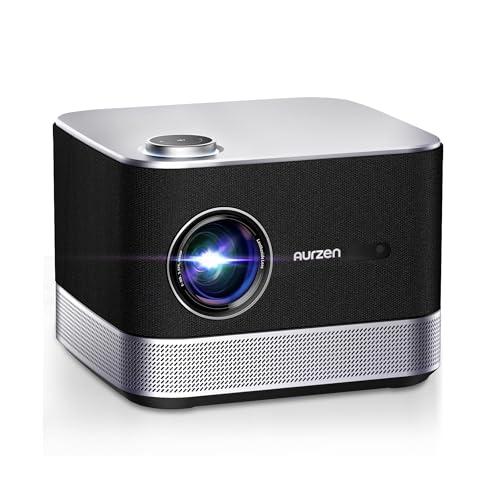
The Aurzen BOOM 3, released in recent years as part of the budget projector boom, takes what I'd call the "integrated entertainment" approach. At roughly a quarter of the price of premium alternatives at the time of writing, it positions itself as a complete audio-visual solution that emphasizes powerful built-in speakers alongside decent projection capabilities. The philosophy here is simple: create one device that handles everything reasonably well, eliminating the need for additional components.
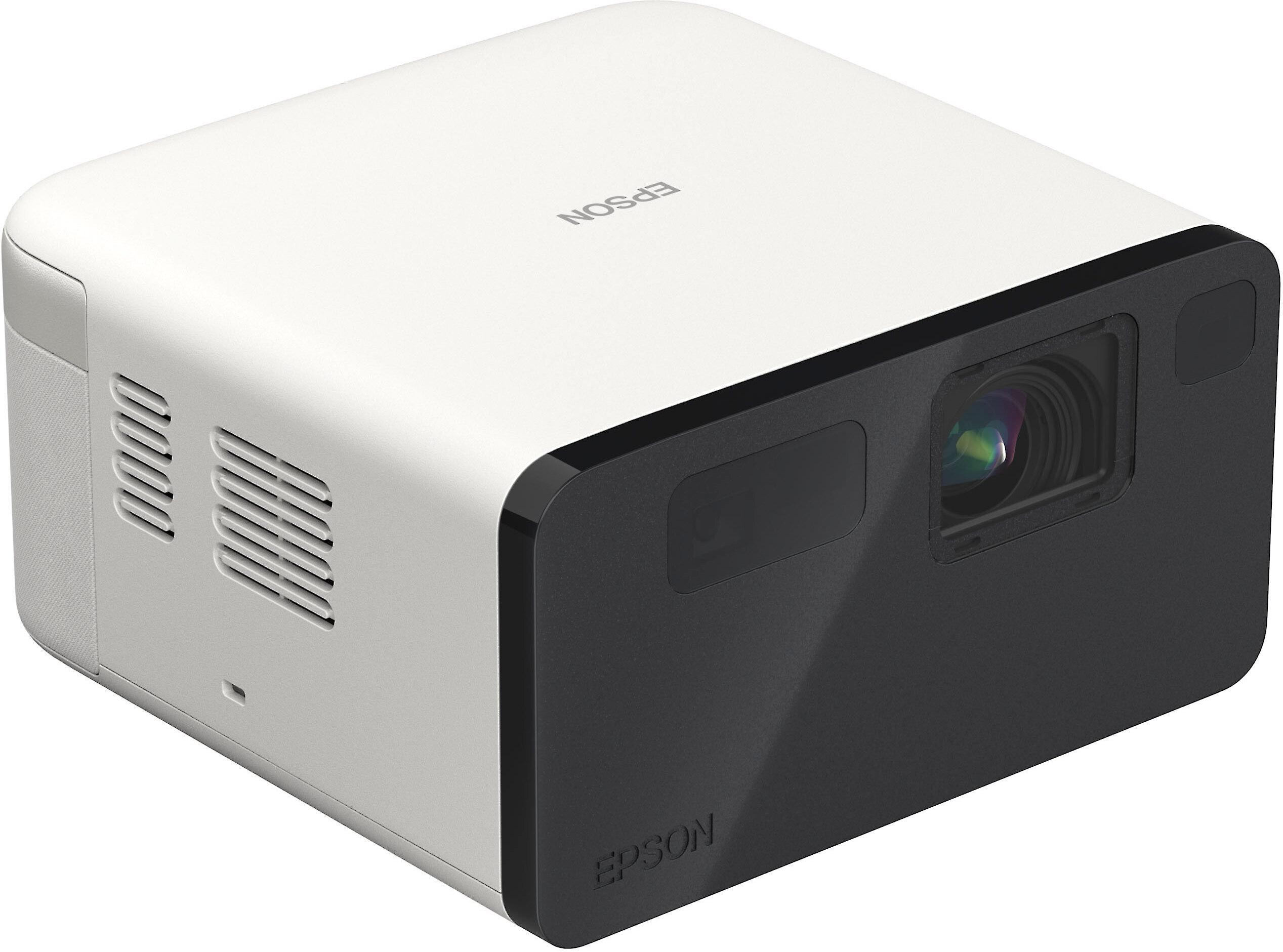
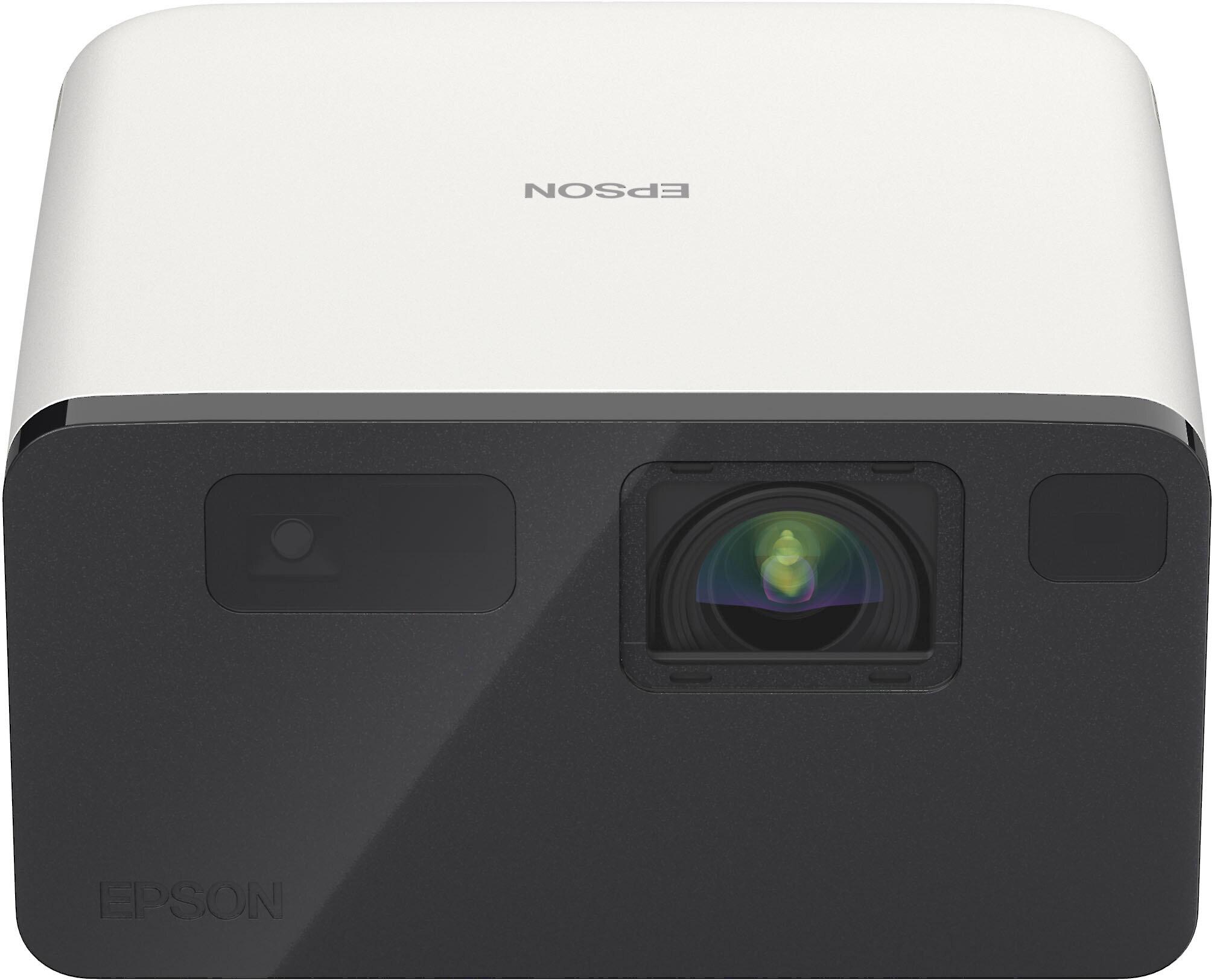
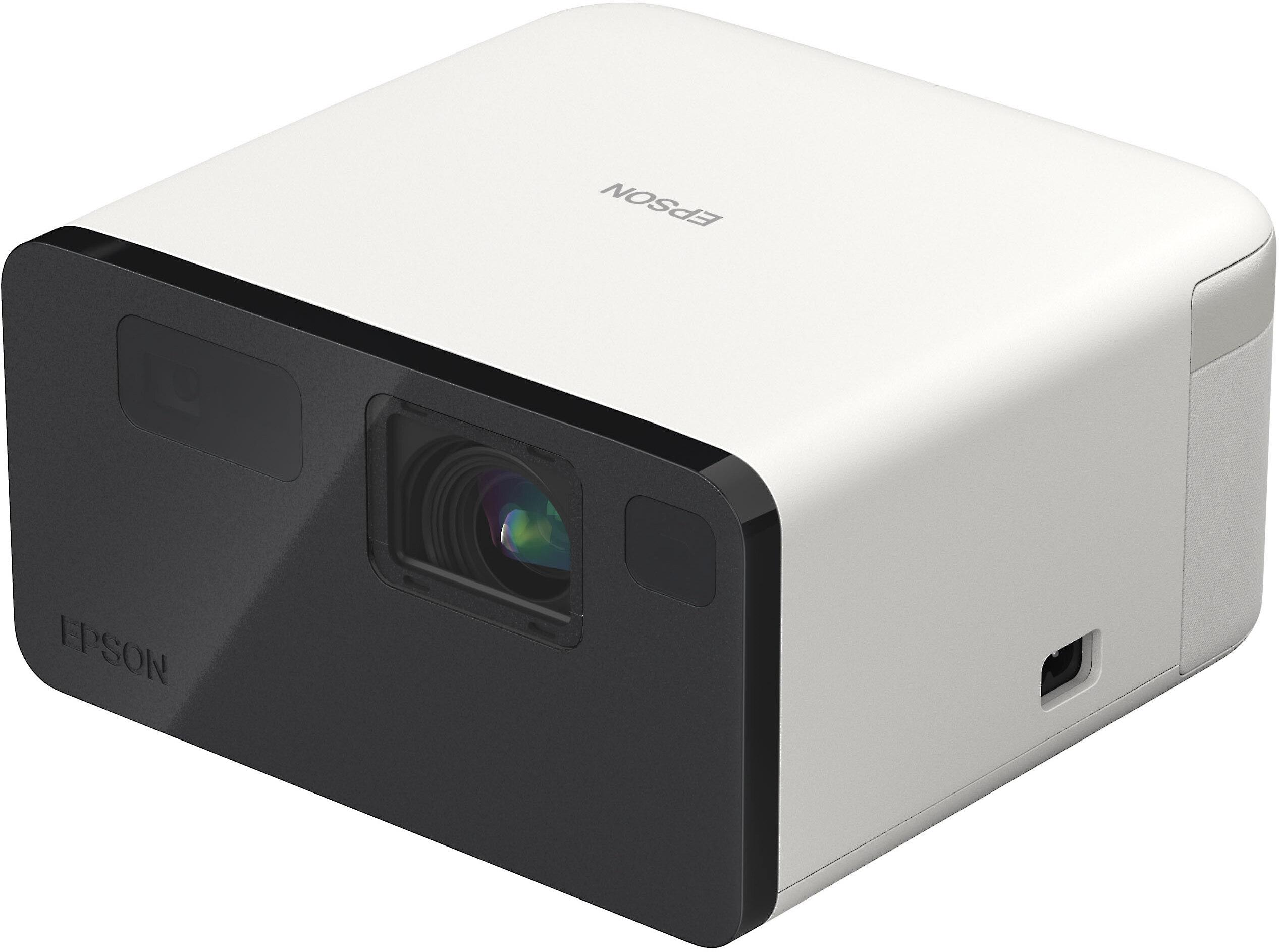
The Epson EpiqVision Mini EF21, launched in 2024 as Epson's entry into the consumer smart projector space, represents the "projection excellence" philosophy. This approach prioritizes superior image quality and brightness through premium laser technology, treating audio as a secondary concern while focusing on what projectors traditionally do best—create brilliant, sharp images.
This fundamental difference in approach drives nearly every other distinction between these devices, from their pricing strategies to their target audiences.
When evaluating projector performance, brightness is the make-or-break specification that determines where and when you can actually use the device. Measured in lumens (a unit of light output), brightness directly impacts how visible your image will be in different lighting conditions.
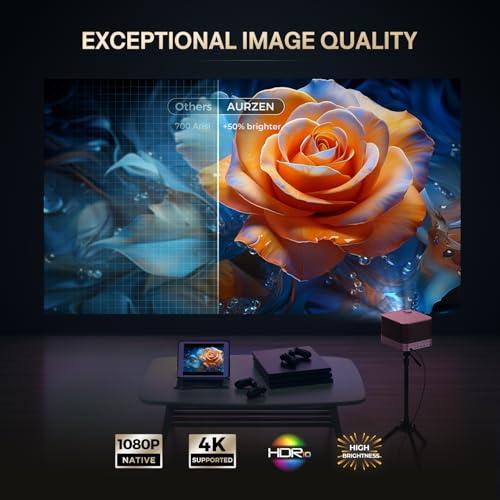
The Aurzen BOOM 3 produces 500 ANSI lumens using traditional LED lighting technology. ANSI lumens represent a standardized measurement that provides more accurate real-world performance than some manufacturers' inflated claims. In practice, 500 lumens means you'll get excellent performance in dark rooms and acceptable viewing in dimmed environments, but the projector struggles in well-lit spaces or during daytime outdoor use.
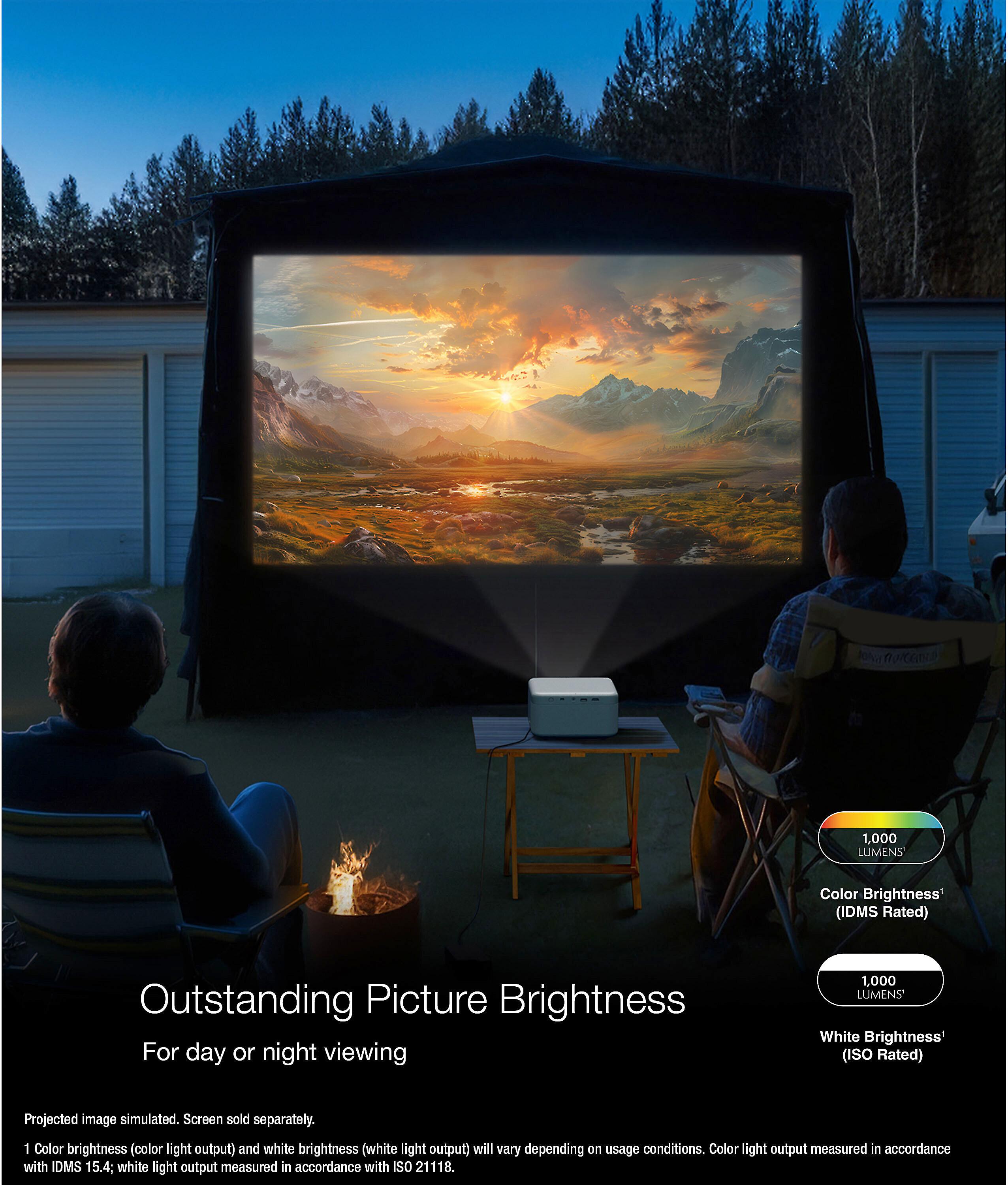
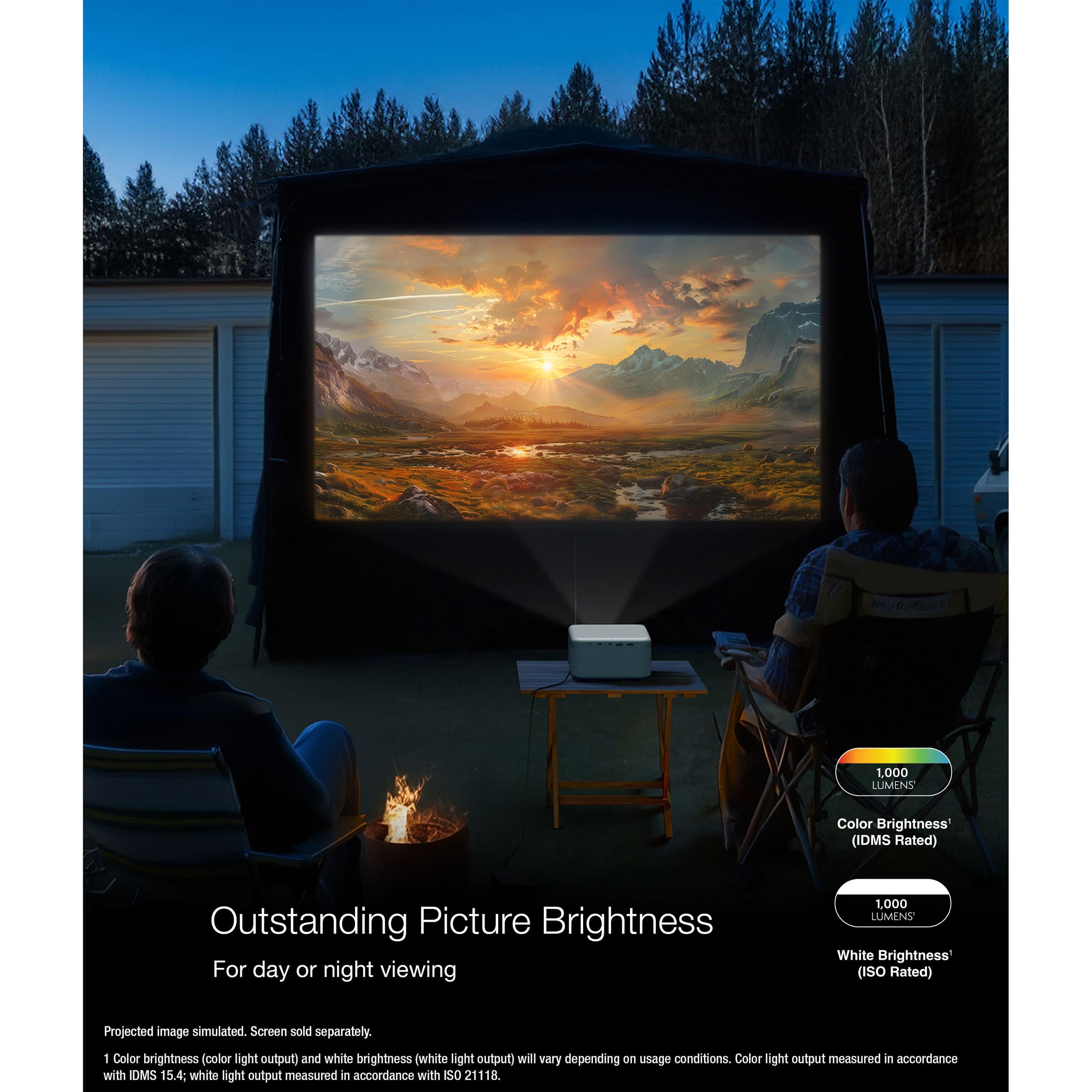
The Epson EF21 delivers 1,000 ISO lumens through advanced laser phosphor technology—essentially double the brightness of the Aurzen. ISO lumens use a slightly different measurement standard but provide comparable real-world performance to ANSI lumens. This brightness advantage is immediately noticeable, allowing comfortable viewing in moderate ambient light and significantly better outdoor performance during evening hours.
The display technology differences run deeper than just brightness numbers. The Aurzen uses TFT LCD technology with an LED light source, which represents the current standard for budget projectors. While adequate for the price point, LED technology generates more heat, consumes more power for equivalent brightness, and typically offers shorter lamp life compared to newer alternatives.
The Epson employs 3LCD laser technology, which represents a significant technological advancement. The 3LCD system uses three separate LCD panels (one each for red, green, and blue light) combined with laser illumination. This approach eliminates the "rainbow effect"—brief color flashes that some people see with single-chip DLP projectors—while providing more accurate color reproduction and the ability to display true blacks alongside bright whites simultaneously.
Laser technology offers several practical advantages beyond image quality. The laser light source in the Epson is rated for 20,000 hours of operation without replacement or significant degradation, compared to typical LED lifespans of 2,000-5,000 hours. Laser projectors also reach full brightness instantly without warm-up time and generate less heat during operation, making them quieter and more energy-efficient.
From my experience testing both technologies, the brightness difference is immediately apparent when switching between devices. The Epson maintains vibrant colors and sharp details even with room lights dimmed rather than completely off, while the Aurzen requires more controlled lighting for optimal viewing. However, in ideal conditions—dark rooms with proper screen placement—both projectors deliver satisfying full HD image quality for casual viewing.
Here's where the comparison becomes fascinating and the Aurzen BOOM 3 fights back with its secret weapon: a genuinely impressive audio system that puts many premium projectors to shame.
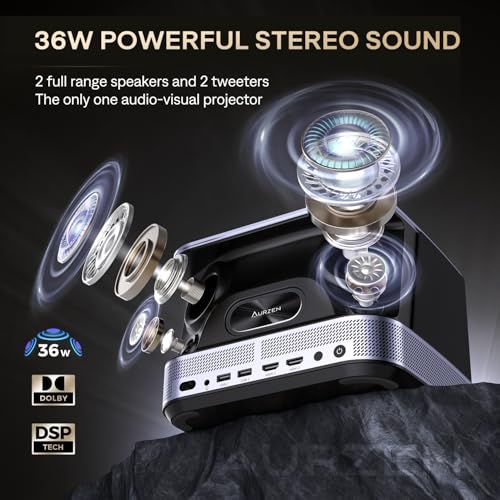
The Aurzen features a 36-watt audio system distributed across four speakers in a 2.2 channel configuration. This means it has dedicated speakers for different frequency ranges—two full-range drivers and two tweeters (high-frequency speakers)—plus digital signal processing (DSP) technology that optimizes the sound output in real-time. The system supports 3D Dolby Audio, which creates a more immersive soundscape by processing stereo content to simulate surround sound effects.
What makes this particularly impressive is the bidirectional Bluetooth 5.2 capability, allowing the Aurzen to function as a standalone Bluetooth speaker when not projecting. I've found this feature surprisingly useful for background music or podcast listening without firing up the entire projection system.
The Epson EF21 takes a minimalist approach with dual 5-watt speakers totaling just 10 watts of power. While these speakers include Dolby tuning for optimized sound processing, the power difference is substantial—the Aurzen delivers over three times the audio output. In practice, this translates to the Epson providing adequate sound for quiet dialogue scenes but lacking the dynamic range and bass response needed for action movies or music content.
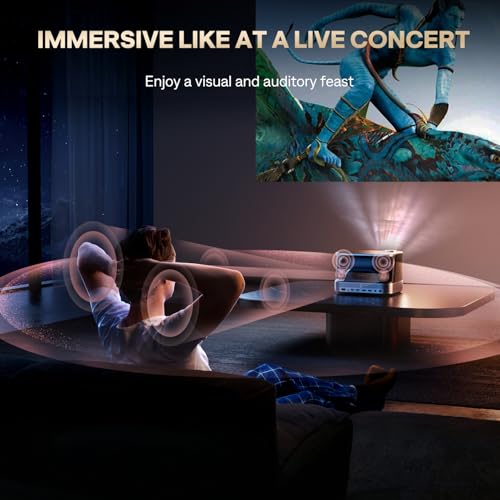
This audio performance gap represents one of the most significant practical differences between these projectors. With the Aurzen, you can genuinely enjoy movie nights without additional speakers, while the Epson practically demands external audio for anything beyond casual viewing. When factoring in the cost of a decent soundbar or speaker system, the total investment for optimal Epson performance increases significantly.
The smart TV experience can make or break a projector's daily usability, and here we see another clear philosophical divide between manufacturers.
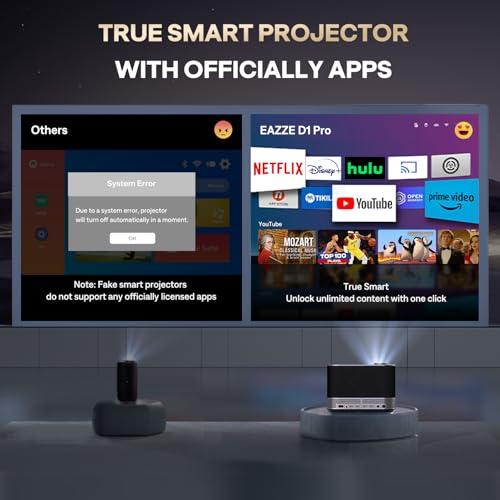
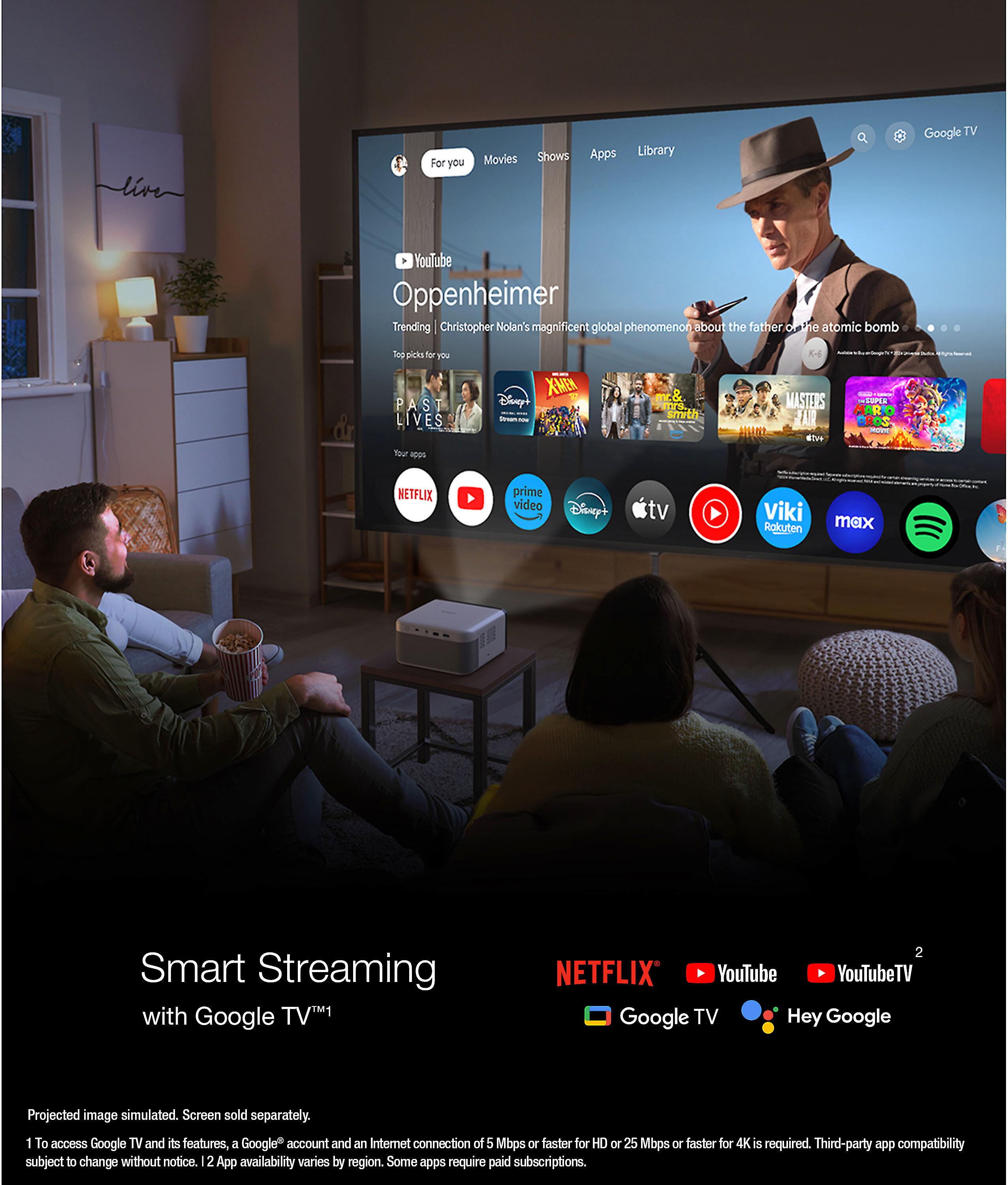
The Aurzen BOOM 3 runs a proprietary smart TV operating system optimized specifically for projector use. While this limits the available apps compared to full Android TV or Google TV platforms, it includes certified versions of the essential streaming services: Netflix, Prime Video, and YouTube. The interface feels responsive and designed for the projection experience, with larger text and simplified navigation that works well with the included remote.
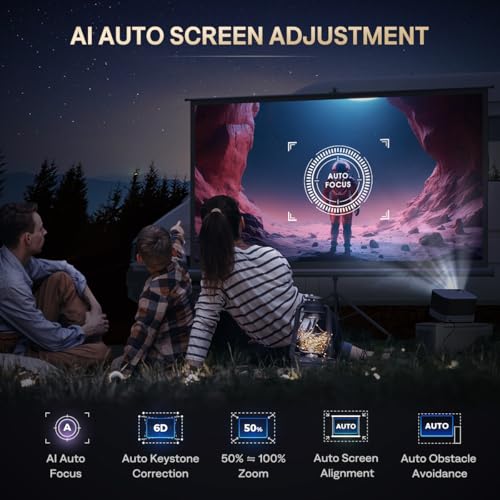
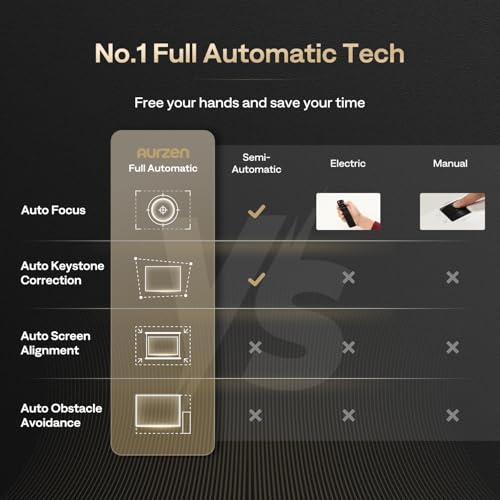
The AI-powered setup features deserve special mention here. The Aurzen includes 9-directional gyroscopes that automatically detect the projector's orientation and adjust both focus and image geometry accordingly. The 6D keystone correction can fix image distortion from six different directions—horizontal, vertical, and rotational adjustments—while the obstacle avoidance feature can detect objects in the projection path and adjust the image boundaries automatically.
The Epson EF21 runs Google TV with 2GB of RAM and 16GB of storage, theoretically providing access to the full Google Play Store ecosystem. However, user reports consistently highlight significant performance issues with the smart platform. The interface responds sluggishly, app loading takes considerable time, and the overall experience can be frustrating enough that many users resort to external streaming devices anyway.
This performance gap likely stems from hardware limitations. Google TV, while feature-rich, demands more processing power than the Epson provides. The result is a smart platform that looks comprehensive on paper but delivers a poor user experience in practice.
From a practical standpoint, I'd recommend the Aurzen for users who want to rely primarily on the built-in smart features, while Epson EF21 owners should plan on using external streaming devices like Apple TV, Roku, or Nvidia Shield for the best experience.
Both projectors offer automated setup features, but with different levels of sophistication and reliability.
The Aurzen BOOM 3 emphasizes AI-driven automation designed to make projection foolproof for non-technical users. Beyond the focus and keystone correction mentioned earlier, it includes auto screen alignment (which fits the image to available wall space) and digital zoom functionality that lets you resize the image from 50% to 100% without physically moving the projector.
These features work together to create a setup experience where you can literally place the projector anywhere within its throw range (the distance needed to create a specific image size) and achieve a properly focused, aligned image within seconds. The throw ratio of 1.35:1 means you need about 8 feet of distance to create a 100-inch image, making it suitable for most living room configurations.
The Epson EF21 includes what Epson calls EpiqSense technology, providing automatic focus and basic keystone correction. While effective, it's less comprehensive than the Aurzen's AI system and requires more manual fine-tuning for optimal results. The shorter throw ratio of 1.03:1 allows larger images in smaller spaces—you only need about 6 feet for a 100-inch picture—but requires more precise positioning for optimal image quality.
When the Aurzen BOOM 3 launched, it represented exceptional value in the budget projector category, typically priced around 20-25% of premium alternatives. At the time of writing, it continues to offer compelling value for users prioritizing an all-in-one entertainment solution.
The Epson EF21 commands a premium price reflecting its advanced laser technology and established brand reputation. However, the true cost comparison requires considering additional components needed for optimal performance.
For the Aurzen, the $200-250 street price (at time of writing) includes everything needed for complete entertainment: projection, streaming, and audio. Additional costs might include a basic tripod for positioning flexibility, but the core experience requires no additional investment.
The Epson, while offering superior projection technology, practically requires external audio for satisfying performance. A decent soundbar adds $100-300 to the total cost, while the sluggish smart platform may necessitate an external streaming device adding another $50-150. These additional components can push the total system cost to nearly five times the Aurzen investment.
This cost differential becomes more reasonable when considering the performance advantages: double the brightness, superior color accuracy, maintenance-free laser technology, and much longer operational life. For users prioritizing image quality above all else, the Epson delivers measurably superior projection performance that justifies the premium.
In dedicated home theater environments, both projectors serve different purposes and user preferences.
The Aurzen BOOM 3 excels as a secondary or casual viewing projector. Its all-in-one design makes it perfect for bedroom installations, basement entertainment areas, or situations where running additional cables for external audio isn't practical. The 500-lumen output provides excellent performance in light-controlled environments, and the integrated audio eliminates the complexity of additional components.
I've found the Aurzen particularly compelling for apartment dwellers or renters who want theater-like experiences without permanent installations. The automated setup features mean you can move it between rooms or take it outdoors for movie nights without technical expertise or lengthy calibration processes.
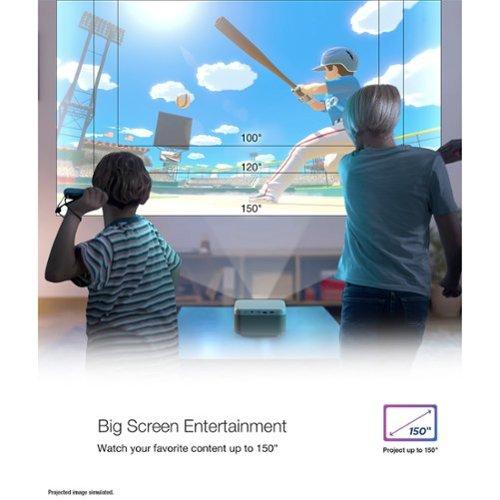
The Epson EF21 better serves as a primary home theater projector where image quality takes priority over convenience. The laser technology delivers the brightness and color accuracy needed for larger screen sizes (up to 150 inches) while maintaining sharp detail and vibrant colors. However, realizing this potential requires the additional investment in external audio and potentially external streaming devices.
For serious home theater enthusiasts, the Epson's 20,000-hour laser life and superior brightness make it more suitable for regular, long-term use. The technology represents current best practices in portable projection and will likely maintain relevance longer than LED-based alternatives.
The Aurzen BOOM 3 makes the most sense for budget-conscious buyers who want complete entertainment functionality without additional purchases. It's ideal for casual viewers, families with children who want simple operation, and anyone prioritizing convenience over absolute image quality. The integrated audio makes it particularly appealing for users in apartments, dorm rooms, or situations where external speakers aren't practical.
Choose the Aurzen if you value simplicity, have budget constraints, primarily watch in controlled lighting, or want a projector that "just works" without additional components or technical knowledge.
The Epson EF21 suits image quality enthusiasts willing to invest in superior projection performance. It's the better choice for users with existing audio systems, those who need projection in varied lighting conditions, or anyone planning extensive use where the laser technology's longevity becomes valuable.
Choose the Epson if image quality is your top priority, you have budget flexibility for a complete system, you need projection in brighter environments, or you're building a primary home theater setup where performance justifies the premium.
Both projectors reflect broader trends in portable projection technology that have accelerated since 2020. The Aurzen BOOM 3 represents the "democratization" phase, where decent projection capabilities have become affordable enough for mainstream adoption. The emphasis on integrated audio and smart features reflects consumer demand for simplified, all-in-one entertainment solutions.
The Epson EF21 represents the "premiumization" trend, where established manufacturers are bringing professional-grade laser technology to consumer markets. The 2024 release timing reflects Epson's recognition that consumers are willing to pay premium prices for superior projection technology, even in portable formats.
Looking forward, I expect laser technology to become more affordable while LED-based projectors improve in efficiency and brightness. The smart platform performance issues plaguing current devices should resolve as processing power increases and manufacturers optimize their software better for projection-specific use cases.
These projectors succeed in different scenarios because they prioritize different aspects of the projection experience. The Aurzen BOOM 3 delivers impressive value through integration and convenience, while the Epson EF21 excels through superior projection technology and performance.
For most casual users seeking an affordable entry into large-screen entertainment, the Aurzen provides the better overall experience. Its combination of decent image quality, excellent audio, and foolproof operation creates a compelling package that requires no additional investment or technical expertise.
For serious projector users who prioritize image quality and plan regular use, the Epson offers measurably superior performance that justifies its premium pricing. The laser technology provides professional-grade brightness and longevity that will serve dedicated home theater enthusiasts for years.
The choice ultimately comes down to whether you want an affordable, complete entertainment solution or superior projection performance that requires additional investment. Both approaches have merit, and understanding your priorities, budget, and intended use cases will guide you toward the right decision.
| Aurzen BOOM 3 Smart Projector | Epson EpiqVision Mini EF21 Projector |
|---|---|
| Brightness - Determines usability in different lighting conditions | |
| 500 ANSI lumens (requires dimmed rooms) | 1,000 ISO lumens (handles moderate ambient light) |
| Display Technology - Affects color accuracy and longevity | |
| TFT LCD with LED light source | 3LCD laser system (20,000 hours, no rainbow effect) |
| Audio System - Critical for all-in-one entertainment | |
| 36W total (4 speakers, 2.2 channel, 3D Dolby Audio) | 10W total (2 speakers, basic stereo, external audio recommended) |
| Smart Platform - Daily usability for streaming | |
| Proprietary OS with Netflix/Prime/YouTube (responsive) | Google TV with full app store (sluggish performance) |
| Auto Setup Features - Convenience for non-tech users | |
| AI auto-focus, 6D keystone, obstacle avoidance | EpiqSense auto-focus and basic keystone correction |
| Image Size Range - Flexibility for different rooms | |
| 60" - 250" (optimal under 100") | 30" - 150" (excellent up to 150") |
| Connectivity - Expansion options | |
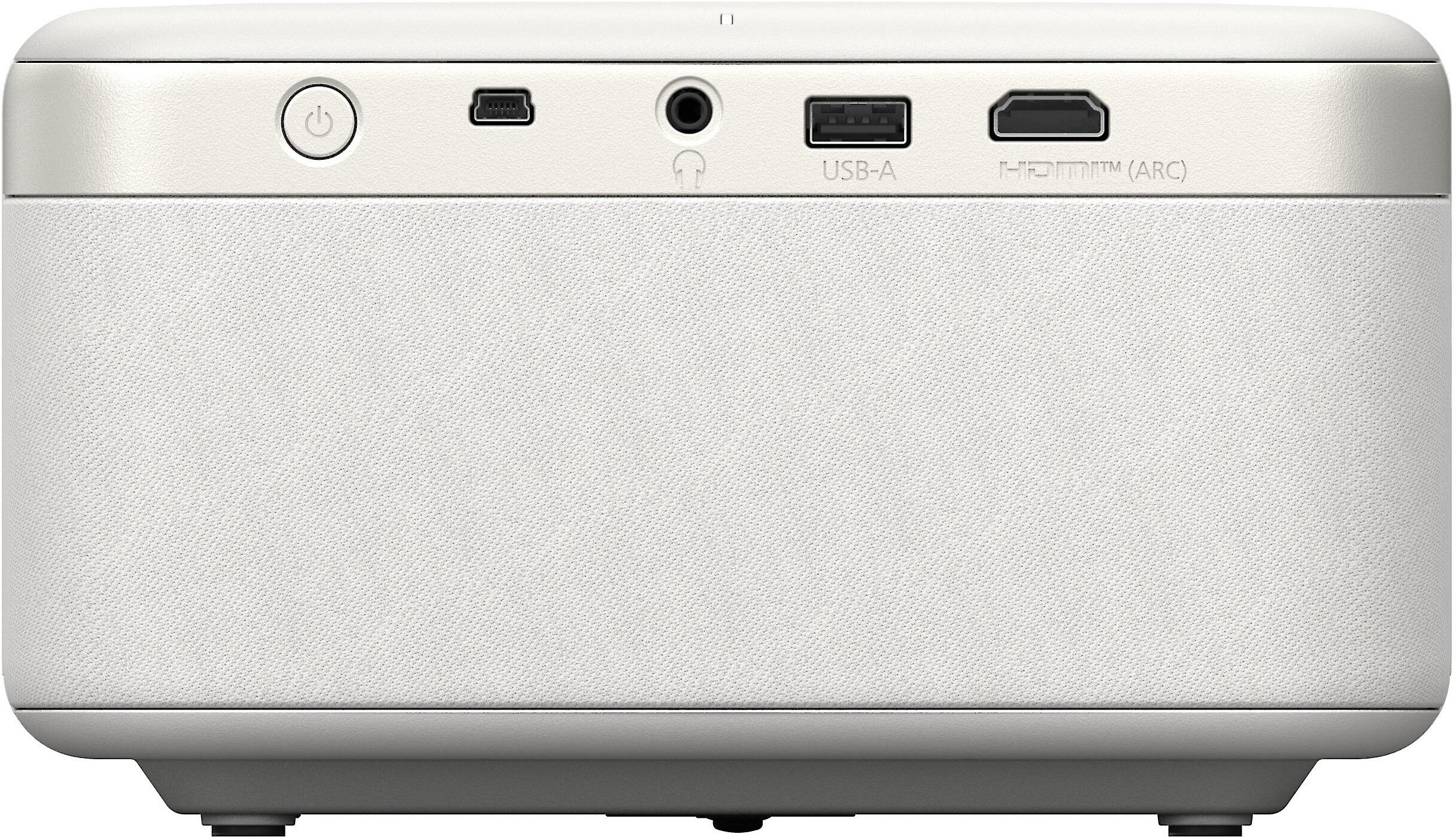
| 2x HDMI, 2x USB, Bluetooth 5.2 bidirectional | 1x HDMI 2.3, 1x USB-A, Bluetooth 5.1 |
| Weight & Portability - Ease of moving between locations | |
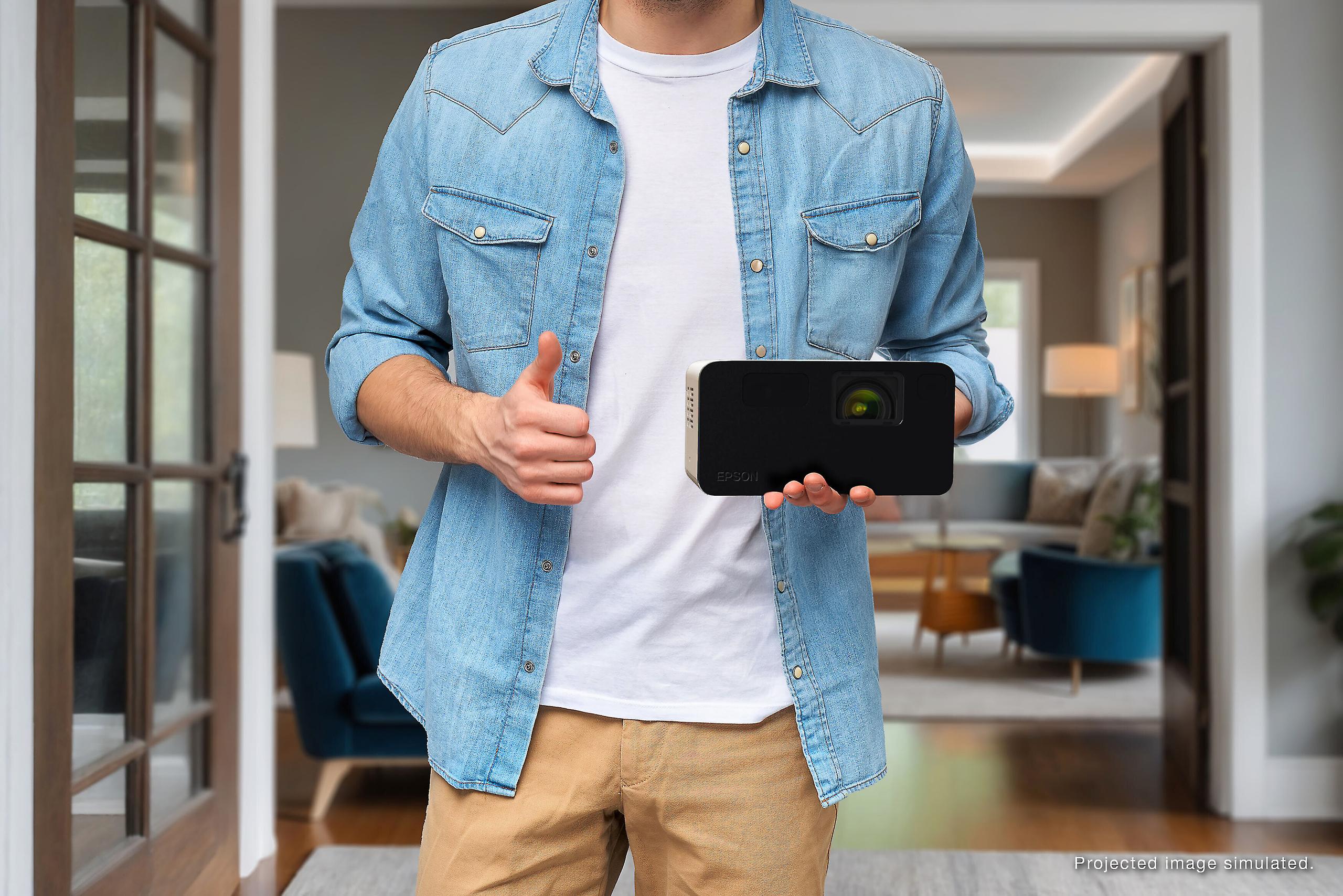
| 5.5 lbs (slightly heavier but more features) | 5.1 lbs (more compact design) |
| Value Proposition - What you get for the investment | |
| Complete entertainment system, no additional purchases needed | Premium projection quality, requires external audio investment |
The Epson EpiqVision Mini EF21 is significantly brighter at 1,000 lumens compared to the Aurzen BOOM 3 at 500 lumens. This means the Epson can handle moderate ambient light and evening outdoor use, while the Aurzen requires dimmed rooms for optimal viewing.
The Aurzen BOOM 3 Smart Projector has dramatically better audio with 36W of power across four speakers in a 2.2 channel system with 3D Dolby Audio. The Epson EpiqVision Mini EF21 only has 10W stereo speakers that most users find inadequate, requiring external speakers for good sound quality.
Yes, both projectors include streaming capabilities. The Aurzen BOOM 3 has a proprietary smart OS with certified Netflix, Prime Video, and YouTube that runs smoothly. The Epson EF21 runs Google TV with access to more apps but suffers from sluggish performance that frustrates daily use.
For casual home theater use, the Aurzen BOOM 3 offers better value with its all-in-one design and powerful built-in audio. For dedicated home theater enthusiasts prioritizing image quality, the Epson EpiqVision Mini EF21 provides superior brightness and laser technology, though it requires additional speakers and potentially external streaming devices.
The Aurzen BOOM 3 offers more advanced automation with AI auto-focus, 6D keystone correction, and obstacle avoidance that makes setup nearly foolproof. The Epson EF21 has basic auto-focus and keystone correction through EpiqSense technology but requires more manual adjustment for optimal results.
The Aurzen BOOM 3 Smart Projector supports 60" to 250" screen sizes but performs best under 100". The Epson EpiqVision Mini EF21 Projector handles 30" to 150" with excellent quality maintained even at the largest sizes due to its superior brightness and laser technology.
The Aurzen BOOM 3 provides exceptional value as a complete entertainment system requiring no additional purchases. The Epson EF21 costs significantly more and typically requires external speakers, making the total system cost much higher, though it delivers premium projection performance.
The Aurzen BOOM 3 works well for outdoor evening viewing in dark conditions and includes powerful speakers perfect for outdoor gatherings. The Epson EpiqVision Mini EF21 is better for outdoor use with some ambient light due to its higher brightness, but you'll likely need external speakers for adequate outdoor audio.
The Epson EF21 uses laser technology rated for 20,000 hours with virtually no maintenance required. The Aurzen BOOM 3 uses LED technology with shorter lamp life, though still adequate for casual use. The laser advantage makes the Epson better for heavy daily use.
Both projectors offer HDMI connectivity for gaming consoles. The Aurzen BOOM 3 Smart Projector includes 2 HDMI ports for multiple devices, while the Epson EpiqVision Mini EF21 Projector has 1 HDMI 2.3 port. Both support Bluetooth for wireless audio connections and controllers.
Both projectors are similarly portable at around 5 pounds. The Aurzen BOOM 3 is slightly more convenient for moving between rooms due to its all-in-one design requiring no additional components. The Epson EF21 is more compact but you'll likely need to move external speakers with it for good audio.
Yes, the Aurzen BOOM 3 Smart Projector features bidirectional Bluetooth 5.2, allowing it to function as a powerful standalone Bluetooth speaker with its 36W audio system. The Epson EpiqVision Mini EF21 has basic Bluetooth but its weaker 10W speakers make it less practical as a standalone audio device.
We've done our best to create useful and informative comparisons to help you decide what product to buy. Our research uses advanced automated methods to create this comparison and perfection is not possible - please contact us for corrections or questions. These are the sites we've researched in the creation of this article: youtube.com - projectorcentral.com - aurzen.com - aurzen.com - newegg.com - youtube.com - bestbuy.com - aurzen.com - youtube.com - aurzen.com - projectorcentral.com - youtube.com - youtube.com - criticalpopcorn.com - aurzen.com - bestbuy.com - aurzen.com - manuals.plus - youtube.com - bestbuy.com - bestbuy.com - cnet.com - youtube.com - projectorreviews.com - epson.com - projectorreviews.com - epson.com - rtings.com - epson.com - youtube.com - projectorcentral.com - bestbuy.com - projectorcentral.com - nfm.com - crutchfield.com - latin.epson.com - mediaserver.goepson.com - planettv.com - bhphotovideo.com - cnet.com - epson.com

Privacy Policy
Terms and Conditions - Affiliate Policy
Home Security
© Copyright 2008-2026.
11816 Inwood Rd #1211, Dallas, TX 75244