

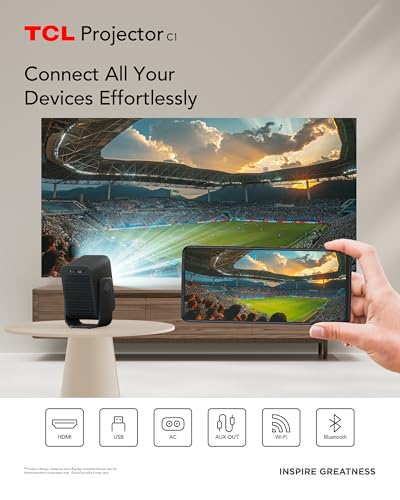

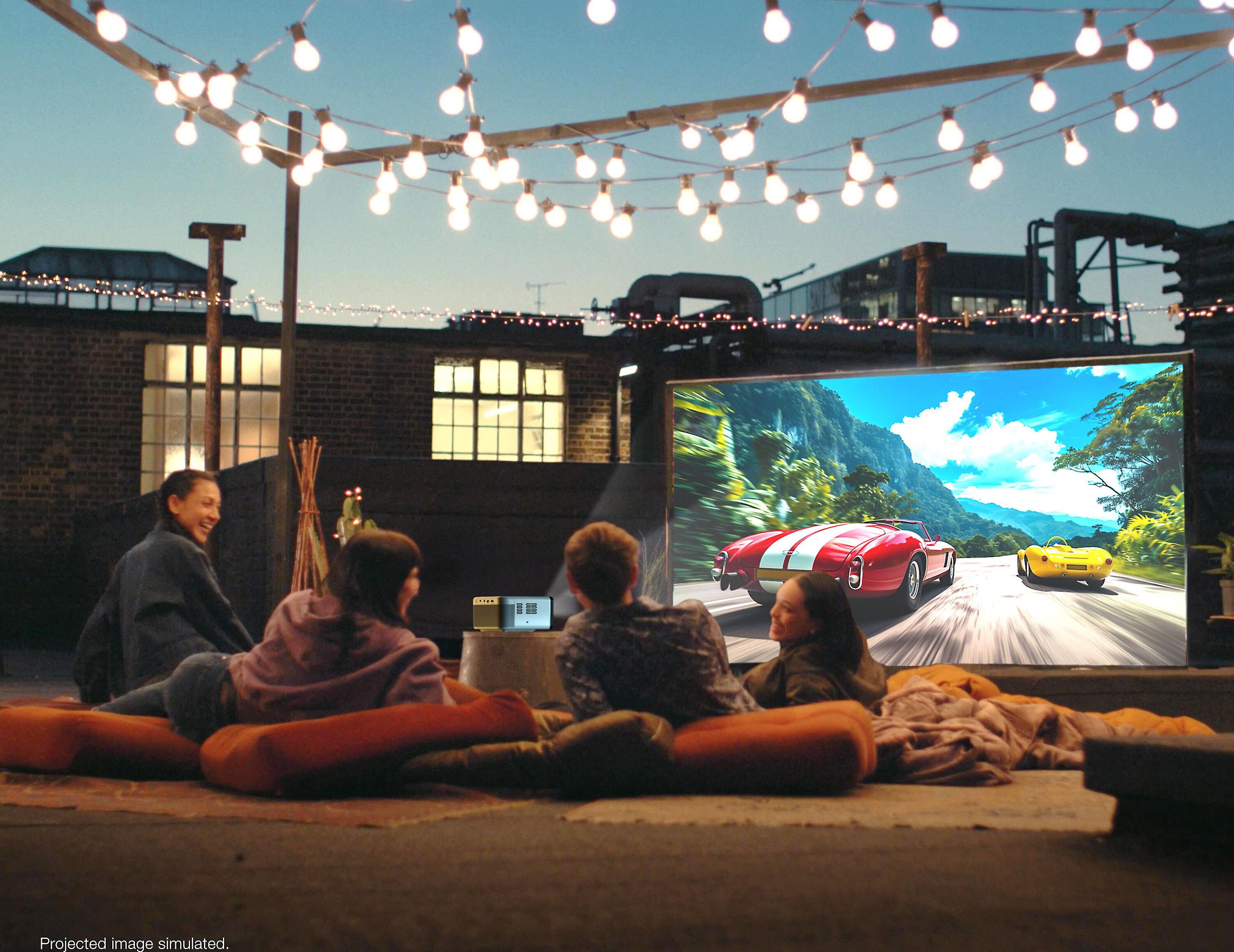
Portable projectors have completely transformed how we think about home entertainment. Gone are the days when projectors were bulky, expensive devices requiring professional installation. Today's portable models can deliver big-screen experiences anywhere you can find a wall or ceiling, and two projectors perfectly illustrate this evolution: the budget-friendly TCL C1 Google TV Portable Projector and the premium Epson EpiqVision Mini EF21.
Both projectors launched in 2024, arriving during a pivotal year for portable projection technology. The industry has been rapidly advancing LED and laser light sources, making projectors brighter, more reliable, and longer-lasting than ever before. Smart TV integration has also matured, with Google TV becoming a standard platform that delivers the same streaming experience you'd expect from a modern television.
Before diving into these specific models, it's worth understanding what separates great portable projectors from mediocre ones. The most critical factor is brightness, measured in lumens—this determines whether you'll be squinting at a dim image or enjoying clear visuals. Think of lumens like the wattage of a light bulb; higher numbers mean more light output.
Equally important is the light source technology. Traditional projector bulbs lasted maybe 3,000 hours and required expensive replacements. Modern LED and laser light sources can run 20,000 to 30,000 hours without replacement—that's potentially a decade of regular use. The TCL C1 uses LED technology, while the Epson EF21 employs laser diodes, both representing significant advances over older lamp-based systems.
Resolution matters too, though both projectors deliver 1080p Full HD, which remains the sweet spot for portable devices. While 4K portable projectors exist, they're typically much more expensive and the difference becomes less noticeable on smaller screens or at typical viewing distances.
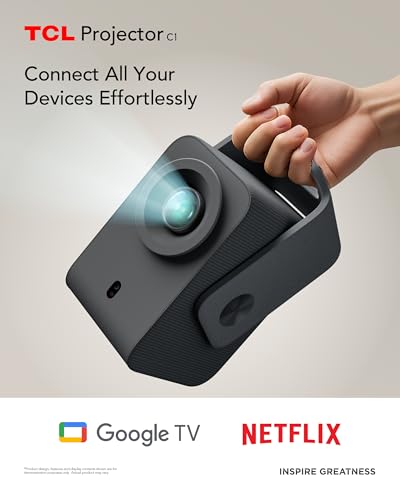
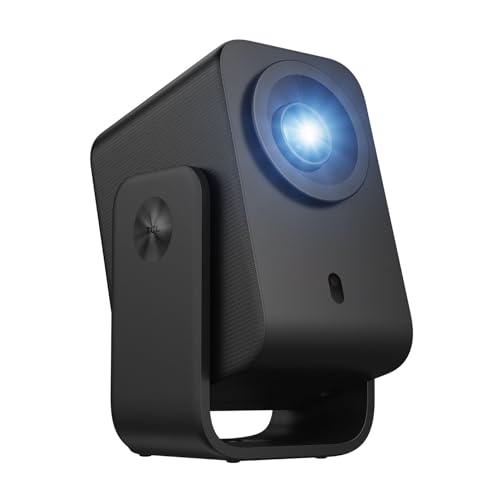
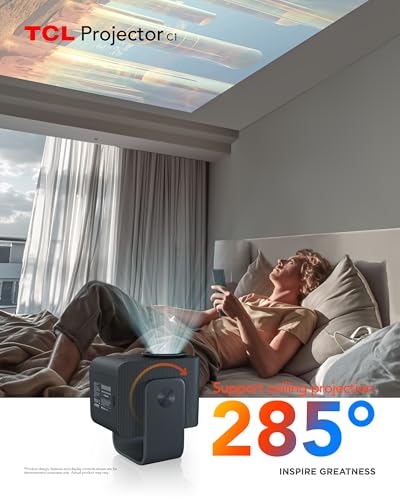
The TCL C1 represents something genuinely different in the portable projector space. At roughly one-third the cost of premium alternatives (at the time of writing), it packs features typically reserved for much more expensive models. Its standout innovation is a 285-degree gimbal design with an integrated handle, allowing you to project onto virtually any surface—including directly onto the ceiling above your bed.
This gimbal isn't just a gimmick. Traditional projectors require careful positioning and often additional mounting hardware for non-standard angles. The TCL C1's design means you can set it on a nightstand and project onto the ceiling, or place it on a coffee table and angle it up to a wall without wrestling with keystone correction (the digital adjustment that fixes trapezoidal distortion when projecting at angles).
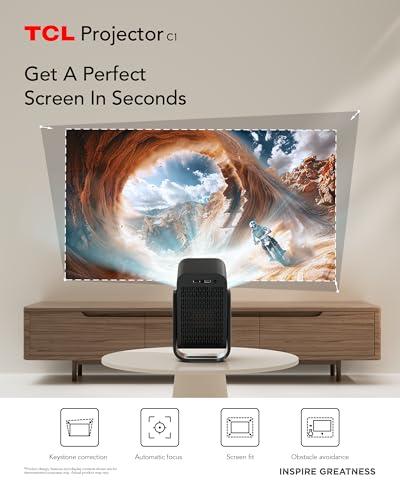
TCL equipped their projector with comprehensive auto-setup features that work remarkably well based on user feedback. The auto-focus system uses sensors to measure distance and automatically adjusts the lens for sharp images. Omni-directional keystone correction handles the geometric distortions that occur when projecting at angles, while obstacle avoidance can detect objects in the projection path and adjust the image accordingly.
The TCL C1 produces 230 ISO lumens from its LED light source. ISO lumens represent a standardized measurement that's more accurate than the inflated "ANSI lumens" claims you might see on cheaper projectors. However, 230 lumens definitively limits this projector to dark or dimly lit rooms. You'll need blackout curtains for daytime viewing or to wait until evening for outdoor use.
TCL's TrueHue technology processes each frame in real-time, optimizing brightness, contrast, and color balance. This computational approach helps compensate for the relatively low brightness by ensuring every photon counts toward the best possible image quality. The fully-sealed optical engine prevents dust from entering the lens assembly—a smart long-term reliability feature that cheaper projectors often skip.
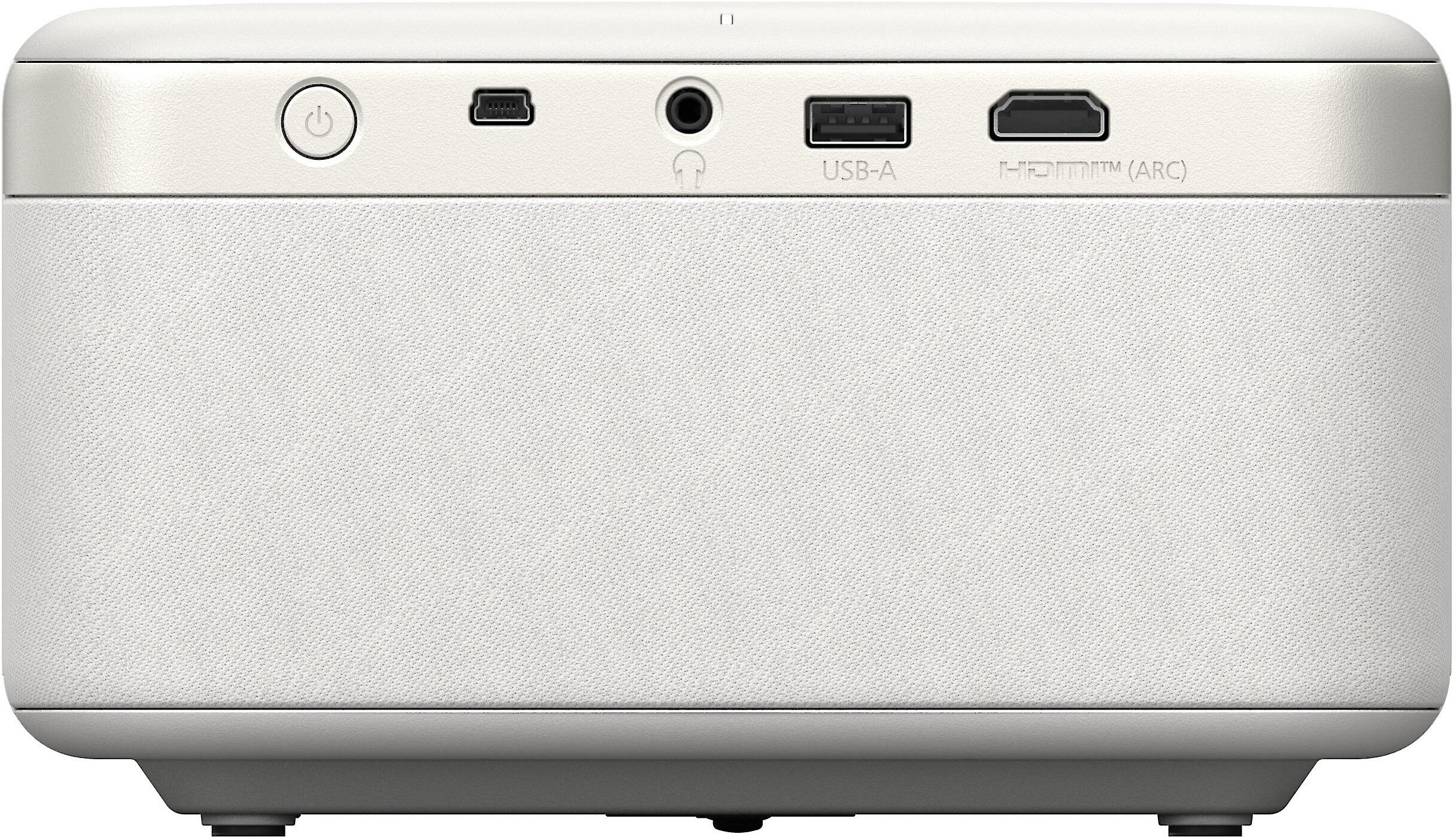
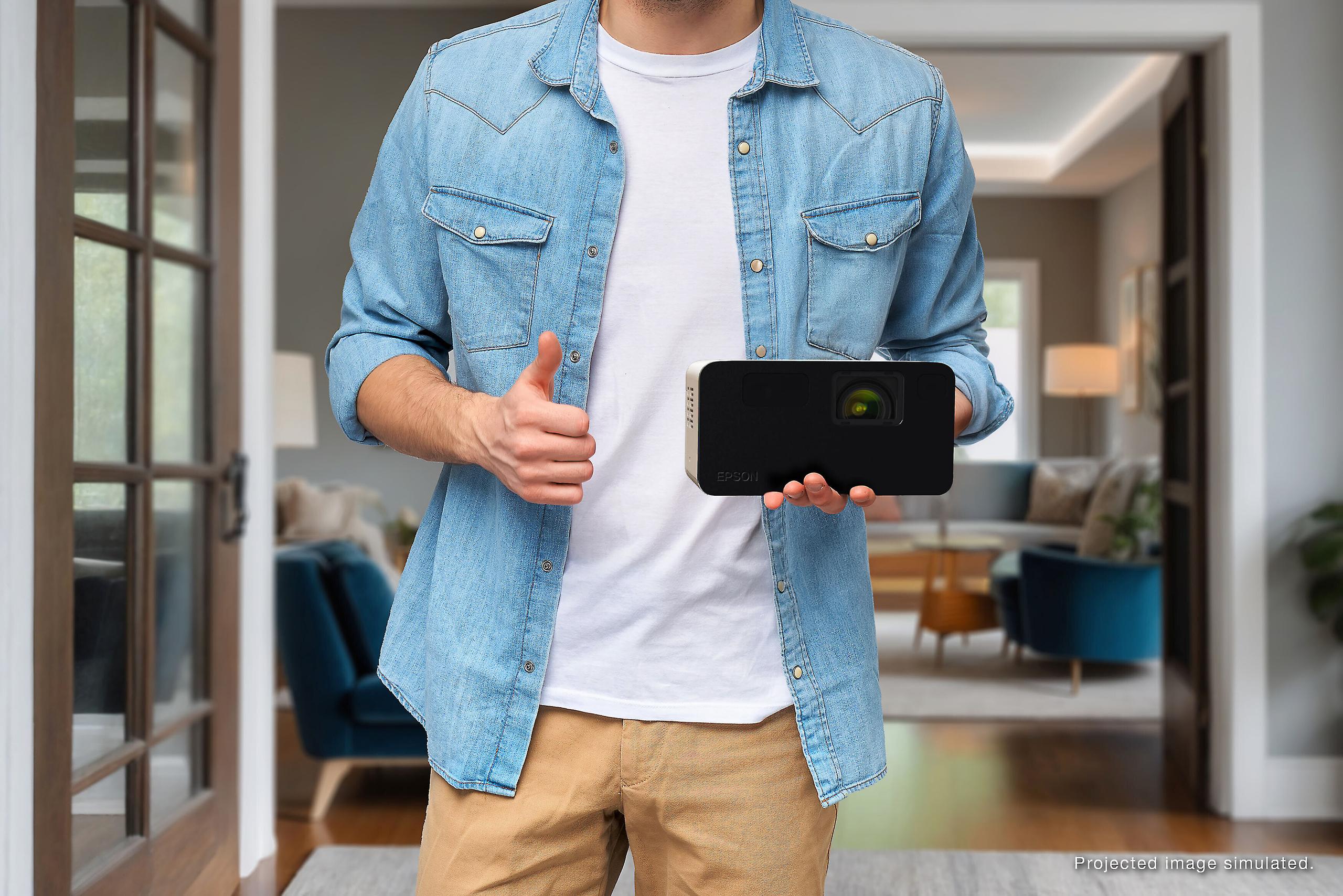
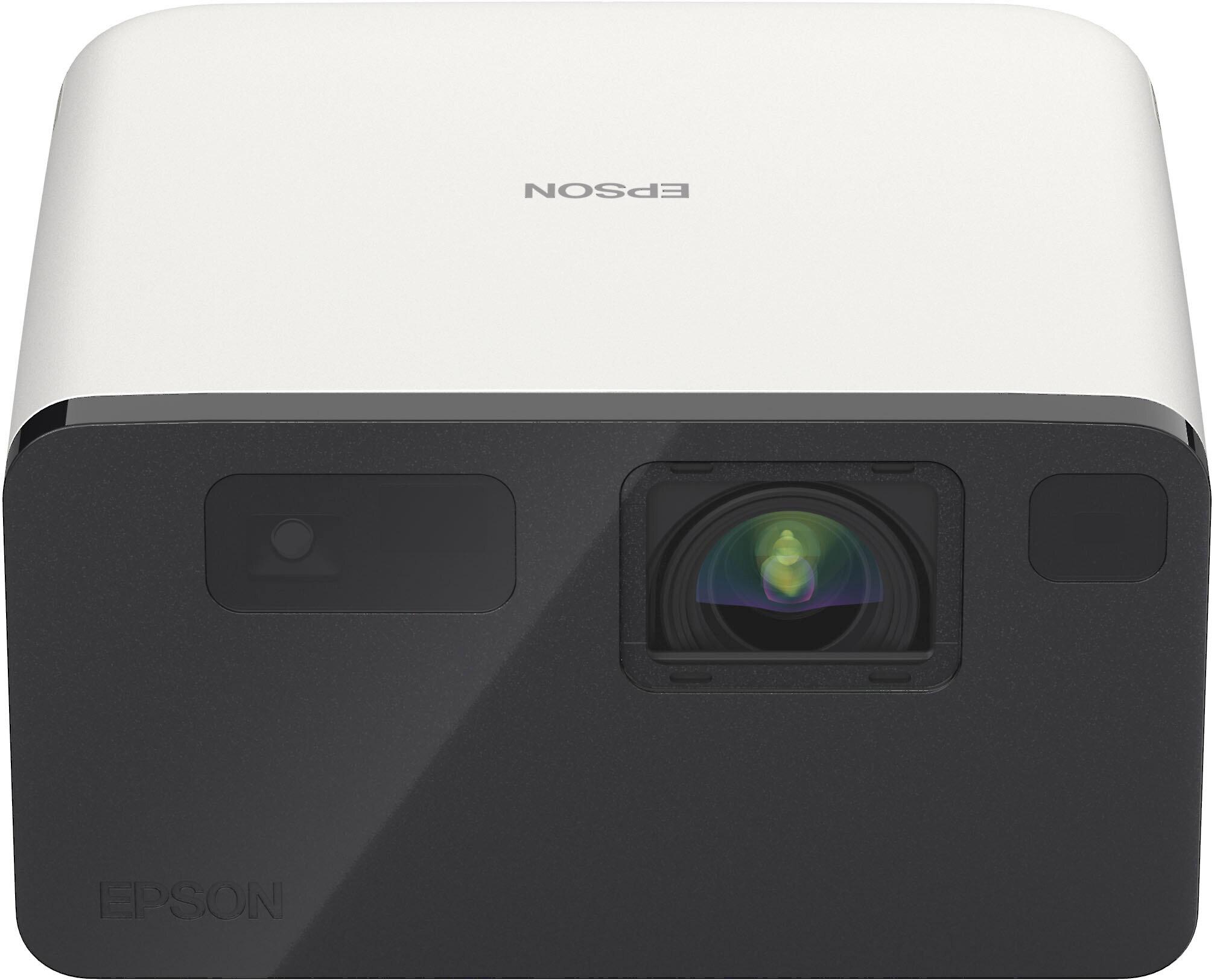
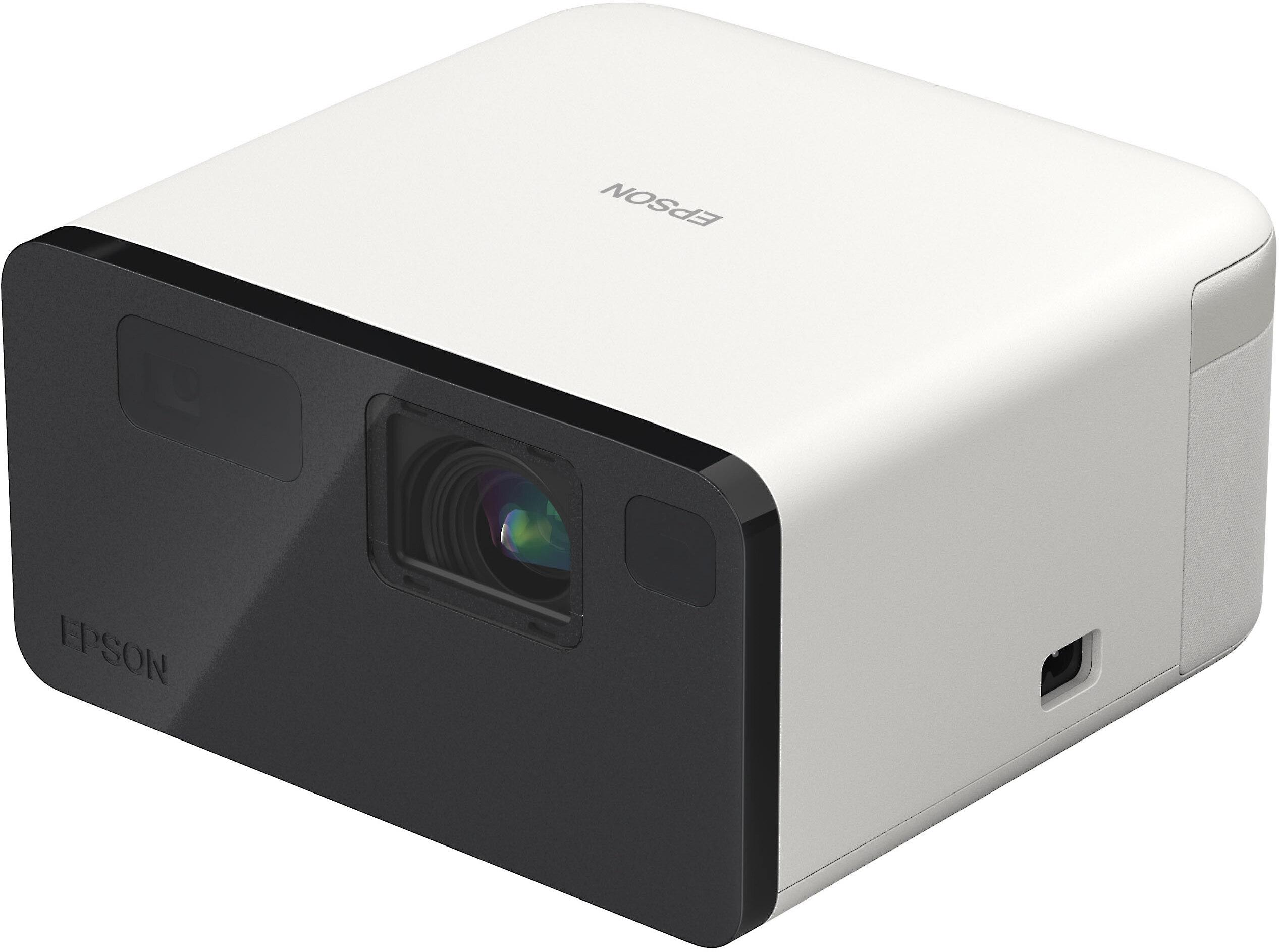
The Epson EpiqVision Mini EF21 takes a fundamentally different approach, prioritizing raw performance over ultra-portability. Released in late 2024, it leverages Epson's decades of projector expertise with their proven 3LCD technology combined with a modern laser light source.
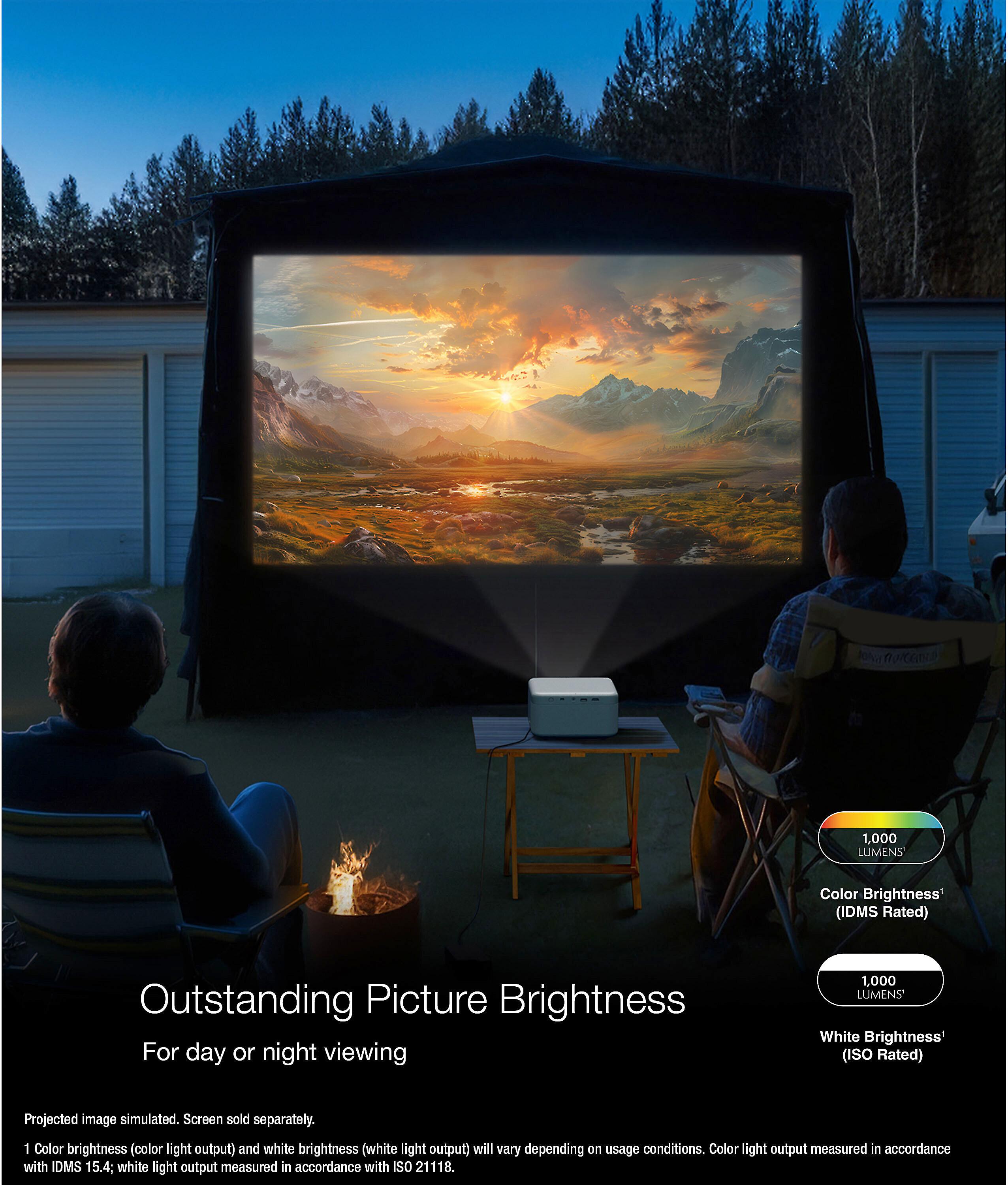
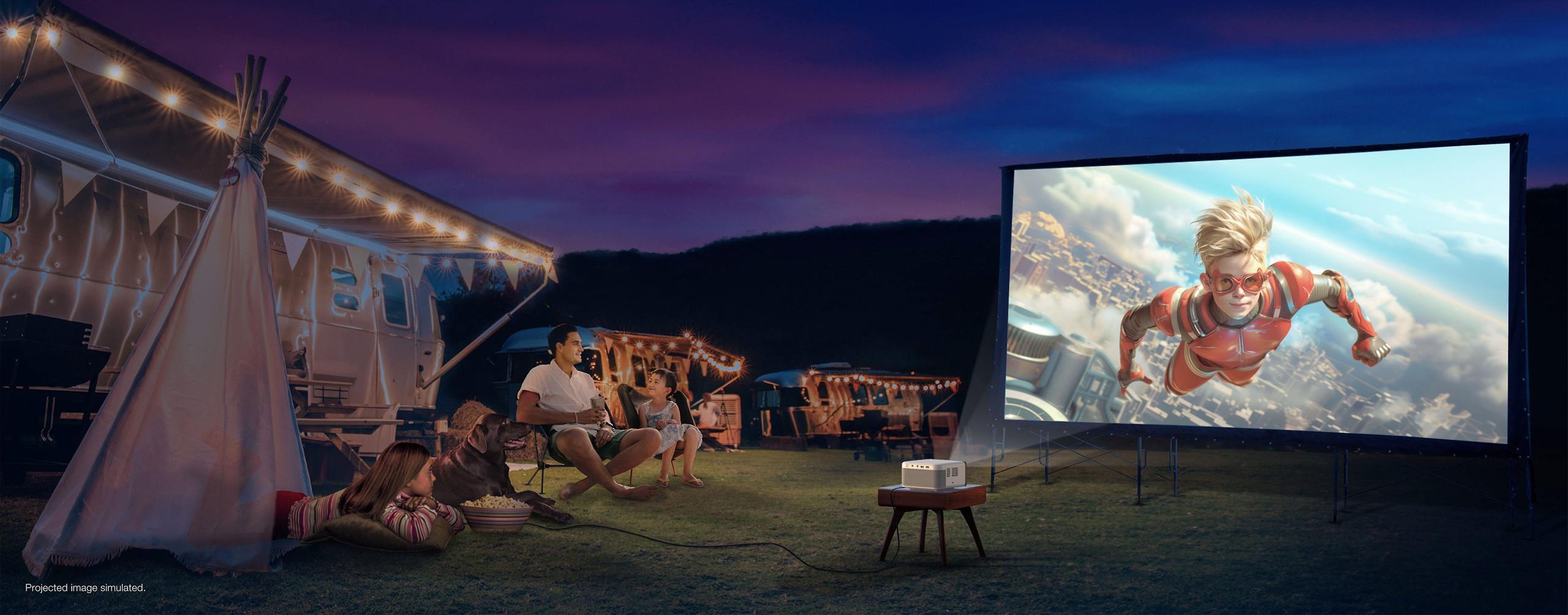
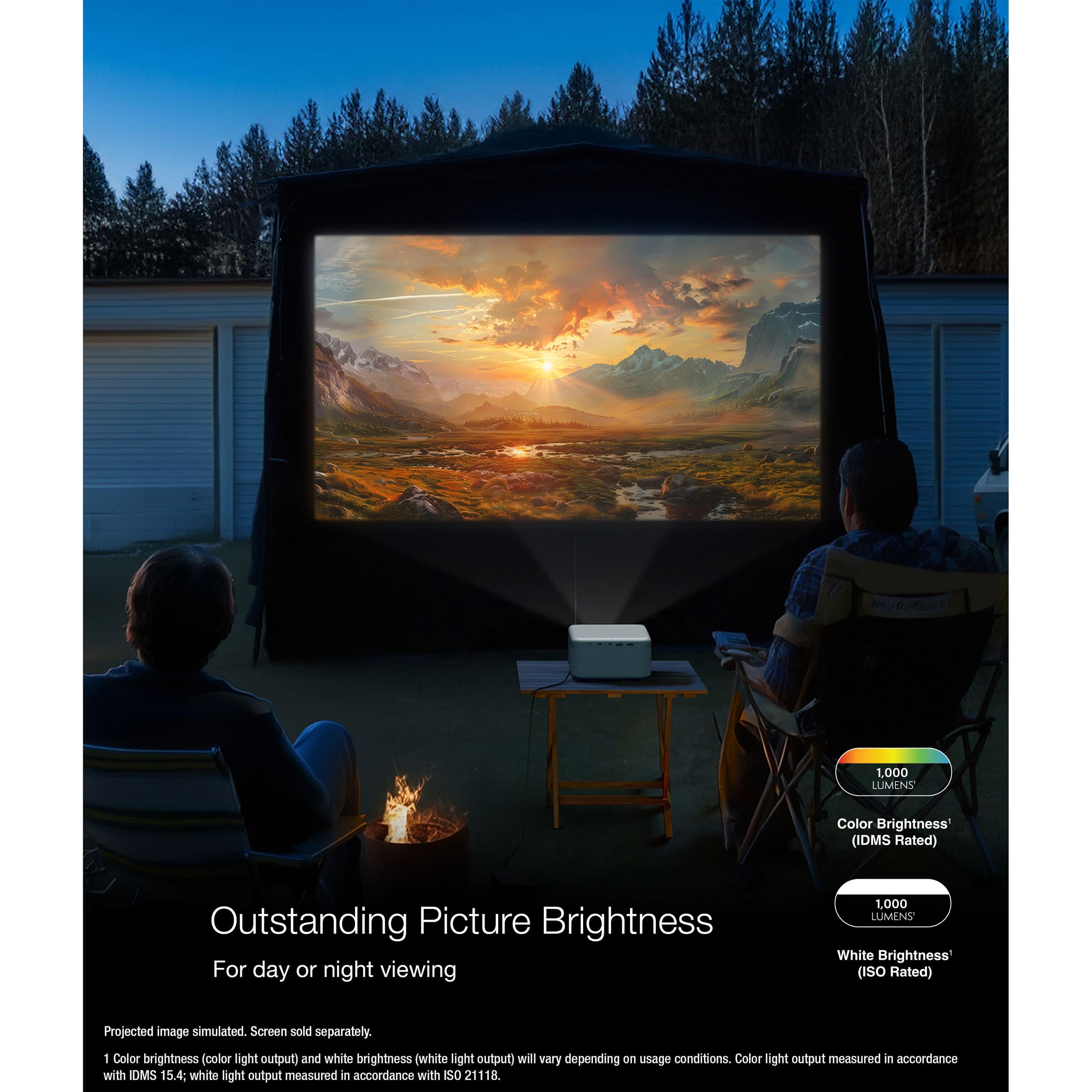
The key differentiator is brightness: the Epson EF21 produces 1,000 ISO lumens—more than four times the output of the TCL C1. This isn't just a numbers game; it represents the difference between "dark room only" and "usable in various lighting conditions." With 1,000 lumens, you can watch movies in a partially lit living room, use it outdoors during golden hour, or even do presentations in conference rooms with some ambient lighting.
Epson's 3LCD technology uses three separate LCD panels—one each for red, green, and blue light—then combines them through a prism system. This approach eliminates the "rainbow effect" that some people notice with single-chip DLP projectors, where fast-moving objects can show brief color separations. The 3LCD system also typically produces more accurate colors and better contrast ratios.
The laser light source in the EF21 lasts up to 20,000 hours and maintains consistent brightness throughout its life. Traditional bulbs dim significantly over time, but lasers remain relatively stable until near the end of their lifespan. Epson's laser implementation also enables the projector's impressive 200,000:1 contrast ratio—the difference between the brightest whites and deepest blacks the projector can produce.
This is where the two projectors diverge most dramatically. The TCL C1's 230 lumens relegates it to dedicated dark spaces. Think bedroom ceiling projection, basement movie nights, or garage gaming sessions where you can control the lighting. Any significant ambient light will wash out the image, making details hard to see and colors appear washed out.
The Epson EF21's 1,000 lumens opens up far more scenarios. You can watch Netflix in your living room with table lamps on, set up movie nights on the patio as the sun sets, or use it for work presentations without turning off all the lights. This brightness advantage justifies much of the price premium for users who need flexibility.
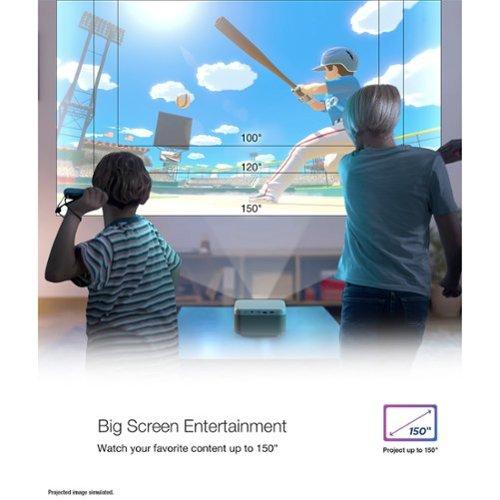
For home theater applications, both projectors work well in dedicated dark rooms, but the Epson EF21 provides more headroom for screen size and ambient light control. The TCL C1 maxes out at 120-inch images, while the EF21 can handle up to 150 inches with better brightness per square inch.
Both projectors deliver sharp 1080p images with support for 4K input signals (downscaled to 1080p output). However, their approaches to image quality differ significantly.
The TCL C1 focuses on color accuracy and film-like image processing. TCL's TrueHue technology analyzes each frame and adjusts color temperature and contrast in real-time, removing artificial oversaturation that can make images look cartoonish. In dark rooms, users consistently report smooth, natural-looking images that work well for both movies and gaming.
The Epson EF21 emphasizes contrast performance and color depth. Its 200,000:1 contrast ratio versus the TCL C1's 1,500:1 ratio means dramatically better black levels and more vibrant colors. This difference is particularly noticeable in dark movie scenes, space films, or games with lots of shadows and atmospheric effects. The superior contrast makes the EF21 more suitable for serious home theater applications.
Both projectors support HDR10 content, though the TCL C1's limited brightness means HDR benefits are minimal. The EF21's higher brightness and contrast ratio can actually take advantage of HDR metadata to display improved dynamic range.
Built-in audio often gets overlooked in projector discussions, but it's crucial for portable devices where external speakers aren't always practical.
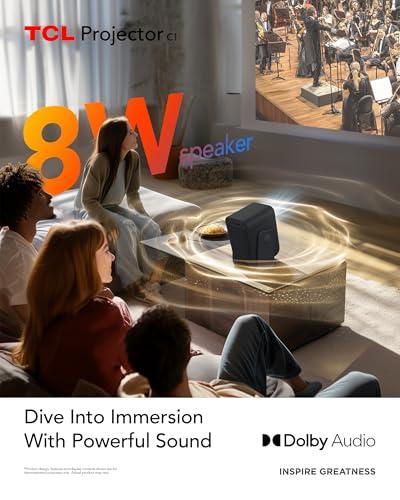
The TCL C1 includes a single 8-watt speaker with Dolby Audio processing. Despite being mono, user reports suggest surprisingly good audio quality for its size. The speaker can fill a bedroom at 50% volume or a small living room at full volume. Dialogue remains clear even at higher volumes, and the projector can double as a Bluetooth speaker for music when not projecting.
The Epson EF21 features dual 5-watt speakers configured for stereo separation. The combined 10 watts provides similar total power to the TCL C1, but the stereo configuration creates better soundstage and imaging. For movies and music, this makes a noticeable difference in immersion and spatial audio effects.
Both projectors offer audio output options—3.5mm headphone jacks and Bluetooth connectivity—for connecting external speakers or headphones. However, Bluetooth audio introduces slight delay that can cause lip-sync issues, making wired connections preferable for video content.
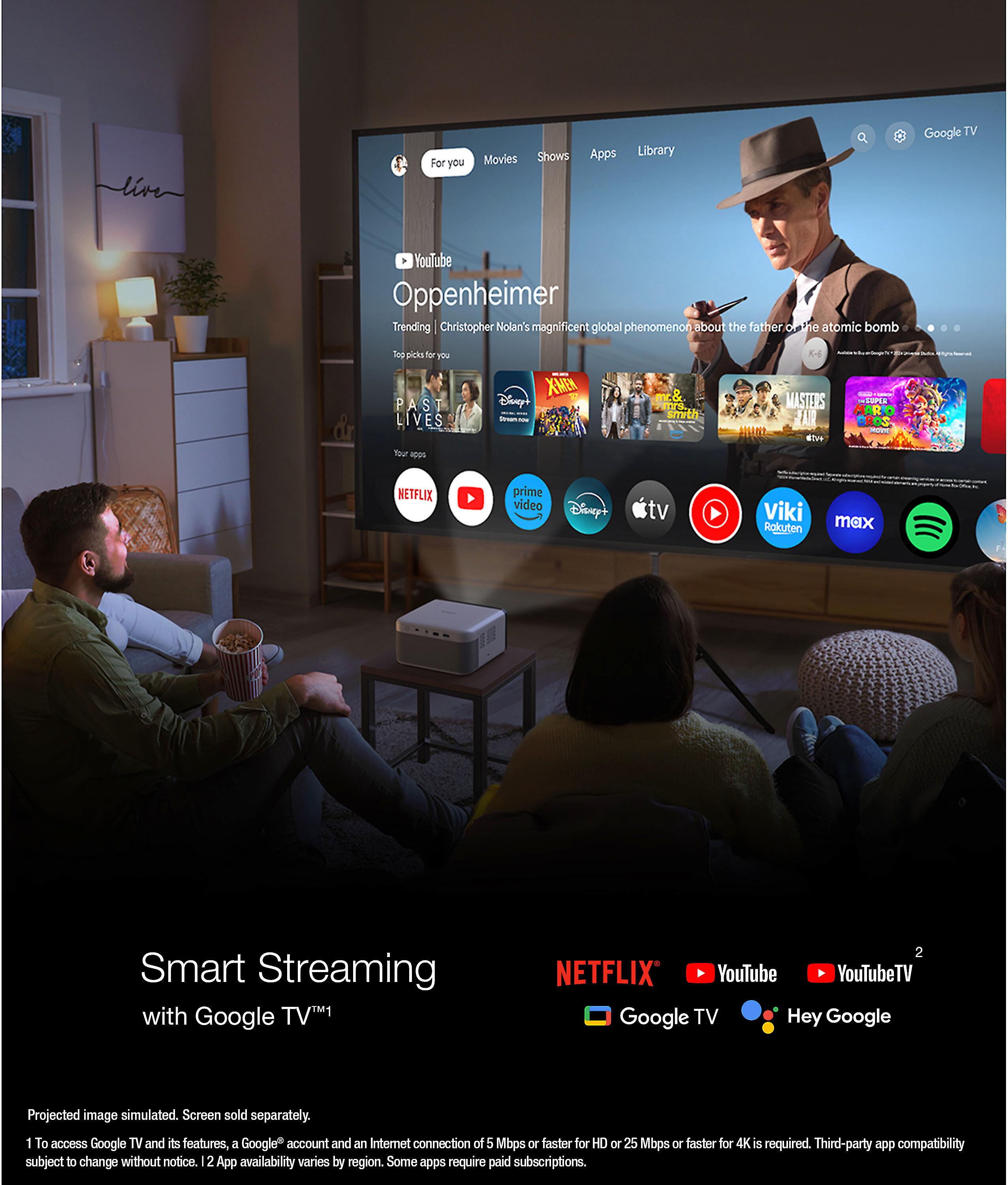
Both projectors run Google TV, providing access to over 10,000 streaming apps including certified Netflix—a significant advantage since many projectors lack official Netflix support due to content protection requirements. The interface is identical to what you'd find on modern smart TVs, complete with personalized recommendations and Google Assistant voice control.
The TCL C1 optimizes its Google TV implementation for its hardware limitations. With 2GB of RAM and 16GB of storage, it runs streaming apps smoothly but isn't designed for heavy multitasking or storing large amounts of content. The focus remains squarely on entertainment applications.
The Epson EF21 uses similar specifications (2GB RAM, 16GB storage) but benefits from Epson's more robust processing implementation. The system feels slightly more responsive during navigation and handles multiple apps more gracefully.
Both projectors support screen mirroring from smartphones and tablets, though this requires downloading additional apps rather than being seamless out of the box. For computer connectivity, both include HDMI inputs that work well with laptops, gaming consoles, and streaming devices.
The TCL C1 truly shines in setup simplicity. Its compact form factor—roughly the size of a CD case—and 3.9-pound weight make it genuinely portable. The gimbal design means you can place it almost anywhere and quickly adjust the projection angle. Auto-focus and keystone correction typically complete setup within 10-15 seconds of powering on.
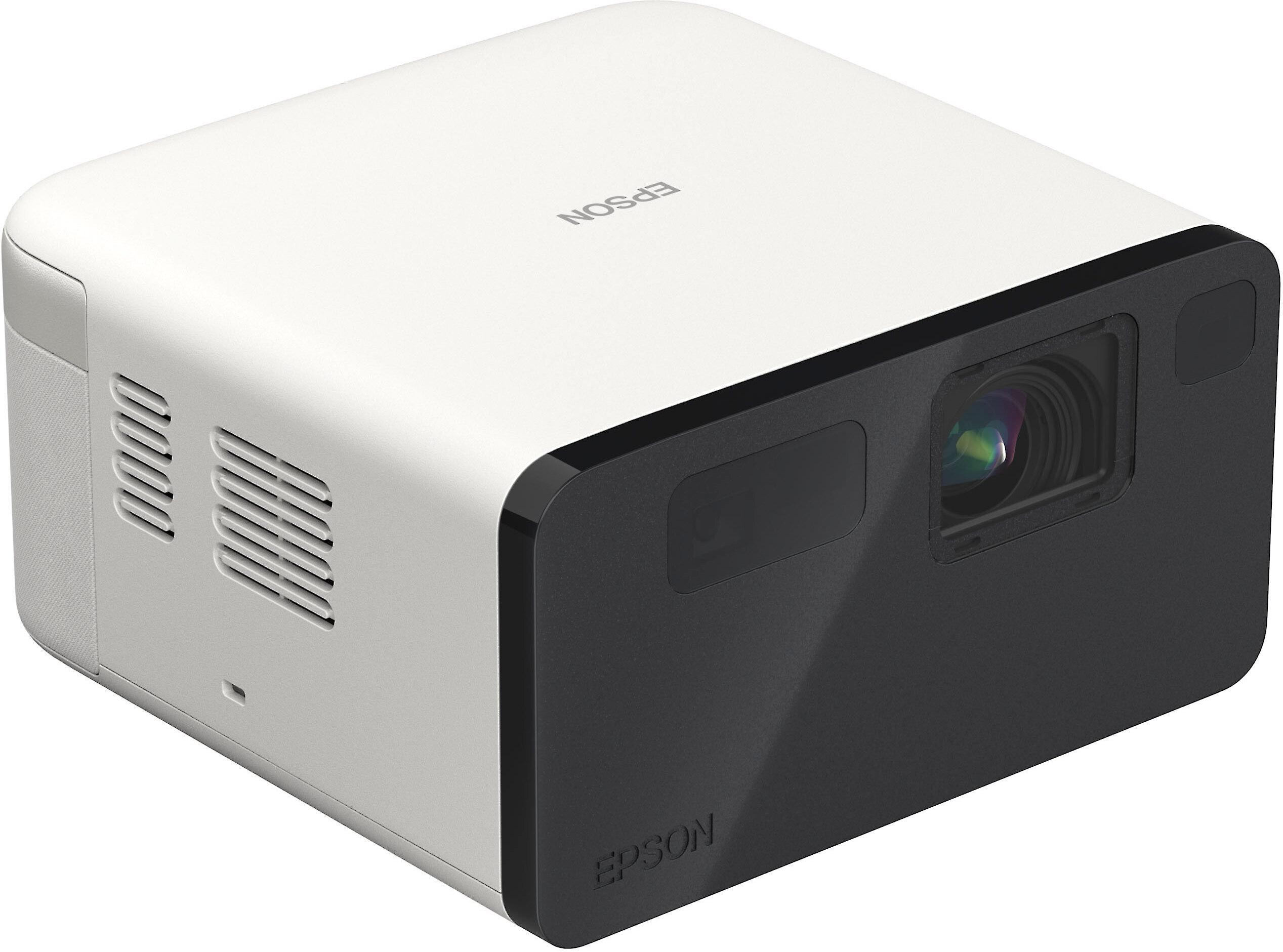
The Epson EF21, at 5.1 pounds, remains portable but feels more like a "moveable" projector rather than a grab-and-go device. Its rectangular form factor and slightly larger footprint require more deliberate placement. However, Epson's EpiqSense technology provides comprehensive auto-setup that rivals the TCL C1's convenience.
For true portability—camping trips, hotel rooms, or frequent room-to-room movement—the TCL C1 has a clear advantage. For occasional relocation around the house or seasonal outdoor use, the EF21's size isn't prohibitive.
Both projectors handle gaming well, with input lag low enough for most single-player games and casual multiplayer sessions. The TCL C1 supports 4K 60Hz input (displayed at 1080p) and works well with PlayStation, Xbox, and Nintendo Switch consoles. The Epson EF21's higher brightness makes it more suitable for competitive gaming where every detail matters.
Neither projector matches dedicated gaming monitors for response time, but they're perfectly adequate for story-driven games, racing titles, and most action games. Fighting games and competitive shooters might expose the slight input delay, but most users won't notice during casual gaming sessions.
The TCL C1 represents exceptional value for users who can work within its limitations. It's perfect for college students in dorm rooms, urban dwellers with limited space, or anyone wanting a bedroom entertainment system that can project onto the ceiling. The ultra-compact size and gimbal design enable use cases that traditional projectors simply can't handle.
At the time of writing, the TCL C1 costs roughly one-third of the Epson EF21's price, making it an easy recommendation for budget-conscious buyers who primarily watch content in dark rooms. The 30,000-hour LED lifespan means years of use without maintenance costs.
The Epson EF21 justifies its premium pricing for users who need brightness flexibility and superior image quality. It's ideal for families with varied lighting preferences, users who frequently entertain outdoors, or anyone wanting a projector that can handle both daytime presentations and evening movie nights without compromise.
The EF21 also makes more sense for dedicated home theater setups where image quality takes priority over portability. Its superior contrast ratio and color depth provide a more cinematic experience, particularly for movies with lots of dark scenes or visually spectacular content.
Choose the TCL C1 if you value extreme portability, unique features like ceiling projection, and exceptional value for money. It's perfect for dark-room entertainment, small spaces, and users who prioritize convenience over ultimate performance.
Choose the Epson EF21 if brightness flexibility and image quality are your priorities. It's worth the premium if you need a projector that works in various lighting conditions, handles large screen sizes effectively, or serves as a primary entertainment device for serious movie watching.
Both projectors represent the current state of portable projection technology in 2024, with LED and laser light sources providing longevity that makes them worthwhile long-term investments. Your choice ultimately depends on balancing brightness needs, budget constraints, and intended use scenarios—but either projector will deliver a big-screen experience that would have been impossible to achieve portably just a few years ago.
| TCL C1 Google TV Portable Projector | Epson EpiqVision Mini EF21 Projector |
|---|---|
| Brightness - Critical for determining where you can use the projector | |
| 230 ISO lumens (dark rooms only) | 1,000 ISO lumens (works in ambient light) |
| Display Technology - Affects color accuracy and contrast | |
| LCD with LED light source | 3LCD with laser light source |
| Contrast Ratio - Determines black depth and color vibrancy | |
| 1,500:1 (decent for budget range) | 200,000:1 (exceptional cinematic blacks) |
| Maximum Screen Size - How big you can go | |
| 120 inches (great for small-medium rooms) | 150 inches (handles large spaces) |
| Weight & Portability - Affects how often you'll move it | |
| 3.9 lbs ultra-compact with gimbal | 5.1 lbs compact but more traditional form |
| Light Source Lifespan - Long-term maintenance costs | |
| 30,000 hours LED (decade+ of use) | 20,000 hours laser (8+ years typical use) |
| Unique Design Features - Special capabilities | |
| 285° gimbal allows ceiling projection | Traditional placement with auto-setup |
| Audio System - Whether external speakers are needed | |
| 8W single speaker with Dolby Audio | Dual 5W stereo speakers with Dolby |
| Smart TV Platform - Streaming and app experience | |
| Google TV with certified Netflix | Google TV with certified Netflix |
| Throw Distance - How far from wall you need to place it | |
| 1.15m - 3.30m (flexible placement) | 2.1 - 11.1 feet (more placement options) |
| Best Use Case - Who should buy this projector | |
| Budget-conscious users, small spaces, dark room entertainment | Brightness flexibility needed, larger rooms, premium image quality |
The Epson EpiqVision Mini EF21 is significantly brighter at 1,000 lumens compared to the TCL C1 Google TV Portable Projector's 230 lumens. This means the Epson EF21 can handle rooms with ambient light and daytime viewing, while the TCL C1 requires dark or dimly lit rooms for optimal viewing.
The Epson EpiqVision Mini EF21 delivers superior image quality with its 200,000:1 contrast ratio and 3LCD laser technology, producing deeper blacks and more vibrant colors. The TCL C1 Google TV Portable Projector offers good 1080p quality with its 1,500:1 contrast ratio, but can't match the cinematic depth of the Epson EF21.
The TCL C1 Google TV Portable Projector is more portable at 3.9 pounds with a compact CD-case size and built-in handle. The Epson EpiqVision Mini EF21 weighs 5.1 pounds and has a more traditional rectangular form factor, making it less convenient for frequent transport.
Yes, both the TCL C1 Google TV Portable Projector and Epson EpiqVision Mini EF21 run Google TV with access to over 10,000 apps, including certified Netflix, YouTube, Disney+, and other major streaming services. They offer identical smart TV functionality.
The Epson EpiqVision Mini EF21 is better for dedicated home theater use due to its superior 1,000-lumen brightness, 200,000:1 contrast ratio, and ability to project up to 150 inches. The TCL C1 works well for casual home theater in dark rooms but lacks the brightness and contrast for premium cinematic experiences.
The Epson EpiqVision Mini EF21 features dual 5-watt stereo speakers for better sound staging, while the TCL C1 Google TV Portable Projector has a single 8-watt speaker with Dolby Audio. Both provide adequate built-in audio, but the Epson EF21's stereo configuration offers superior immersion.
The TCL C1 Google TV Portable Projector can project images from 40 to 120 inches, while the Epson EpiqVision Mini EF21 handles 30 to 150 inches. The Epson EF21 offers more flexibility for larger rooms and screen sizes.
The TCL C1 Google TV Portable Projector offers exceptional value for budget-conscious buyers who can work within its dark-room limitations. The Epson EpiqVision Mini EF21 justifies its higher cost with significantly better brightness, contrast, and versatility for various lighting conditions.
The TCL C1 Google TV Portable Projector uses an LED light source rated for 30,000 hours, while the Epson EpiqVision Mini EF21 features a laser light source lasting 20,000 hours. Both offer years of maintenance-free operation without bulb replacements.
Both the TCL C1 Google TV Portable Projector and Epson EpiqVision Mini EF21 work well for gaming with low input lag suitable for most console games. The Epson EF21's higher brightness makes it better for competitive gaming where visual detail is crucial.
The TCL C1 Google TV Portable Projector offers unique setup convenience with its 285° gimbal design allowing ceiling projection and automatic keystone correction. The Epson EpiqVision Mini EF21 features comprehensive auto-setup through EpiqSense technology. Both provide hassle-free installation.
The TCL C1 Google TV Portable Projector works best in bedrooms, basements, or any dark room where you can control lighting. The Epson EpiqVision Mini EF21 is versatile enough for living rooms, outdoor patios, and spaces with ambient light, making it suitable for more varied environments.
We've done our best to create useful and informative comparisons to help you decide what product to buy. Our research uses advanced automated methods to create this comparison and perfection is not possible - please contact us for corrections or questions. These are the sites we've researched in the creation of this article: youtube.com - thegadgetflow.com - notebookcheck.net - shopabunda.com - youtube.com - youtube.com - youtube.com - youtube.com - tcl.com - androidauthority.com - manuals.plus - westcoast.co.uk - bestbuy.com - bestbuy.com - cnet.com - youtube.com - projectorreviews.com - epson.com - projectorreviews.com - epson.com - rtings.com - epson.com - youtube.com - projectorcentral.com - bestbuy.com - projectorcentral.com - nfm.com - crutchfield.com - latin.epson.com - mediaserver.goepson.com - planettv.com - bhphotovideo.com - cnet.com - epson.com

Privacy Policy
Terms and Conditions - Affiliate Policy
Home Security
© Copyright 2008-2026.
11816 Inwood Rd #1211, Dallas, TX 75244