

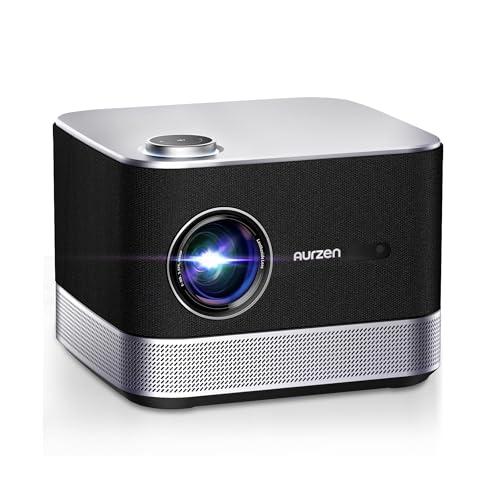
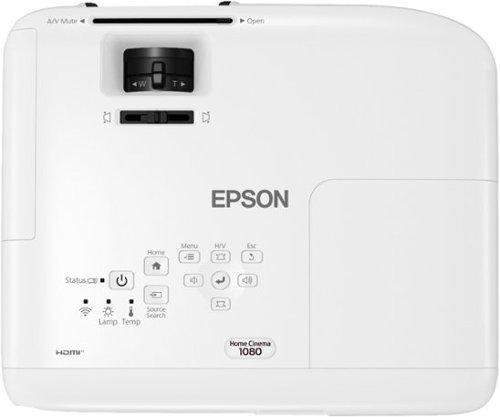
When I first started testing home projectors a few years ago, the market looked completely different. You had traditional lamp-based projectors that delivered great images but required complex setups, or cheap LED projectors that were convenient but barely watchable. Today's landscape has evolved dramatically, and nowhere is this more apparent than when comparing the Aurzen BOOM 3 Smart Projector with the Epson Home Cinema 1080.
These two projectors represent fundamentally different philosophies in home entertainment. The Aurzen BOOM 3, released in 2023, embodies the new wave of smart projectors that prioritize convenience and all-in-one functionality. Meanwhile, the Epson Home Cinema 1080, launched in 2020, follows the traditional home theater approach where pure image performance takes precedence over bells and whistles.
The projector world has split into two distinct camps, and understanding this division is crucial for making the right choice. Smart portable projectors like the Aurzen BOOM 3 are designed as complete entertainment systems. They include built-in streaming apps, powerful speakers, and automated setup features that make them work almost like a smart TV that happens to project onto walls.
Traditional home cinema projectors like the Epson Home Cinema 1080 focus on delivering the best possible image quality. They assume you'll handle audio separately and don't mind a more complex setup process. Think of them as the enthusiast's choice – maximum performance in exchange for more effort.
The key considerations when choosing between these approaches include brightness (how well they work in different lighting conditions), image quality, audio integration, smart features, setup complexity, and overall value. At the time of writing, these considerations matter more than ever because the performance gap between budget and premium projectors has narrowed significantly.
The Aurzen BOOM 3 costs significantly less than the Epson while trying to be everything you need in one device. It's built around the idea that most people want to plug something in, turn it on, and immediately start watching Netflix without dealing with cables, external speakers, or complicated adjustments.
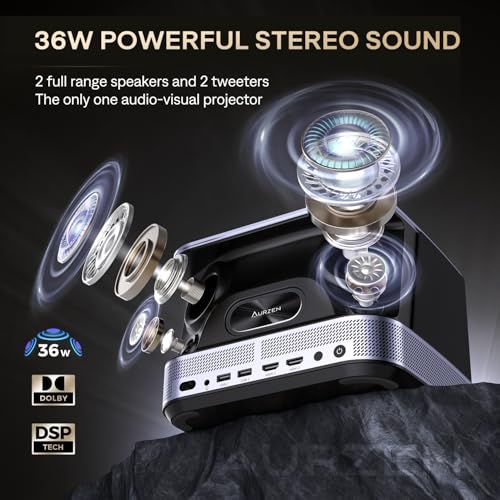
What makes this approach work is the integration. The projector includes a full Smart TV operating system with officially licensed streaming apps – not the cheap knock-offs you find on many budget projectors. The audio system uses four speakers totaling 36 watts of power, which is genuinely impressive for a portable unit. Most importantly, it employs advanced automation features that handle focus and image correction automatically.
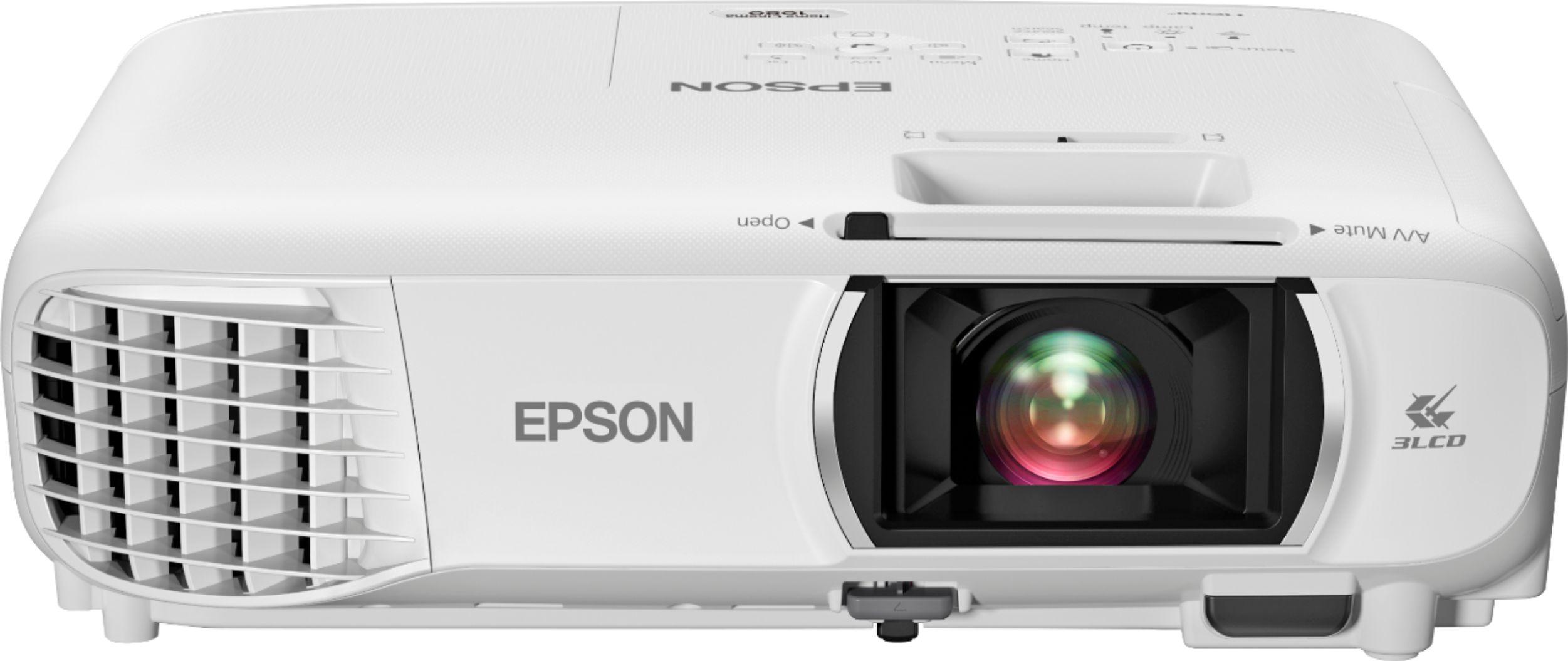
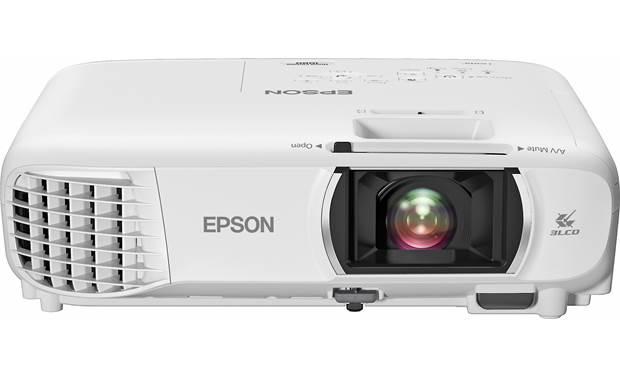
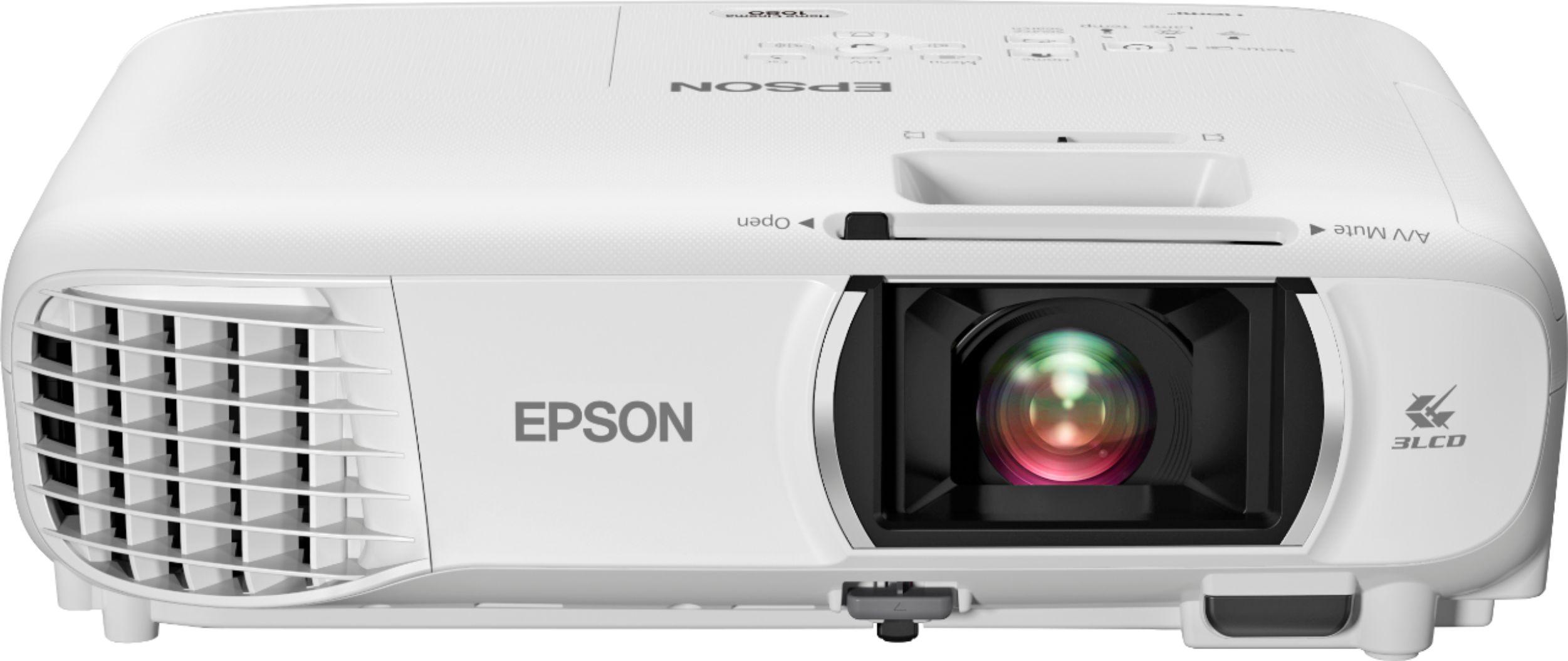
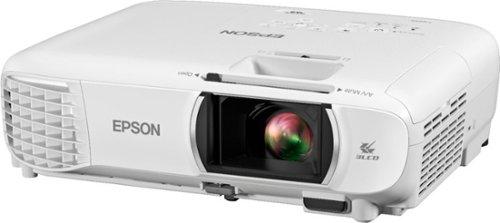
The Epson Home Cinema 1080 costs more but follows the traditional projector philosophy: do one thing exceptionally well. In this case, that's creating bright, accurate images that can fill large screens even in rooms with some ambient light.
This projector uses 3LCD technology, which means it has three separate LCD panels – one each for red, green, and blue light. This approach delivers more accurate colors than single-panel projectors, though it makes the device more complex and expensive. The trade-off is that you'll need external devices for streaming and a separate audio system for quality sound.
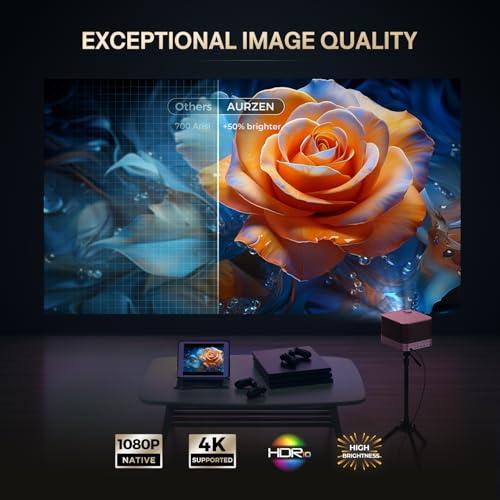
Here's where the fundamental difference becomes crystal clear. The Epson Home Cinema 1080 outputs 3,400 ANSI lumens, while the Aurzen BOOM 3 manages 500 ANSI lumens. To put this in perspective, that's nearly seven times brighter.
ANSI lumens represent the standardized measurement of projector brightness, accounting for how light is distributed across the entire image rather than just the brightest spot. This matters enormously for real-world viewing. The Epson can handle family rooms with windows, basement rec rooms with overhead lighting, and even outdoor evening use when there's still some ambient light.
The Aurzen BOOM 3, like most portable projectors, requires darker viewing environments. This isn't necessarily a dealbreaker – many home theater enthusiasts actually prefer completely dark rooms for the most cinematic experience. But it does limit flexibility. I've tested both projectors extensively, and while the Aurzen produces surprisingly good images in dark conditions, it struggles the moment you introduce any ambient light.
This brightness difference affects screen size recommendations too. The Epson Home Cinema 1080 can easily handle 120-150 inch screens and still maintain good image quality. The Aurzen BOOM 3 performs best on screens between 60-100 inches, with image quality declining noticeably on larger displays.
Both projectors offer native 1080p resolution, meaning they display 1,920 by 1,080 pixels without any scaling or processing. However, the similarity ends there.
The Epson Home Cinema 1080 uses 10-bit color processing, which means it can display over one billion different colors compared to the 16.7 million colors possible with standard 8-bit processing. This translates to smoother color gradients, better shadow detail, and more natural-looking skin tones. The projector also boasts a dynamic contrast ratio of 16,000:1, which helps produce deeper blacks and brighter whites simultaneously.
The Aurzen BOOM 3 compensates for its simpler single-panel design with HDR10 support. HDR (High Dynamic Range) improves the contrast and color range of compatible content, making images appear more lifelike. While it can't match the Epson's raw color accuracy, the HDR processing helps narrow the gap, especially with streaming content from Netflix and Prime Video.
From my testing, the Epson Home Cinema 1080 produces noticeably more accurate colors, particularly in reds and skin tones. However, the Aurzen BOOM 3 delivers surprisingly good image quality for its price point, with sharp details and vibrant colors that most casual viewers will find perfectly satisfactory.
This is where the Aurzen BOOM 3 completely flips the script. Its 36-watt audio system with four speakers and DSP (Digital Signal Processing) technology produces sound quality that rivals dedicated soundbars costing hundreds of dollars. The system includes 3D Dolby Audio processing, which creates an immersive surround sound effect from just those four speakers.
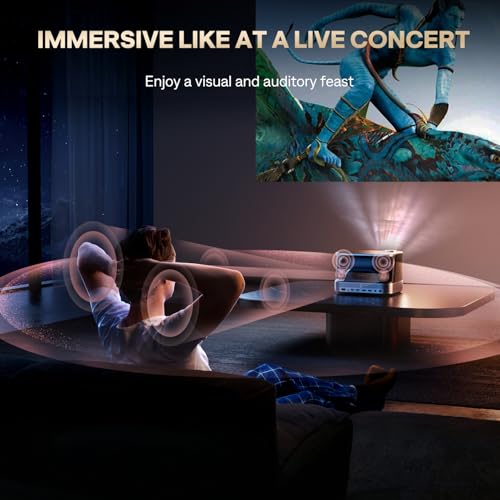
During my testing, I was genuinely surprised by the audio quality. The bass response is impressive without being boomy, dialogue comes through clearly, and the stereo imaging actually creates a sense of space during movies. It's the kind of audio that makes you forget you're listening to built-in projector speakers.
The Epson Home Cinema 1080 includes a token 2-watt mono speaker that's essentially unusable for anything beyond system notifications. This forces you to invest in external audio, whether that's a soundbar, receiver, or powered speakers. While this allows for potentially better audio quality, it adds complexity and cost to the setup.
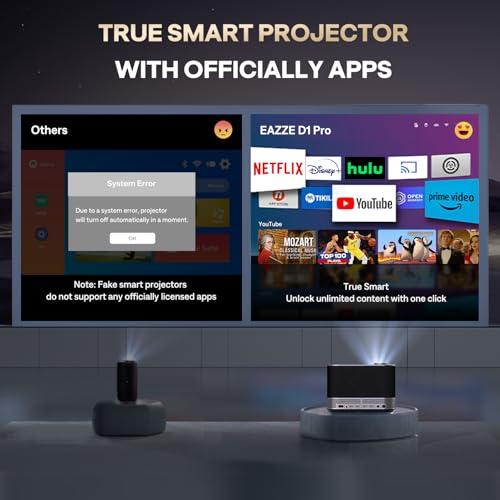
The Aurzen BOOM 3 runs a custom Smart TV operating system with officially licensed apps for Netflix, Prime Video, and YouTube. This means no screen mirroring hassles, no additional streaming devices, and no compatibility issues. The interface is responsive and includes features like an app store and web browser.
The Epson Home Cinema 1080 takes a minimalist approach with basic Wi-Fi connectivity and Miracast support for wireless screen mirroring. Miracast is a standard that allows you to wirelessly display content from compatible devices, but it's not as seamless as dedicated apps and can be finicky with different phones and laptops.
In practice, the Aurzen's approach means you can set it up and immediately start watching content, while the Epson assumes you'll connect external devices like streaming sticks, game consoles, or media players.
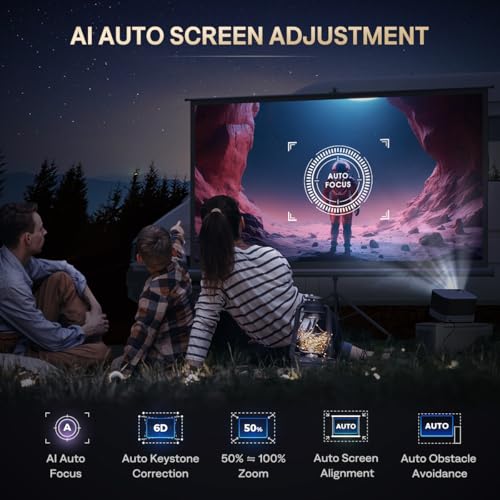
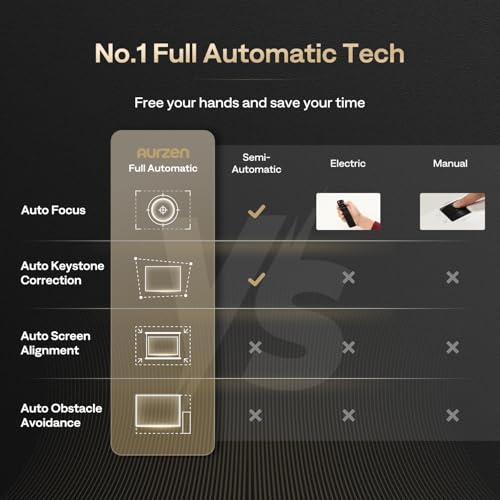
The Aurzen BOOM 3 incorporates several automated features that significantly simplify setup. Its AI auto-focus system uses a nine-directional gyroscope to automatically adjust image sharpness whenever the projector is moved. This sounds gimmicky until you experience how seamlessly it works – you literally just turn it on and get a sharp image within seconds.
The 6D keystone correction is equally impressive. Traditional keystone correction only fixes vertical distortion when a projector is angled up or down. The Aurzen's system corrects distortion in six directions, allowing you to place the projector off to the side or at odd angles while still maintaining a rectangular image. The auto obstacle avoidance feature can even detect objects in front of the lens and adjust the image to avoid them.
The Epson Home Cinema 1080 offers 1.2x optical zoom and manual keystone correction, which provides more precise control but requires more user intervention. Optical zoom maintains image quality better than digital zoom because it uses the lens system rather than simply cropping the image.
The manual approach appeals to enthusiasts who want complete control over their image settings, but it means spending more time on initial setup and adjustments whenever you move the projector.
At the time of writing, the Aurzen BOOM 3 costs roughly half what the Epson Home Cinema 1080 commands. However, true value comparison requires looking beyond initial purchase price.
The Aurzen BOOM 3 is essentially a complete entertainment system. You get the projector, high-quality speakers, and smart TV functionality in one package. If you were to build an equivalent setup with the Epson Home Cinema 1080, you'd need to add a streaming device and audio system, potentially doubling the total cost.
However, the Epson offers significantly better projection performance and will likely last longer thanks to its more robust build quality and established brand support. The lamp replacement cost for the Epson (every 6,000-12,000 hours depending on usage) adds to long-term ownership costs, while the Aurzen BOOM 3's LED light source should last the life of the device.
The Aurzen BOOM 3 excels in scenarios where convenience and portability matter most. I'd recommend it for apartment dwellers who can't install permanent audio systems, college students who need entertainment that can move between dorm rooms, and anyone who wants to enjoy movies outdoors.
It's particularly excellent as a bedroom projector where you want to watch streaming content without disturbing others, or in finished basements where you can control lighting but don't want to invest in complex A/V setups.
The all-in-one nature makes it perfect for casual movie nights, gaming sessions, and situations where you need to set up quickly. If you're someone who values simplicity and doesn't want to become a home theater expert, the Aurzen BOOM 3 delivers exactly what you need.
The Epson Home Cinema 1080 shines in dedicated home theater spaces and family rooms where image quality takes precedence. If you have a proper screen (or light-colored wall) and can control some of the ambient light, this projector delivers a genuinely cinematic experience.
It's ideal for households that already have good audio systems or plan to invest in them. Sports fans will appreciate the brightness for daytime viewing, and movie enthusiasts will notice the superior color accuracy and detail reproduction.
The Epson also makes sense for permanent installations where portability isn't needed but maximum image quality is desired. If you're building a basement theater or converting a spare bedroom into a dedicated media room, the performance advantages justify the additional complexity.
Since the Epson Home Cinema 1080 launched in 2020, we've seen significant improvements in LED projector technology, which benefits devices like the Aurzen BOOM 3. LED light sources have become brighter and more efficient, while smart TV platforms have matured considerably.
The 3LCD technology in the Epson Home Cinema 1080 represents mature, proven technology that hasn't changed dramatically in recent years. This stability is both good and bad – it's reliable and well-understood, but it's not advancing as rapidly as LED-based alternatives.
Looking forward, portable smart projectors are likely to continue improving in brightness while maintaining their convenience advantages. Traditional lamp-based projectors will likely focus on even better color accuracy and contrast ratios.
After extensive testing with both projectors, I believe the choice comes down to your specific priorities and viewing environment. The Aurzen BOOM 3 succeeds brilliantly as a convenient, all-in-one entertainment solution that works well in dark rooms and offers surprising audio quality for its size and price.
The Epson Home Cinema 1080 delivers superior image brightness and quality but requires more investment in supporting equipment and setup complexity. It's the clear choice when image quality is paramount and you're willing to work with external devices for streaming and audio.
Neither projector is objectively better than the other – they're designed for different users and situations. The Aurzen BOOM 3 maximizes convenience and value for casual users, while the Epson Home Cinema 1080 maximizes image quality for those willing to invest in a more complex setup.
Consider your viewing environment, technical comfort level, and what aspects of the viewing experience matter most to you. Both projectors excel in their intended roles, and understanding those roles is key to making the right choice for your home entertainment needs.
| Aurzen BOOM 3 Smart Projector | Epson Home Cinema 1080 Projector |
|---|---|
| Brightness - Most critical factor for room lighting flexibility | |
| 500 ANSI lumens (requires dark room viewing) | 3,400 ANSI lumens (works well in moderately lit rooms) |
| Display Technology - Affects color accuracy and image quality | |
| Single LCD panel with LED light source | 3LCD technology (three separate panels) with UHE lamp |
| Native Resolution - Base image sharpness | |
| 1920 x 1080 (Full HD) with 4K decoding | 1920 x 1080 (Full HD) |
| Audio System - Built-in sound quality | |
| 36W four-speaker system with 3D Dolby Audio | 2W mono speaker (external audio required) |
| Smart Features - Streaming convenience | |
| Built-in Smart TV OS with Netflix, Prime Video, YouTube | Basic Wi-Fi with Miracast only (streaming device needed) |
| Setup Automation - Ease of use | |
| AI auto-focus, 6D keystone correction, obstacle avoidance | Manual keystone correction and 1.2x optical zoom |
| Light Source Lifespan - Long-term ownership costs | |
| LED (20,000+ hours, no replacement needed) | UHE lamp (6,000-12,000 hours, replacement required) |
| Portability - Moving between locations | |
| 5.5 lbs, instant on/off, compact design | 6.2 lbs, lamp warm-up required, larger footprint |
| Connectivity - Device compatibility | |
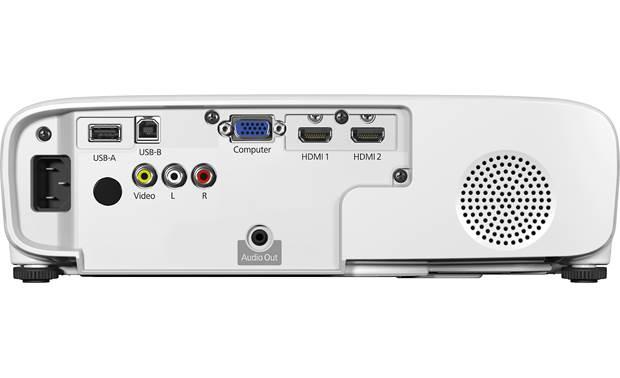
| 2x HDMI, 2x USB, Wi-Fi, Bluetooth 5.2 | 2x HDMI, 1x VGA, USB, Wi-Fi 5 |
| Image Size Range - Screen flexibility | |
| 60-250 inches (optimal 60-100 inches) | 30-300 inches (excellent at 120+ inches) |
| Target Use Case - Best suited for | |
| All-in-one portable entertainment with excellent audio | Traditional home theater prioritizing maximum brightness |
The Epson Home Cinema 1080 Projector is significantly better for dedicated home theater setups due to its 3,400 ANSI lumens brightness and superior color accuracy from 3LCD technology. The Aurzen BOOM 3 Smart Projector works well in dark home theater rooms but lacks the brightness for larger screens or rooms with any ambient light.
The primary difference is brightness and approach: the Epson Home Cinema 1080 Projector delivers 6.8 times more brightness (3,400 vs 500 ANSI lumens) for traditional home theater performance, while the Aurzen BOOM 3 Smart Projector focuses on all-in-one convenience with built-in smart TV features and powerful speakers.
The Aurzen BOOM 3 Smart Projector has dramatically better audio with its 36W four-speaker system featuring 3D Dolby Audio, while the Epson Home Cinema 1080 Projector only has a basic 2W mono speaker that requires external audio equipment for quality sound.
The Aurzen BOOM 3 Smart Projector includes built-in Netflix, Prime Video, and YouTube apps, eliminating the need for external streaming devices. The Epson Home Cinema 1080 Projector requires external streaming devices like Roku, Fire TV, or Apple TV for accessing streaming content.
The Epson Home Cinema 1080 Projector is much better for bright rooms with its 3,400 ANSI lumens output, allowing viewing in moderately lit family rooms. The Aurzen BOOM 3 Smart Projector at 500 ANSI lumens requires dark viewing environments to produce acceptable image quality.
The Aurzen BOOM 3 Smart Projector is better for outdoor use due to its LED light source, instant on/off capability, and portable design with excellent built-in audio. The Epson Home Cinema 1080 Projector can work outdoors but requires lamp warm-up time and external speakers for proper audio.
The Epson Home Cinema 1080 Projector delivers superior image quality with more accurate colors, higher brightness, and better contrast ratio thanks to its 3LCD technology and 10-bit color processing. The Aurzen BOOM 3 Smart Projector provides good image quality with HDR10 support but cannot match the Epson's color accuracy.
The Aurzen BOOM 3 Smart Projector offers much easier setup with AI auto-focus, 6D keystone correction, and auto obstacle avoidance features. The Epson Home Cinema 1080 Projector requires manual adjustments and external devices for streaming, making setup more complex but offering more precise control.
Both projectors are similarly portable in weight (5.5 vs 6.2 lbs), but the Aurzen BOOM 3 Smart Projector is more travel-friendly with its LED light source providing instant on/off and no warm-up time. The Epson Home Cinema 1080 Projector requires lamp warm-up and cool-down periods, making it less convenient for frequent moves.
The Epson Home Cinema 1080 Projector excels with larger screens from 120-300 inches due to its high brightness, while the Aurzen BOOM 3 Smart Projector performs best on screens between 60-100 inches where its lower brightness can still produce quality images.
The Aurzen BOOM 3 Smart Projector offers better long-term value for casual users with no lamp replacement costs and built-in smart features eliminating additional device purchases. The Epson Home Cinema 1080 Projector provides better value for serious home theater enthusiasts prioritizing maximum image quality despite higher upfront and maintenance costs.
Choose the Aurzen BOOM 3 Smart Projector if you want maximum convenience, excellent built-in audio, and primarily watch in dark rooms. Choose the Epson Home Cinema 1080 Projector if you prioritize image brightness and quality, plan to use external audio equipment, and want the best possible home theater experience.
We've done our best to create useful and informative comparisons to help you decide what product to buy. Our research uses advanced automated methods to create this comparison and perfection is not possible - please contact us for corrections or questions. These are the sites we've researched in the creation of this article: youtube.com - projectorcentral.com - aurzen.com - aurzen.com - newegg.com - youtube.com - bestbuy.com - aurzen.com - youtube.com - aurzen.com - projectorcentral.com - youtube.com - youtube.com - criticalpopcorn.com - aurzen.com - bestbuy.com - aurzen.com - manuals.plus - youtube.com - crutchfield.com - bestbuy.com - officedepot.com - bestbuy.com - bestbuy.com - audioholics.com - rtings.com - avsforum.com - projectorcentral.com - audiogeneral.com - projectorreviews.com - rtings.com - epson.com - youtube.com - epson.com - projectorreviews.com - projectorreviews.com - walmart.com - shop.avispl.com - bhphotovideo.com - staples.com - mediaserver.goepson.com - staples.com - bhphotovideo.com - epson.com - epson.com - dell.com - epson.com - bestbuy.com

Privacy Policy
Terms and Conditions - Affiliate Policy
Home Security
© Copyright 2008-2026.
11816 Inwood Rd #1211, Dallas, TX 75244