

Let's face it—there's something magical about a massive projected image that even the largest TVs can't match. Whether you're blasting aliens in Halo or getting lost in the latest Christopher Nolan epic, projectors offer an immersive experience that transforms an ordinary room into something special. But choosing the right projector can feel overwhelming, especially when trying to decide between models optimized for different purposes.
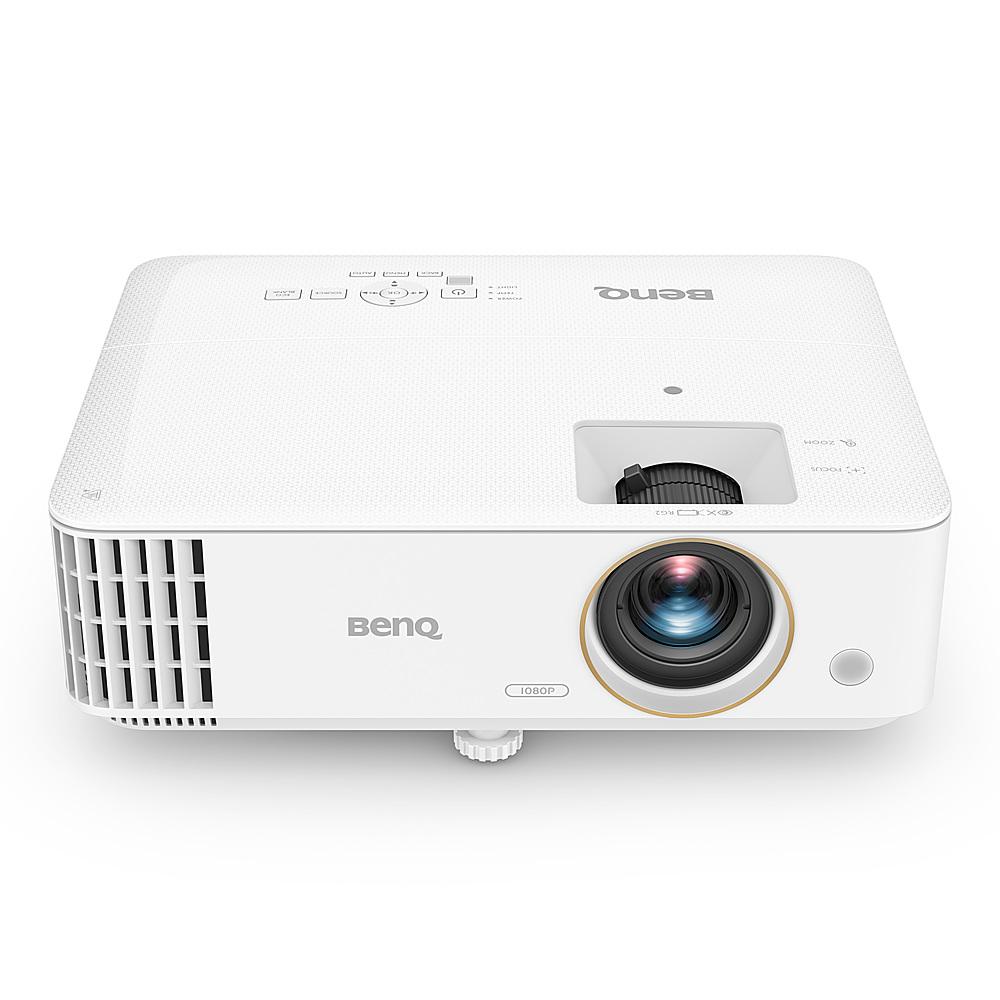
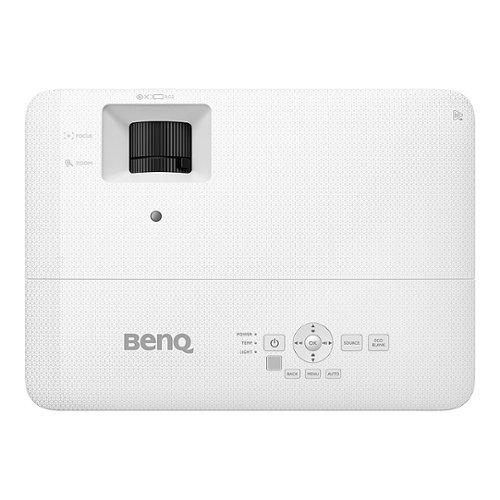
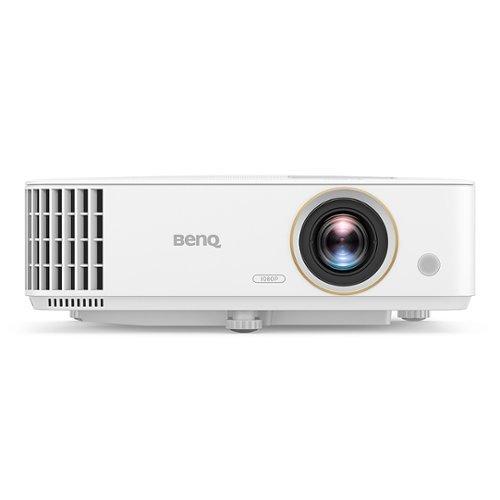
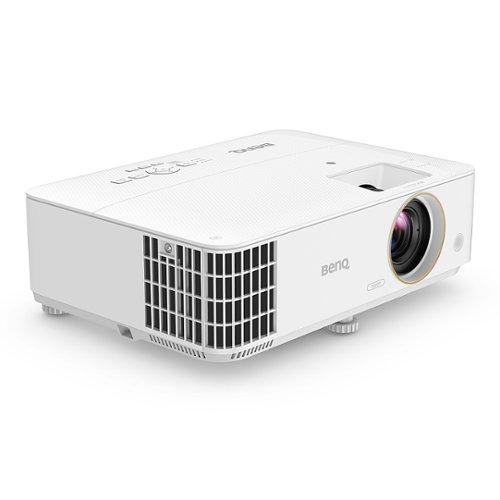
The BenQ TH685P and Epson Home Cinema 1080 represent two distinct approaches to 1080p projection. Released in late 2021 and mid-2020 respectively, both have had time to prove their worth in the market, but they target different users with different priorities. Let's break down exactly what makes each one tick and who should consider adding them to their home setup.
Before diving into specific models, it's worth understanding what factors truly impact your experience with a projector.
This fundamental difference affects nearly everything about image quality. The BenQ TH685P uses DLP (Digital Light Processing) technology, which involves a spinning color wheel and millions of microscopic mirrors that reflect light thousands of times per second. This approach tends to provide sharper images and better motion handling but sometimes creates a "rainbow effect"—brief flashes of rainbow-colored artifacts that some people find distracting.
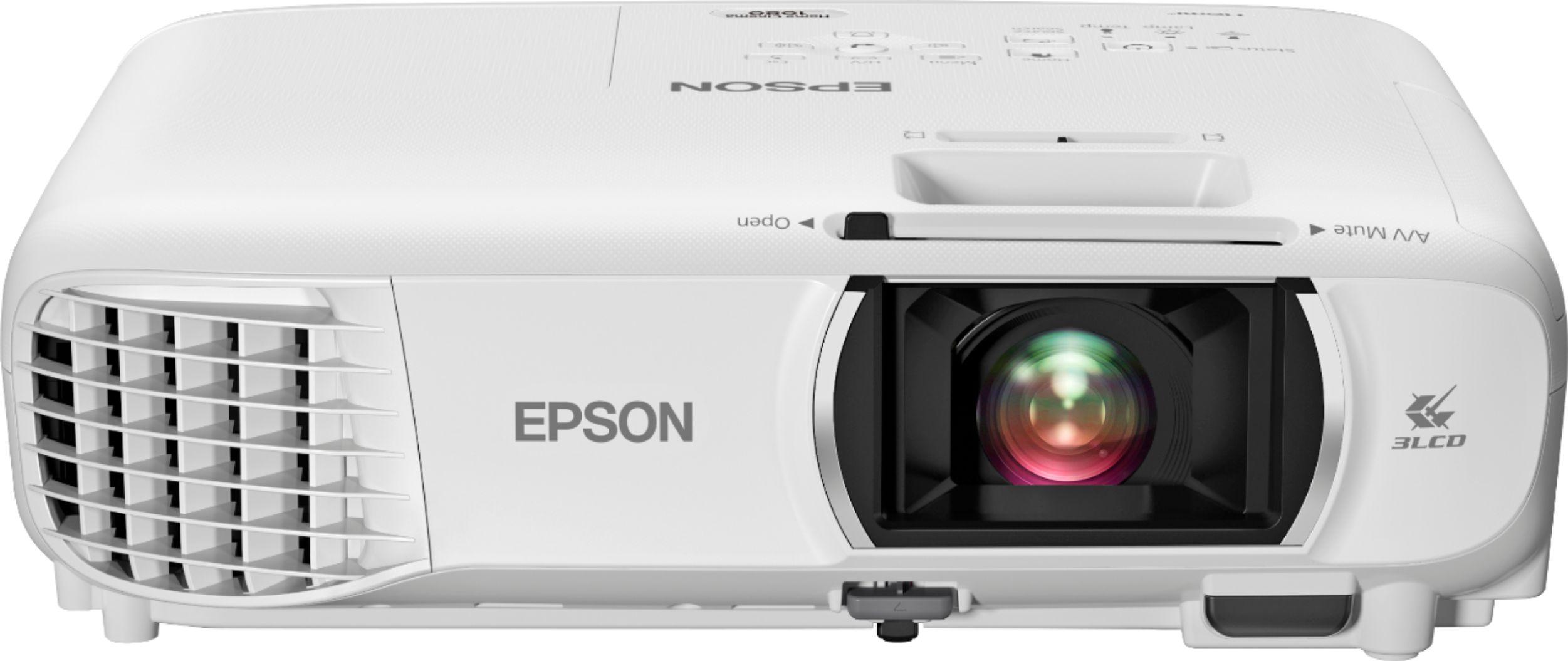
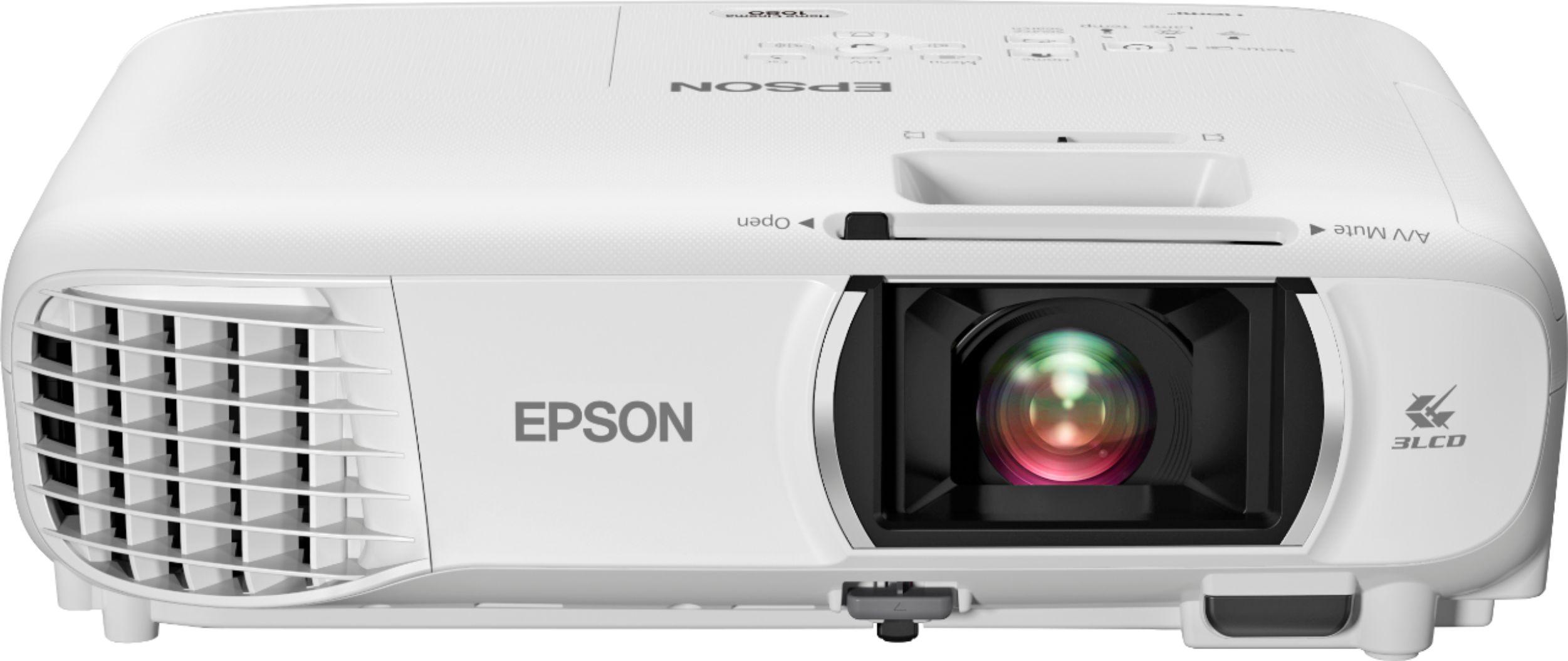
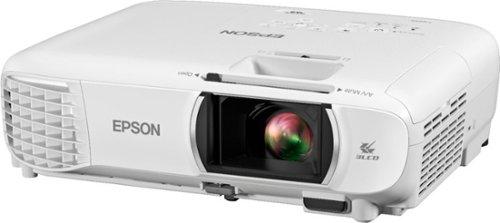
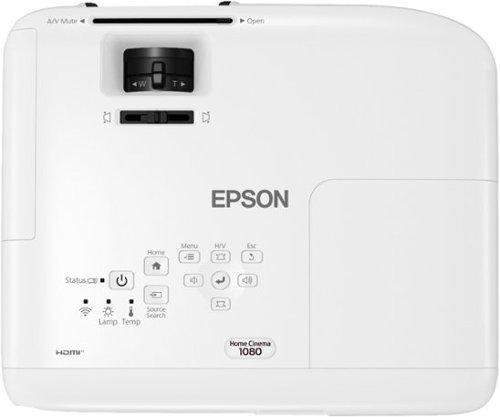
The Epson Home Cinema 1080 uses 3LCD technology, which splits light into three separate red, green, and blue channels using prisms and LCD panels. This method typically produces more consistent color brightness and eliminates rainbow effects entirely, but might not match DLP's crispness in fast-moving scenes.
Measured in lumens, brightness determines how visible your image will be when you're not watching in complete darkness. Both projectors offer sufficient brightness for partially lit rooms, with the BenQ delivering 3,500 ANSI lumens and the Epson providing 3,400 lumens. However, there's an important distinction: the Epson's 3LCD technology provides equal color and white brightness, while DLP projectors like the BenQ sometimes have lower color brightness than their rated white brightness.
In practice, this means the Epson might maintain more vibrant colors when projecting bright scenes in rooms with some ambient light, while the BenQ's raw brightness might produce a more visible image overall in challenging lighting conditions.
Input lag—the delay between your controller input and the action appearing on screen—can make or break a gaming experience. This is where the BenQ TH685P truly shines with an impressively low 8.3ms input lag at 120Hz (16ms at 60Hz), making it one of the most responsive projectors available. For context, most TVs considered "good" for gaming offer 15-20ms input lag, while standard projectors might exceed 50ms.
The Epson Home Cinema 1080 wasn't designed specifically for gaming and doesn't advertise its input lag figures prominently, suggesting it's likely in the 30-50ms range—acceptable for casual gaming but potentially frustrating for competitive play or rhythm games where timing is crucial.
Both projectors deliver native 1080p resolution—still perfectly adequate for most content even as 4K becomes more common. The difference lies in how they handle color and contrast.
The Epson Home Cinema 1080 offers a theoretical advantage with its higher 16,000:1 contrast ratio compared to the BenQ's 10,000:1 specification. In practice, this translates to deeper blacks and more detailed shadow areas, particularly noticeable when watching movies in a properly darkened room. The 3LCD technology also typically delivers more accurate colors straight out of the box.
The BenQ TH685P counters with HDR10 and HLG (Hybrid Log Gamma) support—high dynamic range formats that expand the range of both contrast and color when viewing compatible content. Its color performance is solid with 95% coverage of the Rec.709 color space (the standard for HD content), though not exceptional by today's standards where some projectors reach wider color gamuts like DCI-P3.
When considering image processing improvements since their release dates, it's worth noting that both manufacturers have largely focused their newest innovations on their 4K lineup, leaving these 1080p models as stable, mature products that benefit from well-refined firmware and processing algorithms.
Gaming performance is where these projectors diverge most dramatically. The BenQ TH685P was explicitly designed for gamers with several standout features:
These gaming-focused features represent meaningful technological improvements over older projectors, which typically treated gaming as an afterthought. The combination of low lag and 120Hz support in particular puts the BenQ in a different class for gaming applications.
The Epson Home Cinema 1080, while capable of casual gaming, lacks these specialized optimizations. Its standard 60Hz refresh rate and higher input lag make it less suitable for twitch-based or competitive gaming. However, its superior contrast might actually provide a more cinematic experience for single-player adventure games where visual immersion matters more than split-second response times.
Setting up a projector often involves working within the constraints of your room, which is why placement flexibility matters tremendously in real-world use.
The Epson Home Cinema 1080 holds an advantage here with its 1.02-1.23:1 throw ratio (meaning it can produce a 100-inch image from about 8.5 to 10.2 feet away). It also offers both horizontal and vertical keystone correction (±30° in both directions), which digitally adjusts the image when you can't position the projector perfectly centered. This makes it more forgiving of less-than-ideal placement.
The BenQ TH685P requires slightly more distance with its 1.13-1.46:1 throw ratio and only offers vertical keystone correction (±40°). This means you'll need to ensure the projector is horizontally centered with your screen—a limitation in some room layouts.
Both projectors include modest zoom capabilities (1.2x for Epson, 1.3x for BenQ), which provides some flexibility but falls short of the 2x+ zoom range found on higher-end models.
Modern entertainment setups often involve multiple devices and wireless connectivity options, making a projector's input selection increasingly important.
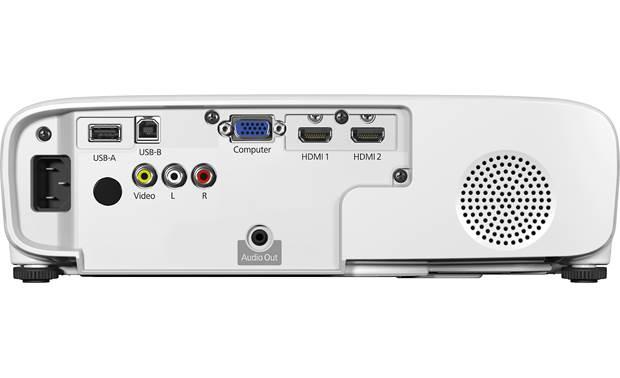
The Epson Home Cinema 1080 offers a more comprehensive connection suite with two HDMI ports, VGA input (for older computers), composite video, and multiple USB ports. Most notably, it includes built-in Wi-Fi with Miracast support, allowing for wireless screen mirroring from compatible smartphones, tablets, and laptops without additional devices.
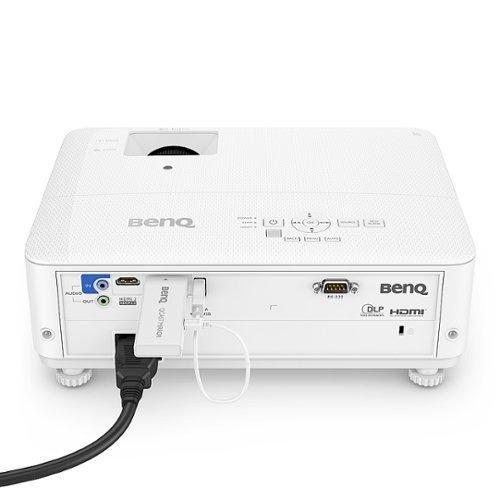
The BenQ TH685P provides a more streamlined approach with two HDMI 2.0 inputs and a USB port primarily for power output. This covers most modern gaming consoles and streaming devices but lacks wireless capabilities unless you add a streaming stick to one of the HDMI ports.
Neither projector includes smart streaming features comparable to modern smart TVs—you'll need to connect external devices like Roku, Apple TV, or Fire TV for streaming services. This approach has actually aged well as it allows users to update their streaming capabilities without replacing the entire projector.
Projector lamps aren't cheap to replace, making lamp life an important economic consideration. Here, the BenQ TH685P holds a clear advantage with up to 15,000 hours in its most economical mode, versus the Epson's 12,000 hours. At typical usage of 20 hours per week, that's nearly 3.5 years of additional use before a lamp replacement.
Both manufacturers have made significant improvements in lamp efficiency since earlier generations that typically offered 4,000-6,000 hours of lamp life. These gains represent meaningful cost savings over the projector's lifespan.
When setting up a dedicated home theater space, several additional factors come into play beyond raw specifications.
Both projectors include built-in speakers—5W on the BenQ and 2W on the Epson—but neither delivers audio quality that matches the visual experience. For proper home theater use, you'll want to pair either projector with at least a quality soundbar or ideally a surround sound system.
The BenQ TH685P's Game Sound Mode does make its speaker more useful for casual gaming sessions where external audio might not be set up, but it's still a compromise compared to dedicated audio equipment.
While both projectors will work with basic white screens or even walls in a pinch, their different technologies benefit from different screen types.
The Epson Home Cinema 1080's 3LCD technology works well with standard white screens with gain factors between 1.0 and 1.3, as it already produces balanced color brightness.
The BenQ TH685P might benefit more from a higher-gain screen (1.3-1.5) in rooms with ambient light, helping to preserve image brightness, or from gray screens that enhance perceived contrast for its DLP system.
The BenQ TH685P typically retails at a slightly higher price point than the Epson Home Cinema 1080, with the premium justified primarily by its gaming-specific features and HDR support. Both projectors represent good value in the entry-level 1080p market, with prices that have become more competitive since their initial release.
The value equation depends entirely on your primary use case:
For gamers, especially those playing competitively or who value responsiveness, the BenQ TH685P delivers exceptional value with gaming features that would typically require much higher expenditure. Its combination of low input lag and 120Hz support remains relatively rare in the projector market, even among newer models.
For movie enthusiasts or general media consumption, the Epson Home Cinema 1080's superior contrast ratio, more consistent color performance, and placement flexibility make it the better choice. Its 3LCD technology eliminates any concerns about rainbow artifacts that might distract sensitive viewers during long movie sessions.
After comparing these projectors across multiple dimensions, the decision becomes clearer when you prioritize your specific requirements:
The BenQ TH685P and Epson Home Cinema 1080 exemplify how projector manufacturers target different segments of the market with specialized features rather than trying to create one-size-fits-all solutions.
The BenQ focuses on delivering exactly what gamers need—exceptional responsiveness, good brightness for playing in varied lighting conditions, and specific image and audio processing for gaming scenarios. It makes calculated compromises in areas like contrast ratio and placement flexibility to maintain its gaming edge at a reasonable price point.
The Epson prioritizes the fundamental aspects of image quality that matter for movies—balanced color reproduction, strong contrast, and flexible setup options. It lacks gaming-specific optimizations but delivers a more universally appealing image for varied content.
Both represent thoughtful designs for their intended purposes, and both deliver good value relative to their capabilities. The best choice depends not on which is "better" in absolute terms, but which aligns most closely with how you'll actually use your projector day-to-day.
If you're still unsure, consider your past viewing habits—do you spend more time gaming or watching movies? Are you willing to optimize your room for perfect projection, or do you need a projector that adapts to your space? Your answers will guide you to either the gaming-optimized BenQ TH685P or the home theater-focused Epson Home Cinema 1080.
| BenQ TH685P 1080p HDR Gaming Projector | Epson Home Cinema 1080 Projector |
|---|---|
| Display Technology - Affects color reproduction, motion handling, and potential visual artifacts | |
| DLP technology with single-chip design; may exhibit rainbow effect for sensitive viewers | 3LCD technology with three separate panels; eliminates rainbow effect completely |
| Resolution - Determines image clarity and detail | |
| 1920x1080 (Full HD) with HDR10 and HLG support | 1920x1080 (Full HD) without HDR support |
| Brightness - Crucial for viewing with ambient light present | |
| 3,500 ANSI lumens; excellent for gaming in rooms with some lighting | 3,400 lumens (color and white brightness balanced); maintains better color saturation in brighter scenes |
| Contrast Ratio - Affects black levels and shadow detail | |
| 10,000:1 contrast ratio; good but not exceptional | 16,000:1 contrast ratio; superior performance in dark movie scenes |
| Gaming Performance - Critical for competitive and responsive gameplay | |
| 8.3ms input lag at 120Hz (16ms at 60Hz); supports 120Hz refresh rate; includes dedicated Game Mode | Standard input lag (likely 30-50ms); limited to 60Hz refresh rate; no gaming-specific optimizations |
| Color Accuracy - Important for faithful content reproduction | |
| 95% Rec.709 color gamut coverage; good for gaming and general content | Full Rec.709 coverage with more accurate out-of-box color performance due to 3LCD technology |
| Placement Flexibility - Determines where you can position the projector | |
| 1.13:1-1.46:1 throw ratio; 1.3x zoom; vertical keystone correction only (±40°) | 1.02-1.23:1 throw ratio (better for smaller rooms); 1.2x zoom; both horizontal and vertical keystone correction (±30°) |
| Connectivity - Affects compatibility with various devices | |
| 2x HDMI 2.0 inputs; USB power output; no wireless capabilities | 2x HDMI ports; VGA; composite; USB; built-in Wi-Fi with Miracast support |
| Audio Solution - Determines if external speakers are needed | |
| 5W mono speaker with Game Sound Mode; adequate for casual use | 2W mono speaker; likely inadequate for most environments |
| Lamp Life - Impacts long-term ownership costs | |
| Up to 15,000 hours in LampSave mode; lower replacement cost over time | Up to 12,000 hours in ECO mode; slightly higher long-term maintenance cost |
| Best Use Case - Who should buy each projector | |
| Ideal for gamers who prioritize responsiveness and play in varied lighting conditions | Better for movie enthusiasts who value contrast, color accuracy, and placement flexibility |
The BenQ TH685P is significantly better for gaming with an ultra-low 8.3ms input lag at 120Hz, dedicated Game Mode, and 120Hz refresh rate support. The Epson Home Cinema 1080 lacks gaming-specific features and has higher input lag (likely 30-50ms), making the BenQ TH685P the clear choice for serious gamers.
For movies, the Epson Home Cinema 1080 typically delivers better picture quality with its higher 16,000:1 contrast ratio (vs. 10,000:1 on the BenQ) and 3LCD technology that provides more natural colors. While the BenQ TH685P offers HDR support, the Epson's superior contrast and color consistency make it more suitable for cinematic content.
Both projectors perform reasonably well in rooms with some ambient light. The BenQ TH685P offers 3,500 ANSI lumens while the Epson Home Cinema 1080 provides 3,400 lumens of equal color and white brightness. The BenQ may appear slightly brighter overall, but the Epson maintains more consistent colors when ambient light is present.
The Epson Home Cinema 1080 is better suited for smaller rooms with its shorter throw ratio of 1.02-1.23:1, allowing you to place it closer to the screen. The BenQ TH685P requires more distance with its 1.13-1.46:1 throw ratio. Additionally, the Epson offers both horizontal and vertical keystone correction for more flexible placement options.
Neither the BenQ TH685P nor the Epson Home Cinema 1080 has built-in smart TV features like Netflix or other streaming apps. However, the Epson does offer built-in Wi-Fi with Miracast support for wireless screen mirroring from compatible devices. For full smart functionality, you'll need to connect a streaming device like Roku, Fire TV, or Apple TV to either projector.
The Epson Home Cinema 1080 offers more comprehensive connectivity with two HDMI ports, VGA input, composite video, USB ports, and built-in Wi-Fi with Miracast support. The BenQ TH685P provides a more basic selection with two HDMI 2.0 inputs and a USB port mainly for power output, making the Epson more versatile for connecting multiple devices.
The BenQ TH685P may be more cost-effective long-term with its lamp life of up to 15,000 hours in LampSave mode compared to the Epson Home Cinema 1080's 12,000 hours in ECO mode. This means fewer lamp replacements over the projector's lifespan, potentially saving hundreds of dollars in maintenance costs.
Both projectors work with modern gaming consoles, but the BenQ TH685P is optimized for this use with its low input lag and Game Mode. While the PS5 and Xbox Series X are capable of 4K output, both the BenQ and the Epson Home Cinema 1080 will display content at 1080p resolution. The BenQ additionally supports 120Hz gaming at 1080p, which is valuable for compatible console games.
The BenQ TH685P offers better built-in audio with a more powerful 5W speaker and Game Sound Mode that enhances dialogue and effects. The Epson Home Cinema 1080 has a weaker 2W speaker that's generally inadequate for most viewing situations. However, for optimal home theater experience, external speakers or a soundbar are recommended with either projector.
Both projectors can display sports content well, but they have different strengths. The BenQ TH685P handles fast motion better with less blur due to its DLP technology and high brightness, making it excellent for daytime sports viewing. The Epson Home Cinema 1080 offers better color accuracy but might show slightly more motion blur during fast-paced action.
The Epson Home Cinema 1080 is generally easier to set up with more flexible placement options including both horizontal and vertical keystone correction (±30°) and a shorter throw ratio. The BenQ TH685P only offers vertical keystone correction (±40°) and requires more precise horizontal alignment with your screen, making the Epson more forgiving of imperfect room configurations.
Yes, 1080p resolution as found in both the BenQ TH685P and Epson Home Cinema 1080 remains perfectly adequate for most viewing situations, especially at screen sizes under 120 inches. While 4K projectors offer higher resolution, they typically cost significantly more. For gaming and general content consumption, these 1080p projectors deliver sharp, detailed images that most viewers find entirely satisfactory.
We've done our best to create useful and informative comparisons to help you decide what product to buy. Our research uses advanced automated methods to create this comparison and perfection is not possible - please contact us for corrections or questions. These are the sites we've researched in the creation of this article: youtube.com - projectorcentral.com - androidguys.com - bhphotovideo.com - techradar.com - newegg.com - projectorcentral.com - cnet.com - staples.com - cdw.com - youtube.com - shi.com - touchboards.com - projectorcentral.com - youtube.com - iconicmicro.com - adorama.com - publicsector.shidirect.com - adorama.com - crutchfield.com - bestbuy.com - officedepot.com - bestbuy.com - bestbuy.com - audioholics.com - rtings.com - avsforum.com - projectorcentral.com - audiogeneral.com - projectorreviews.com - rtings.com - epson.com - youtube.com - epson.com - projectorreviews.com - projectorreviews.com - walmart.com - shop.avispl.com - bhphotovideo.com - staples.com - mediaserver.goepson.com - staples.com - bhphotovideo.com - epson.com - epson.com - dell.com - epson.com - bestbuy.com

Privacy Policy
Terms and Conditions - Affiliate Policy
Home Security
© Copyright 2008-2026.
11816 Inwood Rd #1211, Dallas, TX 75244