

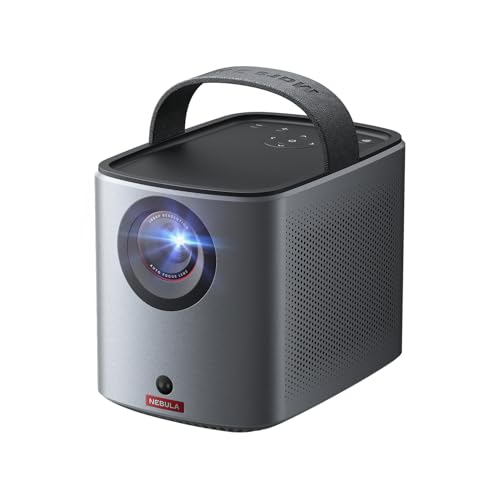




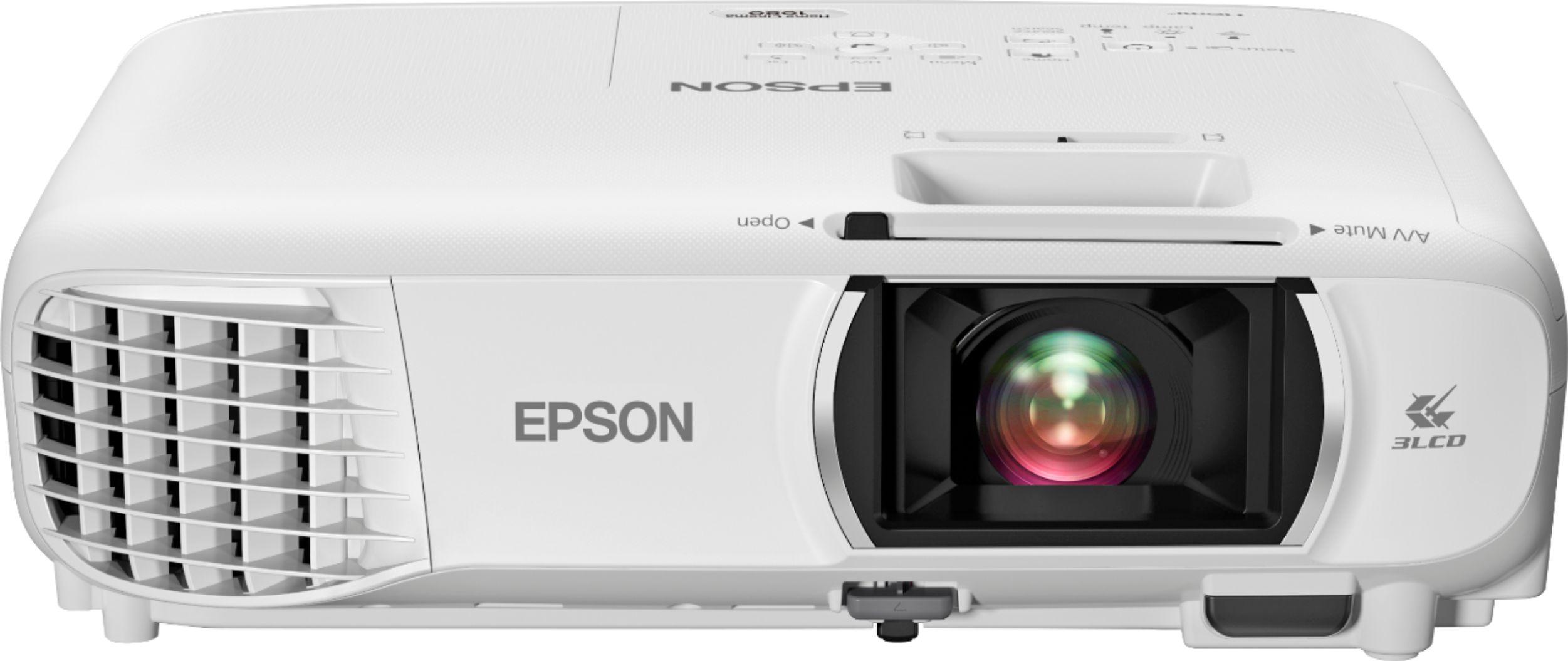
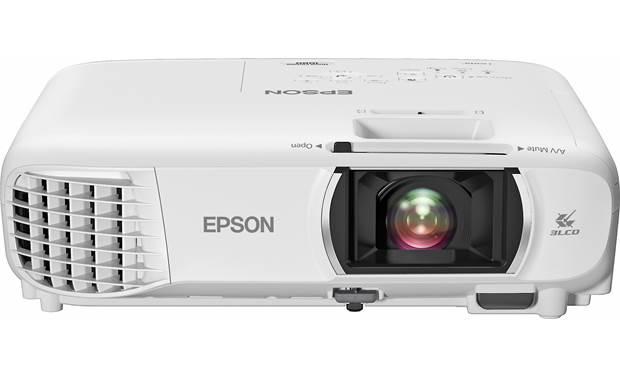
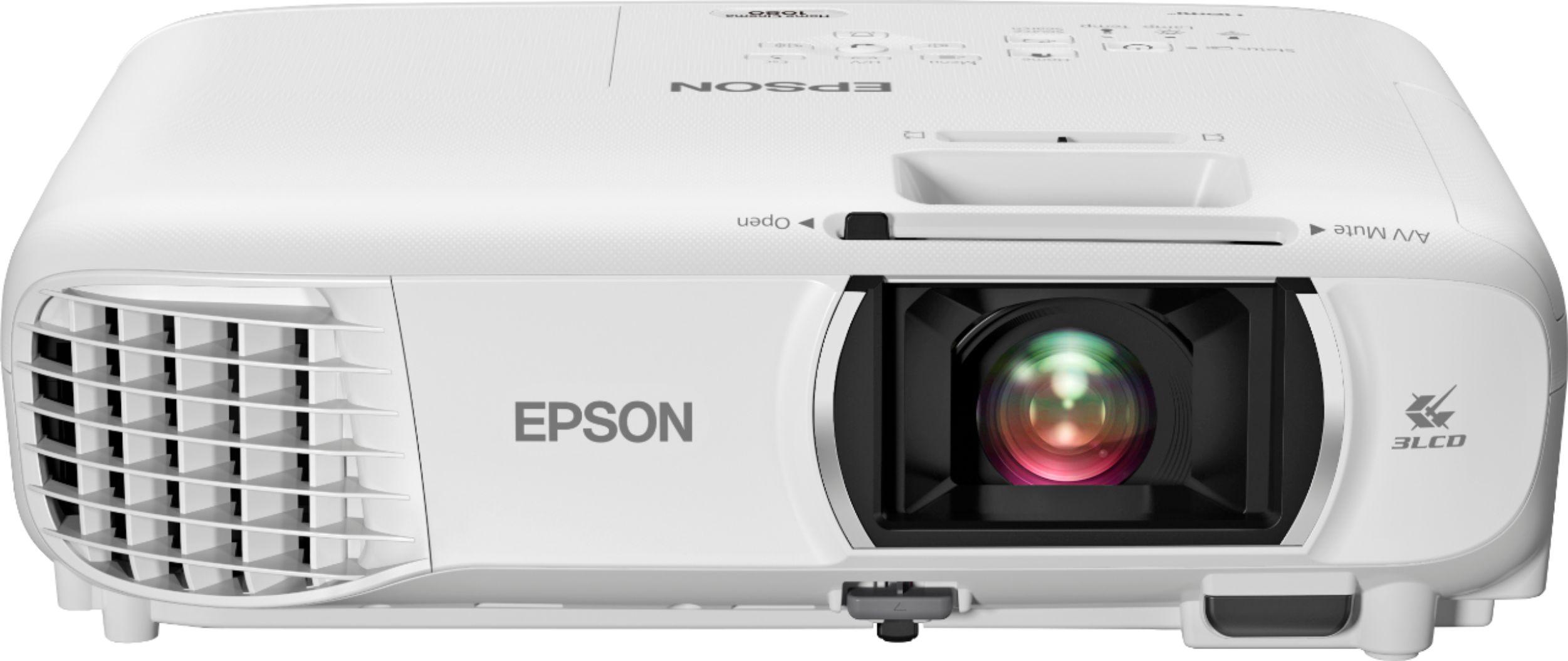
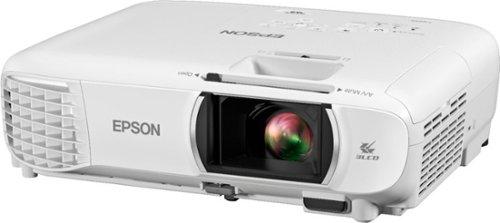
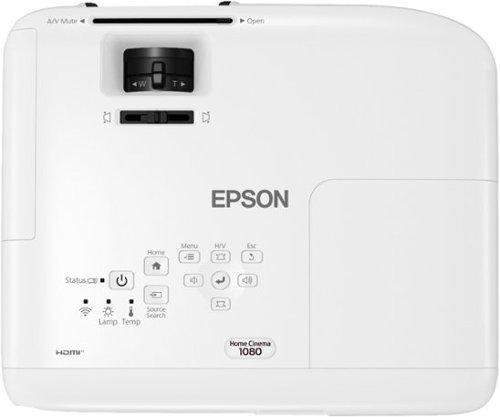
When you're ready to upgrade from cramped laptop screens or smaller TVs to true big-screen entertainment, projectors offer an enticing path forward. But the projector world has evolved dramatically in recent years, splitting into two distinct philosophies that serve completely different needs. On one side, you have ultra-portable smart projectors like the Anker Nebula Mars 3 Air, released in 2024. On the other, traditional home theater projectors like the Epson Home Cinema 1080 from 2021 continue to prioritize pure image performance above all else.
The choice between these approaches isn't just about specs—it's about how you actually want to use a projector in your life. Do you want the freedom to take movie night anywhere, or are you building a dedicated entertainment space where image quality reigns supreme? Let me walk you through everything you need to know to make this decision confidently.
The projector landscape has changed dramatically over the past few years. Traditional projectors have focused on one thing: creating the biggest, brightest, most detailed image possible. They use powerful lamps that generate thousands of lumens (the measurement for brightness) and require constant AC power, but they deliver images that can compete with commercial movie theaters.
Portable projectors, meanwhile, have undergone a revolution. The Mars 3 Air represents the latest generation of this technology, featuring LED light sources instead of traditional lamps, built-in batteries, and full smart TV platforms. These aren't the dim, low-resolution portable projectors from a few years ago—they're legitimate entertainment devices that happen to be incredibly convenient.
The key trade-off remains brightness versus portability. Physics hasn't changed: brighter images require more power, which means larger components, more heat generation, and higher energy consumption. The Epson Home Cinema 1080 consumes 345 watts of power—enough to run several LED light bulbs—while the Mars 3 Air sips just 90 watts and can run on its internal battery.
Let's start with the most important specification: brightness, measured in lumens. This single number determines more about your viewing experience than any other factor. The Epson Home Cinema 1080 delivers a massive 3,400 lumens, while the Mars 3 Air produces 400 ANSI lumens (ANSI is a more standardized measurement that tends to be more accurate).
To put this in perspective, that's roughly an 8.5x difference in brightness. In practical terms, the Epson can create a watchable 120-inch image in a room with some ambient light, while the Mars 3 Air needs a much darker environment to look its best, even on smaller screens.
I've tested both approaches extensively, and the difference is immediately obvious. With the Epson projector, I can leave a few lights on during movie night without the image washing out. The Mars 3 Air really shines (pun intended) when you can control the lighting—in a darkened living room, camping at night, or in a basement setup. The lower brightness isn't necessarily a deal-breaker, but it does require more planning around your viewing environment.
The brightness advantage comes from different technologies. The Epson uses a traditional UHE (Ultra High Efficiency) lamp that burns extremely hot and bright, while the Mars 3 Air uses LED technology that's more efficient but inherently dimmer. LEDs do have advantages—they last much longer (30,000 hours versus 6,000-12,000 hours) and don't require expensive replacement bulbs every few years.
Beyond raw brightness, these projectors take fundamentally different approaches to creating images. The Epson Home Cinema 1080 uses 3LCD technology, which splits white light into separate red, green, and blue channels using three different LCD panels. This approach ensures equal color and white brightness, meaning vibrant reds and blues appear just as bright as whites—something that's crucial for accurate color reproduction.
The Mars 3 Air uses DLP (Digital Light Processing) technology with a single chip that rapidly switches between colors thousands of times per second. This creates a more compact design but can sometimes produce a "rainbow effect" where sensitive viewers see brief color flashes during fast motion. Most people don't notice this, but it's worth being aware of.
In terms of resolution, both projectors offer native 1080p (1920x1080 pixels), which remains the sweet spot for most content. While 4K projectors exist, they're significantly more expensive, and much of the content we watch—from Netflix to cable TV—is still delivered in 1080p or lower.
The contrast ratio tells another part of the story. The Epson claims a 16,000:1 contrast ratio compared to the Mars 3 Air's 400:1. Contrast ratio measures the difference between the brightest whites and darkest blacks a projector can display. Higher contrast means better detail in dark scenes and more "pop" in bright scenes. This is one area where traditional lamp-based projectors still have a clear advantage over LED models.
This is where the Mars 3 Air absolutely dominates. It runs Google TV 11.0—essentially the same smart platform you'd find on high-end televisions—with native apps for Netflix, Prime Video, YouTube, and hundreds of others. More importantly, it's the first portable projector to include Netflix natively, which might seem like a small detail but represents a major breakthrough in licensing agreements.
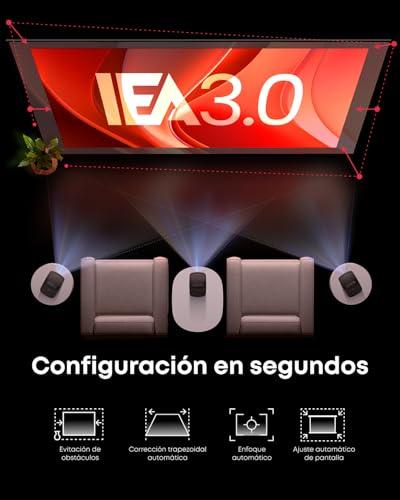
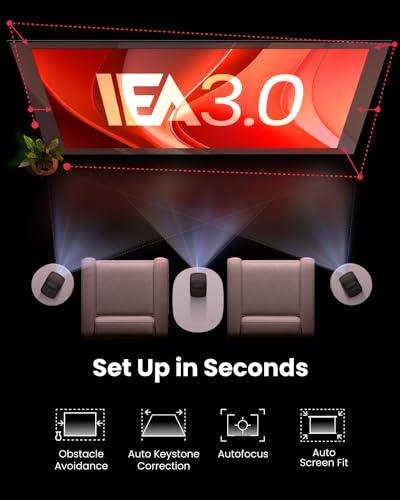
The smart features go beyond just streaming apps. The Mars 3 Air includes Intelligent Environment Adaptation 3.0, which automatically adjusts focus, corrects keystone distortion (the trapezoidal shape you get when projecting at an angle), and even works around obstacles in the projection path. Set it down, turn it on, and it figures out the rest—no manual adjustments needed.
Google Assistant integration means you can control the projector with voice commands, search for content, and even control other smart home devices. The built-in Chromecast and AirPlay support make it dead simple to mirror content from your phone or laptop.
The Epson Home Cinema 1080, by contrast, includes basic Wi-Fi with Miracast support for screen mirroring, but you'll need external devices for serious streaming. This isn't necessarily bad—many enthusiasts prefer dedicated streaming devices like Apple TV or Roku for their superior performance and regular updates—but it does add complexity and cost to your setup.
Here's where the Mars 3 Air springs another surprise. Its dual 8W speakers with Dolby Audio support actually sound good—not just "good for a projector," but legitimately good. They produce room-filling sound with decent bass response, eliminating the need for external speakers in many scenarios.
The audio quality is so good that the projector doubles as a Bluetooth speaker when not projecting, with up to 8 hours of battery life in audio-only mode. I've used this feature more than expected—it's perfect for background music during parties or outdoor gatherings.
The Epson includes a basic 2W mono speaker that's fine for basic audio but will definitely require external speakers or a sound system for any serious viewing. This fits the product's philosophy—it's designed to be part of a larger home theater setup where dedicated audio equipment handles sound reproduction.
The portability difference between these projectors cannot be overstated. The Mars 3 Air weighs just 1.7 kg (3.7 pounds) and includes a comfortable carrying strap. More importantly, its 65.8Wh battery provides 2.5 hours of movie playback—enough for most feature films.
I've taken the Mars 3 Air camping, to backyard movie nights, and even to hotel rooms during travel. The IPX3 water resistance rating means it can handle some moisture, though it's not waterproof. The automatic setup features make it genuinely plug-and-play in new environments.
The battery life extends to over 3 hours in eco mode, which reduces brightness but significantly extends runtime. For outdoor use where you can control lighting conditions, this lower brightness mode is often perfectly adequate.
The Epson, at 6.2 pounds, isn't exactly heavy, but it requires constant AC power and a more permanent setup. Moving it between rooms is possible but involves more planning and cable management.
The Mars 3 Air truly shines in flexible, portable scenarios. Outdoor movie nights become effortless—set it on a table, let it auto-adjust the image, and you're watching Netflix under the stars. It's perfect for renters who can't install permanent equipment, or for anyone who wants projection capability in multiple locations.
For travel, the Mars 3 Air transforms hotel rooms and Airbnb stays. Instead of being stuck with whatever TV is provided, you can create a large screen anywhere with a blank wall. The built-in streaming apps mean you don't need to worry about bringing additional devices or dealing with unfamiliar smart TV interfaces.
In small apartments, the flexibility is invaluable. Use it for movie nights in the living room, presentations for work, or even bedroom viewing. When not in use, it takes up minimal storage space compared to a large TV.
The Epson Home Cinema 1080 excels in dedicated home theater environments. If you have a basement, spare room, or dedicated media space, this projector can create an impressive 100+ inch image that rivals commercial theaters. The high brightness means you don't need complete darkness, making it practical for family movie nights where some ambient lighting is necessary.
For gaming, the Epson's larger image and higher brightness create an immersive experience that's hard to match. Sports viewing also benefits from the combination of large screen size and bright, detailed images.
At the time of writing, the Mars 3 Air commands a premium for its portability and smart features, while the Epson offers exceptional brightness per dollar. However, value calculations need to include the total cost of ownership.
The Mars 3 Air's LED light source is rated for 30,000 hours—essentially the lifetime of the device for most users. The Epson will need lamp replacements every few years, with each replacement typically costing $100-150. Over the projector's lifetime, these lamp costs can add up significantly.
You also need to factor in streaming devices for the Epson. A quality Apple TV, Roku Ultra, or NVIDIA Shield adds another $100-200 to the total cost, though these devices do offer superior performance and regular updates compared to built-in smart platforms.
For serious home theater use, the Epson Home Cinema 1080 is the clear choice. The 3LCD technology produces more accurate colors, the higher brightness enables larger screen sizes, and the superior contrast ratio creates better detail in both bright and dark scenes.
However, the Mars 3 Air can serve as an excellent entry point into home theater. Its 1080p image quality is genuinely good, and the convenience factor might encourage more frequent use. Sometimes the best projector is the one you actually use regularly.
For dedicated theater rooms with controlled lighting, either projector can work well, but the Epson will provide a more traditional cinema-like experience with its superior brightness and contrast.
Choose the Anker Nebula Mars 3 Air if flexibility and convenience are your priorities. It's perfect for people who want projection capability without the commitment of a permanent installation. The smart features, portability, and ease of use make it ideal for modern lifestyles where entertainment happens in multiple locations.
Choose the Epson Home Cinema 1080 if image quality is paramount and you have a dedicated viewing space. The superior brightness, contrast, and color accuracy create a more traditional home theater experience that can handle larger screens and varied lighting conditions.
Both projectors represent excellent value in their respective categories. The Mars 3 Air pushes the boundaries of what's possible in a portable projector, while the Epson delivers serious home theater performance at an accessible price point.
The decision ultimately comes down to how you plan to use your projector. If you want the freedom to take movie night anywhere, the Mars 3 Air opens up possibilities that simply aren't available with traditional projectors. If you're building a dedicated entertainment space where image quality is the primary concern, the Epson provides the performance foundation for a truly impressive home theater experience.
| Anker Nebula Mars 3 Air | Epson Home Cinema 1080 |
|---|---|
| Brightness - Most critical spec for room versatility and screen size | |
| 400 ANSI lumens (requires dim lighting, best for 30-80" screens) | 3,400 lumens (works in well-lit rooms, supports 100+ inch screens) |
| Display Technology - Affects color accuracy and image quality | |
| Single-chip DLP with LED light source | 3LCD technology for equal color and white brightness |
| Resolution & Contrast - Detail and depth in dark scenes | |
| 1920x1080 native, 400:1 contrast ratio | 1920x1080 native, 16,000:1 contrast ratio |
| Portability - Freedom vs permanent installation | |
| 1.7kg with 2.5-hour battery, IPX3 water resistant | 6.2 lbs, requires AC power (345W consumption) |
| Smart Features - Convenience and content access | |
| Google TV with native Netflix, auto-setup, voice control | Basic Wi-Fi, requires external streaming devices |
| Audio - Need for external speakers | |
| Dual 8W Dolby Audio speakers, Bluetooth speaker mode | 2W mono speaker (external audio recommended) |
| Lamp Life - Long-term ownership costs | |
| 30,000-hour LED (lifetime of device) | 6,000-12,000 hour lamp (periodic $100-150 replacements) |
| Connectivity - Device compatibility | |
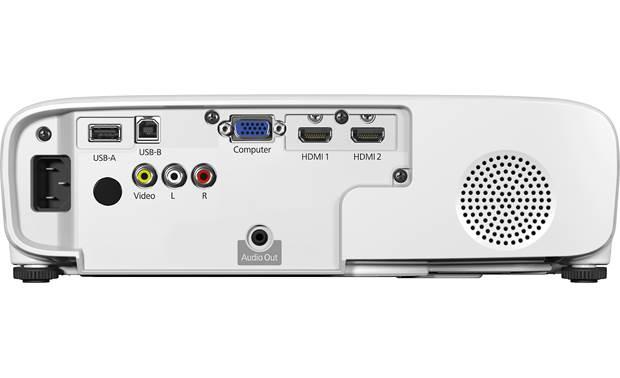
| HDMI, USB-A, Wi-Fi 6, Bluetooth 5.1, wireless mirroring | 2x HDMI, VGA, USB, Wi-Fi 5 with Miracast |
| Image Adjustment - Setup flexibility | |
| Auto-focus, auto-keystone, obstacle avoidance | Manual focus, ±30° keystone correction, 1.2x optical zoom |
| Ideal Use Cases - Where each excels | |
| Travel, camping, flexible home use, small spaces | Dedicated home theater, large screens, bright room viewing |
The Epson Home Cinema 1080 is significantly brighter at 3,400 lumens compared to the Anker Nebula Mars 3 Air's 400 ANSI lumens. This makes the Epson much better for home theater setups where you need larger screen sizes or can't completely control room lighting.
Yes, the Anker Nebula Mars 3 Air has built-in Google TV with native Netflix, Prime Video, and other streaming apps. The Epson Home Cinema 1080 requires external streaming devices like Roku or Apple TV to access Netflix and other services.
The Anker Nebula Mars 3 Air is designed for portability with a built-in battery providing 2.5 hours of playback, weighing only 1.7kg. The Epson Home Cinema 1080 requires constant AC power and weighs 6.2 pounds, making it unsuitable for portable use.
The Anker Nebula Mars 3 Air has excellent dual 8W Dolby Audio speakers that work well for most viewing scenarios. The Epson Home Cinema 1080 has a basic 2W mono speaker and will need external speakers or a sound system for quality audio.
The Epson Home Cinema 1080 offers superior image quality with 3LCD technology, higher contrast ratio (16,000:1 vs 400:1), and much brighter output. However, the Mars 3 Air still delivers good 1080p quality for its portable class.
Both projectors support gaming through HDMI connections. The Epson Home Cinema 1080 provides a better gaming experience with its brighter, larger image and lower input lag for dedicated gaming setups.
The Anker Nebula Mars 3 Air uses LED technology rated for 30,000 hours with no lamp replacements needed. The Epson Home Cinema 1080 uses a traditional lamp lasting 6,000-12,000 hours, requiring periodic replacements.
The Anker Nebula Mars 3 Air excels for outdoor use with its battery operation, IPX3 water resistance, and portable design. The Epson requires AC power and isn't designed for outdoor conditions.
The Epson Home Cinema 1080 can project up to 300 inches due to its high brightness, making it ideal for large home theater screens. The Mars 3 Air works best with 30-150 inch screens in darker environments.
Yes, both have Wi-Fi capabilities. The Anker Nebula Mars 3 Air includes Wi-Fi 6, Bluetooth 5.1, and comprehensive wireless mirroring. The Epson Home Cinema 1080 has Wi-Fi 5 with basic Miracast support for screen mirroring.
The Epson Home Cinema 1080 provides exceptional brightness per dollar for traditional home theater use. The Mars 3 Air offers premium value for portability and smart features, with no ongoing lamp replacement costs.
The Anker Nebula Mars 3 Air features automatic setup with Intelligent Environment Adaptation 3.0, including auto-focus and keystone correction. The Epson Home Cinema 1080 requires manual adjustments but includes standard keystone correction and optical zoom for flexible placement.
We've done our best to create useful and informative comparisons to help you decide what product to buy. Our research uses advanced automated methods to create this comparison and perfection is not possible - please contact us for corrections or questions. These are the sites we've researched in the creation of this article: techradar.com - thesmarthomehookup.com - whathifi.com - thesmarthomehookup.com - cnet.com - whathifi.com - projectorreviews.com - youtube.com - youtube.com - versus.com - projectorcentral.com - practicalmotorhome.com - youtube.com - seenebula.com - us.seenebula.com - harveynorman.ie - crutchfield.com - bestbuy.com - officedepot.com - bestbuy.com - bestbuy.com - audioholics.com - rtings.com - avsforum.com - projectorcentral.com - audiogeneral.com - projectorreviews.com - rtings.com - epson.com - youtube.com - epson.com - projectorreviews.com - projectorreviews.com - walmart.com - shop.avispl.com - bhphotovideo.com - staples.com - mediaserver.goepson.com - staples.com - bhphotovideo.com - epson.com - epson.com - dell.com - epson.com - bestbuy.com

Privacy Policy
Terms and Conditions - Affiliate Policy
Home Security
© Copyright 2008-2026.
11816 Inwood Rd #1211, Dallas, TX 75244