

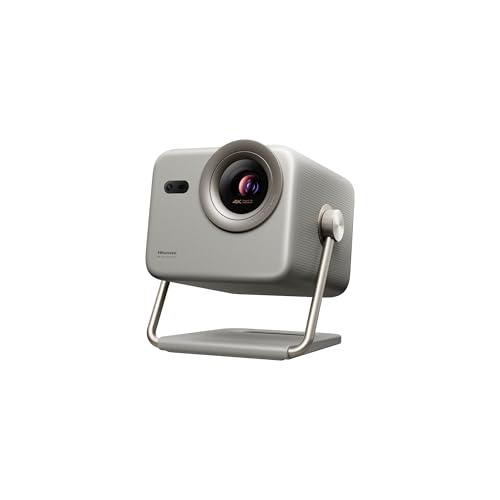

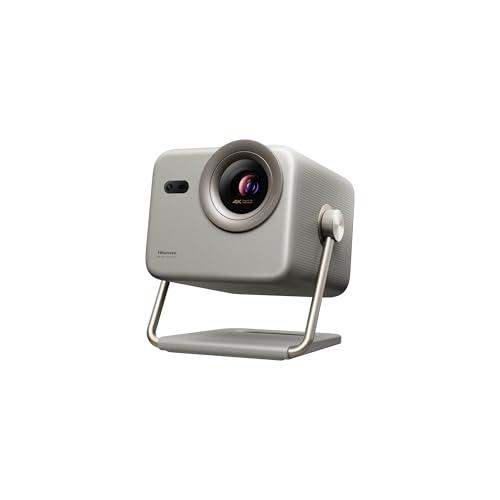
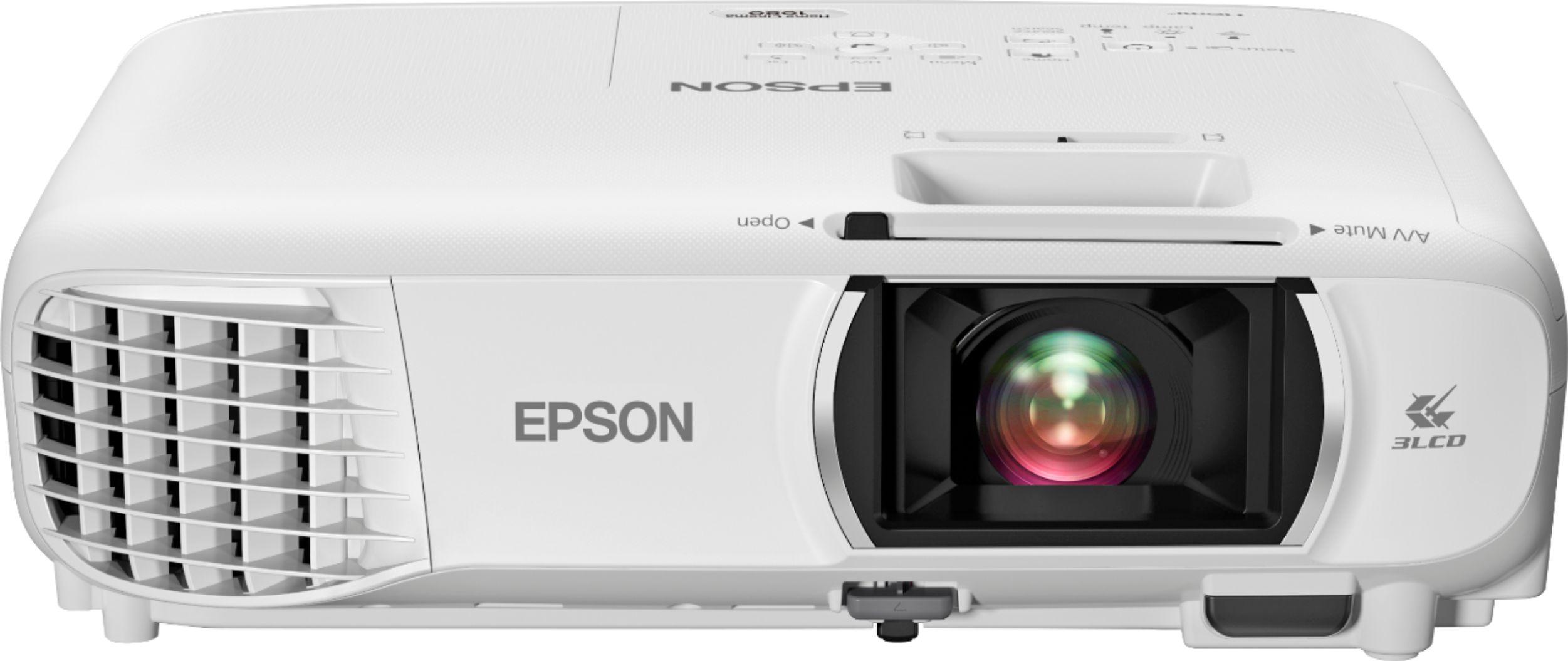
When shopping for a home projector in 2024, you'll encounter two dramatically different technologies that represent the past and future of projection. The Hisense M2 Pro 4K Triple Laser Portable Projector, released in 2024, showcases cutting-edge laser technology in a compact, smart package. Meanwhile, the Epson Home Cinema 1080, launched in 2020, represents traditional lamp-based projection that's been refined over decades.
Understanding these different approaches is crucial because they serve overlapping but distinct needs. One prioritizes convenience and future-proofing, while the other maximizes brightness and value. Let's break down everything you need to know to make the right choice for your situation.
The fundamental difference between these projectors lies in their light sources, which affects everything from image quality to long-term costs.
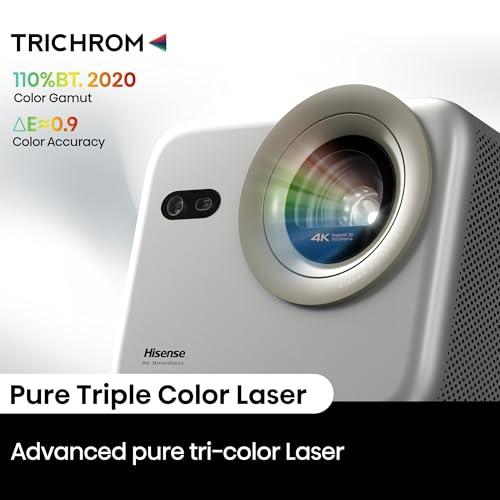
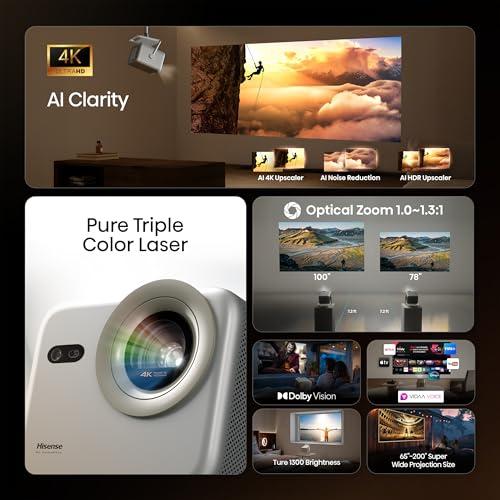
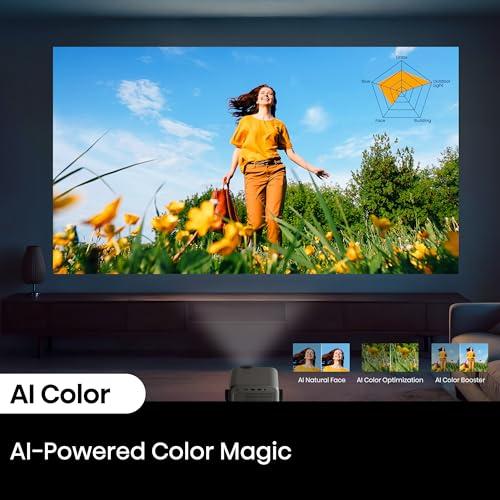
The Hisense M2 Pro uses what's called "triple laser" technology—separate red, green, and blue lasers that combine to create the full spectrum of colors. Think of it like having three perfectly controlled spotlights, each producing one pure color. This approach delivers exceptionally vibrant colors because each laser produces a very specific wavelength of light. The technical term here is "110% BT.2020 color space coverage," which essentially means it can display colors that are more vivid than what most TVs can show.
Laser projectors have revolutionized the industry since becoming mainstream around 2020. Unlike traditional lamps that degrade over time, lasers maintain consistent brightness throughout their 25,000+ hour lifespan. That's roughly 12-15 years of typical use without any maintenance.
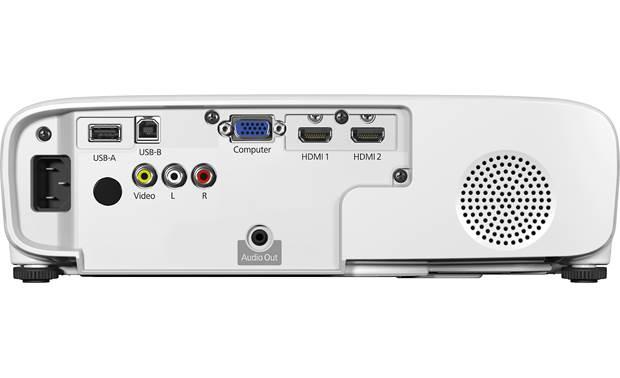
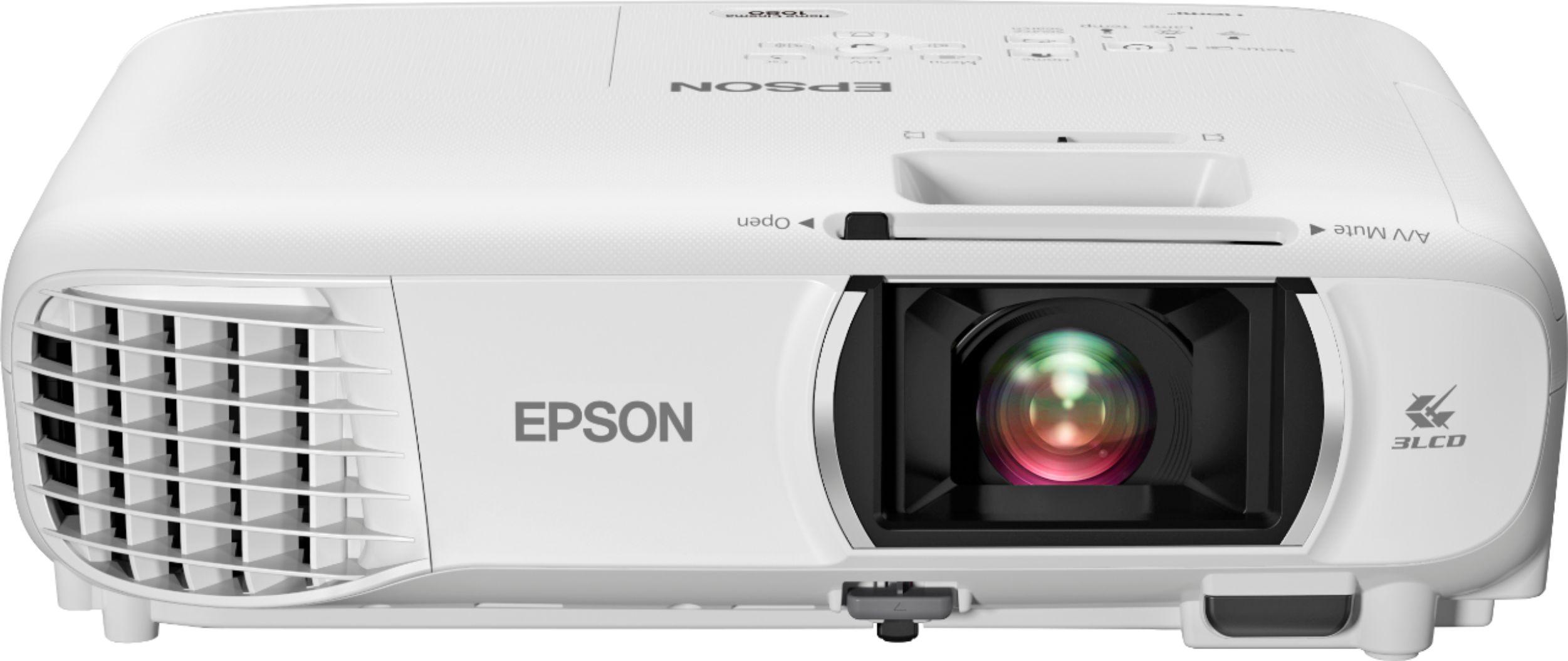
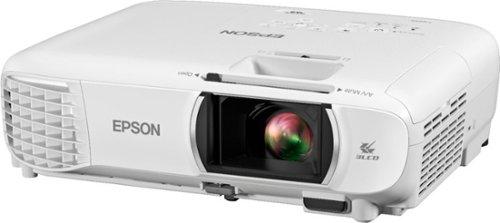
The Epson Home Cinema 1080 uses a traditional Ultra High Efficiency (UHE) lamp paired with 3LCD technology. The lamp produces white light that gets split into red, green, and blue components using special mirrors and filters. It's proven technology that's been refined for decades, which is why it can achieve impressive brightness levels—3,400 lumens compared to the Hisense's 1,300 lumens.
However, lamp-based projectors require maintenance. The bulb will dim over its 6,000-12,000 hour lifespan and eventually need replacement. At the time of writing, replacement lamps typically cost between $100-200, making the total cost of ownership an important consideration.
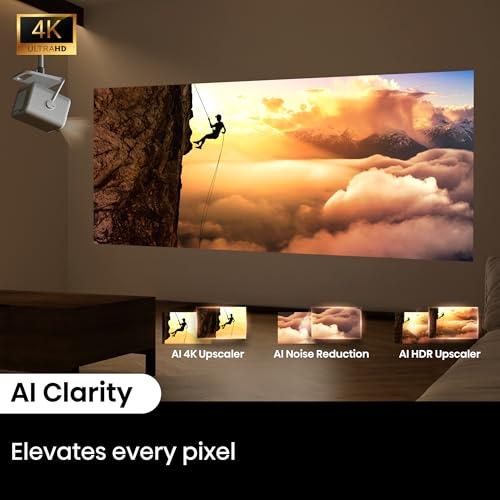
Resolution represents one of the biggest differences between these projectors. The Hisense M2 Pro delivers native 4K resolution (3840×2160 pixels), which provides four times the detail of 1080p. More importantly, it includes AI-powered upscaling technology that can enhance lower-resolution content to look sharper and more detailed.
The AI processing is genuinely useful here. When you're watching 1080p Netflix content or playing older games, the projector's algorithms analyze the image in real-time to reduce noise, enhance edges, and extrapolate additional detail. While it's not magic—you won't get true 4K detail from 1080p source material—the improvement is noticeable, especially on larger screens.
The Epson Home Cinema 1080 provides native 1080p resolution, which remains perfectly adequate for most content. Many streaming services still deliver 1080p, and the difference between 1080p and 4K becomes less noticeable at typical viewing distances. For a 100-inch screen viewed from 10-12 feet away, 1080p provides a sharp, detailed image that most viewers find satisfying.
What matters more than raw resolution is image processing quality. Based on our research into professional reviews and user feedback, the Hisense M2 Pro excels in color accuracy with measured Delta E values around 0.9, which is considered reference-quality for home theater use. The triple laser system produces colors that look natural and lifelike without the oversaturation that plagues some projectors.
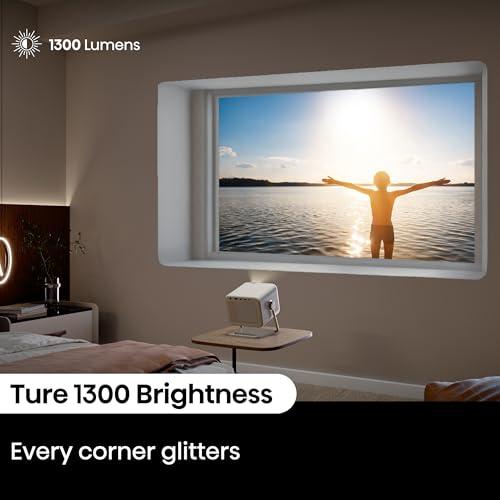
Brightness is arguably the most critical specification for projector performance, and it's where these models differ dramatically. The Epson Home Cinema 1080 produces 3,400 ANSI lumens, while the Hisense M2 Pro outputs 1,300 ANSI lumens.
ANSI lumens measure the actual light output across the entire screen, providing a standardized way to compare brightness. To put this in perspective, a bright living room with windows might require 2,000-3,000 lumens for comfortable viewing, while a dedicated dark home theater room can work well with 1,200-1,500 lumens.
The Epson's higher brightness makes it much more versatile for room lighting conditions. You can watch movies during the day with some ambient light, or use it in a family room where complete darkness isn't practical. The Hisense, despite its lower lumen count, compensates with superior contrast and color saturation that can make images appear more vibrant in properly darkened rooms.
Interestingly, many users report that the Hisense M2 Pro's laser technology produces a more pleasing image quality even at lower brightness levels. The contrast ratio—the difference between the darkest blacks and brightest whites—feels more dramatic because lasers can achieve deeper blacks than traditional lamp projectors.
Gaming capabilities reveal another significant divide between these technologies. The Hisense M2 Pro includes dedicated gaming features that weren't common in projectors until recently. It supports refresh rates up to 240Hz and maintains input lag as low as 12 milliseconds, which is competitive with modern gaming monitors.
Input lag measures the delay between when you press a button and when the action appears on screen. For competitive gaming, especially fast-paced games like first-person shooters or racing games, low input lag is crucial. The Hisense also includes Auto Low Latency Mode (ALLM), which automatically switches to game mode when it detects a gaming console, and Motion Estimation Motion Compensation (MEMC) to reduce motion blur during fast action sequences.
The Epson Home Cinema 1080 provides basic gaming functionality suitable for casual play, but lacks the specialized features that serious gamers expect. Its input lag is higher, and it's limited to standard 60Hz refresh rates. For occasional gaming or older consoles, it's perfectly adequate, but competitive gamers will notice the difference.
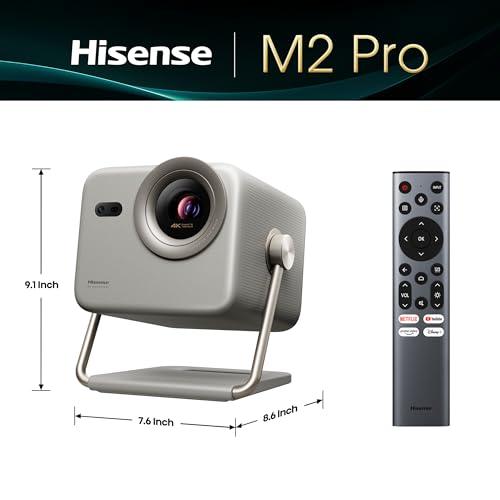
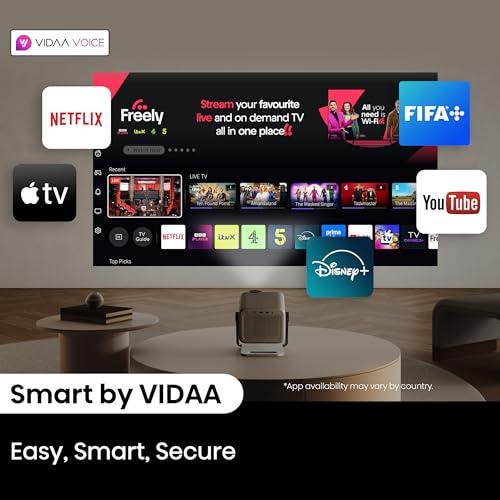
The convenience factor strongly favors the Hisense M2 Pro, which includes a full smart TV platform called VIDAA OS. This means you can access Netflix, YouTube, Disney+, and other streaming services directly without needing external devices like Apple TV or Roku. The voice-activated remote lets you search for content and control playback without navigating complex menus.
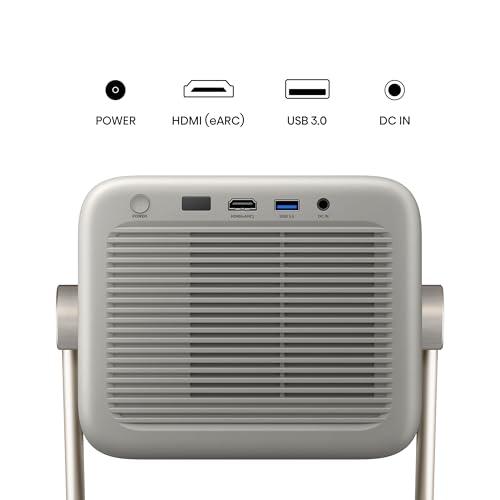
The built-in streaming capability eliminates cable clutter and simplifies setup significantly. You just need power and Wi-Fi to start watching content. The projector also supports screen mirroring from phones and tablets through AirPlay2 and Miracast, making it easy to share photos, videos, or presentations.
The Epson Home Cinema 1080 requires external streaming devices for smart functionality. While it includes Wi-Fi connectivity for screen mirroring from mobile devices, you'll need a separate Apple TV, Roku, Fire TV Stick, or similar device for streaming services. This adds complexity and cost, but some users actually prefer this approach because external streaming devices often receive updates longer than built-in smart platforms.
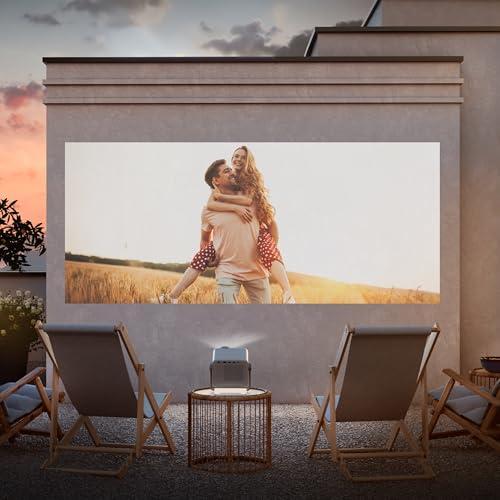
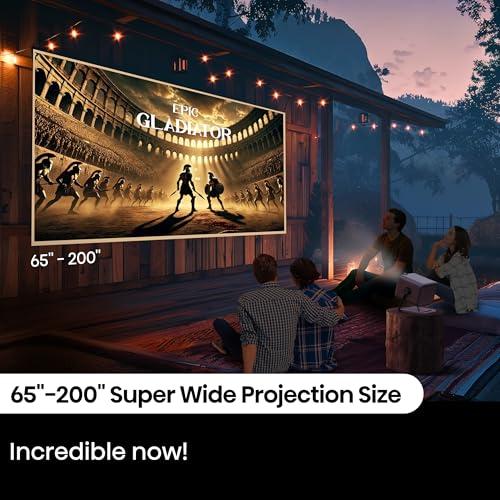
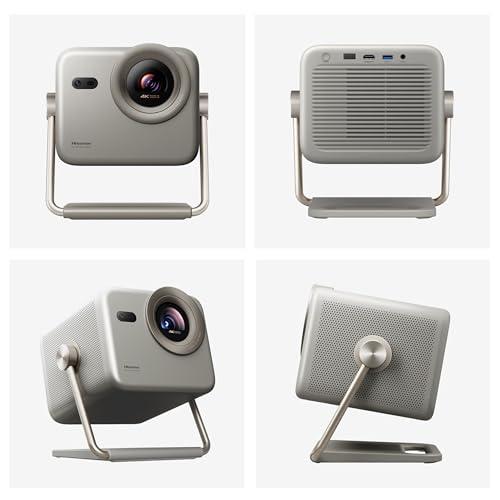
Here's where these projectors serve completely different use cases. The Hisense M2 Pro weighs 8.6 pounds and includes a built-in adjustable stand that can rotate 360 degrees horizontally and 135 degrees vertically. This means you can project onto walls, ceilings, or even outdoor surfaces without mounting hardware.
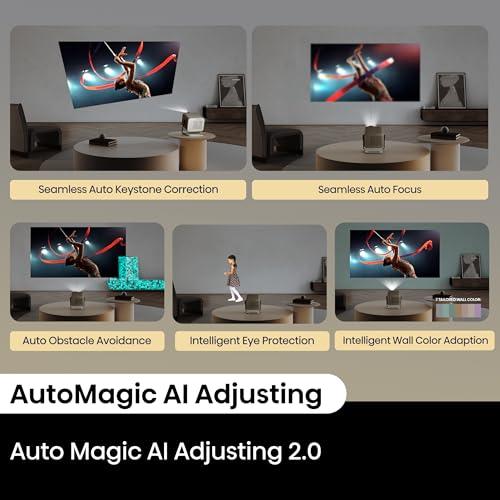
The automatic setup features are genuinely impressive. The projector automatically focuses itself, corrects keystone distortion (the trapezoid effect when projecting at an angle), and even adjusts color temperature based on the surface you're projecting onto. Whether you're projecting onto a white wall or a light blue surface, it compensates to maintain accurate colors.
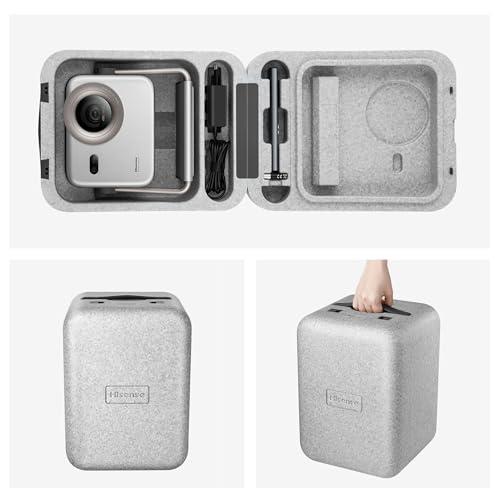
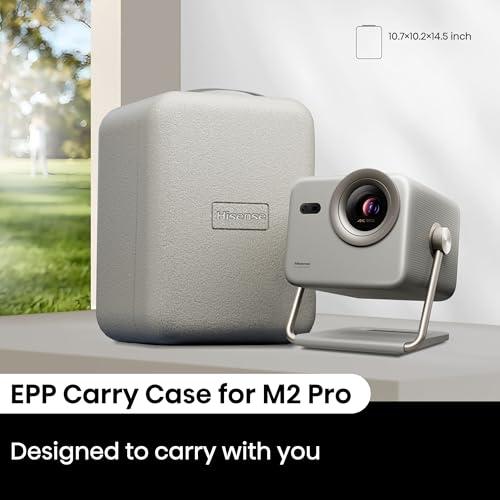
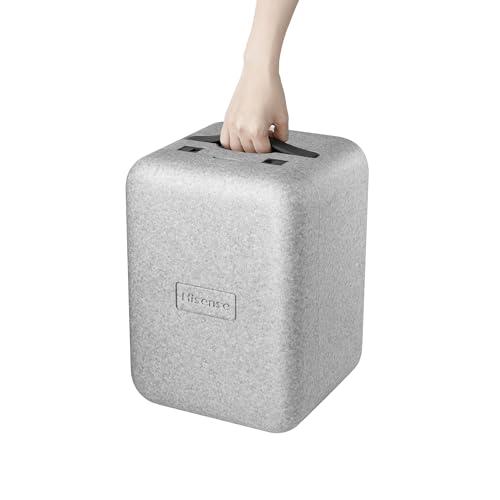
This flexibility makes the Hisense perfect for apartment dwellers who can't install permanent ceiling mounts, or for people who want to move their projector between rooms or take it outdoors for movie nights. The included carrying case reinforces its portable nature.
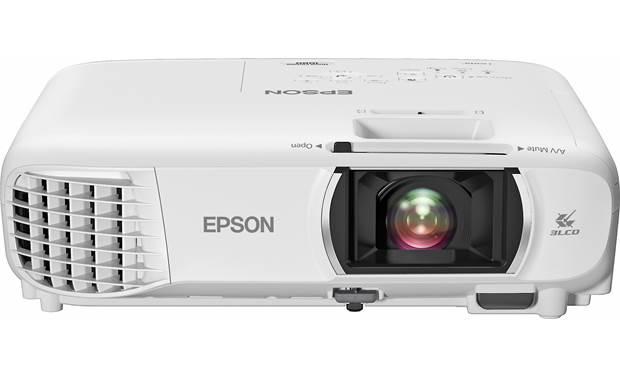
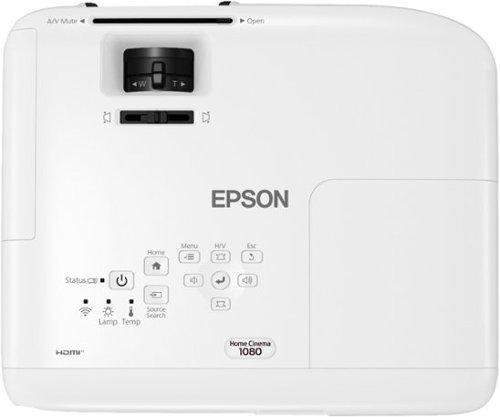
The Epson Home Cinema 1080 is designed for more traditional installation. While it's not particularly heavy at 6.2 pounds, it lacks the built-in adjustability of the Hisense. It's meant to be ceiling mounted or placed on a fixed shelf, with manual adjustments for focus and zoom. This approach works well for dedicated home theater rooms where you want a permanent, optimized setup.
Both projectors include built-in speakers, but their capabilities differ significantly. The Hisense M2 Pro features a 20-watt stereo speaker system with Dolby Audio and DTS Virtual:X support. This creates a surprisingly immersive soundstage for a compact projector, with virtual surround sound processing that makes audio feel more spacious than traditional stereo.
The Epson Home Cinema 1080 includes only a basic 2-watt mono speaker that's suitable for presentations or casual viewing but inadequate for movie nights. Most users will want to connect external speakers or a soundbar for proper home theater audio.
For serious movie watching, external audio systems will always outperform built-in projector speakers, but the Hisense's superior audio makes it more versatile for casual use or situations where external speakers aren't practical.
The total cost of ownership tells an important story. While the Hisense M2 Pro commands a premium price at the time of writing, its laser light source eliminates ongoing maintenance costs. Over a typical 10-year ownership period, you'll never need to replace the light source or perform any significant maintenance beyond occasional cleaning.
The Epson Home Cinema 1080 offers exceptional upfront value, especially during sales periods, but requires lamp replacements every few years depending on usage. Based on current lamp prices, expect to spend an additional $200-400 over the projector's lifetime on replacement bulbs. However, the initial savings can be so significant that the total cost remains competitive.
Lamp projectors also require filter cleaning every few months in dusty environments, while laser projectors are essentially maintenance-free. This convenience factor becomes more valuable over time, especially for users who prefer set-it-and-forget-it operation.
For most buyers, the decision comes down to intended use and priorities. Choose the Hisense M2 Pro if you value convenience, portability, and future-proofing. It's ideal for:
The Epson Home Cinema 1080 makes more sense for traditional home theater setups where maximum brightness and value are priorities:
For dedicated home theater use, both projectors have merit, but they serve different philosophies. The Epson's higher brightness and larger throw distance capabilities make it better suited for traditional theater room setups with 120+ inch screens and controlled lighting. Its proven lamp technology has been refined by decades of home theater use.
The Hisense represents the future of home theater, where the lines between portable and permanent installation blur. Its 4K resolution and HDR support provide better compatibility with modern content, while the maintenance-free operation appeals to users who want theater-quality images without the complexity of traditional projector ownership.
Based on extensive research into user experiences and expert reviews, both projectors deliver satisfying home theater performance within their intended use cases. The choice ultimately depends on whether you prioritize maximum brightness and value (Epson) or convenience and cutting-edge technology (Hisense). Either way, you'll get a projector that can create an impressive large-screen experience that surpasses what's possible with even the largest TVs.
| Hisense M2 Pro 4K Triple Laser Portable Projector | Epson Home Cinema 1080 Projector |
|---|---|
| Resolution - Determines image sharpness and future-proofing | |
| Native 4K UHD (3840×2160) with AI upscaling | Native 1080p (1920×1080) Full HD |
| Light Source Technology - Affects maintenance, longevity, and color quality | |
| Triple RGB laser system (25,000+ hour lifespan, no maintenance) | 210W UHE lamp (6,000-12,000 hours, requires replacements) |
| Brightness - Most critical factor for room lighting compatibility | |
| 1,300 ANSI lumens (requires dim to dark rooms) | 3,400 ANSI lumens (excellent for bright rooms and daytime viewing) |
| Color Performance - Impacts image vibrancy and accuracy | |
| 110% BT.2020 color space, ΔE ~0.9 (reference-quality accuracy) | Standard color gamut with proven 3LCD accuracy |
| HDR Support - Essential for modern streaming content | |
| Dolby Vision, HDR10, HDR10+, HLG | None (standard dynamic range only) |
| Gaming Performance - Important for console and PC gaming | |
| 240Hz refresh rate, 12ms input lag, ALLM support | Basic 60Hz, higher input lag, no gaming optimizations |
| Smart Features - Determines need for external streaming devices | |
| VIDAA OS with Netflix, YouTube, Disney+, voice remote | Wi-Fi mirroring only, requires external streaming devices |
| Portability and Setup - Affects installation flexibility | |
| 8.6 lbs, built-in 360° gimbal, auto focus/keystone, ceiling projection | 6.2 lbs, manual adjustments, traditional mounting, permanent installation |
| Audio System - Determines need for external speakers | |
| 20W stereo with Dolby Audio and DTS Virtual:X | 2W mono speaker (external audio recommended) |
| Throw Ratio and Zoom - Affects placement flexibility | |
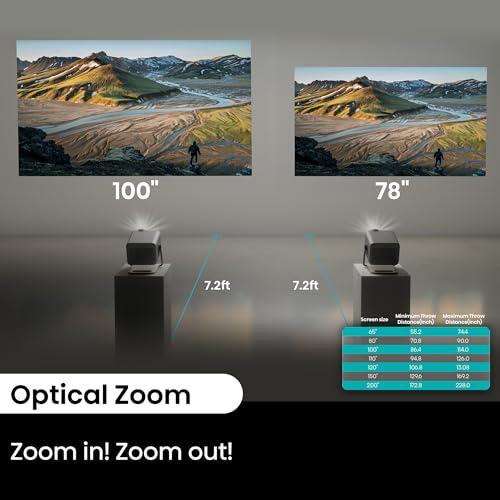
| 1.0-1.3:1 optical zoom without quality loss | 1.02-1.23:1 with 1.2x optical zoom |
| Total Cost of Ownership - Initial price plus long-term maintenance | |
| Higher upfront cost, zero ongoing maintenance | Lower initial price, periodic lamp replacement costs ($100-200) |
| Release Year and Technology Generation | |
| 2024 (cutting-edge laser technology) | 2020 (mature lamp-based technology) |
The Hisense M2 Pro delivers superior image quality with native 4K resolution and triple laser technology that covers 110% of the BT.2020 color space. It also supports HDR formats including Dolby Vision and HDR10+. The Epson Home Cinema 1080 provides excellent 1080p quality with proven 3LCD technology, but lacks 4K resolution and HDR support.
The Epson Home Cinema 1080 is significantly brighter at 3,400 ANSI lumens, making it much better for rooms with ambient light or daytime viewing. The Hisense M2 Pro produces 1,300 ANSI lumens, which requires dimmer environments but delivers superior contrast and color vibrancy.
The Hisense M2 Pro uses laser technology with a 25,000+ hour lifespan and never needs lamp replacement. The Epson Home Cinema 1080 uses a traditional UHE lamp that requires replacement every 6,000-12,000 hours of use, adding ongoing maintenance costs.
The Hisense M2 Pro is superior for gaming with 240Hz refresh rate support, 12ms input lag, and Auto Low Latency Mode (ALLM). The Epson Home Cinema 1080 is limited to 60Hz with higher input lag, making it suitable only for casual gaming.
The Hisense M2 Pro includes VIDAA Smart OS with built-in Netflix, YouTube, Disney+, and other streaming apps, plus a voice remote. The Epson Home Cinema 1080 requires external streaming devices like Apple TV or Roku for smart functionality.
The Hisense M2 Pro is designed for portability with a built-in 360° adjustable gimbal, auto-focus, auto-keystone correction, and includes a carrying case. The Epson Home Cinema 1080 is better suited for permanent installation with traditional mounting options.
The Hisense M2 Pro features 20W stereo speakers with Dolby Audio and DTS Virtual:X for immersive sound. The Epson Home Cinema 1080 has only a basic 2W mono speaker that requires external audio for quality sound.
Value depends on your priorities. The Epson Home Cinema 1080 offers exceptional upfront value with high brightness and proven technology, but requires ongoing lamp replacement costs. The Hisense M2 Pro costs more initially but eliminates maintenance expenses over its lifetime.
Both work well for home theater use. The Epson Home Cinema 1080 excels in traditional theater setups with its high brightness and large screen capability. The Hisense M2 Pro offers superior image quality with 4K resolution and HDR support for modern content in darker rooms.
The Hisense M2 Pro offers automatic setup with auto-focus, auto-keystone correction, and intelligent wall color adaptation. The Epson Home Cinema 1080 requires manual focus and zoom adjustments but provides reliable traditional installation options.
The Hisense M2 Pro natively supports 4K content and includes AI upscaling technology to enhance lower-resolution sources. The Epson Home Cinema 1080 is limited to 1080p resolution and doesn't support 4K input or upscaling.
The Hisense M2 Pro represents cutting-edge laser projection technology with maintenance-free operation, 4K resolution, and smart features. The Epson Home Cinema 1080 uses proven lamp-based 3LCD technology that prioritizes maximum brightness and traditional home theater functionality at a lower cost.
We've done our best to create useful and informative comparisons to help you decide what product to buy. Our research uses advanced automated methods to create this comparison and perfection is not possible - please contact us for corrections or questions. These are the sites we've researched in the creation of this article: thegadgetflow.com - valueelectronics.com - youtube.com - projectorscreenstore.com - whathifi.com - hisense-usa.com - tomsguide.com - content.syndigo.com - youtube.com - shop.hisense-usa.com - avsforum.com - projectorscreen.com - projectorscreen.com - projectorcentral.com - avsforum.com - youtube.com - projector-database.com - crutchfield.com - bestbuy.com - officedepot.com - bestbuy.com - bestbuy.com - audioholics.com - rtings.com - avsforum.com - projectorcentral.com - audiogeneral.com - projectorreviews.com - rtings.com - epson.com - youtube.com - epson.com - projectorreviews.com - projectorreviews.com - walmart.com - shop.avispl.com - bhphotovideo.com - staples.com - mediaserver.goepson.com - staples.com - bhphotovideo.com - epson.com - epson.com - dell.com - epson.com - bestbuy.com

Privacy Policy
Terms and Conditions - Affiliate Policy
Home Security
© Copyright 2008-2026.
11816 Inwood Rd #1211, Dallas, TX 75244