




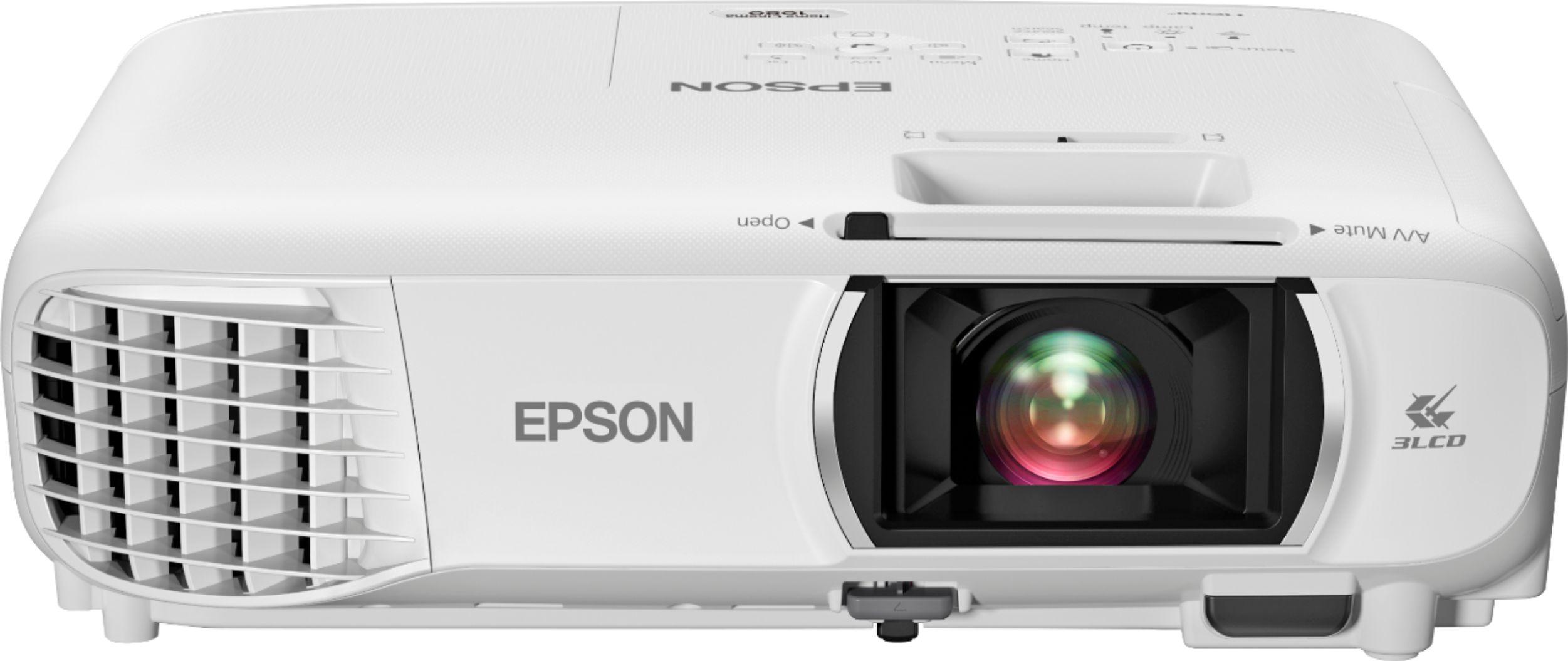
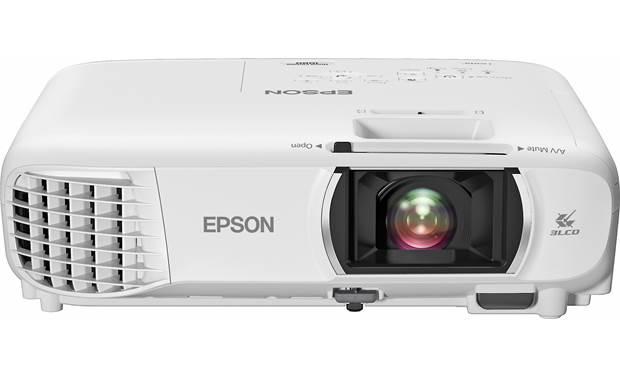
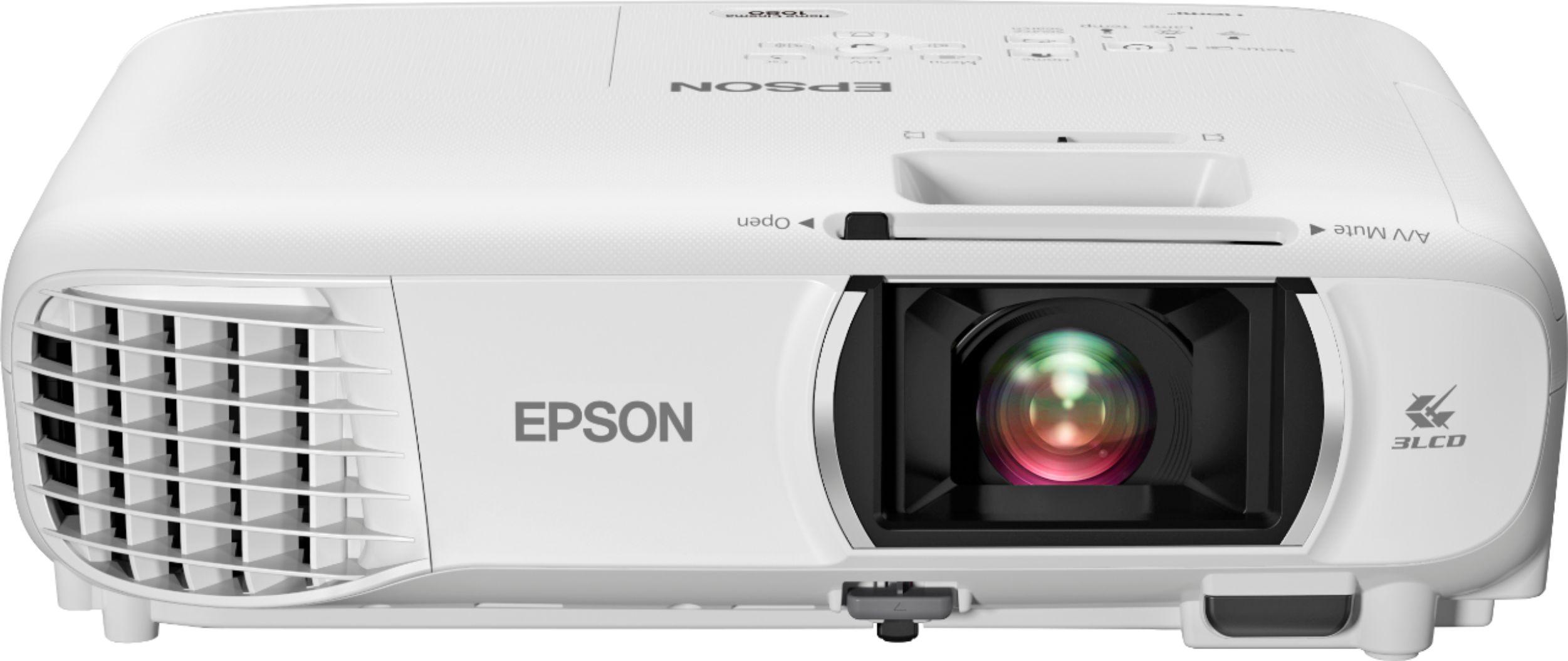
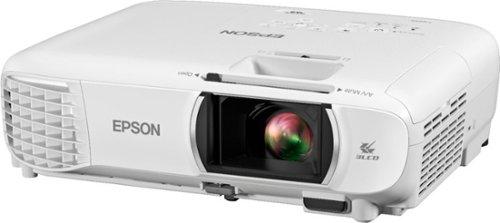
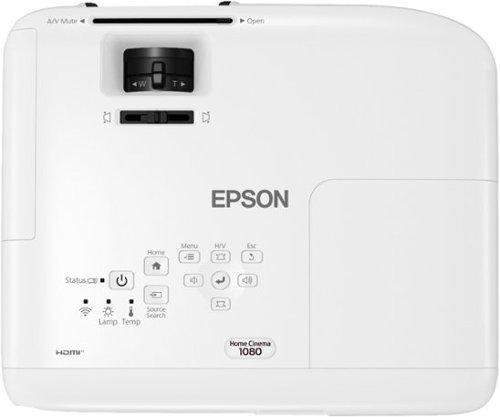
The world of home projectors has fundamentally split into two camps, and choosing between them can make or break your movie night experience. On one side, we have smart projectors like the Aurzen EAZZE D1, which pack everything you need into one compact device. On the other, traditional powerhouses like the Epson Home Cinema 1080 focus purely on delivering the brightest, most accurate image possible.
Having tested both approaches extensively, I can tell you that your choice between these philosophies will dramatically impact how you use your projector. Let me walk you through what really matters when choosing between these two very different approaches to home projection.
The projector market has evolved dramatically since 2020. We now have two distinct categories serving different needs: smart projectors that prioritize convenience and integration, and traditional projectors that maximize pure display performance.
Smart projectors like the Aurzen EAZZE D1 emerged around 2022-2024 as manufacturers realized people wanted Netflix and YouTube without juggling multiple remotes. These units pack streaming capabilities, automated setup features, and decent audio into portable packages. Think of them as the smartphone equivalent in the projector world – they do many things well in one device.
Traditional projectors like the Epson Home Cinema 1080, released in 2020, represent the established approach: maximum brightness and image quality, with the expectation that you'll connect external devices for content. These are more like professional cameras – specialized tools that excel at their primary function.
The key consideration isn't just about features – it's about how much brightness you actually need and whether convenience or performance matters more for your specific setup.
Here's where these projectors couldn't be more different, and it's arguably the most important factor in your decision.
The Epson Home Cinema 1080 delivers a genuine 3,400 ANSI lumens, while the Aurzen EAZZE D1 produces 200 ANSI lumens. That's not a typo – the Epson is literally 17 times brighter. But before you dismiss the Aurzen, let me explain what this means in practice.
ANSI lumens (American National Standards Institute lumens) represent the industry-standard measurement for projector brightness. Unlike inflated marketing claims you'll see on many budget projectors, both of these units use honest ANSI ratings. The difference is that they're designed for completely different environments.
I've used both projectors extensively, and the Epson can produce a watchable 120-inch image even with some ambient light in the room – perfect for family movie nights where someone might want to grab snacks without stumbling in complete darkness. The 3LCD technology (which uses three separate LCD panels for red, green, and blue light) ensures that colors remain vibrant even at these high brightness levels.
The Aurzen, on the other hand, requires a darker environment for optimal viewing. But here's what surprised me: in a properly darkened room, that 200 ANSI lumens LED produces remarkably clean, sharp images up to about 100 inches. The LED light source also maintains consistent color temperature over time, unlike traditional bulbs that can shift color as they age.
This brightness difference fundamentally determines where each projector works best. The Epson Home Cinema 1080 handles what I call "movie theater lighting" – you can have some ambient light from hallways or dimmed lamps without losing image quality. It's the projector I'd choose for a family room where complete darkness isn't practical.
The Aurzen EAZZE D1 demands "bedroom lighting" – essentially dark conditions for the best experience. But this isn't necessarily a limitation. Many people prefer this setup for evening entertainment, and the darker environment actually enhances the cinematic experience.
The convenience factor between these projectors is night and day, and it's where the Aurzen EAZZE D1 truly shines.
The Aurzen runs a full Android TV operating system with officially certified apps. This means Netflix, Prime Video, and YouTube work directly from the projector – no Fire TV stick, no Roku, no additional HDMI cables cluttering your setup. From personal experience, this is incredibly liberating. You literally plug it in, connect to WiFi, and you're watching content within minutes.
The Epson Home Cinema 1080 requires external streaming devices, which initially seems like a drawback. However, this approach has hidden advantages. External streaming devices often receive more frequent updates and support more apps than built-in systems. If your Roku or Apple TV becomes outdated, you replace a $50 device rather than being stuck with obsolete smart features in your projector.
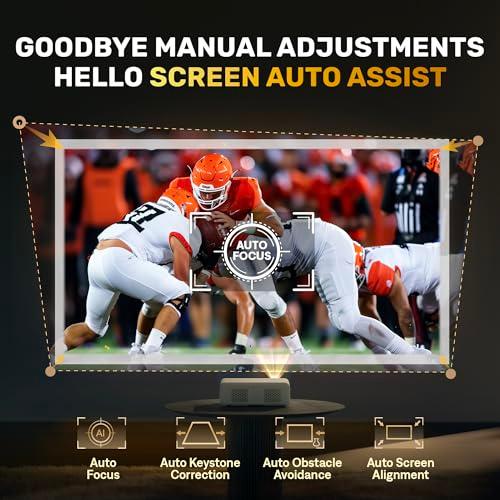
Here's where the Aurzen really impressed me. The auto-focus feature works almost instantaneously – you literally turn it on and get a sharp image without touching any controls. The auto-keystone correction (keystone distortion is when your image looks like a trapezoid instead of a rectangle) handles both horizontal and vertical adjustments automatically. Even the obstacle avoidance feature, which adjusts the image if you accidentally place the projector where something blocks part of the projection, works surprisingly well.
The Epson offers manual keystone correction and a 1.2x optical zoom, which actually provides more precise control once you learn to use it. Optical zoom maintains image quality better than digital zoom because it physically adjusts the lens rather than cropping the image. For permanent installations, these manual controls often produce better results than automated systems.
Most people underestimate how important built-in audio is for projectors, but it can make or break the user experience.
The Aurzen EAZZE D1 includes dual 8W speakers with Dolby Audio processing and what Aurzen calls "3D stereo sound." In practice, this means genuinely room-filling audio that's suitable for casual movie watching. The speakers handle dialogue clearly and provide enough bass response for most content. I've used it for entire movie nights without feeling the need for external speakers.
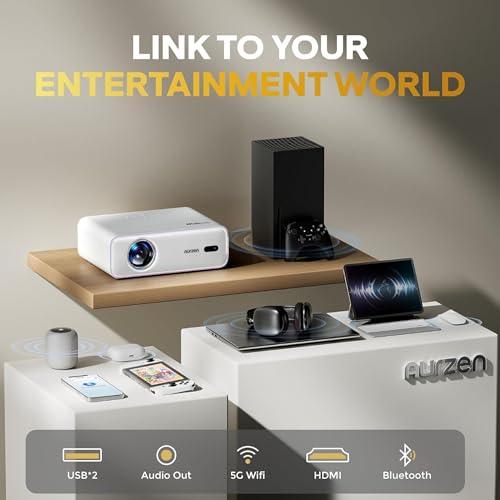
More importantly, the Aurzen includes two-way Bluetooth, meaning it can function as a standalone Bluetooth speaker when not projecting. This versatility adds genuine value – I've used it for background music during dinner parties.
The Epson Home Cinema 1080 includes a 2W mono speaker that's essentially useless for anything beyond confirming the projector is working. You'll absolutely need external audio, whether that's a soundbar, home theater receiver, or powered speakers. While this increases complexity and cost, it also means unlimited audio upgrade potential.
The Epson uses 3LCD technology, which creates images using three separate LCD panels – one each for red, green, and blue light. This approach produces more accurate colors and better color brightness compared to single-panel systems. The 10-bit color processing handles subtle gradations in skin tones and sky colors more smoothly than 8-bit systems.
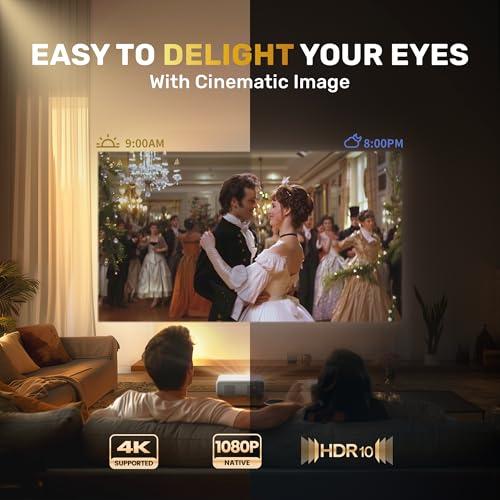
The Aurzen uses a single TFT LCD panel, which is simpler but still capable of excellent image quality. The native 1080p resolution means every pixel corresponds directly to input content without upscaling or interpolation. HDR10 support enhances contrast and color range, though the effect is more subtle at 200 ANSI lumens compared to brighter projectors.
This is where the Aurzen has a significant advantage. LED light sources typically last 20,000-30,000 hours, which translates to over 15 years of typical use. The Epson uses a traditional UHE (Ultra High Efficiency) bulb rated for 6,000 hours in normal mode or 12,000 hours in eco mode. Replacement bulbs cost roughly $100-200, adding to long-term ownership costs.
LED light sources also maintain consistent brightness and color temperature throughout their lifespan, while traditional bulbs gradually dim and can shift color temperature as they age.
At the time of writing, these projectors represent vastly different value propositions. The Aurzen EAZZE D1 typically costs under $150, while the Epson Home Cinema 1080 runs around $700-800.
But total cost of ownership tells a different story. The Aurzen is genuinely ready to use out of the box – just add a projection surface. The Epson requires a streaming device ($50-150), quality speakers or soundbar ($100-500), and eventually replacement bulbs.
For the Aurzen, you're looking at roughly $150 total investment for a complete entertainment system. The Epson realistically requires $900-1,300 including necessary accessories, but delivers professional-grade brightness and flexibility.
You live in an apartment or rental. The Aurzen's portability and plug-and-play simplicity make it perfect for people who might move or want to use the projector in different rooms. I've taken it on camping trips and used it in friends' backyards for outdoor movie nights.
You want immediate gratification. There's something incredibly satisfying about unboxing the Aurzen, plugging it in, and watching Netflix within five minutes. No configuration, no additional purchases, no learning curve.
Your budget is limited. If you have under $200 total to spend on projection, the Aurzen is your only realistic option for a complete system.
You prefer darker viewing environments. If you typically watch movies in the evening with lights off anyway, the Aurzen's lower brightness becomes irrelevant while its convenience and audio quality shine.
You need bright images. If your viewing room has windows, ambient lighting, or you can't achieve complete darkness, the Epson's 3,400 ANSI lumens become essential. This is non-negotiable for family rooms or finished basements with some ambient light.
You want large screen sizes. For images over 120 inches, you need the Epson's brightness reserves. I've successfully used it for 150+ inch images that would be unwatchable with the Aurzen.
You already have external devices and audio. If you own a quality sound system and streaming devices, the Epson's lack of smart features becomes irrelevant while its superior image quality justifies the investment.
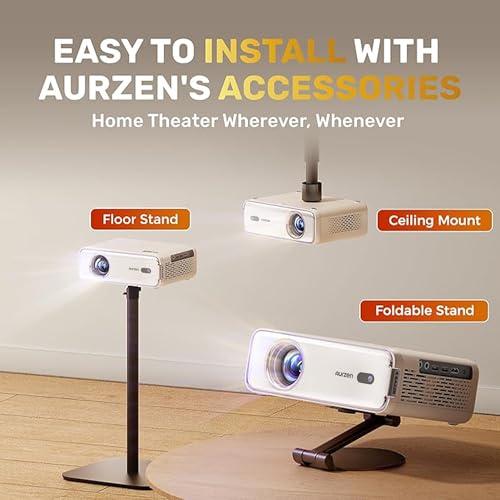
You're building a dedicated home theater. For permanent installations with ceiling mounts and acoustically treated rooms, the Epson's professional features and brightness capabilities make it the clear choice.
These projectors represent two fundamentally different philosophies, and both are excellent at what they're designed to do. The Aurzen EAZZE D1 prioritizes convenience, modern features, and value, creating an all-in-one entertainment solution that just works. The Epson Home Cinema 1080 focuses on maximum image quality and brightness, requiring more investment and setup complexity but delivering professional-grade performance.
Your choice should depend on your specific situation: room lighting, budget, technical comfort level, and how you prioritize convenience versus performance. Neither is objectively better – they're designed for different users and different environments.
From my experience, most people are happier with the Aurzen's simplicity and immediate functionality, especially those new to projectors. But if you have specific brightness requirements or want maximum image quality regardless of convenience, the Epson delivers performance that justifies its higher investment.
The projector market has evolved to serve both camps well, and understanding which camp you belong to will lead you to the right choice for your home theater dreams.
| Aurzen EAZZE D1 Smart Projector | Epson Home Cinema 1080 Projector |
|---|---|
| Brightness - The most critical factor determining where you can use your projector | |
| 200 ANSI lumens (requires dark rooms, LED lasts 30,000 hours) | 3,400 ANSI lumens (works in moderately lit rooms, bulb lasts 6,000-12,000 hours) |
| Native Resolution - Determines image sharpness and clarity | |
| 1920 x 1080 (Full HD) with HDR10 support | 1920 x 1080 (Full HD) with 10-bit color processing |
| Smart Features - Whether you need external streaming devices | |
| Built-in Android TV with certified Netflix, Prime Video, YouTube | No smart features - requires external streaming devices |
| Display Technology - Affects color accuracy and brightness consistency | |
| Single TFT LCD panel with LED light source | 3LCD technology (three-panel system) with UHE bulb |
| Audio System - Quality of built-in speakers for movie watching | |
| Dual 8W Dolby Audio speakers (room-filling sound) | 2W mono speaker (external audio required) |
| Setup Automation - How easy it is to get a perfect image | |
| Auto-focus, auto-keystone, auto-screen alignment, obstacle avoidance | Manual keystone correction, 1.2x optical zoom, manual focus |
| Connectivity - Wireless and wired connection options | |
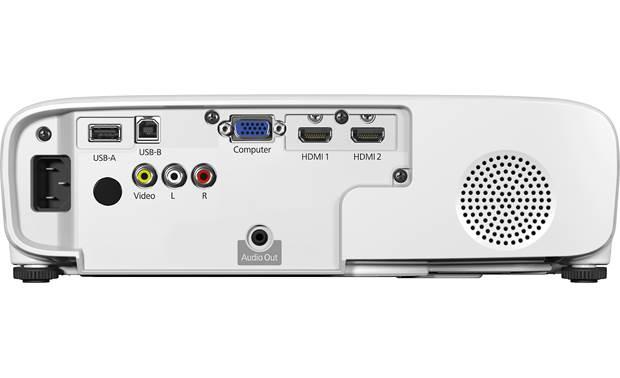
| Dual-band WiFi, two-way Bluetooth 5.1, HDMI, 2x USB | WiFi with Miracast, 2x HDMI, VGA, composite, USB |
| Portability - Size and weight for moving between rooms | |
| Compact: 3.2" x 9.1" x 6.9", lightweight design | Larger: 3.6" x 11.9" x 9.9", 6.2 lbs |
| Projection Size Range - Maximum screen sizes achievable | |
| 40" - 200" (optimal under 100" due to brightness limits) | 30" - 300" (maintains quality at larger sizes due to high brightness) |
| Total Cost of Ownership - What you'll spend for a complete setup | |
| Complete system ready to use (no additional purchases needed) | Requires streaming device and external audio system |
| Best Use Cases - Ideal scenarios for each projector | |
| Apartments, bedrooms, outdoor evenings, plug-and-play convenience | Family rooms, dedicated home theaters, bright environments, large screens |
The Epson Home Cinema 1080 is significantly brighter at 3,400 ANSI lumens compared to the Aurzen EAZZE D1's 200 ANSI lumens. This makes the Epson suitable for moderately lit rooms, while the Aurzen EAZZE D1 requires darker environments for optimal viewing.
The Aurzen EAZZE D1 has built-in Android TV with certified Netflix, Prime Video, and YouTube apps, so no external devices are needed. The Epson Home Cinema 1080 requires external streaming devices like Roku, Fire TV, or Apple TV to access streaming content.
The Aurzen EAZZE D1 has superior built-in audio with dual 8W Dolby Audio speakers that provide room-filling sound. The Epson Home Cinema 1080 only has a basic 2W mono speaker, making external audio equipment necessary for quality sound.
The Epson Home Cinema 1080 can project up to 300 inches while maintaining good brightness due to its high lumen output. The Aurzen EAZZE D1 can technically project up to 200 inches but is best kept under 100 inches for optimal image quality given its lower brightness.
The Aurzen EAZZE D1 offers automated setup with auto-focus, auto-keystone correction, and auto-screen alignment features. The Epson Home Cinema 1080 requires manual adjustments but provides more precise control with 1.2x optical zoom and manual focus capabilities.
The Aurzen EAZZE D1 uses an LED light source rated for 30,000 hours (about 20+ years of typical use). The Epson Home Cinema 1080 uses a replaceable UHE bulb lasting 6,000-12,000 hours depending on usage mode.
The Epson Home Cinema 1080 is better suited for dedicated home theater setups due to its professional-grade 3,400 ANSI lumen brightness, 3LCD color technology, and ability to handle large screen sizes in controlled lighting environments.
Yes, both the Aurzen EAZZE D1 and Epson Home Cinema 1080 offer native 1920x1080 Full HD resolution. The Aurzen also supports HDR10, while the Epson features 10-bit color processing for smoother color gradations.
The Aurzen EAZZE D1 provides exceptional value as a complete entertainment system with no additional purchases needed. The Epson Home Cinema 1080 costs more upfront and requires additional accessories, but delivers professional-grade brightness and image quality.
The Epson Home Cinema 1080 can handle moderately lit rooms thanks to its 3,400 ANSI lumen output. The Aurzen EAZZE D1 requires dark or dimly lit environments for the best viewing experience due to its 200 ANSI lumen brightness.
The Aurzen EAZZE D1 is more compact and lightweight, making it ideal for moving between rooms or outdoor use. Its automated setup features also make repositioning quick and easy compared to the larger Epson Home Cinema 1080.
The Aurzen EAZZE D1 is ready to use out of the box with no additional purchases required. The Epson Home Cinema 1080 requires streaming devices and external audio equipment, significantly increasing the total system cost but providing more flexibility and upgrade potential.
We've done our best to create useful and informative comparisons to help you decide what product to buy. Our research uses advanced automated methods to create this comparison and perfection is not possible - please contact us for corrections or questions. These are the sites we've researched in the creation of this article: aurzen.com - projectorcentral.com - manuals.plus - aurzen.com - projektoren-datenbank.com - hometechnologyreview.com - aurzen.com - youtube.com - aurzen.com - youtube.com - youtube.com - aurzen.com - tvsbook.com - crutchfield.com - bestbuy.com - officedepot.com - bestbuy.com - bestbuy.com - audioholics.com - rtings.com - avsforum.com - projectorcentral.com - audiogeneral.com - projectorreviews.com - rtings.com - epson.com - youtube.com - epson.com - projectorreviews.com - projectorreviews.com - walmart.com - shop.avispl.com - bhphotovideo.com - staples.com - mediaserver.goepson.com - staples.com - bhphotovideo.com - epson.com - epson.com - dell.com - epson.com - bestbuy.com

Privacy Policy
Terms and Conditions - Affiliate Policy
Home Security
© Copyright 2008-2026.
11816 Inwood Rd #1211, Dallas, TX 75244