

In the ever-evolving world of home entertainment, few upgrades can transform your viewing experience quite like a projector. Whether you're looking to create a dedicated home theater or simply want the flexibility to enjoy big-screen entertainment anywhere, today's projector market offers compelling options at surprisingly accessible price points. In this article, we'll compare two distinctive approaches to home projection: the portable smart TCL A1 and the traditional home theater-focused Epson Home Cinema 1080.
Home projectors have come a long way from the bulky, dim, and expensive units of the past. The technological advances over the last decade have dramatically improved brightness, resolution, and affordability while reducing size and power consumption.
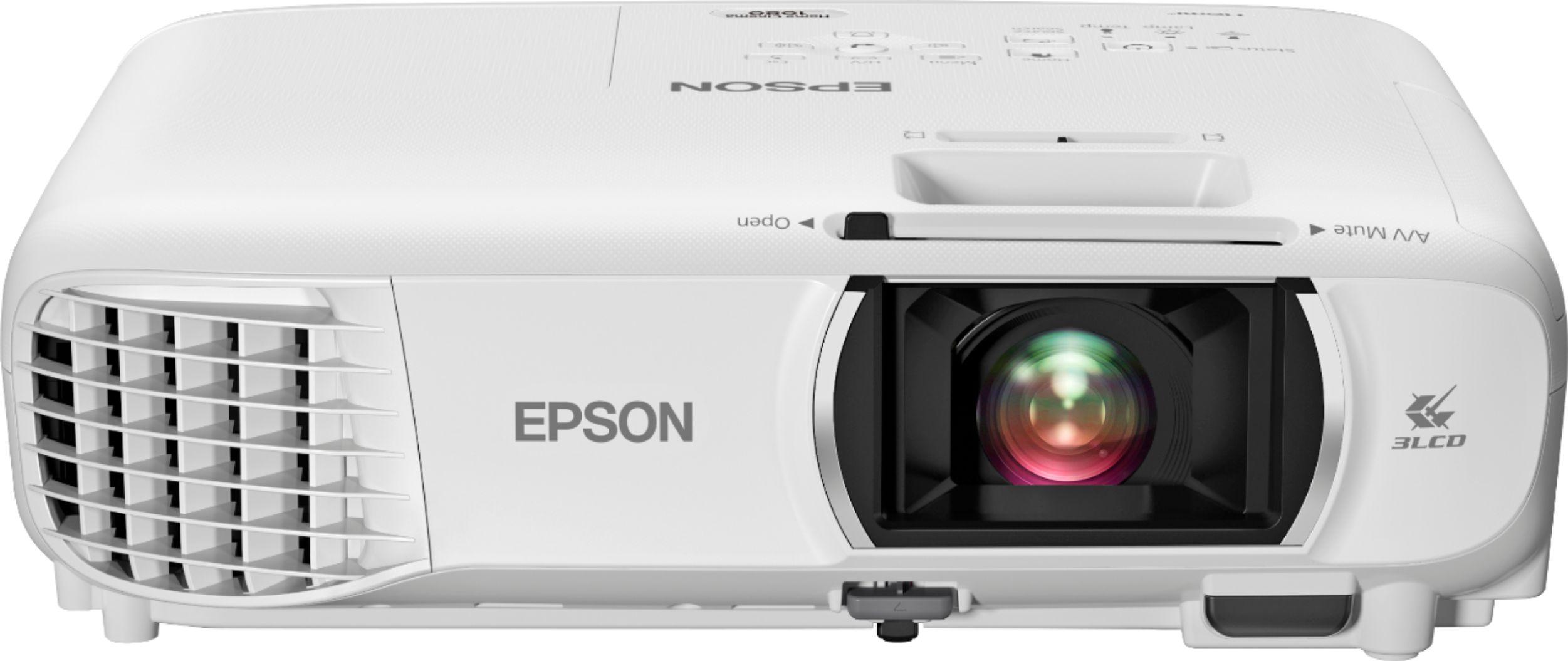
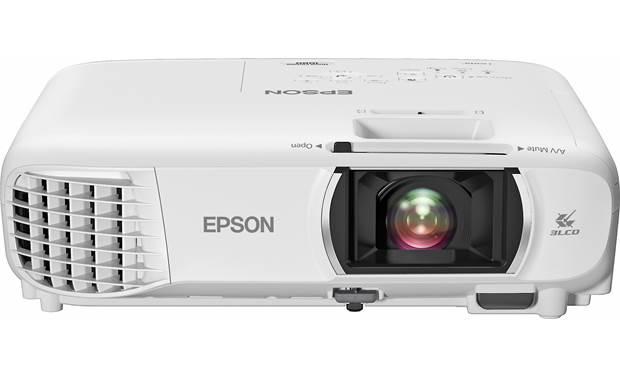
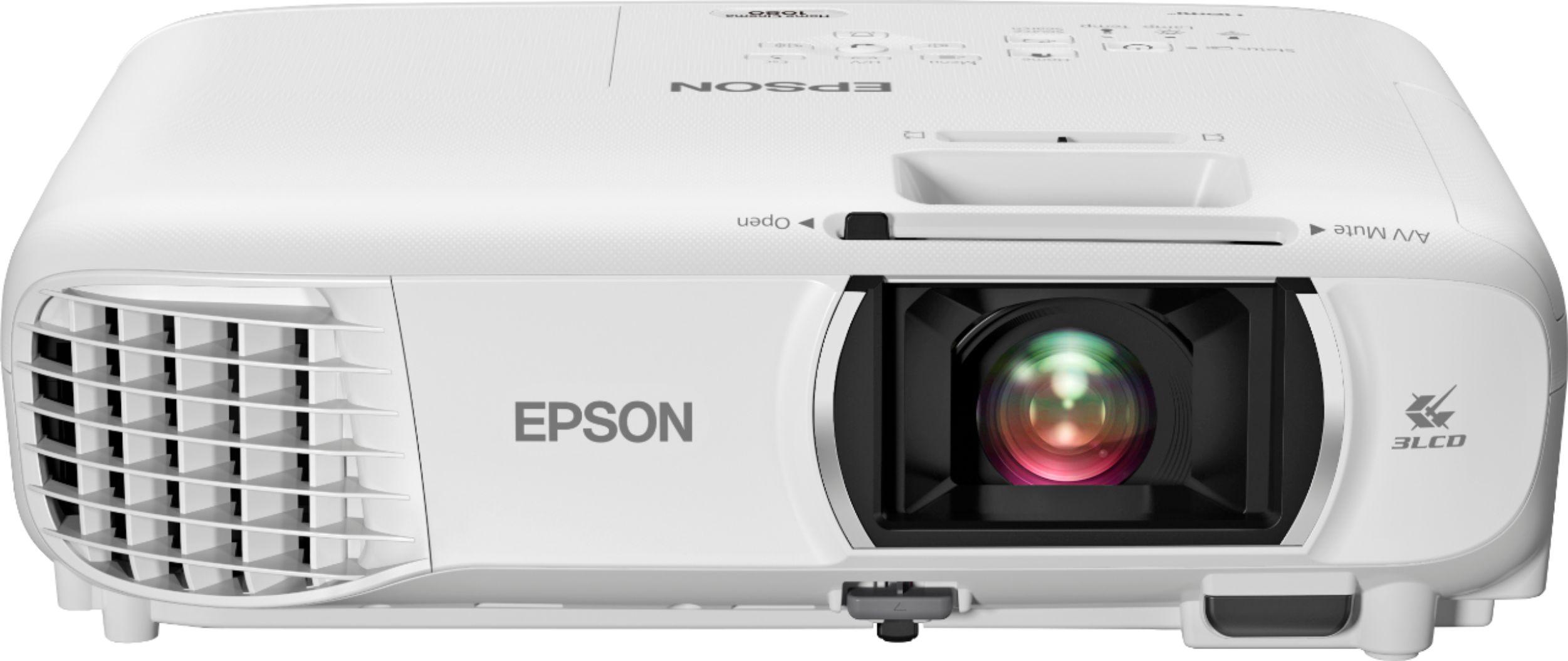
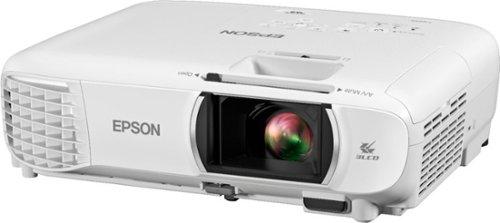
The Epson Home Cinema 1080 represents the evolution of traditional home theater projectors. Released in 2021, it builds on Epson's long-standing expertise in 3LCD projection technology (a system that uses three separate LCD panels to process red, green, and blue light independently). This approach has been refined over decades, with each generation bringing improvements in brightness, color accuracy, and reliability.
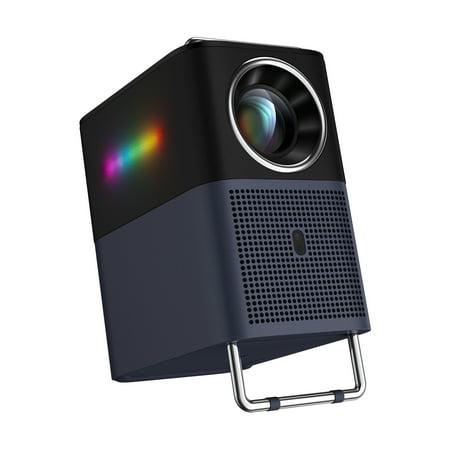
In contrast, the TCL A1 portable projector, released in 2022, exemplifies newer trends in the projector market: portability, smart features, and all-in-one design. TCL, better known for its television lineup, has leveraged advancements in LED lighting, miniaturization, and smart platforms to create a projector that looks and functions more like a portable entertainment device than traditional home theater equipment.
Both represent different philosophies about what consumers want from projection technology, with distinct advantages and compromises.
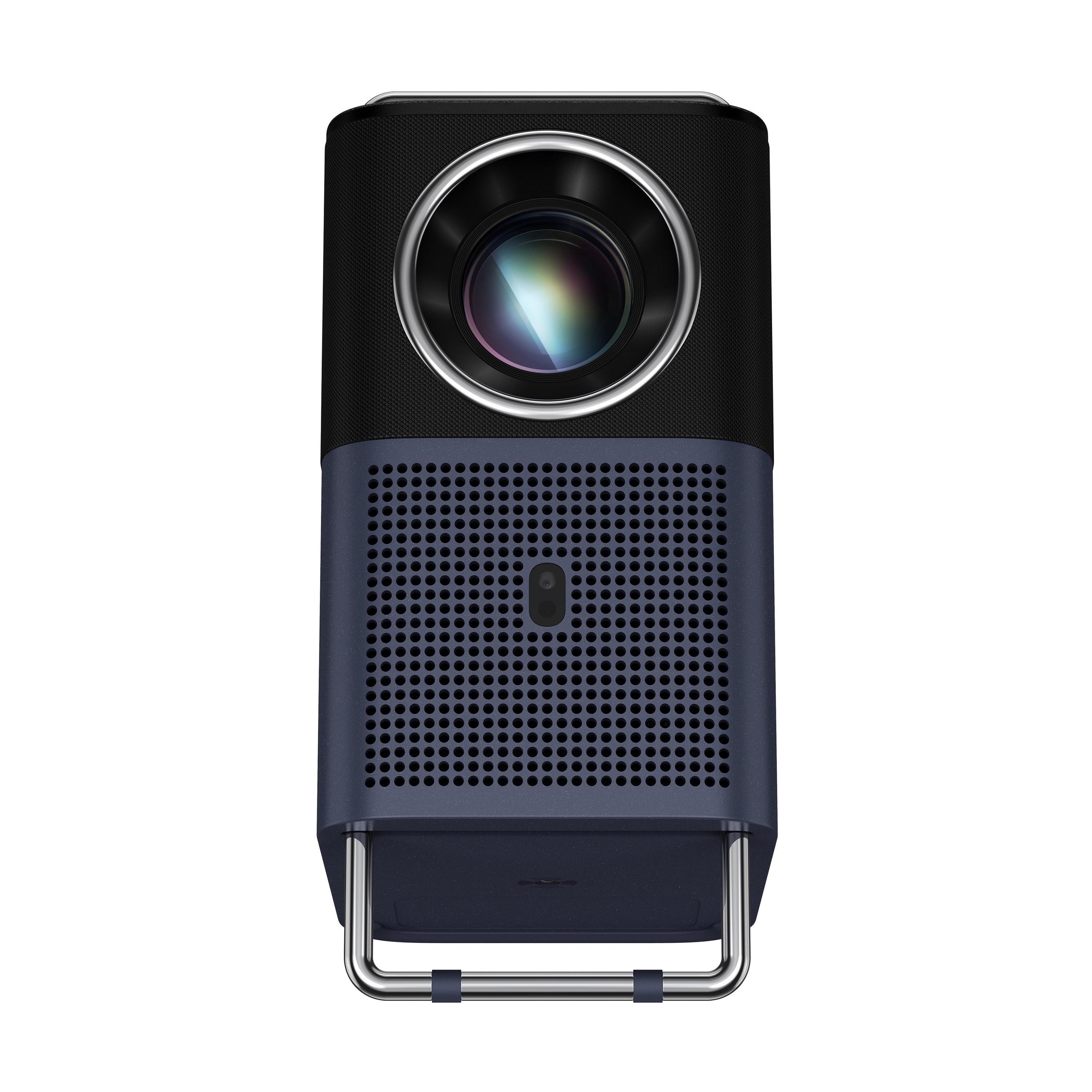
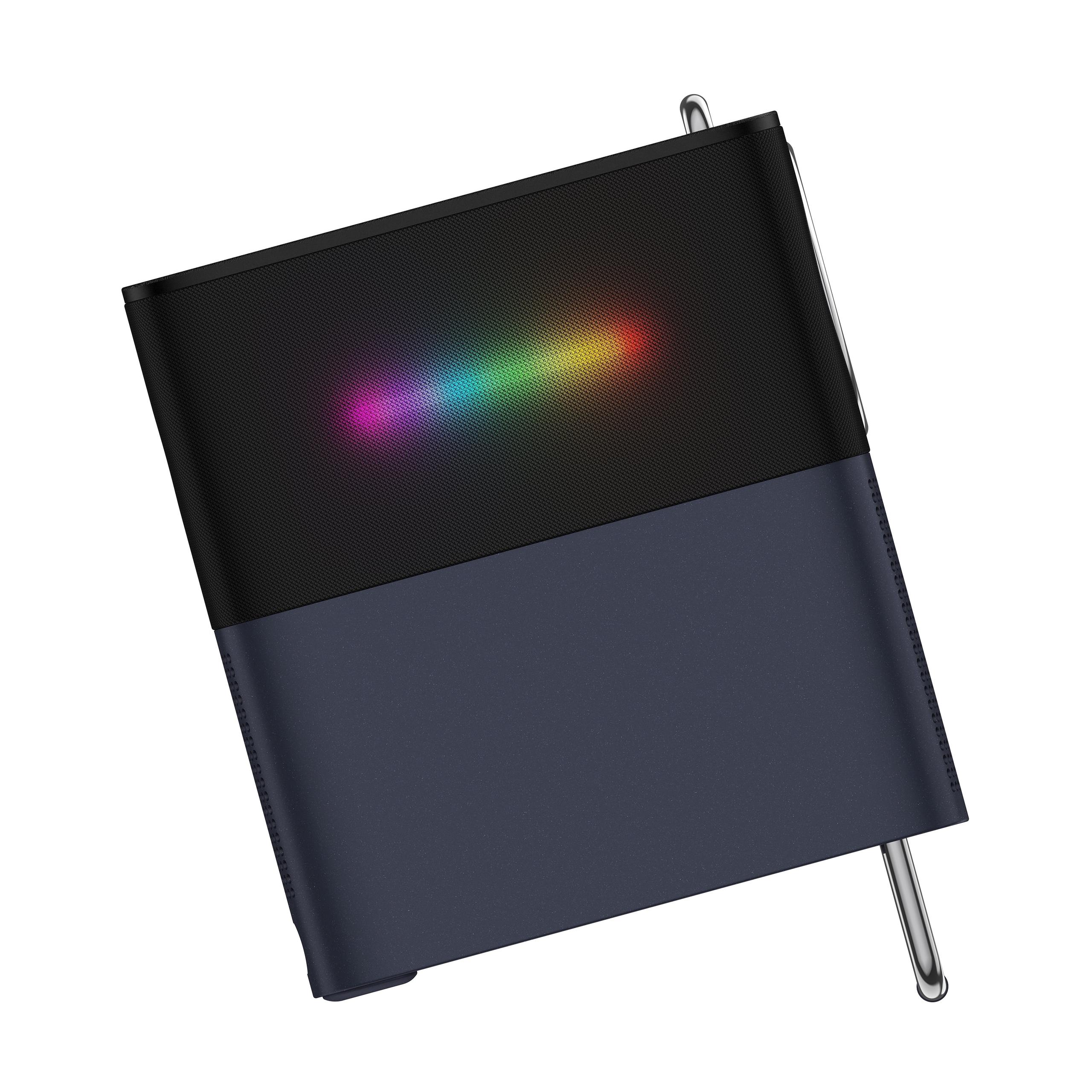
Priced at approximately $499, the TCL A1 is a compact, portable 1080p projector that weighs just 5.5 pounds. Its most distinctive feature is complete integration with Google TV, eliminating the need for separate streaming devices. The projector features an innovative "VersaGrip" handle that doubles as an adjustable stand, allowing for up to 15 degrees of tilt without additional accessories.
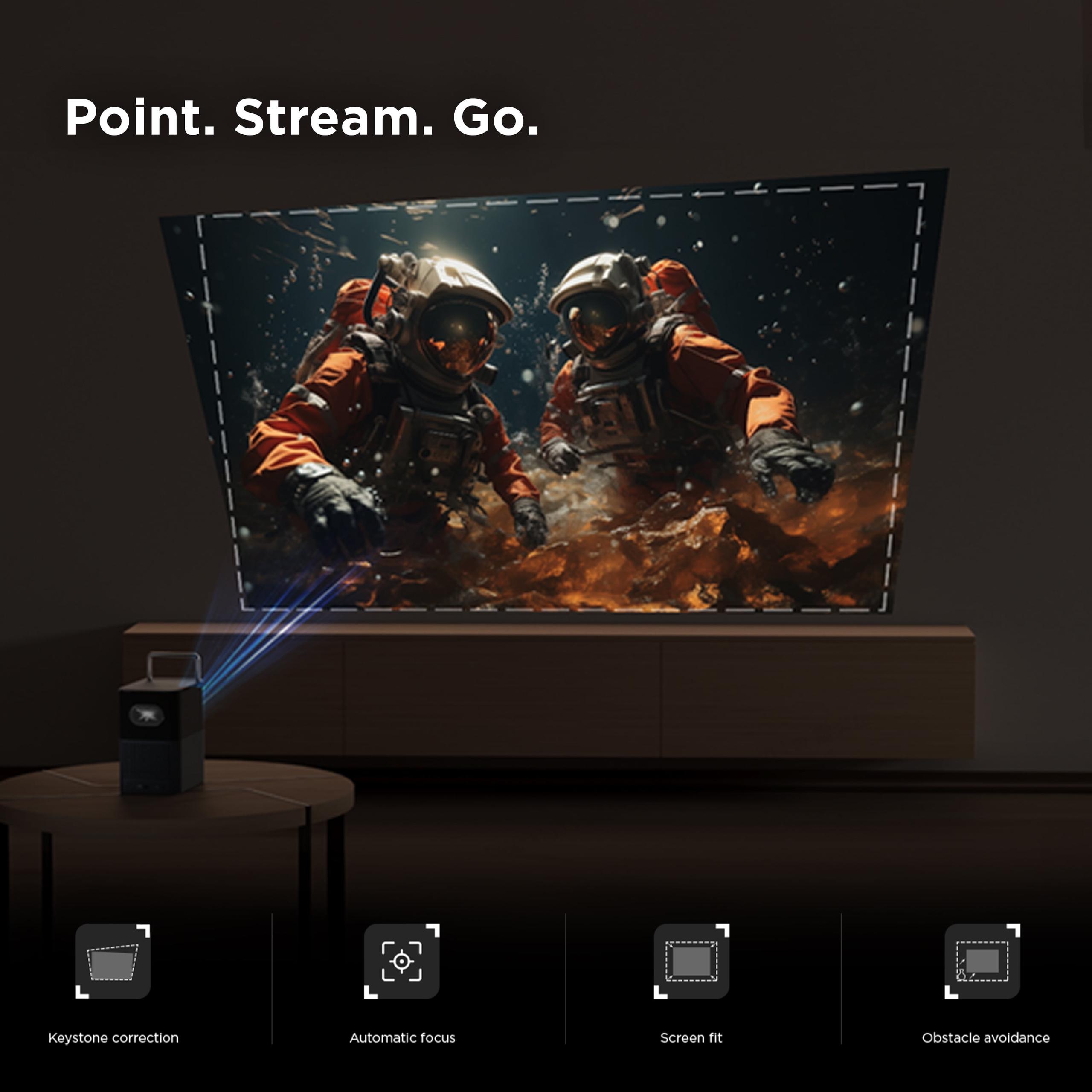
The unit comes with a carrying case and is designed for quick setup with automatic focus and keystone correction. These features actively adjust the image to look properly rectangular even when the projector isn't perfectly aligned with the wall or screen—a common challenge in temporary setups.
At a similar price point, the Epson Home Cinema 1080 takes a more traditional approach. This full HD projector prioritizes image quality and brightness over portability, delivering 3,400 lumens of brightness through its 3LCD technology. While slightly heavier at 6.2 pounds, it's designed primarily for more permanent home theater installations rather than frequent relocation.
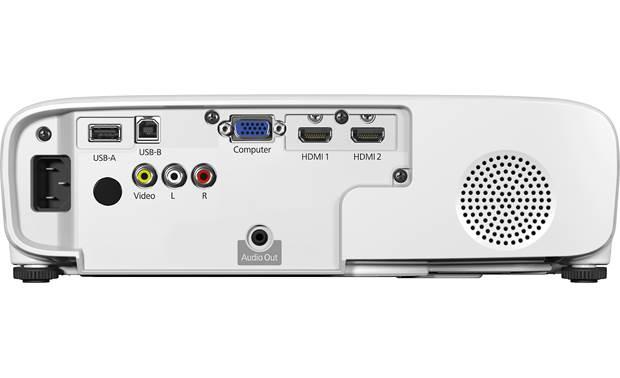
The Epson lacks built-in streaming capabilities but offers a broader array of connectivity options and significantly higher brightness for use in rooms that aren't completely dark. Its lamp-based light source follows the traditional projector design but requires periodic replacement—an ongoing maintenance consideration that the LED-based TCL doesn't share.
Both projectors offer 1080p Full HD resolution (1920×1080 pixels), providing similar detail levels in perfect conditions. This resolution has become the standard entry point for home theater projectors, offering significantly more detail than the 720p models of previous generations without commanding the premium price of 4K units.
When viewing content like movies and TV shows, both projectors can produce a sharp, detailed image. However, text clarity—important for presentations or gaming menus—tends to be better on the Epson Home Cinema 1080 due to its superior brightness and contrast capabilities.
Neither projector offers the latest 4K UHD resolution, keeping them in the mid-range market. For most viewers watching from standard distances on screens up to 100 inches, the difference between 1080p and 4K isn't dramatically noticeable—particularly with typical streaming content, which is often compressed regardless of resolution.
The most significant performance gap between these projectors is brightness, measured in lumens (the standard unit for measuring the total amount of visible light emitted by a source). The Epson Home Cinema 1080 outputs 3,400 lumens, while the TCL A1 produces just 360 ISO lumens—making the Epson approximately nine times brighter.
This difference fundamentally changes where and how you can use each projector:
With the Epson Home Cinema 1080:
With the TCL A1:
Having tested both types of projectors in various environments, I can confidently say that brightness is often underestimated by first-time projector buyers. The excitement of a 100-inch display quickly fades when you can barely see the image during daytime hours or when you need to turn off every light in the house to watch.
The projectors use fundamentally different technologies to produce images, resulting in distinct color characteristics:
The Epson Home Cinema 1080 uses 3LCD technology, which dedicates separate LCD panels to process red, green, and blue light individually before recombining them. This approach:
The TCL A1 uses LED illumination with LCD display technology (not to be confused with 3LCD). This approach:
In practical terms, watching a darkly-lit movie like "The Batman" reveals these differences clearly. The Epson Home Cinema 1080 maintains detail in shadows and dark costumes, while the TCL A1 tends to crush blacks, losing subtle details in darker scenes.
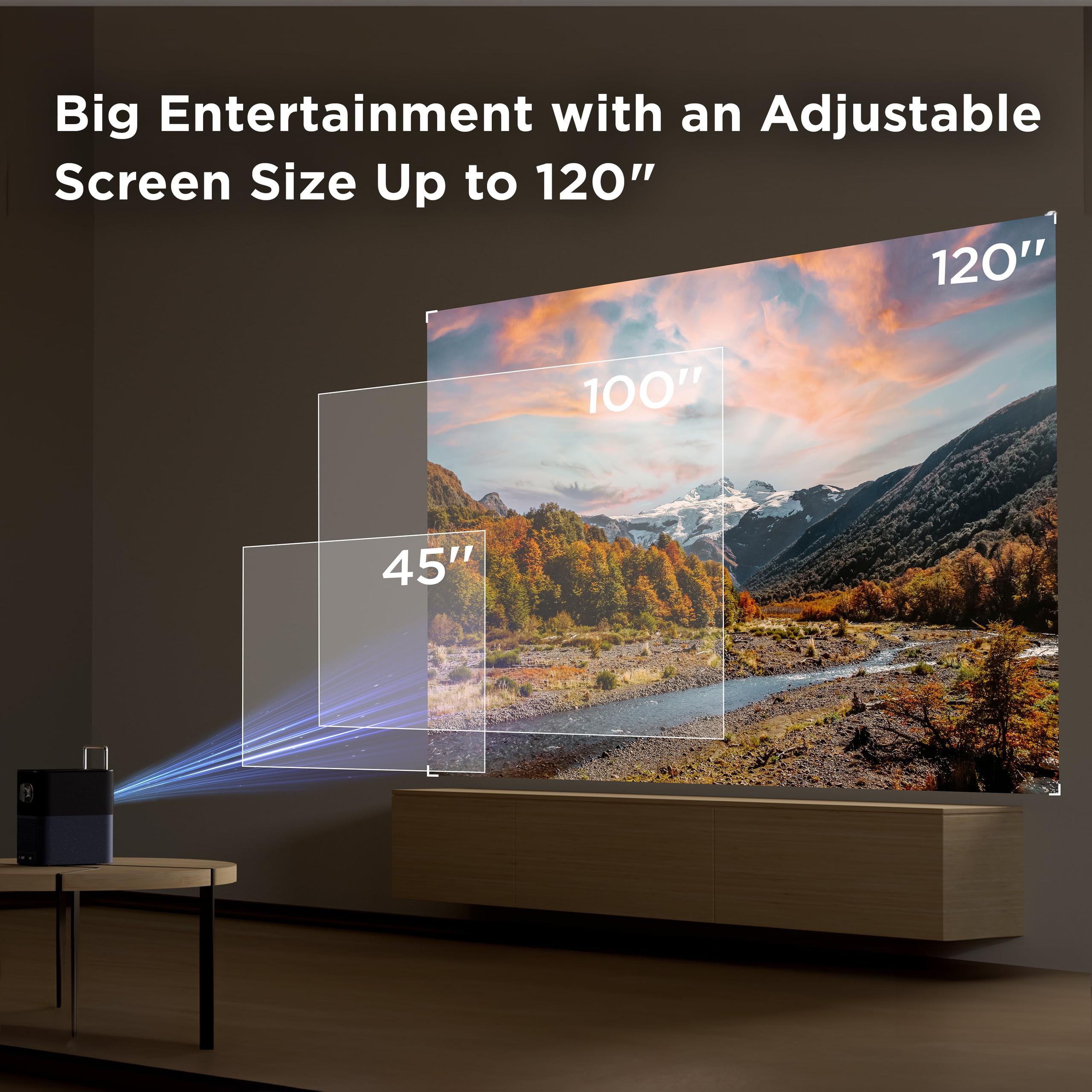
The TCL A1 advertises support for image sizes from 45 to 120 inches diagonal, while the Epson Home Cinema 1080 claims a much broader range from 30 to 300 inches.
In reality, the maximum usable size is dictated by brightness. The TCL becomes increasingly dim as the image size increases, making its practical maximum around 80-90 inches in completely dark rooms. The Epson can comfortably project images at 120 inches or larger while maintaining vibrant colors and detail, even with some ambient light.
The TCL A1 excels in setup simplicity. Its auto-focus and auto-keystone correction features use sensors to detect the projection surface and automatically adjust the image to look properly rectangular, even when the projector isn't perfectly aligned with the wall. This technology, relatively new to consumer projectors, eliminates the tedious manual adjustments traditionally required.
The innovative VersaGrip handle doubles as an adjustable stand allowing up to 15 degrees of tilt, making it easy to get the image positioned correctly without hunting for books or boxes to prop up the projector. At 5.5 pounds with a carrying case included, it's designed for portability and temporary setups.
In practice, you can take the TCL A1 from its case, place it on a coffee table, power it on, and have a properly configured image within seconds. This grab-and-go capability defines its user experience.
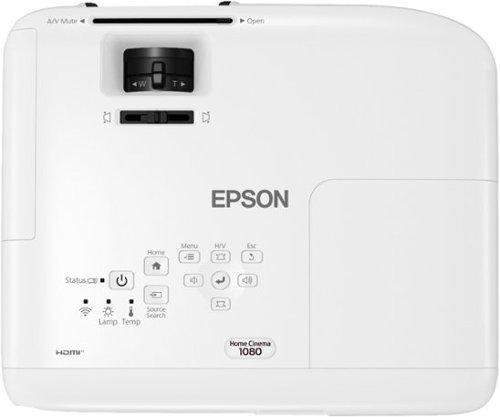
The Epson Home Cinema 1080 takes a more traditional approach to setup. It offers a 1.2× optical zoom lens (allowing some flexibility in how far from the screen you place it) and both vertical and horizontal keystone correction (±30°), but these adjustments are manual rather than automatic.
At 6.2 pounds, it's slightly heavier than the TCL but still manageable. The Epson is designed for more deliberate placement, either ceiling-mounted or placed on a table at the proper distance from the screen. It requires more planning and precision during initial setup but rewards users with optimized image quality once properly configured.
For permanent installations, the Epson's approach makes sense—you set it up once and rarely need to adjust it again. For those frequently moving their projector or setting up temporarily, the TCL's automatic features offer significant convenience.
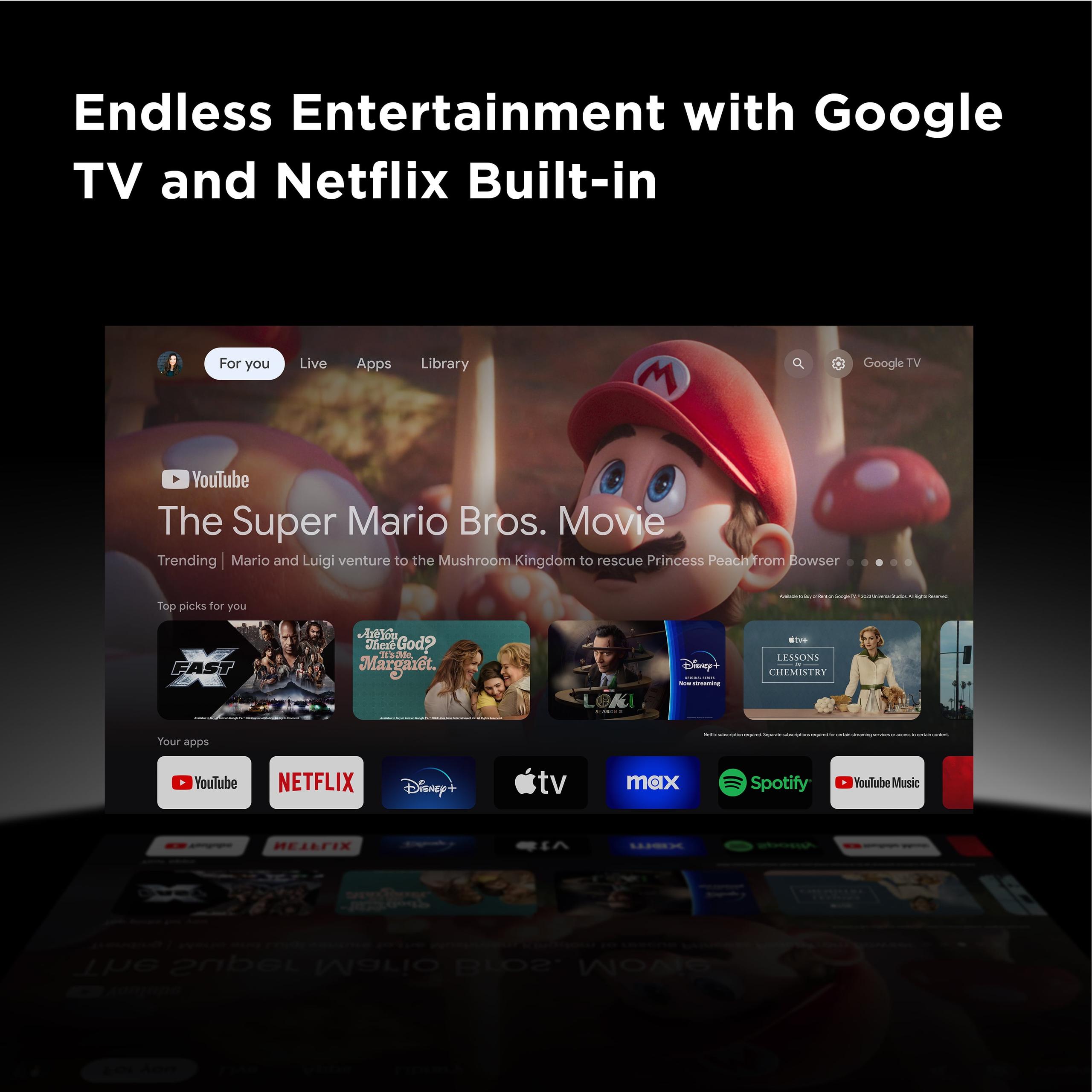
The TCL A1 integrates the Google TV platform directly into the projector—the same smart interface found in many modern televisions. This provides access to thousands of streaming apps including Netflix, Disney+, HBO Max, and others without requiring any additional devices.
The built-in Google Assistant responds to voice commands through the remote, allowing you to search for content, control playback, and even manage smart home devices. Chromecast functionality is also built in, enabling you to cast content directly from compatible phones, tablets, and computers.
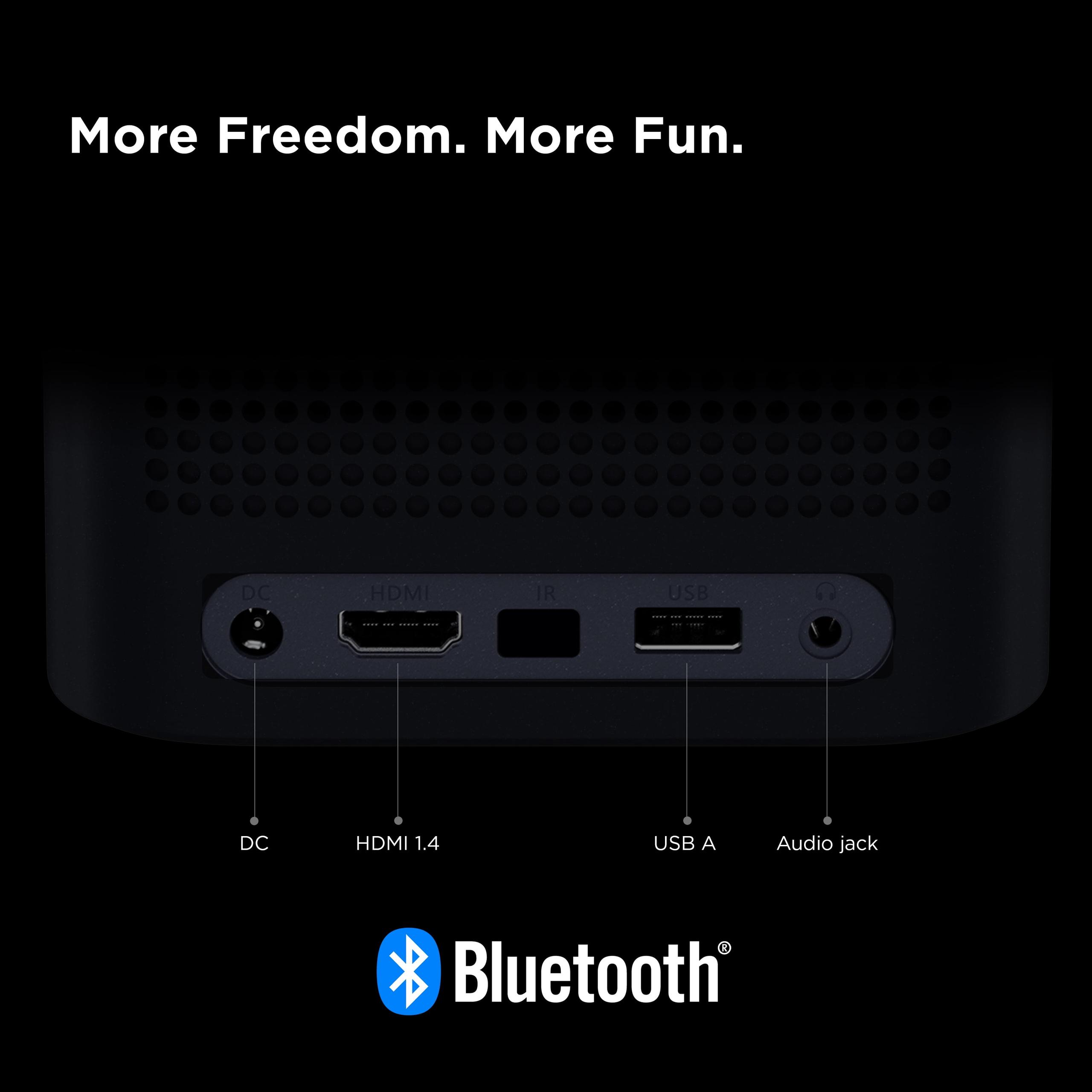
Connectivity includes:
The downside to this integrated approach is that the projector's processing power is fixed—as streaming platforms evolve and require more resources, the projector's smart features may become sluggish over time. Some reviewers have already noted that the Google TV interface can feel laggy compared to dedicated streaming devices.
The Epson Home Cinema 1080 takes a more modular approach with no built-in streaming platform. Instead, it offers a broader range of physical connections designed to accommodate external devices:
This approach requires adding a streaming device (like a Roku, Apple TV, or Amazon Fire Stick) for access to streaming services, but it also means you can upgrade that component independently from the projector. When newer, faster streaming devices are released, you can simply swap out the external device while keeping the projector itself.
For home theater enthusiasts, especially those with multiple sources like gaming consoles, Blu-ray players, and media PCs, the Epson's connectivity options provide greater flexibility.
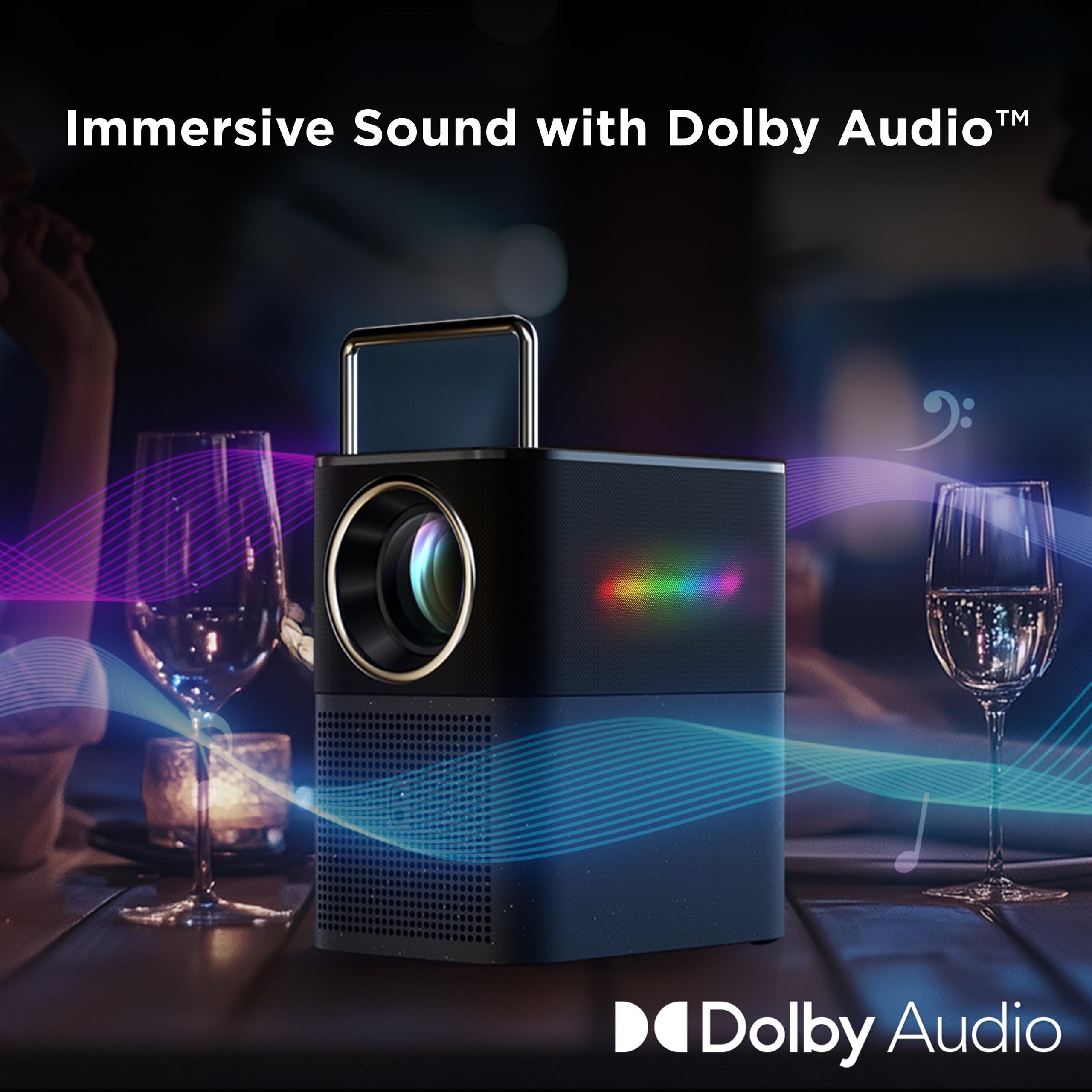
One area where the TCL A1 surprisingly excels is audio. It features dual 8W speakers with Dolby Digital+ processing, delivering reasonably robust sound for a portable device. The sound quality exceeds what you'd typically expect from a projector, producing clear dialogue and modest bass response.
This audio system makes the TCL truly self-contained—you can set it up anywhere and enjoy content without additional speakers. For casual viewing, backyard movie nights, or temporary setups, this integrated audio is a significant convenience.
Bluetooth connectivity also allows you to connect external speakers or headphones when you want improved sound without running cables.
The Epson Home Cinema 1080 includes only a basic 2W mono speaker, clearly designed as a convenience feature rather than for primary audio. The sound is thin, lacking bass, and suitable only for basic program audio or setup tones.
This minimal approach reflects the projector's focus on dedicated home theater use, where external audio systems are expected. Most home theater enthusiasts will connect the Epson to an AV receiver or powered speakers for a proper audio experience.
The audio difference between these projectors highlights their divergent design philosophies: the TCL as a complete, portable entertainment system versus the Epson as a specialized image-production component in a larger home theater ecosystem.
The TCL A1 uses an LED light source rated for approximately 30,000 hours of operation. At five hours of daily use, this translates to over 16 years of service before the light source would need replacement—essentially the entire usable lifetime of the product.
LED technology offers several advantages:
This maintenance-free operation aligns with the TCL's positioning as a consumer-friendly, hassle-free device.
The Epson Home Cinema 1080 uses a 210W UHE (Ultra High Efficiency) lamp rated for 6,000 hours in Normal mode or up to 12,000 hours in ECO mode. This means you'll likely need to replace the lamp at least once during the projector's lifetime, with replacement lamps costing $79-$99.
The lamp-based system also requires:
While this maintenance represents an additional cost and consideration, the lamp-based system enables the significantly higher brightness that defines the Epson's performance advantage.
When choosing between the TCL A1 and the Epson Home Cinema 1080, consider your specific viewing environment and priorities:
The TCL A1 and Epson Home Cinema 1080 represent two valid but distinct approaches to home projection. The TCL embraces the modern trend toward smart, portable, all-in-one entertainment devices, sacrificing raw performance for convenience and flexibility. The Epson maintains a more traditional home theater philosophy, delivering superior image quality and brightness at the cost of requiring more careful setup and additional components.
For casual viewers who prioritize simplicity and portability—and who can control their viewing environment—the TCL A1 offers an accessible entry point to big-screen entertainment. Its grab-and-go nature, integrated streaming, and respectable audio make it a compelling option for those who value these conveniences.
For enthusiasts building a proper home theater or those who can't completely control ambient light, the Epson Home Cinema 1080 delivers substantially better performance where it matters most: brightness, color accuracy, and image quality. Its traditional approach may require more components and consideration, but it rewards viewers with a superior viewing experience, especially for movie watching and immersive content.
Both projectors represent excellent value in their respective categories, but they serve fundamentally different use cases and priorities. By understanding the strengths and limitations of each approach, you can choose the projector that best fits your specific viewing environment and entertainment needs.
| TCL A1 Portable 1080p Smart Projector | Epson Home Cinema 1080 Projector |
|---|---|
| Price - Base investment for your home theater | |
| $499 | $499 |
| Resolution - Determines image clarity and detail | |
| 1080p Full HD (1920 × 1080) | 1080p Full HD (1920 × 1080) |
| Brightness - Most critical spec for ambient light performance | |
| 360 ISO lumens (requires near-darkness) | 3,400 lumens (usable in rooms with ambient light) |
| Projection Technology - Affects color accuracy and image quality | |
| LED-illuminated LCD | 3LCD (three separate color panels) |
| Contrast Ratio - Impacts black levels and shadow detail | |
| Not specified | Up to 16,000:1 |
| Image Size - Range of screen sizes supported | |
| 45" - 120" diagonal (best at 60-80") | 30" - 300" diagonal (practical up to 150") |
| Throw Ratio - Determines placement distance | |
| Not specified | 1.02 - 1.23:1 |
| Smart Features - Built-in streaming capabilities | |
| Google TV with apps, Google Assistant, Chromecast built-in | None (requires external streaming device) |
| Connectivity - Available ports for external devices | |
| 1× HDMI, 1× USB, Wi-Fi, Bluetooth 5.1 | 2× HDMI, VGA, Composite, 2× USB, Wi-Fi 5 with Miracast |
| Audio System - Speaker quality for standalone use | |
| Dual 8W speakers with Dolby Digital+ (good for portable use) | 2W mono speaker (basic, not suitable as primary audio) |
| Light Source Lifespan - Long-term maintenance considerations | |
| LED (30,000+ hours, no replacement needed) | UHE lamp (6,000 hours normal/12,000 hours ECO, $79-$99 replacement) |
| Setup Features - Ease of installation and placement | |
| Auto focus, auto keystone correction, VersaGrip handle with 15° tilt | Manual 1.2× zoom, manual vertical/horizontal keystone (±30°) |
| Weight - Portability factor | |
| 5.5 lbs with carrying case | 6.2 lbs (no included case) |
| Ideal Use Case - Best application for each projector | |
| Portable entertainment, temporary setups, spaces with complete darkness | Dedicated home theaters, living rooms with light control, permanent installations |
The Epson Home Cinema 1080 Projector is significantly better for bright rooms with its 3,400 lumens of brightness compared to the TCL A1's 360 ISO lumens. The Epson can maintain a visible, colorful image even with some ambient light, while the TCL A1 requires near-darkness to produce a satisfactory picture.
You don't need a separate streaming device with the TCL A1 Portable 1080p Smart Projector as it has Google TV built-in with access to thousands of apps including Netflix, Disney+, and YouTube. The Epson Home Cinema 1080 Projector doesn't have smart features built-in, so you'll need to connect a streaming stick, gaming console, or other external device to access content.
The Epson Home Cinema 1080 Projector is better suited for a dedicated home theater room due to its superior brightness, better contrast ratio (16,000:1), and more installation options. While the TCL A1 can work in a completely dark home theater, the Epson delivers a more cinema-like experience with better image quality, especially for movie content.
Both projectors can be used outdoors, but with different results. The TCL A1 Portable 1080p Smart Projector is more portable and has better built-in audio, making setup easier, but requires complete darkness and works best with smaller screen sizes. The Epson Home Cinema 1080 offers much brighter images that can be seen earlier in the evening and at larger sizes, but requires external speakers and may need more setup time.
The TCL A1 Portable 1080p Smart Projector has significantly better built-in sound with dual 8W speakers and Dolby Digital+ processing, capable of filling a room with decent audio. The Epson Home Cinema 1080 Projector only has a basic 2W mono speaker intended for temporary use, and most users will want to connect it to external speakers or a sound system.
The TCL A1 Portable 1080p Smart Projector uses LED technology with a 30,000+ hour lifespan, so you'll likely never need to replace the light source during the projector's usable life. The Epson Home Cinema 1080 Projector uses a traditional lamp that lasts 6,000 hours in normal mode (or 12,000 hours in ECO mode) and costs $79-$99 to replace approximately every 2-5 years depending on usage.
For casual gaming, both projectors offer 1080p resolution, but the Epson Home Cinema 1080 Projector provides better performance with its higher brightness and contrast. The TCL A1 has more limited gaming potential due to its lower brightness and potential input lag from the Google TV interface. Serious gamers should note that neither projector advertises specific gaming features like enhanced refresh rates or low input lag modes.
The Epson Home Cinema 1080 Projector is designed with ceiling mounting in mind and includes all necessary settings for inverted installation. The TCL A1 Portable 1080p Smart Projector is primarily designed for portable use with its VersaGrip handle/stand and carrying case, making it less suitable for permanent ceiling mounting, though technically possible with third-party mounts.
The TCL A1 Portable 1080p Smart Projector is better suited for small apartments due to its compact design, portability, all-in-one functionality with good built-in speakers, and flexible placement options. The Epson Home Cinema 1080 requires more space, additional equipment for streaming, and is designed more for permanent installation rather than occasional use.
The TCL A1 Portable 1080p Smart Projector supports screen sizes from 45" to 120" diagonal, but performs best at 60-80" in completely dark rooms. The Epson Home Cinema 1080 Projector supports a much wider range from 30" to 300" diagonal, with practical sizes up to 150" while maintaining good brightness and clarity, even with some ambient light.
Yes, both projectors can work with smartphones, but in different ways. The TCL A1 Portable 1080p Smart Projector has Chromecast built-in and Bluetooth connectivity, allowing you to cast content directly from compatible phones. The Epson Home Cinema 1080 Projector supports Miracast for wireless display from compatible Android devices and can connect to phones via HDMI adapters or through connected streaming devices.
Value depends on your specific needs. The TCL A1 Portable 1080p Smart Projector at $499 offers better value for those prioritizing portability, built-in streaming, and all-in-one design without additional equipment. The Epson Home Cinema 1080 Projector at a similar price provides better value for those seeking superior image quality, brightness, and performance in varying light conditions, despite requiring some additional components.
We've done our best to create useful and informative comparisons to help you decide what product to buy. Our research uses advanced automated methods to create this comparison and perfection is not possible - please contact us for corrections or questions. These are the sites we've researched in the creation of this article: youtube.com - hometheaterforum.com - hifivision.com - tcl.com - gstylemag.com - youtube.com - youtube.com - soundandvision.com - tcl.com - androidheadlines.com - valueelectronics.com - tcl.com - walmart.com - esquire.com - hometheaterview.com - androidpolice.com - projectorcentral.com - howtogeek.com - nfm.com - tcl.com - valueelectronics.com - extapps.dec.ny.gov - cna-aiic.ca - projectorcentral.com - tcl.com - tcl.com - tcl.com - crutchfield.com - bestbuy.com - officedepot.com - bestbuy.com - bestbuy.com - audioholics.com - rtings.com - avsforum.com - projectorcentral.com - audiogeneral.com - projectorreviews.com - rtings.com - epson.com - youtube.com - epson.com - projectorreviews.com - projectorreviews.com - walmart.com - shop.avispl.com - bhphotovideo.com - staples.com - mediaserver.goepson.com - staples.com - bhphotovideo.com - epson.com - epson.com - dell.com - epson.com - bestbuy.com

Privacy Policy
Terms and Conditions - Affiliate Policy
Home Security
© Copyright 2008-2026.
11816 Inwood Rd #1211, Dallas, TX 75244