

Remember when having a projector at home meant spending thousands of dollars and dedicating an entire room to the setup? Those days are firmly behind us. Today's projector market has diversified tremendously, offering solutions for nearly every use case imaginable—from ultra-portable pico projectors you can fit in your pocket to professional-grade 4K machines that rival commercial cinema experiences.
In this comparison, we're looking at two distinctly different approaches to home projection: the innovative BenQ GV50 Full HD Smart Ceiling Projector priced around $849, and the more traditional Epson Home Cinema 1080 Projector at approximately $699. These projectors were released in 2021 and 2020 respectively, representing relatively recent technology that's still current in today's market.
While both devices can project a Full HD 1080p image, they take fundamentally different approaches to how, where, and why you might use a projector in your home. Let's explore what makes each unique and which might better suit your particular needs.
The BenQ GV50, launched in late 2021, represents a new category that some manufacturers call "lifestyle projectors." Rather than focusing exclusively on pure image quality metrics, these projectors emphasize convenience, flexibility, and integration with how people actually live and consume content today.
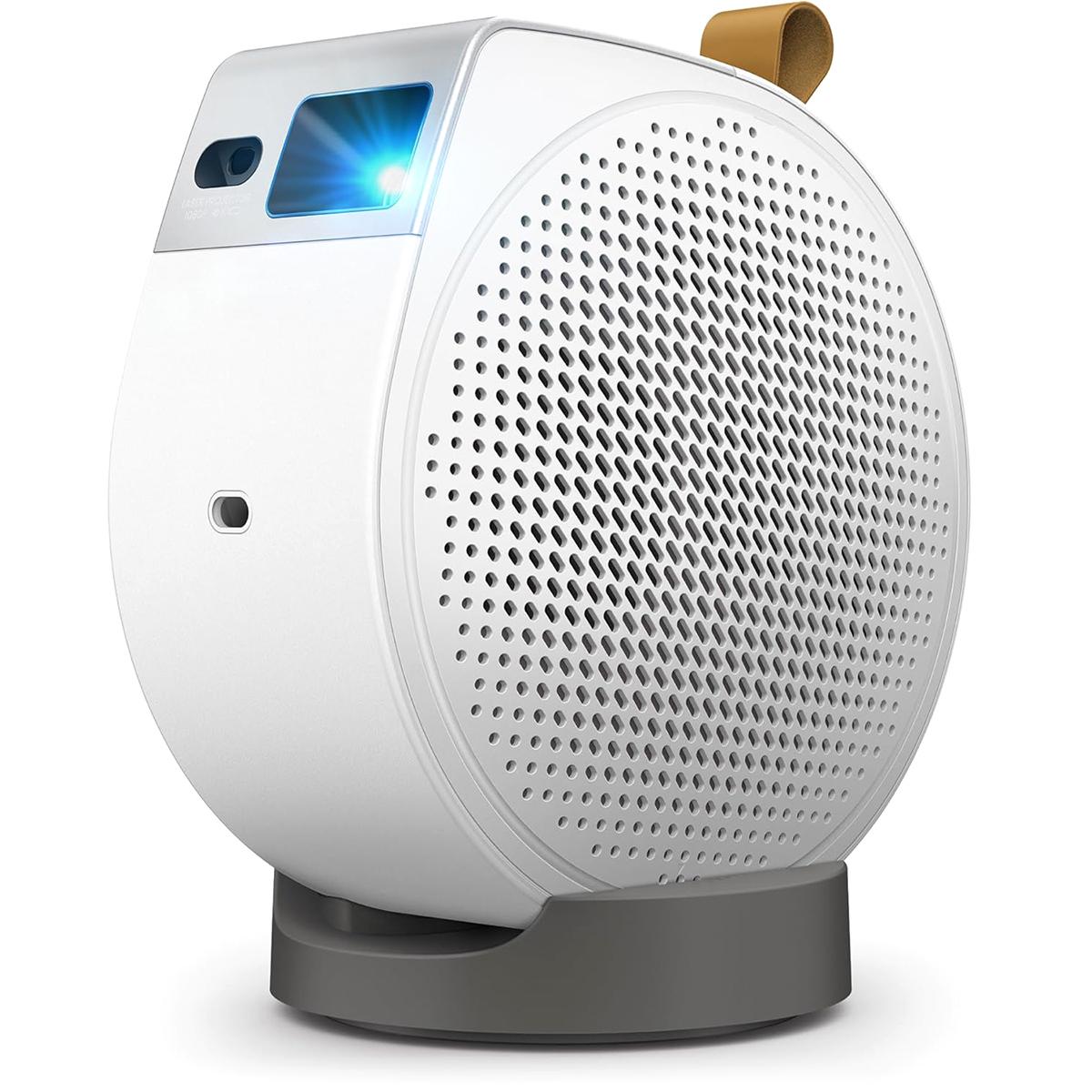
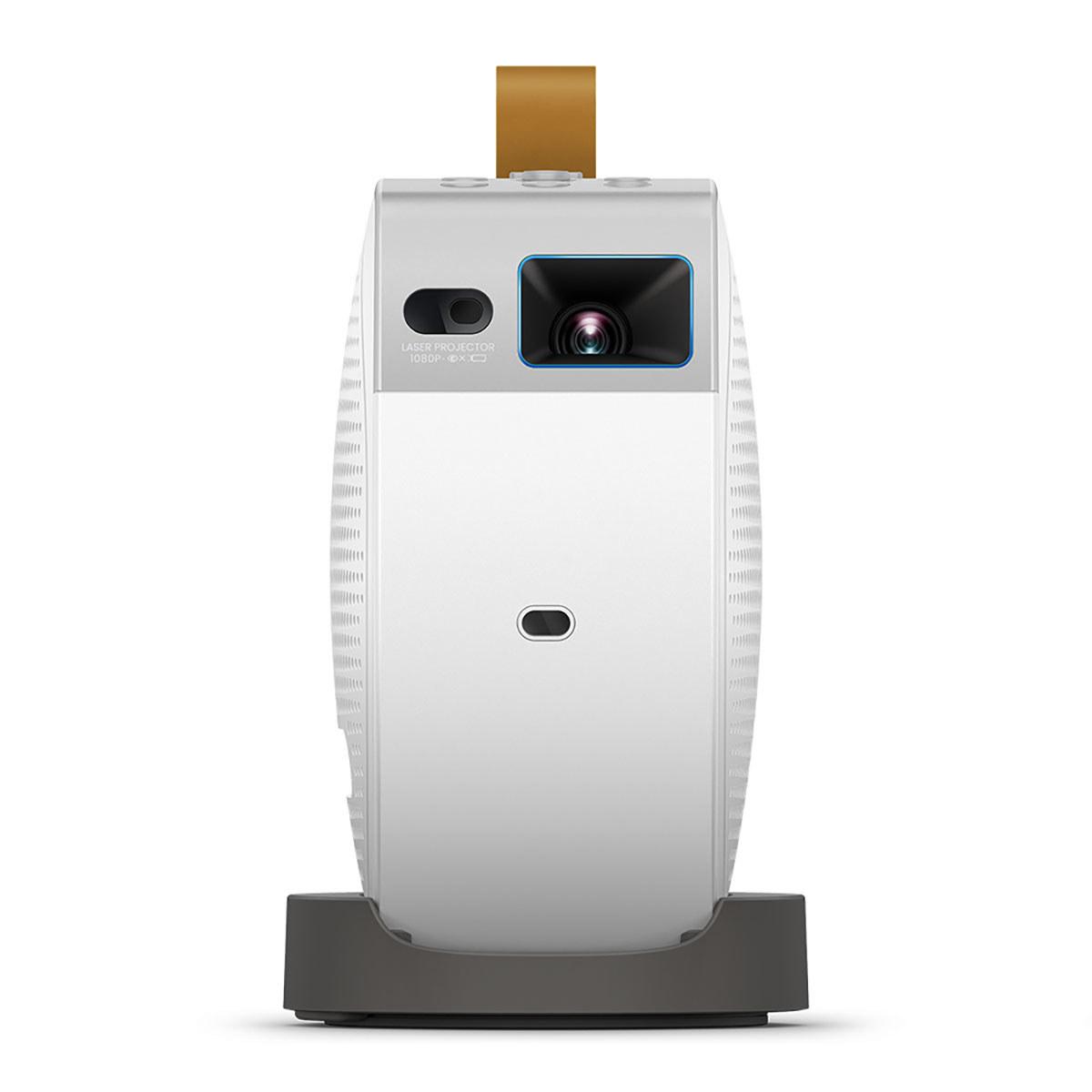
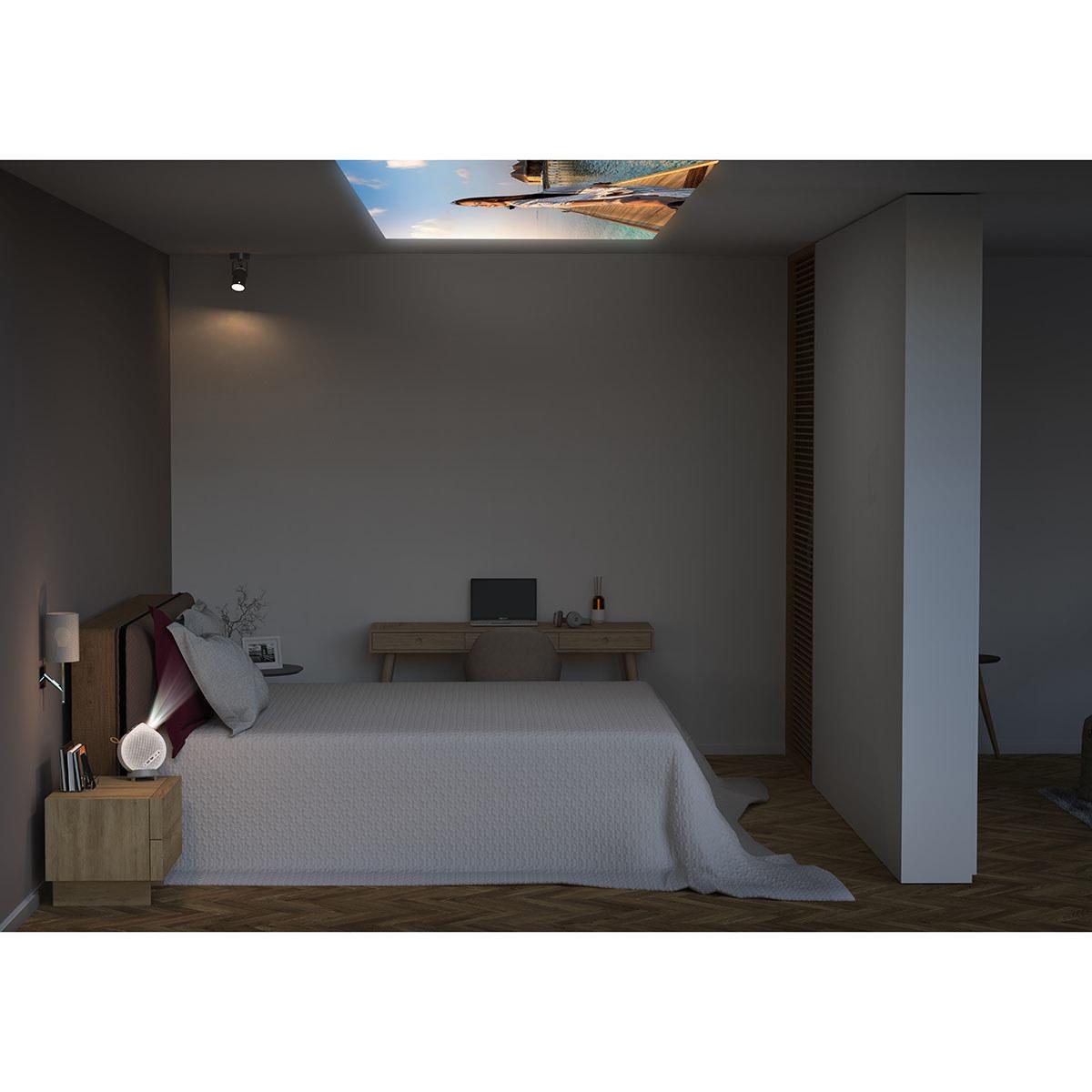
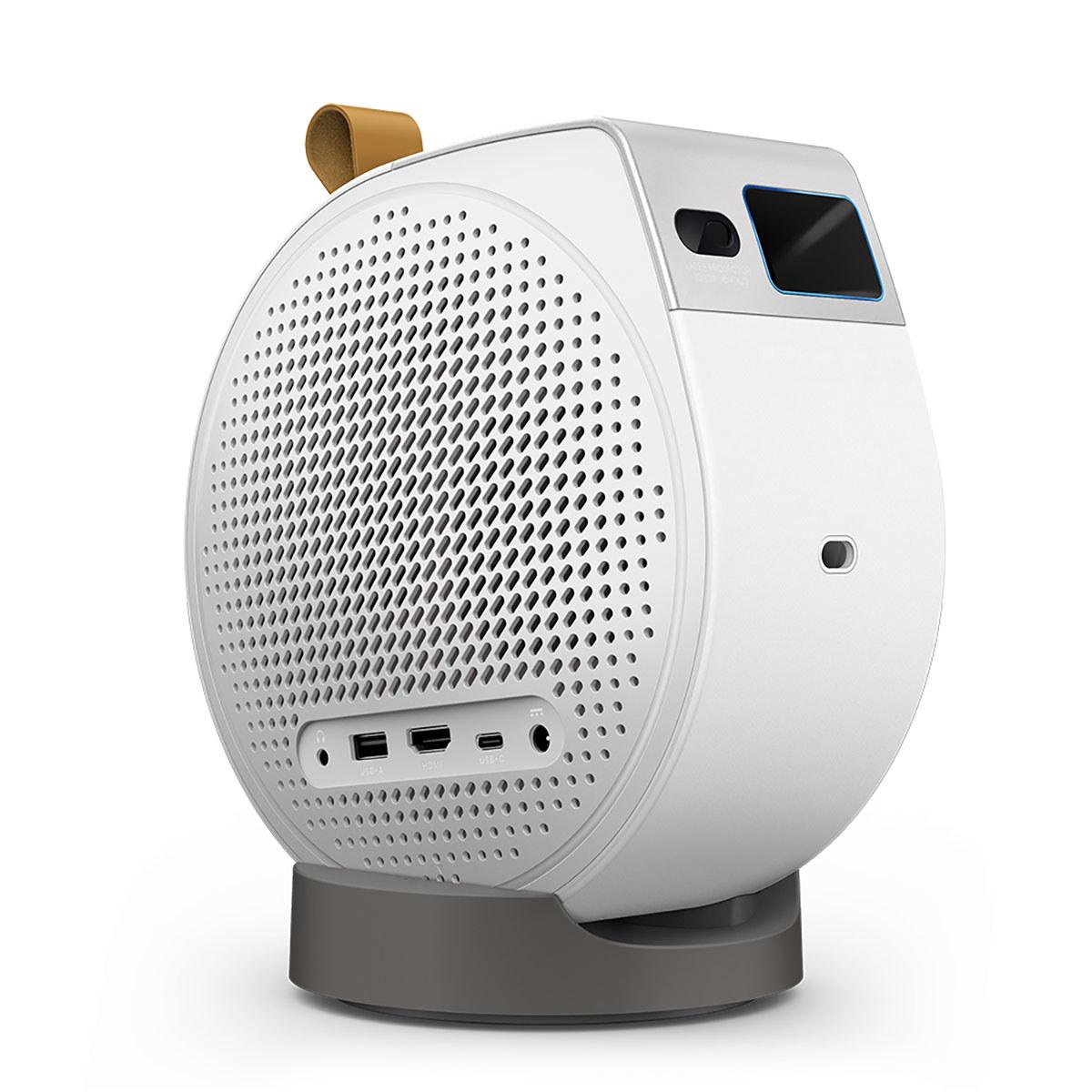
The GV50 is designed specifically with ceiling projection in mind—a unique use case where you might want to lie in bed and watch content projected above you. With its distinctive cylindrical design, built-in battery, and 360-degree adjustable base, it's clear BenQ wasn't trying to build a traditional home theater projector. Instead, they created something more akin to a smart entertainment device that happens to project images.
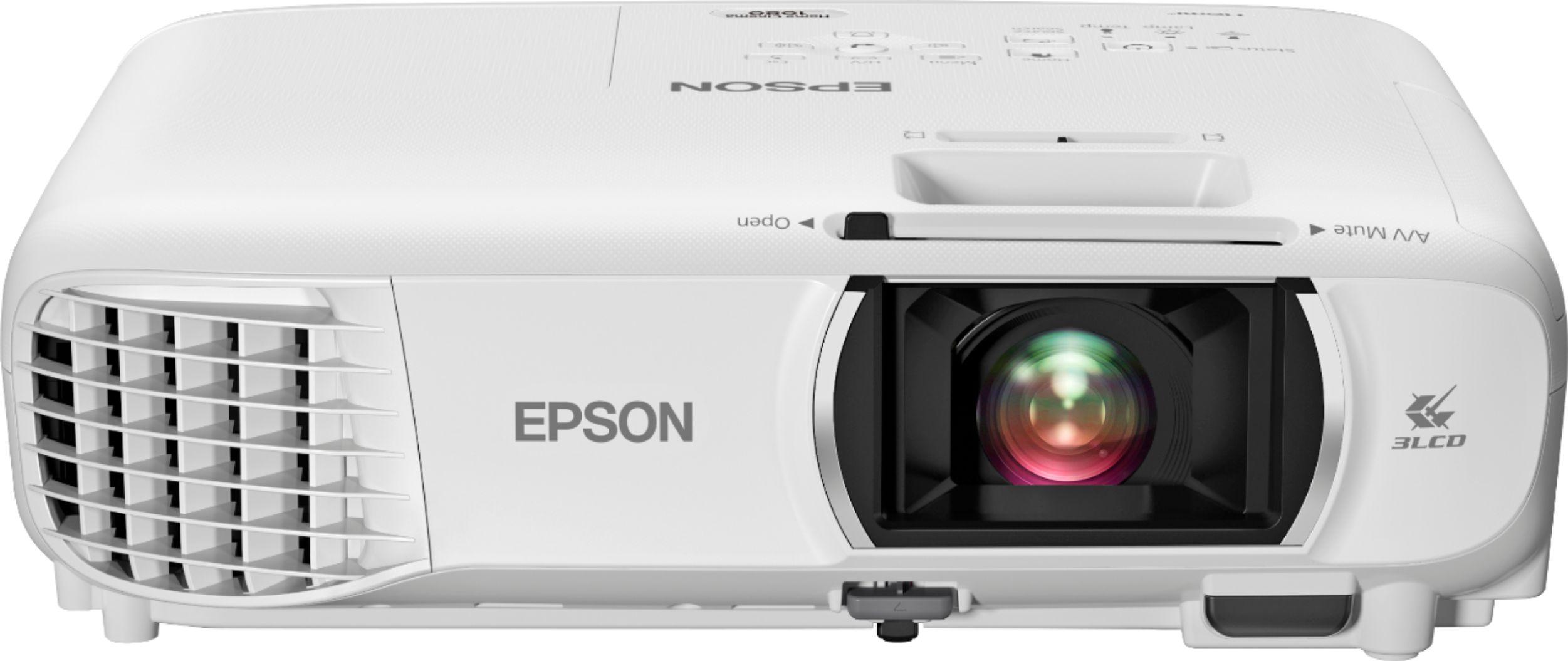
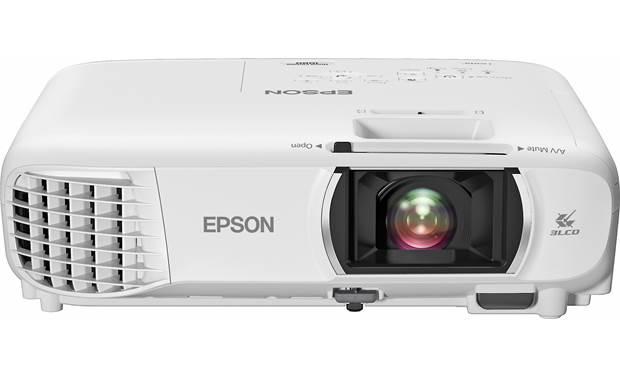
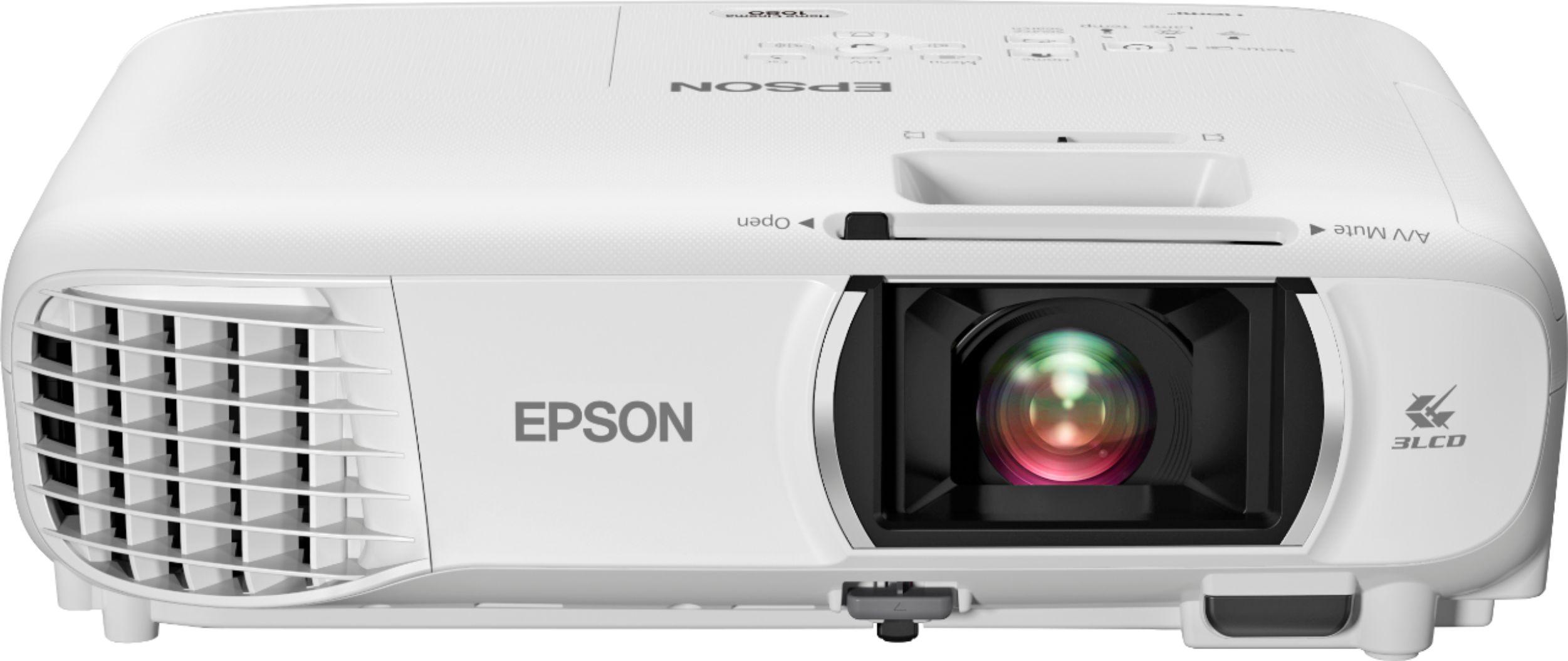
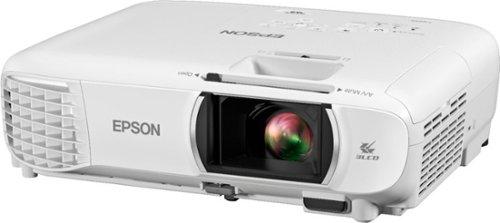
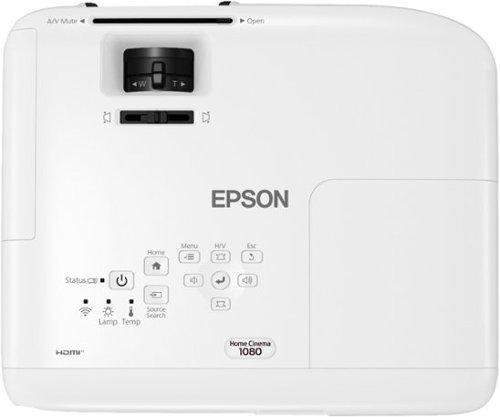
By contrast, the Epson Home Cinema 1080, released in 2020, follows the conventional home theater projector formula that has been refined over decades. Its rectangular design, high brightness output, and extensive connectivity options are geared toward a more permanent setup in a dedicated viewing space.
Epson has long been a leader in the projector market, particularly with their 3LCD technology (more on this later), and the Home Cinema 1080 represents their effort to bring quality projection to a more affordable price point without sacrificing the essentials that home theater enthusiasts expect.
Both projectors deliver 1920×1080 (Full HD) resolution, which remains the most common standard for mainstream content consumption. While 4K projectors have become more affordable in recent years, they still command a significant price premium, making 1080p a sweet spot for value-conscious buyers.
At typical viewing distances on 80-100 inch screens, 1080p resolution provides excellent detail for most movies, TV shows, and games. That said, if you're planning to project at sizes above 120 inches, the pixel structure might become noticeable with either of these units.
Here's where we see one of the most dramatic differences between these projectors:
The BenQ GV50 outputs 500 ANSI lumens using a laser light source. For context, ANSI lumens is a standardized measurement of brightness that allows for fair comparison between projectors. 500 ANSI lumens is sufficient for viewing in a completely darkened room with a modest screen size (around 80 inches or less), but it will struggle as soon as there's ambient light present.
The Epson Home Cinema 1080, meanwhile, cranks out a massive 3,400 lumens. This nearly seven-fold brightness advantage represents a fundamental difference in capability. The Epson can comfortably project in rooms with some ambient light, making it suitable for daytime viewing or in living rooms where total darkness isn't practical.
I've tested projectors across the brightness spectrum, and this difference is substantial. With the BenQ, you'll be pulling curtains closed and turning off lights even in the evening, while the Epson can deliver a watchable (though somewhat washed out) image even with some lights on.
The BenQ GV50 boasts a 100,000:1 contrast ratio using DLP (Digital Light Processing) technology with a laser light source. DLP projectors use tiny mirrors on a semiconductor chip called a DMD (Digital Micromirror Device) that flip thousands of times per second to create the image. The laser light source provides consistent brightness throughout its lifespan and enables the projector to display deeper blacks compared to traditional lamp projectors—but only in optimal dark conditions.
The Epson utilizes 3LCD technology, which splits light through three separate LCD panels (one each for red, green, and blue) before recombining them to create the final image. This approach offers two key advantages: equally bright color and white output (preventing color washout in bright scenes) and elimination of the "rainbow effect" (a visual artifact where some viewers see momentary color flashes) that can affect some DLP projectors like the BenQ.
The Epson's 16,000:1 contrast ratio is lower on paper, but the higher brightness gives it more practical contrast in environments with ambient light. For pure home theater use in a completely darkened room, the BenQ's higher contrast might provide more depth in dark scenes, but this advantage quickly disappears if there's any light in the room.
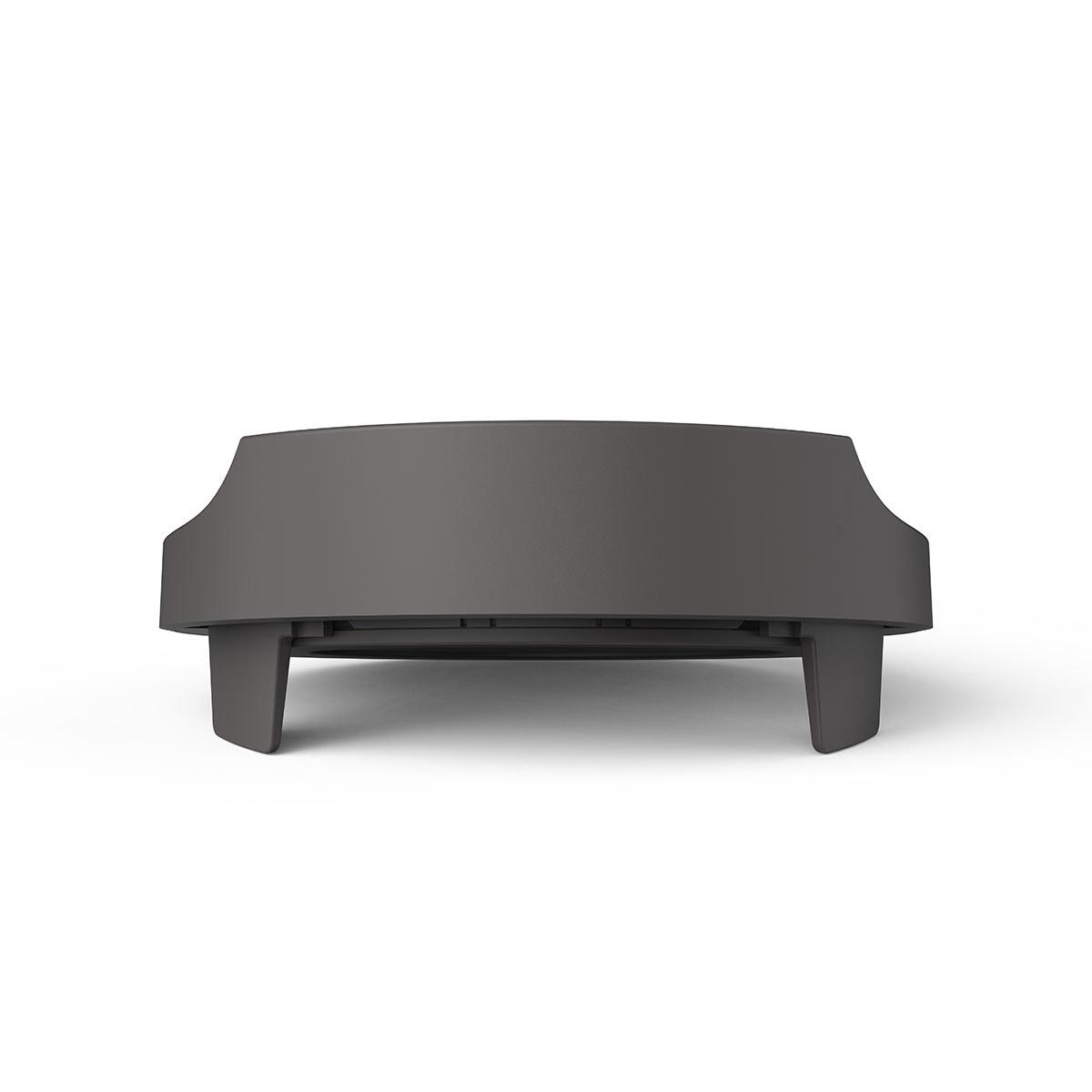
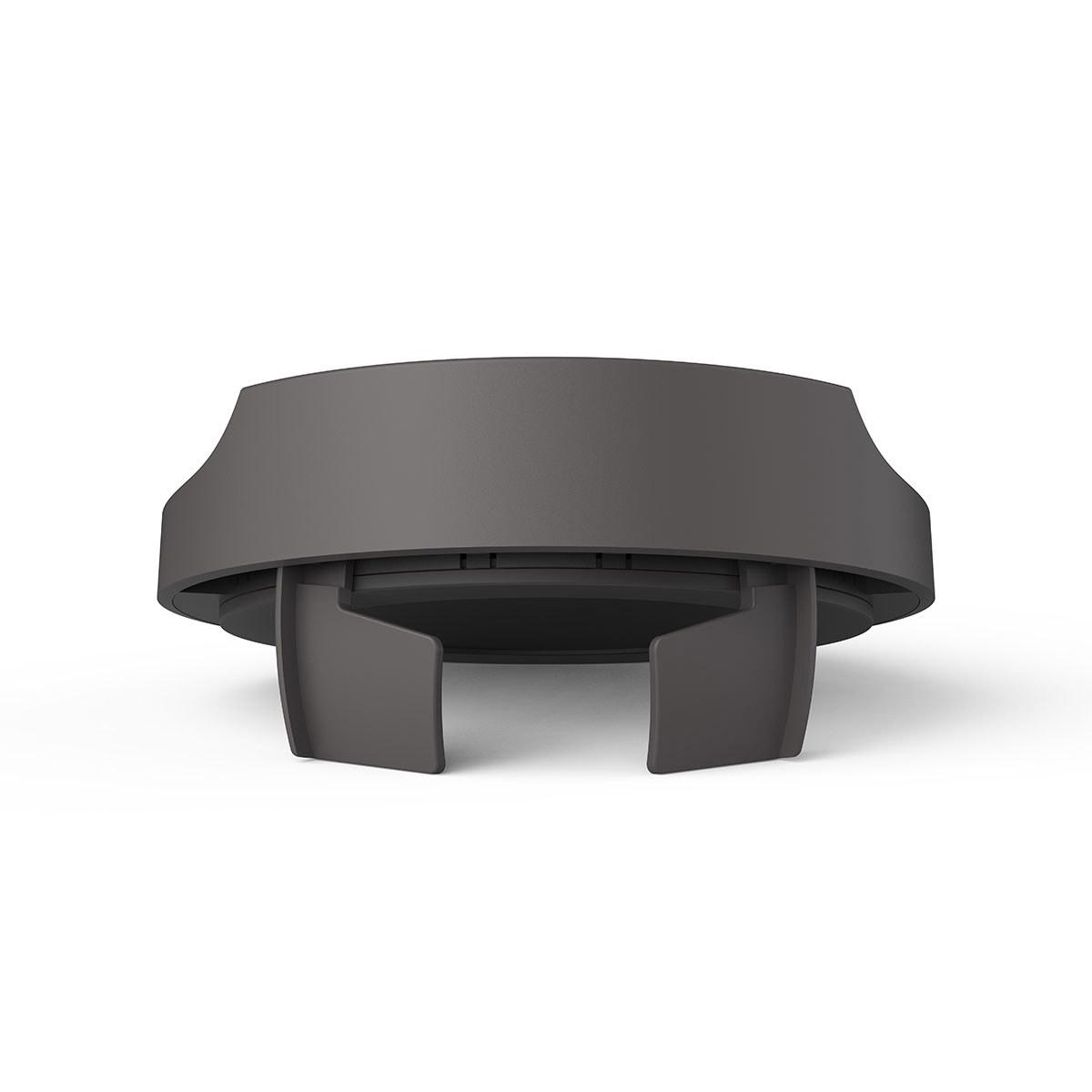
The most distinctive feature of the BenQ GV50 is its adjustable base design, which allows for 360-degree rotation and 135-degree vertical tilt adjustment. This makes it uniquely suited for ceiling projection—a use case most projectors weren't designed for.
The GV50 incorporates what BenQ calls "Smart Screen Adaption," which automatically handles focus, keystone correction (the digital adjustment that maintains rectangular image shape when projecting at angles), and even obstacle avoidance. These features compensate for one of the biggest headaches of casual projection: getting the image properly aligned and shaped.
At 2.1kg (4.6 pounds), it's light enough to move around the house or take to a friend's place. The built-in rechargeable battery that lasts up to 2.5 hours means you could even use it outdoors for a backyard movie night without running extension cords.
The Epson Home Cinema 1080 follows a more traditional design philosophy. At 2.8kg (6.2 pounds), it's still relatively portable by home theater standards, but it's clearly designed for more permanent installation.
It offers a 1.2x optical zoom lens, which provides some flexibility in placement relative to your screen. Optical zoom adjusts the image size without digital scaling (which can reduce quality), giving you some wiggle room in where you position the projector.
The Epson includes both vertical and horizontal keystone correction (±30°), but unlike the BenQ, these adjustments are manual rather than automatic. It's designed to be placed either on a table in front of your viewing area or mounted permanently on the ceiling—the standard approach for dedicated home theaters.
The BenQ GV50 runs on Google TV (Android 11), essentially incorporating a complete streaming device within the projector itself. This gives you direct access to Netflix, YouTube, Disney+, and thousands of other apps without connecting any external devices.
Voice control via Google Assistant lets you search for content, adjust settings, or control smart home devices right from the projector. The system also supports wireless casting via both AirPlay (for Apple devices) and Google Cast (for Android and Chrome), making it easy to share content from your phone or laptop.
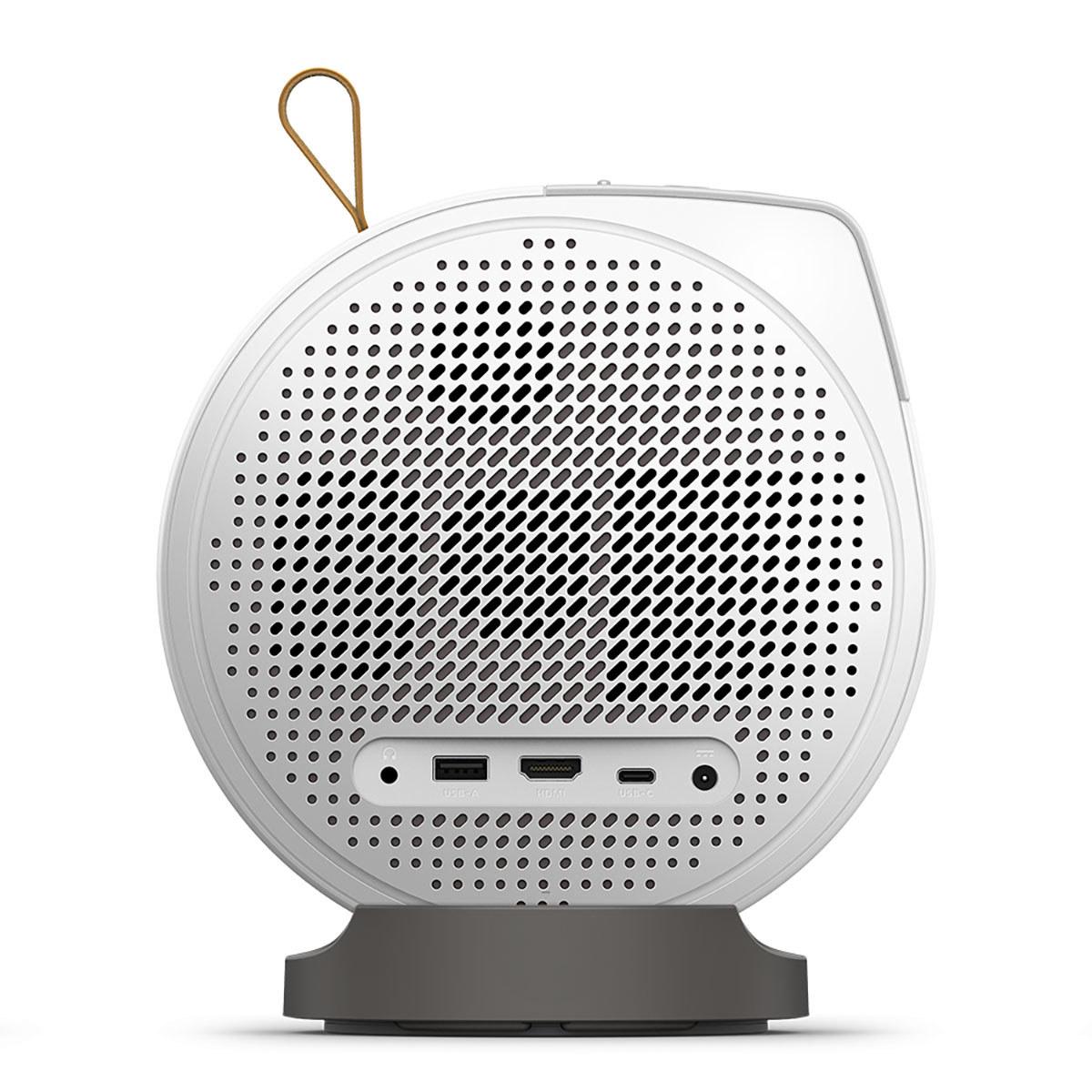
For physical connections, the GV50 includes one HDMI port, one USB-A port for connecting external storage, and a USB-C port that can handle both data and video input. These options are somewhat limited compared to traditional home theater projectors, but the wireless capabilities largely compensate for this.
The Epson takes a more traditional approach, focusing on being an excellent display rather than a complete entertainment system. It has no built-in streaming apps or voice assistants, expecting you to connect external devices like streaming sticks, Blu-ray players, or gaming consoles.
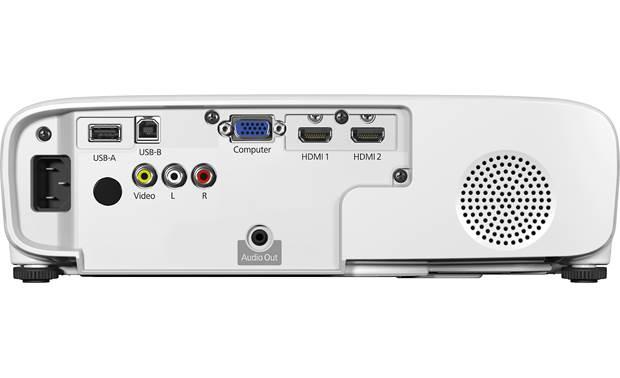
It compensates with more extensive connectivity: two HDMI ports, VGA for older computers, composite video for legacy devices, and USB ports for both power and data. It does include built-in Wi-Fi with Miracast support for wireless screen mirroring, but this is more limited than the BenQ's full smart TV experience.
The advantage of this approach is that you can upgrade your streaming device separately from your projector. If a new streaming standard emerges or apps become outdated, you can simply swap out a $50 streaming stick rather than replacing the entire projector.
Audio is often an afterthought with projectors, but these two models take notably different approaches:
The BenQ GV50 features a remarkably good audio system for a portable projector: a 2.1 channel setup with two 4W speakers and a dedicated 10W woofer. Having tested many projectors, I can say this is significantly better than the tinny sound typically found in portable units.
It even includes a specialized "Ceiling Cinema Sound Mode" that optimizes audio when projecting upward—a thoughtful feature considering the projector's intended use case.
While audiophiles will still want external speakers for a proper home theater experience, the BenQ's built-in audio is entirely adequate for casual viewing, particularly in bedroom or portable scenarios where setting up external speakers would be inconvenient.
The Epson includes only a basic 2W mono speaker that's really intended for occasional use or system sounds. This is typical for traditional home theater projectors, which assume you'll connect to a proper sound system or at least external speakers.
The audio is functional enough to understand dialogue in a pinch, but it lacks any semblance of bass response or stereo separation. In a dedicated home theater setup, this isn't an issue since you'd use a separate audio system anyway, but it does limit the Epson's standalone versatility compared to the BenQ.
One of the BenQ GV50's key advantages is its laser light source, rated for 20,000 to 30,000 hours of use depending on the brightness mode. For perspective, that's about 10 years of use at 5-8 hours per day. Laser projectors maintain their brightness more consistently throughout their lifespan compared to lamp projectors, which gradually dim over time.
There are no lamps to replace, no filters to clean, and generally very little maintenance required over the projector's life. This "set it and forget it" approach aligns perfectly with the GV50's position as a lifestyle product rather than specialized home theater equipment.
The Epson uses a traditional 210W UHE lamp rated for 6,000 hours in Normal mode or up to 12,000 hours in ECO mode. This means you'll likely need to replace the lamp at least once (possibly twice) during the projector's useful lifespan, with replacement lamps costing around $79-150.
The upside is that lamp-based projectors often have a brightness advantage per dollar, as we see with the Epson's much higher lumen output. The projector also features easy access to the lamp and filter compartments, simplifying the replacement process when needed.
The BenQ excels in several scenarios that traditional projectors struggle with:
Bedroom ceiling projection: Its adjustable base and auto-keystone features make it perfect for projecting onto the ceiling while you lie in bed—something most projectors simply weren't designed to do.
Temporary setups: The battery power, integrated streaming, and auto-alignment features mean you can set it up quickly without running cables or performing complex adjustments.
Outdoor movie nights: Take it to the backyard or a camping trip, and you've got a complete entertainment system that runs on battery power.
Small apartments: When space is at a premium, the all-in-one nature of the BenQ (projector, speaker, and streaming device) minimizes clutter and setup complexity.
The Epson is better suited for more traditional projection scenarios:
Dedicated home theaters: In a controlled dark environment, its brightness and connection options make it ideal for a permanent setup.
Rooms with ambient light: The high brightness makes it usable even when complete darkness isn't possible, like in living rooms during the day.
Large screen sizes: With its superior brightness, the Epson can comfortably project at larger sizes (100+ inches) while maintaining good image quality.
Gaming: The higher brightness and more traditional placement options make it better suited for gaming setups where you might want to keep some lights on to see your controllers and surroundings.
At around $849, the BenQ GV50 is approximately $150 more expensive than the Epson. For that premium, you're getting:
The value proposition here is clear: you're paying extra for convenience, flexibility, and an all-in-one solution that works in scenarios where traditional projectors fall short.
At approximately $699, the Epson Home Cinema 1080 delivers:
The Epson represents better pure projection performance per dollar, especially if you already have external speakers and streaming devices, or plan to add them to your setup.
After comparing these projectors across multiple dimensions, the decision really comes down to your specific needs and the environments where you'll be using the projector most often.
Choose the BenQ GV50 if:
Choose the Epson Home Cinema 1080 if:
Both projectors represent excellent values within their respective categories. The BenQ GV50 pushes the boundaries of what portable projectors can do, creating new use cases that weren't previously practical. The Epson Home Cinema 1080 delivers excellent traditional projection performance at a price point that would have seemed impossible just a few years ago.
In the end, neither projector is objectively "better"—they're different tools designed for different purposes. By understanding the strengths and limitations of each, you can choose the one that will bring the most enjoyment to your specific viewing habits and environment.
Whether you opt for the innovative flexibility of the BenQ GV50 or the brightness and traditional performance of the Epson Home Cinema 1080, today's projector technology offers impressive performance at price points that make big-screen experiences accessible to more people than ever before.
| BenQ GV50 Full HD Smart Ceiling Projector | Epson Home Cinema 1080 Projector |
|---|---|
| Price - Your initial investment | |
| $849 (higher cost but includes more features) | $699 (better pure projection value) |
| Projection Technology - Affects color accuracy and potential artifacts | |
| DLP with laser light source | 3LCD with lamp light source |
| Brightness - Critical for visibility in ambient light | |
| 500 ANSI lumens (requires dark room) | 3,400 lumens (usable with ambient light) |
| Contrast Ratio - Impacts image depth and black levels | |
| 100,000:1 (superior in completely dark rooms) | 16,000:1 (good for standard home theaters) |
| Light Source Lifespan - Long-term maintenance consideration | |
| Laser: 20,000-30,000 hours (no replacement needed) | Lamp: 6,000-12,000 hours (will require replacement) |
| Smart Features - Access to streaming content | |
| Google TV OS built-in with voice assistant | None (requires external streaming device) |
| Audio System - Determines need for external speakers | |
| 18W 2.1 channel (2x 4W speakers + 10W woofer) | Basic 2W mono speaker (external audio recommended) |
| Portability - Flexibility for different setups | |
| 2.1kg with built-in battery (2.5 hours playback) | 2.8kg, no battery (requires constant power) |
| Placement Flexibility - Affects where you can position the projector | |
| 360° rotation and 135° vertical adjustment with auto keystone | Standard placement with 1.2x optical zoom, manual keystone (±30°) |
| Connectivity - Options for external devices | |
| 1x HDMI, USB-A, USB-C, Wi-Fi, Bluetooth, AirPlay, Google Cast | 2x HDMI, VGA, composite, USB-A, USB-B, Wi-Fi with Miracast |
| Ideal Use Case - Where each projector performs best | |
| Bedroom ceiling projection, portable use, complete all-in-one solution | Dedicated home theaters, ambient light conditions, larger screens |
The Epson Home Cinema 1080 Projector is significantly brighter at 3,400 lumens compared to the BenQ GV50 at only 500 ANSI lumens. This makes the Epson much better for rooms with ambient light, while the BenQ GV50 requires a dark room for optimal viewing.
The BenQ GV50 Smart Ceiling Projector is specifically designed for ceiling projection with its 360° rotation and 135° vertical adjustment capabilities. The Epson Home Cinema 1080 can be used for ceiling projection, but it requires a permanent ceiling mount installation rather than flexible positioning.
The BenQ GV50 has significantly better audio with an 18W 2.1 channel system (two 4W speakers plus a 10W woofer) compared to the Epson Home Cinema 1080's basic 2W mono speaker. For standalone use without external speakers, the BenQ GV50 delivers much better sound quality.
The BenQ GV50 comes with Google TV built-in, providing access to Netflix, Disney+, YouTube, and thousands of other streaming apps without requiring external devices. The Epson Home Cinema 1080 does not have built-in streaming capabilities and requires an external streaming device like a Roku or Apple TV.
The Epson Home Cinema 1080 is generally better for gaming due to its higher brightness, which allows you to game with some ambient light so you can see your controllers. The BenQ GV50 can work for casual gaming but its lower brightness makes it less ideal for competitive gaming where seeing details quickly is important.
The BenQ GV50 is better suited for outdoor movie nights because it has a built-in battery that lasts up to 2.5 hours, built-in speakers, and doesn't require external streaming devices. The Epson Home Cinema 1080 would need power outlets, external speakers, and a streaming device for outdoor use.
The BenQ GV50 has a higher contrast ratio of 100,000:1 compared to the Epson Home Cinema 1080's 16,000:1. In theory, this means the BenQ can produce deeper blacks, but this advantage is only noticeable in completely dark rooms.
Neither the BenQ GV50 nor the Epson Home Cinema 1080 offers 4K resolution. Both projectors provide Full HD 1920×1080 resolution, which is still excellent for most content viewing at typical screen sizes up to 100 inches.
The BenQ GV50 requires less maintenance with its laser light source rated for 20,000-30,000 hours with no lamp replacements needed. The Epson Home Cinema 1080 uses a traditional lamp rated for 6,000-12,000 hours that will need replacement every few years, depending on usage.
The Epson Home Cinema 1080 is better for a dedicated home theater due to its higher brightness, multiple connectivity options, and traditional design meant for permanent installation. The BenQ GV50 is more suited for flexible, multi-purpose spaces rather than dedicated home theaters.
The BenQ GV50 is significantly more portable at 2.1kg with a built-in battery for cord-free operation. The Epson Home Cinema 1080 is heavier at 2.8kg and requires a constant power connection, making it less suitable for moving between locations.
The BenQ GV50 Smart Ceiling Projector costs approximately $849, which is about $150 more than the Epson Home Cinema 1080 Projector at around $699. The price difference reflects the BenQ's additional features like built-in Google TV, battery power, and laser light source.
We've done our best to create useful and informative comparisons to help you decide what product to buy. Our research uses advanced automated methods to create this comparison and perfection is not possible - please contact us for corrections or questions. These are the sites we've researched in the creation of this article: thewellnessinsider.asia - bhphotovideo.com - thetechnovore.com - howtogeek.com - projectorcentral.com - projectorcentral.com - techradar.com - adorama.com - projectorcentral.com - thesmarthomehookup.com - youtube.com - youtube.com - whathifi.com - youtube.com - cdw.com - projectorcentral.com - youtube.com - crutchfield.com - bestbuy.com - officedepot.com - bestbuy.com - bestbuy.com - audioholics.com - rtings.com - avsforum.com - projectorcentral.com - audiogeneral.com - projectorreviews.com - rtings.com - epson.com - youtube.com - epson.com - projectorreviews.com - projectorreviews.com - walmart.com - shop.avispl.com - bhphotovideo.com - staples.com - mediaserver.goepson.com - staples.com - bhphotovideo.com - epson.com - epson.com - dell.com - epson.com - bestbuy.com

Privacy Policy
Terms and Conditions - Affiliate Policy
Home Security
© Copyright 2008-2026.
11816 Inwood Rd #1211, Dallas, TX 75244