


Remember when having a projector at home seemed like an extravagant luxury? Those days are long gone. Home projectors have transformed from bulky, dim machines into sophisticated entertainment systems that can turn any wall into an immersive screen. But with so many options available, choosing the right projector for your needs can feel overwhelming.
Today, we're comparing two popular Epson projectors that represent different approaches to home entertainment: the compact Epson EpiqVision Mini EF11 Laser Projector and the traditional Epson Home Cinema 1080 Projector. Though they both aim to bring big-screen experiences into your home, they tackle this goal through distinctly different designs and technologies.
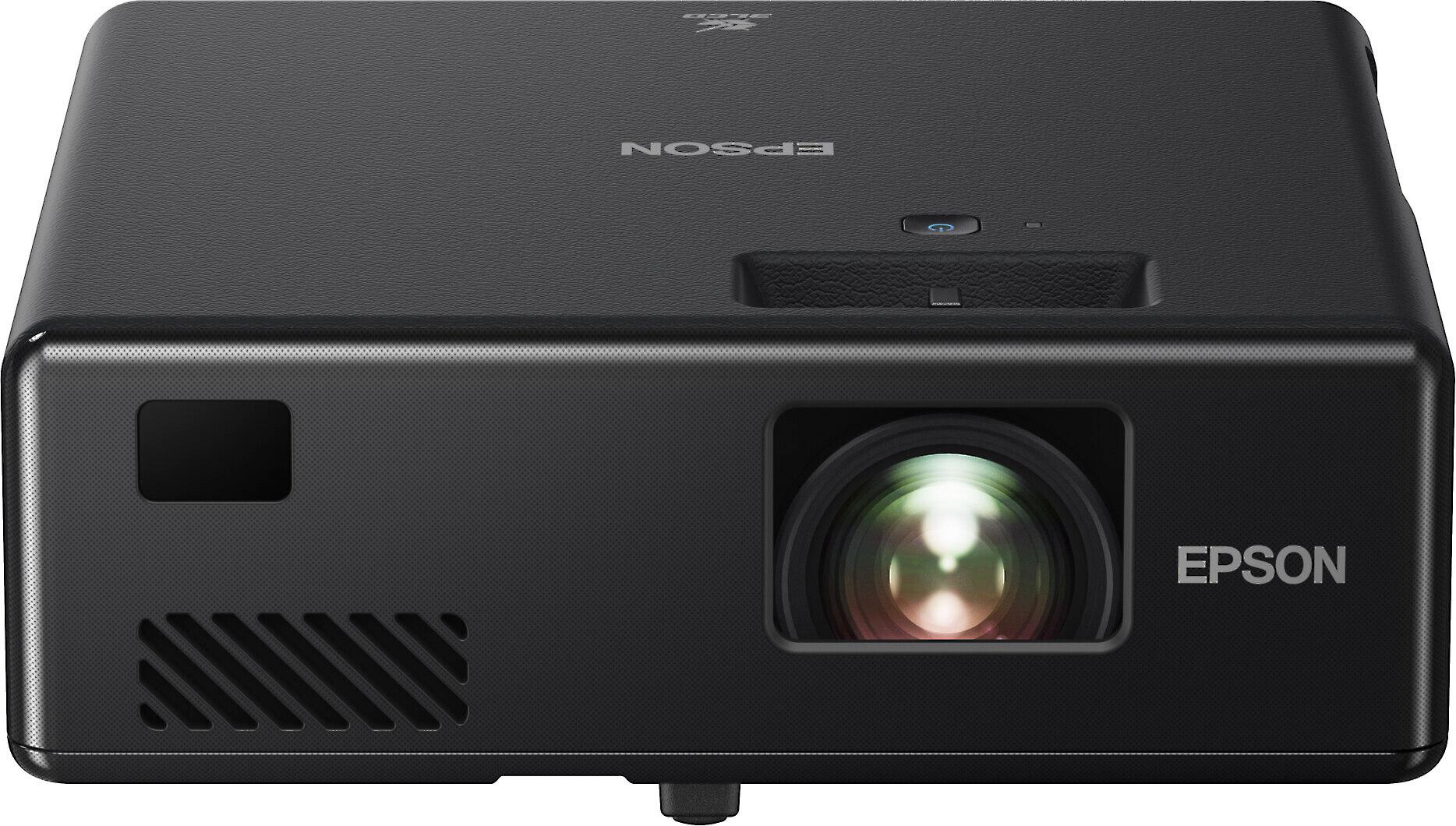
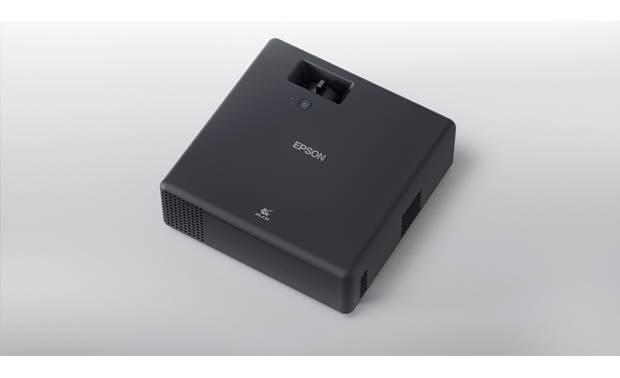
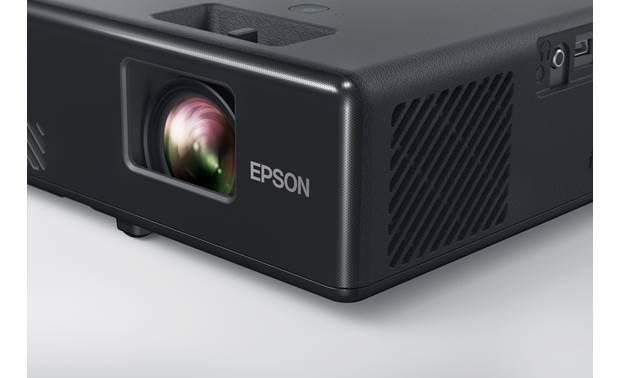
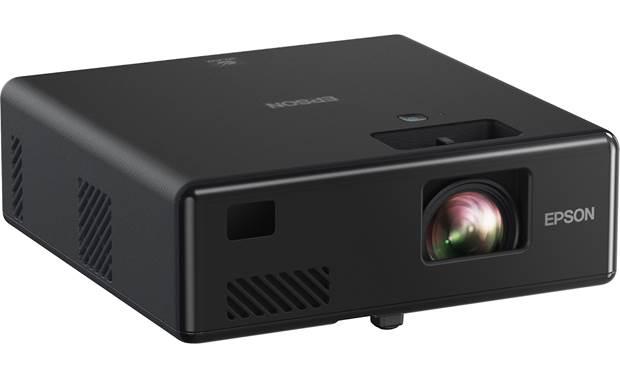
Released in late 2020, the EF11 represents Epson's push into the premium portable projector market. This compact cube-shaped projector measures just 6.9" × 6.9" × 2.6" and weighs a mere 2.7 pounds—about the same as a small laptop. Despite its diminutive size, it packs sophisticated technology including a laser light source and Epson's proven 3LCD display system.
The EF11 arrived during a time when portable entertainment became increasingly important, with many people creating flexible entertainment spaces throughout their homes. Its release represented a significant technological step forward, as it was one of the first truly portable projectors to use laser technology rather than traditional lamps.
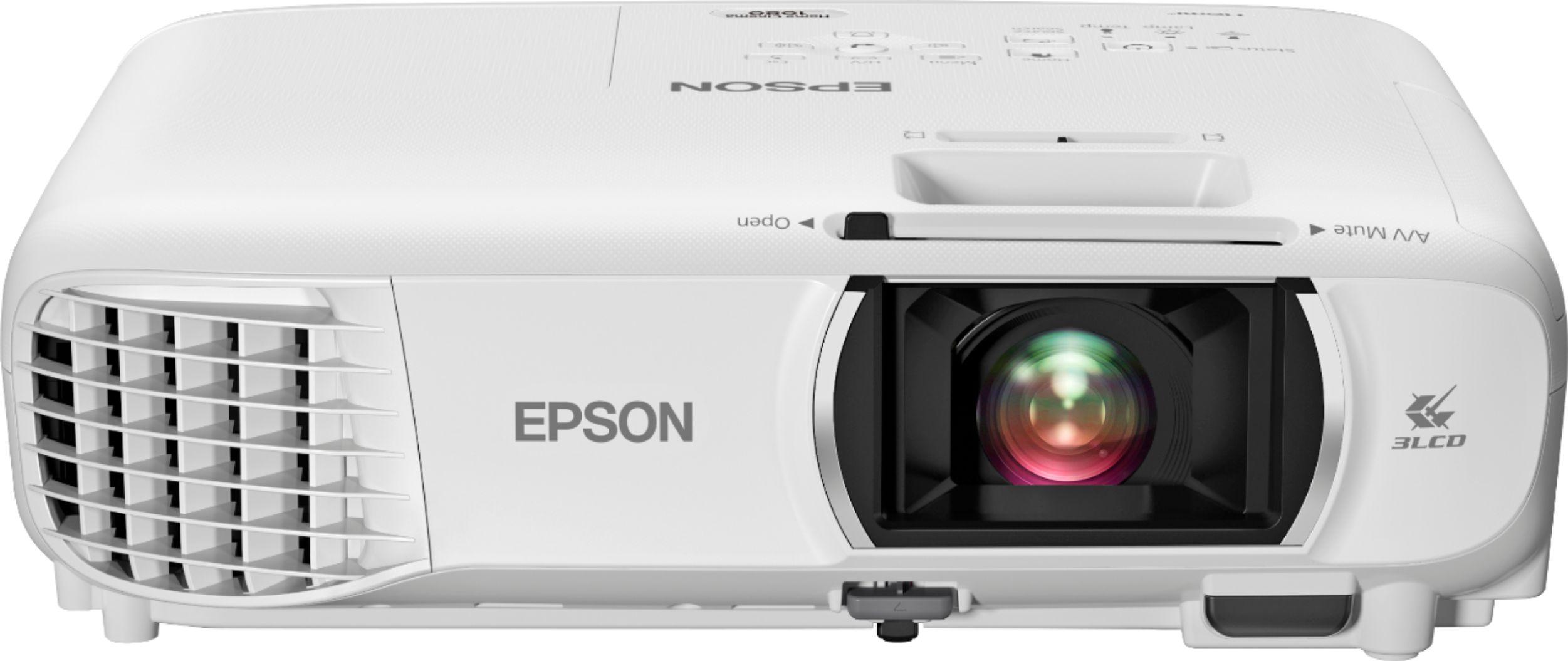
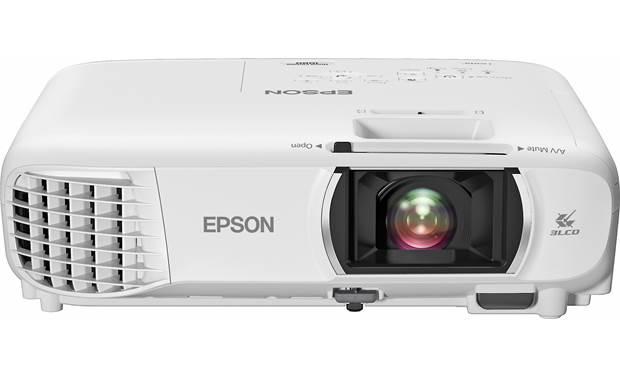
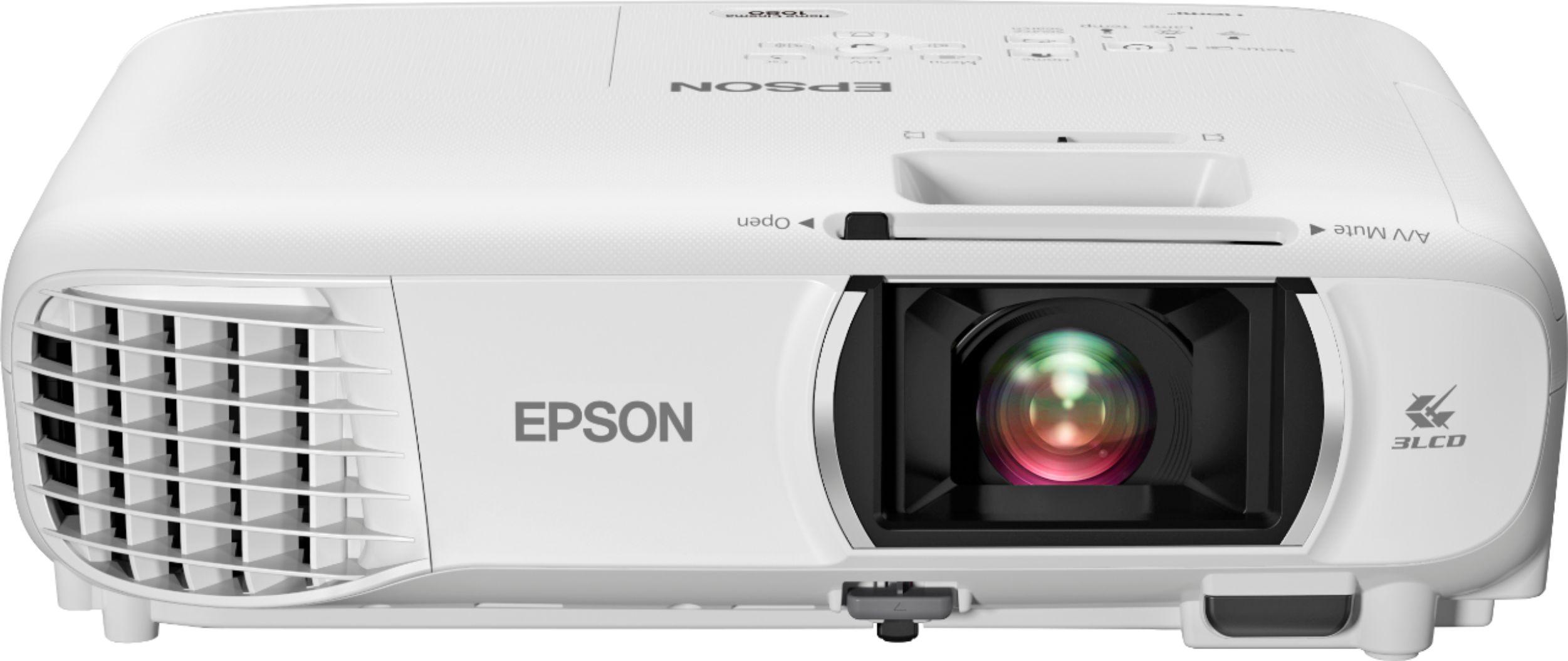
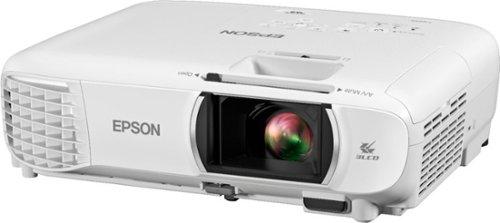
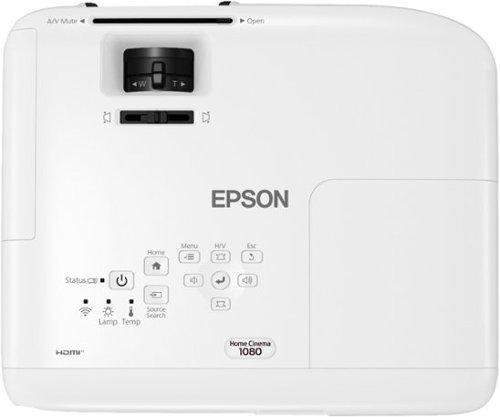
Released in 2019, the Home Cinema 1080 follows a more conventional projector design philosophy. At 11.9" × 9.9" × 3.6" and weighing 6.2 pounds, it's significantly larger than the EF11 but still compact compared to many home theater projectors. The Home Cinema 1080 uses a traditional UHE (Ultra High Efficiency) lamp rather than a laser light source.
This projector was designed for users seeking a dedicated home theater experience at an accessible price point, bringing bright, large-format 1080p projection to budget-conscious consumers without sacrificing core performance.
Both projectors utilize Epson's proprietary 3LCD technology, which is worth understanding if you're new to projectors. Unlike single-chip DLP projectors (Digital Light Processing) that use a color wheel, 3LCD projectors employ three separate LCD panels—one each for red, green, and blue light. This design produces every color simultaneously rather than in sequence, eliminating the "rainbow effect" that some viewers notice with DLP projectors, where bright objects can momentarily separate into rainbow-colored edges, especially when you move your eyes across the screen.
The 3LCD approach also ensures that color brightness matches white brightness—something not true of all projection technologies. When a manufacturer lists a single brightness number for a non-3LCD projector, it's often referring only to white brightness, while actual colors may appear significantly dimmer.
Both the EF11 and the Home Cinema 1080 offer Full HD 1920×1080 resolution, which remains the sweet spot for most content today. While 4K projectors exist, they typically command a significant price premium, and these 1080p projectors deliver excellent detail for most viewing scenarios, especially for streaming content, gaming, and watching Blu-rays.
At typical viewing distances, 1080p resolution on screens up to about 120 inches provides a crisp, detailed image without visible pixelation. Both projectors handle this baseline resolution equally well, so the differences come down to other aspects of image quality.
Here's where these projectors diverge significantly. Brightness, measured in lumens, dictates how visible your projected image will be under various lighting conditions and at different screen sizes.
The EF11 outputs 1,000 lumens, which is modest compared to many home theater projectors. However, the laser light source provides an advantage in perceived brightness and contrast. Laser projectors often appear brighter than their lumen ratings suggest because the light is more focused and consistent across the entire image.
In practice, the EF11 performs best in controlled lighting environments—rooms where you can dim the lights or draw the curtains. Under these conditions, it produces vibrant images up to about 100 inches diagonal before brightness becomes a limiting factor. I've found that even with the EF11's relatively modest lumen output, it delivers surprisingly punchy images in properly darkened rooms.
By contrast, the Home Cinema 1080 blasts out 3,400 lumens—more than three times the brightness of the EF11. This massive light output makes it substantially more versatile for rooms with ambient light or for those wanting larger screen sizes. You can comfortably view a 120-inch image even with some lights on or blinds partially open.
This brightness advantage is significant for family rooms, living rooms with windows, or spaces where completely controlling ambient light isn't practical. I've used similar brightness-class projectors in my living room during daytime with curtains drawn (but not blackout curtains), and while the image is washed out compared to nighttime viewing, it remains perfectly watchable for casual content.
Contrast ratio—the difference between the brightest whites and darkest blacks a projector can produce—is arguably more important than raw brightness for creating a cinematic image.
The EF11 boasts an impressive 200,000:1 contrast ratio. Laser light sources can shut off completely for black areas of the image, resulting in deeper blacks than traditional lamp projectors can achieve. This gives the EF11 a distinct advantage in scenes with both bright and dark elements, like a starry night sky or a shadowy scene with highlights.
In real-world viewing, this translates to more detail in dark scenes and a greater sense of image depth. When watching films like "Dune" or "The Batman" that feature many dark scenes, the EF11's ability to render deep blacks prevents that "washed out gray" look that plagues projectors with poor contrast.
The Home Cinema 1080 offers a 16,000:1 contrast ratio—respectable for a lamp-based projector but nowhere near the EF11's performance in this regard. Lamp-based projectors always emit some light even for black screen areas, resulting in blacks that appear more dark gray than true black.
This becomes most noticeable when watching in a completely darkened room. In spaces with some ambient light, the difference in contrast becomes less apparent as room light already raises the black floor.
Both projectors benefit from Epson's mature 3LCD technology, which is known for excellent color reproduction. However, there are subtle differences in how they handle color.
The EF11 includes Scene Adaptive Color Correction, which analyzes content in real-time and adjusts color rendering accordingly. This is particularly helpful when switching between different types of content—from animated films to nature documentaries to live sports—as each benefits from different color emphasis.
In my experience, the EF11's color handling is slightly more refined, with particularly natural skin tones and subtle gradations in scenes with delicate color transitions, like sunsets or underwater sequences.
The Home Cinema 1080 offers slightly more saturated colors out of the box, which many viewers find appealing, especially for vivid content like animated films or sports. Its 10-bit color processing ensures smooth color gradients without banding (visible steps between color shades).
Both projectors offer multiple color modes to suit different content types and viewing environments, including Dynamic, Vivid, Bright Cinema, and Cinema modes.
At just 2.7 pounds, the EF11 is genuinely portable. I've moved it between rooms, taken it to friends' houses, and even used it outdoors for movie nights simply by connecting it to a power bank. Its cube-shaped design feels modern and takes minimal space when set up.
The 1.0:1 throw ratio means it projects an 80-inch image from about 7 feet away. For flexibility, it offers Auto Picture Skew Correction, which uses sensors to detect when the projector isn't perfectly perpendicular to the screen and automatically corrects the image geometry. It can compensate for vertical keystone distortion up to ±34° and horizontal keystone distortion up to ±40°.
"Keystone correction" refers to the digital adjustment that corrects the trapezoid shape that occurs when a projector isn't perfectly aligned with the screen. While all digital keystone correction slightly reduces image quality, the EF11's implementation is subtle enough that most viewers won't notice.
The Home Cinema 1080 takes a different approach to setup flexibility. While less portable at 6.2 pounds, it offers a 1.2x optical zoom lens, which provides more placement options without resorting to digital corrections that can reduce image quality. Its throw ratio range of 1.02-1.23:1 gives you about 20% flexibility in placement distance.
For example, for a 100-inch screen, you could position the projector between approximately 8.5 and 10.2 feet from the screen, depending on zoom setting. This flexibility is particularly valuable in rooms where mounting options may be limited by ceiling joists, lighting fixtures, or other constraints.
The Home Cinema 1080 offers similar keystone correction capabilities (±30° both vertically and horizontally) and includes its own picture skew sensor for automatic adjustment.
One of the EF11's most compelling advantages is its 20,000-hour laser light source. In practical terms, this means you could use the projector for five hours every day for over 10 years before the light source would need replacement. For most users, this effectively makes the EF11 maintenance-free throughout its useful life.
This maintenance-free design becomes especially valuable over time. Traditional projector lamps not only require replacement but also gradually dim and shift in color temperature as they age. The EF11's laser maintains consistent brightness and color characteristics throughout its lifespan.
By contrast, the Home Cinema 1080 uses a 210W UHE lamp rated for 6,000 hours in Normal mode or up to 12,000 hours in ECO mode. For a typical user watching movies on weekends and occasionally during the week, this might mean a lamp replacement every 3-5 years, at a cost of approximately $99-150 per replacement.
Beyond the direct cost, lamp replacement involves opening the projector, carefully removing and installing components, and potentially realigning settings. It's not particularly difficult, but it's certainly less convenient than the EF11's maintenance-free approach.
Traditionally, projector built-in speakers have been afterthoughts—tinny, underpowered additions barely suitable for business presentations, let alone movie watching. Both of these projectors attempt to improve on this reputation, with varying degrees of success.
The EF11 includes a thoughtfully designed dual-speaker audio system, with separate drivers for high frequencies and bass. While it won't replace a proper surround sound system, it delivers surprisingly engaging audio for its size—roughly comparable to a decent Bluetooth speaker.
For casual viewing, impromptu movie nights, or situations where setting up external speakers isn't practical, the EF11's built-in audio is genuinely usable. I've found it perfectly adequate for watching TV shows or YouTube videos in smaller rooms.
The Home Cinema 1080 includes a more conventional 2W mono speaker that provides functional but unremarkable sound. It's adequate for system sounds or brief clips but falls short for extended viewing of films or TV shows.
The assumption with this projector is that users will connect it to an external audio system, whether that's a simple soundbar, powered speakers, or a full AV receiver and surround sound setup. For home theater applications, this is the right approach anyway, but it does mean the Home Cinema 1080 requires additional components to deliver a complete experience.
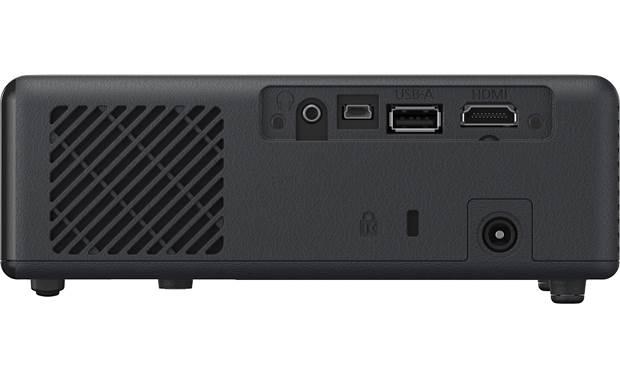
The EF11 keeps things simple with a single HDMI port plus USB Type-A and Type-B ports. The HDMI port handles most content sources—streaming sticks like Roku or Fire TV, game consoles, Blu-ray players, or laptops.
This streamlined approach matches the projector's portable philosophy but does mean you'll need an HDMI switch if you have multiple devices to connect simultaneously.
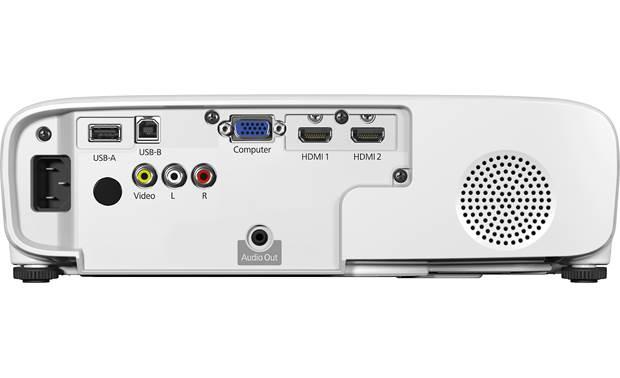
The Home Cinema 1080 offers more comprehensive connectivity with two HDMI ports, VGA for older computers, composite video for legacy devices, and both USB Type-A and Type-B ports. It also includes built-in Wi-Fi with Miracast support for wireless screen mirroring from compatible smartphones, tablets, and computers.
This broader connectivity suite makes the Home Cinema 1080 more versatile for homes with multiple devices or older equipment that lacks HDMI output.
Both projectors typically retail in a similar price range:
Where these projectors differ significantly is in their long-term value proposition:
The EF11's laser light source eliminates lamp replacement costs, potentially saving $200-300 over the projector's lifetime. It also maintains consistent brightness and color performance throughout its life, whereas lamp-based projectors gradually dim and may shift in color temperature as lamps age.
The Home Cinema 1080 counters with significantly higher brightness that makes it more versatile across different viewing environments and screen sizes. Its lower upfront cost might also be appealing to buyers with tight initial budgets who are willing to accept future lamp replacement costs.
The EF11 excels in these scenarios:
I've found the EF11 particularly well-suited to apartment living, where its portability lets you transform different rooms for movie night without permanently dedicating space to a home theater setup.
The Home Cinema 1080 proves superior for:
The Home Cinema 1080 excels in multipurpose rooms that can't be fully darkened, making it more practical for daytime viewing or rooms where family members might need some light for other activities during movie time.
When choosing between these projectors, consider these key factors:
In my experience, the Epson EpiqVision Mini EF11 represents the future of home projection—compact, maintenance-free, and designed for flexible living spaces. Its laser light source and sophisticated features make it feel like a premium product despite its relatively accessible price point.
The Epson Home Cinema 1080, meanwhile, delivers exceptional brightness-per-dollar value in a more traditional projector form factor. Its raw light output makes it more versatile across different viewing environments, though it lacks some of the EF11's refinement in contrast and convenience features.
Both projectors deliver excellent performance for their price points, but they serve somewhat different use cases. By carefully considering your specific viewing environment, portability needs, and image quality priorities, you can select the perfect projector to transform your home entertainment experience.
| Epson EpiqVision Mini EF11 Laser Projector | Epson Home Cinema 1080 Projector |
|---|---|
| Resolution - Determines image clarity and detail | |
| 1920 x 1080 (Full HD) | 1920 x 1080 (Full HD) |
| Brightness - Critical for viewing with ambient light | |
| 1,000 lumens (requires controlled lighting) | 3,400 lumens (handles ambient light well) |
| Contrast Ratio - Affects black levels and image depth | |
| 200,000:1 (exceptional black levels) | 16,000:1 (good but noticeably less deep blacks) |
| Light Source - Impacts maintenance costs and lifespan | |
| Laser (20,000 hour lifespan, maintenance-free) | UHE Lamp (6,000-12,000 hours, requires replacement) |
| Weight & Size - Determines portability and placement options | |
| 2.7 lbs, 6.9" × 6.9" × 2.6" (highly portable) | 6.2 lbs, 11.9" × 9.9" × 3.6" (semi-portable) |
| Throw Ratio - Affects how far from screen projector must be placed | |
| 1.0:1 (80" image from 7 feet away) | 1.02-1.23:1 with 1.2x optical zoom (more placement flexibility) |
| Maximum Screen Size - Impacts immersion potential | |
| Up to 150" diagonal | Up to 300" diagonal |
| Audio System - Determines need for external speakers | |
| Dual-speaker system with high-frequency and bass drivers (good for casual use) | Basic 2W mono speaker (external speakers recommended) |
| Connectivity - Affects compatibility with devices | |
| 1 HDMI, USB Type-A and Type-B | 2 HDMI, VGA, composite video, USB Type-A and Type-B, built-in Wi-Fi with Miracast |
| Keystone Correction - Helps achieve proper image geometry | |
| Vertical ±34°, Horizontal ±40° with Auto Picture Skew Correction | Vertical ±30°, Horizontal ±30° with built-in picture skew sensor |
| Typical Price - Overall value consideration | |
| $699-$799 (higher initial cost but no lamp replacements) | $649-$749 (lower initial cost but future lamp expenses) |
| Best Use Case - Helps match product to buyer needs | |
| Portable viewing, smaller dark rooms, users wanting maintenance-free operation | Rooms with ambient light, larger screens, multi-device setups |
The Epson Home Cinema 1080 Projector is significantly brighter with 3,400 lumens compared to the Epson EpiqVision Mini EF11 Laser Projector's 1,000 lumens. This makes the Home Cinema 1080 better for rooms with ambient light or larger screen sizes, while the EF11 requires more controlled lighting conditions for optimal viewing.
The Epson Home Cinema 1080 with its 3,400 lumens performs much better in bright rooms or spaces with ambient light. The Epson EpiqVision Mini EF11 with 1,000 lumens requires more light control, like drawn curtains or evening viewing, to produce a vibrant image.
The Epson EpiqVision Mini EF11 is ideal for small apartments due to its compact size (6.9" × 6.9" × 2.6"), light weight (2.7 lbs), and built-in speakers that eliminate the need for additional audio equipment. The Home Cinema 1080 is larger and heavier, making it less convenient for limited spaces.
The Epson EpiqVision Mini EF11 uses a laser light source rated for 20,000 hours (about 10 years of typical use), requiring no replacement. The Home Cinema 1080 uses a traditional lamp rated for 6,000 hours in Normal mode or 12,000 hours in ECO mode, requiring replacement every few years depending on usage.
While the initial prices are similar, the Epson EpiqVision Mini EF11 is more cost-effective long-term due to its maintenance-free laser light source. The Home Cinema 1080 requires lamp replacements ($99-150 each) every few years, adding to its lifetime cost despite a slightly lower initial price.
For dedicated home theaters with controlled lighting, the Epson EpiqVision Mini EF11 produces better image quality with its 200,000:1 contrast ratio providing superior black levels and image depth. However, in rooms with ambient light, the Home Cinema 1080's greater brightness might result in a more visible, though less contrasty, image.
The Epson Home Cinema 1080 supports larger screen sizes of up to 300 inches diagonal, while the Epson EpiqVision Mini EF11 maxes out at 150 inches. For truly immersive large-format viewing, the Home Cinema 1080 offers more flexibility with screen size.
The Epson EpiqVision Mini EF11 features a dual-speaker system that's adequate for casual viewing without external speakers. The Home Cinema 1080 includes only a basic 2W mono speaker that most users will want to supplement with external speakers or a sound system for satisfying audio quality.
The Epson EpiqVision Mini EF11 is significantly more portable at just 2.7 pounds with a compact cube design, making it easy to move between rooms or take to different locations. The Home Cinema 1080 weighs 6.2 pounds with a larger footprint, making it less convenient for frequent relocation.
Neither the Epson EpiqVision Mini EF11 nor the Home Cinema 1080 supports native 4K resolution. Both projectors have a native resolution of 1920 x 1080 (Full HD). They can accept 4K input signals but will downscale them to 1080p for display.
The Epson Home Cinema 1080 offers more comprehensive connectivity with two HDMI ports, VGA, composite video, USB ports, and built-in Wi-Fi with Miracast. The Epson EpiqVision Mini EF11 has more limited options with just one HDMI port and USB connections, requiring an HDMI switch for multiple devices.
For gaming in controlled lighting, the Epson EpiqVision Mini EF11 offers better contrast and potentially more vibrant image quality. However, the Home Cinema 1080 may be preferred by gamers who play in rooms with ambient light or who need multiple input connections for different gaming consoles. Neither projector is marketed with specifically low input lag for competitive gaming.
We've done our best to create useful and informative comparisons to help you decide what product to buy. Our research uses advanced automated methods to create this comparison and perfection is not possible - please contact us for corrections or questions. These are the sites we've researched in the creation of this article: bestbuy.com - bhphotovideo.com - youtube.com - bestbuy.com - gagadget.com - epson.com - projectorreviews.com - audiogeneral.com - projectorreviews.com - epson.com - youtube.com - epson.com - youtube.com - mediaserver.goepson.com - files.support.epson.com - staples.com - projectorcentral.com - bestbuy.com - planettv.com - dell.com - epson.eu - projectortop.com - crutchfield.com - bestbuy.com - officedepot.com - bestbuy.com - bestbuy.com - audioholics.com - rtings.com - avsforum.com - projectorcentral.com - audiogeneral.com - projectorreviews.com - rtings.com - epson.com - youtube.com - epson.com - projectorreviews.com - projectorreviews.com - walmart.com - shop.avispl.com - bhphotovideo.com - staples.com - mediaserver.goepson.com - staples.com - bhphotovideo.com - epson.com - epson.com - dell.com - epson.com - bestbuy.com

Privacy Policy
Terms and Conditions - Affiliate Policy
Home Security
© Copyright 2008-2026.
11816 Inwood Rd #1211, Dallas, TX 75244