

When it comes to bringing the big-screen experience home, projectors have evolved dramatically over the past decade. Today's market offers solutions for nearly every scenario—from dedicated home theaters to impromptu movie nights under the stars. The BenQ GS50 Portable Outdoor Projector and the Epson Home Cinema 1080 represent two distinct approaches to home projection that serve different needs and use cases.
Released in late 2021, the BenQ GS50 entered the market as a premium portable projector designed specifically for outdoor versatility. Meanwhile, the Epson Home Cinema 1080, launched in 2020, positioned itself as an affordable entry point into legitimate home theater projection. Since their releases, we've seen incremental improvements in both categories, but these models remain relevant contenders in their respective classes.
Understanding the fundamental differences between these projector types will help you make a more informed decision based on your specific viewing habits, space constraints, and budget considerations.
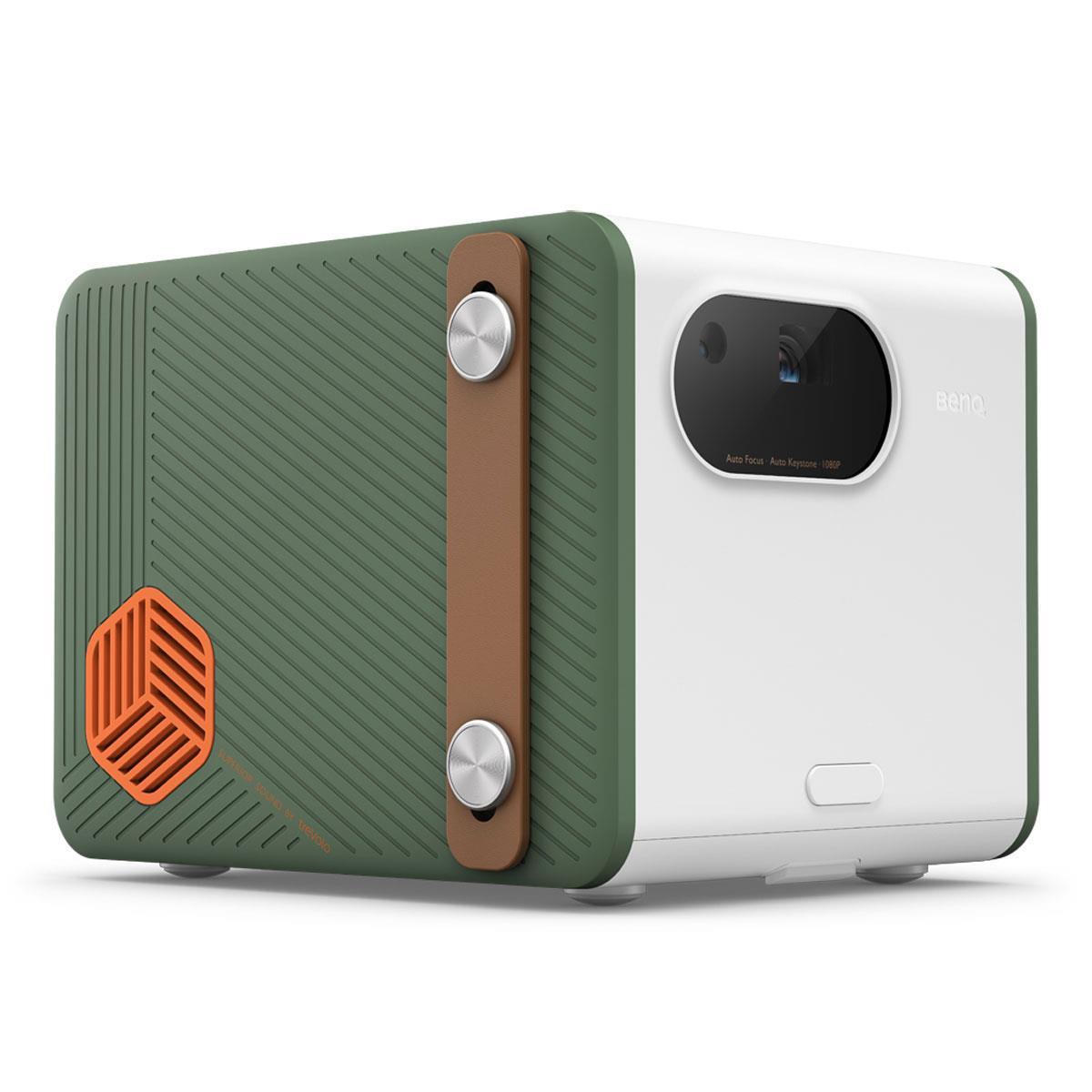
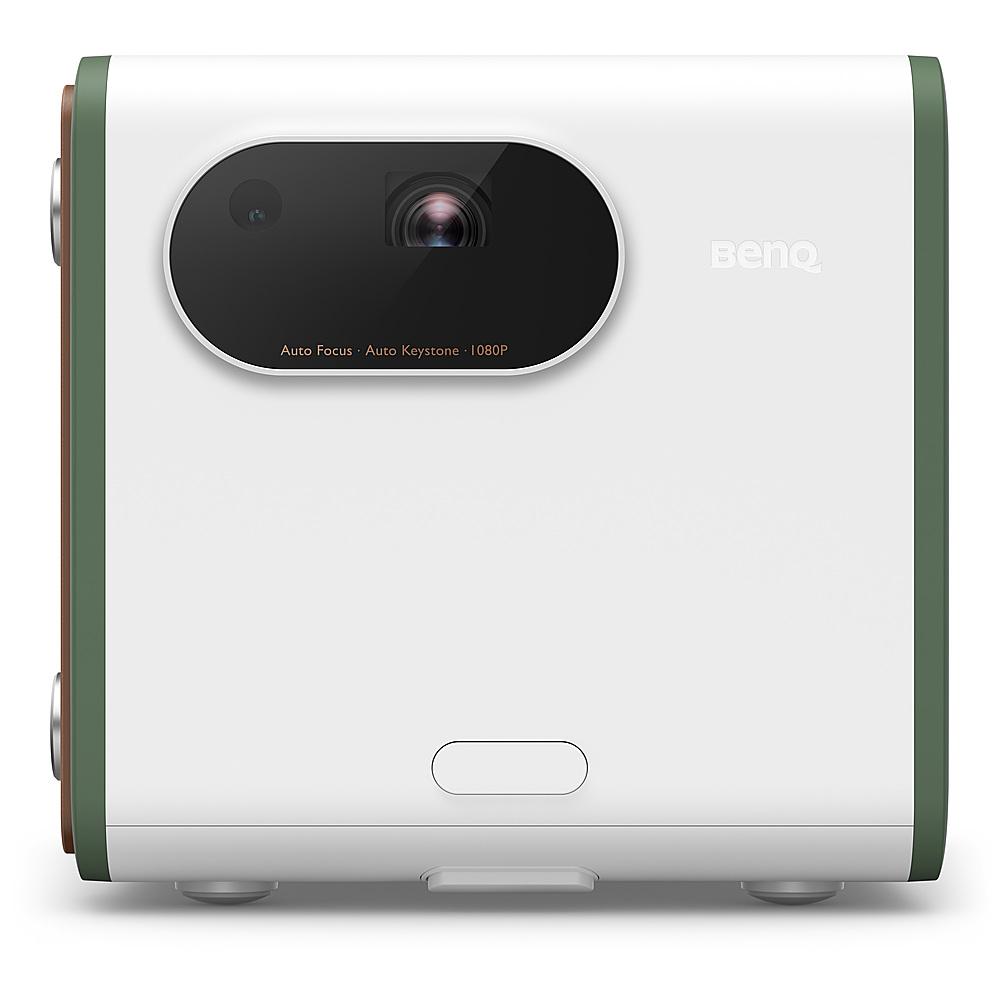
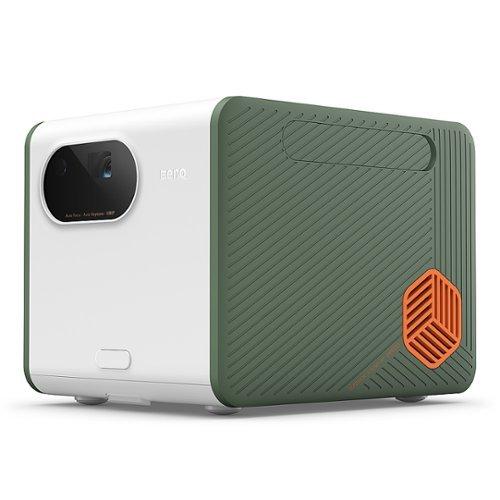
The BenQ GS50 embodies the modern portable projector concept with its thoughtful, lifestyle-oriented design. Weighing just 3.9kg (8.6 pounds) and featuring a stylish leather carrying handle, it's built for mobility from the ground up. The compact dimensions (15 x 19 x 15 cm) make it about the size of a lunch box, allowing it to fit easily into a backpack or travel bag.
What truly sets the GS50 apart from many portable projectors is its ruggedized construction. With an IPX2 splash resistance rating (meaning it can withstand water spraying at up to a 15-degree angle), it's designed to survive light rain or accidental drink spills. The drop resistance of up to 70cm (about 2.3 feet) provides additional peace of mind when setting up in less-than-ideal conditions like a campsite or backyard.
Perhaps most importantly, the built-in battery provides approximately 2.5 hours of playback—enough for most movies without requiring a power outlet. This true cordless operation opens up projection possibilities in places where running extension cords would be impractical or impossible.
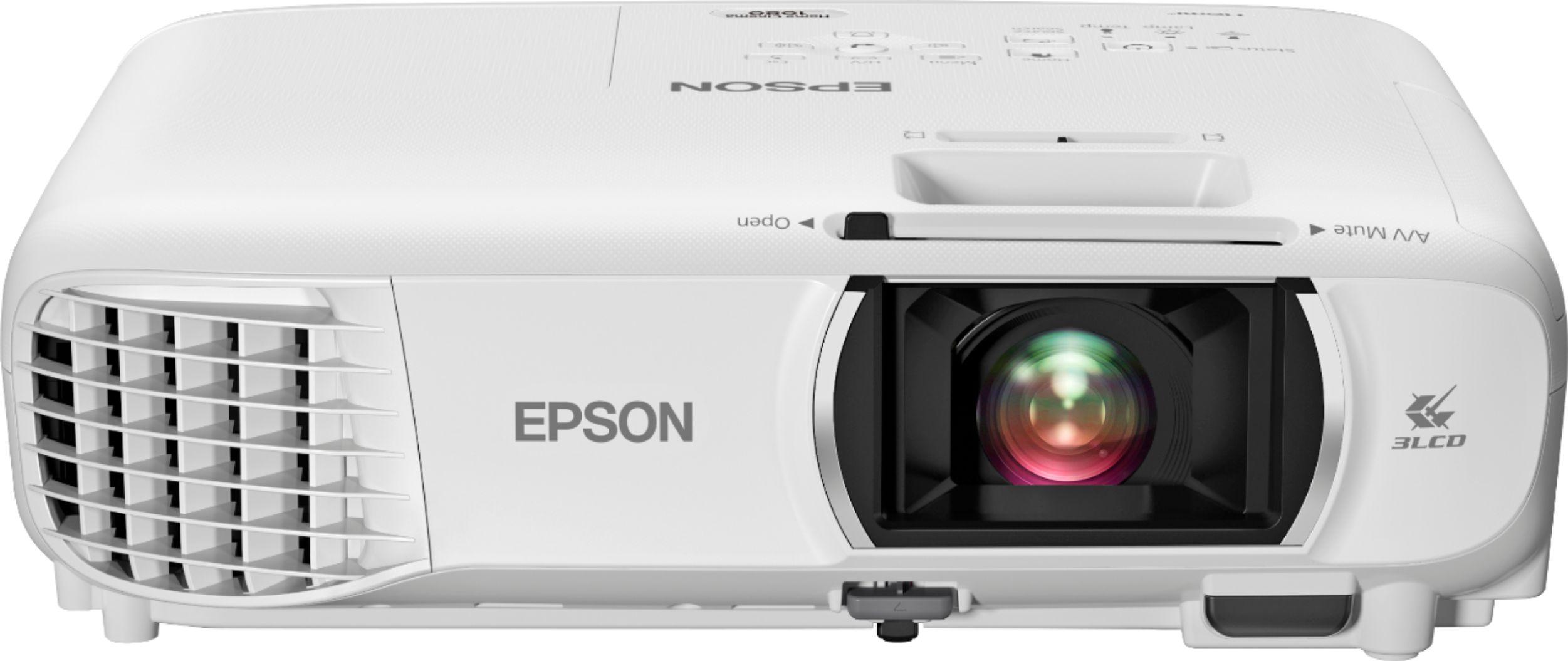
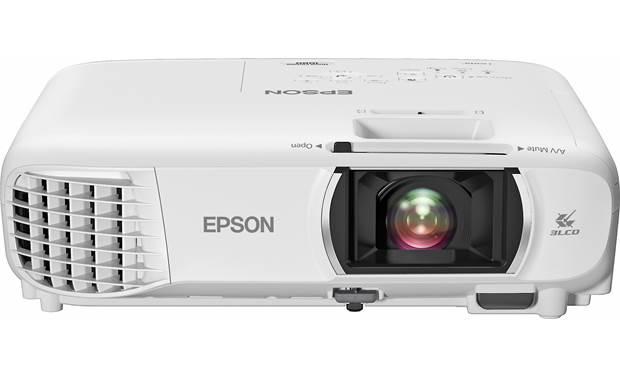
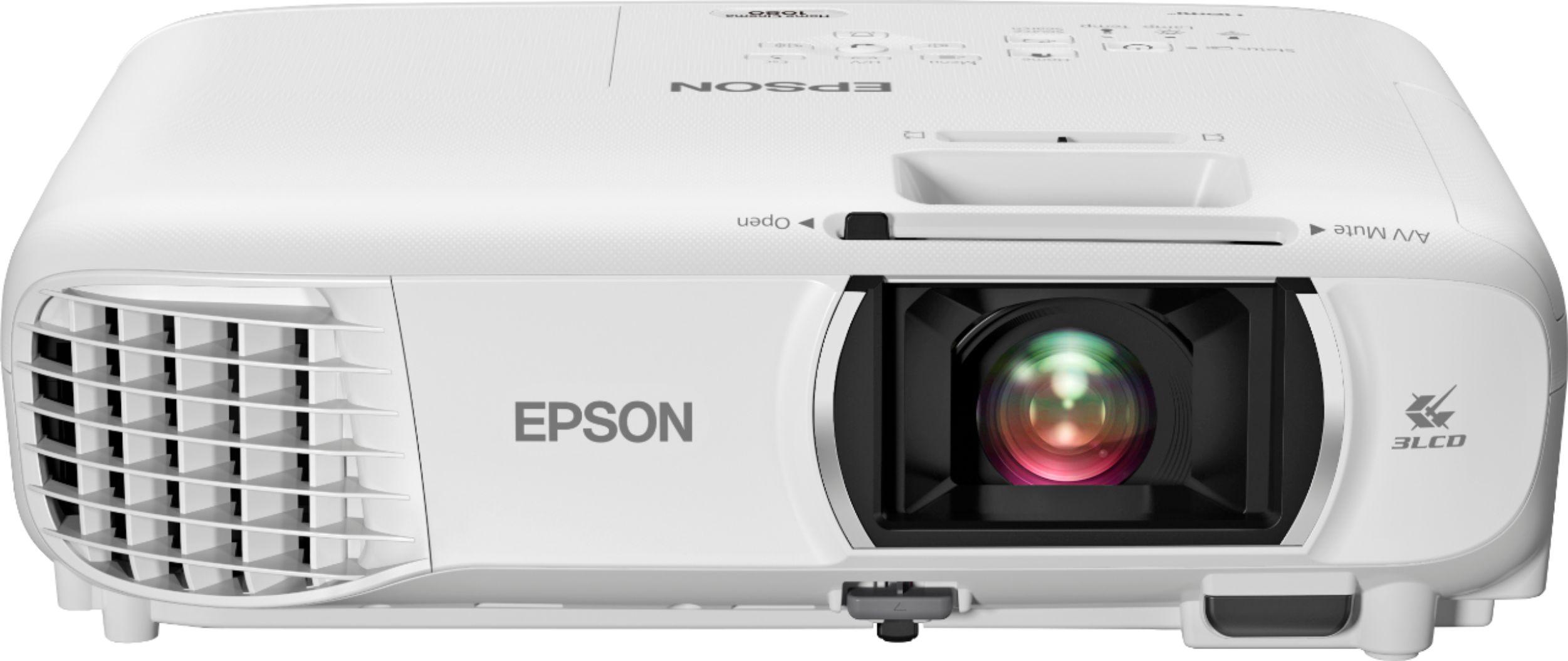
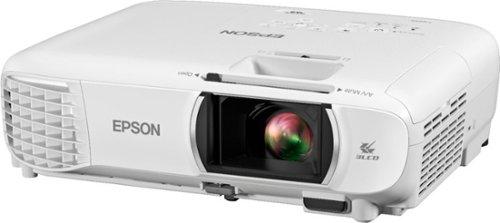
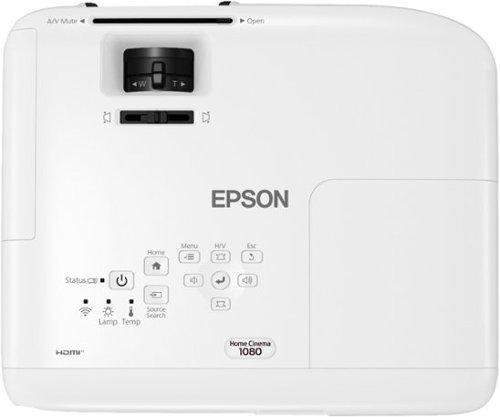
In contrast, the Epson 1080 follows a more traditional projector form factor. While relatively lightweight for a home theater projector at 6.2 pounds (2.8kg), it lacks the ruggedization and battery power that would make it truly portable. Its dimensions (11.9" x 9.9" x 3.6") are typical for its class—compact enough to ceiling-mount unobtrusively but not designed for frequent transport.
The Epson's design prioritizes ventilation and thermal management for its more powerful lamp system, with larger vents and internal cooling that allow it to push significantly more brightness than the BenQ. It's built with the assumption that it will find a semi-permanent home, whether ceiling-mounted in a dedicated theater space or placed on a coffee table for movie nights.
The most immediately noticeable difference between these projectors is their brightness output, which dramatically affects when and where you can use them effectively.
The BenQ GS50 outputs 500 ANSI lumens—a decent figure for portable LED projectors but modest by home theater standards. In practical terms, this means the GS50 performs best in controlled lighting conditions: outdoors after sunset, in a dimly lit room, or ideally in complete darkness. In these environments, the image appears vibrant and engaging, with sufficient punch for movie watching.
By comparison, the Epson Home Cinema 1080 boasts 3,400 lumens—nearly seven times brighter. This dramatic difference comes from the Epson's use of a traditional UHE (Ultra High Efficiency) lamp rather than LED technology. This brightness makes the Epson vastly more versatile in terms of lighting conditions. You can watch content in a living room with some ambient light from windows, or even use it in conference rooms with lights dimmed but not completely off.
The projectors utilize fundamentally different display technologies that each have distinct advantages.
The BenQ employs DLP (Digital Light Processing) technology, which uses microscopic mirrors on a semiconductor chip to reflect light through a color wheel. DLP projectors typically offer excellent contrast and sharp images but can sometimes produce a "rainbow effect" (brief flashes of rainbow colors) that some viewers find distracting.
The Epson uses 3LCD technology, which splits light into three primary colors using dichroic mirrors and passes each through its own LCD panel before recombining them. This approach eliminates the rainbow effect entirely and typically provides more consistent color brightness compared to many DLP systems. The 3LCD system is particularly effective at reproducing saturated colors even at higher brightness levels.
The BenQ GS50 claims an impressive 100,000:1 contrast ratio, which helps it deliver punchy images with good shadow detail despite its lower brightness. It also supports HDR10 and HLG (Hybrid Log-Gamma) high dynamic range formats, which expand the range of brightness and colors the projector can display with compatible content. This HDR support helps maximize the impact of streaming content from services like Netflix and Disney+.
The Epson 1080 offers a more modest 16,000:1 contrast ratio but compensates with significantly higher brightness and 10-bit color processing that can reproduce over a billion colors. The 3LCD system ensures that color brightness matches white brightness—a technical advantage over some budget DLP projectors where color images may appear dimmer than white images of the same measured brightness.
In practical viewing, the BenQ tends to deliver more dramatic contrast in dark environments, while the Epson provides more vibrant, accurate colors in rooms with some ambient light.
Both projectors offer native 1920x1080 (Full HD) resolution, which remains the sweet spot for most projection applications. While 4K projectors have become more common since these models were released, the price premium remains substantial, and 1080p content still dominates streaming libraries.
Where they differ significantly is in their maximum image size capabilities. The BenQ GS50 supports screen sizes from 30 to 100 inches, which is appropriate for its brightness level. Pushing beyond 100 inches would result in a noticeably dim image. The Epson, with its much higher brightness, can project images up to 300 inches diagonally while still maintaining acceptable brightness in controlled lighting.
The throw ratio (the relationship between distance from the screen and image size) is similar for both projectors, with the Epson offering a slight advantage with its 1.2x optical zoom for more flexible placement options.
One area where the BenQ GS50 truly shines is its integrated audio system. Sporting a 2.1 channel configuration with two 5W midrange tweeters and a dedicated 10W woofer, it delivers audio performance that's remarkable for a portable projector. The 270-degree sound output helps create an immersive experience that fills outdoor spaces effectively.
In my experience testing portable projectors, the GS50's audio stands head and shoulders above most competitors. It produces clear dialogue, reasonable bass response, and sufficient volume to serve 10-15 people gathered for an outdoor movie night without requiring external speakers. This integrated sound system significantly enhances the GS50's value proposition as a truly all-in-one entertainment solution.
The projector even functions as a standalone Bluetooth speaker when not projecting, allowing you to stream music directly to it—a thoughtful feature that increases its utility.
By contrast, the Epson 1080 includes only a basic 2W mono speaker that's intended primarily for occasional use or system sounds. The audio is thin and lacks both volume and bass, making external speakers or a soundbar essentially mandatory for enjoyable movie watching.
This approach is typical for home theater projectors, which assume integration into a dedicated audio system. While this makes the Epson less of an all-in-one solution, it aligns with home theater enthusiasts' expectations for separate, specialized audio components.
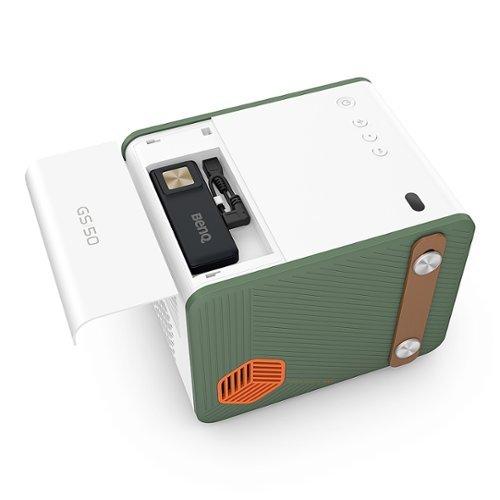
The BenQ GS50 embraces modern streaming trends with its integrated Android TV 9.0 operating system. This provides access to thousands of apps through the Google Play Store, including major streaming services like Netflix, Disney+, Hulu, and YouTube. The built-in QS01 media streamer can handle 4K content (though it's downscaled to the projector's native 1080p resolution) and supports both Chromecast and AirPlay for wireless casting from mobile devices or computers.
The Epson Home Cinema 1080 takes a more traditional approach with no smart operating system built in. To stream content, you'll need to connect an external device like a Roku, Fire TV Stick, Apple TV, or gaming console. While this adds to the total cost and setup complexity, it also means you can upgrade your streaming device independently of the projector as new technologies emerge.
Both projectors offer solid connectivity options, though with different emphases.
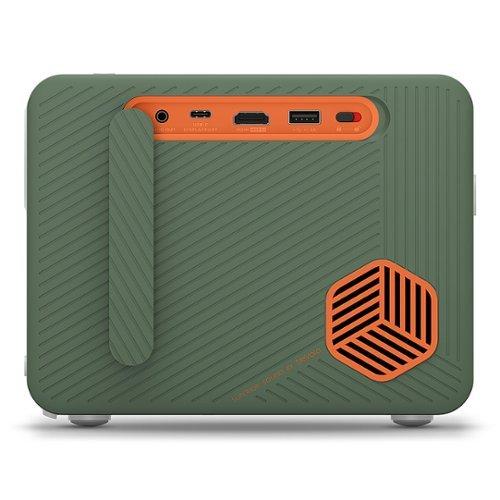
The BenQ features HDMI 2.0, USB-A, and USB-C (with DisplayPort Alt Mode for connecting laptops) ports, along with a 3.5mm audio output for external speakers or headphones. Its wireless capabilities include Wi-Fi and Bluetooth 4.2, enabling a range of connection options without cables.
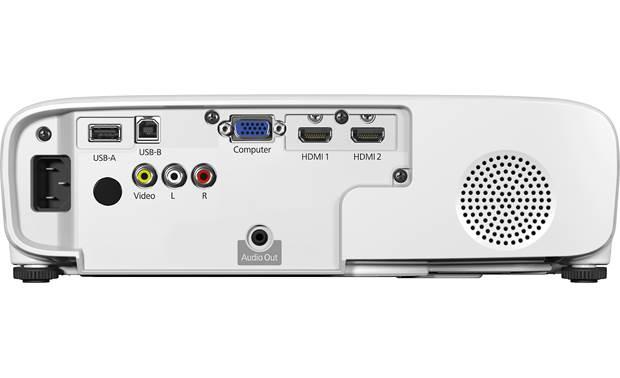
The Epson provides more extensive physical connections with two HDMI ports, VGA (for older computers), composite video, USB-A, and USB-B inputs. Its Wi-Fi capabilities support Miracast for screen mirroring but lack the broader streaming ecosystem that Android TV provides.
In practice, the BenQ offers a more streamlined, cable-free experience, while the Epson provides better compatibility with a wider range of legacy devices.
The BenQ GS50 uses an LED light source rated for 20,000 to 30,000 hours of operation (depending on the brightness mode). For context, even if you watched movies for four hours every day, the LED would last between 13 and 20 years before significant dimming occurred. This essentially makes the GS50 maintenance-free for its practical lifespan.
LED technology also means instant on/off capability without warm-up or cool-down periods, more consistent brightness over time, and more efficient power usage—all valuable features for a battery-powered portable device.
By contrast, the Epson 1080 uses a traditional 210W UHE lamp with a rated lifespan of 6,000 hours in Normal mode or up to 12,000 hours in Eco mode. While still impressive, this means you'll likely need to replace the lamp every 3-6 years with regular use, adding approximately $100-150 to the total cost of ownership.
The lamp-based system requires a warm-up period (about 30 seconds) to reach full brightness and needs cooling time after shutdown. However, this mature technology delivers higher brightness and more stable color reproduction than most LED systems in this price range.
At approximately $799, the BenQ GS50 sits at the premium end of the portable projector market. Its value derives from versatility rather than raw performance metrics. You're paying for:
When viewed as an all-in-one entertainment system that can move from living room to backyard to campsite, the price becomes more justifiable. You're essentially getting a projector, streaming device, and Bluetooth speaker in one package.
Priced around $649, the Epson Home Cinema 1080 delivers exceptional brightness-per-dollar value. While it lacks the BenQ's versatility, it offers significantly better pure image performance, especially in environments with ambient light.
The lower upfront cost should be balanced against potential additional expenses:
For dedicated home theater use, these tradeoffs are typically acceptable to enthusiasts who prefer specialized components for each function rather than compromise on core image performance.
The BenQ GS50 is ideal for users who value flexibility and spontaneity in their viewing habits. It excels in scenarios like:
I've found portable projectors like the GS50 particularly valuable for social gatherings. There's something magical about spontaneously setting up a 100-inch screen at a friend's backyard barbecue or projecting a movie onto the side of a tent while camping. The all-in-one nature means you don't need to coordinate multiple devices and cables.
The Epson 1080 is better suited to users seeking a more traditional home theater experience with superior brightness and image size capabilities. It's perfect for:
Having used similar home theater projectors extensively, I appreciate the Epson's ability to create a cinematic experience without requiring complete darkness. Being able to watch afternoon sports or evening movies with some lights on for practical activities makes a home projector much more family-friendly and versatile.
The choice between these two projectors ultimately comes down to how you prioritize certain features and use cases:
The BenQ GS50 and Epson Home Cinema 1080 represent different philosophies in home projection. The BenQ prioritizes versatility, portability, and convenience in a premium package, while the Epson focuses on delivering maximum brightness and image quality at its price point.
Neither is objectively "better" than the other—they're designed for different use cases and viewing environments. The best choice depends entirely on your specific needs, preferences, and how you plan to enjoy your projected content.
If the idea of impromptu movie nights anywhere appeals to you, the BenQ GS50 offers a compelling all-in-one solution. If you're building a more permanent home theater setup and want the most impressive image for your dollar, the Epson Home Cinema 1080 delivers exceptional performance at its price point.
Whatever your choice, both projectors represent how far projection technology has come in recent years, bringing big-screen experiences into more homes and outdoor spaces than ever before.
| BenQ GS50 Portable Outdoor Projector | Epson Home Cinema 1080 Projector |
|---|---|
| Display Resolution - Determines image clarity and detail | |
| 1920x1080 (Full HD) | 1920x1080 (Full HD) |
| Brightness - Critical for ambient light performance | |
| 500 ANSI lumens (best for dark environments) | 3,400 lumens (works well in rooms with ambient light) |
| Display Technology - Affects color accuracy and reliability | |
| DLP with LED light source | 3LCD with UHE lamp |
| Contrast Ratio - Impacts image depth and black levels | |
| 100,000:1 (excellent for dark room viewing) | 16,000:1 (good for typical home use) |
| Light Source Lifespan - Determines long-term ownership costs | |
| LED rated for 20,000-30,000 hours (essentially maintenance-free) | UHE lamp rated for 6,000-12,000 hours (requires replacement every few years) |
| Image Size - Determines maximum viewing experience | |
| 30-100 inches | 30-300 inches |
| Audio System - Affects need for external speakers | |
| 2.1 channel (2x 5W speakers + 10W woofer) with 270° sound | Basic 2W mono speaker (external audio recommended) |
| Smart Features - Determines need for additional devices | |
| Android TV 9.0 with built-in streaming apps | No smart OS (requires external streaming device) |
| Portability - Affects where you can use it | |
| Battery-powered (2.5 hours), 3.9kg with carrying handle, IPX2 splash-proof | No battery, 2.8kg, designed for stationary use |
| Connectivity - Determines compatibility with your devices | |
| HDMI 2.0, USB-A, USB-C, Wi-Fi, Bluetooth, Chromecast, AirPlay | 2x HDMI, VGA, Composite, USB-A, USB-B, Wi-Fi with Miracast |
| Price and Value - Overall investment consideration | |
| $799 (premium price for portability and all-in-one functionality) | $649 (excellent brightness-per-dollar value for dedicated home use) |
The Epson Home Cinema 1080 Projector is significantly better for rooms with ambient light due to its 3,400 lumens brightness compared to the BenQ GS50's 500 ANSI lumens. The Epson's much higher brightness allows you to see clear, vibrant images even with some lights on or daylight coming through windows, while the BenQ GS50 performs best in dark or dimly lit environments. If you'll be watching in a living room rather than a dedicated theater space, the Epson Home Cinema 1080 is the better choice.
Yes, but for different scenarios. The BenQ GS50 Portable Outdoor Projector is specifically designed for outdoor use with its IPX2 splash resistance, drop protection up to 70cm, and built-in 2.5-hour battery. The Epson Home Cinema 1080 can be used outdoors but requires power access and careful handling since it lacks weatherproofing. For regular outdoor movie nights, especially away from power sources, the BenQ GS50 is the much better option.
Both offer 1080p Full HD resolution, but image quality depends on your viewing environment. In completely dark rooms, the BenQ GS50 produces excellent contrast (100,000:1) with good HDR support. However, the Epson Home Cinema 1080 delivers superior overall image quality in most realistic viewing conditions thanks to its much higher brightness, 3LCD technology with equal color and white brightness, and 10-bit color processing. For typical home theater use, the Epson 1080 produces more vivid, accurate images.
With the BenQ GS50 Portable Outdoor Projector, external speakers are optional as it features a surprisingly capable 2.1 channel audio system (two 5W speakers plus a 10W woofer) that delivers good sound quality for movies and music. The Epson Home Cinema 1080 includes only a basic 2W mono speaker that's inadequate for enjoyable movie watching, making external speakers or a soundbar essentially required. If you want an all-in-one solution without additional audio equipment, the BenQ GS50 is the better choice.
The Epson Home Cinema 1080 Projector is better suited for a permanent home theater installation. Its higher brightness (3,400 lumens), ability to project images up to 300 inches, 1.2x optical zoom for flexible placement, and superior performance with ambient light make it ideal for dedicated media rooms. The BenQ GS50, while capable of good image quality, is designed more for portability than permanent installation and is limited to a maximum 100-inch screen size. For a fixed home theater setup, the Epson 1080 is the recommended option.
The BenQ GS50 Portable Outdoor Projector supports screen sizes from 30 to 100 inches diagonally. The Epson Home Cinema 1080 Projector offers a much wider range of 30 to 300 inches. This significant difference means the Epson can create truly immersive, cinema-like experiences with massive screens that the BenQ cannot match. If you're looking to create a large-format viewing experience exceeding 100 inches, the Epson Home Cinema 1080 is your only option between these two projectors.
The BenQ GS50 includes Android TV 9.0 built in, giving you access to thousands of streaming apps including Netflix, Disney+, and YouTube without requiring any additional devices. The Epson Home Cinema 1080 does not have a smart operating system, so you'll need to connect an external streaming device like a Roku, Fire TV Stick, or Apple TV to access streaming services. If you want the simplest setup without additional components, the BenQ GS50 Portable Outdoor Projector offers a more complete solution out of the box.
The BenQ GS50 Portable Outdoor Projector uses an LED light source rated for 20,000-30,000 hours, which typically means no maintenance or lamp replacements for the life of the projector. The Epson Home Cinema 1080 uses a traditional UHE lamp rated for 6,000-12,000 hours, requiring lamp replacements every few years at around $100-150 per replacement. Over a 10-year period, the Epson could require 1-3 lamp replacements, making the BenQ GS50 less expensive to maintain despite its higher initial price.
For gaming, the BenQ GS50 has an input lag of approximately 62ms at 60Hz, which is acceptable for casual gaming but not ideal for competitive or fast-paced games. The Epson Home Cinema 1080 typically offers similar or slightly better input lag performance. However, serious gamers would likely find both projectors somewhat limiting compared to gaming-specific models. If you plan to use your projector primarily for gaming, neither the BenQ GS50 nor the Epson Home Cinema 1080 would be considered optimal choices.
Yes, both projectors work with TV streaming services, but in different ways. The BenQ GS50 Portable Outdoor Projector has Android TV built in, allowing direct access to services like YouTube TV, Sling, Hulu + Live TV, and more without additional hardware. The Epson Home Cinema 1080 requires an external streaming device connected via HDMI to access these services. Both projectors will display content from any streaming service once properly set up, but the BenQ GS50 offers a more integrated solution for TV streaming.
The better value depends on your priorities. At $799, the BenQ GS50 offers portability, built-in Android TV, excellent audio, and zero maintenance costs—making it better value for versatile use across multiple locations. At $649, the Epson Home Cinema 1080 delivers nearly seven times the brightness and larger screen capabilities at a lower initial price point—offering better value for dedicated home theater use. Consider the BenQ GS50 Portable Outdoor Projector if flexibility matters most, and the Epson Home Cinema 1080 Projector if maximum image performance per dollar is your priority.
The BenQ GS50 Portable Outdoor Projector features an LED light source rated for 20,000-30,000 hours, which translates to about 13-20 years of use at 4 hours daily. The Epson Home Cinema 1080 uses a UHE lamp rated for 6,000-12,000 hours (approximately 4-8 years at 4 hours daily) before requiring replacement, but the projector itself can last many years through multiple lamp changes. Both projectors should provide many years of service, but the BenQ GS50 offers longer maintenance-free operation while the Epson Home Cinema 1080 can potentially last longer overall with proper lamp maintenance.
We've done our best to create useful and informative comparisons to help you decide what product to buy. Our research uses advanced automated methods to create this comparison and perfection is not possible - please contact us for corrections or questions. These are the sites we've researched in the creation of this article: cnet.com - hometheaterhifi.com - youtube.com - youtube.com - whathifi.com - youtube.com - bgeek.eu - youtube.com - youtube.com - projectorreviews.com - youtube.com - youtube.com - projectorcentral.com - projectorreviews.com - bestbuy.com - touchboards.com - projectorcentral.com - adorama.com - projectorreviews.com - insight.com - cnet.com - crutchfield.com - bestbuy.com - officedepot.com - bestbuy.com - bestbuy.com - audioholics.com - rtings.com - avsforum.com - projectorcentral.com - audiogeneral.com - projectorreviews.com - rtings.com - epson.com - youtube.com - epson.com - projectorreviews.com - projectorreviews.com - walmart.com - shop.avispl.com - bhphotovideo.com - staples.com - mediaserver.goepson.com - staples.com - bhphotovideo.com - epson.com - epson.com - dell.com - epson.com - bestbuy.com

Privacy Policy
Terms and Conditions - Affiliate Policy
Home Security
© Copyright 2008-2026.
11816 Inwood Rd #1211, Dallas, TX 75244