

In today's home entertainment landscape, projectors have carved out a special niche for people seeking a big-screen experience without the hefty price tag of large TVs. But not all projectors are created equal, and the difference between models can dramatically affect your viewing experience. Let's dive into a detailed comparison of two popular but fundamentally different projectors: the innovative Samsung Freestyle 2nd Gen Smart Projector and the traditional Epson Home Cinema 1080 Projector.
When shopping for a projector, you're essentially deciding how you want to transform your living space into an entertainment zone. Unlike TVs that come with fixed dimensions, projectors offer flexibility in screen size—but that flexibility comes with its own set of considerations.
The projector market has evolved significantly over the past five years, splitting primarily into two categories: traditional home theater projectors (like the Epson) that prioritize image quality and brightness, and newer portable lifestyle projectors (like the Samsung) that emphasize convenience and versatility.
Before diving into specific models, it's worth understanding the key factors that separate great projectors from merely good ones:
Brightness is perhaps the most critical yet misunderstood specification. Measured in lumens, brightness determines whether your projector can produce a visible image when there's ambient light in the room. Higher brightness means more flexibility in viewing conditions, but also typically means larger projectors with bigger power requirements.
Resolution affects image clarity much like it does in TVs, though the effect is magnified on larger projection screens. Today's standard is 1080p (Full HD), though 4K projectors are becoming more common in higher price brackets.
Contrast ratio represents the difference between the brightest whites and darkest blacks a projector can produce. Higher contrast ratios generally mean more detailed images with greater depth, but manufacturer claims often don't translate to real-world performance.
With these basics in mind, let's examine our two contenders in detail.
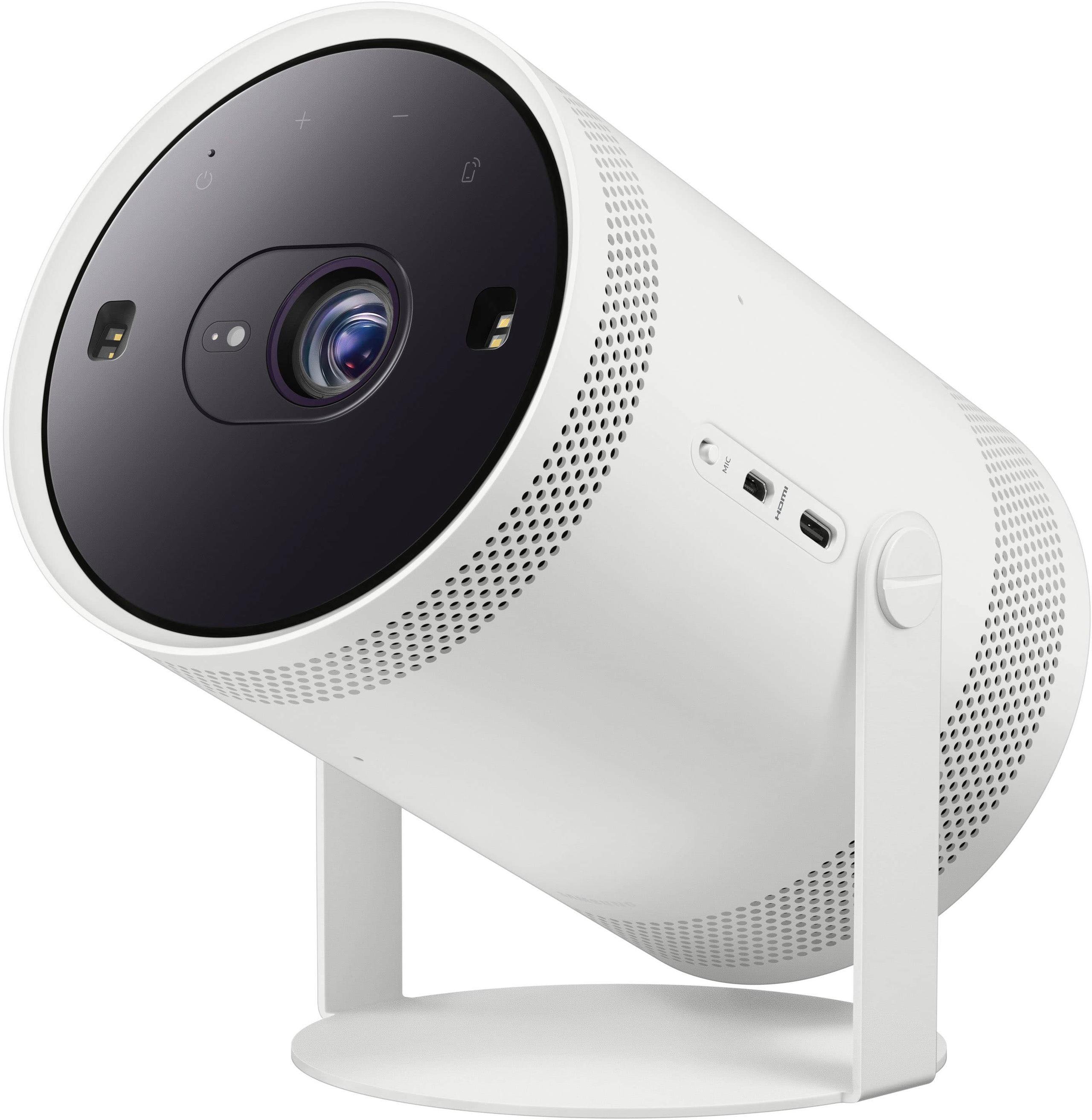
The Samsung Freestyle 2nd Gen typically retails for around $799, though it's frequently discounted to around $599 during sales events. Released in August 2023, it represents Samsung's second attempt at a portable lifestyle projector, improving on the original Freestyle with better smart features and gaming capabilities.
The Epson Home Cinema 1080 typically sells for $649-$699 and was released in 2021. It's positioned as an entry-level dedicated home theater projector, focusing on maximizing image quality and brightness at an accessible price point.
What's fascinating is that despite their similar price points, these projectors offer radically different value propositions based on what you prioritize.
The design philosophy behind these two projectors couldn't be more different, reflecting their intended use cases.
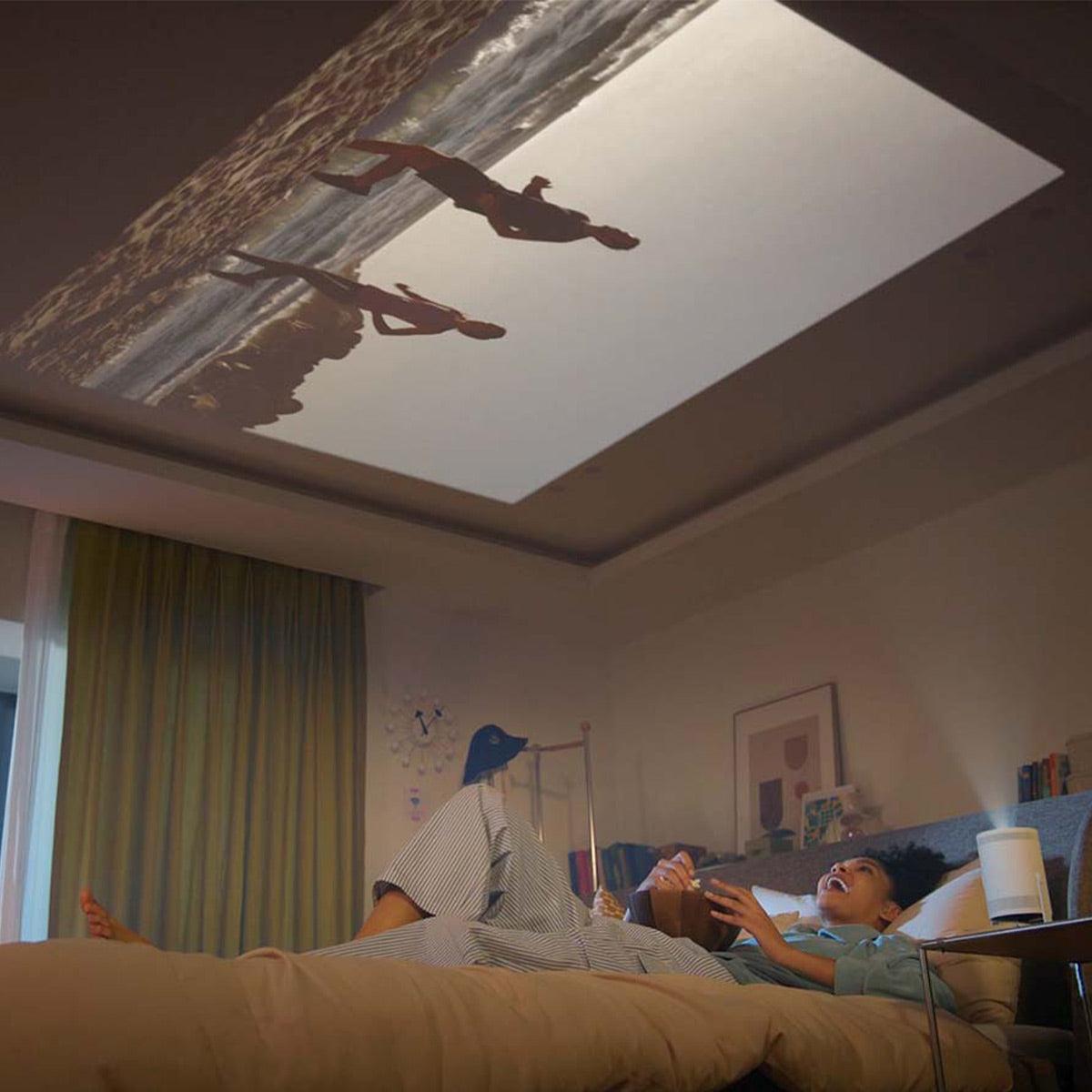
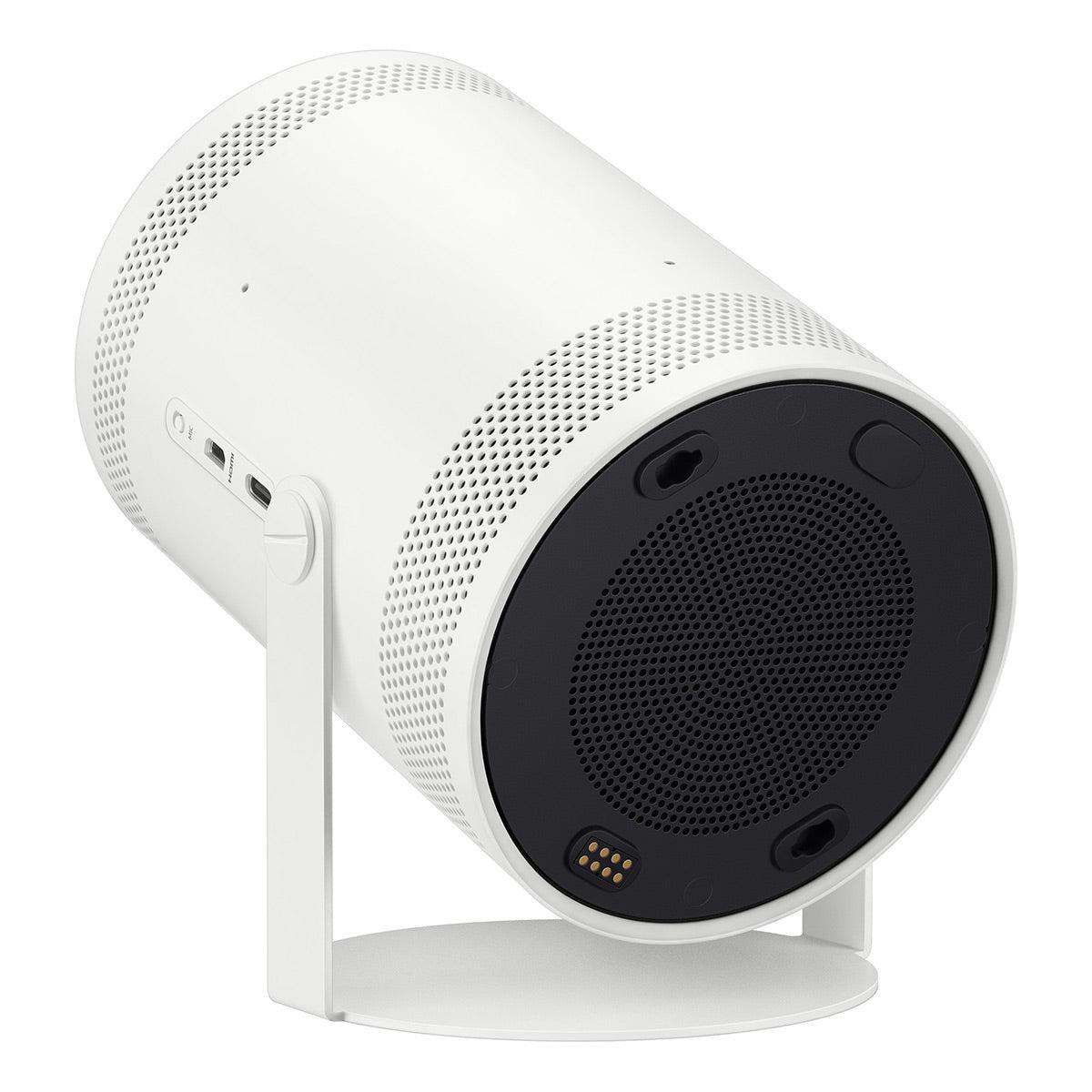
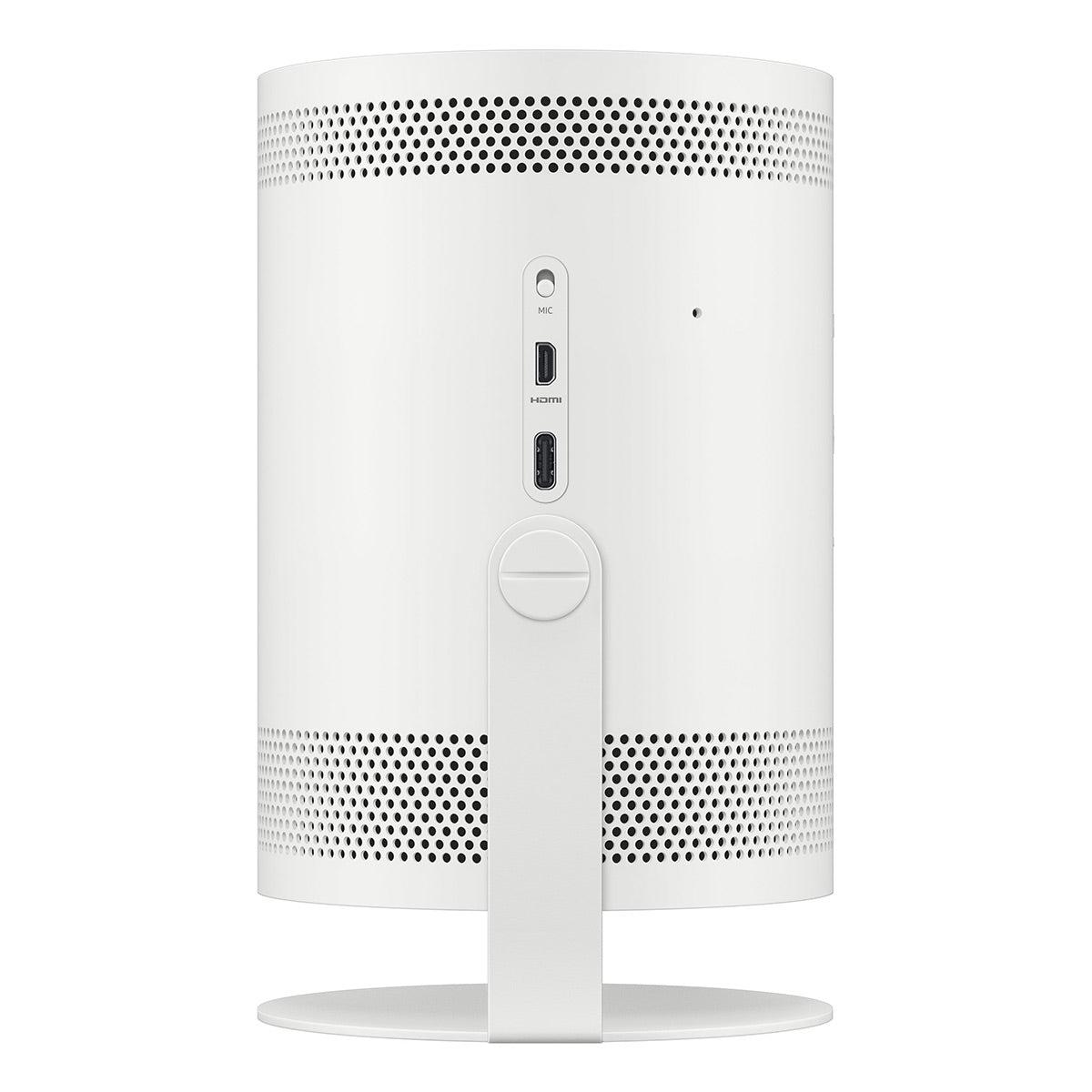
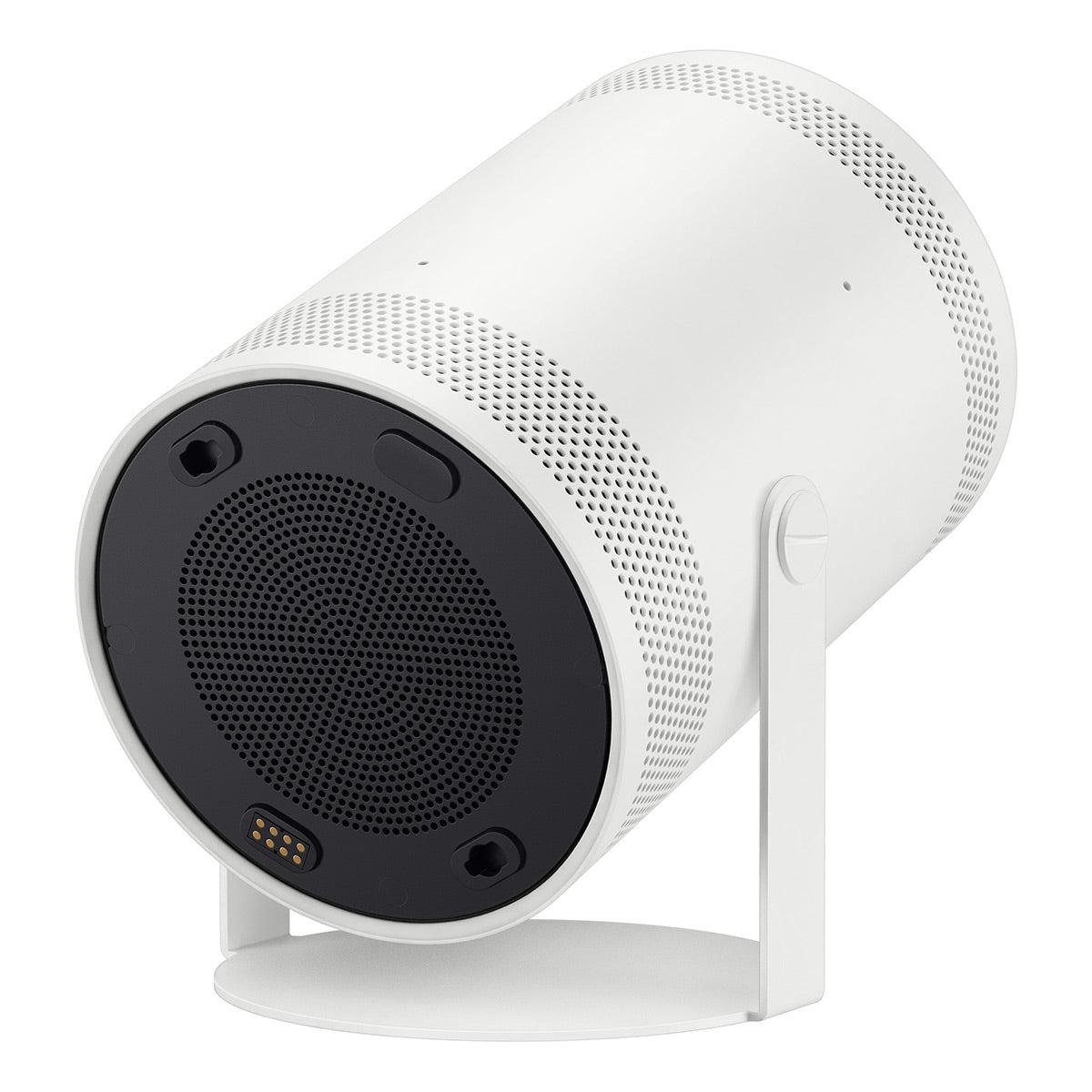
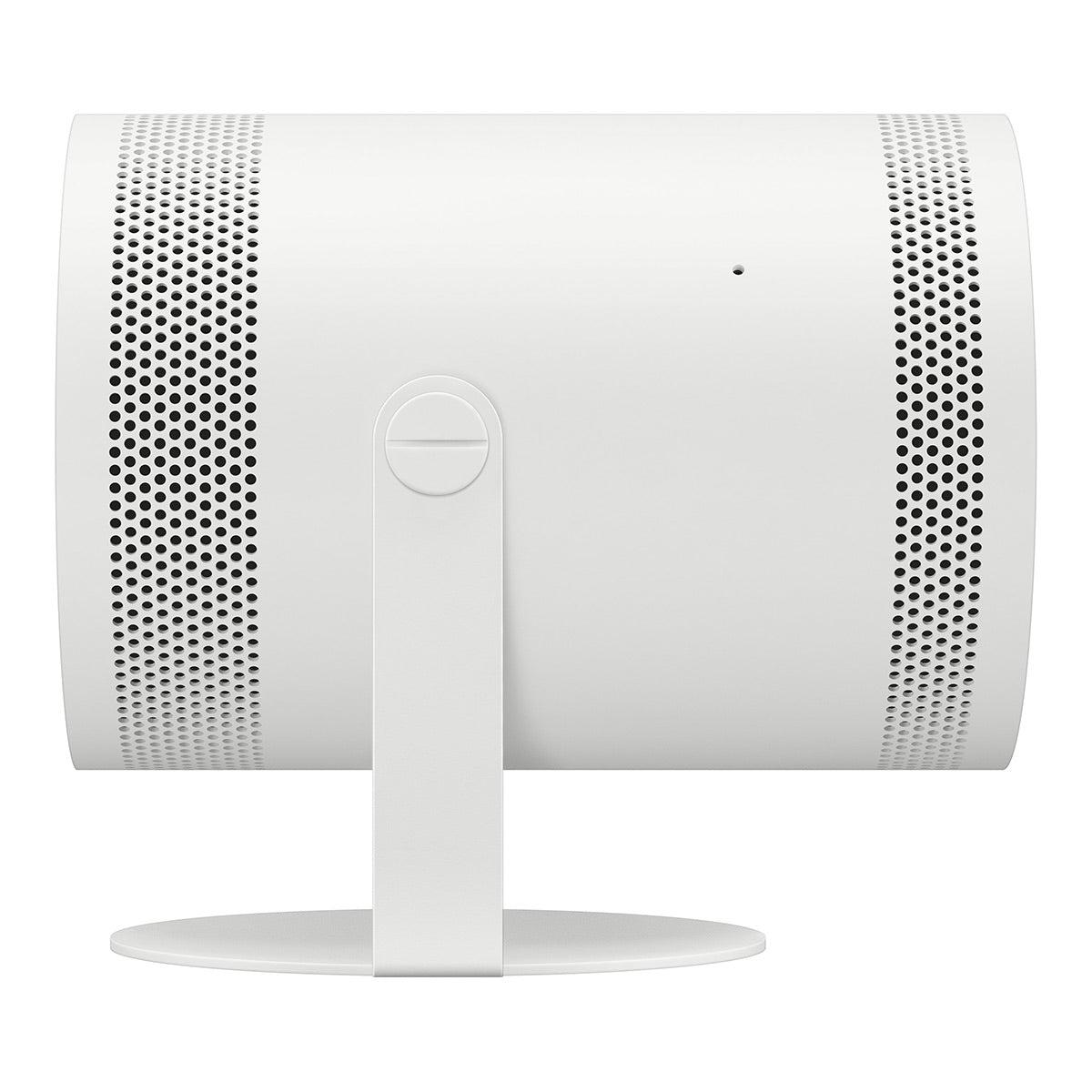
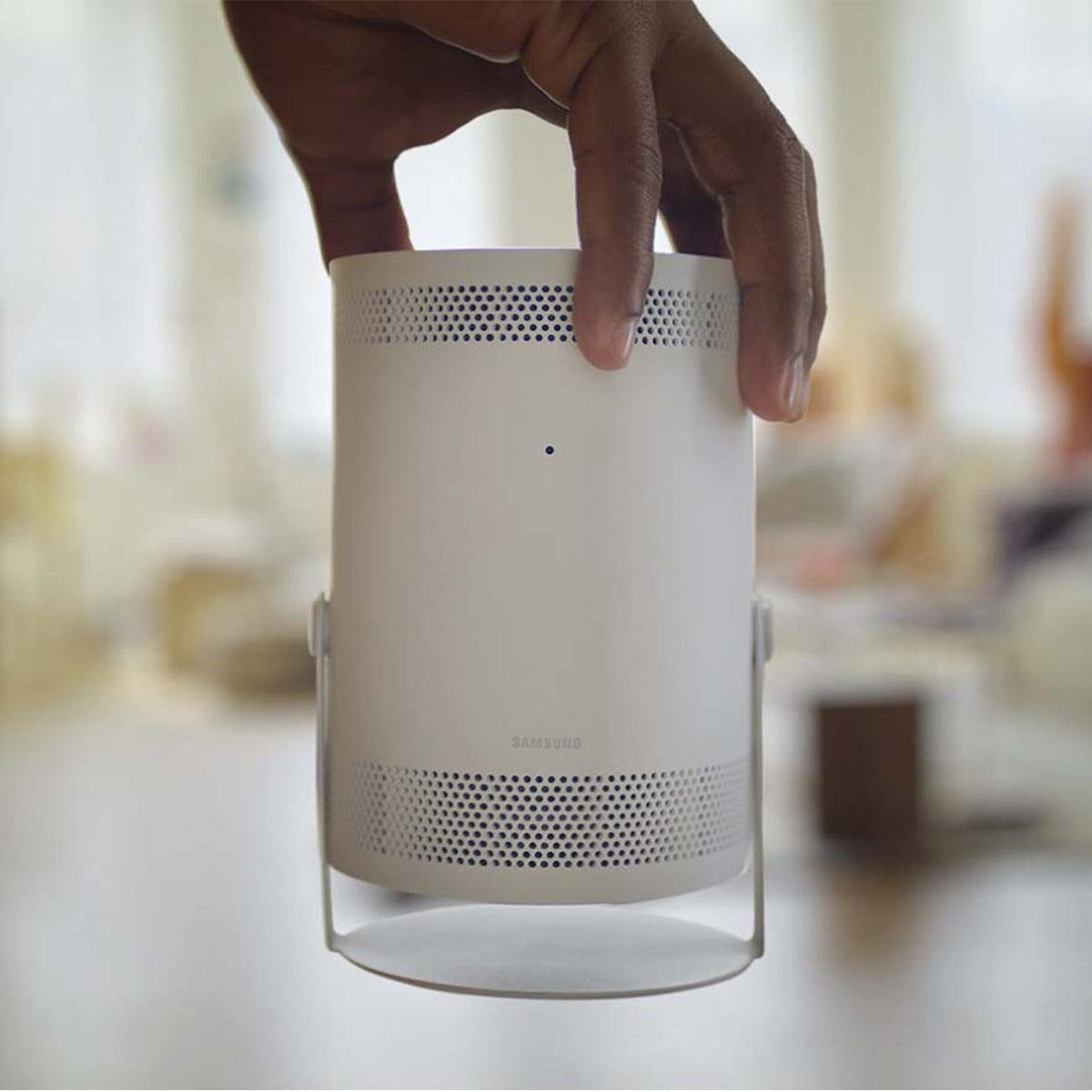
The Samsung Freestyle 2nd Gen resembles a small spotlight more than a traditional projector. Weighing just 1.8 pounds and measuring roughly the size of a large coffee mug (6.8" x 4.0" x 3.7"), it's designed for ultimate portability. Its most distinctive feature is the 180° rotating cradle that allows you to point the projection in virtually any direction—including the ceiling for bedtime viewing.
Since its initial release, Samsung has enhanced the ecosystem around the Freestyle with optional accessories like a battery base (sold separately for about $190) that transforms it into a truly wireless projector capable of running for up to 3 hours on battery power.
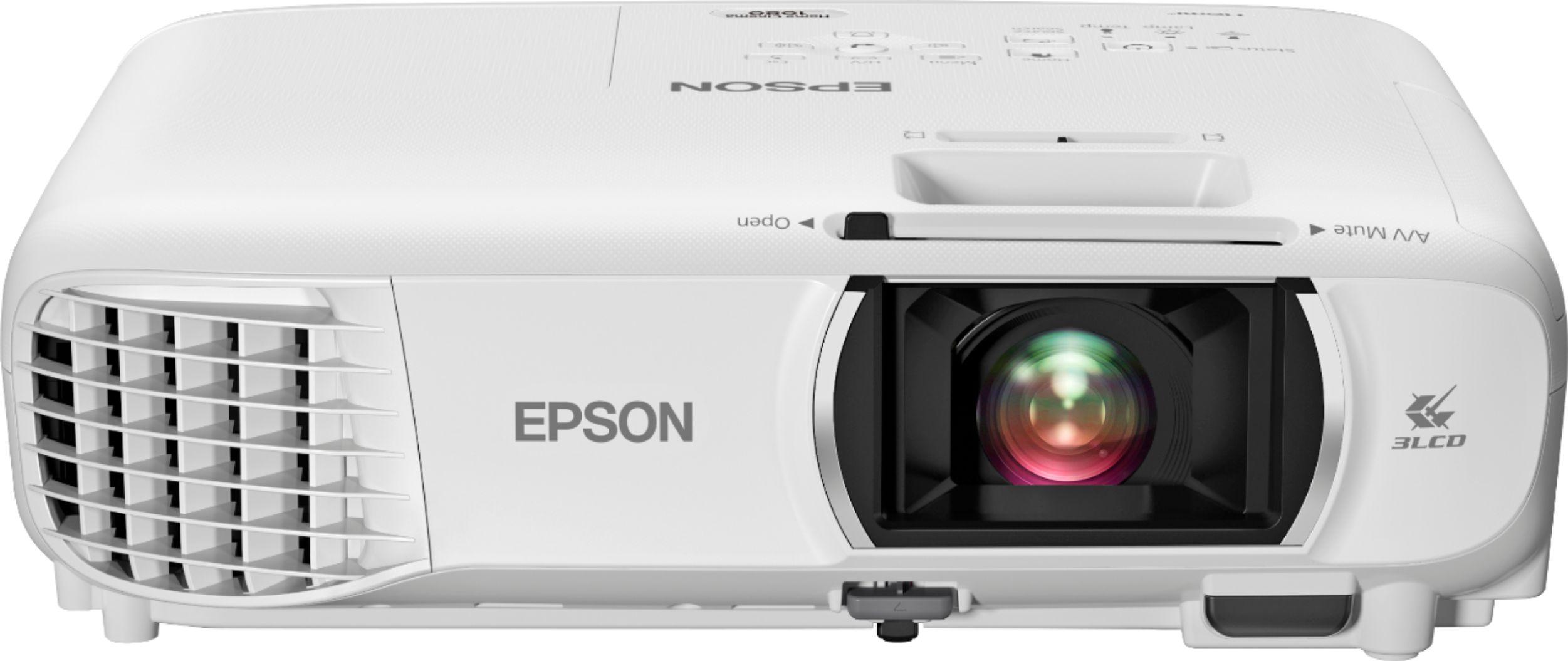
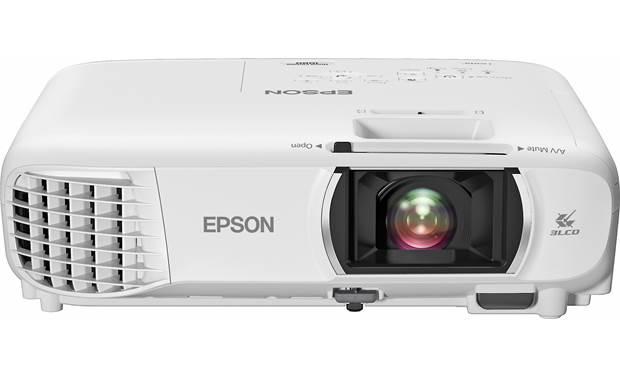
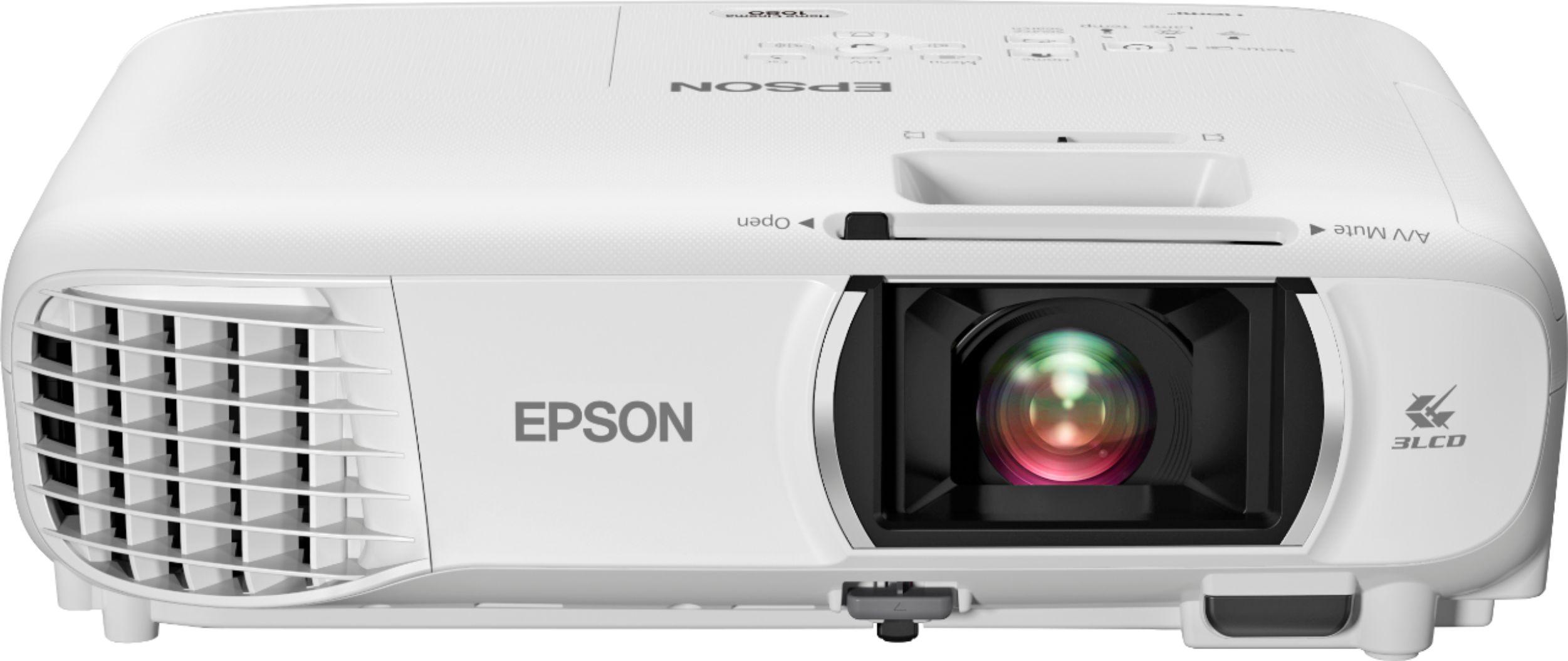
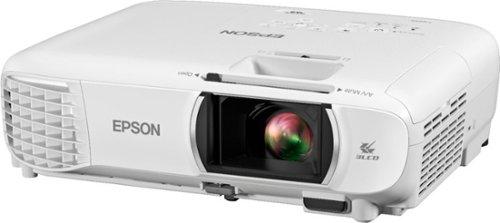
In contrast, the Epson Home Cinema 1080 embodies the classic projector design—a rectangular unit weighing 6.2 pounds with a footprint of 11.9" x 9.9" x 3.6". It's not designed for frequent movement, but rather for semi-permanent installation in a dedicated viewing space. You can ceiling-mount it or place it on a table, but it lacks the flexibility of Samsung's rotating design.
This traditional design isn't without purpose—it houses larger optical components, more powerful lamps, and better cooling systems necessary for superior image performance.
When it comes to pure image performance, the specifications tell a compelling story, but the real-world implications are even more dramatic.
The Epson Home Cinema 1080 outputs 3,400 lumens—nearly 15 times brighter than the Samsung's modest 230 ANSI lumens. This isn't just a numbers game; it fundamentally changes when and where you can use these projectors.
In practical terms, the Epson can produce a visible, enjoyable image even in rooms with some ambient light, like a living room with blinds drawn during daytime. You don't need complete darkness to enjoy a movie, which makes it much more practical for everyday use.
The Samsung Freestyle 2nd Gen, despite its other advantages, essentially requires near-darkness to produce a satisfying image. Even with the blinds drawn during daytime, the image appears washed out and lacks punch. It's best suited for nighttime viewing in spaces where you can control the lighting completely.
I've tested both projectors in various lighting conditions, and the difference is stark. Watching a brightly colored animated film like "Encanto" on the Samsung during the day required blackout curtains to be enjoyable, while the Epson maintained vibrant colors even with some light leakage around window edges.
The technology behind how these projectors create images also differs significantly. The Samsung uses Digital Light Processing (DLP) technology, which works by reflecting light off millions of tiny mirrors on a semiconductor chip called a Digital Micromirror Device (DMD). This technology allows for a very compact design but can sometimes produce a "rainbow effect" where viewers might briefly see rainbow-colored artifacts, especially in high-contrast scenes.
The Epson uses 3LCD technology, which splits light through three separate LCD panels (one each for red, green, and blue) before recombining them to create the final image. This approach typically produces more accurate colors and completely eliminates the rainbow effect that bothers some viewers of DLP projectors.
In my experience, the 3LCD approach of the Epson produces more natural skin tones and more accurate color reproduction overall, which becomes increasingly noticeable during extended viewing sessions.
On paper, the Samsung Freestyle 2nd Gen boasts an impressive 100,000:1 contrast ratio compared to the Epson's 16,000:1. However, contrast ratio specifications are notoriously unreliable as manufacturers use different measuring methods.
In actual viewing, the Epson's vastly superior brightness gives it more effective contrast in typical viewing conditions. Dark scenes in movies like "Dune" showed more detail on the Epson, while the Samsung struggled to maintain both black level depth and shadow detail simultaneously.
For color accuracy, the Epson's 3LCD system has a theoretical advantage in producing 100% of the sRGB color gamut, while DLP systems like the Samsung's typically achieve around 90-95%. For casual viewers, this difference might not be noticeable, but cinephiles will appreciate the Epson's more accurate reproduction of movies as the directors intended them to be seen.
Perhaps the most significant philosophical difference between these projectors is their approach to content delivery.
The Samsung Freestyle 2nd Gen functions essentially as a smart TV that happens to project its image. Running on Samsung's Tizen operating system, it gives you direct access to streaming services like Netflix, Disney+, Prime Video, and many others without requiring any external devices.
Since its 2023 release, Samsung has added its Gaming Hub feature, which allows for cloud gaming directly from the projector. By connecting a Bluetooth controller, you can play games from services like Xbox Game Pass and NVIDIA GeForce NOW without a console or PC.
For connectivity, the Samsung offers:
The limited physical connectivity is a drawback, but the wireless options partially compensate for this limitation.
The Epson Home Cinema 1080 takes the opposite approach, functioning as a display component in a larger entertainment system rather than a standalone device. It has no operating system or built-in streaming capabilities.
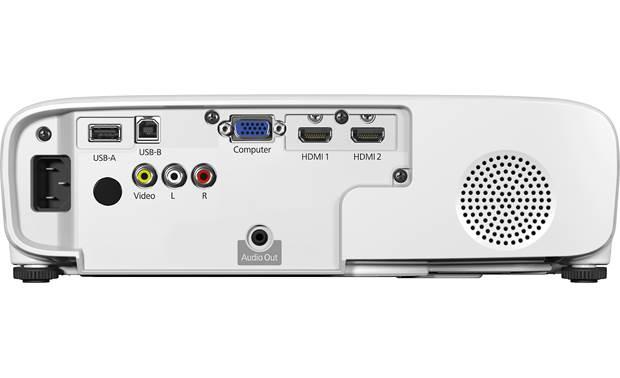
Its connectivity options include:
To stream content, you'll need to connect a streaming device like a Roku, Fire TV Stick, or Apple TV, or use a gaming console or computer.
While this might seem like a disadvantage, it offers greater flexibility to choose your preferred streaming platform and easily upgrade your content source without replacing the entire projector.
The setup experience reveals another fundamental difference in philosophy between these projectors.
The Samsung Freestyle 2nd Gen emphasizes convenience with several automated features:
These features combine to create a nearly effortless setup experience—just point the projector at a wall, and within seconds, it configures itself for optimal viewing. For non-technical users, this automation is genuinely impressive and removes much of the frustration traditionally associated with projector setup.
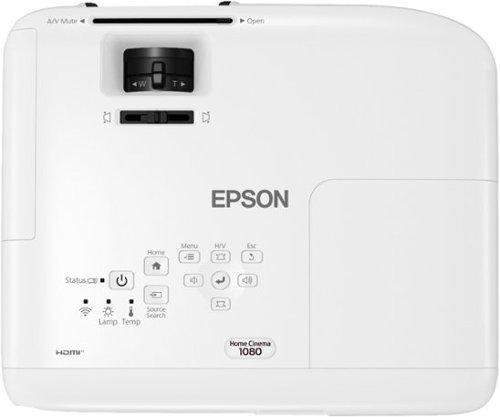
The Epson Home Cinema 1080 takes a more traditional approach, giving users manual control over:
While this requires more effort during initial setup, it gives discerning users finer control over the image quality. Auto-focus systems sometimes hunt for the right setting or make unnecessary adjustments, while manual focus, once set correctly, stays perfect until you decide to change it.
I've found that the Samsung's auto-focus occasionally readjusts during movies, causing momentary blurriness that can break immersion. The Epson, once properly set up, maintains consistent image quality throughout viewing.
Projector light sources have a finite lifespan, and the technologies used in our contenders differ significantly in this regard.
The Samsung Freestyle 2nd Gen uses LED technology rated for approximately 30,000 hours of use. This means you could use it for 4 hours every day for 20 years before the light source degrades significantly. LEDs also maintain more consistent brightness throughout their lifespan compared to traditional lamps.
LED technology generates less heat, allowing for the compact design without extensive cooling systems. The sealed optical engine means you'll never need to replace filters or perform maintenance beyond occasional external cleaning.
The Epson Home Cinema 1080 uses a traditional UHE (Ultra High Efficiency) lamp rated for 6,000 hours in normal mode or up to 12,000 hours in Eco mode. In practical terms, this means you'll likely need to replace the lamp every 2-5 years, depending on usage patterns.
Replacement lamps cost between $49-$99, representing an additional long-term cost. The projector also uses an air filter that requires periodic cleaning or replacement to maintain optimal performance.
While this might seem disadvantageous, traditional lamps offer significantly higher brightness than LED systems of comparable size and cost, which explains the Epson's substantial brightness advantage.
Projector audio is often an afterthought, but these models take noticeably different approaches.
Despite its small size, the Samsung Freestyle 2nd Gen incorporates a 5-watt speaker with 360° sound dispersion. The omnidirectional audio is surprisingly immersive for such a compact device, filling small to medium-sized rooms with decent sound quality.
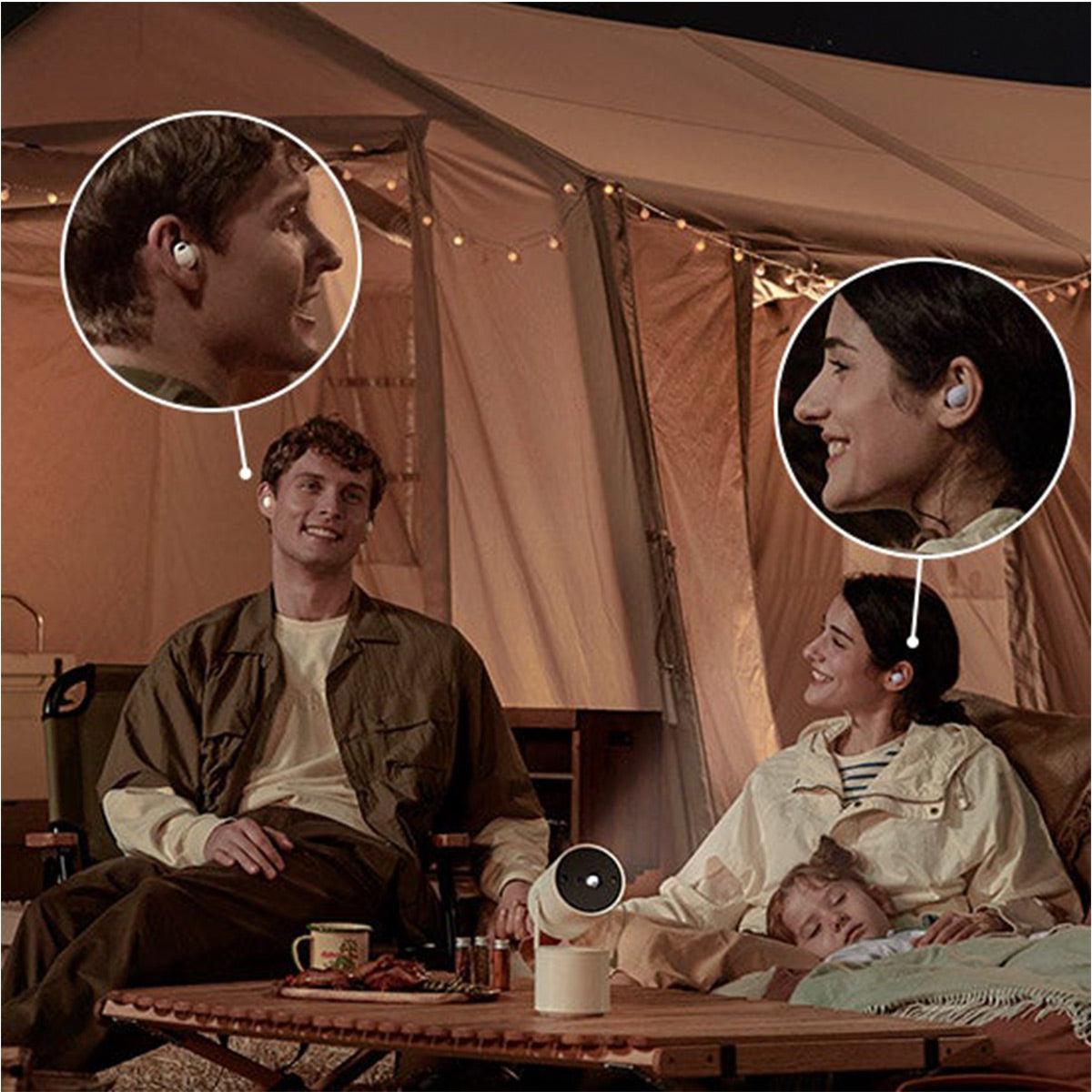
For casual viewing in temporary setups like bedrooms or outdoor movie nights, the built-in speaker eliminates the need for external audio equipment, enhancing the all-in-one convenience factor.
The Epson Home Cinema 1080 includes a basic 2-watt mono speaker that's functional but unimpressive. It's adequate for system sounds and temporary use, but the limited volume and thin sound quality make external speakers or a soundbar practically essential for enjoyable movie watching.
This limited audio capability reflects the projector's intended use as part of a complete home theater system rather than a standalone device.
Both projectors offer unique capabilities that might sway your decision depending on specific needs.
The Samsung Freestyle 2nd Gen includes several standout features:
The Epson Home Cinema 1080 offers different strengths:
For dedicated home theater use, there are additional factors worth considering beyond the basic specifications.
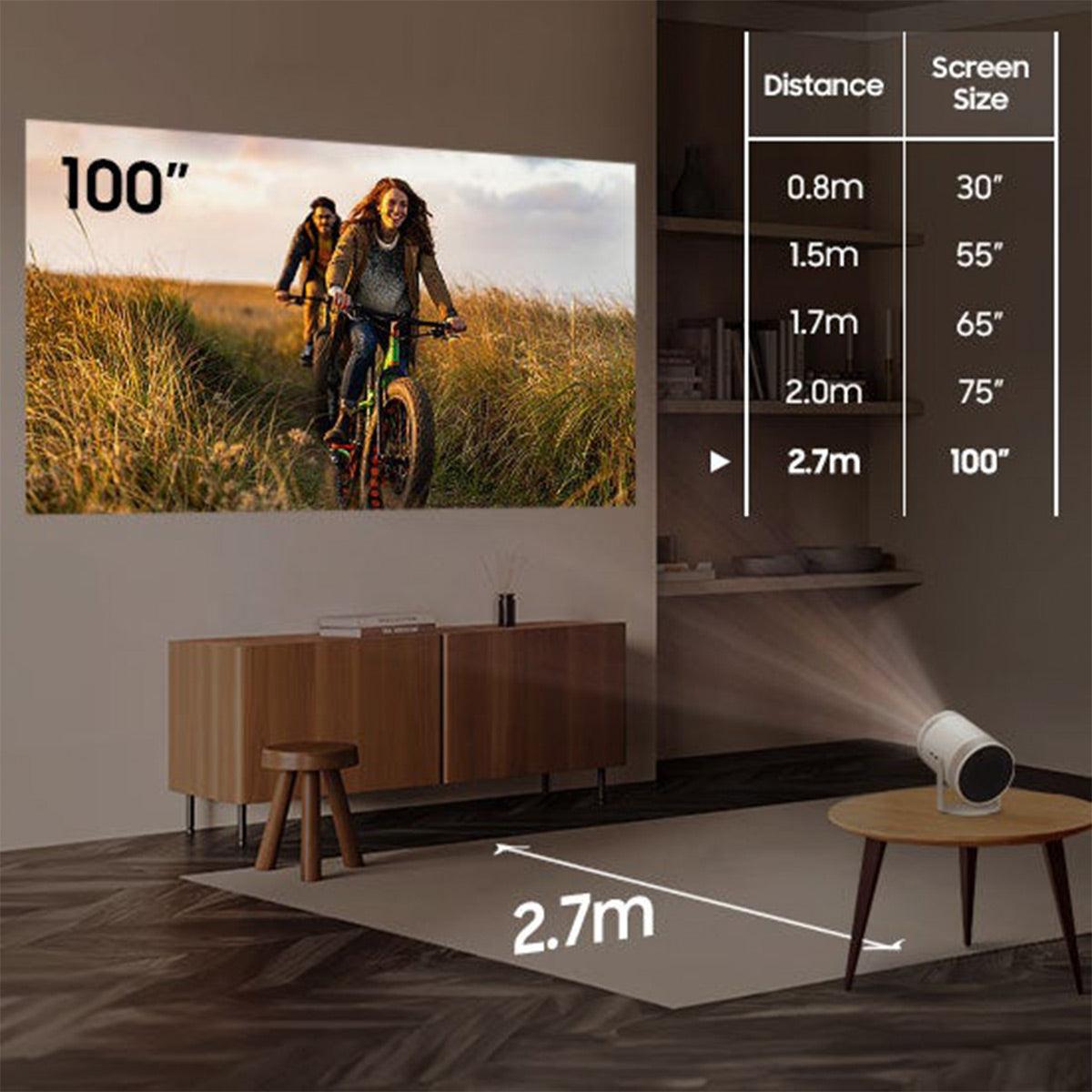
The Epson Home Cinema 1080 is clearly designed with home theaters in mind. Its higher brightness allows for larger screen sizes while maintaining image quality. The dual HDMI inputs facilitate connecting both a media player and a gaming console without swapping cables. The manual zoom and focus controls allow precise alignment with fixed screens.
For permanent installation, the Epson includes mounting points compatible with standard ceiling mounts, and its front-facing exhaust means it can be placed on a shelf without clearance concerns.
The Samsung Freestyle 2nd Gen can certainly function in a home theater, but its strengths lie elsewhere. Its flexibility makes it ideal for situations where you might want projection in different rooms at different times, or for homeowners who don't want a permanent projection setup dominating their living space.
In my experience setting up home theaters for friends, the Epson consistently delivers a more satisfying dedicated theater experience, while the Samsung excels as a supplement to a primary TV or for multi-purpose rooms.
After examining both projectors in detail, the decision comes down to how you plan to use your projector and what aspects of performance matter most to you.
Choose the Samsung Freestyle 2nd Gen if:
Choose the Epson Home Cinema 1080 if:
The Samsung Freestyle 2nd Gen is designed for the flexible, on-the-go lifestyle user who values convenience and versatility over pure performance. It represents the future of projectors as lifestyle devices rather than purely home theater components.
The Epson Home Cinema 1080 targets the traditional home theater enthusiast who prioritizes image quality and brightness in a dedicated viewing space. It follows the proven approach of specialized components excelling at their primary function.
For most dedicated movie watching scenarios, the Epson delivers substantially better performance at a similar price point. However, if flexibility and portability matter most to you, the Samsung offers unique capabilities that traditional projectors simply can't match.
The good news is that both projectors excel at what they're designed to do—they just happen to be designed with very different priorities in mind. Understanding those priorities and matching them to your specific needs is the key to making the right choice for your home entertainment setup.
| Samsung Freestyle 2nd Gen Smart Projector | Epson Home Cinema 1080 Projector |
|---|---|
| Price - Your initial investment | |
| $599-$799 (frequently on sale) | $649-$699 |
| Brightness - Determines usability in ambient light conditions | |
| 230 ANSI lumens (requires near-darkness) | 3,400 lumens (works in rooms with some ambient light) |
| Resolution - Affects image clarity and detail | |
| 1920 x 1080 (Full HD) | 1920 x 1080 (Full HD) |
| Display Technology - Impacts color accuracy and viewing experience | |
| DLP (compact but possible rainbow effect) | 3LCD (better color accuracy, no rainbow effect) |
| Size and Weight - Affects portability and placement options | |
| 6.8" x 4.0" x 3.7", 1.8 pounds (ultra-portable) | 11.9" x 9.9" x 3.6", 6.2 pounds (semi-permanent installation) |
| Light Source Lifespan - Long-term cost consideration | |
| LED rated for 30,000 hours (no replacement needed) | UHE lamp rated for 6,000-12,000 hours ($49-99 replacement) |
| Smart Features - Convenience for content access | |
| Built-in Tizen OS with streaming apps and Gaming Hub | None (requires external streaming devices) |
| Setup Features - Ease of installation and adjustment | |
| Auto focus, auto keystone, auto leveling | Manual focus, 1.2x zoom, basic keystone correction |
| Design Flexibility - Adaptability to different spaces | |
| 180° rotating cradle for flexible projection angles | Fixed orientation with standard mounting options |
| Audio Capability - Need for external speakers | |
| 5-watt 360° speaker (surprisingly good for size) | 2-watt mono speaker (external speakers recommended) |
| Connectivity - Options for external devices | |
| 1 micro HDMI port, Bluetooth 5.2, Wi-Fi 5 | 2 HDMI ports, VGA, USB, Composite video |
| Unique Features - Special capabilities for specific use cases | |
| Edge blending (dual-projector ultrawide), ambient mode | Extended throw range (up to 300" display), frame interpolation |
| Battery Option - True portability consideration | |
| Optional battery base sold separately ($190) | No battery option (requires constant power) |
| Ideal Use Case - Best application for each projector | |
| Portable, flexible viewing in multiple locations | Dedicated home theater in a fixed location |
The Epson Home Cinema 1080 Projector is significantly brighter at 3,400 lumens compared to the Samsung Freestyle 2nd Gen Smart Projector's 230 ANSI lumens. This means the Epson works well in rooms with some ambient light, while the Samsung requires near-darkness for optimal viewing.
The Epson Home Cinema 1080 performs much better in bright environments due to its 3,400 lumens brightness. The Samsung Freestyle 2nd Gen with only 230 ANSI lumens is not suitable for bright rooms and works best in dark environments with minimal ambient light.
For a dedicated home theater, the Epson Home Cinema 1080 is generally the better choice due to its superior brightness, better image quality in controlled environments, and multiple connection options. The Samsung Freestyle 2nd Gen works for casual home theater use but lacks the brightness and image quality needed for a premium theater experience.
The Samsung Freestyle 2nd Gen Smart Projector typically retails between $599-$799 (frequently on sale), while the Epson Home Cinema 1080 Projector usually sells for $649-$699. The price points are similar, but they offer very different features and capabilities for the money.
The Samsung Freestyle 2nd Gen is significantly more portable at just 1.8 pounds with a compact cylindrical design (6.8" x 4.0" x 3.7"). The Epson Home Cinema 1080 weighs 6.2 pounds with larger dimensions (11.9" x 9.9" x 3.6") and is designed for semi-permanent installation rather than frequent moving.
The Samsung Freestyle 2nd Gen features a surprisingly capable 5-watt 360° speaker that works well for casual viewing in small to medium rooms. The Epson Home Cinema 1080 has a basic 2-watt mono speaker that's inadequate for most purposes, making external speakers practically essential for a good viewing experience.
The Samsung Freestyle 2nd Gen has extensive smart features with its built-in Tizen operating system, streaming apps, Gaming Hub for cloud gaming, and voice assistants. The Epson Home Cinema 1080 has no smart features and requires external devices like streaming sticks or gaming consoles to access content.
The Epson Home Cinema 1080 delivers better overall picture quality with its 3LCD technology providing more accurate colors, higher brightness, and better contrast in typical viewing conditions. While the Samsung Freestyle 2nd Gen can produce a decent image in ideal dark conditions, its limited brightness affects overall picture quality in most real-world environments.
Neither the Samsung Freestyle 2nd Gen nor the Epson Home Cinema 1080 support native 4K resolution. Both projectors offer 1080p Full HD resolution (1920 x 1080 pixels). They can accept 4K input signals but will downscale them to their native 1080p resolution for display.
For cloud gaming, the Samsung Freestyle 2nd Gen has an advantage with its built-in Gaming Hub supporting services like Xbox Game Pass without requiring a console. For console gaming, the Epson Home Cinema 1080 offers better performance with higher brightness, better image quality, and multiple HDMI inputs for connecting gaming systems.
The Samsung Freestyle 2nd Gen uses LED technology rated for approximately 30,000 hours of use with no lamp replacement needed. The Epson Home Cinema 1080 uses a traditional UHE lamp rated for 6,000 hours in normal mode or up to 12,000 hours in Eco mode, requiring periodic lamp replacement at $49-$99 per replacement.
The Epson Home Cinema 1080 is designed for standard ceiling mounting with dedicated mounting points. The Samsung Freestyle 2nd Gen is not intended for traditional ceiling mounting but has a 180° rotating cradle that allows you to point it at the ceiling from a table or flat surface for similar results with more flexibility.
We've done our best to create useful and informative comparisons to help you decide what product to buy. Our research uses advanced automated methods to create this comparison and perfection is not possible - please contact us for corrections or questions. These are the sites we've researched in the creation of this article: techradar.com - tech.slashdot.org - youtube.com - bestbuy.com - youtube.com - youtube.com - rtings.com - samsung.com - samsung.com - samsung.com - thesmarthomehookup.com - nfm.com - samsung.com - abt.com - projectorcentral.com - valueelectronics.com - target.com - samsung.com - samsung.com - images.samsung.com - abt.com - youtube.com - samsung.com - samsung.com - walts.com - bhphotovideo.com - shi.com - youtube.com - publicsector.shidirect.com - provantage.com - abcwarehouse.com - crutchfield.com - bestbuy.com - officedepot.com - bestbuy.com - bestbuy.com - audioholics.com - rtings.com - avsforum.com - projectorcentral.com - audiogeneral.com - projectorreviews.com - rtings.com - epson.com - youtube.com - epson.com - projectorreviews.com - projectorreviews.com - walmart.com - shop.avispl.com - bhphotovideo.com - staples.com - mediaserver.goepson.com - staples.com - bhphotovideo.com - epson.com - epson.com - dell.com - epson.com - bestbuy.com

Privacy Policy
Terms and Conditions - Affiliate Policy
Home Security
© Copyright 2008-2026.
11816 Inwood Rd #1211, Dallas, TX 75244