

Remember when projectors were bulky devices reserved for classrooms and corporate boardrooms? Those days are long gone. The projector market has evolved dramatically in recent years, splitting into distinct categories that serve very different needs and use cases. Today, we're examining two popular but fundamentally different approaches to bringing big-screen experiences into your life: the portable smart projector and the traditional home theater projector.
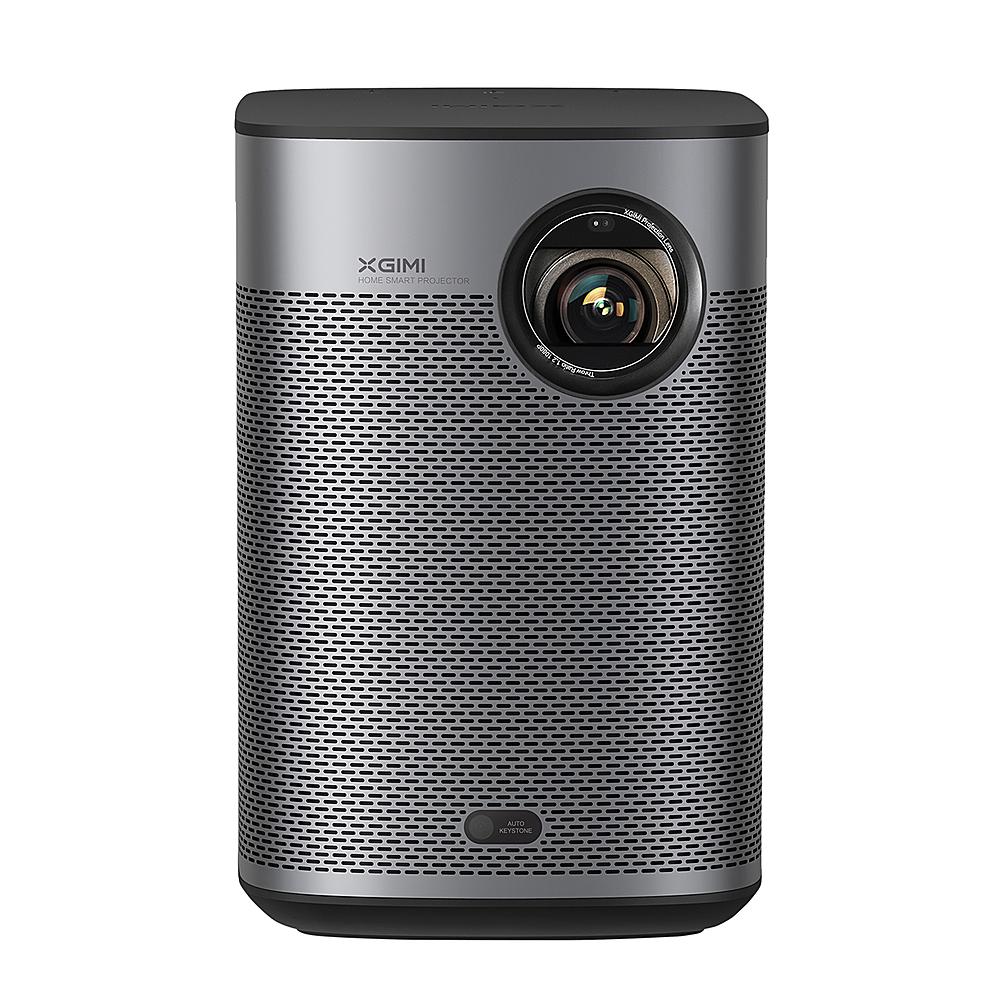
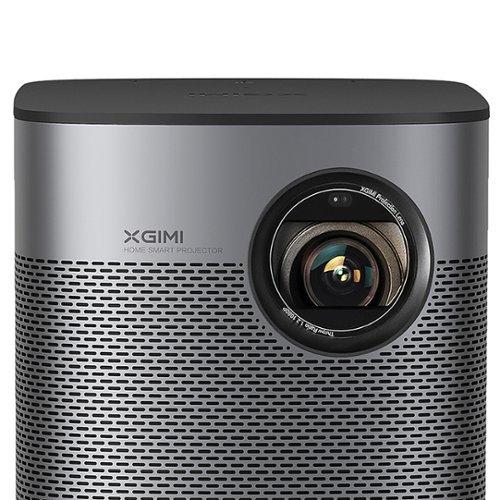
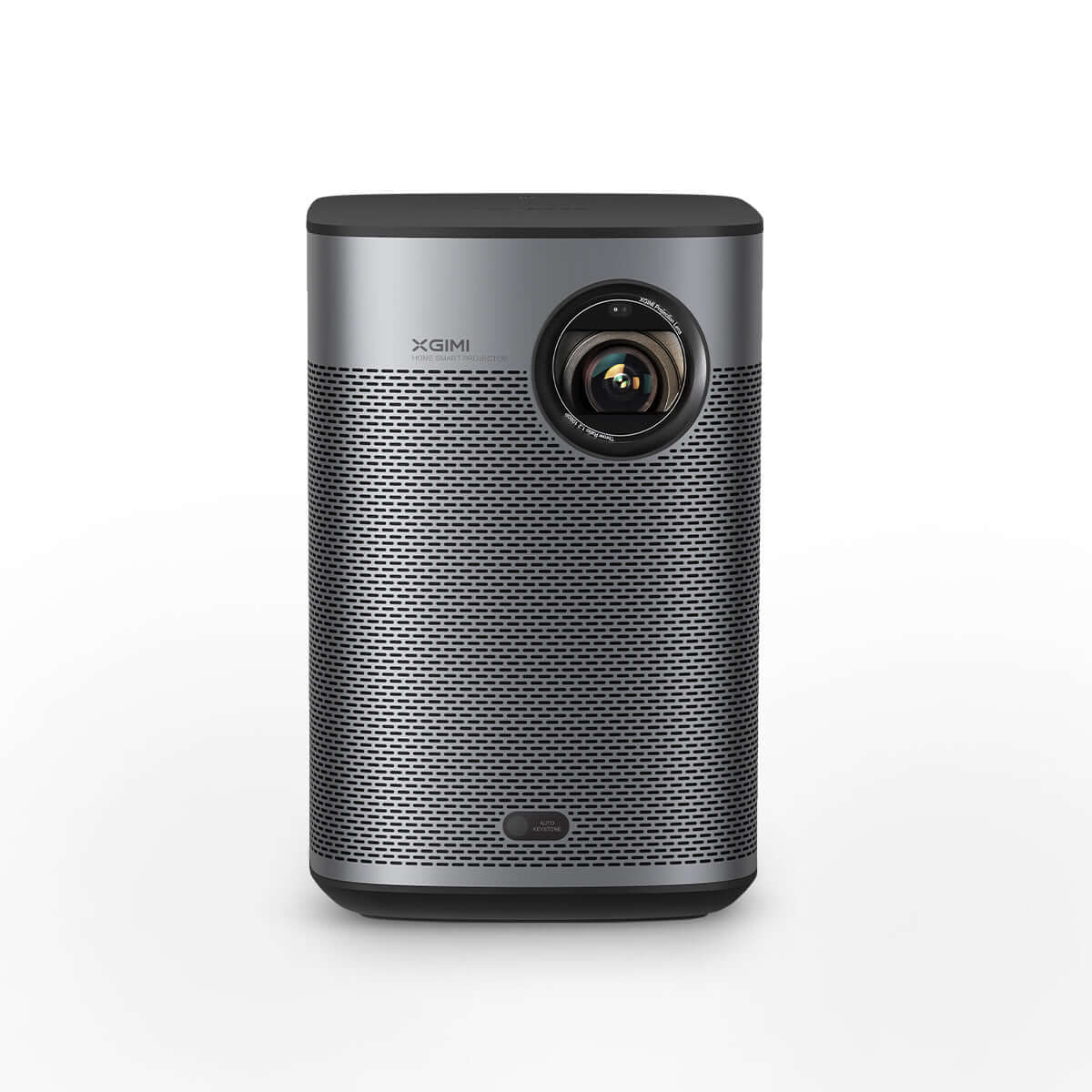
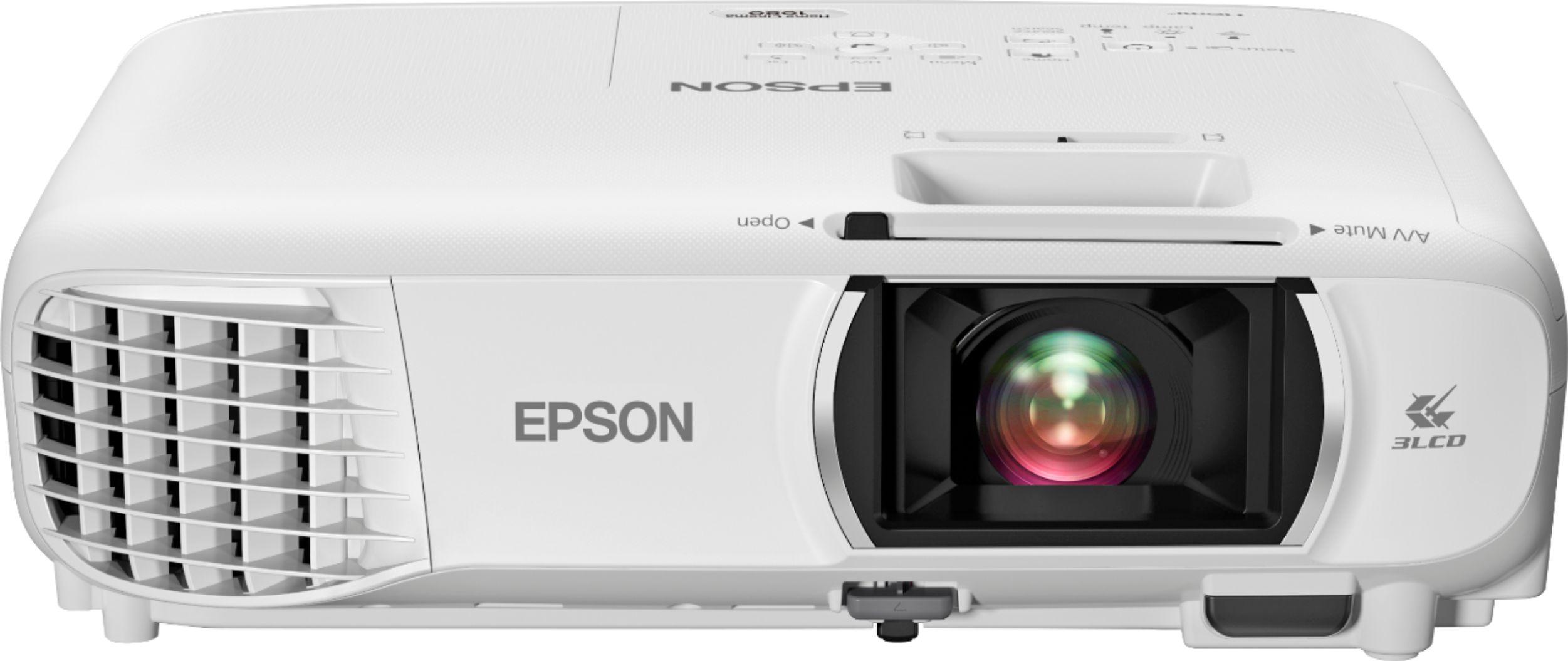
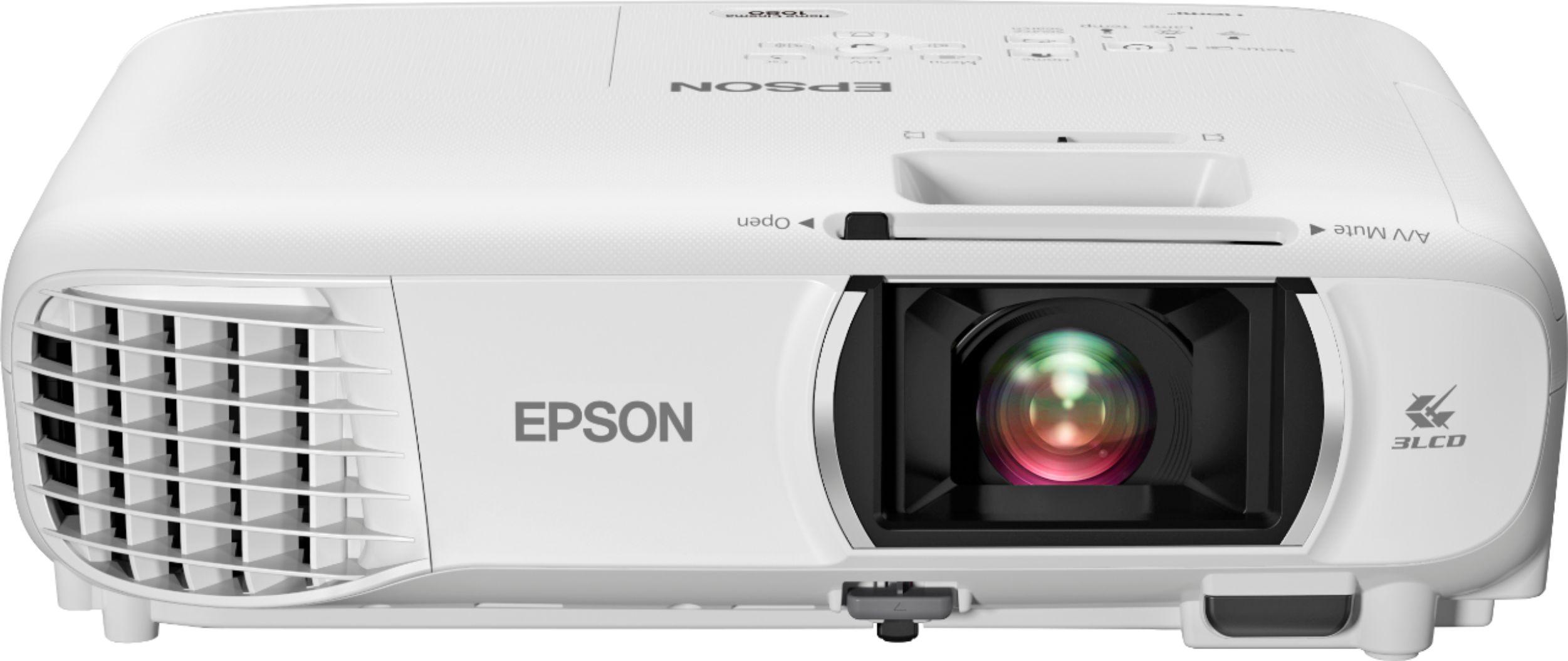
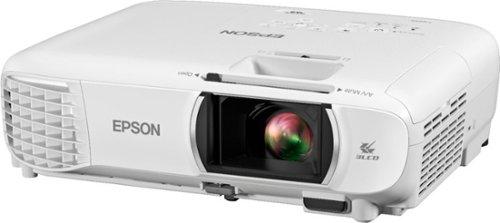
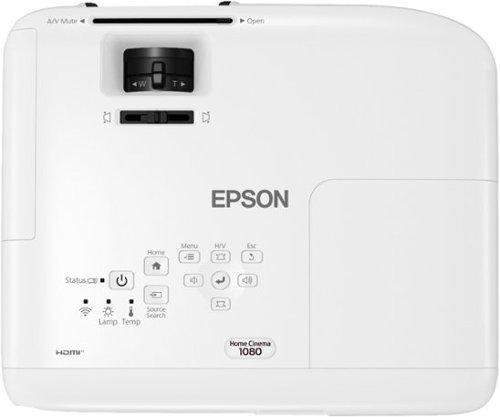
The XGIMI Halo+, released in late 2021, represents the cutting edge of portable projection technology—a premium device designed to go anywhere while delivering a complete entertainment package. On the other hand, the Epson Home Cinema 1080, launched in 2020, embodies the classic home theater approach with its focus on raw brightness and performance in dedicated viewing spaces.
"But aren't all projectors basically the same?" Not quite. As we'll explore, these two models represent distinctly different philosophies about what makes a projector valuable. The Halo+ prioritizes flexibility, smart features, and all-in-one convenience, while the Epson focuses on delivering maximum brightness and traditional performance at a more accessible price point.
Let's dive deeper into what makes each of these approaches compelling—and which might be right for your specific needs.
Before comparing specific models, it's important to understand the fundamental considerations that should guide your projector purchase:
Usage Environment: Perhaps the most critical question is where and how you'll use your projector. Will it live permanently mounted in a dedicated space, or do you need something you can easily move from room to room or take outside? The XGIMI Halo+ was designed with multi-location use in mind, while the Epson Home Cinema 1080 works best when installed in a consistent location.
Brightness Requirements: This is a technical specification with huge real-world implications. Brightness (measured in lumens) determines how visible your projected image will be in different lighting conditions. If you're watching exclusively in a dark room, lower brightness can suffice. But if you plan to use your projector with some ambient light present—like in a living room during the day—higher brightness becomes essential.
Portability Needs: Do you want the freedom to set up impromptu movie nights in different locations, or will your projector remain stationary? The weight, size, and battery capabilities of a projector directly impact its practical portability.
Built-In Features: Modern projectors often include smart functions similar to those found in smart TVs. This includes operating systems with streaming apps, voice assistants, and wireless connectivity options. These features can eliminate the need for external streaming devices, simplifying your setup.
Image Quality Priorities: While both projectors we're comparing offer 1080p Full HD resolution, other factors like contrast ratio, color accuracy, and HDR support significantly affect the viewing experience.
Value Proposition: "Value" doesn't simply mean "lowest price." Rather, it's about which device delivers the features that matter most to you at a reasonable cost. For some users, portability and convenience justify a premium price, while others prioritize maximum brightness per dollar spent.
When it comes to projectors, image quality encompasses several interconnected factors that determine what you actually see on screen. Let's break down how our two contenders perform:
Both the XGIMI Halo+ and Epson Home Cinema 1080 deliver 1080p Full HD resolution (1920×1080 pixels), which remains the sweet spot for most projector applications. While 4K projectors exist, they command significantly higher prices, and the benefits of 4K become less noticeable at typical viewing distances.
Where these projectors differ is in their underlying display technologies. The Epson uses 3LCD technology, which splits light through three separate LCD panels (one each for red, green, and blue). This approach delivers equal color and white brightness, helping maintain color vibrancy even in brighter scenes. The XGIMI employs DLP (Digital Light Processing) technology, which uses tiny mirrors on a semiconductor chip to reflect light through a color wheel. DLP typically offers better contrast and sharper pixel definition, but can sometimes produce a "rainbow effect" that sensitive viewers might notice.
This is where the biggest practical difference emerges. The Epson Home Cinema 1080 outputs a substantial 3,400 lumens of brightness, while the XGIMI Halo+ produces 700 ISO lumens (roughly 900 ANSI lumens). This isn't just a numbers game—it fundamentally changes where and how you can use these projectors.
To put this in perspective, the Epson has nearly 4-5 times the light output of the XGIMI. This means the Epson can maintain a vibrant, visible image in rooms with significant ambient light—think afternoon viewing in a living room with some blinds drawn. The XGIMI, despite its respectable brightness for a portable projector, performs best in controlled lighting conditions or after sunset for outdoor viewing.
Since their releases, neither manufacturer has dramatically improved brightness in their follow-up models in the same price range, suggesting that these brightness levels represent intentional design choices rather than technological limitations.
Color accuracy and contrast contribute enormously to perceived image quality. The Epson's 3LCD technology naturally produces vibrant colors without sacrificing brightness. Its rated contrast ratio of 16,000:1 provides solid black levels in controlled environments.
The XGIMI Halo+ counters with its X-VUE 2.0 Image Engine, a proprietary image processing technology that enhances clarity and color accuracy. It also supports HDR10 and HLG (Hybrid Log Gamma) formats, which the Epson lacks. HDR support allows the Halo+ to display a wider range of brightness levels and colors when fed HDR content, creating more dynamic images despite its lower overall brightness.
In practical terms, the XGIMI often delivers more "cinematic" color tuning in dark environments, while the Epson produces brighter, more vivid images that hold up better with some lights on.
A projector with stunning image quality isn't worth much if it's frustrating to set up and use. This is where the philosophical differences between these projectors become most apparent.
The XGIMI Halo+ represents the next generation of "smart projectors" with its Intelligent Screen Adaptation (ISA) technology. This system automatically handles keystone correction (adjusting the image shape when projecting at an angle), focus, and screen alignment. It can even detect obstacles in the projection path and resize the image to avoid them. These features make setting up the Halo+ nearly effortless—just point it at a wall, and within seconds, you have a properly squared and focused image.
Since its release, XGIMI has continued refining this technology. While early versions sometimes struggled with certain wall textures or lighting conditions, firmware updates have significantly improved reliability.
The Epson Home Cinema 1080 takes a more traditional approach. It does offer automatic vertical keystone correction and includes a 1.2x optical zoom lens for flexible placement. However, it lacks the fully automated setup of the XGIMI. This means you'll spend more time manually adjusting focus and position—not a major issue for permanent installations but potentially frustrating for frequent repositioning.
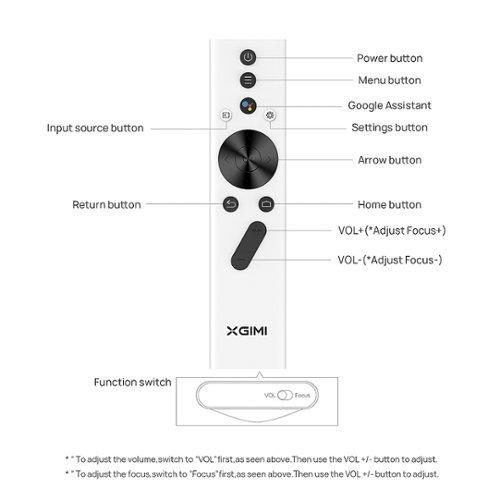
Here again, we see dramatically different approaches. The XGIMI Halo+ runs on Android TV, providing native access to thousands of streaming apps like YouTube, Disney+, and Amazon Prime Video. It has built-in Chromecast functionality and supports screen mirroring from both Android and iOS devices. The projector essentially functions as a complete smart TV with a massive screen.
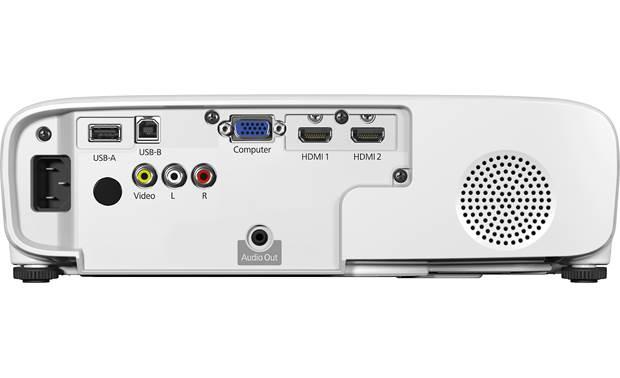
The Epson, reflecting its more traditional design philosophy, focuses on physical connectivity rather than built-in smarts. It offers two HDMI ports, VGA input, composite video, and USB connections. While it does include basic Wi-Fi capabilities with Miracast support for screen mirroring, you'll need to connect external streaming devices (like a Roku, Apple TV, or Fire Stick) for accessing content services.
For many users, the XGIMI's integrated approach simplifies the overall experience—one device does it all. However, the Epson's approach has its advantages too. External streaming devices are easily upgraded as technology advances, while built-in smart platforms may eventually lose support for newer apps or features.
Sound quality dramatically affects viewing enjoyment, yet it's frequently an afterthought in projector discussions. Our contenders take radically different approaches to audio.
The XGIMI Halo+ features dual 5W Harman/Kardon speakers with support for Dolby Audio and DTS-HD. These aren't just token speakers—they deliver genuinely impressive sound for the projector's size. The audio is clear, reasonably full-ranged, and loud enough to serve a small to medium-sized room. This integrated audio system is essential to the Halo+'s portable philosophy: you can set it up anywhere and immediately enjoy content without connecting external speakers.
The Epson Home Cinema 1080 includes just a basic 2W mono speaker that's suitable only for system sounds or temporary use. The expectation is clear: for any serious viewing, you'll connect the projector to an external sound system. This follows the traditional home theater approach where projectors focus on image quality while dedicated audio equipment handles sound.
This difference perfectly encapsulates the contrast between these products. The XGIMI is designed as a complete standalone entertainment system, while the Epson excels at one specific function with the expectation that it will be part of a larger system.
The physical design of these projectors directly reflects their intended use cases.
The XGIMI Halo+ weighs just 1.6 kg (3.53 lbs) with compact dimensions of 172 × 114 × 145 mm. Its aluminum body feels premium while maintaining a lightweight profile. Most importantly, it includes a built-in 59.454Wh battery that provides up to 2.5 hours of projection time—enough for most movies without requiring a power outlet. This makes the Halo+ truly portable, enabling everything from backyard movie nights to camping trips.
The Epson Home Cinema 1080, at 2.8 kg (6.2 lbs), isn't exactly heavy but clearly wasn't designed with frequent movement in mind. Its plastic construction feels durable but utilitarian, and it requires constant power connection. However, its larger size accommodates the cooling system necessary for its much brighter lamp, which runs considerably hotter than the XGIMI's LED light source.
Since their respective releases, we've seen minor refinements in portable projector design (XGIMI's newer models are slightly smaller), but the fundamental size and weight differences between portable and home theater projectors remain consistent across the industry.
When considering value, we need to examine what each device prioritizes and how well it delivers on its promises.
The XGIMI Halo+ typically retails around $799, positioning it in the premium portable projector segment. What justifies this price? You're paying for a complete entertainment package that requires no additional components—just point it at a wall and start watching. The built-in battery, automatic setup features, Android TV, and quality speakers deliver convenience and flexibility that traditional projectors can't match. For users who value portability and ease of use, this represents strong value despite the higher price tag.
The Epson Home Cinema 1080 usually sells for around $549-$649, making it significantly less expensive. It delivers substantially higher brightness—its primary selling point—at a lower cost. However, to get a complete viewing experience, you'll likely need to add external speakers and streaming devices, narrowing the actual price gap somewhat. The Epson also uses a replaceable lamp with a 6,000-hour lifespan in normal mode (up to 12,000 in ECO mode), while the XGIMI's LED light source is rated for 25,000 hours but isn't replaceable.
Value ultimately depends on your specific needs. The XGIMI offers premium convenience and portability, while the Epson delivers superior raw brightness per dollar spent.
To make this comparison concrete, let's explore the specific scenarios where each projector excels:
The Multi-Room User: If you want to watch movies in your bedroom one day, the living room the next, and perhaps set up an impromptu backyard cinema on the weekend, the Halo+ is ideal. Its automatic setup features make these transitions nearly effortless.
The Traveler: For those who want to bring big-screen entertainment to hotel rooms, vacation rentals, or friends' homes, the Halo+'s portable design and battery power provide unmatched flexibility.
The Space-Constrained: In small apartments or rooms where dedicated audio systems aren't practical, the Halo+'s quality built-in speakers eliminate the need for additional equipment.
The Outdoor Enthusiast: Battery power makes the Halo+ perfect for backyard movie nights or even camping trips without requiring extension cords or generators.
The Convenience-Focused User: If you value a streamlined experience with minimal components and setup time, the all-in-one approach of the Halo+ delivers exactly that.
The Dedicated Home Theater Builder: For permanent installations in dedicated viewing spaces, the Epson's higher brightness and traditional connectivity offer excellent performance at a competitive price.
The Bright Room Viewer: If you'll frequently watch content during the day or in rooms with significant ambient light, the Epson's superior brightness ensures visible, vibrant images even without perfect darkness.
The Budget-Conscious Enthusiast: Users seeking maximum screen size and brightness at a lower price point will appreciate the Epson's focus on core performance over premium features.
The System Integrator: If you already own quality audio equipment and streaming devices, the Epson integrates seamlessly with existing components without paying for redundant features.
The Large Screen Devotee: While both projectors can technically create large images, the Epson's higher brightness makes it more practical for consistently viewing at screen sizes above 100 inches.
After examining all these factors, how do you determine which projector better suits your needs? Here's a straightforward decision framework:
Choose the XGIMI Halo+ if:
Choose the Epson Home Cinema 1080 if:
Both projectors represent excellent choices within their respective categories. The XGIMI Halo+ delivers on its promise of premium portable projection with smart features and convenience, while the Epson Home Cinema 1080 provides exceptional brightness and core performance at a value-oriented price point.
Your ideal choice ultimately depends not on which projector is "better" in absolute terms, but on which better aligns with your specific viewing environment, usage patterns, and personal priorities. Whether you value the go-anywhere flexibility of the XGIMI Halo+ or the bright, vivid output of the Epson Home Cinema 1080, understanding these fundamental differences ensures you'll select the projector that brings the most enjoyment to your big-screen experiences.
| XGIMI Halo+ Portable Projector | Epson Home Cinema 1080 Projector |
|---|---|
| Price - Initial investment consideration | |
| $799 (premium portable category) | $549-$649 (mid-range home theater category) |
| Brightness - Determines usability in different lighting conditions | |
| 700 ISO lumens (best for dark or dimly lit environments) | 3,400 lumens (maintains vibrant image with ambient light) |
| Portability - Affects where and how you can use the projector | |
| 1.6 kg (3.53 lbs) with built-in battery (2.5 hours runtime) | 2.8 kg (6.2 lbs), requires constant power connection |
| Display Technology - Impacts color accuracy and image characteristics | |
| DLP with X-VUE 2.0 Image Engine and HDR10 support | 3LCD technology with equal color/white brightness, no HDR |
| Smart Features - Determines need for additional devices | |
| Android TV built-in with thousands of streaming apps | Basic Wi-Fi with Miracast; requires external streaming devices |
| Audio Solution - Affects total system cost and convenience | |
| Dual 5W Harman/Kardon speakers with Dolby Audio support | Basic 2W mono speaker (external sound system recommended) |
| Setup Experience - Impacts ease of use, especially for multi-room users | |
| Automatic focus, keystone correction, obstacle avoidance | Manual focus with basic auto vertical keystone correction |
| Lamp Life - Long-term maintenance consideration | |
| LED light source rated for 25,000 hours (not replaceable) | UHE lamp rated for 6,000-12,000 hours (replaceable) |
| Connectivity - Flexibility for connecting external devices | |
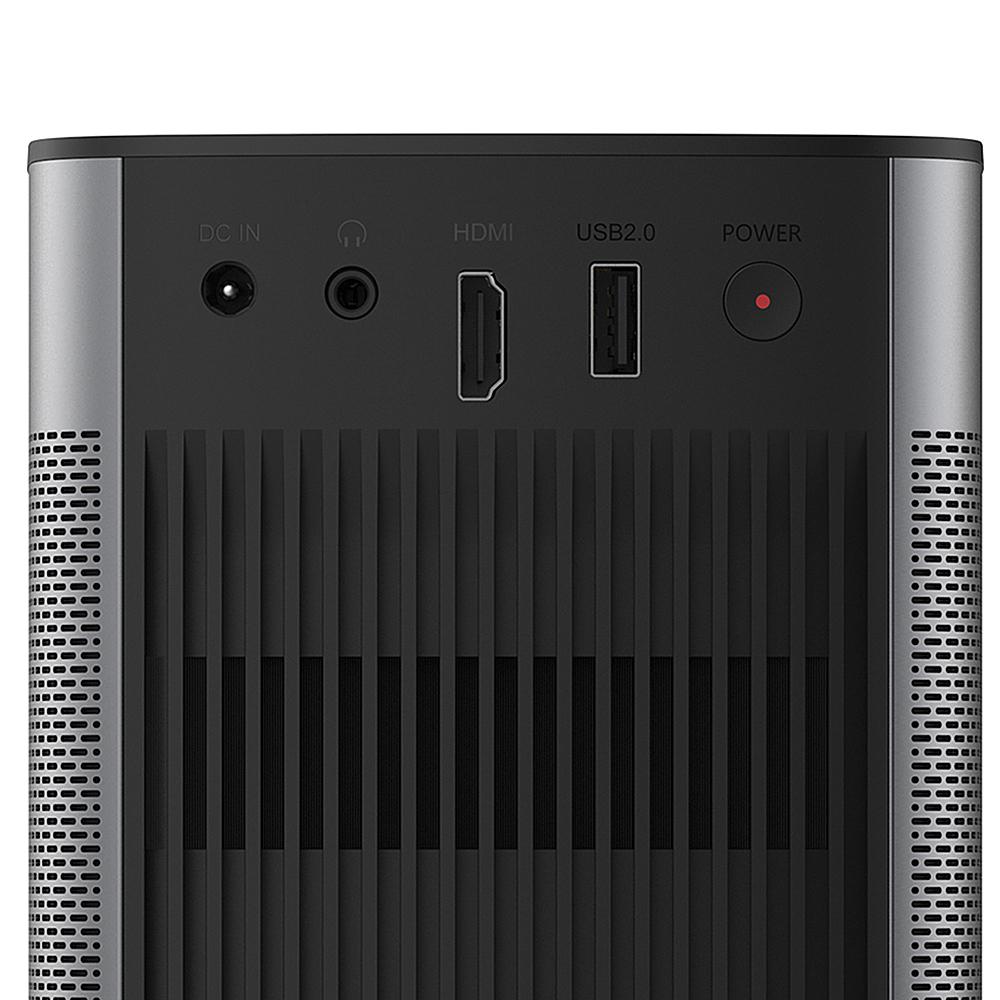
| 1 HDMI port, 1 USB port, Wi-Fi, Bluetooth | 2 HDMI ports, VGA, Composite, USB-A, USB-B, Wi-Fi |
| Ideal Use Case - Primary consideration for most buyers | |
| Multi-location viewing, travel, space-constrained environments | Dedicated home theater, bright room viewing, large screens |
The Epson Home Cinema 1080 is significantly brighter with 3,400 lumens compared to the XGIMI Halo+'s 700 ISO lumens. This makes the Epson much better for rooms with ambient light while the XGIMI performs best in darkened environments.
For a dedicated home theater room, the Epson Home Cinema 1080 typically provides better value with its higher brightness and contrast ratio. However, if your theater room is completely light-controlled, the XGIMI Halo+ can deliver good image quality with the added benefit of built-in streaming apps.
Yes, the XGIMI Halo+ is ideal for outdoor use thanks to its built-in battery that lasts up to 2.5 hours, eliminating the need for outdoor power outlets. The Epson Home Cinema 1080 requires constant power and isn't designed for outdoor portability.
The XGIMI Halo+ features superior sound with dual 5W Harman/Kardon speakers that provide rich audio adequate for most viewing situations. The Epson Home Cinema 1080 has only a basic 2W mono speaker and generally requires external speakers for satisfactory sound.
You likely won't need external speakers with the XGIMI Halo+ as its built-in Harman/Kardon speakers deliver good audio quality for most rooms. With the Epson Home Cinema 1080, external speakers are strongly recommended for any serious viewing experience.
The Epson Home Cinema 1080 performs much better in daylight or rooms with ambient light due to its 3,400 lumens brightness. The XGIMI Halo+, with 700 ISO lumens, struggles to produce a vivid image unless the room is substantially darkened.
The XGIMI Halo+ runs Android TV with thousands of streaming apps built-in (though Netflix requires workarounds). The Epson Home Cinema 1080 doesn't have built-in streaming apps and requires an external streaming device like Roku or Apple TV.
The XGIMI Halo+ is significantly easier to move between rooms thanks to its lighter weight (1.6kg), built-in battery, and automatic focus and keystone correction. The Epson Home Cinema 1080 requires more manual adjustment and always needs a power connection.
Both the XGIMI Halo+ and Epson Home Cinema 1080 offer 1080p resolution, but they use different technologies. The XGIMI uses DLP technology with HDR10 support for better contrast in dark rooms, while the Epson uses 3LCD technology that provides better color brightness and more vivid images, especially with some ambient light.
The XGIMI Halo+ uses an LED light source rated for 25,000 hours but isn't replaceable. The Epson Home Cinema 1080 lamp is rated for 6,000-12,000 hours depending on the mode, but can be replaced when it burns out, potentially offering longer total lifespan with maintenance.
For gaming, the XGIMI Halo+ offers lower input lag and portability for casual gaming sessions anywhere. The Epson Home Cinema 1080 provides a brighter, larger image that works well in varied lighting, making it better for dedicated gaming setups where immersion is key.
Value depends on your priorities. The XGIMI Halo+ at $799 offers better value if you need portability, built-in streaming, and quality audio in one package. The Epson Home Cinema 1080 at $549-$649 provides better value if maximum brightness and image size in a fixed location are your priorities.
We've done our best to create useful and informative comparisons to help you decide what product to buy. Our research uses advanced automated methods to create this comparison and perfection is not possible - please contact us for corrections or questions. These are the sites we've researched in the creation of this article: bestbuy.com - bestbuy.com - youtube.com - projectorcentral.com - staples.com - youtube.com - rtings.com - us.xgimi.com - youtube.com - cnet.com - us.xgimi.com - youtube.com - marieclaire.com - youtube.com - youtube.com - youtube.com - youtube.com - odpbusiness.com - bhphotovideo.com - bestbuy.com - projectorcentral.com - us.xgimi.com - global.xgimi.com - projectorscreen.com - petra.com - eu.xgimi.com - us.xgimi.com - global.xgimi.com - crutchfield.com - bestbuy.com - officedepot.com - bestbuy.com - bestbuy.com - audioholics.com - rtings.com - avsforum.com - projectorcentral.com - audiogeneral.com - projectorreviews.com - rtings.com - epson.com - youtube.com - epson.com - projectorreviews.com - projectorreviews.com - walmart.com - shop.avispl.com - bhphotovideo.com - staples.com - mediaserver.goepson.com - staples.com - bhphotovideo.com - epson.com - epson.com - dell.com - epson.com - bestbuy.com

Privacy Policy
Terms and Conditions - Affiliate Policy
Home Security
© Copyright 2008-2026.
11816 Inwood Rd #1211, Dallas, TX 75244