

The home projector market has evolved dramatically over the past few years, with technology that was once reserved for commercial theaters now accessible for everyday living rooms. Whether you're creating a dedicated home theater or looking for a versatile entertainment solution, today's projectors offer impressive performance at increasingly reasonable prices.
When comparing the WEMAX Vogue Pro and the Epson Home Cinema 1080, we're looking at two different approaches to home projection, each with distinct advantages depending on your specific needs. Released in 2022, the WEMAX Vogue Pro represents the newer generation of smart LED projectors, while the Epson Home Cinema 1080, launched in 2021, follows the traditional lamp-based projection technology that has been refined over decades.
Before diving into the specifics, it's worth understanding that projector technology has seen several major shifts recently. LED light sources have become viable alternatives to conventional lamps, smart operating systems have been integrated directly into projectors, and automatic setup features have made installation significantly easier. All these developments have expanded the potential use cases for projectors beyond dedicated home theaters into more casual living environments.
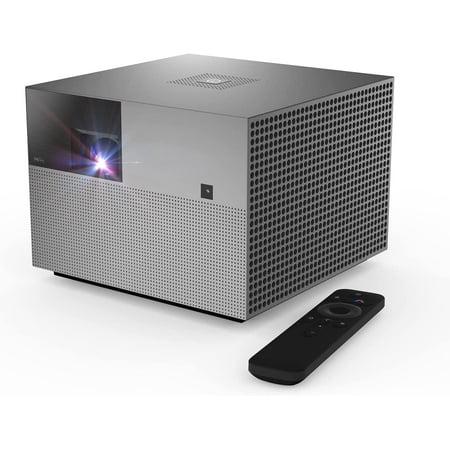
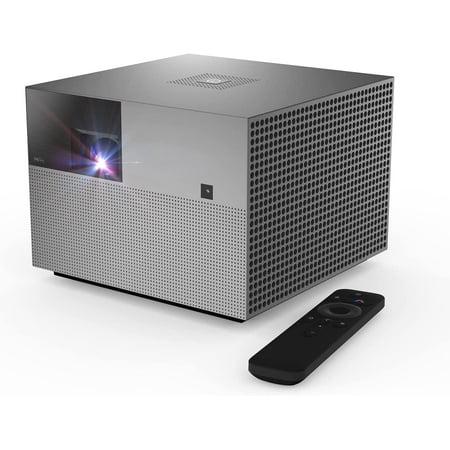
The WEMAX Vogue Pro embraces a distinctly modern aesthetic with its cube-shaped design measuring just 200 × 200 × 148 mm. At 3.5 kg, it's substantial enough to feel premium while remaining portable enough to move between rooms when needed. This compact form factor represents a significant engineering achievement, packing considerable technology into a space roughly the size of a small toaster.
The matte white exterior with rounded corners makes it visually unobtrusive, allowing it to blend seamlessly into contemporary living spaces rather than demanding to be hidden away. This is intentional design philosophy—as a device likely to sit on a coffee table or shelf rather than mounted permanently, WEMAX has created something you won't mind having visible.
One of the most significant advantages of the Vogue Pro's design is its LED light source. Unlike traditional projectors that use high-pressure lamps requiring replacement, the LED array is rated for 25,000+ hours of operation—essentially the lifetime of the product. This eliminates both the maintenance cost and the inconvenience of lamp replacements.
The projector also features impressively quiet operation at around 28dB, comparable to a whispered conversation. This is particularly important for a device that might sit just a few feet from viewers, as fan noise can significantly detract from the viewing experience.
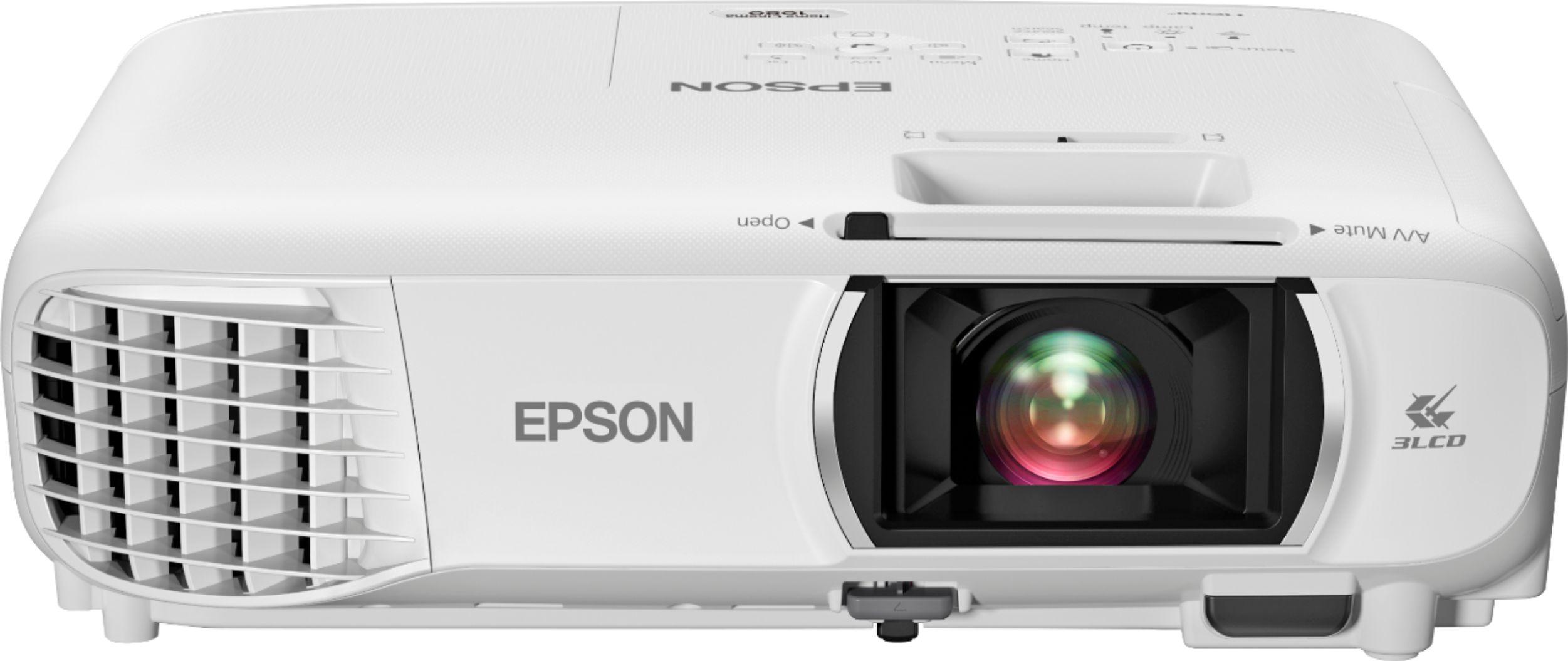
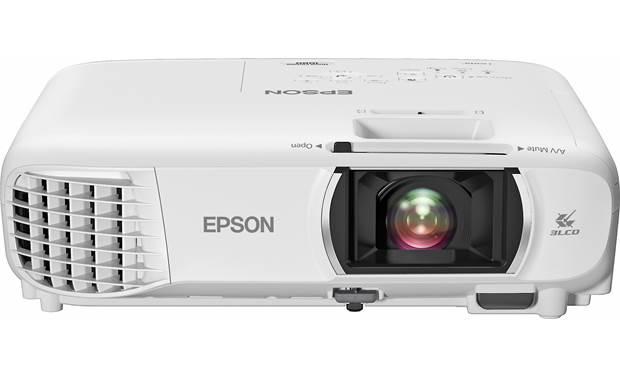
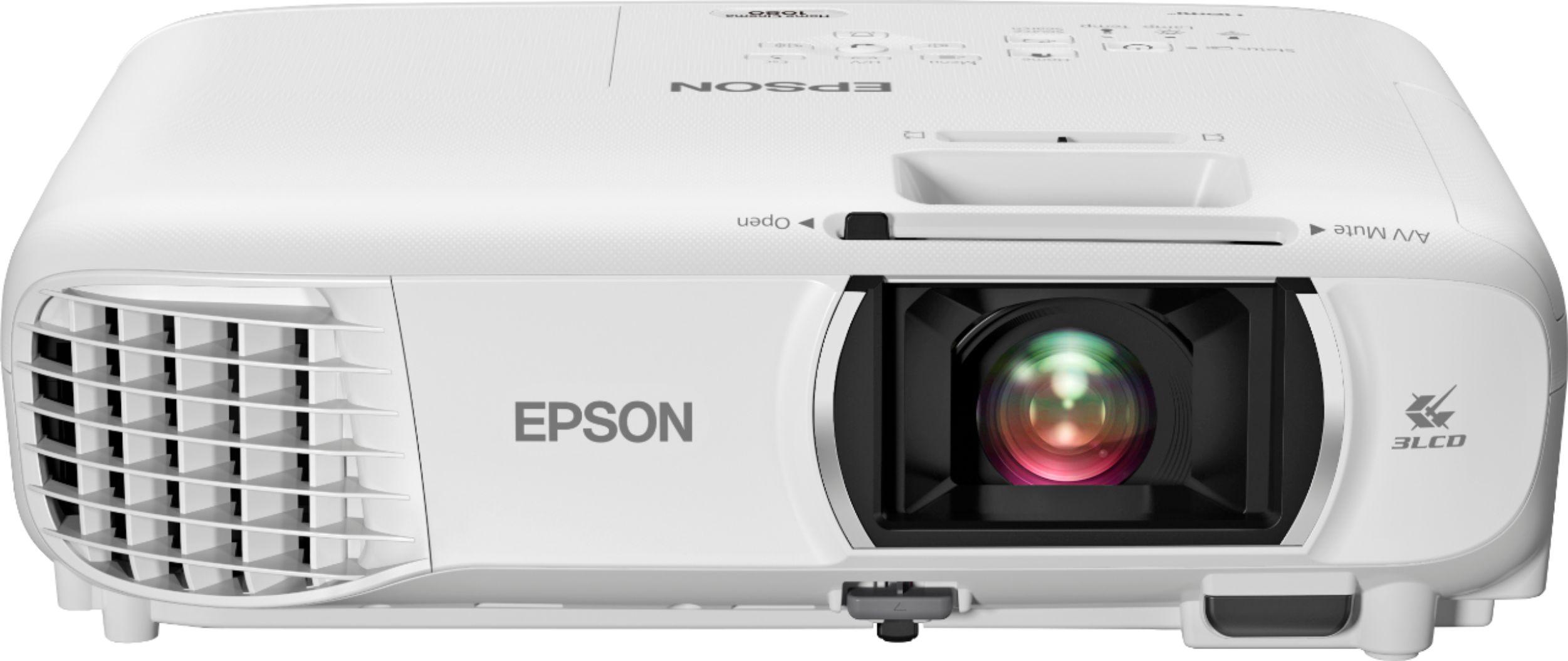
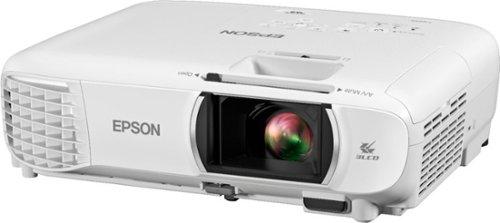
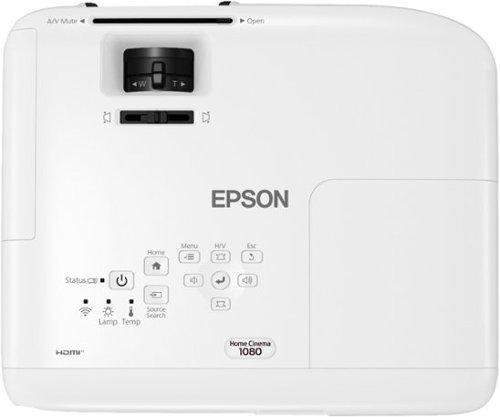
The Epson Home Cinema 1080 features a more conventional rectangular design measuring 11.9" × 9.9" × 3.6". At 6.2 lbs (2.8 kg), it's slightly lighter than the WEMAX despite its larger footprint. The white plastic housing with black accents follows Epson's established design language—practical and functional rather than style-focused.
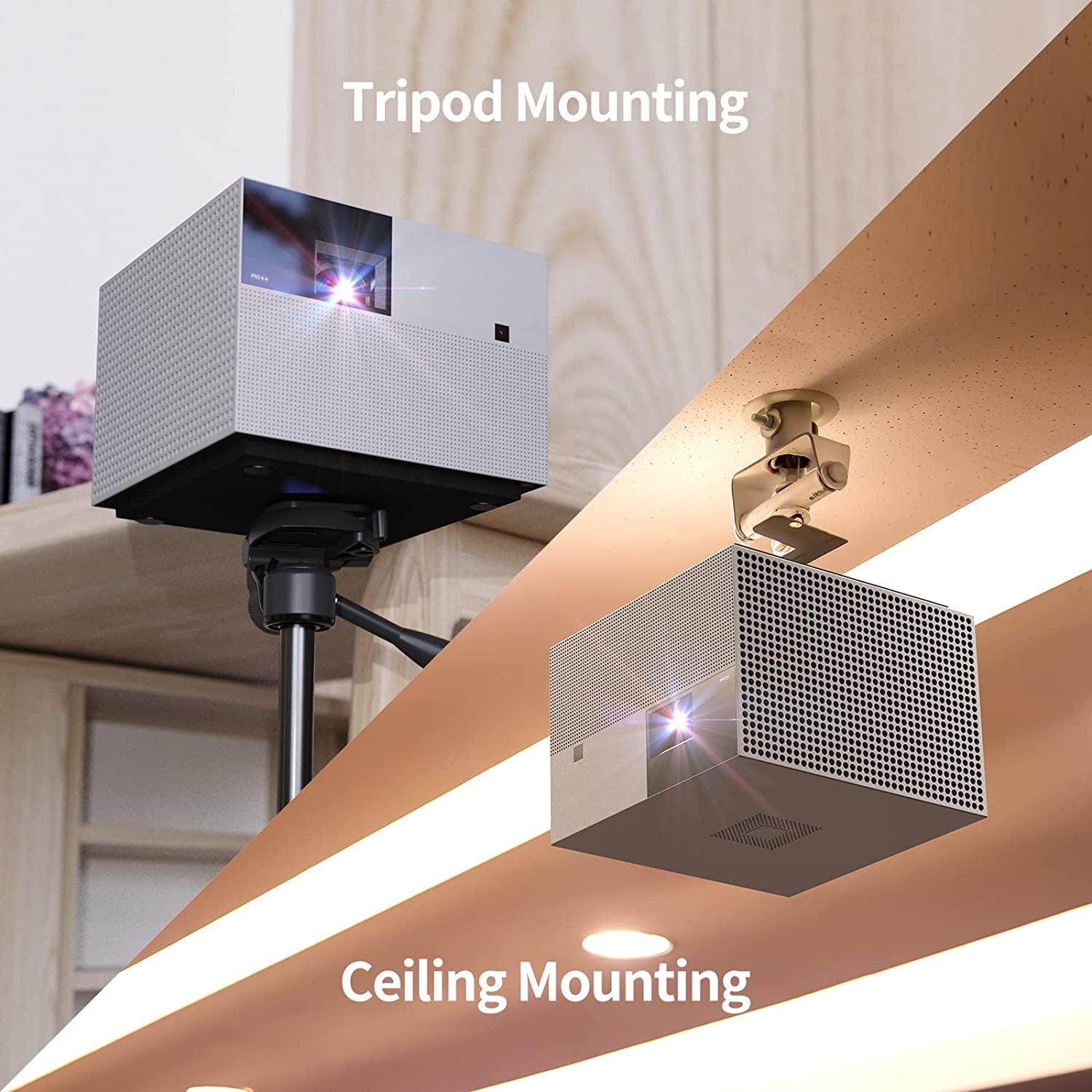
This design reflects its intended use case: permanent installation in a dedicated viewing space, either ceiling-mounted or placed on a stable surface. The projector includes standard mounting points that work with most ceiling bracket systems, making it well-suited for permanent setups.
The Epson uses a traditional 210W UHE (Ultra High Efficiency) lamp rated for 6,000 hours in Normal mode and up to 12,000 hours in ECO mode. This represents a significant improvement over projector lamps from just five years ago, which typically lasted 2,000-4,000 hours. Still, this means you'll likely need to replace the lamp at least once during the projector's useful life at a cost of approximately $99-150.
Fan noise is more noticeable on the Epson at 37dB in Normal mode, though it drops to 28dB in ECO mode. If ceiling-mounted and properly positioned, this noise level is generally acceptable for most viewers, but it's something to consider for table placement.
Perhaps the most significant technical difference between these projectors is their approach to generating light. The Epson Home Cinema 1080 utilizes a 3LCD system that produces an impressive 3,400 lumens of both color and white brightness. This technology uses three separate LCD panels (one each for red, green, and blue) and a lamp light source to create images with equal color and white brightness.
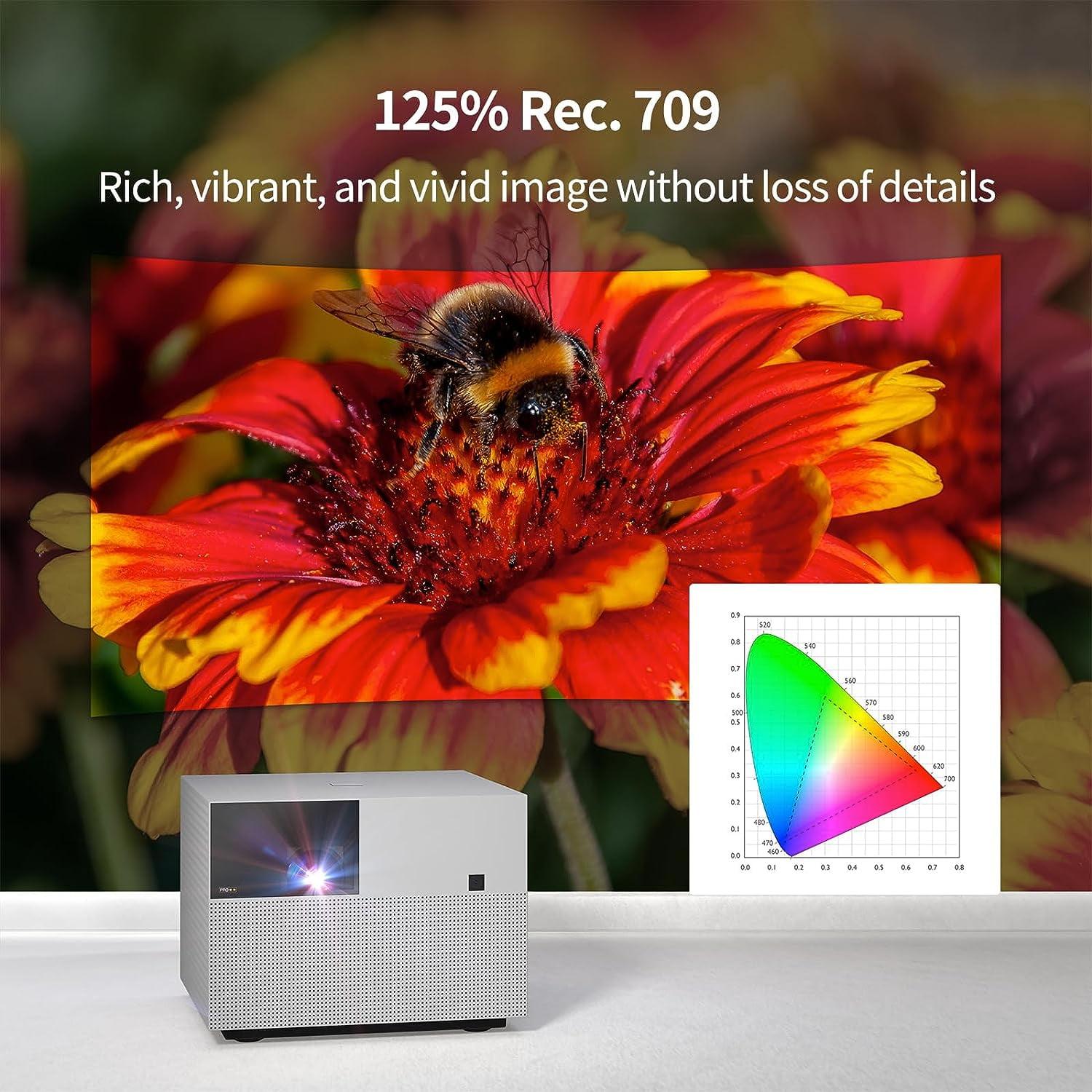
By comparison, the WEMAX Vogue Pro delivers 1,600 ANSI lumens from its 4-channel LED light source. ANSI lumens is a standardized measurement method that tends to be more accurate than non-standardized lumen claims. The 4-channel LED system (adding a dedicated yellow channel to the standard RGB) helps improve color accuracy and vibrancy compared to traditional 3-channel LED projectors.
What does this brightness difference mean in practical terms? The Epson can maintain a vibrant, visible image in rooms with moderate ambient light, even on larger screens up to 120 inches diagonal. It's capable of projecting in spaces where light control is imperfect—rooms with white walls, some daylight through windows, or normal household lighting.
The WEMAX, while still impressively bright for an LED projector, performs optimally in environments with more controlled lighting. For movie nights, you'll want to dim the lights and possibly use blackout curtains for daytime viewing on larger screens. It still performs admirably in living rooms with some ambient light, but you might find yourself limiting screen size to 80-100 inches in such conditions to maintain image punch and saturation.
This brightness difference is most noticeable when projecting high dynamic range (HDR) content, where the ability to produce bright highlights significantly impacts perceived image quality.
While brightness creates the foundation of a projected image, color reproduction and contrast determine how lifelike and immersive that image appears. Here, the technical approaches of these projectors create different strengths.
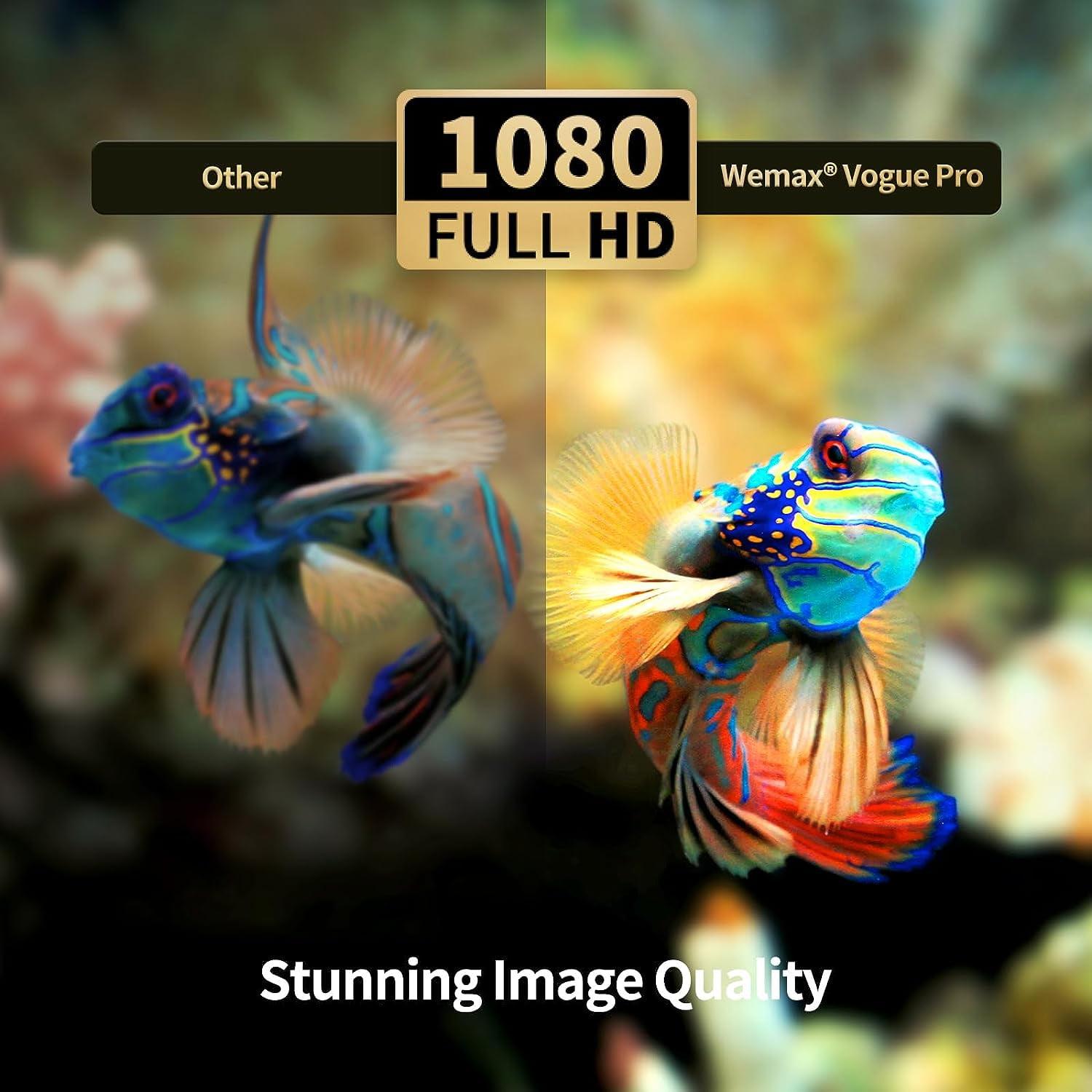
The WEMAX Vogue Pro boasts a 2,500:1 contrast ratio and supports HDR10 content. Its 4-channel LED light source is a technological advancement over traditional 3-channel (RGB) LEDs, adding a yellow channel that helps improve color accuracy, particularly for skin tones and warmer colors. The HDR10 support allows the projector to interpret high dynamic range metadata from compatible content, though the actual displayed range is limited by the projector's native contrast capabilities.
The Epson Home Cinema 1080 claims a much higher contrast ratio of up to 16,000:1 and includes 10-bit color processing. The 3LCD technology inherently avoids the "rainbow effect" (color separation artifacts) sometimes visible with single-chip DLP projectors. This higher contrast ratio translates to deeper blacks and more detail in shadows, creating a more dynamic image with greater perceived depth.
In practice, the Epson delivers more cinematic contrast, particularly valuable when watching movies with dark scenes. The WEMAX counters with excellent color accuracy and saturation thanks to its 4-channel LED system, making it particularly strong with colorful animated content, sports, and brightly lit scenes.
It's worth noting that contrast measurements can vary significantly based on measurement methods, and real-world performance may not directly reflect the stated specifications. In typical living room environments, the difference in contrast is noticeable but not dramatic unless viewing in near-perfect darkness.
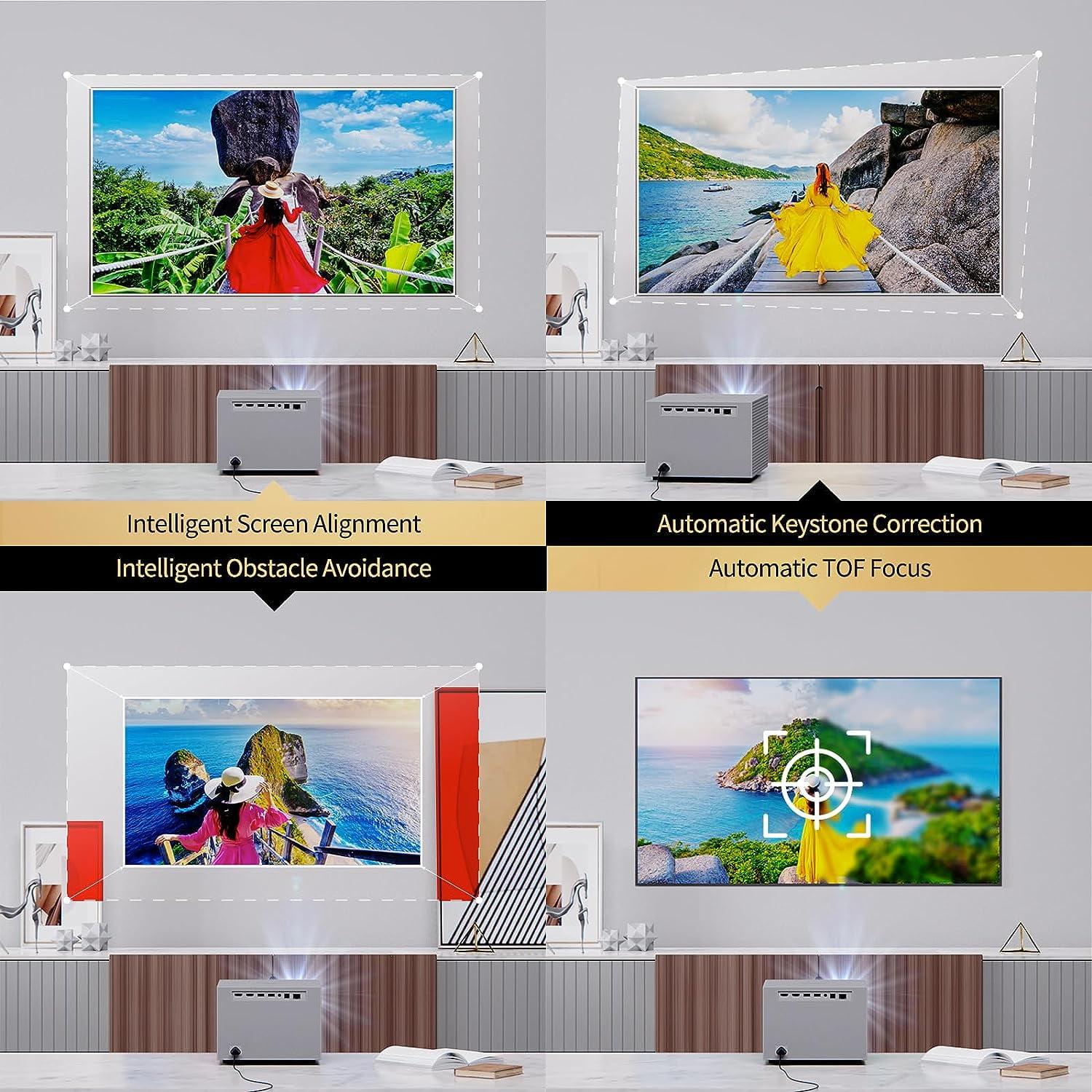
Modern projectors have made significant strides in simplifying setup, with automatic adjustment features that were unimaginable just a few years ago. Here, the WEMAX Vogue Pro shines with its suite of automatic functions:
These features combine to make the WEMAX exceptionally user-friendly. You can place it on a coffee table, bookshelf, or side table, power it on, and it will automatically configure itself for optimal viewing in seconds. This "place and play" capability represents a significant advantage for casual users or those who might move the projector between different viewing locations.
The Epson Home Cinema 1080 offers more traditional but still useful adjustment features:
While less automated than the WEMAX, these adjustments are designed for a projector that will likely be installed once and left in place. The optical zoom (which adjusts the image size without moving the projector) is particularly valuable for permanent installations where precise positioning may be challenging.
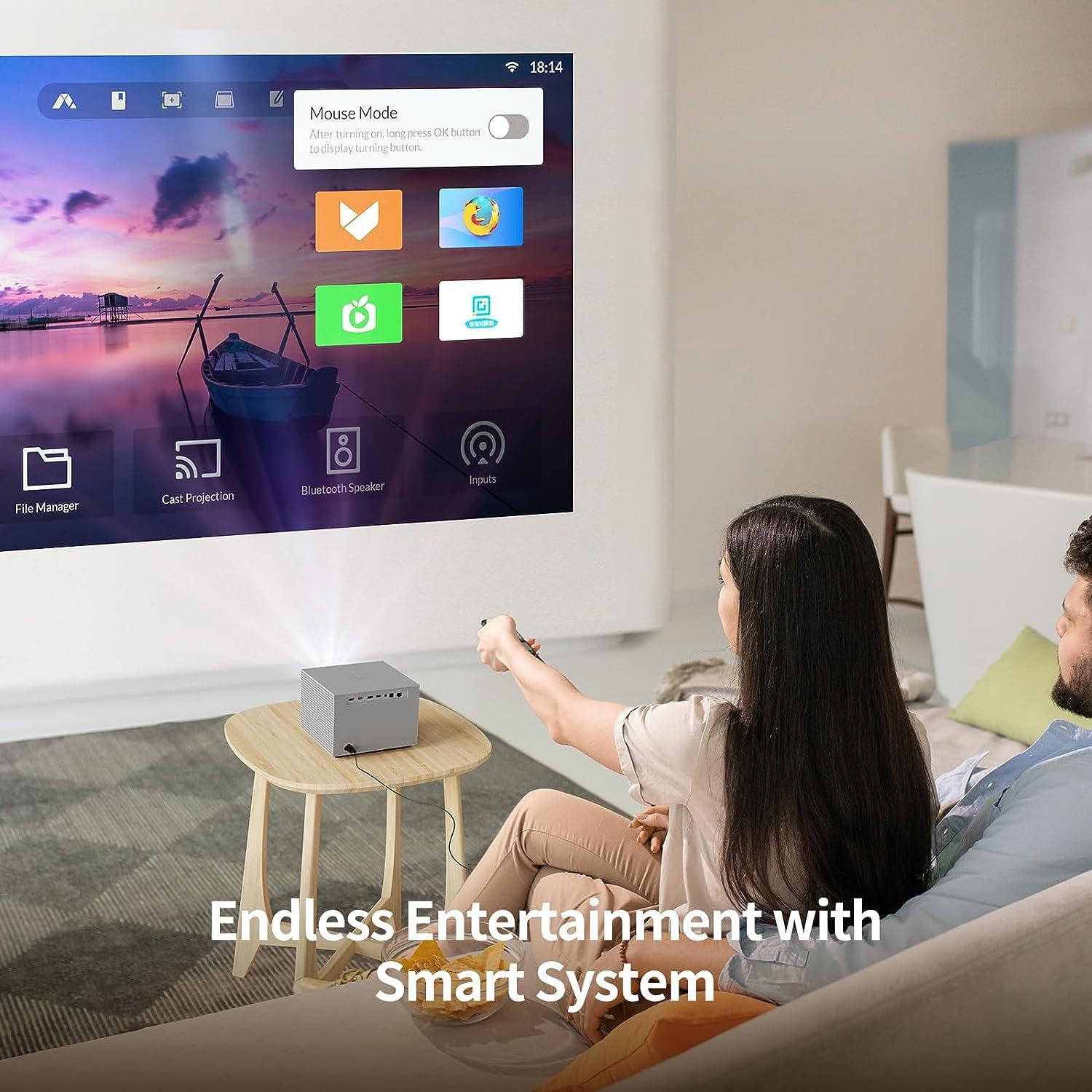
One of the most striking differences between these projectors is their approach to content delivery. The WEMAX Vogue Pro functions as a complete entertainment system with its Android-based FengOS operating system. This provides direct access to popular streaming apps without requiring additional devices.
The built-in smart platform includes:
This integrated approach means you can power on the projector and start streaming content immediately—no HDMI cables or external streaming devices required. For many users, particularly those seeking simplicity, this all-in-one functionality is compelling.
By contrast, the Epson Home Cinema 1080 is a pure display device without a smart operating system. It requires external source devices—whether streaming sticks, Blu-ray players, gaming consoles, or computers—connected via its input ports. While this means additional components and cables, it also provides flexibility to choose your preferred streaming platform and upgrade it independently of the projector.
Both approaches have merits. The integrated system of the WEMAX offers convenience and reduces clutter, while the Epson's external approach provides more customization options and potentially longer-term compatibility as streaming platforms evolve.
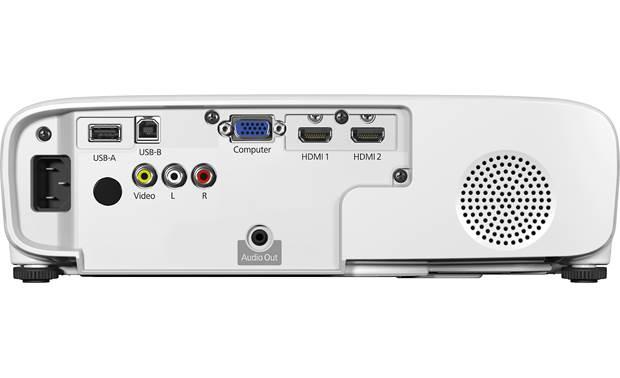
Both projectors offer comprehensive connectivity options, though with different emphases reflecting their intended use cases.
The WEMAX Vogue Pro features:
The Epson Home Cinema 1080 includes:
The WEMAX's connectivity suite emphasizes modern digital connections, particularly with HDMI 2.1 which supports higher bandwidth for future-proofing. The inclusion of audio output options reflects its potential standalone use. The Epson maintains compatibility with older devices through VGA and composite connections, valuable for users with legacy equipment like older computers or game consoles.
Projector audio has historically been an afterthought, with most users expected to connect external sound systems. However, as projectors have evolved into more complete entertainment systems, audio quality has improved significantly.
The WEMAX Vogue Pro features dual 10W speakers with support for Dolby Audio and DTS-HD. This speaker system provides surprisingly capable sound for a projector, with reasonable clarity and volume that can fill a medium-sized room. While it won't replace a dedicated sound system for serious movie watching, it's entirely adequate for casual viewing, TV shows, and even some gaming.
The Epson Home Cinema 1080 includes a more basic single 2W mono speaker that provides functional but limited audio. It's sufficient for system sounds and temporary use but inadequate for enjoying movies or music. This reflects Epson's expectation that the projector will be used as part of a broader home theater system with separate audio.
This difference in audio capability significantly impacts how these projectors might be used. The WEMAX can function as a true standalone entertainment system, while the Epson almost requires external audio to provide a satisfying experience.
When evaluating projectors, the initial purchase price tells only part of the story. Long-term maintenance requirements significantly impact both cost of ownership and user experience.
The WEMAX Vogue Pro uses an LED light source rated for approximately 25,000 hours before significant brightness degradation. For perspective, that's over 8 years of use at 8 hours daily. This essentially makes the light source a lifetime component, eliminating the need for replacement during normal ownership periods. Additionally, LED light sources maintain more consistent color performance throughout their lifespan compared to traditional lamps which can shift in color temperature as they age.
The Epson Home Cinema 1080 uses a replaceable UHE lamp rated for up to 6,000 hours in Normal mode or 12,000 hours in ECO mode. This means you'll likely need to replace the lamp at least once during a typical ownership period. Replacement lamps cost approximately $99-150 and require careful handling during installation.
Beyond the lamp, both projectors use filter systems to prevent dust accumulation on internal components. The WEMAX features a sealed optical engine that reduces maintenance needs, while the Epson requires periodic filter cleaning or replacement to maintain optimal performance.
These maintenance differences may seem minor initially but become increasingly significant over years of ownership, affecting both total cost and convenience.
When evaluating value, we need to consider both initial investment and long-term costs to determine which projector offers better value for specific needs.
The WEMAX Vogue Pro typically retails at a higher initial price point than the Epson Home Cinema 1080, reflecting its newer technology, smart features, and automatic adjustment capabilities. However, this gap narrows when considering total cost of ownership over 5+ years, factoring in the Epson's lamp replacement costs.
For users who value convenience and minimal maintenance, the WEMAX's higher upfront cost may be justified by its zero-maintenance light source and automatic setup features. The integrated smart platform also potentially eliminates the need for separate streaming devices, further enhancing its value proposition.
Conversely, for users who already own streaming devices and prioritize maximum brightness and contrast for dedicated home theater use, the Epson offers compelling value despite future lamp replacement costs. Its superior light output and contrast ratio provide performance advantages for specific use cases that may justify the maintenance requirements.
After analyzing both projectors in detail, here's how to determine which might be best for your specific situation:
Choose the WEMAX Vogue Pro if:
Choose the Epson Home Cinema 1080 if:
The WEMAX Vogue Pro and Epson Home Cinema 1080 represent two different but equally valid approaches to home projection. The WEMAX embraces newer technologies—LED lighting, smart operating systems, automated setup—to create a user-friendly, all-in-one entertainment solution. The Epson focuses on maximizing traditional projection performance metrics—brightness, contrast, and compatibility—for more dedicated home theater applications.
Your choice ultimately depends on how you plan to use your projector and which aspects of performance matter most to you. The good news is that both represent significant advancements over projectors from just a few years ago, offering impressive performance at increasingly accessible price points. Whether you choose the convenience-focused WEMAX Vogue Pro or the performance-oriented Epson Home Cinema 1080, today's projector technology brings the big-screen experience home with fewer compromises than ever before.
| WEMAX Vogue Pro 1080P Smart Projector | Epson Home Cinema 1080 Projector |
|---|---|
| Resolution - Both deliver full HD picture quality | |
| 1920x1080 (1080p) native resolution | 1920x1080 (1080p) native resolution |
| Brightness - Critical for rooms with ambient light | |
| 1,600 ANSI lumens (LED light source) | 3,400 lumens (lamp-based, significantly brighter) |
| Light Source - Impacts maintenance costs and lifespan | |
| 4-channel LED (25,000+ hour lifespan, no replacement needed) | 210W UHE lamp (6,000-12,000 hour lifespan, $99-150 replacement cost) |
| Contrast Ratio - Affects image depth and black levels | |
| 2,500:1 contrast ratio | Up to 16,000:1 contrast ratio (superior dark scene performance) |
| Smart Features - Determines need for external devices | |
| Built-in Android-based FengOS with streaming apps | No smart OS (requires external streaming devices) |
| Auto Setup Features - Impacts ease of use and flexibility | |
| Auto focus, auto keystone, auto obstacle avoidance | Basic keystone correction (±30° vertical/horizontal) |
| Audio System - Determines need for external speakers | |
| Dual 10W speakers with Dolby Audio and DTS-HD | Single 2W mono speaker (inadequate for most content) |
| Connectivity - Flexibility for connecting devices | |
| 2x HDMI 2.1 (1 with ARC), 2x USB, Ethernet, optical audio | 2x HDMI, VGA, composite video, 2x USB (better for legacy devices) |
| Size & Weight - Impacts portability and placement | |
| 200 x 200 x 148 mm, 3.5 kg (compact cube design) | 11.9" x 9.9" x 3.6", 6.2 lbs (standard projector form factor) |
| Noise Level - Affects viewing experience, especially nearby | |
| 28dB (quieter operation suitable for close proximity) | 37dB Normal / 28dB ECO (more noticeable in Normal mode) |
| Projection Size - Room size compatibility | |
| 40-120 inches diagonal | 30-300 inches diagonal (greater size flexibility) |
| Zoom - Affects installation flexibility | |
| Digital zoom only | 1.2x optical zoom (better image quality when zooming) |
| Value Proposition - Overall cost-benefit analysis | |
| Higher initial cost but zero maintenance, better for smart features and convenience | Lower initial cost but requires lamp replacements, better for pure brightness and contrast |
The Epson Home Cinema 1080 is significantly brighter with 3,400 lumens compared to the WEMAX Vogue Pro's 1,600 ANSI lumens. This makes the Epson better for rooms with ambient light or when projecting onto larger screens. If you're planning to use your projector in a living room with some light, the Epson Home Cinema 1080 will provide a more visible image.
With the WEMAX Vogue Pro, you never need to replace the lamp as it uses an LED light source rated for 25,000+ hours (over 8 years of daily use). The Epson Home Cinema 1080 uses a traditional lamp that requires replacement after 6,000-12,000 hours depending on brightness mode, which costs about $99-150 per replacement.
For a dedicated home theater with controlled lighting, the Epson Home Cinema 1080 offers advantages with its higher 16,000:1 contrast ratio for deeper blacks and better dark scene performance. However, the WEMAX Vogue Pro provides convenient smart features and automatic setup that some home theater enthusiasts might prefer. Your priority (pure image quality vs. convenience) should guide your choice.
The WEMAX Vogue Pro has built-in Android-based FengOS that allows you to stream Netflix and other services directly without additional devices. The Epson Home Cinema 1080 has no smart operating system, so you'll need to connect a streaming device like Roku, Apple TV, or Fire TV Stick to access Netflix.
The WEMAX Vogue Pro features dual 10W speakers with Dolby Audio and DTS-HD support, providing reasonable sound for casual viewing. The Epson Home Cinema 1080 has only a basic 2W mono speaker that's inadequate for most content. For a complete audio experience, you'll want external speakers with either projector, but the WEMAX can function standalone much better.
The WEMAX Vogue Pro offers significantly easier setup with automatic focus, automatic keystone correction, and obstacle avoidance features. You can place it on a table and it automatically adjusts the image. The Epson Home Cinema 1080 requires more manual adjustment, though it does offer keystone correction and a 1.2x optical zoom for placement flexibility.
Both projectors support 1080p gaming, but they have different strengths. The Epson Home Cinema 1080 offers higher brightness for gaming in rooms with some light, while the WEMAX Vogue Pro provides better built-in sound and potentially more convenient placement options. For serious gaming, both would benefit from external audio systems and controlled lighting.
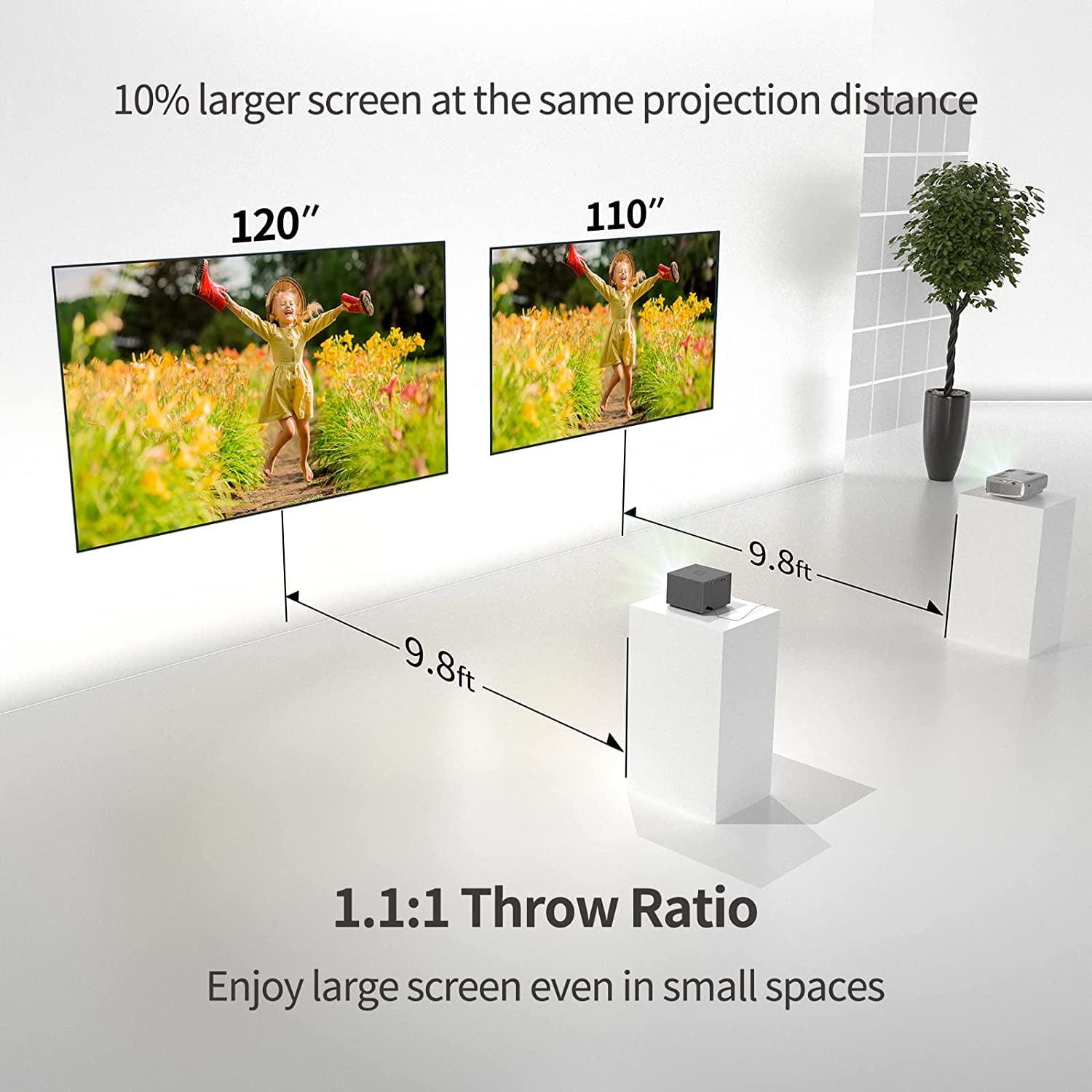
The Epson Home Cinema 1080 supports a larger maximum screen size of up to 300 inches diagonal, while the WEMAX Vogue Pro is recommended for screen sizes between 40-120 inches. However, the Epson's brightness advantage becomes even more important at larger screen sizes, as the image needs to cover more area with the same amount of light.
The Epson Home Cinema 1080 performs significantly better in rooms with ambient light due to its 3,400 lumens brightness. The WEMAX Vogue Pro with 1,600 ANSI lumens requires more light control for optimal viewing, though it can still function in rooms with minimal ambient light, especially at smaller screen sizes.
For movie viewing in a darkened room, both projectors perform well but have different strengths. The Epson Home Cinema 1080 offers superior contrast (16,000:1) for better dark scene detail. The WEMAX Vogue Pro provides the convenience of built-in streaming apps and better audio. For a dedicated home theater setup, the Epson's image quality advantages may be more valuable.
The WEMAX Vogue Pro has an LED light source rated for 25,000+ hours, essentially the lifetime of the product. The Epson Home Cinema 1080 lamp lasts 6,000 hours in Normal mode or up to 12,000 hours in ECO mode before requiring replacement. Both projectors should provide many years of service, but the WEMAX offers lower long-term maintenance requirements.
If you prioritize convenience, zero maintenance, and smart features, the WEMAX Vogue Pro offers better long-term value despite its higher initial cost. If maximum brightness and contrast at a lower initial price point are more important to you, the Epson Home Cinema 1080 provides better value, even considering future lamp replacements. Your specific use case and priorities will determine which represents the better investment.
We've done our best to create useful and informative comparisons to help you decide what product to buy. Our research uses advanced automated methods to create this comparison and perfection is not possible - please contact us for corrections or questions. These are the sites we've researched in the creation of this article: wemax.com - wemax.com - youtube.com - techpowerup.com - wemax.com - projectorcentral.com - nikktech.com - youtube.com - techpowerup.com - techpowerup.com - youtube.com - nikktech.com - walmart.com - business.walmart.com - projectorcentral.com - techpowerup.com - projektoren-datenbank.com - wemax.com - crutchfield.com - bestbuy.com - officedepot.com - bestbuy.com - bestbuy.com - audioholics.com - rtings.com - avsforum.com - projectorcentral.com - audiogeneral.com - projectorreviews.com - rtings.com - epson.com - youtube.com - epson.com - projectorreviews.com - projectorreviews.com - walmart.com - shop.avispl.com - bhphotovideo.com - staples.com - mediaserver.goepson.com - staples.com - bhphotovideo.com - epson.com - epson.com - dell.com - epson.com - bestbuy.com

Privacy Policy
Terms and Conditions - Affiliate Policy
Home Security
© Copyright 2008-2026.
11816 Inwood Rd #1211, Dallas, TX 75244