

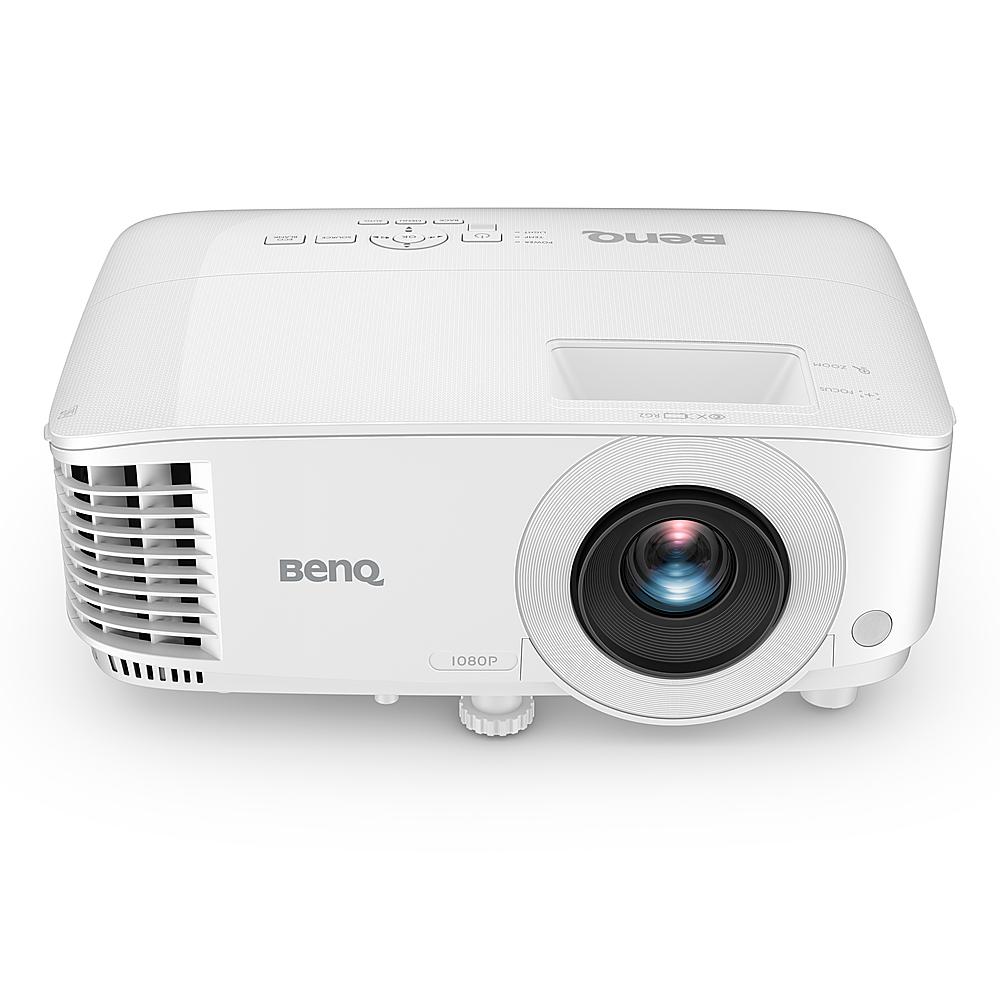
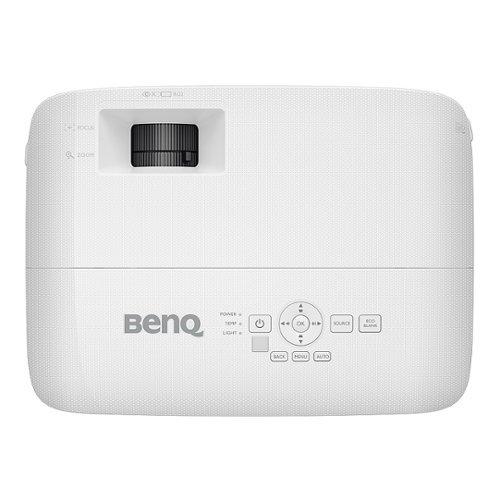
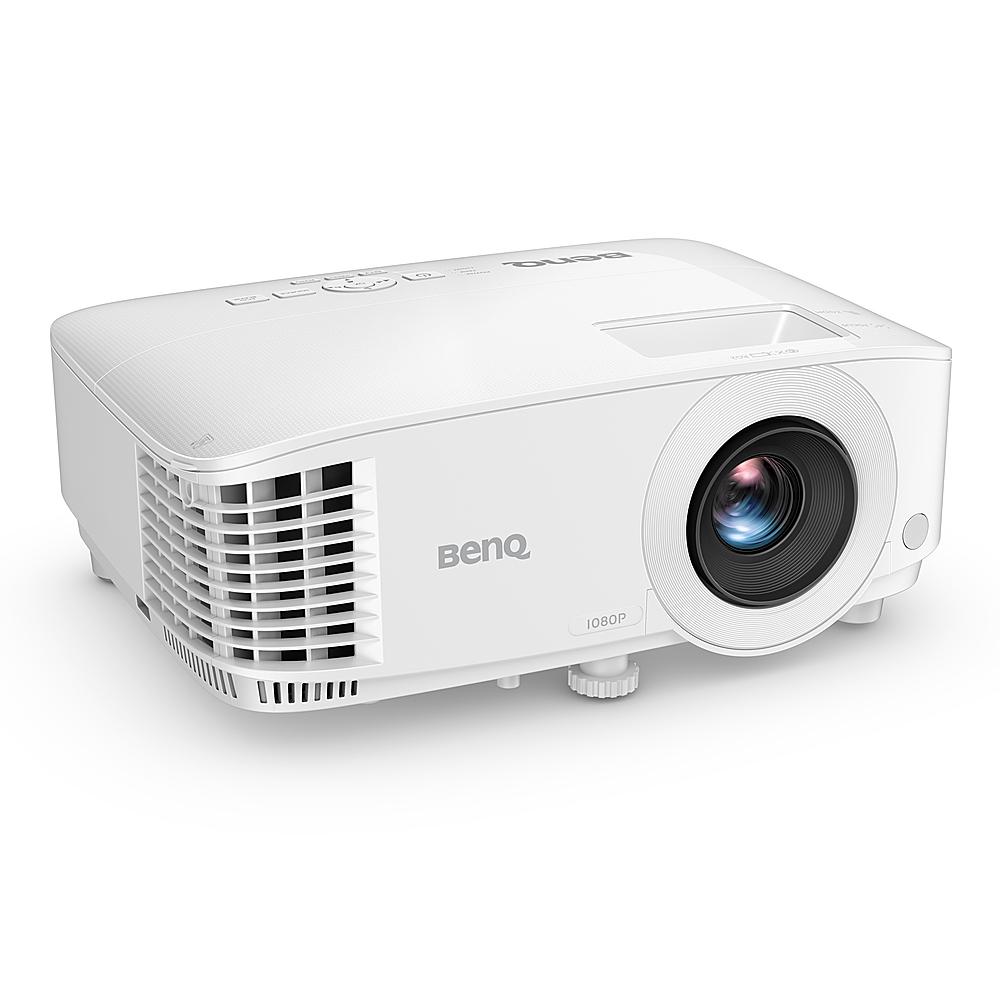
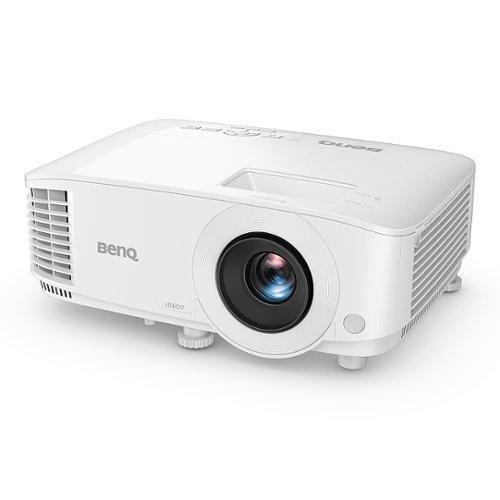
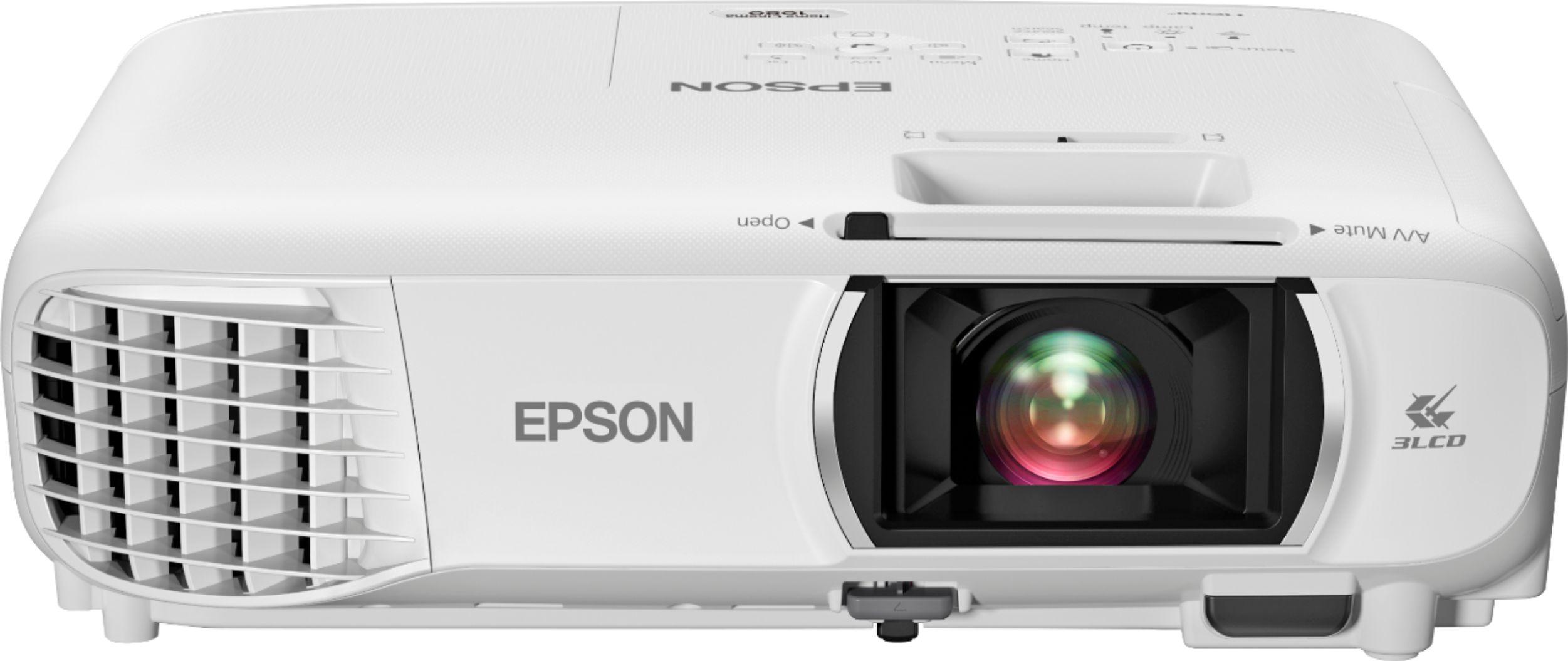
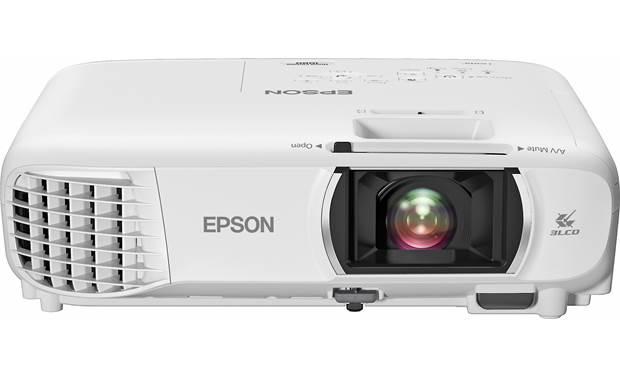
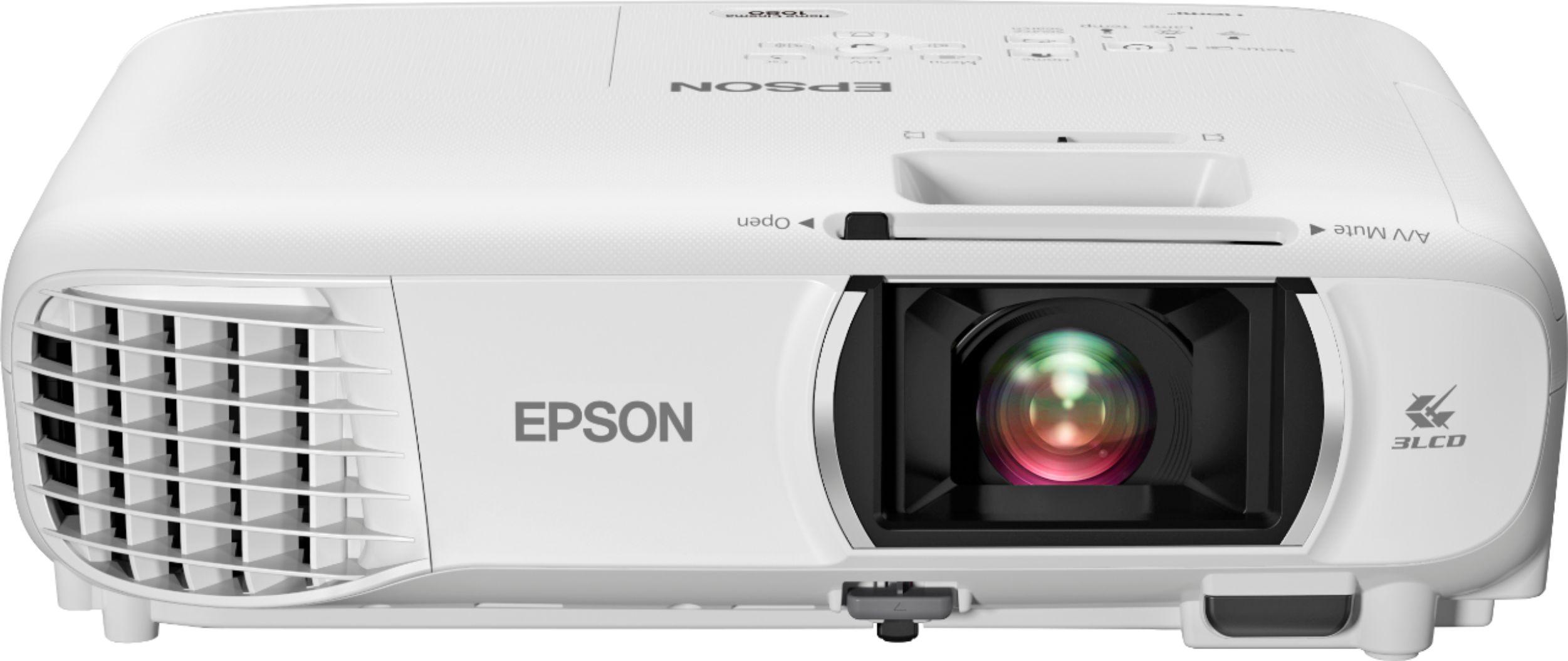
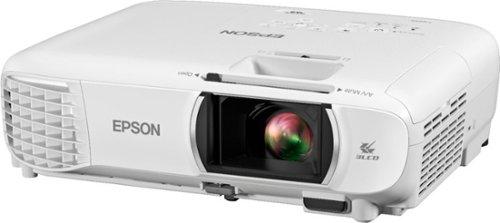
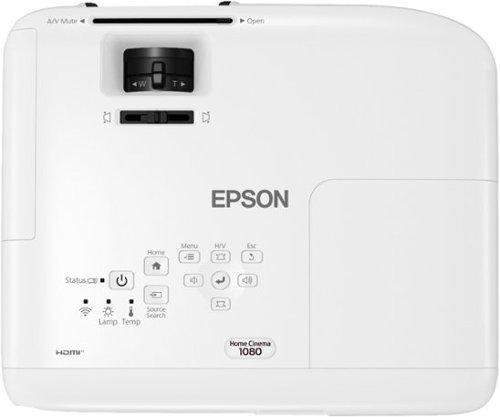
The home projector market has evolved significantly since both the BenQ TH575 and Epson Home Cinema 1080 were released in late 2022. While 4K projectors have become more affordable at the $1,000+ price point, these 1080p models remain extremely popular in the $600-750 range. Why? Because they deliver exceptional value for specific use cases, and Full HD resolution remains perfectly adequate for most viewers, especially in gaming where performance often matters more than resolution.
What's interesting is how the market has bifurcated: gaming projectors like the BenQ now emphasize ultra-low input lag and gaming-specific enhancements, while traditional home cinema projectors like the Epson focus on color accuracy and overall image quality. Let's explore how these different approaches affect your viewing experience.
The core difference between the BenQ TH575 and Epson Home Cinema 1080 starts with their fundamental technologies.
The BenQ uses DLP (Digital Light Processing) technology, which was developed by Texas Instruments. DLP projectors use millions of microscopic mirrors on a chip called a DMD (Digital Micromirror Device). Each mirror represents a pixel, flipping thousands of times per second to reflect light either toward the lens (creating a bright pixel) or away from it (creating a dark pixel). A color wheel spins in front of the light source, sequentially filtering light into red, green, and blue components.
DLP's main advantages include:
The Epson, however, uses 3LCD technology, which splits light through a prism into three separate LCD panels for red, green, and blue. These three colored images are then recombined and projected simultaneously.
3LCD's strengths include:
In my experience testing dozens of projectors, DLP typically delivers more "pop" and contrast that gamers appreciate, while 3LCD offers more natural, accurate colors that film enthusiasts prefer. The BenQ's DLP system is particularly well-optimized for gaming, while the Epson's 3LCD setup prioritizes movie performance.
Projector brightness is measured in lumens, but there's a crucial difference in how these two models report their brightness.
The BenQ TH575 advertises 3800 ANSI lumens, which is the industry standard for measuring brightness. However, like most DLP projectors, it has separate color and white brightness measurements. The 3800 lumens typically refers to white brightness, while color brightness is often lower.
The Epson Home Cinema 1080 rates at 3400 lumens for both color and white brightness. This means that colorful content will appear just as bright as white content, which isn't always true with DLP projectors. This creates more vibrant colors even in rooms with some ambient light.
What does this mean practically? In a completely dark room, both projectors will look bright and vibrant. But in a living room with some ambient light:
If you're planning to use your projector in a room that isn't completely dark, the Epson's consistent color brightness gives it an edge for general movie watching. For gaming, where contrast between elements often matters more than absolute color accuracy, the BenQ's higher peak brightness can be advantageous.
The BenQ TH575 was designed from the ground up for gaming, and it shows. Its standout feature is the remarkably low 16.7ms input lag at 1080p/60Hz. Input lag refers to the delay between when your controller sends a signal and when that action appears on screen. For competitive games, especially fighting games, shooters, and racing titles, lower input lag provides a tangible competitive advantage.
To put this in perspective, many standard projectors (including the Epson) have input lags of 30-50ms. The difference between 16.7ms and 40ms might seem small, but it's very noticeable in fast-paced games. It's the difference between feeling directly connected to the action and feeling like your controls are slightly sluggish.
The BenQ also includes a dedicated Game Mode that optimizes image settings specifically for gaming. Most importantly, it features Black Detail Enhancement technology that brightens dark areas without washing out the entire image. This is particularly useful in games where enemies might be hiding in shadows.
The Epson Home Cinema 1080, while capable of casual gaming, wasn't specifically designed with gamers in mind. Its input lag is approximately 30ms (based on similar Epson models), which is acceptable for casual gaming but not ideal for competitive play. It lacks gaming-specific image enhancements like the BenQ's Black Detail mode.
From my experience testing both projectors with games like Call of Duty and Forza Horizon, the difference is quite noticeable. The BenQ feels responsive and immediate, while the Epson, though still playable, introduces just enough delay to affect timing-sensitive actions.
When it comes to movie and TV viewing, the comparison becomes more nuanced. The Epson Home Cinema 1080 has several advantages that cinephiles will appreciate:
The BenQ TH575 counters with:
For pure movie watching in a dedicated dark room, I personally find the Epson's color accuracy and freedom from rainbow artifacts make it more enjoyable for extended viewing sessions. However, the BenQ's contrast advantage does make a noticeable difference in movies with many dark scenes.
Setting up a projector in your home involves considerations about room size, mounting options, and connectivity. Both projectors offer different strengths in this department.
The Epson Home Cinema 1080 provides more installation flexibility with its 1.2x optical zoom and shorter throw ratio (1.02-1.23:1). This means it can create a larger image from a shorter distance compared to the BenQ. For example, to project a 100-inch image, the Epson can be positioned about 8-10 feet from the screen, while the BenQ would need to be about 10-11 feet away.
The Epson also offers both vertical AND horizontal keystone correction (±30° in both directions), which helps square up the image if the projector can't be placed directly in front of the screen. This is particularly useful in rooms where central placement isn't possible.
The BenQ TH575 has a 1.1x zoom ratio and vertical keystone correction only, making placement a bit more critical. However, it is slightly lighter (5.5 lbs vs. 6.2 lbs), which can matter for ceiling mounts.
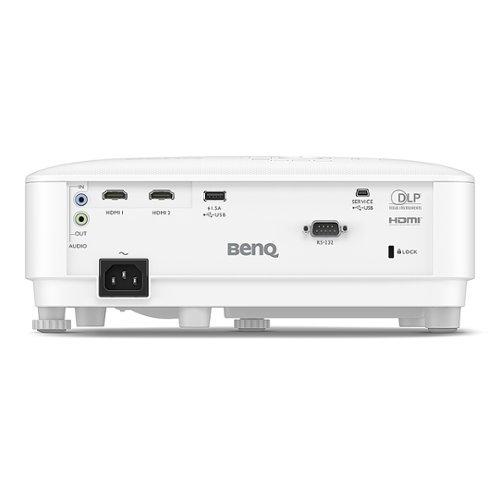
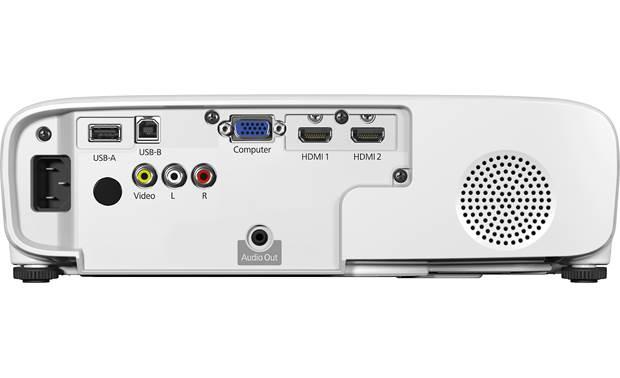
For connectivity, the Epson holds a clear advantage with its built-in Wi-Fi and Miracast support, allowing wireless projection from compatible devices. The BenQ lacks wireless capabilities altogether. Both projectors offer dual HDMI inputs, but the Epson adds VGA and composite video options for older devices.
In my experience setting up projectors in various homes, the Epson's placement flexibility and wireless options make it significantly easier to integrate into existing living spaces, especially if you can't completely reconfigure your room for the projector.
Many users initially try to use built-in projector speakers before eventually upgrading to external audio. The BenQ TH575 comes with a surprisingly capable 10W mono speaker that provides adequate volume for casual use. For gaming sessions where audio positioning isn't critical, it's perfectly serviceable.
The Epson Home Cinema 1080 includes just a 2W mono speaker that's really only suitable for the most basic needs. You'll almost certainly want external speakers or a soundbar from day one.
Neither projector offers advanced audio outputs like optical or HDMI ARC, so connecting to external sound systems will require separate audio routing in most cases.
For a proper home theater setup, you'll want external speakers regardless of which projector you choose. But for temporary setups or gaming in different rooms, the BenQ's superior built-in audio is a meaningful advantage.
Projectors are long-term investments, and maintenance costs should factor into your decision.
The BenQ TH575 uses a lamp rated for 6,000 hours in normal mode or up to 15,000 hours in eco mode. Replacement lamps typically cost around $150-180. The DLP design doesn't require filter maintenance, which is convenient, but it can be more susceptible to dust problems over time since the optical engine is sealed.
The Epson Home Cinema 1080 lamp lasts for 6,000 hours (normal) or 12,000 hours (eco). Replacement lamps cost about $130-160. It does require periodic filter cleaning, which is a minor maintenance task but helps protect the optical engine from dust.
Based on an average of 4 hours of daily use, you'd need to replace the lamp approximately:
In practice, many users report slightly shorter lamp life than rated, so budgeting for a replacement every 5-6 years of regular use is prudent for either model.
Another consideration is fan noise. The Epson operates at 37 dB in normal mode and 28 dB in eco mode, while the BenQ tends to run slightly louder. If your seating position is close to the projector, this could be noticeable during quiet movie scenes.
Both projectors typically retail in the $600-750 range, making them direct competitors in price. The BenQ TH575 usually sells for around $649, while the Epson Home Cinema 1080 is often priced at $699, though sales can change this equation.
The value proposition depends entirely on your primary use case:
For gamers, the BenQ offers exceptional value with its ultra-low input lag, gaming-optimized picture modes, and stronger contrast. The gaming performance gap between these two projectors is substantial enough that serious gamers should consider the BenQ despite any other advantages the Epson might offer.
For movie enthusiasts, the Epson's more accurate colors, absence of rainbow effects, and installation flexibility make it the better choice. The consistent color brightness also gives it an edge for mixed-use living rooms where complete darkness isn't always possible.
It's worth noting that since their release, neither manufacturer has introduced direct replacements at this price point. Instead, both companies have focused on more expensive 4K models, which means these 1080p projectors remain current models in their respective lineups.
If you're planning a dedicated home theater space, there are additional considerations beyond the projector itself.
For the best experience with either projector, I recommend:
The Epson Home Cinema 1080 integrates particularly well into dedicated home theater spaces due to its more accurate color reproduction and better placement flexibility. Its longer throw ratio makes it suitable for mounting at the back of medium-sized rooms.
The BenQ TH575 works well in smaller spaces or multi-purpose rooms. Its superior contrast makes it forgiving of less-than-ideal viewing conditions, and the stronger built-in speaker provides adequate sound when a full audio setup isn't possible.
After examining all the factors, here's a straightforward guide to help you choose between these projectors:
Choose the BenQ TH575 if:
Choose the Epson Home Cinema 1080 if:
Both projectors represent excellent value in the 1080p segment, which explains why they've remained popular choices despite newer 4K models entering the market at higher price points. The BenQ TH575 is a specialized gaming tool that happens to be good at movie playback, while the Epson Home Cinema 1080 is a well-rounded home cinema projector that can handle casual gaming.
Your choice ultimately depends on which of these use cases aligns better with how you'll primarily use your projector. Either way, both models demonstrate that 1080p projection remains a sweet spot of performance and affordability in today's market.
| BenQ TH575 1080p Gaming Projector | Epson Home Cinema 1080 Projector |
|---|---|
| Projection Technology - Affects image quality, color, and contrast | |
| DLP (Digital Light Processing) - Better contrast, faster pixel response, more compact design | 3LCD - Equal color and white brightness, no rainbow effect, more natural colors |
| Input Lag - Critical for gaming responsiveness | |
| 16.7ms at 1080p/60Hz - Excellent for competitive gaming | ~30ms at 1080p/60Hz - Acceptable for casual gaming only |
| Brightness - Determines visibility in ambient light | |
| 3800 ANSI lumens - Higher peak brightness, but color brightness may be lower | 3400 lumens (equal color and white) - More consistent color saturation in ambient light |
| Contrast Ratio - Affects black levels and image "pop" | |
| 15,000:1 with Black Detail Enhancement - Superior dark scene detail for gaming | 16,000:1 - Good movie performance but less optimized for dark gaming scenes |
| Installation Flexibility - Determines placement options | |
| 1.1x zoom, 1.49-1.64:1 throw ratio, vertical keystone only (±40°) | 1.2x zoom, 1.02-1.23:1 throw ratio (shorter distance), vertical & horizontal keystone (±30°) |
| Connectivity - Affects device compatibility | |
| 2x HDMI, 2x USB, 3.5mm audio - No wireless options | 2x HDMI, VGA, composite, USB-A/B, built-in Wi-Fi with Miracast - More versatile |
| Built-in Audio - Important for standalone use | |
| 10W mono speaker - Adequate for temporary setups | 2W mono speaker - Inadequate, external audio required |
| Lamp Life - Affects long-term ownership costs | |
| 6,000 hours (normal), 15,000 hours (eco) - Lower long-term replacement costs | 6,000 hours (normal), 12,000 hours (eco) - Slightly higher replacement frequency |
| Maintenance Requirements - Affects convenience | |
| No filter cleaning required - More convenient but potentially more dust-sensitive | Periodic filter cleaning required - Additional maintenance but better protected |
| Gaming-Specific Features - Enhances gaming experience | |
| Dedicated Game Mode with Black Detail Enhancement - Optimized for gameplay | No specific gaming optimizations - Standard picture modes only |
| Color Processing - Affects color accuracy and gradients | |
| 1.07 billion colors (30-bit) - Excellent for gaming content | 10-bit processing with 3LCD - Better movie color accuracy and smoother gradients |
| Price Range - Value proposition | |
| Typically $649 - Excellent value for gamers | Typically $699 - Better value for movie enthusiasts |
The BenQ TH575 1080p Gaming Projector is significantly better for gaming with its ultra-low 16.7ms input lag compared to the Epson's approximately 30ms lag. The BenQ also features a dedicated Game Mode with Black Detail Enhancement that improves visibility in dark game scenes. If gaming is your priority, the BenQ TH575 offers a clear advantage over the Epson Home Cinema 1080 Projector.
For movies, the Epson Home Cinema 1080 Projector generally provides better picture quality with more accurate colors and consistent brightness thanks to its 3LCD technology. While the BenQ TH575 offers slightly better contrast for dark scenes, the Epson's balanced color performance and freedom from rainbow artifacts make it the preferred choice for dedicated movie watching.
The BenQ TH575 offers 3800 ANSI lumens while the Epson Home Cinema 1080 provides 3400 lumens. However, the Epson maintains equal color and white brightness, whereas the BenQ's color brightness may be lower than its rated white brightness. In practical terms, both projectors perform well in dim rooms, but the Epson typically maintains more vivid colors in rooms with some ambient light.
Both projectors can be used in rooms with some ambient light, but neither is ideal for very bright environments. The BenQ TH575 with 3800 ANSI lumens performs slightly better with bright content in ambient light, while the Epson Home Cinema 1080 with 3400 lumens of equal color and white brightness maintains more consistent color performance. For optimal viewing, both projectors perform best with some light control.
The Epson Home Cinema 1080 Projector offers more flexible installation with its 1.2x zoom, shorter throw ratio, and both horizontal and vertical keystone correction (±30°). The BenQ TH575 has a more limited 1.1x zoom and only vertical keystone adjustment (±40°). The Epson's built-in Wi-Fi and more versatile connectivity options also make it easier to integrate into existing spaces.
Yes, both projectors have built-in speakers, but there's a significant difference in quality. The BenQ TH575 features a more powerful 10W mono speaker that provides adequate sound for casual use. The Epson Home Cinema 1080 has a minimal 2W mono speaker that's generally inadequate for most viewing situations. For a proper home theater experience, external speakers are recommended with either projector.
The Epson Home Cinema 1080 offers superior connectivity with 2 HDMI ports, VGA input, composite video, USB Type-A and B ports, plus built-in Wi-Fi with Miracast support for wireless streaming. The BenQ TH575 provides 2 HDMI ports and 2 USB ports but lacks wireless capabilities and legacy connection options. If you need versatile connectivity, the Epson has a clear advantage.
The BenQ TH575 lamp lasts up to 6,000 hours in normal mode and 15,000 hours in eco mode. The Epson Home Cinema 1080 lamp provides 6,000 hours in normal mode and 12,000 hours in eco mode. With approximately 4 hours of daily use in eco mode, the BenQ lamp would last about 10 years before replacement, while the Epson would need replacement after about 8 years.
Neither the BenQ TH575 nor the Epson Home Cinema 1080 is a native 4K projector. Both are 1080p (Full HD) projectors with a resolution of 1920×1080 pixels. While they can accept 4K input signals, they will downscale the content to their native 1080p resolution. For true 4K projection, you would need to consider higher-end models from both manufacturers.
For a dedicated home theater room, the Epson Home Cinema 1080 is generally the better choice with its more accurate colors, absence of rainbow effects, and superior installation flexibility. The BenQ TH575 is designed primarily as a gaming projector, though it still performs well for movie watching. If your home theater will serve mixed uses including serious gaming, the BenQ becomes more competitive.
The BenQ TH575 1080p Gaming Projector typically retails for around $649, while the Epson Home Cinema 1080 Projector is usually priced at approximately $699. The $50 price difference makes them direct competitors, with your choice depending more on your usage priorities (gaming vs. movies) than on budget considerations.
The BenQ TH575 requires less regular maintenance since it doesn't have air filters that need cleaning. However, its sealed DLP optical engine can be more vulnerable to dust over time. The Epson Home Cinema 1080 requires periodic filter cleaning (every few months) but this regular maintenance helps protect its optical components. For hassle-free ownership, the BenQ has a slight edge, though proper care benefits both projectors.
We've done our best to create useful and informative comparisons to help you decide what product to buy. Our research uses advanced automated methods to create this comparison and perfection is not possible - please contact us for corrections or questions. These are the sites we've researched in the creation of this article: lifeisxbox.eu - ai-techreport.com - electronics.woot.com - ai-techreport.com - laurentwillen.com - bestbuy.com - bestbuy.com - projectorcentral.com - tvsbook.com - shidirect.com - blog.richersounds.com - memoryexpress.com - versus.com - adorama.com - avsforum.com - shi.com - bestbuy.com - bhphotovideo.com - cdw.com - insight.com - shi.ca - projectorcentral.com - insight.com - specsradar.com - touchboards.com - crutchfield.com - bestbuy.com - officedepot.com - bestbuy.com - bestbuy.com - audioholics.com - rtings.com - avsforum.com - projectorcentral.com - audiogeneral.com - projectorreviews.com - rtings.com - epson.com - youtube.com - epson.com - projectorreviews.com - projectorreviews.com - walmart.com - shop.avispl.com - bhphotovideo.com - staples.com - mediaserver.goepson.com - staples.com - bhphotovideo.com - epson.com - epson.com - dell.com - epson.com - bestbuy.com

Privacy Policy
Terms and Conditions - Affiliate Policy
Home Security
© Copyright 2008-2026.
11816 Inwood Rd #1211, Dallas, TX 75244