

The world of home entertainment has expanded dramatically over the past decade, with projectors evolving from bulky, expensive equipment to diverse options that can transform any space into a personal cinema. Whether you're looking to create a dedicated home theater or want the flexibility to enjoy big-screen entertainment anywhere, today's projector market offers solutions that were unimaginable just a few years ago.
In this comprehensive comparison, we'll examine two distinct approaches to projection technology: the ultra-portable LG CineBeam Q 4K UHD Portable Laser Projector and the more traditional Epson Home Cinema 1080 Projector. While both devices project images onto screens or walls, they represent fundamentally different philosophies about how and where we enjoy visual content.
Before diving into specific models, it's helpful to understand the broader projector categories dominating the market. Projectors typically fall into one of several categories:
Portable projectors prioritize compact design and ease of transport, often sacrificing some brightness and resolution to achieve mobility. These have gained significant popularity since around 2019, with technological advances making truly portable 4K projection possible for the first time.
Home cinema projectors focus on delivering superior image quality and brightness for dedicated viewing spaces, generally at the expense of portability. These have been the mainstay of home theaters for decades, with steady improvements in resolution and brightness.
Ultra-short throw projectors can be placed just inches from a wall or screen, making them ideal for smaller spaces where traditional projector placement isn't feasible. This category has seen explosive growth since 2020.
Smart projectors incorporate streaming platforms directly into the device, eliminating the need for external content sources. This feature has become increasingly common across all categories since 2018.
When evaluating projectors, several key factors determine their suitability for your needs:
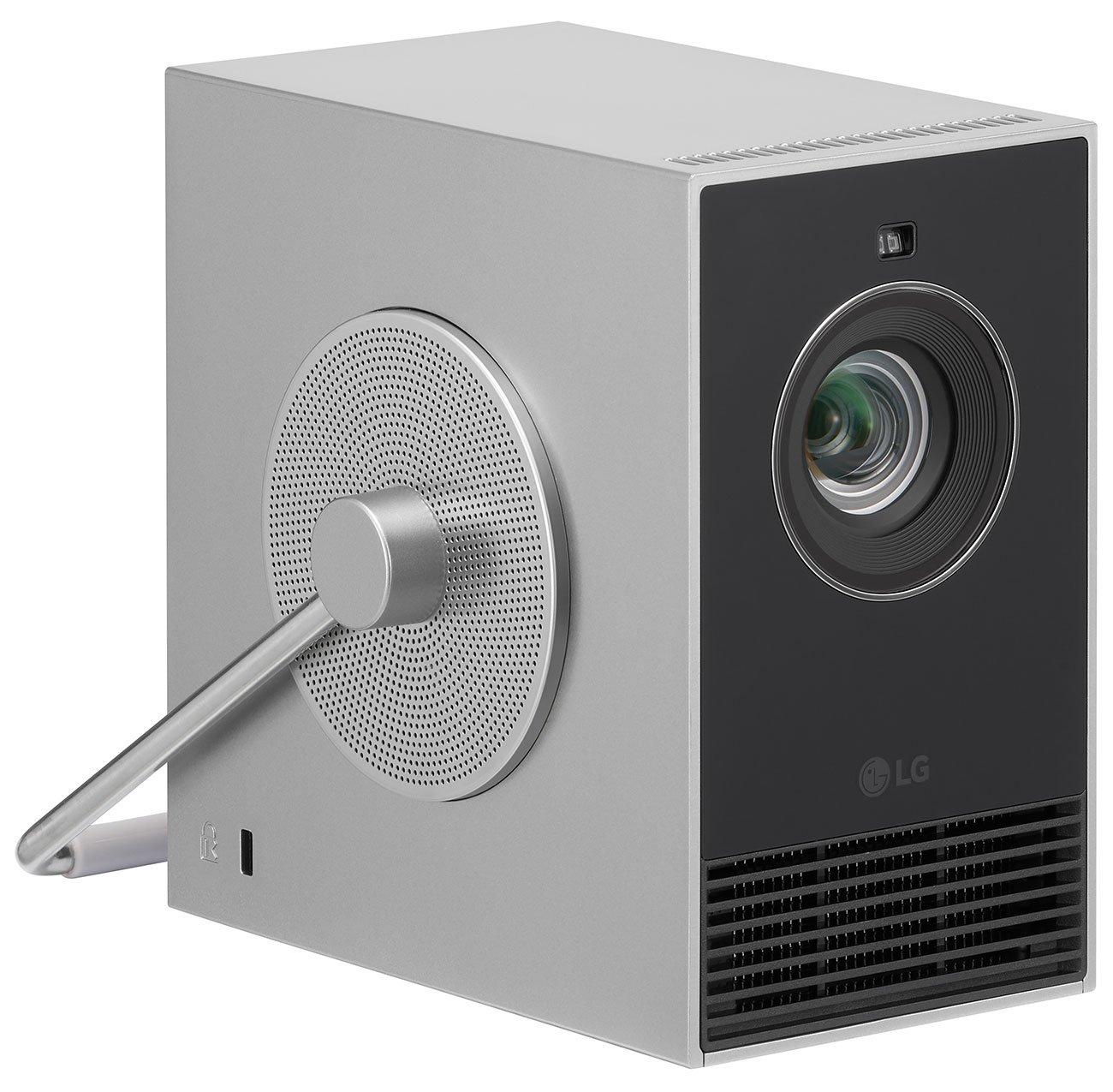
The LG CineBeam Q, released in early 2023, represents the cutting edge of portable projection technology. It showcases how far portable projectors have come since the first generation of "pico projectors" that emerged around 2015 with drastically lower brightness and resolution. The CineBeam Q particularly stands out for integrating laser light source technology into such a compact form factor—something that would have been prohibitively expensive or technically impossible just a few years earlier.
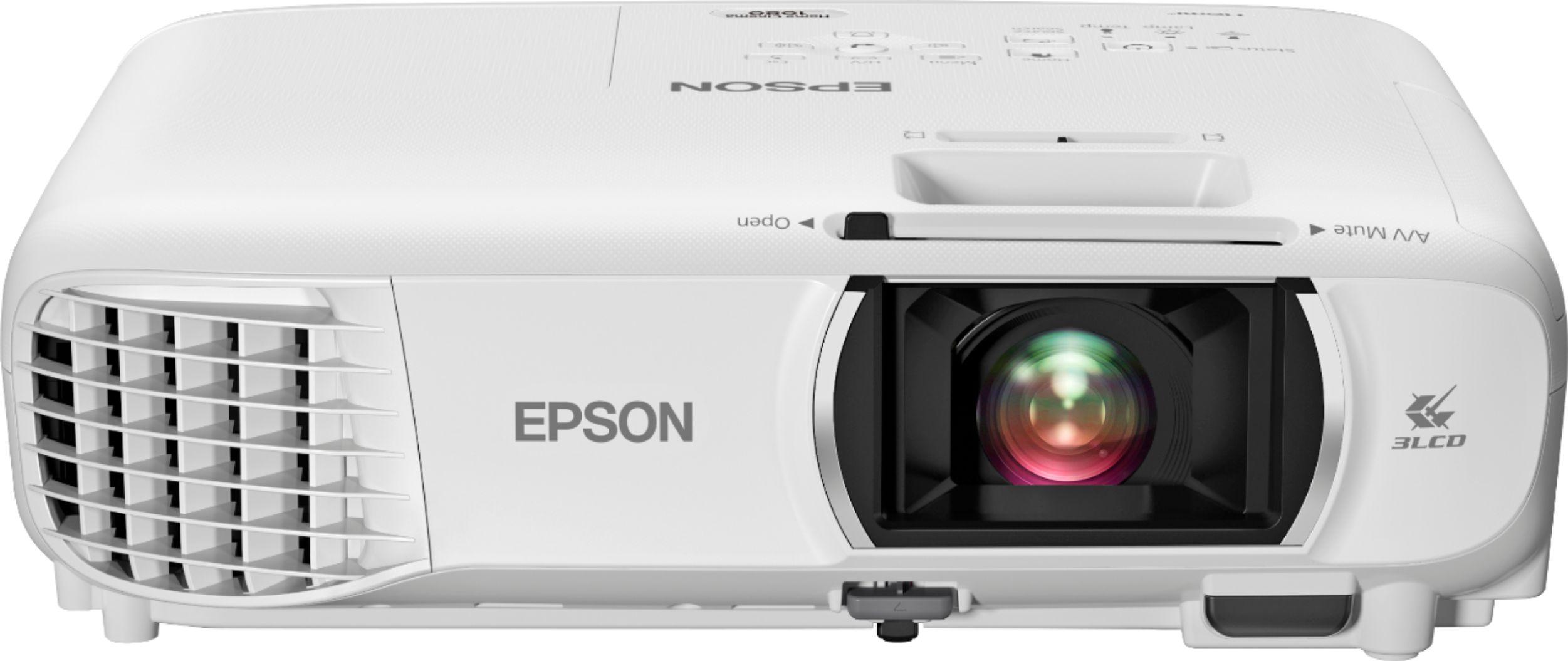
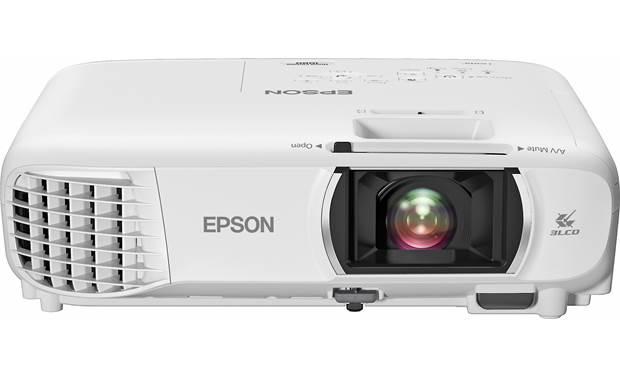
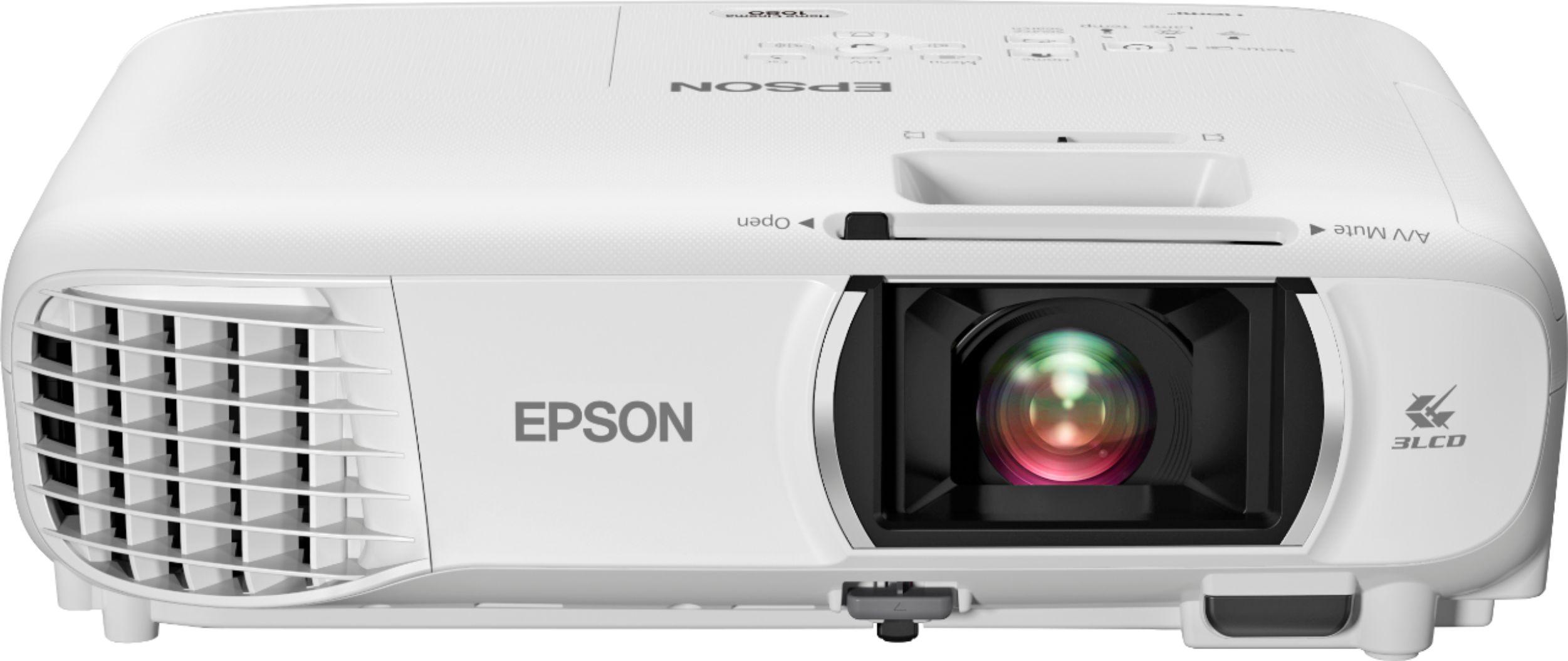
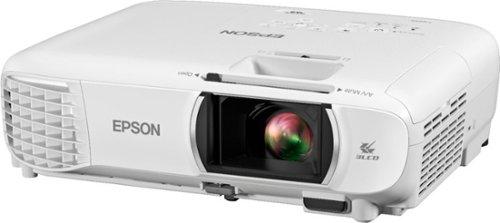
The Epson Home Cinema 1080 hit the market in 2021 as an updated version of Epson's popular entry-level home theater projectors. It builds on the company's long experience with 3LCD technology, which Epson has been refining since the early 2000s. This model represents an evolution rather than revolution, incorporating better brightness and contrast than its predecessors while maintaining an accessible price point. The Home Cinema 1080 continues Epson's tradition of prioritizing color accuracy and brightness over cutting-edge features like laser lighting at this price point.
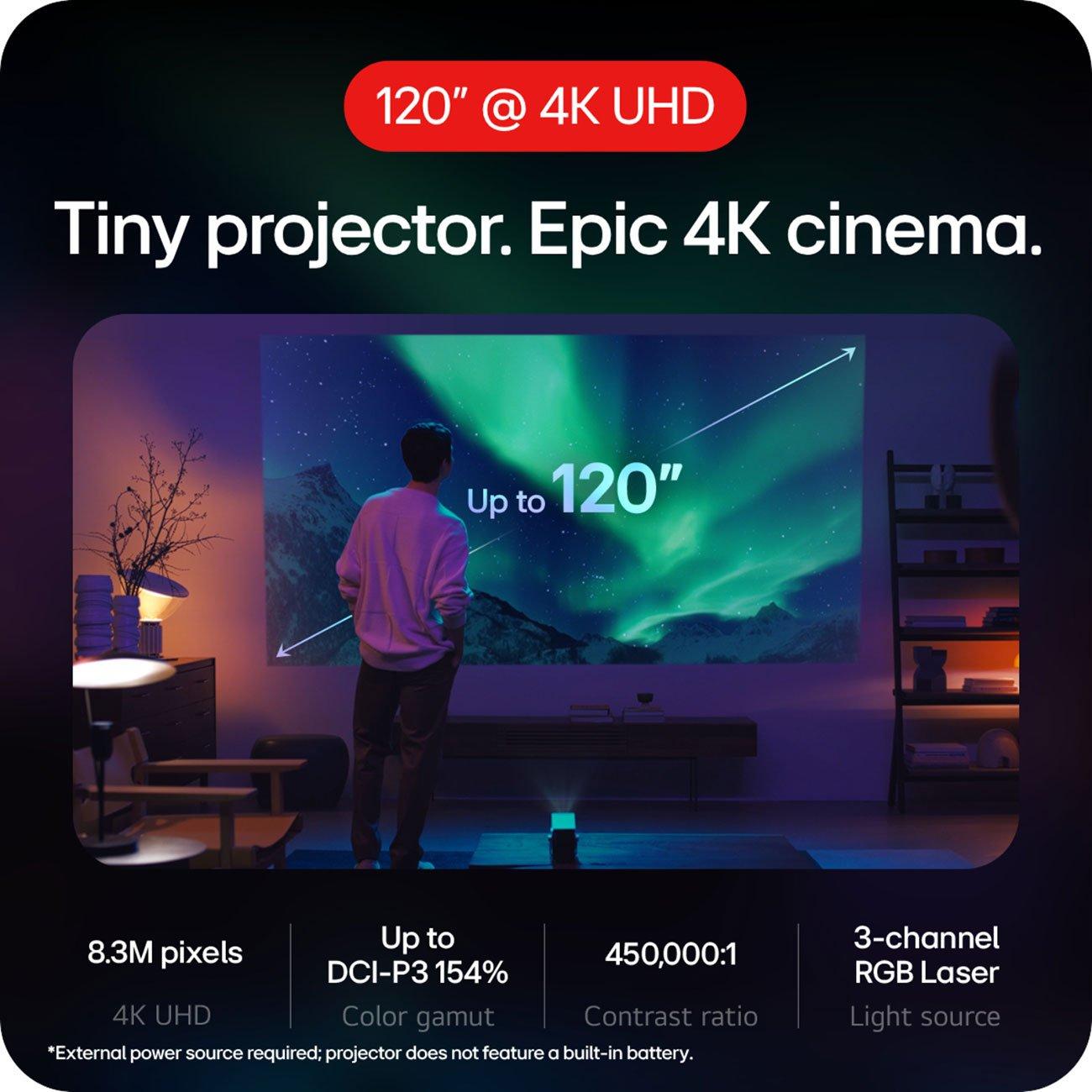
The LG CineBeam Q utilizes DLP (Digital Light Processing) technology with a sophisticated 3-channel RGB laser light source. DLP works by using millions of microscopic mirrors that rapidly toggle to create images, a technology that excels at producing sharp, detailed pictures while allowing for compact projector designs. The RGB laser implementation represents a significant advancement over older lamp-based DLP systems, delivering wider color gamut and eliminating the need for a color wheel that could cause the "rainbow effect" (visible color separation that some viewers find distracting).
With true 4K UHD resolution (3840 x 2160 pixels), the CineBeam Q displays four times the detail of standard Full HD. This remarkable technical achievement in such a small device became possible only recently, as miniaturization of 4K processing components advanced. Perhaps most impressive is the projector's color reproduction, covering 154% of the DCI-P3 color space—meaning it can display more colors than even commercial digital cinemas require, resulting in extraordinarily vibrant and accurate colors.
By contrast, the Epson Home Cinema 1080 employs 3LCD technology, which takes a fundamentally different approach to image creation. 3LCD uses three liquid crystal display panels (one each for red, green, and blue) to create images. This approach has several advantages: it produces equally bright colors and whites (a limitation of single-chip DLP projectors), eliminates rainbow effects entirely, and typically delivers smoother gradations in color transitions.
The Home Cinema 1080 delivers Full HD 1920 x 1080 resolution—the standard for most TV broadcasts and streaming content. While this doesn't match the detail possible with 4K, the difference becomes less noticeable at typical viewing distances, especially on screens under 100 inches. The projector processes colors with 10-bit depth, capable of displaying over a billion colors for smooth, natural-looking images without the banding effects sometimes seen in lower-bit displays.
Contrast ratio—the difference between the brightest whites and darkest blacks a projector can produce—dramatically affects perceived image quality, especially when watching movies with dark scenes. The LG CineBeam Q boasts an impressive 450,000:1 dynamic contrast ratio, which means the brightest white it can produce is 450,000 times brighter than the darkest black. This high contrast helps deliver depth and dimensionality to images.
The CineBeam Q also supports HDR10 and HLG (Hybrid Log-Gamma) high dynamic range formats. HDR content contains expanded brightness information that, when properly displayed, reveals previously hidden details in both very bright and very dark areas of the image. The projector's Dynamic Tone Mapping continuously analyzes and adjusts HDR content frame by frame to optimize performance within the projector's capabilities.
The Epson Home Cinema 1080's 16,000:1 contrast ratio, while numerically lower, still delivers satisfying contrast for most viewing conditions. Its lack of HDR support is a notable limitation compared to the LG model, meaning that HDR content will be displayed but without taking advantage of the extended brightness range. However, for standard content, the difference may not be as noticeable as the specifications suggest, particularly in environments with some ambient light where extremely deep blacks become difficult to perceive regardless of the projector.
Perhaps the most significant practical difference between these projectors lies in their brightness output, which directly affects when and where you can comfortably use them.
The LG CineBeam Q outputs 500 ANSI lumens of brightness. ANSI lumens are a standardized measurement of projector brightness, providing a reliable basis for comparison. While 500 lumens represents impressive output for such a compact projector, it places definite limitations on usability. In practical terms, this brightness level delivers excellent image quality in completely darkened rooms but struggles significantly with any ambient light.
I've found that portable projectors in this brightness range work best for nighttime use in spaces where you can control the lighting. Even modest ambient light—like that from a table lamp or outdoor light filtering through curtains—can wash out the image, reducing contrast and color vibrancy. This limitation becomes particularly apparent when projecting larger images, as the same amount of light gets spread across a bigger area, effectively reducing brightness.
The Epson Home Cinema 1080 dramatically outperforms in this area with 3,400 lumens of both color and white brightness. Epson specifically highlights equal color and white brightness because some projectors (particularly single-chip DLP models) may advertise white brightness that's higher than their color brightness, leading to disappointing real-world performance.
This substantial brightness advantage means the Epson can produce vibrant, visible images even in rooms with moderate ambient light, like a living room with curtains drawn during daytime. It also allows for larger screen sizes without significant brightness loss. For home theater enthusiasts who don't have a completely light-controlled environment, this difference cannot be overstated—it's the difference between a projector you can use primarily at night versus one that works comfortably throughout the day.
The brightness difference directly impacts where and when each projector performs optimally. The LG CineBeam Q is ideal for dedicated home theater spaces with blackout curtains or for nighttime outdoor movie nights where ambient light is minimal. Its limited brightness makes it less suitable for living rooms or multipurpose spaces with windows or significant ambient lighting.
The Epson Home Cinema 1080 offers much greater versatility in this regard. While it still performs best in darkened conditions, it remains perfectly usable in rooms with some ambient light—making it appropriate for typical living rooms, bonus rooms, or anywhere that isn't completely light-controlled. This adaptability means you'll likely use the projector more frequently, as it doesn't require special conditions to deliver satisfactory performance.
These projectors represent opposite approaches to the question of placement and installation, each with distinct advantages for different use cases.
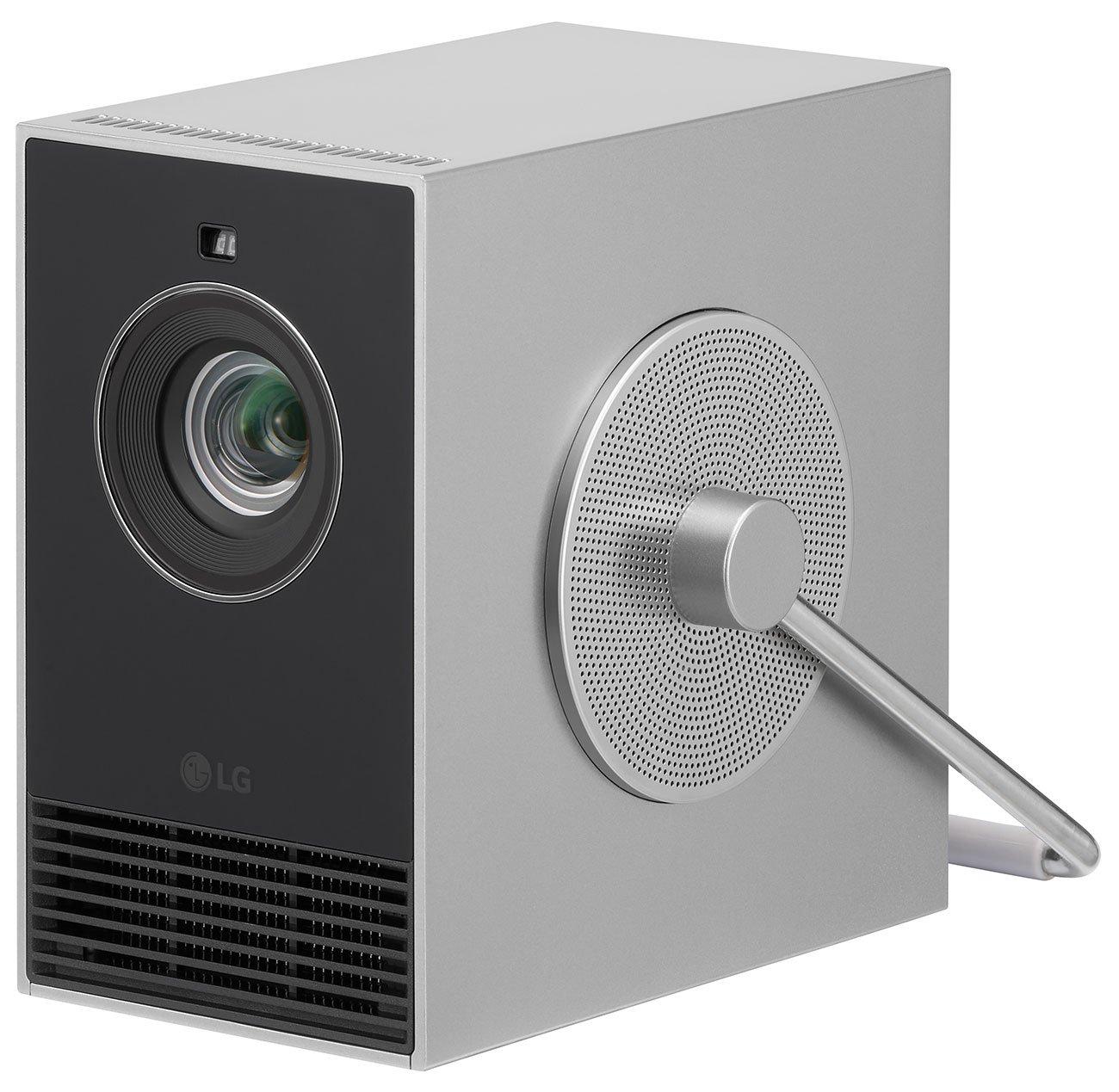
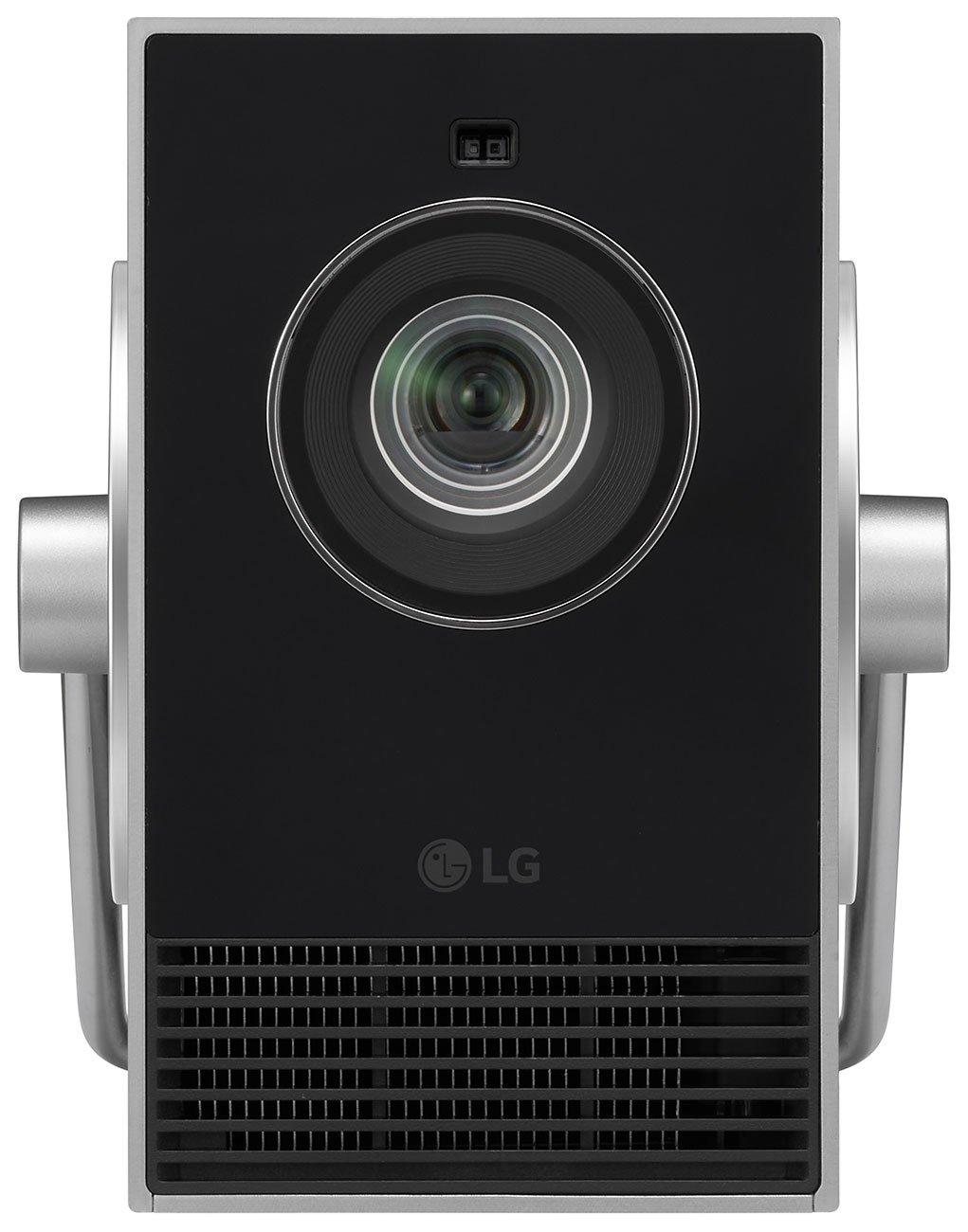
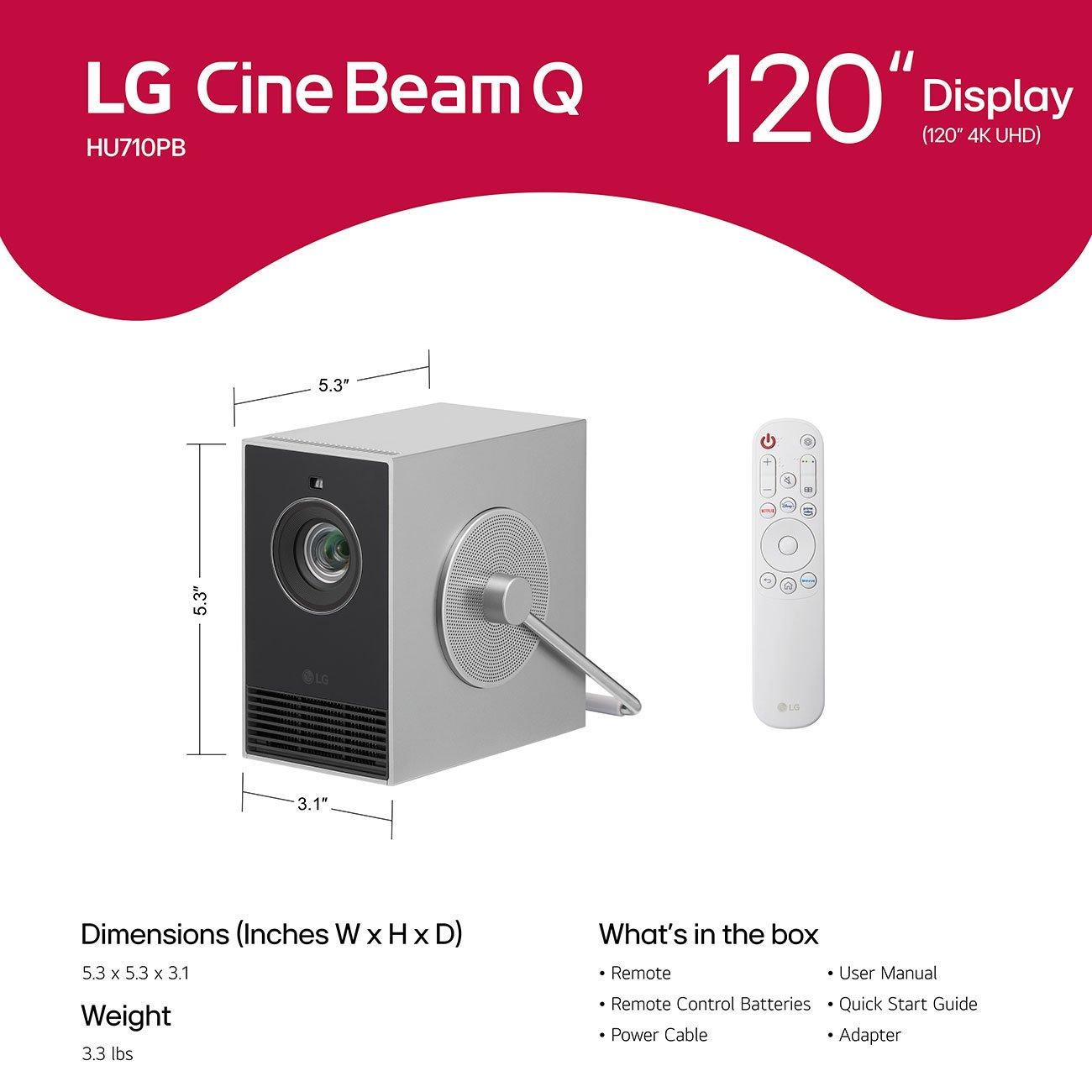
The LG CineBeam Q's most striking feature is its incredibly compact, cube-shaped design measuring just 5.31" x 3.15" x 5.31" and weighing a mere 3.3 pounds. Its distinctive 360-degree rotating handle doubles as an adjustable stand, allowing for quick setup on virtually any flat surface. This handle can be positioned to project at various angles without additional mounts or stands.
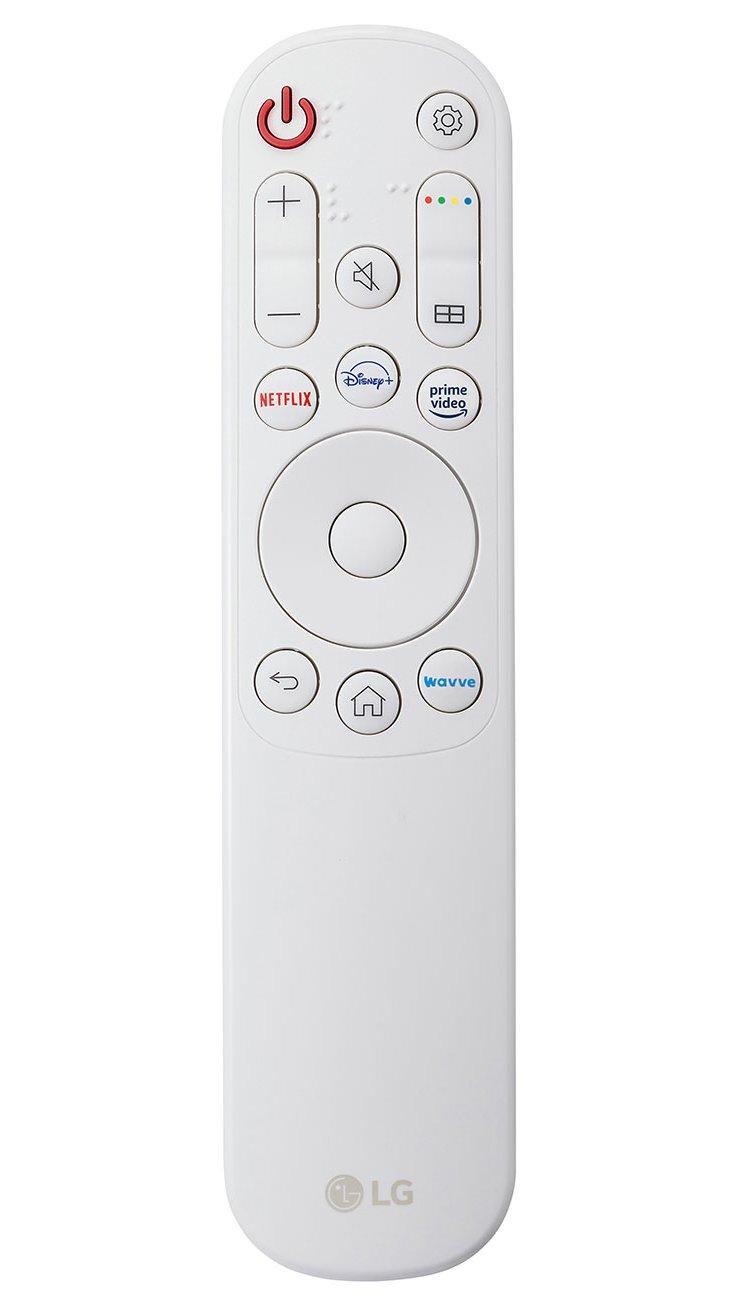
The design philosophy emphasizes elegant minimalism and versatility. The projector has no visible buttons on its smooth, modern exterior, with controls accessible via the included remote. This sleek approach continues a design language LG has been developing across its projector line since about 2019, with an increasing focus on making technology that complements home décor rather than dominating it.
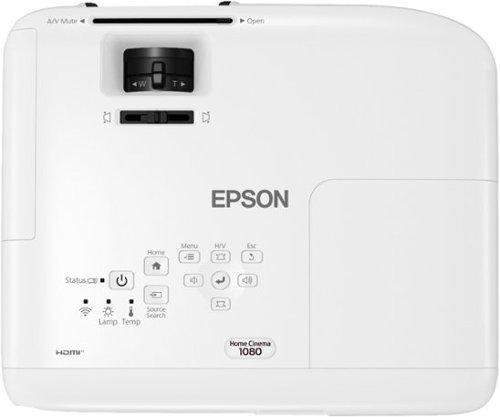
In stark contrast, the Epson Home Cinema 1080 follows traditional projector design principles with a rectangular form factor measuring 11.9" x 9.9" x 3.6" and weighing 6.2 pounds. While technically portable (and lighter than many home theater projectors), it's clearly designed for semi-permanent installation rather than frequent transport. Its size accommodates larger cooling systems and optical components that contribute to its superior brightness.
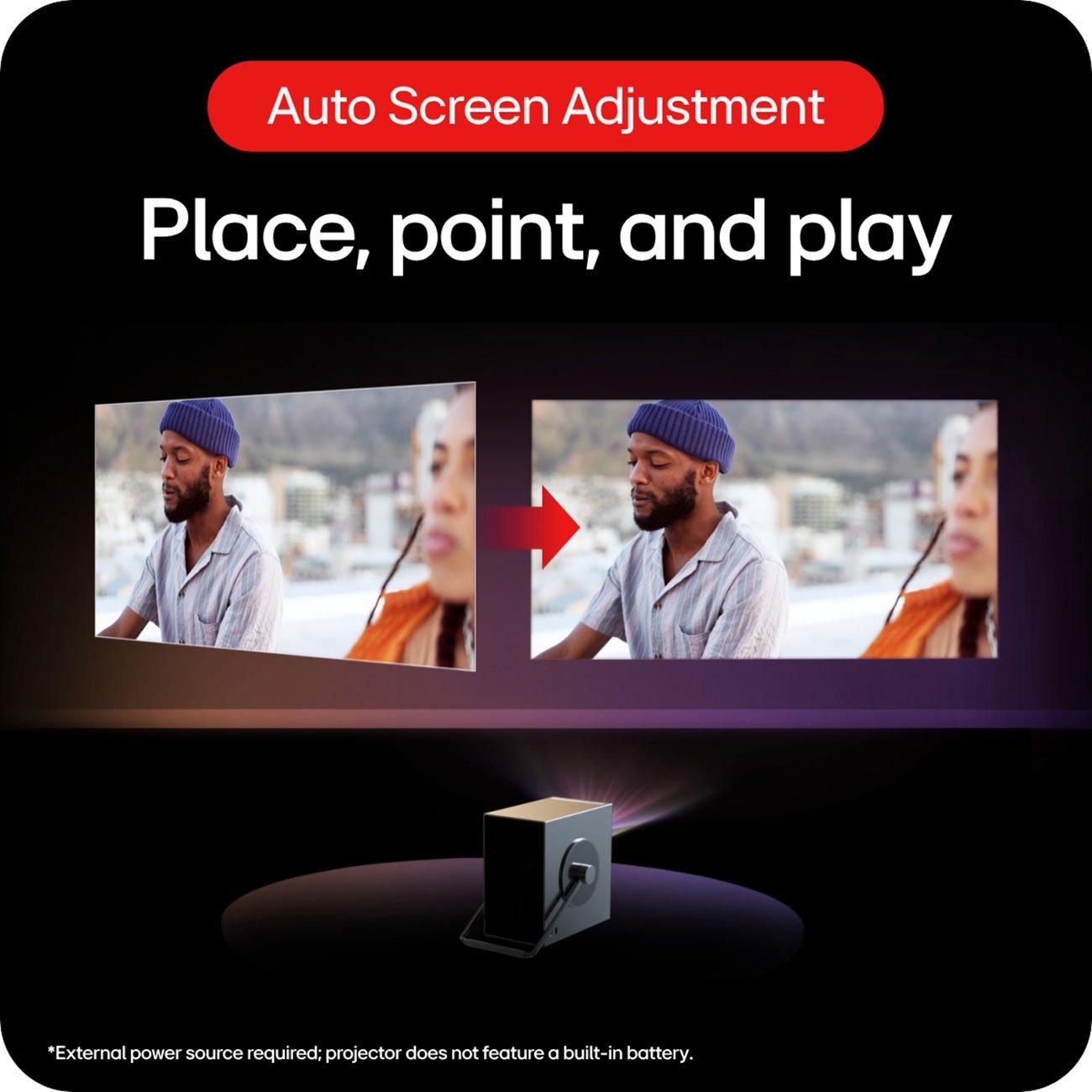
The CineBeam Q incorporates several technologies to simplify setup in different environments. Its auto keystone correction automatically detects when the projector is placed at an angle and adjusts the image to appear rectangular rather than trapezoidal. Auto focus similarly ensures a sharp image without manual adjustment. These features work remarkably well in practice, allowing you to set down the projector and have a properly formatted image within seconds.
With a 1.2:1 throw ratio, the CineBeam Q requires moderate distance from the projection surface—roughly 10.5 feet for a 100-inch image. This places it in the standard throw range, neither particularly short nor long.
The Epson Home Cinema 1080 includes its own set of installation-friendly features, including a similar automatic keystone correction system that corrects vertical and horizontal distortion up to ±30 degrees. Its 1.2x optical zoom provides flexibility in placement distance, while its slightly shorter throw ratio (1.02 - 1.23:1) allows it to create large images from somewhat closer distances than the LG model.
For a dedicated home theater setup, the Epson's installation flexibility becomes particularly valuable. The zoom lens and adjustable feet make fine-tuning image position possible without physically moving the projector, while its larger size typically results in quieter operation due to more efficient cooling systems.
Modern projectors have evolved from simple display devices to comprehensive entertainment platforms, though manufacturers take different approaches to intelligent features.
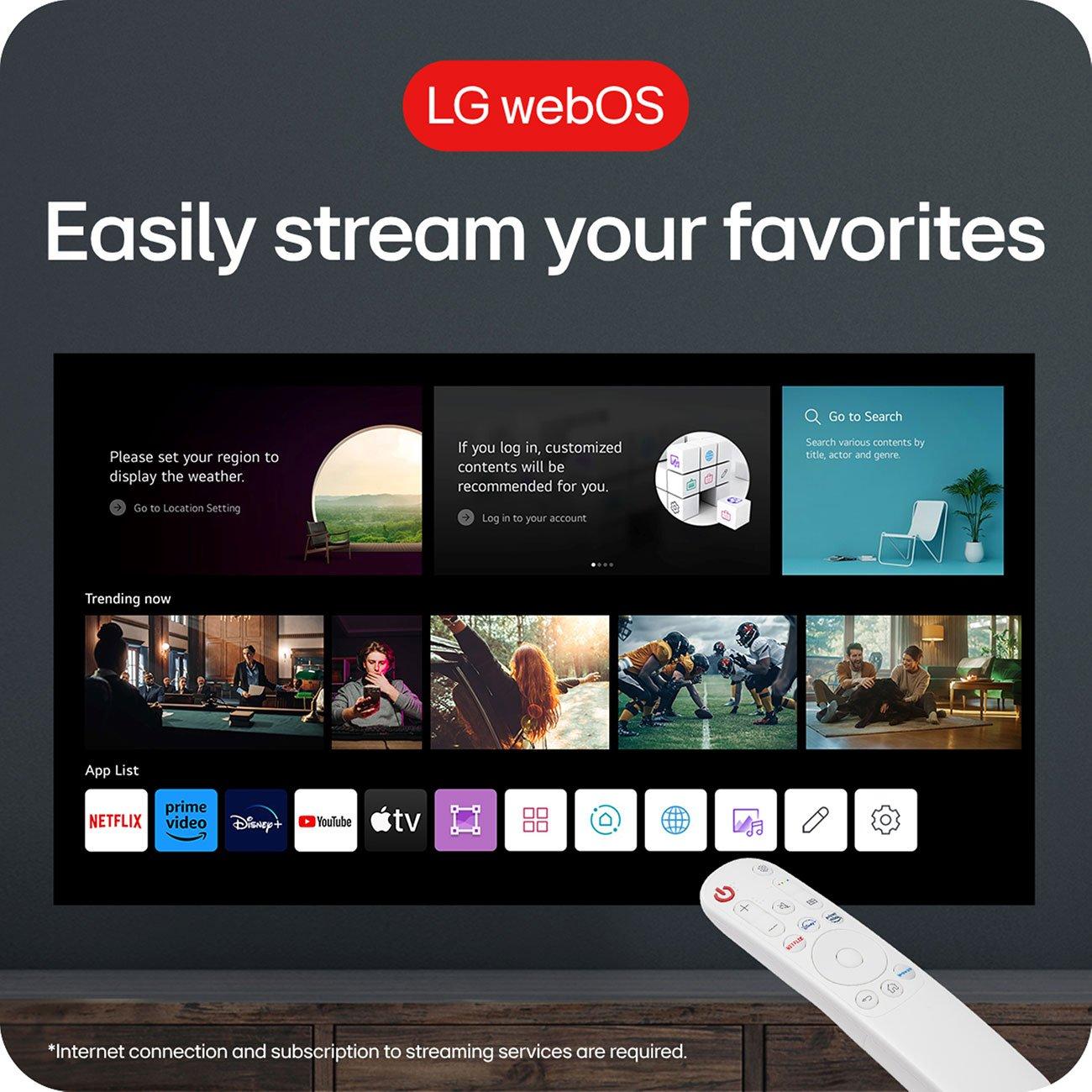
The LG CineBeam Q runs the same webOS smart TV platform found in LG's premium televisions. This sophisticated system provides direct access to major streaming services like Netflix, Disney+, Amazon Prime Video, and many others without requiring external devices. The interface is polished and intuitive, with a row of app tiles and straightforward navigation.
WebOS on the CineBeam Q represents a significant advantage for portable use, as it eliminates the need to carry and connect streaming devices when moving the projector between locations. You can simply place the projector, connect to Wi-Fi, and start streaming—a convenience that perfectly complements its portable design philosophy.
The Epson Home Cinema 1080 takes a more traditional approach, lacking a true smart platform. While it offers built-in Wi-Fi with Miracast support and Epson's iProjection app for wireless content sharing from mobile devices, these features provide basic screen mirroring rather than native streaming applications. For access to streaming services, you'll need to connect external devices like streaming sticks, media players, or gaming consoles.
The LG CineBeam Q's connectivity reflects its minimalist, portable approach with just one HDMI port and one USB-C port. The HDMI connection supports ARC (Audio Return Channel) for sending sound to compatible audio systems, while the USB-C port can be used for both content playback and charging compatible devices. The projector also supports AirPlay 2 and Screen Share for wireless content streaming from compatible Apple and Android devices.
This limited physical connectivity represents perhaps the most significant compromise in the CineBeam Q's design. With only one HDMI port, users with multiple sources (like a game console and a Blu-ray player) will need to manually switch connections or invest in an HDMI switcher.
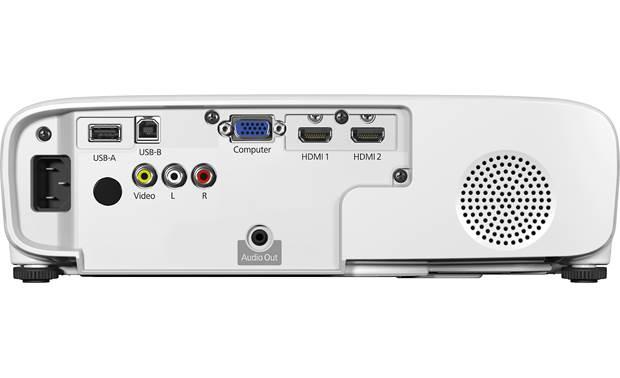
The Epson Home Cinema 1080 offers considerably more connection options, including two HDMI ports, VGA input (for older computers), composite video, USB Type-A (for media playback from storage devices), and USB Type-B (for computer display). This expanded connectivity allows for multiple devices to remain permanently connected, eliminating the need to swap cables when changing content sources.
For a dedicated home theater setup, Epson's approach provides greater convenience, allowing your cable box, game console, and media player to remain simultaneously connected. The legacy connections also offer compatibility with older devices that portable projectors typically exclude.
Projector audio has traditionally been an afterthought, with most home theater enthusiasts relying on separate sound systems. However, adequate built-in audio can be crucial for portable use cases.
The LG CineBeam Q includes a 3W mono speaker system that provides basic audio output sufficient for small spaces or temporary setups. In practice, this speaker produces clear dialogue but lacks bass response and volume capacity for truly immersive viewing. At maximum volume, it can adequately serve a small group in a quiet room, but struggles in larger spaces or environments with ambient noise.
The Epson Home Cinema 1080 features a similar 2W mono speaker that likewise serves as a convenience feature rather than a primary audio solution. Its output is marginally less powerful than the LG's speaker, though the difference is minimal in practical use. Both projectors' internal speakers represent their manufacturers' assumption that most users will utilize external audio systems for regular viewing.
The CineBeam Q offers an elegant solution for audio enhancement through its dual Bluetooth audio connectivity. This feature allows simultaneous connection of two Bluetooth audio devices like speakers or headphones—a thoughtful addition for shared viewing when wired connections aren't practical. The projector also supports audio output via HDMI ARC to compatible soundbars or receivers.
The Epson Home Cinema 1080 provides audio output through its HDMI connections (when using sources that support audio extraction) but lacks Bluetooth audio output capabilities. For wireless audio, you'll need to use external solutions connected to your source devices rather than the projector itself.
Neither projector will satisfy audio enthusiasts without external sound systems. For a proper home theater experience, I've found that even modest external speakers or soundbars dramatically improve the viewing experience compared to any built-in projector speakers.
Projector ownership extends beyond the initial purchase price, with different technologies carrying varying maintenance requirements and expected lifespans.
The LG CineBeam Q's 3-channel RGB laser light source represents a significant advantage for long-term ownership. Rated for approximately 20,000 hours of use, the laser system should last for the entire practical lifespan of the projector without replacement. Equally important, laser light sources maintain consistent brightness throughout their life, avoiding the gradual dimming that affects lamp-based projectors.
The Epson Home Cinema 1080 uses a traditional 210W UHE (Ultra High Efficiency) lamp rated for 6,000 hours in Normal mode or up to 12,000 hours in ECO mode. While respectable for lamp technology, this still means potential replacement after a few years of regular use. Replacement lamps typically cost between $99-$149, adding to the total cost of ownership.
The difference in light source technology represents a relatively recent market shift. Laser projectors existed a decade ago but were prohibitively expensive for consumer use. The CineBeam Q demonstrates how rapidly laser projection has become accessible, though still at a premium compared to lamp-based alternatives.
Fan noise often becomes a significant concern for projector users, particularly during quiet movie scenes. The LG CineBeam Q produces approximately 42.5dB of noise from 3 feet away—roughly equivalent to a household refrigerator. This noise level is noticeable during quiet passages and may become distracting in smaller rooms.
The Epson Home Cinema 1080 operates at 37dB in Normal mode and just 28dB in ECO mode, making it substantially quieter than the LG model. The 28dB ECO mode is barely perceptible in most environments, comparable to a whispered conversation. This quieter operation represents an advantage for dedicated home theater use where ambient noise should be minimized.
Perhaps the most crucial question for most consumers is whether a product justifies its price relative to alternatives and their specific needs.
The LG CineBeam Q launched at $1,299, positioning it as a premium offering in the portable projector market. This price reflects its cutting-edge technology, particularly the combination of 4K resolution, laser light source, and ultra-portable design. While expensive compared to most portable projectors, it costs significantly less than traditional 4K laser projectors, which typically start around $2,000-$3,000.
The Epson Home Cinema 1080 retails for approximately $650, representing a more accessible price point that's typical for quality entry-level home theater projectors. This places it among the more affordable options for dedicated home cinema use while still offering superior brightness compared to similarly priced competitors.
The twofold price difference between these models raises the question of whether the LG's advanced features justify its premium cost. For users primarily concerned with picture quality in controlled environments, the answer depends largely on how much they value 4K resolution and portability.
When considering total cost of ownership, the equation becomes more complex. The LG's laser light source eliminates the need for lamp replacement, potentially saving $100-$300 over the projector's lifetime compared to lamp-based alternatives. However, this savings only partially offsets the initial price premium.
The Epson projector's value proposition centers on its brightness-to-price ratio, offering exceptional brightness per dollar spent. For many home users, this brightness advantage may prove more beneficial in daily use than the higher resolution of more expensive alternatives, particularly in environments where ambient light can't be fully controlled.
With these detailed comparisons in mind, how should you determine which projector better suits your needs? The decision largely depends on your specific usage scenarios and priorities.
Choose the LG CineBeam Q if:
The CineBeam Q excels as a premium portable entertainment solution for tech enthusiasts who value cutting-edge features and flexibility. It's particularly well-suited for apartment dwellers who lack dedicated theater spaces but want occasional big-screen experiences, or for those who enjoy outdoor movie nights and want the best possible image quality in a portable package.
Choose the Epson Home Cinema 1080 if:
The Home Cinema 1080 represents excellent value for dedicated home theater enthusiasts on a budget. Its exceptional brightness makes it particularly suitable for multipurpose rooms like living rooms or family rooms where complete light control isn't always possible. It's the more practical choice for everyday family viewing, sports watching parties, or gaming sessions where ambient light is often present.
The LG CineBeam Q and Epson Home Cinema 1080 exemplify how projector technology has diversified to address different viewing scenarios. Rather than representing a clear hierarchy of better and worse, they reflect two distinct approaches to home projection—one emphasizing portability and cutting-edge technology, the other focusing on brightness, practicality, and value.
For tech enthusiasts seeking the newest innovations and flexibility to enjoy big-screen experiences anywhere, the LG CineBeam Q offers remarkable technology in an incredibly portable package. Its 4K resolution and laser light source deliver stunning images in ideal conditions, though its limited brightness restricts when and where it performs optimally.
For those creating dedicated viewing spaces where the projector will remain relatively stationary, the Epson Home Cinema 1080 provides exceptional brightness and value that will likely result in more consistent everyday use. Its superior light output makes it more adaptable to real-world environments where perfect darkness isn't always achievable.
Ultimately, the "better" projector is the one that best aligns with your specific viewing habits, environment, and budget. By understanding the fundamental differences between these approaches to projection technology, you can make an informed decision that will provide years of big-screen entertainment perfectly tailored to your needs.
| LG CineBeam Q 4K UHD Portable Laser Projector | Epson Home Cinema 1080 Projector |
|---|---|
| Resolution - Determines image sharpness and detail | |
| 4K UHD (3840 x 2160) - Four times the detail of Full HD | Full HD (1920 x 1080) - Standard resolution for most content |
| Brightness - Critical for viewing with ambient light | |
| 500 ANSI lumens - Best for darkened rooms only | 3,400 lumens - Usable even with moderate ambient light |
| Light Source - Affects lifespan, maintenance, and color quality | |
| 3-channel RGB laser (20,000 hour lifespan, no replacement needed) | 210W UHE lamp (6,000-12,000 hour lifespan, $99-149 replacement) |
| Size & Weight - Determines portability and placement options | |
| Ultra-compact: 5.31" x 3.15" x 5.31", 3.3 lbs with rotating handle/stand | Standard: 11.9" x 9.9" x 3.6", 6.2 lbs, designed for semi-permanent setup |
| Color Performance - Impacts visual experience and content accuracy | |
| 154% DCI-P3 color gamut, exceptional color range exceeding cinema standards | 3LCD technology with balanced color/white brightness and 10-bit processing |
| Contrast Ratio - Affects image depth and black levels | |
| 450,000:1 dynamic contrast with HDR10 and HLG support | 16,000:1 contrast ratio without HDR support |
| Smart Features - Convenience for content access | |
| Built-in webOS smart platform with streaming apps, AirPlay 2, Screen Share | Basic Wi-Fi with Miracast support, requires external streaming devices |
| Connectivity - Flexibility for multiple devices | |
| Limited: 1 HDMI port, 1 USB-C port | Expanded: 2 HDMI ports, VGA, composite video, USB Type-A and B |
| Audio Options - Impacts standalone usability | |
| 3W mono speaker with dual Bluetooth audio output capability | 2W mono speaker with no Bluetooth audio output |
| Setup Features - Ease of installation and adjustment | |
| Auto keystone correction, auto focus, 1.2:1 throw ratio | Auto keystone correction, 1.2x optical zoom, 1.02-1.23:1 throw ratio |
| Noise Level - Affects viewing experience during quiet scenes | |
| 42.5dB - Noticeable during quiet passages | 37dB Normal/28dB ECO - Significantly quieter operation |
| Price & Value - Overall investment consideration | |
| $1,299 - Premium price reflecting 4K resolution, laser technology, and portability | $650 - Half the price with superior brightness but lower resolution |
The LG CineBeam Q 4K UHD Portable Laser Projector offers superior 4K UHD resolution (3840 x 2160 pixels), providing four times the detail of Full HD. The Epson Home Cinema 1080 Projector provides Full HD resolution (1920 x 1080 pixels), which is standard for most streaming content but not as detailed as the LG CineBeam Q.
The Epson Home Cinema 1080 Projector performs significantly better in rooms with ambient light thanks to its 3,400 lumens brightness. The LG CineBeam Q 4K UHD Portable Laser Projector has only 500 ANSI lumens, making it best suited for darkened rooms or nighttime viewing. For living rooms or spaces with windows, the Epson Home Cinema 1080 is much more practical.
The LG CineBeam Q 4K UHD Portable Laser Projector is specifically designed for portability, weighing just 3.3 pounds with a compact cube-shaped design (5.31" x 3.15" x 5.31") and a rotating handle/stand. The Epson Home Cinema 1080 Projector is bulkier at 6.2 pounds and 11.9" x 9.9" x 3.6", making the LG CineBeam Q far more suitable for moving between locations.
For a dedicated, light-controlled home theater room, the LG CineBeam Q 4K UHD Portable Laser Projector offers better image quality with its 4K resolution and superior contrast ratio (450,000:1). However, for larger home theater screens or rooms with some ambient light, the Epson Home Cinema 1080 Projector provides much higher brightness that may be more practical for many home setups.
The LG CineBeam Q 4K UHD Portable Laser Projector has superior smart features with its built-in webOS platform offering direct access to Netflix, Disney+, and other streaming apps without external devices. The Epson Home Cinema 1080 Projector has basic Wi-Fi with Miracast support but requires external streaming devices for accessing content services, making the LG CineBeam Q more convenient for streaming.
The Epson Home Cinema 1080 Projector is significantly more affordable at approximately $650, while the LG CineBeam Q 4K UHD Portable Laser Projector costs around $1,299. For brightness and basic home theater use, the Epson Home Cinema 1080 offers better value, but the LG CineBeam Q justifies its higher price with 4K resolution, laser technology, and portability features.
The LG CineBeam Q 4K UHD Portable Laser Projector uses a laser light source rated for 20,000 hours with no lamp replacement needed. The Epson Home Cinema 1080 Projector uses a traditional lamp rated for 6,000-12,000 hours (depending on mode) that costs $99-149 to replace. Long-term maintenance costs are lower for the LG CineBeam Q.
The Epson Home Cinema 1080 Projector offers better connectivity with two HDMI ports, VGA, composite video, and USB connections, allowing multiple devices to remain connected simultaneously. The LG CineBeam Q 4K UHD Portable Laser Projector has more limited connectivity with just one HDMI port and one USB-C port, which may require switching cables when changing sources.
The Epson Home Cinema 1080 Projector operates more quietly at 37dB in Normal mode and just 28dB in ECO mode. The LG CineBeam Q 4K UHD Portable Laser Projector produces approximately 42.5dB of fan noise, which can be more noticeable during quiet movie scenes. For home theater use where noise matters, the Epson Home Cinema 1080 provides a less distracting experience.
The LG CineBeam Q 4K UHD Portable Laser Projector offers exceptional color performance with 154% coverage of the DCI-P3 color space, exceeding even cinema standards. The Epson Home Cinema 1080 Projector uses 3LCD technology with balanced color and white brightness and 10-bit processing for good color accuracy. For color-critical applications or vibrant HDR content, the LG CineBeam Q has the advantage.
For gaming, the LG CineBeam Q 4K UHD Portable Laser Projector offers 4K resolution for newer consoles like PS5 and Xbox Series X, but its lower brightness limits gaming to darkened rooms. The Epson Home Cinema 1080 Projector provides Full HD resolution with much higher brightness, allowing for gaming even with some room light. Consider whether you prioritize resolution (LG CineBeam Q) or brightness and versatility (Epson Home Cinema 1080).
Neither the LG CineBeam Q 4K UHD Portable Laser Projector nor the Epson Home Cinema 1080 Projector requires a special screen, though both benefit from quality projection screens. For the LG CineBeam Q, a high-gain screen can help compensate for lower brightness. For the Epson Home Cinema 1080, standard 1.0-1.3 gain screens work well in most environments. Both can project onto white walls, though dedicated screens improve image quality.
We've done our best to create useful and informative comparisons to help you decide what product to buy. Our research uses advanced automated methods to create this comparison and perfection is not possible - please contact us for corrections or questions. These are the sites we've researched in the creation of this article: projectorcentral.com - lg.com - thefrogpadappliances.com - youtube.com - techradar.com - lg.com - avsforum.com - lg.com - tomsguide.com - jefflynch.com - hometheaterview.com - projectorreviews.com - youtube.com - avsforum.com - projectorcentral.com - pcrichard.com - bhphotovideo.com - youtube.com - lg.com - applerivertvandappliance.com - big-georges.com - queencityonline.com - lg.com - lg.com - lg.com - lgnewsroom.com - heimkino.de - crutchfield.com - bestbuy.com - officedepot.com - bestbuy.com - bestbuy.com - audioholics.com - rtings.com - avsforum.com - projectorcentral.com - audiogeneral.com - projectorreviews.com - rtings.com - epson.com - youtube.com - epson.com - projectorreviews.com - projectorreviews.com - walmart.com - shop.avispl.com - bhphotovideo.com - staples.com - mediaserver.goepson.com - staples.com - bhphotovideo.com - epson.com - epson.com - dell.com - epson.com - bestbuy.com

Privacy Policy
Terms and Conditions - Affiliate Policy
Home Security
© Copyright 2008-2026.
11816 Inwood Rd #1211, Dallas, TX 75244