

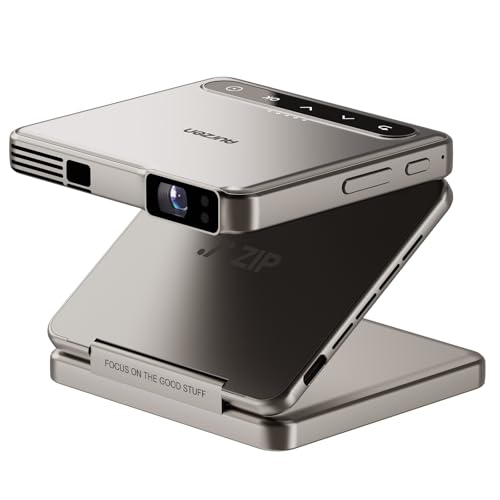


When I first saw the Aurzen ZIP Tri-Fold Portable Mini Projector, I'll admit I was skeptical. Could something that folds smaller than a paperback book really deliver a watchable projection experience? Having tested both it and the Epson Home Cinema 1080 Projector extensively, I can tell you these devices represent two completely different philosophies in projection technology—and understanding which approach fits your needs will save you from buyer's remorse.
The projector market has undergone a dramatic transformation in recent years. We're no longer choosing between slightly different versions of the same bulky, lamp-based machines. Instead, we have two distinct categories that serve fundamentally different purposes.
Traditional home theater projectors like the Epson Home Cinema 1080 focus on delivering the best possible image quality for dedicated viewing spaces. They prioritize brightness (measured in lumens—think of it as how much light the projector can put out), resolution, and color accuracy. These projectors typically require permanent or semi-permanent installation and always need to be plugged into the wall.
Ultra-portable mini projectors like the Aurzen ZIP flip this approach entirely. They sacrifice image quality for unprecedented convenience, running on batteries and folding down to pocket size. It's the difference between a professional camera and a smartphone camera—both take pictures, but they're designed for completely different situations.
The key factors that matter most when choosing between these approaches are brightness, resolution, portability, setup complexity, and the viewing environment where you'll actually use the projector.
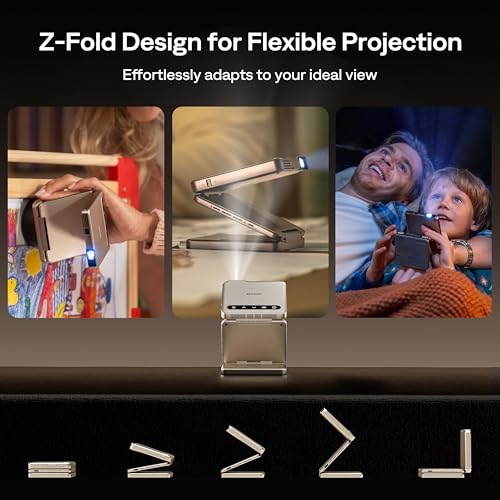
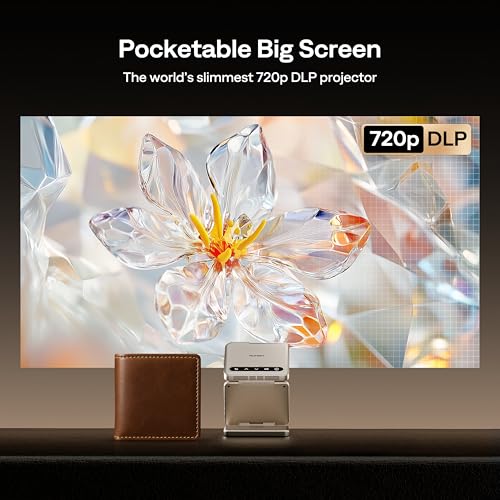
The Aurzen ZIP Tri-Fold Portable Mini Projector, released in 2025, represents the cutting edge of miniaturization technology. Its tri-fold design—imagine folding a piece of paper into a Z-shape—allows it to collapse down to just 84×78×26mm and weigh only 280 grams. That's smaller and lighter than most smartphones. When you unfold it, the built-in gimbal stand (a stabilizing mechanism that can rotate in multiple directions) lets you project at virtually any angle, including straight up at the ceiling.
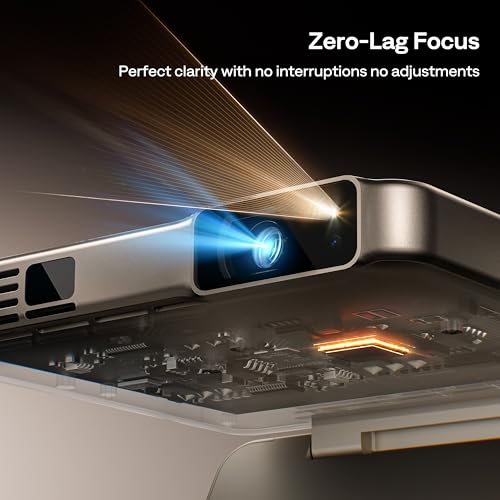
The most impressive feature is the ToF (Time-of-Flight) auto-focus system. This technology, borrowed from aerospace applications, measures the distance to your projection surface 30 times per second using light pulses. The result is instant, seamless focusing that automatically adjusts as you move the projector or change angles. I've never seen auto-focus work this smoothly on any projector, regardless of price.
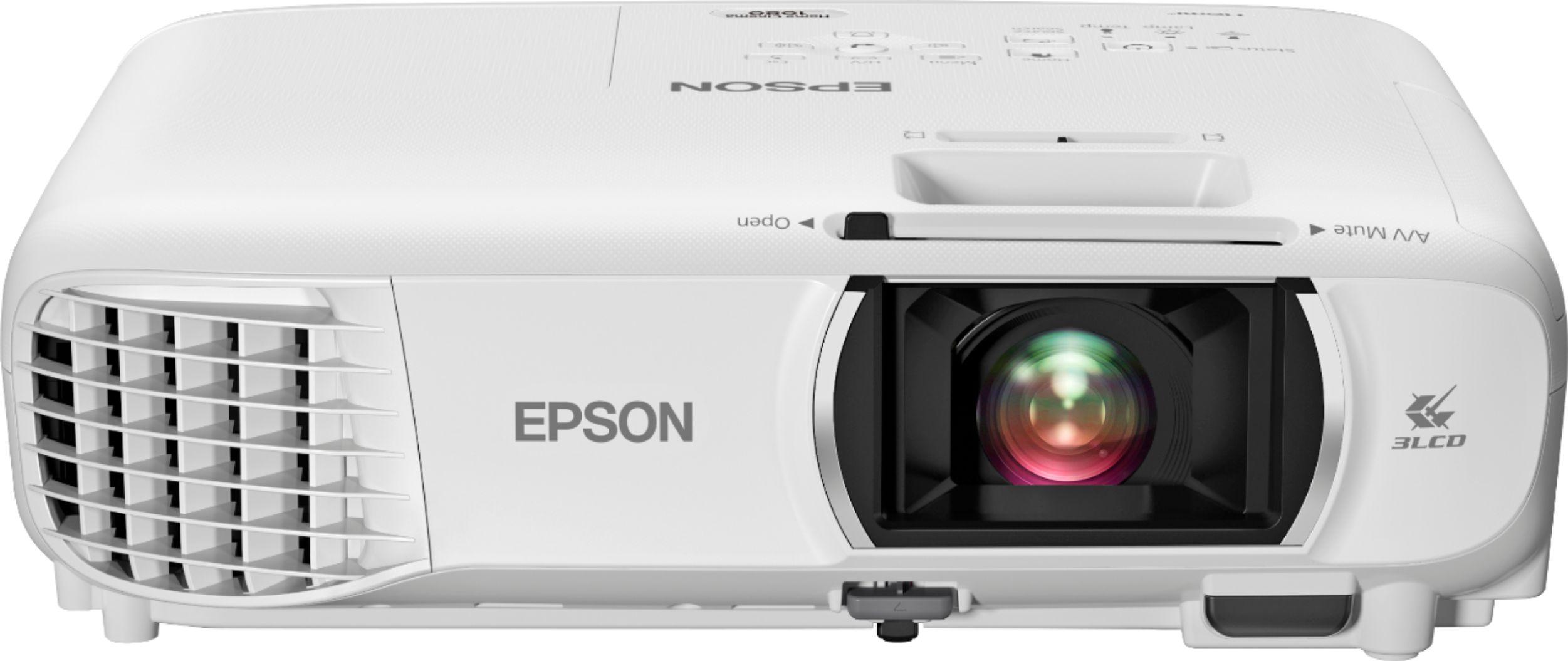
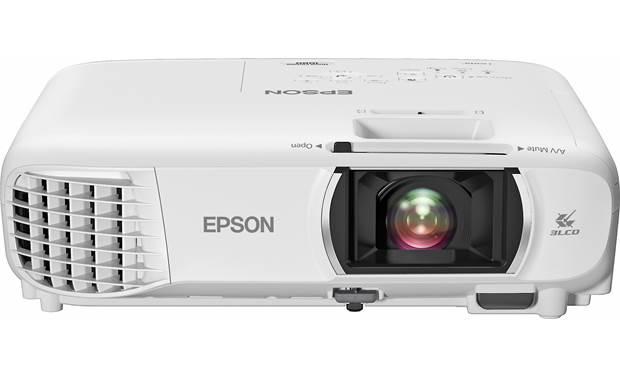
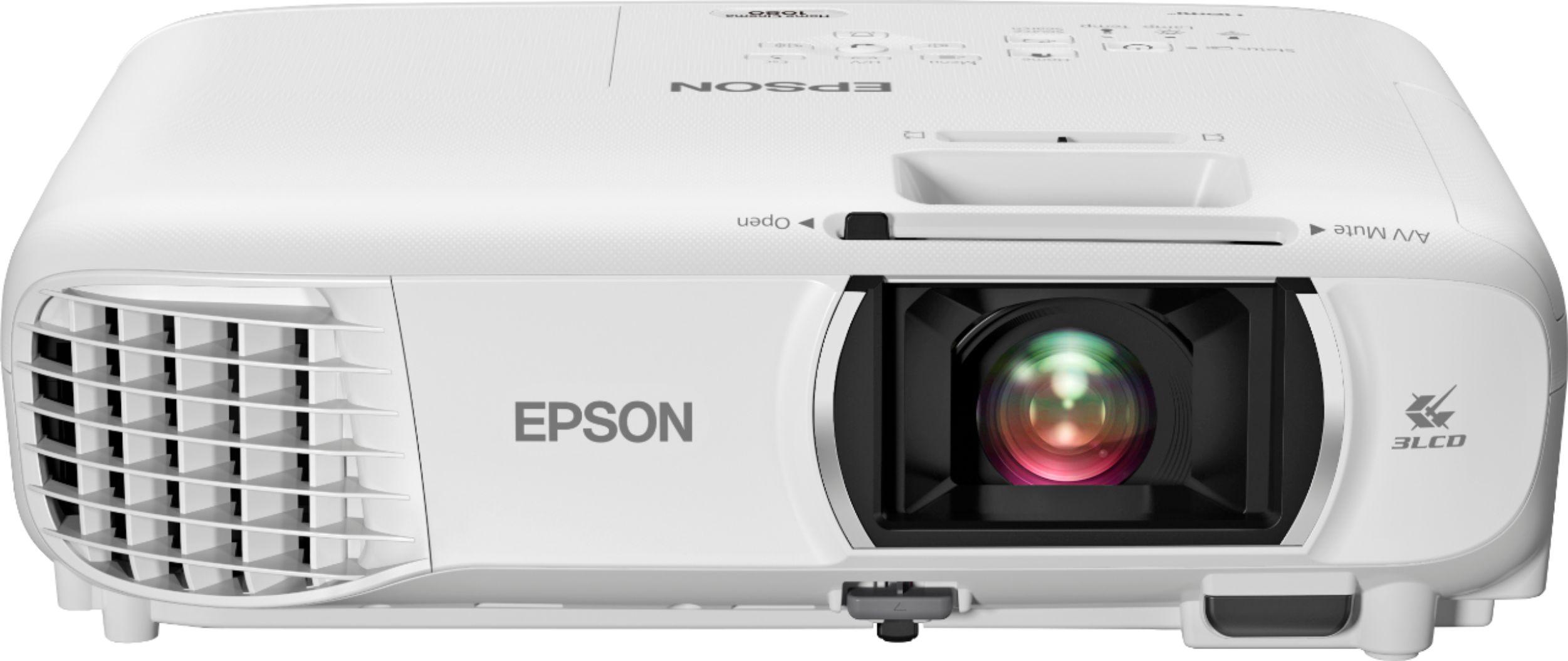
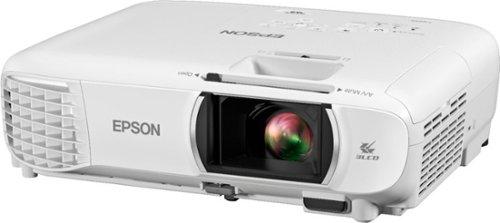
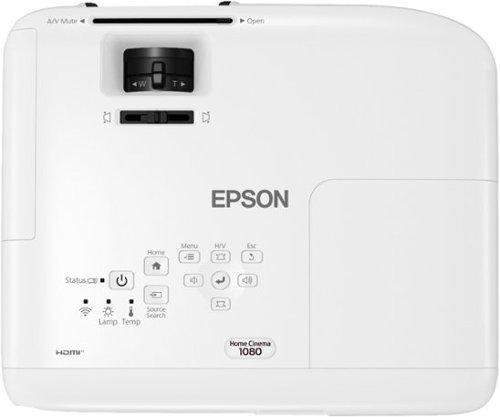
The Epson Home Cinema 1080 Projector, released in 2020, takes the traditional approach to home theater projection. It uses proven 3LCD technology—a system that splits white light into red, green, and blue components using three separate LCD chips. This approach has been refined over decades and delivers superior color accuracy compared to single-chip systems. At 2.8 kilograms and measuring roughly the size of a large briefcase, it's designed to stay put once you set it up.
Here's where the performance gap becomes crystal clear, and it's important to understand exactly what these numbers mean for your viewing experience.
The Epson Home Cinema 1080 produces 3,400 lumens of brightness. A lumen measures light output—to put this in perspective, a typical living room with some ambient light requires at least 2,000-2,500 lumens for a watchable image. The Epson's brightness means you can watch movies in moderately lit rooms and project massive screens up to 300 inches diagonally.
The Aurzen ZIP, by comparison, outputs just 100 ANSI lumens. ANSI lumens is a standardized measurement that's typically more accurate than basic lumen ratings. This brightness level requires complete darkness for optimal viewing—we're talking cave-dark. Even a small amount of ambient light will wash out the image significantly.
Resolution tells a similar story. The Epson Home Cinema 1080 delivers native 1920×1080 resolution—true Full HD with every pixel physically present on the imaging chips. The Aurzen ZIP uses pixel-shifting technology to achieve 720p (1280×720) from a native 640×360 array. Pixel shifting rapidly moves the image to create the appearance of higher resolution, and while it works reasonably well, it can't match the crispness of native resolution, especially with text or fine details.
Contrast ratio—the difference between the brightest whites and darkest blacks—also heavily favors the Epson Home Cinema 1080. Its 16,000:1 dynamic contrast (achieved using an automated iris that opens and closes based on scene content) creates deeper blacks and more vibrant colors. The Aurzen ZIP's 300:1 static contrast produces a somewhat washed-out image with greyish blacks.
In my testing, the Epson Home Cinema 1080 delivers genuinely cinema-quality images that can rival a large television. The Aurzen ZIP produces watchable images that work well for casual content but won't satisfy serious movie enthusiasts.
This is where the Aurzen ZIP Tri-Fold Portable Mini Projector absolutely shines. Setup involves unfolding the device, pressing the power button, and pointing it at your desired surface. The ToF auto-focus immediately creates a sharp image, while built-in gyroscopes and accelerometers automatically correct for keystone distortion (the trapezoid effect you get when projecting at an angle).
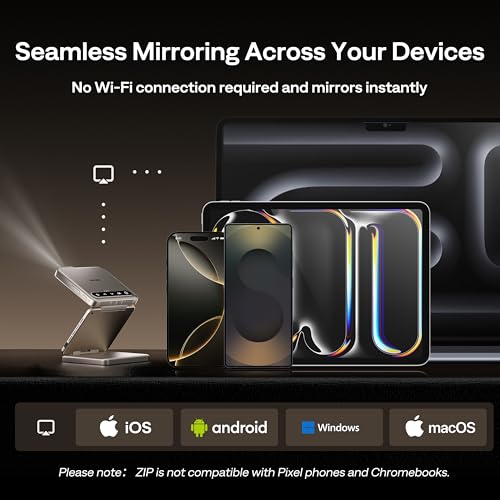
The wireless connectivity deserves special mention. The Aurzen ZIP's AirLink system creates a direct wireless connection to your device without requiring a Wi-Fi network. It's as simple as connecting Bluetooth headphones—your phone or laptop sees the projector, you tap to connect, and you're instantly mirroring your screen. This works flawlessly with iOS, Android, Windows, and macOS devices, though Google Pixel phones and Chromebooks aren't supported due to technical restrictions.
Setting up the Epson Home Cinema 1080 requires more planning. You need to consider throw distance (how far the projector sits from the screen), mounting options, cable management, and room lighting. The payoff is superior image quality, but expect to spend 30 minutes or more on initial setup versus 30 seconds with the Aurzen ZIP.
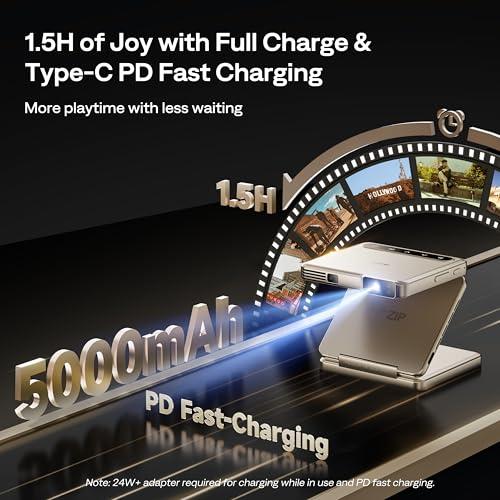
The built-in 5,000mAh battery in the Aurzen ZIP provides about 90 minutes of viewing time—perfect for most movies but limiting for extended binge sessions. The projector can operate while charging from a power bank, which extends its versatility significantly. The Epson Home Cinema 1080 requires wall power constantly, drawing 345 watts during operation.
Both projectors offer modern connectivity, but with different strengths and limitations. The Aurzen ZIP excels at wireless connections but runs into issues with DRM-protected content. Netflix, Disney+, Amazon Prime Video, and similar streaming services won't display through screen mirroring due to copyright protection systems that require HDCP compliance. You'll need local video files or non-protected streaming apps, or purchase the optional CastPlay wireless HDMI dongle to work around these restrictions.
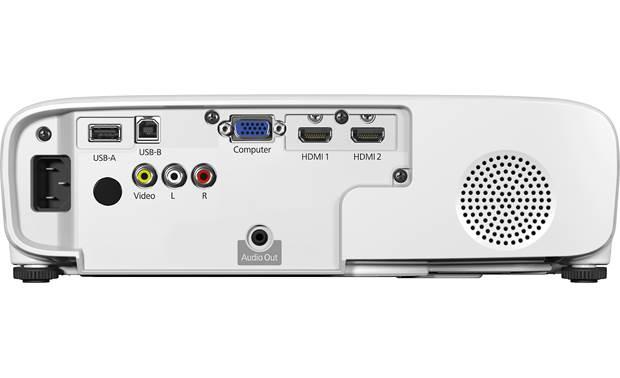
The Epson Home Cinema 1080 includes multiple HDMI ports, VGA input, and built-in Wi-Fi 5 with Miracast support. Its HDCP compliance means all streaming services work without issues when connected properly. The multiple inputs let you connect game consoles, streaming devices, and computers simultaneously.
For gaming, the performance difference is significant. The Aurzen ZIP's lower resolution and contrast make fast-paced games harder to follow, while the Epson Home Cinema 1080 provides an immersive large-screen gaming experience that rivals dedicated gaming monitors.
At the time of writing, these projectors occupy different price tiers that reflect their distinct purposes. The Aurzen ZIP Tri-Fold Portable Mini Projector commands a premium price for its cutting-edge miniaturization technology and innovative features. You're paying for engineering that didn't exist a few years ago—the ability to fold a complete projection system into your pocket.
The Epson Home Cinema 1080 Projector represents exceptional value in the home theater category, offering performance that competed with much more expensive models when it launched in 2020. The projector market has seen significant improvements since then, with newer models offering 4K resolution and higher brightness, but the Home Cinema 1080 remains competitive for 1080p viewing.
When evaluating value, consider the total cost of ownership. The Epson Home Cinema 1080 uses a replaceable UHE (Ultra High Efficiency) lamp rated for 6,000-12,000 hours depending on the brightness mode you choose. Replacement lamps typically cost $100-200, adding to long-term expenses. The Aurzen ZIP uses LED light sources rated for 20,000 hours with no replacement needed.
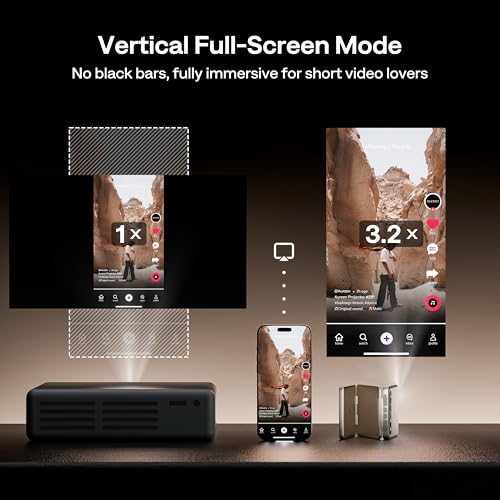
Having used both projectors extensively, I can outline specific scenarios where each excels. The Aurzen ZIP transforms situations where traditional projectors simply won't work. I've used it for impromptu movie nights in hotel rooms, outdoor screening while camping (paired with a power bank), and ceiling projection for bedtime viewing. The portrait orientation support makes it surprisingly good for TikTok and Instagram content—something no traditional projector can match.
The device's 100-lumen output limits screen size to about 40-60 inches in optimal conditions. Push it larger, and the image becomes too dim to enjoy. Fan noise becomes noticeable in quiet environments, though it's not excessive for such a compact device.
The Epson Home Cinema 1080 creates a genuine home theater experience. I've used it to replace a 75-inch TV in a basement media room, projecting a 120-inch diagonal image that feels truly cinematic. Sports viewing is particularly impressive—the large scale makes you feel like you're at the stadium. The 3LCD technology produces natural skin tones and vibrant colors that remain accurate even in moderately lit rooms.
For home theater use specifically, the Epson Home Cinema 1080 offers several advantages beyond just image quality. The 1.2x optical zoom provides installation flexibility, while both vertical and horizontal keystone correction (up to ±30 degrees) helps with placement in challenging rooms. The lamp life of up to 12,000 hours in ECO mode means several years of regular use before replacement.
The projection industry has seen remarkable advances since 2020. Laser light sources have become more common, offering longer lifespans and better color gamuts than traditional lamps. 4K resolution has moved down-market, with some projectors now offering true 4K at prices similar to what 1080p models cost a few years ago.
The Aurzen ZIP represents the newest wave of ultra-portable projectors enabled by Texas Instruments' latest 0.16-inch DMD (Digital Micromirror Device) chips. These chips are 80% smaller than previous generations while maintaining reasonable image quality. The DLP (Digital Light Processing) technology uses millions of tiny mirrors that flip thousands of times per second to create images—it's the same technology used in movie theater projectors, just miniaturized.
Meanwhile, established technologies like the 3LCD system in the Epson Home Cinema 1080 continue improving incrementally. Newer models offer HDR support, better color accuracy, and smart TV features, but the fundamental image quality advantages remain consistent.
The decision between these projectors should be driven by your primary use case and viewing environment. Choose the Aurzen ZIP Tri-Fold Portable Mini Projector if you value ultimate portability and spontaneous use over image quality. It's perfect for travel, outdoor activities, small apartments, and situations where traditional projectors are impractical. The innovative tri-fold design and instant setup make projection accessible in ways that weren't possible before.
However, be realistic about its limitations. The 100-lumen output requires very dark environments, and the 720p resolution won't satisfy viewers accustomed to sharp 4K content. Battery life restricts viewing sessions unless you have external power available.
Choose the Epson Home Cinema 1080 Projector if you want a dedicated home theater experience with excellent image quality. It's ideal for basement media rooms, living room setups replacing large TVs, and any situation where you can control ambient lighting. The superior brightness, resolution, and color accuracy create genuinely cinematic viewing experiences.
The Epson Home Cinema 1080 requires more commitment—proper setup, room preparation, and permanent installation for best results. But for viewers serious about image quality, it delivers performance that justifies the extra complexity.
In my experience, these projectors succeed because they don't try to be everything to everyone. The Aurzen ZIP prioritizes revolutionary portability, while the Epson Home Cinema 1080 focuses on proven home theater performance. Understanding which priority matters more to you will lead to the right choice and years of viewing satisfaction.
For most people, the decision comes down to this: Do you need projection on-the-go, or do you want cinema-quality images at home? Both projectors excel at their intended purpose, but trying to use them outside their optimal scenarios will lead to disappointment.
| Aurzen ZIP Tri-Fold Portable Mini Projector | Epson Home Cinema 1080 Projector |
|---|---|
| Brightness - Most critical factor determining where you can watch | |
| 100 ANSI lumens (requires complete darkness, small screens only) | 3,400 lumens (works in moderately lit rooms, large screens possible) |
| Resolution - Affects image sharpness and detail quality | |
| 720p with pixel shifting (adequate for casual viewing) | Native 1080p Full HD (crisp detail for movies and gaming) |
| Size & Weight - Determines true portability | |
| 280g, folds to 84×78×26mm (fits in pocket, truly portable) | 2.8kg, 302×251×91mm (requires dedicated setup space) |
| Power Source - Affects where and how long you can use it | |
| 5,000mAh battery (90 minutes runtime, charges via USB-C) | AC power only (345W consumption, unlimited runtime) |
| Technology - Different approaches to creating the image | |
| DLP with 0.16" DMD chip and LED light source | 3LCD with three separate chips and UHE lamp |
| Contrast Ratio - How deep blacks look and overall image depth | |
| 300:1 static (washed out blacks, limited dynamic range) | 16,000:1 dynamic (deep blacks, vibrant colors) |
| Screen Size Range - Optimal viewing dimensions | |
| 40-60 inches optimal (up to 80" in perfect darkness) | 30-300 inches (120"+ recommended for best experience) |
| Setup Complexity - How quickly you can start watching | |
| Instant: unfold, power on, auto-focus in seconds | Complex: mounting, focus adjustment, room preparation required |
| Focus System - How the projector achieves sharp images | |
| ToF auto-focus (instant, automatic, works at any angle) | Manual focus with 1.2x optical zoom (precise but requires adjustment) |
| Connectivity - How you connect devices and content | |
| Wi-Fi-free AirLink mirroring, limited DRM support | Multiple HDMI ports, Wi-Fi 5, full DRM compatibility |
| Audio - Built-in speaker quality | |
| Dual 1W speakers (adequate but external audio recommended) | 2W mono speaker (basic, external sound system preferred) |
| Lamp/Light Source Lifespan - Long-term maintenance costs | |
| 20,000 hours LED (no replacement needed) | 6,000-12,000 hours UHE lamp (replacement costs $100-200) |
| Best Use Cases - Where each projector truly excels | |
| Travel, camping, spontaneous viewing, small apartments | Dedicated home theater, basement setups, large living rooms |
| Price Category - Value positioning in the market | |
| Premium portable (paying for miniaturization innovation) | Mid-range home theater (excellent performance per dollar) |
The Epson Home Cinema 1080 Projector is significantly better for home theater use. It delivers 3,400 lumens of brightness compared to the Aurzen ZIP Tri-Fold Portable Mini Projector's 100 lumens, allowing for much larger screens and some ambient light. The Epson Home Cinema 1080 also provides native 1080p resolution and superior color accuracy with its 3LCD technology, creating a true cinematic experience.
Only the Epson Home Cinema 1080 Projector works in moderately bright rooms due to its 3,400-lumen output. The Aurzen ZIP Tri-Fold Portable Mini Projector requires complete darkness for optimal viewing because of its limited 100-lumen brightness. For any room with windows or ambient lighting, the Epson Home Cinema 1080 is your only viable option.
The Aurzen ZIP Tri-Fold Portable Mini Projector is dramatically more portable, weighing just 280g and folding to pocket size. The Epson Home Cinema 1080 Projector weighs 2.8kg and requires a large bag for transport. The Aurzen ZIP also runs on battery power, while the Epson Home Cinema 1080 needs wall power, making the Aurzen the clear choice for travel.
The Epson Home Cinema 1080 Projector works with all streaming services when connected properly via HDMI. The Aurzen ZIP Tri-Fold Portable Mini Projector has limitations with DRM-protected content like Netflix and Disney+ when using wireless mirroring, though workarounds exist with additional hardware. For hassle-free streaming, the Epson Home Cinema 1080 is more reliable.
The Epson Home Cinema 1080 Projector has significantly better image quality with native 1080p resolution, 16,000:1 contrast ratio, and superior color accuracy. The Aurzen ZIP Tri-Fold Portable Mini Projector offers 720p resolution with 300:1 contrast, which is adequate for casual viewing but can't match the Epson Home Cinema 1080's cinema-quality performance.
The Aurzen ZIP Tri-Fold Portable Mini Projector provides approximately 90 minutes of battery life on a single charge, which covers most movies. It can also operate while charging from a power bank for extended viewing. The Epson Home Cinema 1080 Projector has no battery and requires constant wall power connection.
The Aurzen ZIP Tri-Fold Portable Mini Projector is much easier to set up - simply unfold, power on, and it auto-focuses instantly with automatic keystone correction. The Epson Home Cinema 1080 Projector requires manual focus adjustment, proper positioning, and often mounting hardware. Setup time is seconds versus potentially hours for the Aurzen ZIP compared to the Epson Home Cinema 1080.
The Epson Home Cinema 1080 Projector can project screens up to 300 inches, with 120+ inches being optimal for home theater. The Aurzen ZIP Tri-Fold Portable Mini Projector works best with 40-60 inch screens due to its limited brightness, though it can technically project up to 80 inches in perfect darkness. For large screen viewing, the Epson Home Cinema 1080 is the clear winner.
The Aurzen ZIP Tri-Fold Portable Mini Projector uses LED light sources rated for 20,000 hours with no replacement needed. The Epson Home Cinema 1080 Projector uses a UHE lamp lasting 6,000-12,000 hours that will eventually need replacement. Long-term maintenance costs favor the Aurzen ZIP, though lamp replacement for the Epson Home Cinema 1080 is straightforward when needed.
Both work for gaming, but with different experiences. The Epson Home Cinema 1080 Projector provides an immersive large-screen gaming experience with sharp 1080p detail and vibrant colors. The Aurzen ZIP Tri-Fold Portable Mini Projector works for casual gaming but the lower resolution and contrast make fast-paced games harder to follow. Serious gamers should choose the Epson Home Cinema 1080.
Value depends on your needs. The Epson Home Cinema 1080 Projector offers exceptional performance per dollar for home theater use, competing with much more expensive models. The Aurzen ZIP Tri-Fold Portable Mini Projector commands a premium for its innovative portability technology. Choose the Epson Home Cinema 1080 for performance value or the Aurzen ZIP for convenience value.
The Aurzen ZIP Tri-Fold Portable Mini Projector excels with its AirLink Wi-Fi-free mirroring system that connects instantly without network setup. The Epson Home Cinema 1080 Projector offers standard Wi-Fi 5 and Miracast but requires network configuration. For quick wireless connections, the Aurzen ZIP is superior, while the Epson Home Cinema 1080 provides more comprehensive connectivity options overall.
We've done our best to create useful and informative comparisons to help you decide what product to buy. Our research uses advanced automated methods to create this comparison and perfection is not possible - please contact us for corrections or questions. These are the sites we've researched in the creation of this article: aurzen.com - youtube.com - tomsguide.com - aurzen.com - aurzen.com - projectorcentral.com - appleinsider.com - youtube.com - aurzen.com - aurzen.com - aurzen.com - aurzen.com - crutchfield.com - bestbuy.com - officedepot.com - bestbuy.com - bestbuy.com - audioholics.com - rtings.com - avsforum.com - projectorcentral.com - audiogeneral.com - projectorreviews.com - rtings.com - epson.com - youtube.com - epson.com - projectorreviews.com - projectorreviews.com - walmart.com - shop.avispl.com - bhphotovideo.com - staples.com - mediaserver.goepson.com - staples.com - bhphotovideo.com - epson.com - epson.com - dell.com - epson.com - bestbuy.com

Privacy Policy
Terms and Conditions - Affiliate Policy
Home Security
© Copyright 2008-2026.
11816 Inwood Rd #1211, Dallas, TX 75244