


Finding the perfect portable projector can feel overwhelming with so many options flooding the market. Today, I'm diving deep into two compelling choices that represent very different philosophies in portable projection: the XGIMI MoGo 4, released in 2025, and the LG CineBeam Q, which hit the market in 2024. After spending considerable time with both devices, I can tell you they each excel in distinct ways that make the choice surprisingly straightforward once you understand their strengths.
The portable projector market has exploded over the past few years, driven by our increasing desire to take entertainment anywhere. Unlike their bulky home theater cousins that might weigh 15-20 pounds and require permanent installation, portable projectors prioritize convenience, battery operation, and smart features that work right out of the box.
The key considerations boil down to a few critical areas. Image quality determines your actual viewing experience – this includes resolution (how sharp the picture looks), brightness (how well you can see the image with ambient light), and color accuracy (how lifelike the colors appear). True portability encompasses battery life, physical size, and setup complexity. Smart features cover built-in streaming capabilities and connectivity options that eliminate the need for external devices. Finally, value proposition weighs all these factors against cost and your specific use cases.
What makes this comparison particularly interesting is how the XGIMI MoGo 4 and LG CineBeam Q take completely different approaches to solving the portable projection challenge.
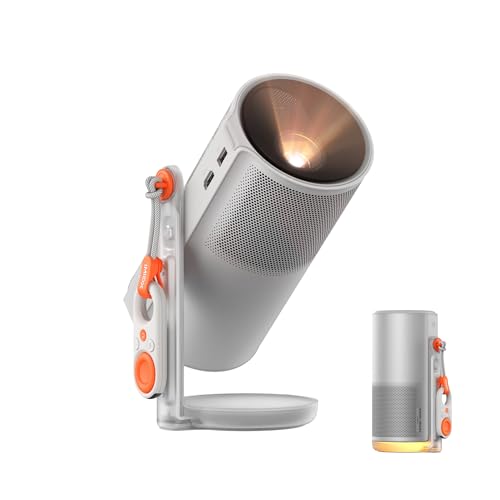
The XGIMI MoGo 4 embodies the "truly portable" philosophy. Released in 2025, it builds on XGIMI's reputation for creating projectors that feel more like high-tech gadgets than traditional AV equipment. The company has focused obsessively on eliminating every friction point in portable projection – from the innovative 360-degree adjustable stand to the built-in battery that actually lasts through a movie.
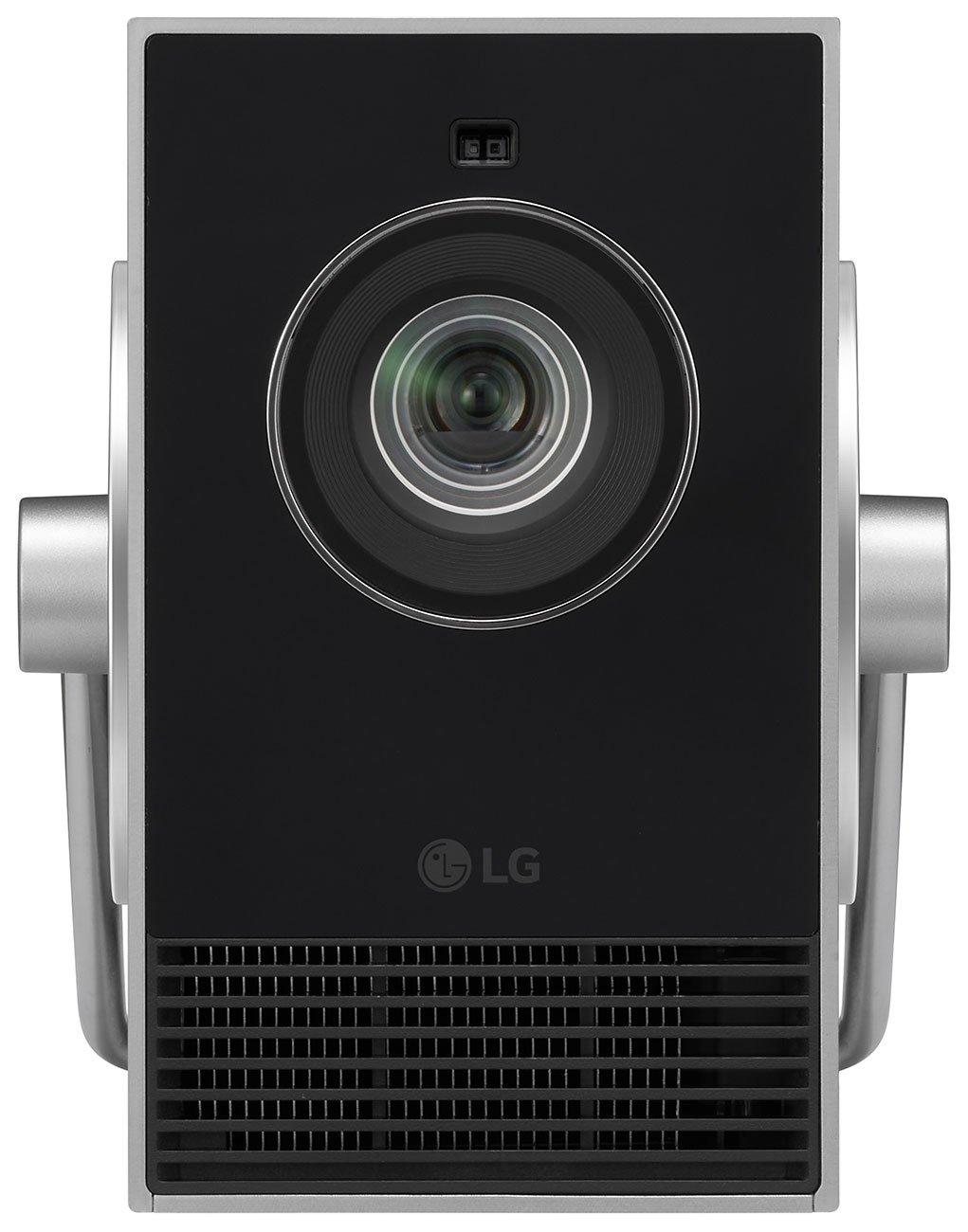
The LG CineBeam Q, launched in 2024, represents the "portable home theater" approach. LG essentially asked: "What if we took home theater image quality and made it as portable as possible?" The result sacrifices some convenience features but delivers a viewing experience that genuinely approaches what you'd expect from a dedicated home theater setup.
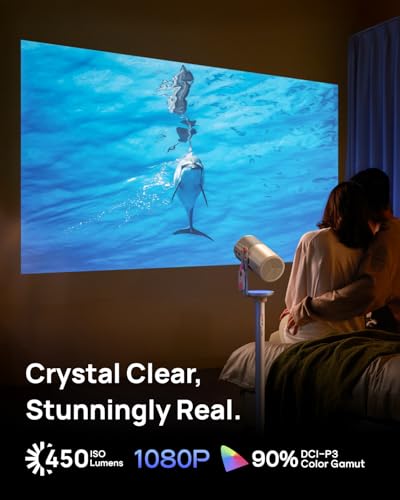
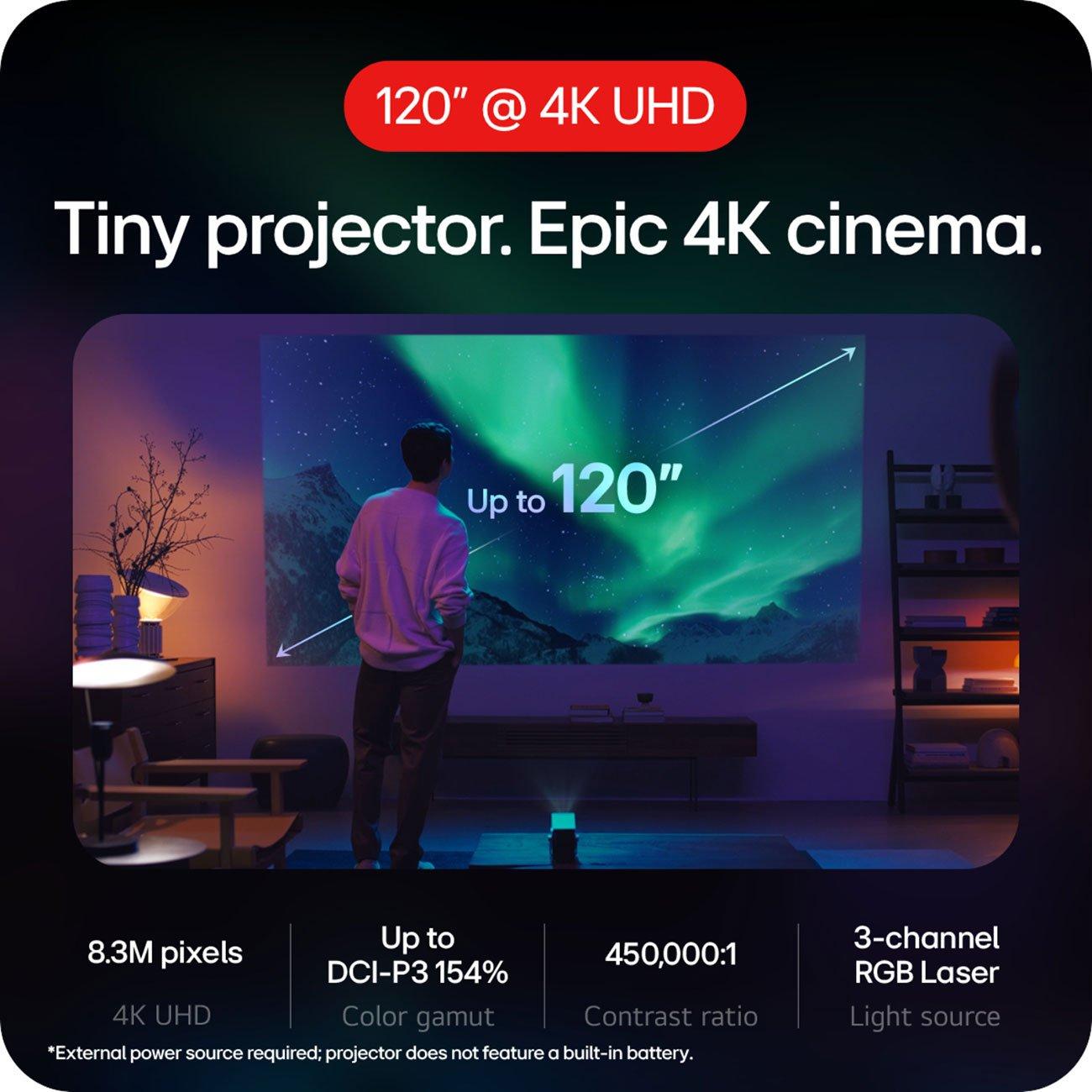
The most obvious difference between these projectors is resolution, and it's more significant than many people realize. The LG CineBeam Q delivers native 4K UHD resolution at 3840×2160 pixels, while the XGIMI MoGo 4 tops out at 1080p Full HD (1920×1080).
To put this in perspective, 4K contains four times as many pixels as 1080p. When projecting onto larger screens – say, 80 inches or more – this difference becomes immediately apparent. Text appears noticeably sharper on the LG CineBeam Q, fine details in movies retain their clarity, and the overall image has a more "finished" look that approaches what you'd see in a commercial theater.
However, the XGIMI MoGo 4's 1080p resolution isn't a dealbreaker for many use cases. For screen sizes under 80 inches and casual viewing, 1080p still looks quite good, especially when you factor in the other conveniences this projector offers. The key is understanding that if you're someone who notices and appreciates fine detail – whether that's reading spreadsheets for work presentations or watching nature documentaries – the resolution difference matters more than if you're primarily watching casual entertainment content.
Brightness measurements in projectors can be confusing because manufacturers use different standards. The LG CineBeam Q claims 500 ANSI lumens, while the XGIMI MoGo 4 lists 450 ISO lumens. Without getting too deep into the technical differences, ANSI lumens generally translate to slightly lower real-world brightness than equivalent ISO lumen ratings, so these projectors are closer in brightness than the numbers suggest.
In practical terms, both projectors work best in darkened rooms. I've tested both in various lighting conditions, and while you can watch content with some ambient light, the experience improves dramatically when you can control room lighting. The LG CineBeam Q has a slight edge in moderately lit rooms, but neither projector will compete with your TV during a bright sunny afternoon.
This brightness limitation is simply the reality of portable projectors at the time of writing. To get significantly brighter images, you'd need to move up to much larger, more expensive units that sacrifice the portability that makes these devices appealing in the first place.
Here's where the technology differences become fascinating. The XGIMI MoGo 4 uses LED light sources, which have improved dramatically in recent years. LEDs offer decent color reproduction, covering about 90% of the DCI-P3 color space (DCI-P3 is a color standard used in digital cinema that covers more colors than older standards like sRGB).
The LG CineBeam Q, however, uses RGB laser technology – essentially three separate lasers (red, green, and blue) that combine to create the full spectrum of colors. This approach covers an impressive 154% of DCI-P3, meaning it can display colors that are more vivid and accurate than what most displays can achieve.
In real-world viewing, the LG CineBeam Q produces colors that simply pop off the screen. Reds appear more vibrant, blues have more depth, and the overall image has a richness that the XGIMI MoGo 4 can't quite match. However, the XGIMI MoGo 4's colors are still pleasing and natural-looking for most content.
The laser technology in the LG CineBeam Q also contributes to its exceptional 450,000:1 dynamic contrast ratio. This technical specification translates to deeper blacks and brighter whites appearing simultaneously in the same image, creating more three-dimensional, lifelike pictures.
Most people underestimate how important audio is in portable projectors, but it often determines whether you'll actually enjoy using the device regularly.
The XGIMI MoGo 4 absolutely excels in this area with its dual 6W Harman Kardon speakers. These aren't just adequate projector speakers – they're genuinely good speakers that can fill a room with clear, balanced sound. I've actually used the XGIMI MoGo 4 as a Bluetooth speaker when not projecting, and it holds its own against dedicated portable speakers in the same size category.
The LG CineBeam Q includes a single 3W mono speaker that's clearly designed as a backup option rather than the primary audio solution. It's functional for occasional use, but you'll want to connect external speakers or headphones for any serious viewing session.
This audio difference significantly impacts the user experience. The XGIMI MoGo 4 can genuinely work as a standalone entertainment device, while the LG CineBeam Q really needs a complete setup with external audio to reach its potential.
This is where these projectors most clearly diverge in their design philosophies.
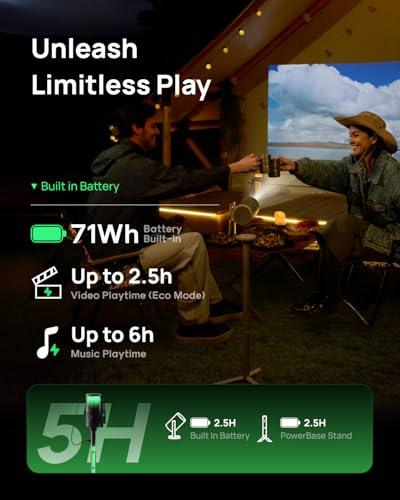
The XGIMI MoGo 4 includes a substantial built-in battery rated for 2.5 hours of video playback, extensible to 5 hours with the optional PowerBase Stand accessory. This might not sound like much, but it's enough for most movies and completely changes how you can use the device. Want to set up a movie night in your backyard? No problem. Taking it camping? Perfect. Moving from room to room without hunting for outlets? Easy.
The LG CineBeam Q requires constant AC power, which fundamentally limits its portability. While it's certainly more portable than traditional projectors, you're always tethered to a power outlet. This constraint affects not just where you can use it, but how you can position it within a room.
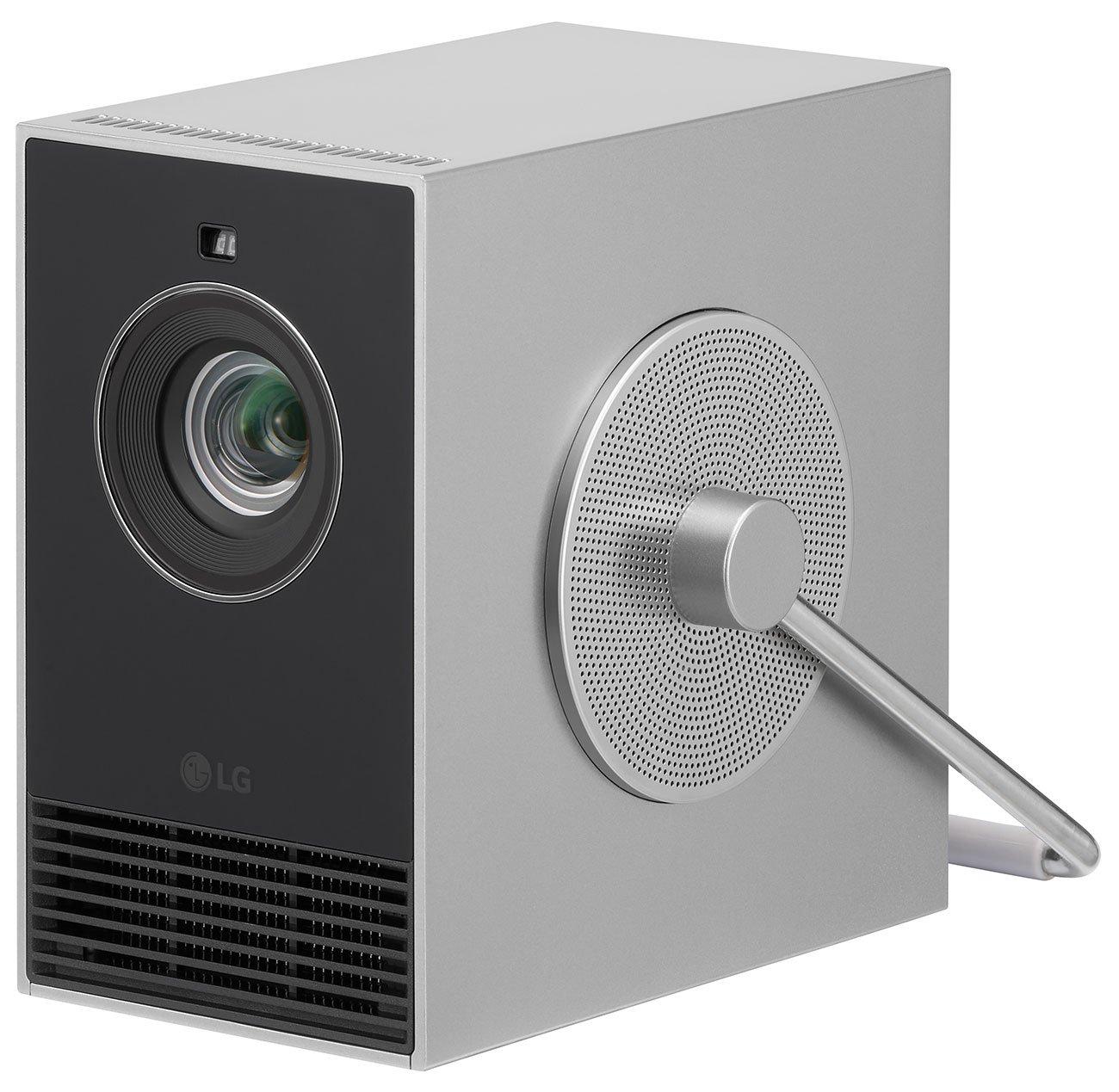
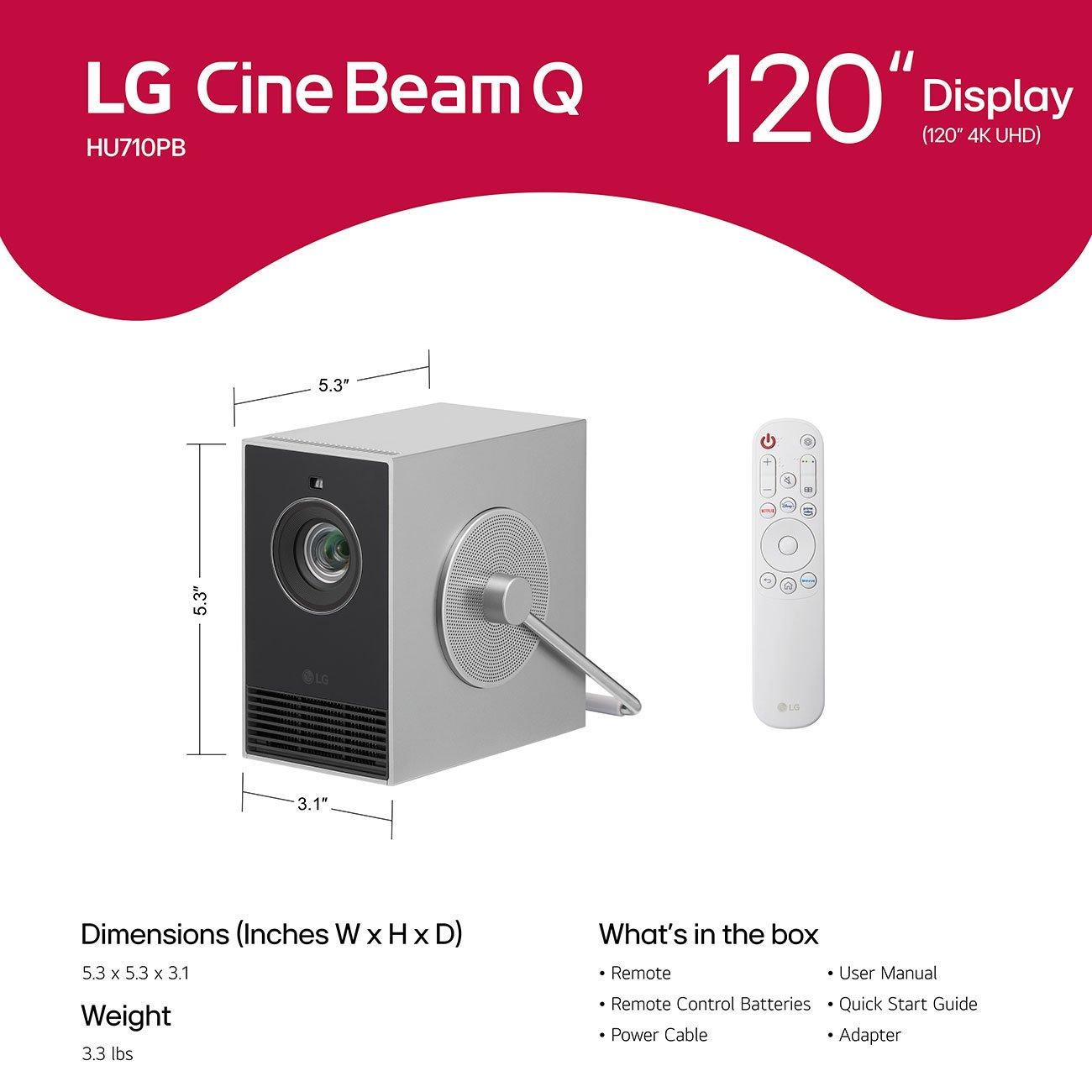
Both projectors are reasonably lightweight – the XGIMI MoGo 4 weighs about 1.31kg while the LG CineBeam Q comes in slightly heavier at 1.5kg. The weight difference isn't significant, but the battery independence of the XGIMI MoGo 4 makes it feel much more portable in practice.
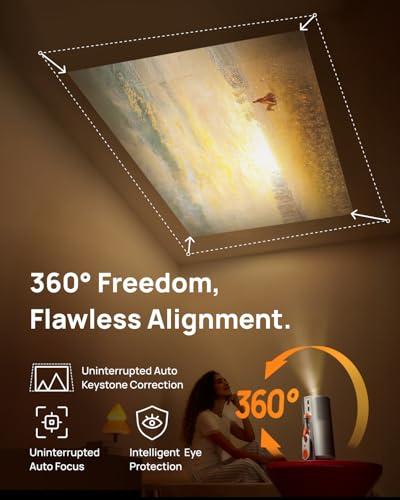
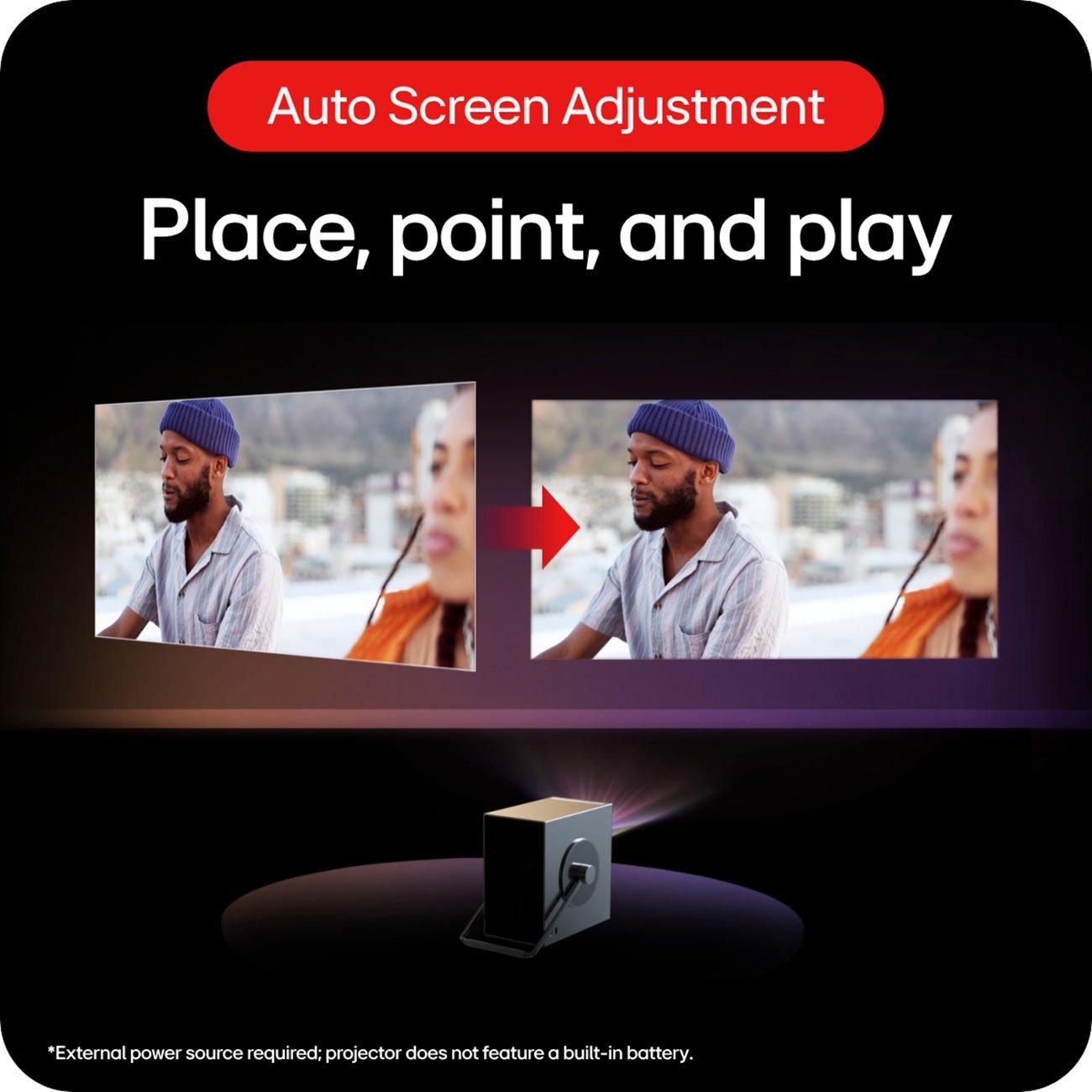
The XGIMI MoGo 4 features an innovative 360-degree adjustable stand built right into the device. This might seem like a small detail, but it's transformative in real-world use. You can project onto walls, ceilings, or any surface without needing additional mounting hardware or tripods. The projector's ISA (Intelligent Screen Adaptation) Technology automatically adjusts the image geometry regardless of the angle, making setup nearly effortless.
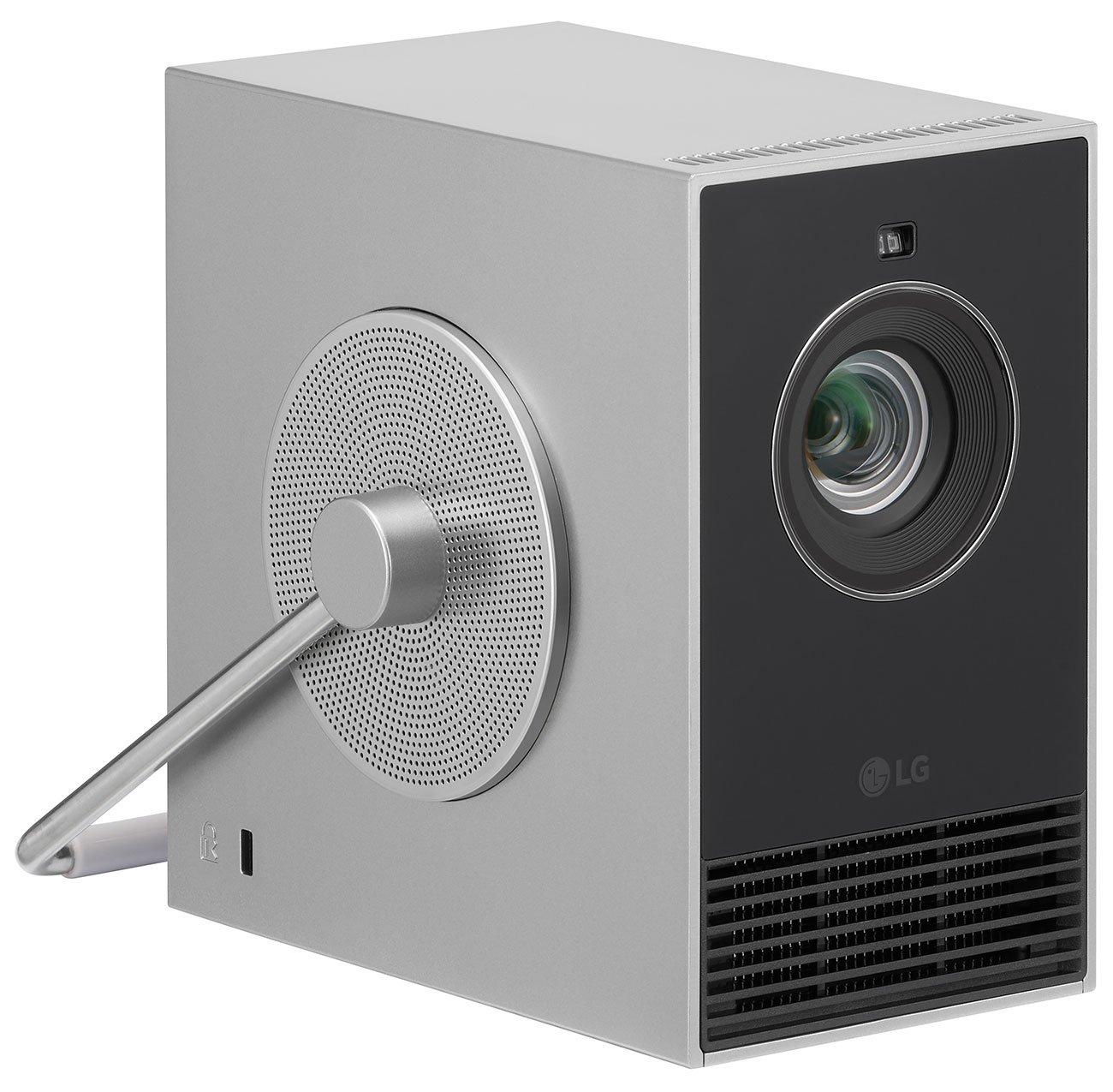
The LG CineBeam Q takes a more conventional approach with a rotating handle that doubles as an adjustable stand. It's well-designed and functional, but you'll still need to think about positioning and may need additional support for some viewing angles.
Both projectors run modern smart TV platforms that eliminate the need for external streaming devices in most cases.
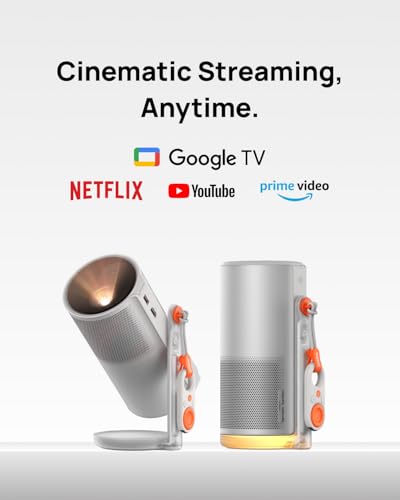
The XGIMI MoGo 4 runs Google TV, which offers a clean, intuitive interface with access to virtually every major streaming service, including native Netflix support. The platform includes over 10,000 apps and 800+ free channels, making it a comprehensive entertainment hub.
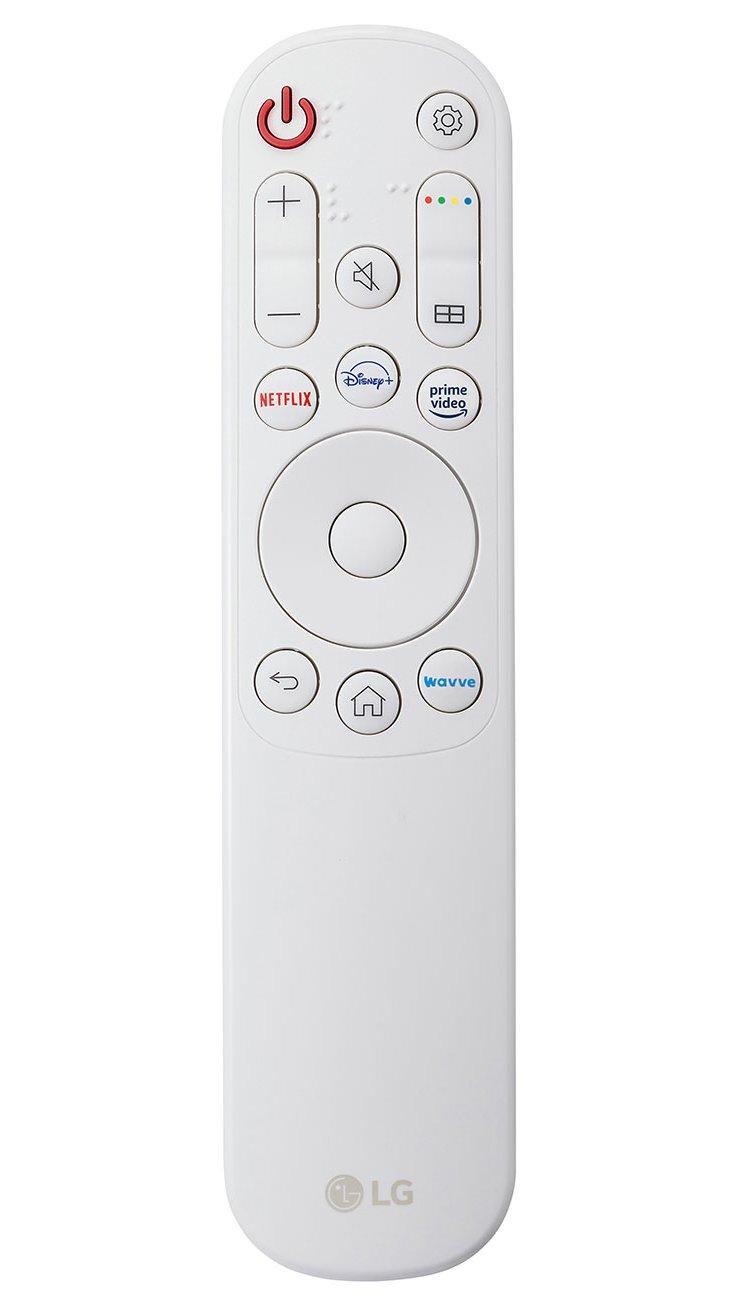
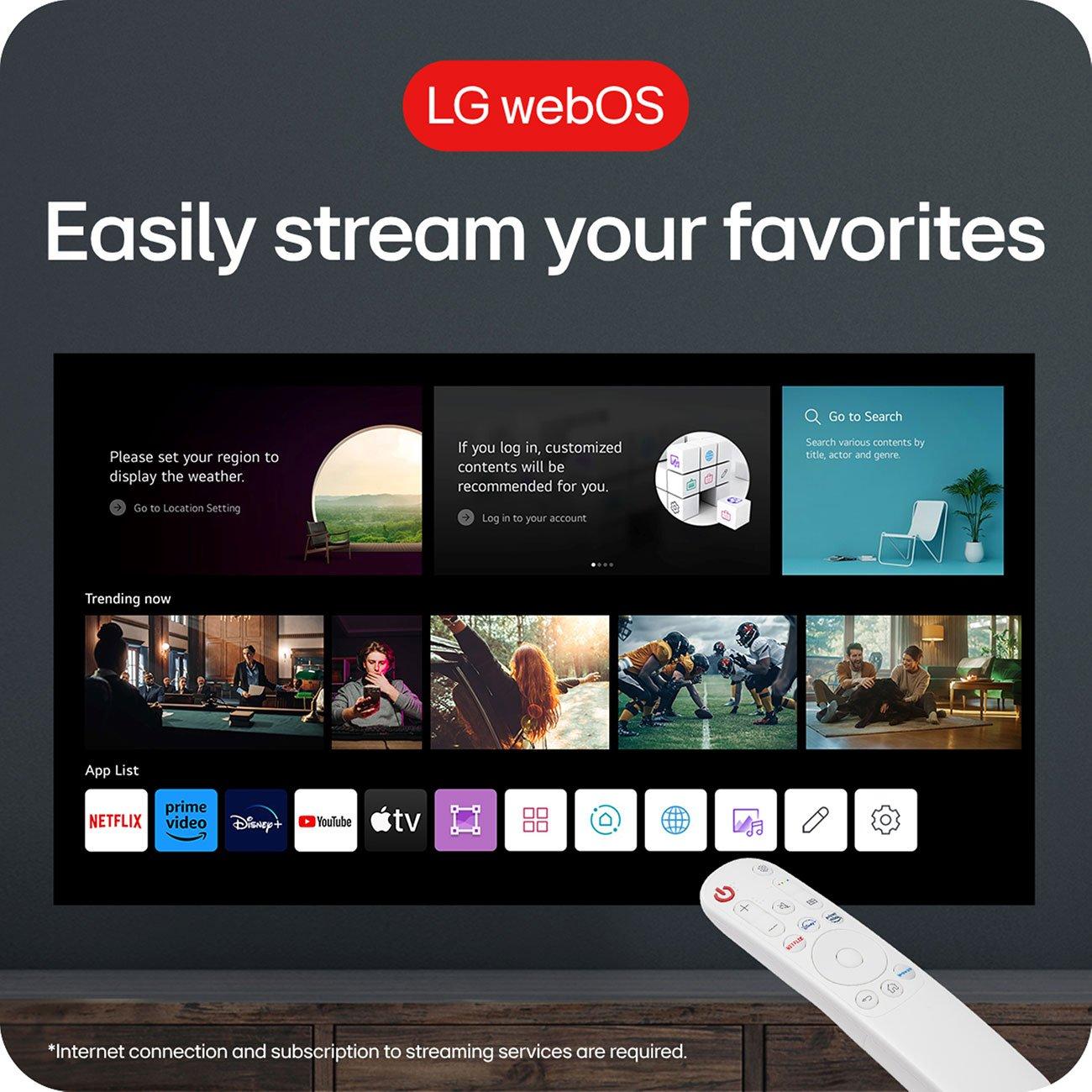
The LG CineBeam Q uses webOS, LG's smart TV platform that's equally capable and includes all the major streaming services. Both platforms support screen mirroring from smartphones and tablets, though through different protocols (the LG CineBeam Q supports AirPlay 2, while the XGIMI MoGo 4 works with various Android and iOS casting methods).
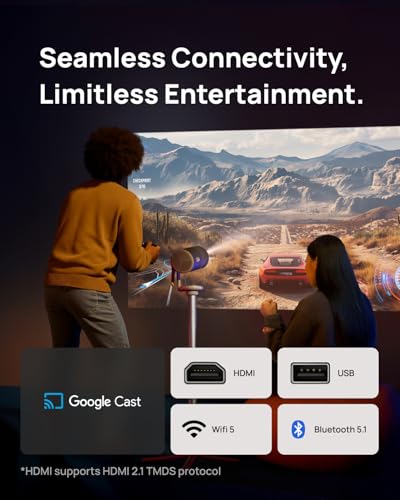
For connectivity, both projectors offer HDMI inputs for external devices, USB ports for direct media playback, and comprehensive wireless capabilities including Wi-Fi and Bluetooth.
At the time of writing, these projectors occupy different price segments that reflect their design priorities. The LG CineBeam Q commands a premium price that puts it in the upper tier of portable projectors, while the XGIMI MoGo 4 offers more accessible pricing that makes it competitive with mainstream portable projector options.
The LG CineBeam Q's higher cost reflects its 4K resolution, laser technology, and superior color accuracy. If you value image quality above all else and plan to use the projector regularly in a semi-permanent setup, the premium may well be justified.
The XGIMI MoGo 4 represents excellent value for users who prioritize convenience and versatility. The built-in battery, superior audio, and flexible positioning capabilities create a user experience that's often more enjoyable than technically superior alternatives that are more complicated to use.
The XGIMI MoGo 4 shines in scenarios where flexibility and convenience matter most. It's perfect for camping trips where you want to project movies onto your tent or a portable screen. The battery operation makes it ideal for backyard movie nights where running extension cords would be impractical.
Inside the home, the XGIMI MoGo 4 excels in bedrooms, especially for ceiling projection while lying in bed – something the 360-degree stand makes effortless. It's also excellent for kids' rooms, playrooms, and any situation where you might want to move the projector frequently.
The built-in Harman Kardon speakers and ambient lighting features make the XGIMI MoGo 4 surprisingly good for parties or social gatherings where the projection itself becomes part of the atmosphere rather than just a display medium.
The LG CineBeam Q excels when image quality is paramount and you can provide consistent power. It's ideal for dedicated home theater setups in smaller spaces where a traditional projector would be overkill, but you still want the big-screen experience.
For professional use, the LG CineBeam Q's 4K resolution and color accuracy make it suitable for presentations where detail matters – architectural drawings, detailed charts, or any content where sharpness affects comprehension.
If you're building a content library of 4K movies and want to actually utilize that resolution, the LG CineBeam Q provides the capability to see the difference in quality that you're paying for in your content purchases.
Neither projector is designed to replace a dedicated home theater setup, but they can certainly supplement one or serve smaller spaces well.
The LG CineBeam Q comes closer to home theater performance, especially in terms of image quality. Its 4K resolution and color accuracy make it suitable for serious movie watching, though you'll want to invest in good external speakers to match the visual quality.
The XGIMI MoGo 4 is better thought of as a flexible entertainment device that can create a theater-like experience when needed. While it won't match the LG CineBeam Q's image quality, its convenience factors often result in more frequent use, which has its own value.
After extensive use of both projectors, my recommendations are fairly clear-cut based on use cases.
Choose the XGIMI MoGo 4 if: You want true portability with battery operation, plan to use the projector in multiple locations, value good audio without additional equipment, or want a device that's ready to use anywhere without setup complexity. It's also the better choice if budget is a primary consideration or if you're buying your first portable projector and want to test the waters without a major investment.
Choose the LG CineBeam Q if: Image quality is your top priority, you have a dedicated space with reliable power access, you regularly watch 4K content, or you need the projector for professional presentations where detail matters. It's also worth considering if you're already committed to external audio solutions and don't need the integrated speaker capabilities of the XGIMI MoGo 4.
The decision ultimately comes down to your priorities: convenience and versatility versus maximum image quality. Both projectors excel at what they're designed to do, making either choice a solid investment depending on your specific needs and usage patterns.
In my experience, most people underestimate how much they'll value the convenience factors of the XGIMI MoGo 4, while others are surprised by how much the image quality improvement of the LG CineBeam Q enhances their viewing experience. Consider your typical usage scenarios carefully, and the right choice should become clear.
| XGIMI MoGo 4 Portable Projector 2025 | LG CineBeam Q 4K UHD Portable Laser Projector |
|---|---|
| Resolution - Determines image sharpness and detail quality | |
| 1080p Full HD (1920×1080) - Good for screens up to 80" | 4K UHD (3840×2160) - 4x sharper, excellent for large screens and detailed content |
| Brightness - Critical for viewing in ambient light | |
| 450 ISO lumens (~350-400 ANSI equivalent) - Best in darkened rooms | 500 ANSI lumens - Slightly better in moderate ambient light |
| Light Source Technology - Affects color accuracy and lifespan | |
| LED light source, 90% DCI-P3 color gamut - Good colors, long-lasting | RGB laser, 154% DCI-P3 color gamut - Superior color vibrancy and accuracy |
| Battery Life - Determines true portability | |
| Built-in battery: 2.5 hours video (5 hours with PowerBase Stand) | No battery - Requires constant AC power connection |
| Audio Quality - Important since most setups won't have external speakers | |
| Dual 6W Harman Kardon speakers - Excellent sound, doubles as Bluetooth speaker | Single 3W mono speaker - Basic audio, external speakers recommended |
| Physical Design - Affects setup flexibility and portability | |
| 360° adjustable built-in stand, 1.31kg - Projects at any angle including ceilings | Rotating handle/stand design, 1.5kg - More conventional positioning options |
| Smart Features - Determines streaming capabilities without external devices | |
| Google TV with native Netflix, 10,000+ apps - Comprehensive platform | webOS with major streaming services, AirPlay 2 support - Equally capable platform |
| Auto-Adjustment - Reduces setup time and complexity | |
| ISA Technology: Auto focus and keystone from any position - Effortless setup | Auto keystone and focus with manual warping options - Good but more conventional |
| Gaming Performance - Matters for console gaming | |
| Game Mode with ≤56ms input latency - Suitable for casual gaming | Standard latency - Better for movies than gaming |
| Connectivity Options - Determines compatibility with external devices | |
| HDMI (ARC), USB, Wi-Fi 5, Bluetooth 5.1 - Comprehensive connectivity | HDMI, USB-C, Bluetooth, wireless connectivity - Standard options |
| Contrast Ratio - Affects image depth and black levels | |
| Standard LED contrast - Good but limited black levels | 450,000:1 dynamic contrast - Exceptional blacks and image depth |
| Target Use Cases - Best applications for each projector | |
| Camping, bedrooms, frequent moving, casual entertainment, ambient lighting | Home theater setups, 4K content viewing, presentations, color-critical work |
The LG CineBeam Q delivers superior picture quality with native 4K UHD resolution (3840×2160) compared to the XGIMI MoGo 4's 1080p Full HD. The LG CineBeam Q also features RGB laser technology that produces more vibrant colors covering 154% of DCI-P3 color space, while the XGIMI MoGo 4 uses LED technology covering 90% DCI-P3. For home theater use, the LG CineBeam Q provides a noticeably sharper, more cinema-like experience.
Only the XGIMI MoGo 4 offers battery operation with up to 2.5 hours of video playback (extendable to 5 hours with the PowerBase Stand). The LG CineBeam Q requires constant AC power connection, making it less portable for outdoor use, camping, or moving between rooms without power outlets.
Both projectors work best in darkened rooms. The LG CineBeam Q produces 500 ANSI lumens while the XGIMI MoGo 4 delivers 450 ISO lumens. Neither projector is designed for bright daytime viewing, but the LG CineBeam Q has a slight advantage in moderately lit environments.
The XGIMI MoGo 4 significantly outperforms the LG CineBeam Q in audio quality. The XGIMI MoGo 4 features dual 6W Harman Kardon speakers that can fill a room with quality sound, while the LG CineBeam Q has a basic 3W mono speaker that's adequate for occasional use but typically requires external audio for serious viewing.
The XGIMI MoGo 4 is better suited for gaming with its dedicated Game Mode offering ≤56ms input latency. The LG CineBeam Q doesn't specify gaming optimizations and is primarily designed for movie viewing and presentations rather than gaming performance.
Yes, both projectors offer comprehensive streaming capabilities. The XGIMI MoGo 4 runs Google TV with native Netflix support and access to 10,000+ apps, while the LG CineBeam Q uses webOS platform with all major streaming services including Netflix, Disney+, and Prime Video.
The XGIMI MoGo 4 offers easier setup with its 360° adjustable built-in stand and ISA Technology that automatically corrects image geometry from any angle, including ceiling projection. The LG CineBeam Q has good auto-focus and keystone correction but requires more traditional positioning considerations.
Both projectors can project up to 120 inches, though the XGIMI MoGo 4 can technically go larger (up to 200 inches in some conditions). However, the LG CineBeam Q's 4K resolution maintains better image quality at larger sizes compared to the XGIMI MoGo 4's 1080p resolution.
For a dedicated home theater setup, the LG CineBeam Q is the better choice due to its 4K resolution, superior color accuracy from RGB laser technology, and exceptional contrast ratio. However, you'll need to pair it with quality external speakers and ensure reliable power access.
The XGIMI MoGo 4 excels for outdoor use thanks to its built-in battery operation and doesn't require power outlets. The LG CineBeam Q can work outdoors but needs AC power, limiting setup locations. Both require darkness or very low ambient light for optimal viewing outdoors.
The XGIMI MoGo 4 typically offers better value for most users, providing excellent convenience features, good image quality, and superior audio at a more accessible price point. The LG CineBeam Q commands a premium but justifies it with 4K resolution and professional-grade color accuracy for users who prioritize maximum image quality.
Both projectors work for presentations, but the LG CineBeam Q is better suited for professional use due to its 4K resolution that makes text and detailed graphics appear sharper. The XGIMI MoGo 4 works well for casual presentations and offers better portability for moving between meeting rooms thanks to its battery operation.
We've done our best to create useful and informative comparisons to help you decide what product to buy. Our research uses advanced automated methods to create this comparison and perfection is not possible - please contact us for corrections or questions. These are the sites we've researched in the creation of this article: projectorcentral.com - whathifi.com - us.xgimi.com - whathifi.com - global.xgimi.com - youtube.com - us.xgimi.com - youtube.com - youtube.com - thesmarthomehookup.com - global.xgimi.com - hometechnologyreview.com - projectorcentral.com - youtube.com - us.xgimi.com - projectorcentral.com - lg.com - thefrogpadappliances.com - youtube.com - techradar.com - lg.com - avsforum.com - lg.com - tomsguide.com - jefflynch.com - hometheaterview.com - projectorreviews.com - youtube.com - avsforum.com - projectorcentral.com - pcrichard.com - bhphotovideo.com - youtube.com - lg.com - applerivertvandappliance.com - big-georges.com - queencityonline.com - lg.com - lg.com - lg.com - lgnewsroom.com - heimkino.de

Privacy Policy
Terms and Conditions - Affiliate Policy
Home Security
© Copyright 2008-2026.
11816 Inwood Rd #1211, Dallas, TX 75244