


Home entertainment has transformed dramatically in recent years, with projectors evolving from bulky, complicated devices into versatile tools for everything from backyard movie nights to competitive gaming sessions. Today's projector market spans an impressive range of options, from ultra-portable models you can toss in a backpack to dedicated home theater powerhouses that rival commercial cinemas.
In this comparison, we're examining two distinct approaches to modern projection technology: the premium LG CineBeam Q 4K UHD Portable Laser Projector and the gaming-focused BenQ TH575 1080p Gaming Projector. While both devices cast images onto screens, they represent different philosophies about what matters most to end users.
When considering a projector purchase in 2024, several factors should guide your decision:
Resolution remains a fundamental consideration. Just like with TVs, higher resolution (4K being four times the pixel count of 1080p) provides noticeably sharper images, especially on larger screens. However, the benefit of increased resolution diminishes with smaller screen sizes or greater viewing distances.
Brightness, measured in ANSI lumens, might be the most practical concern for many users. This determines how visible your image will be in different lighting conditions. A projector that looks stunning in a pitch-black room might appear washed out with even minimal ambient light.
Light source technology has evolved significantly, with traditional lamps giving way to LED and laser systems that offer longer lifespans, better color accuracy, and less maintenance. The tradeoff is typically a higher initial cost for these advanced light sources.
For gamers, input lag (the delay between your controller action and seeing it on screen) can make or break the experience. Competitive players typically want under 20ms, while casual gamers can tolerate up to 50ms without major issues.
Modern projectors also differ in their approach to smart features. Some function as standalone entertainment centers with built-in streaming capabilities, while others focus solely on image reproduction, requiring external devices for content.
Let's dive into how our two contenders address these factors and which might be the better fit for your specific needs.
Released in early 2023, the LG CineBeam Q represents LG's push into the premium portable projector market. Priced around $1,299, it combines 4K resolution with an innovative compact design and laser light source. This model marked a significant step forward in miniaturizing high-end projection technology, allowing users to enjoy cinema-quality visuals in nearly any setting.
Since its release, the CineBeam Q has established itself as a benchmark in the portable 4K projector space, with few competitors matching its combination of image quality and compact size. LG has continued to refine the webOS interface through firmware updates, improving compatibility with streaming services and enhancing user experience.
The BenQ TH575 arrived in mid-2022 as part of BenQ's dedicated gaming projector lineup. Priced at approximately $600, it prioritizes fast response times and high brightness over absolute resolution or portability. BenQ has long specialized in gaming displays, and the TH575 applies that expertise to projection technology.
Since its introduction, the TH575 has remained competitive in the gaming projector segment, with its combination of brightness and low input lag still comparing favorably against newer competitors. BenQ has maintained the projector with firmware updates that have fine-tuned its game mode performance and compatibility with current gaming systems.
The physical design of these projectors reveals their intended use cases and represents one of their starkest differences.
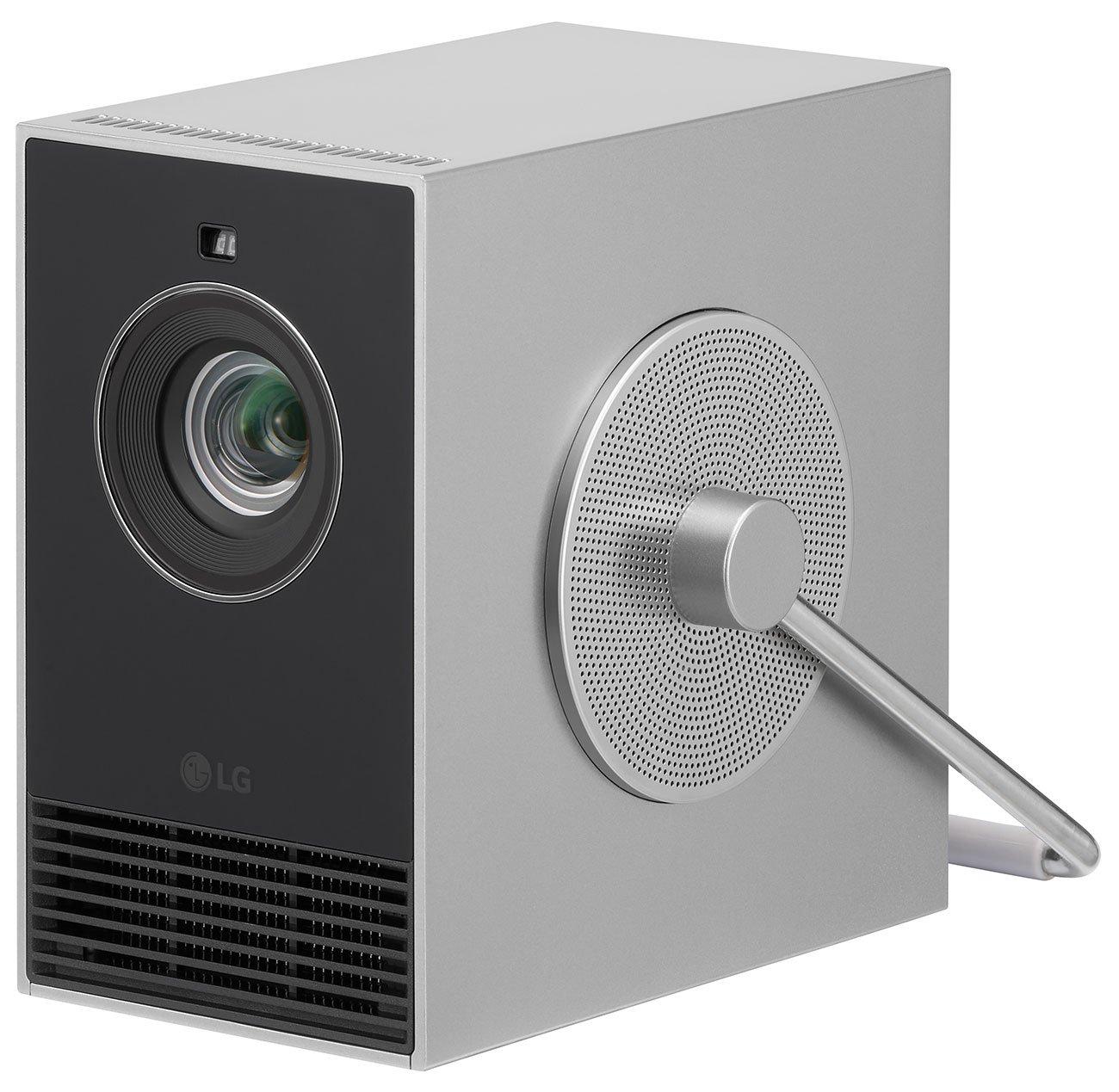
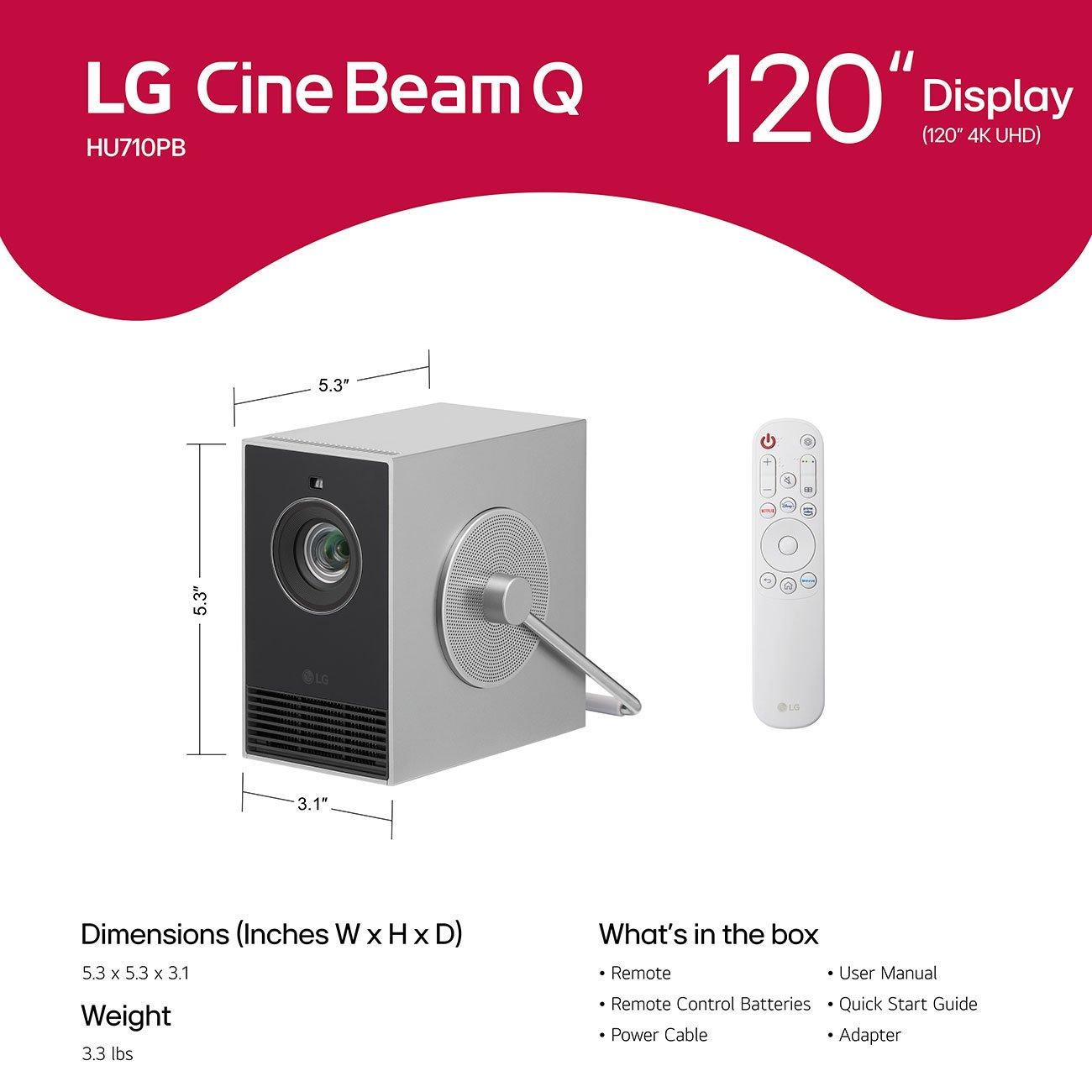
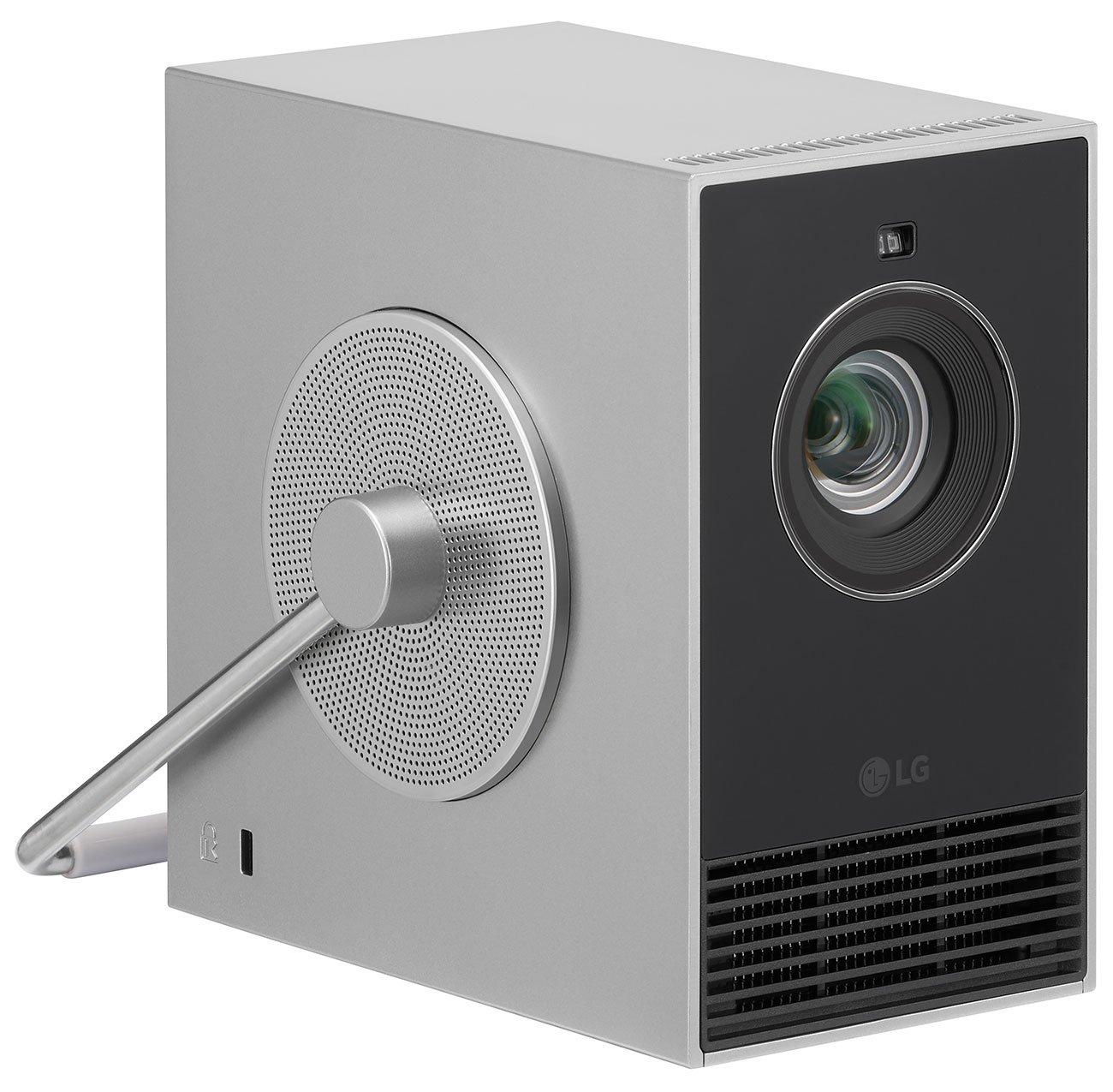
The LG CineBeam Q is a marvel of engineering miniaturization. Measuring just 5.3 inches in each dimension (essentially a cube) and weighing a mere 3.3 pounds, it's designed for ultimate portability. This compact size would have been impossible just a few years ago for a 4K projector with this level of performance.
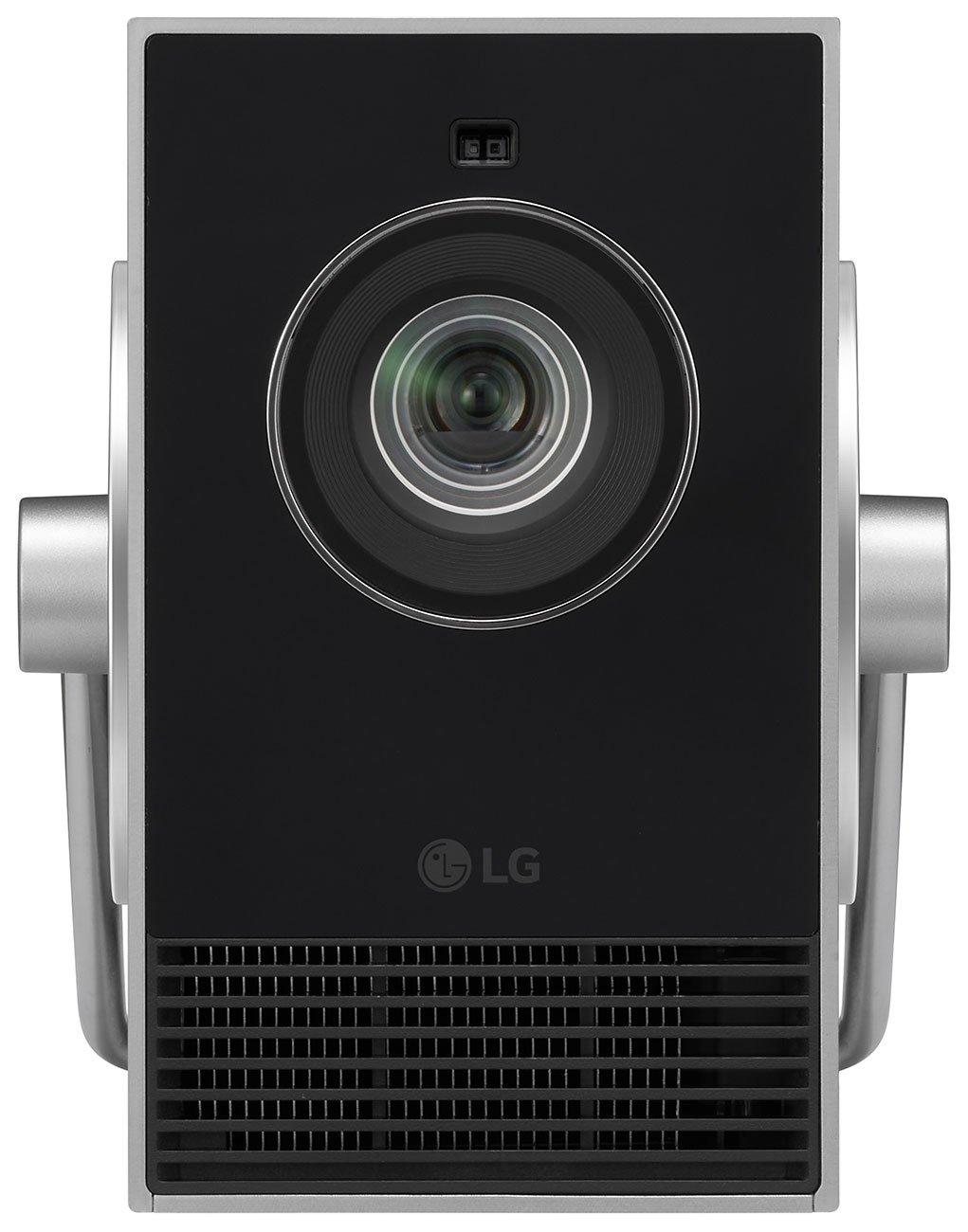
The CineBeam Q features an ingenious 360-degree rotating handle that doubles as an adjustable stand. This multifunctional element allows you to position the projector at various angles without needing additional equipment. The handle can rotate to serve as a secure base, allowing the projector to tilt upward at different angles to accommodate various placement scenarios.
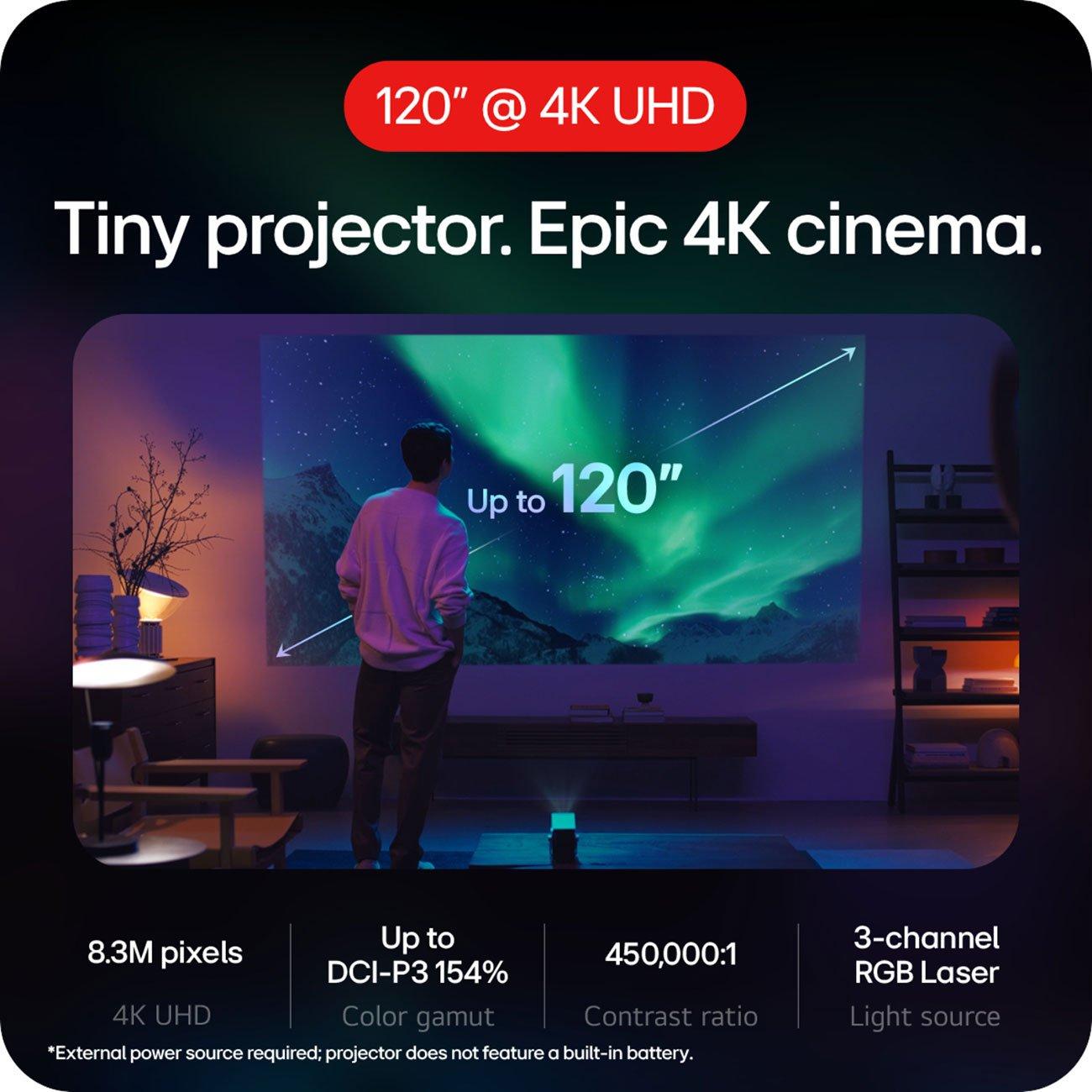
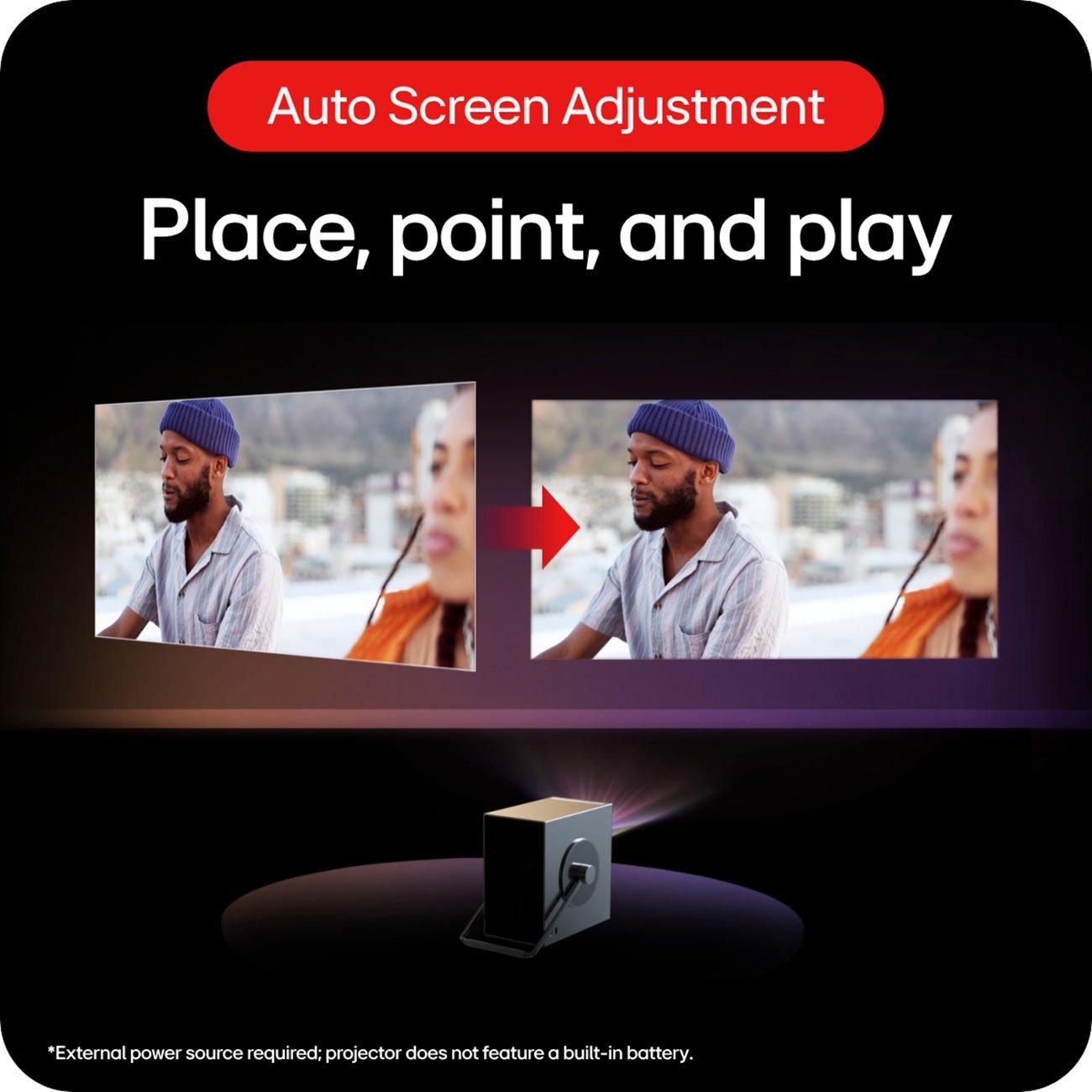
One important note: despite its portable design, the CineBeam Q lacks a built-in battery. You'll need access to a power outlet wherever you use it. This decision likely helped LG keep the weight down while ensuring sufficient power for the advanced laser projection system.
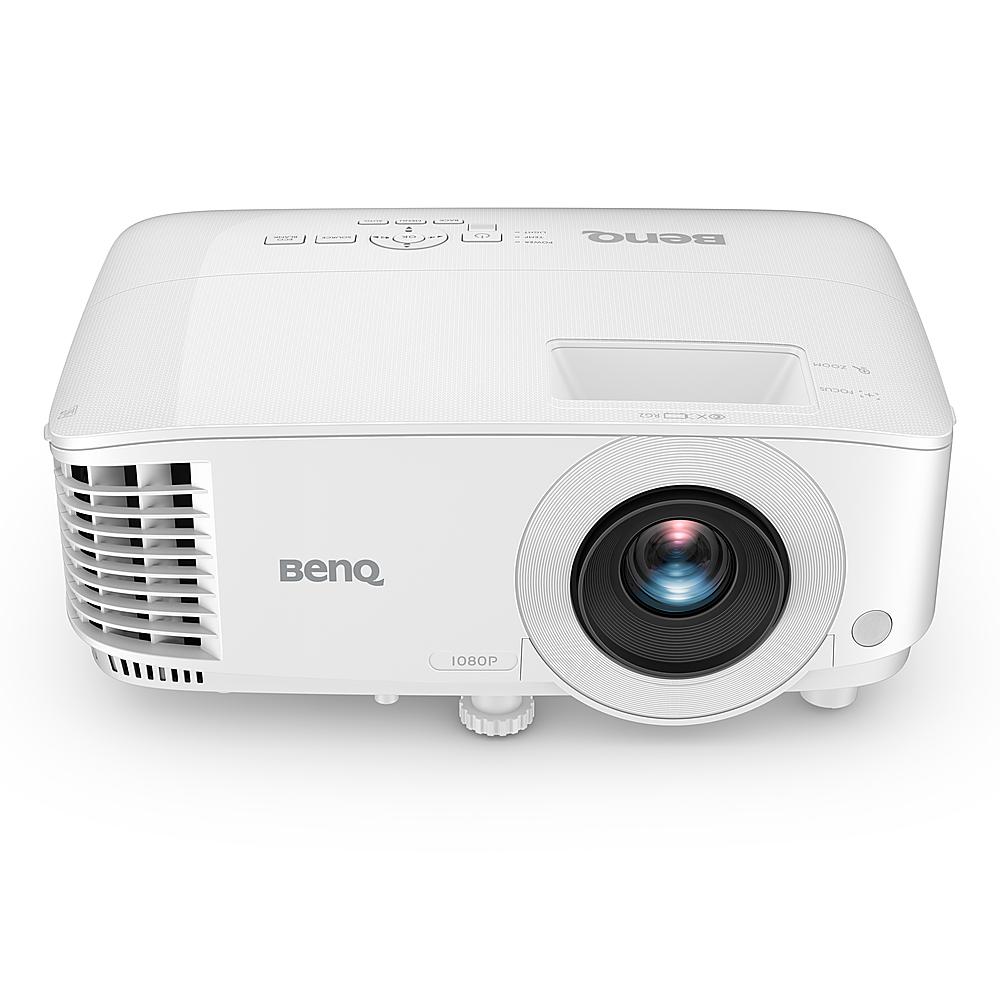
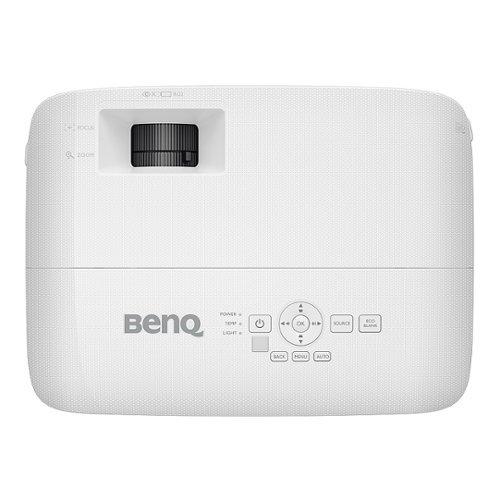
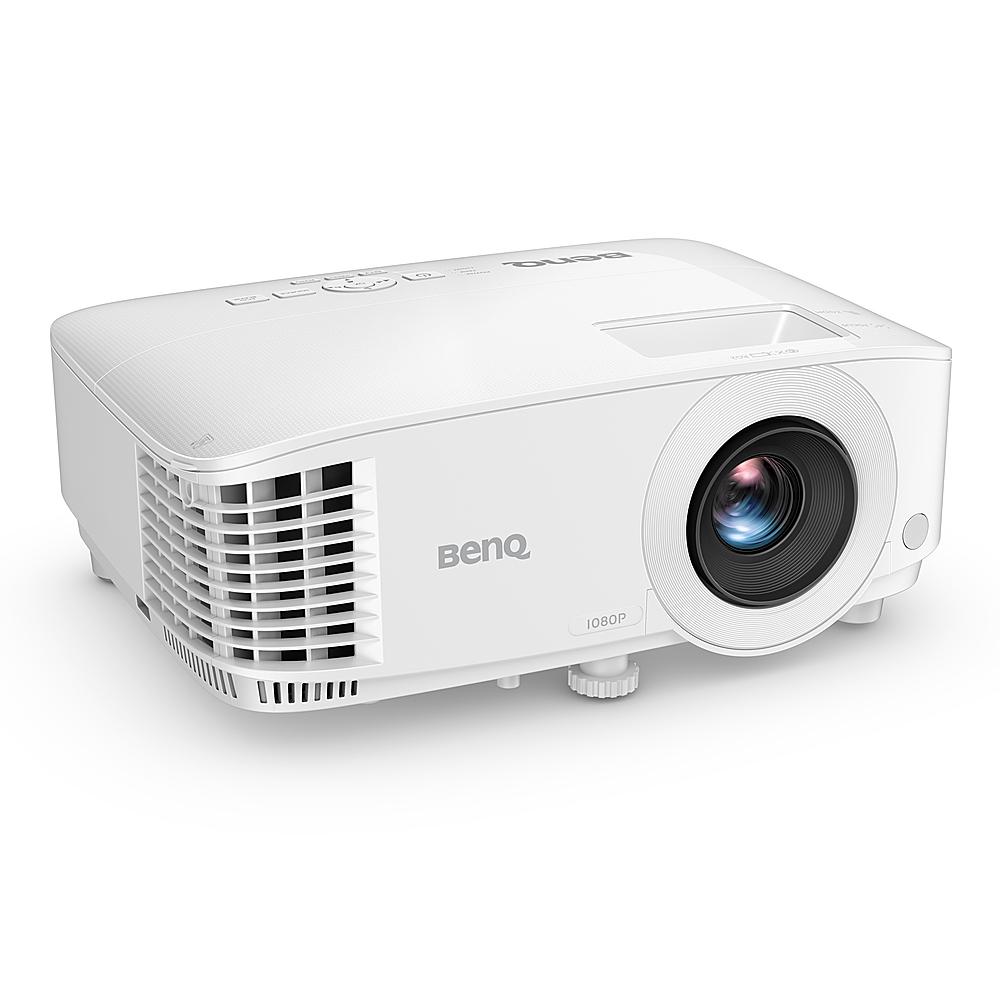
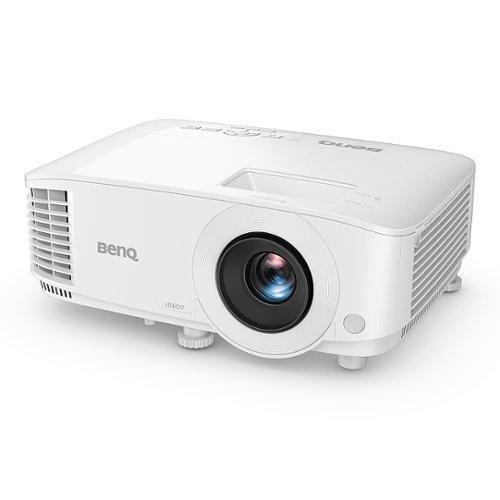
The BenQ TH575 follows a more conventional projector design philosophy. At 11.7 × 4.7 × 8.7 inches and 5.5 pounds, it's more than twice the volume of the CineBeam Q. This larger footprint houses traditional projection technology that prioritizes brightness and performance over extreme portability.
The TH575 is designed with semi-permanent installation in mind. While it's certainly movable (and many users do transport it between locations), it lacks specific design elements for frequent repositioning. Its larger size accommodates its more powerful lamp and cooling system necessary for its higher brightness output.
Portability Verdict: The LG CineBeam Q offers dramatically superior portability with a design specifically engineered for transport and quick setup. If you plan to frequently move your projector between locations or want the flexibility to quickly set up impromptu movie nights in different spaces, the CineBeam Q has a significant advantage. The BenQ, while transportable, is more suited to remaining in one location for extended periods.
Image quality comprises several factors, and these projectors take different approaches to delivering an impressive viewing experience.
LG CineBeam Q: With true 4K UHD resolution (3840 × 2160 pixels), the CineBeam Q delivers four times the detail of a 1080p projector. This resolution advantage becomes increasingly noticeable as screen size increases. When projecting onto a 100-inch screen, the pixel density allows for remarkable clarity and sharpness.
The 4K resolution benefits from advanced XPR (eXpanded Pixel Resolution) technology, which uses high-speed pixel switching to effectively quadruple the native resolution of the DLP chip. While technically different from a native 4K panel, the visual result is effectively identical to the human eye, delivering 8.3 million distinct pixels.
BenQ TH575: Offering Full HD 1080p resolution (1920 × 1080 pixels), the TH575 provides good detail for most content, particularly gaming where frame rate often matters more than absolute resolution. The resolution is perfectly adequate for screens up to about 100 inches, though the difference becomes more noticeable compared to 4K on larger projections.
For context, most current-generation console games still run at 1080p when prioritizing performance modes, making this resolution still relevant for gaming applications.
LG CineBeam Q: The RGB laser light source represents one of the CineBeam Q's most significant technological advantages. Unlike traditional lamps that create white light and then filter it, the laser system can produce precise wavelengths of red, green, and blue light directly. This results in remarkably accurate color reproduction with an impressive 154% coverage of the DCI-P3 color space (the standard used in digital cinema).
This wide color gamut means the CineBeam Q can display colors that many other projectors simply cannot reproduce. The result is more vibrant, lifelike images, particularly noticeable in nature scenes, animated content, and films with careful color grading.
The CineBeam Q also supports HDR10 and HLG (Hybrid Log-Gamma) high dynamic range formats, using dynamic tone mapping to optimize contrast and color in HDR content. This allows for better preservation of details in very bright and very dark areas of the image simultaneously.
BenQ TH575: Using a traditional UHP (Ultra High Performance) lamp system, the TH575 delivers solid color performance within the limitations of this technology. It can display 1.07 billion colors (30-bit color depth), which is more than adequate for most content.
The TH575 includes BenQ's proprietary color calibration to ensure accurate colors out of the box. While it can't match the laser projector's color gamut coverage, it does offer good color performance for its price point and technology class.
The projector includes a Black Detail Enhancement feature that improves visibility in dark scenes without washing out the image—particularly useful for gaming where spotting enemies in shadows can be crucial.
LG CineBeam Q: With 500 ANSI lumens of brightness, the CineBeam Q is designed primarily for controlled lighting environments. This brightness level works perfectly in a dedicated home theater room or at night with minimal ambient light. In these conditions, the image quality is stunning, with deep blacks and vibrant colors.
The laser light source helps the CineBeam Q achieve an impressive 450,000:1 dynamic contrast ratio. This high contrast capability means the projector can display very dark and very bright elements simultaneously with good definition between them, creating a more three-dimensional appearance to the image.
In practical terms, the relatively modest brightness output is the CineBeam Q's biggest limitation for casual use. In rooms with significant ambient light, the image will appear washed out, limiting its versatility in bright environments.
BenQ TH575: Boasting 3800 ANSI lumens—more than seven times the brightness of the CineBeam Q—the TH575 excels in environments with ambient light. This high brightness allows for comfortable viewing even in well-lit living rooms or spaces with windows, significantly expanding when and where you can use the projector effectively.
The TH575 offers a 15,000:1 contrast ratio, which, while not as impressive as the laser projector, provides good distinction between light and dark areas of the image. The projector's Game Mode further enhances contrast in dark scenes, improving visibility without compromising image integrity.
Image Quality Verdict: For pure image quality in optimal conditions (darkened rooms), the LG CineBeam Q is superior. Its 4K resolution, laser-accurate colors, and excellent contrast create a premium viewing experience that can rival much more expensive projectors. However, the BenQ TH575 is significantly more versatile across different lighting conditions thanks to its much higher brightness output. For everyday use in typical living spaces, the BenQ's practical advantages often outweigh the technical superiority of the LG.
For gamers, responsiveness can be as important as visual quality, and these projectors take different approaches to addressing gaming needs.
LG CineBeam Q: LG doesn't specifically market the CineBeam Q as a gaming projector, and the company doesn't publish official input lag specifications. Based on testing by reviewers, the input lag appears to be in the 50-80ms range, depending on the input signal and settings.
This level of input lag is noticeable in fast-paced competitive games where split-second reactions matter. For single-player experiences and casual gaming, however, many users find it acceptable. The CineBeam Q lacks a dedicated game mode that might reduce this latency.
BenQ TH575: Gaming is the TH575's primary focus, and it delivers exceptional performance with just 16.7ms of input lag at 1080p/60Hz. This ultra-low latency is imperceptible to most players and meets the standards even competitive gamers demand.
This responsiveness means on-screen actions happen virtually simultaneously with controller inputs—critical for genres like fighting games, first-person shooters, and racing simulations where timing is essential.
LG CineBeam Q: The primary gaming advantage of the CineBeam Q is its 4K resolution, which can make visually rich games look stunning. Games with detailed environments and less emphasis on twitch reflexes benefit most from this higher resolution.
The projector supports HDMI 2.0, allowing for 4K/60Hz gameplay from current gaming consoles and PCs. However, it lacks specific gaming optimizations beyond its general image processing capabilities.
BenQ TH575: The TH575 is purpose-built for gaming with several specialized features. Its dedicated Game Mode not only reduces input lag but also optimizes image settings specifically for gaming content.
The Black Detail Enhancement feature is particularly valuable for competitive gaming, as it improves visibility in shadows without overexposing the image—potentially giving players an edge in spotting hidden enemies or objects.
The projector also supports 3D content, which remains relevant for certain games and provides an extra dimension of immersion for compatible titles.
Gaming Verdict: For dedicated gamers, especially those who play competitive titles, the BenQ TH575 is clearly superior. Its ultra-low input lag and gaming-specific optimizations provide a responsive, immersive experience that prioritizes performance over absolute resolution. The LG CineBeam Q can certainly be used for gaming—particularly visually rich, single-player experiences where image quality trumps responsiveness—but it wasn't designed with gaming as a primary use case.
The approach to content delivery and device connectivity represents another significant philosophical difference between these projectors.
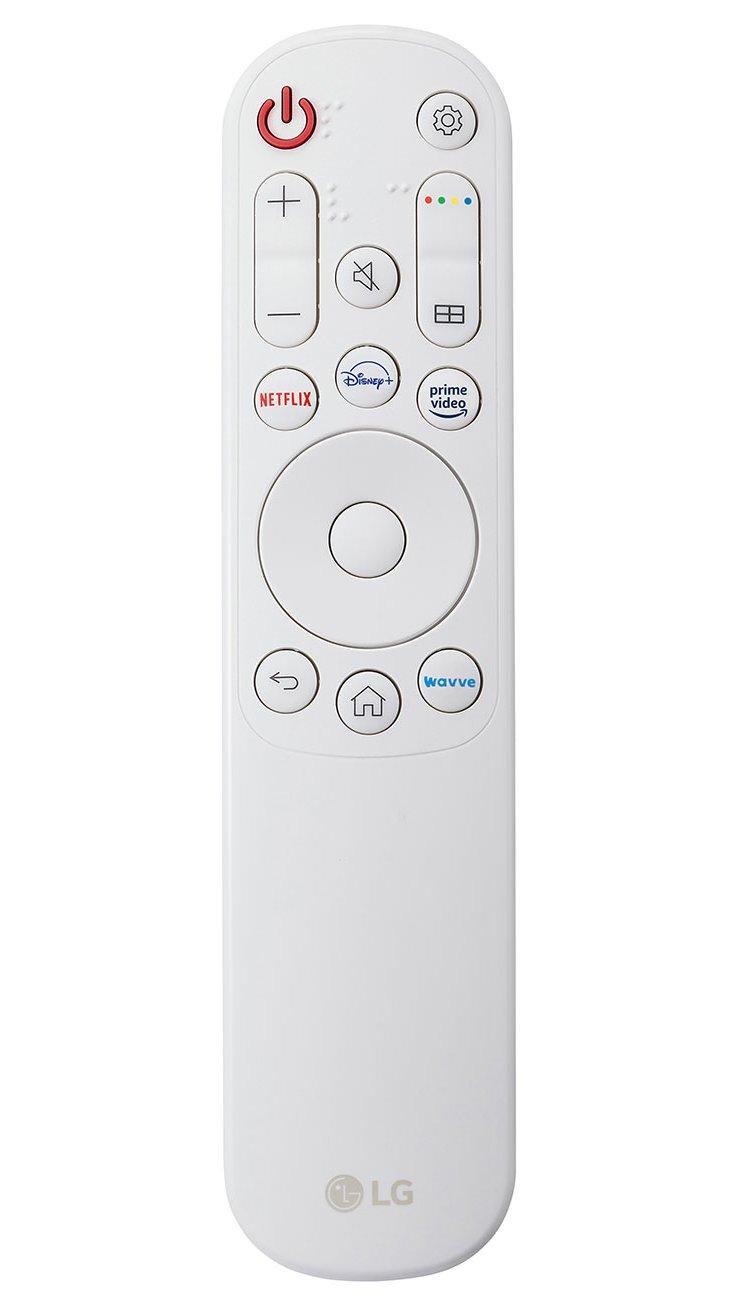
LG CineBeam Q: Running LG's webOS smart TV platform, the CineBeam Q functions as a complete entertainment center. This comprehensive interface provides direct access to popular streaming services like Netflix, Disney+, Prime Video, and many others without requiring any external devices.
The webOS platform has matured over several generations, offering an intuitive tile-based interface that will feel familiar to smart TV users. Voice control capabilities further enhance the user experience, allowing for hands-free operation.
The CineBeam Q also supports wireless screen mirroring through Apple AirPlay 2 and Android Screen Share, making it easy to display content from smartphones, tablets, and computers without cables.
BenQ TH575: The TH575 takes a fundamentally different approach, focusing solely on image reproduction without built-in smart functionality. This projector requires external source devices—such as streaming sticks, Blu-ray players, or gaming consoles—to provide content.
While this means additional equipment is necessary, it also provides flexibility to use your preferred streaming device and upgrade it independently of the projector itself.
LG CineBeam Q: Prioritizing portability and wireless connections, the CineBeam Q offers minimal physical inputs:
This streamlined approach to connectivity aligns with the projector's portable nature but limits options for users with multiple physical sources.
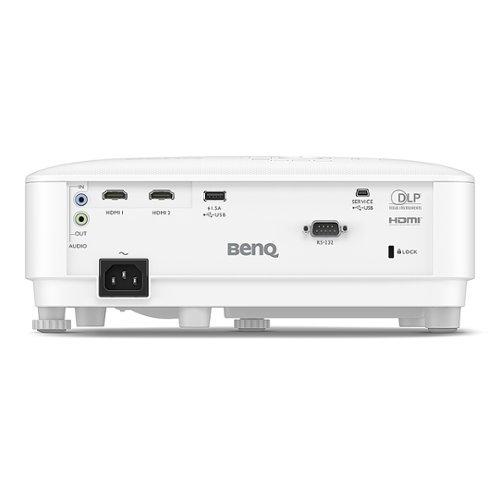
BenQ TH575: With a more traditional connectivity layout, the TH575 provides:
This broader range of connections supports more complex setups with multiple permanent sources without requiring switching equipment.
Smart Features Verdict: The LG CineBeam Q offers a complete standalone entertainment solution with its comprehensive smart platform, requiring minimal additional equipment. This all-in-one approach complements its portable design philosophy perfectly. The BenQ TH575 provides more physical connectivity for traditional setups but requires external devices for smart functionality, making it less self-contained but potentially more flexible for integration into existing systems.
While projectors are primarily visual devices, audio capabilities can be an important consideration, especially for portable use.
LG CineBeam Q: Equipped with a 3W mono speaker, the CineBeam Q provides basic audio that's functional but limited. In quiet environments for personal viewing, it's adequate for dialogue-driven content, but it lacks range, bass response, and volume capability for a truly immersive experience.
Recognizing these limitations, LG incorporated Bluetooth audio output that can connect to two devices simultaneously. This allows users to easily connect external Bluetooth speakers or headphones without running cables, maintaining the projector's portable convenience.
BenQ TH575: The TH575 features a more powerful 10W mono speaker that delivers significantly more volume and slightly better audio quality than the CineBeam Q. While still not comparable to dedicated speakers, it's more usable in group settings and can fill a medium-sized room with sound.
The 3.5mm audio output makes connecting to external sound systems straightforward, though it lacks the wireless convenience of Bluetooth audio transmission.
Audio Verdict: Neither projector offers truly satisfying built-in audio for a home theater experience. The BenQ TH575 provides louder, more robust sound that's more practical for casual use without external speakers, while the LG CineBeam Q offers more convenient wireless audio connectivity. For any serious viewing, both projectors benefit tremendously from external audio solutions.
When evaluating projector value, it's important to consider both the initial purchase price and long-term ownership costs.
LG CineBeam Q: The laser light source in the CineBeam Q is rated for approximately 20,000 hours of use. At five hours of daily use, that translates to over 10 years of operation before any significant light degradation.
Unlike lamp-based projectors, the laser system maintains consistent brightness and color accuracy throughout its lifespan, with only gradual dimming over many years. There are no components that require replacement during normal operation, making the CineBeam Q essentially maintenance-free.
BenQ TH575: Using a traditional UHP lamp rated for 6,000 hours in normal mode and up to 15,000 hours in eco mode, the TH575 will require lamp replacement during its lifetime for most users.
Replacement lamps typically cost between $100-200 and involve a simple user-performed procedure. The projector also experiences more significant brightness reduction over time, typically losing around 25% of its initial brightness by half of the lamp's rated life.
LG CineBeam Q: With a premium price point of approximately $1,299, the CineBeam Q represents a significant investment. This higher initial cost buys cutting-edge technology, superior image quality in optimal conditions, extreme portability, and maintenance-free operation.
For users who prioritize these attributes—particularly those who value the ability to easily transport a 4K projector between locations—the premium may be justified. The lack of recurring costs also helps offset the higher purchase price over time.
BenQ TH575: At around $600, the TH575 costs less than half the price of the CineBeam Q while offering substantially higher brightness and gaming-optimized performance. This excellent price-to-performance ratio makes it accessible to a wider range of buyers.
Even factoring in the eventual cost of lamp replacements, the total ownership cost remains significantly lower than the premium laser model. For many users, the practical advantages of higher brightness outweigh the technical superiority of laser projection.
Long-term Value Verdict: The BenQ TH575 offers substantially better initial value and performance-per-dollar for most users, especially those who prioritize brightness and gaming performance. The LG CineBeam Q provides better long-term reliability with its maintenance-free laser design and may represent better value for specific users who fully utilize its portability and image quality advantages in suitable environments.
Both of these projectors excel in different scenarios, and your specific needs should guide your choice.
Choose the LG CineBeam Q if:
Choose the BenQ TH575 if:
The LG CineBeam Q and BenQ TH575 represent different approaches to projection technology, each with distinct advantages. The CineBeam Q showcases the pinnacle of portable 4K projection with its laser light source and comprehensive smart features, while the TH575 delivers exceptional practical performance with class-leading brightness and gaming capabilities at a much more accessible price point.
For most users seeking a versatile projector for mixed-use scenarios including gaming and viewing in rooms with some ambient light, the BenQ TH575 offers the better overall value proposition. Its brightness, connectivity, and responsiveness address the most common practical concerns, and its more affordable price point makes it accessible to a wider audience.
For enthusiasts who primarily view content in dedicated, light-controlled environments and value the convenience of extreme portability, the LG CineBeam Q provides a premium experience that justifies its higher cost. Its maintenance-free operation and superior image quality in optimal conditions make it a worthwhile investment for the right user.
Ultimately, your specific viewing environment, content preferences, and portability needs should guide your decision between these two excellent but fundamentally different projection solutions.
| LG CineBeam Q 4K UHD Portable Laser Projector | BenQ TH575 1080p Gaming Projector |
|---|---|
| Price - Your initial investment | |
| $1,299 (premium price point) | $600 (excellent value for performance) |
| Resolution - Determines image detail and clarity | |
| 4K UHD (3840 x 2160) - 4x the detail of 1080p | Full HD (1920 x 1080) - Standard resolution suitable for most content |
| Brightness - Critical for viewing with ambient light | |
| 500 ANSI lumens (best for dark rooms only) | 3800 ANSI lumens (7.6x brighter, works well in lit rooms) |
| Light Source - Affects longevity, maintenance, and color accuracy | |
| RGB laser (20,000+ hour lifespan, no replacement needed) | UHP lamp (6,000-15,000 hours, requires ~$150 replacement) |
| Color Performance - Impacts visual impact and accuracy | |
| 154% DCI-P3 color gamut (exceptional cinema-quality color) | 30-bit color (1.07 billion colors, good but less expansive range) |
| Contrast Ratio - Creates depth and detail in dark scenes | |
| 450,000:1 dynamic contrast (superior black levels) | 15,000:1 contrast ratio (good with Black Detail Enhancement) |
| Input Lag - Critical for responsive gaming | |
| ~50-80ms (acceptable for casual gaming only) | 16.7ms at 1080p/60Hz (excellent for competitive gaming) |
| Smart Features - Determines need for additional devices | |
| Full webOS smart platform with built-in streaming apps | No smart features (requires external streaming device) |
| Size & Weight - Impacts portability and placement options | |
| 5.3" x 3.1" x 5.3", 3.3 lbs (ultra-portable cube design) | 11.7" x 4.7" x 8.7", 5.5 lbs (standard projector form factor) |
| Special Features - Unique capabilities worth considering | |
| 360° rotating handle/stand, auto-focus, auto keystone | Gaming Mode, Black Detail Enhancement, 3D support |
| Audio - Built-in sound quality for standalone use | |
| 3W mono speaker (basic) with Bluetooth audio output | 10W mono speaker (louder but still limited) |
| Connectivity - Flexibility for connecting devices | |
| 1x HDMI, 1x USB-C (limited physical connections) | 2x HDMI, 2x USB, 3.5mm audio in/out (more flexible) |
| Best For - Primary use case recommendation | |
| Portable high-quality viewing in dark environments | Gaming and versatile viewing in various lighting conditions |
The BenQ TH575 1080p Gaming Projector is significantly better for gaming with its ultra-low 16.7ms input lag, dedicated Game Mode, and Black Detail Enhancement feature. The LG CineBeam Q 4K UHD Portable Laser Projector has higher input lag (50-80ms) and lacks gaming-specific optimizations, making it less suitable for competitive or fast-paced gaming. If gaming is your priority, the BenQ TH575 is the clear choice.
The BenQ TH575 performs much better in bright rooms with its powerful 3800 ANSI lumens output, which is 7.6 times brighter than the LG CineBeam Q. The CineBeam Q's 500 ANSI lumens are primarily suited for darkened rooms or nighttime viewing. For living rooms with windows or spaces with ambient light, the BenQ TH575 Gaming Projector will provide a much more visible image.
The 4K resolution of the LG CineBeam Q provides noticeably sharper images than the 1080p BenQ TH575, particularly on larger screens (100"+ diagonal). However, this benefit comes at more than double the price ($1,299 vs. $600). For movie enthusiasts viewing in dark rooms on large screens, the 4K resolution may justify the premium. For general viewing, gaming, or smaller screens, the 1080p resolution of the BenQ TH575 Gaming Projector remains very satisfactory at a much lower price point.
The LG CineBeam Q 4K UHD Portable Laser Projector requires virtually no maintenance with its 20,000+ hour laser light source that never needs replacement. The BenQ TH575 uses a traditional lamp that will need replacement after 6,000-15,000 hours (approximately $150 per lamp). For hassle-free long-term ownership without component replacements, the LG CineBeam Q offers significant advantages despite its higher initial cost.
The LG CineBeam Q is dramatically more portable with its compact cube design (5.3" x 3.1" x 5.3"), light 3.3 lb weight, and innovative 360° rotating handle/stand. It also offers auto-focus and auto keystone correction for quick setup. While the BenQ TH575 Gaming Projector can be transported, its larger size (11.7" x 4.7" x 8.7"), heavier weight (5.5 lbs), and lack of quick-setup features make it less convenient for frequent relocation.
The LG CineBeam Q includes a full webOS smart TV platform with built-in streaming apps (Netflix, Disney+, Prime Video, etc.) and doesn't require external devices for content. The BenQ TH575 has no smart features and requires external streaming devices, gaming consoles, or media players to provide content. If you prefer an all-in-one solution without additional components, the LG CineBeam Q 4K UHD Portable Laser Projector offers greater convenience.
For cinematic viewing in a properly darkened room, the LG CineBeam Q offers superior movie-watching with its 4K resolution, exceptional color reproduction (154% DCI-P3 color gamut), and excellent contrast ratio (450,000:1). The BenQ TH575 provides good movie performance with better brightness for casual viewing environments but can't match the image quality of the CineBeam Q in optimal conditions. For dedicated home theater use, the LG CineBeam Q 4K UHD Portable Laser Projector delivers a more premium experience.
The laser technology in the LG CineBeam Q delivers more accurate colors, better color consistency over time, and superior contrast compared to the lamp-based BenQ TH575. Laser projectors also maintain brightness better throughout their lifespan, while lamp projectors gradually dim. However, the lamp-based BenQ TH575 Gaming Projector offers significantly higher initial brightness (3800 vs. 500 ANSI lumens), which can be more important in practical everyday viewing environments.
The BenQ TH575 features a more powerful 10W mono speaker compared to the LG CineBeam Q's 3W speaker, providing louder audio that better fills a room. However, the CineBeam Q offers Bluetooth audio output that can connect to two devices simultaneously for wireless audio. Neither projector delivers truly satisfying sound for a home theater experience, and both would benefit from external speakers. For standalone use without external audio, the BenQ TH575 Gaming Projector provides marginally better sound.
The BenQ TH575 at $600 offers exceptional value with its high brightness, gaming performance, and versatility in different lighting conditions. The LG CineBeam Q at $1,299 provides premium features like 4K resolution, portability, and laser technology at more than double the price. For most general users, the BenQ TH575 Gaming Projector delivers better value, while the CineBeam Q may justify its premium for specific use cases prioritizing portability and image quality in controlled environments.
Both projectors can be ceiling-mounted, but with different considerations. The BenQ TH575 is designed with traditional installation in mind and includes standard mounting points compatible with most ceiling mounts. The LG CineBeam Q, while technically mountable, is engineered for portable use with its handle/stand design. For permanent home theater ceiling installation, the BenQ TH575 Gaming Projector is the more conventional and practical choice.
The LG CineBeam Q 4K UHD Portable Laser Projector can project images up to 120 inches diagonal, while the BenQ TH575 Gaming Projector supports a range from 30 to 300 inches. However, the practical maximum size depends on brightness and viewing conditions. The CineBeam Q's lower brightness limits its effective size in anything but dark rooms, while the BenQ's higher brightness allows for larger usable images even with some ambient light. For very large projections (150"+ diagonal), the BenQ TH575 has a significant advantage.
We've done our best to create useful and informative comparisons to help you decide what product to buy. Our research uses advanced automated methods to create this comparison and perfection is not possible - please contact us for corrections or questions. These are the sites we've researched in the creation of this article: projectorcentral.com - lg.com - thefrogpadappliances.com - youtube.com - techradar.com - lg.com - avsforum.com - lg.com - tomsguide.com - jefflynch.com - hometheaterview.com - projectorreviews.com - youtube.com - avsforum.com - projectorcentral.com - pcrichard.com - bhphotovideo.com - youtube.com - lg.com - applerivertvandappliance.com - big-georges.com - queencityonline.com - lg.com - lg.com - lg.com - lgnewsroom.com - heimkino.de - lifeisxbox.eu - ai-techreport.com - electronics.woot.com - ai-techreport.com - laurentwillen.com - bestbuy.com - bestbuy.com - projectorcentral.com - tvsbook.com - shidirect.com - blog.richersounds.com - memoryexpress.com - versus.com - adorama.com - avsforum.com - shi.com - bestbuy.com - bhphotovideo.com - cdw.com - insight.com - shi.ca - projectorcentral.com - insight.com - specsradar.com - touchboards.com

Privacy Policy
Terms and Conditions - Affiliate Policy
Home Security
© Copyright 2008-2026.
11816 Inwood Rd #1211, Dallas, TX 75244