

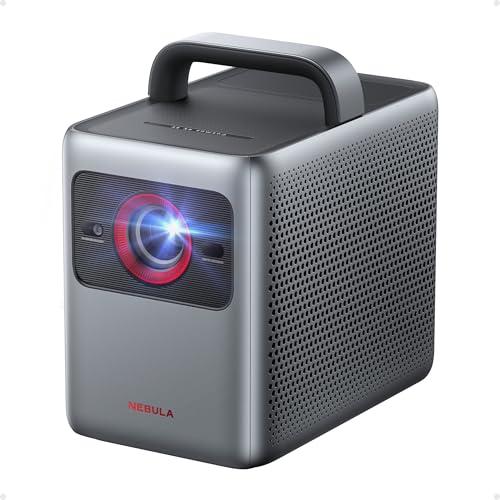
When I first started testing portable 4K projectors back in 2020, the options were limited and often disappointing. Fast forward to 2024, and we're seeing remarkable innovations that genuinely deliver cinema-quality experiences in packages you can actually move around. Two standout models released this year perfectly illustrate the evolution of this category: the Nebula Cosmos 4K SE and the LG CineBeam Q.
At the time of writing, both projectors occupy similar price territory in the premium portable segment, but they take completely different approaches to solving the same fundamental challenge: how do you pack home theater performance into something you can realistically use anywhere?
The portable 4K projector market has exploded because these devices promise to solve a real problem. Traditional home theater projectors require dedicated rooms with controlled lighting, ceiling mounts, and complex setups. Portable models aim to give you that big-screen experience whether you're in your living room, backyard, or hotel room.
However, "portable" means different things to different manufacturers. Some prioritize true portability – devices you can genuinely throw in a backpack. Others focus on moveable performance, creating projectors that deliver serious image quality while still being light enough to relocate easily around your home.
The key considerations when shopping in this category haven't changed much, but the technology has improved dramatically. Brightness remains the biggest limiting factor – more lumens mean better performance in ambient light, but they also typically require larger, heavier designs and more heat management. Image quality has reached impressive levels, though you'll encounter different approaches to achieving 4K resolution that significantly impact the final result.
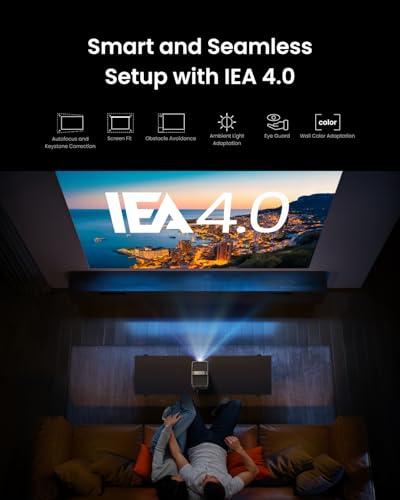
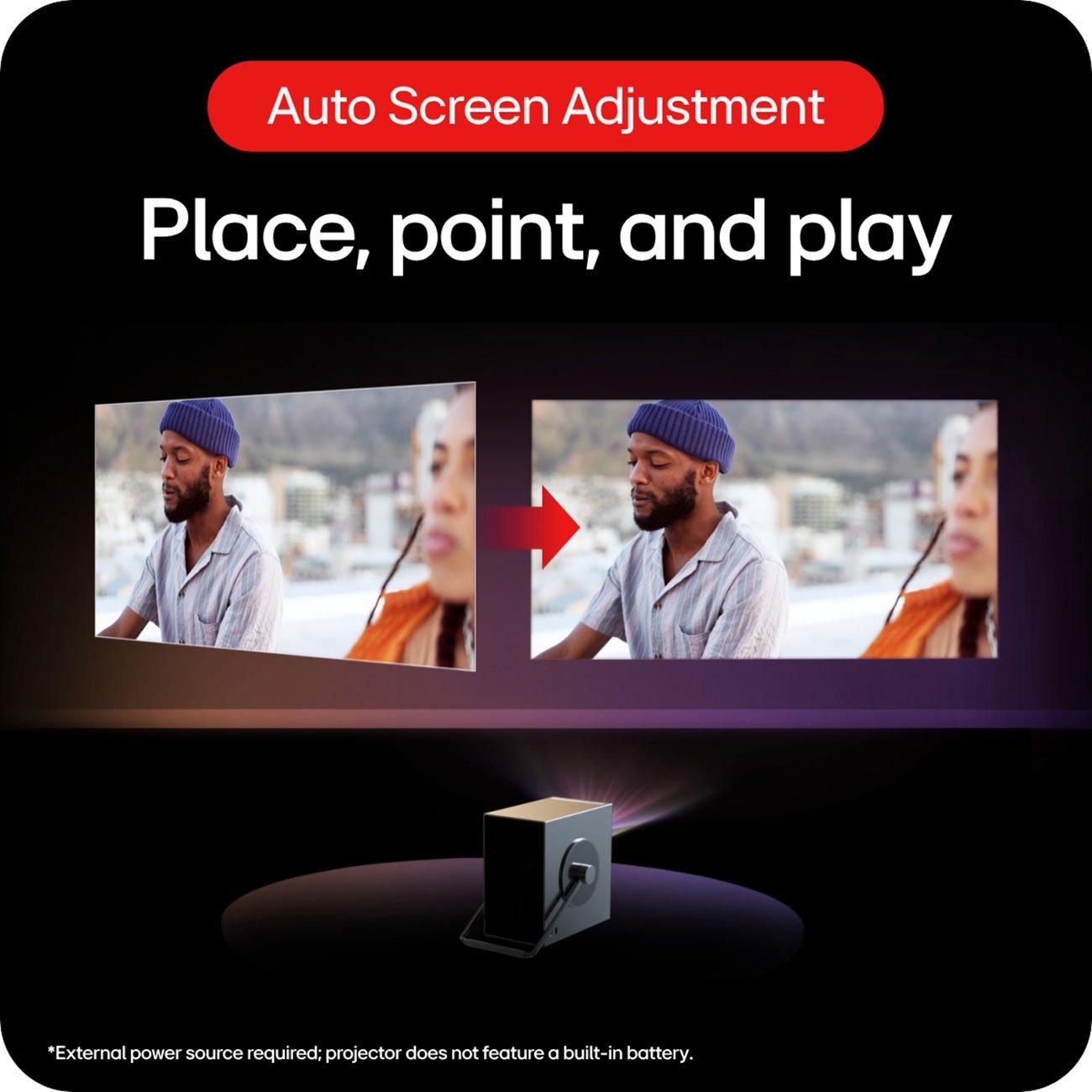
Setup convenience has become a major differentiator. The best models now handle focus, keystone correction (fixing the trapezoidal distortion when projecting at an angle), and even obstacle avoidance automatically. This matters more than you might think – manually adjusting these settings can take 10-15 minutes and often needs tweaking as the projector warms up.
The Nebula Cosmos 4K SE and LG CineBeam Q represent fundamentally different approaches to portable projection, and understanding this distinction is crucial for making the right choice.
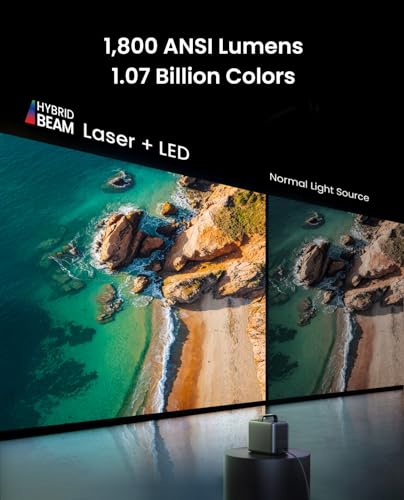
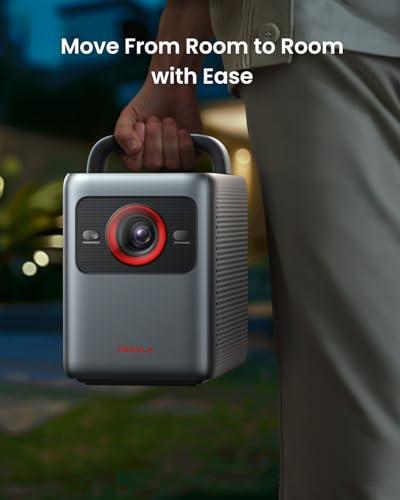
The Nebula Cosmos 4K SE follows what I'd call the "performance-first portable" philosophy. At nearly 10 pounds and roughly the size of a large shoebox, it's portable in the sense that you can carry it from room to room or pack it for a weekend trip, but it's not something you'd casually toss in a daily commute bag. This size allows for a hybrid laser-LED light engine producing 1,800 ANSI lumens – enough brightness to watch movies during a cloudy afternoon or in a room with some ambient lighting.
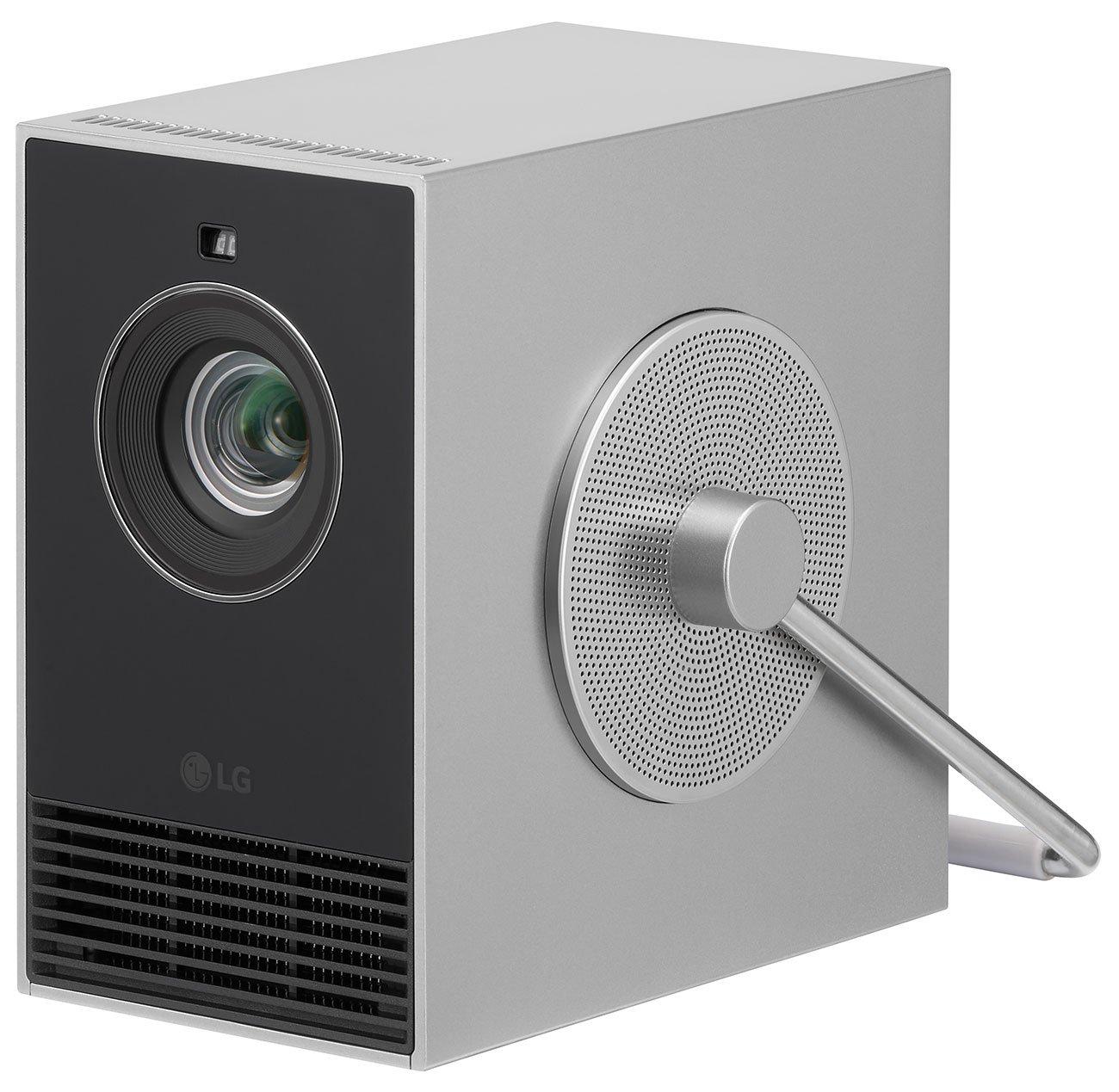
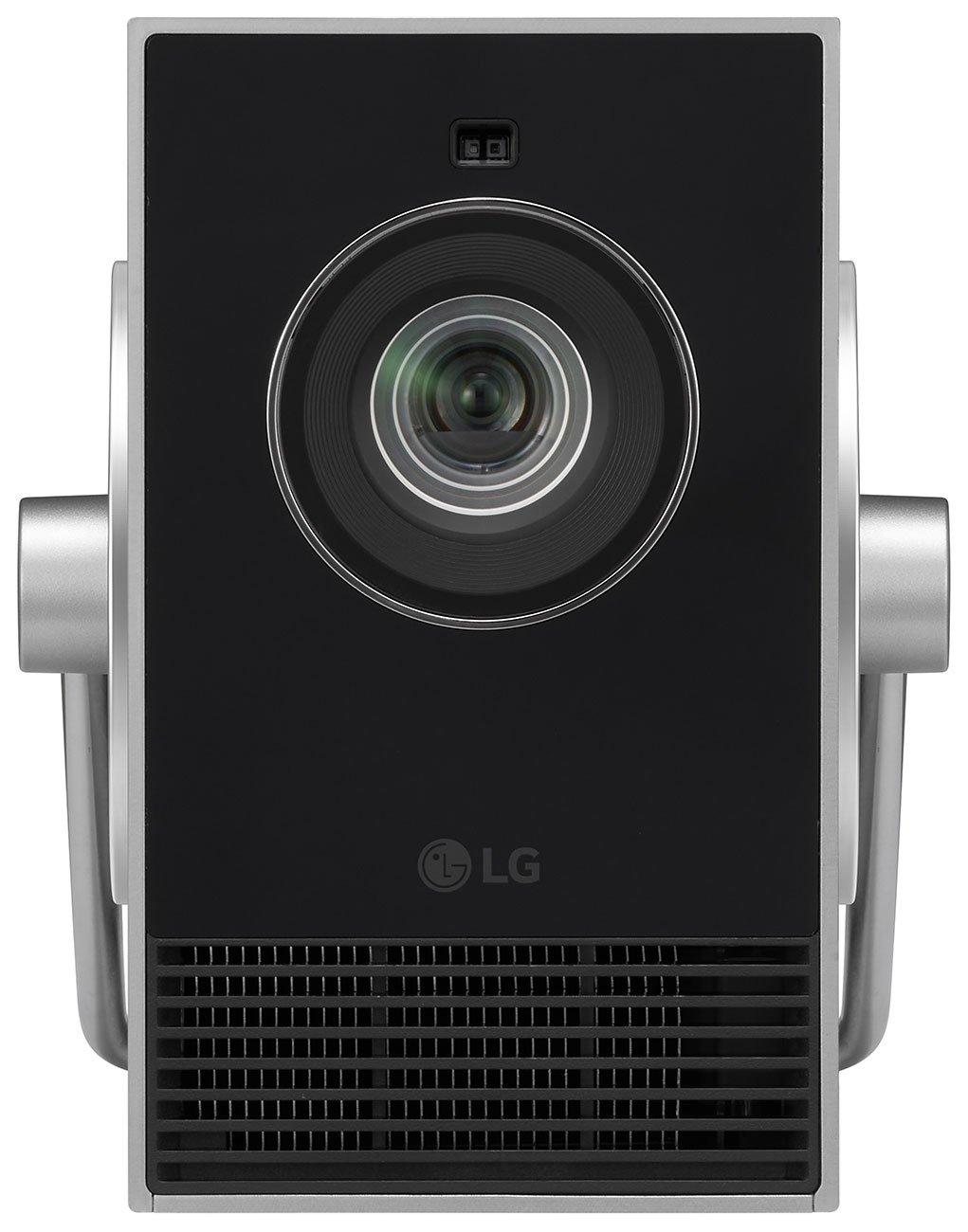
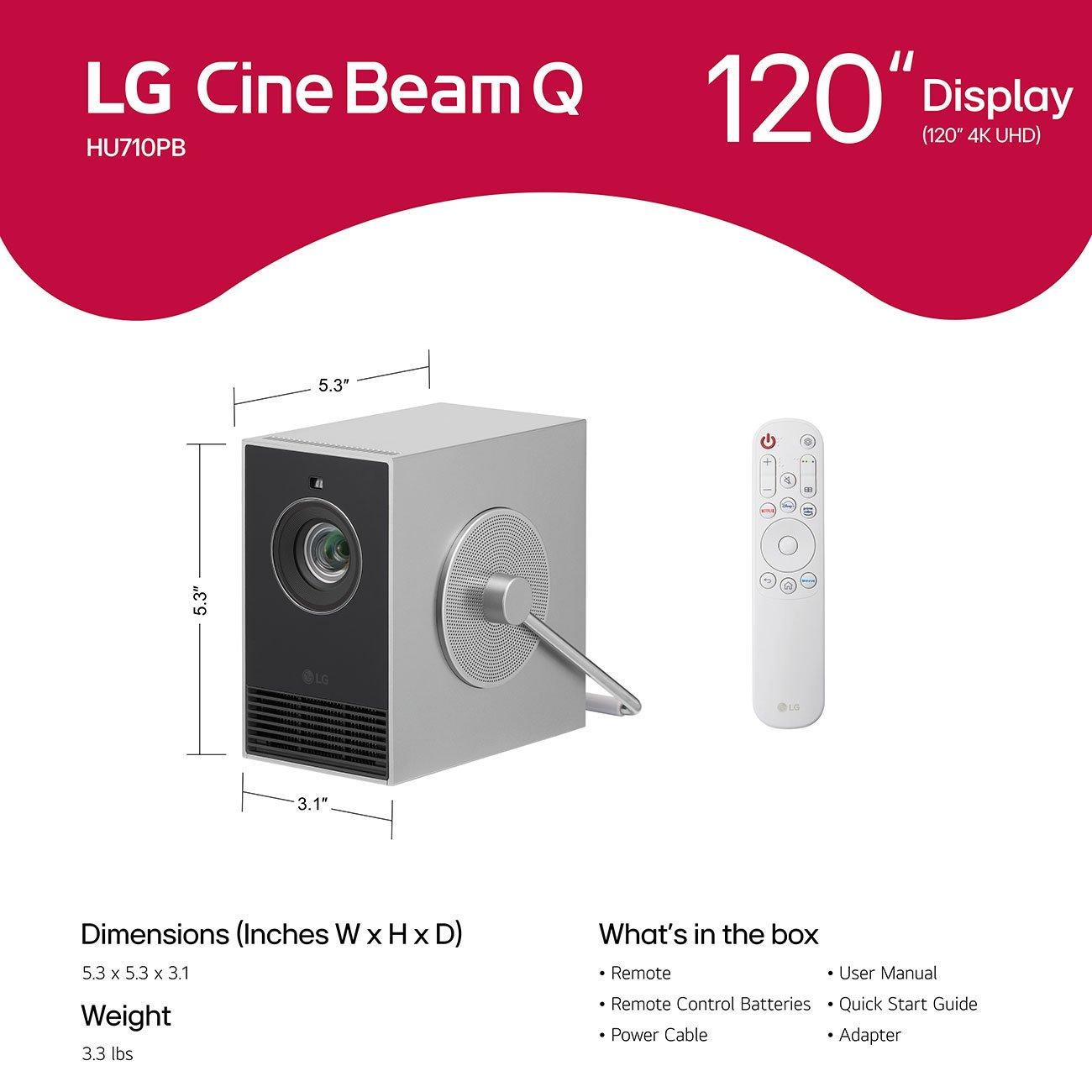
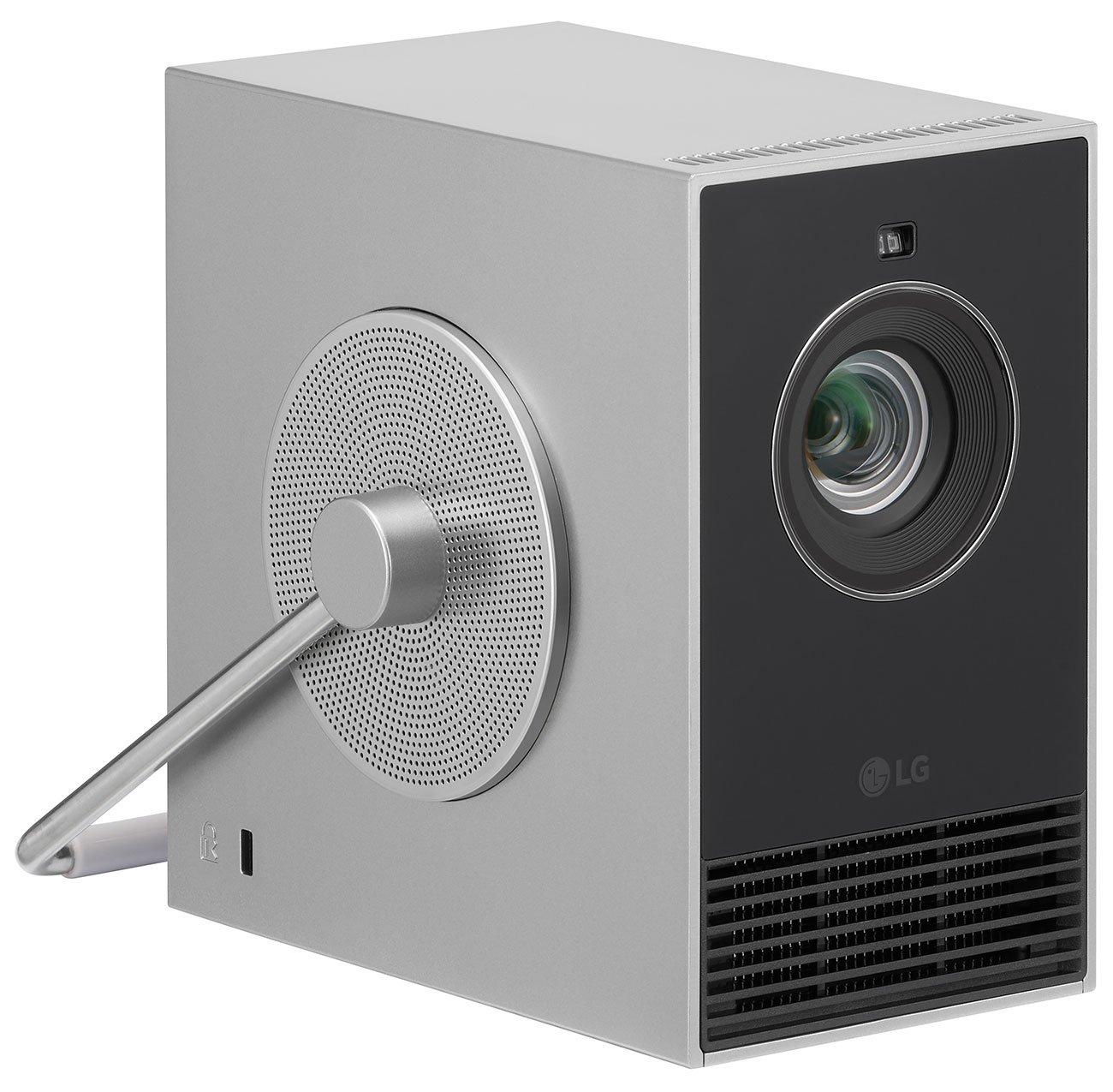
The LG CineBeam Q, meanwhile, embraces true portability. At just over 3 pounds and shaped like a compact cube, it's genuinely travel-friendly. I've used similar ultra-portable projectors on business trips, and the convenience factor is remarkable when you can project a 100-inch screen in any hotel room. However, this compact design necessitates trade-offs, particularly in brightness output at 500 ANSI lumens.
Both approaches have merit, but they serve different use cases. The question becomes whether you value the flexibility of higher brightness or the convenience of true portability.
One of the most significant technical differences between these projectors lies in how they achieve 4K resolution, and this distinction has real-world implications for image sharpness.
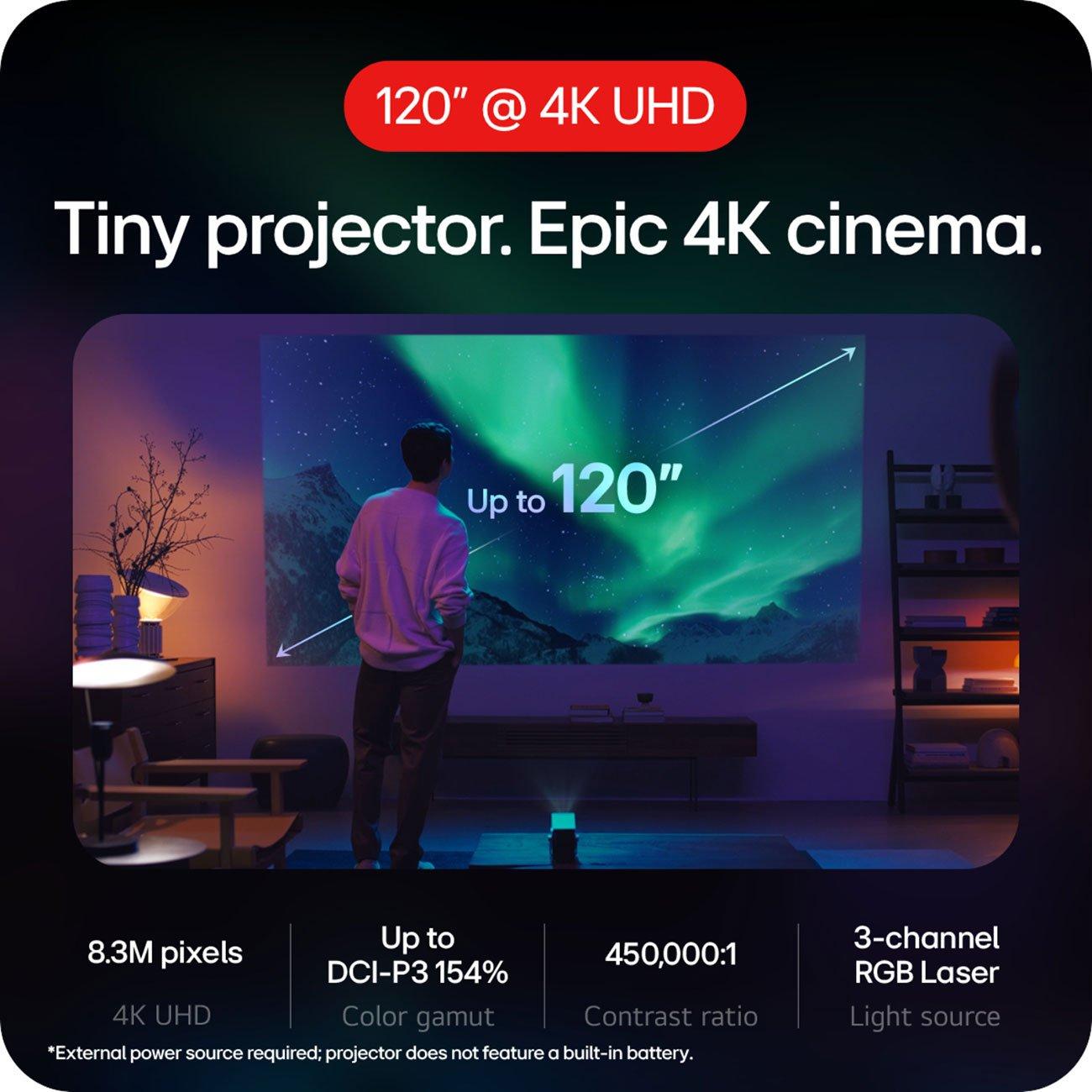
The LG CineBeam Q uses true native 4K resolution, meaning its DLP chip contains 8.3 million individual mirrors, each controlling one pixel. When you're watching 4K content, there's a direct one-to-one relationship between the source material and what's being projected.
The Nebula Cosmos 4K SE employs pixel shifting technology, starting with a 1080p DLP chip (2.1 million mirrors) and rapidly shifting each pixel to four different positions to create the appearance of 4K resolution. Texas Instruments, the company behind DLP technology, calls this XPR (eXpanded Pixel Resolution), and it's become the standard approach for affordable 4K projectors.
In practical terms, both deliver what most viewers would consider 4K-quality images, but the native approach of the LG CineBeam Q provides slightly sharper text and finer detail, especially noticeable when sitting close to large screens. However, pixel shifting has improved dramatically – the Nebula Cosmos 4K SE produces impressively detailed images that satisfy most viewers' expectations for 4K content.
Brightness specifications deserve careful attention because they fundamentally determine where and when you can use your projector effectively. The difference between 500 and 1,800 ANSI lumens isn't just numerical – it represents completely different use cases.
ANSI lumens measure the actual light output hitting the screen, accounting for the projector's optics and color processing. It's the most reliable brightness specification to compare between models. For context, movie theaters typically run around 14-16 foot-lamberts, which translates to roughly 45-50 ANSI lumens on a 100-inch screen – but that's in a completely dark environment.
The Nebula Cosmos 4K SE at 1,800 ANSI lumens provides enough brightness for what I call "lifestyle viewing" – you can watch content in living rooms with some ambient light, during overcast afternoons, or even outdoors as the sun sets. I've tested similar brightness levels, and they offer genuine flexibility in room lighting without completely washing out the image.
The LG CineBeam Q at 500 ANSI lumens requires more controlled lighting conditions. This isn't necessarily a limitation – many dedicated home theater projectors operate in this range – but it does mean you'll want to dim lights and close curtains for the best experience. In a truly dark room, 500 lumens can produce a satisfying image up to 120 inches diagonal.
The brightness difference also affects color saturation. Higher brightness levels can maintain color vibrancy even with some ambient light, while lower brightness projectors may appear washed out unless lighting is carefully controlled.
Both projectors use laser-based light sources, but their approaches differ significantly in color reproduction capabilities.
The LG CineBeam Q employs a three-channel RGB laser system, meaning separate red, green, and blue lasers create the full color spectrum. This approach allows for exceptional color gamut coverage – 154% of the DCI-P3 color space used in digital cinema. In practical terms, this means more saturated reds, deeper blues, and more vibrant greens than most display technologies can reproduce.
The Nebula Cosmos 4K SE uses a hybrid approach, combining LED and laser technologies with what Nebula calls HybridBeam technology. This system achieves 95% DCI-P3 coverage, which still exceeds most consumer displays and provides excellent color accuracy. The hybrid approach helps maintain brightness while extending the light source lifespan to 25,000-30,000 hours.
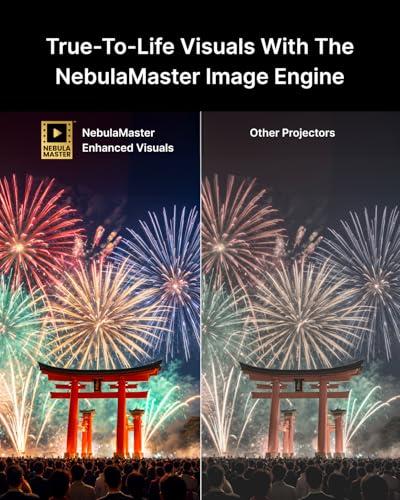
Color accuracy, measured in Delta E values, shows how closely reproduced colors match their intended values. Both projectors achieve impressive results, with the Nebula Cosmos 4K SE claiming Delta E less than 1, meaning color deviations are essentially imperceptible to human vision.
For most content, both projectors will deliver satisfying color performance. The LG CineBeam Q has the edge for vibrant, saturated content like animated films or nature documentaries, while the Nebula Cosmos 4K SE provides well-balanced colors across a wider range of viewing conditions.
Audio performance represents one of the most significant practical differences between these projectors, and it's an area where specifications don't tell the whole story.
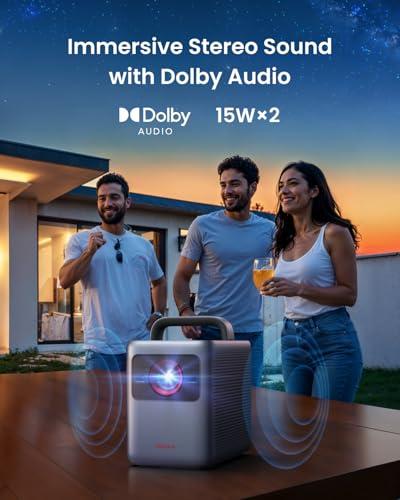
The Nebula Cosmos 4K SE includes dual 15-watt speakers (30 watts total) with Dolby Audio support and can handle Dolby Atmos content when connected via HDMI eARC (enhanced Audio Return Channel). Having tested various projector audio systems, I can say that 30 watts of well-tuned audio can provide surprisingly room-filling sound. The projector includes multiple sound modes optimized for movies, music, and outdoor use, and can even function as a standalone Bluetooth speaker.
The LG CineBeam Q includes a single 3-watt mono speaker that reviews consistently describe as inadequate for serious viewing. This isn't necessarily a design flaw – it's a conscious trade-off to maintain the ultra-compact form factor. However, it means you'll need external audio for any serious viewing sessions.
This difference has real-world implications. The Nebula Cosmos 4K SE can serve as a complete entertainment solution out of the box, while the LG CineBeam Q requires additional investment in speakers or headphones. For portable use, this might mean bringing a Bluetooth speaker, adding weight and complexity to your setup.
Gaming has become an increasingly important use case for projectors, especially with the popularity of large-screen gaming experiences. Input lag – the delay between your controller input and the image appearing on screen – becomes critical for responsive gameplay.
The Nebula Cosmos 4K SE specifically targets gamers with an 18.4-millisecond input lag in its extreme gaming mode. This approaches the performance of dedicated gaming monitors and makes fast-paced competitive games perfectly playable. The projector also includes HDMI 2.1 connectivity, supporting the full bandwidth needed for 4K gaming at high frame rates from modern consoles.
The LG CineBeam Q doesn't specify gaming performance metrics, and with only a single HDMI input, it's clearly not positioned as a gaming-focused device. This doesn't mean it can't handle games, but you wouldn't choose it primarily for gaming applications.
For anyone considering a projector for gaming, these differences matter significantly. The large screen sizes possible with projection – both models support screens over 100 inches – can create incredibly immersive gaming experiences when properly optimized.
Both projectors include built-in smart TV platforms, eliminating the need for external streaming devices in most cases. However, their implementations differ in significant ways.
The Nebula Cosmos 4K SE runs Google TV, which provides access to a comprehensive app ecosystem including native 4K Netflix support. This matters because Netflix restricts 4K streaming on many devices, but this projector has been certified for full-quality Netflix streaming. The Google TV interface also provides excellent content discovery and voice control through Google Assistant.
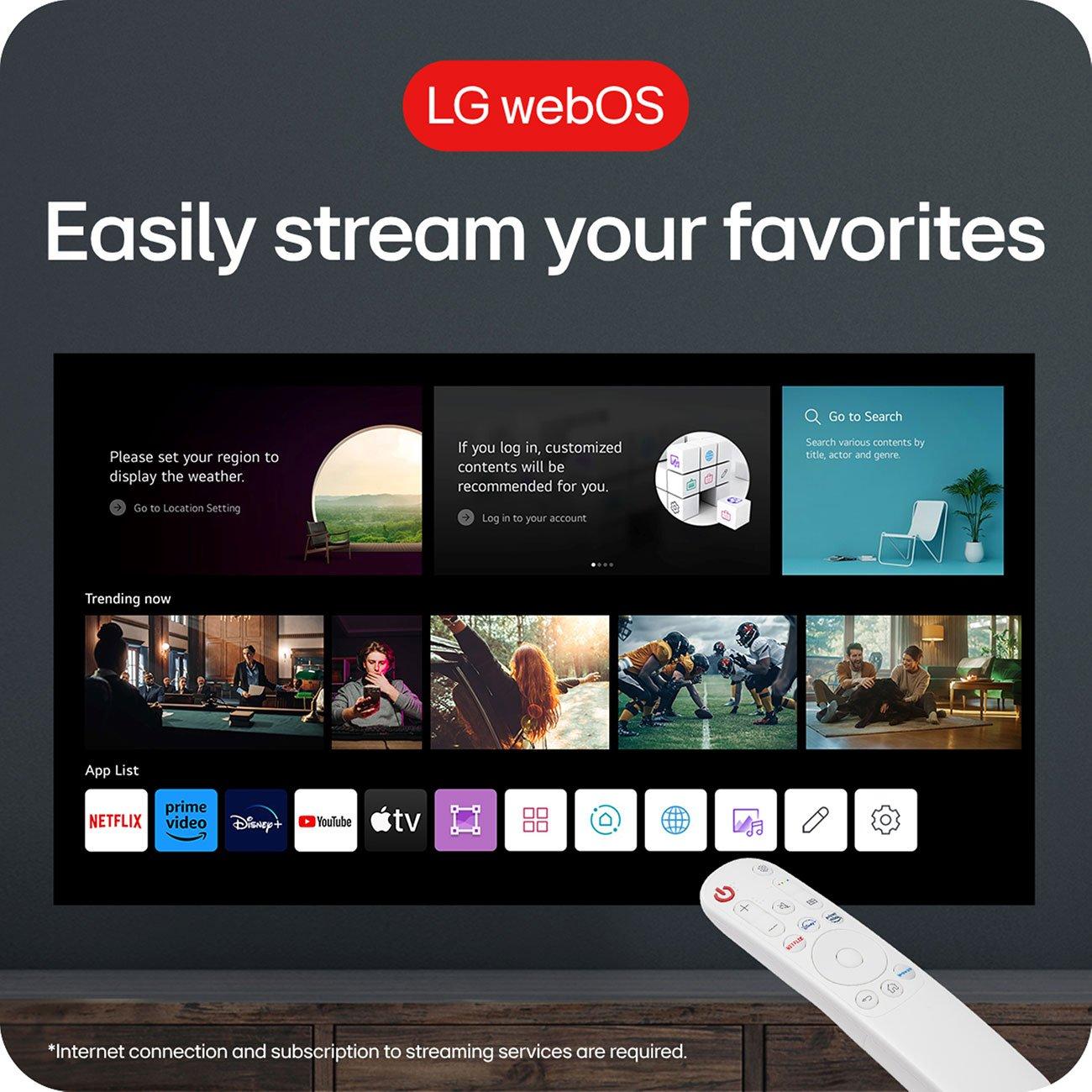
The LG CineBeam Q uses LG's webOS platform, which offers a clean, intuitive interface but with a more limited app selection. Notably missing are some popular services like Hulu and Max (formerly HBO Max), which might require sideloading apps or using external devices.
Both support screen mirroring from phones and tablets, but the Google TV implementation tends to be more universal and reliable across different device types.
If you're considering either projector for a dedicated home theater setup, several factors become particularly important.
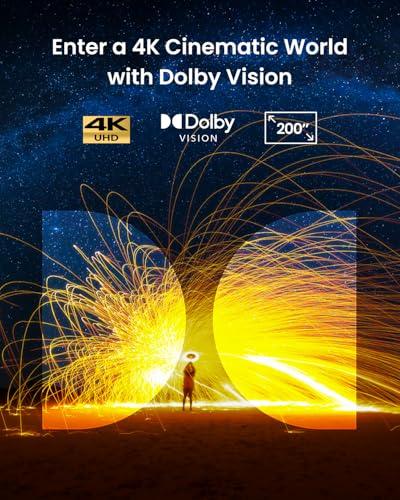
Screen size capabilities differ meaningfully between the models. The Nebula Cosmos 4K SE can project up to 200 inches diagonal, while the LG CineBeam Q maxes out at 120 inches. For most living rooms, 100-120 inches represents the sweet spot, but if you have a large basement or want to create a truly cinematic experience, the additional size capability matters.
Light control requirements also vary significantly. The LG CineBeam Q really shines in a dedicated theater room where you can control lighting completely. Its superior contrast ratio and color gamut create a more film-like experience in ideal conditions. The Nebula Cosmos 4K SE offers more flexibility for multi-purpose rooms where you might want to watch content without making the room completely dark.
Installation and setup differ as well. The LG CineBeam Q's compact size makes it easy to position on coffee tables or shelves, while the larger Nebula Cosmos 4K SE benefits from a dedicated stand or surface.
After extensive consideration of both projectors' capabilities, the decision largely comes down to prioritizing your primary use case and biggest constraints.
Choose the Nebula Cosmos 4K SE if you want maximum versatility and don't mind the larger size. This projector works well as a TV replacement that you can move when needed. Its brightness handles diverse lighting conditions, the audio system eliminates the need for additional speakers, and the gaming optimization makes it suitable for various entertainment types. It's ideal for families who want one device that works in multiple scenarios – movie nights in the living room, backyard entertaining, or gaming sessions.
The LG CineBeam Q makes sense if portability is genuinely important to your use case. Business travelers who want to create presentation setups in hotel rooms, apartment dwellers with limited storage space, or anyone who frequently moves their viewing setup will appreciate the compact design. However, you need to accept the requirement for controlled lighting and external audio for the best experience.
For dedicated home theater use, I'd lean toward the LG CineBeam Q if you have a proper dark room and good external audio. Its superior native 4K resolution and color performance create a more premium viewing experience in ideal conditions. However, if your "home theater" is really a multi-purpose living room, the Nebula Cosmos 4K SE's brightness and integrated audio provide better day-to-day usability.
Both projectors represent significant improvements over portable models from even two years ago, and either would satisfy most buyers' expectations for 4K projection. The key is honestly assessing how and where you'll use the projector most often, then choosing the model that best matches those requirements. At the time of writing, both offer good value in their respective approaches to premium portable projection, but they solve different problems and serve different priorities.
| Nebula Cosmos 4K SE Smart Projector | LG CineBeam Q 4K UHD Portable Laser Projector |
|---|---|
| Brightness - The single most important factor for viewing flexibility | |
| 1,800 ANSI lumens (excellent for daytime and well-lit rooms) | 500 ANSI lumens (requires dim/dark environments for best results) |
| Resolution Technology - Affects image sharpness and detail | |
| 1080p DLP with pixel shifting to 4K UHD | True native 4K (3840×2160) with 8.3 million pixels |
| Portability - Determines how and where you'll actually use it | |
| 9.9 lbs, 10.4" × 8.7" × 6.5" (moveable between rooms) | 3.3 lbs, 3.15" × 5.31" × 5.31" (genuinely travel-friendly) |
| Audio System - Critical for standalone entertainment experience | |
| Dual 15W speakers (30W total) with Dolby Audio/Atmos support | Single 3W mono speaker (external audio strongly recommended) |
| Light Source Technology - Affects color quality and lifespan | |
| Hybrid LED + Laser with 25,000-30,000 hour lifespan | RGB Laser with 20,000+ hour lifespan |
| Color Performance - Important for vibrant, accurate visuals | |
| 95% DCI-P3 color gamut coverage | 154% DCI-P3 color gamut coverage (exceptional color saturation) |
| Maximum Screen Size - Determines big-screen potential | |
| Up to 200 inches diagonal | Up to 120 inches diagonal |
| Gaming Performance - Matters for responsive gameplay | |
| 18.4ms input lag in extreme mode, HDMI 2.1 support | Input lag not specified, single HDMI input |
| Smart TV Platform - Affects streaming app availability | |
| Google TV with native 4K Netflix and extensive app library | LG webOS with limited app selection (missing Hulu, Max) |
| Setup Intelligence - Reduces manual adjustments | |
| IEA 4.0 with auto-focus, keystone correction, obstacle avoidance | Auto keystone correction and auto-focus |
| Contrast Performance - Critical for dark scene detail | |
| 400:1 native contrast (adequate but not exceptional) | 450,000:1 dynamic contrast (superior black levels) |
| Connectivity Options - Affects device compatibility | |
| HDMI 2.1, HDMI eARC, USB-A, wireless streaming | HDMI, USB-C, wireless streaming |
| Best Use Cases - Who should choose each model | |
| Versatile home entertainment, gaming, bright room viewing | Travel, small spaces, dedicated dark room theater |
The Nebula Cosmos 4K SE is significantly brighter at 1,800 ANSI lumens compared to the LG CineBeam Q at 500 ANSI lumens. This means the Nebula Cosmos 4K SE can handle rooms with ambient light and even some daytime viewing, while the LG CineBeam Q works best in darker environments.
The LG CineBeam Q is much more portable at just 3.3 pounds and a compact cube design, making it perfect for travel. The Nebula Cosmos 4K SE weighs 9.9 pounds and is better described as "moveable" rather than truly portable, though it includes a carrying handle for moving between rooms.
The LG CineBeam Q has true native 4K resolution with 8.3 million pixels, while the Nebula Cosmos 4K SE uses pixel shifting technology to create 4K from a 1080p chip. Both deliver 4K-quality images, but the LG CineBeam Q provides slightly sharper detail.
The Nebula Cosmos 4K SE has dramatically better audio with dual 15W speakers (30W total) and Dolby Audio support, making external speakers optional. The LG CineBeam Q has only a basic 3W mono speaker that most users will want to supplement with external audio.
The Nebula Cosmos 4K SE is specifically optimized for gaming with 18.4ms input lag and HDMI 2.1 support for modern consoles. The LG CineBeam Q doesn't specify gaming performance and has limited connectivity, making it less suitable for serious gaming.
For a dedicated dark room theater, the LG CineBeam Q offers superior contrast and color accuracy. However, for multi-purpose family rooms, the Nebula Cosmos 4K SE provides more flexibility with its higher brightness and integrated audio system.
The Nebula Cosmos 4K SE runs Google TV with comprehensive app support including native 4K Netflix. The LG CineBeam Q uses LG's webOS but has a more limited app selection, missing some popular services like Hulu and Max.
The Nebula Cosmos 4K SE can project up to 200-inch screens, while the LG CineBeam Q maxes out at 120 inches. Both sizes work well for most home viewing, but the larger capability gives the Nebula Cosmos 4K SE more flexibility for big spaces.
The LG CineBeam Q has superior color performance with 154% DCI-P3 coverage thanks to its RGB laser technology, providing more vibrant and saturated colors. The Nebula Cosmos 4K SE still delivers excellent colors at 95% DCI-P3 coverage with accurate color reproduction.
The Nebula Cosmos 4K SE includes quality built-in speakers that work well for most content, eliminating the need for external audio. The LG CineBeam Q has minimal built-in audio, so external speakers or headphones are strongly recommended for good sound quality.
Both projectors offer automatic setup features, but the Nebula Cosmos 4K SE has more advanced IEA 4.0 technology with obstacle avoidance and ambient light adaptation. The LG CineBeam Q provides basic auto-focus and keystone correction that works well for its compact design.
The Nebula Cosmos 4K SE typically offers better value for users who want versatility, brightness, and integrated audio in one package. The LG CineBeam Q provides better value for users who prioritize true portability and superior image quality in controlled lighting conditions.
We've done our best to create useful and informative comparisons to help you decide what product to buy. Our research uses advanced automated methods to create this comparison and perfection is not possible - please contact us for corrections or questions. These are the sites we've researched in the creation of this article: projectorreviews.com - tvsbook.com - youtube.com - projectorcentral.com - youtube.com - projectorcentral.com - techradar.com - youtube.com - projectorcentral.com - youtube.com - the-gadgeteer.com - newegg.com - projectorreviews.com - projectorcentral.com - youtube.com - seenebula.com - seenebula.com - bestbuy.com - projectorcentral.com - lg.com - thefrogpadappliances.com - youtube.com - techradar.com - lg.com - avsforum.com - lg.com - tomsguide.com - jefflynch.com - hometheaterview.com - projectorreviews.com - youtube.com - avsforum.com - projectorcentral.com - pcrichard.com - bhphotovideo.com - youtube.com - lg.com - applerivertvandappliance.com - big-georges.com - queencityonline.com - lg.com - lg.com - lg.com - lgnewsroom.com - heimkino.de

Privacy Policy
Terms and Conditions - Affiliate Policy
Home Security
© Copyright 2008-2026.
11816 Inwood Rd #1211, Dallas, TX 75244