

Portable projectors have come a long way from the chunky, dim business presentation tools of the past. Today's models pack impressive technology into surprisingly compact packages, but choosing the right one means understanding some significant trade-offs. I've been testing both the JMGO PicoPlay and LG CineBeam Q, and they represent two completely different philosophies in portable projection – one prioritizing innovation and value, the other focusing on premium image quality.
The portable projector market has exploded over the past few years, with manufacturers finally cracking the code on making truly pocketable devices that don't completely sacrifice picture quality. But here's the thing: there's still no magic solution that gives you everything. You're always trading something – size for brightness, price for resolution, or portability for picture quality.
Before diving into these specific models, let's talk about what really matters when you're shopping for a portable projector. The marketing materials are full of impressive-sounding numbers, but some specs matter way more than others in real-world use.
Brightness is king, but it's measured in confusing ways. You'll see ANSI lumens (the industry standard) and ISO lumens (often higher numbers for the same actual brightness). What matters is that anything under 300 lumens will only work in completely dark rooms, while 500+ lumens gives you some flexibility with ambient light. Don't expect any portable projector to work well in a bright living room – physics just doesn't allow for both tiny size and blazing brightness.
Resolution determines sharpness, and this is where things get interesting. The jump from 1080p to 4K means four times as many pixels, which translates to noticeably sharper text and finer details, especially on larger screen sizes. However, most streaming content is still 1080p or lower, and the difference becomes less noticeable on smaller projection sizes.
Contrast ratio affects how deep your blacks look and how much detail you can see in dark scenes. A higher contrast ratio means better-looking movies, but manufacturers often inflate these numbers. Real-world performance depends more on the light source technology than the claimed specifications.
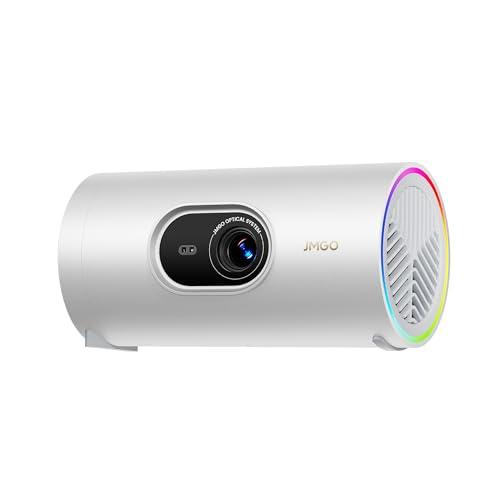
Released in 2024, the JMGO PicoPlay represents something genuinely new in the portable projector space. While most manufacturers focus on making traditional projector designs smaller, JMGO completely reimagined what a portable projector could look like and do.
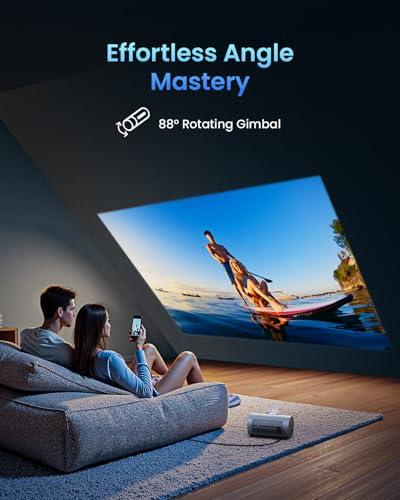
The most striking feature is its unique canister design with an 88-degree rotating gimbal. Instead of the typical rectangular box, the PicoPlay looks more like an oversized coffee tumbler that can rotate and tilt to project in any direction. This isn't just a design gimmick – it solves real problems. Want to project on the ceiling for bedroom viewing? No problem. Need to angle the image up or down without moving the projector? The gimbal handles it effortlessly.
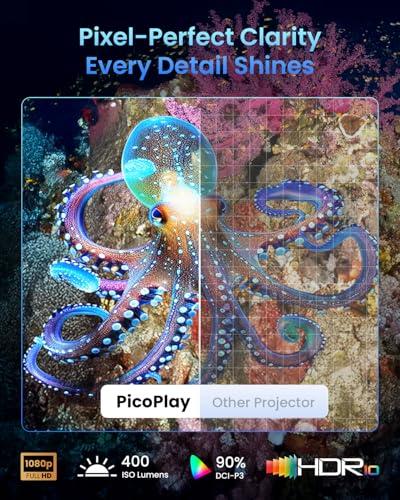
At its core, the PicoPlay uses a 1080p LCD display panel with LED illumination, producing 400 ISO lumens of brightness. The LED light source is rated for 25,000 hours of use, which means you'll likely never need to replace it. The color performance covers 124% of the Rec.709 color space – that's the standard color range for most HD content, so it can actually display more colors than your content contains.
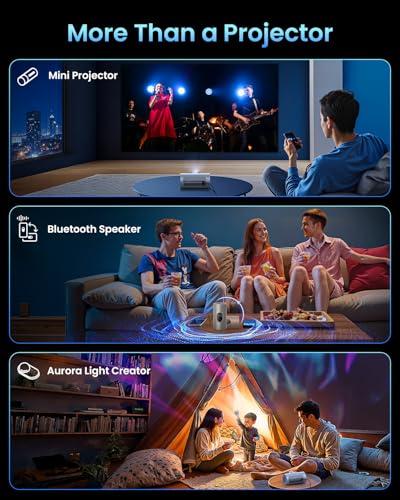
What makes the PicoPlay special is its "3-in-1" approach. Beyond projection, it functions as an 8-watt Bluetooth speaker with surprisingly rich sound for its size, and includes ambient lighting that can sync with music. This multi-function design means you're getting three devices in one compact package.
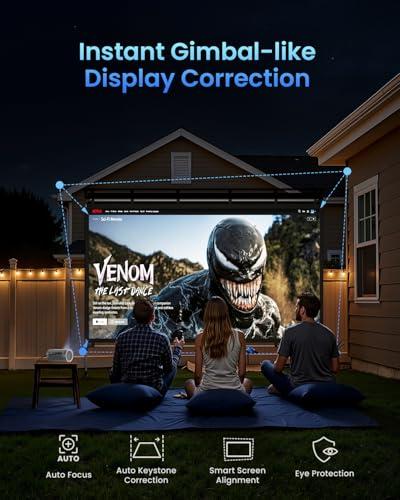
The FlexiSmart system deserves special mention. Using a Time-of-Flight (ToF) sensor – the same technology used in smartphone cameras for autofocus – the PicoPlay automatically adjusts focus, corrects keystone distortion (when the image looks like a trapezoid instead of a rectangle), and even includes eye protection that dims the projector if someone walks in front of it. Setup literally takes seconds.
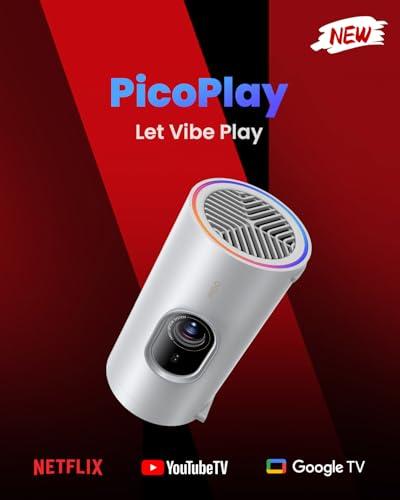
For connectivity, you get Google TV built-in with native Netflix support, plus HDMI with ARC (Audio Return Channel), USB-C, and USB-A ports. The Google TV integration is particularly well-implemented, with a responsive interface and access to all major streaming services without needing external devices.
Gaming performance is surprisingly good, with just 22 milliseconds of input lag. That's low enough for casual gaming, though serious competitive players will still prefer a dedicated gaming monitor or TV.
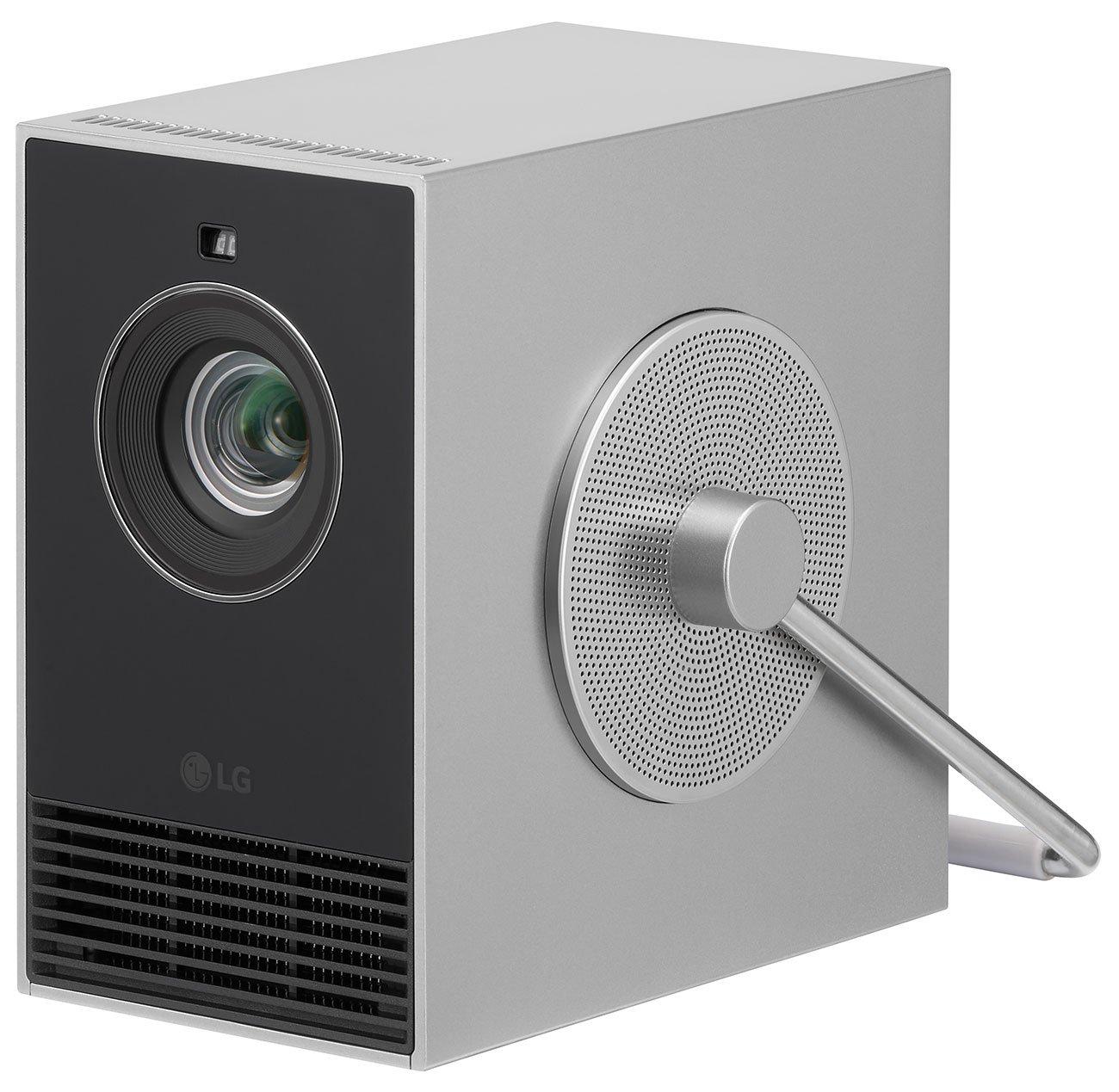
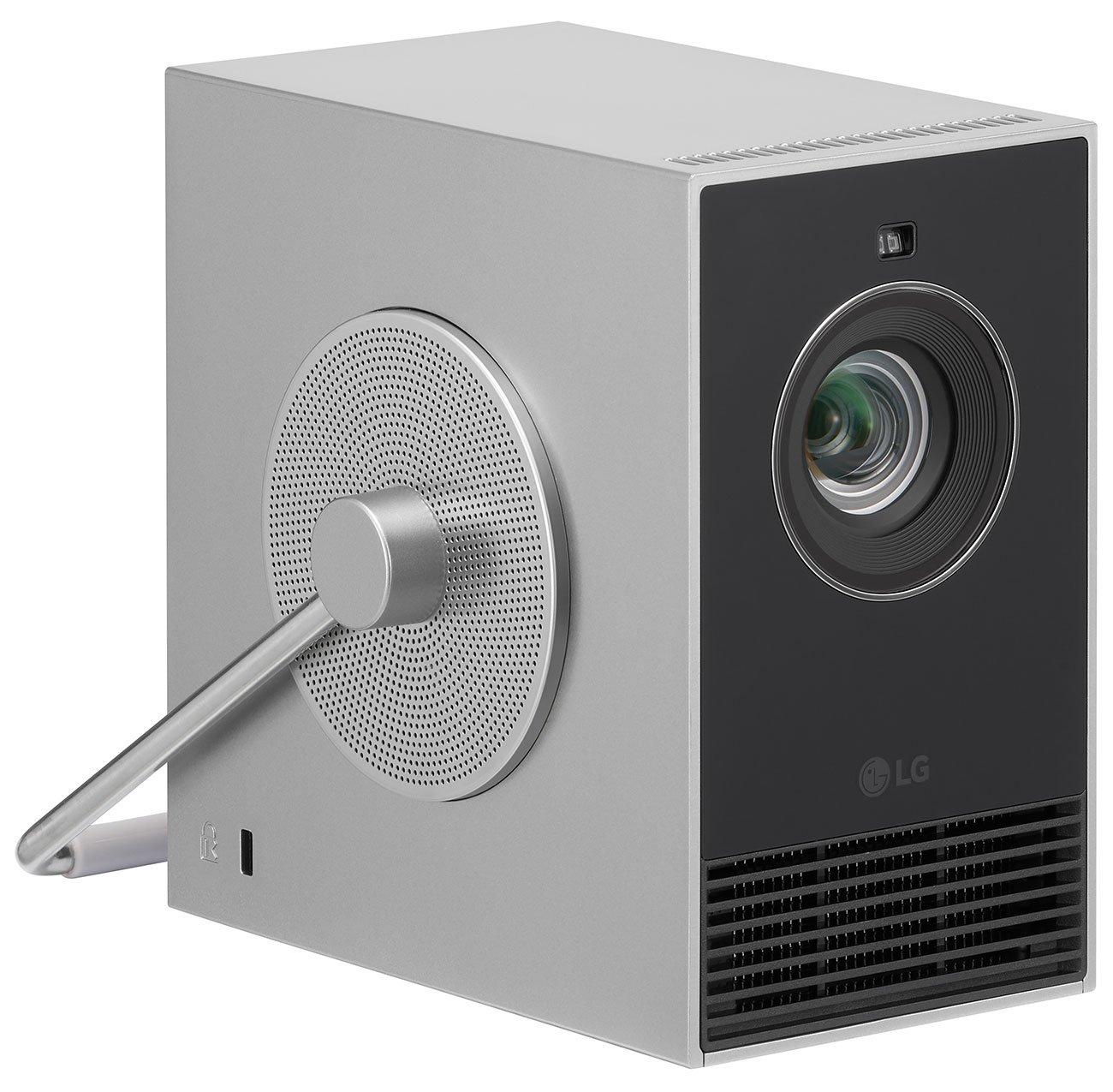
LG took a different approach with the CineBeam Q, released in 2024 as part of their push into premium portable projection. Instead of reinventing the form factor, they focused on delivering the best possible image quality in a still-portable package.
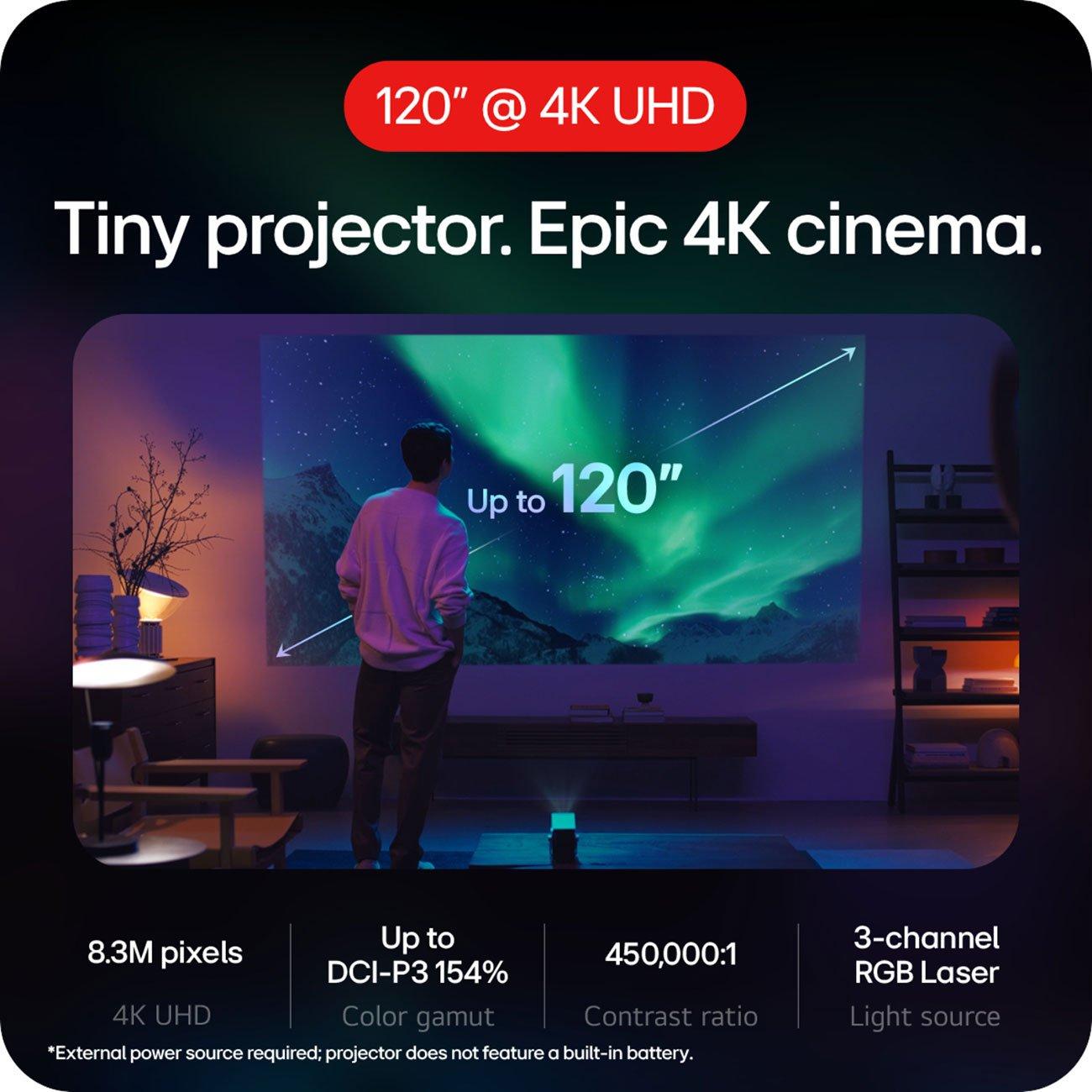
The key differentiator is its RGB laser light source. Unlike traditional LED projectors that use a single white LED and color filters, the CineBeam Q uses separate red, green, and blue lasers. This technology delivers several advantages: wider color gamut coverage (154% of DCI-P3, which is the cinema standard), much higher contrast ratio (450,000:1 vs the PicoPlay's 400:1), and more stable brightness over time.
Most importantly, it's a true 4K projector using DLP (Digital Light Processing) technology with XPR (eXpanded Pixel Resolution) processing. DLP projectors use millions of tiny mirrors that tilt to create the image, and XPR shifts each pixel slightly to create four times the resolution. The result is genuine 4K detail that's especially noticeable on larger screen sizes or when sitting close to the projection.
At 500 ANSI lumens, the CineBeam Q is modestly brighter than the PicoPlay, but the laser technology makes that brightness more useful. Lasers maintain consistent output over their 20,000-hour lifespan, while LEDs gradually dim.
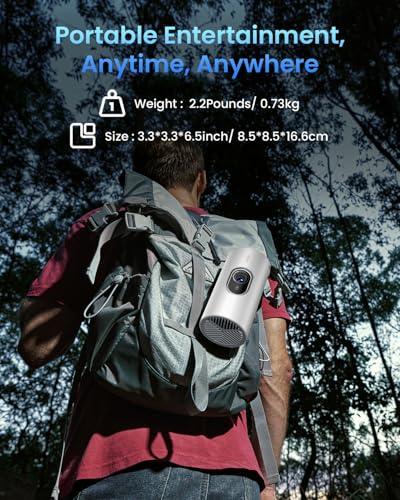
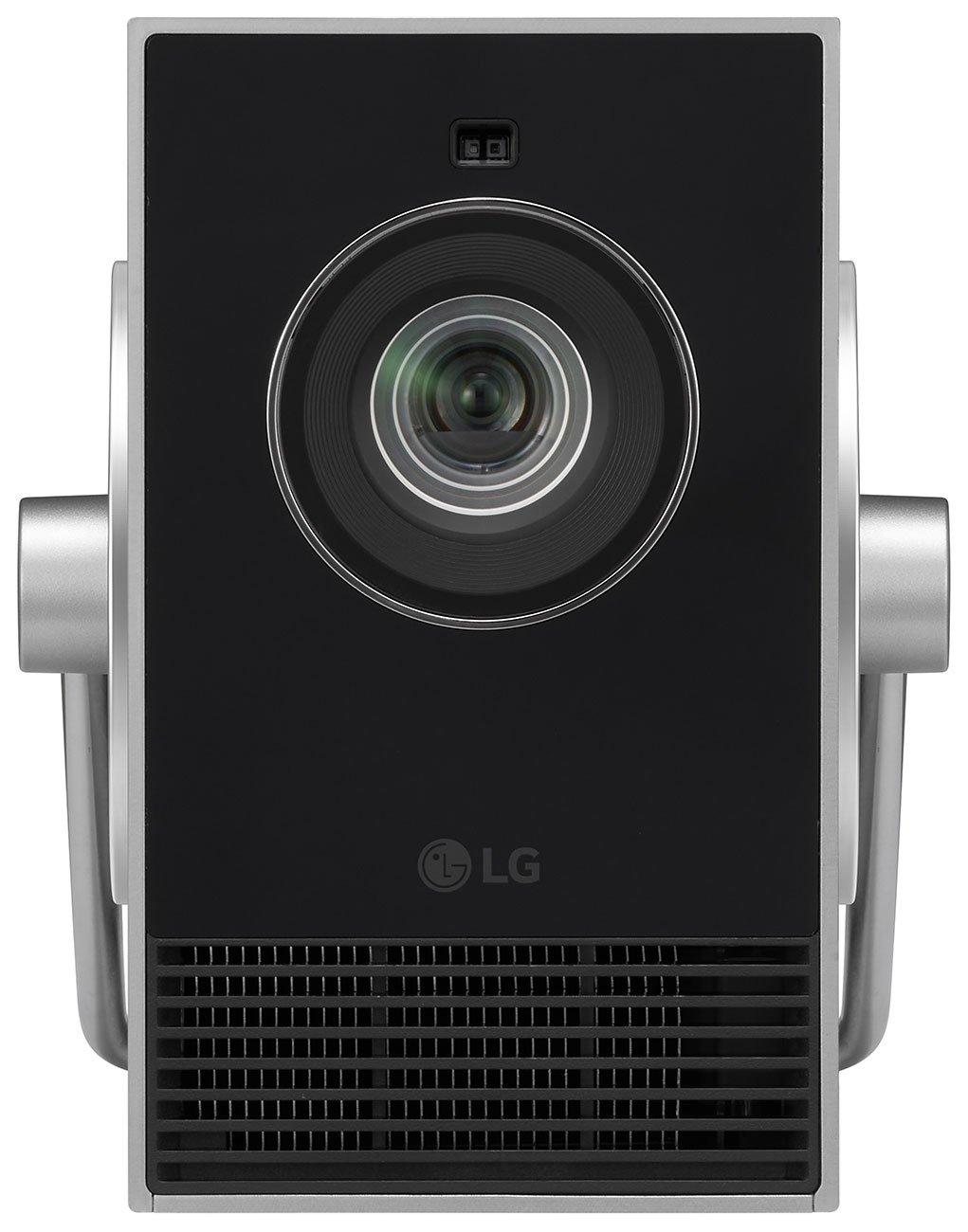
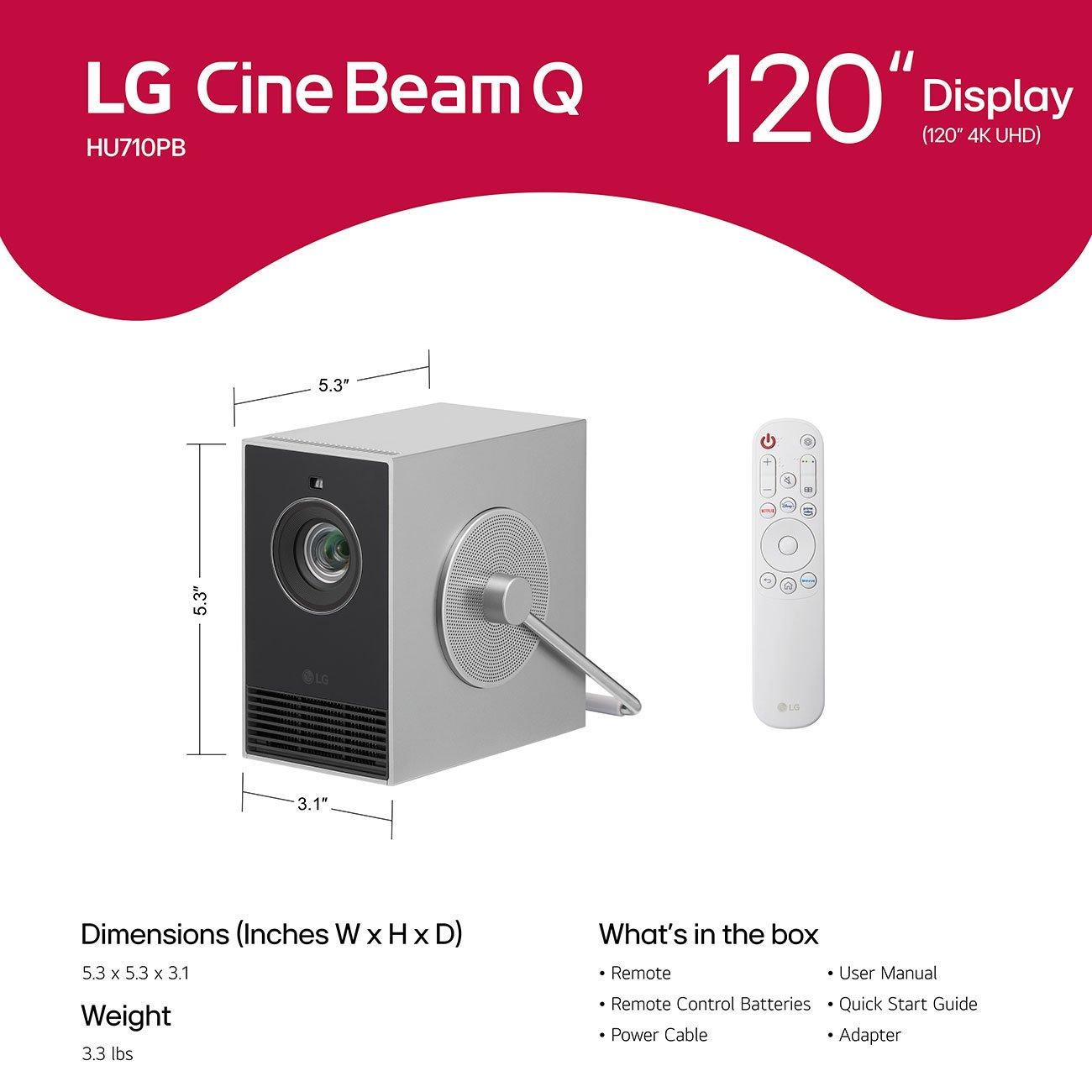
The design is more conventional – a cube-shaped unit with a 360-degree rotating handle that doubles as an adjustable stand. It's heavier at 3.3 pounds compared to the PicoPlay's 2.2 pounds, but still genuinely portable. The build quality feels premium, with solid construction and precise mechanical adjustment.
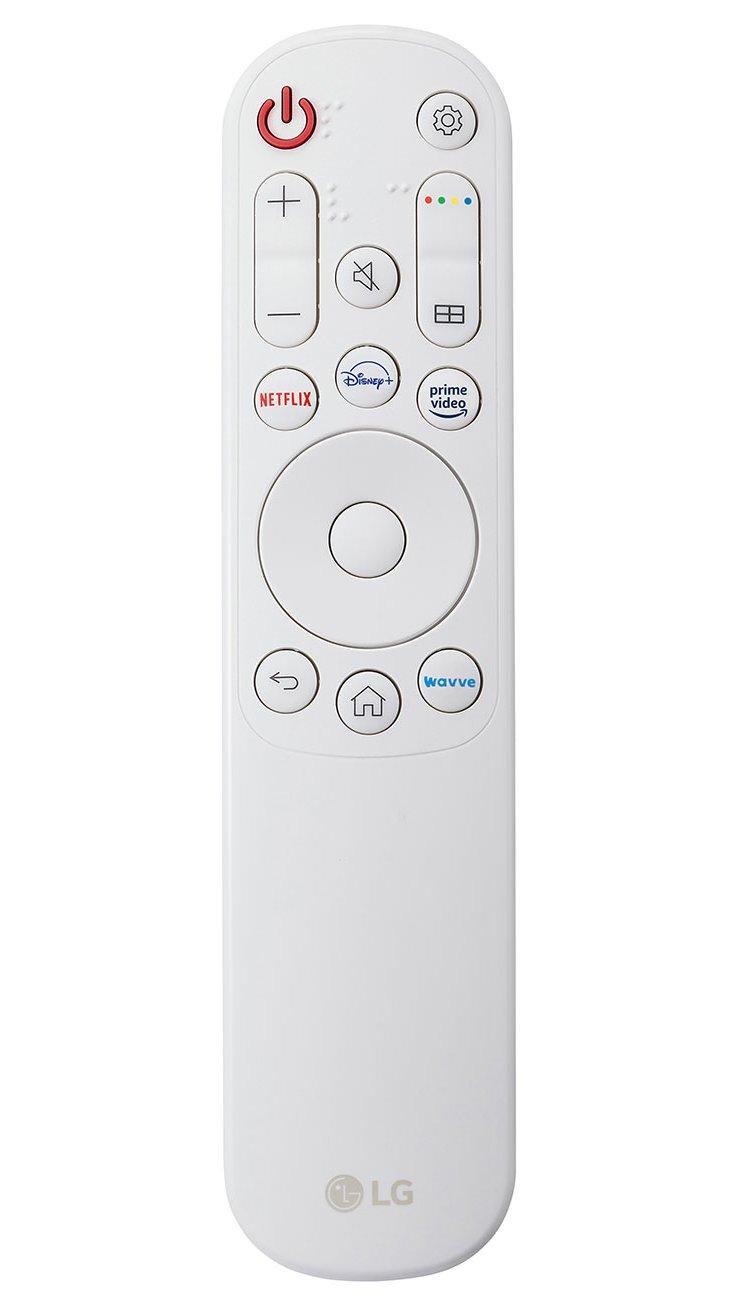
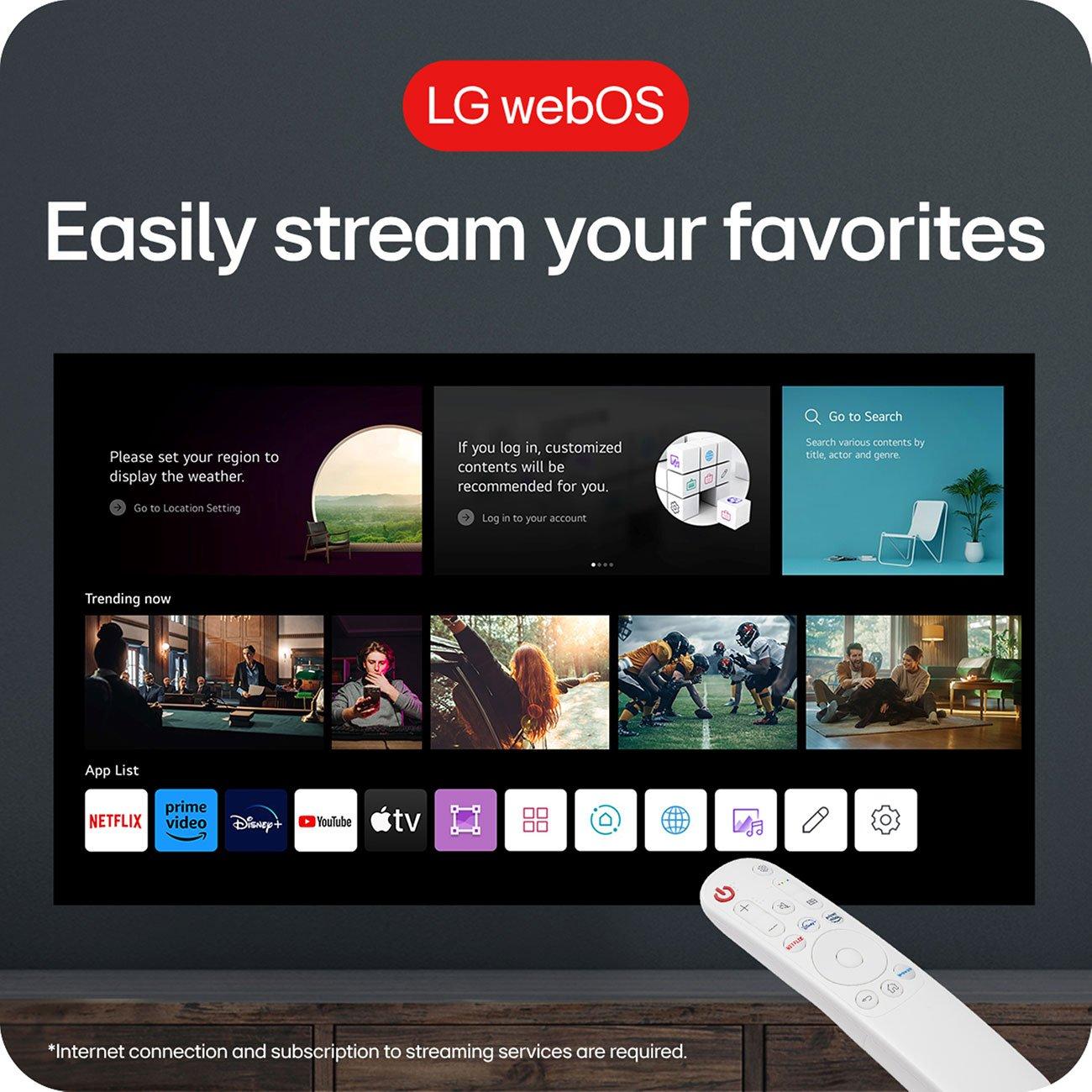
LG's webOS smart platform provides access to major streaming services, though the app selection isn't quite as comprehensive as Google TV. The interface is clean and responsive, but you'll occasionally need external devices for less common streaming services.
One significant limitation is gaming performance. With 61 milliseconds of input lag, the CineBeam Q is fine for movies but frustrating for gaming. This isn't unusual for 4K projectors, as the extra processing required for that resolution typically increases lag.
The resolution difference between these projectors is dramatic on paper – 4K has four times the pixels of 1080p. In practice, the benefits depend heavily on your viewing conditions and content.
I tested both projectors with identical 4K content from Netflix and Apple TV+. On a 100-inch screen in a dark room, the CineBeam Q's superior detail was immediately obvious. Text was noticeably sharper, and fine details in nature documentaries really popped. However, when I scaled down to a more typical 60-inch viewing size, the difference became much subtler.
Here's where things get interesting: most streaming content is still compressed 1080p or lower. Even "4K" Netflix streams are heavily compressed and don't show the full benefits of 4K resolution. Where the LG really shines is with high-quality 4K Blu-ray content or high-bitrate streaming from services like Apple TV+.
The PicoPlay's 1080p image is genuinely good for its price range. Colors are vibrant and accurate within its gamut, and the LED light source produces pleasing skin tones. For casual viewing of YouTube, Netflix, or gaming, it's perfectly adequate.
Both projectors require dim environments for best results, but they handle ambient light differently. The CineBeam Q's laser technology produces more punch, making it usable in rooms with some ambient light from windows or lamps. The PicoPlay really needs a dark room to shine.
I found the CineBeam Q watchable in my living room during daytime with curtains drawn, while the PicoPlay needed near-complete darkness for comfortable viewing. This makes a real difference for versatility – the LG can handle more varied lighting conditions.
This is where the PicoPlay shows its innovative design. The integrated 20,000 mAh battery provides about three hours of video playback, making it truly wireless. You can literally take it camping, to the backyard, or anywhere without worrying about power outlets.
The CineBeam Q requires external power, though it can run from USB-C battery packs. This limits its portability – you need to plan for power sources or carry additional batteries. For most users, this isn't a dealbreaker, but it does make spontaneous outdoor movie nights more complicated.
The PicoPlay's rotating gimbal design also enables unique setup options. Ceiling projection for bedroom viewing is effortless, and the compact size means it disappears when not in use.
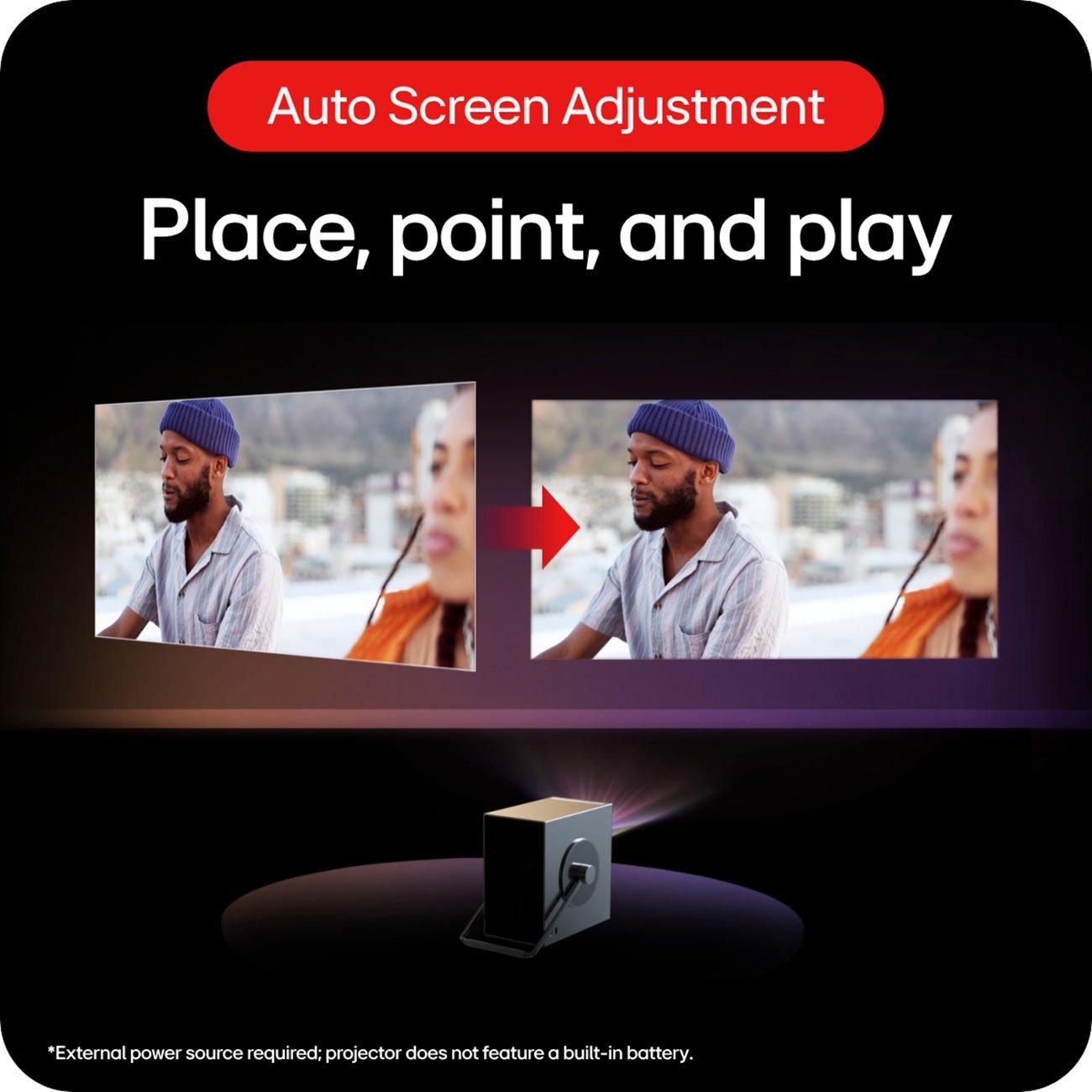
Both projectors include automatic setup features, but they work differently. The PicoPlay's FlexiSmart system uses its ToF sensor to handle focus and keystone correction almost instantly. The CineBeam Q also offers auto-correction but takes longer to process the 4K image.
Google TV on the PicoPlay feels more responsive and complete than LG's webOS. You get native Netflix support (which isn't available on all projectors), comprehensive voice control, and broader app compatibility. The interface is snappy and familiar if you've used other Google TV devices.
LG's webOS is clean and functional but more limited. You'll find the major streaming apps, but some newer or niche services might be missing. The interface is well-designed but not quite as fluid as Google TV.
For dedicated home theater use, both projectors have strengths and limitations. The CineBeam Q is obviously better for image quality – the 4K resolution and superior contrast make for a more cinematic experience. The laser light source also means colors stay consistent over time, important for a permanent installation.
However, neither projector is truly bright enough for a living room with normal lighting. Both work best in dedicated dark spaces or bedrooms. The PicoPlay's smaller size makes it easier to hide when not in use, while the CineBeam Q's more serious appearance fits better in traditional home theater setups.
For audio, both projectors need external sound systems for serious home theater use. The PicoPlay's 8-watt speaker is decent for casual viewing but lacks the power and range for movie night. The CineBeam Q's 3-watt speaker is even more limited.
At the time of writing, these projectors represent dramatically different value propositions. The PicoPlay costs roughly one-fourth the price of the CineBeam Q, making the value calculation interesting.
With the PicoPlay, you're paying for innovation and versatility. The unique design, multi-function capability, and true portability offer features you can't get elsewhere at this price point. The 1080p limitation is real, but for many users, it's not a dealbreaker given the other benefits.
The CineBeam Q commands a premium for its 4K resolution and laser technology. You're paying for cutting-edge image quality in a portable package – something that was impossible just a few years ago. Whether that's worth the price premium depends on how much you value image quality over other features.
The JMGO PicoPlay makes sense for users who prioritize versatility, portability, and value. It's perfect for students, travelers, or anyone who wants a flexible entertainment device that can adapt to different spaces and uses. The multi-function design means you're getting speaker and ambient lighting capabilities along with the projector. If you primarily watch streaming content and don't need reference-quality images, the PicoPlay delivers excellent value.
Choose the LG CineBeam Q if image quality is your top priority and you can work within its constraints. It's ideal for users who primarily watch high-quality 4K content, have dedicated viewing spaces, and want the best possible picture quality in a portable package. The premium pricing reflects premium performance, but that performance is only meaningful if you can appreciate and utilize it.
For gaming, the choice is clear – the PicoPlay's 22ms input lag makes it dramatically better for interactive use than the CineBeam Q's 61ms lag.
These projectors represent two different philosophies in portable projection, and both execute their vision well. The JMGO PicoPlay revolutionizes what a portable projector can be, offering unprecedented versatility and innovation at an accessible price. The LG CineBeam Q delivers reference-quality 4K projection in a compact package, proving that portable doesn't have to mean compromised image quality.
Your choice comes down to priorities: innovation and value versus premium performance. Both projectors succeed in their intended roles, making this less about which is "better" and more about which better matches your needs and budget. The portable projector market is finally mature enough to offer genuine choice, and these two models showcase just how far the technology has advanced.
| JMGO PicoPlay 1080P Smart Portable Projector | LG CineBeam Q 4K UHD Portable Laser Projector |
|---|---|
| Resolution - Determines image sharpness, especially on larger screens | |
| 1080p Full HD (1920×1080) - adequate for most streaming content | True 4K UHD (3840×2160) - 4x sharper, noticeable improvement on 80"+ screens |
| Brightness - Critical for ambient light performance | |
| 400 ISO lumens - requires dark room for best viewing | 500 ANSI lumens - handles dim ambient light better |
| Light Source Technology - Affects color accuracy and lifespan | |
| LED with 25,000 hour lifespan - consistent performance over time | RGB Laser with 20,000 hours - superior color gamut and contrast |
| Contrast Ratio - Impact on dark scene detail and overall picture depth | |
| 400:1 - typical for LED projectors in this class | 450,000:1 - dramatically better blacks and shadow detail |
| Color Gamut Coverage - Determines color vibrancy and accuracy | |
| 124% Rec.709 - excellent for HD content | 154% DCI-P3 - cinema-grade color reproduction |
| Portability & Design - Key differentiator for mobile use | |
| 2.2 lbs with 88° rotating gimbal - revolutionary flexibility for ceiling projection | 3.3 lbs cube design with handle - conventional but premium build quality |
| Battery Life - Essential for true wireless portability | |
| Integrated 20,000 mAh battery (3 hours video) - completely wireless operation | No battery - requires external power or battery pack |
| Smart Platform - Determines streaming app availability | |
| Google TV with native Netflix support - comprehensive app ecosystem | LG webOS - clean interface but more limited app selection |
| Gaming Performance - Input lag determines responsiveness | |
| 22ms input lag - excellent for casual gaming | 61ms input lag - acceptable for movies, poor for gaming |
| Audio System - Built-in sound quality | |
| 8W Dolby Audio speaker - doubles as Bluetooth speaker | 3W mono speaker - basic audio, external speakers recommended |
| Multi-Function Capability - Additional value beyond projection | |
| 3-in-1 design: projector + speaker + ambient light with music sync | Single-function projector focus |
| Setup Automation - Ease of use for quick deployment | |
| FlexiSmart system with ToF sensor - instant autofocus and keystone correction | Auto-correction available but slower processing due to 4K resolution |
| Value Proposition - Performance per dollar spent | |
| Exceptional innovation and versatility at budget-friendly price point | Premium 4K performance commands significant price premium |
The LG CineBeam Q delivers superior picture quality with true 4K resolution (3840×2160) compared to the JMGO PicoPlay's 1080p resolution. The LG also features RGB laser technology with a 450,000:1 contrast ratio and 154% DCI-P3 color coverage, producing sharper images with better color accuracy and deeper blacks than the PicoPlay.
The JMGO PicoPlay is more portable, weighing just 2.2 pounds compared to the LG CineBeam Q's 3.3 pounds. More importantly, the PicoPlay includes a built-in 20,000 mAh battery providing 3 hours of wireless operation, while the CineBeam Q requires external power sources for true portability.
Neither projector works well in bright rooms. The LG CineBeam Q with 500 ANSI lumens handles dim ambient light better than the JMGO PicoPlay's 400 ISO lumens, but both require darkened environments for optimal viewing. The CineBeam Q offers slightly better performance with curtains drawn during daytime.
The JMGO PicoPlay is significantly better for gaming with just 22ms of input lag compared to the LG CineBeam Q's 61ms lag. The PicoPlay includes a dedicated low-latency gaming mode, making it suitable for casual gaming, while the CineBeam Q is better suited for movies and streaming content.
Yes, both projectors include smart platforms. The JMGO PicoPlay runs Google TV with native Netflix support and comprehensive app selection, while the LG CineBeam Q uses LG's webOS platform with major streaming apps but a more limited selection compared to the PicoPlay's Google TV ecosystem.
The JMGO PicoPlay offers exceptional value with its innovative design, multi-function capabilities, and built-in battery at a budget-friendly price point. The LG CineBeam Q commands a premium for its 4K resolution and laser technology. Value depends on whether you prioritize versatility and affordability or premium image quality.
The JMGO PicoPlay features an 8W Dolby Audio speaker that doubles as a Bluetooth speaker with surprisingly good sound quality for its size. The LG CineBeam Q has a basic 3W mono speaker that's adequate for casual viewing but both projectors benefit from external audio systems for serious home theater use.
The JMGO PicoPlay excels at ceiling projection thanks to its unique 88° rotating gimbal design that allows easy angle adjustment without moving the projector. The LG CineBeam Q can project on ceilings but requires manual repositioning and doesn't offer the same flexibility as the PicoPlay's innovative gimbal system.
Both projectors offer excellent longevity. The JMGO PicoPlay uses LED technology rated for 25,000 hours, while the LG CineBeam Q features RGB laser technology rated for 20,000 hours. Both light sources maintain consistent performance over their lifespan, with the CineBeam Q's laser providing more stable brightness over time.
The JMGO PicoPlay is superior for outdoor use due to its built-in battery providing 3 hours of wireless operation and compact, travel-friendly design. The LG CineBeam Q requires external power sources, making it less convenient for outdoor settings, though its slightly higher brightness offers marginal benefits in ambient light conditions.
The LG CineBeam Q natively displays 4K content at full resolution, while the JMGO PicoPlay downscales 4K content to its native 1080p resolution. Both support HDR10 for enhanced dynamic range, but only the CineBeam Q delivers the full detail benefits of 4K source material.
For dedicated home theater use, the LG CineBeam Q provides superior performance with 4K resolution, laser technology, and better contrast for a more cinematic experience. However, the JMGO PicoPlay offers advantages in flexibility and setup convenience. Both require external audio systems and controlled lighting for optimal home theater performance, with the CineBeam Q delivering noticeably better image quality on larger screens.
We've done our best to create useful and informative comparisons to help you decide what product to buy. Our research uses advanced automated methods to create this comparison and perfection is not possible - please contact us for corrections or questions. These are the sites we've researched in the creation of this article: techbuzzireland.com - youtube.com - newatlas.com - projectorcentral.com - youtube.com - thegadgetflow.com - youtube.com - global.jmgo.com - youtube.com - bestbuy.com - projector-database.com - notebookcheck.net - eu.jmgo.com - projectorcentral.com - lg.com - thefrogpadappliances.com - youtube.com - techradar.com - lg.com - avsforum.com - lg.com - tomsguide.com - jefflynch.com - hometheaterview.com - projectorreviews.com - youtube.com - avsforum.com - projectorcentral.com - pcrichard.com - bhphotovideo.com - youtube.com - lg.com - applerivertvandappliance.com - big-georges.com - queencityonline.com - lg.com - lg.com - lg.com - lgnewsroom.com - heimkino.de

Privacy Policy
Terms and Conditions - Affiliate Policy
Home Security
© Copyright 2008-2026.
11816 Inwood Rd #1211, Dallas, TX 75244