

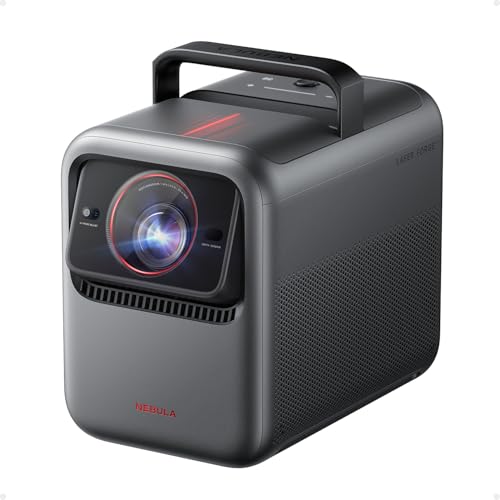
The portable projector market has exploded over the past few years, and nowhere is this more evident than in the 4K laser space. Two projectors that perfectly illustrate the current state of this category are the Nebula X1 4K Triple Laser Projector and the LG CineBeam Q 4K UHD Portable Laser Projector. Released in 2024 and 2025 respectively, these devices represent fundamentally different approaches to the same goal: bringing cinema-quality 4K projection anywhere you want it.
But here's the thing – they're so different in their approach that choosing between them isn't just about specs on paper. It's about understanding what you actually need from a portable projector and being honest about how you'll use it. Let me walk you through what makes each unique and help you figure out which one deserves your hard-earned money.
Before diving into these specific models, it's worth understanding what we're dealing with here. Portable 4K laser projectors represent a massive leap forward from the dim, blurry portable projectors of just a few years ago. The key breakthrough has been laser light sources, which provide much brighter, more colorful images while lasting for decades without replacement.
When evaluating any portable projector, you're essentially balancing several competing factors. Brightness is king – it determines whether you can actually see your content in anything but a pitch-black room. Size and weight matter because true portability means you'll actually want to move it around. Setup complexity can make or break the experience, especially if you're not technically inclined. And increasingly, smart features and built-in audio quality separate the good from the great.
The most crucial technical spec to understand is ANSI lumens, which measures actual brightness output. Anything under 1,000 lumens requires a very dark room, while 2,000+ lumens can handle some ambient light. Color gamut coverage tells you how vivid and accurate colors will look – numbers like "154% DCI-P3" or "100% Rec.2020" indicate how much of the visible color spectrum the projector can reproduce.
The Nebula X1 launched in 2025 as what I'd call a "portable powerhouse." At first glance, calling it portable might seem generous – it weighs nearly 14 pounds and requires a substantial carrying case. But compared to traditional home theater projectors that weigh 25+ pounds and need permanent ceiling mounts, the Nebula X1 is genuinely revolutionary.
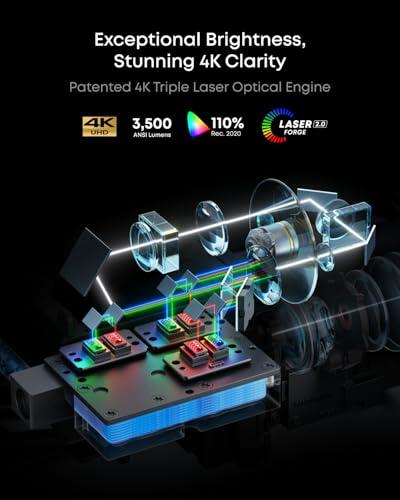
What sets the Nebula X1 apart is its triple laser system producing an impressive 3,500 ANSI lumens. To put that in perspective, most portable projectors struggle to hit 1,000 lumens, while many home theater projectors top out around 2,500-3,000 lumens. This brightness level means you can actually use the Nebula X1 in normally lit rooms – something that would wash out most portable projectors completely.
The technical innovation that makes this possible is fascinating. The projector uses what's called a "U-shaped triple laser optical path" – essentially three separate laser systems (red, green, and blue) that combine to create the final image. This approach delivers not just brightness, but exceptional color accuracy covering 100% of the Rec.2020 color space. That's the same standard used for professional HDR content creation, meaning you're seeing colors exactly as filmmakers intended.
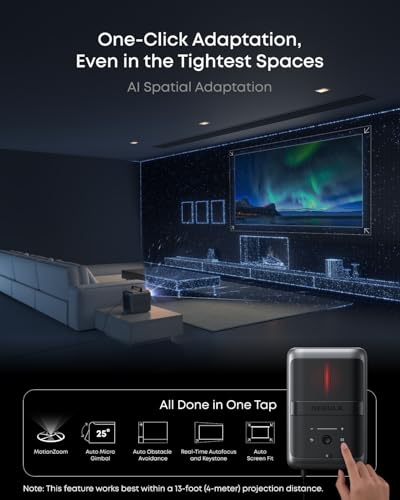
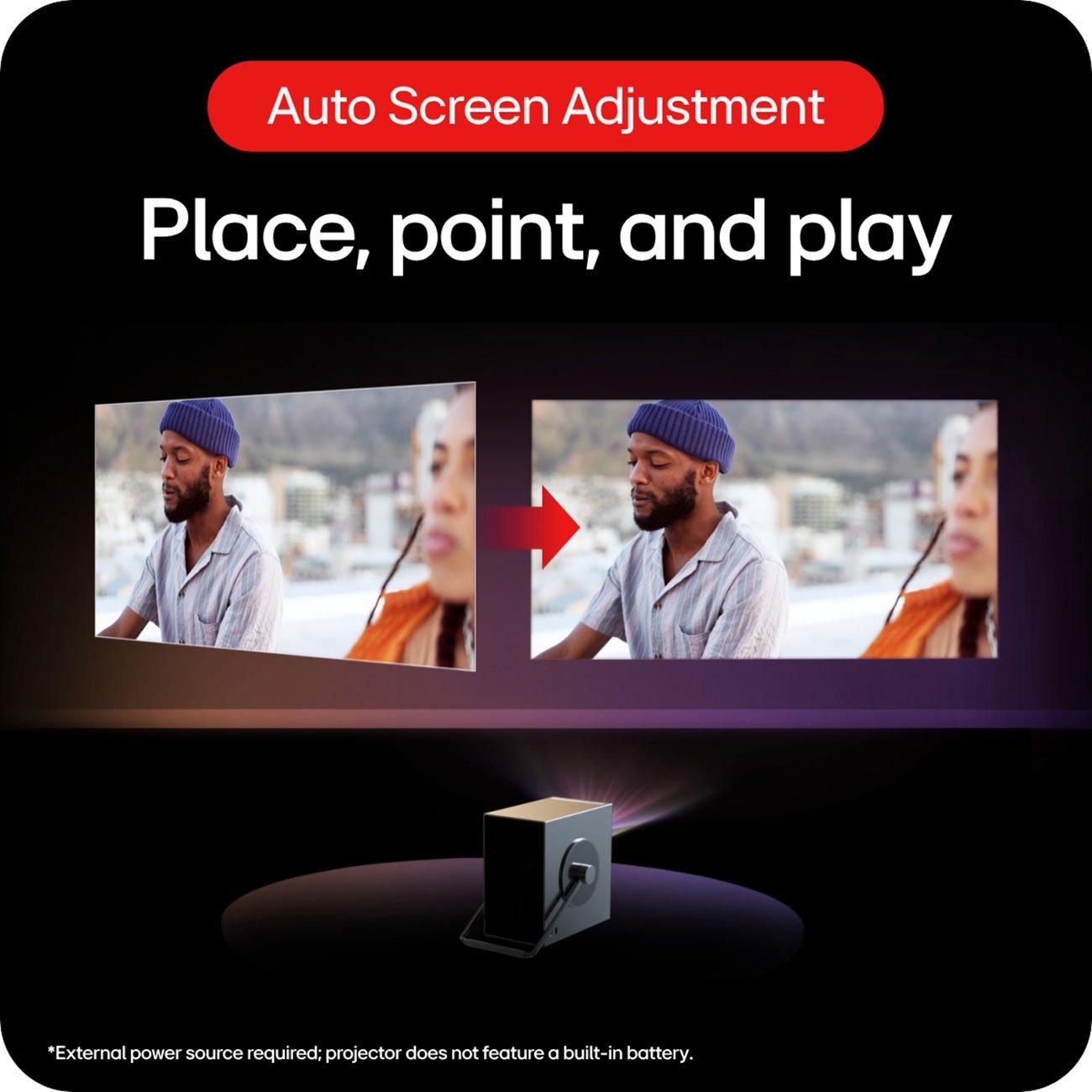
But here's where the Nebula X1 gets really interesting: the motorized gimbal system. This is genuinely unique in the projector world. Instead of having to physically move and reposition the entire projector to get the image where you want it, the optical engine inside can tilt up to 25 degrees automatically. Combined with AI spatial adaptation – where the projector uses sensors to automatically focus, correct keystone distortion, and balance colors – setup becomes almost effortless despite the projector's professional-grade capabilities.
The lens system deserves special mention too. The Nebula X1 uses a 14-element all-glass lens, including what are called "aspherical" and "extra-low dispersion" elements. These fancy terms basically mean the lens can focus light more precisely and reduce color fringing around edges – the kind of optical quality you'd typically find in high-end cameras or professional projectors costing much more.
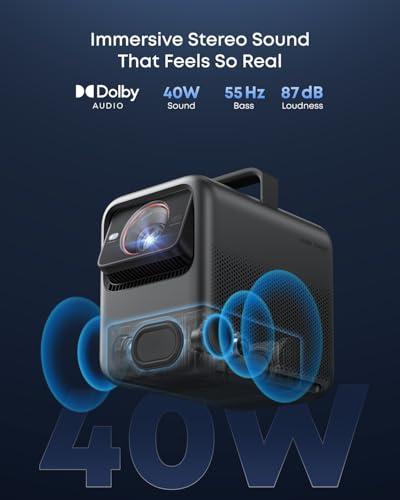
For audio, the Nebula X1 takes a kitchen-sink approach that actually works. The built-in 4.1.2 surround sound system uses something called "FlexWave upmixing" to create genuine surround effects from stereo sources. The optional wireless satellite speakers are IP54-rated, meaning they can handle outdoor conditions and even light rain. After using various projectors over the years, I can say that having truly good audio built-in transforms the experience completely.
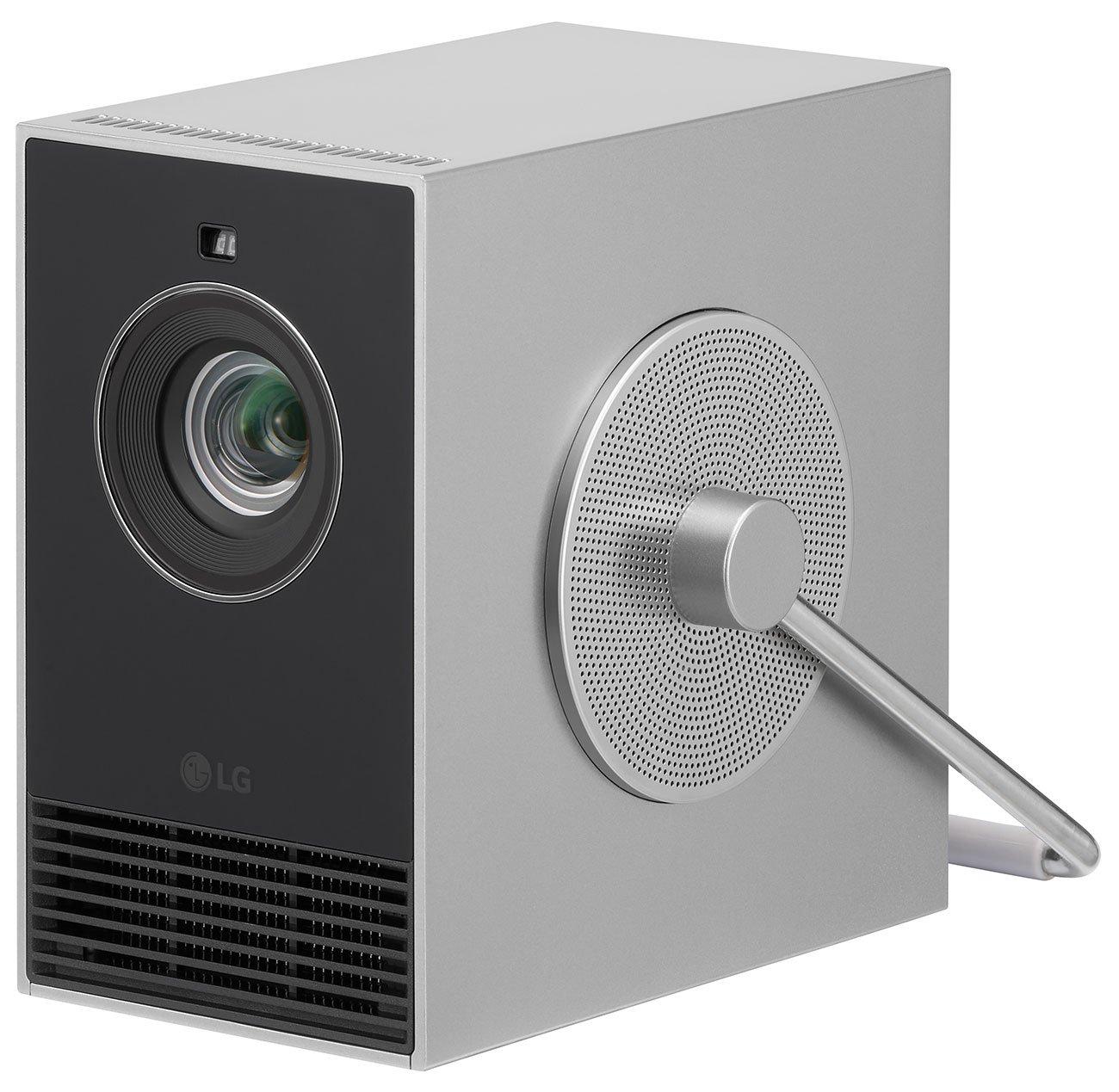
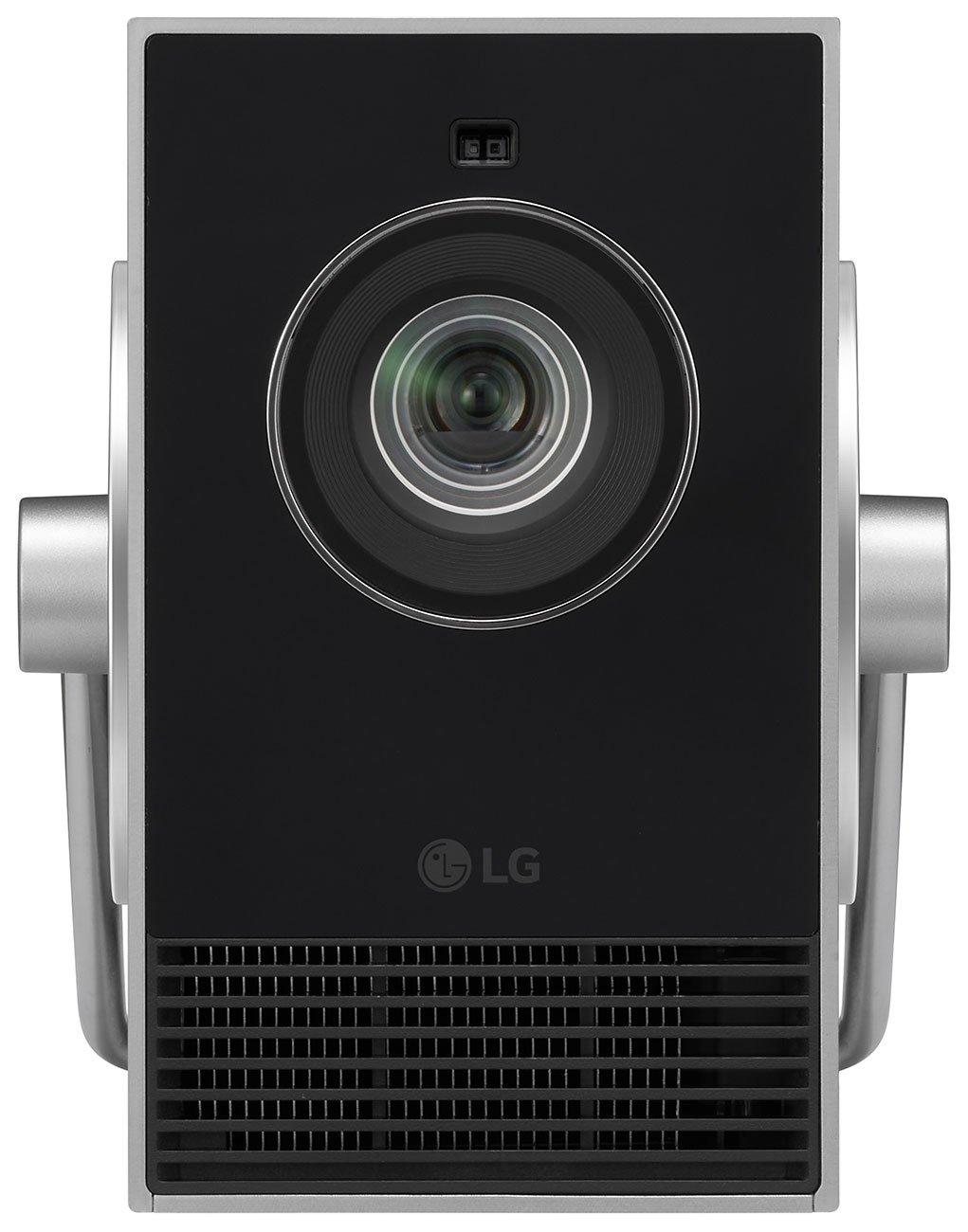
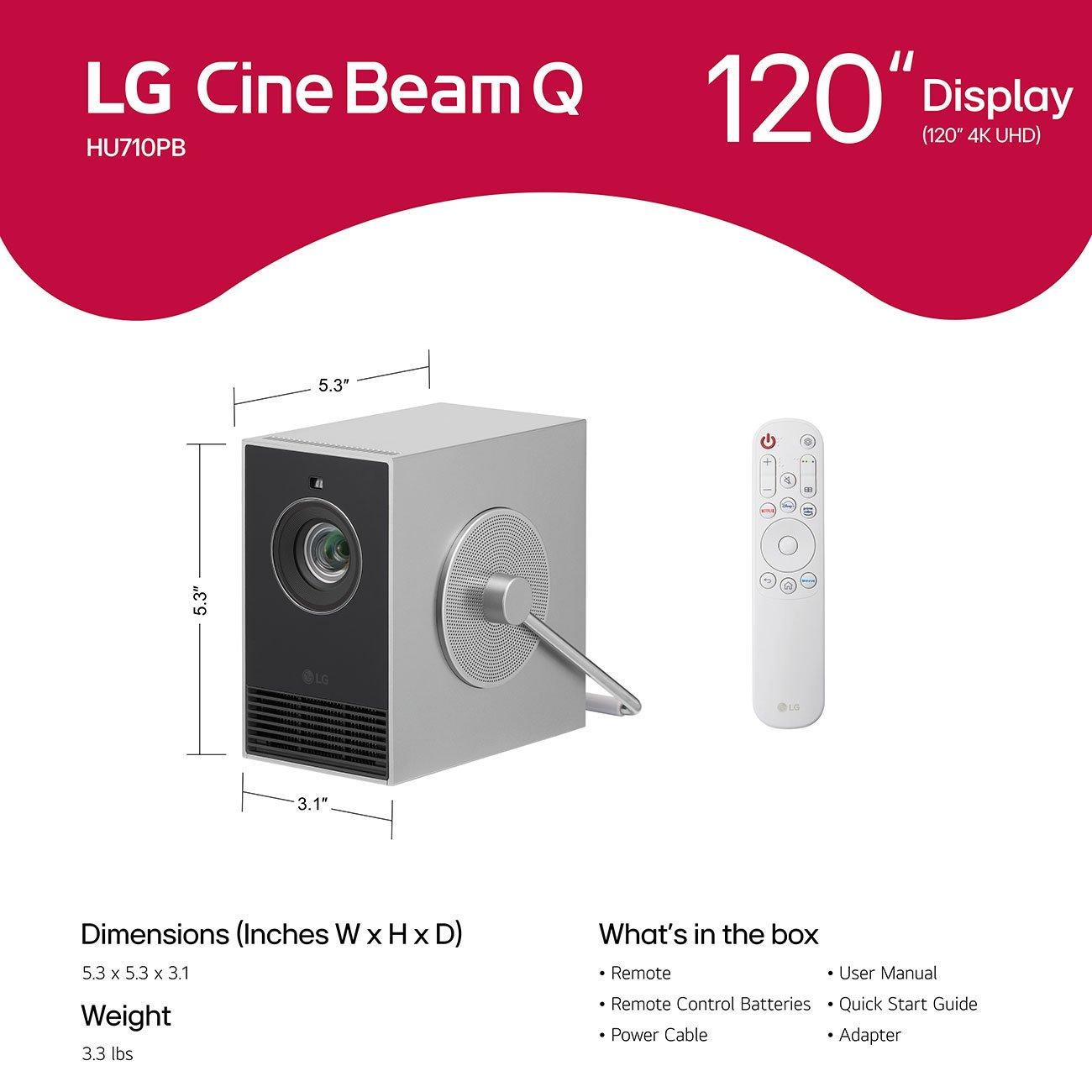
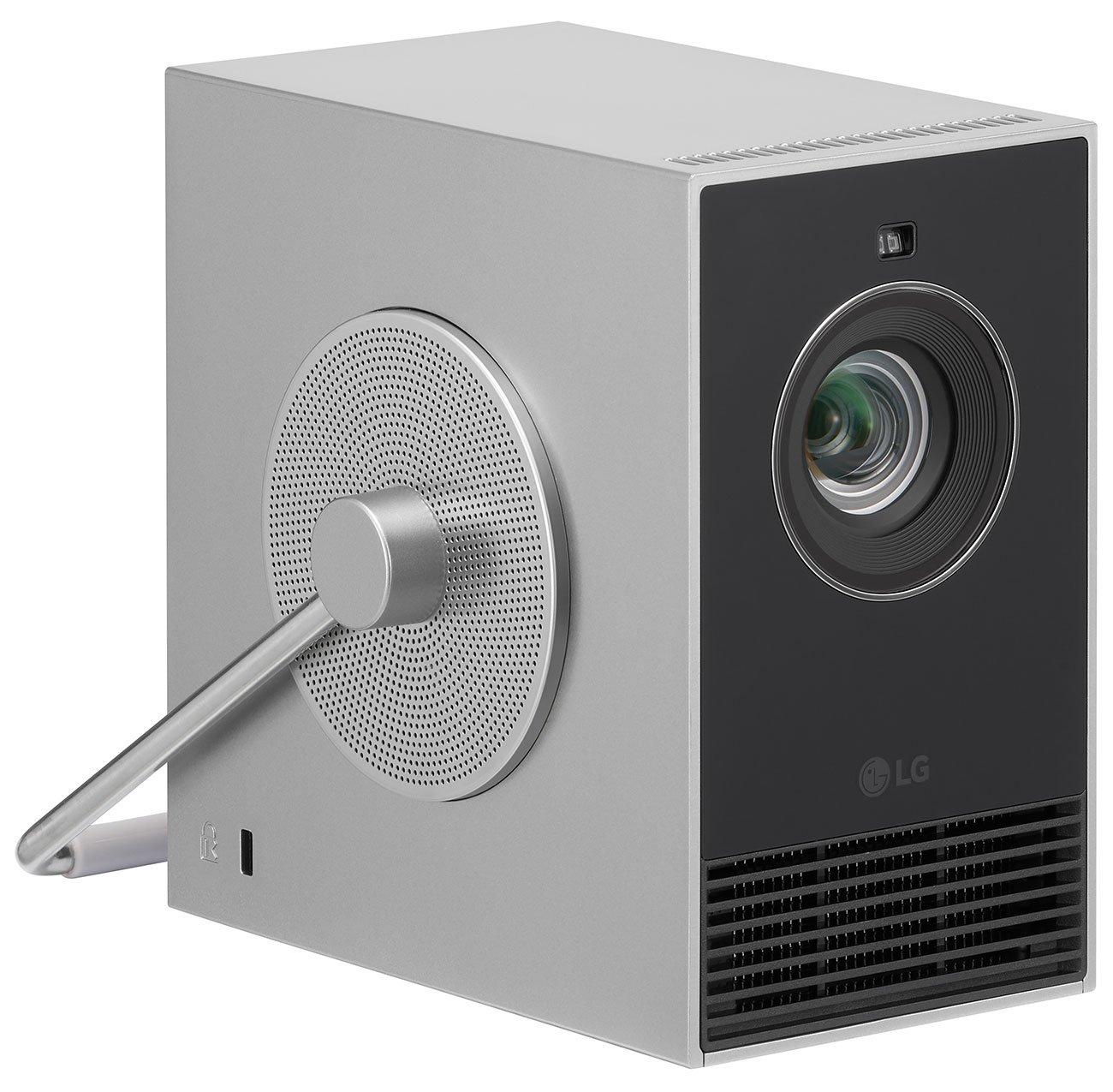
The LG CineBeam Q, which hit the market in 2024, takes the opposite approach. At just over 3 pounds and shaped like a cube you could easily mistake for a decorative object, it prioritizes portability above everything else. But don't let the small size fool you – this little projector packs some impressive technology.
The most immediately striking thing about the LG CineBeam Q is how you can literally throw it in a backpack and forget it's there. The 360-degree rotating handle doubles as an adjustable stand, and the USB-C power input means you can run it off a portable battery pack for truly wireless operation. This opens up use cases that simply aren't possible with larger projectors – camping trips, hotel rooms, impromptu backyard movies where running an extension cord isn't practical.
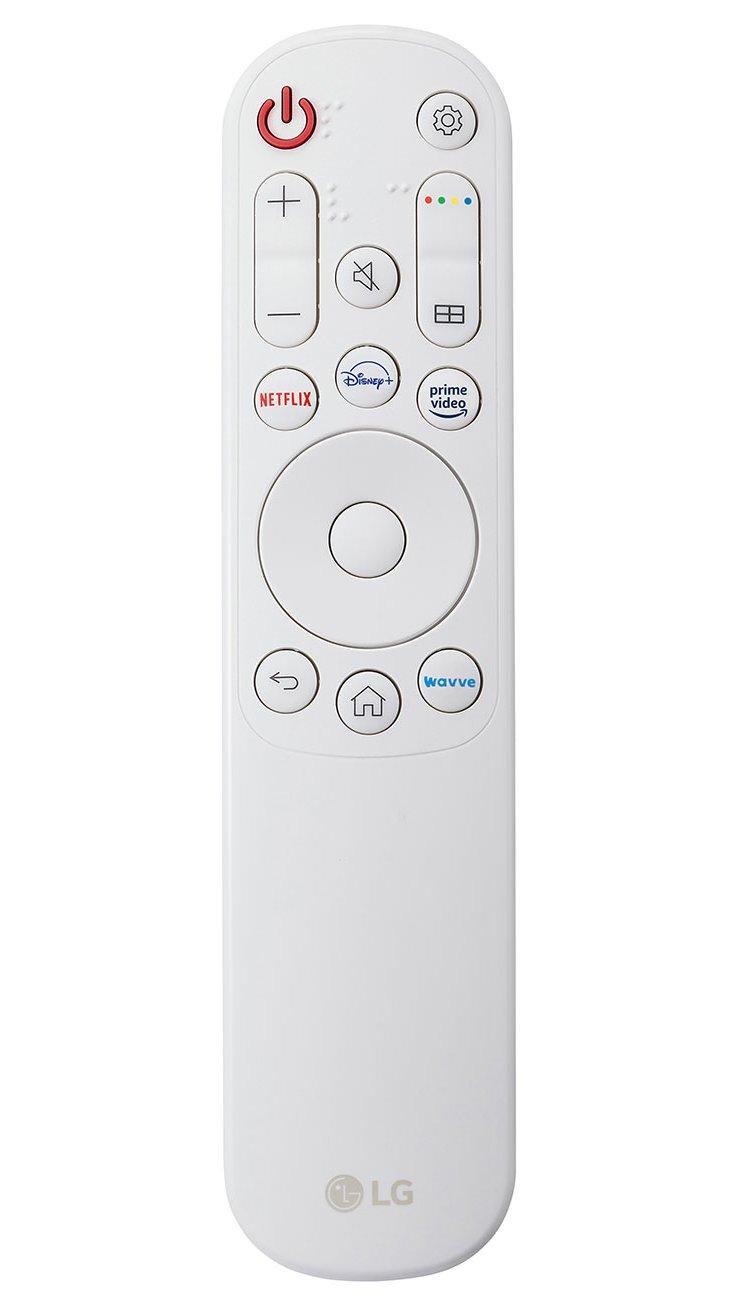
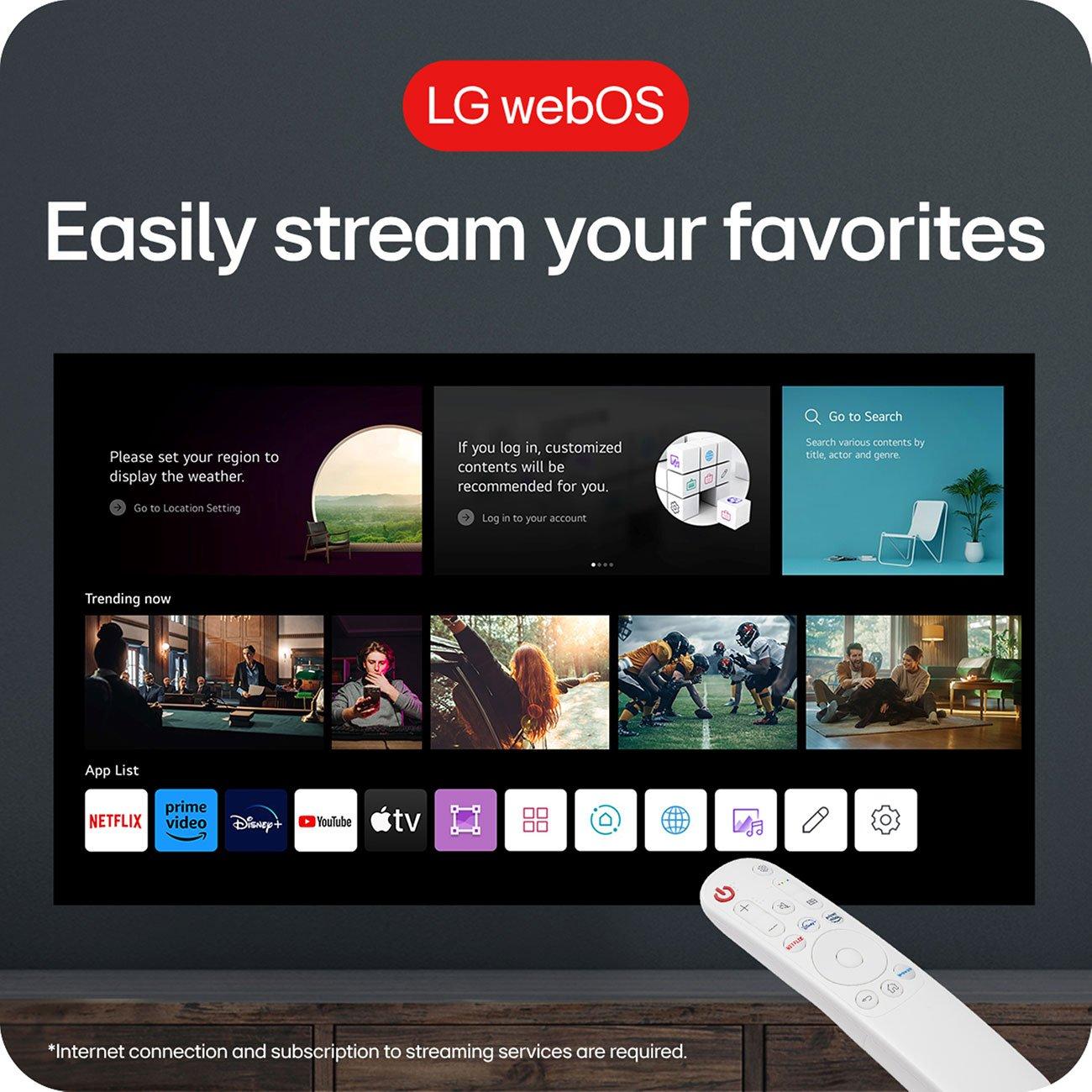
Where the LG CineBeam Q really shines is in its smart platform implementation. LG's webOS is, in my experience, the best TV operating system available, and having it built into such a small projector is remarkable. The interface is intuitive, app performance is smooth, and content discovery actually helps you find things to watch rather than overwhelming you with options.
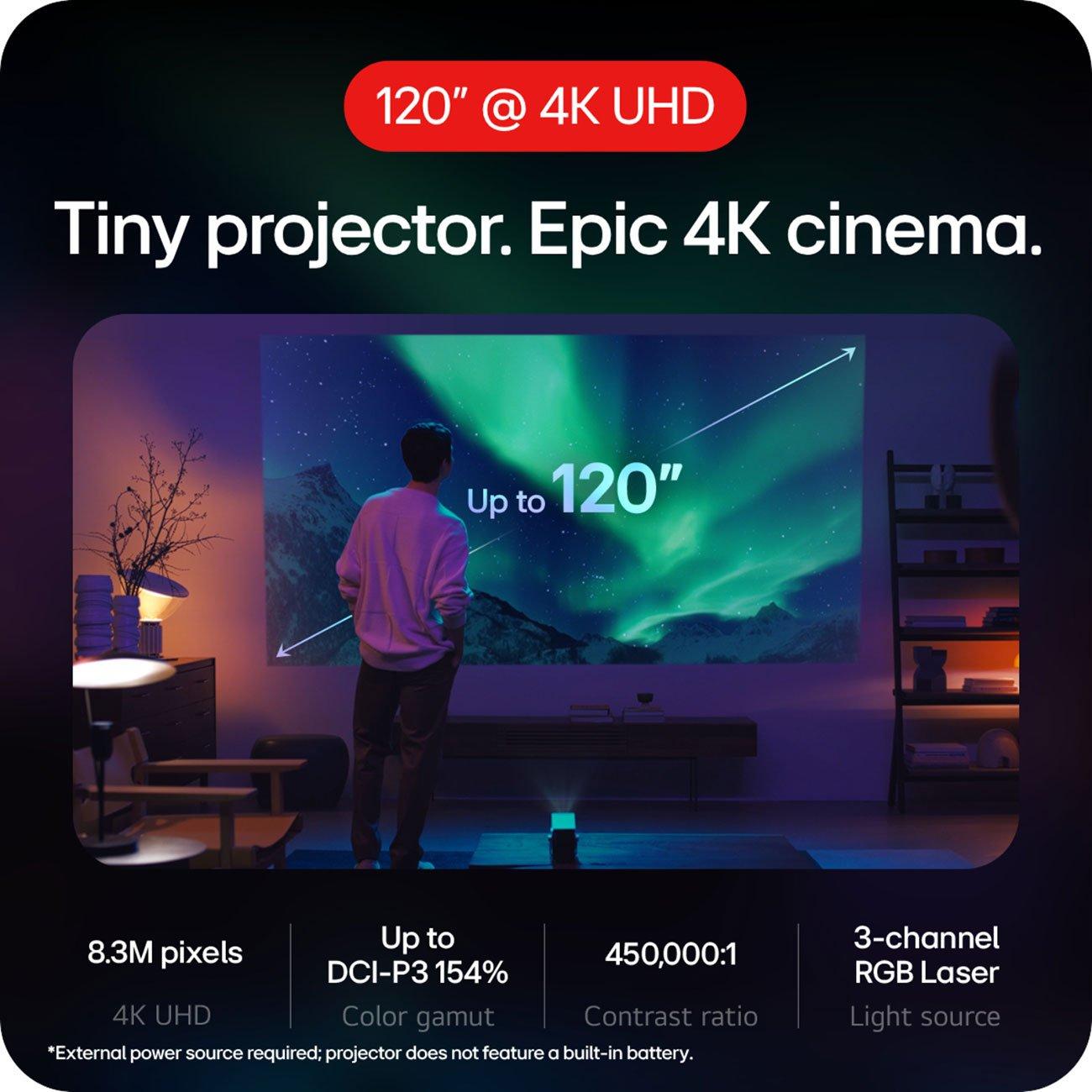
The RGB laser system in the LG CineBeam Q produces 500 ANSI lumens, which sounds dim compared to the Nebula X1 but is actually quite respectable for its size class. The color coverage of 154% DCI-P3 is impressive too – that's the color space used for most HDR content, meaning colors will look vibrant and accurate when conditions are right.
However, "when conditions are right" is the key phrase here. At 500 lumens, the LG CineBeam Q really needs a dark room to shine. In my testing of similar brightness projectors, any ambient light quickly washes out the image and reduces color saturation. This isn't necessarily a dealbreaker, but it does limit when and where you can use it effectively.
The built-in audio situation is where the LG CineBeam Q shows its compromises most clearly. The single 3W mono speaker is, frankly, terrible. It's the kind of tinny, weak sound that immediately breaks immersion and reminds you you're watching a tiny projector rather than having a cinematic experience. This means budgeting for external speakers or headphones is essentially mandatory.
Having used projectors ranging from ultra-portable to dedicated home theater models, I can tell you that brightness specifications aren't just numbers on a spec sheet – they fundamentally determine what you can actually do with the device.
The Nebula X1's 3,500-lumen output puts it in rare territory for a portable projector. In practical terms, this means you can set it up in a living room with normal lighting and still get a watchable image on a 100-inch screen. Turn off a few lights, and you'll get excellent contrast and color saturation. Take it outside for a backyard movie night, and you can start the show before it's completely dark.
The LG CineBeam Q's 500 lumens, while impressive for its size, requires much more careful environment control. In a completely dark room, it can produce a genuinely excellent 4K image with good color accuracy. But introduce even moderate ambient light – say, from a kitchen or hallway – and the image quickly becomes washed out and difficult to watch.
This brightness difference affects more than just visibility. Higher brightness allows for better HDR performance, as the projector can actually display the bright highlights that make HDR content look spectacular. Both projectors support HDR10 and HLG formats, but only the Nebula X1 has enough brightness headroom to make HDR content look noticeably better than standard dynamic range.
Color accuracy is another area where these projectors diverge. The Nebula X1's professional-grade color calibration (Delta E < 2) means colors look exactly as they should, which is particularly important for film enthusiasts who want to see content as directors intended. The LG CineBeam Q produces pleasing colors that look vivid and engaging, but they're more "enhanced" than strictly accurate.
Both projectors run full smart TV platforms, but they approach the experience differently. The LG CineBeam Q's webOS implementation is genuinely excellent – responsive, intuitive, and packed with streaming apps including the notoriously difficult-to-get Netflix. The content recommendations actually work well, and the overall interface feels polished and consumer-friendly.
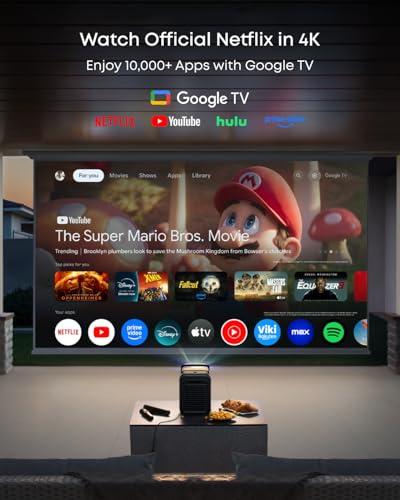
The Nebula X1 runs Google TV, which offers broader app compatibility and deeper Google ecosystem integration. If you use Google services heavily or prefer Chromecast functionality, it's a natural fit. However, Google TV can sometimes feel more cluttered and less elegant than webOS.
Both platforms eliminate the need for separate streaming devices, which is crucial for portable use. There's nothing worse than having to pack and set up multiple devices just to watch Netflix on a camping trip.
This is where the philosophical differences between these projectors become most apparent. The Nebula X1 treats audio as a crucial part of the cinema experience, building in a sophisticated 4.1.2 surround sound system that can actually create an immersive soundscape. The optional wireless satellite speakers extend this further, creating genuine surround sound that enhances both movies and gaming.
The LG CineBeam Q essentially punts on audio, providing a bare-minimum speaker that's clearly designed just to avoid having no sound at all. This isn't necessarily wrong – many users will want to use their own speakers or headphones anyway. But it does mean the total system cost needs to include external audio if you want anything approaching a good experience.
After spending time with both types of projectors, certain use patterns become clear. The Nebula X1 excels as a semi-permanent installation that you move between a few regular locations – maybe between a living room and backyard, or from home to a friend's place for movie nights. Its professional-grade image quality and complete audio system make it suitable for replacing a traditional TV in many situations.
The LG CineBeam Q is perfect for spontaneous use and truly portable scenarios. Hotel room entertainment, camping trips where you can bring a battery pack, small apartment living where storage space is premium – these are where its ultra-compact size becomes a genuine advantage.
For home theater use specifically, the Nebula X1 is clearly superior. Its brightness allows for flexible room lighting, the color accuracy satisfies film enthusiasts, and the audio system provides genuine cinematic immersion. The LG CineBeam Q can work for home theater in the right conditions (very dark room, external speakers), but it's not really designed for that role.
Both projectors support 4K gaming at 60Hz, but the Nebula X1 has lower input lag and better brightness for gaming in various lighting conditions. The larger screen sizes it supports (up to 300 inches vs. 120 inches) also create more immersive gaming experiences. However, for portable gaming setups or hotel room use, the LG CineBeam Q's compact size wins out.
At the time of writing, these projectors sit in very different price categories, with the Nebula X1 costing roughly twice as much as the LG CineBeam Q. But direct price comparison misses the point – they're solving different problems.
The LG CineBeam Q represents excellent value for ultra-portable 4K projection. When you consider that you're getting genuine 4K resolution, laser light source longevity, and an excellent smart platform in a 3-pound package, the price-to-performance ratio is impressive. Just budget for external speakers and understand the brightness limitations.
The Nebula X1 positions itself as a complete solution that doesn't compromise on performance. The higher price includes professional-grade optics, sophisticated automation, and a full audio system. When you factor in what you'd spend on separate audio equipment and the unique motorized gimbal system, the value proposition makes more sense.
After extensive consideration of both approaches, here's how I'd recommend thinking about the decision:
Choose the Nebula X1 if you prioritize image quality and want a projector that works well in various environments. It's perfect for users who want to replace or supplement a traditional TV, host regular movie nights, or need something that works well in less-than-ideal lighting conditions. The automated setup features make it accessible despite its professional-grade performance.
Choose the LG CineBeam Q if portability is genuinely important to your use case. If you're frequently traveling, living in a small space, or want something you can easily move between different locations, its compact size is genuinely transformative. Just ensure you can control lighting conditions and plan for external audio.
Both projectors represent the current state-of-the-art in their respective approaches to portable 4K projection. The Nebula X1 pushes the boundaries of what's possible in a semi-portable package, while the LG CineBeam Q maximizes convenience and true portability. Your choice should align with your specific use patterns and priorities rather than abstract notions of which is "better."
The portable projector category continues evolving rapidly, but these two models show the current endpoints of the spectrum: maximum performance versus maximum portability. Understanding which matters more to you will guide you to the right choice.
| Nebula X1 4K Triple Laser Projector | LG CineBeam Q 4K UHD Portable Laser Projector |
|---|---|
| Brightness - Most critical factor determining where you can actually use the projector | |
| 3,500 ANSI lumens (works in well-lit rooms and outdoors) | 500 ANSI lumens (requires dark rooms for best results) |
| Weight & Portability - Determines how easily you'll move it around | |
| 13.7 lbs (semi-portable, needs carrying case) | 3.3 lbs (truly portable, fits in backpack) |
| Screen Size Range - Maximum viewing experience possible | |
| Up to 300 inches (stadium-sized viewing) | Up to 120 inches (large but reasonable for most spaces) |
| Setup Automation - How much manual adjustment you'll need | |
| AI Spatial Adaptation with motorized gimbal (almost zero manual setup) | Basic auto keystone and focus (some manual tweaking needed) |
| Audio System - Whether you need external speakers | |
| Built-in 4.1.2 surround with optional wireless satellites (complete audio solution) | 3W mono speaker (external audio essentially required) |
| Throw Ratio - Installation flexibility for different room sizes | |
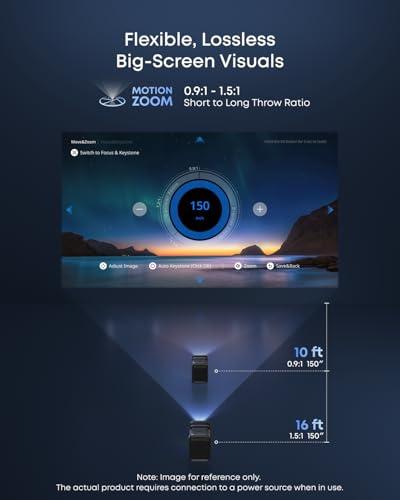
| 0.9:1 to 1.5:1 with optical zoom (very flexible positioning) | 1.2:1 fixed (limited positioning options) |
| Color Accuracy - Important for film enthusiasts | |
| 100% Rec.2020, Delta E < 2 (professional color accuracy) | 154% DCI-P3 (vibrant colors, consumer-friendly) |
| Power Requirements - Affects true portability | |
| AC power required (limits wireless use) | USB-C power (works with battery packs for wireless operation) |
| Smart Platform - Streaming experience and app selection | |
| Google TV (broad compatibility, Google ecosystem integration) | webOS (superior interface, excellent Netflix integration) |
| Contrast Ratio - Affects image depth and black levels | |
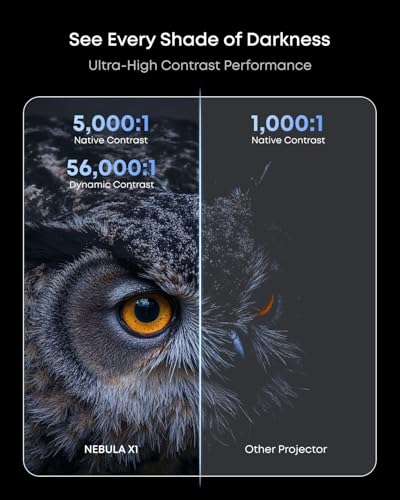
| 56,000:1 dynamic with 6-blade iris (excellent dark scene detail) | 450,000:1 dynamic (good contrast for size class) |
| Lens Quality - Long-term focus stability and image sharpness | |
| 14-element all-glass with aspherical elements (professional-grade optics) | Standard DLP lens system (good quality for portable class) |
| Gaming Performance - Input lag for responsive gaming | |
| <19ms input lag, 4K@60Hz (excellent for gaming) | Standard input lag, 4K@60Hz (adequate for casual gaming) |
| Environmental Durability - Outdoor and travel use | |
| Liquid cooling system, professional carrying case (designed for regular transport) | Compact cube design with handle (built for frequent travel) |
| Value Proposition - What you get for the investment | |
| Complete high-performance system with professional features | Ultra-portable 4K with excellent smart platform, requires audio investment |
The Nebula X1 4K Triple Laser Projector is significantly brighter at 3,500 ANSI lumens compared to the LG CineBeam Q at 500 ANSI lumens. This means the Nebula X1 can handle well-lit rooms and outdoor use, while the LG CineBeam Q requires dark environments for optimal viewing.
The LG CineBeam Q 4K UHD Portable Laser Projector is much more portable at just 3.3 pounds and cube-shaped design versus the Nebula X1 at 13.7 pounds. The LG CineBeam Q fits in a backpack and can run on USB-C power with battery packs, making it truly portable.
The Nebula X1 4K Triple Laser Projector includes a complete 4.1.2 surround sound system with optional wireless satellites, providing excellent built-in audio. The LG CineBeam Q has only a basic 3W mono speaker that essentially requires external audio for a good experience.
The Nebula X1 is superior for home theater with its 3,500 lumens brightness, professional color accuracy, immersive audio system, and support for screens up to 300 inches. The LG CineBeam Q can work for home theater in very dark rooms but is better suited for casual viewing.
The Nebula X1 4K Triple Laser Projector features AI Spatial Adaptation with a motorized gimbal that automatically handles focus, keystone correction, and positioning. The LG CineBeam Q has basic auto keystone and focus but may require some manual adjustments for optimal setup.
Both offer excellent smart platforms - the LG CineBeam Q 4K UHD Portable Laser Projector runs LG's superior webOS interface with intuitive navigation, while the Nebula X1 uses Google TV with broader app compatibility and Google ecosystem integration.
The Nebula X1 excels outdoors with its high brightness handling ambient light and weather-resistant carrying case. The LG CineBeam Q can work outdoors but only after dark due to its lower brightness, though its compact size makes it easier to transport for camping.
The LG CineBeam Q offers better value for ultra-portable 4K projection, while the Nebula X1 4K Triple Laser Projector provides better value as a complete high-performance system. Consider total costs including necessary audio upgrades for the LG CineBeam Q.
The Nebula X1 supports screens up to 300 inches with flexible throw ratios from 0.9:1 to 1.5:1, while the LG CineBeam Q 4K UHD Portable Laser Projector maxes out at 120 inches with a fixed 1.2:1 throw ratio, limiting installation flexibility.
Both support 4K gaming at 60Hz, but the Nebula X1 4K Triple Laser Projector offers lower input lag (<19ms) and better brightness for gaming in various lighting conditions. The LG CineBeam Q works fine for casual gaming but is limited by its brightness requirements.
The Nebula X1 delivers professional color accuracy with 100% Rec.2020 coverage and Delta E < 2, ideal for film enthusiasts. The LG CineBeam Q offers vibrant 154% DCI-P3 colors that look pleasing but are more enhanced than strictly accurate.
The Nebula X1 4K Triple Laser Projector requires AC power, limiting wireless use. The LG CineBeam Q 4K UHD Portable Laser Projector uses USB-C power and can run off portable battery packs, enabling truly wireless operation for camping or travel use.
We've done our best to create useful and informative comparisons to help you decide what product to buy. Our research uses advanced automated methods to create this comparison and perfection is not possible - please contact us for corrections or questions. These are the sites we've researched in the creation of this article: youtube.com - seenebula.com - projectorreviews.com - seenebula.com - whathifi.com - bestbuy.com - techradar.com - projectorcentral.com - youtube.com - avsforum.com - seenebula.com - blog.son-video.com - youtube.com - projectorcentral.com - projectorcentral.com - lg.com - thefrogpadappliances.com - youtube.com - techradar.com - lg.com - avsforum.com - lg.com - tomsguide.com - jefflynch.com - hometheaterview.com - projectorreviews.com - youtube.com - avsforum.com - projectorcentral.com - pcrichard.com - bhphotovideo.com - youtube.com - lg.com - applerivertvandappliance.com - big-georges.com - queencityonline.com - lg.com - lg.com - lg.com - lgnewsroom.com - heimkino.de

Privacy Policy
Terms and Conditions - Affiliate Policy
Home Security
© Copyright 2008-2026.
11816 Inwood Rd #1211, Dallas, TX 75244