






When portable projectors first hit the market, they were dim, pixelated disappointments that barely worked in pitch-black rooms. Fast-forward to 2024, and we're dealing with genuinely impressive machines that can turn any wall into a movie screen. The Anker Nebula Mars 3 Air and LG CineBeam Q 4K represent two completely different philosophies in this rapidly evolving space—and choosing between them depends entirely on what matters most to you.
The portable projector category has exploded in the past few years, driven by streaming services, remote work, and our endless desire to watch stuff on bigger screens. These aren't the clunky business projectors your dad wheeled around on carts—modern portable projectors are sleek, smart, and surprisingly capable.
But here's the thing: "portable" means different things to different manufacturers. Some prioritize true wireless freedom with built-in batteries, while others focus on cramming the best possible picture quality into a small package, even if it needs to stay plugged in. The Mars 3 Air and CineBeam Q represent these two camps perfectly.
When evaluating any portable projector, you need to consider several key factors. Display resolution determines how sharp your image looks—1080p shows about 2 million pixels, while 4K displays over 8 million. Brightness, measured in ANSI lumens (a standardized way to measure light output), determines how well you can see the image in different lighting conditions. Power systems affect where and how you can use the device. Audio quality matters because you won't always have external speakers handy. And finally, smart features determine whether you need additional streaming devices or if everything's built right in.
The market has grown sophisticated enough that you can now get legitimate 1080p performance for a few hundred dollars, while premium 4K models push into four-figure territory. The question is: what level of performance do you actually need?
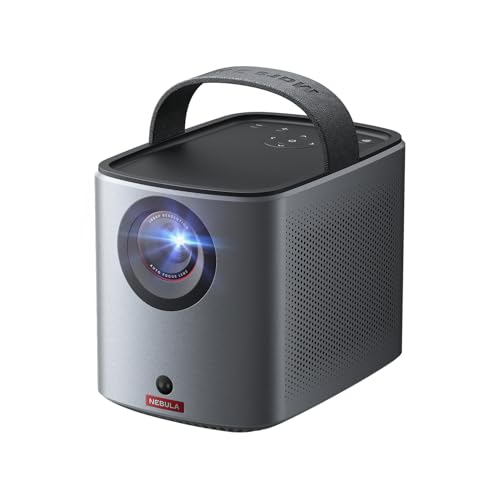
Released in early 2024, the Anker Mars 3 Air builds on Anker's reputation for reliable, user-friendly electronics. At roughly the cost of a mid-range smartphone (at the time of writing), it packs 1080p resolution, a built-in battery, quality speakers, and Google TV into a surprisingly portable package.
What makes the Mars 3 Air special isn't any single breakthrough feature—it's how well everything works together. The 400 ANSI lumens of LED-based brightness won't win any spec wars, but it's plenty for dark rooms. The built-in 65.8Wh battery provides around 2.5 hours of movie watching or up to 8 hours if you're just using it as a Bluetooth speaker. Those dual 8W speakers with Dolby Audio processing actually sound good enough that you might skip connecting external audio entirely.
But perhaps the most significant feature is something that sounds mundane: this was the first portable projector to include Netflix directly in its Google TV interface. That might not sound like a big deal, but if you've ever tried connecting dongles and streaming sticks to tiny projectors while camping or in a hotel room, you'll understand why built-in streaming matters.
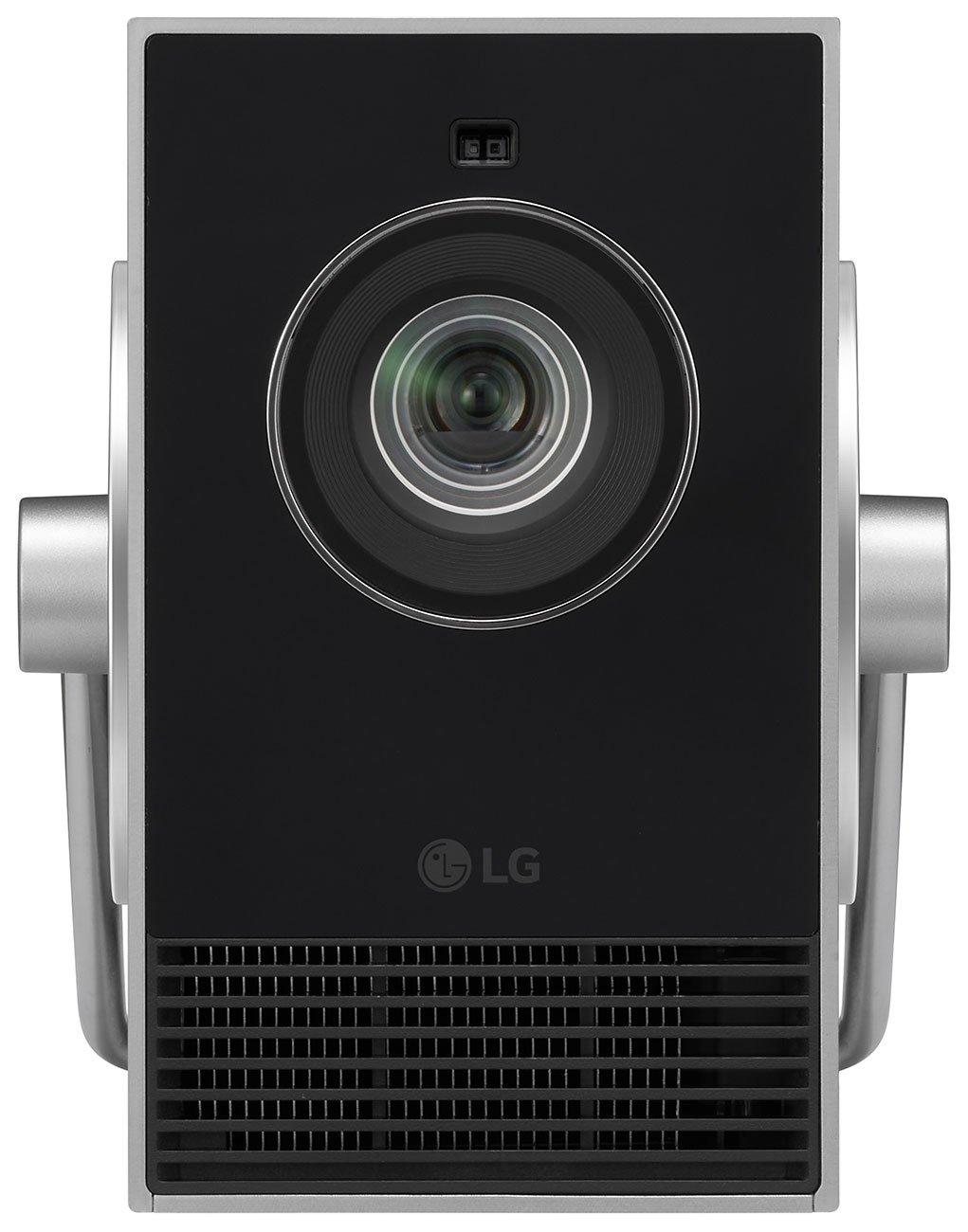
LG released the CineBeam Q a few months later in 2024, targeting users willing to pay premium prices for premium performance. At roughly three times the cost of the Mars 3 Air (at the time of writing), it delivers genuine 4K UHD resolution using an RGB laser light source—technology that was limited to high-end home theater projectors just a few years ago.
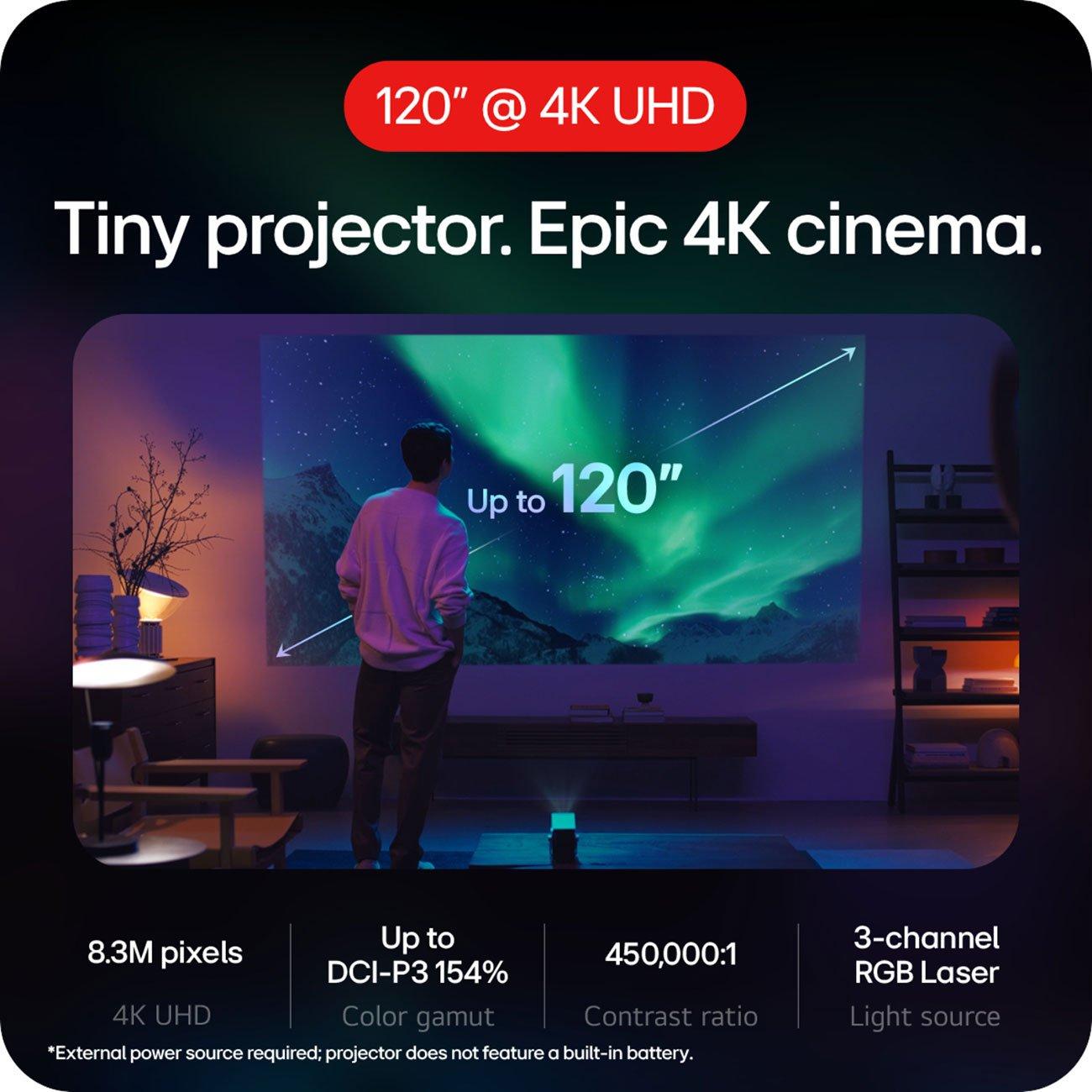
The LG CineBeam Q represents a fascinating engineering achievement. By using a three-channel laser system instead of traditional LEDs, LG created a projector that covers 154% of the DCI-P3 color space (the standard used in movie theaters). The result is colors that pop with intensity and accuracy you simply can't get from LED-based systems. The 500 ANSI lumens might not sound dramatically brighter than the Mars 3 Air's 400 lumens, but laser light tends to appear more vibrant and consistent.
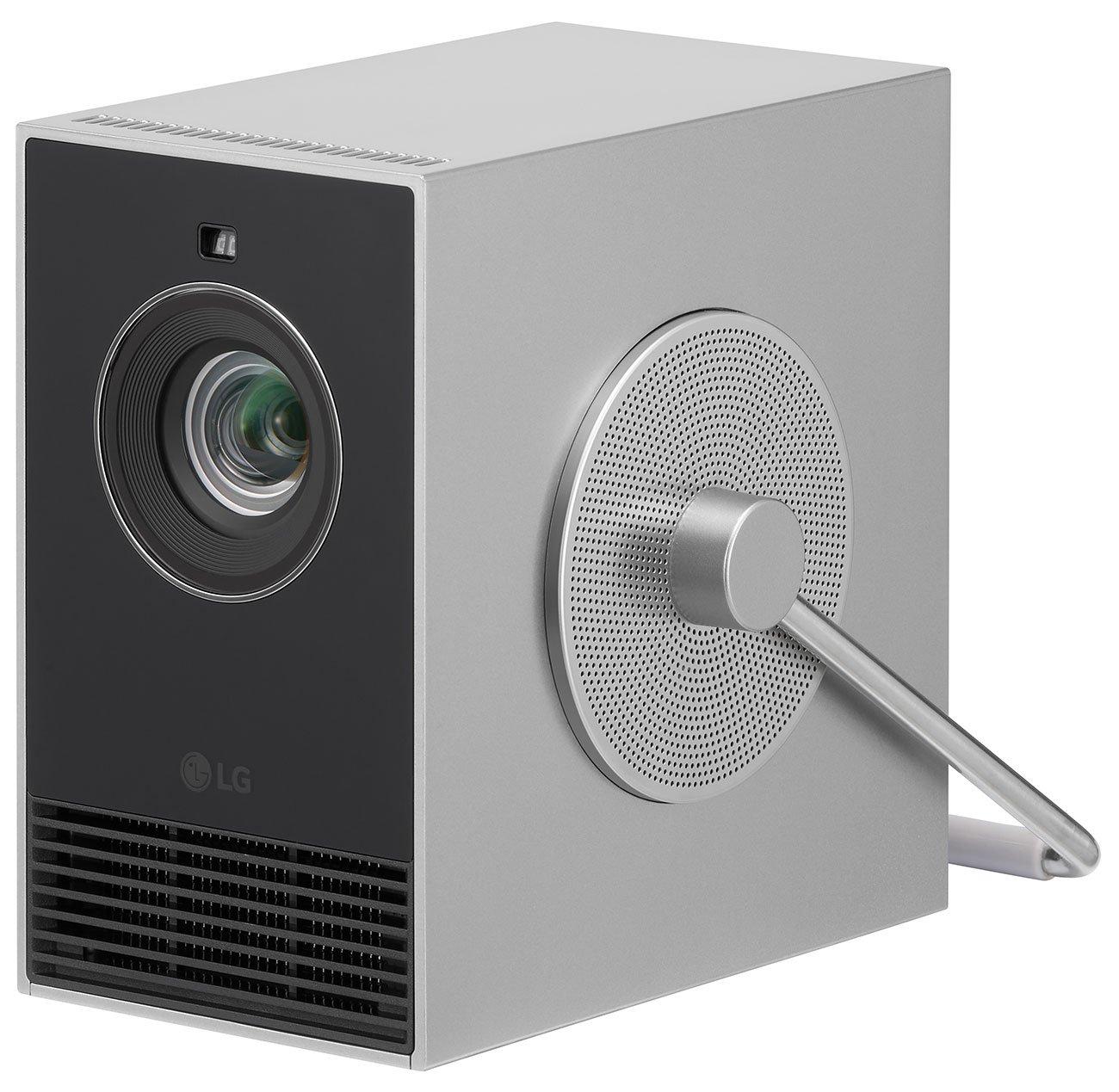
However, LG made a crucial trade-off: no built-in battery. The CineBeam Q runs exclusively on USB-C power, which keeps it compact and light but fundamentally changes how you use it.
This is where the biggest philosophical difference emerges. The LG CineBeam Q delivers true 4K resolution—3840×2160 pixels—while the Mars 3 Air maxes out at 1080p (1920×1080 pixels). In practical terms, 4K provides four times more detail than 1080p, assuming you're watching 4K content and sitting close enough to notice the difference.
But here's where it gets interesting: resolution isn't everything. The Mars 3 Air produces a consistently sharp, detailed 1080p image that looks great for most content. Unless you're sitting relatively close to a large screen (think 100+ inches) or watching native 4K material, the resolution difference might matter less than you'd expect.
What's more noticeable is color performance. The CineBeam Q's laser light source produces significantly more accurate and vibrant colors. RGB lasers can hit color points that LEDs simply can't reach, resulting in deeper reds, more accurate greens, and better overall color saturation. If you're used to watching movies on a quality OLED TV, the LG projector will feel more familiar.
The Mars 3 Air isn't bad—it produces good colors for an LED-based system—but it can't match laser technology. There's a slight red tint in dark scenes that becomes noticeable during movie watching, and HDR content doesn't have the same impact since the projector lacks HDR support entirely.
For brightness, both projectors work best in controlled lighting. The CineBeam Q's 500 lumens provides a modest advantage over the Mars 3 Air's 400 lumens, but neither will fight successfully against bright room lighting. Plan on dimming lights or closing curtains for the best experience with either model.
If there's one area where the Mars 3 Air dominates completely, it's audio. Those dual 8W speakers with Dolby Audio processing produce surprisingly full, rich sound that fills a room effectively. I've used plenty of portable projectors over the years, and most sound like they're playing music through a tin can. The Mars 3 Air actually sounds good enough that you might choose to use external speakers for the ultimate experience, rather than needing them for basic functionality.
The LG CineBeam Q's 3W mono speaker, on the other hand, feels like an afterthought. It's functional for system sounds and emergency audio, but you'll definitely want external speakers or headphones for any serious viewing. This isn't necessarily a dealbreaker—many people prefer external audio anyway—but it does add complexity and cost to your setup.
The Mars 3 Air doubles as a capable Bluetooth speaker when not projecting, which adds surprising utility. I've found myself using it as background music while cooking or working, then switching to movie mode later in the evening. That 8-hour audio battery life makes it genuinely useful as a standalone speaker.
Both projectors include built-in smart platforms, but they take different approaches. The Mars 3 Air runs Google TV, which provides access to virtually every streaming service you'd want, including the holy grail of projector streaming: built-in Netflix. This might sound trivial, but Netflix has historically been difficult to get working on projectors due to licensing restrictions. Having it work natively eliminates a major hassle.
Google TV also brings voice control through Google Assistant, which feels natural when you're across the room from a projector. The interface is snappy and responsive, and Chromecast support means you can easily beam content from your phone.
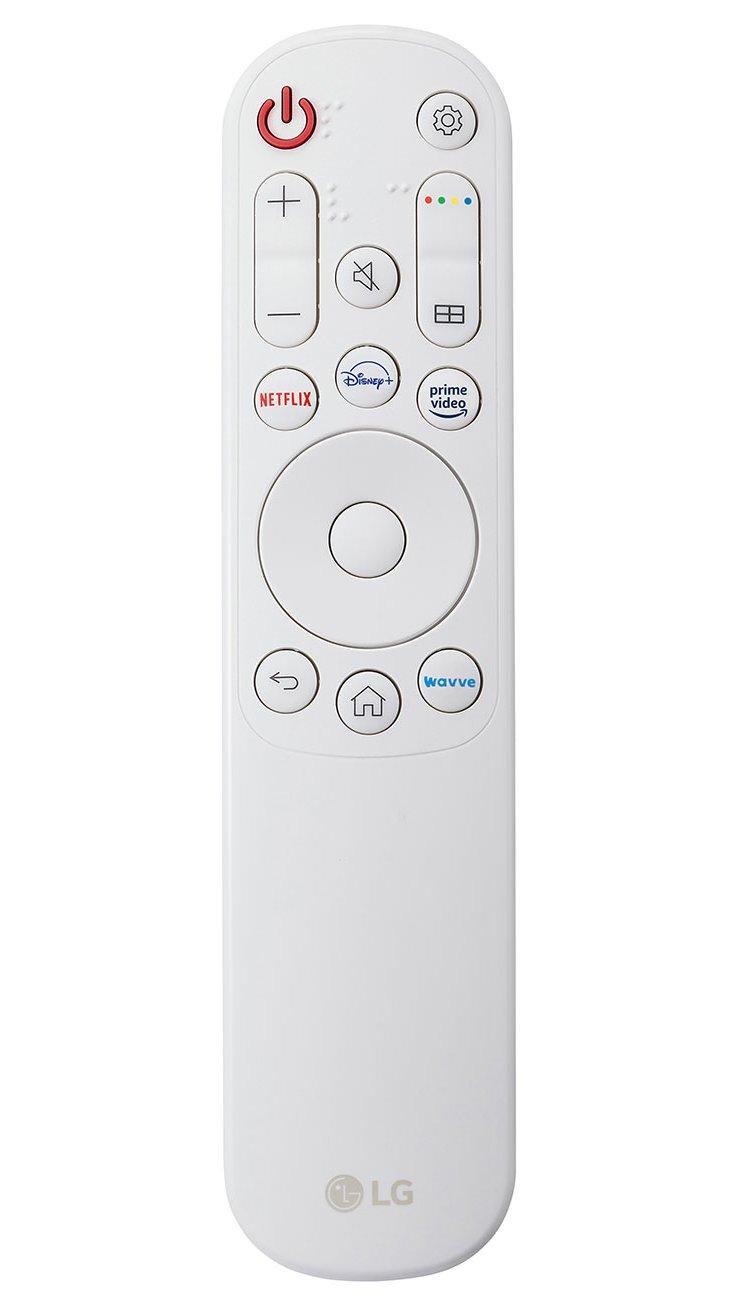
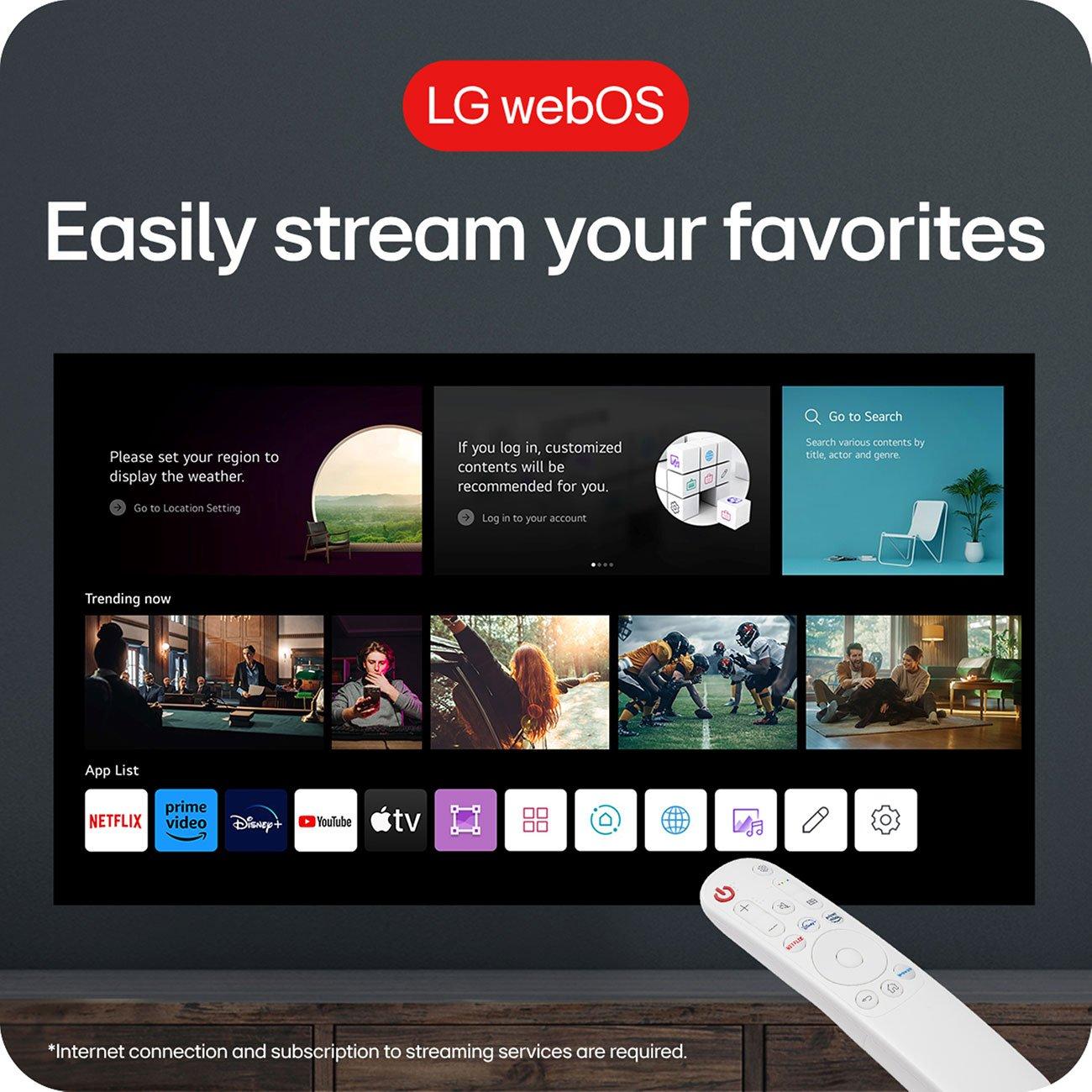
The CineBeam Q uses LG's webOS platform, which is equally capable but feels less comprehensive. You get Netflix, Disney+, Prime Video, and other major services, plus AirPlay 2 and screen sharing capabilities. WebOS works well, but Google TV feels more complete and future-proof.
Both projectors offer similar connectivity options—HDMI input, USB ports, and wireless streaming—so you can connect game consoles, laptops, or other devices when needed.
Here's where the philosophical differences become most apparent. The Mars 3 Air weighs about 3.7 pounds and includes that crucial built-in battery, making it truly portable in the "grab and go" sense. You can literally take it anywhere—camping trips, beach houses, hotel rooms, backyard movie nights—without worrying about power availability.
That 2.5-hour battery life might not sound like much, but it's enough for most movies, and you can always plug it in if you need longer runtime. More importantly, it opens up use cases that simply aren't possible with power-dependent projectors. Some of my best projector experiences have been impromptu outdoor movie nights where the battery was essential.
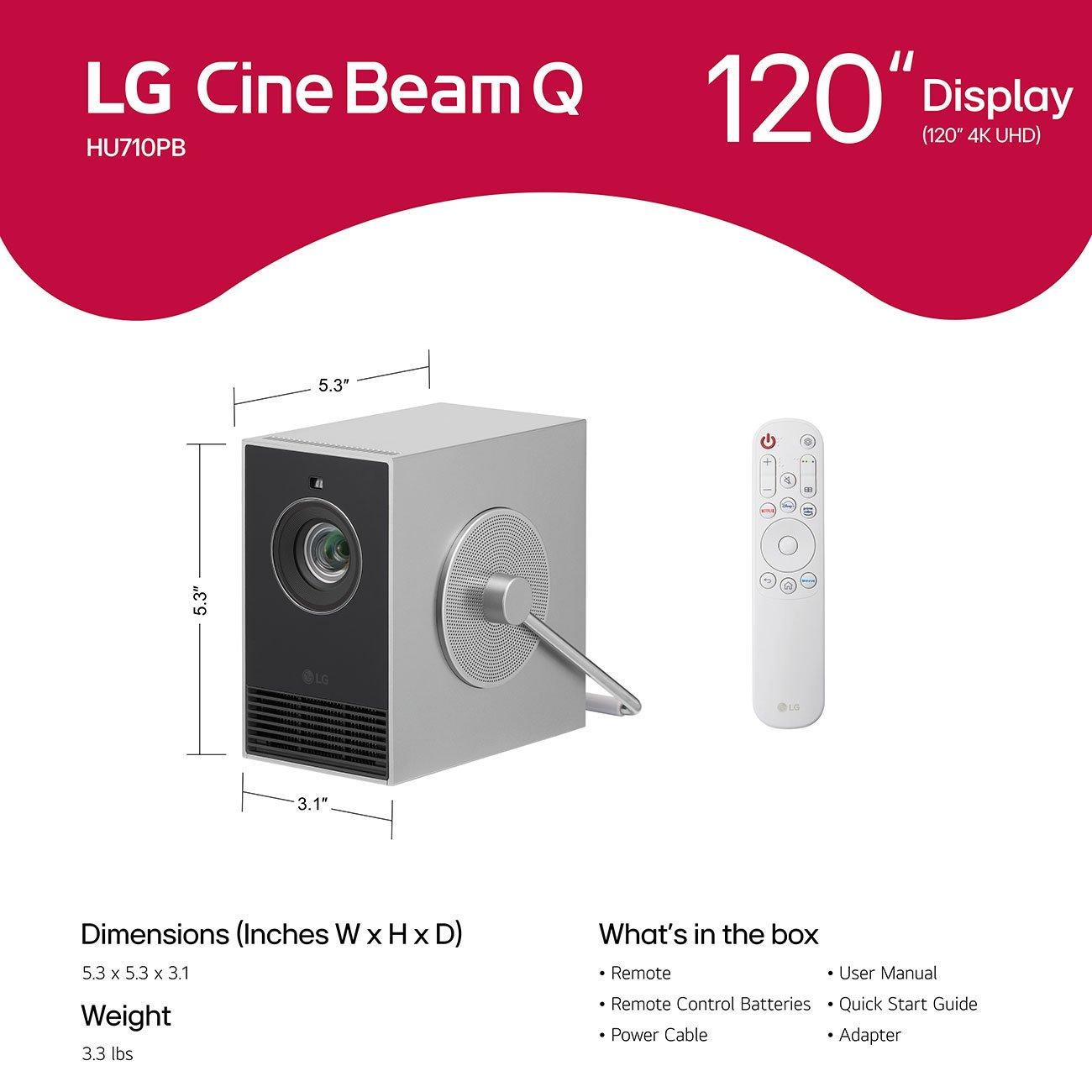
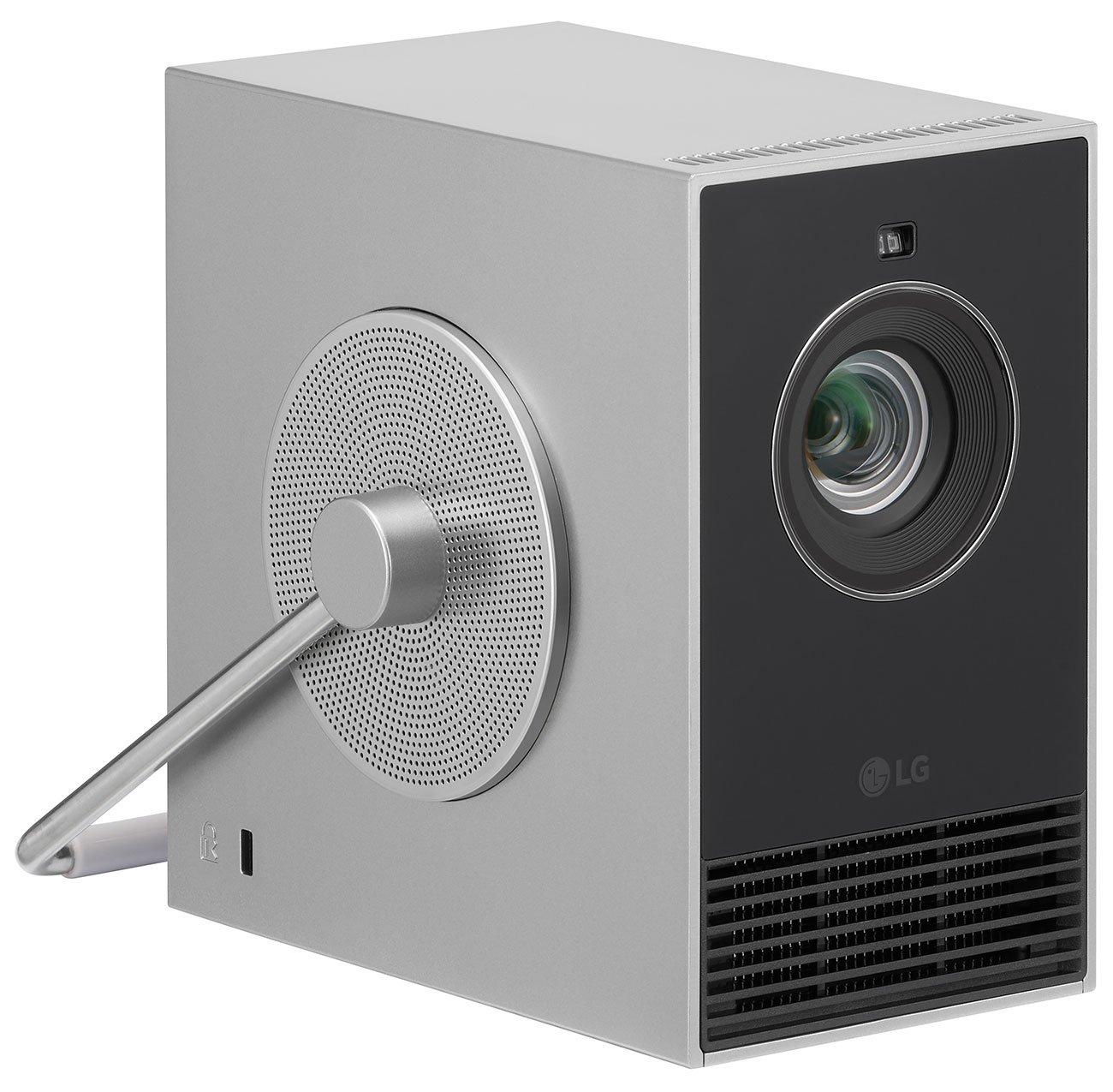
The LG CineBeam Q is actually smaller and lighter at 3.3 pounds, with an ingenious cube design that includes a handle that doubles as a stand. It's genuinely portable in terms of size and weight, but the USB-C power requirement fundamentally limits where you can use it. You're either tied to wall outlets or need to carry a separate portable battery pack.
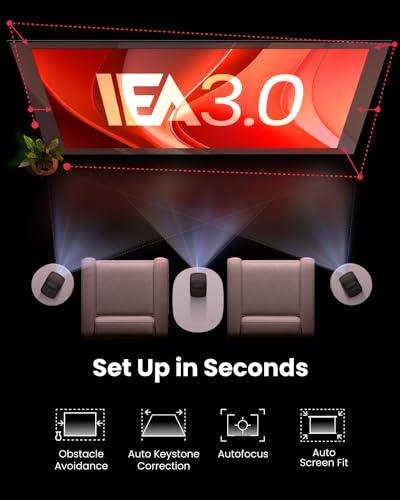
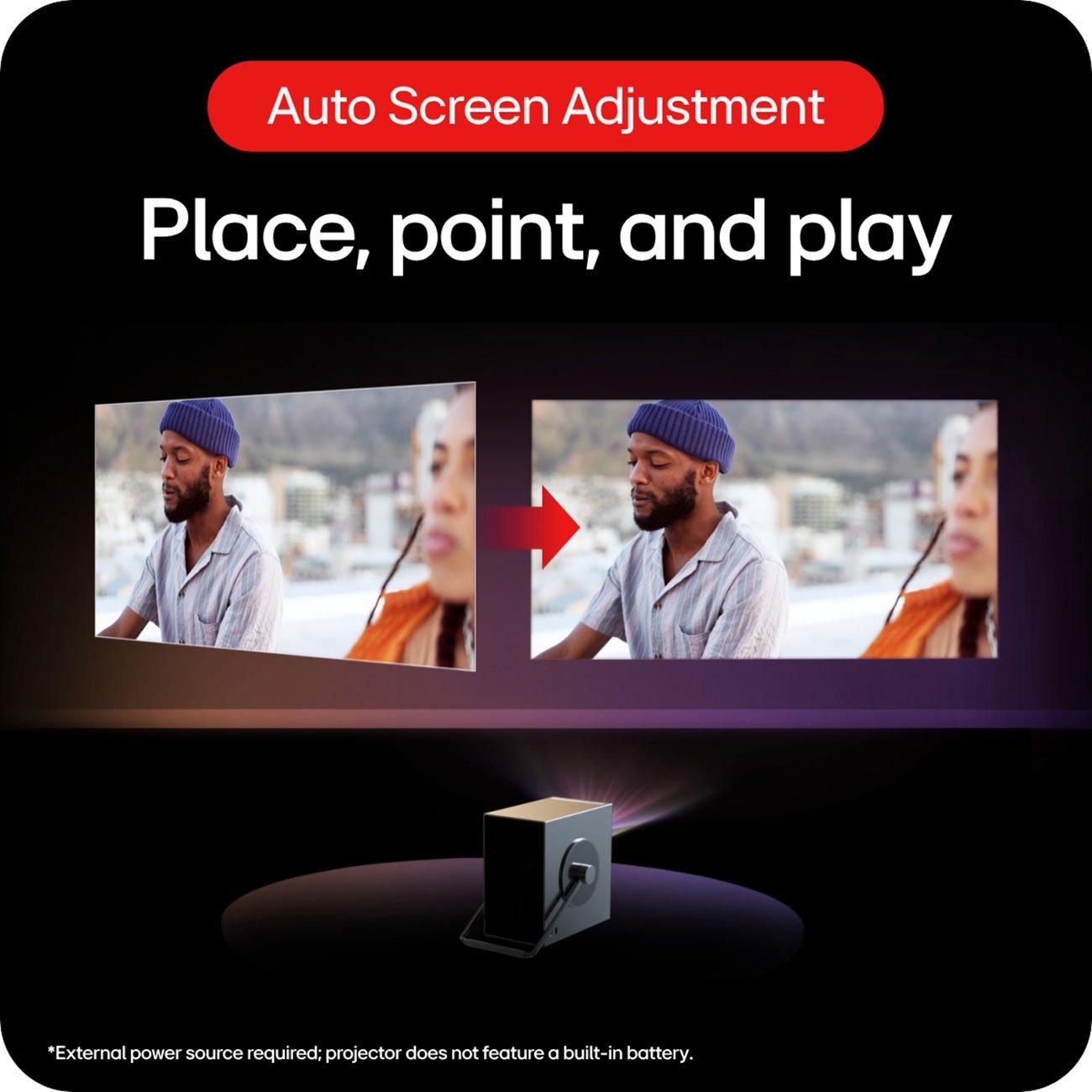
For home theater use, both projectors work well on coffee tables or shelves, though neither includes lens shift or extensive zoom capabilities. The Mars 3 Air offers automatic keystone correction and focus adjustment, while the CineBeam Q provides similar auto-adjustment features.
At the time of writing, these projectors target completely different price points and user needs. The Mars 3 Air delivers impressive value in the mid-range category, offering a complete entertainment solution for roughly the cost of a decent smartphone. It's not the brightest or sharpest projector available, but it does everything well enough that most users will be satisfied.
The LG CineBeam Q costs roughly three times as much but delivers genuinely premium picture quality. Whether that's worth the extra cost depends entirely on your priorities and viewing habits.
The Mars 3 Air makes sense for users who prioritize versatility and convenience. If you want a projector for camping trips, hotel rooms, backyard parties, or just general flexibility around the house, the battery power is invaluable. The combination of good 1080p picture quality, solid audio, and comprehensive smart features creates a package that handles most real-world scenarios effectively.
This projector also works well for families with kids who might want to set up impromptu movie watching in bedrooms, playrooms, or outdoor spaces. The durability and simplicity make it practical for regular use without babying.
Budget-conscious buyers will appreciate getting this level of functionality and convenience without breaking the bank. While it's not the cheapest projector available, it offers enough performance and features to feel like a solid long-term investment.
The CineBeam Q targets users who prioritize picture quality above all else and have the budget to match. If you primarily watch movies at home and want the sharpest, most colorful image possible in a portable package, the 4K laser projection justifies the premium price.
This projector makes sense for dedicated home theater setups where you'll always have power available and can add external audio. The compact size and attractive design work well in living rooms or dedicated media spaces where aesthetics matter.
Photography or video enthusiasts who want to share 4K content will appreciate having native resolution support. The wide color gamut and laser technology provide more accurate color reproduction for professional or creative work.
After extensive consideration, I lean toward recommending the Mars 3 Air for most users. The battery-powered convenience opens up so many use cases that simply aren't possible with power-dependent projectors, and the picture quality is genuinely good enough for most viewing scenarios. The superior audio and comprehensive smart features create a more complete package that feels worth the asking price.
However, the LG CineBeam Q serves an important niche for users who can justify the premium price for premium performance. If picture quality is your top priority and you don't need battery power, the 4K laser projection delivers a noticeably superior viewing experience.
The key is honestly assessing how you'll actually use the projector. If you imagine outdoor movie nights, hotel room entertainment, or portable gaming sessions, the Mars 3 Air provides capabilities that money can't buy in the CineBeam Q. If you primarily want the best possible image quality for home viewing and don't mind staying plugged in, the LG projector offers performance that justifies its premium positioning.
Either way, both projectors represent the current state of the art in portable projection technology. We've come a long way from those dim, pixelated units of just a few years ago, and both the Mars 3 Air and CineBeam Q prove that portable doesn't have to mean compromised anymore.
| Anker Nebula Mars 3 Air | LG CineBeam Q 4K |
|---|---|
| Display Resolution - Determines image sharpness and detail level | |
| 1080p (1920×1080) - Sharp for most content, sufficient for screens under 100" | 4K UHD (3840×2160) - Four times more detail, noticeable on large screens with 4K content |
| Light Source Technology - Affects color accuracy and longevity | |
| LED (30,000 hour lifespan) - Reliable but limited color range | RGB Laser (20,000 hour lifespan) - Superior color accuracy, covers 154% DCI-P3 |
| Brightness - Critical for ambient light performance | |
| 400 ANSI lumens - Best in darkened rooms, struggles with ambient light | 500 ANSI lumens - Slightly brighter but still requires controlled lighting |
| Built-in Battery - Determines true portability | |
| 65.8Wh battery (2.5 hours video, 8 hours audio) - True wireless freedom | No battery - Requires constant USB-C power, limits location flexibility |
| Audio System - Important when external speakers aren't available | |
| Dual 8W speakers with Dolby Audio - Room-filling sound, doubles as Bluetooth speaker | Single 3W mono speaker - Adequate for basic use, external audio recommended |
| Smart Platform - Affects streaming convenience and app availability | |
| Google TV with built-in Netflix - First portable projector with native Netflix support | webOS with streaming apps - Solid platform but less comprehensive than Google TV |
| Weight and Portability - Impacts ease of transport and setup | |
| 3.7 lbs with carrying handle - Heavier but includes battery for true mobility | 3.3 lbs with 360° rotating handle/stand - Lighter and more compact design |
| HDR Support - Enhances color and contrast for compatible content | |
| No HDR support - Standard dynamic range only | HDR10 and HLG support - Better contrast and color with HDR content |
| Value Positioning - Price-to-performance consideration | |
| Mid-range pricing for complete wireless solution - Excellent value for versatility | Premium pricing for 4K laser quality - Justified for image quality priorities |
The LG CineBeam Q 4K delivers superior picture quality with true 4K UHD resolution (3840×2160) compared to the Anker Nebula Mars 3 Air's 1080p resolution. The LG CineBeam Q also uses RGB laser technology that produces more vibrant colors covering 154% of DCI-P3 color space, while the Mars 3 Air relies on LED technology with more limited color reproduction.
Only the Anker Nebula Mars 3 Air offers true wireless operation with its built-in 65.8Wh battery providing 2.5 hours of movie playback. The LG CineBeam Q requires constant USB-C power connection and cannot operate on battery power, limiting its portability to locations with available power sources.
The Anker Mars 3 Air is significantly better for outdoor use thanks to its built-in battery, robust dual 8W speakers, and durable design. The LG CineBeam Q would require a portable power bank for outdoor use and has inadequate audio with its single 3W speaker, making the Mars 3 Air the clear choice for camping or backyard movies.
Neither projector excels in bright ambient light. The LG CineBeam Q produces 500 ANSI lumens compared to the Mars 3 Air's 400 lumens, but both require darkened rooms for optimal viewing. You'll need to close curtains or dim lights for the best experience with either projector.
The Anker Mars 3 Air has significantly better audio with dual 8W Dolby Audio speakers that produce room-filling sound. The LG CineBeam Q includes only a single 3W mono speaker that reviewers describe as inadequate, essentially requiring external speakers or headphones for enjoyable viewing.
Yes, both projectors support Netflix streaming, but the Anker Mars 3 Air was the first portable projector to offer built-in Netflix on its Google TV platform. The LG CineBeam Q also supports Netflix through its webOS platform, along with other major streaming services like Disney+ and Prime Video.
While the LG CineBeam Q is lighter at 3.3 pounds versus 3.7 pounds for the Mars 3 Air, the Anker projector is more travel-friendly due to its built-in battery. The CineBeam Q requires power sources, making the battery-powered Mars 3 Air better for hotels, camping, and locations without convenient outlets.
Both projectors can handle gaming, but neither is optimized for competitive gaming. The Mars 3 Air offers 45ms input lag in game mode, which is acceptable for casual gaming. The LG CineBeam Q's 4K resolution provides sharper detail for gaming, but you'll need to factor in the requirement for constant power and external audio.
The Anker Mars 3 Air can project images from 30 to 150 inches, while the LG CineBeam Q supports up to 120-inch screen sizes. Both work best at 80-100 inches for optimal brightness and detail. The CineBeam Q's 4K resolution maintains sharpness better at larger sizes than the Mars 3 Air's 1080p resolution.
The Anker Mars 3 Air offers superior value for most users, providing a complete wireless entertainment solution with good 1080p quality, excellent audio, and built-in streaming at a mid-range price point. The LG CineBeam Q costs significantly more but delivers premium 4K laser projection quality that justifies the price for image quality enthusiasts.
Both projectors work for presentations, though the LG CineBeam Q's 4K resolution provides sharper text and graphics. The Mars 3 Air's battery power makes it more convenient for conference rooms without ideal power access. Both include HDMI connectivity and wireless screen mirroring capabilities for laptops and mobile devices.
For permanent home theater installations, the LG CineBeam Q provides superior image quality with 4K resolution and laser color accuracy, though you'll need to add external speakers. The Mars 3 Air works well for flexible home theater use where you might move the projector between rooms, thanks to its battery power and built-in quality audio system.
We've done our best to create useful and informative comparisons to help you decide what product to buy. Our research uses advanced automated methods to create this comparison and perfection is not possible - please contact us for corrections or questions. These are the sites we've researched in the creation of this article: techradar.com - thesmarthomehookup.com - whathifi.com - thesmarthomehookup.com - cnet.com - whathifi.com - projectorreviews.com - youtube.com - youtube.com - versus.com - projectorcentral.com - practicalmotorhome.com - youtube.com - seenebula.com - us.seenebula.com - harveynorman.ie - projectorcentral.com - lg.com - thefrogpadappliances.com - youtube.com - techradar.com - lg.com - avsforum.com - lg.com - tomsguide.com - jefflynch.com - hometheaterview.com - projectorreviews.com - youtube.com - avsforum.com - projectorcentral.com - pcrichard.com - bhphotovideo.com - youtube.com - lg.com - applerivertvandappliance.com - big-georges.com - queencityonline.com - lg.com - lg.com - lg.com - lgnewsroom.com - heimkino.de

Privacy Policy
Terms and Conditions - Affiliate Policy
Home Security
© Copyright 2008-2026.
11816 Inwood Rd #1211, Dallas, TX 75244