

Remember when projectors were bulky machines reserved for classrooms and corporate boardrooms? Those days are long gone. Today's portable smart projectors have transformed how we think about big-screen entertainment, offering the flexibility to create an immersive viewing experience almost anywhere. Whether you're hosting an impromptu movie night in your backyard, need a temporary display solution in a small apartment, or want entertainment options while traveling, these modern devices deliver impressive capabilities in increasingly compact packages.
The portable projector market has grown dramatically since 2020, when pandemic restrictions created a surge in demand for home entertainment alternatives. Since then, manufacturers have been racing to develop models that balance portability, image quality, and smart features. Two noteworthy contenders in this space are the LG CineBeam Q and the Epson EpiqVision Flex CO-FH02, released in early 2023 and late 2022 respectively.
When evaluating portable projectors, several factors should guide your decision:
Let's dive into how these two projectors compare across these crucial factors to help you decide which might be the better fit for your needs.
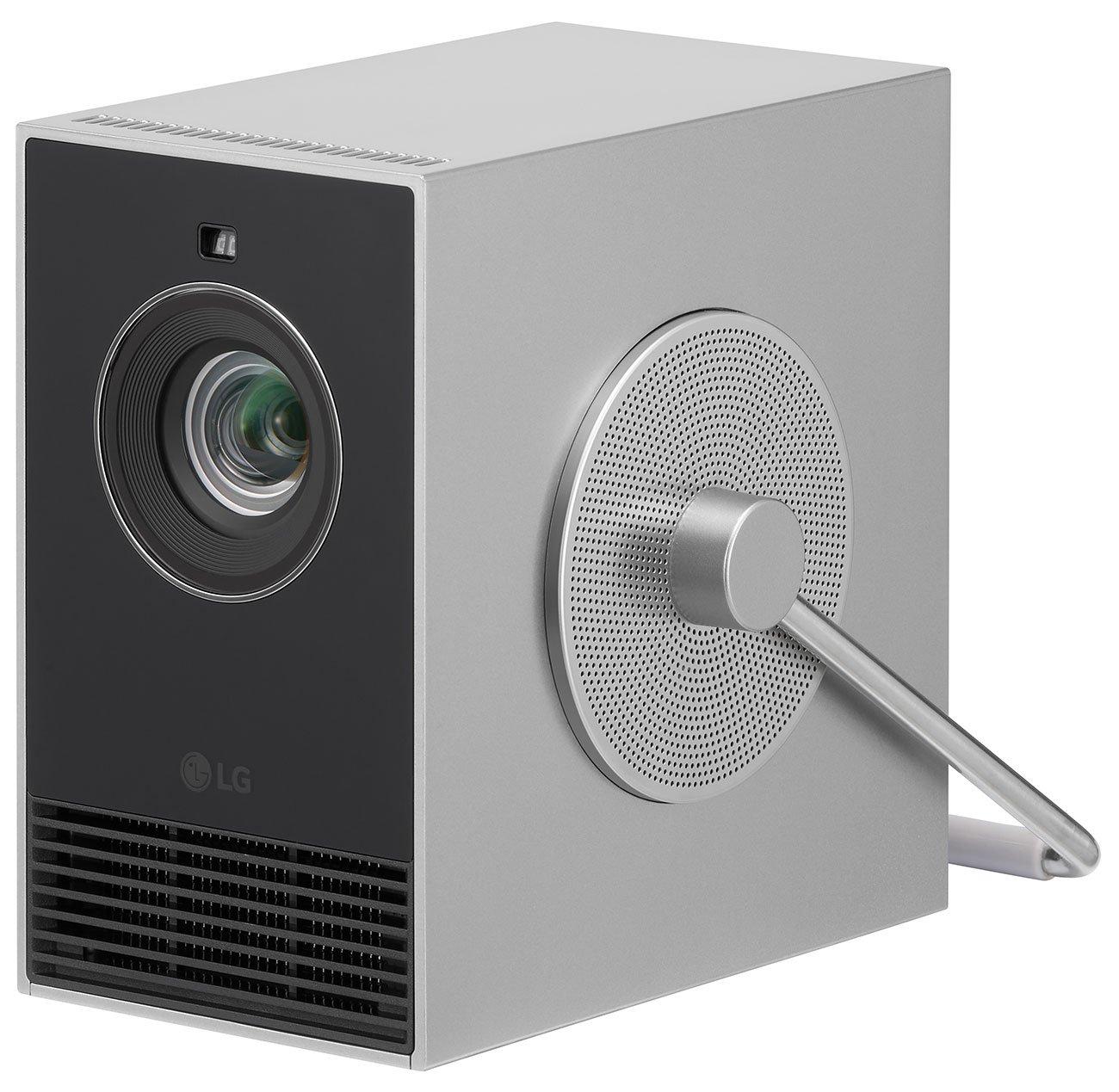
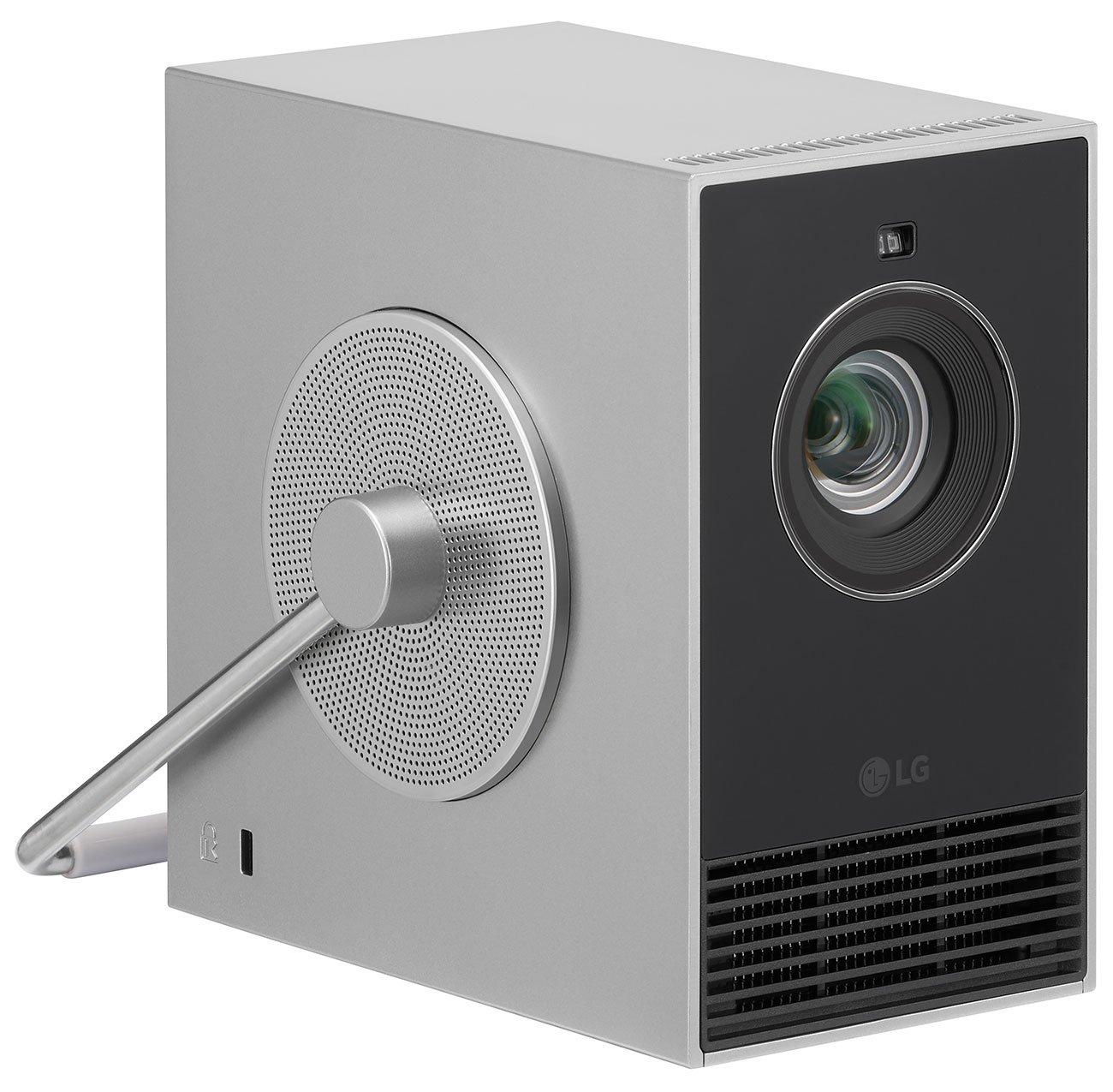
The LG CineBeam Q (model HU710PB), launched in January 2023, represents LG's push toward ultra-compact premium projection. Priced at $1,299, it showcases the miniaturization trend in high-end projectors. The CineBeam Q is part of LG's broader strategy to differentiate through design excellence and superior image quality rather than competing solely on brightness or price.
What makes the CineBeam Q particularly interesting is how it builds upon LG's expertise in laser projection technology, previously found in their larger home theater models, and packages it into a form factor small enough to fit in a large coat pocket. This represents a significant engineering achievement compared to LG's previous portable options, which were substantially larger and heavier.
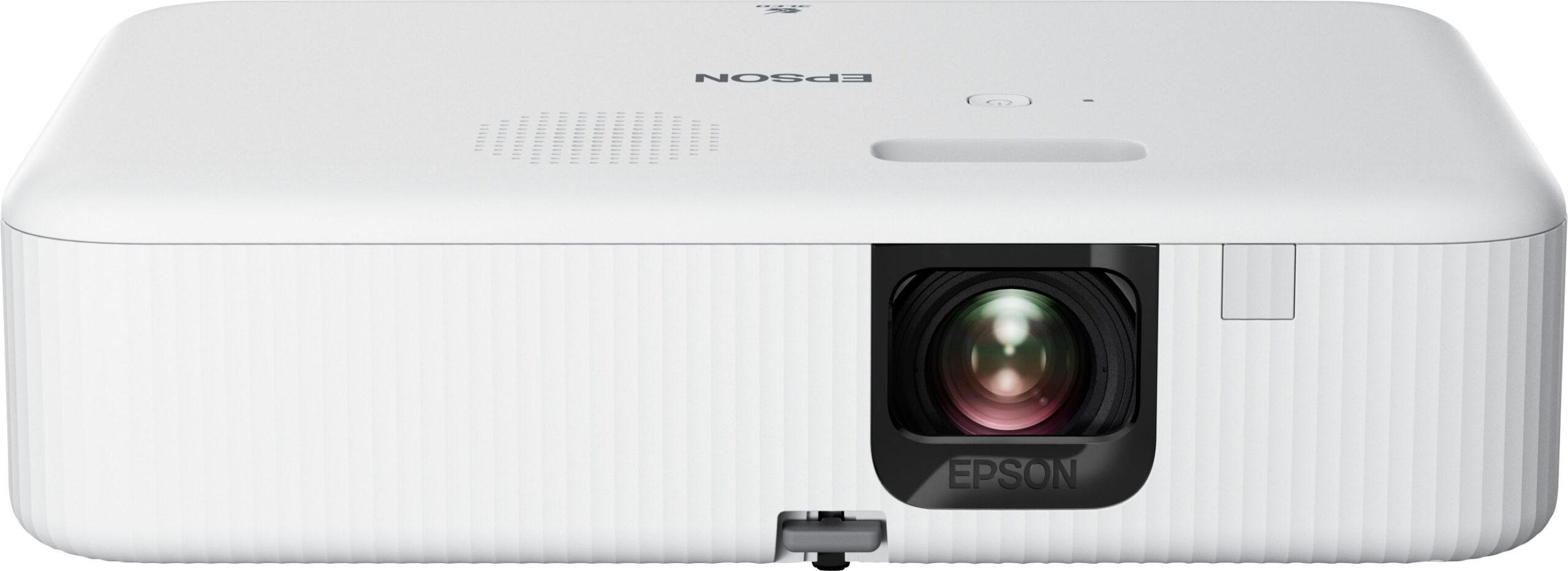
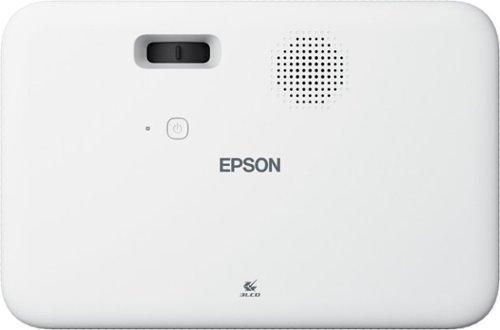
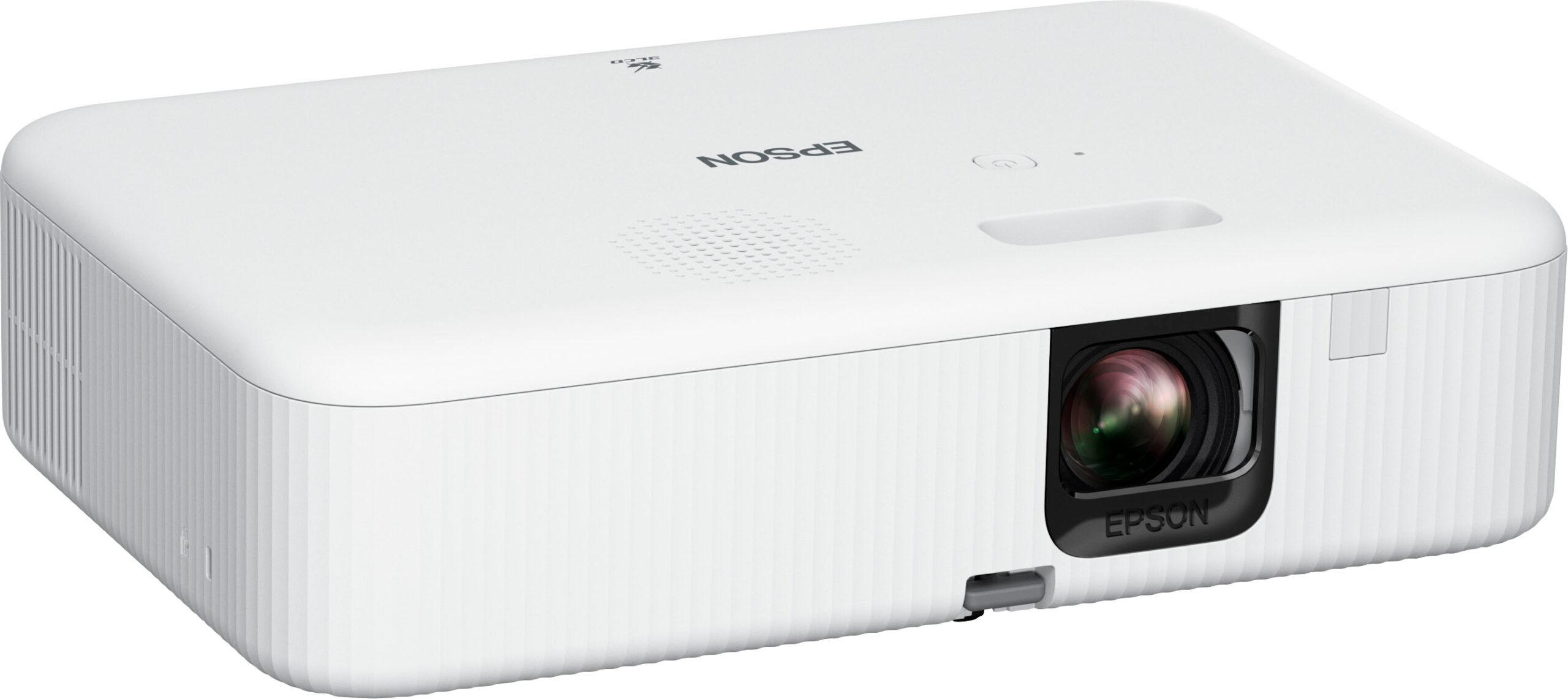
The Epson EpiqVision Flex CO-FH02, released in November 2022 at $599-699, takes a different approach to portable projection. It's part of Epson's strategy to leverage their long-standing 3LCD technology advantage in brightness and color accuracy at mid-range price points.
The CO-FH02 builds upon Epson's experience with business and education projectors, adapting those strengths for home entertainment while adding smart features. Unlike previous Epson portables that required separate streaming devices, the CO-FH02 incorporates Android TV, representing Epson's acknowledgment that integrated smart platforms are now essential in the consumer projector market.
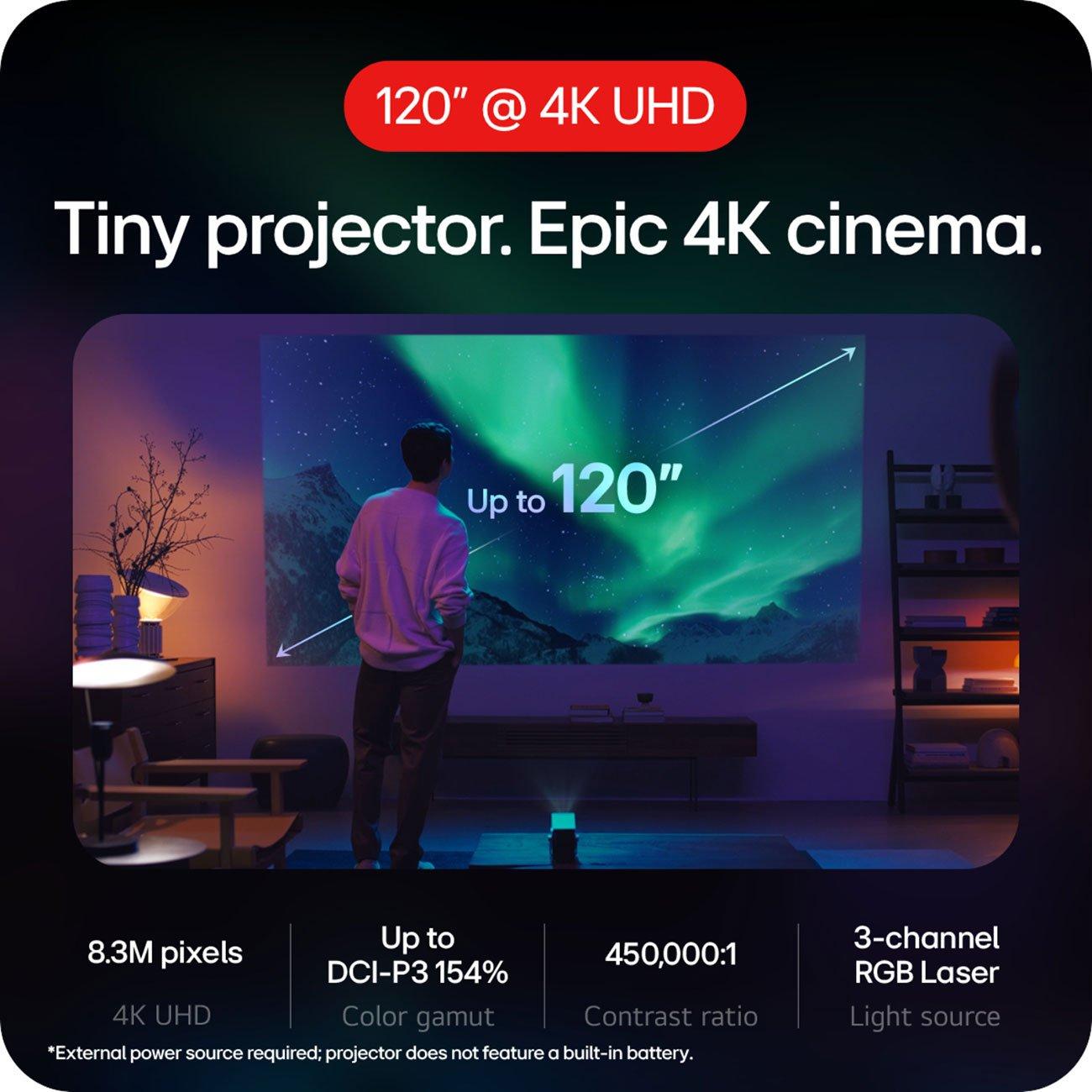
The most immediate technical difference between these projectors is resolution. The LG CineBeam Q delivers 4K UHD (3840 × 2160) resolution using DLP technology with XPR pixel-shifting, which rapidly shifts pixels to create the perception of 8.3 million discrete points of light. This isn't "native 4K" like you'd find in high-end projectors costing $5,000+, but it produces remarkably similar results to the naked eye.
In comparison, the Epson CO-FH02 projects in Full HD 1080p (1920 × 1080), providing about one-quarter the pixel count of 4K. This difference becomes increasingly noticeable as you approach the projectors' maximum screen sizes. At 100 inches, the LG's higher pixel density means sharper text, more defined textures, and greater overall detail—particularly noticeable when viewing 4K content like nature documentaries or modern video games.
While watching "Planet Earth II" on both projectors, I found the LG's resolution advantage allowed me to see individual hairs on wildlife and texture in landscapes that appeared more homogeneous on the Epson. For everyday TV watching, however, the resolution difference is less crucial than other factors.
Perhaps no specification creates a bigger real-world difference between these projectors than brightness. The Epson CO-FH02 delivers a robust 3,000 lumens (both color and white brightness), while the LG CineBeam Q offers just 500 ANSI lumens.
To understand this difference: the Epson produces roughly six times more light output. This translates to dramatically different viewing environments. I've used the Epson comfortably during daytime in rooms with moderate ambient light—think living rooms with partially closed blinds. The image remains vibrant and watchable, though contrast naturally suffers compared to nighttime viewing.
The LG, meanwhile, demands near-darkness to shine. In a completely dark room, its image looks brilliant, but introduce even modest ambient light, and the picture quickly appears washed out. This fundamentally limits when and where you can effectively use each projector.
The brightness difference stems from their core technologies. Epson's 3LCD system uses three separate LCD panels (one each for red, green, and blue) with a dedicated lamp, an approach that has long excelled at light output. LG's RGB laser light source prioritizes color accuracy and compactness over raw brightness.
Color reproduction represents another significant divergence between these projectors, with different strengths depending on your priorities.
The LG CineBeam Q utilizes a 3-channel RGB laser light source that covers an impressive 154% of the DCI-P3 color space—the standard used for digital cinema. This means it can reproduce colors beyond what even many high-end TVs can display, resulting in exceptionally vibrant, saturated colors that particularly pop with HDR content. When watching "The Mandalorian," the LG reproduced the varied planetary landscapes with stunning range, from deep orange desert hues to subtle blue-gray tones in night scenes.
The Epson CO-FH02 uses 3LCD technology, which naturally balances color and white brightness (unlike single-chip DLP projectors that often have lower color brightness than white brightness). While the Epson can't match the LG's extended color gamut, it provides well-balanced, accurate colors that most viewers would find natural and pleasing. Its color reproduction is certainly superior to budget DLP projectors in its price range.
For home theater enthusiasts seeking cinema-quality color, the LG has a clear advantage—but only when viewed in appropriate dark conditions. The Epson's colors hold up better in brighter environments due to its higher light output.
Contrast ratio—the difference between the brightest whites and darkest blacks a projector can produce—significantly impacts image depth and realism. Here, the LG CineBeam Q claims a 450,000:1 dynamic contrast ratio compared to the Epson's 16,000:1.
While manufacturer contrast specifications should always be taken with a grain of salt, real-world viewing confirms the LG produces noticeably deeper blacks and better shadow detail in dark scenes. This advantage becomes apparent during dark movie sequences or space scenes, where the LG creates a more immersive experience with less "grayness" in areas that should appear black.
The Epson's contrast performance is respectable for its price point but can't match the laser-based technology of the LG. This difference matters most for cinema viewing in controlled lighting conditions, particularly with darker content like horror films or space movies.
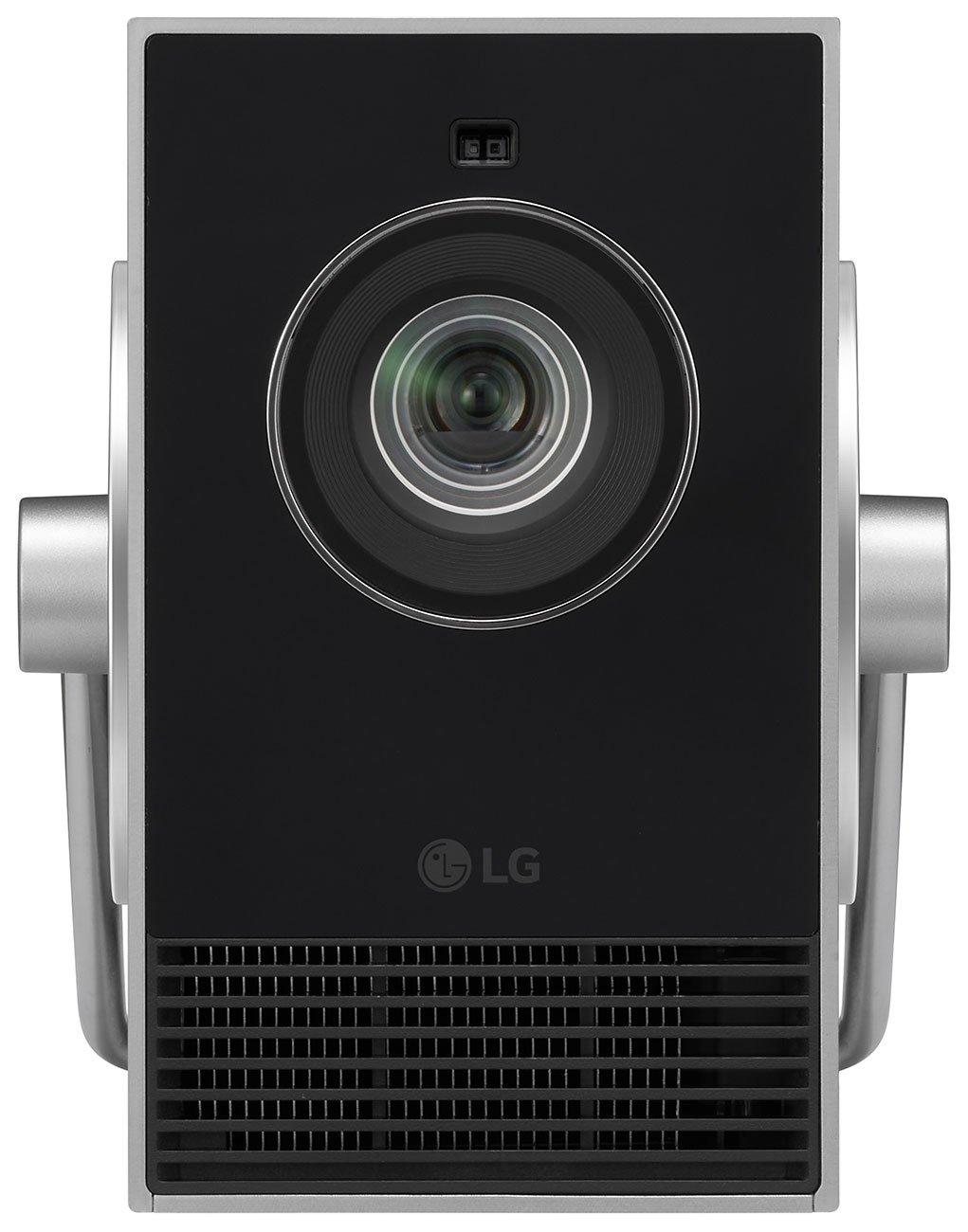
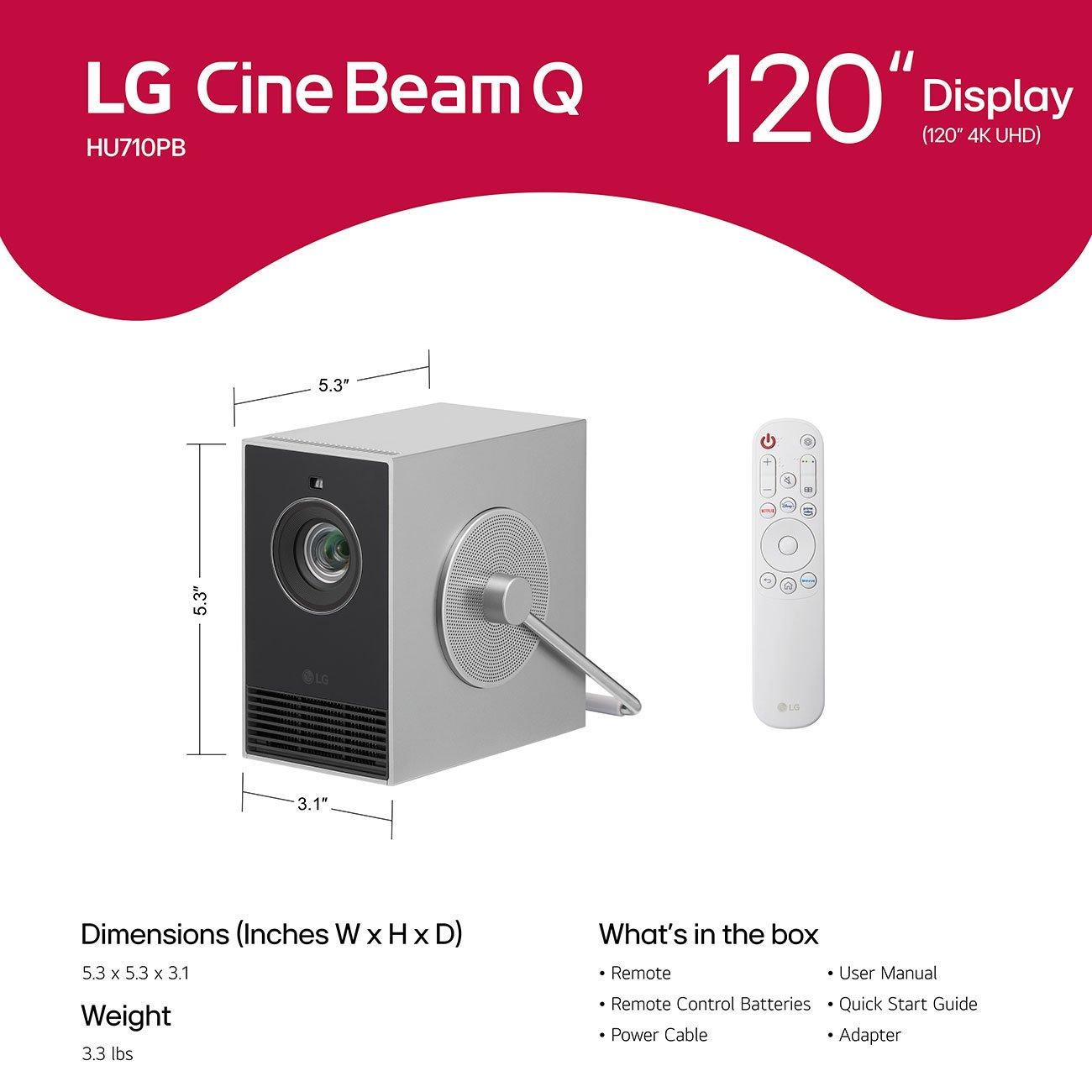
The physical difference between these projectors is striking. The LG CineBeam Q is a true engineering marvel, measuring just 5.3 × 3.1 × 5.3 inches—roughly the size of a large coffee mug—and weighing 3.3 pounds. Its cubic design features a clever 360-degree rotating handle that doubles as an adjustable stand.
The Epson CO-FH02, at 12.5 × 8.3 × 3.4 inches and 5.7 pounds, follows a more conventional projector form factor. While still considered portable, it's more accurately described as "transportable" rather than something you'd casually toss in a bag.
I've traveled with both, and the difference is substantial. The LG easily fits in a backpack with room to spare, while the Epson requires dedicated space in a larger bag. For frequent travelers or those with limited storage space, the LG's ultra-compact design represents a significant advantage.
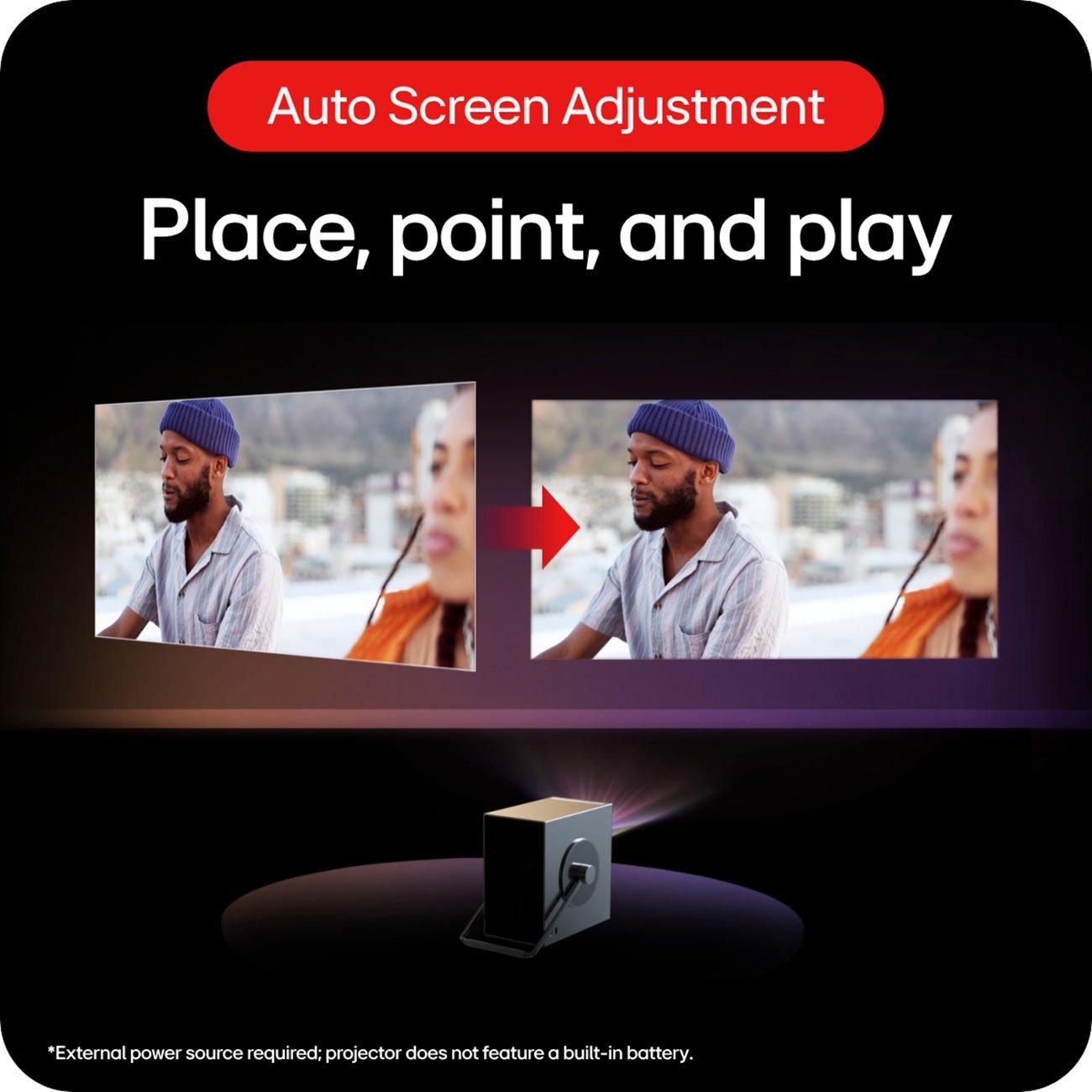
Both projectors offer automatic keystone correction, which adjusts for angled projection to create a properly shaped rectangular image. However, the LG CineBeam Q adds auto-focus capability, which automatically sharpens the image after placement. This is a genuine convenience that makes spontaneous setup much smoother.
The Epson offers manual horizontal keystone adjustment (±30 degrees) in addition to automatic vertical correction, providing flexibility for off-center placement. In practice, I've found the LG's automatic systems more reliable for quick setup, while the Epson sometimes requires manual tweaking to get the image just right.
Throw ratio—the relationship between projection distance and image size—affects how far you need to place the projector from your screen or wall. The Epson CO-FH02 features a 1.19-1.61 throw ratio with optical zoom, offering more placement flexibility than the LG's fixed 1.2:1 ratio.
More significantly, the Epson can project much larger images—up to 300 inches diagonally compared to the LG's 120-inch maximum. While few users will approach these limits, the Epson's capability to fill larger walls makes it more versatile for various spaces.
In smaller rooms under 12 feet deep, both projectors perform similarly in terms of achieving comfortable viewing sizes of 80-100 inches. In larger spaces, the Epson offers more flexibility to create a true home theater experience with massive screen sizes.
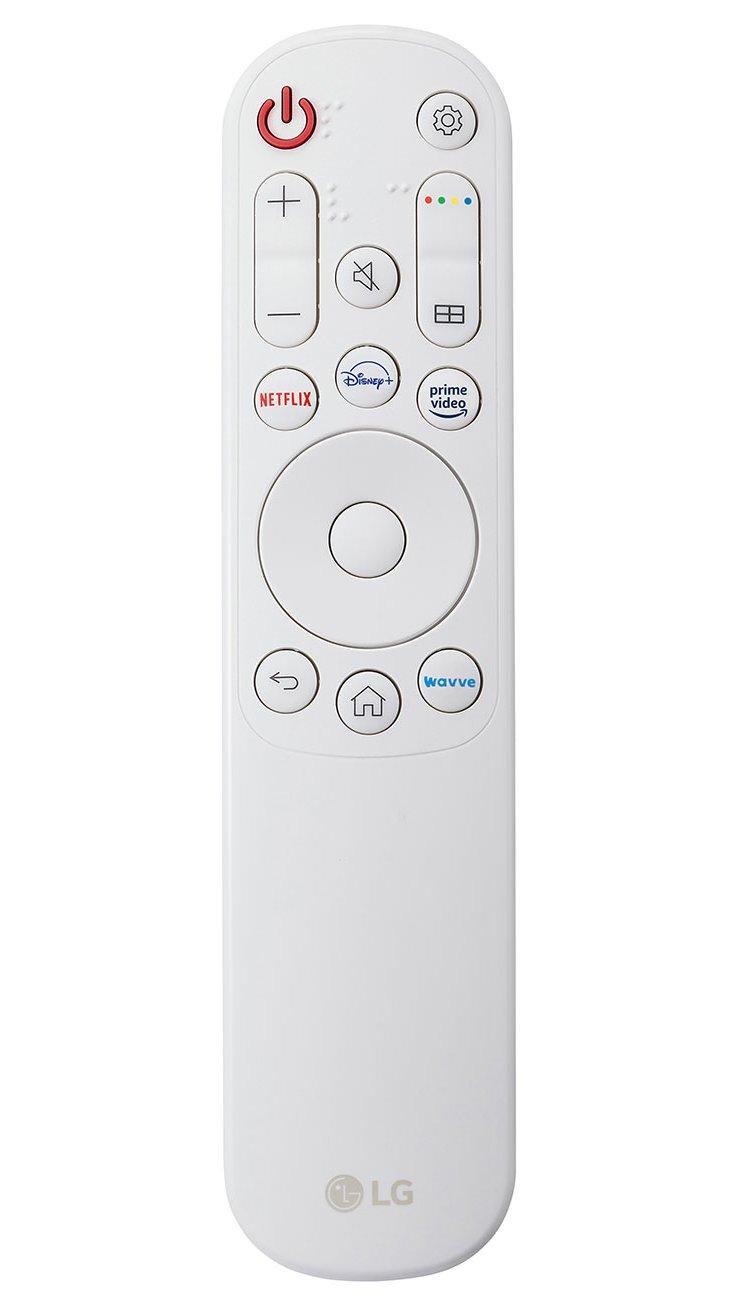
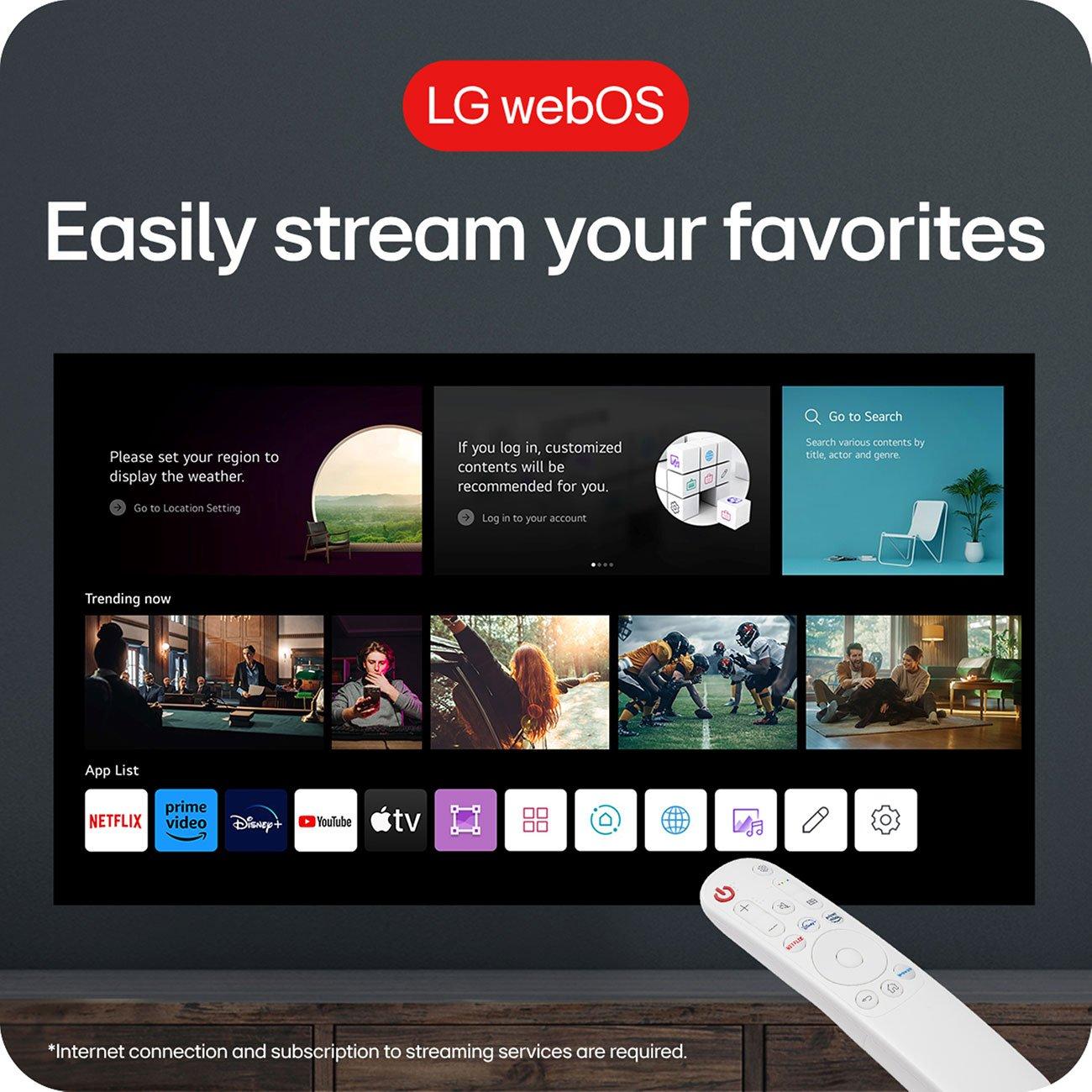
The LG CineBeam Q runs LG's webOS platform, familiar to owners of LG smart TVs. The interface is sleek and intuitive, with a row of apps that appear at the bottom of the screen. The system feels polished and responsive, with minimal lag when navigating menus.
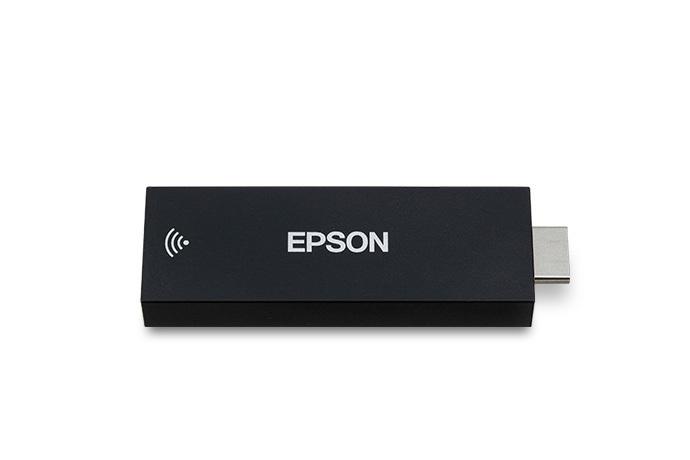
The Epson CO-FH02 includes a separate Android TV dongle that plugs into an HDMI port, running the popular Google-based smart TV platform. The Android TV implementation provides access to thousands of apps through the Google Play Store and includes Google Assistant voice control through the remote.
In daily use, I've found webOS slightly more streamlined for basic streaming tasks, while Android TV offers greater customization and app selection. Both systems support major streaming services like Netflix, Disney+, and Prime Video, though occasionally certain apps may receive updates on one platform before the other.
For connecting other devices, the LG supports AirPlay 2 for Apple devices and Screen Share for Android, while the Epson includes Chromecast functionality. Both approaches work well for mirroring content from phones or tablets, though I've found the Chromecast implementation slightly more reliable for Android users.
The LG offers an interesting dual Bluetooth audio feature that allows connecting two separate Bluetooth audio devices simultaneously—perfect for shared late-night viewing with two sets of headphones.
Neither projector excels in physical port selection. The LG CineBeam Q includes just one HDMI input and one USB-C port, while the Epson CO-FH02 provides one HDMI port, one USB-A port, and one USB-B port.
This limited connectivity reflects their portable design focus but can be restrictive in home theater settings where you might want to connect multiple sources like gaming consoles, Blu-ray players, or cable boxes. External HDMI switchers provide a workaround, but represent an additional expense and complicate the clean setup these projectors otherwise offer.
Built-in audio is rarely impressive in projectors, and these models reinforce that reality. The Epson features a more powerful 5W speaker versus the LG's 3W mono speaker, but neither delivers particularly rich sound.
The Epson produces slightly fuller audio that can suffice for casual viewing in quiet environments. The LG's smaller speaker struggles with dialogue clarity and completely lacks bass response. For any serious content consumption, external speakers or headphones are strongly recommended for both projectors.
Fortunately, both support Bluetooth audio output, allowing wireless connection to soundbars, portable speakers, or headphones. This feature proves essential for achieving acceptable audio quality without running additional cables.
One significant advantage of the LG CineBeam Q's laser light source is its impressive 20,000-hour rated lifespan. At four hours of viewing daily, that's over 13 years of use before significant brightness degradation.
The Epson's traditional lamp system is rated for 6,000 hours in normal mode and up to 12,000 hours in ECO mode. Replacement lamps typically cost $100-200, representing an additional long-term expense. For those planning to use their projector heavily over many years, the LG's maintenance-free laser system offers meaningful value despite its higher upfront cost.
Additionally, laser light sources maintain their brightness more consistently over their lifespan, while lamp-based projectors gradually dim until replacement.
At $1,299, the LG CineBeam Q commands a significant premium over the $599-699 Epson EpiqVision Flex CO-FH02. This price difference raises the question: is the LG worth roughly twice the cost?
The answer depends entirely on your priorities. The LG justifies its premium through:
Meanwhile, the Epson delivers exceptional value through:
For budget-conscious buyers who need versatility across various lighting conditions, the Epson represents the better value. For those seeking premium image quality in controlled environments and prioritizing ultimate portability, the LG's premium may be justified.
After thoroughly comparing these projectors, clear use cases emerge for each model. Here's how to determine which might better suit your needs:
Choose the LG CineBeam Q if:
The LG excels as a premium portable cinema device for enthusiasts who can control their viewing environment and appreciate its technical advantages. It's particularly well-suited for apartment dwellers with limited space who occasionally want a big-screen experience without a permanent TV installation.
Choose the Epson EpiqVision Flex CO-FH02 if:
The Epson shines as a versatile, bright projector that balances performance and value. It's ideal for families who want a flexible entertainment solution that works in various conditions and spaces without breaking the bank.
The portable projector market continues to evolve rapidly, with these two models representing different philosophies on what matters most. The LG CineBeam Q pushes the boundaries of miniaturization and image quality, while the Epson EpiqVision Flex CO-FH02 emphasizes brightness, flexibility, and value.
For home theater applications specifically, the LG delivers superior cinema-quality images in properly darkened rooms, making it the better choice for dedicated movie enthusiasts. The Epson, meanwhile, offers more practical versatility for mixed-use spaces where ambient light cannot always be fully controlled.
As these technologies continue to develop, we'll likely see further improvements in brightness-to-size ratio and smart features. For now, both projectors represent impressive achievements in their respective approaches to portable projection, with clear strengths that will appeal to different types of users.
Your decision ultimately comes down to prioritizing either premium image quality in optimal conditions (LG CineBeam Q) or versatile brightness across various environments (Epson EpiqVision Flex CO-FH02). By understanding these fundamental differences, you can choose the portable projector that will best bring your big-screen entertainment vision to life.
| LG CineBeam Q 4K UHD Portable Laser Projector | Epson EpiqVision Flex CO-FH02 Smart Portable Projector |
|---|---|
| Price - Reflects the overall value proposition | |
| $1,299 - Premium pricing | $599-699 - Mid-range pricing |
| Resolution - Determines image sharpness and detail | |
| 4K UHD (3840 x 2160) - Superior detail especially at larger screen sizes | Full HD 1080p (1920 x 1080) - Good for general viewing but less detailed |
| Brightness - Critical for visibility in ambient light | |
| 500 ANSI lumens - Requires near-darkness for optimal viewing | 3,000 lumens - Works well in rooms with moderate ambient light |
| Light Source - Affects longevity, color quality, and maintenance | |
| RGB laser (20,000 hour lifespan) - No lamp replacements needed | Standard lamp (6,000-12,000 hour lifespan) - Will require replacement lamps |
| Color Performance - Impacts vibrancy and realism | |
| 154% DCI-P3 color gamut - Cinema-grade color reproduction | 3LCD technology - Balanced color/white brightness with good accuracy |
| Contrast Ratio - Determines black levels and image depth | |
| 450,000:1 dynamic contrast - Exceptional black levels in dark rooms | 16,000:1 contrast - Good but not as deep blacks |
| Size & Weight - Affects true portability | |
| 5.31" x 3.15" x 5.31", 3.3 lbs - Ultra-compact, fits in small bags | 12.5" x 8.3" x 3.4", 5.7 lbs - Portable but significantly larger |
| Maximum Screen Size - Determines largest possible image | |
| Up to 120 inches - Suitable for most home settings | Up to 300 inches - Exceptional flexibility for large spaces |
| Smart Platform - Controls user experience and app availability | |
| LG webOS - Refined interface with major streaming apps | Android TV - Greater app selection with Google Assistant |
| Audio Output - Baseline sound quality without external speakers | |
| 3W mono speaker - Very limited, external audio recommended | 5W speaker - Better but still modest for room-filling sound |
| Connectivity - Determines how many devices you can connect | |
| 1x HDMI, 1x USB-C - Limited options without an external switcher | 1x HDMI, 1x USB-A, 1x USB-B - Still limited but slightly more flexible |
| Setup Features - Impacts ease of installation | |
| Auto focus + auto keystone correction - Exceptionally easy setup | Auto vertical keystone + manual horizontal adjustment - Good but requires more tweaking |
| Best Use Case - When each projector performs at its best | |
| Premium portable cinema for controlled dark environments | Versatile projection for various lighting conditions and larger spaces |
The LG CineBeam Q 4K UHD Portable Laser Projector significantly outperforms the Epson EpiqVision Flex CO-FH02 in dark room settings. The LG CineBeam Q's 4K resolution, superior contrast ratio (450,000:1), and wider color gamut (154% DCI-P3) create a more cinema-like experience with deeper blacks and more vibrant colors. For dedicated home theater use in controlled lighting, the LG CineBeam Q is worth its premium price over the Epson EpiqVision Flex CO-FH02.
Yes, but brightness matters significantly. The Epson EpiqVision Flex CO-FH02 with its 3,000 lumens performs remarkably well in rooms with moderate ambient light, maintaining a visible image even with some lights on or blinds partially open. The LG CineBeam Q with only 500 ANSI lumens struggles in bright environments, with images appearing washed out. For daytime viewing or rooms with windows, the Epson EpiqVision Flex CO-FH02 is the superior choice.
It depends on your viewing habits and screen size. The 4K resolution in the LG CineBeam Q becomes noticeably beneficial at screen sizes above 80 inches, especially when watching 4K content like nature documentaries, sports, or modern movies. However, for casual viewing of TV shows, older movies, or at smaller screen sizes, the 1080p resolution of the Epson EpiqVision Flex CO-FH02 may be perfectly adequate and not worth the price premium of the LG CineBeam Q.
The LG CineBeam Q 4K UHD Portable Laser Projector is dramatically more travel-friendly at 5.31" x 3.15" x 5.31" and weighing just 3.3 pounds. Its cube-shaped design with rotating handle makes it exceptionally portable and can fit in a backpack or large purse. The Epson EpiqVision Flex CO-FH02 is more than twice as large at 12.5" x 8.3" x 3.4" and weighs 5.7 pounds, making it transportable between rooms but less convenient for frequent travel compared to the LG CineBeam Q.
Both projectors have limited audio quality. The Epson EpiqVision Flex CO-FH02 features a more powerful 5W speaker that provides adequate sound for casual viewing in quiet rooms. The LG CineBeam Q has a smaller 3W mono speaker that struggles with dialogue clarity and bass. For both projectors, connecting external speakers or soundbars is highly recommended for a satisfying home theater experience. Both the LG CineBeam Q and Epson EpiqVision Flex CO-FH02 support Bluetooth audio output for wireless speaker connections.
The LG CineBeam Q runs on LG's webOS platform, offering a streamlined interface with major streaming apps like Netflix, Disney+, and Prime Video. The Epson EpiqVision Flex CO-FH02 uses Android TV, providing access to thousands of apps through the Google Play Store and Google Assistant voice control. Android TV typically offers more app options and customization, while webOS provides a simpler, more TV-like experience. Both the LG CineBeam Q and Epson EpiqVision Flex CO-FH02 support screen mirroring from mobile devices.
The LG CineBeam Q 4K UHD Portable Laser Projector has a clear longevity advantage with its laser light source rated for 20,000 hours (over 13 years at 4 hours daily use). It requires no lamp replacements and maintains brightness more consistently over time. The Epson EpiqVision Flex CO-FH02 uses a traditional lamp system rated for 6,000-12,000 hours depending on the mode, requiring lamp replacements costing $100-200 every few years with heavy use. For long-term reliability without maintenance, the LG CineBeam Q offers better value despite its higher initial cost.
The Epson EpiqVision Flex CO-FH02 can project significantly larger images, up to 300 inches diagonally, making it suitable for large spaces and backyard movie nights. The LG CineBeam Q maxes out at 120 inches, which is still substantial but more limited for very large venues. For most home environments, both projectors can achieve comfortable 80-100 inch displays, but the Epson EpiqVision Flex CO-FH02 offers more flexibility for extra-large projection needs.
Neither projector is optimized specifically for gaming, but they offer different advantages. The LG CineBeam Q provides superior resolution and image quality, making games look more detailed and vibrant in dark rooms. However, neither manufacturer publishes input lag specifications crucial for competitive gaming. Casual gamers will find both projectors adequate, with the Epson EpiqVision Flex CO-FH02 potentially offering better performance in rooms with some ambient light. For serious gaming, dedicated gaming projectors or monitors would be preferable to either the LG CineBeam Q or Epson EpiqVision Flex CO-FH02.
Both projectors offer automatic keystone correction to square the image when projecting at an angle. The LG CineBeam Q has an advantage with its auto-focus feature that automatically sharpens the image after placement, making setup faster and more convenient. The Epson EpiqVision Flex CO-FH02 requires manual focus adjustment and sometimes needs additional tweaking to perfect the image. For quick, hassle-free setup, particularly when frequently moving the projector, the LG CineBeam Q offers a more streamlined experience than the Epson EpiqVision Flex CO-FH02.
The Epson EpiqVision Flex CO-FH02 at $599-699 delivers exceptional value with its 3,000 lumens brightness, 1080p resolution, and Android TV functionality. It performs well across various lighting conditions and spaces. The LG CineBeam Q at $1,299 costs roughly twice as much but offers 4K resolution, superior color performance, and an ultra-compact design. For most everyday users, the Epson EpiqVision Flex CO-FH02 represents better overall value, while the LG CineBeam Q justifies its premium for specific users prioritizing image quality and portability.
Yes, with some considerations. The Epson EpiqVision Flex CO-FH02 can better replace a TV for everyday use due to its higher brightness that works in various lighting conditions throughout the day. The LG CineBeam Q excels as a TV replacement primarily in controlled lighting environments or evening viewing. Both projectors offer smart streaming platforms for easy content access, but they have more limited connectivity than most TVs. For complete TV replacement, the Epson EpiqVision Flex CO-FH02 offers more versatility, while the LG CineBeam Q provides superior image quality in ideal conditions.
We've done our best to create useful and informative comparisons to help you decide what product to buy. Our research uses advanced automated methods to create this comparison and perfection is not possible - please contact us for corrections or questions. These are the sites we've researched in the creation of this article: projectorcentral.com - lg.com - thefrogpadappliances.com - youtube.com - techradar.com - lg.com - avsforum.com - lg.com - tomsguide.com - jefflynch.com - hometheaterview.com - projectorreviews.com - youtube.com - avsforum.com - projectorcentral.com - pcrichard.com - bhphotovideo.com - youtube.com - lg.com - applerivertvandappliance.com - big-georges.com - queencityonline.com - lg.com - lg.com - lg.com - lgnewsroom.com - heimkino.de - expertreviews.co.uk - projectorcentral.com - youtube.com - bestbuy.com - specsradar.com - techwalls.com - cnet.com - epson.com - youtube.com - projectorreviews.com - epson.com - abt.com - youtube.com - cnet.com - techgearlab.com - staples.com - bestbuy.com - bestbuy.com - projectorcentral.com - bhphotovideo.com - dell.com - latin.epson.com - specsradar.com - projectorcentral.com - officedepot.com - files.support.epson.com - walmart.com - adorama.com - epson.com

Privacy Policy
Terms and Conditions - Affiliate Policy
Home Security
© Copyright 2008-2026.
11816 Inwood Rd #1211, Dallas, TX 75244