


In today's home entertainment landscape, projectors have evolved from bulky, complicated devices into versatile display solutions that can transform any space into a personal cinema or gaming arena. Two compelling options that represent different approaches to this technology are the LG CineBeam Q 4K UHD Portable Laser Projector and the BenQ TH685P 1080p HDR Gaming Projector. Released in mid-2023 and late 2022 respectively, these projectors target different segments of the market, with the LG focusing on portability and premium image quality, while the BenQ caters primarily to gamers seeking responsive performance.
Let's explore how these projectors compare and who might benefit most from each one.
Before diving into the specific models, it's worth understanding the technological landscape they exist in. Projector technology has seen remarkable advancements in recent years, particularly in four key areas:
With this context in mind, let's examine our two contenders in detail.
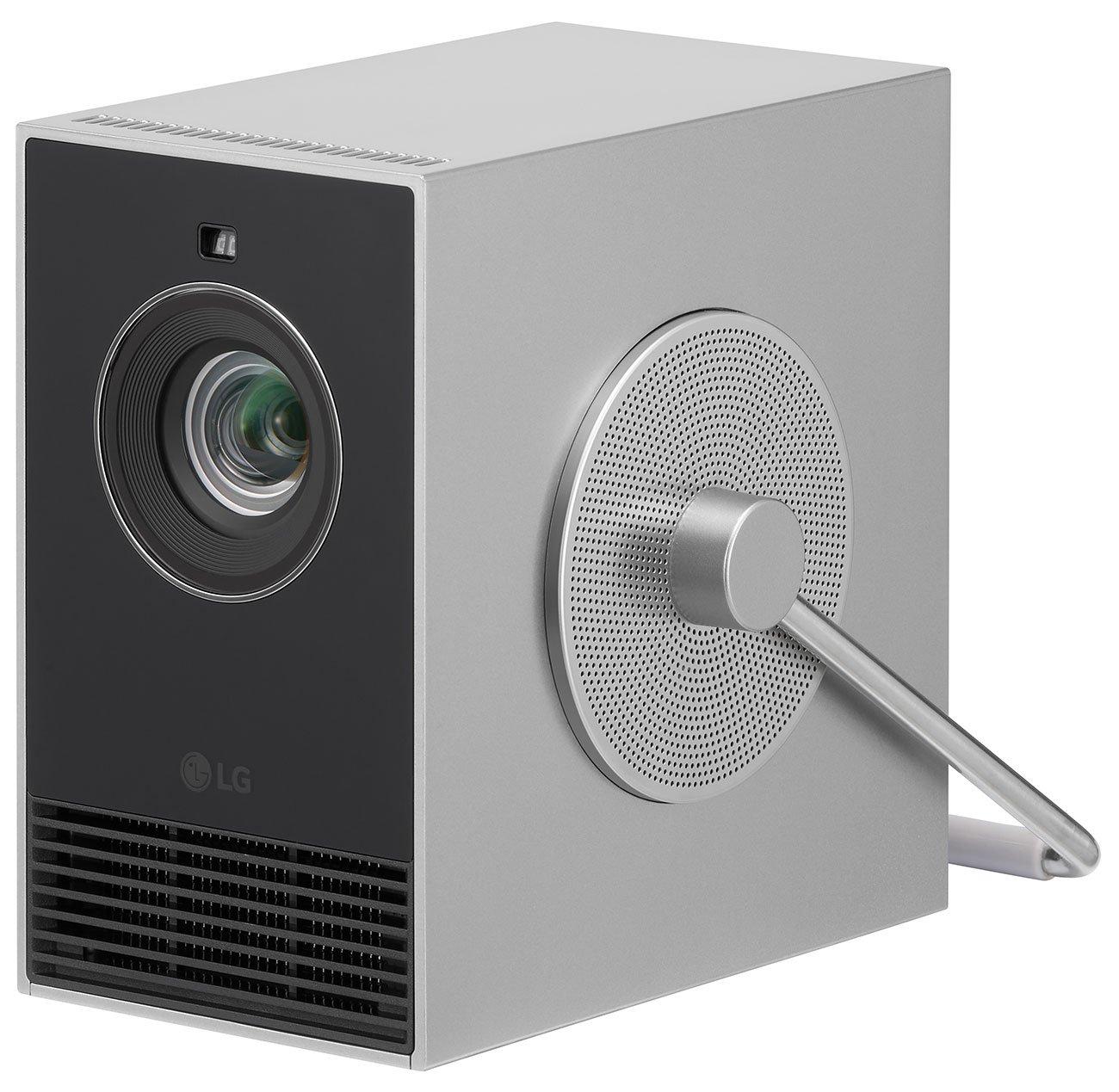
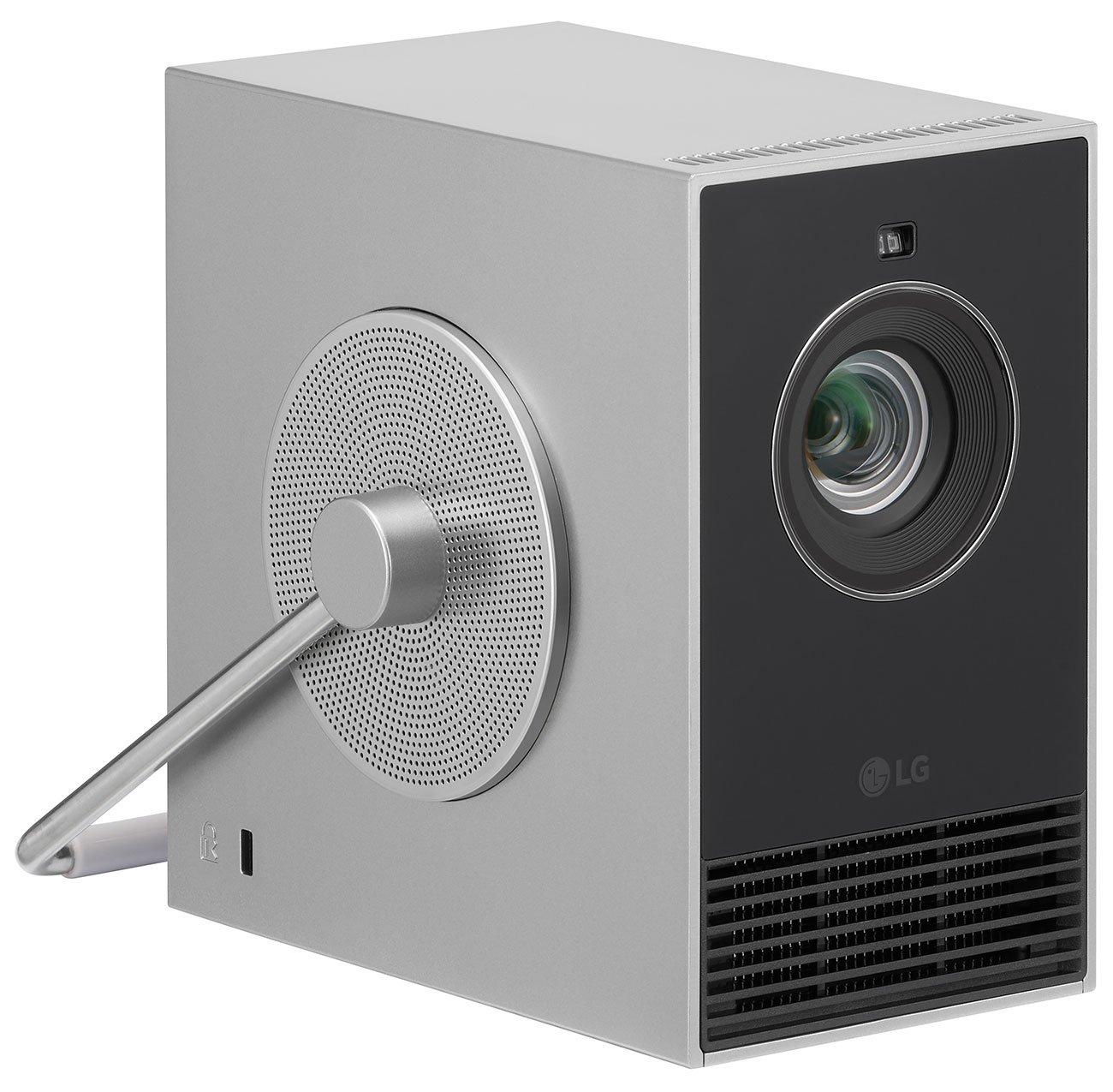
The LG CineBeam Q, priced at $1,299, represents a new breed of premium portable projectors. Launched in mid-2023, it's designed for the modern, design-conscious consumer who values both aesthetic appeal and performance. Its cube-shaped design with a rotating handle stands out in a market dominated by more utilitarian designs.
LG has positioned this as a lifestyle product – one that can be moved from room to room or even taken outside for impromptu movie nights. The 4K resolution and RGB laser technology reflect LG's focus on image quality despite the compact form factor.
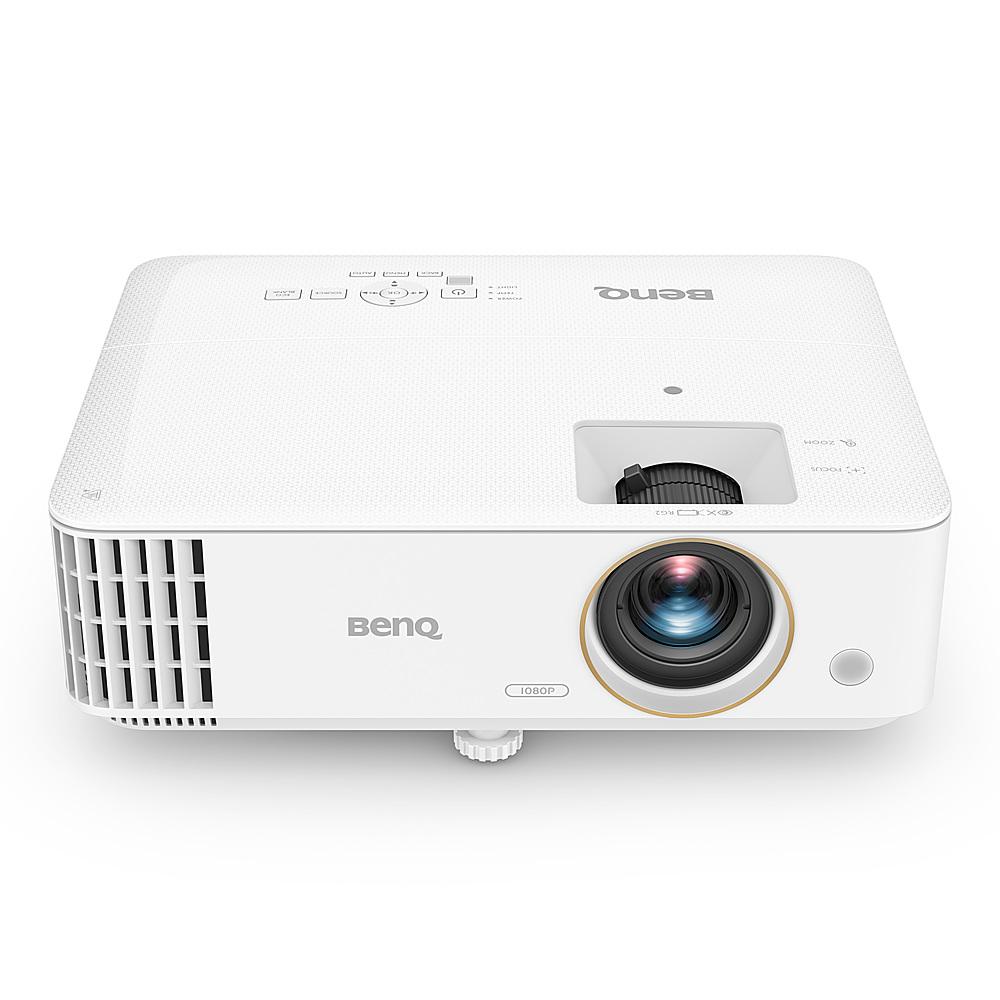
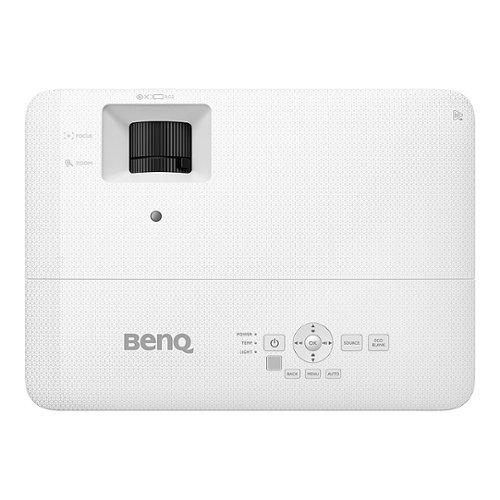
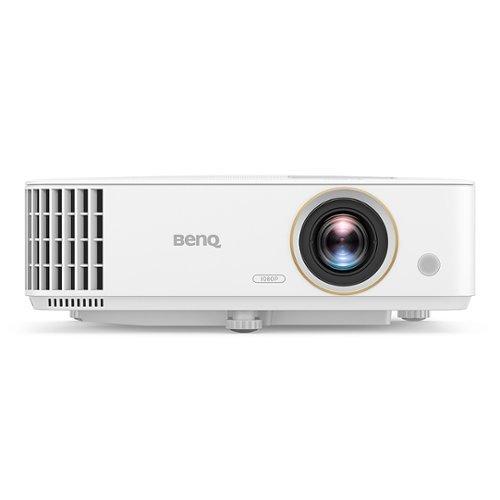
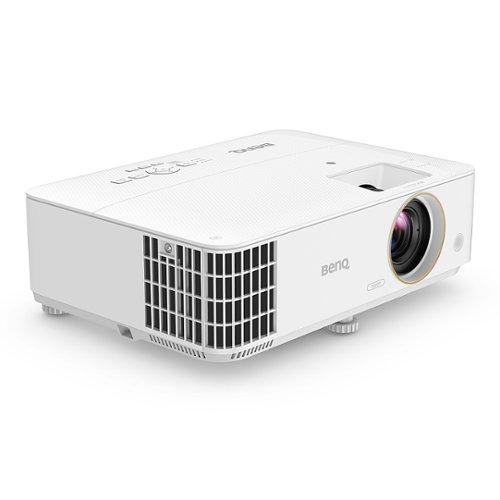
The BenQ TH685P, priced more accessibly at $799, hit the market in late 2022 as an update to BenQ's popular gaming projector lineup. It maintains the traditional projector form factor but with specific optimizations for gaming performance.
BenQ has focused squarely on what gamers need most – low input lag, high brightness, and a reasonable price point. This projector represents the evolution of gaming-specific displays, bringing big-screen gaming experiences to a broader audience.
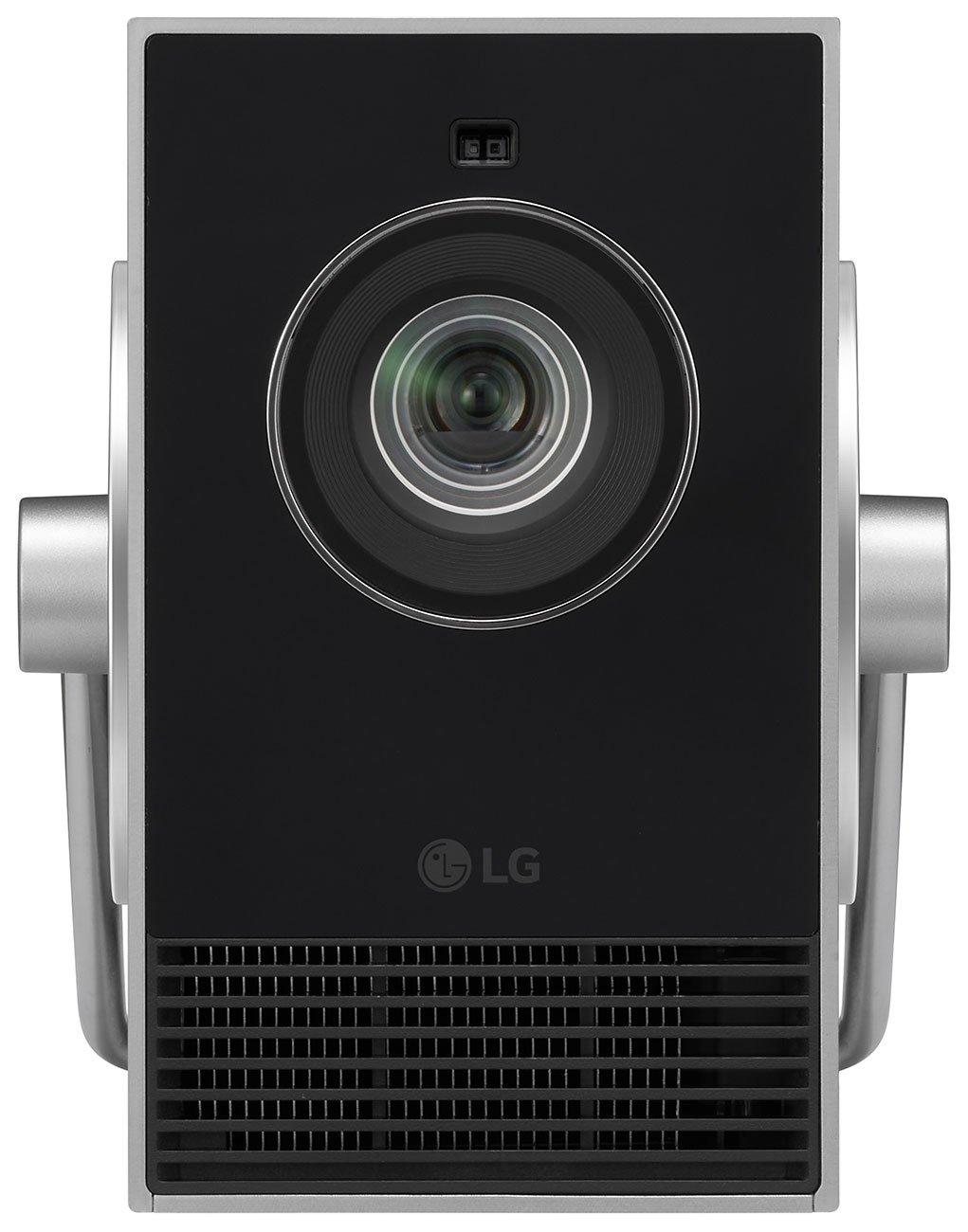
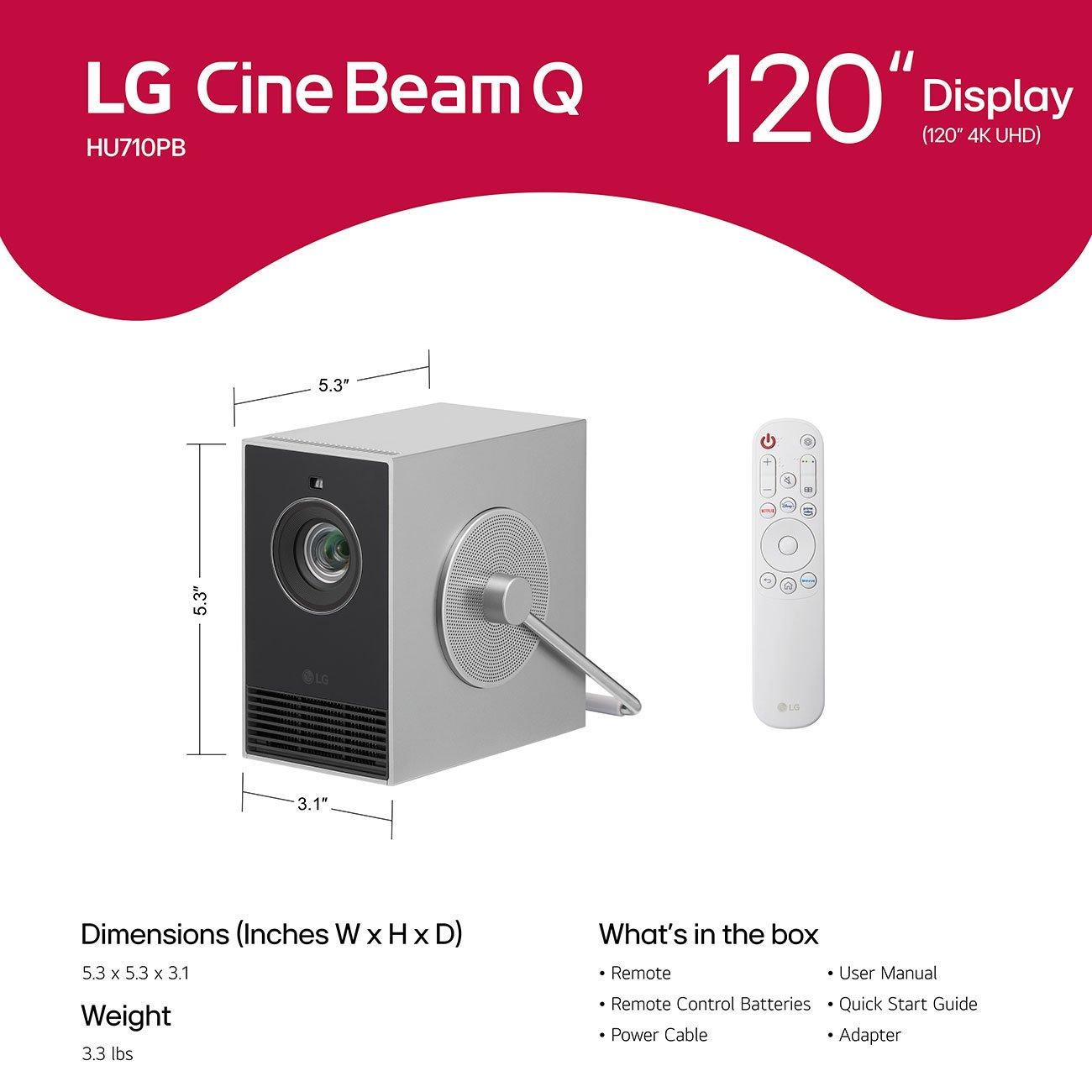
The LG CineBeam Q's most striking feature is its size and design. Measuring just 5.3 inches in each dimension and weighing a mere 3.3 pounds, it's genuinely portable in a way most projectors aren't. The design resembles a small decorative cube more than traditional projection equipment, making it suitable for style-conscious consumers.
The 360-degree rotating handle serves as both a carrying solution and an adjustable stand – a clever dual-purpose design element that eliminates the need for separate mounts in many situations. This design innovation allows the projector to be placed on uneven surfaces or angled precisely without additional equipment.
Since its release, LG has set a new standard for projector design that blends form and function. Other manufacturers have begun exploring similar compact designs, but the CineBeam Q remains among the smallest true 4K projectors available.
By contrast, the BenQ TH685P adheres to conventional projector design principles, prioritizing performance over portability. At 12.28 × 4.33 × 8.86 inches and 6.2 pounds, it's significantly larger and heavier than the LG, though still relatively compact compared to dedicated home theater projectors.
This design approach isn't without merit – the larger chassis accommodates more powerful cooling systems to manage the heat from the brighter lamp, and provides space for multiple connectivity options. The familiar form factor also integrates easily with existing mounting solutions and entertainment centers.
Since its release, BenQ has made incremental improvements to this design line rather than radical changes, focusing on refining the internal components while maintaining accessibility for mainstream users.
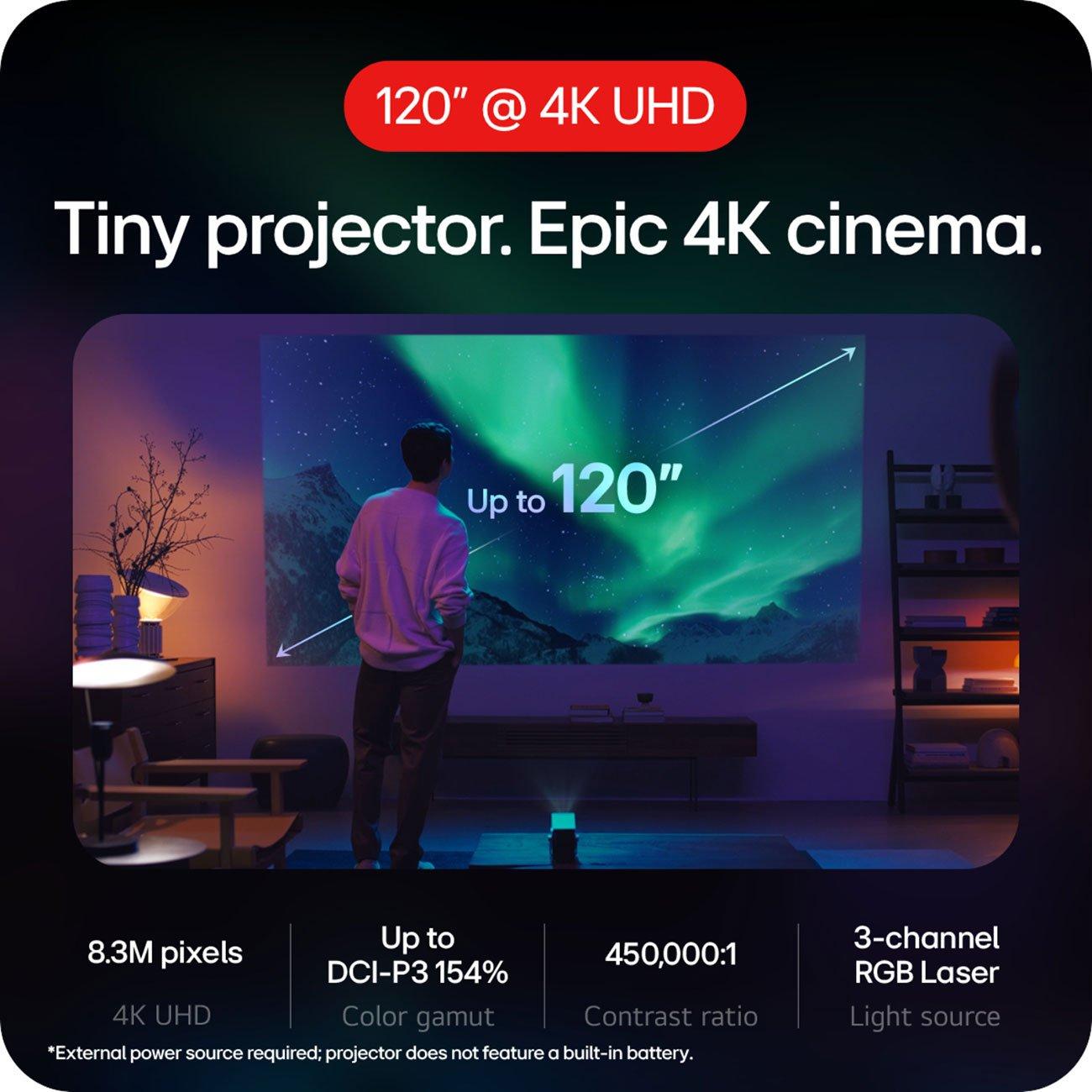
The most immediate technical difference between these projectors is their native resolution. The LG CineBeam Q outputs true 4K UHD (3840 × 2160 pixels) using XPR (eXpanded Pixel Resolution) technology – a pixel-shifting technique that allows a DLP (Digital Light Processing) chip to effectively deliver 8.3 million distinct pixels despite having fewer physical mirrors. The result is genuinely impressive detail that holds up even on large screens.
When viewing 4K content – whether movies, TV shows, or photos – the CineBeam Q delivers noticeably crisper text, more defined textures, and greater overall clarity compared to 1080p projectors. This difference becomes increasingly apparent as screen size increases beyond 100 inches.
The BenQ TH685P, with its 1080p (1920 × 1080) native resolution, provides approximately one-fourth the pixel count. While it can accept 4K input signals, it downscales them to its native resolution. For gaming and casual viewing, this resolution remains perfectly adequate, especially at typical viewing distances. Many competitive gamers actually prefer 1080p because it allows for higher frame rates on most gaming systems.
Since these projectors' releases, 4K content has continued to proliferate, making the higher resolution increasingly valuable for content consumption, while 1080p has remained the sweet spot for performance gaming.
Perhaps the most significant practical difference between these projectors is their brightness output. The BenQ TH685P delivers a powerful 3,500 ANSI lumens – a standardized measurement of light output that allows for direct comparison between projectors. This high brightness is sufficient to produce vibrant images even in rooms with moderate ambient light, making it versatile enough for daytime use without requiring complete darkness.
By contrast, the LG CineBeam Q outputs 500 ANSI lumens, just one-seventh of the BenQ's brightness. This significant difference means the LG is best suited for use in controlled lighting environments – darkened rooms or nighttime viewing. Using it in bright conditions results in washed-out images that fail to showcase its otherwise excellent image quality.
This brightness disparity reflects fundamental differences in the projectors' technologies and design priorities. The BenQ uses a traditional high-power lamp that generates significant brightness at the cost of heat, power consumption, and eventually lamp replacement. The LG employs a more efficient laser light source that prioritizes color quality, longevity, and compact design over raw brightness.
In the time since these projectors were released, laser technology has continued to improve in brightness efficiency, though compact laser projectors still generally can't match the raw output of traditional lamp-based units.
Where the LG CineBeam Q truly shines is in its color reproduction and contrast. Its 3-channel RGB laser light source can reproduce an impressive 154% of the DCI-P3 color space – a wide color gamut standard used in digital cinema. This means the LG can display a broader range of colors with greater accuracy than most projectors, resulting in more vivid, lifelike images with subtle color gradations that many projectors miss.
The LG also boasts a 450,000:1 dynamic contrast ratio, allowing it to display deep blacks alongside bright highlights in the same scene. This capability is particularly noticeable in dark movie scenes, where the laser light source can effectively dim or shut off to produce true blacks rather than the dark gray that plagues many projectors.
The BenQ TH685P offers good but more modest color performance, covering 95% of the Rec.709 color space – the standard for HDTV content. Its 10,000:1 contrast ratio is respectable for a lamp-based projector but can't match the deep blacks of the laser-based LG. In practice, this means that while colors appear bright and punchy on the BenQ, they lack some of the subtlety and depth visible on the LG.
Since these projectors' releases, content with wide color gamut encoding has become increasingly common on streaming platforms, making the LG's color capabilities more valuable for movie enthusiasts.
For gamers, few specifications matter more than input lag – the delay between a button press and the corresponding action appearing on screen. Here, the BenQ TH685P demonstrates its gaming-focused design with an impressively low 8.3ms input lag when displaying 1080p content at 120Hz. Even at 60Hz, it maintains a responsive 16ms input lag.
To put this in perspective, most TVs considered "good for gaming" have input lags between 10-20ms. The BenQ's performance means there's virtually no perceptible delay between controller input and on-screen response – a crucial advantage in competitive games where split-second reactions matter.
Additionally, the BenQ supports refresh rates up to 120Hz, meaning it can display up to 120 frames per second, resulting in smoother motion and more responsive gameplay compared to standard 60Hz displays.
The LG CineBeam Q, while not marketed specifically for gaming, doesn't publish official input lag specifications. Based on testing of similar 4K projectors, we can estimate its input lag at approximately 50-60ms – acceptable for casual gaming and single-player experiences but potentially frustrating for competitive multiplayer games where timing is crucial.
Since these projectors' releases, gaming at higher refresh rates has become increasingly popular, giving the BenQ a growing advantage for serious gamers.
While the LG CineBeam Q's 4K resolution provides superior detail, many gamers actually prefer the BenQ TH685P's 1080p resolution because current gaming consoles and PCs often struggle to maintain high frame rates at 4K resolution. The PlayStation 5 and Xbox Series X, for example, often require players to choose between 4K resolution at 30-60fps or lower resolution at 120fps for many demanding games.
With the BenQ's focus on low latency and high refresh rates at 1080p, gamers get responsive performance without taxing their gaming hardware as heavily as 4K would. This makes the BenQ potentially more future-proof for gaming specifically, as games continue to become more graphically intensive.
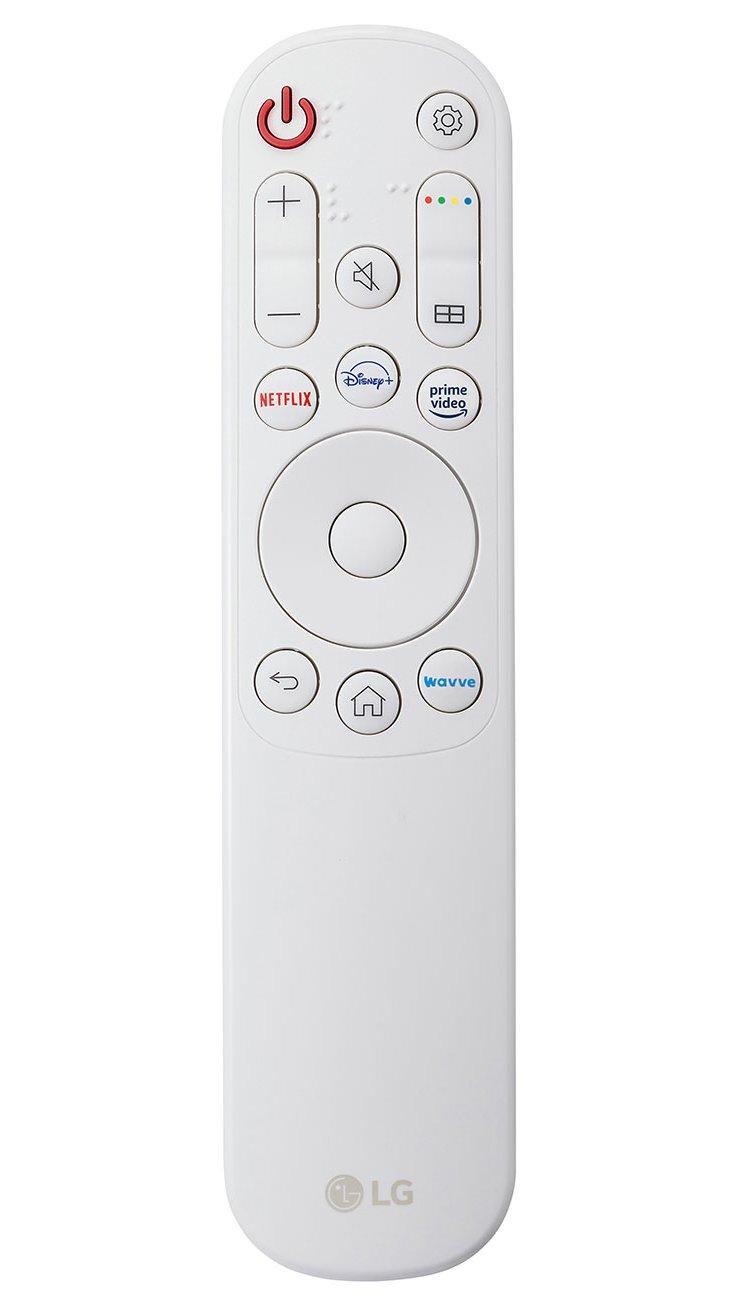
The LG CineBeam Q incorporates the same webOS smart platform found in LG's premium TVs. This provides direct access to streaming services like Netflix, Disney+, Amazon Prime Video, and others without requiring additional devices. The interface is polished and responsive, with regular updates that add features and maintain compatibility with streaming services.
Additionally, the projector supports AirPlay 2 and Screen Share for wirelessly casting content from smartphones, tablets, and computers. These features effectively make the LG a complete entertainment system rather than just a display device.
By contrast, the BenQ TH685P offers no smart features, functioning purely as a display. Users must connect external devices – whether streaming sticks, gaming consoles, or computers – to access content. While this might seem limiting, it offers advantages in flexibility and future-proofing. External streaming devices can be upgraded independently of the projector, and users can choose the platform that best suits their preferences.
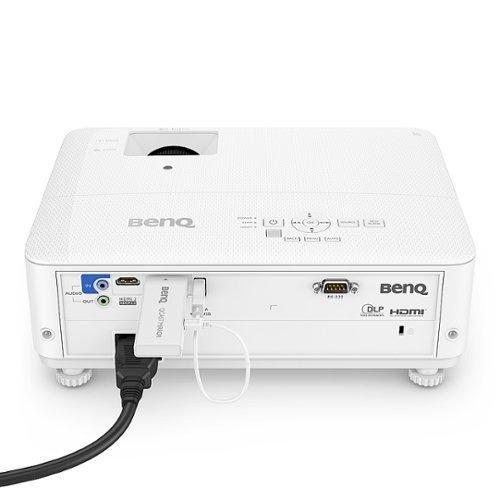
In terms of physical connectivity, the BenQ offers more options with two HDMI 2.0 inputs (compared to the LG's single HDMI port), a VGA input for older computers, and USB power output for streaming sticks. This makes it better suited for users with multiple source devices they wish to keep connected simultaneously.
Neither projector excels in audio performance – a common limitation in the category due to size constraints. The LG CineBeam Q includes a 3W mono speaker that produces clear but thin sound lacking bass response. The BenQ TH685P offers a slightly more powerful 5W speaker with chamber design that produces marginally fuller sound, particularly beneficial for gaming sound effects.
Both projectors benefit tremendously from external audio solutions. The LG supports Bluetooth audio output to connect wirelessly to speakers or headphones – even allowing simultaneous connection to two Bluetooth audio devices for shared listening. The BenQ relies on its audio output jack for external speakers.
For serious home theater or gaming setups, external audio is essentially mandatory with either projector – ideally a soundbar at minimum or a proper surround sound system for the best experience.
One of the LG CineBeam Q's significant advantages is its laser light source, rated for approximately 20,000 hours of use. For perspective, that's over 13 years of use at 4 hours per day. Throughout this period, the brightness and color performance should remain relatively consistent, with only gradual degradation.
The BenQ TH685P's traditional lamp has a maximum rated life of 15,000 hours in its most economical mode, but more realistically 4,000-8,000 hours in standard usage modes. More importantly, lamp brightness degrades more noticeably over time, with typical lamps losing 20-30% of their brightness halfway through their lifespan. When the lamp eventually fails, replacement costs between $149-249.
This difference in light source technology represents an important consideration for long-term value. The LG's higher initial cost is partially offset by its maintenance-free operation and consistent performance over time.
At $1,299, the LG CineBeam Q represents a premium investment. Its value proposition centers on its unique combination of true portability, 4K resolution, excellent color performance, and built-in smart features. For users who prioritize these attributes – particularly those who value design and image quality over raw brightness – the premium price may be justified.
The BenQ TH685P at $799 delivers exceptional value for its target market. Its combination of high brightness, gaming-optimized performance, and reasonable price make it an attractive option for gamers or users seeking a versatile projector that works well in various lighting conditions.
When evaluating value, consider not just the initial purchase price but the total cost of ownership. The LG's maintenance-free laser light source potentially saves $200-400 in lamp replacement costs over its lifetime compared to the BenQ. However, the BenQ's lower initial cost means the breakeven point would be many years away for most users.
After examining all these factors, how do you decide which projector is right for you? Consider these scenarios to help guide your choice:
Choose the LG CineBeam Q if:
Choose the BenQ TH685P if:
For dedicated home theater enthusiasts, both projectors involve some compromise. The LG CineBeam Q's superior resolution and color performance make it the better choice for movie lovers, but its limited brightness restricts screen size in anything but completely darkened rooms. For the best cinematic experience, pairing it with a proper ALR (Ambient Light Rejecting) screen is strongly recommended to maximize perceived brightness and contrast.
The BenQ TH685P's higher brightness allows for larger screen sizes and better performance with some ambient light, but its 1080p resolution and more limited color gamut don't deliver the same cinematic experience as the LG. It works well as a versatile family room projector that can handle both casual movie viewing and serious gaming sessions.
For a dedicated home theater room with controlled lighting, the LG's superior image quality makes it the better choice if budget allows. For a multi-purpose space where versatility matters more than absolute image quality, the BenQ offers better value.
The LG CineBeam Q and BenQ TH685P represent two different but equally valid approaches to modern projection technology. The LG exemplifies the new breed of lifestyle-oriented portable projectors that prioritize design, portability, and image quality, while the BenQ represents the evolution of traditional projectors with specific optimizations for gaming performance.
Your choice ultimately depends on your specific needs, usage environment, and budget. Both projectors excel in their intended use cases while making different compromises to achieve their goals. By considering the factors outlined in this comparison, you can make an informed decision that will provide years of big-screen entertainment.
Whether you choose the premium portable experience of the LG CineBeam Q or the bright, responsive performance of the BenQ TH685P, both represent impressive technological achievements that bring the big-screen experience home in ways that weren't possible just a few years ago.
| LG CineBeam Q 4K UHD Portable Laser Projector | BenQ TH685P 1080p HDR Gaming Projector |
|---|---|
| Price - Initial investment comparison | |
| $1,299 (premium pricing) | $799 (mid-range pricing) |
| Resolution - Determines image detail and clarity | |
| 4K UHD (3840 x 2160) - Four times the pixels of 1080p, noticeably sharper on large screens | 1080p Full HD (1920 x 1080) - Standard resolution, sufficient for gaming and casual viewing |
| Brightness - Determines usability in different lighting conditions | |
| 500 ANSI lumens (requires darkened room or night viewing) | 3,500 ANSI lumens (7x brighter, usable with ambient light) |
| Light Source - Affects lifespan, maintenance, and color quality | |
| RGB laser (20,000 hour lifespan, maintenance-free, superior color) | Lamp-based (15,000 hour max lifespan, requires eventual replacement at $149-249) |
| Color Performance - Impacts visual richness and accuracy | |
| 154% DCI-P3 color gamut (exceptional color range beyond digital cinema standards) | 95% Rec.709 color gamut (good coverage of standard HDTV color space) |
| Contrast Ratio - Affects black levels and image depth | |
| 450,000:1 dynamic contrast (deeper blacks, better shadow detail) | 10,000:1 contrast (good but less impressive black levels) |
| Gaming Performance - Critical for responsive gameplay | |
| Not specified (estimated 50-60ms input lag, standard 60Hz refresh rate) | 8.3ms input lag at 120Hz (exceptional responsiveness, supports up to 120 frames per second) |
| Size & Weight - Determines portability and placement options | |
| 5.31" x 3.15" x 5.31", 3.3 lbs (ultra-compact, true portability) | 12.28" x 4.33" x 8.86", 6.2 lbs (standard projector size, semi-portable) |
| Smart Features - Affects standalone usability | |
| Built-in webOS smart platform with streaming apps, AirPlay 2, Screen Share | No smart features (requires external streaming devices) |
| Connectivity - Determines flexibility with source devices | |
| 1x HDMI, 1x USB-C, Bluetooth audio output | 2x HDMI 2.0, USB power, VGA input |
| Audio - Built-in sound solution quality | |
| 3W mono speaker (limited, underwhelming audio) | 5W chamber speaker (slightly better but still limited) |
| Special Features - Unique advantages of each model | |
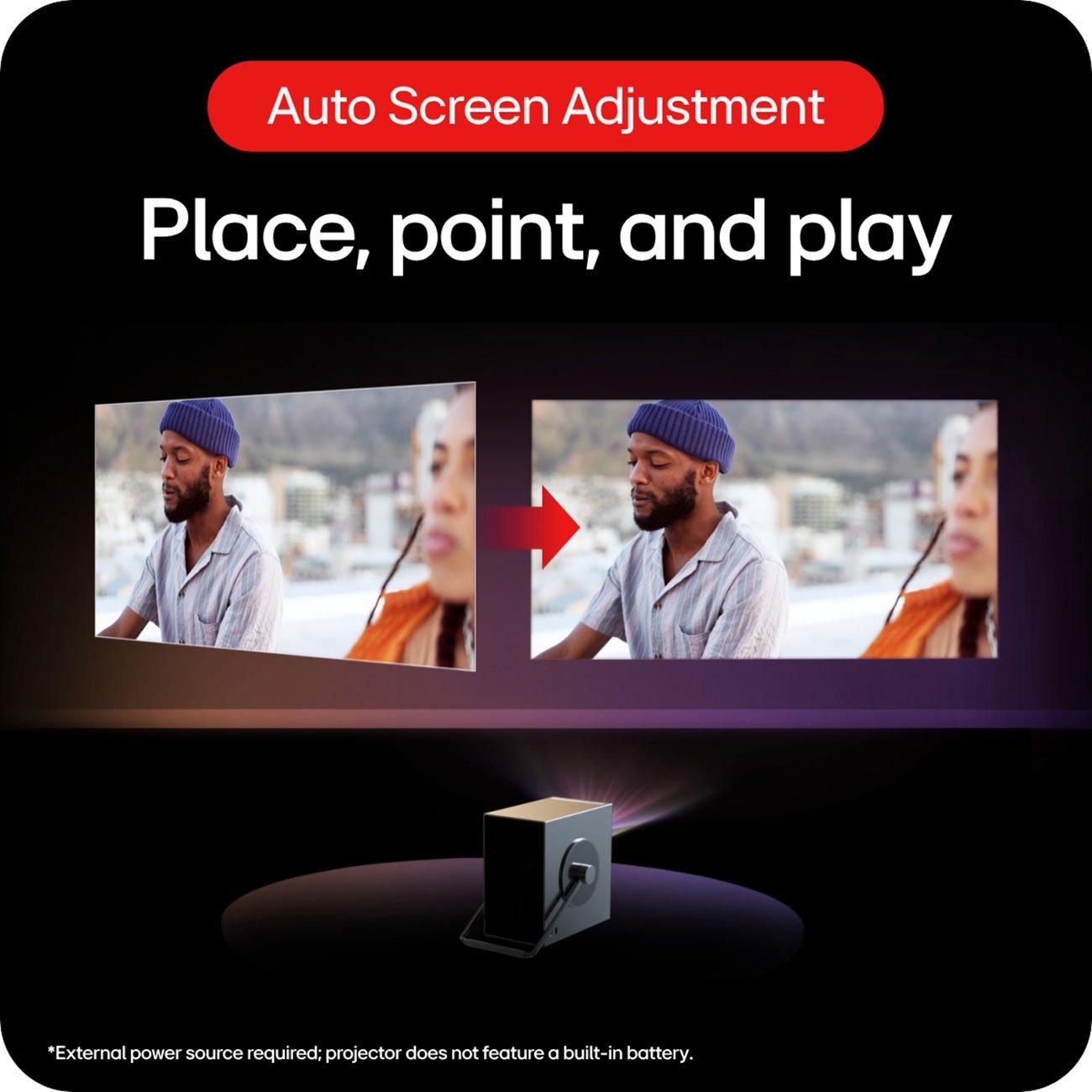
| 360° rotating handle/stand, auto keystone correction, auto focus | Game Mode, Game Sound Mode, 3D support |
| Ideal Use Case - Best application for each projector | |
| Portable 4K movie viewing in darkened rooms, style-conscious users | Gaming and versatile viewing in various lighting conditions |
The BenQ TH685P 1080p HDR Gaming Projector is significantly better for bright rooms with its 3,500 ANSI lumens brightness, which is seven times brighter than the LG CineBeam Q 4K UHD Portable Laser Projector's 500 ANSI lumens. The BenQ can produce a clear, visible image even with ambient light, while the LG CineBeam Q requires a darkened room or nighttime viewing for optimal performance.
The LG CineBeam Q offers superior resolution with true 4K UHD (3840 × 2160), providing four times the pixels of the BenQ TH685P's 1080p Full HD (1920 × 1080) resolution. The higher resolution of the LG CineBeam Q results in noticeably sharper images, especially when viewing 4K content on larger screen sizes above 100 inches.
The BenQ TH685P is specifically designed for gaming with an ultra-low input lag of 8.3ms at 120Hz, making it far superior for gaming compared to the LG CineBeam Q. The BenQ also features a dedicated Game Mode, supports 120Hz refresh rate for smoother motion, and has Game Sound Mode for enhanced audio during gameplay. For competitive or fast-paced gaming, the BenQ TH685P is the clear choice.
The LG CineBeam Q is significantly more portable at just 5.31" × 3.15" × 5.31" and weighing only 3.3 pounds. Its cube-shaped design with a 360-degree rotating handle makes it easy to carry and set up anywhere. The BenQ TH685P is much larger at 12.28" × 4.33" × 8.86" and heavier at 6.2 pounds, making it less convenient for frequent moving.
The LG CineBeam Q offers superior color performance with its RGB laser light source covering 154% of the DCI-P3 color gamut, which exceeds digital cinema standards. The BenQ TH685P provides good but more limited color reproduction with 95% coverage of the Rec.709 color space (HDTV standard). For movie enthusiasts who value vibrant, accurate colors, the LG CineBeam Q delivers more impressive results.
The BenQ TH685P is significantly more affordable at $799, compared to the premium-priced LG CineBeam Q at $1,299. The $500 difference makes the BenQ TH685P a more budget-friendly option while still delivering excellent performance, especially for gaming and bright-room viewing.
For dedicated home theater use in a controlled, dark environment, the LG CineBeam Q is superior with its 4K resolution, exceptional color performance (154% DCI-P3), and higher 450,000:1 contrast ratio for better black levels. However, for multi-purpose rooms with some ambient light, the BenQ TH685P may be more practical due to its much higher brightness of 3,500 ANSI lumens.
The LG CineBeam Q has vastly superior smart features with a built-in webOS platform that provides direct access to streaming services like Netflix, Disney+, and Amazon Prime Video without requiring external devices. It also supports AirPlay 2 and Screen Share for wireless casting. The BenQ TH685P has no smart features and requires external streaming devices to access content.
The LG CineBeam Q requires virtually no maintenance with its laser light source rated for 20,000 hours of consistent performance. The BenQ TH685P uses a traditional lamp that will eventually need replacement (typically costing $149-249) and gradually loses brightness over its lifespan. For long-term ownership without maintenance concerns, the LG CineBeam Q is advantageous.
The BenQ TH685P offers more connectivity options with two HDMI 2.0 inputs, a VGA input, and USB power output. This allows for connecting multiple devices simultaneously. The LG CineBeam Q is more limited with just one HDMI input and one USB-C port, though it does offer Bluetooth audio output for connecting wireless speakers or headphones.
Yes, both the LG CineBeam Q and BenQ TH685P can be ceiling mounted, but their designs make them suitable for different installation scenarios. The BenQ TH685P follows a traditional design with standard mounting points for ceiling installation. The LG CineBeam Q can be ceiling mounted but its ultra-compact design and 360-degree rotating handle/stand also make it ideal for tabletop placement and temporary setups.
For movie watching in a properly darkened room, the LG CineBeam Q provides a superior experience with its 4K resolution, exceptional color accuracy, and higher contrast ratio for better black levels and shadow detail. For bright rooms or daytime viewing, the BenQ TH685P performs better due to its much higher brightness. Your viewing environment should be the primary factor in choosing between the LG CineBeam Q and BenQ TH685P for movie watching.
We've done our best to create useful and informative comparisons to help you decide what product to buy. Our research uses advanced automated methods to create this comparison and perfection is not possible - please contact us for corrections or questions. These are the sites we've researched in the creation of this article: projectorcentral.com - lg.com - thefrogpadappliances.com - youtube.com - techradar.com - lg.com - avsforum.com - lg.com - tomsguide.com - jefflynch.com - hometheaterview.com - projectorreviews.com - youtube.com - avsforum.com - projectorcentral.com - pcrichard.com - bhphotovideo.com - youtube.com - lg.com - applerivertvandappliance.com - big-georges.com - queencityonline.com - lg.com - lg.com - lg.com - lgnewsroom.com - heimkino.de - youtube.com - projectorcentral.com - androidguys.com - bhphotovideo.com - techradar.com - newegg.com - projectorcentral.com - cnet.com - staples.com - cdw.com - youtube.com - shi.com - touchboards.com - projectorcentral.com - youtube.com - iconicmicro.com - adorama.com - publicsector.shidirect.com - adorama.com

Privacy Policy
Terms and Conditions - Affiliate Policy
Home Security
© Copyright 2008-2026.
11816 Inwood Rd #1211, Dallas, TX 75244