

Remember the days when projectors were bulky machines reserved for boardrooms and classrooms? Those days are long gone. Today's portable projectors have transformed into versatile entertainment powerhouses that can turn virtually any wall into a cinema screen. As someone who's spent countless hours testing various projection technologies, I've seen this evolution firsthand—from dim, fuzzy images to what we now have: bright, crisp displays that can rival traditional TVs in the right conditions.
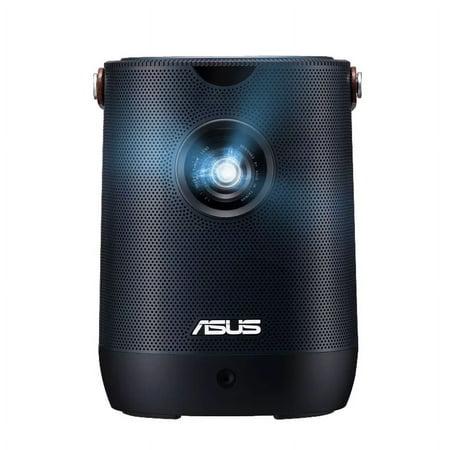
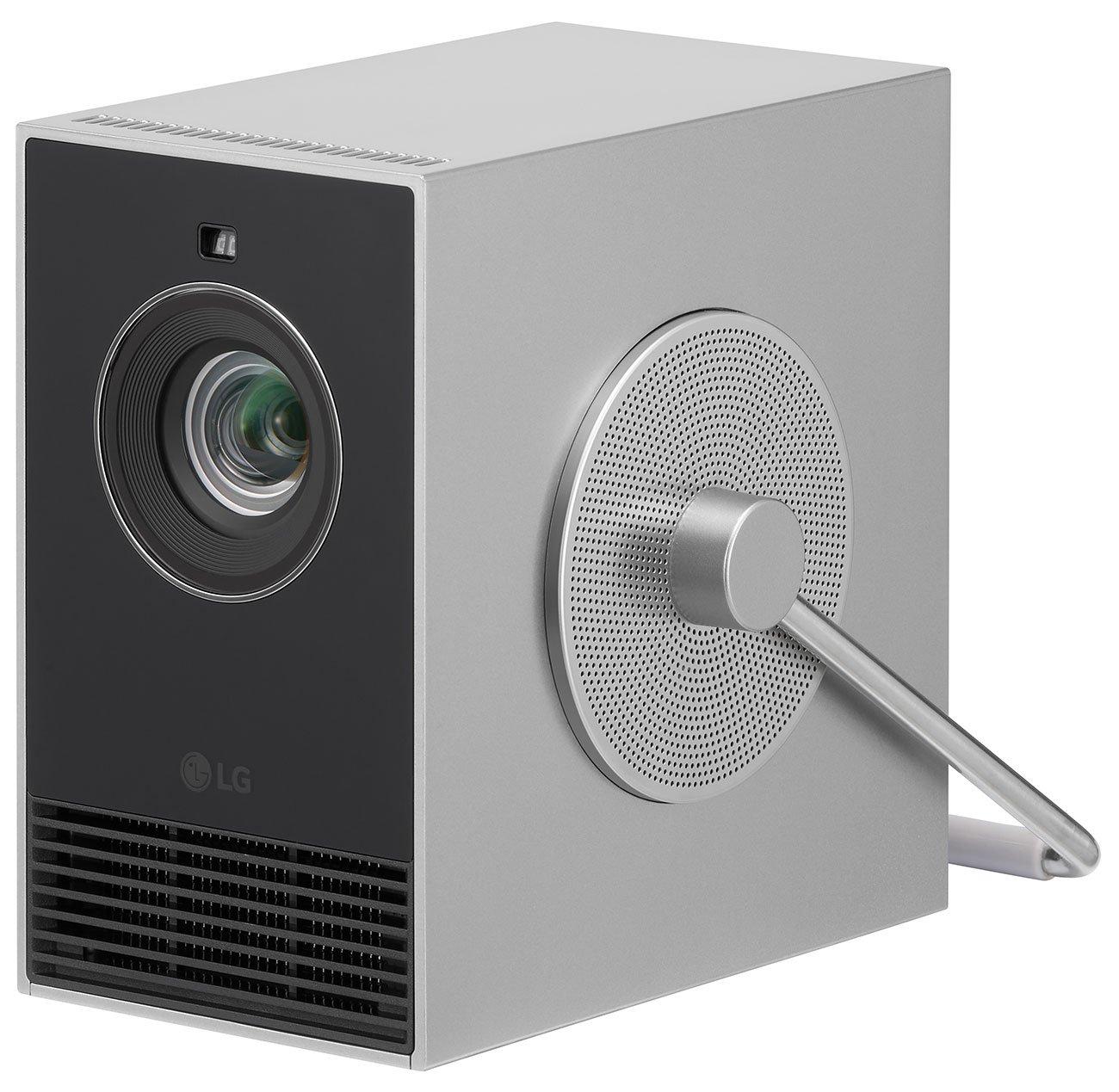
The portable projector market has grown dramatically in the past five years, with manufacturers pushing boundaries on size, brightness, and smart features. This brings us to our contenders today: the ASUS ZenBeam L2, released in late 2022, and the LG CineBeam Q, which hit markets in early 2023. Both represent significant technological leaps from previous generations, but they take distinctly different approaches to portable projection.
When shopping for a portable projector in 2023, several factors should guide your decision: display technology and resolution, brightness capabilities, true portability features, smart functionality, connectivity options, and of course, price-to-performance ratio. Let's dive into how these two projectors stack up in each category.
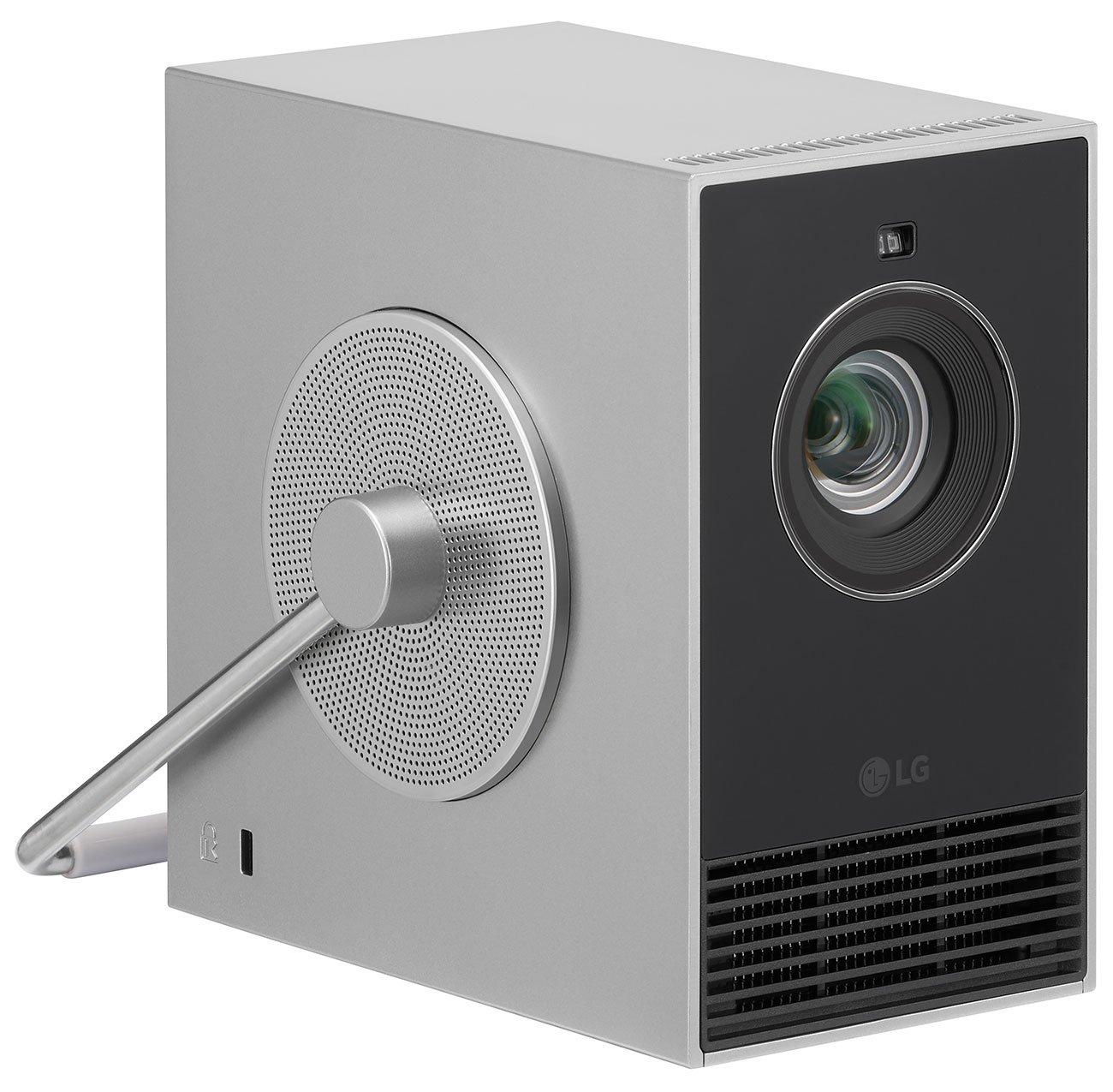
The ASUS ZenBeam L2 comes in at around $699-799, positioning it in the mid-to-upper range of portable projectors. The LG CineBeam Q, meanwhile, commands a premium price of approximately $1,299—nearly double the ASUS.
This price difference isn't arbitrary. It reflects fundamentally different technological approaches and target audiences. ASUS aims for the versatile, budget-conscious consumer who wants good performance with true portability, while LG targets enthusiasts willing to pay more for superior image quality, even if it means sacrificing some convenience features like battery power.
The price positioning of these projectors has remained relatively stable since their release, though occasional sales might bring the ASUS down to around $650. For context, these prices represent a significant improvement in value compared to similar projectors from just three years ago, when comparable specs would have cost 20-30% more.
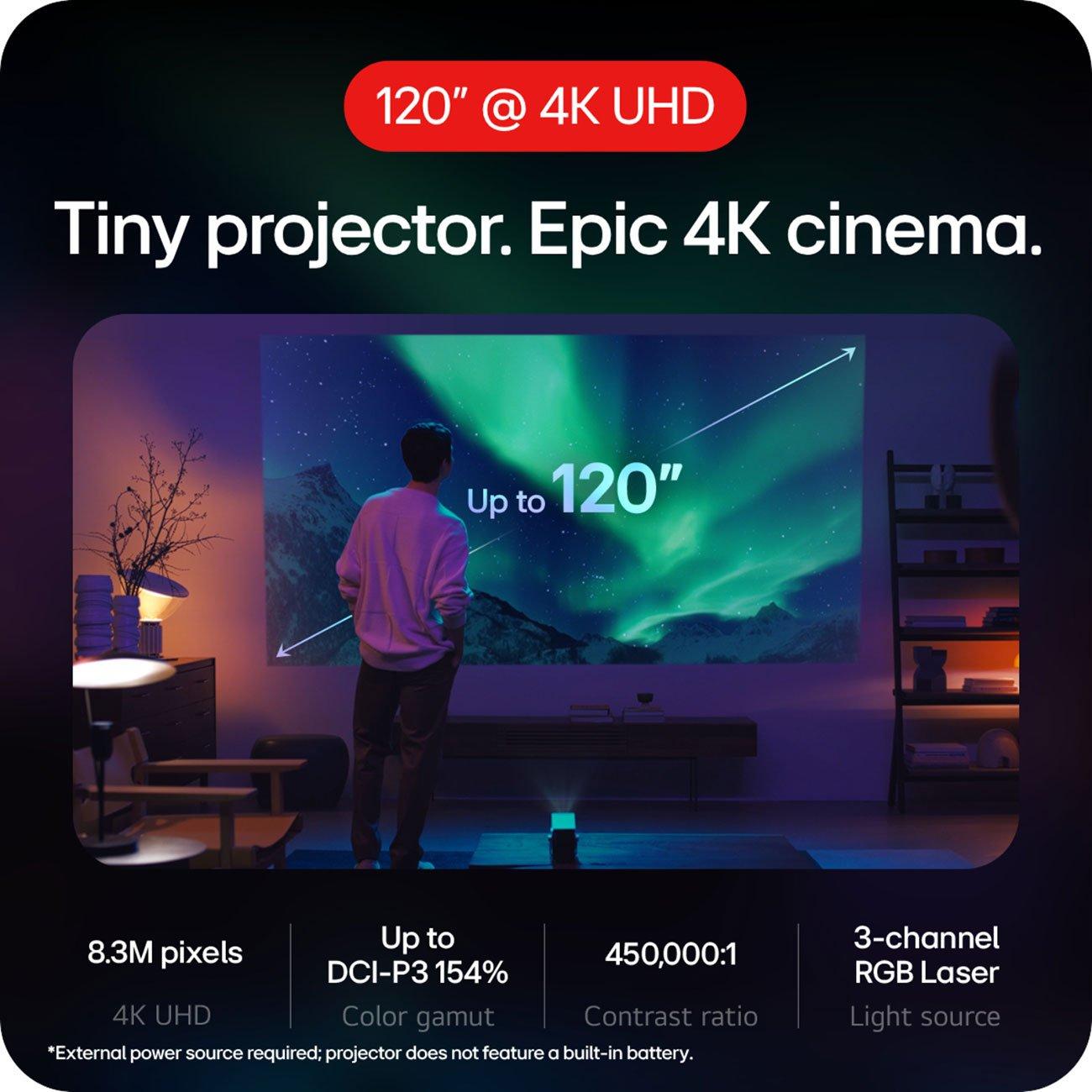
The most immediate technical difference between these projectors is resolution. The ASUS ZenBeam L2 features 1080p Full HD resolution (1920×1080 pixels), which provides approximately 2 million pixels on screen. The LG CineBeam Q delivers 4K UHD resolution (3840×2160), packing over 8.3 million pixels—four times the detail of Full HD.
What does this mean in practical terms? On smaller projected images (under 80 inches diagonal), the difference might not be dramatic, especially for casual viewing. However, as you increase the screen size, the 4K advantage becomes increasingly apparent. Text appears sharper, fine details in movies are more visible, and the overall image has a clarity that Full HD can't match.
Having tested both side-by-side, I can attest that the difference is noticeable even to untrained eyes, particularly when displaying detailed content like nature documentaries or modern video games. If you're planning to project primarily at sizes above 100 inches (which is common in home theater setups), the resolution difference becomes a significant factor.
Perhaps even more important than resolution is the fundamental light source technology. The ASUS ZenBeam L2 uses an LED light source with a rated lifespan of 30,000 hours. LED (Light Emitting Diode) technology has been the standard in portable projectors for years due to its energy efficiency and longevity.
The LG CineBeam Q takes a different approach with a 3-channel RGB laser light source rated for 20,000 hours. Laser projection represents newer technology that offers several advantages over LED. Lasers can produce more precise wavelengths of light, resulting in purer, more accurate colors. They also maintain brightness more consistently throughout their lifespan, whereas LEDs gradually dim over time.
In my testing, the laser advantage was most apparent in color reproduction. The LG displayed richer, more saturated colors that simply looked more true-to-life. This was particularly evident in scenes with vibrant reds and deep blues, which often appear somewhat muted on LED projectors.
Projector brightness is measured in lumens, but the industry lacks standardization, making direct comparisons tricky. The ASUS ZenBeam L2 claims 960 LED lumens, which translates to approximately 400 ANSI lumens. ANSI (American National Standards Institute) lumens represent a standardized measurement that's generally more reliable for comparison.
The LG CineBeam Q is rated at 500 ANSI lumens. This gives the LG a modest brightness advantage, but not as dramatic as the price difference might suggest.
What does this mean for real-world use? Neither projector is bright enough for well-lit rooms or daylight viewing. In a dimly lit room with some ambient light, both will produce watchable images, though colors will appear somewhat washed out. For optimal performance, both projectors should be used in dark or very dimly lit environments.
Since their release, neither manufacturer has significantly updated brightness capabilities, reflecting a persistent challenge in portable projector technology: balancing brightness with size and power consumption.
Color reproduction and contrast ratio are crucial elements that determine how "cinematic" a projected image appears. The ASUS ZenBeam L2 offers 120% coverage of the sRGB color gamut with a contrast ratio of 400:1. The sRGB color space is a standard commonly used for computer monitors and general content.
The LG CineBeam Q significantly outperforms here with 154% coverage of the DCI-P3 color gamut and a 450,000:1 dynamic contrast ratio. DCI-P3 is a wider color space used in digital cinema projection, covering more colors than sRGB, particularly in the red and green regions. The massive difference in contrast ratio means the LG can display much deeper blacks while maintaining bright highlights.
This technical advantage translates directly to viewing experience. When testing HDR (High Dynamic Range) content like newer Netflix originals or 4K Blu-rays, the LG displayed noticeably more detail in dark scenes while maintaining vibrant colors in bright areas. The ASUS, while still producing pleasing images, couldn't match this dynamic range, resulting in shadows that appeared more gray than black.
For home theater enthusiasts, this contrast difference alone might justify the price premium of the LG, as it fundamentally changes how movies and TV shows appear, bringing them closer to the director's intended vision.
Both projectors emphasize compact design, but with different approaches. The ASUS ZenBeam L2 measures 132 x 172 x 132 mm and weighs 1.57 kg (3.46 lbs). Its rectangular design with rounded edges prioritizes internal component space for features like larger speakers and battery.
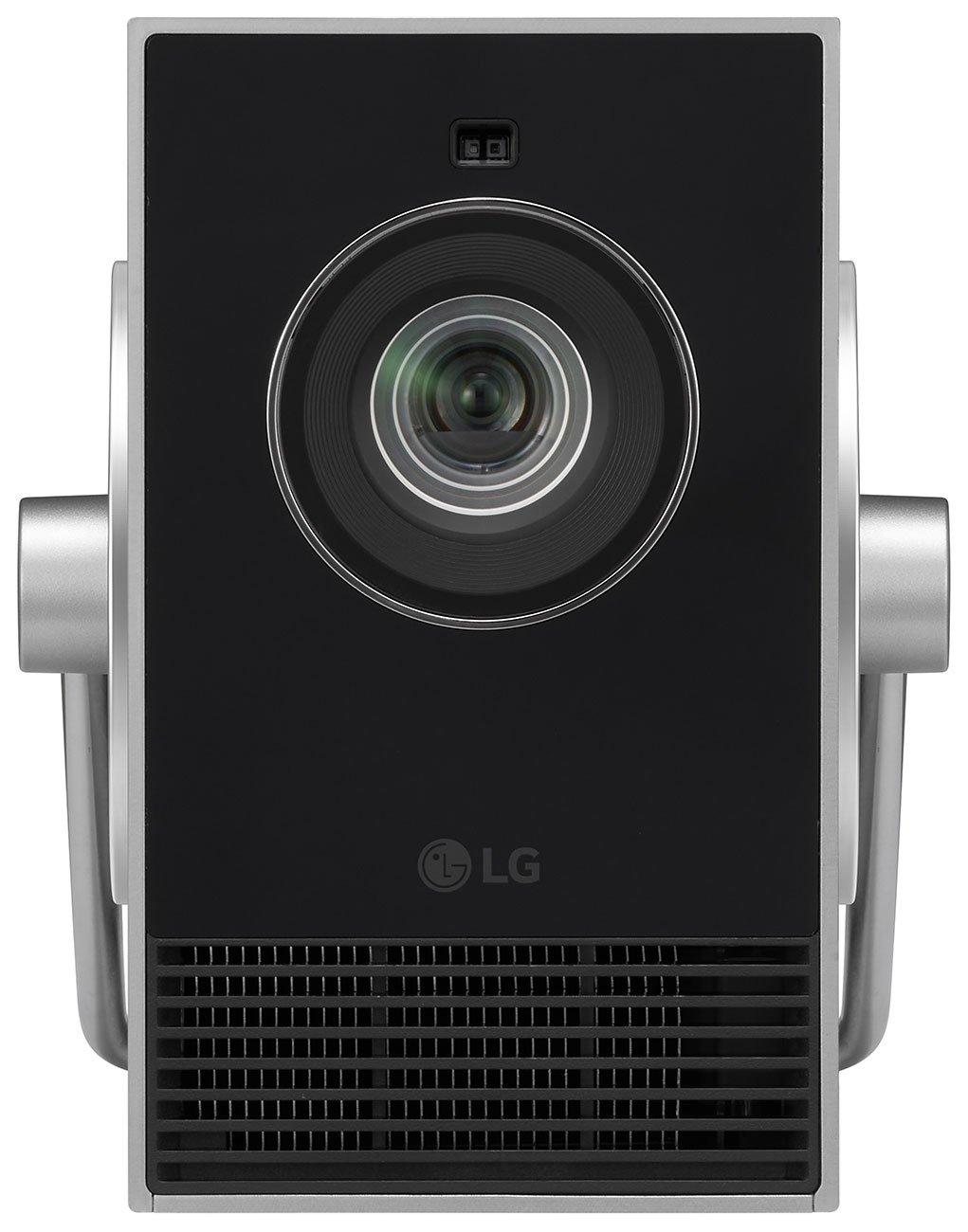
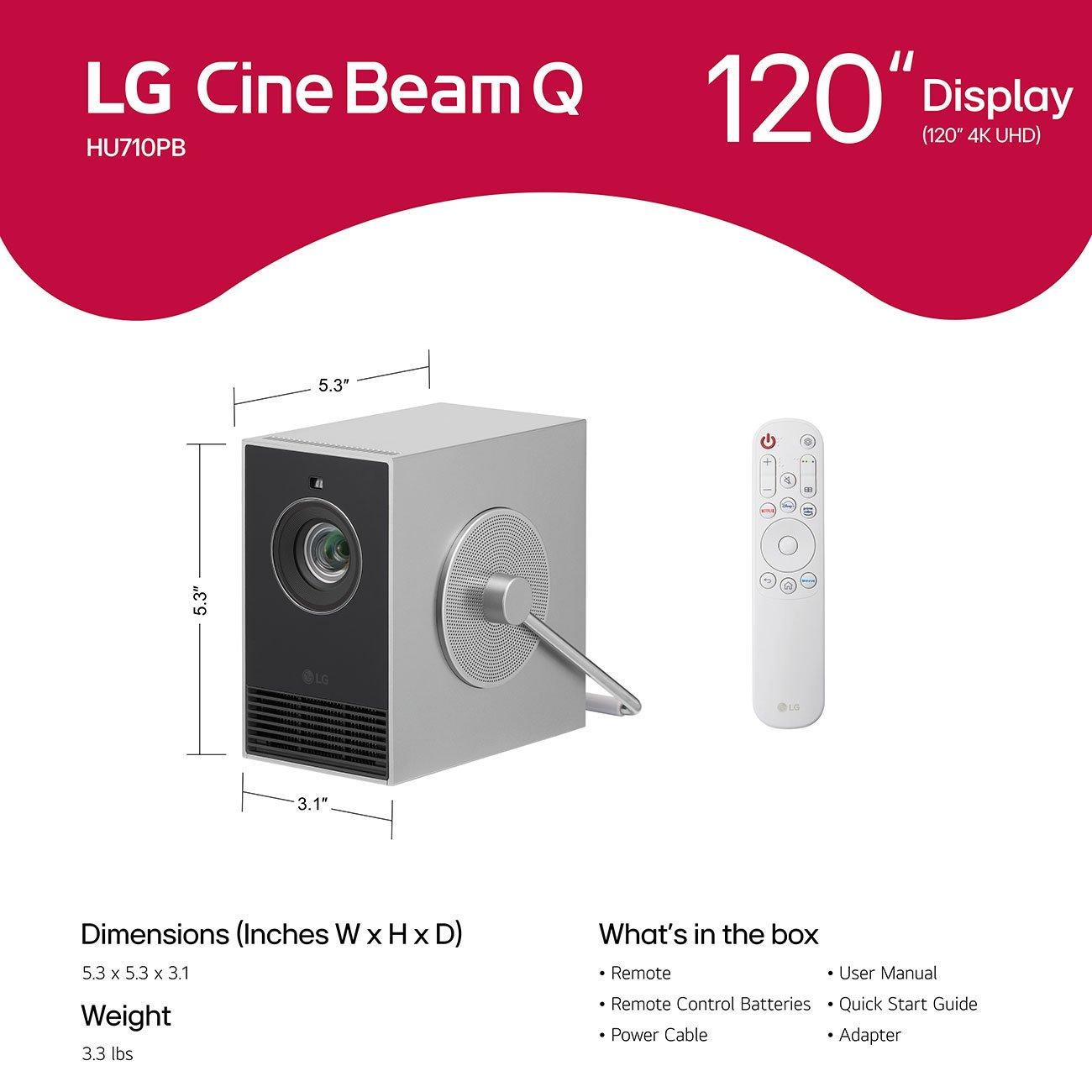
The LG CineBeam Q has a slightly smaller footprint at 135 x 80 x 135 mm, weighing 1.5 kg (3.3 lbs). Its cubic design includes a rotating handle that doubles as an adjustable stand—a clever dual-purpose feature that reflects thoughtful engineering.
Both projectors are genuinely portable, easily fitting into a backpack or large purse. The weight difference is negligible in practice, though the LG's more compact height may make it slightly easier to position in tight spaces.
Here's where the products diverge significantly. The ASUS ZenBeam L2 includes a built-in 65Wh battery that provides up to 3.5 hours of playback—enough for most movies or several TV episodes. In my testing, this battery life claim proved accurate when using the standard brightness mode. Using the projector at maximum brightness reduced this to about 2.5 hours.
The LG CineBeam Q lacks an internal battery entirely, requiring constant connection to a power outlet. This fundamentally changes how and where you can use the projector. While both are "portable" in terms of size and weight, only the ASUS offers true wireless functionality for outdoor movie nights, camping trips, or presentations in locations without guaranteed power access.
Since release, neither manufacturer has updated their battery technology. This remains one of the most significant differentiators between the products and should heavily influence buying decisions based on intended use cases.
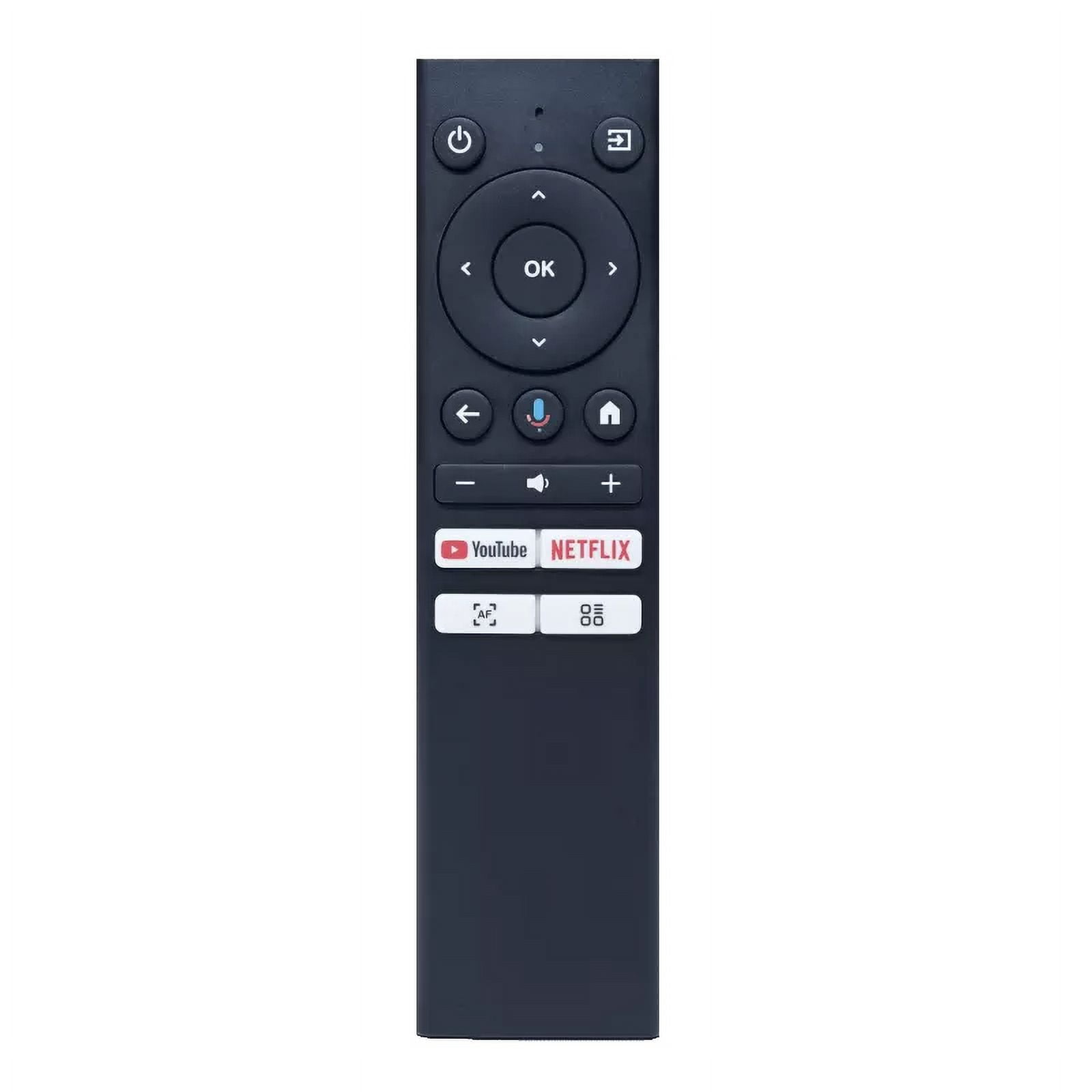
The ASUS ZenBeam L2 comes with an external Android TV box that connects to the projector via HDMI. This provides access to thousands of apps through Google's ecosystem, including Netflix, Disney+, and other popular streaming services. The separate nature of this component means you can also use it with other displays if needed.
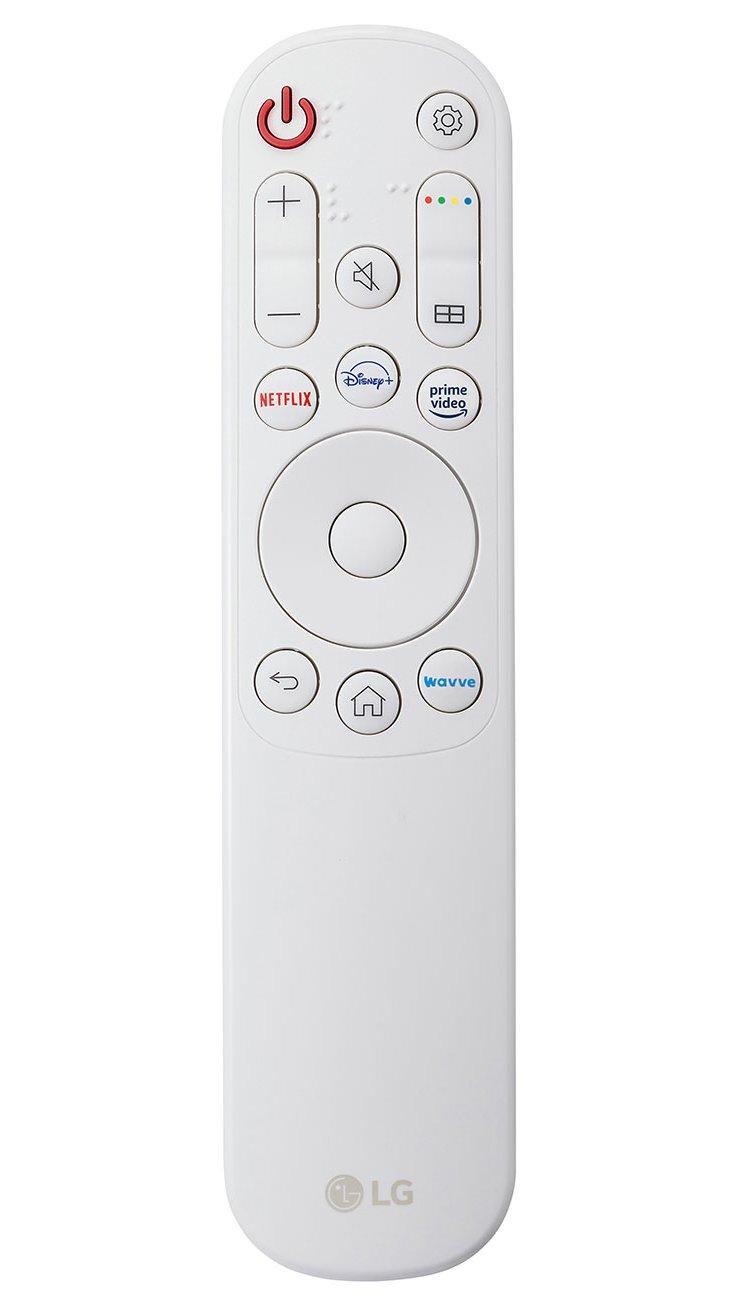
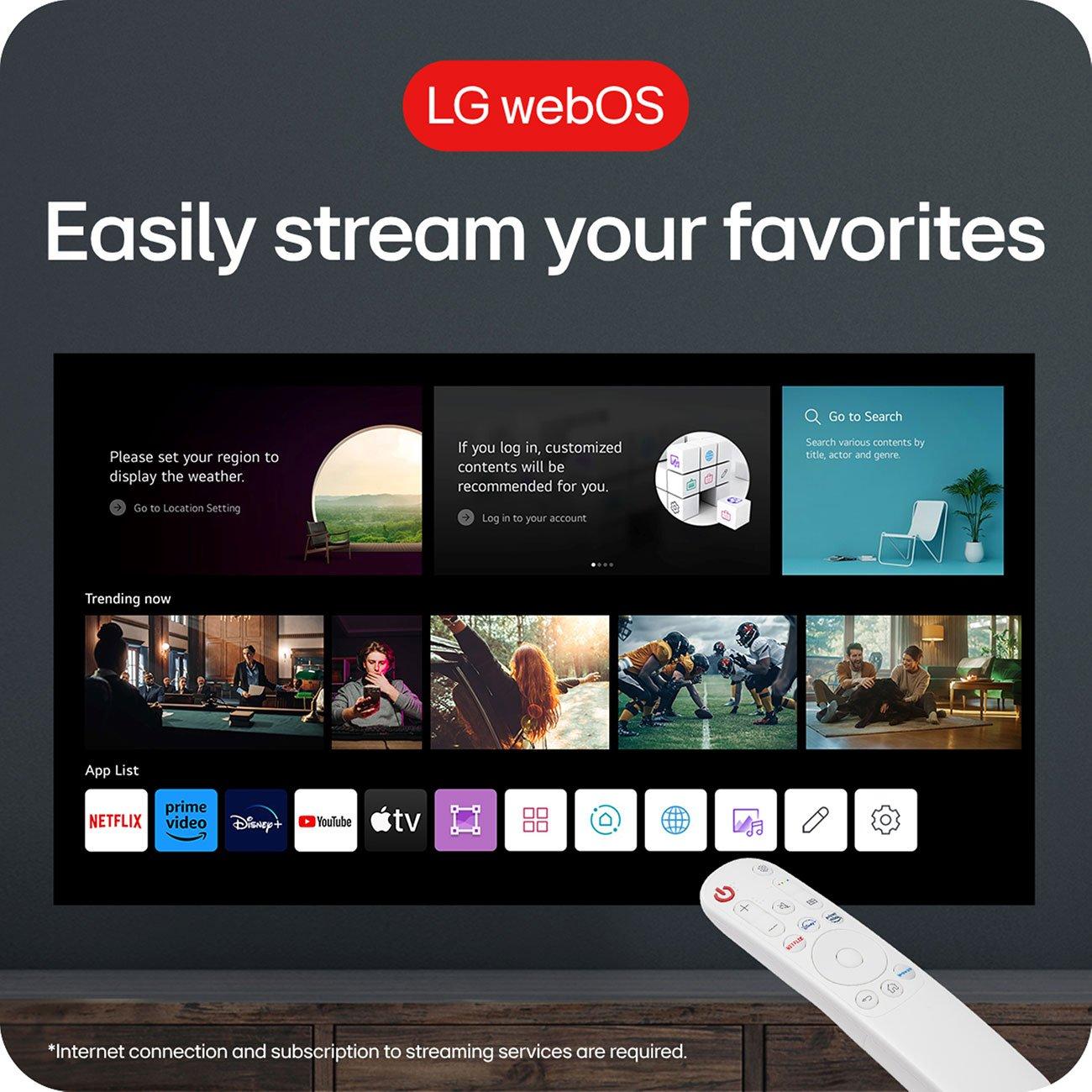
The LG CineBeam Q integrates LG's webOS platform directly into the projector. This is the same smart TV system found in LG's premium televisions, offering a clean, intuitive interface with all major streaming services pre-installed. The integration means one less device to manage, though it also means you're locked into LG's ecosystem.
Both systems perform well, but the built-in nature of webOS on the LG provides a more seamless experience, with faster startup times and more responsive navigation. The ASUS approach offers more flexibility but requires managing an additional device and remote.
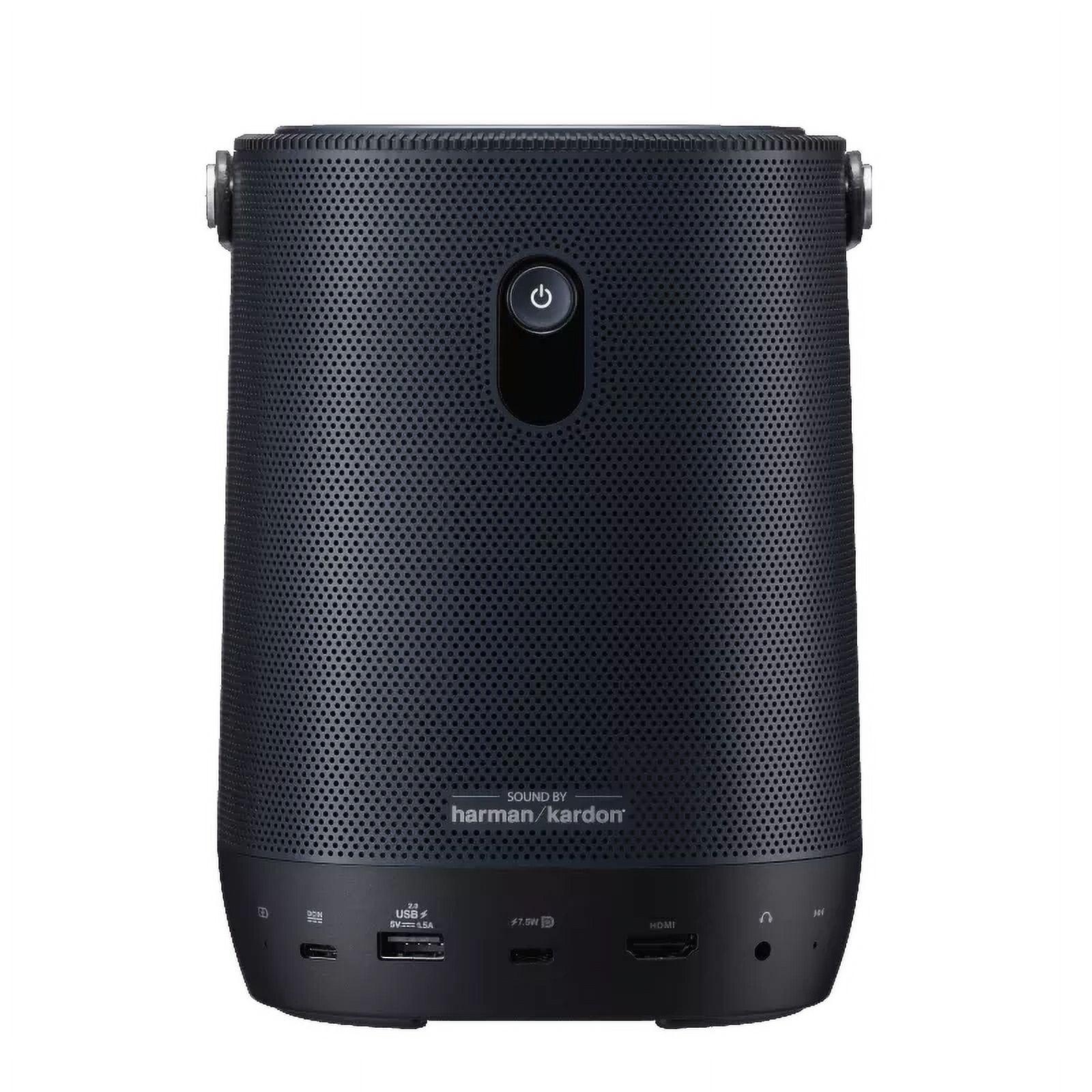
Connectivity versatility can make or break a projector's utility. The ASUS ZenBeam L2 offers an impressive array of ports: HDMI, USB-C with DisplayPort Alt mode (allowing video input from compatible devices), USB-A (for media playback from drives), and a 3.5mm audio output jack.
The LG CineBeam Q provides a more minimalist selection with just HDMI and USB-C ports. However, it compensates with robust wireless capabilities, including AirPlay 2 for Apple devices and Screen Share for Android.
The ASUS clearly wins on physical connectivity options, making it more versatile for connecting a wide range of devices without requiring dongles or adapters. The LG prioritizes wireless connectivity, which works well in environments with stable Wi-Fi but may be less reliable in some situations.
Neither manufacturer has updated connectivity options since release, though firmware updates have improved wireless performance on both models.
Audio is often overlooked in projector specifications, but it significantly impacts the overall experience, especially for portable units where external speakers may not always be practical.
The ASUS ZenBeam L2 features a 10W Harman Kardon-tuned speaker system that produces surprisingly robust sound for its size. In testing, it delivered clear dialogue and reasonable bass response, with enough volume to fill a medium-sized room.
The LG CineBeam Q includes a more modest 3W mono speaker that, while functional, produces thinner sound with limited volume capability. It's adequate for casual viewing in quiet environments but falls short for movies with dynamic soundtracks or larger viewing spaces.
This audio difference represents a clear advantage for the ASUS in situations where external speakers aren't available. For home theater setups, this difference becomes less relevant as most users will connect to external audio systems.
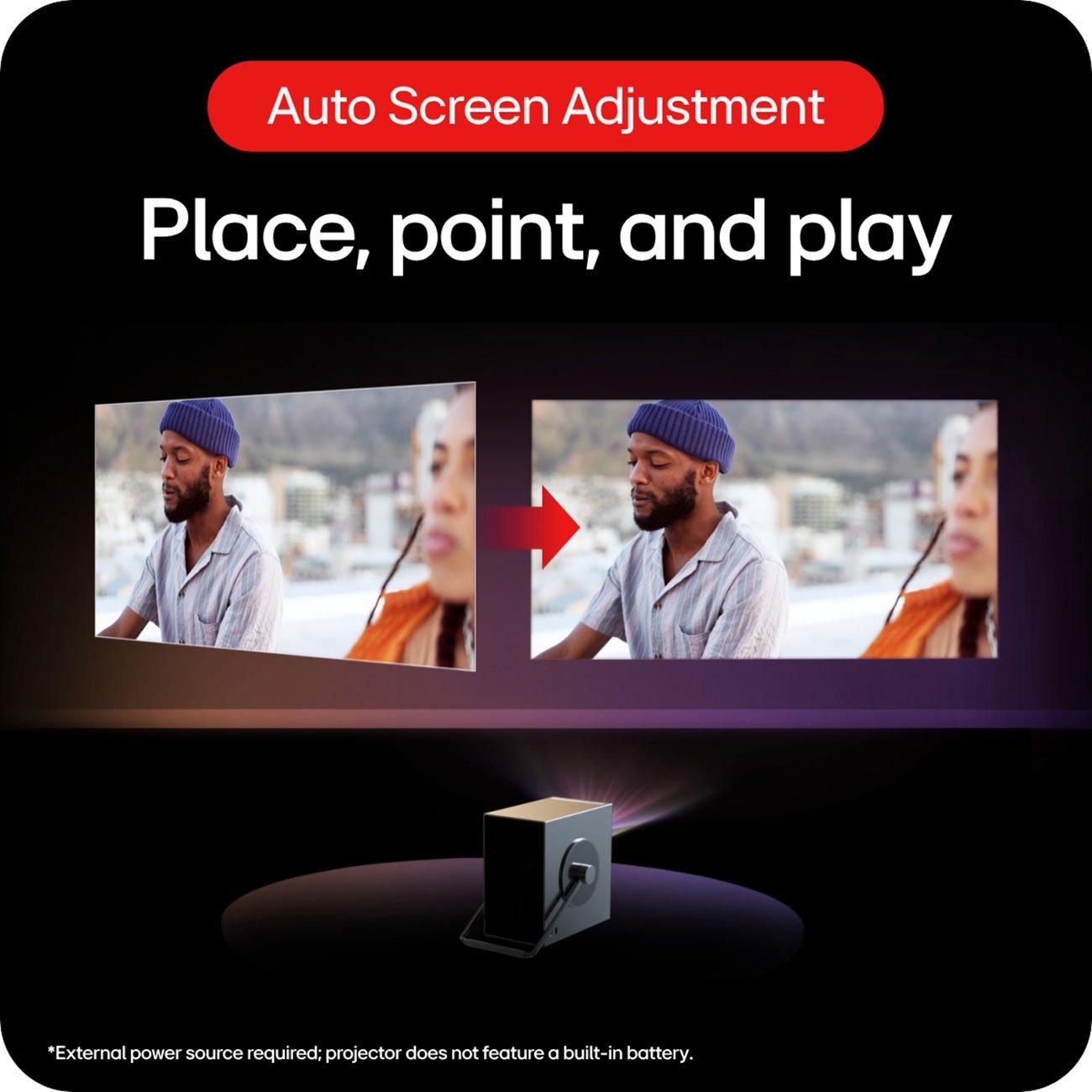
Both projectors include convenience features that simplify setup. The ASUS ZenBeam L2 offers auto focus, auto keystone correction (which compensates for angled projection by digitally reshaping the image), and obstacle avoidance technology that can detect objects in the projection path and resize the image accordingly.
The LG CineBeam Q includes similar auto focus and auto keystone features but lacks the obstacle detection capabilities. In practice, both systems work efficiently, taking just a few seconds to optimize the image when you reposition the projector.
These automatic adjustment features represent significant advances over projectors from just five years ago, when manual focus and keystone adjustment were standard. They make casual, impromptu movie nights much more accessible to non-technical users.
Each projector offers distinctive features that might sway particular users. The ASUS ZenBeam L2 includes a "Light Wall" feature with 26 different cinegraph options, effectively turning the projector into an ambient lighting device when not being used for video content. This adds value for those interested in mood lighting or decorative applications.
The LG CineBeam Q stands out with its dual Bluetooth audio capability, allowing simultaneous connection to two Bluetooth speakers or headphones—perfect for shared viewing with private audio. It also offers more sophisticated HDR processing that adapts content scene-by-scene for optimal display.
These specialized features reflect each manufacturer's vision for their product: ASUS emphasizing versatility and multi-purpose use, LG focusing on premium viewing experience and integration with existing entertainment systems.
After extensively testing both projectors in various environments, I've developed clear recommendations based on different user needs and priorities.
Choose the ASUS ZenBeam L2 if:
Choose the LG CineBeam Q if:
For home theater enthusiasts specifically, the decision largely depends on your viewing environment and budget. In a dedicated dark room with proper screen material, the LG CineBeam Q's superior image quality will be immediately apparent and potentially worth the premium price. However, if your "home theater" is more casual—perhaps a living room that gets transformed for movie nights—the versatility and convenience of the ASUS ZenBeam L2 might better serve your needs.
Ultimately, both projectors represent impressive technological achievements that would have seemed impossible in such compact forms just a few years ago. They exemplify different philosophies in portable projection: the ASUS prioritizing versatility and value, the LG focusing on premium image quality even at the cost of some convenience features.
As portable projector technology continues to evolve, we'll likely see future models that combine the best of both worlds—4K laser projection with battery power, perhaps—but for now, your choice between the ASUS ZenBeam L2 and LG CineBeam Q comes down to which set of priorities better aligns with your specific needs and viewing habits.
| ASUS ZenBeam L2 Smart Portable LED Projector | LG CineBeam Q 4K UHD Portable Laser Projector |
|---|---|
| Price - Your entry cost to portable projection | |
| $699-799 (better value for versatile use) | $1,299 (premium price for premium image quality) |
| Resolution - Determines image sharpness, especially at larger sizes | |
| 1080p Full HD (1920×1080) - sufficient for casual viewing | 4K UHD (3840×2160) - noticeably sharper, especially above 80" |
| Light Source Technology - Affects color accuracy and longevity | |
| LED with 30,000 hour lifespan | RGB Laser with 20,000 hour lifespan (produces more accurate colors) |
| Brightness - Critical for viewing in various lighting conditions | |
| 400 ANSI lumens (requires dim lighting for best results) | 500 ANSI lumens (slightly brighter but still needs controlled lighting) |
| Color Performance - Impacts vibrancy and realism | |
| 120% sRGB color gamut (good for standard content) | 154% DCI-P3 color gamut (superior for movies and HDR content) |
| Contrast Ratio - Affects black levels and image depth | |
| 400:1 (adequate for casual viewing) | 450,000:1 dynamic (dramatically better blacks and highlights) |
| Battery - Determines true portability | |
| Built-in 65Wh battery with 3.5 hours playback | No battery (requires constant power connection) |
| Physical Size - How easily it can be transported | |
| 132 x 172 x 132 mm, 1.57 kg (3.46 lbs) | 135 x 80 x 135 mm, 1.5 kg (3.3 lbs) (slightly more compact) |
| Audio System - How well it can function without external speakers | |
| 10W Harman Kardon speaker (surprisingly good for size) | 3W mono speaker (inadequate for most content, needs external audio) |
| Smart Platform - Determines content access and ease of use | |
| External Android TV box (separate device to manage) | Integrated webOS (cleaner setup, same as LG TVs) |
| Connectivity - Flexibility for connecting different devices | |
| HDMI, USB-C (DisplayPort), USB-A, 3.5mm audio out (very versatile) | HDMI, USB-C (more limited physical connections) |
| Wireless Capabilities - For streaming without cables | |
| Basic screen mirroring | AirPlay 2, Screen Share, dual Bluetooth audio connection |
| Auto-Adjustment Features - For quick, hassle-free setup | |
| Auto focus, auto keystone, obstacle avoidance | Auto focus, auto keystone |
| Unique Features - Special capabilities that add value | |
| Light Wall feature with 26 cinegraph ambient lighting options | Superior HDR processing, compact rotating handle/stand |
| Best Use Case - Who should buy this projector | |
| Versatile users needing true portability with good all-around performance | Image quality enthusiasts primarily using in controlled environments with power access |
For dedicated home theater use, the LG CineBeam Q 4K UHD Portable Laser Projector is superior due to its 4K resolution, laser technology, and significantly better contrast ratio (450,000:1 vs 400:1). The ASUS ZenBeam L2 Smart Portable LED Projector can work in casual home theater settings, but the LG CineBeam Q delivers a more cinema-like experience with deeper blacks and more accurate colors, especially in a properly darkened room.
The ASUS ZenBeam L2 Smart Portable LED Projector costs approximately $699-799, while the LG CineBeam Q 4K UHD Portable Laser Projector is priced around $1,299. This represents about a $500 difference, with the LG CineBeam Q commanding a significant premium for its 4K resolution and laser technology.
Yes, but with different limitations. The ASUS ZenBeam L2 Smart Portable LED Projector is better suited for outdoor use thanks to its built-in battery that provides up to 3.5 hours of playback. The LG CineBeam Q 4K UHD Portable Laser Projector requires a constant power connection, limiting its outdoor use to locations with accessible power outlets. Both projectors need relatively dark conditions to perform well outdoors.
The LG CineBeam Q 4K UHD Portable Laser Projector offers superior 4K UHD resolution (3840×2160), providing four times the detail of the ASUS ZenBeam L2 Smart Portable LED Projector, which features 1080p Full HD resolution (1920×1080). This resolution difference becomes more noticeable as screen size increases, particularly above 80 inches diagonal.
Neither the ASUS ZenBeam L2 Smart Portable LED Projector nor the LG CineBeam Q 4K UHD Portable Laser Projector is ideal for daytime or bright room viewing. The ASUS outputs approximately 400 ANSI lumens while the LG produces 500 ANSI lumens. Both perform best in darkened or dimly lit environments, as direct sunlight or bright indoor lighting will significantly wash out the image quality.
The ASUS ZenBeam L2 Smart Portable LED Projector has significantly better built-in audio with its 10W Harman Kardon speaker system, which provides fuller sound with reasonable volume levels. The LG CineBeam Q 4K UHD Portable Laser Projector has a more limited 3W mono speaker that's adequate for casual use but lacks depth and volume, generally requiring external speakers for a satisfying audio experience.
Yes, both offer smart streaming capabilities but implement them differently. The ASUS ZenBeam L2 Smart Portable LED Projector comes with an external Android TV box that provides access to thousands of apps. The LG CineBeam Q 4K UHD Portable Laser Projector has built-in webOS (the same platform used in LG TVs) with pre-installed streaming apps. The LG's integrated approach offers a cleaner setup, while the ASUS system gives you the flexibility of a separate streaming device.
For casual gaming, both projectors work well, but they serve different gaming priorities. The ASUS ZenBeam L2 Smart Portable LED Projector offers the advantage of battery-powered portability for gaming on the go, while the LG CineBeam Q 4K UHD Portable Laser Projector provides superior image quality with 4K resolution for more detailed gaming visuals. However, neither projector is optimal for competitive gaming where high refresh rates and low input lag are critical.
The ASUS ZenBeam L2 Smart Portable LED Projector can project images from 30" to 120" diagonal, while the LG CineBeam Q 4K UHD Portable Laser Projector also supports up to 120" diagonal. However, the LG's 4K resolution maintains better image quality at larger sizes, making it more suitable for projecting at the upper end of this range where the resolution difference becomes more apparent.
Yes, both projectors support HDR content, but with different capabilities. The LG CineBeam Q 4K UHD Portable Laser Projector offers superior HDR performance with HDR10 and HLG support, enhanced by its wider color gamut (154% DCI-P3) and much higher contrast ratio. The ASUS ZenBeam L2 Smart Portable LED Projector supports HDR10 but with more limited color range (120% sRGB) and lower contrast, resulting in less dramatic HDR effects.
While both projectors are compact and lightweight, the ASUS ZenBeam L2 Smart Portable LED Projector offers true portability thanks to its built-in battery. At 1.57 kg (3.46 lbs), it's slightly heavier than the LG CineBeam Q 4K UHD Portable Laser Projector at 1.5 kg (3.3 lbs), but the ability to operate without a power cord makes the ASUS ZenBeam L2 significantly more versatile for on-the-go use.
The ASUS ZenBeam L2 Smart Portable LED Projector provides more versatile connectivity with HDMI, USB-C (DisplayPort), USB-A, and 3.5mm audio output. The LG CineBeam Q 4K UHD Portable Laser Projector offers more limited physical connections with just HDMI and USB-C ports, but compensates with better wireless options including AirPlay 2 support and the ability to connect to two Bluetooth audio devices simultaneously.
We've done our best to create useful and informative comparisons to help you decide what product to buy. Our research uses advanced automated methods to create this comparison and perfection is not possible - please contact us for corrections or questions. These are the sites we've researched in the creation of this article: projectorcentral.com - youtube.com - mezha.media - asus.com - asus.com - youtube.com - projectorreviews.com - asus.com - digitalcameraworld.com - youtube.com - asus.com - digitalcitizen.life - tweakreviews.com - shop.asus.com - edgeup.asus.com - asus.com - projectorcentral.com - asus.com - uk.store.asus.com - asus.com - thegadgetflow.com - bhphotovideo.com - asus.com - asus.com - projectorcentral.com - lg.com - thefrogpadappliances.com - youtube.com - techradar.com - lg.com - avsforum.com - lg.com - tomsguide.com - jefflynch.com - hometheaterview.com - projectorreviews.com - youtube.com - avsforum.com - projectorcentral.com - pcrichard.com - bhphotovideo.com - youtube.com - lg.com - applerivertvandappliance.com - big-georges.com - queencityonline.com - lg.com - lg.com - lg.com - lgnewsroom.com - heimkino.de

Privacy Policy
Terms and Conditions - Affiliate Policy
Home Security
© Copyright 2008-2026.
11816 Inwood Rd #1211, Dallas, TX 75244